Environmental conditions and requirements for biogas
The biogas generator set can operate stably and reliably under environmental conditions of -40ºC~+40ºC, relative humidity <90% (at 25ºC), and altitude ≤1000m. Under standard environmental conditions (atmospheric pressure 100KPa, ambient temperature: 25ºC, relative humidity 30%), the gas quality meets the standard conditions and can output rated power. Unit requirements for biogas
Within 1m of the unit's gas inlet pressure regulating valve,
1. Biogas temperature ≤40ºC;
2. Biogas pressure 3~10kPa, pressure change rate ≤1kPa/min;
3. The volume content of methane in biogas is not less than 40%, and the change rate is ≤2%/min;
4. H2S ≤20mg/Nm3;
5. NH3 ≤20mg/Nm3;
6. Impurity particle size ≤5μm, impurity content ≤30mg/Nm3;
7. Moisture content in biogas ≤40g/Nm3.
Special instructions are required for biogas with a methane volume content of ≤50%.
If the sulfur and ammonia content in the combustible gas is high, it will not only seriously corrode the spark plug electrode, but also increase the acid value in the engine oil, corrode the internal parts of the unit, and easily generate sediment, increasing corrosion and wear to the engine.
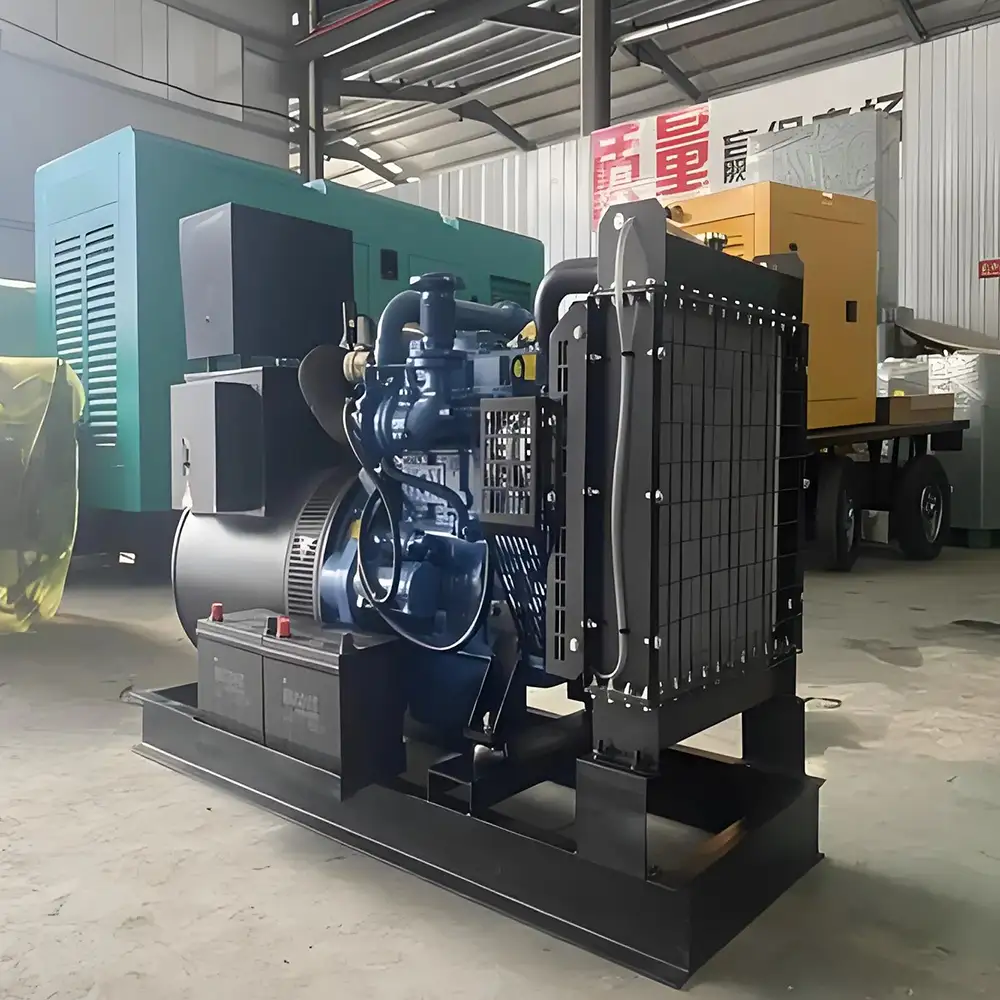
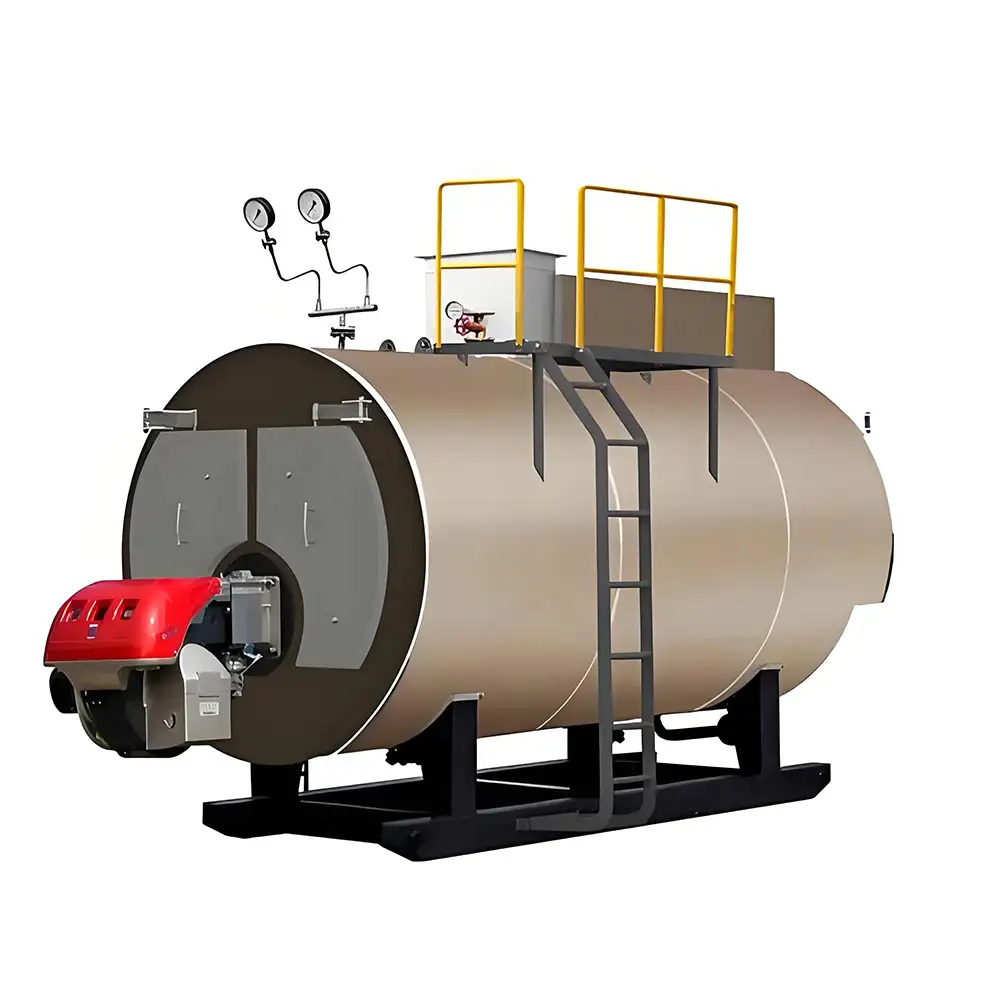
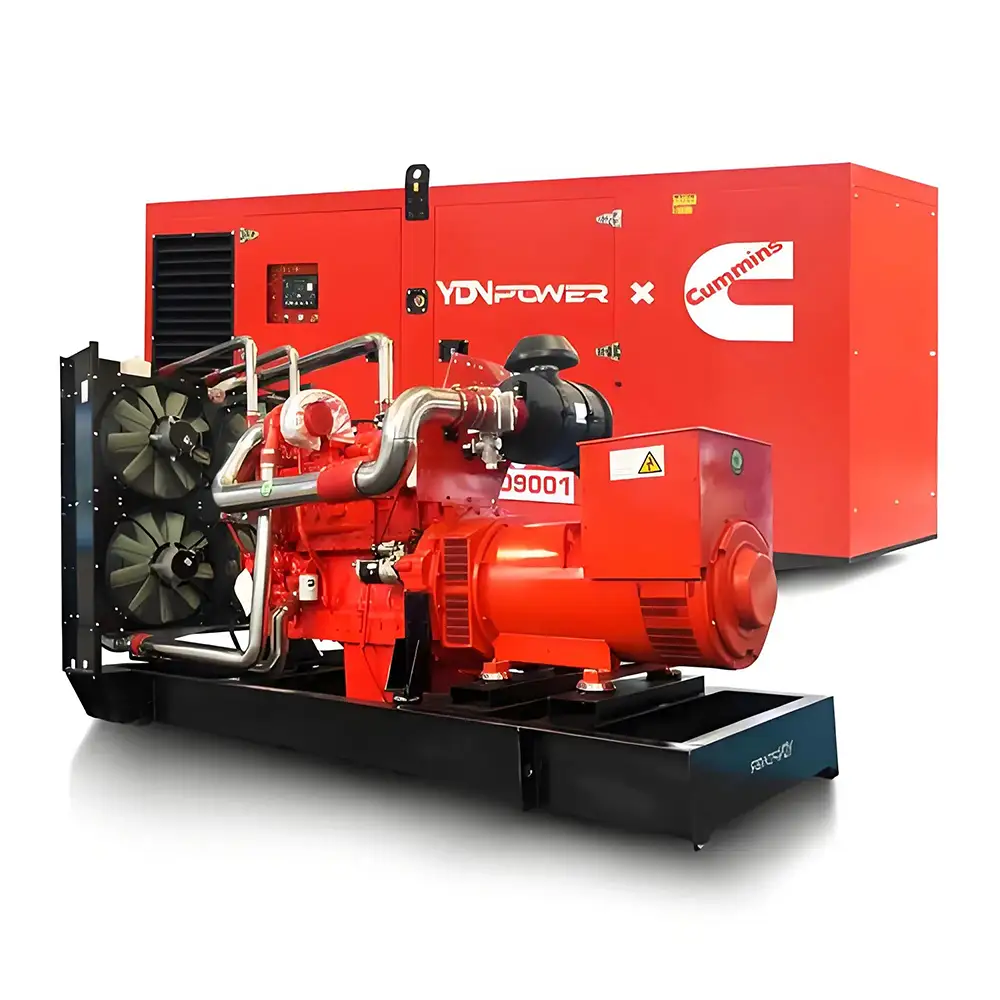
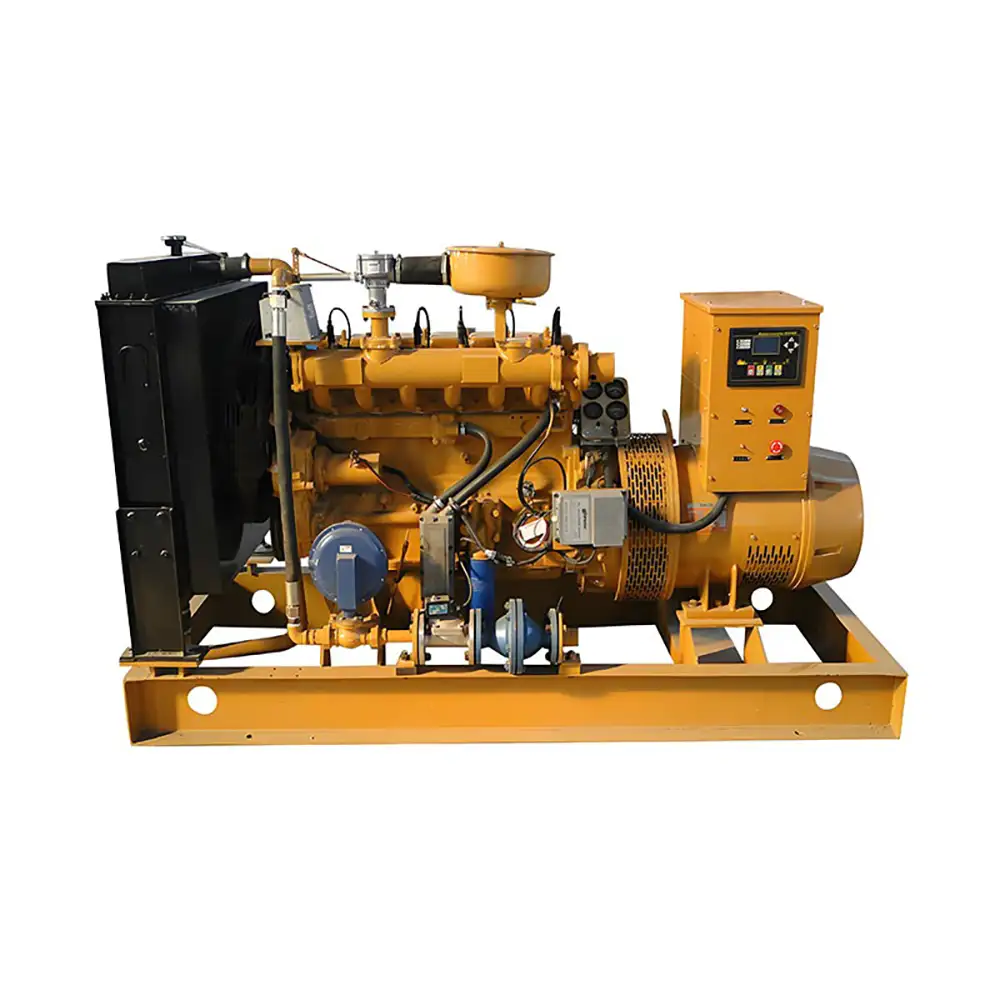
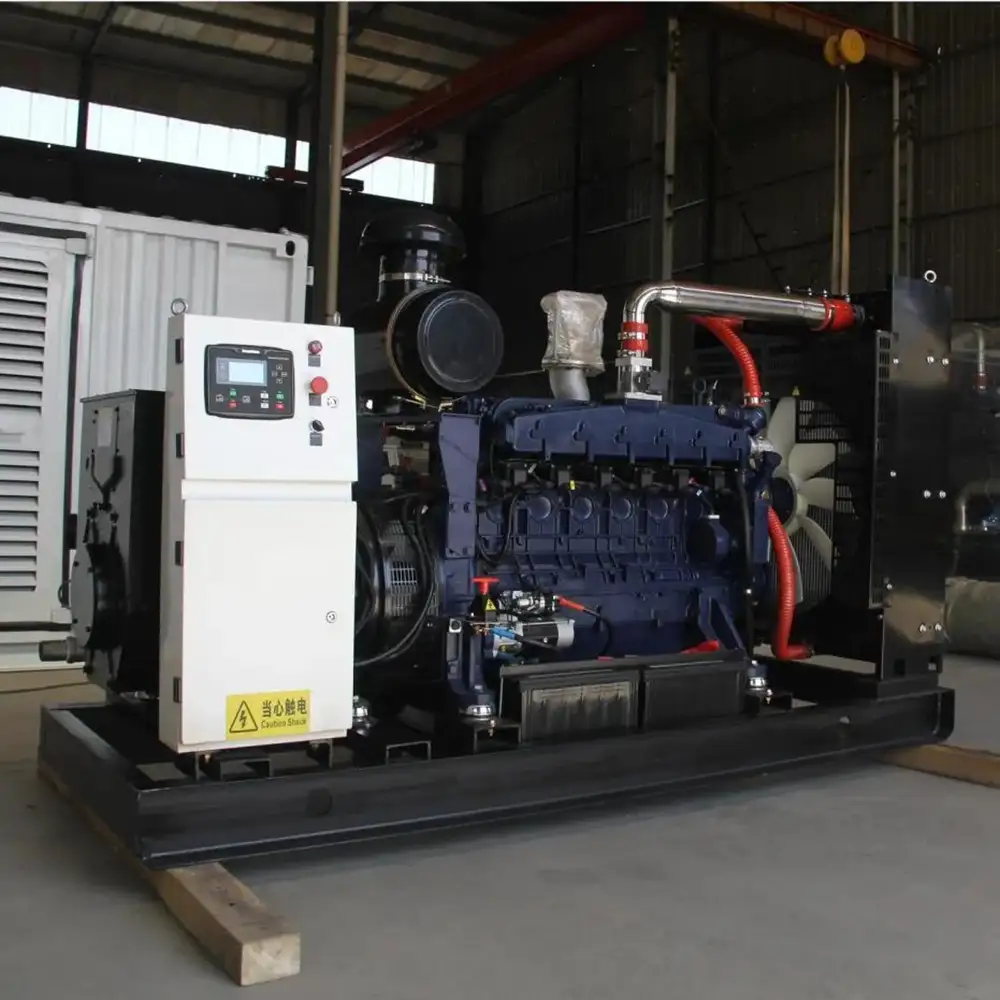
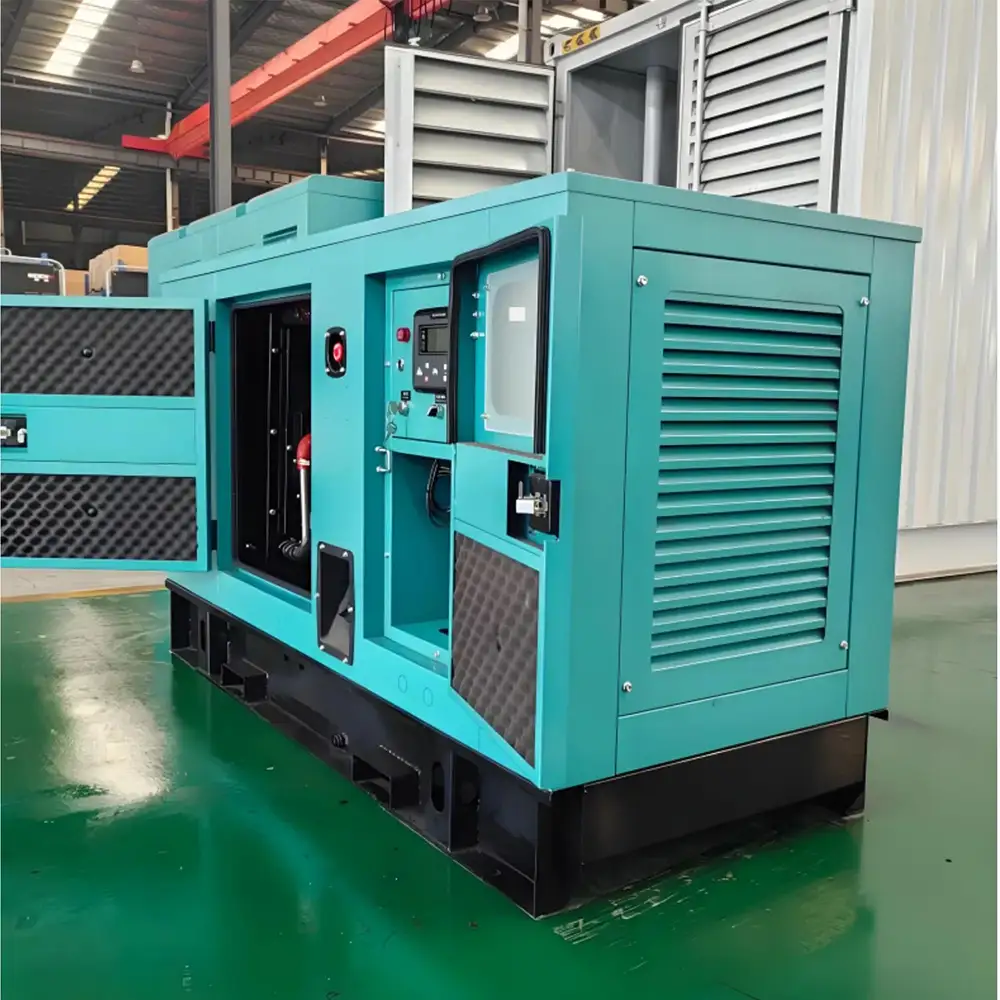
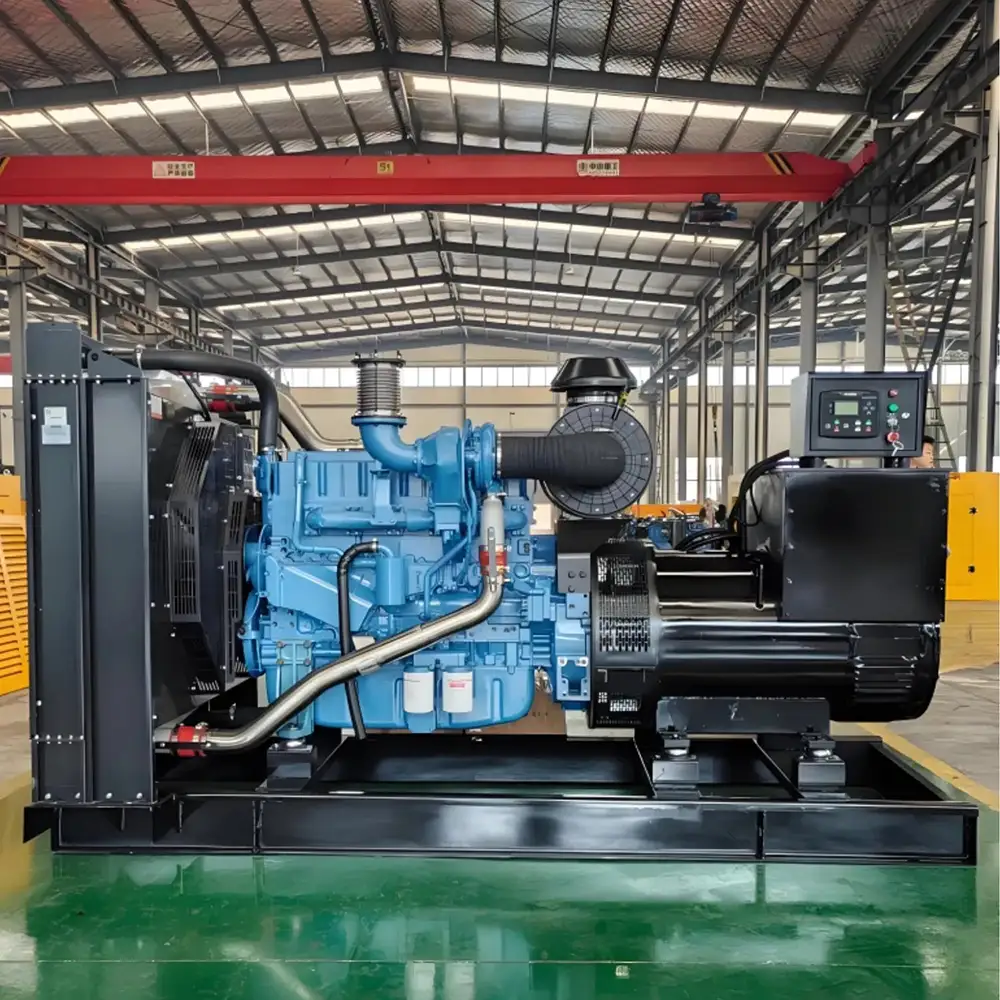
The Biomass-Derived Methane-Powered Electrical Generation Equipment Water Treatment Plant is an integrated solution designed to combine biomass-derived gas utilization, electrical power generation, and water or wastewater treatment processes. It is suitable for facilities that generate methane-rich biogas from organic waste, wastewater, sludge, agricultural residues, food-processing waste, livestock manure, and other biodegradable materials.
Biomass and organic wastewater treatment processes can produce biogas containing methane. Instead of treating this gas only as a waste stream, suitable facilities can recover and utilize the methane as an energy source for electricity generation. At the same time, the wastewater treatment plant can provide the necessary treatment processes for reducing organic pollutants, suspended solids, and other contaminants before discharge or reuse.
The actual system configuration depends on biomass characteristics, biogas composition, methane concentration, gas production rate, wastewater properties, required treatment capacity, electricity demand, and local environmental requirements.
|
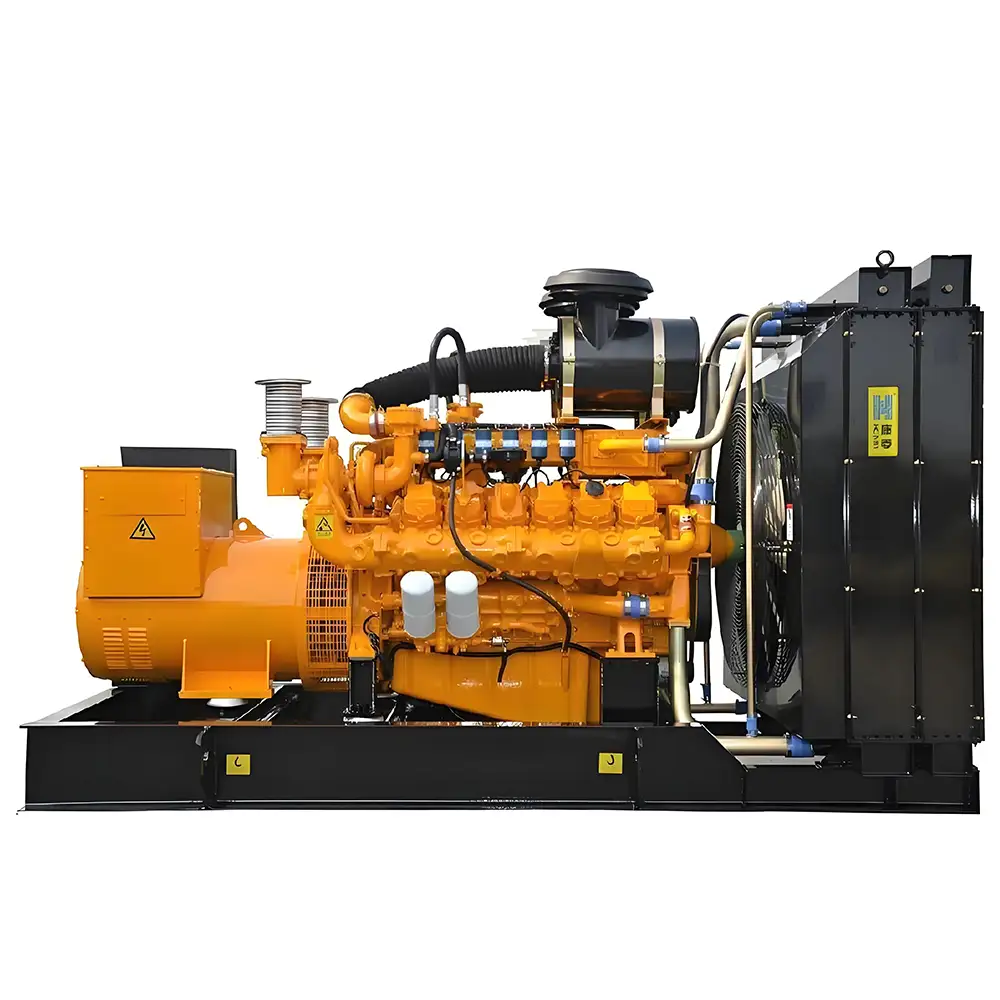
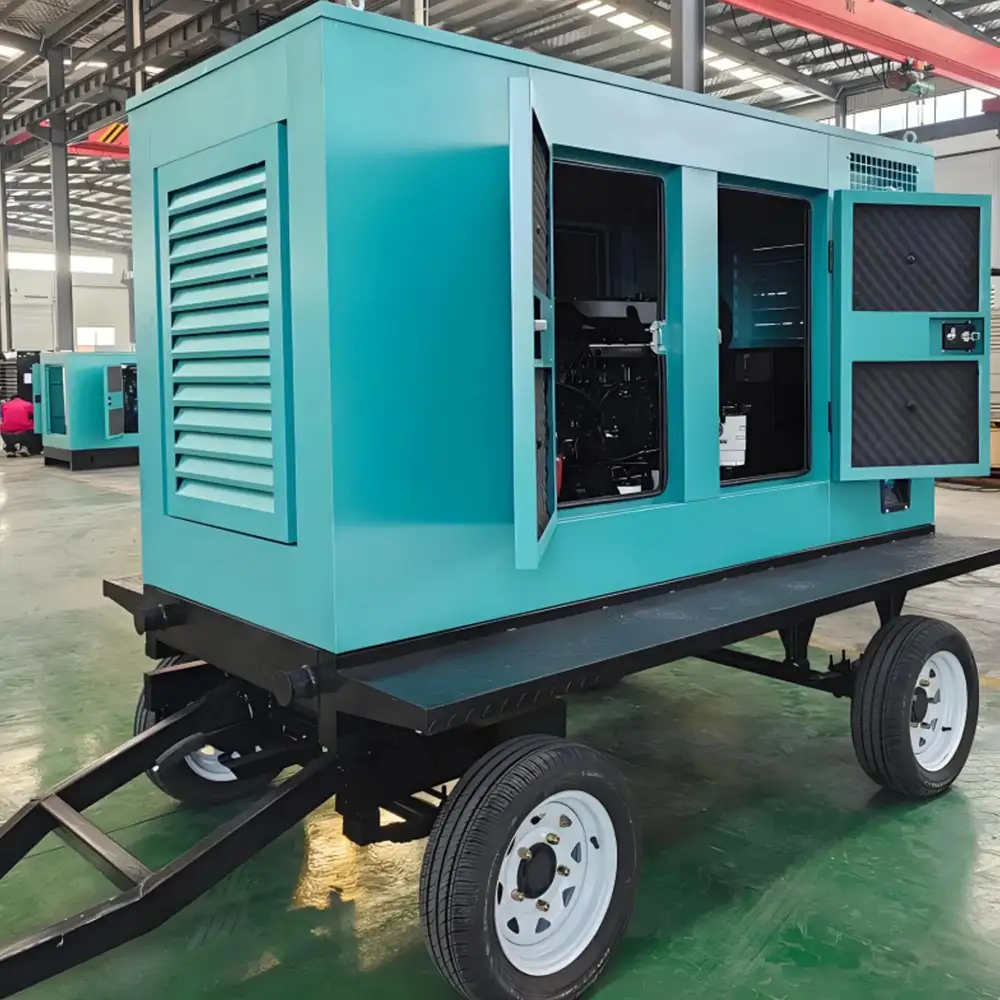
2. Main specifications of the generator set |
|
Generator model |
LX - 80GF |
|
Rated current |
144 A |
|
Rated Power |
80 kW |
Power Factor |
0.8 |
|
Reserve power |
100 kVA |
Controller |
Automatic PLC control |
|
Rated voltage |
400V/230V |
Speed regulation mode |
Electronic speed control |
|
Rated frequency |
50Hz |
Type |
Open |
|
Rated speed |
1500 rpm |
Biogas /gas consumption rate |
0.6 /0.3 m³/Kw·h |
* Altitude <1000 meters, ambient temperature <40 ºC , ambient humidity ≤60%.
* Rated power: The maximum power of the generator set when it is continuously operated with variable load and with unlimited operating hours per year under the agreed operating conditions and maintenance as specified by the manufacturer. The average power output during a 24-hour operating cycle should not exceed 70% of the rated power, in accordance with GB/T2820-97 (eqv ISO8528) .
* Standby power: The generator set can be overloaded on the basis of continuous power for 1 hour every 12 hours within a certain period of time.
10%, the unit power at this time is the standby power.
* Rated voltage: 380/220V , 400/230V , 415/240V , 440/254V and other voltages can be customized. |
Biomass-Derived Methane Energy Utilization
Biomass-derived methane is produced through the anaerobic decomposition of suitable organic materials. During anaerobic digestion, microorganisms break down biodegradable organic matter and generate biogas containing methane and carbon dioxide, together with smaller quantities of other gases depending on the feedstock.
The methane portion of the biogas can be used as a fuel for an appropriately configured generator set. This provides a pathway for converting organic waste into useful electrical energy.
The suitability of the gas for power generation depends on methane concentration, hydrogen sulfide content, moisture, siloxanes, particulates, gas pressure, and other gas characteristics. Gas cleaning and conditioning can therefore be included when required.
|
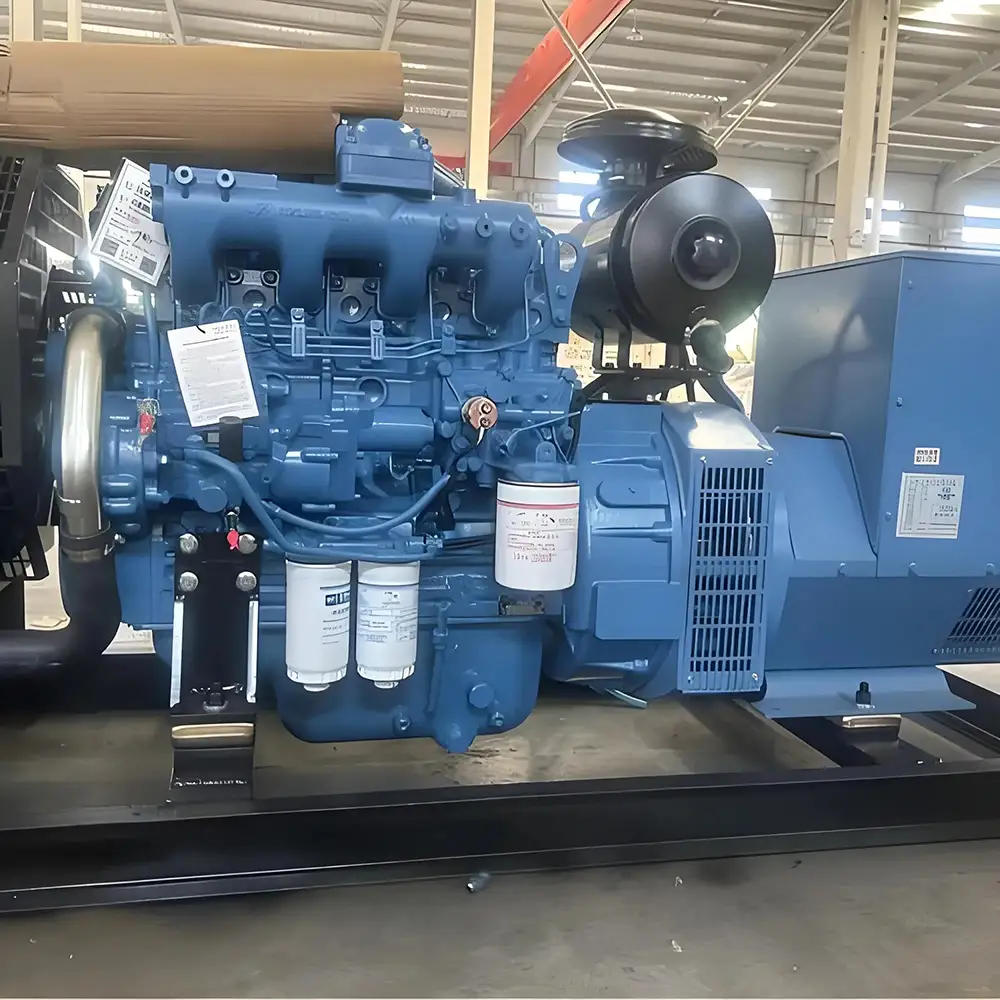
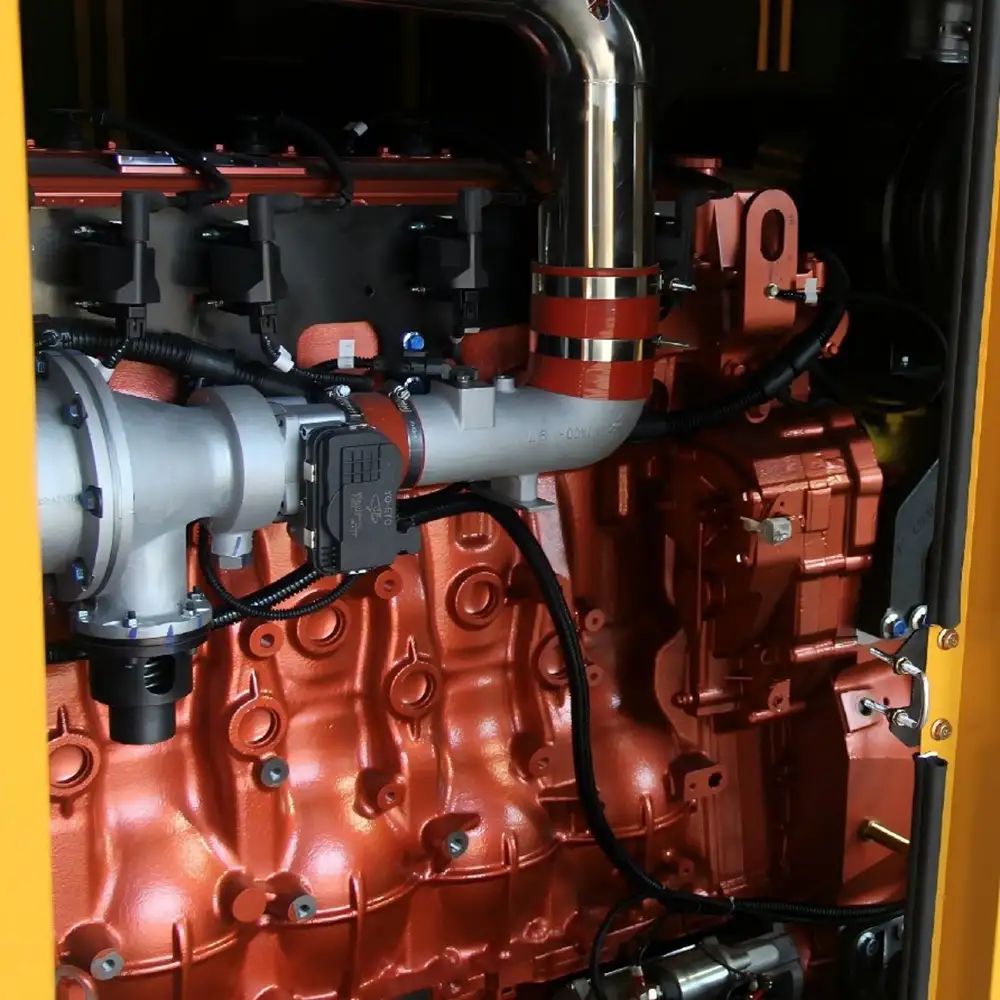
4. Engine technical parameters |
|
Engine Model |
Huadong 6126D-NG |
|
Rated Power |
82KW |
|
Cylinder Type |
In-line, four-stroke |
|
Rated speed |
1500 rpm |
|
Number of cylinders |
6 cylinders |
|
Bore x stroke |
12 6 × 1 30 mm |
|
Displacement |
10L |
|
Startup Mode |
Electronic start |
|
Compression ratio |
11.5:1 |
|
Crankshaft rotation direction |
Counterclockwise (from the flywheel direction) |
|
Cooling method |
Water Cooling |
|
Air intake method |
Naturally Aspirated |
|
Gas mixing method |
Premix |
|
Speed regulation mode |
Electronic speed control |
|
Biogas /gas consumption |
0.6 /0.3 m³/Kw·h |
|
Lubricating oil pressure |
345-483 Kpa |
|
Exhaust temperature |
580 ºC |
Methane-Powered Electrical Generation Equipment
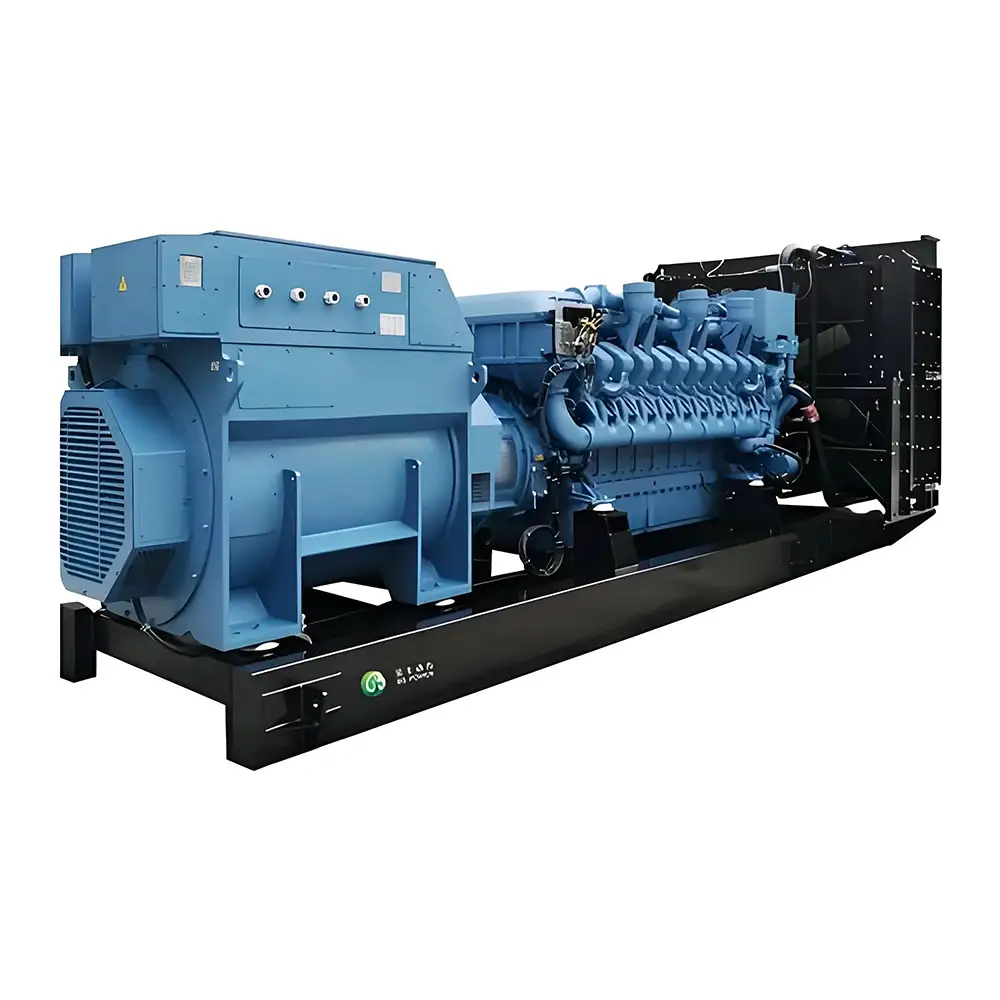
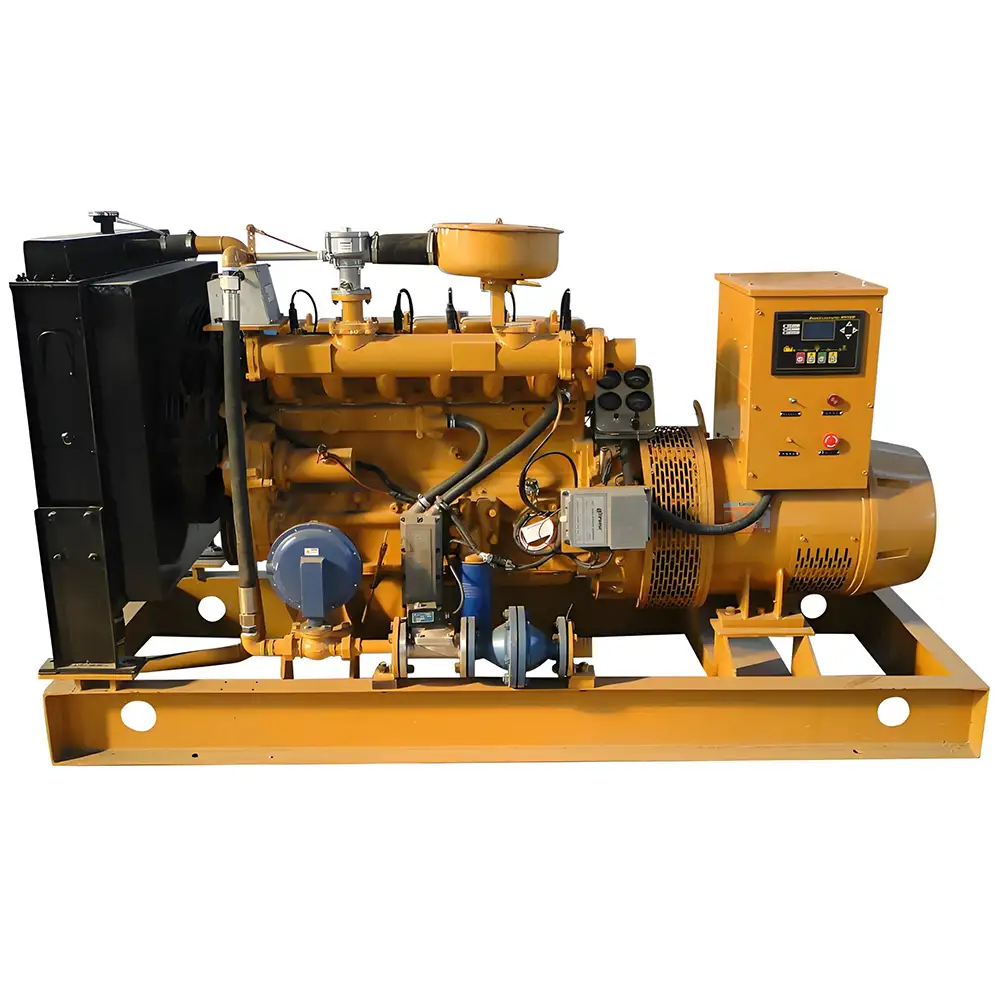
The Methane-Powered Electrical Generation Equipment uses treated or conditioned biomass-derived gas as fuel for electricity generation.
A typical system can include a gas engine or suitable generator unit, gas conditioning equipment, gas pressure regulation, electrical control equipment, cooling components, exhaust treatment, and safety systems.
The generator configuration should be selected according to the available biogas flow, methane concentration, expected operating hours, electrical load, and site conditions.
This makes methane-powered generation particularly suitable for facilities that continuously produce biogas and have a stable electricity demand.
|
5. Generator technical parameters |
|
Generator brand |
Brushless generator |
|
Insulation class |
Class H |
|
Rated Power |
80 kW |
|
Wiring method |
Three-phase four-wire |
|
Reserve power |
100KVA |
|
Cooling method |
Air Cooling |
|
Rated current |
144 A |
|
Protection level |
IP2 3 |
|
Power Factor |
0.8 |
|
Voltage adjustment method |
AVR Automatic Voltage Regulation |
|
Excitation type |
Brushless self-excitation |
|
Voltage adjustment range |
≥±5% |
|
Voltage regulation rate |
±1.0% |
|
Connection method |
Single bearing |
Biogas Power Generation From Organic Waste
Biogas power generation can help convert organic waste into a usable energy resource. Suitable feedstocks may include livestock manure, agricultural residues, food-processing waste, organic wastewater, sewage sludge, and other biodegradable materials.
The organic material can first be processed through an anaerobic digestion system. The resulting biogas can then be collected, conditioned, and supplied to the generator.
Depending on the project, the generated electricity may be used within the treatment plant or other nearby facility loads. The actual electrical utilization strategy depends on the project design and local grid requirements.
Integration With Water Treatment Plants
Water and wastewater treatment facilities can consume significant amounts of electricity for pumping, aeration, mixing, sludge handling, filtration, and other processes.
Integrating biogas power generation with a wastewater treatment plant can create a coordinated system in which organic waste is treated while the resulting methane is recovered for energy use.
A complete project may include wastewater pretreatment, anaerobic digestion, biogas collection, gas purification, methane-powered generation, sludge treatment, biological treatment, filtration, disinfection, and treated-water discharge or reuse.
The specific process should be selected according to wastewater characteristics and treatment objectives.
Anaerobic Digestion And Methane Recovery
Anaerobic digestion is an important process for recovering methane from biodegradable organic materials. In an oxygen-limited environment, microorganisms convert organic matter into biogas and stabilized digestate.
The quantity and composition of biogas depend on feedstock type, organic loading, temperature, retention time, solids concentration, digestion conditions, and process management.
A properly designed gas collection system can capture the generated biogas and direct it toward gas treatment and utilization equipment.
Biogas Cleaning And Conditioning
Raw biogas normally contains more than methane and carbon dioxide. Depending on the feedstock and digestion process, it may contain hydrogen sulfide, water vapor, particulates, siloxanes, and other impurities.
Gas conditioning can be important before supplying biogas to an engine generator.
Depending on the gas composition, the system may incorporate moisture removal, hydrogen sulfide reduction, filtration, gas cooling, pressure regulation, and other conditioning processes.
Proper gas treatment can help protect downstream equipment and support stable generator operation.
Wastewater Treatment Process
The water treatment section can be configured according to the characteristics of the incoming wastewater.
Depending on the application, the treatment plant may include screening, grit removal, equalization, dissolved air flotation, anaerobic treatment, aerobic biological treatment, clarification, filtration, disinfection, sludge dewatering, and other processes.
Industrial wastewater, municipal wastewater, agricultural wastewater, food-processing wastewater, and livestock wastewater have different treatment requirements. Therefore, the complete process should be designed around actual water analysis and discharge or reuse targets.
Organic Wastewater And Sludge Treatment
Organic wastewater and sludge can contain substantial amounts of biodegradable matter. Anaerobic treatment can provide both wastewater treatment and biogas recovery opportunities in suitable applications.
The resulting sludge or digestate may require additional dewatering, stabilization, drying, composting, or other treatment depending on its final disposal or utilization route.
Integrating sludge treatment with biogas recovery can improve overall resource utilization within an appropriate waste management system.
Electrical Power For Treatment Operations
Electricity generated from recovered methane can potentially be used to support plant equipment such as pumps, blowers, mixers, control systems, dewatering equipment, lighting, and other electrical loads.
The actual amount of recoverable electricity depends on gas production, methane concentration, generator efficiency, operating conditions, and electrical demand.
The system can therefore be evaluated according to the facility's actual energy balance rather than assuming a fixed level of energy recovery.
Renewable And Circular Energy Concept
Biomass-derived methane utilization supports a circular approach to organic waste management. Instead of treating biodegradable material only as a disposal problem, the organic fraction can be processed to recover useful energy.
The combination of wastewater treatment, anaerobic digestion, biogas recovery, and power generation can help facilities make better use of available organic resources.
This concept can be particularly attractive for agricultural operations, livestock farms, food-processing facilities, municipal wastewater plants, and other sites with continuous organic waste streams.
Suitable Industrial Applications
The system can be considered for many industries that generate biodegradable waste or methane-rich biogas.
Potential applications include:
Municipal Wastewater Treatment
Food Processing Wastewater
Livestock Manure Treatment
Agricultural Waste Treatment
Sewage Sludge Treatment
Organic Waste Treatment
Brewery And Beverage Wastewater
Biogas Plants
Anaerobic Digestion Facilities
Industrial Wastewater Treatment
Each application requires different feedstock handling, digestion, gas cleaning, water treatment, and power generation configurations.
Automated Monitoring And Control
A complete system can incorporate automated controls for wastewater treatment, anaerobic digestion, gas handling, and electrical generation.
Depending on the configuration, monitoring may include gas pressure, methane concentration, gas flow, engine operating parameters, water flow, tank levels, temperature, pressure, and other process conditions.
Centralized control can help operators monitor multiple sections of the facility and manage coordinated operation.
Safety And Environmental Considerations
Methane and biogas are combustible gases, while raw biogas can also contain hydrogen sulfide and other potentially hazardous components. Proper engineering controls are therefore essential.
A complete system should include appropriate gas storage, pressure regulation, ventilation, leak detection, emergency shutdown functions, electrical safety measures, and other safeguards required for the installation.
Environmental requirements for wastewater discharge, sludge management, air emissions, and gas utilization should also be considered during project design.
Customized B2B Project Solutions
Wastewater treatment and biogas power generation projects vary significantly in scale and feedstock characteristics. A suitable solution should therefore be based on actual technical data.
Important design information may include wastewater flow, wastewater analysis, organic loading, sludge production, biomass type, biogas production, methane concentration, gas impurities, required treatment quality, electricity demand, installation conditions, and local regulations.
For international B2B projects, these parameters can be evaluated to determine an appropriate combination of water treatment, biogas recovery, gas conditioning, and electrical generation equipment.
Key Features
Biomass-Derived Methane Utilization
Methane-Powered Electrical Generation
Biogas Power Generation System
Integrated Water Treatment Plant
Anaerobic Digestion Integration
Biogas Cleaning And Conditioning
Organic Waste And Wastewater Treatment
Methane Recovery And Energy Utilization
Automated Process Monitoring
Flexible Generator Configuration
Sludge And Digestate Treatment Options
Integrated B2B Energy And Water Treatment Solution
Main Applications
Municipal Wastewater Treatment Plants
Industrial Wastewater Treatment
Food Processing Wastewater
Livestock Manure Treatment
Agricultural Waste Treatment
Sewage Sludge Treatment
Anaerobic Digestion Plants
Biogas Power Generation
Organic Waste Treatment
Brewery Wastewater Treatment
Agricultural Biogas Projects
Renewable Energy Facilities
FAQs
1. What Is Biomass-Derived Methane-Powered Electrical Generation Equipment?
It is equipment designed to use methane-rich biogas produced from biomass or organic waste as a fuel for electrical power generation.
2. What Biomass Materials Can Produce Methane?
Suitable feedstocks may include livestock manure, agricultural residues, food-processing waste, organic wastewater, sewage sludge, and other biodegradable organic materials.
3. Can The System Be Integrated With A Water Treatment Plant?
Yes. Biogas recovery and power generation can be integrated with suitable wastewater treatment, sludge treatment, and anaerobic digestion processes.
4. How Is Biogas Produced?
Biogas is commonly produced through anaerobic digestion, in which microorganisms break down biodegradable organic material under oxygen-limited conditions.
5. Can Raw Biogas Be Used Directly In A Generator?
Raw biogas may require conditioning before use. Moisture, hydrogen sulfide, siloxanes, particulates, and other impurities can affect generator operation, so gas treatment requirements should be evaluated according to the gas composition and engine specifications.
6. Can Generated Electricity Be Used By The Treatment Plant?
Yes. Electricity generated from suitable biogas can be used for compatible plant loads such as pumps, blowers, mixers, dewatering equipment, and control systems.
7. What Determines The Power Generation Capacity?
Important factors include biogas production rate, methane concentration, gas quality, generator configuration, operating hours, and electrical load requirements.
8. Can The System Treat Industrial Wastewater?
Yes. The water treatment section can be designed for suitable industrial wastewater applications based on wastewater composition, flow rate, treatment requirements, and discharge or reuse objectives.
9. Does The System Require Biogas Cleaning?
Depending on the raw biogas composition, gas cleaning or conditioning may be required to reduce moisture, hydrogen sulfide, siloxanes, particulates, or other impurities before the gas enters the generator.
10. How Do I Select The Right System Configuration?
Provide wastewater flow and analysis, biomass or feedstock information, expected biogas production, methane concentration, gas quality, required water treatment capacity, electricity demand, and installation conditions. These details help determine the appropriate integrated configuration.
Why Choose Us
Integrated Water And Energy Solution
We combine wastewater treatment, organic waste processing, biogas recovery, and methane-powered electricity generation into an integrated project concept for suitable applications.
Biomass Energy Utilization
Our solutions help facilities evaluate opportunities to recover methane from organic waste and use the gas as an energy resource for compatible power generation equipment.
Application-Based System Design
Treatment processes and generator configurations are selected according to actual wastewater characteristics, biomass type, biogas quality, electrical demand, and project conditions.
Complete Biogas Conditioning
Where required, the system can incorporate gas filtration, moisture removal, hydrogen sulfide reduction, pressure regulation, and other conditioning processes before power generation.
Flexible Industrial Applications
The equipment can be evaluated for municipal wastewater, food processing, livestock, agriculture, sludge treatment, anaerobic digestion, and other suitable organic waste applications.
International Technical Support
We support overseas customers with process consultation, equipment configuration, technical documentation, export packaging, installation guidance, commissioning support, and after-sales service.
Prev:Sorry, no information
Next:
Generator 110kw Silent Power Portable Ng LPG Biogas Electric Generator Biogas Inverter
TAG:
Industrial Wastewater Treatment,
Biogas Wastewater Treatment,
Biogas Power Generation,
Biogas Generator,
Gas Generator Set,
Gas Engine Generator,
Methane Gas Generator,
Renewable Biogas Generator,
Organic Waste To Energy,
Biogas Energy System,
Integrated Water Treatment System,
Organic Waste Treatment,
Sludge Biogas Generation,
Wastewater Treatment Plant,
Anaerobic Digestion System,
Biomass Generator,
Renewable Energy Generation,
Biogas Electrical Generation,
Biomass Methane Power Generation,
Biomass Power Generation,
Derived Methane Power Generation,
Methane Power Generation,
Related Category:
Biomass-Derived Methane Power Generation Equipment, Methane-Powered Electrical Generation Equipment, Biomass Gas Generat China, suppliers, manufacturers, factory, customized, wholesale, quotation, made in China