Environmental conditions and requirements for biogas
The biogas generator set can operate stably and reliably under environmental conditions of -40ºC~+40ºC, relative humidity <90% (at 25ºC), and altitude ≤1000m. Under standard environmental conditions (atmospheric pressure 100KPa, ambient temperature: 25ºC, relative humidity 30%), the gas quality meets the standard conditions and can output rated power. Unit requirements for biogas
Within 1m of the unit's gas inlet pressure regulating valve,
1. Biogas temperature ≤40ºC;
2. Biogas pressure 3~10kPa, pressure change rate ≤1kPa/min;
3. The volume content of methane in biogas is not less than 40%, and the change rate is ≤2%/min;
4. H2S ≤20mg/Nm3;
5. NH3 ≤20mg/Nm3;
6. Impurity particle size ≤5μm, impurity content ≤30mg/Nm3;
7. Moisture content in biogas ≤40g/Nm3.
Special instructions are required for biogas with a methane volume content of ≤50%.
If the sulfur and ammonia content in the combustible gas is high, it will not only seriously corrode the spark plug electrode, but also increase the acid value in the engine oil, corrode the internal parts of the unit, and easily generate sediment, increasing corrosion and wear to the engine.
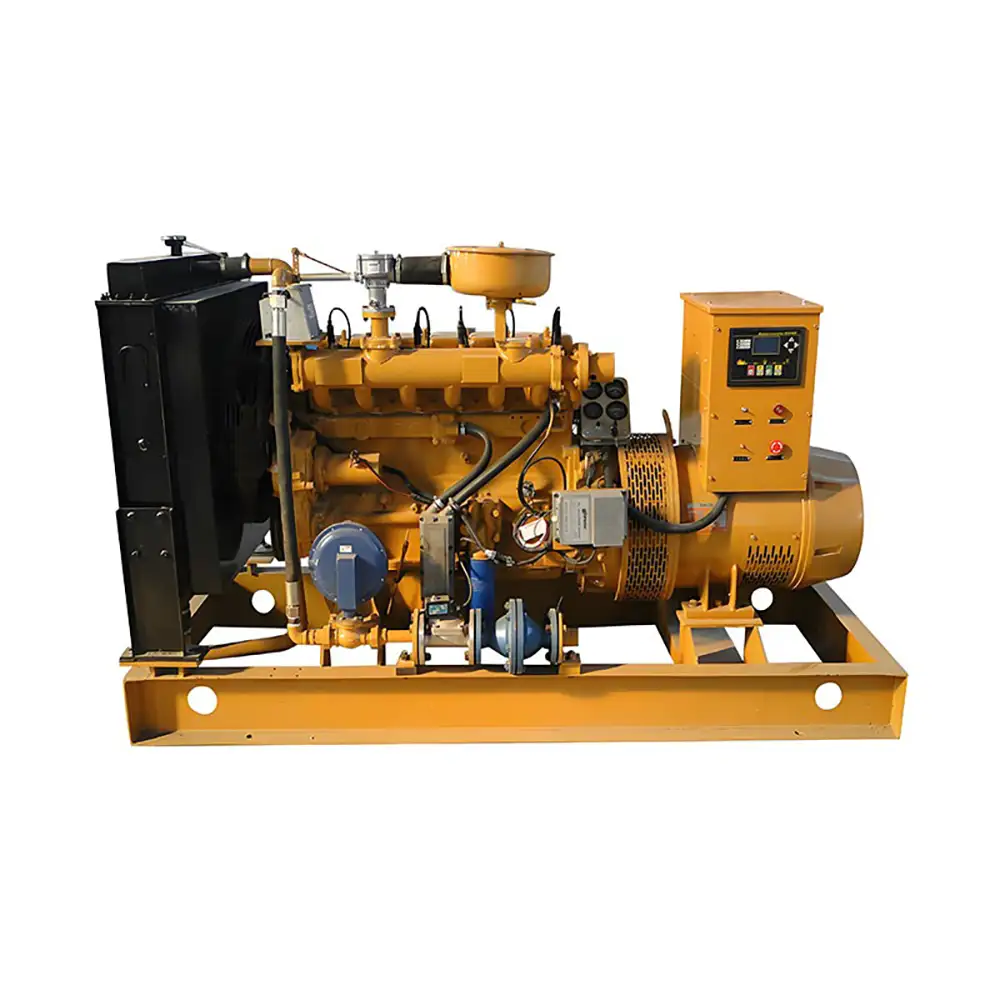
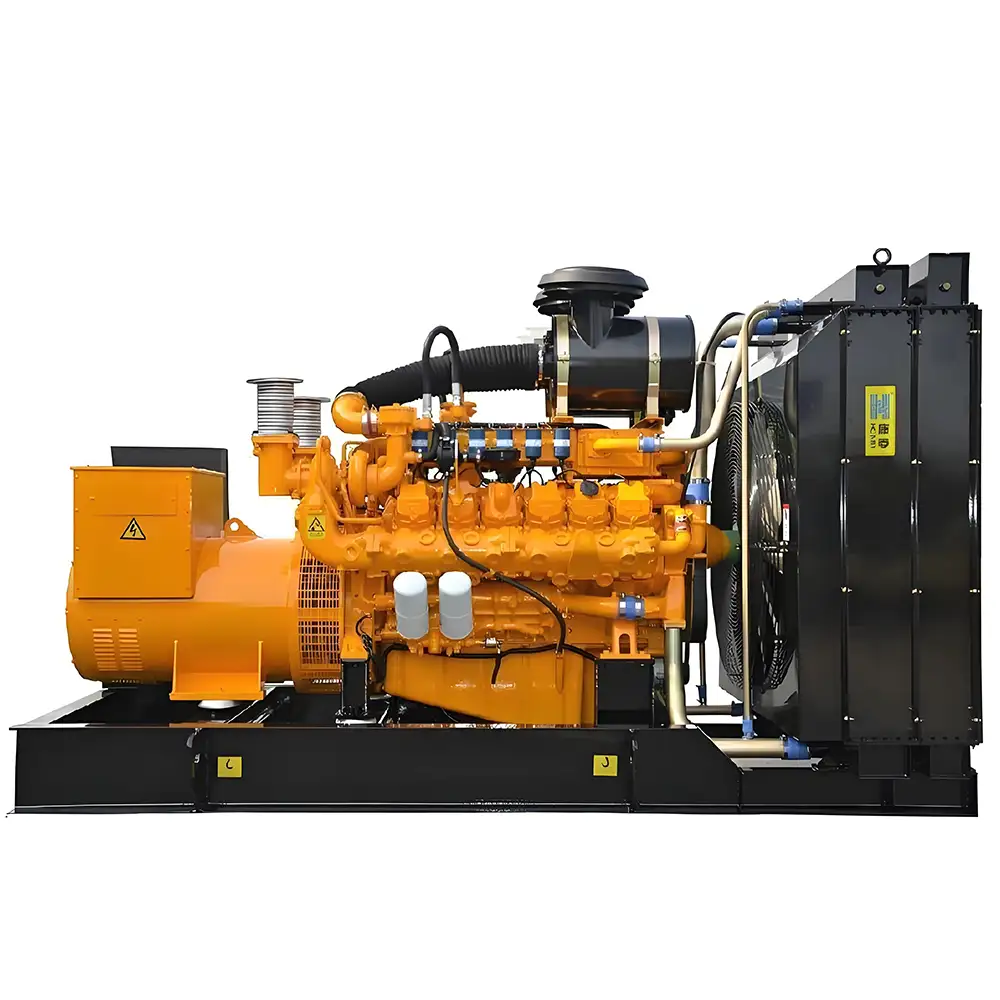
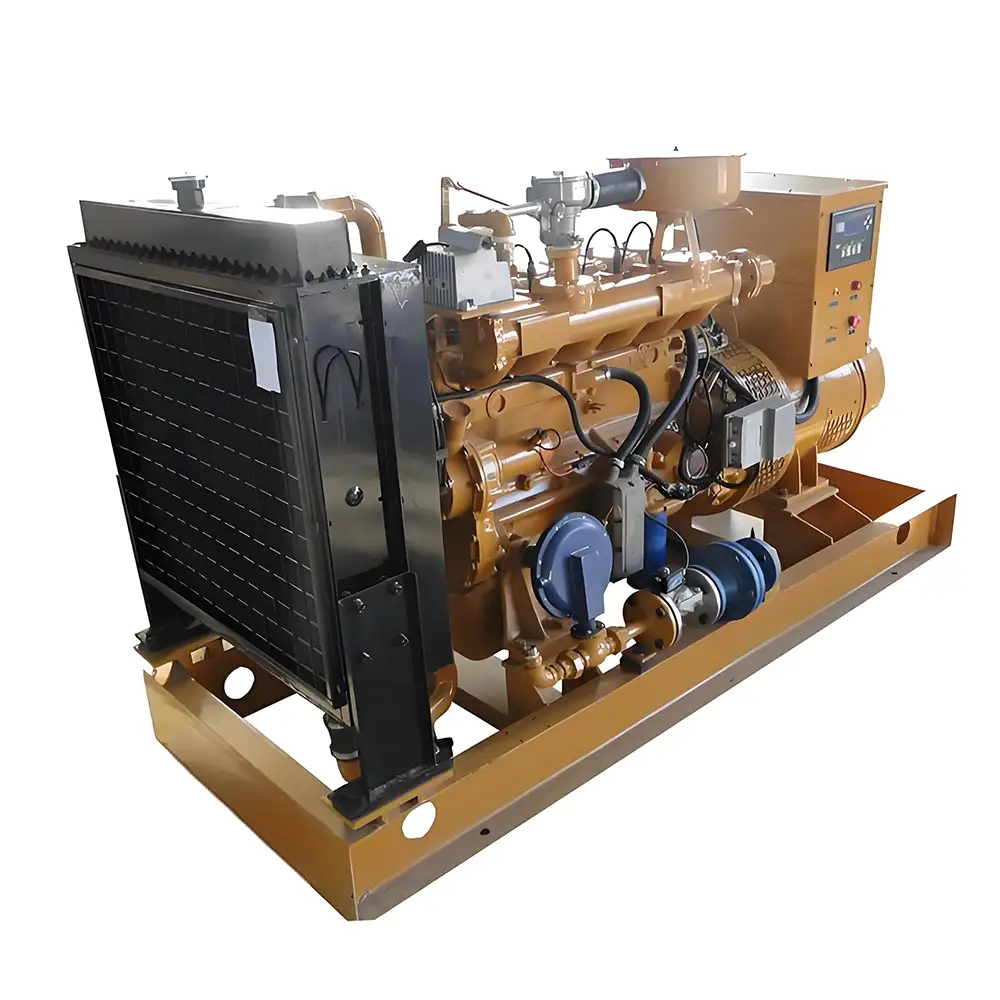
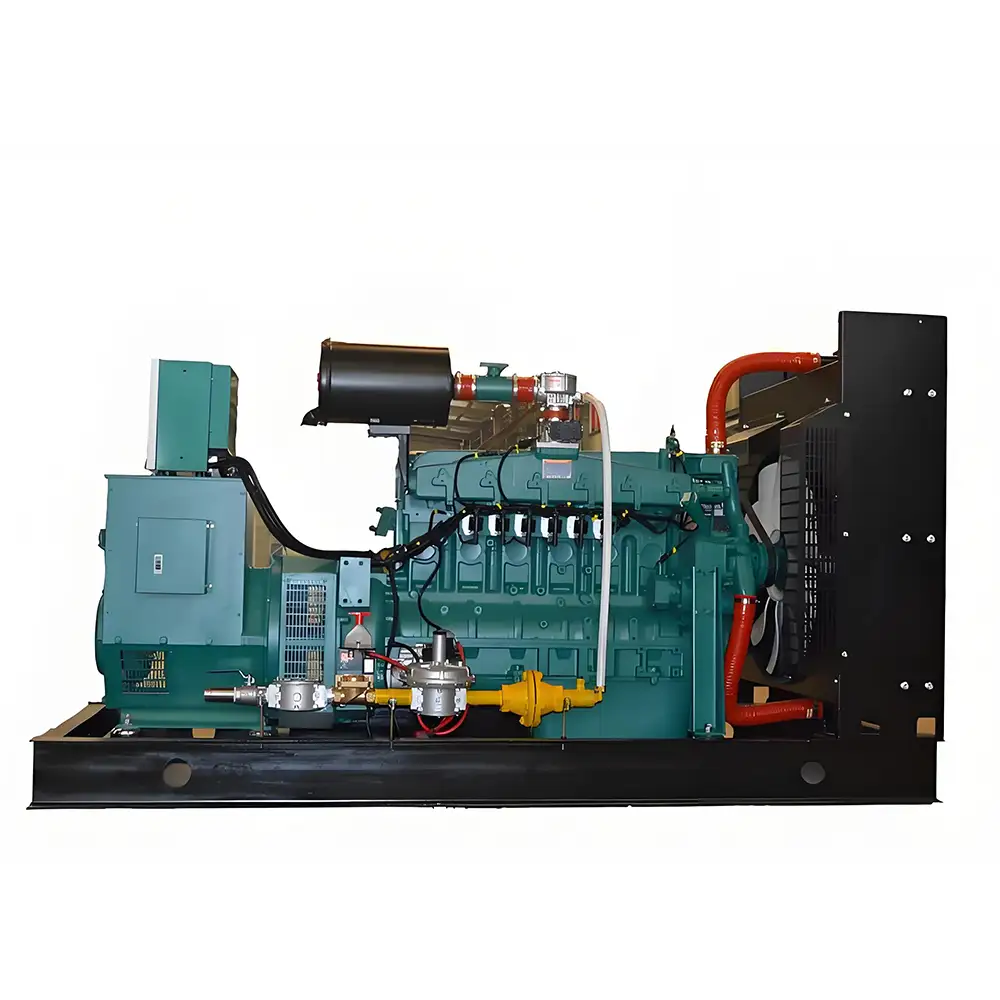
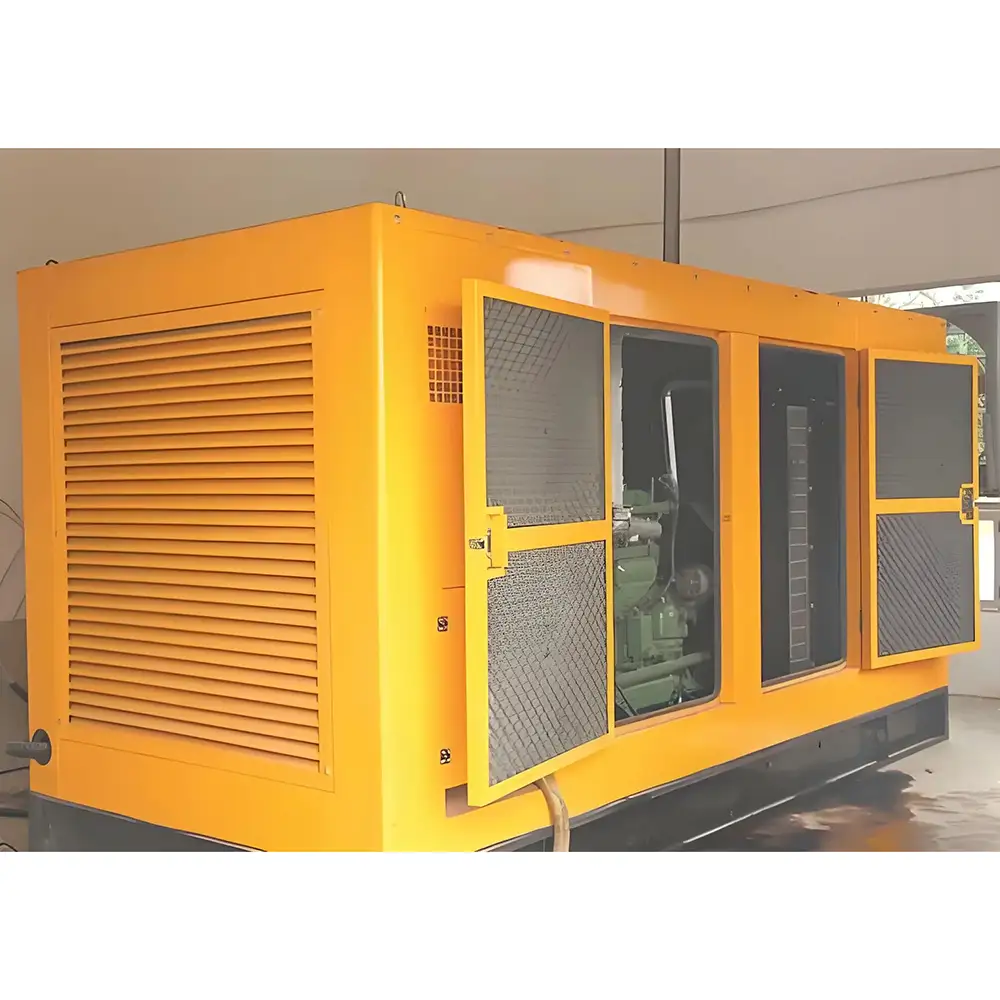
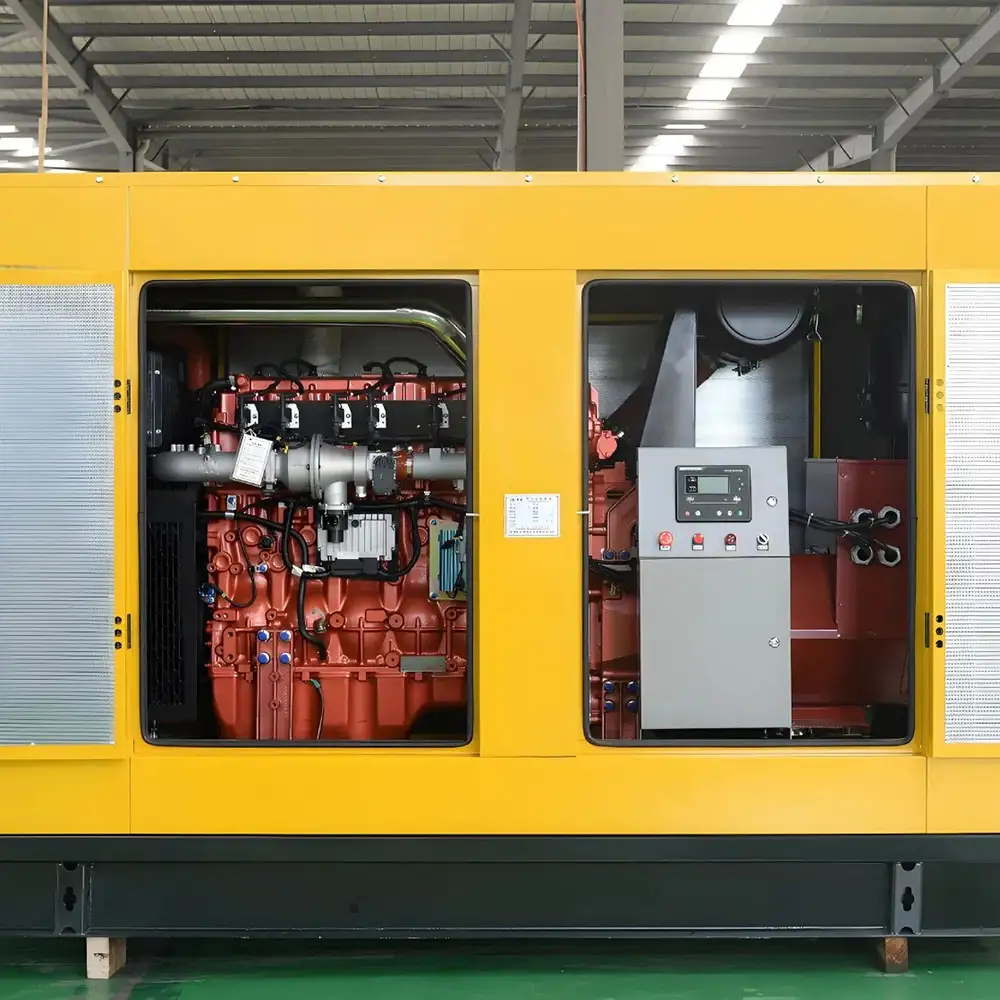
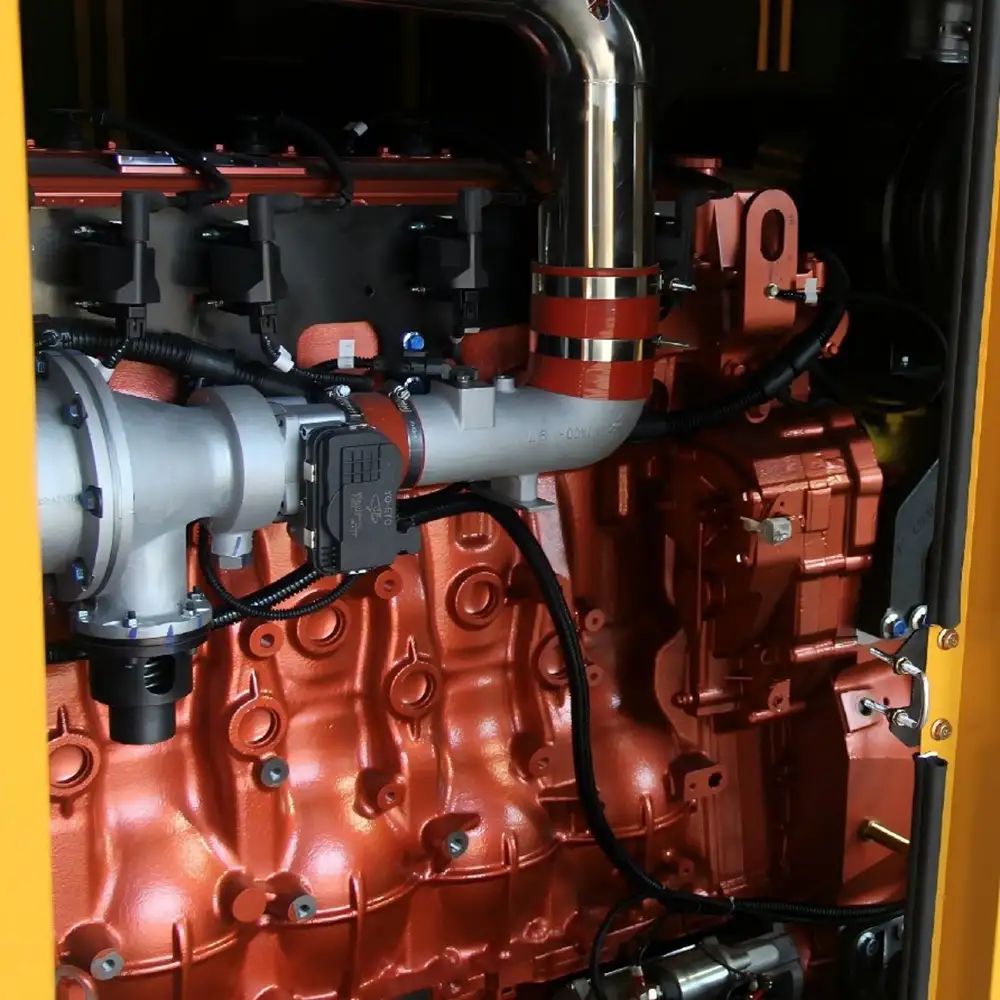
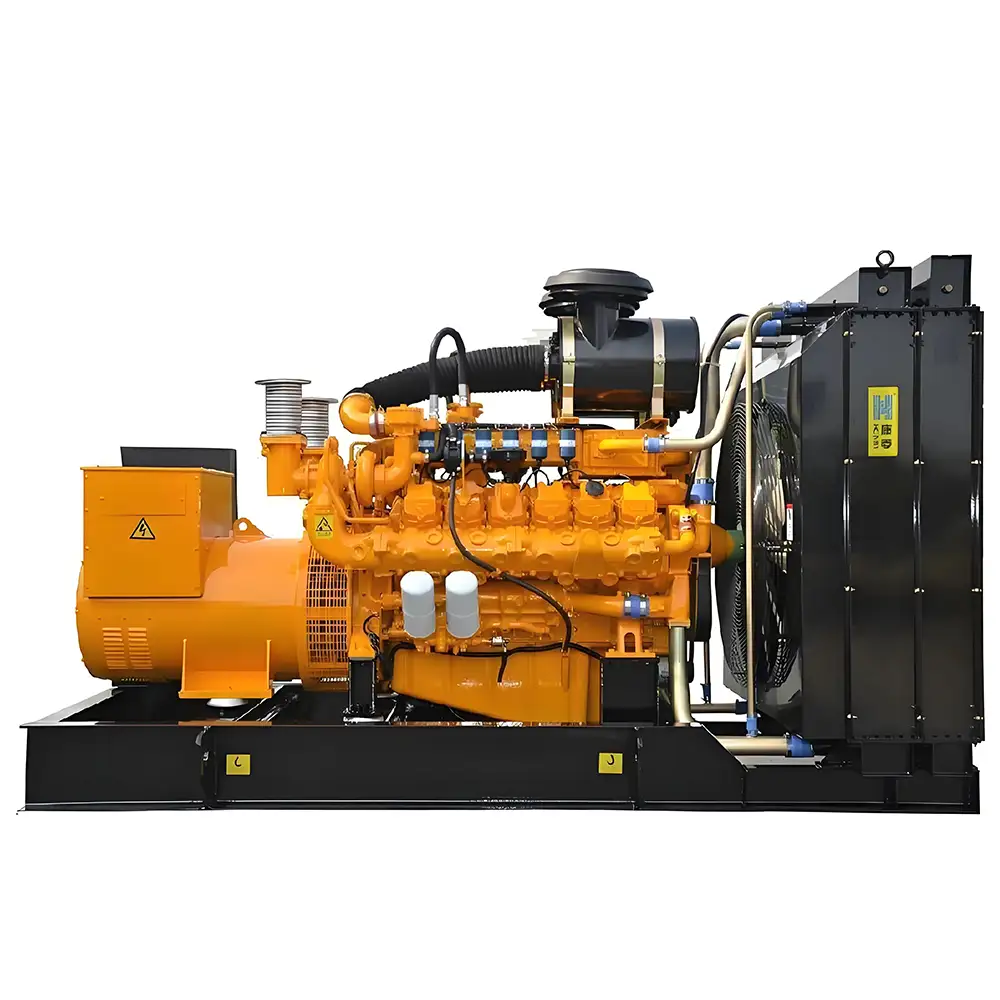
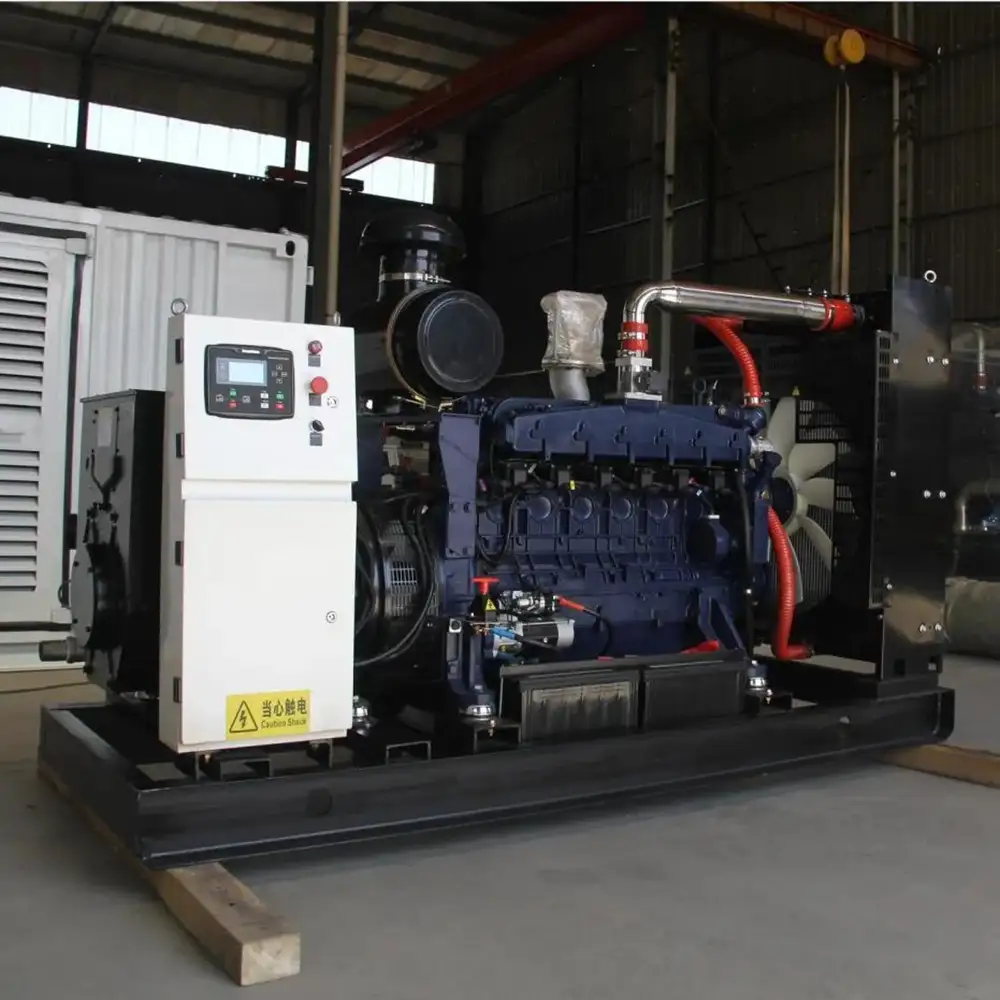
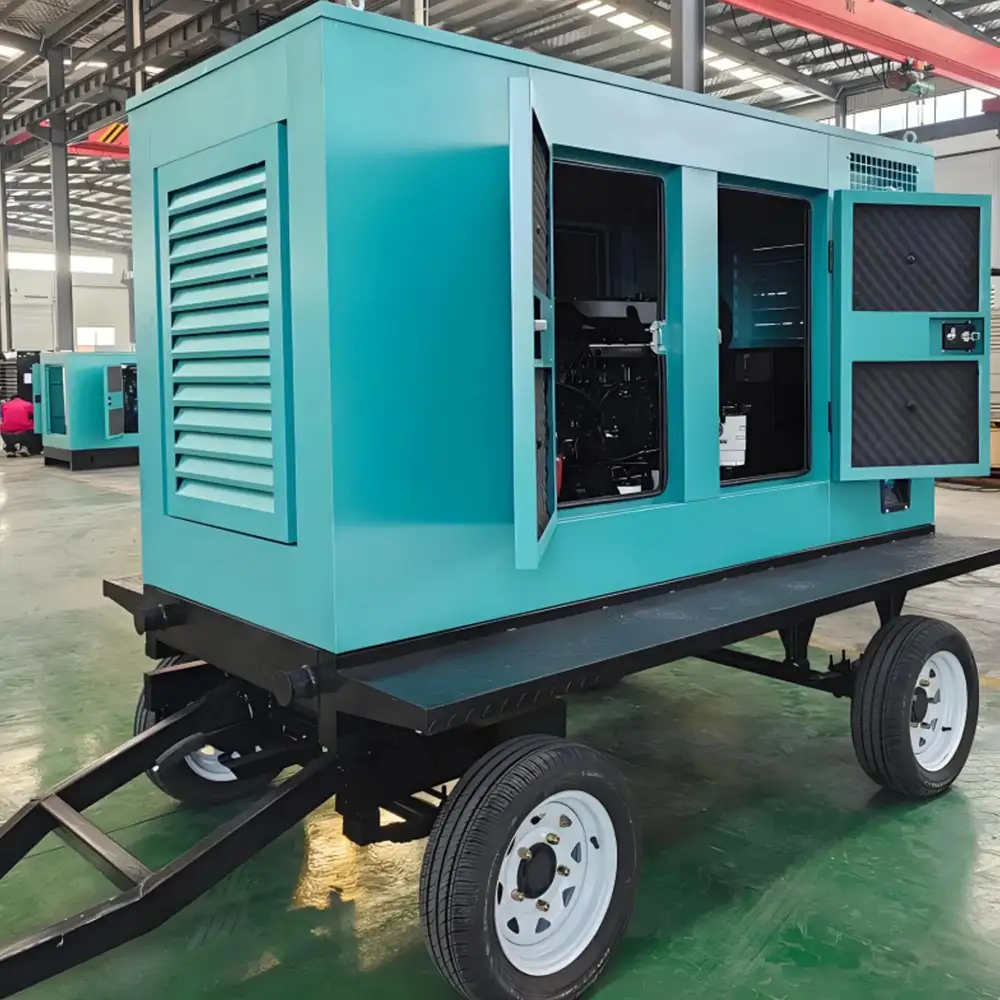
The 100kW 150kW 200kW Soundproof Biogas Generator is a gas engine power generation solution designed to convert methane-rich biogas into useful electrical energy. Available in 100kW, 150kW, and 200kW class configurations, the generator can be considered for farms, livestock operations, wastewater treatment plants, food-processing facilities, anaerobic digestion projects, and industrial biogas power generation applications.
Biogas is commonly produced through anaerobic digestion of organic materials such as livestock manure, agricultural residues, food waste, sewage sludge, and organic wastewater. Rather than releasing or flaring the gas, suitable facilities can recover the methane-rich biogas and use it as a fuel for electricity generation.
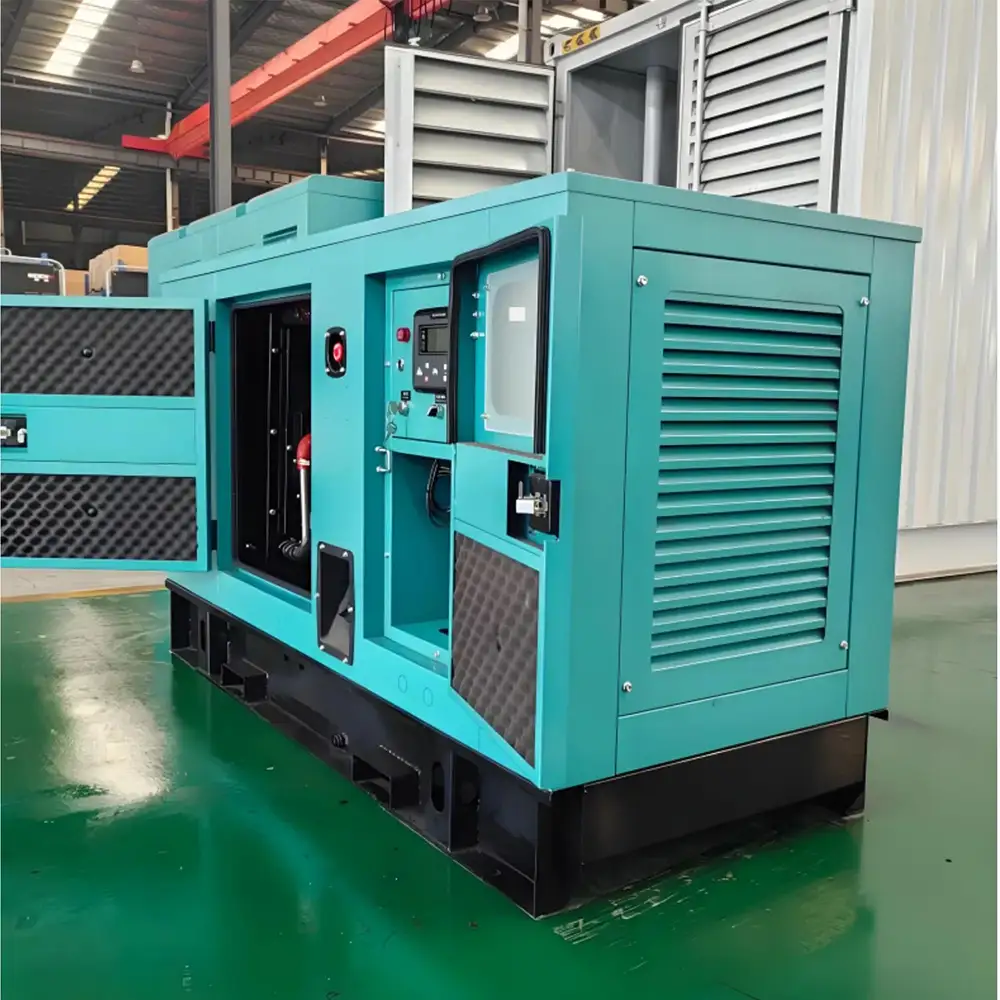
The soundproof configuration is designed to reduce operating noise and provide a more practical solution for installations where acoustic performance is important. The actual generator output, fuel consumption, noise level, electrical efficiency, and operating characteristics depend on the selected engine, alternator, biogas composition, gas flow, and system configuration.
|
2. Main specifications of the generator set |
|
Generator model |
LX - 80GF |
|
Rated current |
144 A |
|
Rated Power |
80 kW |
Power Factor |
0.8 |
|
Reserve power |
100 kVA |
Controller |
Automatic PLC control |
|
Rated voltage |
400V/230V |
Speed regulation mode |
Electronic speed control |
|
Rated frequency |
50Hz |
Type |
Open |
|
Rated speed |
1500 rpm |
Biogas /gas consumption rate |
0.6 /0.3 m³/Kw·h |
* Altitude <1000 meters, ambient temperature <40 ºC , ambient humidity ≤60%.
* Rated power: The maximum power of the generator set when it is continuously operated with variable load and with unlimited operating hours per year under the agreed operating conditions and maintenance as specified by the manufacturer. The average power output during a 24-hour operating cycle should not exceed 70% of the rated power, in accordance with GB/T2820-97 (eqv ISO8528) .
* Standby power: The generator set can be overloaded on the basis of continuous power for 1 hour every 12 hours within a certain period of time.
10%, the unit power at this time is the standby power.
* Rated voltage: 380/220V , 400/230V , 415/240V , 440/254V and other voltages can be customized. |
100kW Biogas Generator
The 100kW biogas generator configuration is suitable for smaller facilities that have a stable supply of methane-rich biogas and a corresponding electrical load.
Potential applications include small and medium-sized livestock farms, agricultural biogas systems, wastewater treatment facilities, food-processing plants, and decentralized renewable energy projects.
The 100kW class can provide a practical way to convert recovered biogas into electricity for suitable facility loads.
Generator selection should be based on actual biogas production and electrical demand rather than nominal generator capacity alone.
|
4. Engine technical parameters |
|
Engine Model |
Huadong 6126D-NG |
|
Rated Power |
82KW |
|
Cylinder Type |
In-line, four-stroke |
|
Rated speed |
1500 rpm |
|
Number of cylinders |
6 cylinders |
|
Bore x stroke |
12 6 × 1 30 mm |
|
Displacement |
10L |
|
Startup Mode |
Electronic start |
|
Compression ratio |
11.5:1 |
|
Crankshaft rotation direction |
Counterclockwise (from the flywheel direction) |
|
Cooling method |
Water Cooling |
|
Air intake method |
Naturally Aspirated |
|
Gas mixing method |
Premix |
|
Speed regulation mode |
Electronic speed control |
|
Biogas /gas consumption |
0.6 /0.3 m³/Kw·h |
|
Lubricating oil pressure |
345-483 Kpa |
|
Exhaust temperature |
580 ºC |
150kW Biogas Generator
The 150kW configuration provides an intermediate power-generation option for facilities with greater biogas production or higher electrical demand.
It can be considered for medium-sized anaerobic digestion plants, livestock farms, food-processing facilities, wastewater treatment systems, and industrial organic waste treatment projects.
Where biogas production varies throughout the day, the generator can potentially be integrated with gas storage or other system controls to help balance fuel availability and electrical demand.
The actual operating capacity should be evaluated according to gas production, methane concentration, engine specifications, and load characteristics.
|
5. Generator technical parameters |
|
Generator brand |
Brushless generator |
|
Insulation class |
Class H |
|
Rated Power |
80 kW |
|
Wiring method |
Three-phase four-wire |
|
Reserve power |
100KVA |
|
Cooling method |
Air Cooling |
|
Rated current |
144 A |
|
Protection level |
IP2 3 |
|
Power Factor |
0.8 |
|
Voltage adjustment method |
AVR Automatic Voltage Regulation |
|
Excitation type |
Brushless self-excitation |
|
Voltage adjustment range |
≥±5% |
|
Voltage regulation rate |
±1.0% |
|
Connection method |
Single bearing |
200kW Biogas Generator
The 200kW biogas generator is designed for applications requiring a higher electrical output within this generator range.
Potential users include larger livestock farms, industrial wastewater treatment plants, food-processing facilities, anaerobic digestion projects, and dedicated biogas power generation facilities.
For larger projects, multiple generator sets can also be considered instead of one larger unit. Multiple units can provide operational flexibility and allow generation capacity to better match changes in available biogas.
The appropriate arrangement depends on gas production, electrical demand, project economics, and installation requirements.
Soundproof Biogas Generator
The soundproof enclosure is designed to reduce engine and alternator operating noise. This can be useful for farms, industrial facilities, commercial sites, and other installations located near working areas or occupied buildings.
The enclosure also provides a protective structure around the generator components.
Because a gas engine produces heat during operation, the soundproof enclosure must include suitable ventilation and cooling airflow. Acoustic design should therefore be balanced with the engine's cooling and combustion requirements.
Actual noise performance depends on engine type, enclosure design, installation conditions, distance from the generator, and surrounding environment.
Cost-Effective Biogas Power Generation
The term Cheap Biogas Generator is commonly used by buyers searching for affordable biogas power-generation equipment. For professional B2B projects, however, the total cost of ownership is more important than the initial purchase price alone.
A cost-effective biogas generator should consider fuel availability, gas treatment requirements, operating hours, maintenance costs, electrical output, engine durability, spare parts, and expected service life.
For facilities that already produce biogas as a byproduct of wastewater or organic waste treatment, using the gas for power generation can create additional value from an existing waste stream.
Methane-Rich Biogas As Fuel
Biogas typically contains methane and carbon dioxide, together with smaller quantities of water vapor, hydrogen sulfide, siloxanes, and other components.
The methane content provides the main energy value used by the gas engine.
However, biogas quality can vary considerably depending on the feedstock and anaerobic digestion process. Gas analysis is therefore important before selecting the generator.
Methane concentration, hydrogen sulfide, moisture, gas pressure, gas flow, and other fuel characteristics should be considered when determining the appropriate engine and gas treatment configuration.
Biogas Cleaning And Conditioning
Raw biogas may require conditioning before being supplied to the generator engine.
Hydrogen sulfide can contribute to corrosion and lubricant degradation. Moisture can lead to condensation, while siloxanes may create deposits during combustion.
Depending on gas quality, the system may include desulfurization, gas drying, condensate removal, filtration, cooling, pressure regulation, and other gas treatment components.
The required treatment level should be determined according to actual gas analysis and the engine manufacturer's fuel requirements.
Gas Engine And Alternator
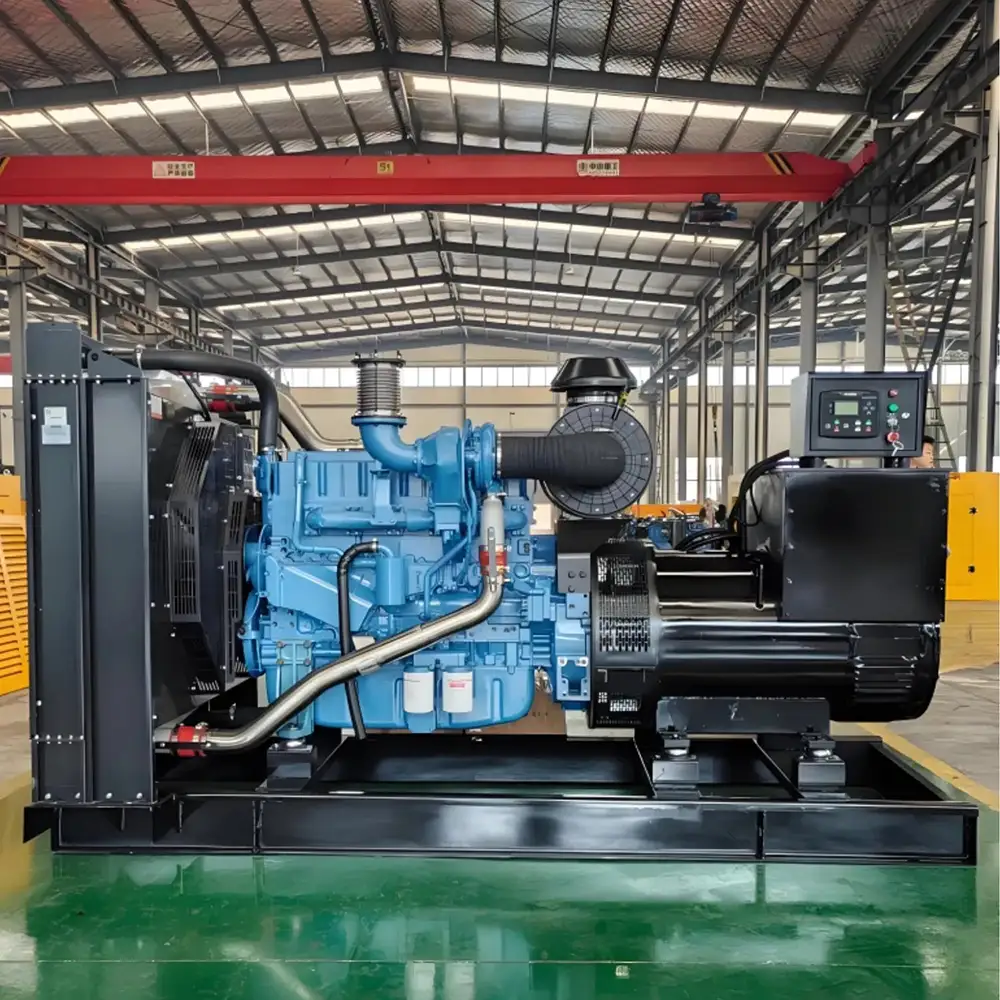
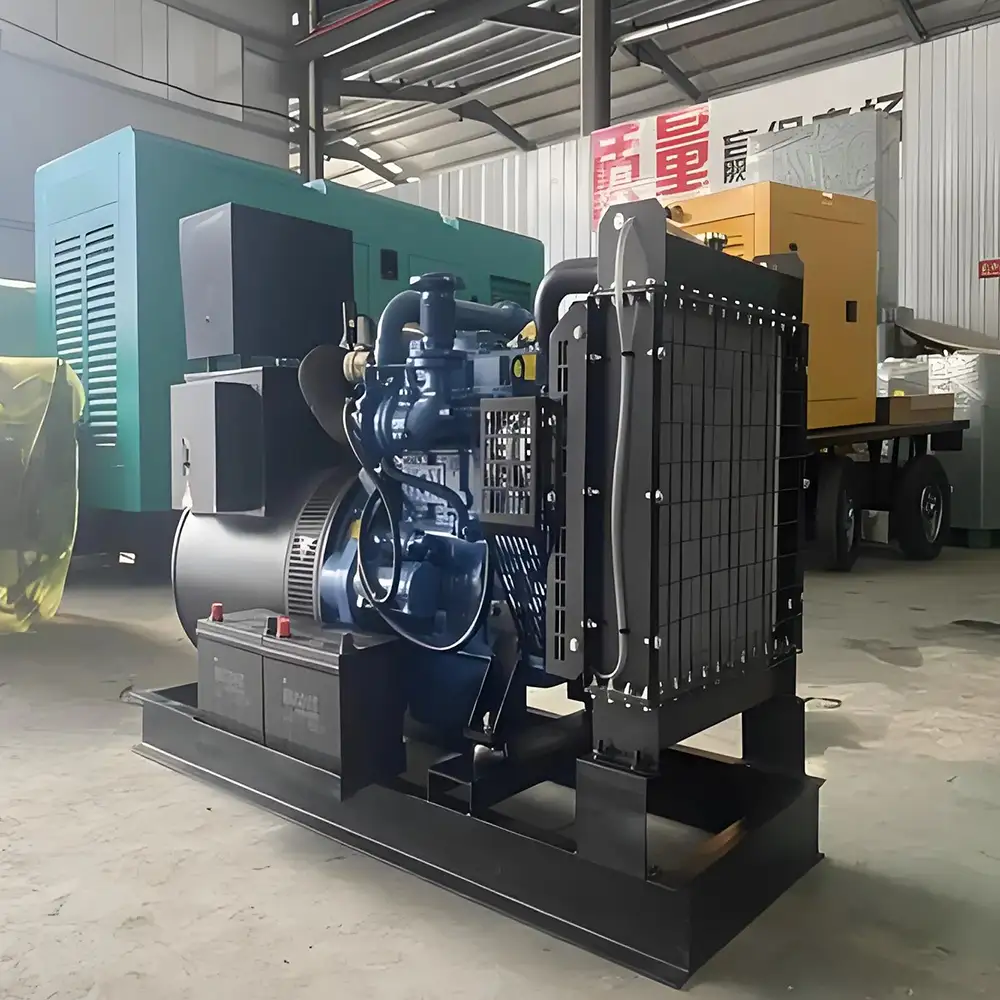
The generator consists primarily of a gas engine and electrical alternator.
The engine combusts the methane-rich biogas and converts the fuel's chemical energy into mechanical energy. The alternator converts the mechanical energy into electrical power.
Additional components can include a cooling system, exhaust system, starting system, gas train, voltage regulation, control panel, safety protection, and electrical distribution components.
Each component should be selected according to the required generator output and biogas fuel characteristics.
Electricity For Farm Operations
Biogas generators are particularly suitable for agricultural and livestock facilities that produce manure and organic waste.
Electricity generated from recovered biogas can potentially be used for pumps, ventilation equipment, lighting, feed-processing equipment, water systems, refrigeration, manure handling, and other farm loads.
This allows the facility to combine waste management and renewable energy generation within the same project.
Wastewater Treatment Applications
Wastewater treatment plants can generate biogas through anaerobic digestion of sewage sludge or high-organic wastewater.
A biogas generator can use the recovered methane as a fuel source to produce electricity for compatible plant equipment.
Generated electricity may potentially support pumps, blowers, mixers, sludge dewatering equipment, lighting, and other treatment processes.
The actual energy balance depends on biogas production, treatment plant electricity demand, generator efficiency, and operating conditions.
Food Processing And Organic Waste
Food-processing plants can generate organic wastewater and residues that are suitable for anaerobic digestion in appropriate applications.
Breweries, beverage plants, food factories, meat-processing facilities, and agricultural processing operations may generate organic materials with energy recovery potential.
After digestion and suitable gas conditioning, the biogas can be supplied to the generator.
This creates an integrated approach to organic waste treatment and energy recovery.
Standby And Prime Power Applications
The generator can be evaluated for prime power or suitable standby applications depending on the selected configuration.
For prime power applications, the generator may operate for extended periods subject to the engine manufacturer's operating requirements and maintenance schedule.
For standby applications, the generator can be integrated with an automatic transfer system to provide backup electricity when the primary power source is unavailable.
The appropriate duty rating should be confirmed according to the intended operating mode.
Multiple Generator Configuration
Facilities with larger or fluctuating biogas production may consider multiple generator units.
For example, a project may use several generator sets rather than one single unit. This can provide flexibility when gas production changes or when maintenance is required on one generator.
Multiple units can also allow the operating capacity to be matched more closely with the current electrical load.
The final configuration should be determined by project economics, gas production, load characteristics, and operating strategy.
Automatic Control And Monitoring
The generator can be equipped with an electronic control panel to monitor important operating parameters.
Depending on configuration, monitoring can include voltage, current, frequency, engine speed, temperature, oil pressure, gas pressure, operating hours, and alarm status.
Protection functions can include overload protection, high-temperature protection, low oil pressure protection, overspeed protection, abnormal voltage protection, and other engine or electrical safety functions.
Automatic start and stop functions can be added for suitable applications.
Maintenance And Operating Costs
Regular maintenance is important for long-term biogas generator operation.
Typical maintenance activities may include checking or replacing engine oil, filters, spark plugs, belts, hoses, cooling components, batteries, gas-system components, and other wear parts.
Biogas generators may require additional attention to gas treatment equipment and engine oil because contaminants in biogas can affect maintenance intervals.
A proper maintenance schedule should follow the engine manufacturer's recommendations and actual operating conditions.
Safety And Installation
Biogas is a combustible gas and may contain hydrogen sulfide, which can be hazardous. Proper safety measures are therefore essential.
The installation should include appropriate gas piping, pressure regulation, ventilation, leak detection, emergency shutdown functions, electrical protection, fire safety, and operator training as required.
The soundproof enclosure should also maintain sufficient ventilation and cooling airflow.
All installation and operation procedures should comply with applicable local electrical, fuel-gas, fire, environmental, and occupational safety requirements.
B2B Project Configuration
Every biogas project has different gas production, fuel quality, electrical demand, and site conditions.
To select a suitable 100kW, 150kW, or 200kW configuration, customers should provide biogas flow, methane concentration, hydrogen sulfide concentration, gas pressure, moisture content, expected operating hours, electrical load, voltage, frequency, and installation information.
Based on these parameters, the appropriate generator, gas conditioning system, control system, acoustic enclosure, and electrical configuration can be evaluated.
Key Features
100kW Biogas Generator Configuration
150kW Biogas Generator Configuration
200kW Biogas Generator Configuration
Soundproof Generator Enclosure
Methane-Rich Biogas Fuel
Gas Engine And Alternator System
Biogas Cleaning Options
Automatic Generator Control
Electrical Protection System
Prime And Standby Power Applications
Agricultural And Industrial Applications
Flexible Biogas Power Generation Solution
Main Applications
Livestock Farms
Dairy Farms
Pig Farms
Agricultural Biogas Plants
Wastewater Treatment Plants
Food Processing Facilities
Brewery Wastewater Treatment
Organic Waste Treatment
Anaerobic Digestion Plants
Industrial Biogas Projects
Renewable Energy Facilities
Distributed Power Generation
FAQs
1. What Are The Available Biogas Generator Capacities?
This product series can be configured in 100kW, 150kW, and 200kW class models according to the required electrical output and available biogas supply.
2. What Is A Soundproof Biogas Generator?
It is a biogas-fueled generator equipped with an acoustic enclosure designed to reduce operating noise while providing suitable protection and ventilation for the generator system.
3. Can The Generator Run On Raw Biogas?
Raw biogas may require cleaning and conditioning before entering the engine. The required treatment depends on methane concentration, hydrogen sulfide, moisture, siloxanes, gas pressure, and other fuel characteristics.
4. What Can The Generated Electricity Be Used For?
Electricity can be used for suitable farm equipment, wastewater treatment equipment, pumps, blowers, lighting, refrigeration, processing equipment, and other compatible electrical loads.
5. Which Is Better: 100kW, 150kW, Or 200kW?
The correct capacity depends on available biogas production and electrical demand. A generator should be sized according to both the fuel supply and the actual electrical load.
6. Can Multiple Biogas Generators Be Used Together?
Yes. Multiple units can be considered for larger projects or applications where biogas production and electrical demand vary.
7. Can The Generator Be Used For Wastewater Treatment?
Yes. It can be integrated with wastewater treatment and anaerobic digestion systems where suitable methane-rich biogas is available.
8. Is Biogas Treatment Required?
Depending on the gas composition, desulfurization, drying, filtration, condensate removal, or other conditioning may be required before the biogas enters the engine.
9. Can The Generator Be Used As A Backup Generator?
A suitable configuration can be used for standby power and connected to an automatic transfer system where appropriate.
10. How Do I Choose The Correct Biogas Generator?
Provide biogas flow, methane concentration, gas analysis, gas pressure, electrical load, voltage, frequency, operating hours, and installation conditions. These details help determine the suitable generator capacity and configuration.
Why Choose Us
Multiple Power Options
We provide 100kW, 150kW, and 200kW class biogas generator configurations, allowing customers to select a suitable power range according to gas availability and electrical demand.
Soundproof Generator Design
The acoustic enclosure provides a practical solution for installations where operating noise needs to be controlled, while maintaining the ventilation required for engine operation.
Cost-Effective Biogas Power
We focus on overall project economics, including generator capacity, fuel availability, gas conditioning, maintenance, operating requirements, and expected service life rather than only the initial equipment price.
Biogas Fuel Conditioning Support
Where required, gas cleaning, drying, filtration, desulfurization, pressure regulation, and other conditioning equipment can be incorporated into the complete system.
Flexible Industrial Applications
The generators can be evaluated for livestock farms, wastewater treatment plants, food-processing facilities, anaerobic digestion projects, agricultural operations, and industrial biogas plants.
International Technical Support
We provide technical consultation, generator configuration, gas-system evaluation, documentation, export packaging, installation guidance, commissioning support, and after-sales technical assistance for international customers.
Prev:
Engine Electric Generator Set for Bio Gas Power Plant Generation
Next:
Biogas Gas Generator/Weichai P10 Series
TAG:
Biogas Power Generation,
Biogas Power Plant,
Agricultural Biogas Generator,
Biogas Electric Generator,
Industrial Biogas Generator,
Gas Engine Generator,
Methane Gas Generator,
Anaerobic Digestion Generator,
Wastewater Biogas Generator,
Biogas Generator Set,
Biogas Power Generator,
Biogas Gas Engine Generator,
Soundproof Biogas Generator,
Silent Biogas Generator,
Biogas Energy Generator,
Renewable Biogas Generator,
Biogas CHP Generator,
200kW Biogas Generator,
Cheap Biogas Generator,
Affordable Biogas Generator,
100kW Biogas Generator,
150kW Biogas Generator,
Related Category:
100kW Biogas Generator, 150kW Biogas Generator, 200kW Biogas Generator, Soundproof Biogas Generator, Cheap Biogas Genera China, suppliers, manufacturers, factory, customized, wholesale, quotation, made in China