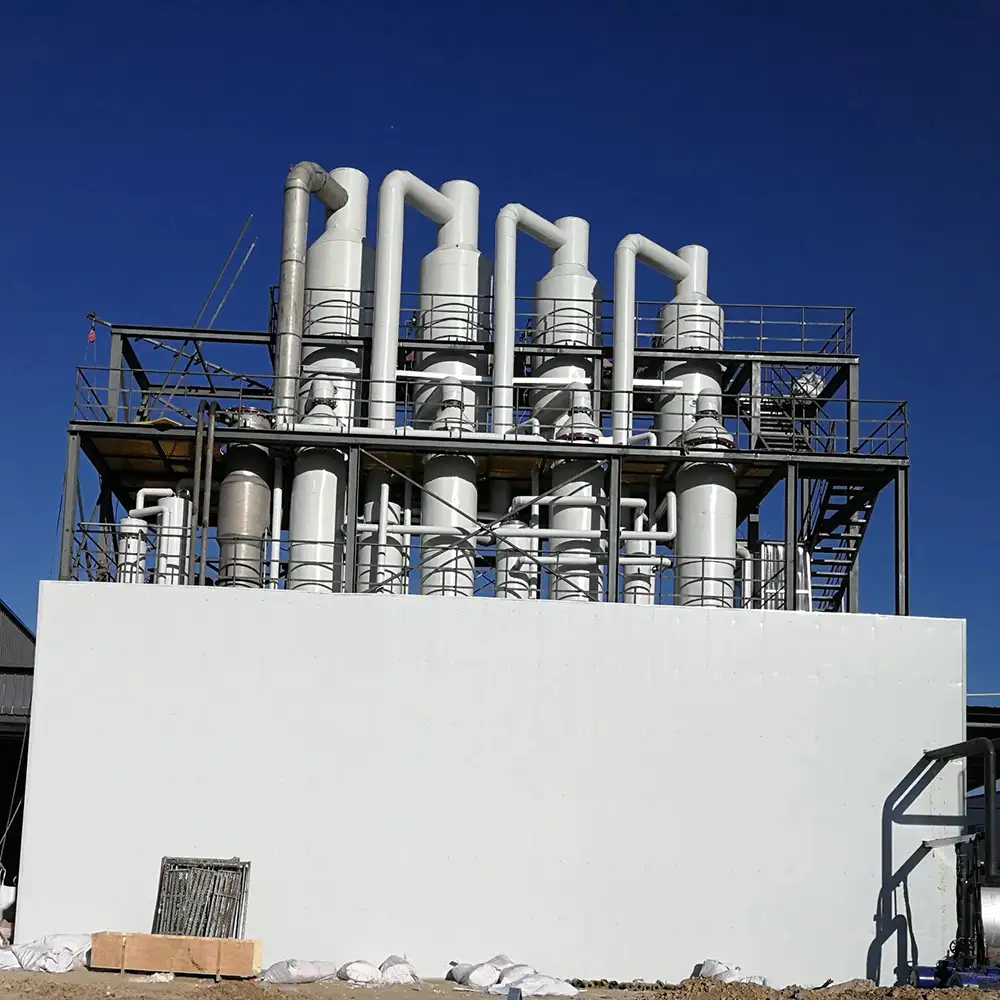
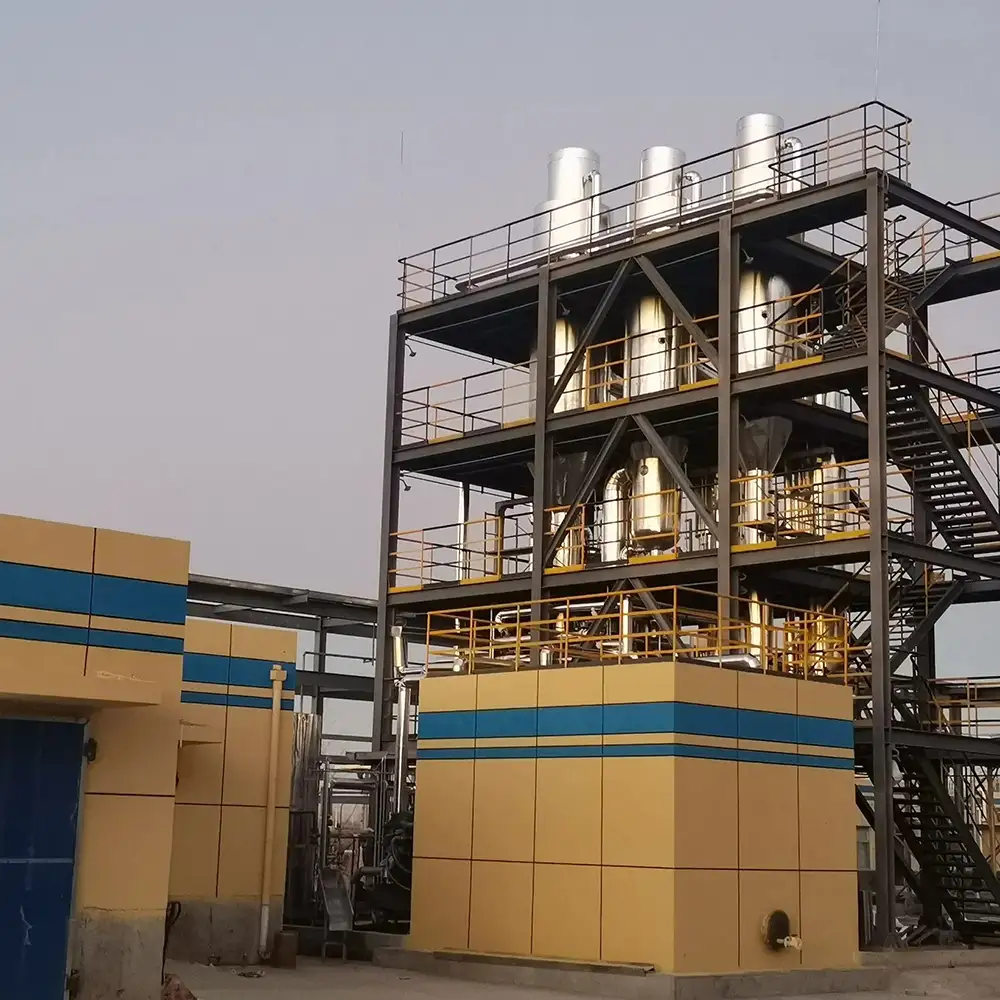
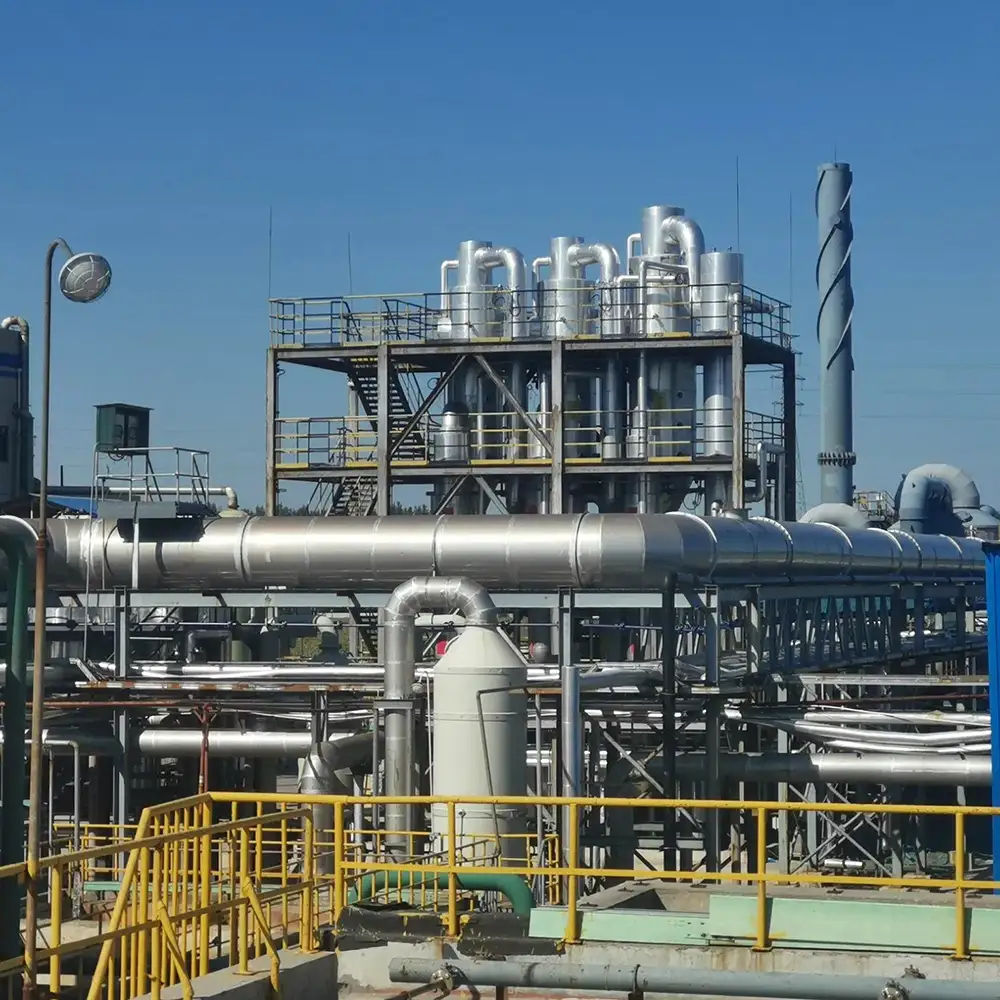
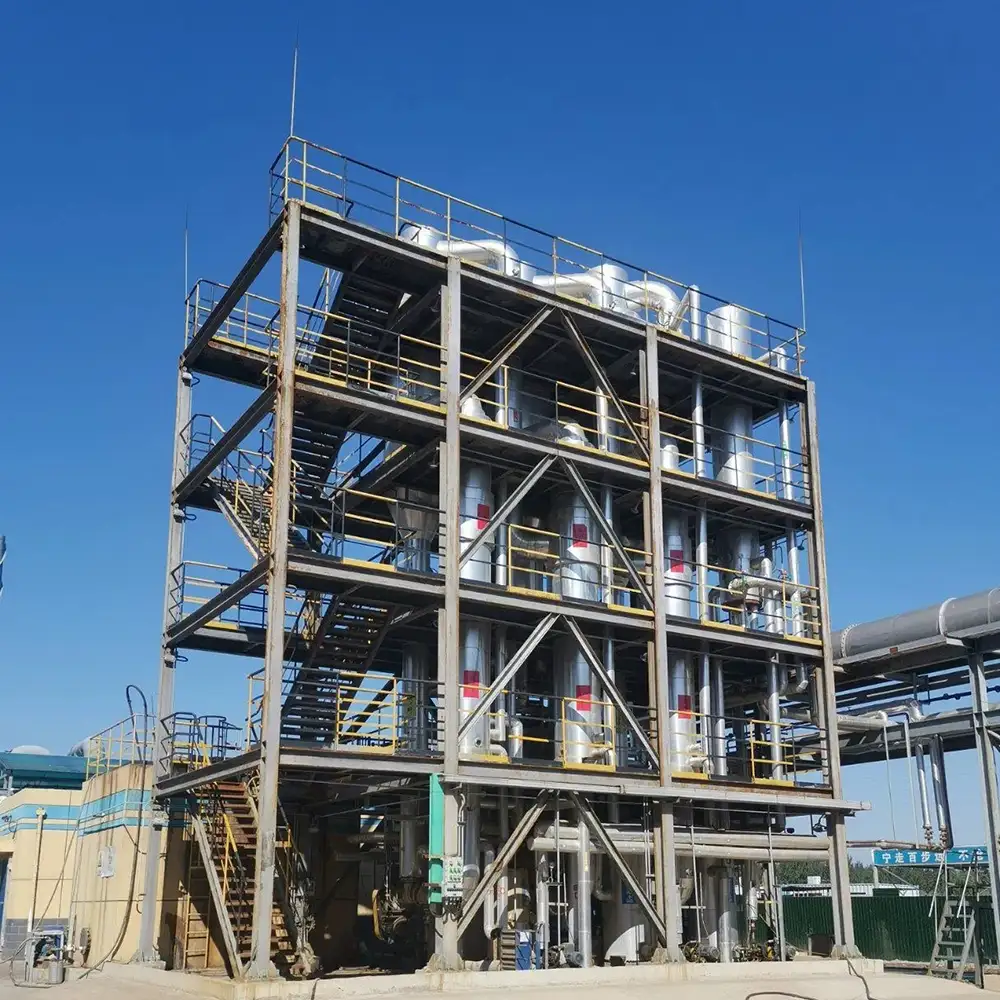
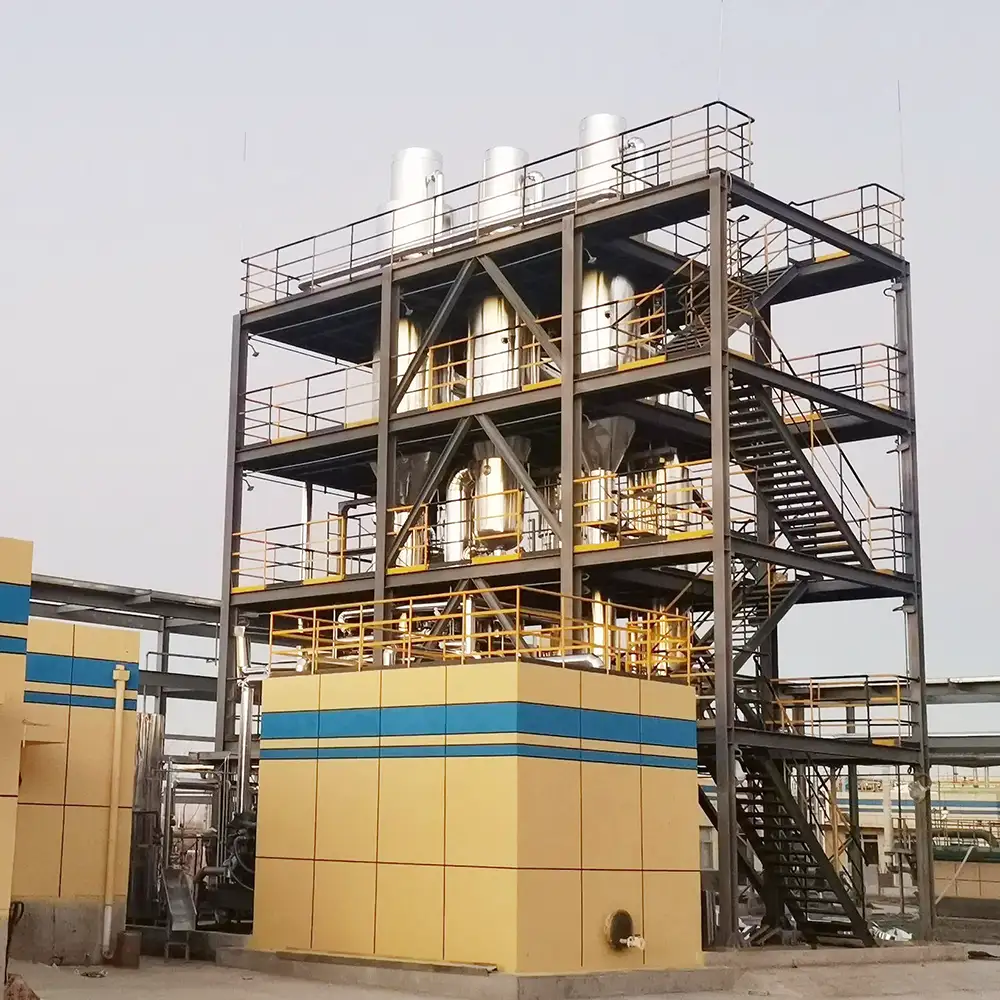
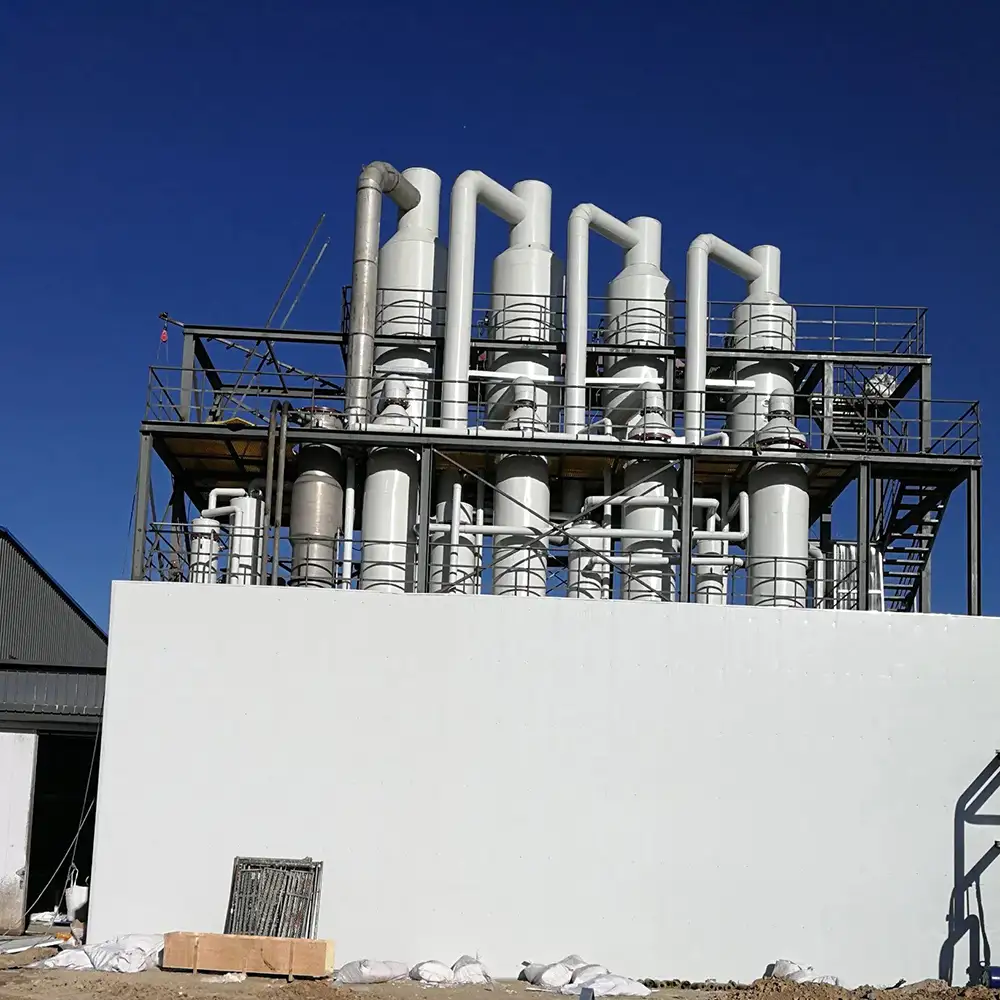
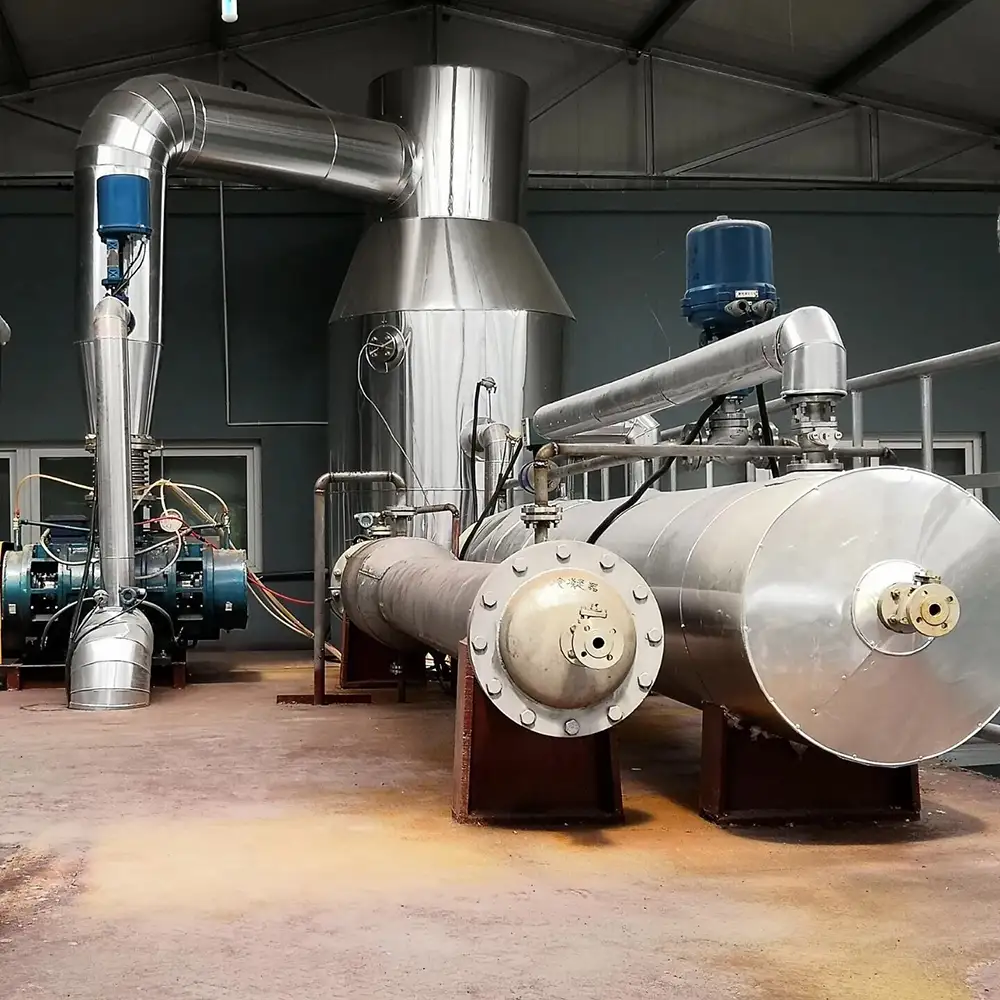
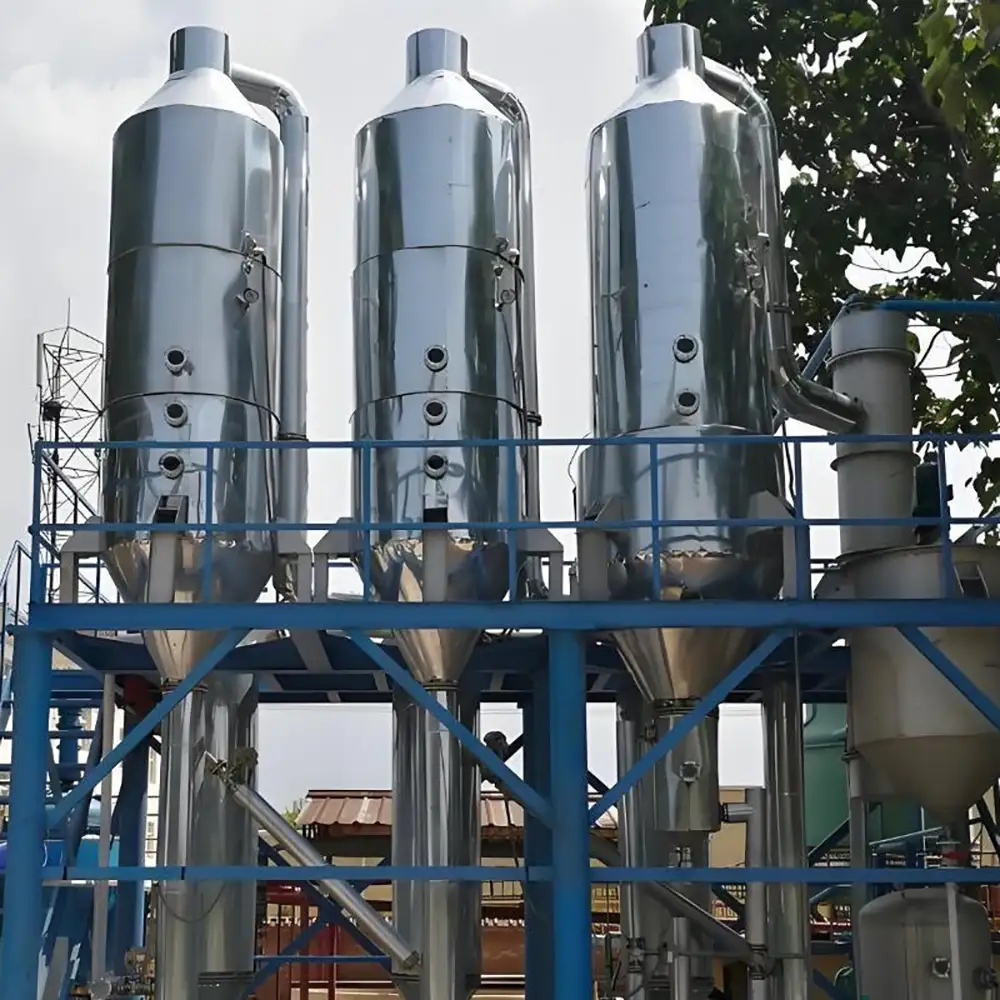
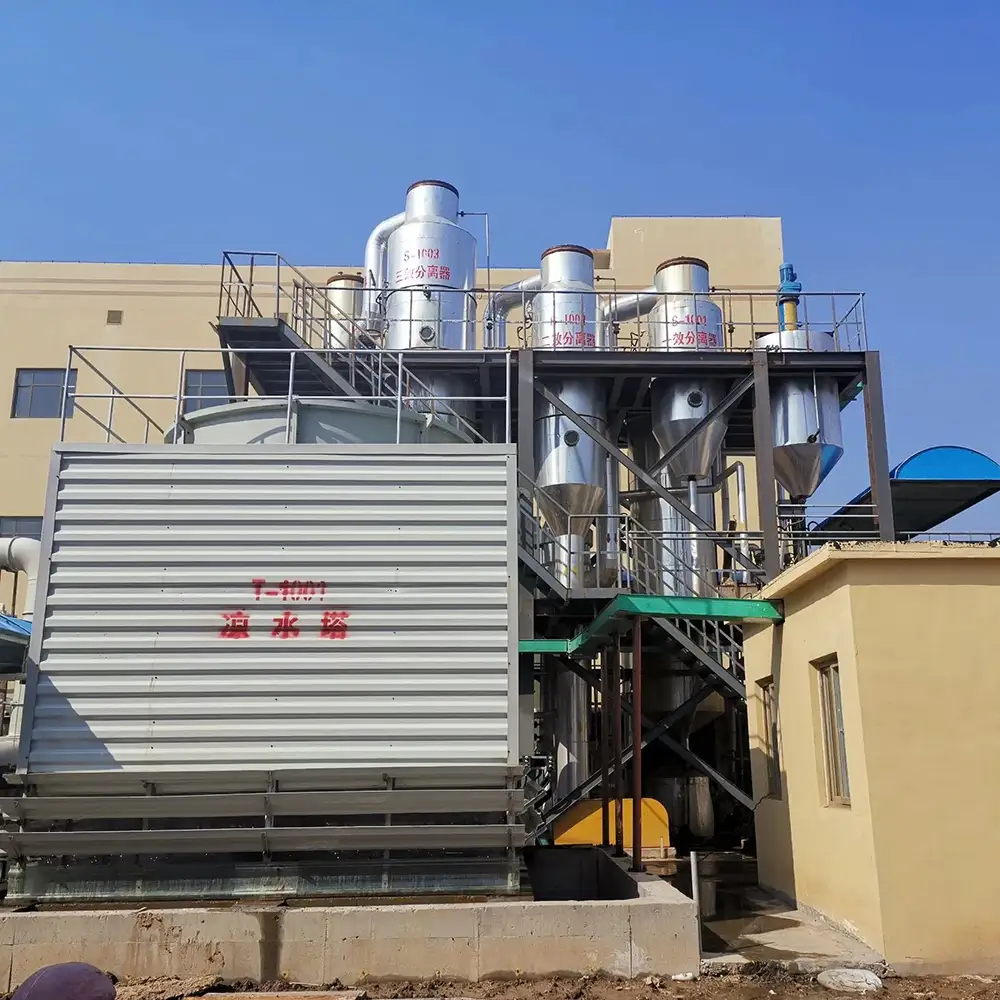
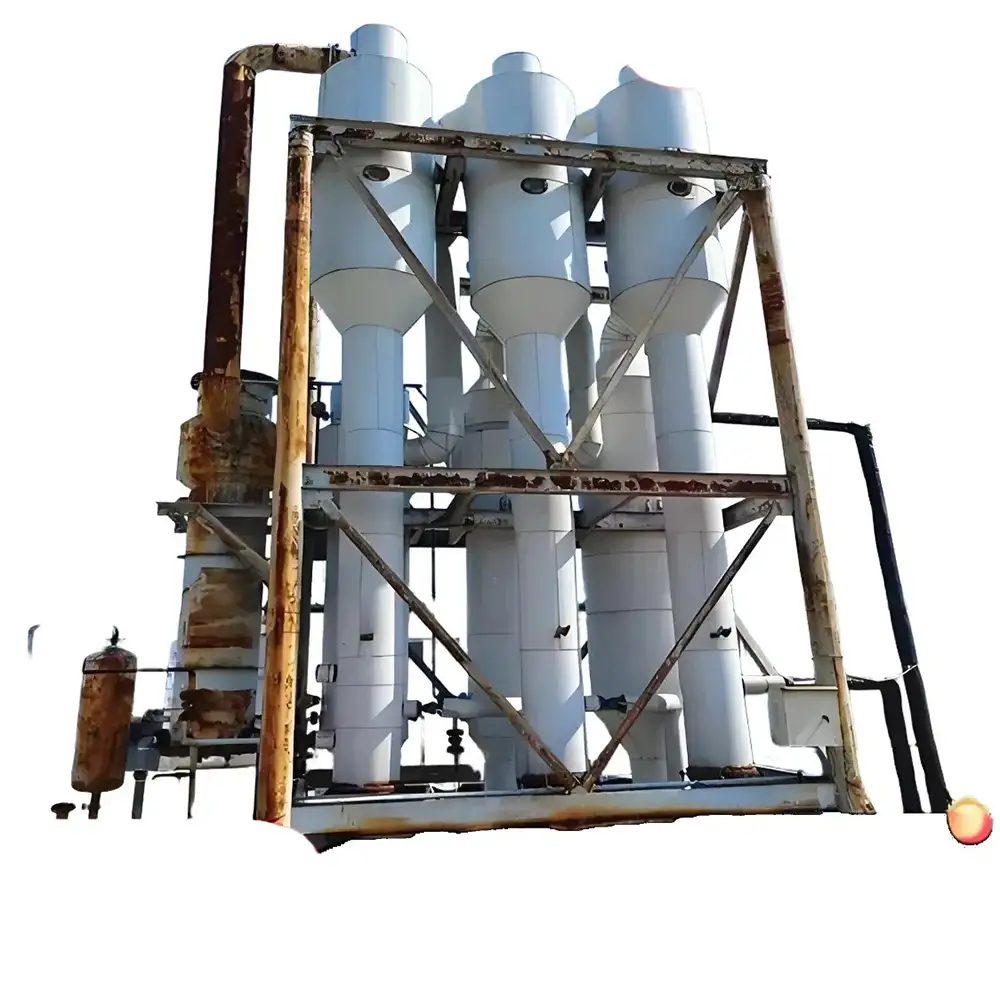
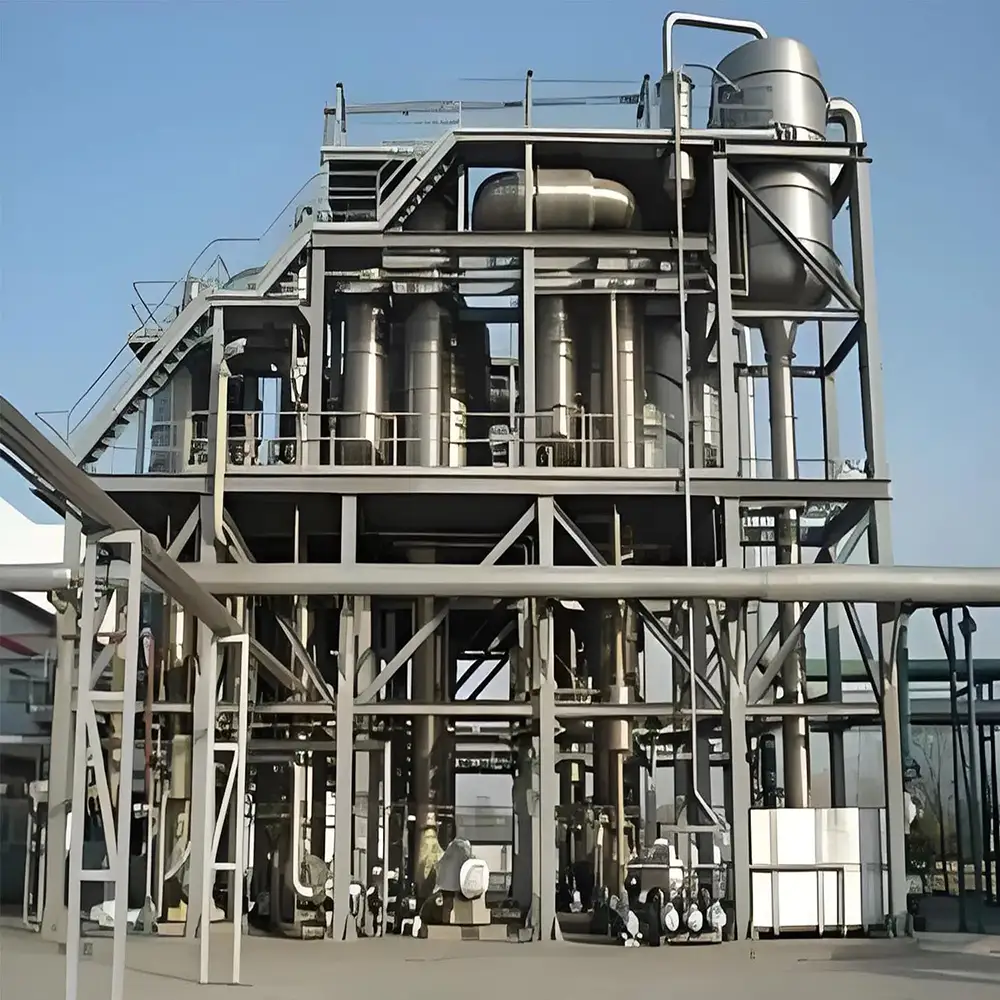
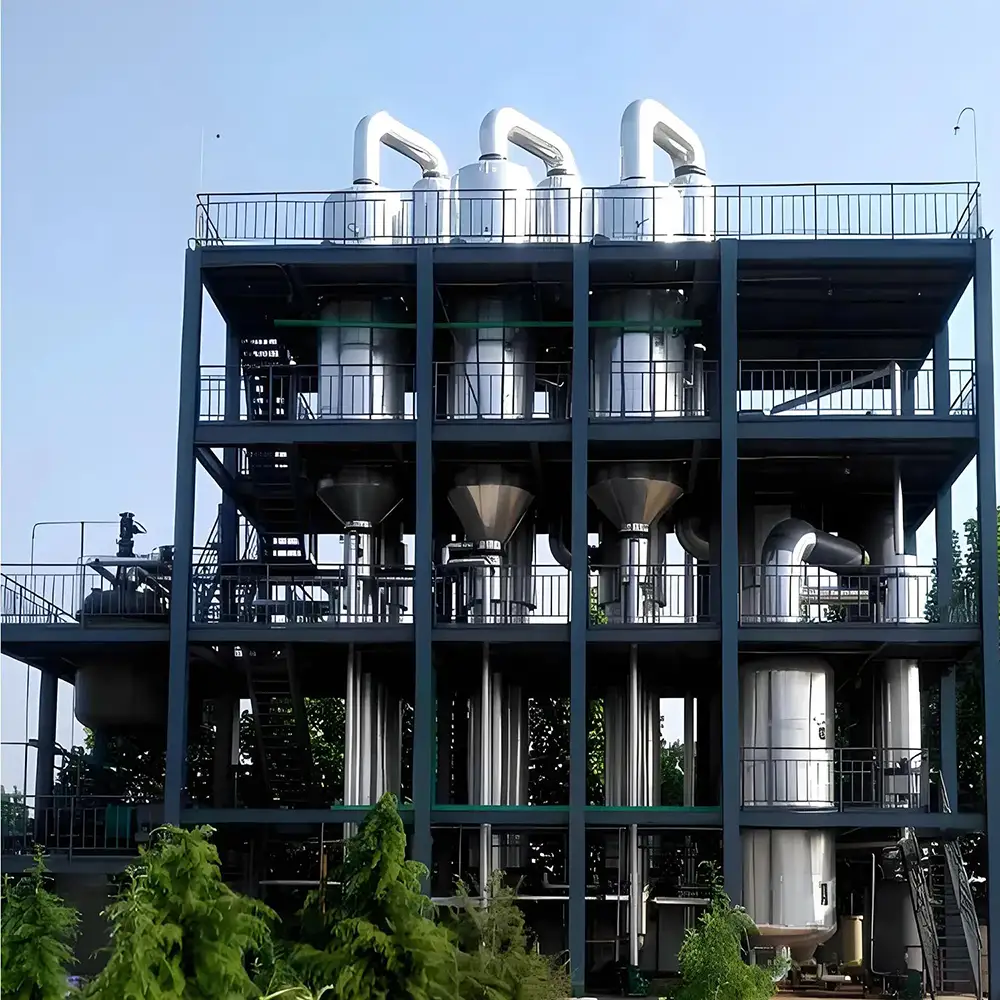
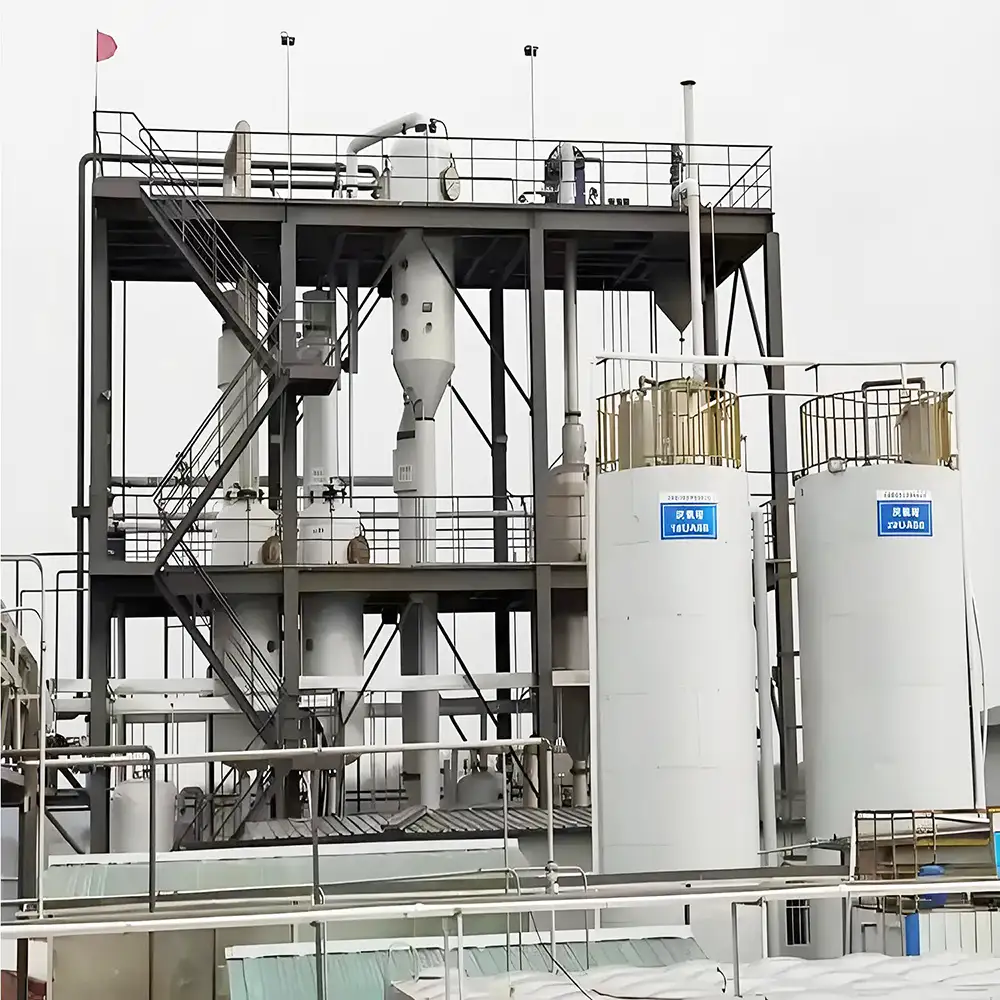
MVR Industrial Equipment for Pharmaceutical and Epoxy Resin Wastewater Treatment
MVR Industrial Wastewater Treatment Equipment is an advanced evaporation solution designed for difficult industrial wastewater streams generated by pharmaceutical production, epoxy resin manufacturing, chemical processing, and other industries. Using Mechanical Vapor Recompression (MVR) technology, the system concentrates wastewater, separates water from dissolved contaminants, reduces wastewater volume, and supports water recovery and Zero Liquid Discharge (ZLD) treatment processes.
Pharmaceutical and epoxy resin wastewater can have complex compositions and may contain dissolved salts, organic compounds, chemical residues, high concentrations of total dissolved solids (TDS), and other substances that are difficult to treat using conventional biological processes alone. Depending on the wastewater characteristics, membrane treatment may also be limited by high osmotic pressure, fouling, scaling, or concentration constraints.
MVR evaporation provides an effective advanced treatment stage for suitable wastewater streams by using thermal separation to recover water while concentrating non-volatile substances.
Mechanical vapor recompression (MVR) evaporator utilizes the secondary steam generated in the evaporator, which is compressed by a compressor to increase pressure, temperature, and enthalpy. It is then sent to the heating chamber of the evaporator as heating steam, maintaining the boiling state of the feed liquid, while the heating steam itself condenses into water. In this way, the steam that was originally intended to be discarded is fully utilized, latent heat is recovered, and thermal efficiency is improved. The economy of steam production is equivalent to 20 effects of multi effect evaporation, reducing the demand for external heating and cooling resources, energy consumption, and pollution.
MVR Mechanical Vapor Recompression Technology
MVR stands for Mechanical Vapor Recompression. During the evaporation process, wastewater is heated under controlled conditions and part of the water is converted into secondary vapor. Instead of discharging this vapor as waste heat, the MVR compressor compresses it and increases its pressure and temperature.
The recompressed vapor is then reused as a heating source for the evaporation process. This creates a closed-loop thermal cycle that can significantly reduce the requirement for external steam compared with conventional evaporation systems.
Actual energy consumption depends on wastewater characteristics, evaporation capacity, operating temperature, concentration ratio, equipment configuration, and other project conditions. Proper process design is therefore essential for achieving the expected operating performance.
Pharmaceutical Wastewater Treatment
Pharmaceutical wastewater can vary considerably depending on the manufacturing process and products being produced. It may contain dissolved salts, solvents, organic substances, active pharmaceutical ingredients, cleaning chemicals, and other process residues.
MVR evaporation can be applied to selected pharmaceutical wastewater streams as a concentration and water-recovery process. The system separates volatile water from non-volatile dissolved substances and concentrates the remaining liquid.
For pharmaceutical applications, wastewater analysis is particularly important before system design. Parameters such as COD, TDS, chloride concentration, pH, viscosity, boiling point elevation, foaming tendency, scaling potential, volatility, and corrosiveness should be evaluated.
Depending on the treatment process, the MVR evaporator can be integrated after pretreatment, biological treatment, membrane concentration, or other advanced treatment processes.
Epoxy Resin Wastewater Treatment
Epoxy resin manufacturing and related chemical processes can generate wastewater containing organic compounds, dissolved chemicals, salts, process residues, and other contaminants. The composition may vary according to raw materials, formulations, cleaning procedures, and production processes.
Epoxy resin wastewater can present challenges for conventional treatment because certain components may be difficult to biodegrade or may become highly concentrated during membrane treatment.
An MVR evaporation system can help reduce the wastewater volume and concentrate non-volatile components. The recovered vapor can be condensed into a separate condensate stream, while the concentrated wastewater can be sent to additional treatment, crystallization, solid-liquid separation, or approved disposal processes.
The appropriate evaporation technology should be selected after evaluating the actual epoxy resin wastewater composition and operating conditions.
High-TDS and High-Salt Wastewater Concentration
High-TDS wastewater is one of the major applications for industrial evaporation technology. As dissolved solids increase, conventional biological and membrane processes can become less effective or more expensive.
The MVR evaporator separates water from dissolved substances through controlled evaporation. Salts and other non-volatile components remain in the concentrated stream, while evaporated water is recovered through condensation.
This process can substantially reduce the volume of wastewater requiring final treatment or disposal. In suitable applications, the concentrated stream can be further processed using crystallization or other solid-liquid separation technologies.
Vacuum Evaporation Process
Vacuum operation can be incorporated into the evaporation process to reduce the boiling temperature of the wastewater. Lower-temperature evaporation may be beneficial for certain heat-sensitive wastewater streams and can help provide controlled operating conditions.
The vacuum system works together with the evaporator, condenser, pumps, valves, sensors, and control system to maintain the required pressure and temperature.
For pharmaceutical and chemical wastewater, temperature control can be particularly important because some organic components may react, decompose, or create unwanted vapor emissions under unsuitable thermal conditions.
Water Recovery and Reuse
A major objective of MVR wastewater treatment is to recover water from industrial wastewater. During evaporation, water becomes vapor and is subsequently condensed.
The resulting condensate can potentially be reused depending on its quality and the requirements of the production process. Additional polishing or treatment may be required before reuse.
Recovered water may be considered for applications such as equipment washing, cooling systems, utility water, or selected production processes where the required water-quality standards can be achieved.
Water recovery can help reduce freshwater consumption and improve the overall sustainability of industrial wastewater management.
Zero Liquid Discharge Applications
MVR evaporation is widely applicable as a concentration stage in Zero Liquid Discharge systems. A typical ZLD process may combine wastewater pretreatment, membrane concentration, MVR evaporation, crystallization, filtration, and solid handling.
The MVR evaporator can receive concentrated wastewater from upstream RO or other membrane systems. It then removes additional water and increases the concentration of dissolved substances.
When the concentrated stream approaches its solubility limits, a crystallization process may be added to convert dissolved salts into solid form. This allows the overall treatment system to minimize or eliminate liquid wastewater discharge.
Automatic Industrial Operation
The MVR wastewater treatment system can be equipped with an automatic control platform for continuous industrial operation. Temperature, pressure, vacuum, liquid level, flow rate, compressor status, pump operation, and other important parameters can be monitored.
Automatic control helps coordinate the compressor, heating system, circulation pumps, vacuum equipment, feed system, condensate system, and discharge system.
The control system can also provide alarms and operating-status monitoring, helping operators identify abnormal conditions and maintain stable process operation.
Flexible Industrial Configuration
Every pharmaceutical or epoxy resin wastewater stream is different. Therefore, MVR equipment should be selected based on actual wastewater conditions rather than simply choosing a standard evaporation capacity.
Important design factors include wastewater flow rate, TDS, COD, salt concentration, viscosity, density, boiling point elevation, scaling tendency, foaming characteristics, corrosiveness, temperature sensitivity, and desired water recovery.
The equipment can be integrated with pretreatment and downstream equipment to create a complete wastewater treatment solution.
Equipment Materials and Maintenance
Industrial wastewater can be corrosive, especially when high concentrations of chloride, acids, alkalis, or other chemicals are present. Proper material selection is therefore important for reliable long-term operation.
Heat-transfer surfaces, piping, pumps, valves, seals, tanks, and other wetted components should be selected according to the actual wastewater chemistry.
Regular inspection and cleaning can help control fouling and scaling, maintain heat-transfer performance, and extend equipment service life. Cleaning procedures should be selected according to the specific contaminants and equipment materials.
Why Choose Us
Selecting an MVR system for pharmaceutical or epoxy resin wastewater requires detailed consideration of wastewater composition, energy efficiency, evaporation capacity, corrosion resistance, scaling control, condensate quality, and downstream treatment requirements.
Our industrial MVR wastewater treatment solutions focus on practical process performance and flexible integration for complex industrial wastewater applications.
Key Advantages
MVR technology for efficient vapor recycling
Suitable for selected pharmaceutical wastewater streams
Applicable to epoxy resin and chemical wastewater treatment
Effective concentration of high-TDS wastewater
Vacuum evaporation for controlled lower-temperature operation
Significant wastewater volume reduction
Condensate recovery for potential water reuse
Compatible with RO and other pretreatment systems
Suitable for ZLD and crystallization processes
Automatic monitoring and process control options
Flexible configuration based on wastewater characteristics
Designed for continuous industrial operation
A properly engineered MVR evaporation system can help industrial facilities reduce wastewater volume, recover valuable water, improve energy utilization, and meet increasingly demanding wastewater management objectives.
FAQs
1. What is an MVR wastewater evaporator?
An MVR wastewater evaporator uses mechanical vapor recompression to recycle secondary vapor as a heating source. This improves thermal energy utilization during the evaporation process.
2. Can MVR equipment treat pharmaceutical wastewater?
Yes. MVR evaporation can be used for selected pharmaceutical wastewater streams, particularly those requiring concentration, water recovery, or advanced treatment before final disposal.
3. Is MVR suitable for epoxy resin wastewater?
It can be suitable for certain epoxy resin wastewater applications. The actual process should be determined after analyzing the wastewater composition and evaluating volatility, viscosity, scaling, foaming, and corrosion characteristics.
4. Can the system treat high-TDS wastewater?
Yes. Industrial MVR evaporation is particularly useful for concentrating high-TDS wastewater and reducing the amount of liquid requiring final disposal.
5. Does MVR evaporation remove COD?
MVR primarily separates water from non-volatile substances through evaporation rather than functioning as a biological COD removal process. Depending on the wastewater, additional pretreatment or downstream treatment may be required.
6. Can the recovered water be reused?
Yes, potentially. The evaporator produces condensate that may be suitable for reuse after quality evaluation and additional polishing when necessary.
7. Can an MVR evaporator be used in a ZLD system?
Yes. MVR evaporation is commonly used as an important concentration stage in integrated ZLD systems and can be combined with RO, crystallizers, filters, and solid handling equipment.
8. What causes scaling inside an evaporator?
Scaling can result from high concentrations of dissolved salts and changes in solubility during evaporation. Proper pretreatment, process control, circulation, cleaning, and equipment design can help manage scaling.
9. How is the MVR evaporator capacity determined?
Capacity depends on wastewater flow, inlet and outlet concentration, evaporation rate, water recovery target, operating temperature, TDS, and wastewater properties.
10. Is pretreatment required before MVR evaporation?
Pretreatment may be recommended depending on suspended solids, oil, volatile compounds, scaling substances, and other wastewater characteristics. The required pretreatment should be determined through wastewater analysis.
11. Can the MVR system be customized for pharmaceutical and chemical wastewater?
Yes. The evaporation process, material selection, heat-transfer area, compressor, pumps, controls, auxiliary systems, and downstream treatment configuration can be selected according to the specific wastewater and project requirements.
Prev:
Food and Pharmaceutical Industry Wastewater Treatment Equipment High-Salt Wastewater Mvr Evaporator
Next:
MVR Evaporator High Salt Wastewater Equipment Pharmaceutical Factory Evaporation Crystallization
TAG:
Industrial Wastewater Treatment,
Chemical Wastewater Treatment,
ZLD Evaporator,
Industrial Water Recovery,
Zero Liquid Discharge,
High Salt Wastewater Treatment,
Industrial Vacuum Evaporator,
Vacuum Evaporator,
MVR Evaporation System,
Mechanical Vapor Recompression Evaporator,
Industrial Evaporation Equipment,
Wastewater Concentration Equipment,
High TDS Wastewater Treatment,
High TDS Wastewater Evaporator,
Industrial Wastewater Evaporation,
Industrial MVR Evaporator,
MVR Evaporator,
MVR Wastewater Evaporator,
High Salt Wastewater Evaporator,
Multi Effect Evaporator,
ZLD System,
Wastewater Concentrator,
MVR Wastewater Treatment,
Mechanical Vapor Recompression,
Water Reuse Equipment,
Industrial Brine Treatment,
Concentrated Wastewater Treatment,
Vacuum Evaporation System,
Pharmaceutical Wastewater Treatment,
Pharmaceutical Wastewater Evaporator,
Related Category:
MVR Wastewater Treatment Equipment, Pharmaceutical Wastewater Treatment, Epoxy Resin Wastewater Treatment, MVR Evaporato China, suppliers, manufacturers, factory, customized, wholesale, quotation, made in China