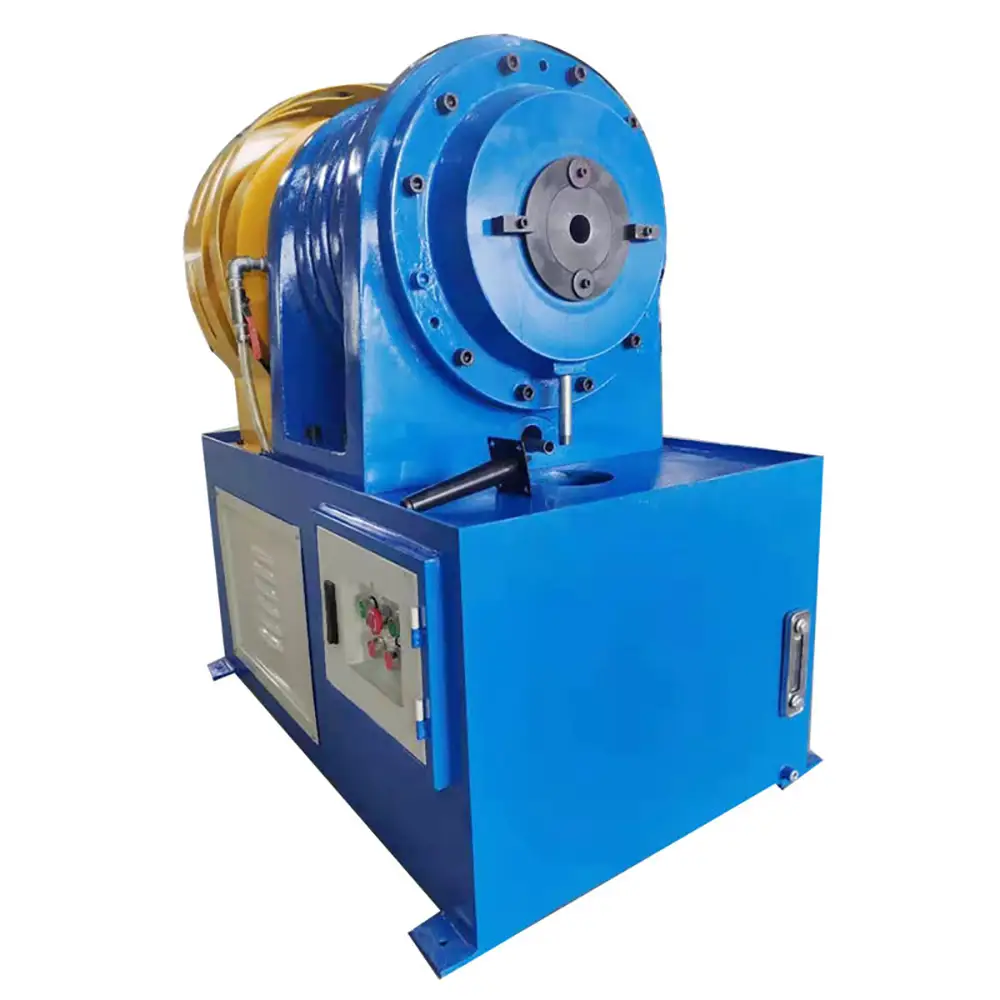
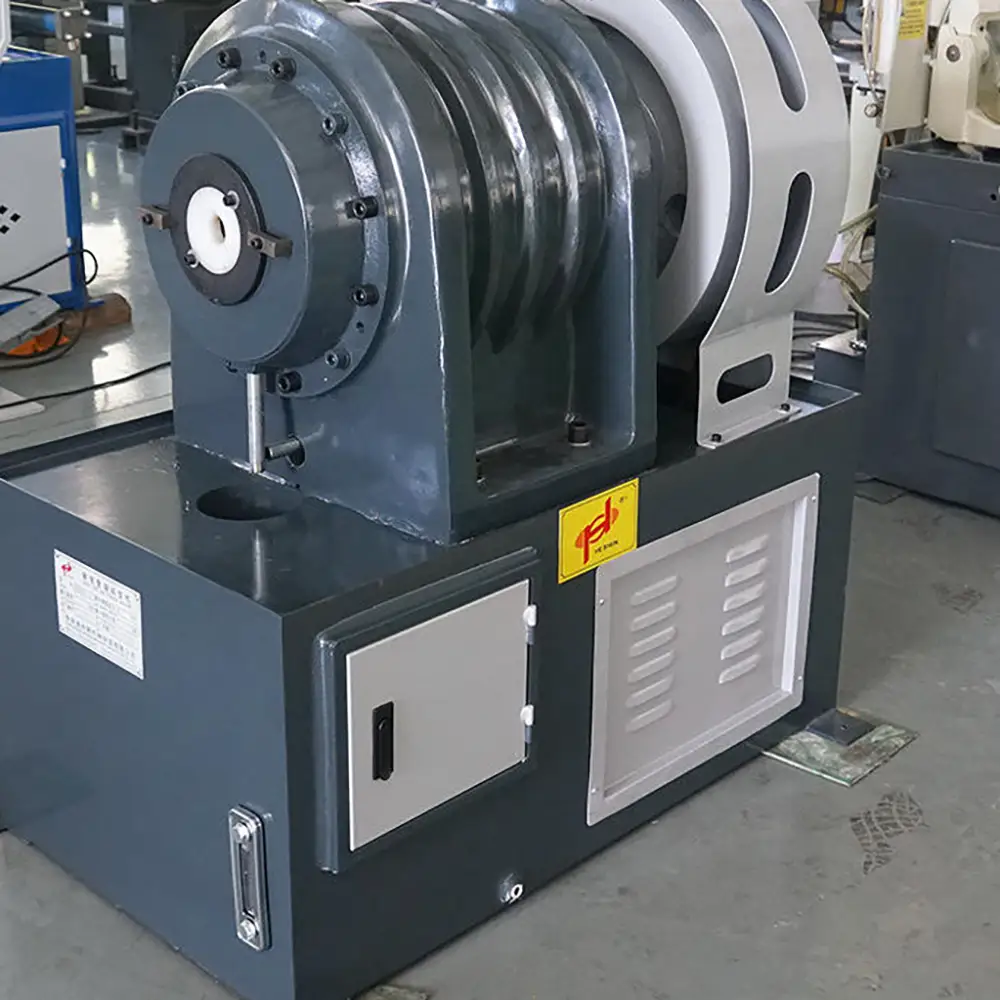
|
item |
value |
|
machine type |
Pipe End Expansion and Reduction |
|
max. bending angle (deg) |
160 |
|
bending precision (deg) |
1 |
|
automation |
Semi-automatic |
|
warranty |
1 Year |
|
brand name |
SOAR |
|
extra services |
Machining |
|
key selling points |
Energy saving |
|
Tools size |
11/2,15/8,13/4,2,21/2,inch Max 3inch customized |
|
Horse power |
2HP,1.5kw, singlephase/threephase |
|
RPM |
1420 |
|
Cylinder stroke |
Front:180mm Rear:60mm |
|
Size |
900*520*1020mm |
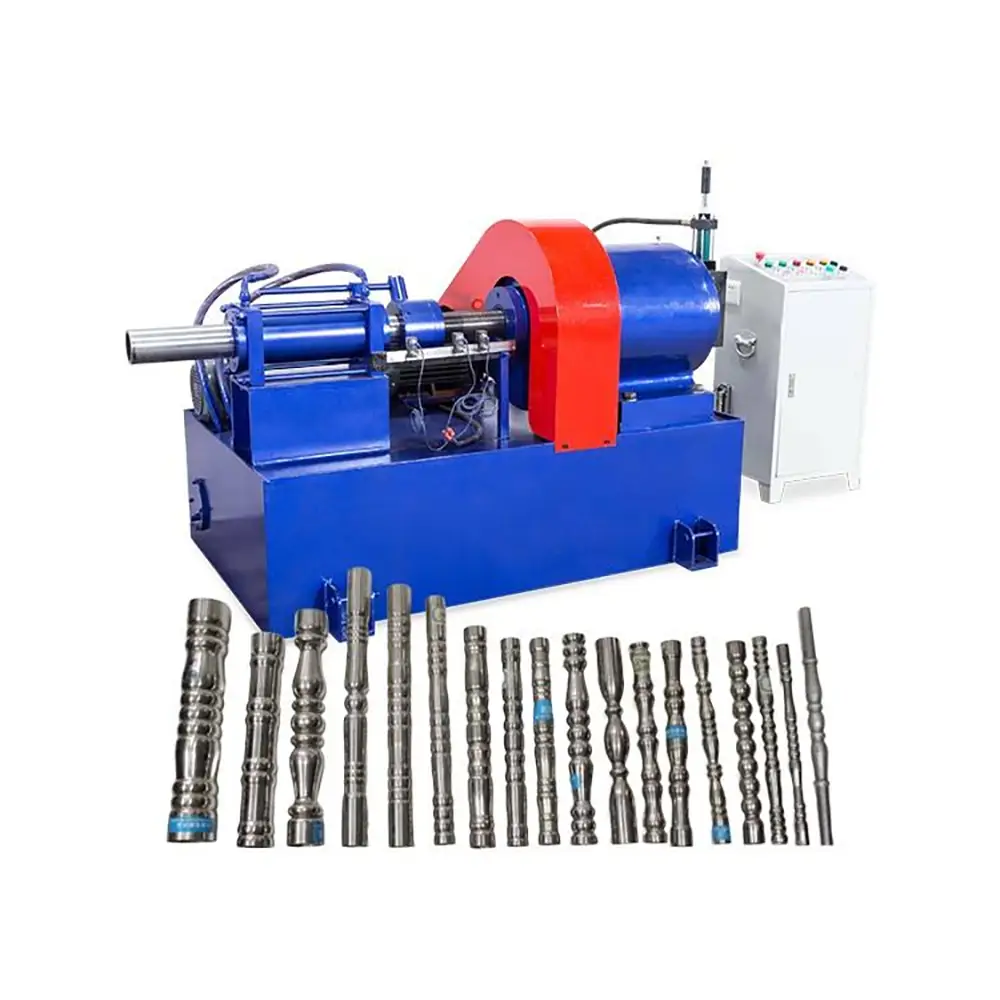
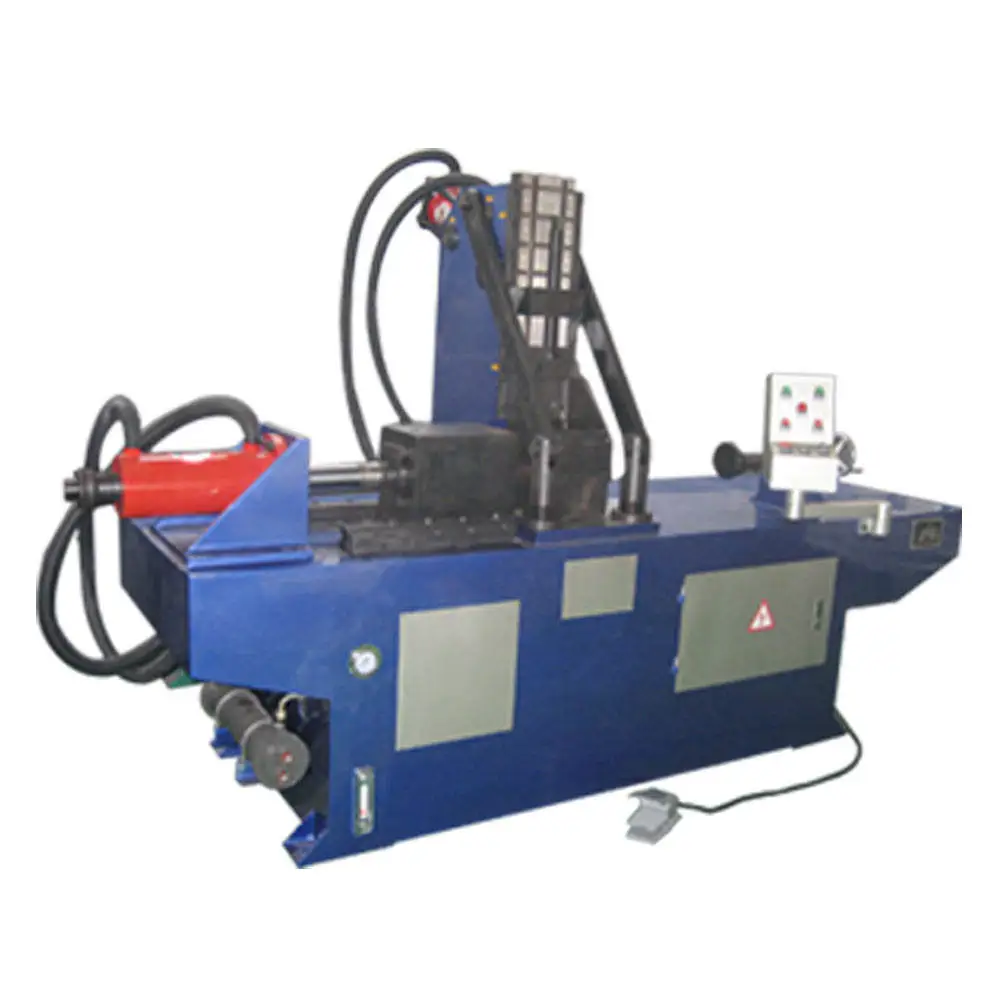
Multi-Functional Exhaust Pipe Processing Equipment for Pipe End Expansion and Reduction
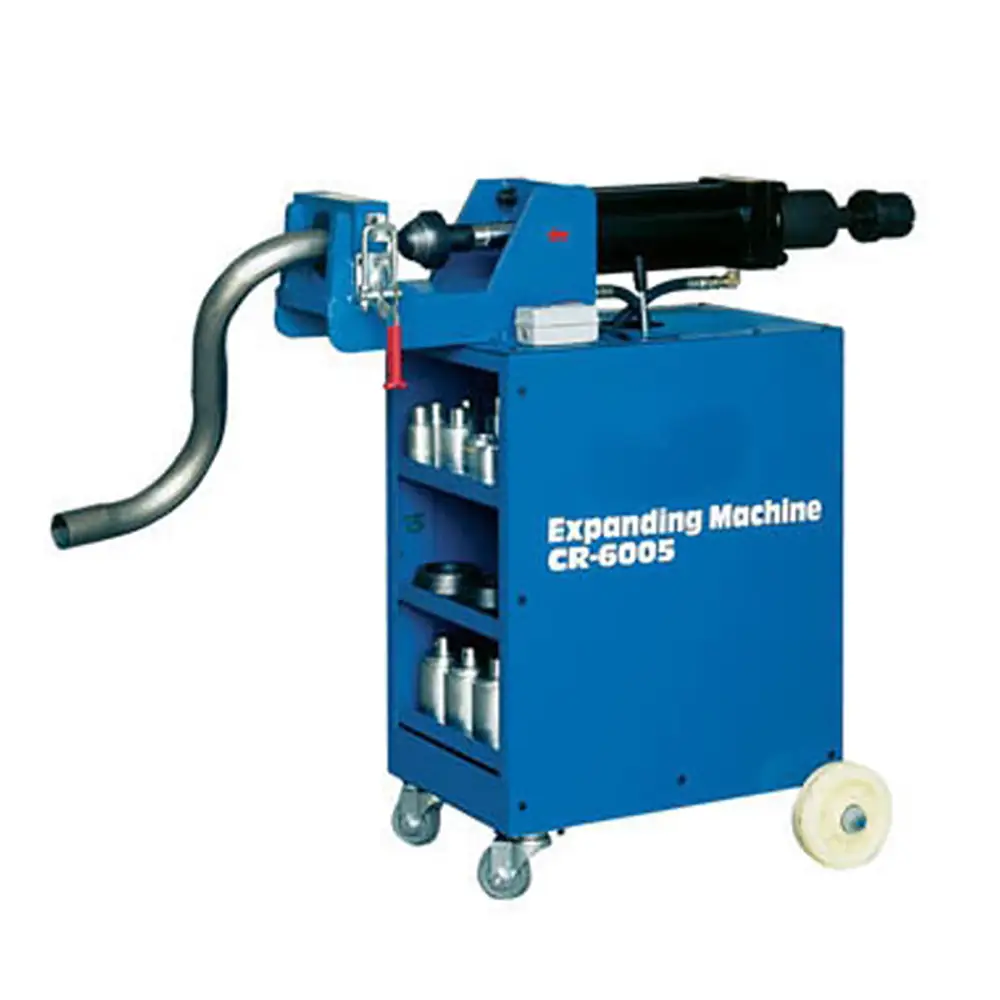
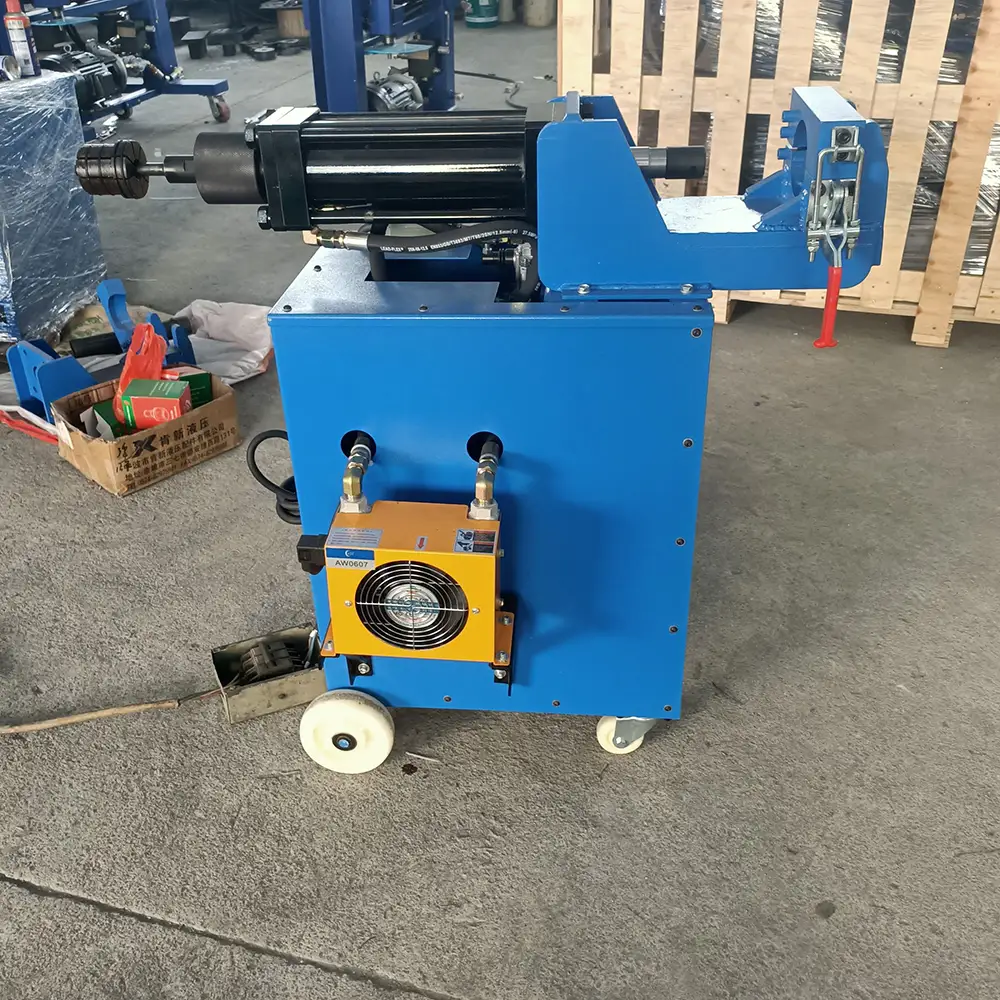
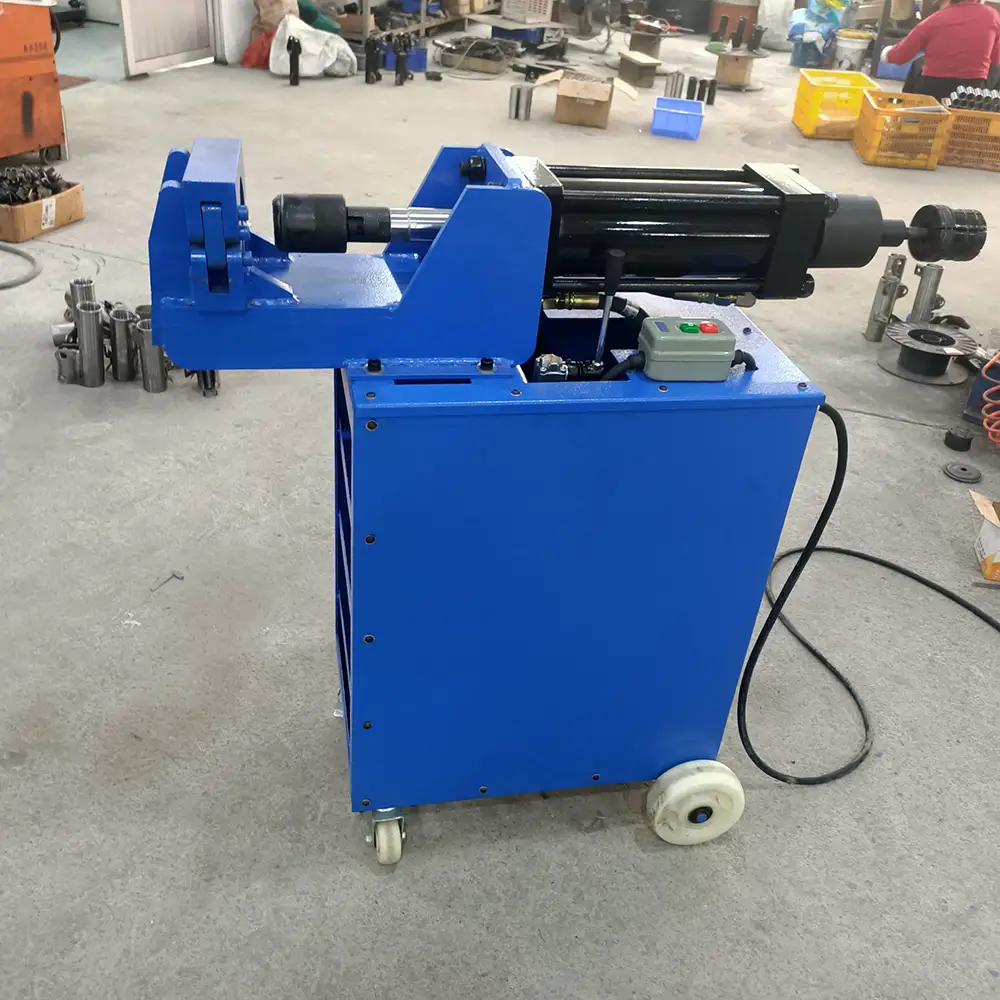
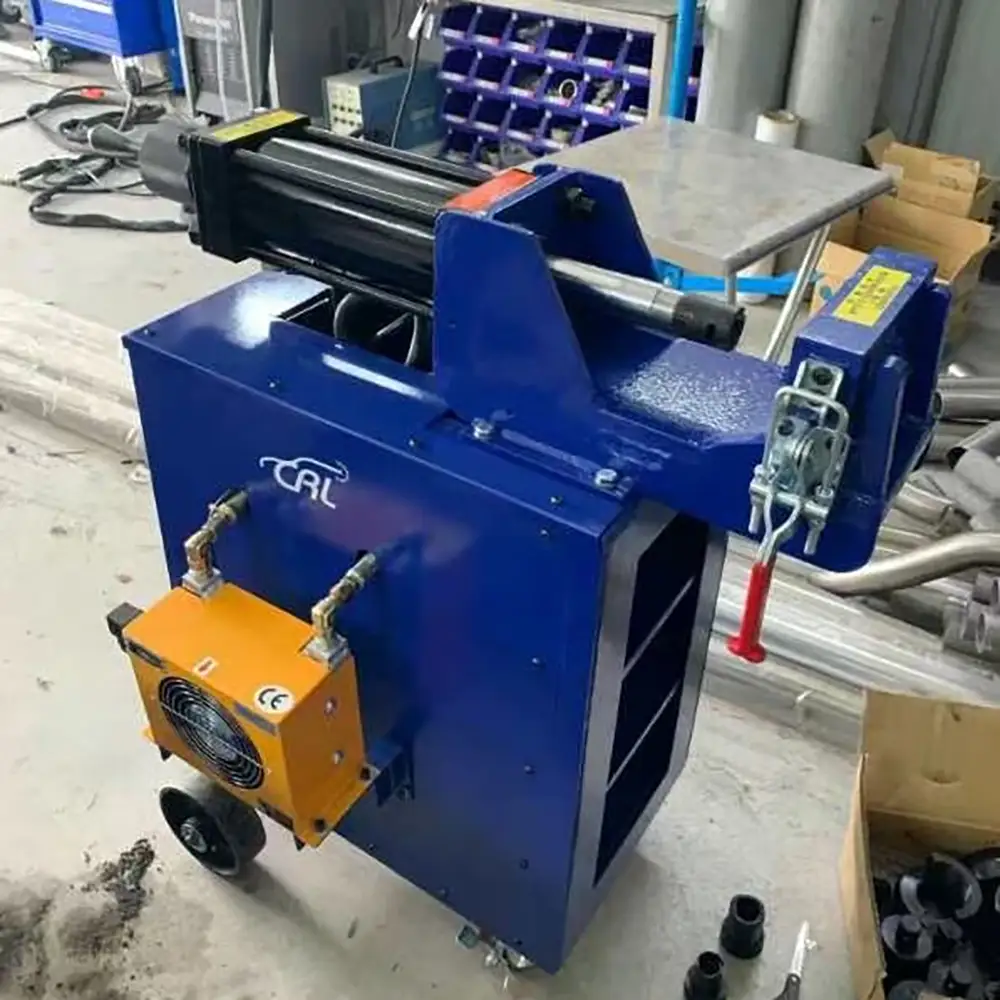
The Multi-Functional Exhaust Pipe Processing Equipment is designed for forming and processing metal exhaust pipes through controlled pipe end expansion and reduction. It provides a practical solution for manufacturers producing automotive exhaust systems,muffler components,exhaust tubing,and other tubular metal products that require accurately formed pipe ends.
Exhaust pipe manufacturing often requires several forming operations to prepare tubes for assembly. Depending on the product design,one tube end may need to be expanded to receive another component,while another section may need to be reduced to create a smaller connection diameter. Combining multiple tube end forming functions into one processing system can help reduce workpiece handling and simplify the production workflow.
The machine can be configured according to tube material,diameter,wall thickness,forming geometry,and production requirements. Actual expansion and reduction capacity depends on the machine structure,forming tooling,drive system,material properties,and selected configuration.
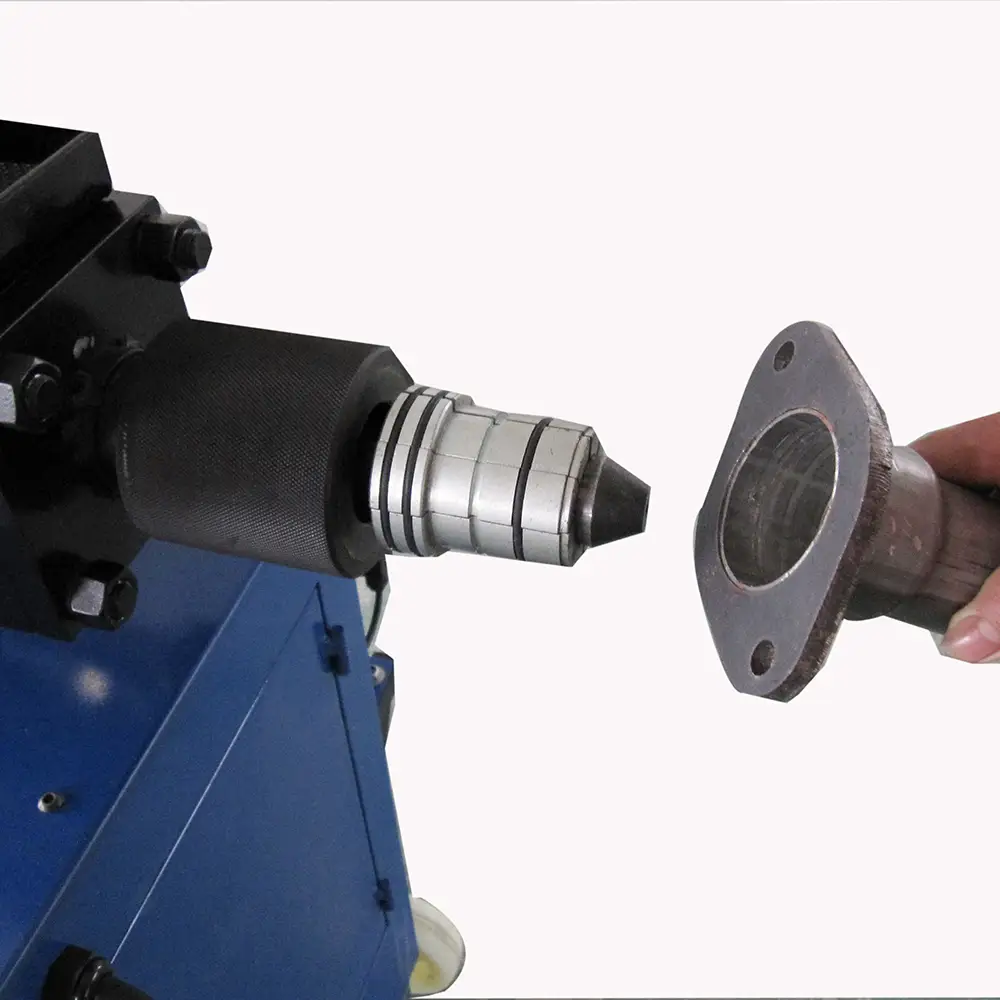
Exhaust Pipe End Expansion
Pipe end expansion is commonly used when an exhaust tube needs to receive another pipe,component,or connection section. The end of the tube is formed outward to increase its diameter or create a specific connection profile.
The expansion process can help manufacturers prepare exhaust tubes for:
Muffler connections
Exhaust pipe joints
Slip-fit connections
Tubular assemblies
Exhaust system components
Custom automotive tubing
Industrial exhaust assemblies
The finished expansion geometry depends on the tooling and tube specifications.
For consistent production,appropriate forming force and tooling alignment are important. Excessive expansion can cause unwanted deformation,while insufficient expansion may prevent proper assembly.
Exhaust Pipe End Reduction
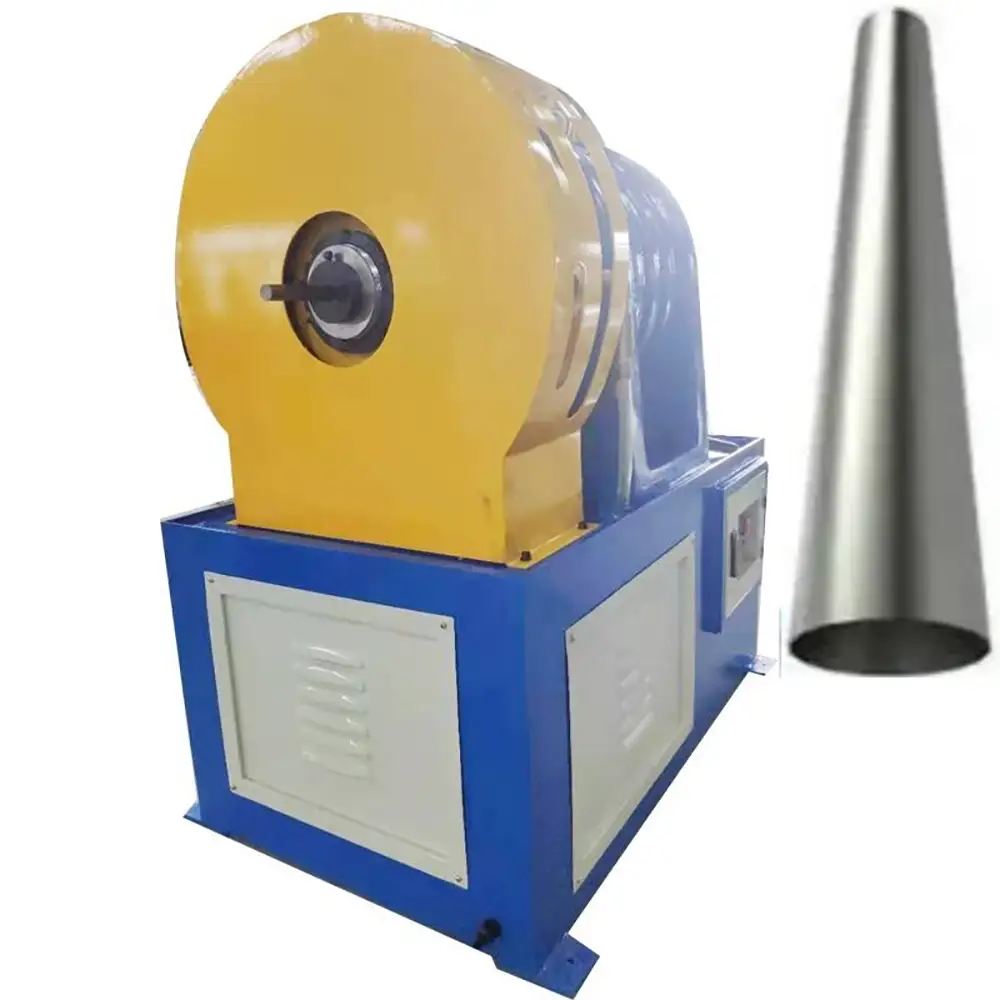
Pipe end reduction is the opposite type of forming operation. It reduces the outside diameter of a selected tube section to create a smaller end or tapered connection.
Reducing operations can be used for:
Exhaust outlet sections
Muffler connections
Pipe transitions
Tubular adapters
Automotive exhaust components
Custom tube assemblies
Industrial pipe connections
The reduction process can produce a controlled transition between different tube diameters.
For exhaust system manufacturing,the required reduction geometry depends on the connection design and downstream welding or assembly process.
Multi-Functional Tube End Forming
A major advantage of multi-functional exhaust pipe processing equipment is its ability to support more than one tube end forming operation.
Depending on the machine configuration,it may combine functions such as:
Tube end expansion
Tube end reduction
Tube shrinking
Tube flaring
End forming
Diameter transition forming
Custom profile forming
Not every machine configuration performs all of these operations simultaneously. The available functions depend on the selected tooling and machine design.
For manufacturers producing different exhaust components,a multi-functional platform can provide greater production flexibility than a machine dedicated to only one forming operation.
Automotive Exhaust Pipe Manufacturing
Automotive exhaust systems contain multiple pipes and components with different diameters,shapes,and connection requirements.
Exhaust pipe processing equipment can be used for components such as:
Exhaust pipes
Muffler inlet pipes
Muffler outlet pipes
Tailpipes
Intermediate pipes
Connecting tubes
Exhaust system adapters
Custom exhaust tubing
The machine can be used as part of a larger exhaust manufacturing process that may also include tube bending,cutting,welding,flanging,expanding,and surface finishing.
For aftermarket exhaust manufacturers,the ability to process different tube dimensions can also be useful when producing customized exhaust systems.
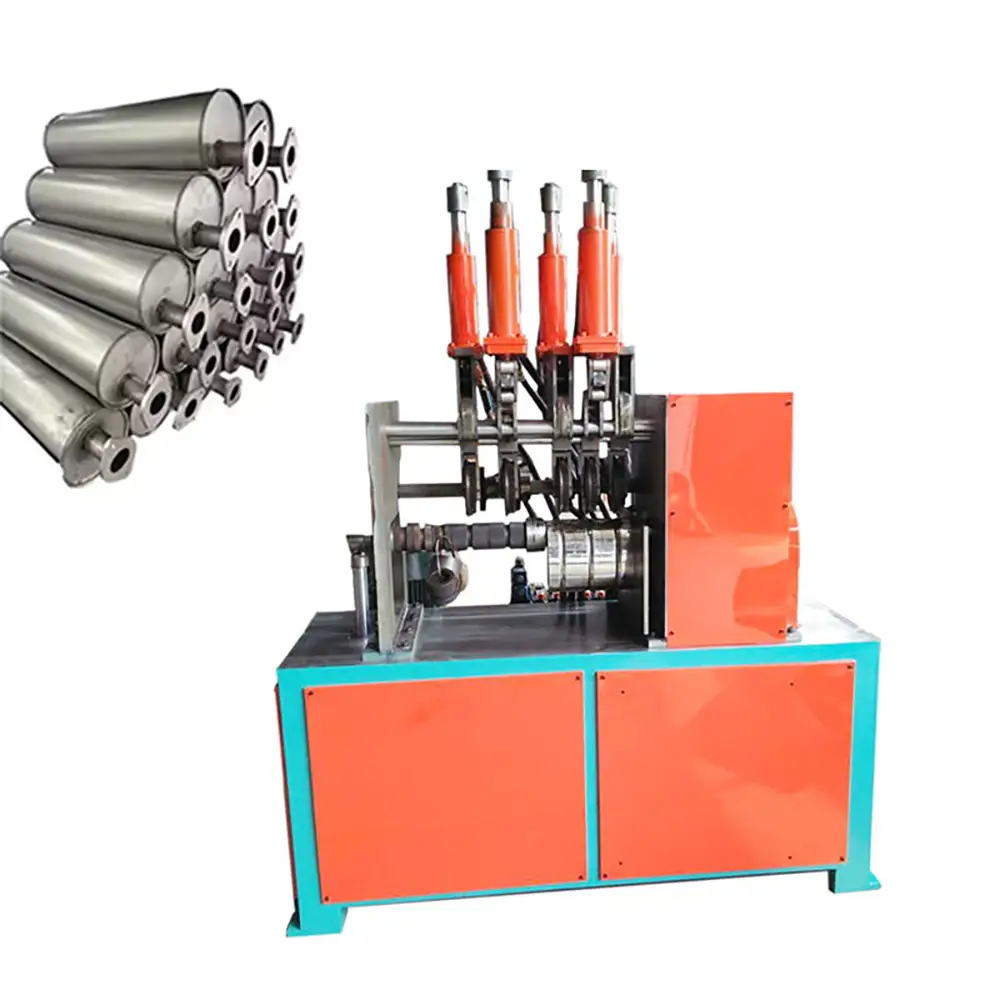
Muffler Manufacturing Applications
Muffler production often requires tube ends to be formed before components are assembled and welded.
Expansion and reduction operations can help prepare tubes for insertion,connection,and positioning within muffler assemblies.
Depending on the product design,the machine can process suitable carbon steel,stainless steel,and other compatible exhaust tubing.
For muffler manufacturers,the machine can be integrated with tube cutting,bending,welding,and leak-testing processes to create a complete production workflow.
The actual material and tube size range should be confirmed according to the machine specification.
Suitable Tube Materials
Exhaust pipe end forming can be performed on different metal materials when the machine and tooling are properly configured.
Common materials may include:
Carbon steel
Mild steel
Stainless steel
Aluminized steel
Aluminum
Other compatible metal tubing
Stainless steel exhaust tubing may require different forming parameters from mild steel because of its strength and work-hardening characteristics.
Thin-wall tubing also requires careful control to reduce excessive deformation or buckling.
Customers should provide the material grade,tube outside diameter,wall thickness,and required finished shape when selecting the equipment.
Tooling and Die Design
Forming tooling is one of the most important parts of an exhaust pipe expansion and reduction machine.
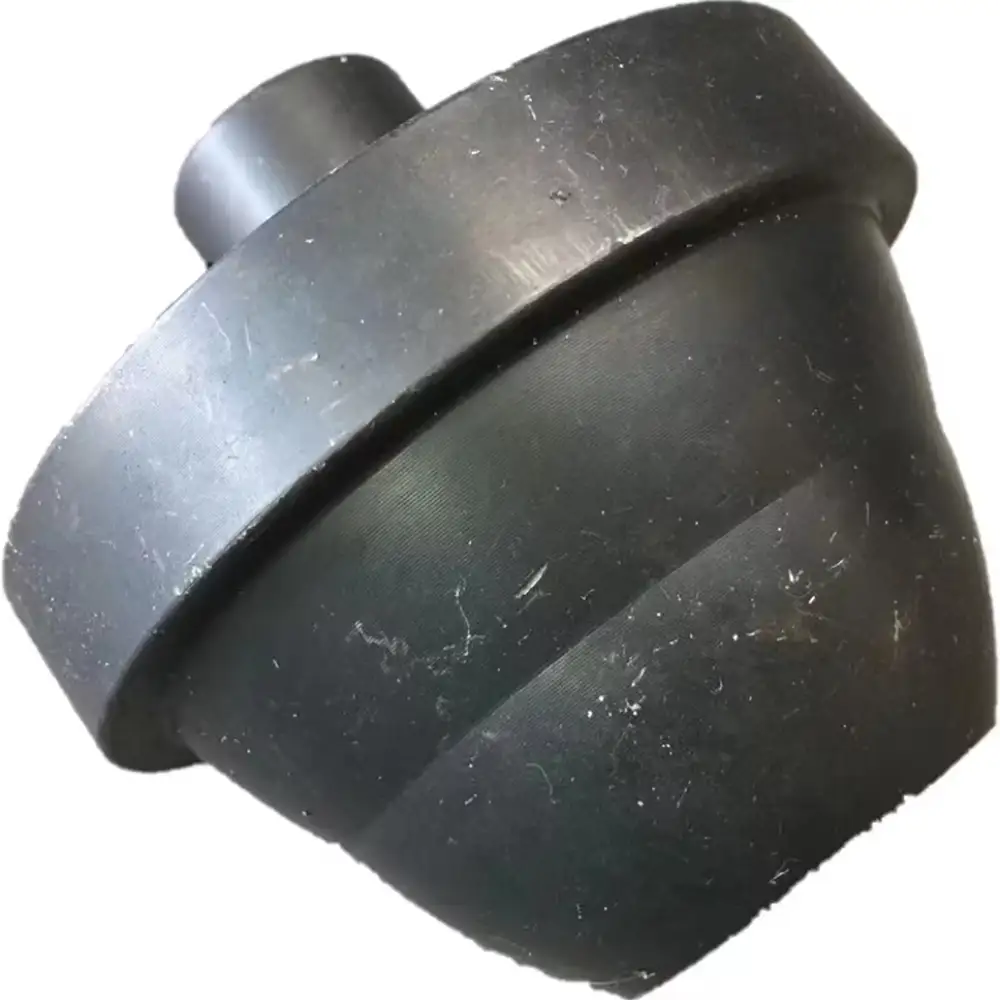
The forming die must match the tube dimensions and desired geometry. Depending on the application,tooling may include expansion dies,reduction dies,forming mandrels,clamping fixtures,and positioning components.
Custom tooling can be developed for special exhaust pipe profiles or non-standard connection dimensions.
For manufacturers producing multiple exhaust models,interchangeable tooling can provide greater flexibility when supported by the machine design.
Providing technical drawings or samples allows the manufacturer to evaluate the appropriate tooling concept.
Production Efficiency
Automating or semi-automating tube end forming can reduce repetitive manual operations and improve production consistency.
A controlled forming cycle allows similar workpieces to be processed using repeatable machine settings. This can be particularly useful for automotive exhaust components produced in batches.
Actual cycle time depends on tube dimensions,material,forming operation,tool changes,loading method,and machine configuration.
For high-volume production,manufacturers should evaluate the complete production cycle rather than relying only on nominal machine speed.
Forming Quality and Accuracy
The quality of a formed exhaust pipe depends on several factors.
Important considerations include:
Tube material
Tube diameter
Wall thickness
Forming force
Tooling geometry
Die alignment
Clamping stability
Machine rigidity
Forming speed
Lubrication where applicable
Inspection may include checking finished diameter,length,roundness,wall condition,and connection fit.
For exhaust components that must fit into another tube or muffler body,dimensional consistency is especially important.
Sample testing can help establish suitable forming parameters before production.
Integration with Exhaust Production Lines
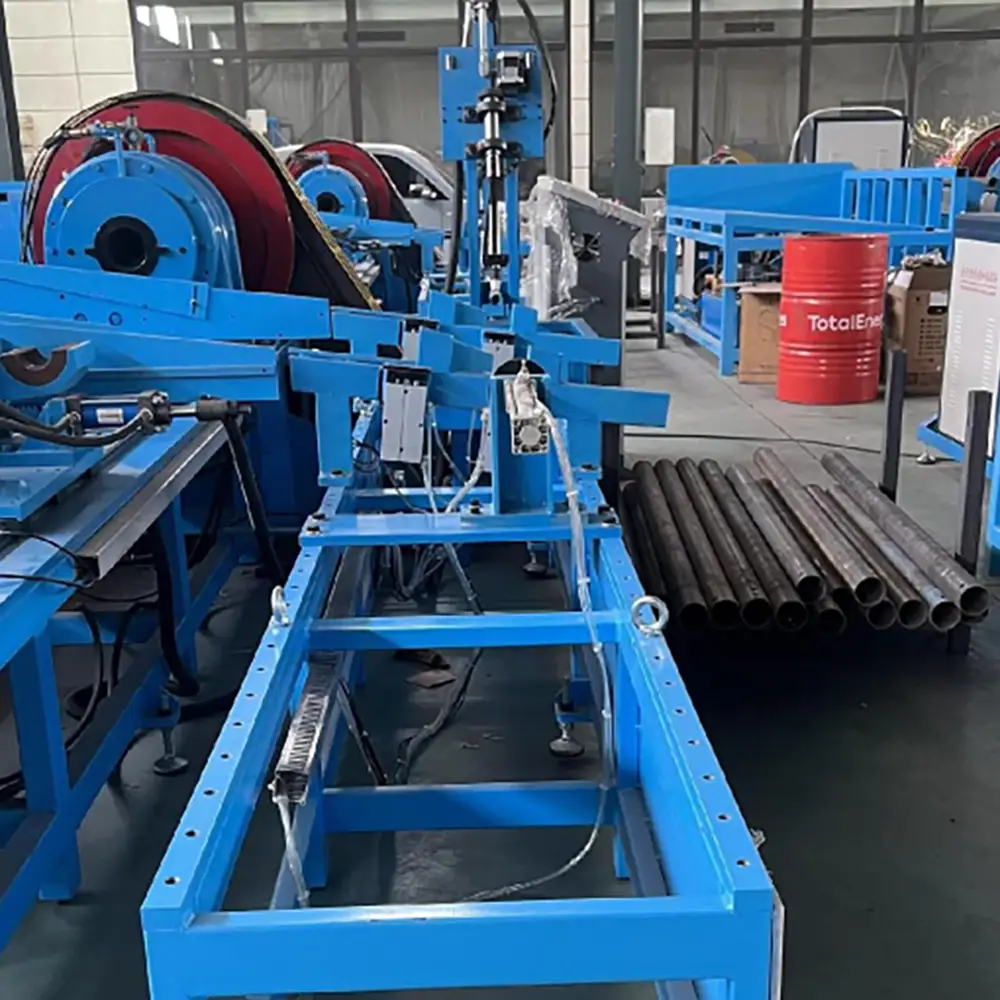
The multi-functional pipe end forming machine can be used as an individual workstation or integrated into a broader exhaust manufacturing workflow.
A typical production process may include:
Tube cutting
Tube bending
End expansion or reduction
Flanging or other end forming
Welding
Grinding
Surface treatment
Leak testing
Final inspection
The machine can therefore support both component manufacturing and complete exhaust system production.
For OEM manufacturers,the equipment can be configured around specific production sequences and tooling requirements.
Maintenance and Safety
Routine maintenance is important for reliable tube forming performance.
Operators should regularly inspect forming dies,clamping components,hydraulic or mechanical drive systems,fasteners,electrical connections,and other wear parts according to the manufacturer's recommendations.
Tooling should be cleaned and checked for damage or excessive wear.
During operation,operators should keep hands away from moving dies and follow appropriate machine safety procedures. Emergency-stop systems,guards,and other protective functions depend on the actual machine configuration.
Operators should also receive suitable training before operating the equipment.
Custom OEM Exhaust Pipe Processing Solutions
Different automotive exhaust manufacturers may require different tube sizes,materials,connection profiles,and production volumes.
The equipment can therefore be customized around specific requirements.
OEM and ODM options may include:
Custom expansion dies
Reduction dies
Tube fixtures
Mandrels
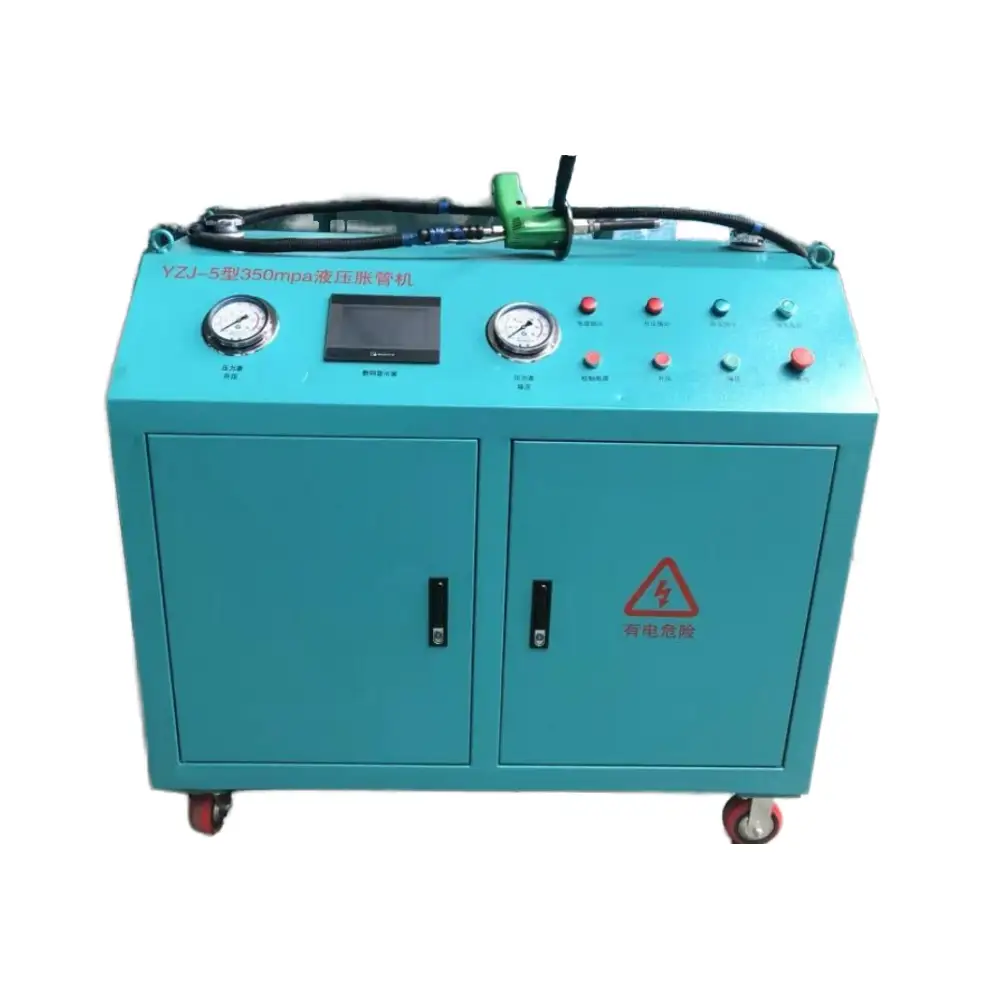
Hydraulic forming systems
Pneumatic or mechanical components
CNC-assisted positioning
Semi-automatic operation
Customized control systems
Customers can provide tube drawings,samples,material specifications,finished dimensions,and production quantities for evaluation.
This information helps determine the appropriate machine configuration and tooling.
Why Choose Us
Multi-Functional Tube Processing — Supports pipe end expansion,reduction,and other forming operations according to the machine configuration.
Exhaust Pipe Applications — Designed for automotive exhaust pipes,muffler tubes,tailpipes,and related tubular components.
Expansion & Reduction Functions — Provides controlled forming for different exhaust pipe connection requirements.
Flexible Tooling — Custom expansion and reduction dies can be developed for different tube dimensions and profiles.
Multiple Material Options — Suitable configurations are available for carbon steel,stainless steel,aluminized steel,aluminum,and other compatible tubing.
Production Consistency — Controlled forming cycles can help improve repeatability for batch production.
Complete Exhaust Manufacturing Support — Can be integrated with cutting,bending,welding,flanging,and inspection processes.
OEM & ODM Service — Machine configuration,tooling,and control functions can be customized according to customer drawings and production requirements.
FAQs
1. What is an exhaust pipe processing machine?
It is equipment designed to perform forming operations on metal exhaust tubes,including pipe end expansion,reduction,and other end-forming processes.
2. What is pipe end expansion?
Pipe end expansion increases the diameter of a selected tube end to create a connection or receiving section for another component.
3. What is pipe end reduction?
Pipe end reduction decreases the diameter of a tube end or section to create a smaller connection or transition profile.
4. Can this machine process automotive exhaust pipes?
Yes. It is designed for suitable automotive exhaust tubes,muffler pipes,tailpipes,and related exhaust system components.
5. Can it expand and reduce the same tube?
Depending on the machine configuration and tooling,it can support both expansion and reduction operations.
6. What materials can be processed?
Suitable configurations can process carbon steel,stainless steel,aluminized steel,aluminum,and other compatible metal tubes.
7. Can stainless steel exhaust pipes be processed?
Yes. Stainless steel tubing can be processed when the machine capacity and tooling are properly matched to the material and tube dimensions.
8. Can custom dies be supplied?
Yes. Custom expansion dies,reduction dies,mandrels,fixtures,and other tooling can be developed according to the required exhaust pipe geometry.
9. Is this machine fully automatic?
The operating method depends on the selected model. Equipment may be manual,semi-automatic,or CNC-assisted depending on the configuration.
10. What affects pipe forming quality?
Tube material,diameter,wall thickness,tooling design,forming force,clamping,alignment,and forming parameters all affect the finished result.
11. Can the machine be used for muffler manufacturing?
Yes. Tube end expansion and reduction are common forming operations for suitable muffler and exhaust system components.
12. What information is needed for a quotation?
Provide tube material,outside diameter,wall thickness,required expansion or reduction dimensions,finished length,production volume,and application. Drawings or samples are recommended for custom tooling evaluation.
Prev:
Hydraulic Hose Crimping Machine for PVC Rubber Hose Hose Pressing End Forming PVC
Next:
Rectangular Metal Tube Forming Machine Used for Decoration Like Fence,gate,window and Stair Handrail
TAG:
Exhaust Pipe End Forming Machine,
Exhaust Tube Reducing Machine,
Tube End Forming Equipment,
Pipe End Forming Equipment,
Pipe Reducing Machine,
Pipe End Expanding Machine,
Tube Reducing Machine,
Tube Expanding Machine,
Metal Pipe End Forming Machine,
Exhaust Tube End Forming Machine,
Hydraulic Tube Reducing Machine,
Tube Expanding Equipment,
Pipe Expanding Equipment,
Metal Tube End Forming Machine,
Exhaust Tube Forming Machine,
Tube Reducing Equipment,
Pipe Reducing Equipment,
Metal Pipe Expansion Machine,
Tube End Reduction Machine,
Pipe End Reduction Machine,
Exhaust Tube Manufacturing Equipment,
Stainless Steel Exhaust Pipe Machine,
Muffler Tube Forming Machine,
Automotive Exhaust Tube Machine,
Automotive Exhaust Pipe Machine,
Exhaust Pipe Forming Machine,
Hydraulic Tube Expanding Machine,
Tube End Expansion Machine,
Pipe End Expansion Machine,
Exhaust Pipe End Reduction Machine,
Related Category:
Multi-Functional Exhaust Pipe Processing Equipment,Exhaust Pipe Processing Machine,Exhaust Pipe End Expansion Machine China, suppliers, manufacturers, factory, customized, wholesale, quotation, made in China