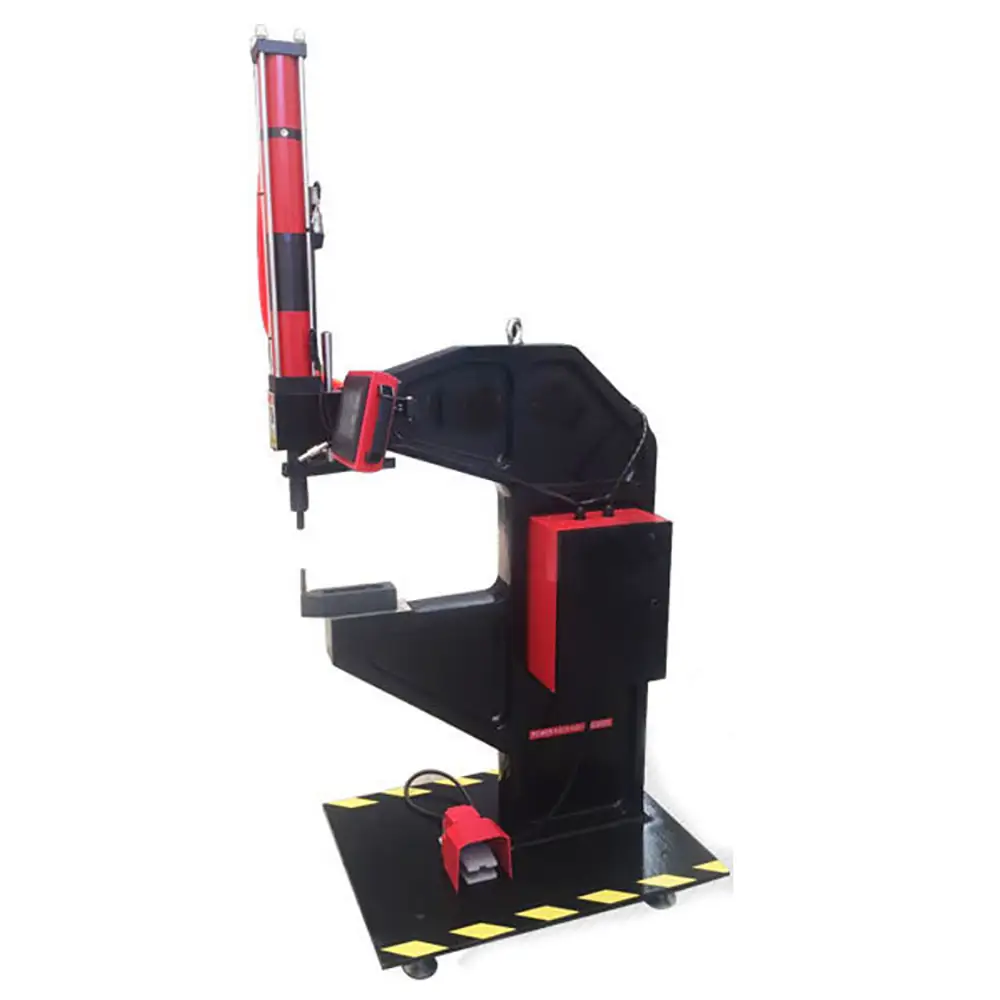
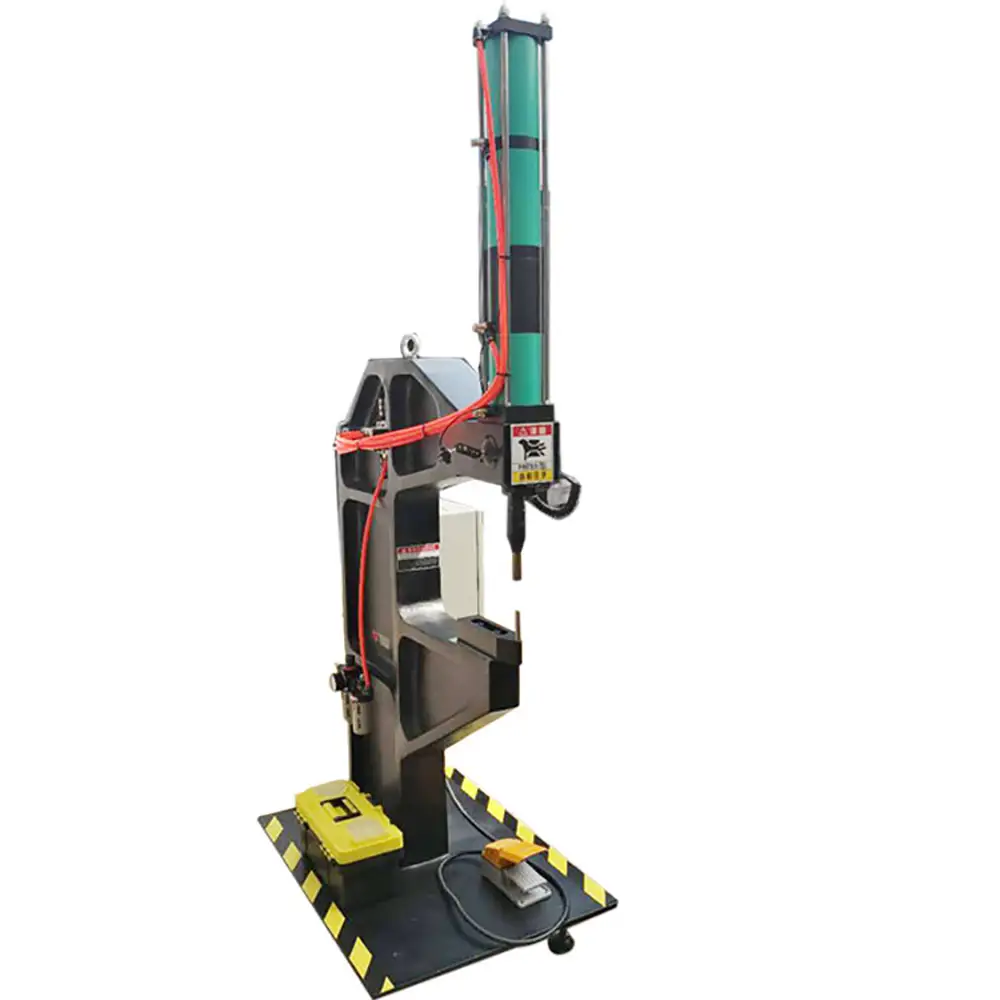
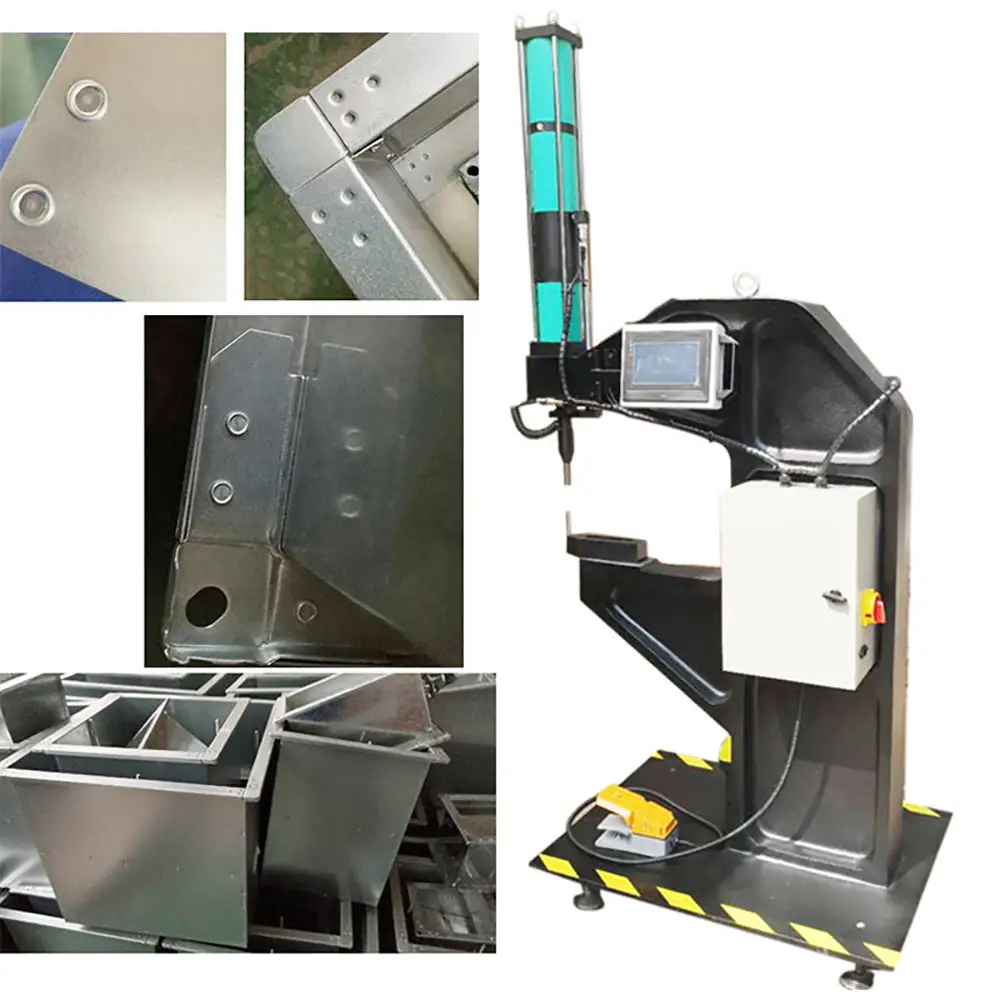
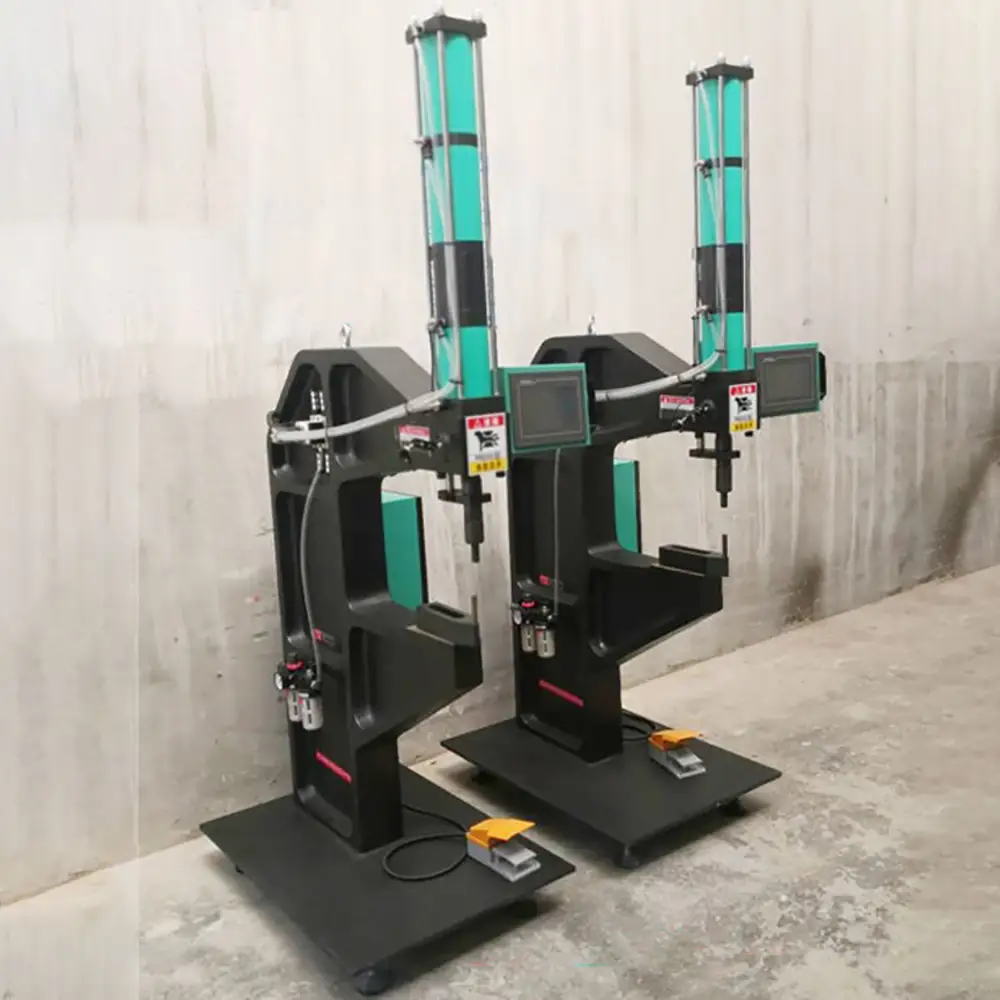
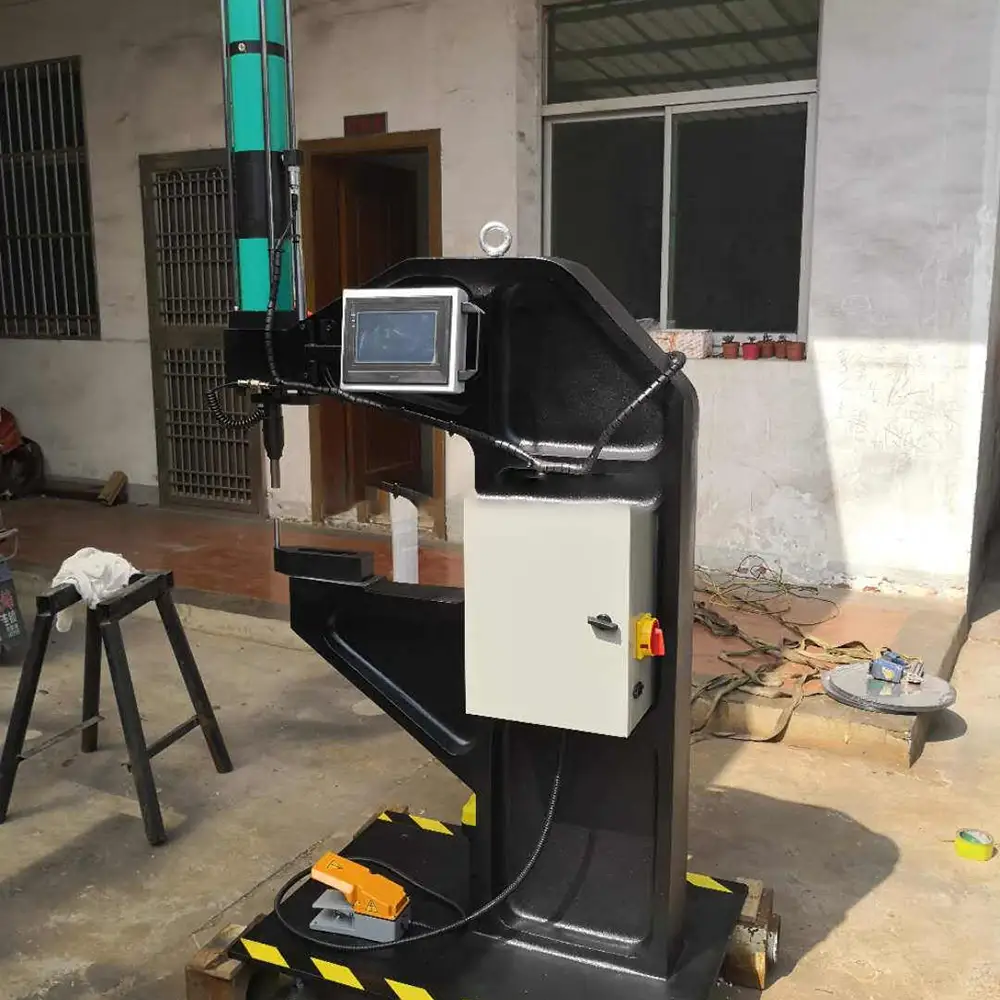
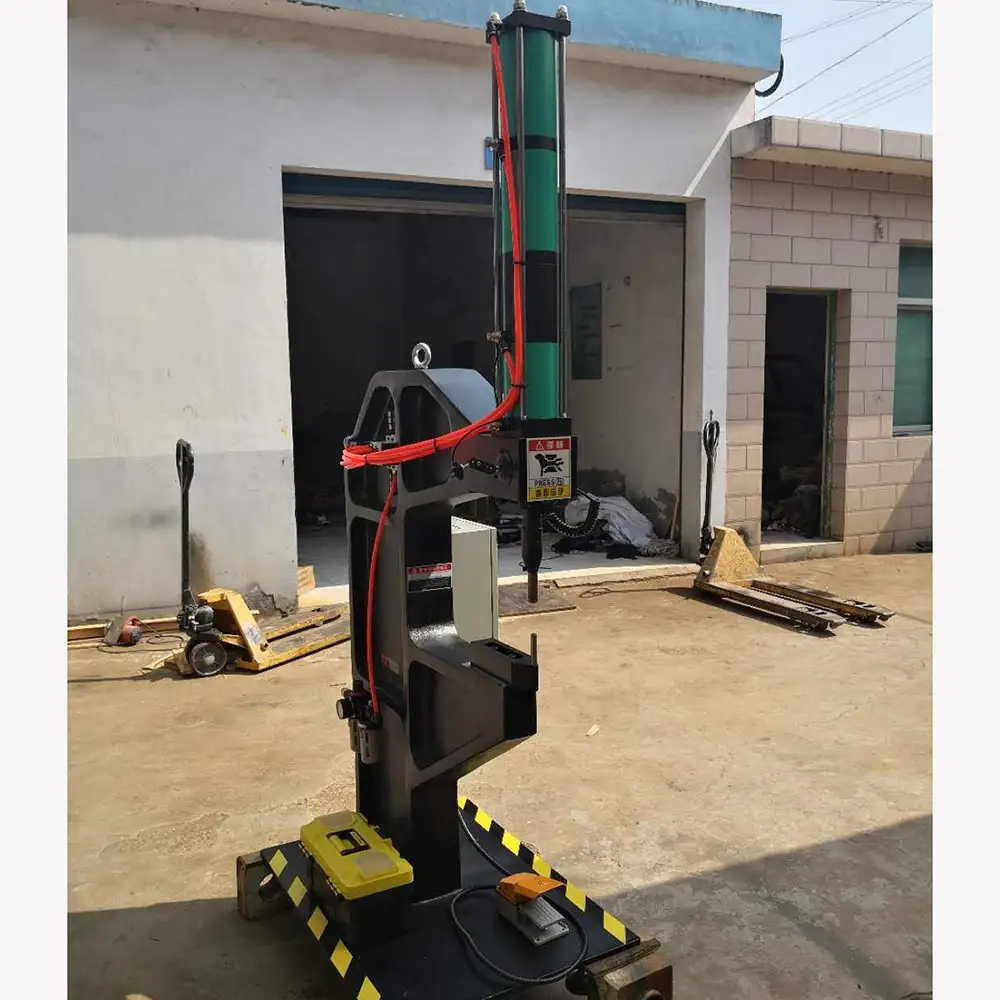
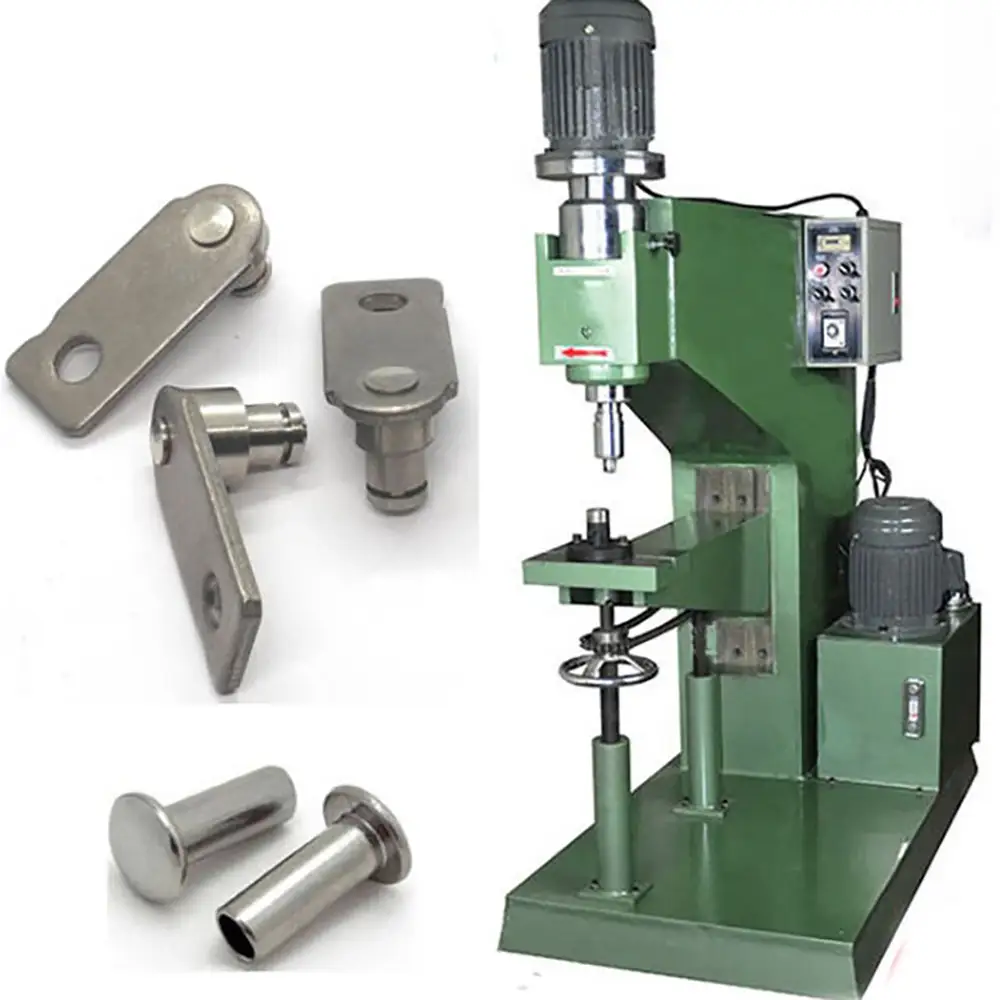
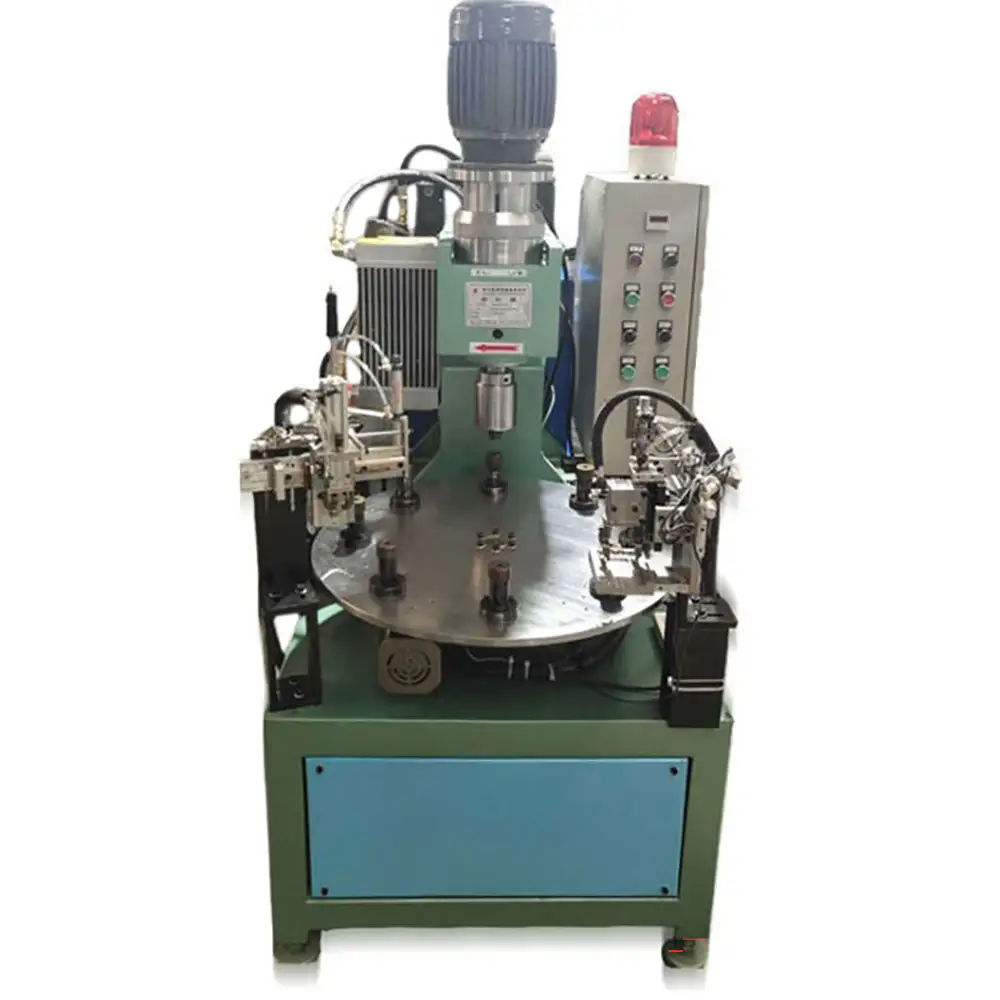
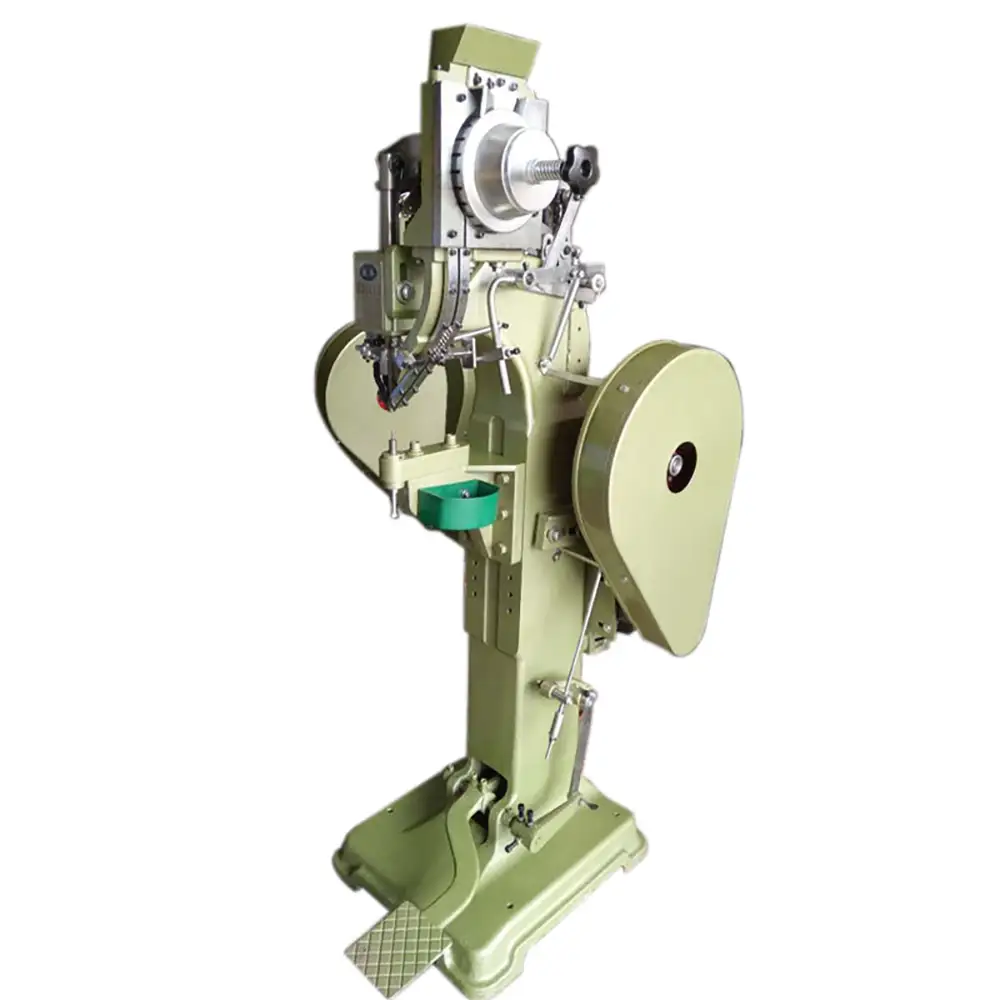
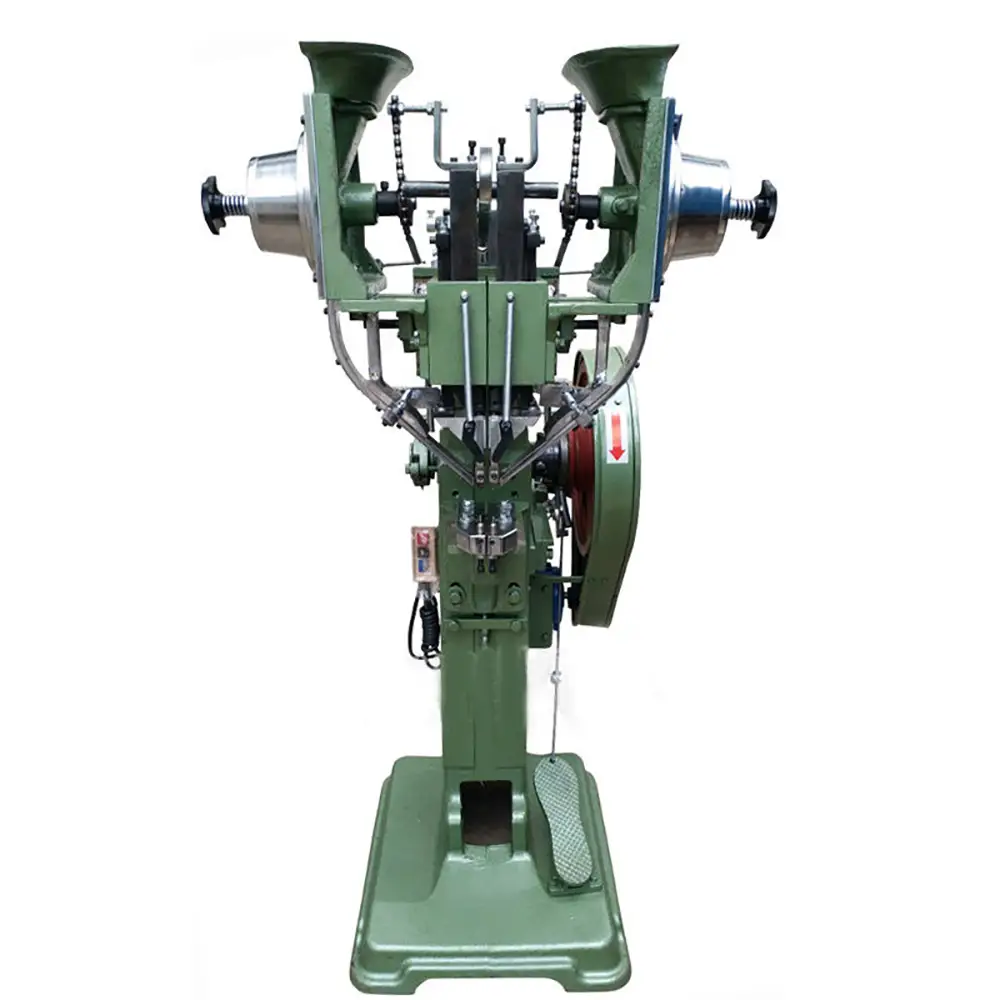
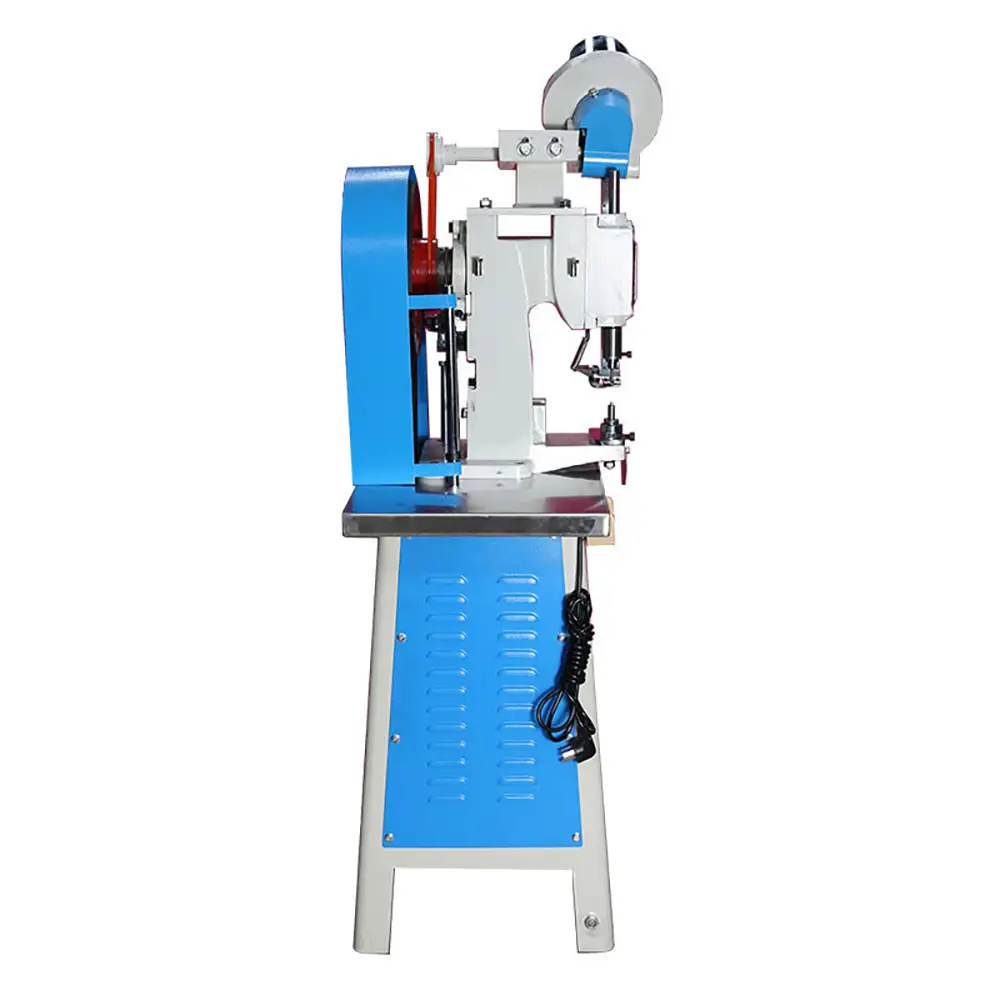
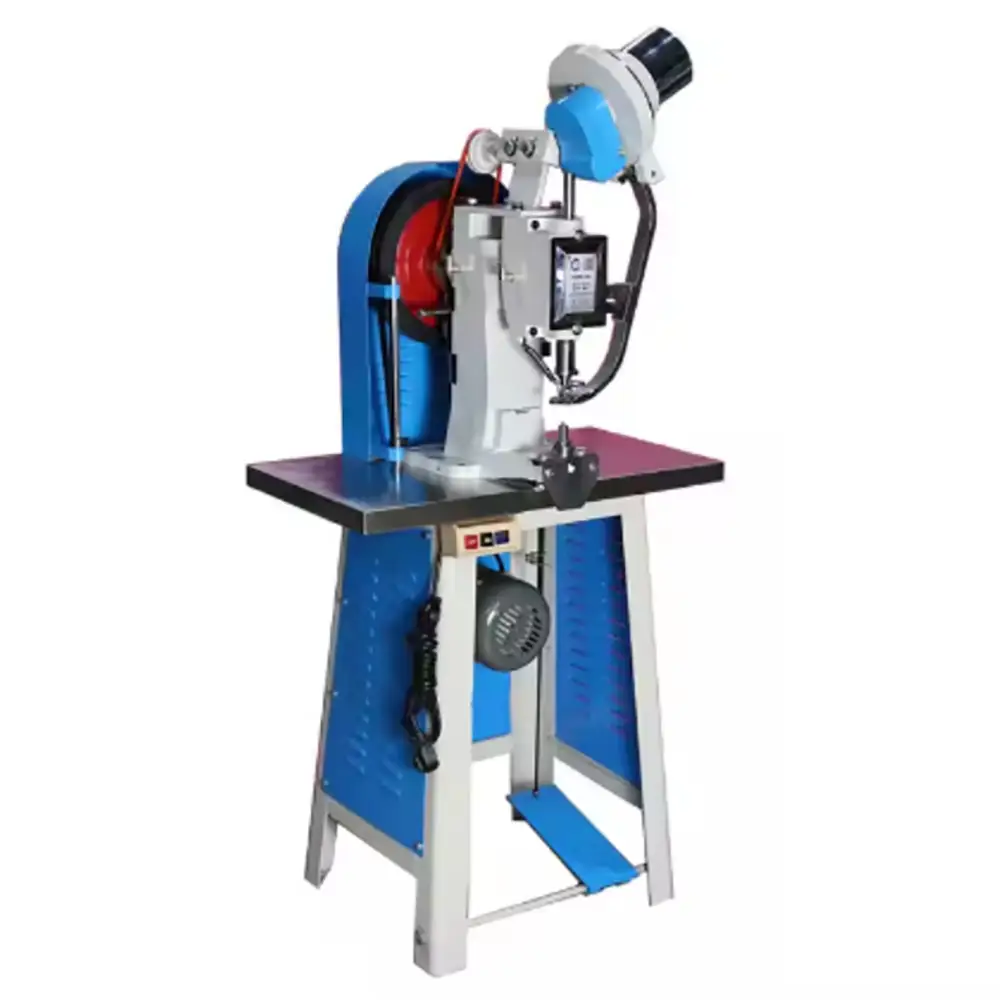
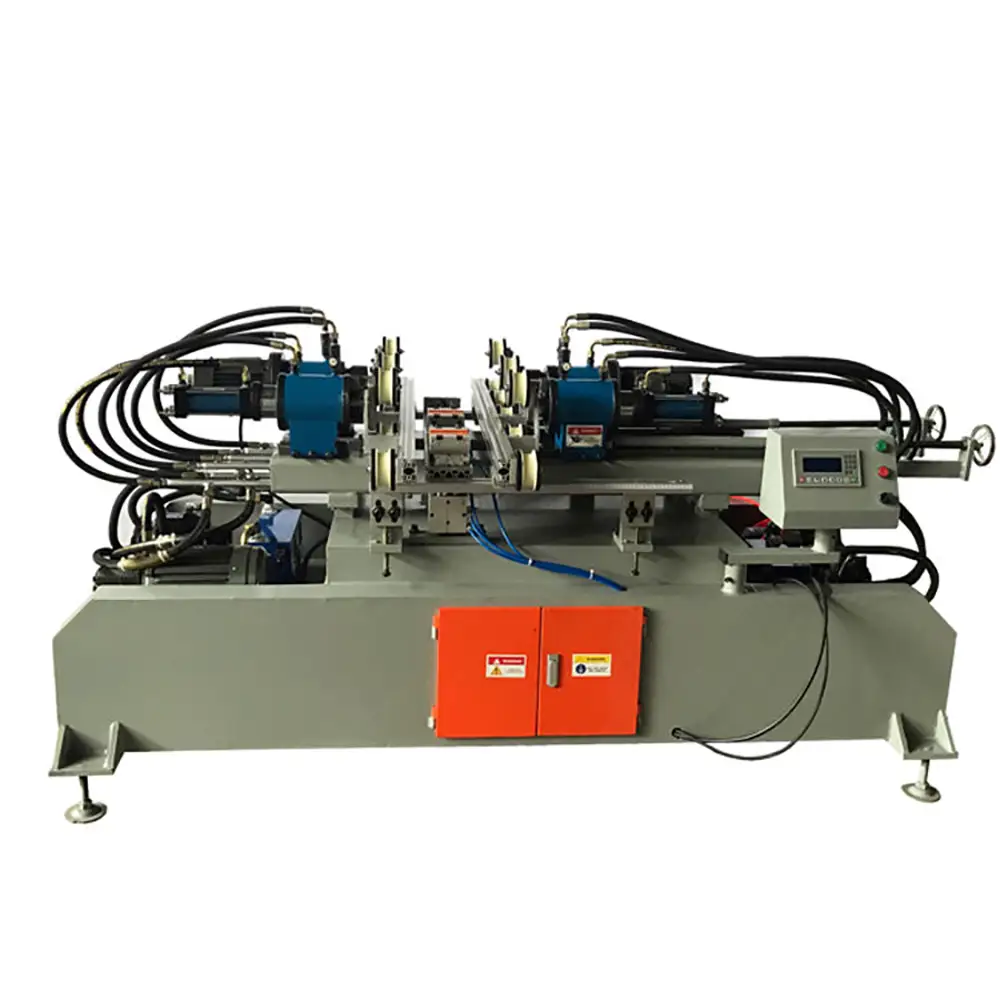
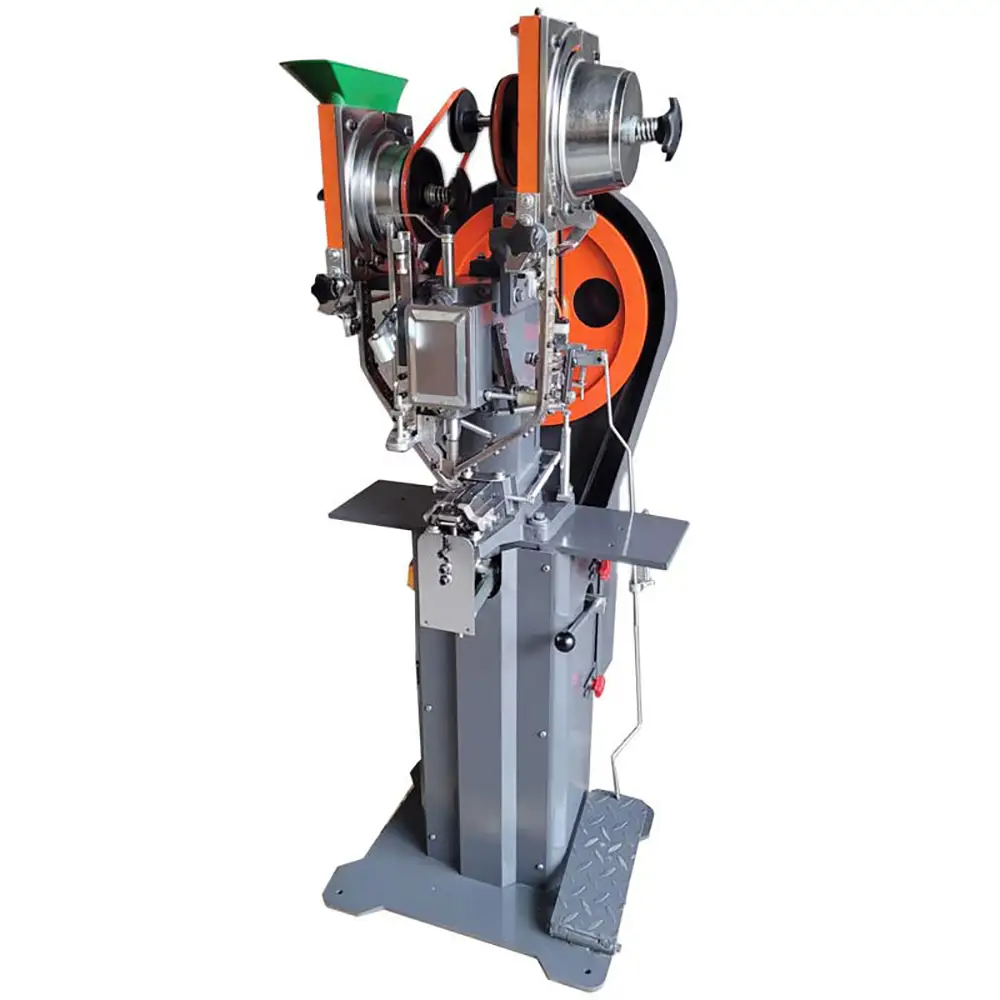
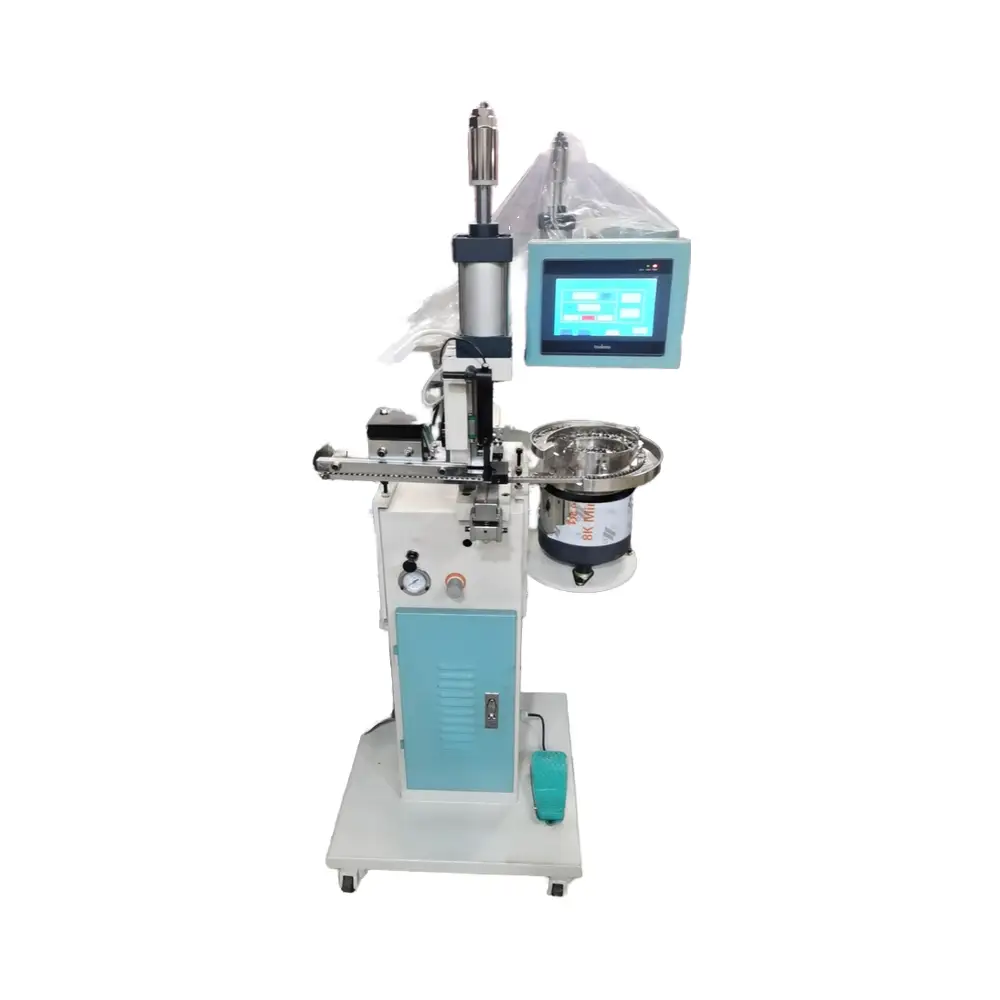
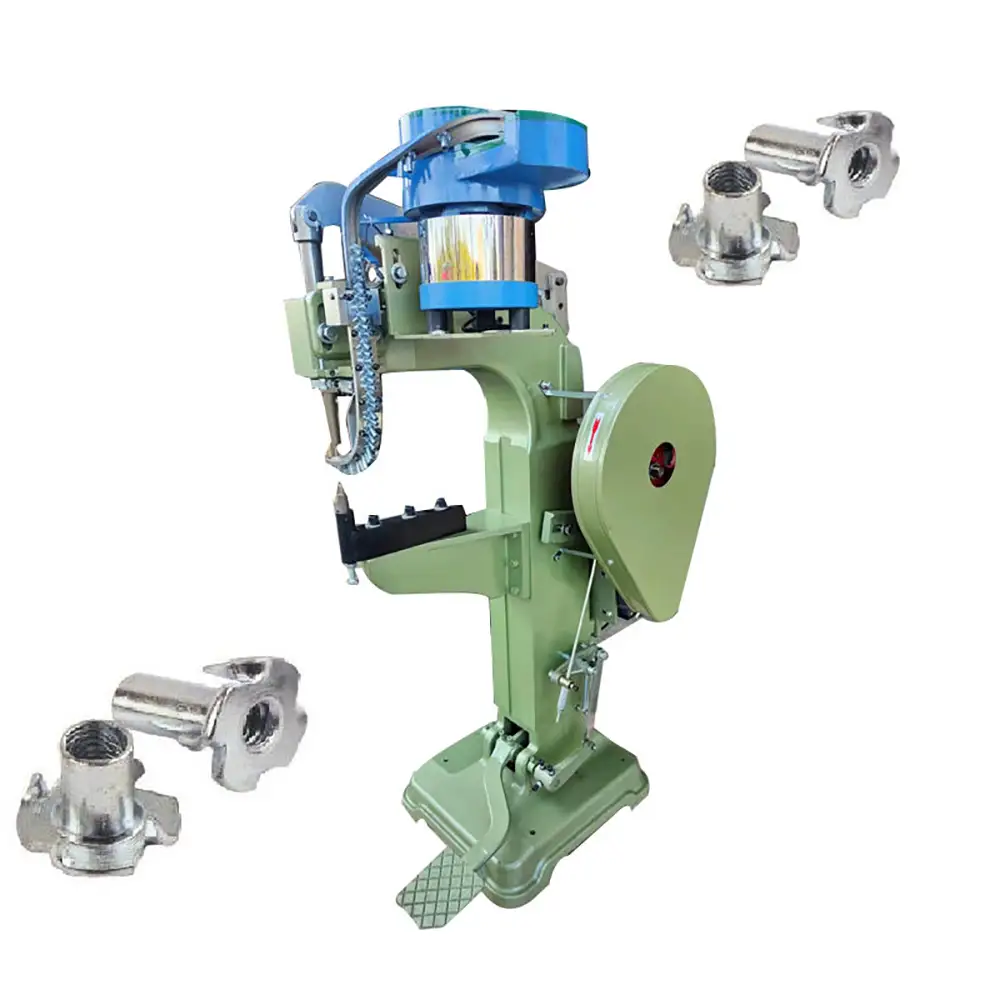
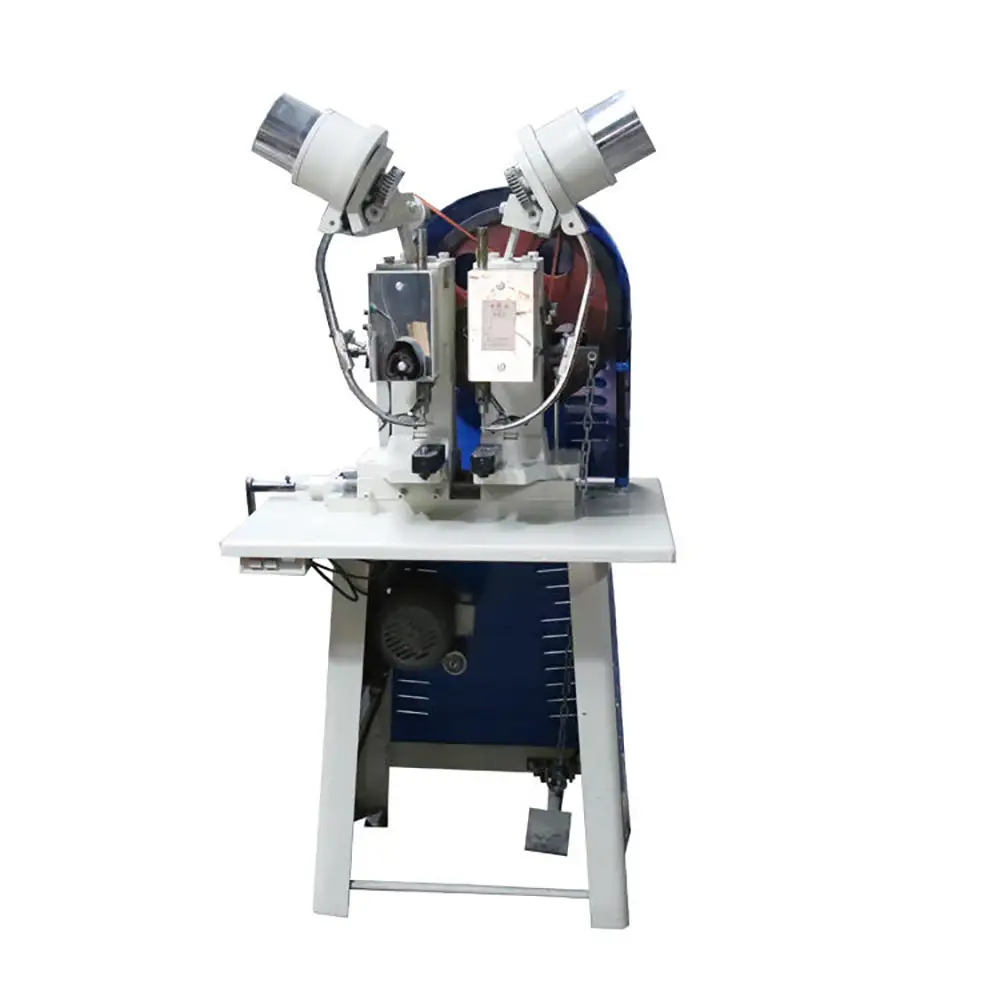
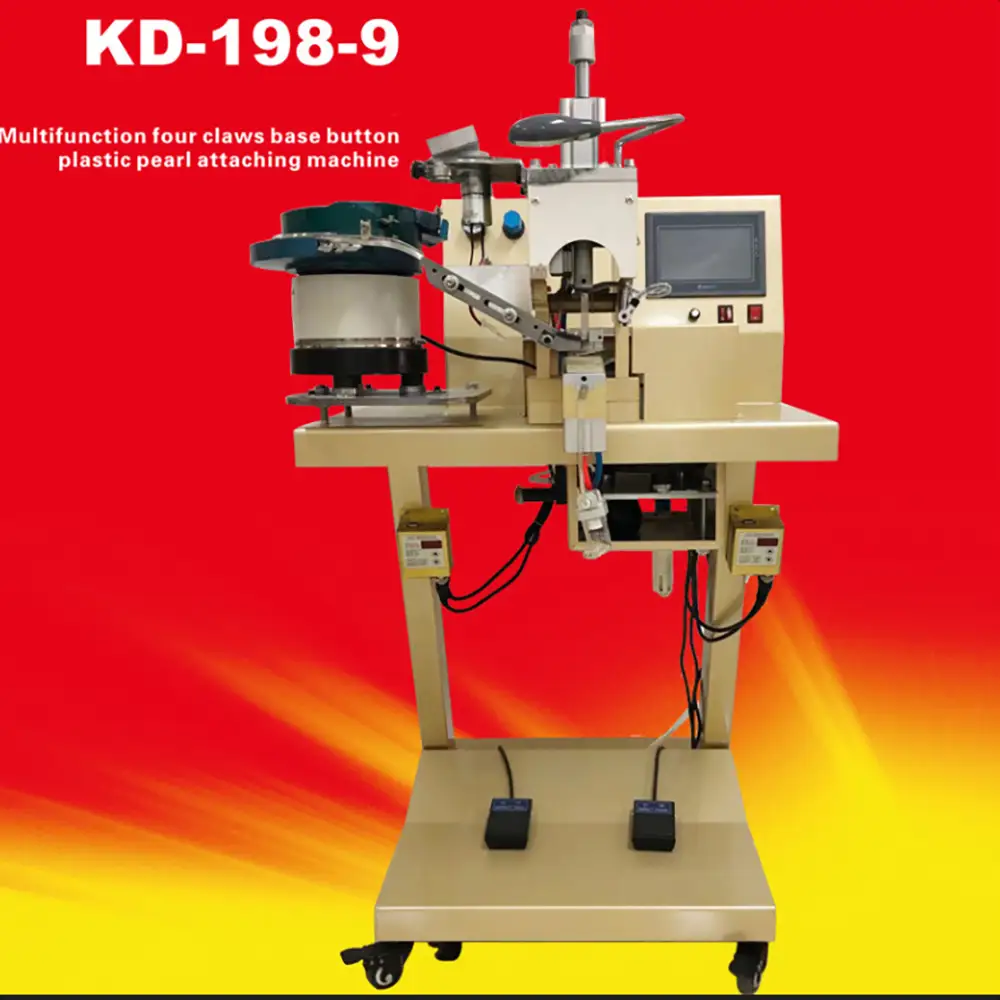
The Industrial Riveting Press Machine | Automatic Hydraulic/Pneumatic Riveter for Metal Sheets is an industrial fastening solution designed for efficient and consistent riveting of metal sheets, panels, brackets, profiles, and other compatible metal components. Available with hydraulic or pneumatic operating configurations depending on the application, the machine provides controlled pressing force for forming reliable mechanical joints without relying on conventional welding methods.
Riveting is widely used in metal fabrication, sheet metal processing, automotive components, appliances, hardware, machinery, electrical enclosures, furniture, construction products, and industrial assemblies. For manufacturers handling repetitive riveting operations, an industrial riveting press can improve production consistency, reduce manual labor, and provide a more standardized joining process.
|
Item |
Value |
|
model |
5A |
|
power (kw) |
4 |
|
Machine Type |
hydraulic riveting machine |
|
power source |
Hydraulic |
|
weight (kg) |
520 |
|
warranty |
1 Year |
|
place of origin |
Shandong,China |
|
video outgoing-inspection |
Provided |
|
machinery test report |
Not Available |
|
core components |
Engine, motor |
|
brand name |
Soar |
|
key selling points |
Automatic, Eco-Friendly, Energy saving, High-accuracy, Easy to Operate |
|
Stroke |
100mm |
|
Intake air source |
3-6BAR |
|
Pressure output range |
0-5 tons steplessly adjustable |
|
Throat height |
400mm |
|
Press riveting capacity |
Nut M16,Stud M10 |
Industrial Riveting Press Machine
An industrial riveting press is designed to apply controlled force to a rivet or fastener so that it deforms and mechanically locks two or more compatible components together.
Compared with manual riveting methods, a dedicated press machine provides a more controlled working process. The workpiece can be positioned in a fixture, the rivet can be placed at the designated location, and the machine applies the pressing action according to the selected configuration.
This makes the equipment suitable for production environments where repeatability, productivity, and consistent finished joints are important.
The actual riveting force, cycle time, rivet size, and production capacity depend on the machine configuration, workpiece material, rivet type, tooling, and application requirements.
Hydraulic Riveting Machine
A hydraulic riveting machine uses hydraulic power to generate controlled pressing force for demanding industrial applications. Hydraulic systems are commonly considered when higher forming force or stable force application is required.
The hydraulic configuration can be suitable for heavier metal components, larger rivets, thicker materials, and applications where substantial forming force is needed.
Typical applications may include:
Heavy Sheet Metal
Steel Components
Structural Metal Parts
Machinery Components
Metal Frames
Brackets
Industrial Hardware
Heavy-Duty Assemblies
The appropriate hydraulic configuration should be selected according to the actual rivet specifications and workpiece requirements.
Pneumatic Riveting Machine
A pneumatic riveting machine uses compressed air to operate the riveting mechanism. Pneumatic systems are widely used in industrial production because they can provide fast and repeatable actuation for suitable riveting applications.
Pneumatic riveting can be particularly useful for production lines where operators perform repetitive fastening operations throughout the working day.
Potential applications include:
Sheet Metal Components
Metal Panels
Electrical Cabinets
Hardware Products
Appliance Components
Light Machinery Parts
Metal Brackets
Industrial Enclosures
The pneumatic configuration should be matched to the required riveting force, rivet dimensions, material thickness, and available compressed-air system.
Automatic Riveter for Metal Sheets
The automatic riveter is designed to streamline the process of installing compatible rivets into sheet metal products. Automation can reduce repetitive manual operations and help operators maintain a more consistent production rhythm.
For high-volume manufacturing, automatic riveting can help improve throughput while reducing variations caused by manual hammering or inconsistent positioning.
Depending on the machine configuration, automatic functions may include fastener feeding, workpiece positioning, riveting, and controlled cycle operation.
Manufacturers should specify their desired level of automation when requesting a machine configuration.
Sheet Metal Riveting
Sheet metal is widely used in industrial manufacturing because it offers a combination of strength, flexibility, and efficient forming characteristics. Riveting provides a practical mechanical joining method for applications where welding is undesirable or where removable or low-heat assembly processes are preferred.
This riveting press can be used for compatible sheet metal products made from materials such as:
Carbon Steel
Mild Steel
Stainless Steel
Aluminum
Galvanized Steel
Other Compatible Metal Alloys
Material thickness and hardness should be evaluated before selecting the appropriate riveting process.
Metal Sheet Fastening Without Welding
One important advantage of riveting is that it creates a mechanical connection without introducing the same heat input associated with welding.
For certain metal products, avoiding welding can help reduce heat-related deformation, coating damage, discoloration, or changes to the surrounding material. Riveting can therefore be an attractive alternative for specific sheet metal assemblies.
The final joint performance depends on the selected rivet, workpiece design, material properties, tooling, and riveting process.
Consistent Riveting Quality
Consistent riveting is essential for industrial manufacturing. A rivet that is under-formed may not provide sufficient mechanical retention, while excessive forming can damage the fastener or workpiece.
The riveting press provides a controlled pressing process designed to produce repeatable rivet deformation when correctly configured.
Proper dies, fixtures, rivet dimensions, and machine settings all contribute to finished joint quality. For specialized applications, sample testing is recommended before finalizing the production configuration.
Accurate Workpiece Positioning
Metal sheet products often contain multiple riveting points that must maintain consistent spacing and alignment. A dedicated fixture can hold the workpiece in the correct position during the riveting cycle.
Customized fixtures can be considered for products with complex shapes, multiple riveting locations, or repetitive production requirements.
Accurate positioning can help improve assembly consistency and reduce operator adjustment during production.
Flexible Riveting Tooling
Different rivets and metal components require different tooling configurations. The riveting die should be matched to the rivet head, rivet diameter, material, and desired finished shape.
Tooling may be selected according to:
Rivet Diameter
Rivet Length
Rivet Head Design
Workpiece Thickness
Workpiece Material
Joint Configuration
Riveting Position
Required Finished Appearance
Customers can provide rivet samples, product drawings, or workpiece samples to help determine an appropriate tooling solution.
Industrial Applications
The Industrial Riveting Press Machine can be used in a wide range of manufacturing industries where mechanical riveting is required.
Typical applications include:
Sheet Metal Fabrication
Automotive Components
Electrical Enclosures
Metal Cabinets
Appliance Components
Machinery Manufacturing
Metal Furniture
HVAC Components
Hardware Products
Construction Components
Agricultural Machinery Parts
Industrial Equipment Assembly
The machine can function as a standalone riveting workstation or potentially be integrated into a larger production line.
Production Efficiency and Automation
For manufacturers processing hundreds or thousands of similar components, repetitive manual riveting can increase labor requirements and create variations in production quality.
An automatic or semi-automatic riveting press can streamline the fastening process and provide a more consistent production cycle. Depending on the configuration, it can also be combined with automatic feeding, fixtures, sensors, or other production equipment.
This makes the machine suitable for OEM manufacturers, contract manufacturers, sheet metal factories, and industrial assembly companies seeking to improve production efficiency.
How to Select the Right Riveting Press Machine
Before selecting a hydraulic or pneumatic riveting machine, manufacturers should consider the following factors:
Rivet Type: Confirm whether solid, semi-tubular, tubular, or other compatible rivets are required.
Rivet Size: Provide the rivet diameter and length.
Material: Identify the metal sheet or component material.
Material Thickness: Thickness affects the required forming force and tooling.
Joint Structure: Explain how many layers need to be joined.
Production Volume: Determine whether manual, semi-automatic, or automatic operation is appropriate.
Riveting Position: Provide drawings or samples showing the riveting locations.
Tooling Requirements: Confirm the required die and fixture configuration.
Providing product samples and fastener samples can help ensure that the machine is properly matched to the application.
Why Choose Our Industrial Riveting Press Machine?
Hydraulic or Pneumatic Options:
Choose a suitable operating configuration according to the required riveting force and production process.
Industrial Production Design:
Designed for repetitive riveting applications in manufacturing environments.
Suitable for Metal Sheets:
Applicable to compatible steel, stainless steel, aluminum, galvanized steel, and other metal components.
Consistent Riveting:
Controlled pressing helps improve repeatability and finished joint consistency.
Flexible Automation:
The machine can be configured for manual, semi-automatic, or higher levels of automated production depending on requirements.
Customized Tooling:
Dies, fixtures, guides, and positioning components can be selected according to the actual product.
Improved Productivity:
Automation and controlled riveting reduce repetitive manual work and support efficient production.
OEM and Custom Solutions:
Machine configurations can be discussed according to product samples, drawings, rivet specifications, and production requirements.
Main Applications
The machine is suitable for:
Sheet Metal Riveting
Metal Panel Riveting
Steel Component Riveting
Stainless Steel Riveting
Aluminum Sheet Riveting
Metal Cabinet Assembly
Electrical Enclosure Riveting
Appliance Component Assembly
Automotive Component Riveting
Machinery Part Riveting
Metal Furniture Assembly
Industrial Hardware Riveting
FAQS
1. What is an industrial riveting press machine?
It is a machine that uses controlled pressing force to deform and secure compatible rivets, creating mechanical joints between two or more workpieces.
2. What is the difference between hydraulic and pneumatic riveting?
Hydraulic machines use hydraulic pressure to generate pressing force, while pneumatic machines use compressed air. The best option depends on the rivet size, material, required force, production speed, and factory conditions.
3. Can this machine rivet sheet metal?
Yes. It is designed for compatible sheet metal and metal component riveting applications.
4. What metals can be riveted?
Depending on the configuration, applications may include carbon steel, mild steel, stainless steel, aluminum, galvanized steel, and other compatible alloys.
5. Can the machine replace welding?
Riveting can replace welding in certain applications where a mechanical fastening method is suitable. However, the appropriate joining method depends on the product design and engineering requirements.
6. Can it process thick metal sheets?
It may be suitable for thicker materials depending on the machine configuration, rivet dimensions, and required pressing force. The material and rivet specifications should be provided for evaluation.
7. Can the machine automatically feed rivets?
Automatic rivet feeding can be configured for suitable rivet types and machine models. The feeding system should be matched to the fastener dimensions and production requirements.
8. Can customized tooling be provided?
Yes. Customized dies, fixtures, guides, and positioning components can be considered according to the product and riveting requirements.
9. Is this machine suitable for high-volume production?
Yes. Automatic and semi-automatic configurations are suitable for repetitive industrial production where consistent riveting and improved efficiency are required.
10. What information should I provide for a machine quotation?
Provide your product sample or drawing, material type and thickness, rivet sample or specifications, riveting locations, required production capacity, and preferred hydraulic or pneumatic configuration if known.
Prev:
Automatic Eyeglass Frame Riveting Machine | High-Precision Optical Mounting Press for Metal/Plastic Frames
Next:
Stainless Knife Rivets Squeezing Machine Scissors Joint Riveting Machine Solid Nails Press
TAG:
Industrial Riveting Machine,
Industrial Riveting Equipment,
Metal Riveting Machine,
Rivet Fastening Machine,
Rivet Setting Machine,
Hydraulic Rivet Press,
Industrial Rivet Press,
Heavy Duty Riveting Machine,
Pneumatic Rivet Press,
Pneumatic Riveting Machine,
Automatic Riveting Machine,
Industrial Fastening Machine,
Rivet Installation Machine,
Automatic Rivet Machine,
Automatic Hydraulic Riveting Machine,
Rivet Press Machine,
Hydraulic Riveting Machine,
Aluminum Riveting Machine,
Steel Riveting Machine,
Metal Hardware Riveting Machine,
Stainless Steel Riveting Machine,
Sheet Metal Riveting Machine,
Hydraulic Riveter,
Sheet Metal Riveter,
Automatic Pneumatic Riveting Machine,
Pneumatic Riveter,
Metal Sheet Riveting Machine,
Metal Component Riveting Machine,
Mechanical Riveting Machine,
Metal Hardware Riveter,
Related Category:
Industrial Riveting Press Machine, Automatic Riveting Machine, Hydraulic Riveting Machine, Pneumatic Riveting Machine China, suppliers, manufacturers, factory, customized, wholesale, quotation, made in China