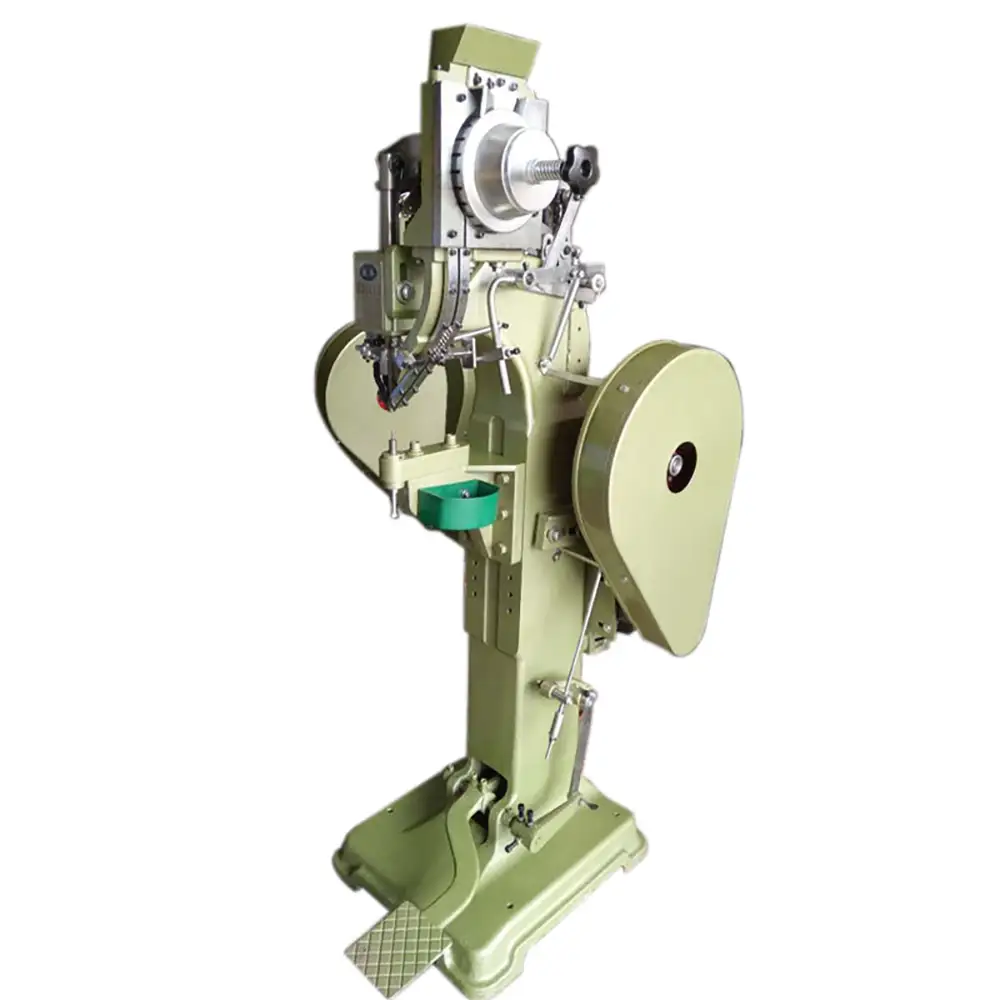
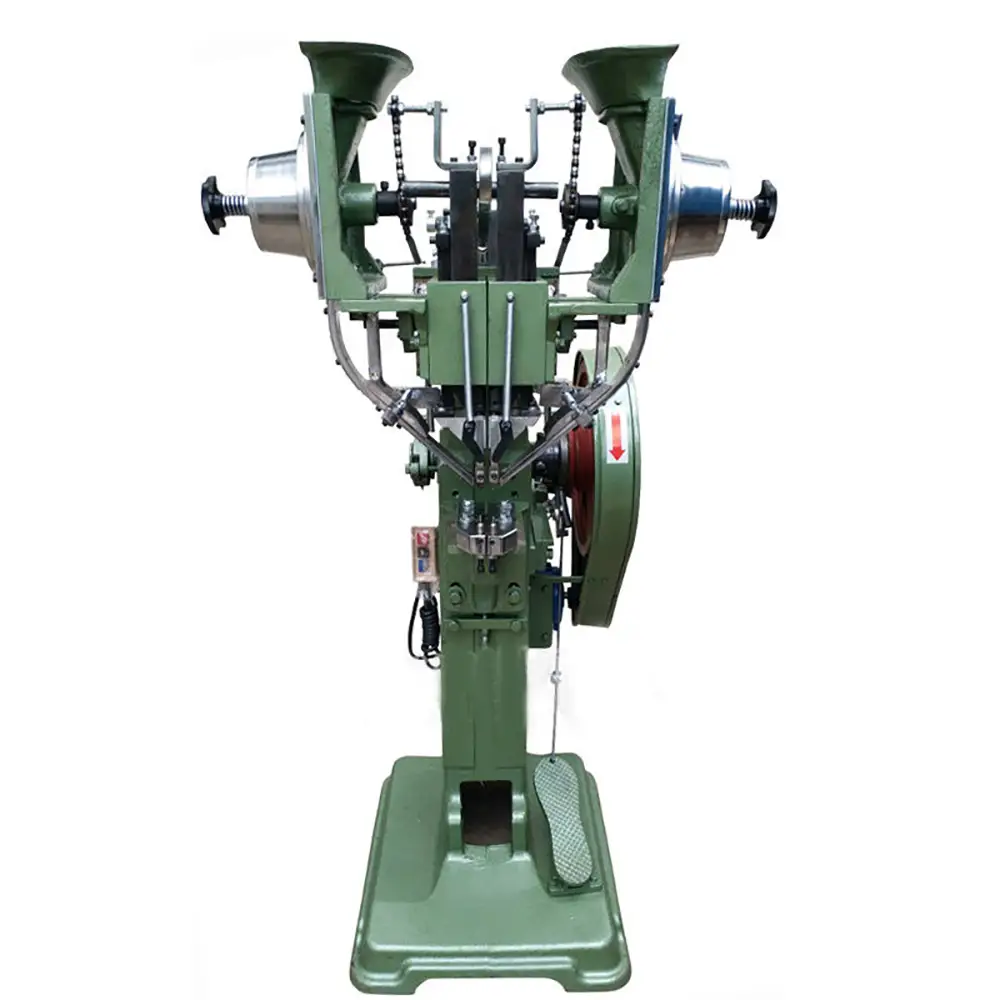
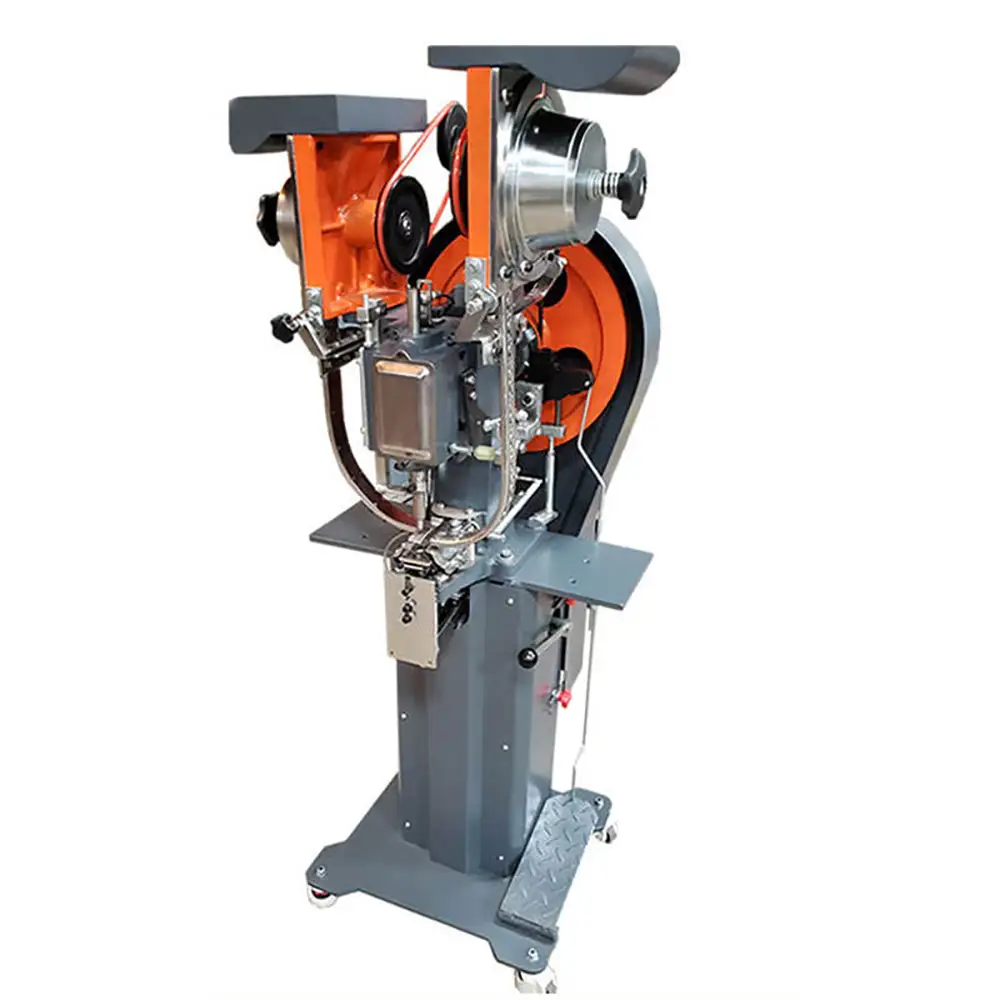
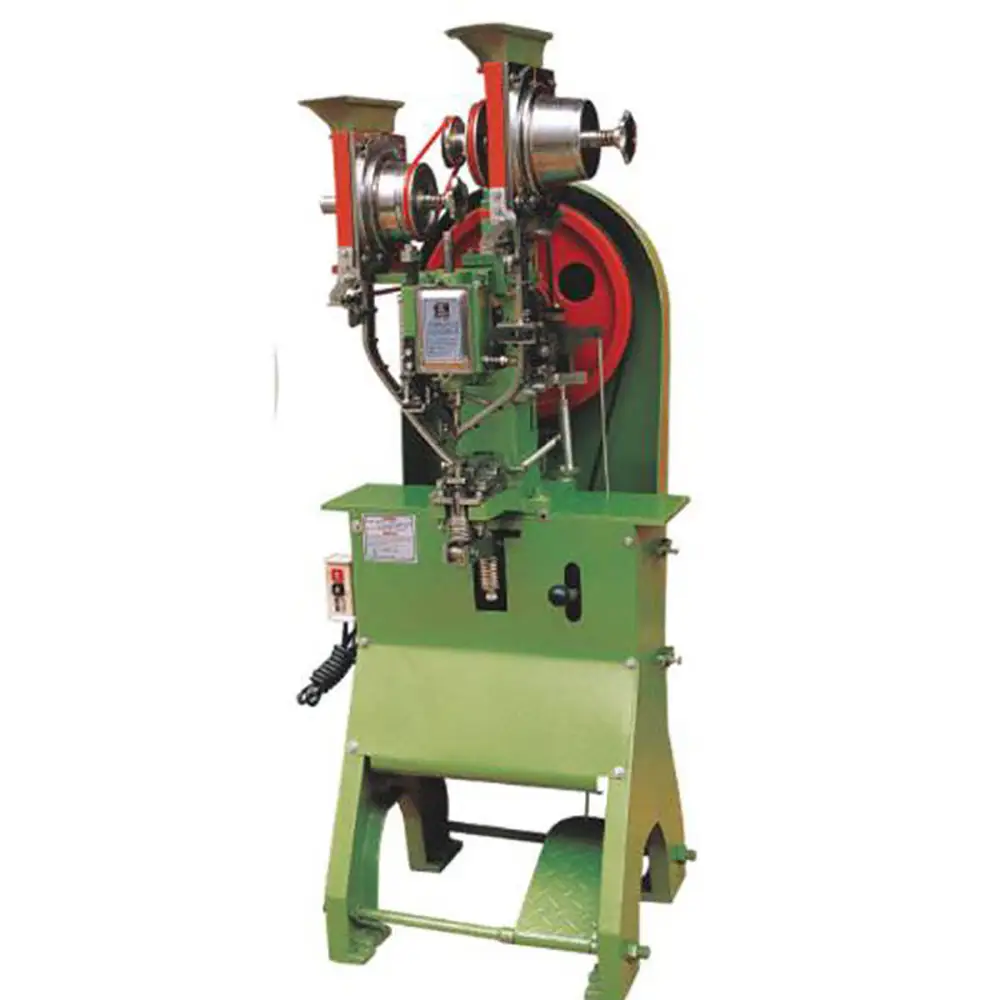
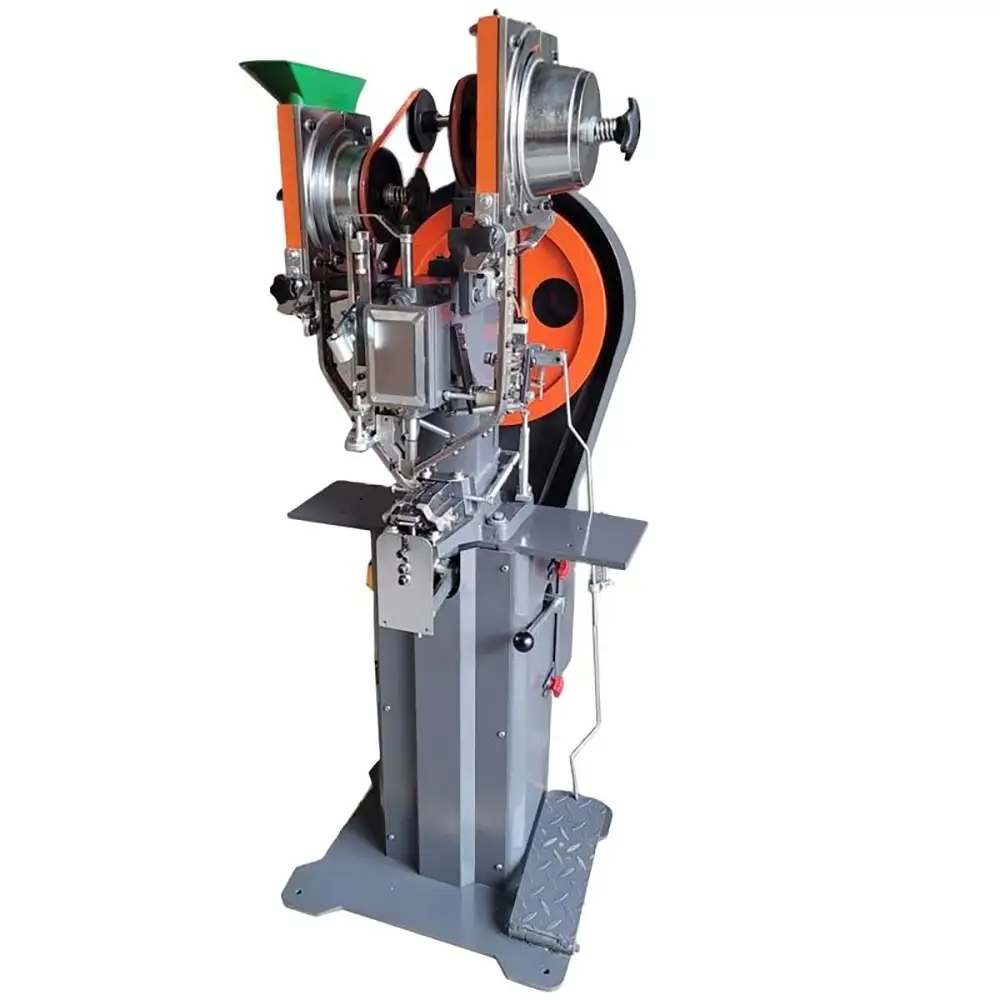
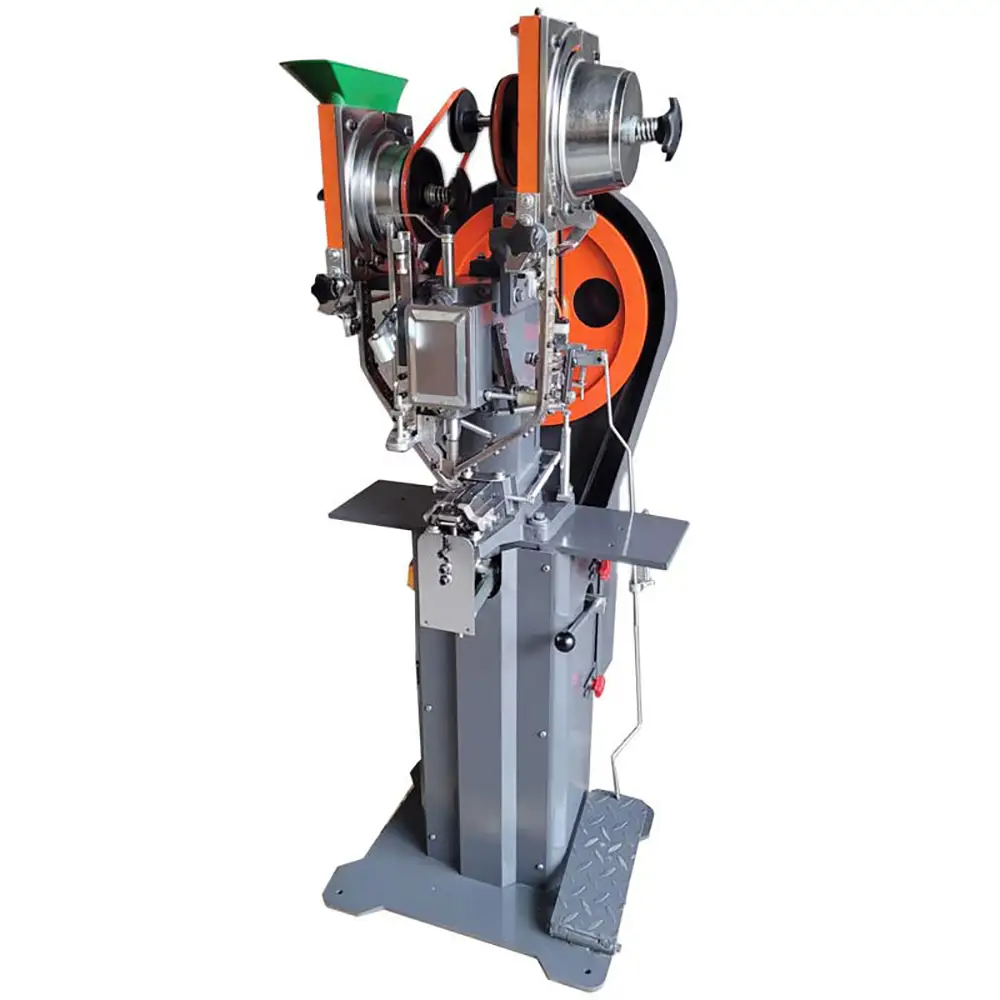
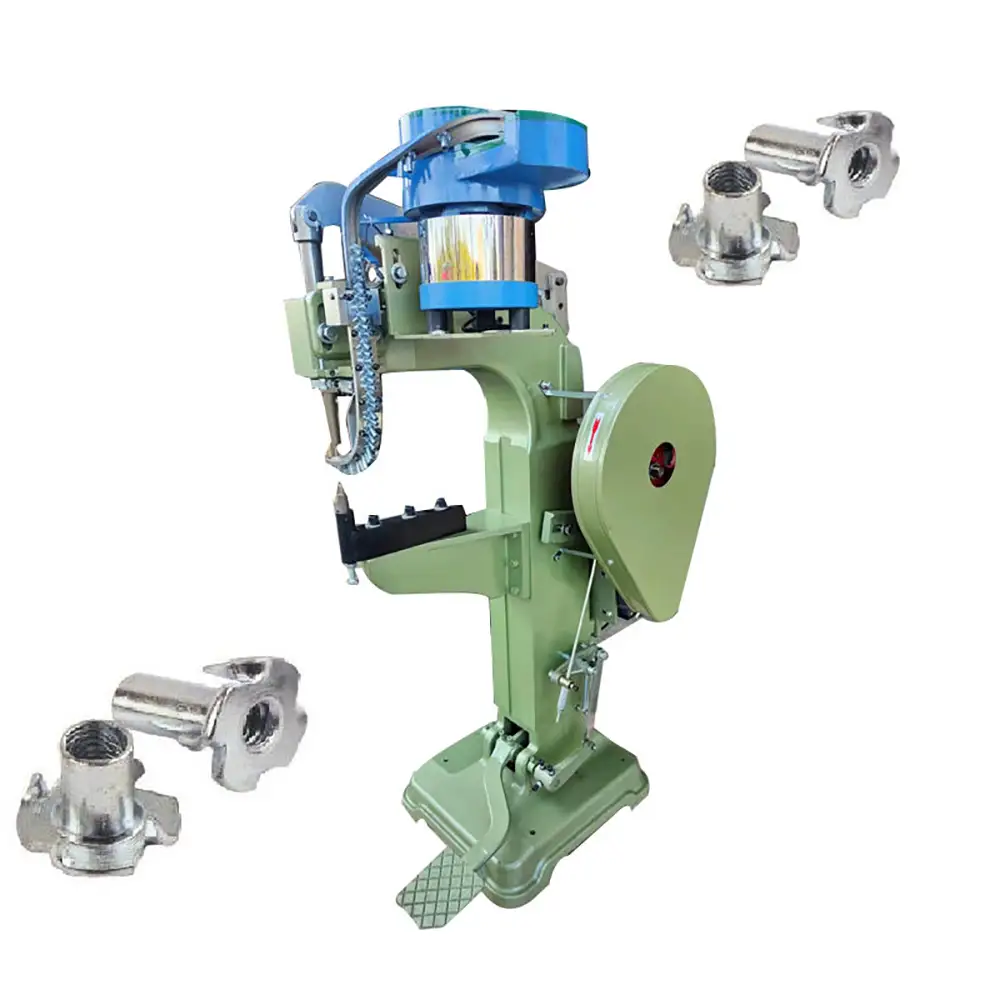
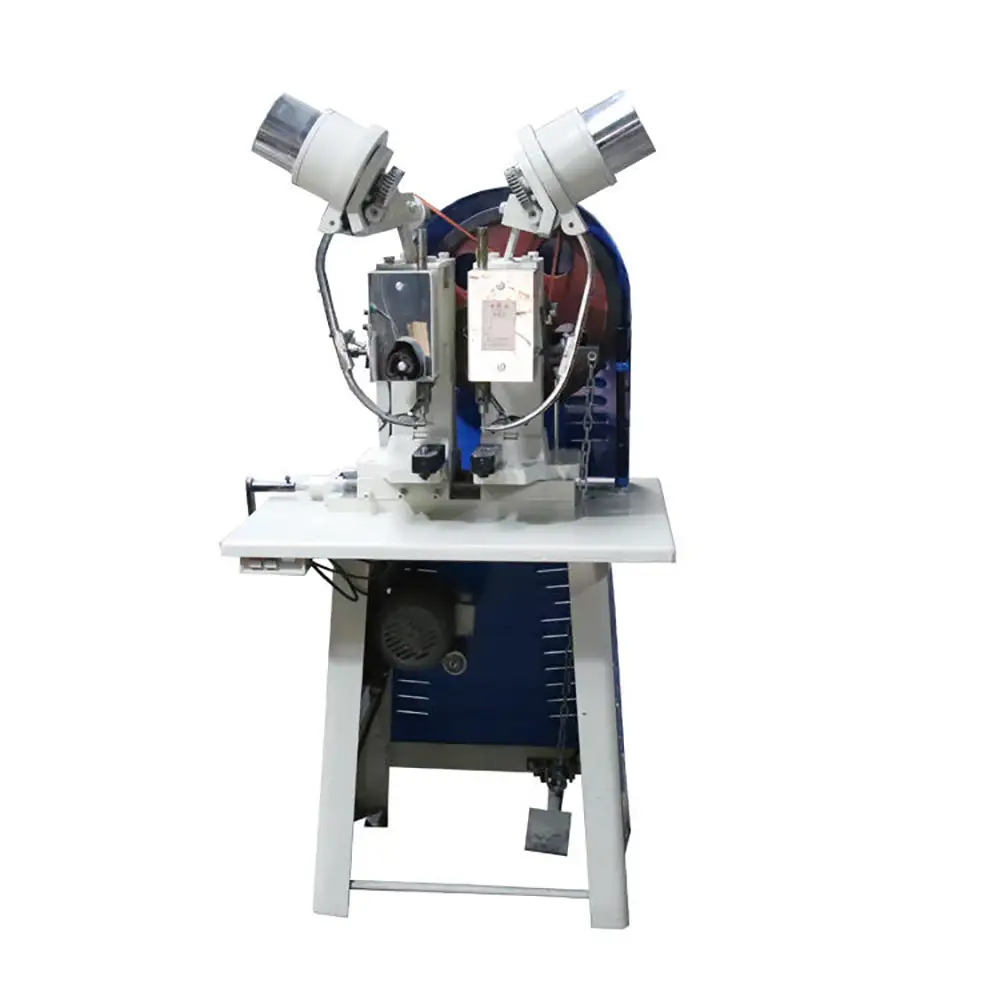
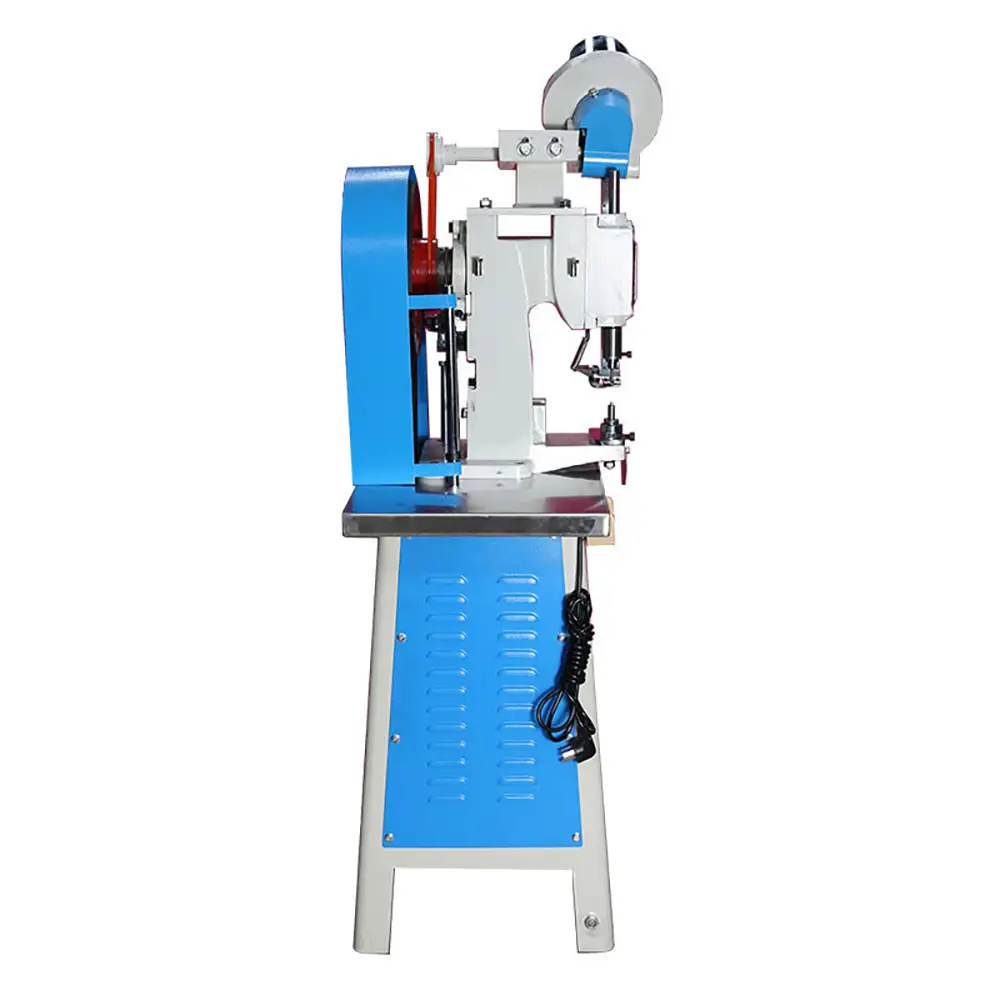
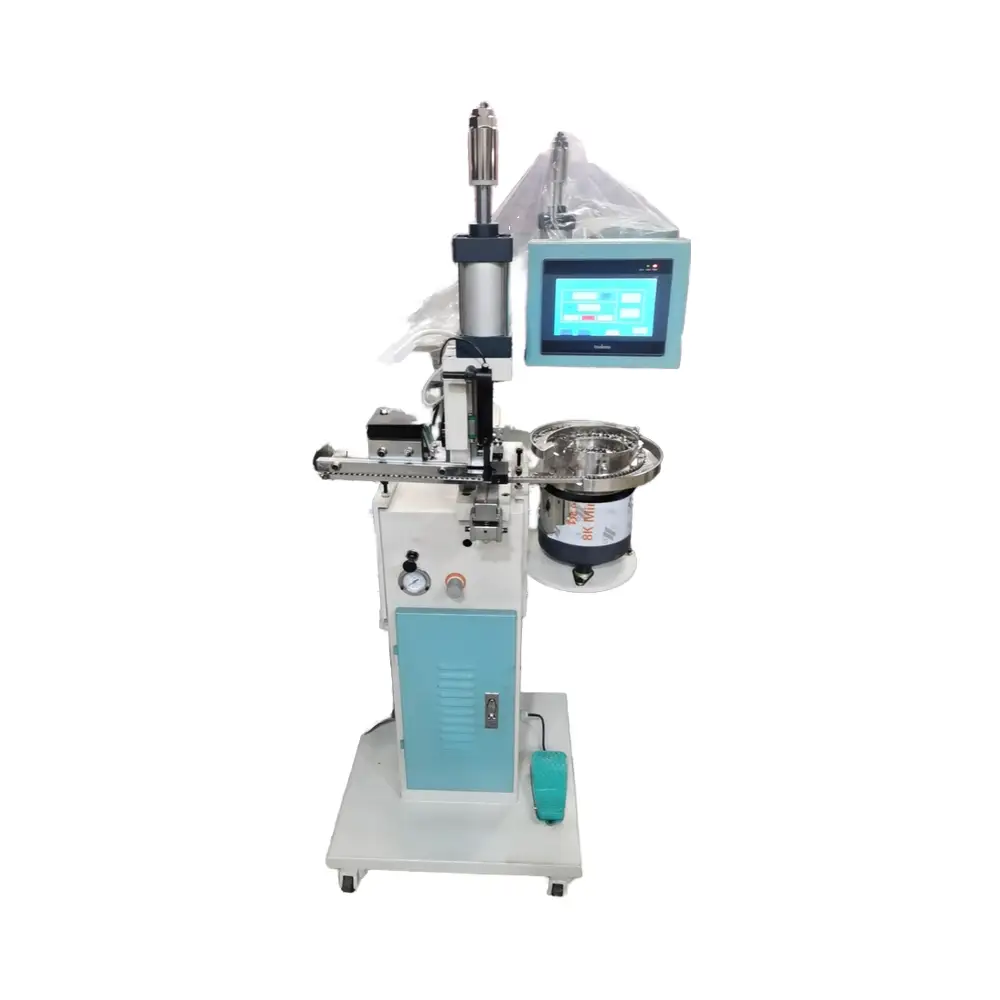
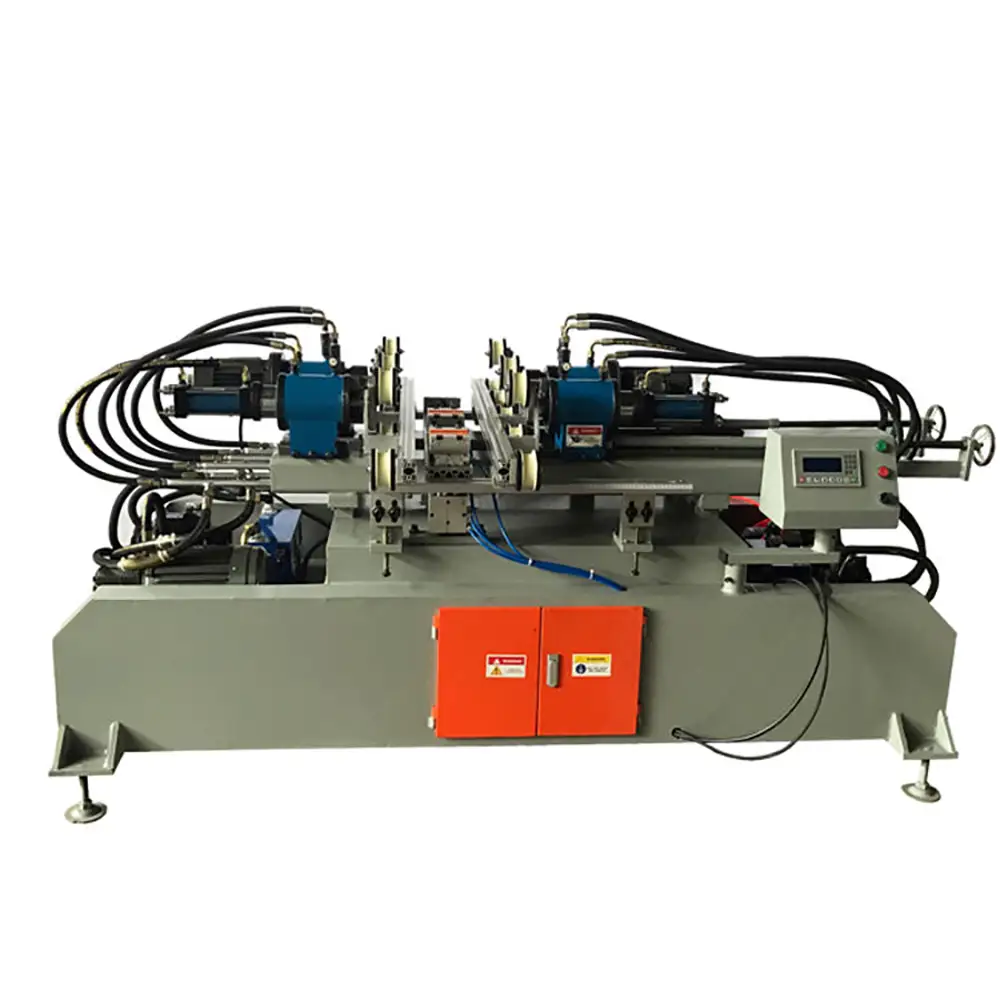
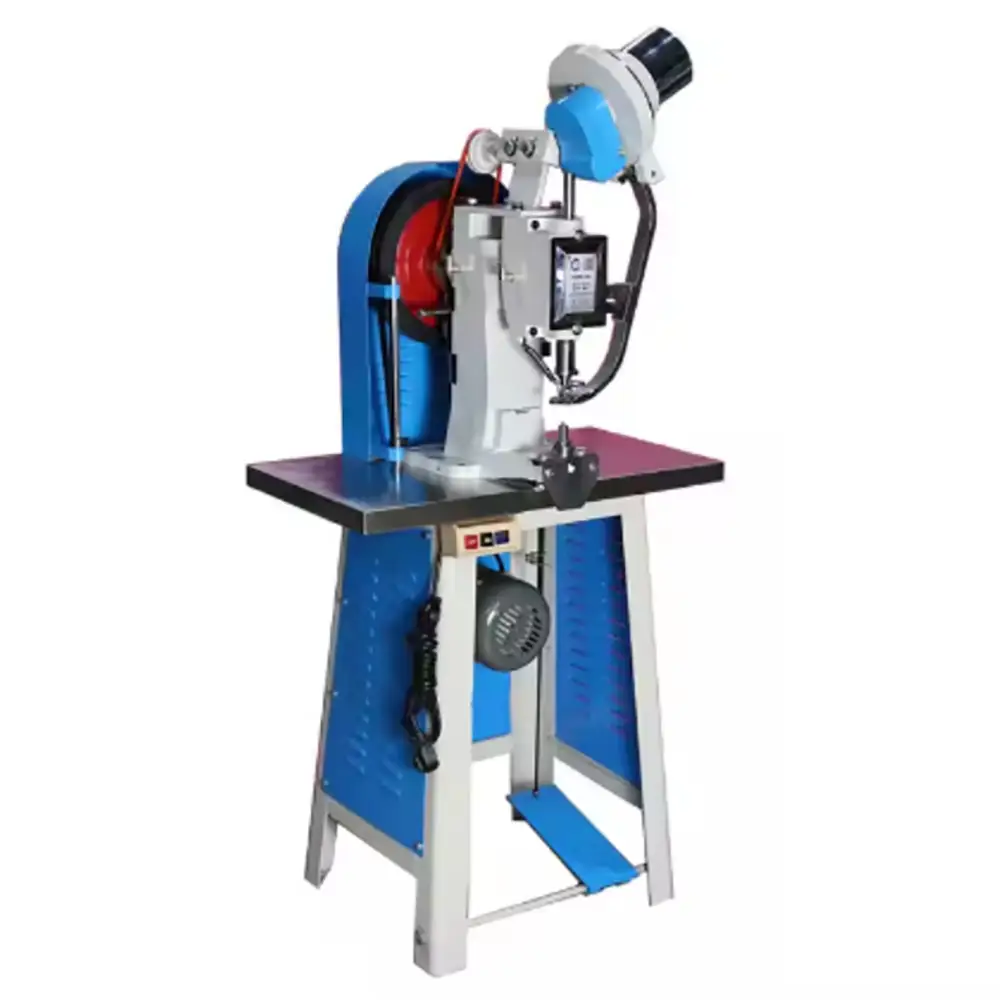
Function of riveting machine
1 Fit for riveting the spherical head, half-hollow rivets
2 With automatic feeding device, which can rivet continuously
3 The clamp and punch of high-performance is of a high riveting capability
4 Can rivet clinch of various specifications if the die is changed
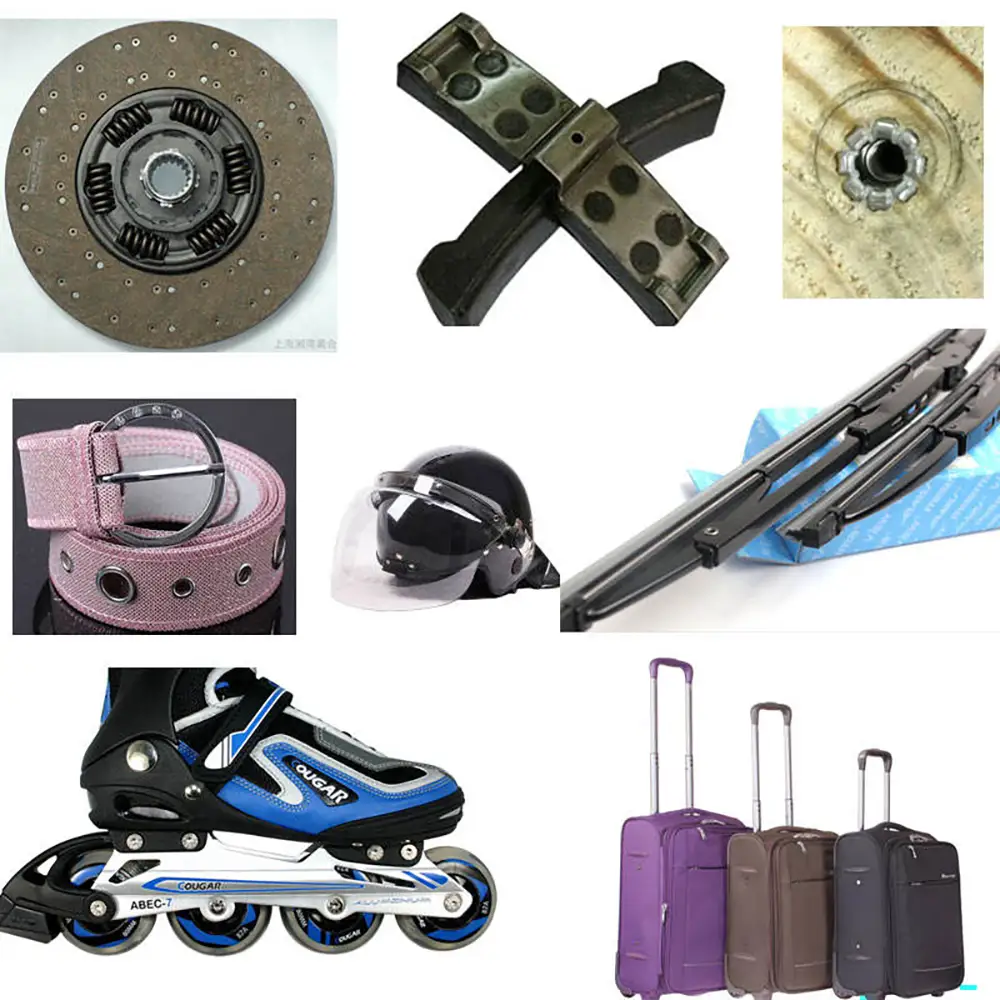
Application: Used for fixing rivets on helmets, belts, tags, toys, etc.
|
usage |
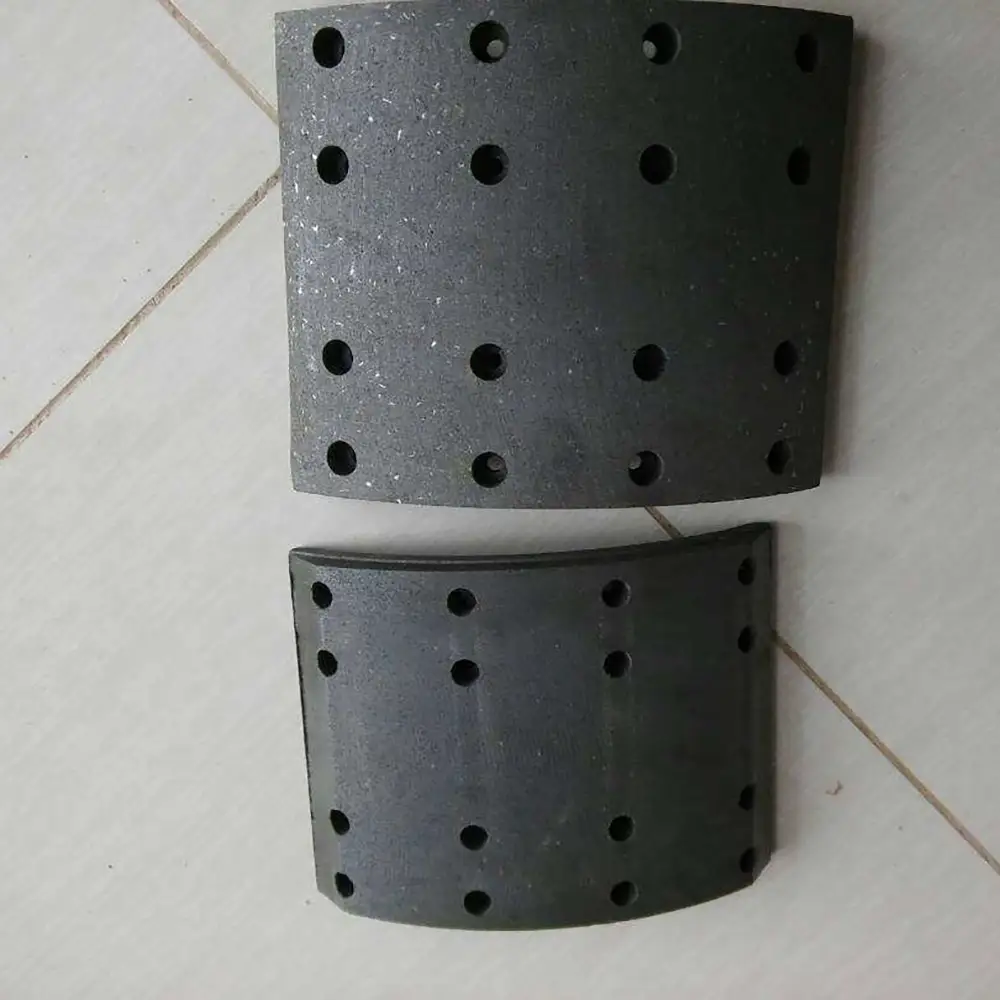
Suitable for riveting at the joint of brake shoes,
General pipe fittings |
|
riveting diameter |
Φ1.5-8mm |
|
riveting length |
5-45mm |
|
Machine throat depth |
255mm |
|
Rivet height |
950*550*1620mm |
|
N W |
350kg |
|
G W |
380kg |
Automatic Feeding Riveting Machine for Brake Blocks, Clutches, Baggage Trolleys, Ladders, Helmets and Wipers
The Automatic Feeding Riveting Machine is an industrial fastening solution designed for products that require reliable and repeatable rivet installation. It is suitable for a wide range of applications, including brake blocks, clutch components, baggage trolleys, ladders, helmets, windshield wipers, hardware assemblies, and other products requiring secure mechanical fastening.
By combining automatic rivet feeding with controlled riveting operations, this machine can reduce repetitive manual work and improve production consistency. Instead of manually positioning each rivet, the automatic feeding system supplies rivets to the riveting station, where the workpiece is accurately positioned before the fastening cycle is completed.
For manufacturers producing large quantities of components, automatic riveting can help create a more standardized production process. Machine configuration, tooling, feeding mechanisms, and riveting parameters can be customized according to the specific product and rivet requirements.
What Is an Automatic Feeding Riveting Machine?
An Automatic Feeding Riveting Machine is designed to automatically deliver rivets to the riveting position and complete the fastening operation with controlled mechanical force.
The system can include a rivet hopper, automatic feeding mechanism, rivet orientation system, riveting head, workpiece fixture, control system, and safety components. Depending on the application, different feeding and tooling configurations can be selected.
The machine is particularly useful when the same riveting operation needs to be repeated many times during production. Automatic feeding reduces the need for operators to manually pick and position individual rivets, allowing them to focus on workpiece loading, inspection, and other production tasks.
Automatic Rivet Feeding
Automatic feeding is one of the main features of this type of riveting equipment.
Rivets are placed into the feeding system and transferred toward the riveting station. The feeding mechanism is designed according to the rivet's diameter, length, head shape, material, and geometry.
Proper rivet orientation is important for stable automatic operation. For this reason, the feeding system can be configured or adjusted for the specific rivet being used.
For customized applications, manufacturers can provide rivet samples and product drawings so that the feeding and tooling systems can be evaluated before production.
Brake Block Riveting Applications
Brake block and brake component manufacturing often requires secure and consistent mechanical fastening.
An automatic riveting machine can be used for suitable brake block assemblies where rivets are required to connect friction materials, backing plates, brackets, or other components.
The actual riveting process must be matched to the product structure, rivet material, rivet dimensions, and required fastening performance. Customized fixtures can help position brake components accurately during the riveting cycle.
Consistent rivet placement can also help manufacturers improve assembly repeatability and reduce variation between finished products.
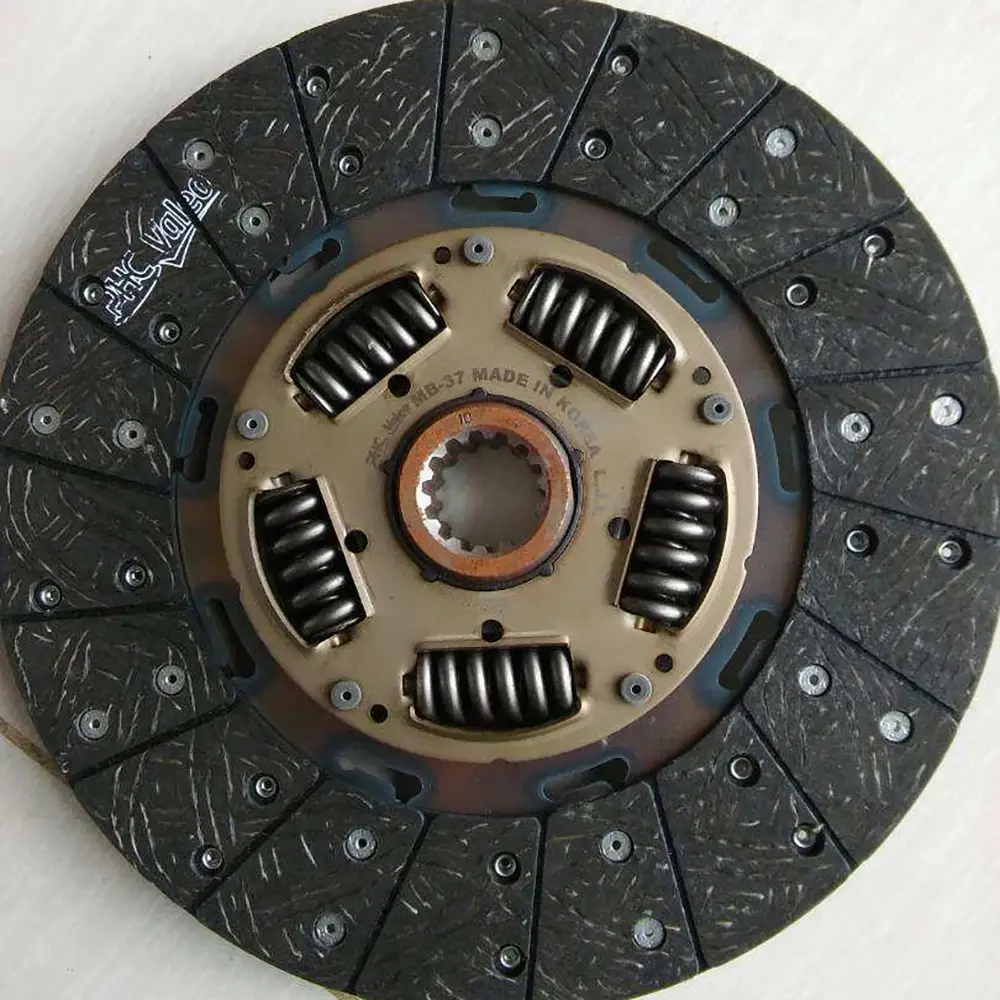
Clutch Component Riveting
Clutch assemblies and related components may require multiple mechanical fastening points. Depending on the product design, automatic riveting equipment can be used for suitable clutch components and friction-material assemblies.
The machine can be equipped with customized fixtures and tooling to hold the component securely during riveting.
For clutch applications, sample testing is recommended because the required riveting force, rivet deformation, rivet dimensions, and workpiece structure vary between different clutch designs.
Baggage Trolley Riveting
Baggage trolleys contain multiple metal and mechanical components that may require riveted connections.
The machine can be used for suitable trolley brackets, support components, frames, wheels, handles, and other assemblies where rivet fastening is part of the manufacturing process.
Automatic rivet feeding can help improve production efficiency when identical or similar components are manufactured in batches.
Ladder Riveting
Ladders commonly use riveted connections between rails, steps, brackets, hinges, and other structural components.
A dedicated riveting machine can provide controlled fastening for suitable ladder components. Customized fixtures can be designed to accommodate the geometry of ladder parts and maintain consistent positioning during riveting.
The exact machine configuration should be selected according to the ladder material, component dimensions, rivet type, and required joint characteristics.
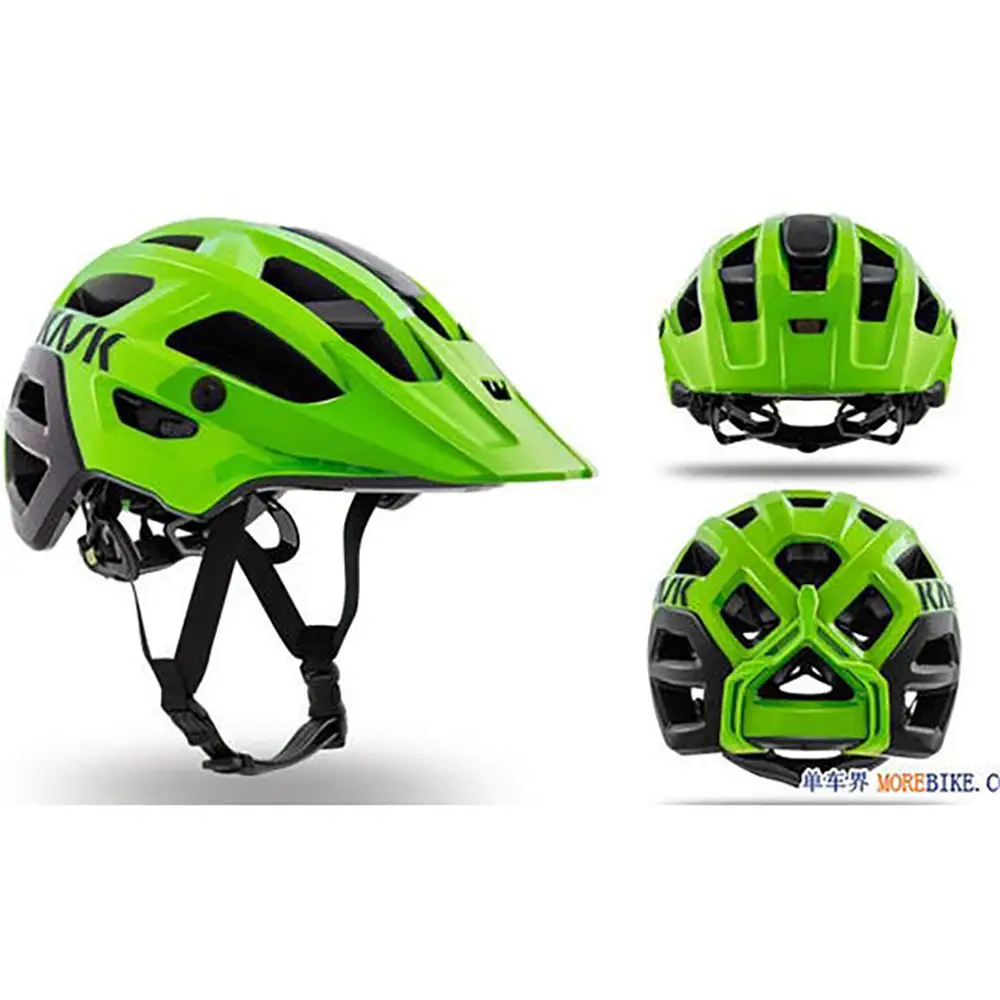
Helmet Riveting
Helmet production may involve riveting straps, buckles, brackets, adjustment systems, protective components, or other accessories.
An automatic riveting machine can be configured with application-specific fixtures to hold helmet components in the correct position during fastening.
Because helmets are safety-related products, the riveting process should be validated according to the manufacturer's product requirements and applicable quality standards. The machine itself should not be considered a substitute for product-specific testing and certification.
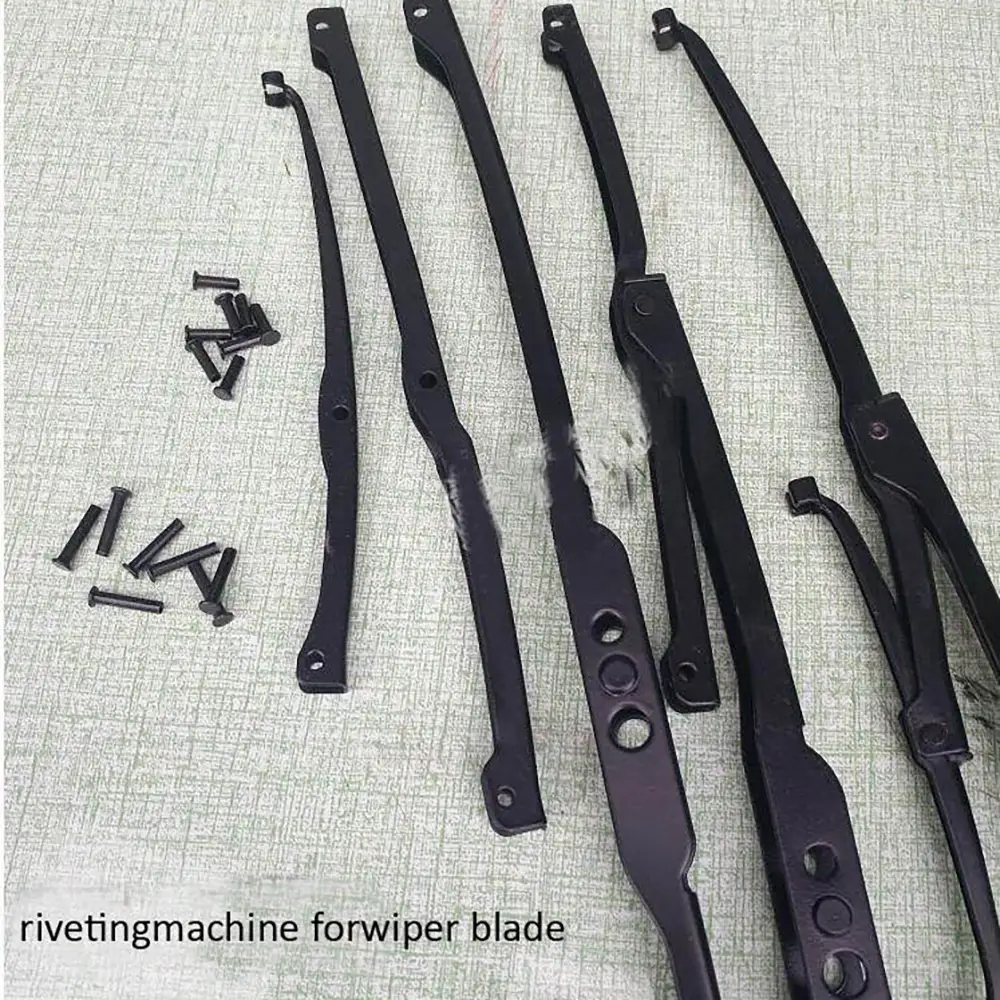
Windshield Wiper Riveting
Windshield wiper assemblies contain small metal components that may require accurate mechanical fastening.
An automatic feeding riveting machine can be used for suitable wiper components, brackets, connectors, arms, and other assemblies depending on the product design.
The ability to use dedicated tooling and fixtures makes the machine suitable for repetitive small-component riveting where accurate positioning is important.
Key Features
Automatic Rivet Feeding
The automatic feeding system reduces manual rivet placement and supports continuous repetitive production.
Controlled Riveting
The riveting mechanism applies controlled force to form or set the rivet according to the selected tooling and application.
Customized Fixtures
Fixtures can be designed around the geometry of brake blocks, clutch components, trolley parts, ladders, helmets, wipers, or other products.
Flexible Applications
One machine platform can potentially support multiple applications when appropriate tooling and feeding components are used.
Consistent Production
A controlled riveting process can help reduce variations caused by manual riveting.
B2B Production Design
The equipment is designed for manufacturers that need repeatable mechanical fastening in production environments.
Advantages for Manufacturers
An automatic feeding riveting machine can provide several benefits for industrial production.
Reduced Manual Labor: Automatic feeding reduces repetitive manual rivet placement.
Improved Consistency: Controlled riveting helps maintain more uniform fastening results.
Higher Production Efficiency: Automated feeding and riveting can streamline repetitive assembly operations.
Better Positioning: Dedicated fixtures help maintain consistent workpiece positioning.
Reduced Operator Fatigue: The machine takes over repetitive riveting operations.
Customizable Tooling: Different products can use application-specific fixtures and riveting dies.
Production Flexibility: The equipment can be adapted to different products depending on tooling and machine configuration.
Improved Process Control: Standardized machine parameters can help manufacturers establish repeatable production procedures.
Suitable Rivet Types
The machine can be configured for suitable rivet types according to the product application. Depending on the machine and tooling design, applications may involve solid rivets, semi-tubular rivets, hollow rivets, tubular rivets, or other mechanical fasteners.
Rivet size, material, length, head style, and deformation requirements should be evaluated before selecting the machine configuration.
Sample testing with actual rivets and workpieces is recommended for customized applications.
Custom Riveting Solutions
Different industries require different fastening solutions. A brake component may require completely different tooling from a ladder component or windshield wiper assembly.
Custom options may include:
Automatic rivet feeding
Customized riveting dies
Product-specific fixtures
Multiple riveting positions
Foot-pedal or automatic operation
Safety guarding
Automatic control systems
Special workpiece positioning systems
Production-line integration
OEM machine configurations
Manufacturers can provide product drawings, rivet samples, workpiece samples, photographs, and production requirements to help determine the appropriate configuration.
Quality Control
Riveting quality depends on several factors, including rivet dimensions, material, hole size, workpiece thickness, alignment, riveting force, tooling design, and machine settings.
A production quality-control process may include checking rivet dimensions, inspecting workpiece holes, verifying rivet positioning, monitoring riveting results, and performing mechanical or destructive tests when required.
For brake, clutch, ladder, helmet, or other critical applications, manufacturers should establish product-specific quality requirements and validate the finished assembly accordingly.
Maintenance and Operation
Regular maintenance helps maintain stable machine performance. Operators should inspect the rivet feeding system, riveting head, tooling, fixtures, fasteners, and other wear components according to the manufacturer's maintenance recommendations.
The feeding system should be kept clean and free of debris to reduce the possibility of feeding interruptions. Riveting dies and punches should also be inspected periodically for wear.
Proper operator training and routine inspection can help improve machine reliability and reduce unnecessary downtime.
Why Choose Our Automatic Feeding Riveting Machine?
Automatic Rivet Feeding – Reduces repetitive manual rivet placement and supports efficient production.
Wide Application Range – Suitable for brake blocks, clutch components, baggage trolleys, ladders, helmets, wipers, and other products.
Customized Tooling – Application-specific dies and fixtures can be developed for different products.
Consistent Riveting – Controlled machine operation helps improve fastening repeatability.
Industrial B2B Design – Suitable for manufacturers requiring reliable repetitive riveting.
Flexible Configuration – Feeding systems, fixtures, controls, and tooling can be selected according to application requirements.
OEM Support – Customized machine solutions can be developed for specific production processes.
Sample Testing – Actual rivets and workpieces can be evaluated to help determine the appropriate machine configuration.
FAQ
1. What is an Automatic Feeding Riveting Machine?
It is an industrial riveting machine that automatically feeds rivets to the riveting station and performs the fastening operation with controlled machine force.
2. What products can this machine rivet?
It can be used for suitable brake blocks, clutch components, baggage trolleys, ladders, helmets, windshield wipers, hardware assemblies, and many other products.
3. Can it automatically feed rivets?
Yes. An automatic feeding system can supply rivets to the riveting position, reducing manual loading.
4. Can the machine be used for brake block riveting?
Yes, suitable brake block and friction-material assemblies can be processed when the rivet, tooling, and machine configuration match the application.
5. Can it be used for clutch riveting?
Yes. It can be configured for suitable clutch components and friction-material assemblies according to the product design.
6. Can it rivet ladder components?
Yes. Customized fixtures and tooling can be used for suitable ladder rails, steps, brackets, hinges, and other components.
7. Is it suitable for helmet manufacturing?
It can be used for suitable helmet accessories and components requiring riveting. Safety-related applications should be validated according to the applicable product requirements.
8. Can it be used for windshield wipers?
Yes. Suitable wiper brackets, arms, connectors, and other small components can be processed depending on their design and rivet requirements.
9. Can the riveting tooling be customized?
Yes. Riveting dies, punches, fixtures, positioning systems, and feeding components can be customized according to the product.
10. What information is needed for a machine quotation?
Useful information includes the rivet dimensions and material, workpiece material and thickness, hole dimensions, product drawings or samples, required riveting positions, and expected production volume.
11. Can the machine handle different rivet sizes?
The machine can be configured for suitable rivet sizes, but the actual working range depends on the machine design, feeding system, tooling, and rivet specifications.
12. Should I send samples before ordering?
Yes. Providing actual rivets and workpiece samples is recommended for customized applications. Sample testing can help verify feeding, positioning, riveting deformation, and finished-product quality.
Prev:
Double Rivet up and Below Riveting Machine for Clothing Shoes Bag
Next:
Blind Hollow Riveting Machine
TAG:
Industrial Riveting Machine,
Industrial Riveting Equipment,
Metal Riveting Machine,
Rivet Fastening Machine,
Rivet Setting Machine,
Rivet Assembly Machine,
Automatic Riveting Machine,
Aluminum Ladder Riveting Machine,
Ladder Riveting Machine,
Automatic Rivet Feeding Machine,
Rivet Installation Machine,
Custom Riveting Machine,
Automatic Riveting Equipment,
Automatic Rivet Machine,
Automatic Fastening Machine,
Helmet Riveting Machine,
Helmet Strap Riveting Machine,
Wiper Riveting Machine,
Windshield Wiper Riveting Machine,
Auto Riveting Machine,
Automatic Feeding Riveting Machine,
Brake Lining Riveting Machine,
Brake Shoe Riveting Machine,
Clutch Riveting Machine,
Clutch Plate Riveting Machine,
Rivet Feeding Machine,
Automatic Feed Riveting Machine,
Brake Block Riveting Machine,
Baggage Trolley Riveting Machine,
Luggage Trolley Riveting Machine,
Related Category:
Automatic Feeding Riveting Machine, Automatic Riveting Machine, Automatic Feed Riveting Machine China, suppliers, manufacturers, factory, customized, wholesale, quotation, made in China