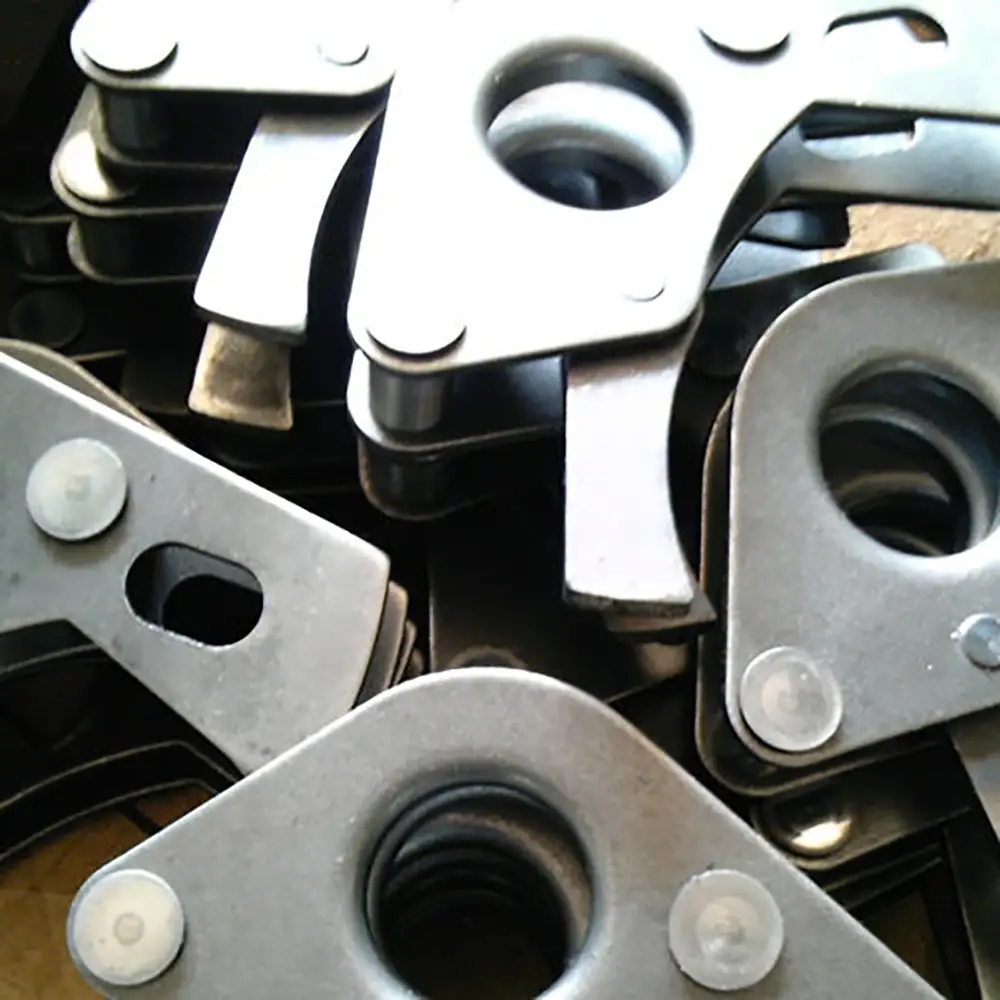
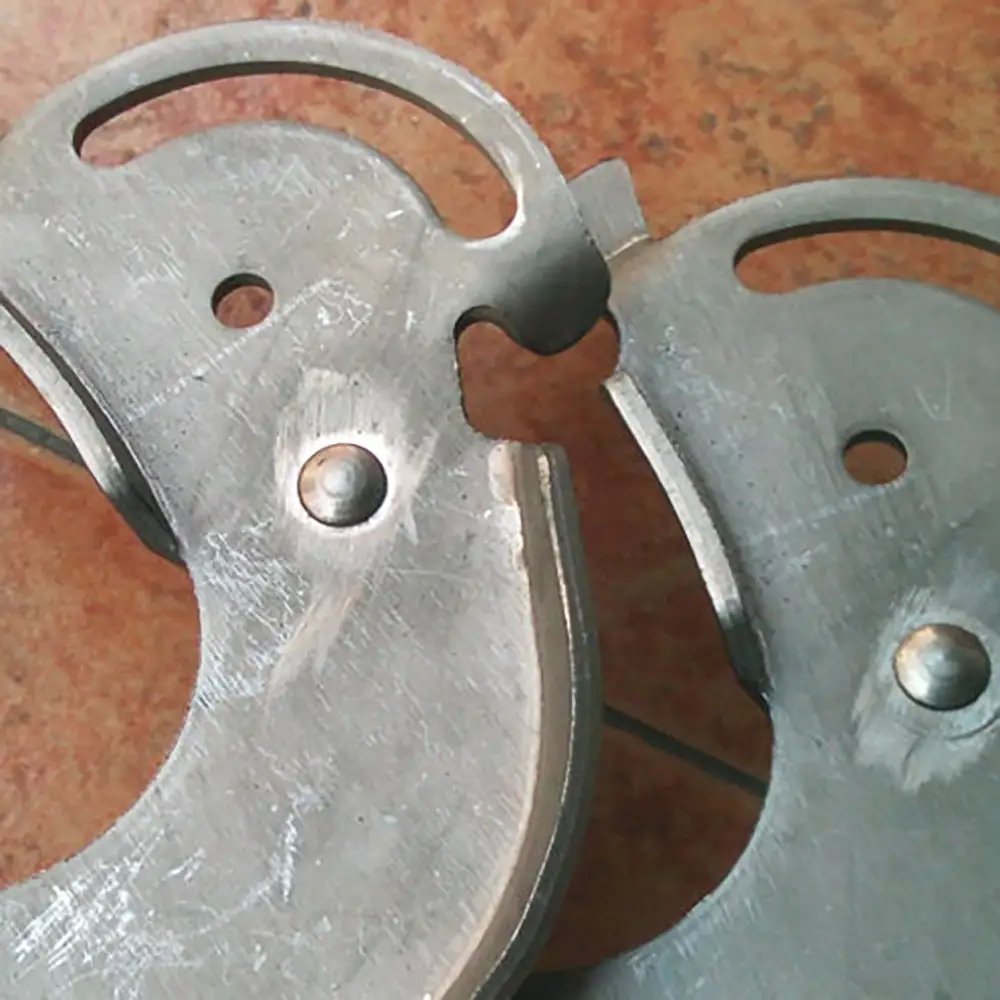
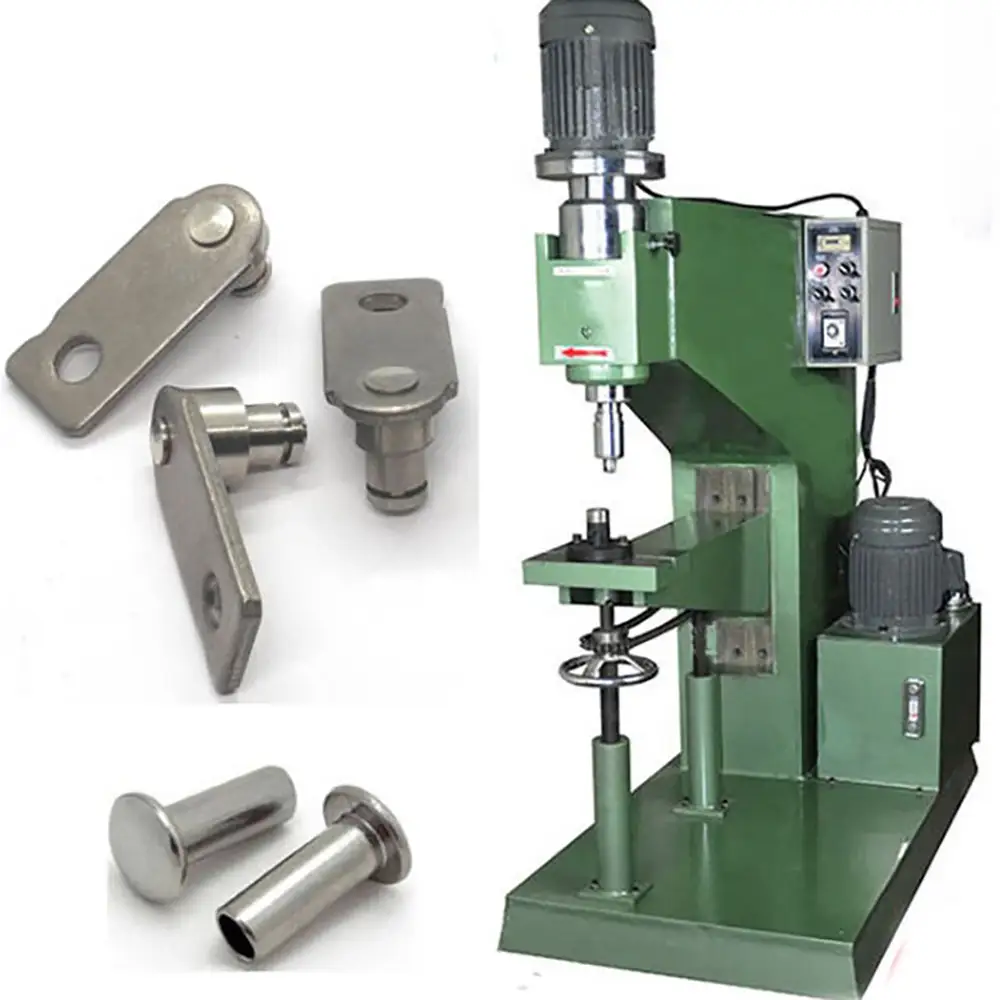
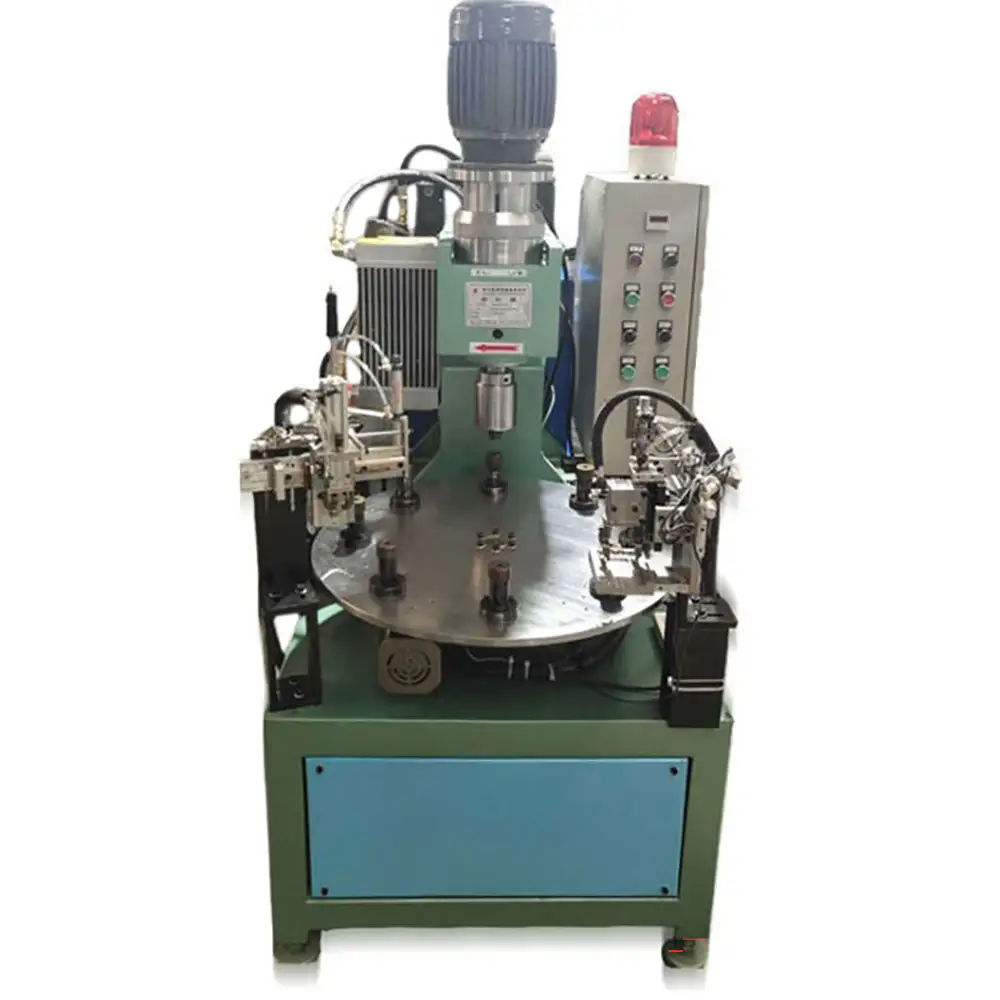
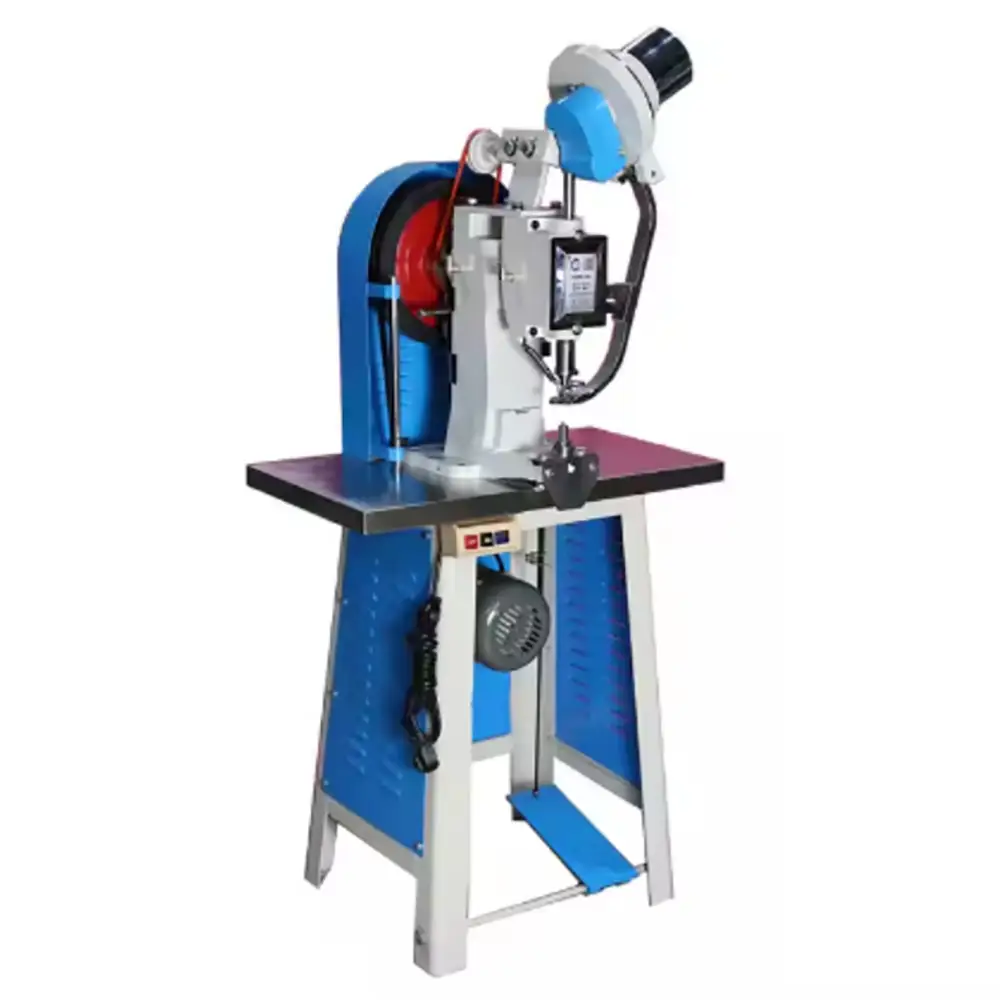
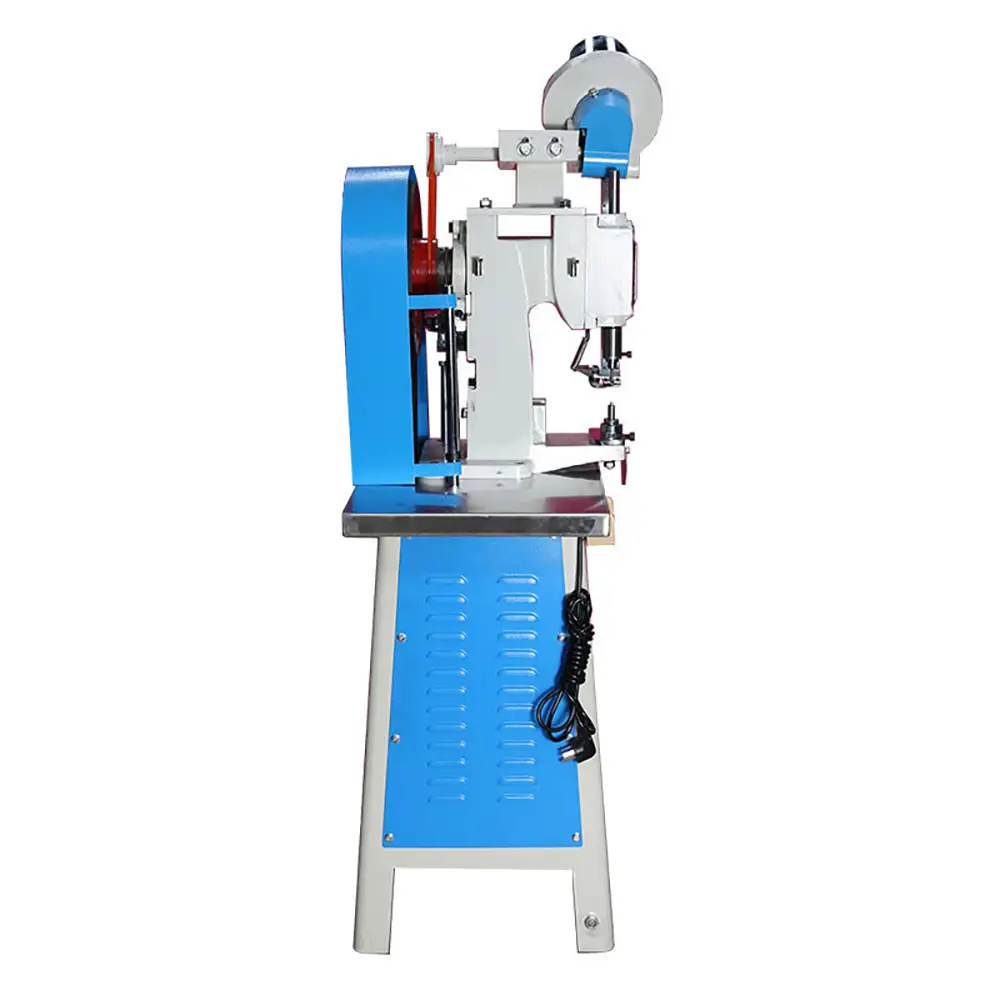
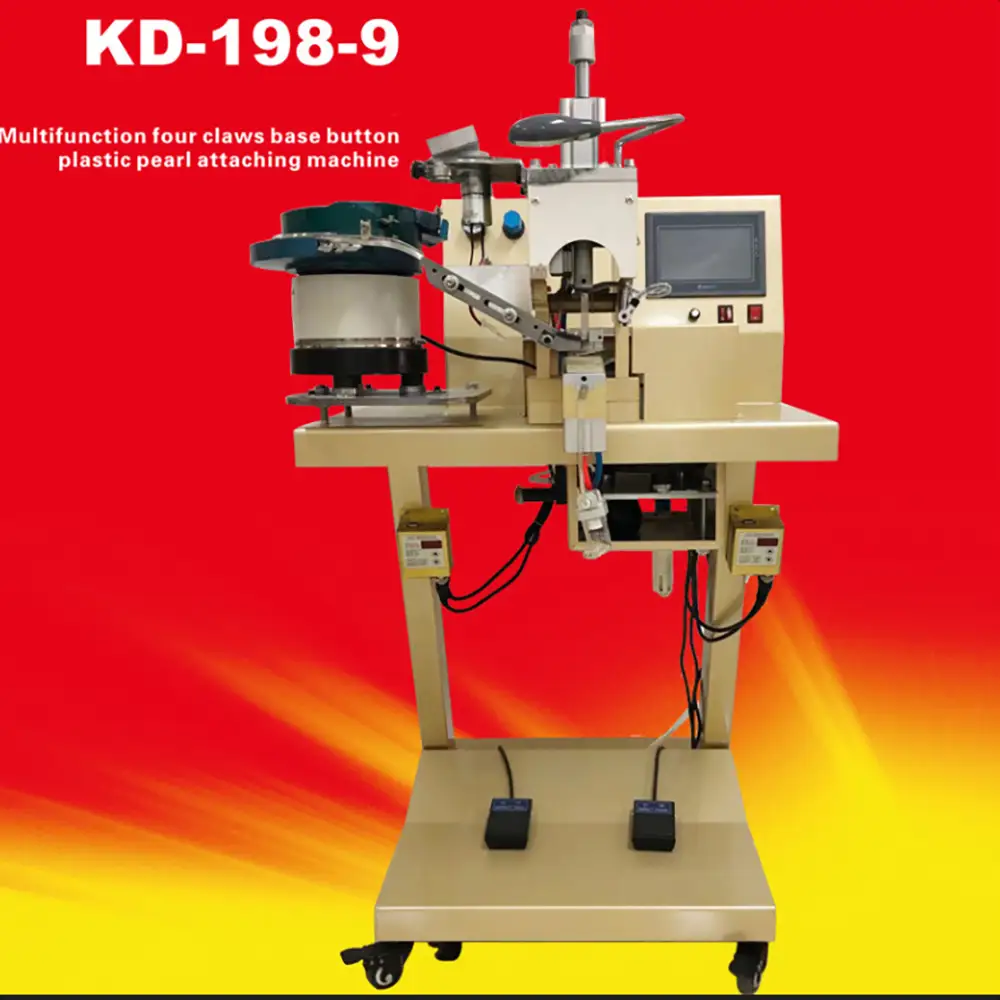
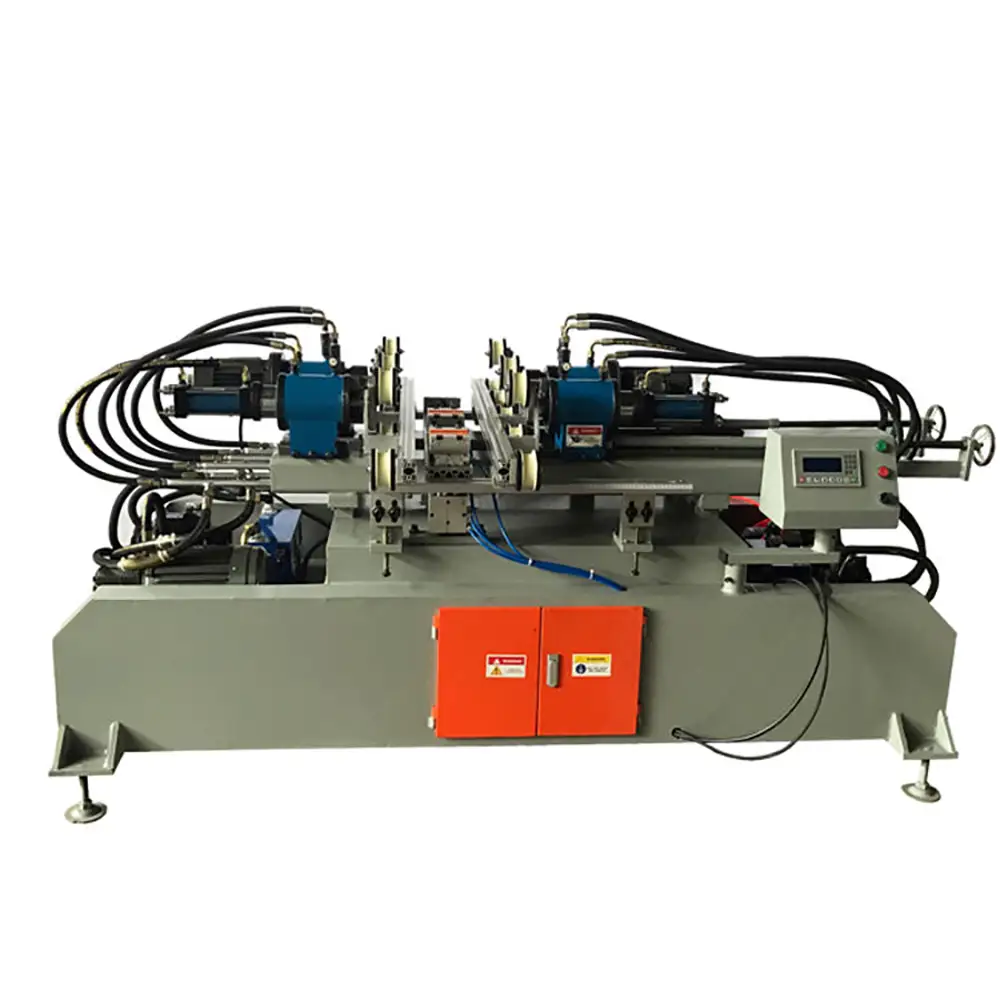
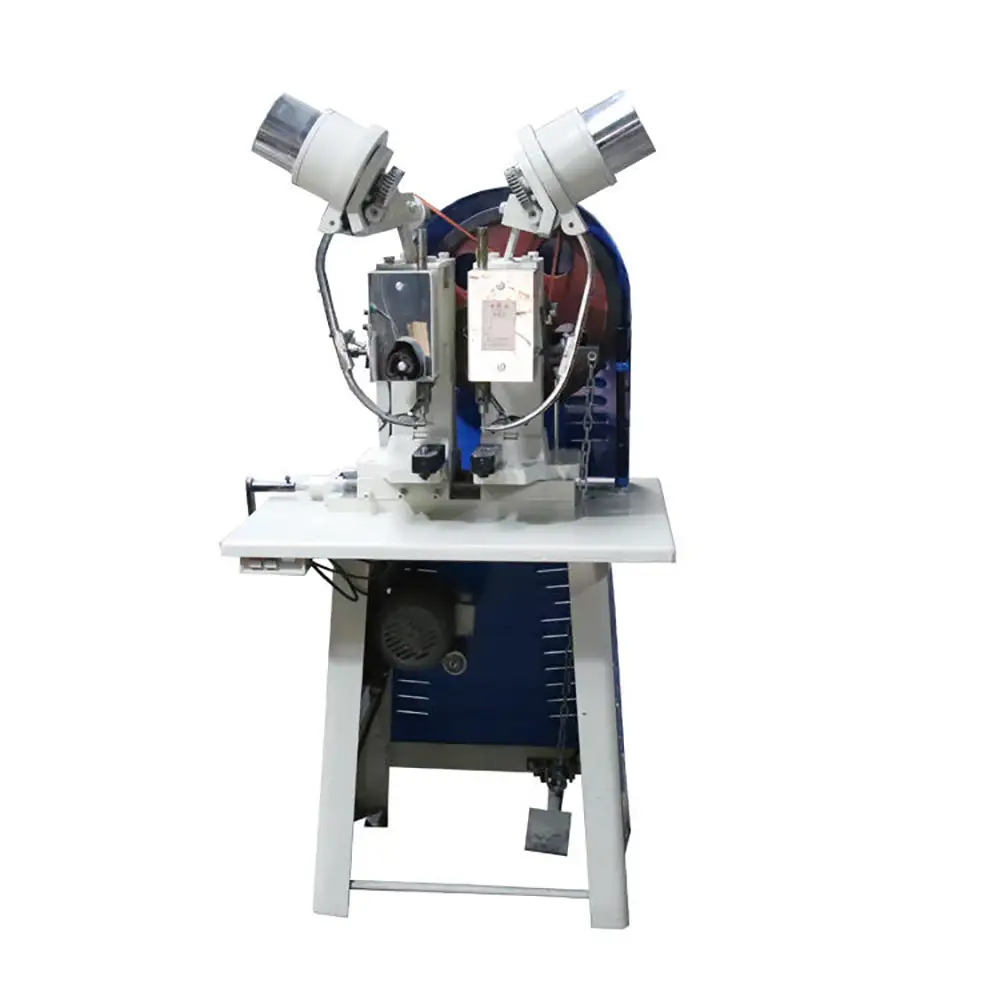
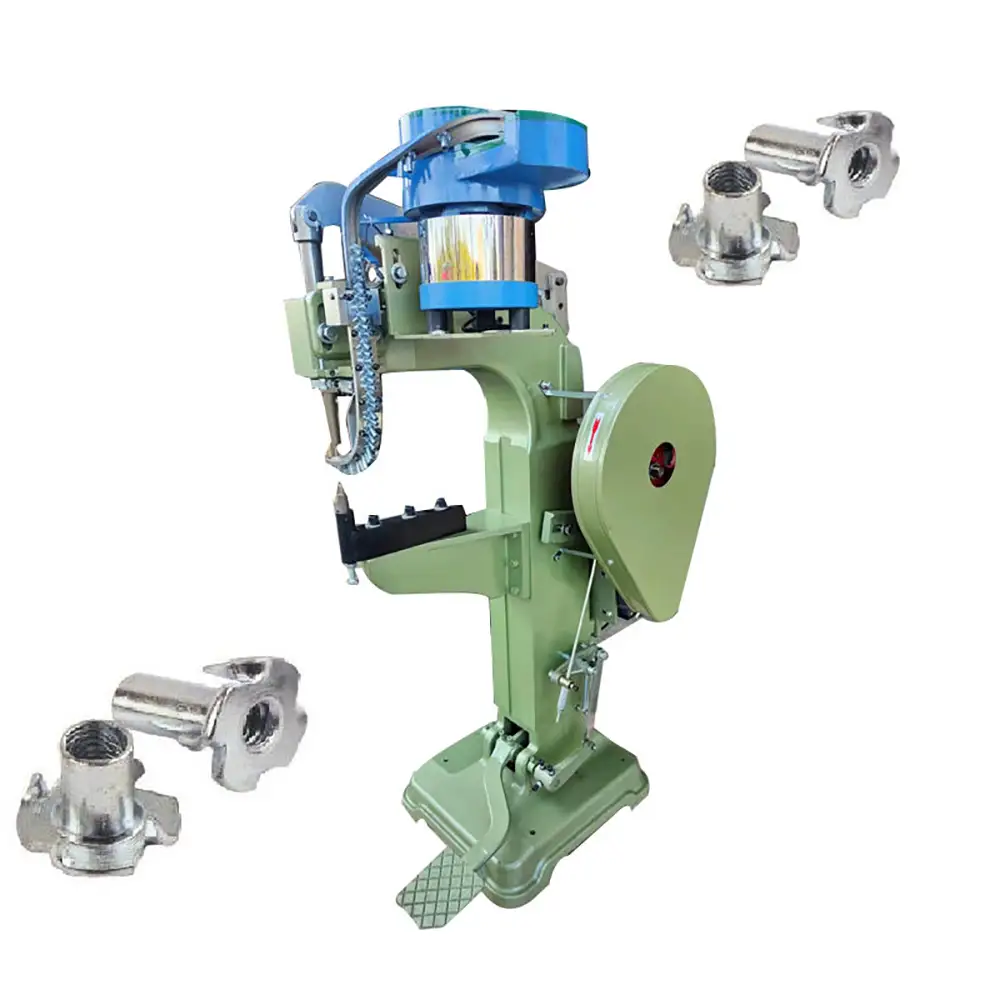
Hydraulic Orbital Riveting Machine for Stainless Steel, Aluminum and Steel Solid Rivets
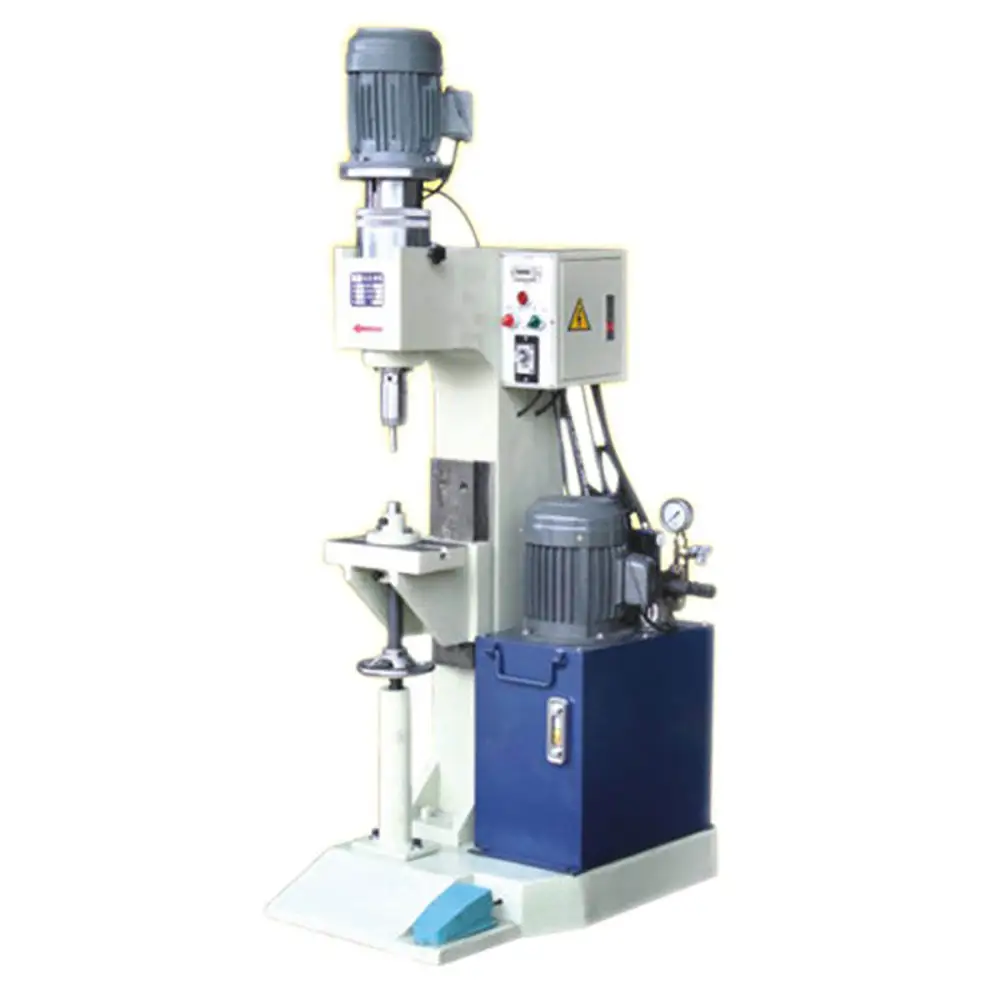
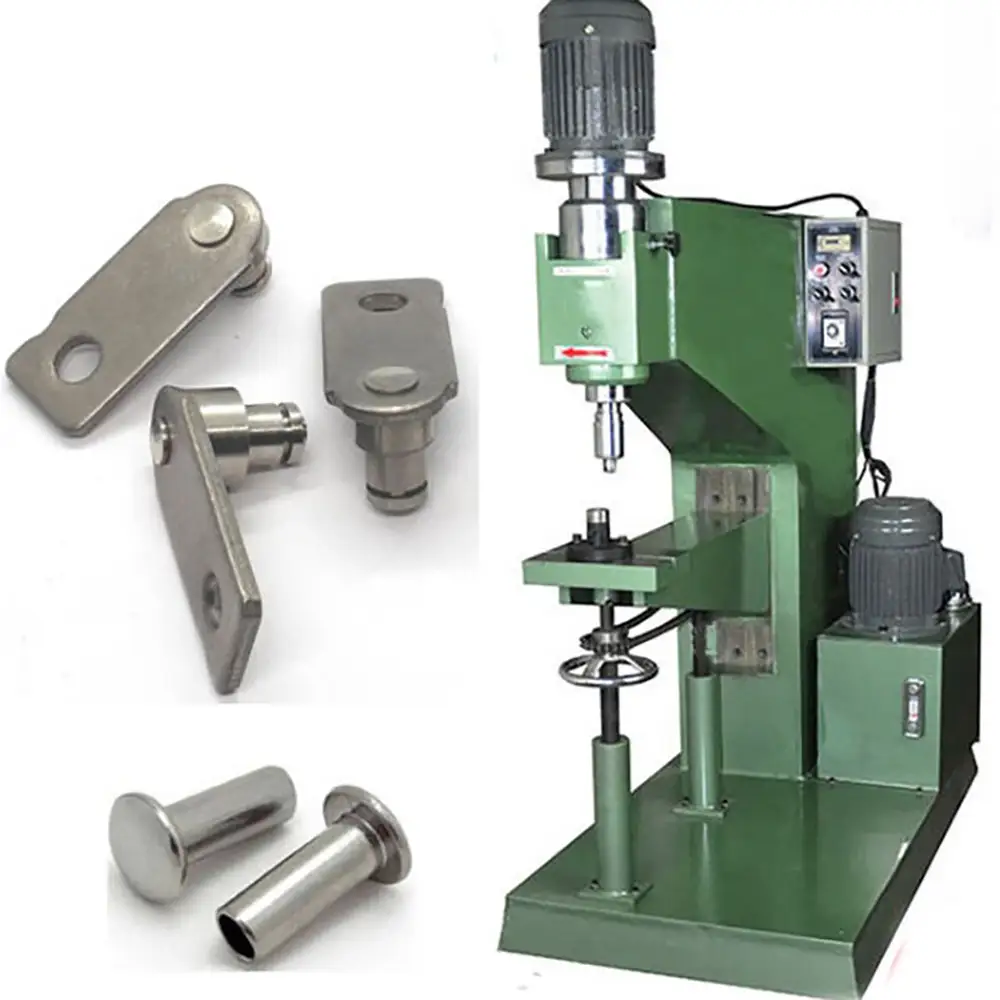
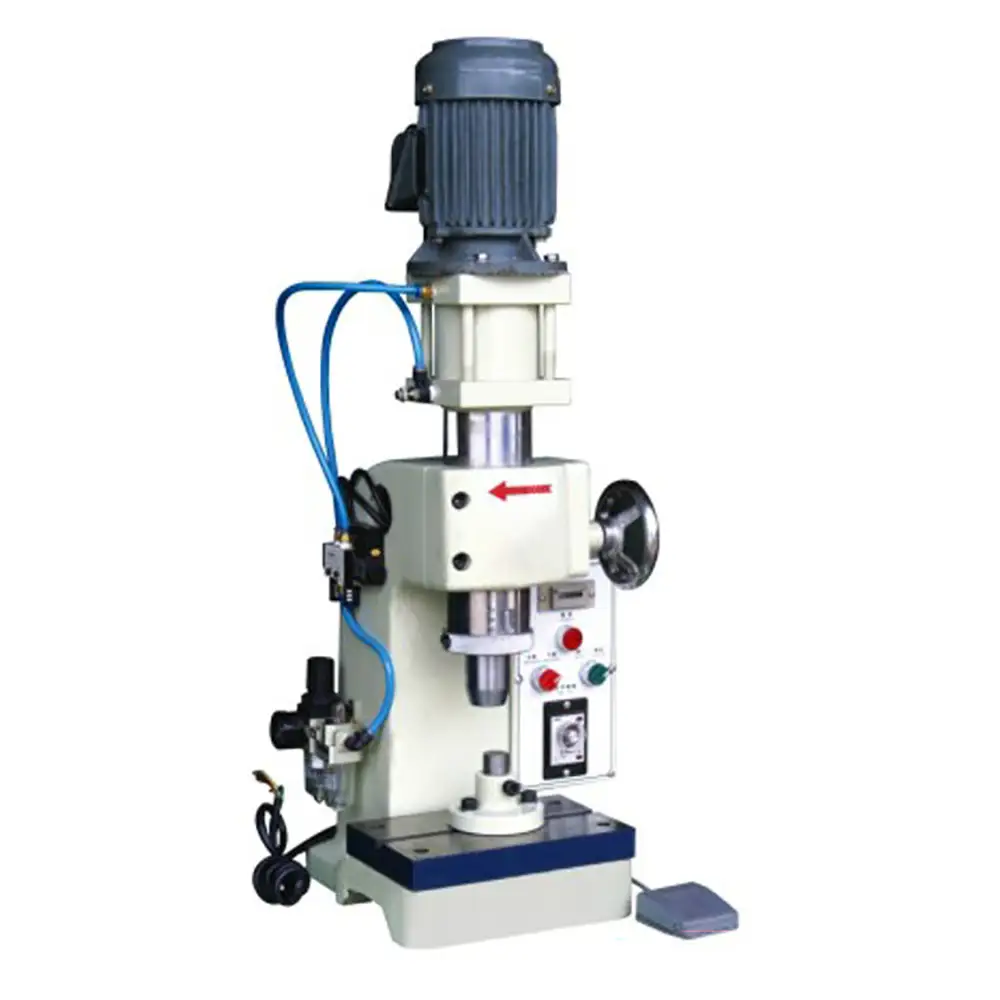
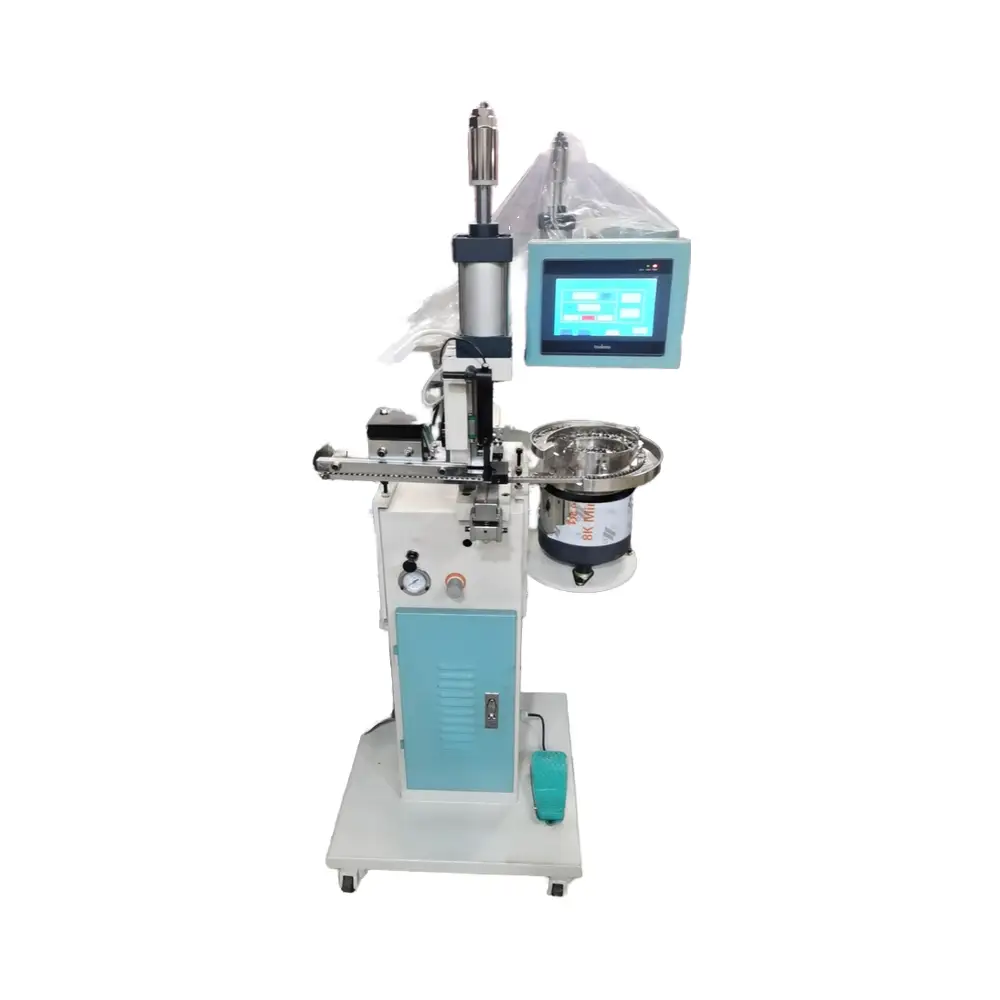
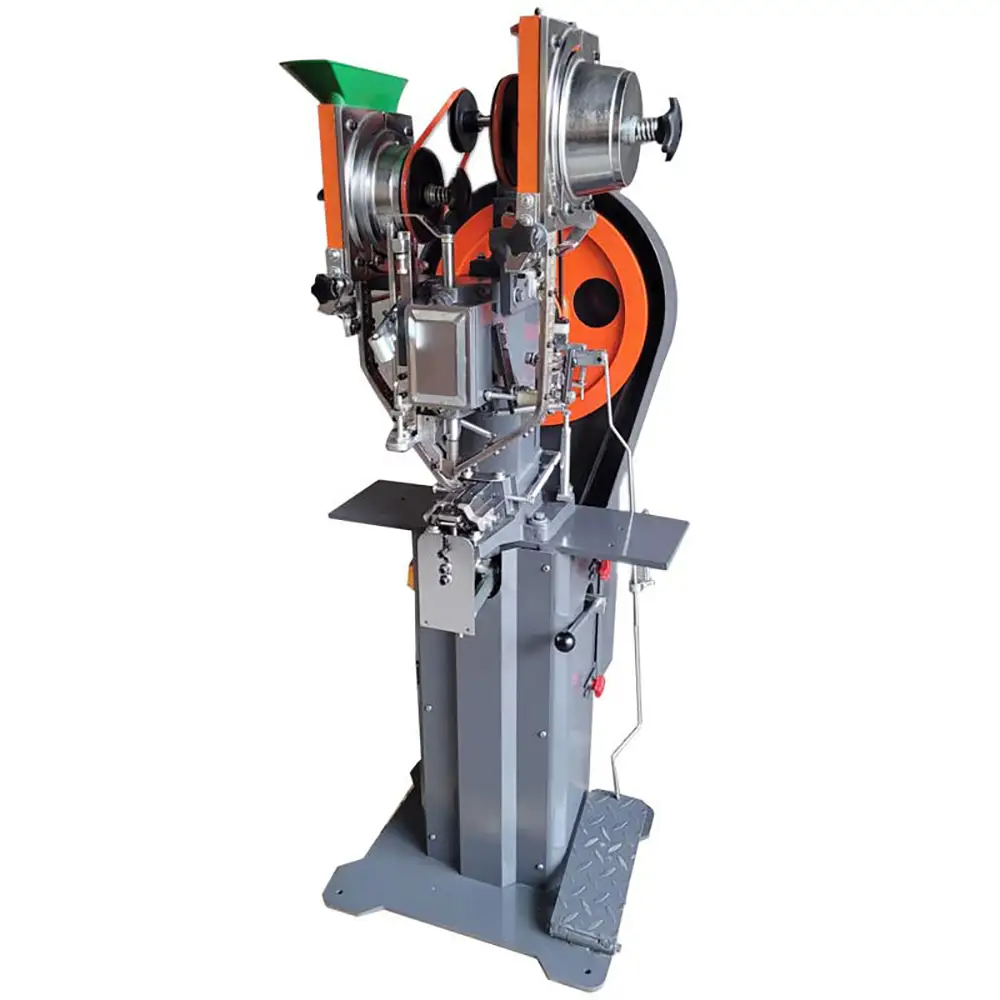
The Hydraulic Orbital Riveting Machine is an industrial fastening solution designed for manufacturers that need controlled and repeatable riveting of stainless steel, aluminum, and steel solid rivets. Using orbital riveting technology combined with hydraulic drive, the machine forms the rivet head gradually and consistently, helping achieve reliable mechanical fastening while reducing deformation of the surrounding workpiece.
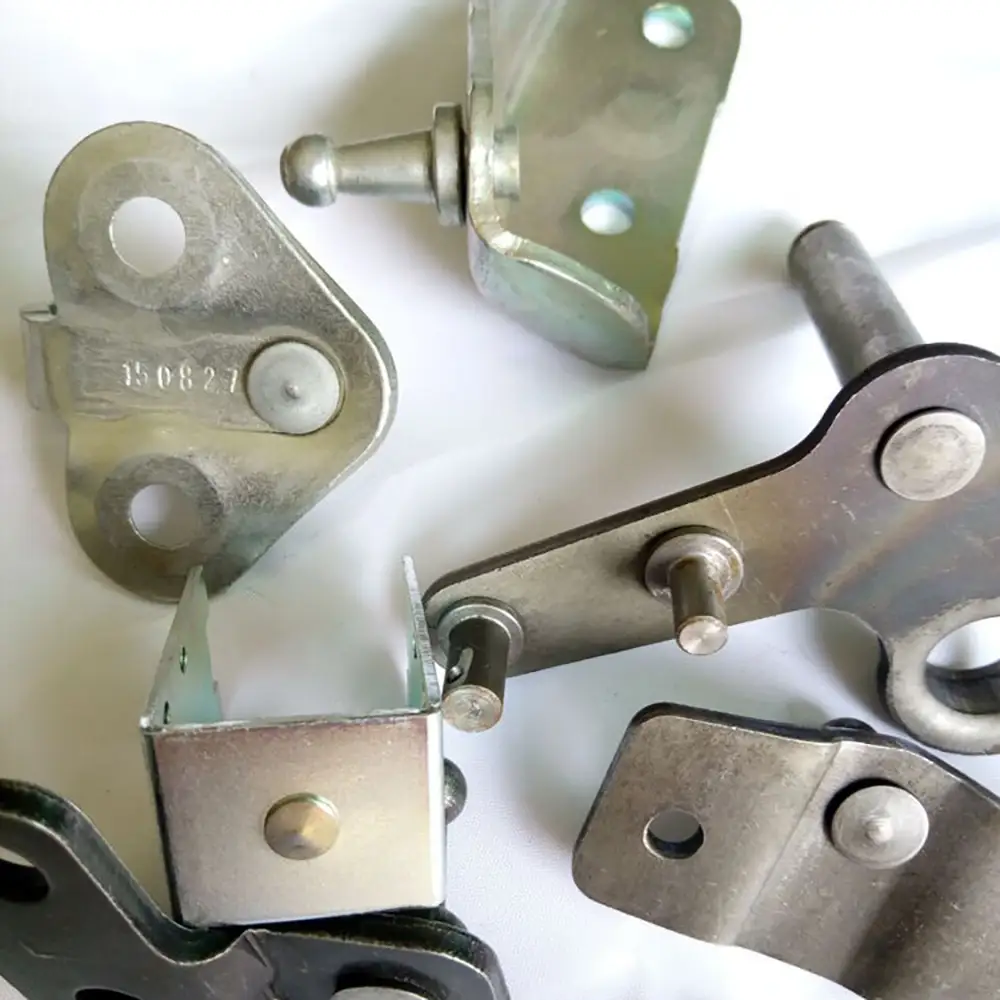
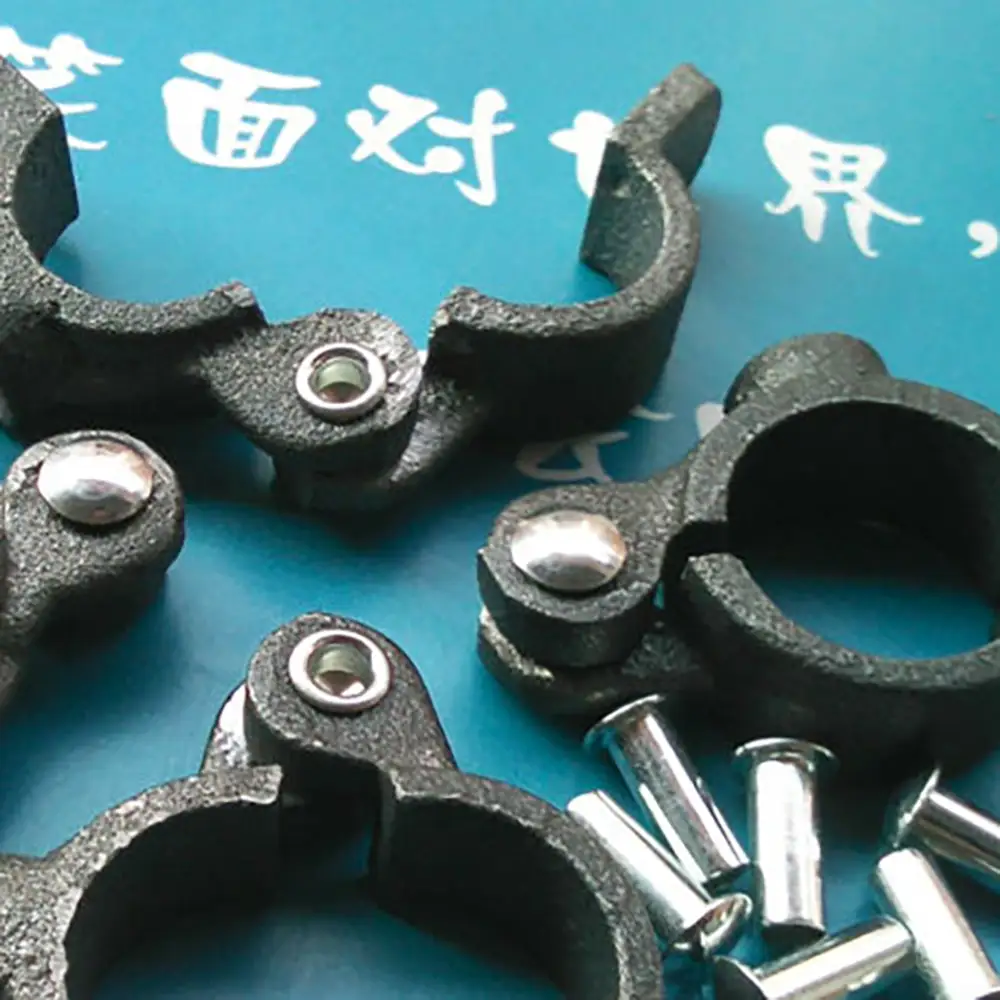
Orbital riveting is widely used where controlled forming, stable clamping, attractive finished rivet heads, and repeatable production are required. Compared with conventional impact riveting, orbital riveting applies forming force progressively to the rivet rather than delivering a single high-impact blow. This can make it suitable for precision assembly applications involving metal components, brackets, shafts, hinges, handles, and other industrial parts.
The Hydraulic Orbital Riveting Machine can be configured according to rivet diameter, rivet material, workpiece dimensions, required riveting force, production volume, and application requirements. It is suitable for both individual industrial assembly operations and production-line applications.
1 Progressive design:
Low center of gravity, strong rigidity, simple structure, no noise, no impact, no vibration, two-stage weight adjustment, small size and no space.
2 Easy operation:
Strong working pressure, strong safety, easy operation, can be operated without experience, fast and convenient tool replacement, high work efficiency, good riveting effect
3 Standard configuration:
Standard electronic accessories are used for each model. When using automatic operation, the timer can be adjusted to the appropriate time at will
4 Usage
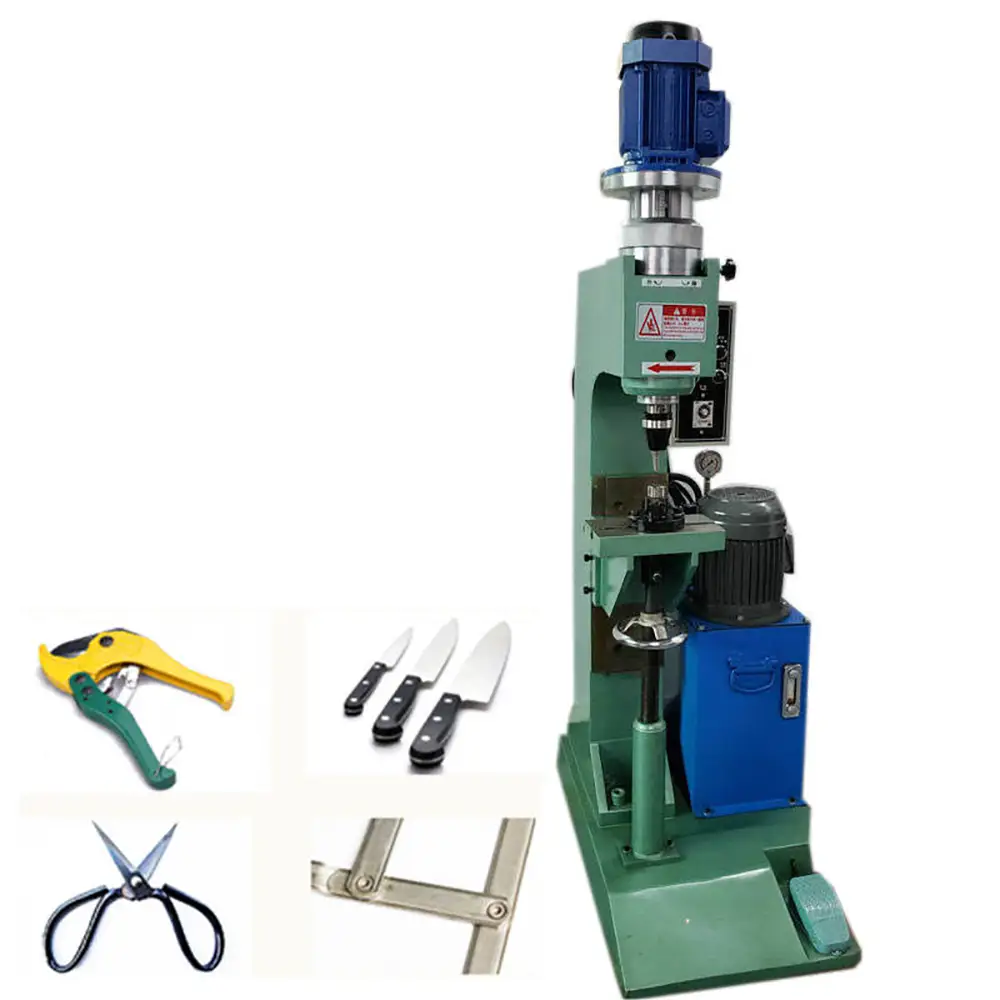
Suitable for riveting of solid rivets such as scissors, pliers, juicer blades, notebook shafts, LCD shafts, gas springs, piston rods, etc.
|
Model |
Motor |
Spindle stroke(mm) |
Riveting capacity( soft material ) |
Throat depth |
Working time(s) |
working pressure
kg/cm |
· MPA
kg/cm² |
Riveting length(mm) |
Weight(kg) |
Riveting RMP |
|
H-150 |
1/2×HP
1×2HP |
42 |
Solid river:3~12
hollow river:1~25 |
195 |
0.5~10 |
20~70 |
430~1650 |
180 |
300 |
1400/1720 |
|
H-152 |
1/2×HP
1×2HP |
42 |
Solid river:3~12
river:1~25 |
200 |
0.5~10 |
20~70 |
430~1650 |
230 |
350 |
1400/1720 |
|
H-155 |
3×3HP
2×3HP |
45 |
Solid river:1~25
river:1~40 |
200 |
0.5~10 |
20~100 |
1400~5500 |
300 |
450 |
Hydraulic Orbital Riveting Technology
The orbital riveting process uses a forming tool that contacts the rivet at an angle and progressively reshapes the rivet material. As the riveting head rotates and moves around the rivet axis, the material is formed into the required finished head shape.
This controlled forming process can provide several advantages for manufacturers. The gradual application of force helps reduce shock and vibration, while the orbital movement allows the rivet head to be formed progressively.
The hydraulic system provides the driving force required for the riveting operation. Hydraulic power is particularly useful for applications requiring higher and more controlled forming force. Machine parameters can be selected according to the rivet and workpiece specifications.
Stainless Steel Solid Rivet Applications
Stainless steel solid rivets are commonly used in applications where corrosion resistance and mechanical durability are important. The Stainless Steel Riveting Machine can be used for suitable stainless steel rivet applications when the machine force, tooling, and process parameters are matched to the material and rivet dimensions.
Typical applications can include industrial equipment, hardware assemblies, metal structures, transportation components, machinery, and other products requiring permanent mechanical fastening.
Because stainless steel can require relatively high forming force compared with softer materials, the correct machine capacity and tooling should be selected based on the actual rivet specifications.
Aluminum Solid Rivet Applications
Aluminum is widely used in manufacturing because of its low weight and favorable forming characteristics. Aluminum solid rivets can be used in lightweight structures, enclosures, transportation components, furniture hardware, and various industrial assemblies.
An Aluminum Riveting Machine using orbital forming can provide controlled deformation of the rivet while helping protect the workpiece from excessive impact forces.
For aluminum riveting, selecting the correct riveting head, forming tool, stroke, pressure, and cycle parameters is important. These parameters should be tested using the actual rivet and workpiece before mass production.
Steel Solid Rivet Applications
Steel solid rivets are commonly used for applications requiring strong permanent mechanical fastening. Depending on the grade and dimensions, steel rivets may require significantly higher forming force than aluminum rivets.
The Steel Rivet Machine can be configured for suitable steel solid rivet applications according to the required riveting force and rivet diameter. Hydraulic drive provides the power needed for demanding industrial riveting operations.
For carbon steel or other steel materials, customers should provide the rivet specifications and material grade so the appropriate machine configuration and tooling can be selected.
Controlled and Repeatable Riveting
One of the key benefits of orbital riveting is controlled material forming. Instead of relying on a sudden impact, the orbital riveting head gradually forms the rivet.
This can help manufacturers achieve consistent rivet head dimensions and improve repeatability between production cycles. Consistent riveting is particularly important for assemblies where rivet height, head diameter, clamping force, and finished appearance are critical.
The actual riveting result depends on several factors, including rivet material, rivet diameter, rivet length, workpiece material, hole diameter, fixture design, forming tool geometry, hydraulic pressure, and machine settings.
Suitable for Industrial Production
The Hydraulic Orbital Riveting Machine is suitable for a variety of industrial production environments. It can be used as a standalone workstation or integrated into a larger assembly process.
Potential applications include:
Automotive Components
Machinery Parts
Stainless Steel Components
Aluminum Assemblies
Steel Hardware
Metal Brackets
Hinges
Handles
Industrial Hardware
Electrical Components
Transportation Equipment
Construction Hardware
Furniture Hardware
Agricultural Machinery Components
The exact application depends on the rivet dimensions and workpiece structure.
Custom Riveting Tooling
Tooling is an important part of any orbital riveting application. The forming head must match the required finished rivet shape, while the fixture needs to hold the workpiece securely during the riveting process.
We can provide customized riveting tooling and fixtures based on customer drawings, samples, rivet specifications, and assembly requirements.
For special rivet head shapes, unusual workpiece geometries, or restricted-access riveting positions, customized tooling can help adapt the machine to the customer's production process.
Customers are encouraged to provide detailed technical information, including rivet diameter, rivet length, material grade, pre-rivet height, finished rivet head dimensions, workpiece material, and required production output.
Hydraulic System and Machine Stability
A stable hydraulic system is important for maintaining consistent riveting force. The machine is designed to provide controlled hydraulic movement during the riveting cycle.
Stable operation can help reduce variations in rivet forming and support continuous industrial production. Proper hydraulic maintenance, regular inspection, correct oil selection, and routine servicing are important for maintaining long-term machine performance.
The machine structure can also be configured according to the workpiece dimensions and required operating space.
Easy Operation and Maintenance
The machine can be designed with a practical control system that allows operators to manage the riveting cycle and production parameters. Depending on the configuration, controls may include hydraulic pressure adjustment, stroke adjustment, cycle control, and safety functions.
Routine maintenance should include inspection of hydraulic components, riveting tooling, moving parts, fasteners, lubrication points, and electrical systems.
Operators should follow the manufacturer's operating instructions and safety procedures when setting up and using the equipment.
Quality Control and Sample Testing
Before purchasing an industrial riveting machine, sample testing is recommended when the application involves special materials or unusual rivet dimensions.
Customers can provide actual stainless steel, aluminum, or steel solid rivets together with representative workpieces. Testing can help determine suitable tooling, hydraulic force, stroke, riveting cycle, and finished rivet dimensions.
Quality inspection may include checking rivet head diameter, head height, deformation, clamping condition, appearance, and mechanical fastening performance.
Sample-based testing helps ensure that the selected Orbital Riveting Machine is properly matched to the customer's production requirements.
Why Choose Our Hydraulic Orbital Riveting Machine?
1. Hydraulic Drive System
Hydraulic power provides the forming force required for a wide range of industrial riveting applications.
2. Orbital Riveting Technology
Progressive orbital forming helps provide controlled rivet deformation and repeatable results.
3. Multi-Material Applications
Suitable configurations can be used for stainless steel, aluminum, carbon steel, and other compatible solid rivet materials.
4. Custom Tooling Available
Riveting heads, forming tools, and fixtures can be customized according to customer requirements.
5. Stable Production Performance
The controlled riveting process is suitable for repetitive industrial production.
6. Wide Application Range
Suitable for machinery, automotive components, metal hardware, furniture, transportation equipment, and other industrial products.
7. Sample Testing Support
Actual rivets and workpieces can be evaluated to determine appropriate tooling and machine parameters.
8. OEM & Custom Solutions
Machine configurations can be developed according to rivet size, material, production capacity, and application requirements.
FAQ
1. What is a Hydraulic Orbital Riveting Machine?
A Hydraulic Orbital Riveting Machine uses a hydraulic drive system and orbital forming technology to permanently form solid rivets. The riveting head progressively shapes the rivet rather than relying on a conventional high-impact riveting process.
2. Can it rivet stainless steel solid rivets?
Yes, suitable stainless steel solid rivets can be processed when the machine capacity and tooling are matched to the rivet specifications.
3. Can the machine rivet aluminum rivets?
Yes. Aluminum solid rivets are commonly suitable for orbital riveting applications. The correct tooling and machine parameters should be determined according to the rivet and workpiece.
4. Can it process carbon steel rivets?
Yes, depending on the rivet diameter, material grade, and required forming force. A suitable hydraulic machine configuration should be selected for the specific steel rivet.
5. What is the difference between orbital riveting and impact riveting?
Orbital riveting progressively forms the rivet using an orbital movement, while impact riveting typically applies force through repeated or single impacts. Orbital riveting is often selected when controlled forming and reduced shock are important.
6. What rivet sizes can the machine handle?
The applicable rivet range depends on the machine model, hydraulic capacity, tooling, rivet material, and application. Exact specifications should be confirmed according to the customer's rivet dimensions.
7. Can the riveting head be customized?
Yes. Customized forming tools can be manufactured according to the required rivet head shape and finished dimensions.
8. Can the fixture be customized?
Yes. Customized fixtures can be designed according to the workpiece shape, riveting position, and production requirements.
9. What information is needed to select a machine?
Useful information includes rivet material, rivet diameter, rivet length, pre-rivet dimensions, finished head dimensions, workpiece material, workpiece dimensions, riveting position, and required production capacity.
10. Can you test our rivets?
Sample testing can be arranged based on project requirements. Customers can provide actual rivets and workpieces for technical evaluation.
11. Is the machine suitable for continuous production?
Yes. The machine is designed for repetitive industrial riveting operations. Actual production capacity depends on the riveting cycle, workpiece loading method, rivet dimensions, and machine configuration.
12. Do you provide OEM and customized solutions?
Yes. Customized machines, tooling, fixtures, and production solutions can be developed according to customer drawings, samples, and technical requirements.
Prev:
Full Automatic Male Female Double Rivet Feed Automatically Riveting Machine
Next:
Feed Gaskets Automaitcly Riveting Machine for Golf Bad and Draw-bar Box
TAG:
Rivet Forming Machine,
Industrial Riveting Machine,
Metal Riveting Machine,
Hydraulic Rivet Machine,
Hydraulic Riveting Equipment,
Heavy Duty Riveting Machine,
Industrial Rivet Machine,
Automatic Riveting Machine,
Solid Rivet Machine,
Orbital Riveting Machine,
Orbital Rivet Machine,
Rivet Installation Machine,
Hydraulic Riveting Machine,
Aluminum Riveting Machine,
Steel Riveting Machine,
Steel Rivet Machine,
Aluminum Rivet Machine,
Precision Orbital Riveting Machine,
Stainless Steel Rivet Machine,
Stainless Steel Riveting Machine,
Solid Rivet Riveting Machine,
Orbital Riveting Equipment,
Automatic Orbital Riveting Machine,
Hydraulic Orbital Riveting Machine,
Related Category:
Hydraulic Orbital Riveting Machine,Orbital Riveting Machine,Hydraulic Riveting Machine,Solid Rivet Riveting Machine China, suppliers, manufacturers, factory, customized, wholesale, quotation, made in China