|
item |
value |
|
automation |
Automatic |
|
power (kw) |
1.5 |
|
weight (kg) |
100 |
|
Application |
Pipes Processing |
|
Keyword |
China Pipe Bending Machine |
|
Raw Material |
Round Pipe Square Tube |
|
After-sales Service Provided |
1 Year |
|
Bending diameter range |
6-42mm |
|
bending thickness |
4mm |
|
working pressure |
200pa |
|
size |
850*600*1200mm |
|
voltage |
220V |
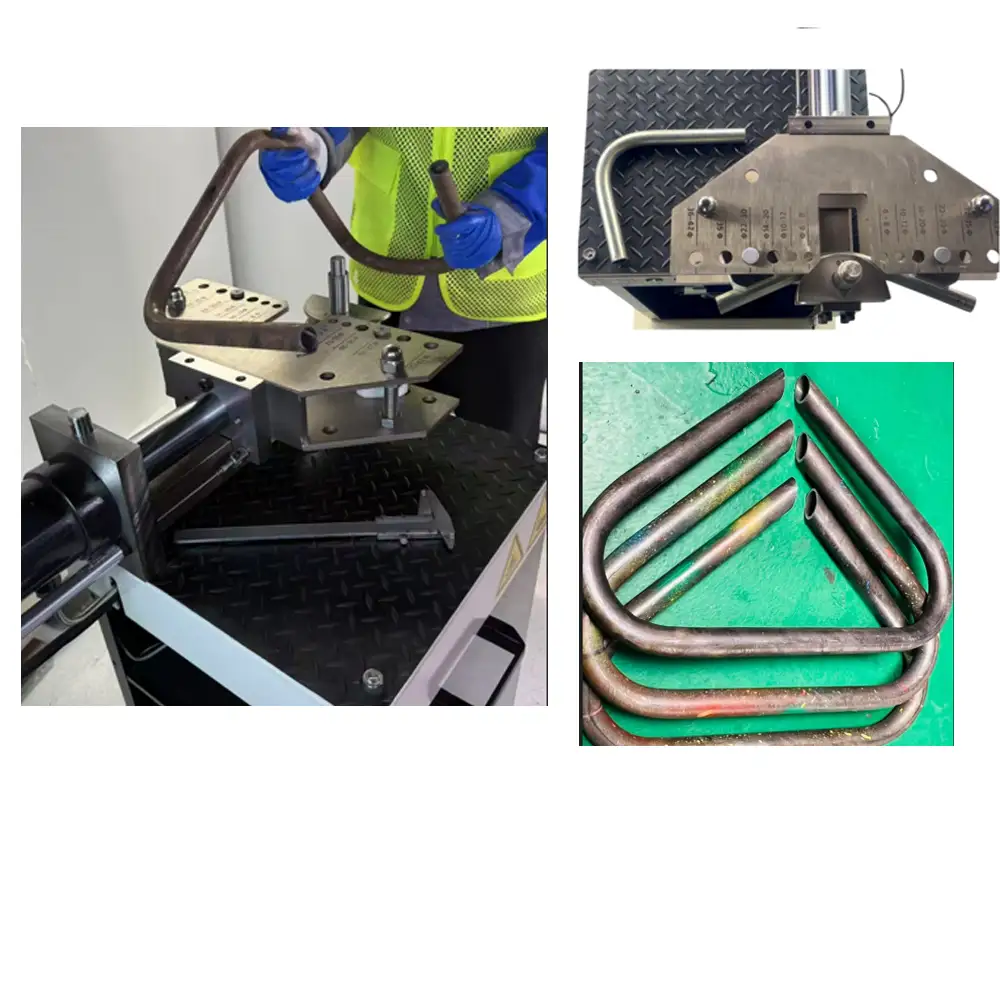
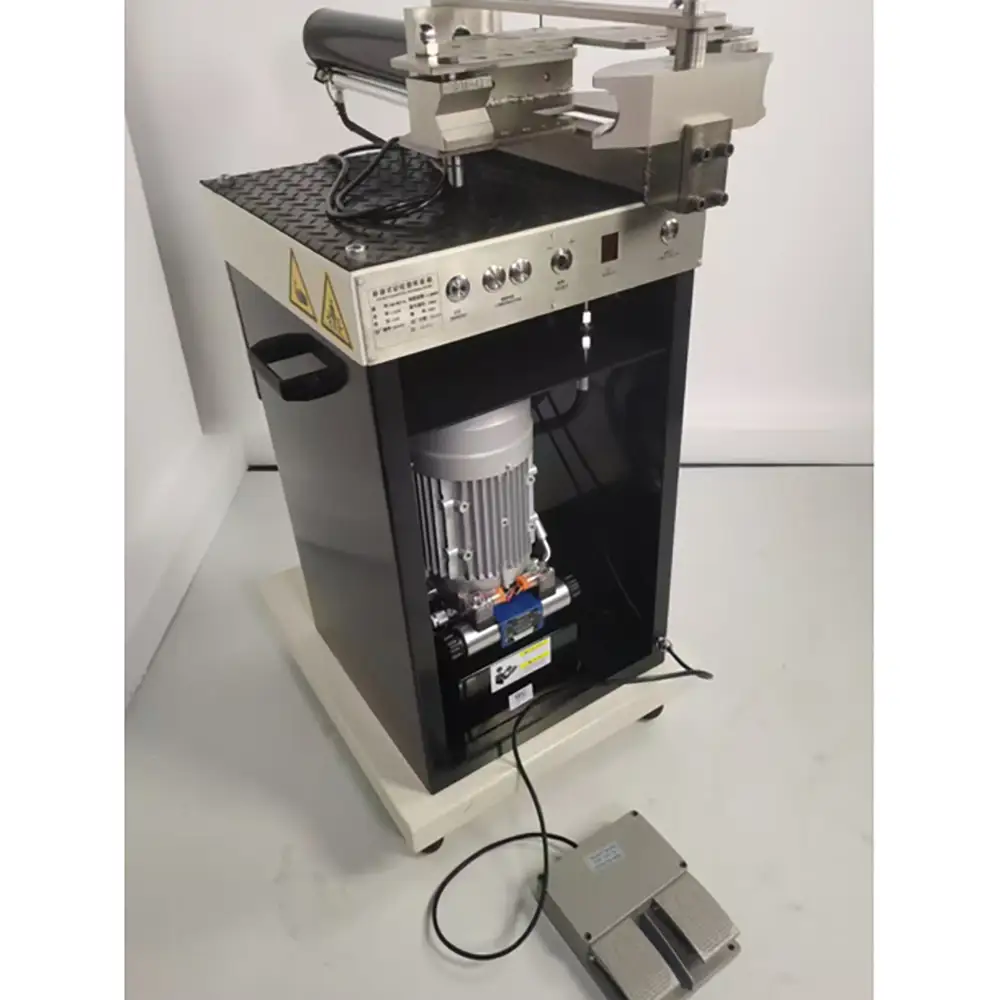
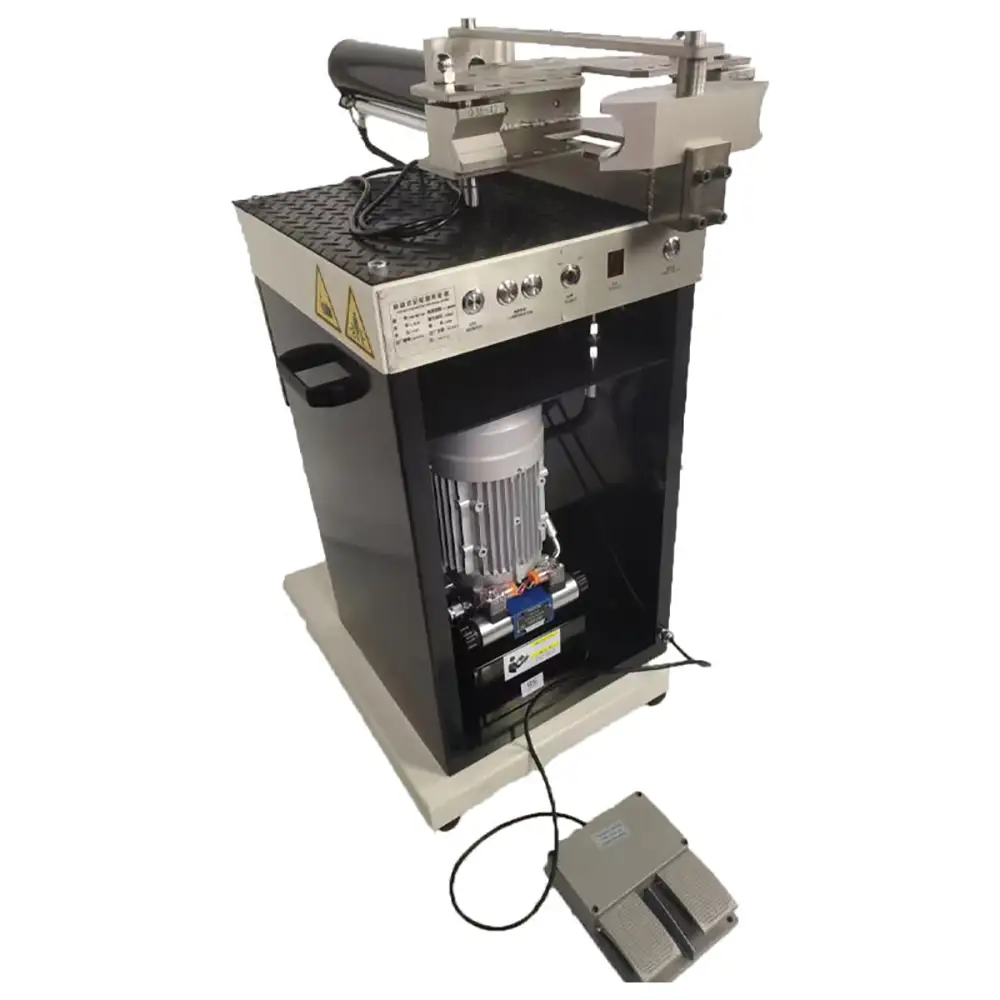
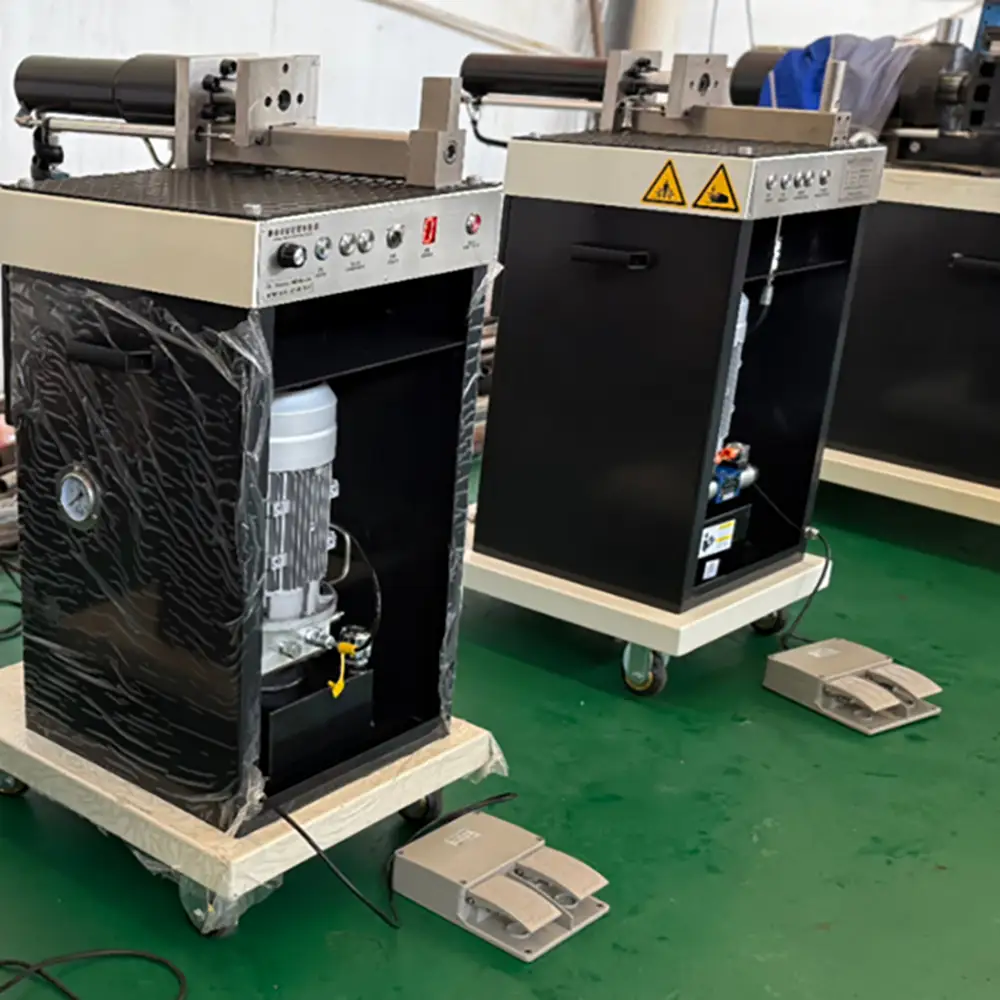
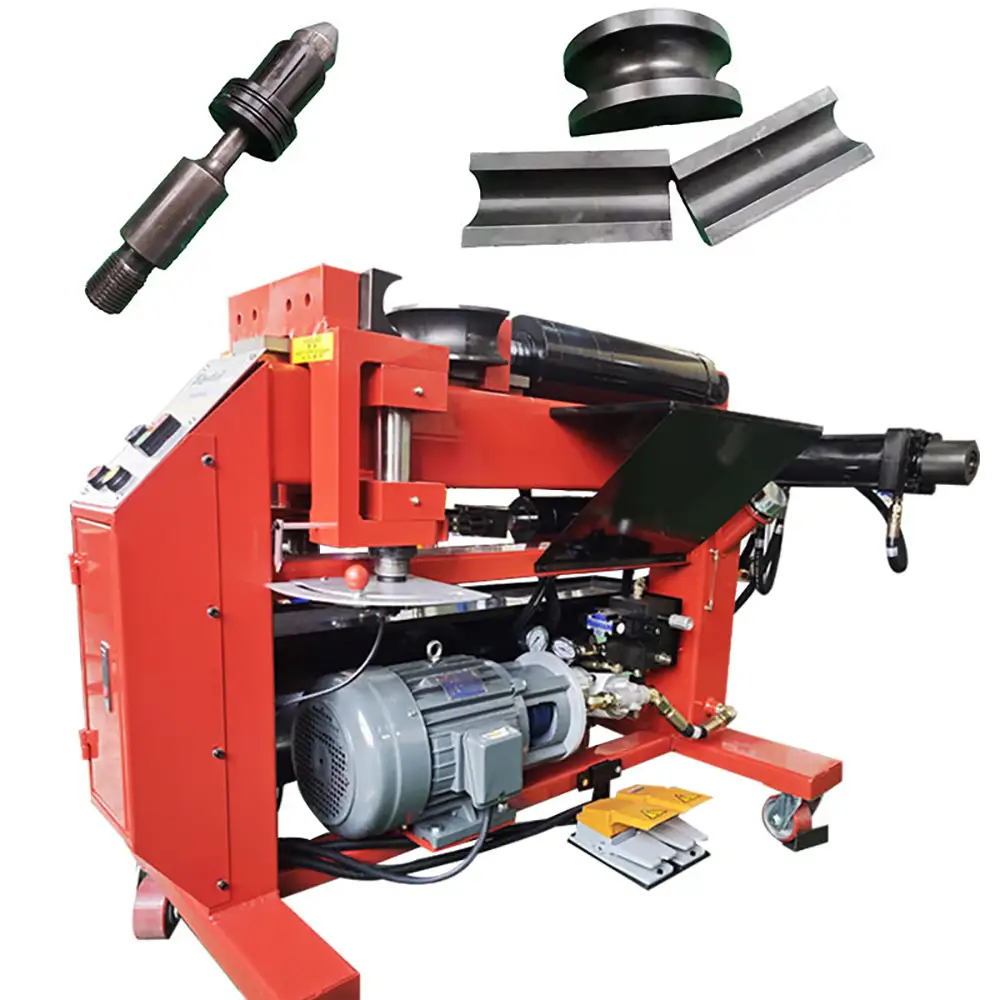
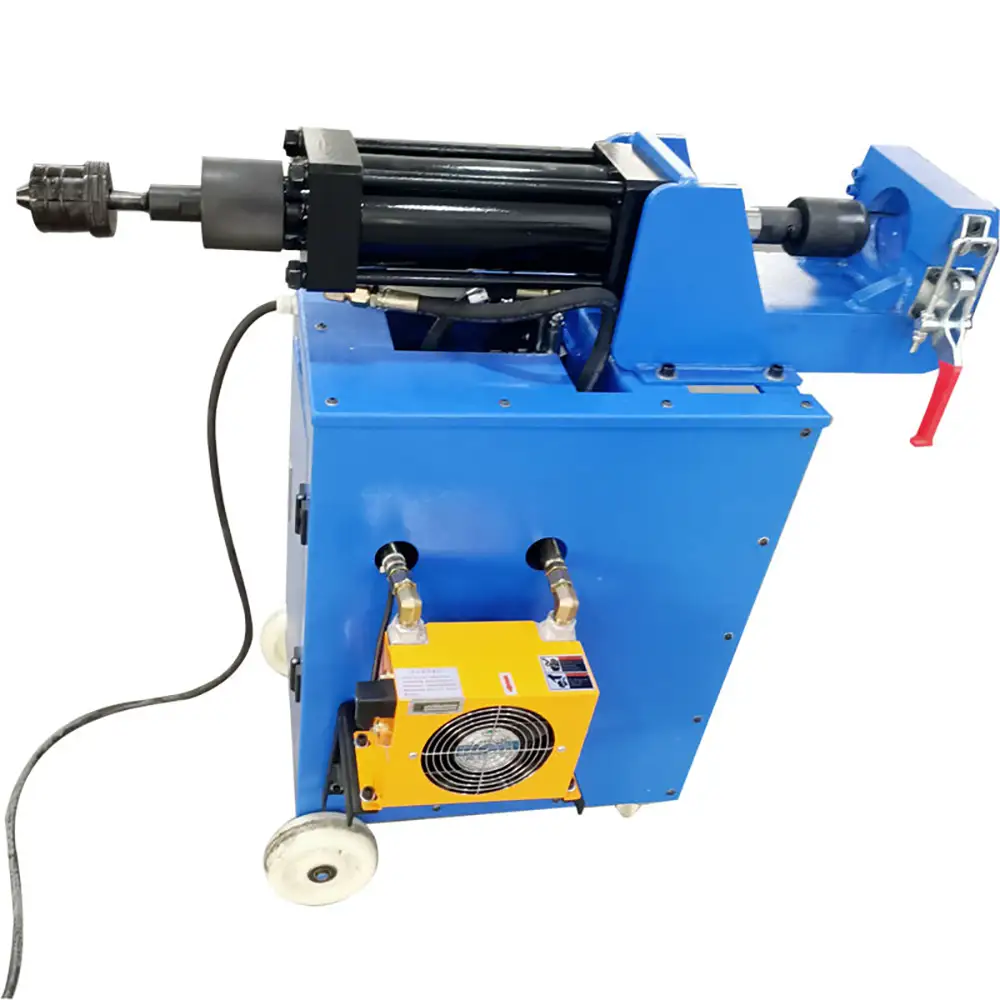
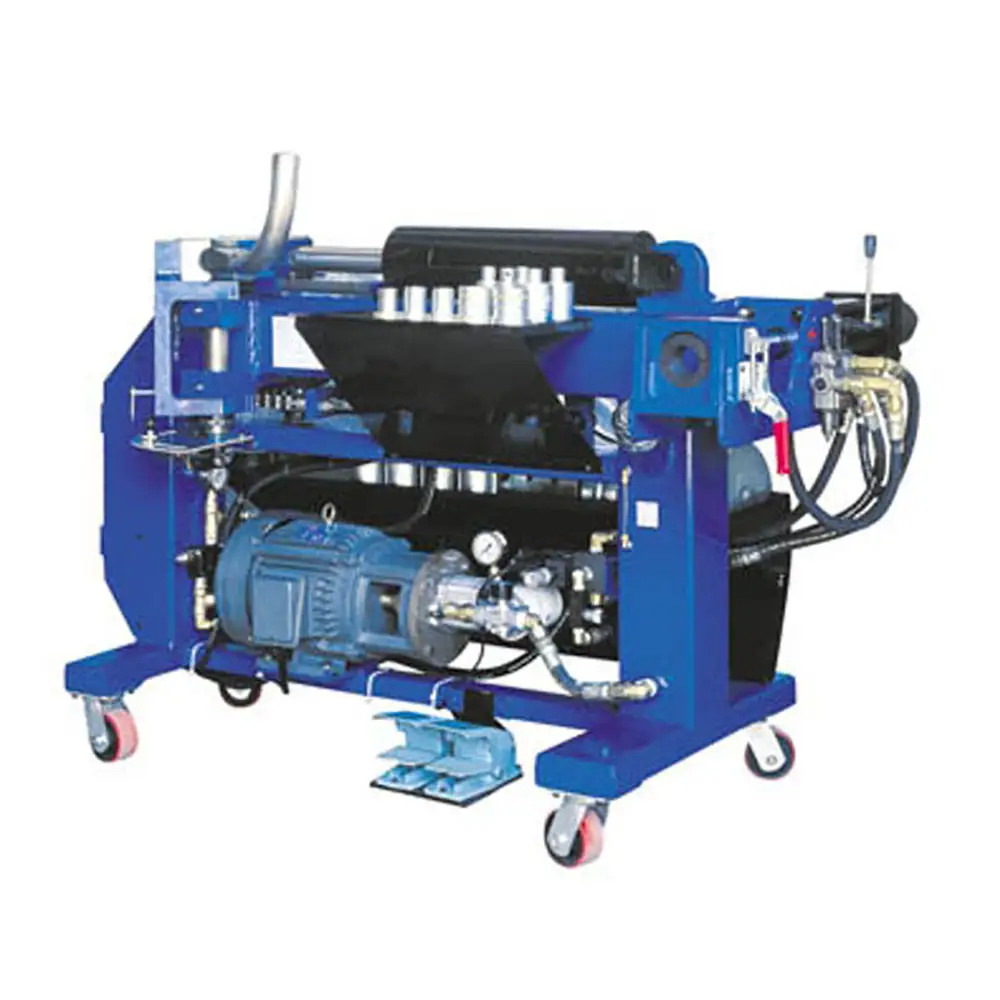
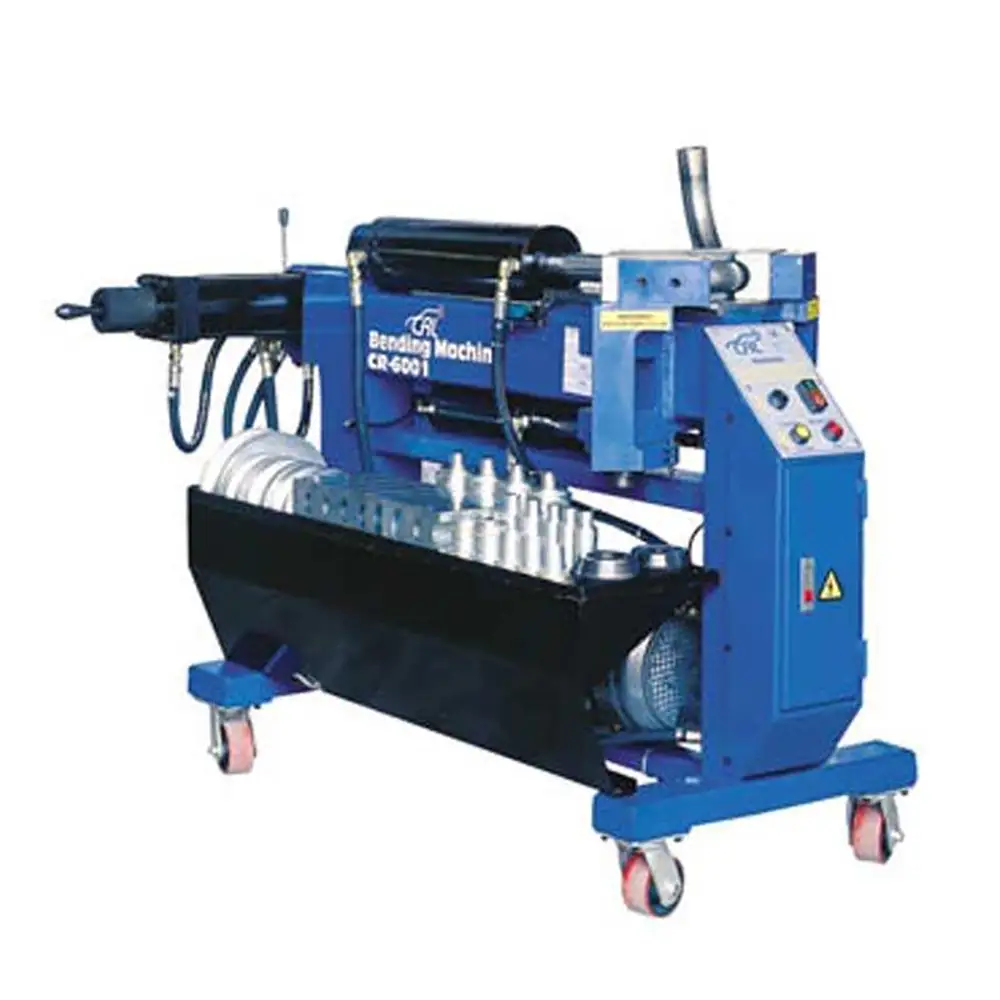
1. Convenient for movement and easy to store: The equipment is small in size and light in weight. With universal wheels at the bottom, it is convenient to move and carry.
2. One-key memory function, doubling the efficiency: The angle can be saved and memorized. When bending the pipe next time, it can be bent according to the memorized angle. The automatic pipe bending function at the bend can be realized without the need to input parameters.
3. Simple operation: The pedal operation can free up both hands, allowing you to hold and adjust the pipeline steadily. There is a foot pedal switch for operation.
4. Real-time angle checking: The mold is equipped with an angle indicator, so that the bending angle can be checked at any time during pipe bending. There is an angle compensation function for pipe bending. In the automatic pipe bending angle mode, the angle can be compensated by adding or subtracting values, improving the accuracy.
5. Beautiful pipeline: The specially designed mold cooperates with the control system, which can ensure that the pipeline will not be flattened or deformed during bending. It is specially designed for double-sleeved elbow pipes. This equipment is one of the special processing equipment for stainless steel double-sleeved elbow pipes.
Hydraulic Metal Pipe Bending Machine for Round Pipes
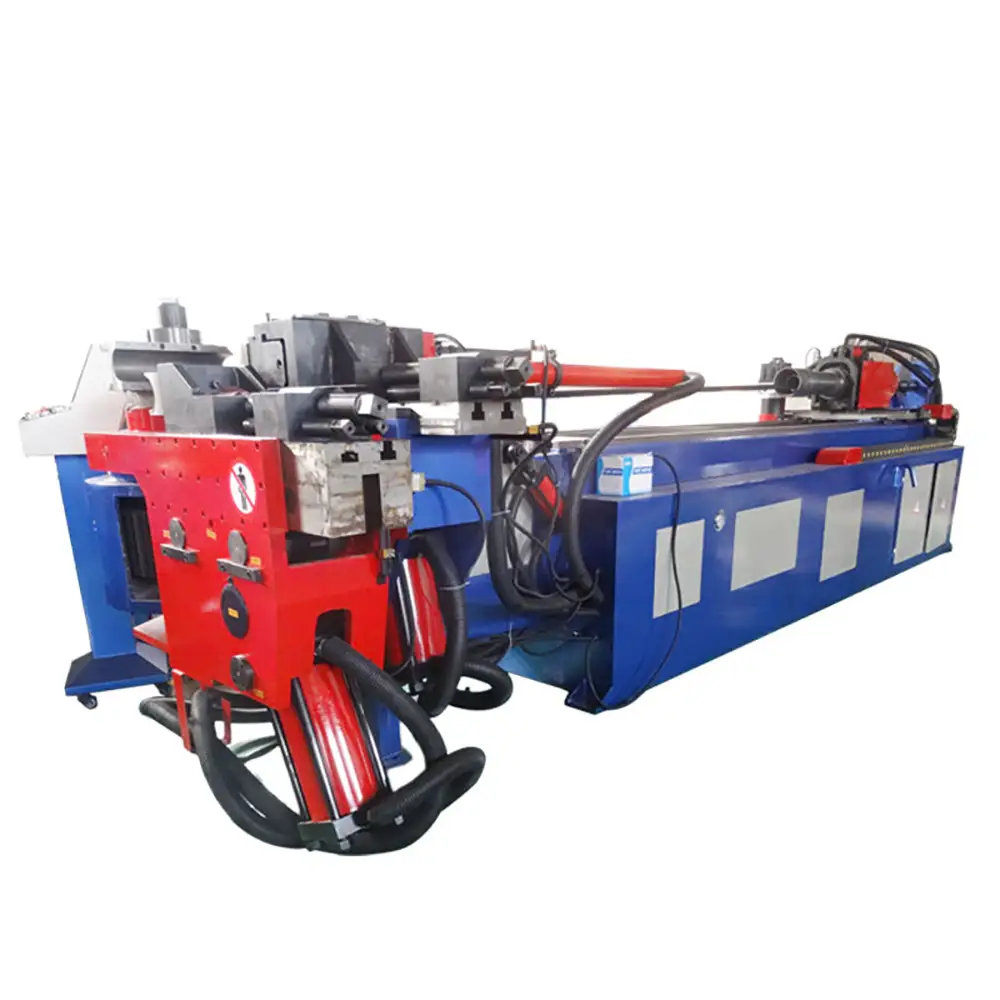
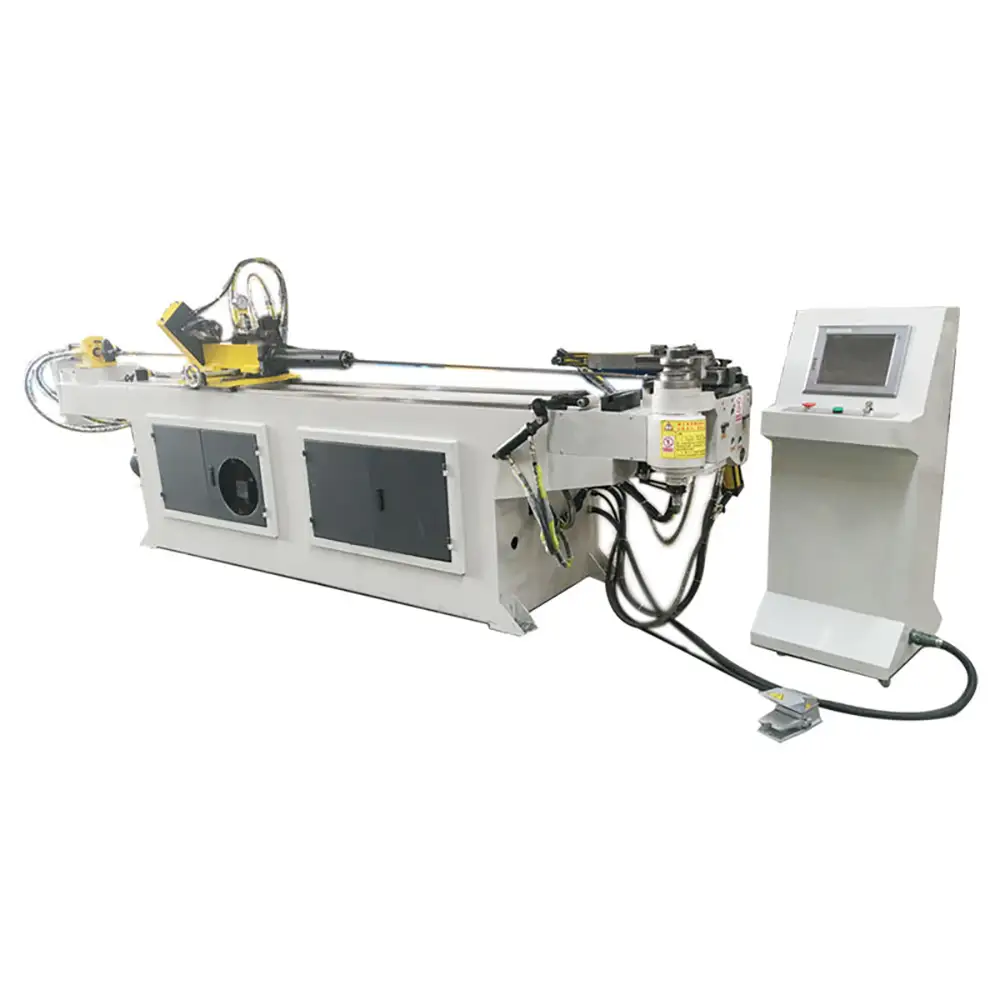
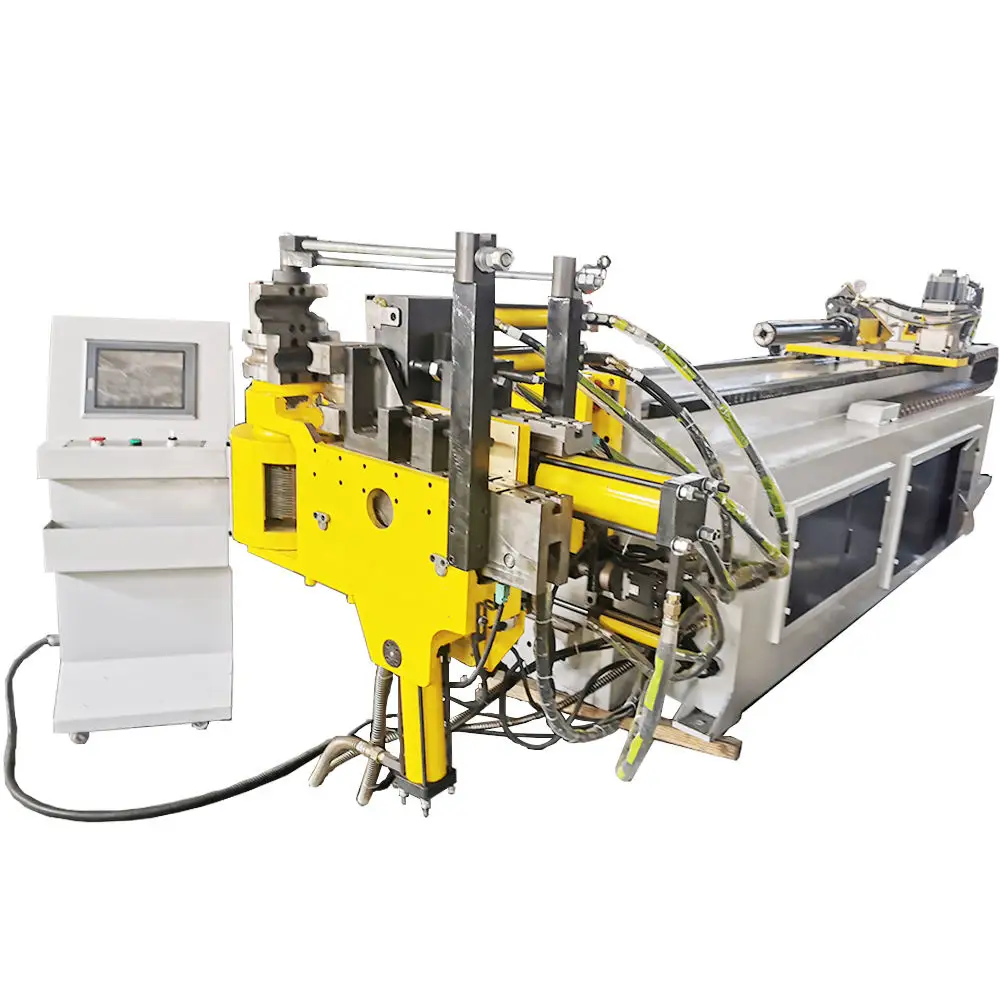
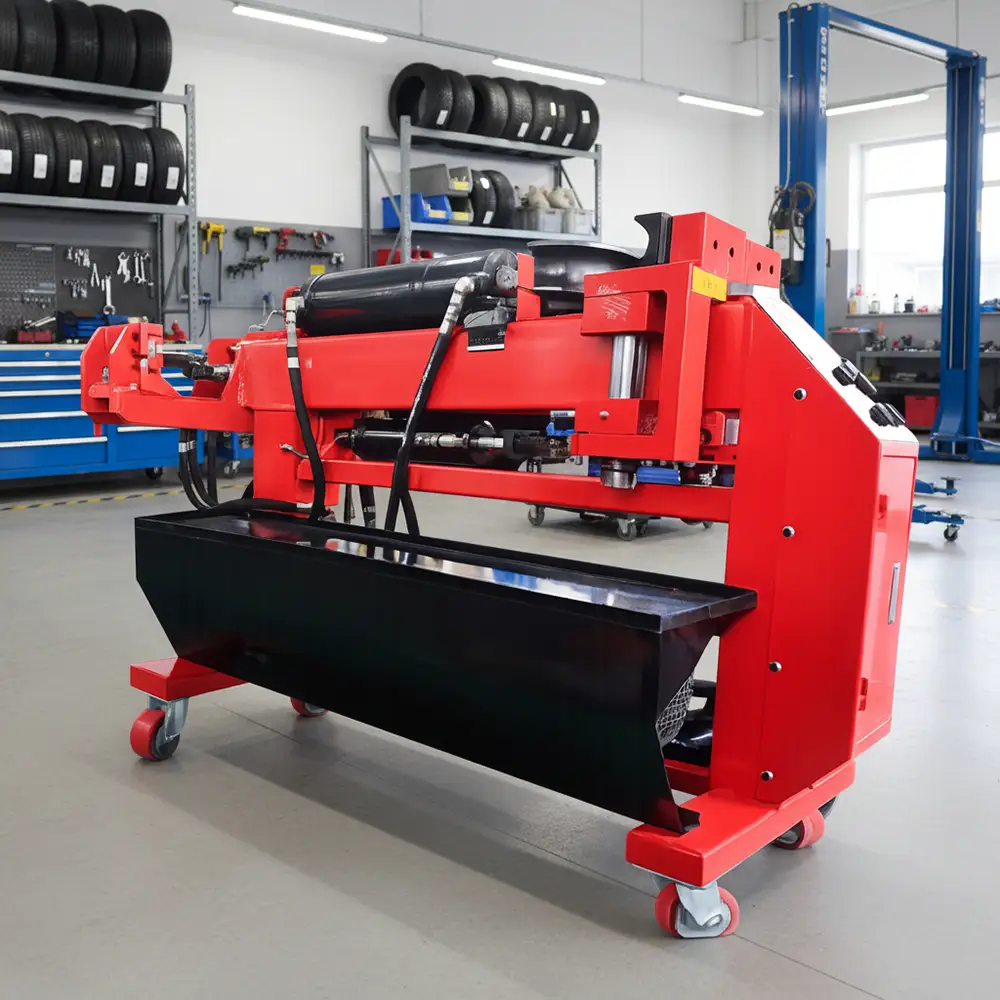
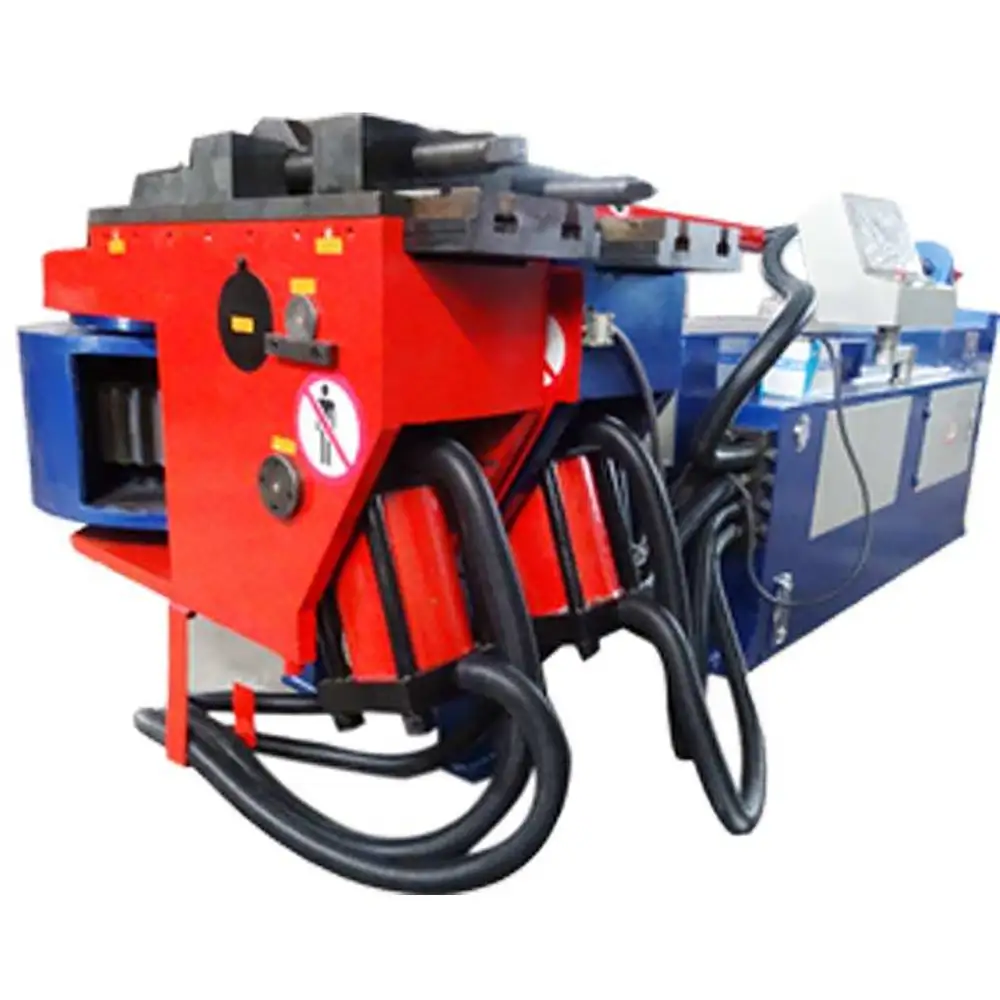
The Hydraulic Metal Pipe Bending Machine Round Tube Bender for Round Pipes Bending is designed for controlled bending of suitable round pipes,metal tubes,and steel tubing used in fabrication,construction,machinery,automotive,agricultural,and industrial applications.
Hydraulic pipe bending technology provides controlled forming force for applications where mechanical or manual bending may not provide sufficient force or repeatability. The machine can be configured with appropriate dies and supports according to the pipe diameter,wall thickness,material,and required bend radius.
A hydraulic round tube bender is particularly useful for workshops that regularly process metal pipes into curved components. By using dedicated tooling,the machine can help produce repeatable bends while reducing repetitive manual forming work.
The actual bending capacity depends on the machine model,hydraulic system,material properties,pipe dimensions,wall thickness,die configuration,and required bending radius.
Round Pipe Bending
Round pipe bending is one of the primary applications of this machine. Suitable round steel pipes and metal tubes can be formed into specified curves according to the required application.
Round pipes are widely used in structural frames,handrails,guardrails,vehicle components,machinery,agricultural equipment,and industrial piping assemblies.
During bending,the pipe is positioned against suitable tooling and controlled hydraulic force is applied to form the desired curve. Proper alignment and workpiece support are important for reducing unwanted deformation.
The final bending result depends on pipe diameter,wall thickness,material strength,bending radius,tooling,and machine settings.
Hydraulic Tube Bending Technology
Hydraulic systems provide the forming force required to bend suitable metal tubes and pipes. A hydraulic cylinder or related hydraulic mechanism applies controlled force to the workpiece through the bending tooling.
Hydraulic tube bending is suitable for applications requiring more forming force than basic manual tube benders can provide.
Depending on the machine design,the operator may adjust bending position,forming sequence,or other operating parameters. The exact control method varies by model.
Hydraulic components should be maintained according to the manufacturer's recommendations. Hydraulic oil,hoses,fittings,cylinders,and connections should be inspected regularly.
Round Tube Bender for Metal Fabrication
The machine can serve as a general-purpose round tube bender for workshops processing different types of metal tubing.
Potential workpieces include:
Round steel pipes
Carbon steel tubes
Stainless steel tubes
Mild steel pipes
Alloy steel tubing
Aluminum tubes
Other compatible metal pipes
Different materials require different forming conditions. Stainless steel may require different tooling and forming force from mild steel,while aluminum tubing may require careful control to reduce deformation.
Customers should provide the actual material and dimensions before selecting the machine.
Pipe Diameter and Wall Thickness
Pipe diameter and wall thickness are two of the most important factors when selecting a hydraulic pipe bending machine.
Larger-diameter pipes generally require greater forming force and appropriately sized tooling. Thick-wall pipes may also require more force than thin-wall tubes of the same outside diameter.
Thin-wall round tubes can be more susceptible to flattening,wrinkling,or local deformation during bending. Suitable dies,clamps,and support methods can help control these effects.
The machine's actual capacity should therefore be evaluated based on the complete pipe specification rather than diameter alone.
Bending Radius and Tooling
The required bending radius determines the type of tooling needed for a particular application.
A smaller bend radius can be more demanding than a large-radius curve. Depending on the tube material and geometry,special tooling or internal support may be required.
Common tooling components may include bending dies,clamps,rollers,pressure components,mandrels,and workpiece supports.
Different pipe diameters generally require different dies. Customers should provide the required pipe size and bend radius so the appropriate tooling can be selected.
Construction and Structural Applications
Hydraulic round pipe bending machines are widely used in construction-related metal fabrication.
Applications may include:
Handrails
Guardrails
Safety barriers
Steel frames
Gates and fences
Structural supports
Architectural metalwork
Construction equipment
Agricultural structures
Industrial platforms
Bending suitable pipes can help create curved components with fewer welded joints in certain fabrication designs.
The final structural component should always be manufactured according to applicable engineering specifications.
Automotive and Machinery Applications
Round tube bending is also useful in automotive and machinery manufacturing.
Potential applications include vehicle frames,protective bars,exhaust-related components,machinery guards,equipment frames,and custom tube structures.
For automotive applications,the bend radius and tube dimensions should be matched to the design requirements.
For machinery frames,repeatable bending can help manufacturers produce multiple components with consistent geometry.
Furniture and Decorative Fabrication
Round tubes are widely used in furniture and decorative metal products.
The machine can be used for suitable applications such as:
Metal chairs
Tables
Bed frames
Display racks
Decorative railings
Store fixtures
Fitness equipment
Custom architectural products
Smooth bends can provide a finished appearance while reducing the need for multiple welded sections.
When surface appearance is important,tooling should be maintained carefully to reduce scratches or marks on the tube.
Production Efficiency
A hydraulic tube bender can improve workshop efficiency when multiple similar pipes need to be processed.
After the correct tooling and bending parameters are established,operators can repeat the same bending process for a production batch.
Actual production output depends on pipe diameter,bend angle,number of bends,loading method,tooling,machine configuration,and operator workflow.
For production planning,it is useful to evaluate the complete cycle time rather than only the hydraulic bending stroke.
Bending Accuracy and Quality Control
The accuracy of a bent pipe depends on machine rigidity,tooling alignment,material properties,pipe positioning,and hydraulic forming parameters.
Operators should verify the first workpiece before continuing a production batch. Bend angle,radius,overall dimensions,and tube deformation should be checked against the required drawing.
Regular tooling inspection is also important. Worn or improperly aligned dies can affect bending consistency and surface quality.
For applications requiring tight dimensional tolerances,customers should provide the required specifications before ordering.
Maintenance and Safety
Regular maintenance can help maintain stable hydraulic bending performance. Operators should inspect hydraulic oil,hoses,fittings,cylinders,dies,rollers,clamps,and fasteners according to the manufacturer's maintenance schedule.
The bending area should remain clear during operation. Operators should keep hands away from moving tooling and maintain a safe position relative to the pipe.
Guards,emergency-stop systems,and other safety features depend on the specific machine configuration and applicable local requirements.
OEM and Custom Hydraulic Pipe Bending Solutions
Different customers may require different pipe sizes,bending angles,radii,and production volumes.
OEM and ODM solutions can include customized bending dies,rollers,mandrels,clamps,fixtures,hydraulic configurations,and control systems.
For machine selection,customers should provide pipe material,outside diameter,wall thickness,bend radius,bend angle,pipe length,production volume,and sample drawings when available.
Why Choose Us
Hydraulic Bending Force – Provides controlled forming force for suitable round metal pipes and tubes.
Round Pipe Processing – Designed specifically for suitable round pipe and tube bending applications.
Flexible Metal Materials – Suitable configurations can be selected for steel,stainless steel,carbon steel,aluminum,and other compatible metals.
Multiple Applications – Suitable for construction,automotive,furniture,machinery,agriculture,and general fabrication.
Custom Tooling – Bending dies,clamps,rollers,and supports can be selected according to pipe dimensions.
Repeatable Production – Controlled hydraulic forming can help improve consistency across batches of similar pipes.
Workshop-Friendly Operation – Designed to support practical metal tube bending requirements in fabrication environments.
OEM & ODM Support – Machine configuration and tooling can be adapted to specific pipe sizes,bend radii,and production requirements.
FAQs
1. What is a hydraulic pipe bending machine?
A hydraulic pipe bending machine uses hydraulic forming force to bend suitable metal pipes and tubes into specified curved shapes.
2. Can this machine bend round pipes?
Yes. It is designed for suitable round pipes and tubes within the machine's rated capacity.
3. What materials can it bend?
Depending on the configuration,it can process suitable carbon steel,mild steel,stainless steel,alloy steel,aluminum,and other compatible metals.
4. Can it bend thick-wall steel pipes?
Potentially yes. The actual capacity depends on pipe diameter,wall thickness,material strength,hydraulic force,and tooling.
5. Can it bend thin-wall tubes?
Yes,when suitable tooling and support are used. Thin-wall tubing requires careful control to reduce flattening and wrinkling.
6. What determines the maximum pipe diameter?
Maximum pipe diameter depends on the machine structure,hydraulic system,tooling,pipe material,and required bend radius.
7. What is the importance of bending radius?
The bending radius determines how tightly the pipe can be curved. Smaller radii can require specialized tooling and additional tube support.
8. Can the machine make multiple bends?
Depending on the machine configuration and workpiece handling method,multiple bends can be produced on suitable pipes.
9. Is the machine suitable for construction?
Yes. Applications can include handrails,guardrails,frames,gates,fences,and other fabricated construction components.
10. Can it be used for automotive applications?
Yes. Suitable round tubing can be bent for vehicle frames,protective structures,and other automotive fabrication applications.
11. Can custom bending dies be supplied?
Depending on the manufacturer,custom dies,rollers,clamps,mandrels,and fixtures can be supplied for specific pipe dimensions and bending requirements.
12. What information should I provide before purchasing?
Provide pipe material,outside diameter,wall thickness,bending radius,bending angle,pipe length,required shape,production volume,and drawings or samples if available.
Prev:
Portable Memory Tube Bender for Pipe and Tube Bending Machines
Next:
Pipe Square Tube Bending Machine Solid Steel Rod Bender Plus Product Pipe Tube Bending Machines
TAG:
Metal Pipe Forming Machine,
Metal Tube Forming Machine,
Pipe Forming Machine,
Tube Forming Machine,
Steel Pipe Forming Machine,
Steel Tube Forming Machine,
Round Tube Forming Machine,
Round Pipe Forming Machine,
Metal Tube Bending Equipment,
Stainless Steel Tube Bending Machine,
Aluminum Tube Bending Machine,
Handrail Tube Bending Machine,
Gate Tube Bending Machine,
Fence Tube Bending Machine,
Steel Tube Bending Machine,
Automatic Tube Bending Machine,
Hydraulic Pipe Bending Machine,
CNC Tube Bending Machine,
Industrial Pipe Bending Machine,
Industrial Tube Bending Machine,
Hydraulic Tube Bending Machine,
Metal Pipe Bending Machine,
Metal Tube Bending Machine,
Round Pipe Bending Machine,
Round Tube Bending Machine,
Agricultural Pipe Bending Machine,
Guardrail Pipe Bending Machine,
Handrail Pipe Bending Machine,
Steel Pipe Bending Machine,
Round Pipe Bender,
Related Category:
Hydraulic Metal Pipe Bending Machine,Hydraulic Pipe Bending Machine,Round Tube Bender,Round Pipe Bending Machine,Metal P China, suppliers, manufacturers, factory, customized, wholesale, quotation, made in China