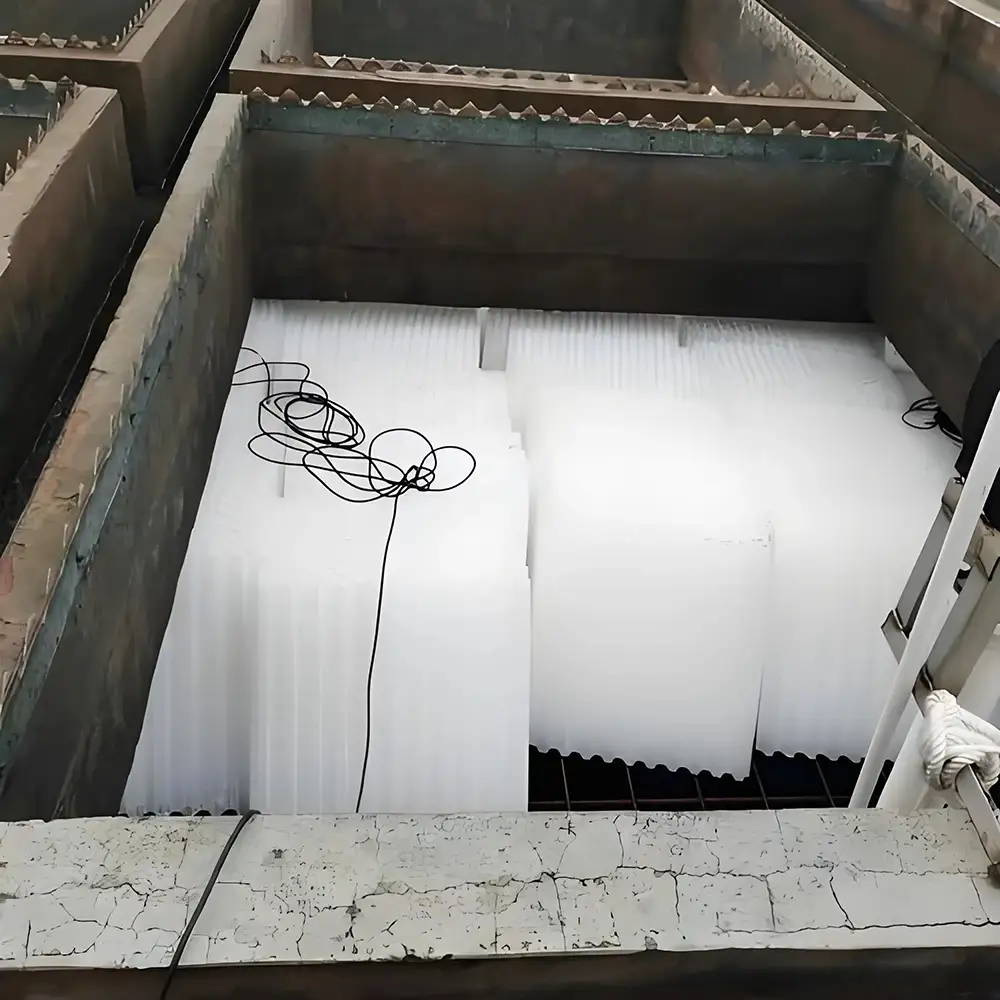
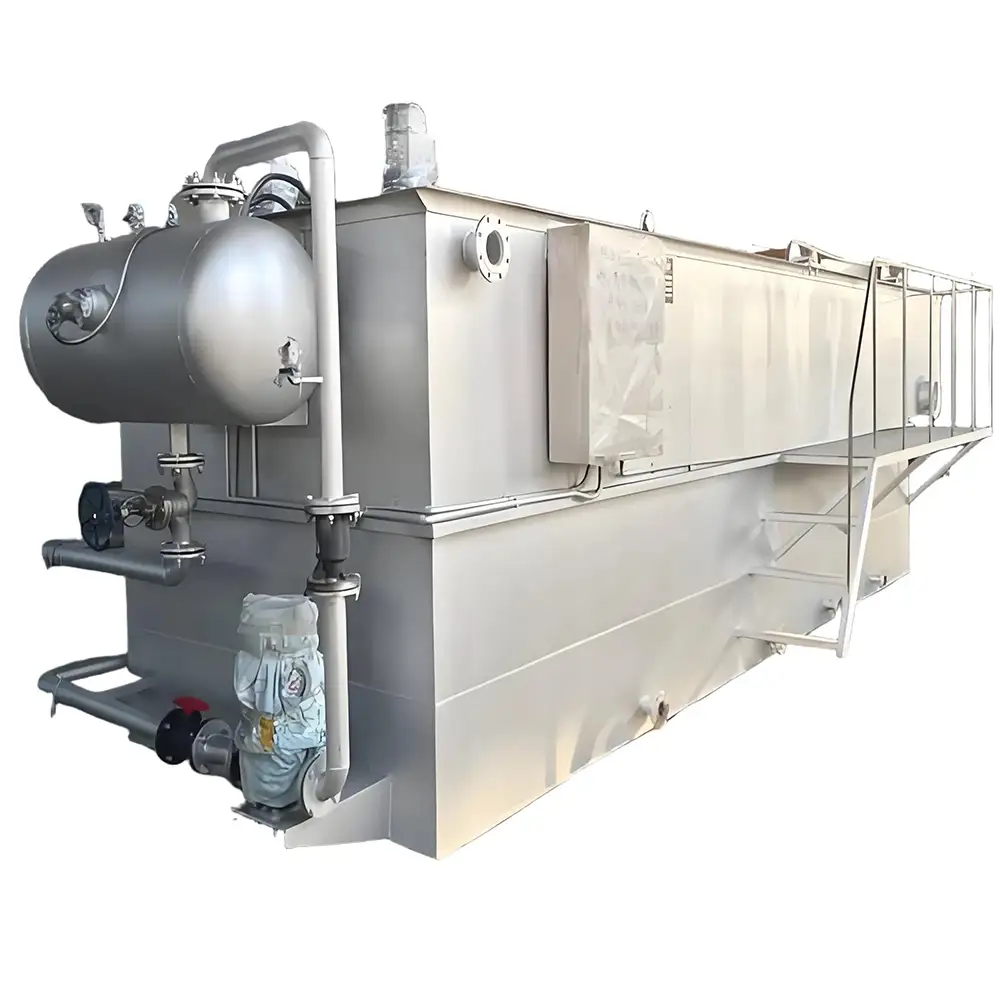
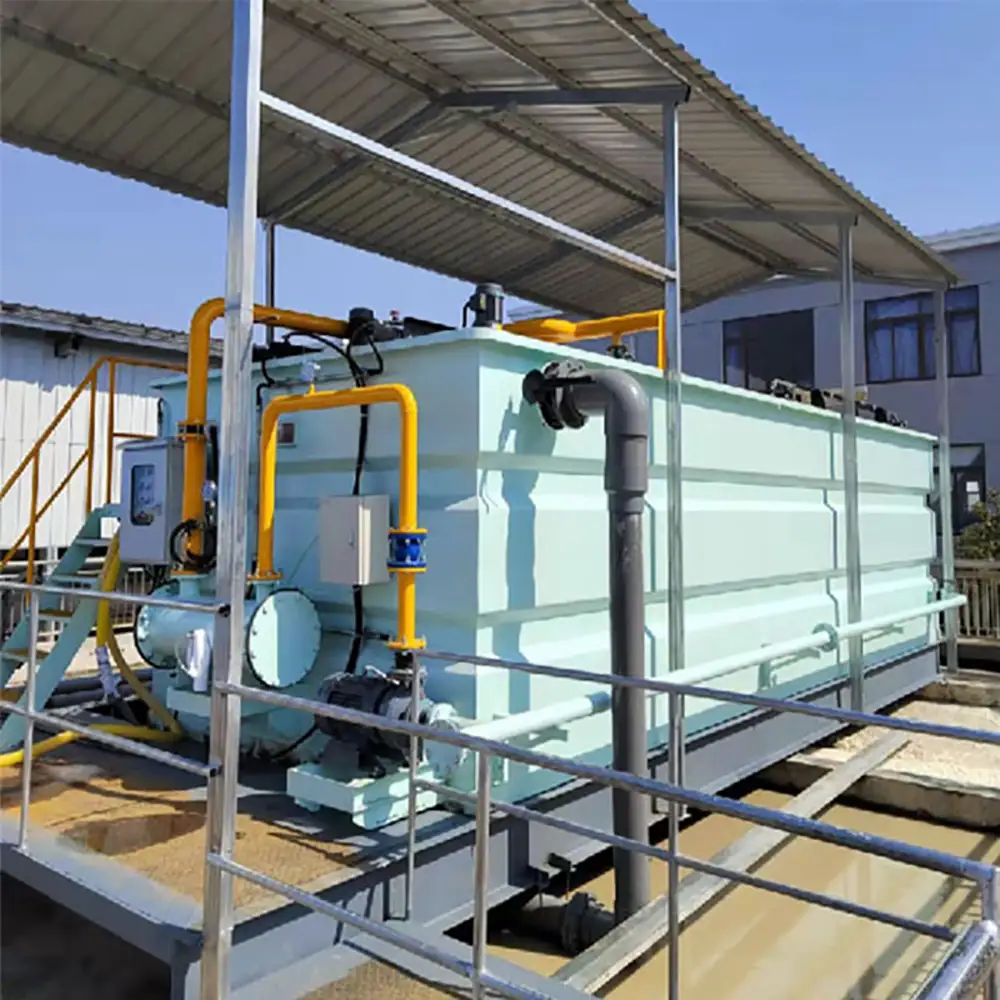
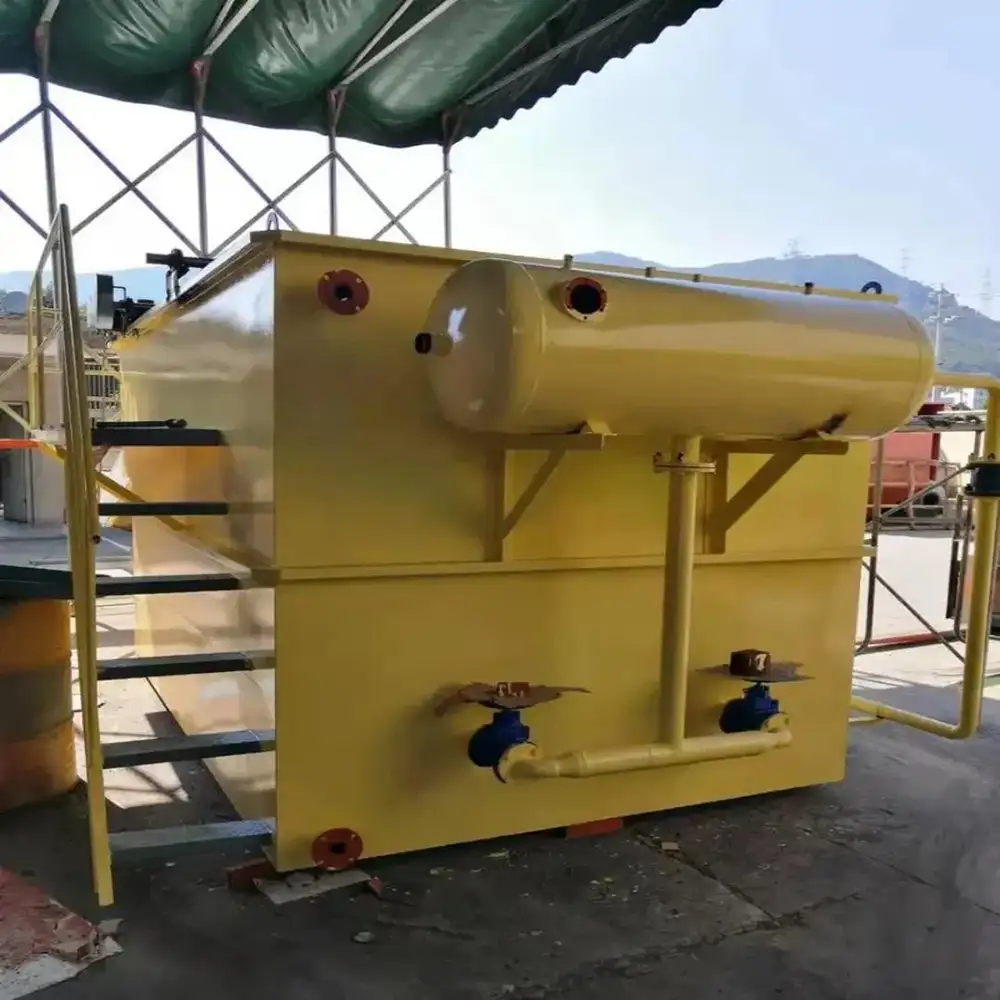
|
Model NO. |
GSRF |
Handling method |
physicochemical treatment |
|
Usage |
Industrial, agricultural, food factories, slaughterhouses |
Trademark |
|
|
Types |
Package, Compact, Small, Mini |
Applications |
Industrial, Municipal, Domestic, Medical, Ship |
|
Craft |
Flocculation sedimentation method |
Features |
Water Clarification, Filtration, Purification |
|
Service Life |
20 Years |
Operation |
Automatic |
|
Steel Plate Thickness |
>8mm |
Function |
Remove Suspended solids |
|
Voltage |
220V/ 380V/ Customerized |
Installation Type |
Onground |
|
Colour |
Grey/Silver/Blue/Balck/Customerized |
Use for |
Mineral, Printing, Chemical, Dyeing, Starch |
|
Material |
Carbon Steel, Stain Steel, FRP, PE, PP |
Certificate |
SGS, ISO |
|
Transport Package |
Container Standard Packing |
Specification |
Carbon steel anti-corrosion |
|
Production Capacity |
1000 Sets/Year |
Origin |
China |
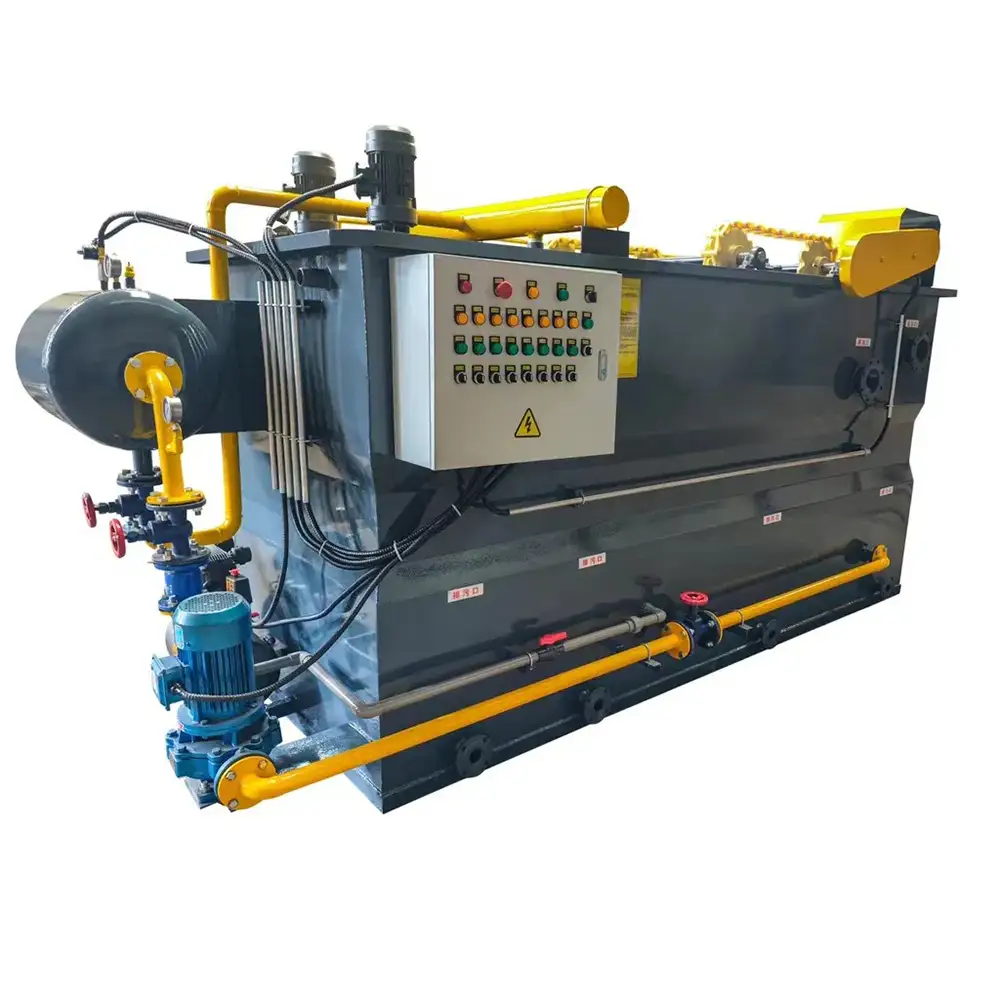
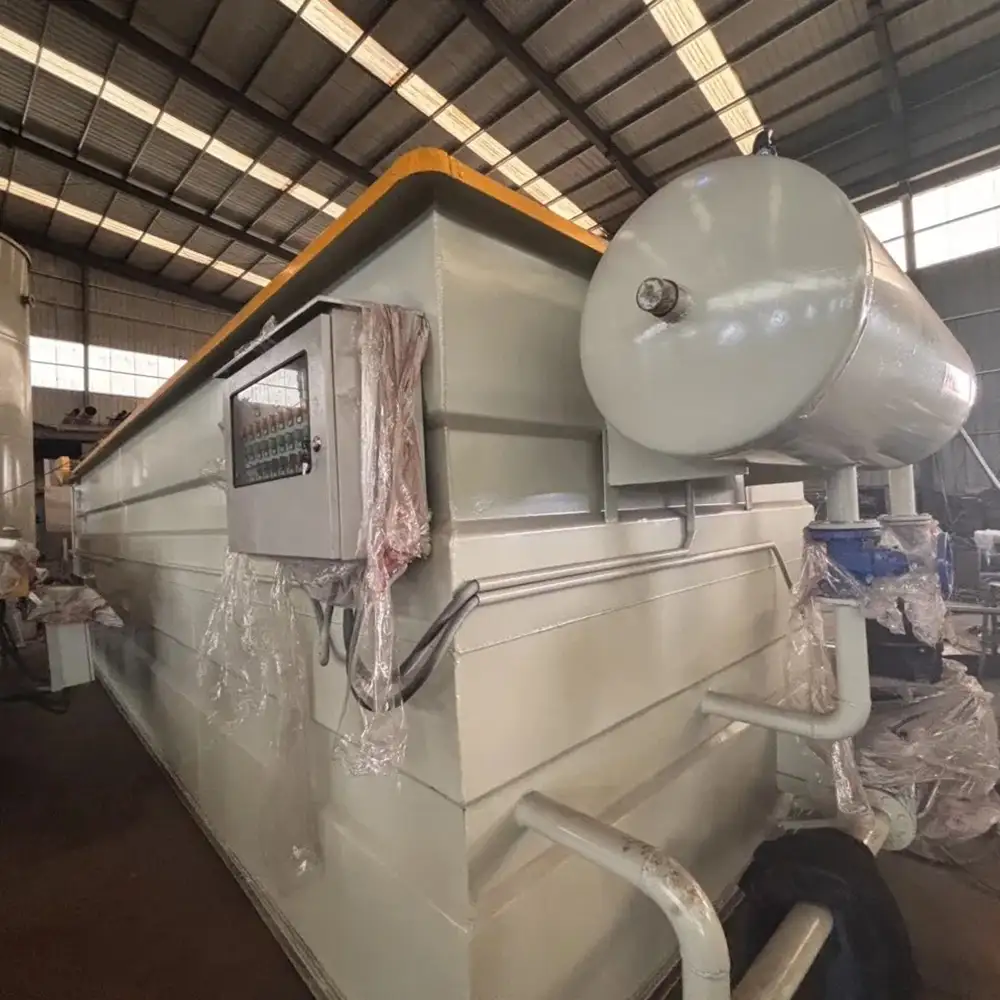
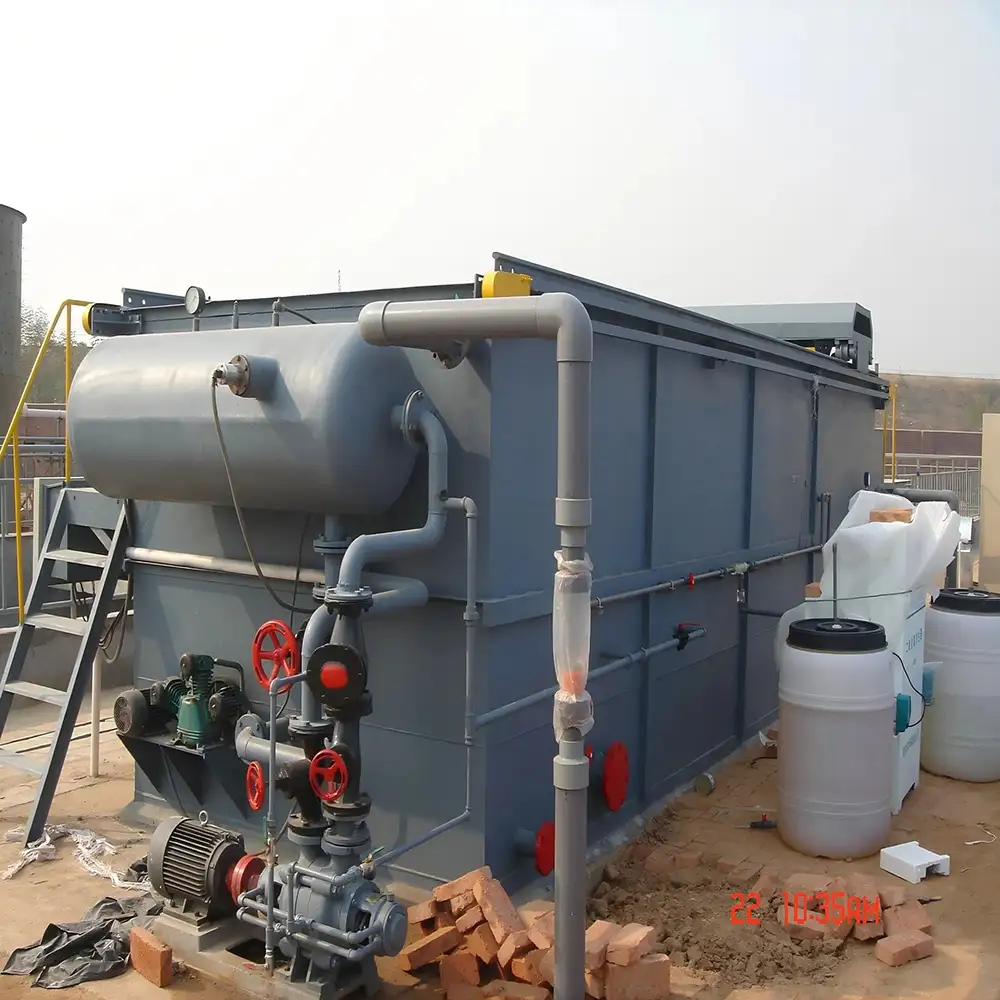
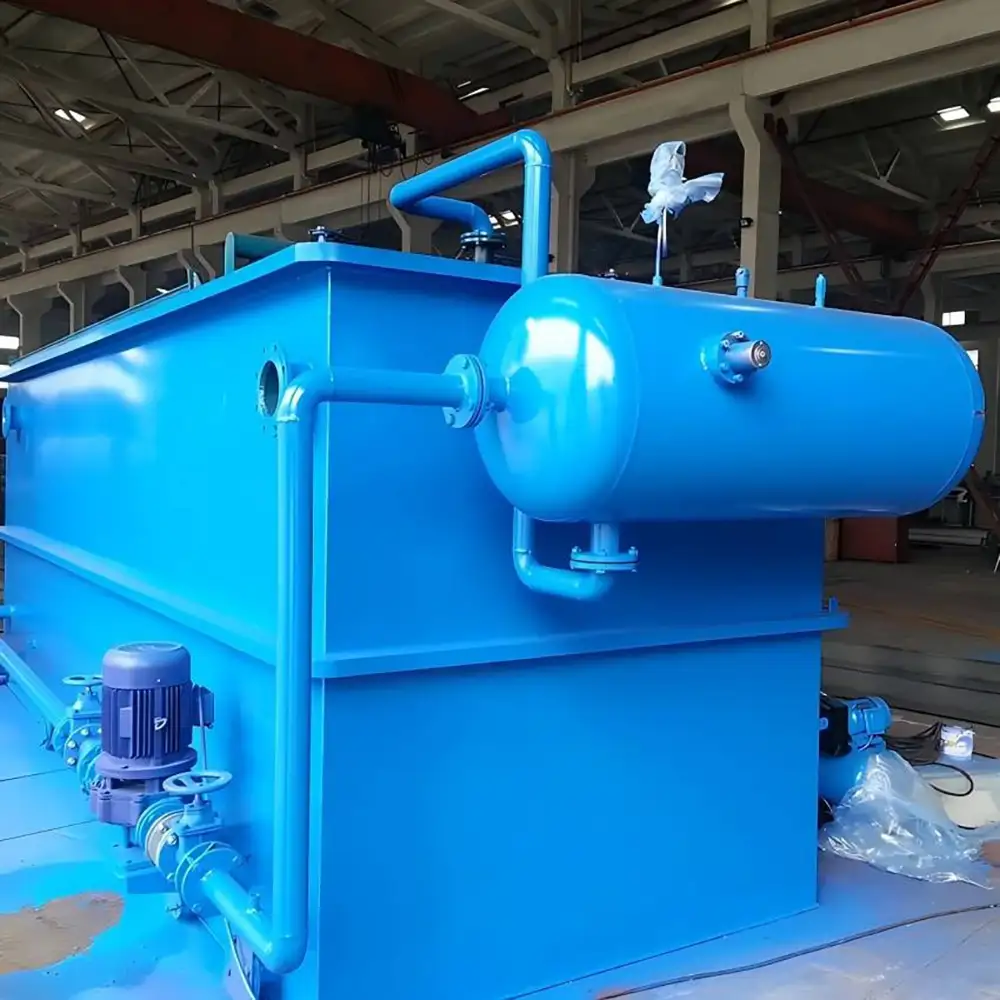
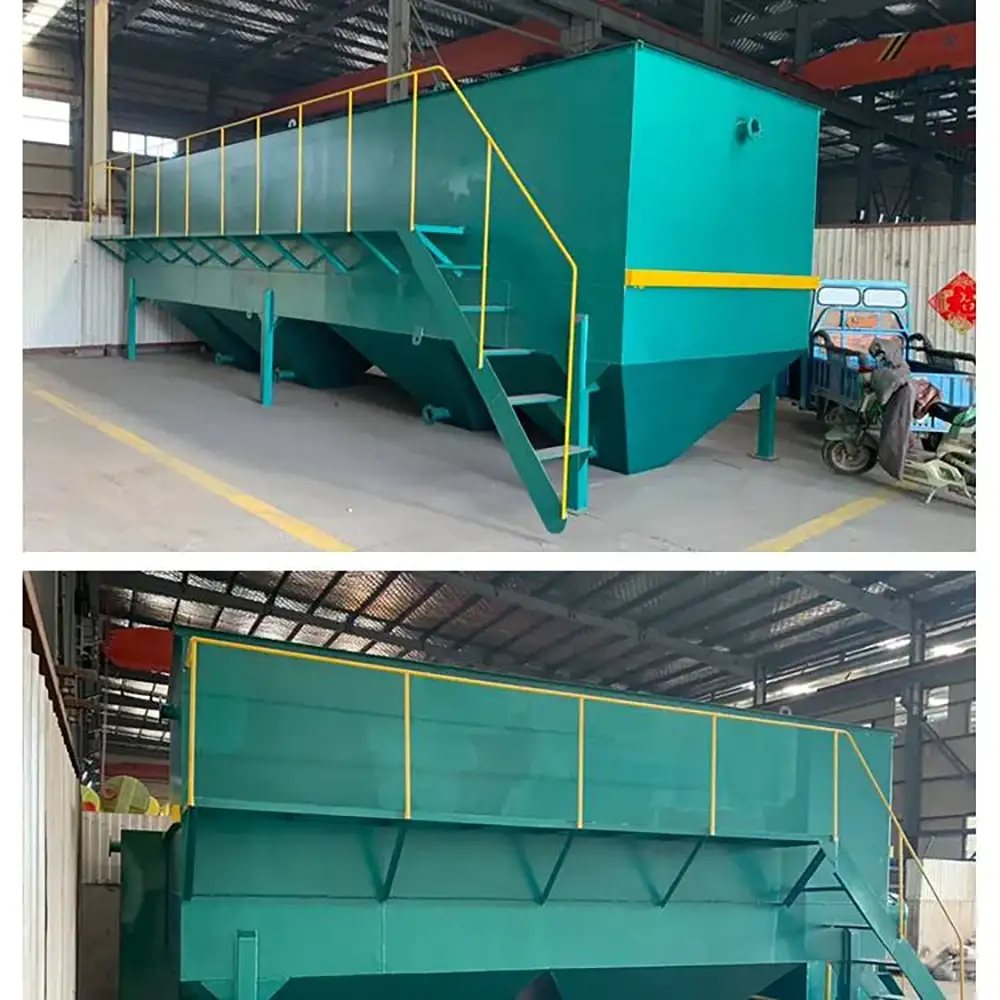
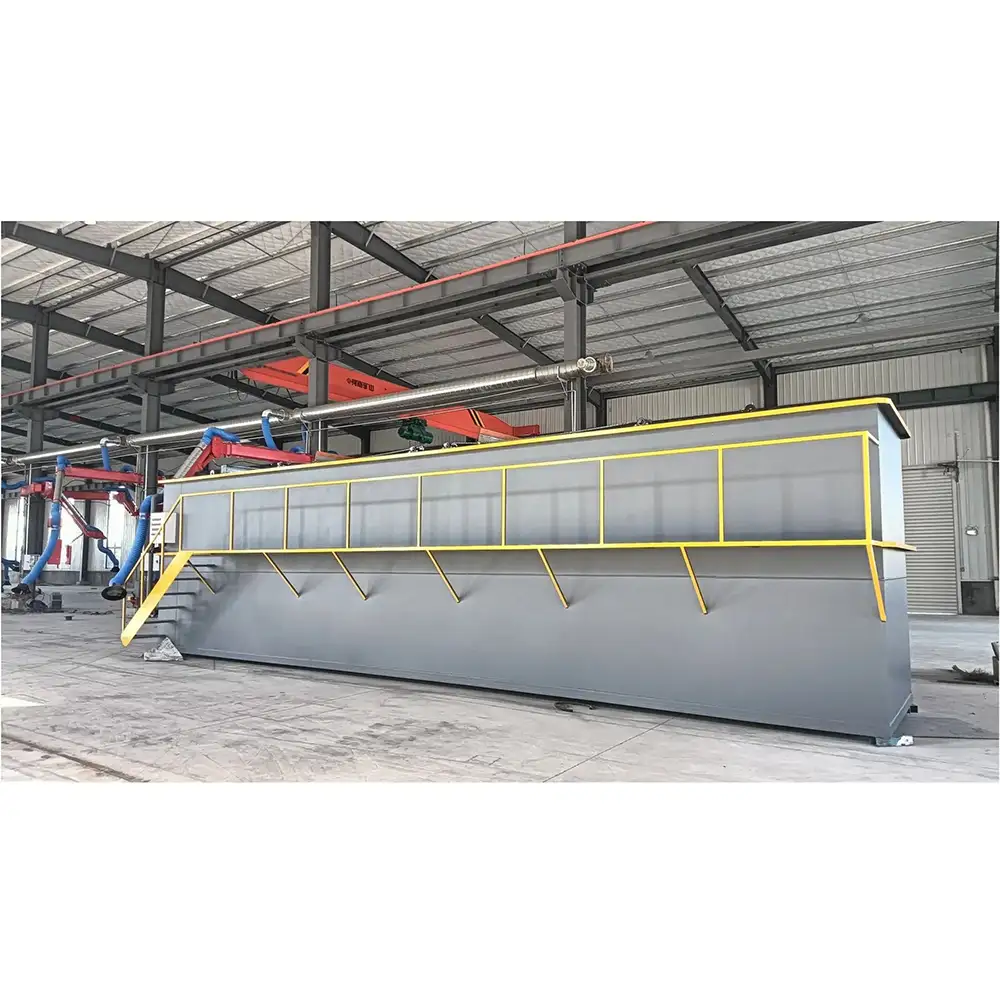
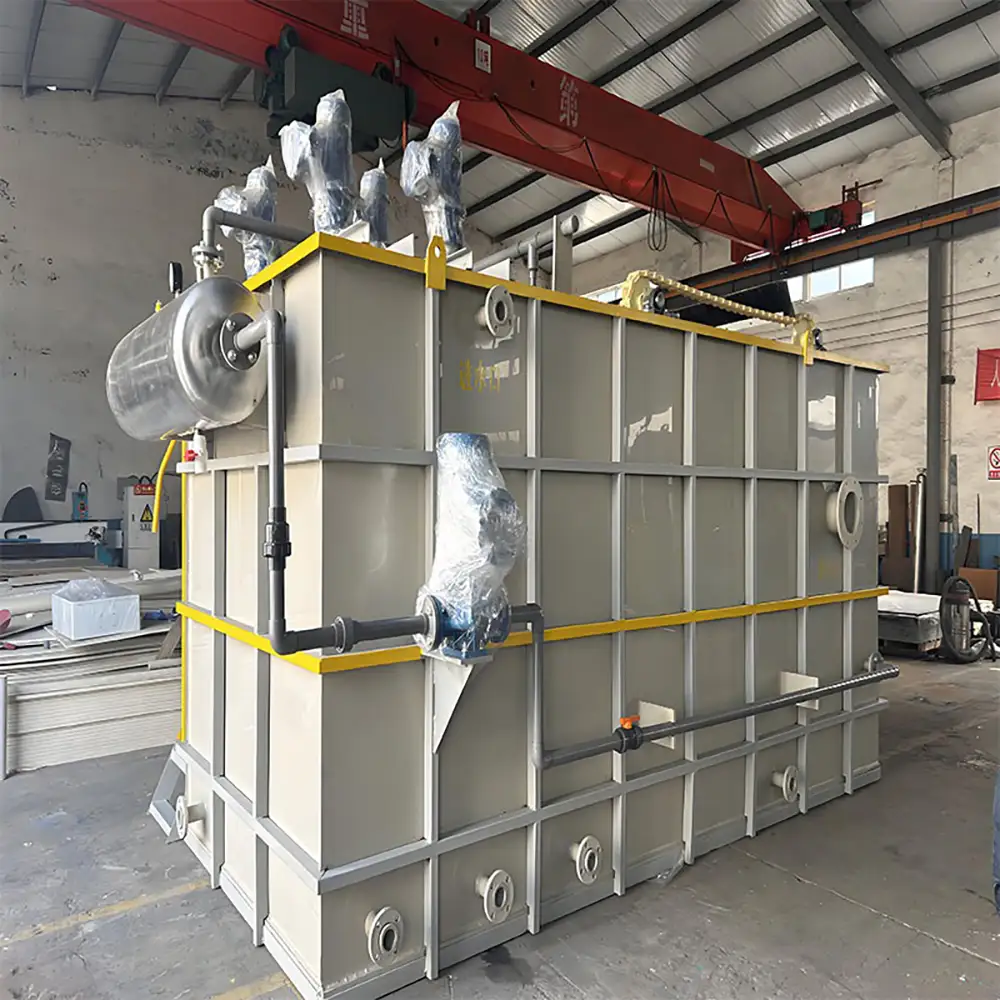
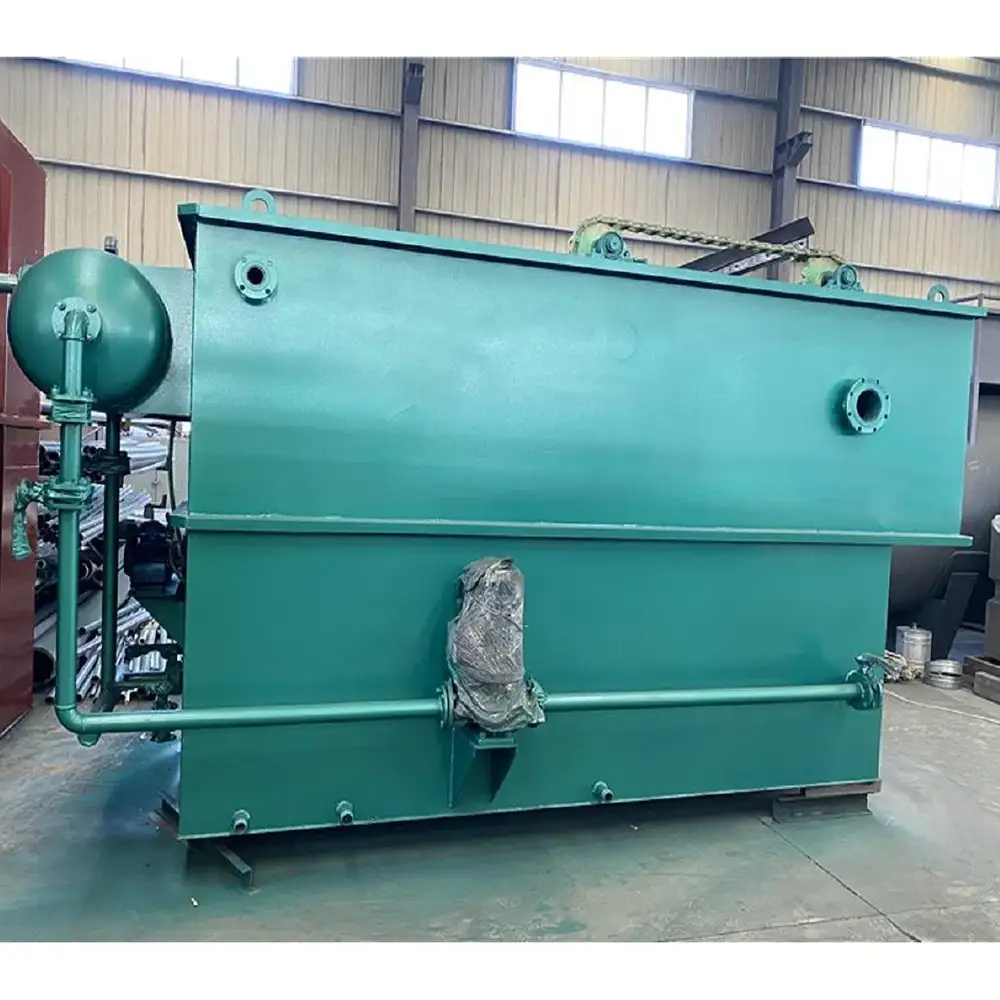
Dairy Wastewater Treatment Equipment With Vortex Air Flotation Equipment
Dairy wastewater treatment equipment with vortex air flotation equipment is designed for dairy processing plants, milk factories, cheese manufacturers, butter production facilities, ice cream plants, food processing factories, and other industrial facilities that generate wastewater containing fats, oils, grease, suspended solids, proteins, milk residues, and biodegradable organic matter.
Dairy wastewater can vary significantly according to the products being manufactured, production schedules, cleaning procedures, water consumption, and Clean-in-Place (CIP) operations. Wastewater from dairy processing may contain high concentrations of biochemical oxygen demand (BOD), chemical oxygen demand (COD), suspended solids, dissolved solids, fats, oils and grease, nitrogen, phosphorus, and other organic substances. Research on dairy effluent confirms that DAF can be used as a chemically assisted primary treatment to reduce turbidity, solids, organic matter, oils, and grease.
The vortex air flotation system provides a physical and physicochemical separation process in which fine air bubbles interact with suspended and floatable contaminants. Depending on the specific equipment configuration, chemical coagulation and flocculation can be integrated before flotation to improve particle aggregation and separation.
Dairy Wastewater Treatment Process
A complete dairy wastewater treatment plant normally uses several treatment stages rather than relying on one piece of equipment. The appropriate process depends on wastewater flow, pollutant concentration, discharge requirements, and whether treated water will be reused.
A typical treatment process can include:
Screening → Equalization → pH Adjustment → Coagulation → Flocculation → Vortex Air Flotation → Biological Treatment → Secondary Clarification → Filtration → Disinfection → Water Reuse or Discharge
For higher-strength dairy wastewater, anaerobic treatment, MBBR, SBR, MBR, or other advanced biological technologies can also be incorporated.
Industry guidance identifies equalization, screening, FOG removal, secondary organic-load reduction, nutrient removal, tertiary treatment, and final pH adjustment as potential stages for dairy wastewater treatment.
How Vortex Air Flotation Equipment Works
Vortex air flotation equipment is designed to promote the separation of suspended and floatable contaminants from wastewater through air-assisted flotation.
After preliminary treatment, wastewater enters the flotation section. Depending on the system design, air is introduced through a pressurized recycle stream or air injection arrangement. Fine bubbles contact suspended particles, fats, oils, grease, and chemically formed flocs. The attached bubbles reduce the effective density of the particle-bubble aggregates, allowing them to rise toward the water surface.
A surface skimmer then collects the floating solids and concentrated sludge. The clarified water leaves through the treated-water outlet and continues to the next treatment stage.
DAF systems operate on a similar flotation principle: air is dissolved under pressure and subsequently released to form fine bubbles that attach to particles and promote flotation. EPA technical documentation identifies dissolved air flotation as a commonly used flotation process for removing suspended solids and dispersed oil and grease.
Why Air Flotation Is Important for Dairy Wastewater
Dairy wastewater often contains milk fat, protein, suspended solids, and other materials that can interfere with downstream biological or membrane treatment if they are not adequately removed.
Air flotation can help separate:
Fats
Oils
Grease
Milk Fat
Suspended Solids
Protein Flocs
Colloidal Particles
Fine Organic Solids
Floatable Materials
Chemically Formed Flocs
Dairy-industry treatment guidance specifically identifies dissolved air or induced air flotation as a compact method for FOG and suspended-solids removal.
Reducing these contaminants before biological treatment can help lower the loading on aeration tanks, biological reactors, membrane systems, and downstream clarification equipment.
Dairy Processing Applications
This wastewater treatment equipment can be configured for many dairy and food-processing applications.
Milk Processing Plants
Milk processing wastewater may contain milk residues, proteins, fats, suspended solids, detergents, and cleaning chemicals. Flotation can be used as an initial physicochemical separation process.
Cheese Manufacturing
Cheese production wastewater can contain whey-related organic matter, milk solids, fats, proteins, and cleaning chemicals. Pretreatment can reduce the solids and FOG load before biological treatment.
Butter Production
Butter processing can generate wastewater with relatively high concentrations of fats and oils. Air flotation can provide an effective method for concentrating and removing floatable material.
Ice Cream Manufacturing
Ice cream wastewater may contain milk fat, sugar, proteins, emulsified materials, and cleaning chemicals. Equalization and physicochemical pretreatment can help stabilize the wastewater before biological treatment.
Yogurt and Fermented Dairy Products
Yogurt and cultured-product production may produce wastewater containing organic matter, suspended solids, proteins, and cleaning residues.
Dairy Farm and Milk Collection Facilities
Wastewater from milk collection, equipment cleaning, and related operations can also be treated using customized physical, chemical, and biological treatment systems.
Vortex Air Flotation Equipment Features
Efficient Solid-Liquid Separation
The air flotation process promotes the separation of suspended and floatable contaminants that may not settle effectively through conventional gravity clarification.
FOG Removal
Fats, oils, and grease are important treatment targets in dairy wastewater. Flotation provides a dedicated separation stage before downstream biological treatment.
Compact Footprint
Air flotation equipment can provide a relatively compact treatment configuration, making it suitable for dairy plants where available installation space is limited.
Chemical Treatment Integration
Coagulant and polymer dosing can be integrated when wastewater contains fine or emulsified particles that require flocculation before flotation.
Continuous Operation
Industrial flotation equipment can be designed for continuous wastewater flow with automatic skimming and sludge discharge.
Automatic Control
PLC-based control systems can coordinate pumps, air systems, chemical dosing, skimmers, valves, alarms, and other operating functions.
Coagulation and Flocculation
Coagulation and flocculation are important considerations when treating dairy wastewater with air flotation.
Fine suspended particles may be too small or too stable to float efficiently by themselves. A suitable coagulant can destabilize the particles, while polymer or another flocculant can help form larger flocs.
The optimum chemical type, dosage, pH, and mixing conditions depend on the actual wastewater. A published dairy wastewater DAF study found that optimization of coagulant dosage and pH significantly influenced flotation performance, demonstrating why laboratory or pilot testing is valuable when designing a full-scale system.
Equalization and CIP Wastewater
Dairy facilities often operate cleaning and sanitation cycles that can cause sudden changes in flow, pH, temperature, and chemical concentration.
An equalization tank can provide hydraulic and pollutant-load buffering before physicochemical treatment. pH adjustment may also be required to provide suitable conditions for coagulation, flocculation, flotation, and subsequent biological treatment.
A properly designed equalization system helps prevent sudden wastewater characteristics from destabilizing the treatment process.
Vortex Air Flotation Before Biological Treatment
Air flotation is often used as a pretreatment stage rather than as the complete wastewater treatment solution.
A typical dairy treatment configuration can be:
Coarse Screen → Fine Screen → Equalization → pH Adjustment → Coagulation → Flocculation → Vortex Air Flotation → MBBR/SBR/MBR → Filtration → Disinfection
The biological stage is responsible for further reducing biodegradable dissolved organic matter and other pollutants that are not effectively removed through flotation.
This distinction is important because flotation is primarily a separation process. Dissolved substances such as lactose and other soluble organic compounds may require biological or membrane treatment. Studies of dairy wastewater treatment have also shown that DAF may need to be combined with additional treatment where dissolved pollutants remain after flotation.
Equipment Configuration
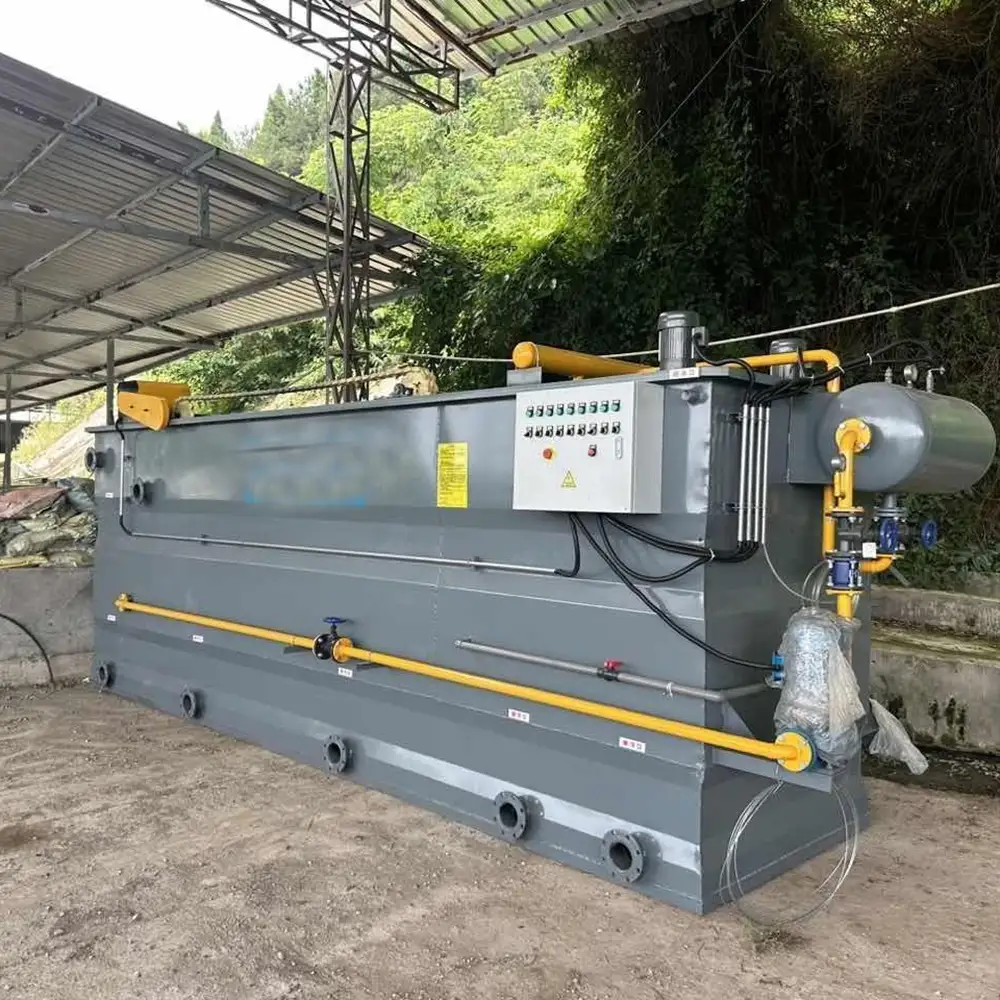
A complete vortex air flotation system may include:
Flotation Tank
Air Supply System
Air Compressor
Recycle Water Pump
Pressure System
Air Release Device
Coagulation Tank
Flocculation Tank
Chemical Dosing System
Surface Skimmer
Sludge Collection System
Treated Water Outlet
Sludge Outlet
Control Cabinet
PLC Automatic Control
Flow Meter
Pressure Gauges
Piping and Valves
Equipment configuration can be adjusted according to treatment capacity and wastewater characteristics.
Customized Industrial Wastewater Treatment
Every dairy wastewater project has different wastewater characteristics. Before selecting the flotation system, important parameters should be evaluated, including:
Average Flow Rate
Peak Flow Rate
pH
Temperature
COD
BOD
TSS
FOG
Total Nitrogen
Total Phosphorus
Dissolved Solids
Production Schedule
CIP Wastewater Characteristics
Required Discharge Standard
Water Reuse Requirements
Based on this information, the complete treatment process and equipment capacity can be selected.
Maintenance and Operation
Regular inspection of the air system, pumps, skimmer, chemical dosing equipment, valves, pressure components, and sludge discharge system is important for stable operation.
The flotation tank should be cleaned periodically to prevent excessive sludge accumulation. Chemical dosing should also be monitored and adjusted according to wastewater characteristics and treatment performance.
Operators should monitor pH, turbidity, sludge production, flotation behavior, flow rate, and other important operating parameters.
Why Choose Us?
We provide customized dairy wastewater treatment equipment and industrial water treatment solutions for milk processing plants, cheese factories, butter manufacturers, ice cream plants, food factories, livestock facilities, and other industrial wastewater applications.
Our equipment can be configured as an individual vortex air flotation unit or integrated into a complete wastewater treatment plant. Depending on the project, we can combine screening, equalization, pH adjustment, coagulation, flocculation, air flotation, MBBR, SBR, MBR, filtration, disinfection, sludge treatment, and water reuse technologies.
As an experienced wastewater treatment equipment manufacturer and supplier, we support customized treatment capacity, tank dimensions, construction materials, automation systems, chemical dosing systems, pump configurations, and complete process integration.
OEM and custom wastewater treatment equipment is available for international industrial projects.
FAQ
1. What Is Vortex Air Flotation Equipment?
Vortex air flotation equipment is a flotation-based wastewater treatment system designed to separate suspended and floatable contaminants using air bubbles and controlled hydraulic flow.
2. Why Is Air Flotation Suitable for Dairy Wastewater?
Dairy wastewater can contain fats, oils, grease, milk solids, proteins, and suspended particles. Air flotation can help remove many of these contaminants before downstream biological treatment.
3. Can the System Remove Dairy Fats and Grease?
Yes. Fats, oils, and grease are important targets for flotation treatment in dairy wastewater. Actual removal efficiency depends on wastewater characteristics and system operating conditions.
4. Is Coagulant Required?
Not always. However, coagulation and flocculation can significantly improve the flotation of fine, colloidal, or emulsified contaminants. The chemical requirement should be established through testing.
5. Can It Treat Milk Processing Wastewater?
Yes. The system can be customized for wastewater generated by milk processing, cheese production, butter production, yogurt production, ice cream manufacturing, and other dairy operations.
6. Can Air Flotation Replace Biological Treatment?
Generally, no. Air flotation is mainly used for physical and physicochemical separation. Dissolved biodegradable organic matter may require biological treatment.
7. Can It Be Used Before MBR?
Yes. Air flotation can be configured as pretreatment before MBR to reduce FOG and suspended solids loading and help protect downstream membrane processes.
8. What Other Industries Can Use This Equipment?
Applications include food processing, beverage manufacturing, slaughterhouses, meat processing, poultry processing, rendering plants, livestock facilities, and other industrial wastewater treatment projects.
9. Can the Equipment Be Fully Automatic?
Yes. PLC control can be used for pumps, air systems, chemical dosing, sludge skimming, valves, alarms, and other operating functions.
10. What Materials Are Available?
Depending on wastewater chemistry and project requirements, equipment can be manufactured using carbon steel, stainless steel, FRP, or other suitable materials.
11. How Is the System Sized?
Sizing depends on wastewater flow, peak flow, TSS, FOG, COD, BOD, temperature, pH, chemical requirements, required removal performance, and downstream treatment.
12. Can You Provide a Complete Dairy Wastewater Treatment Plant?
Yes. We can integrate air flotation with screening, equalization, biological treatment, filtration, disinfection, sludge handling, and other processes.
13. Can the Dairy Wastewater Treatment System Be Customized?
Yes. Treatment capacity, tank size, materials, pumps, skimmer design, chemical dosing, automation, piping, and complete process configuration can be customized according to the project.
Prev:
Daf/Wttp/STP/Wastewater Treatment Equipment/Industrial Equipment
Next:
Wtp/Daf/Slaughterhouse Wastewater Treatment Equipment/Industrial Wastewater Treatment/Sewage Treatment Equipment
TAG:
Industrial Water Treatment System,
Industrial Wastewater Treatment Equipment,
Suspended Solids Removal,
Food Industry Wastewater Treatment,
Dairy Wastewater Treatment,
Food Processing Wastewater Treatment,
Industrial Wastewater Treatment System,
Industrial Wastewater Treatment,
Industrial Sewage Treatment,
Industrial Wastewater Treatment Plant,
Wastewater Treatment Equipment,
Wastewater Treatment Plant,
Food Wastewater Treatment Equipment,
Industrial Water Treatment Plant,
Wastewater Treatment System,
Industrial Water Treatment Equipment,
Wastewater Pretreatment Equipment,
Wastewater Recycling System,
Industrial Water Reuse,
Industrial Sewage Treatment Plant,
Biological Wastewater Treatment,
Fats Oils And Grease Removal,
Dairy Wastewater Treatment Plant,
Food Factory Wastewater Treatment,
Dairy Industry Wastewater Treatment,
Cheese Factory Wastewater Treatment,
Dairy Effluent Treatment,
Dairy Factory Wastewater Treatment,
Industrial Sewage Treatment Equipment,
Industrial Wastewater Pretreatment,
Related Category:
Dairy Wastewater Treatment Equipment,Vortex Air Flotation Equipment,Dairy Wastewater Treatment,Dairy Wastewater Treatmen China, suppliers, manufacturers, factory, customized, wholesale, quotation, made in China