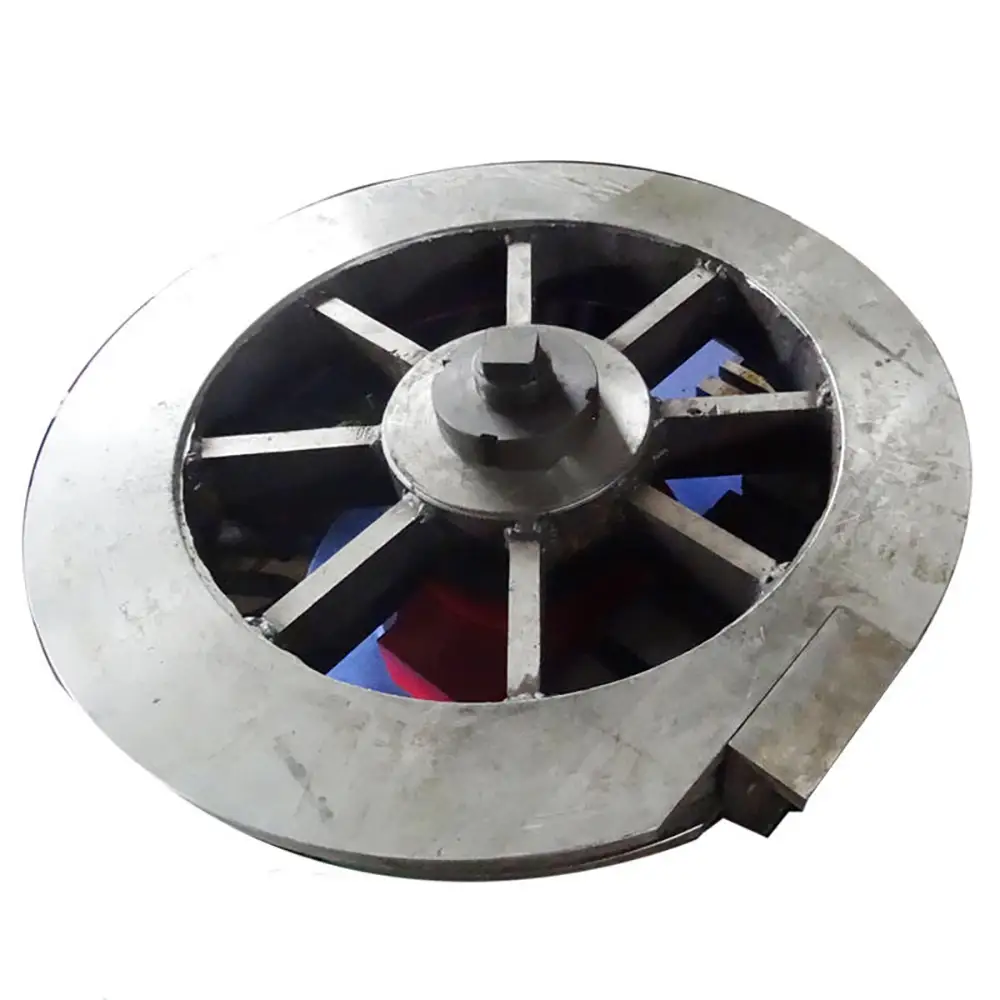
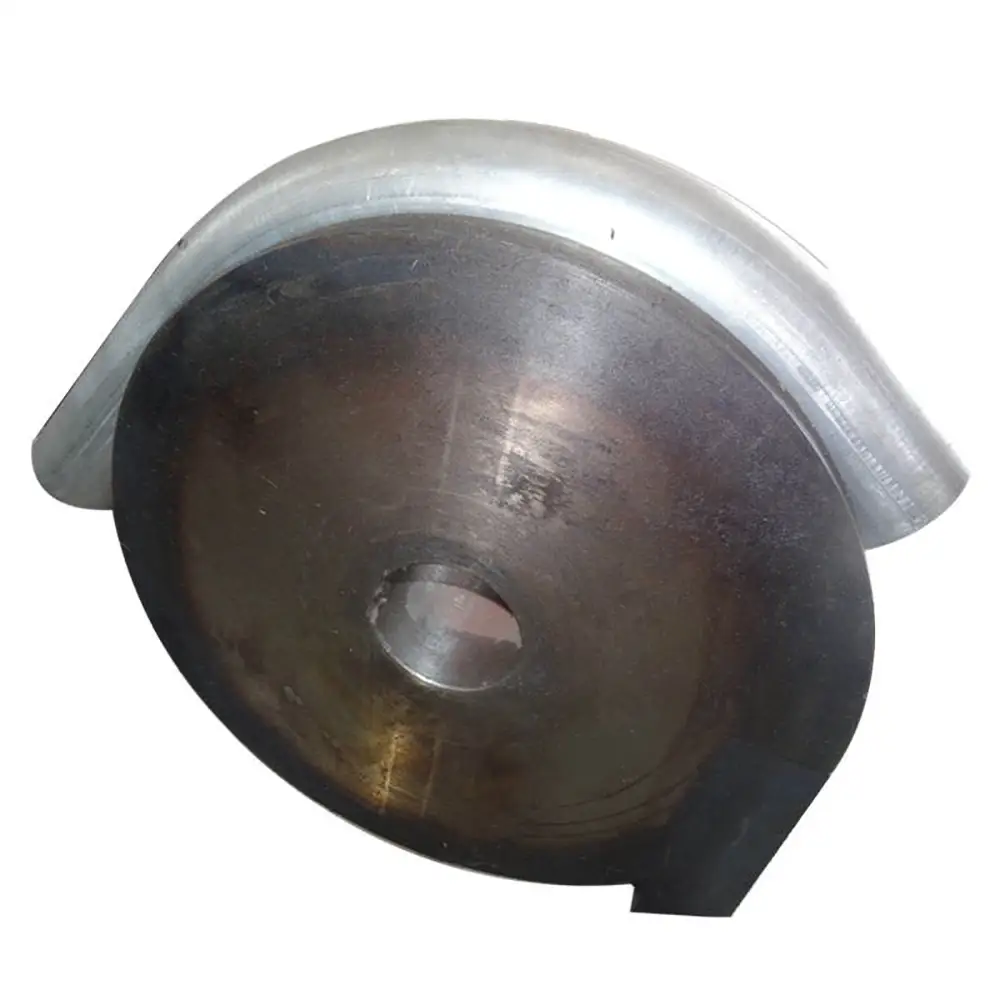
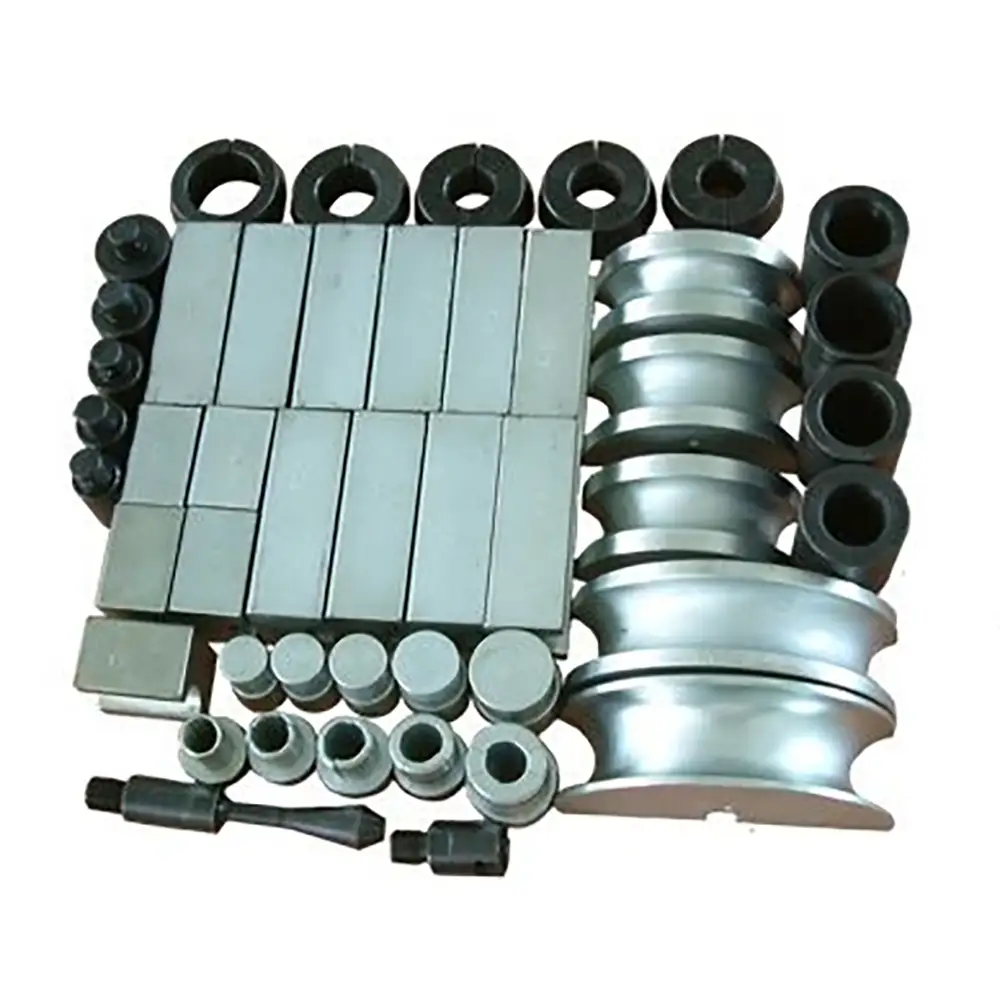
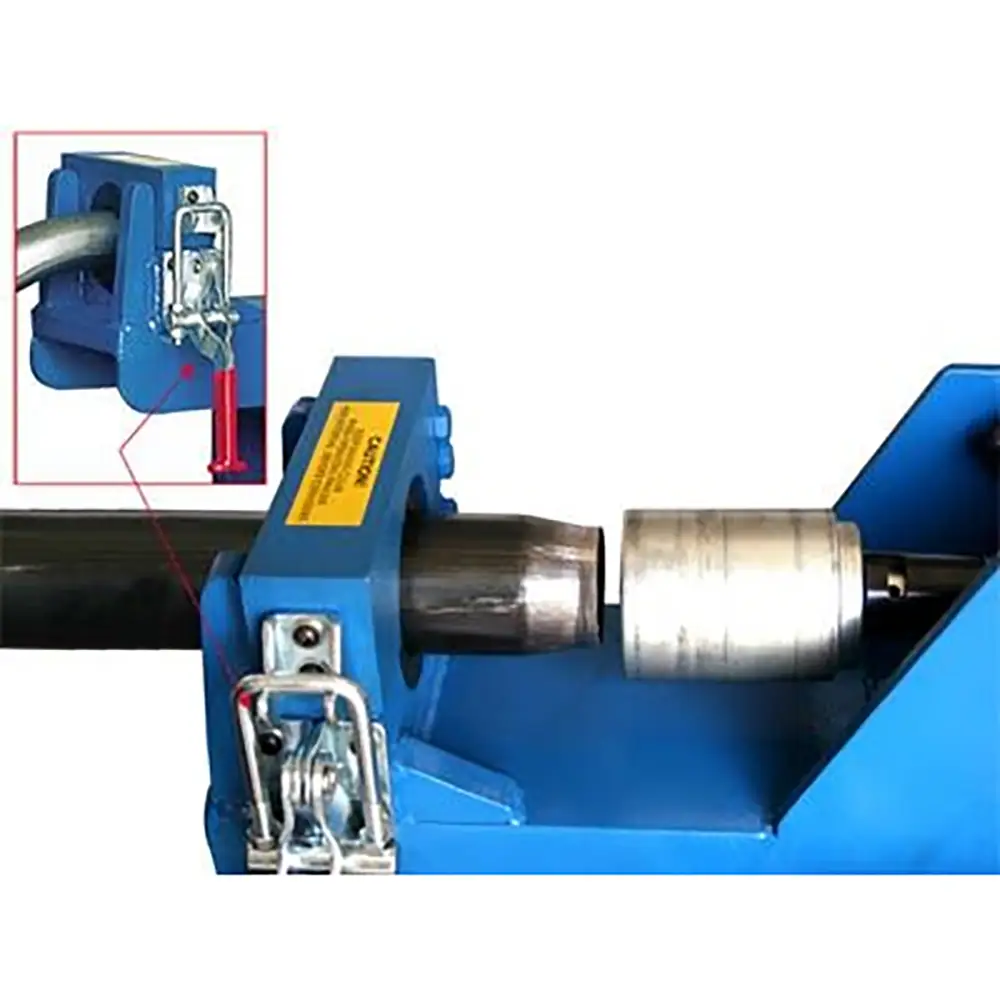
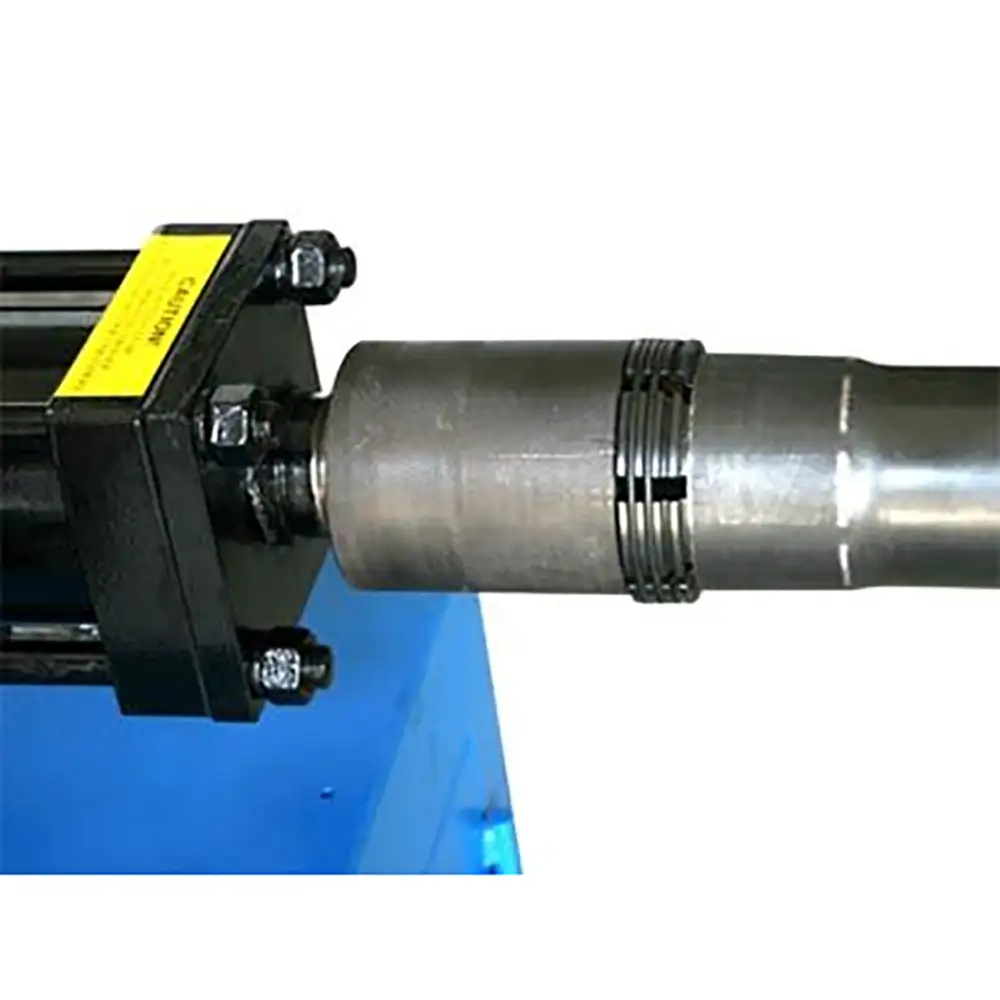
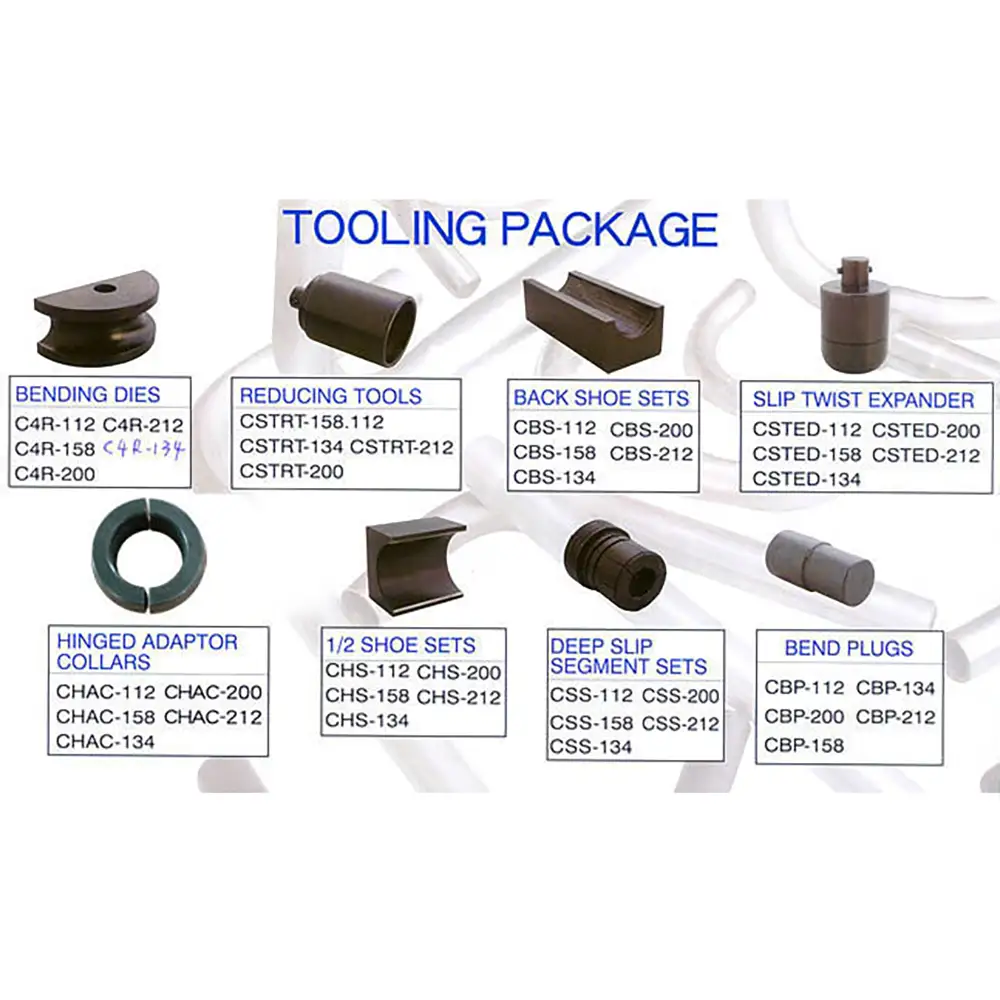
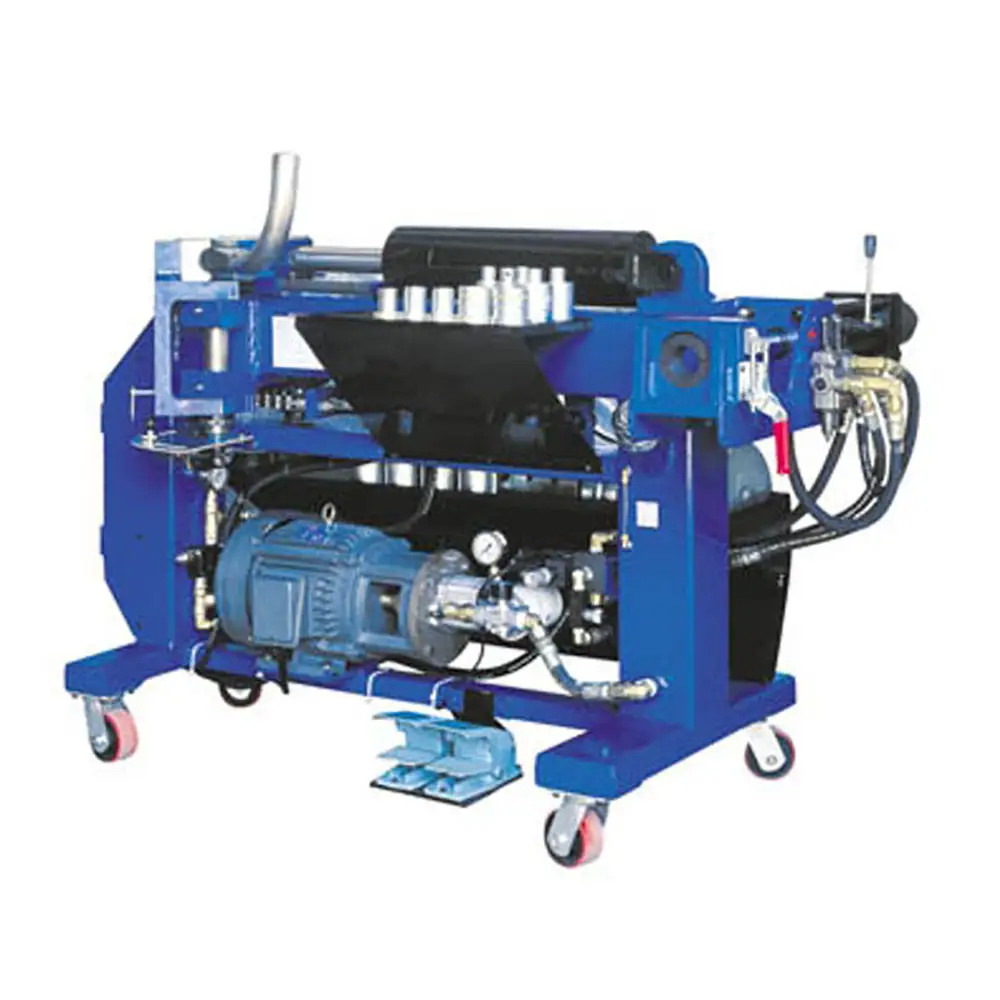
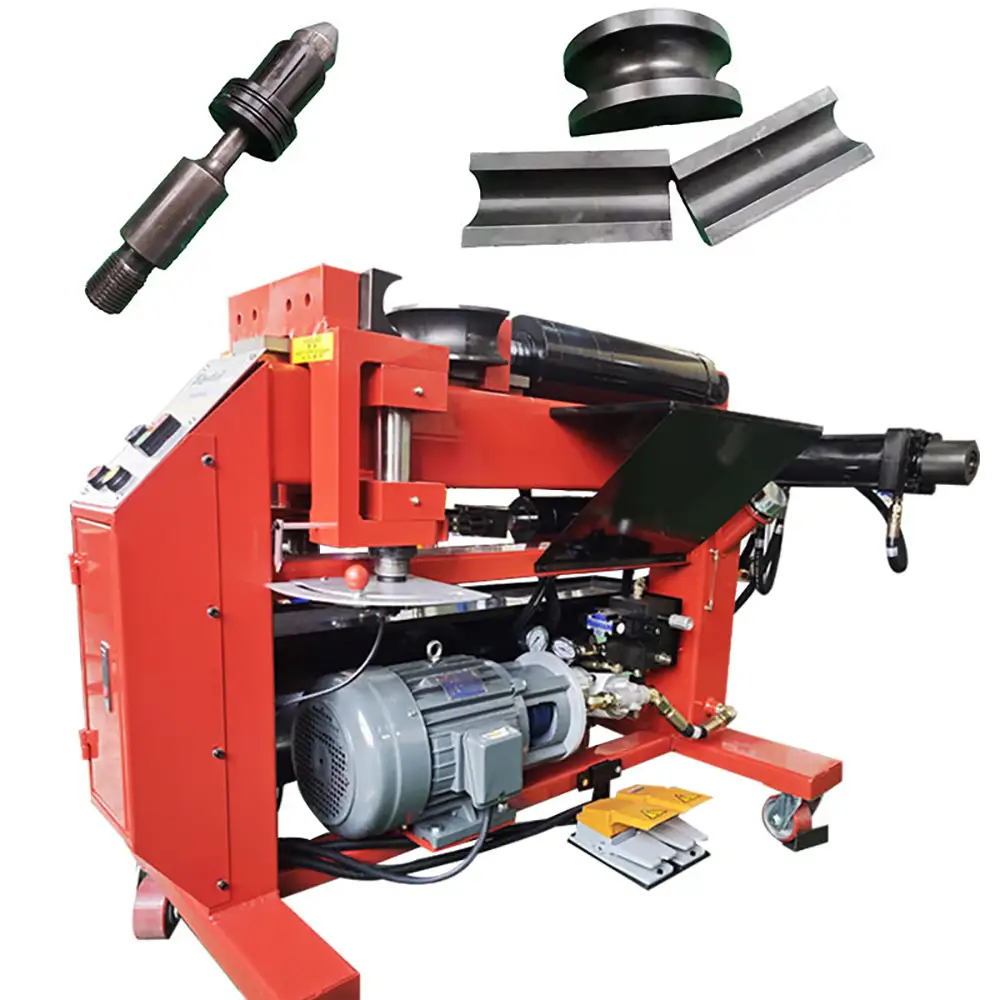
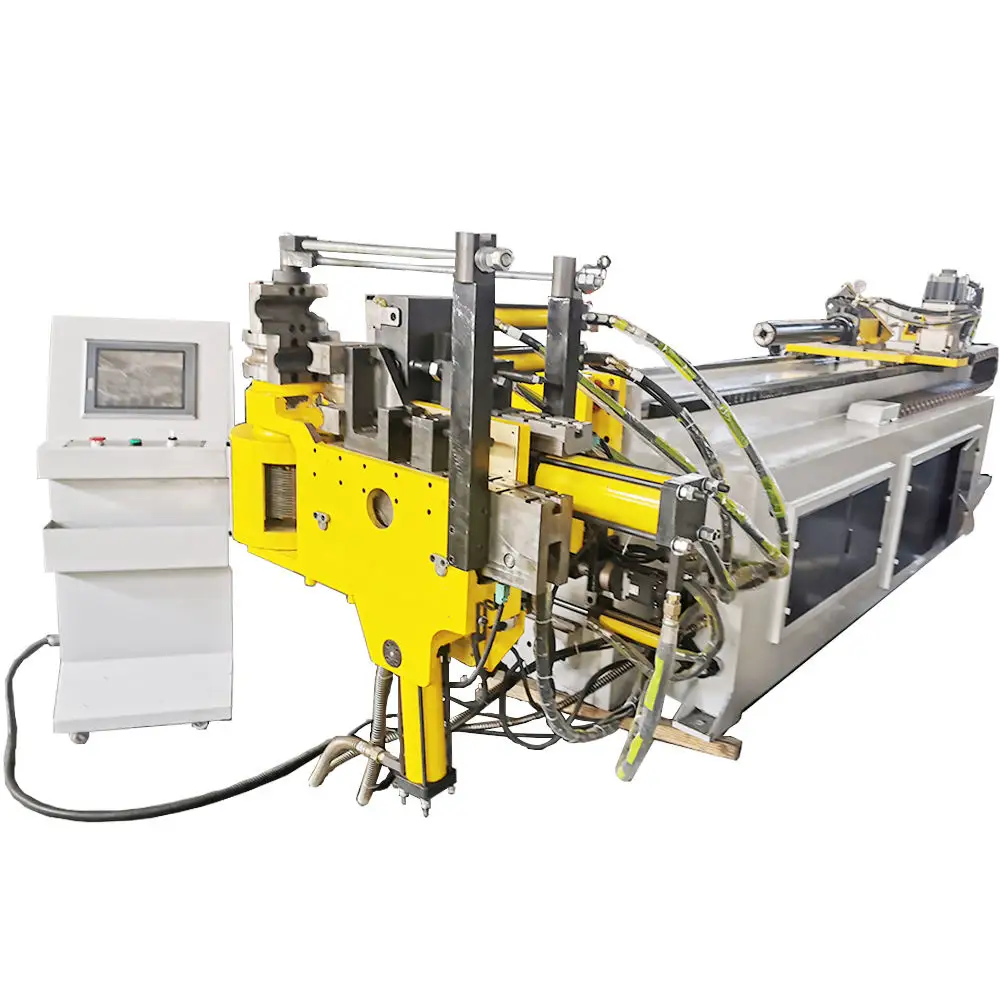
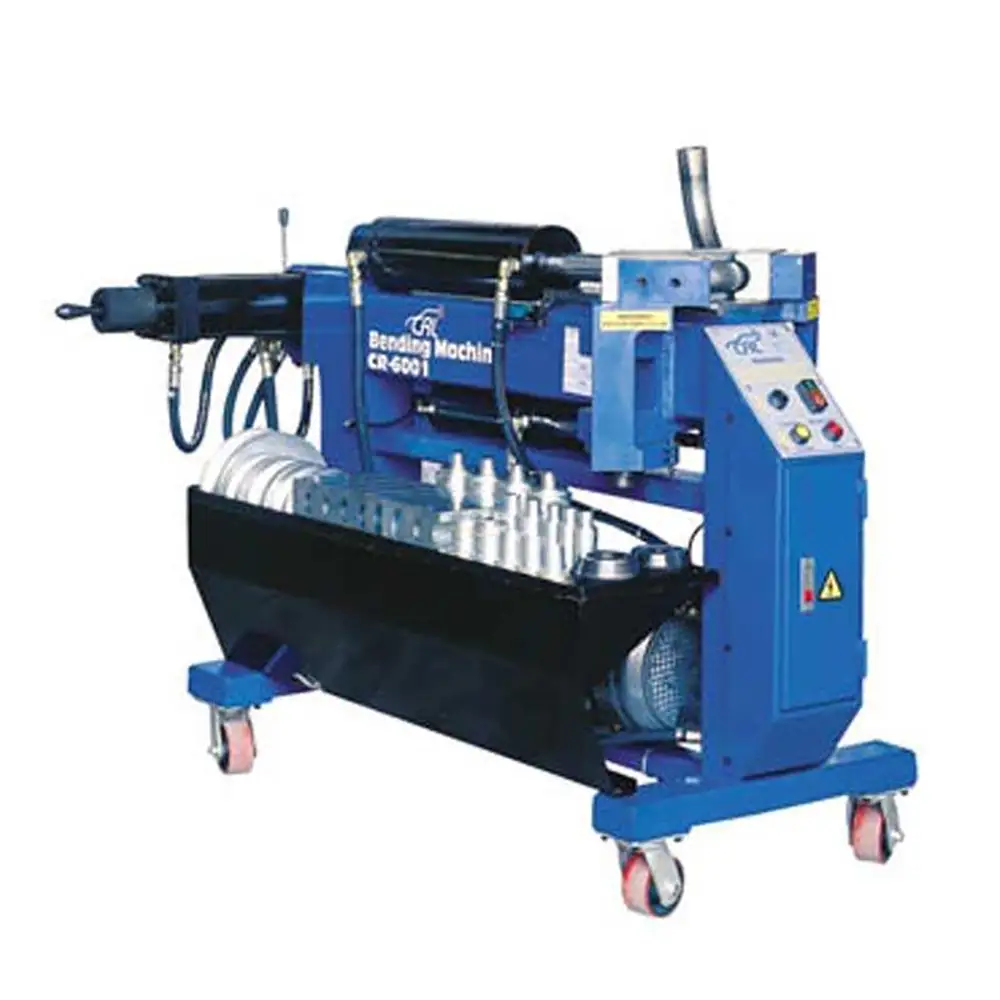
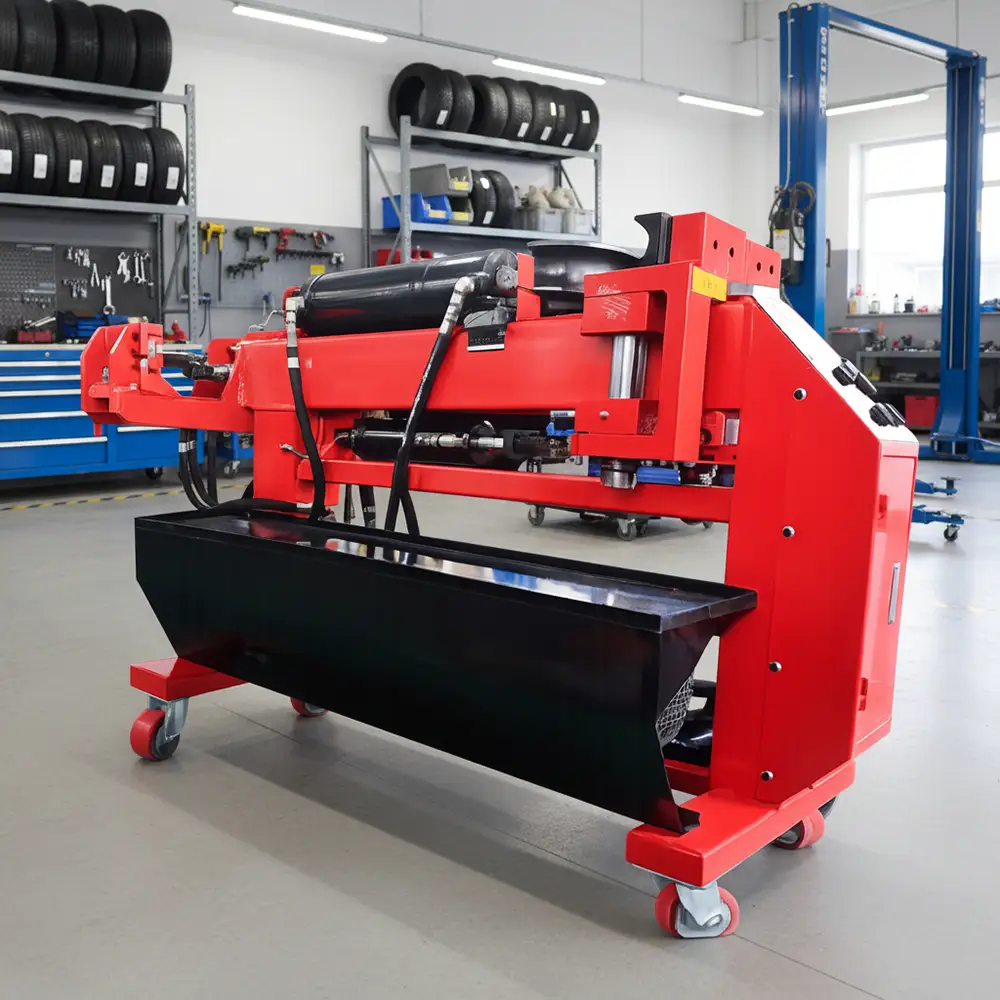
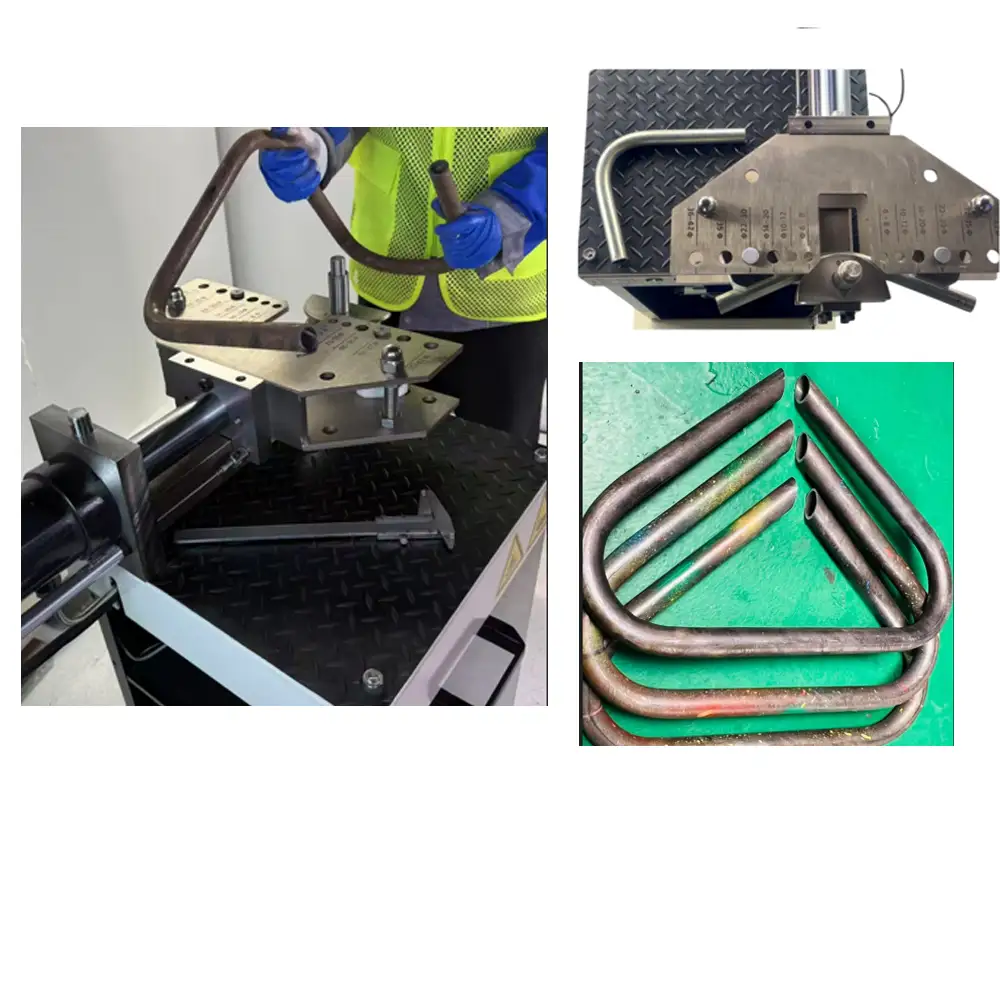
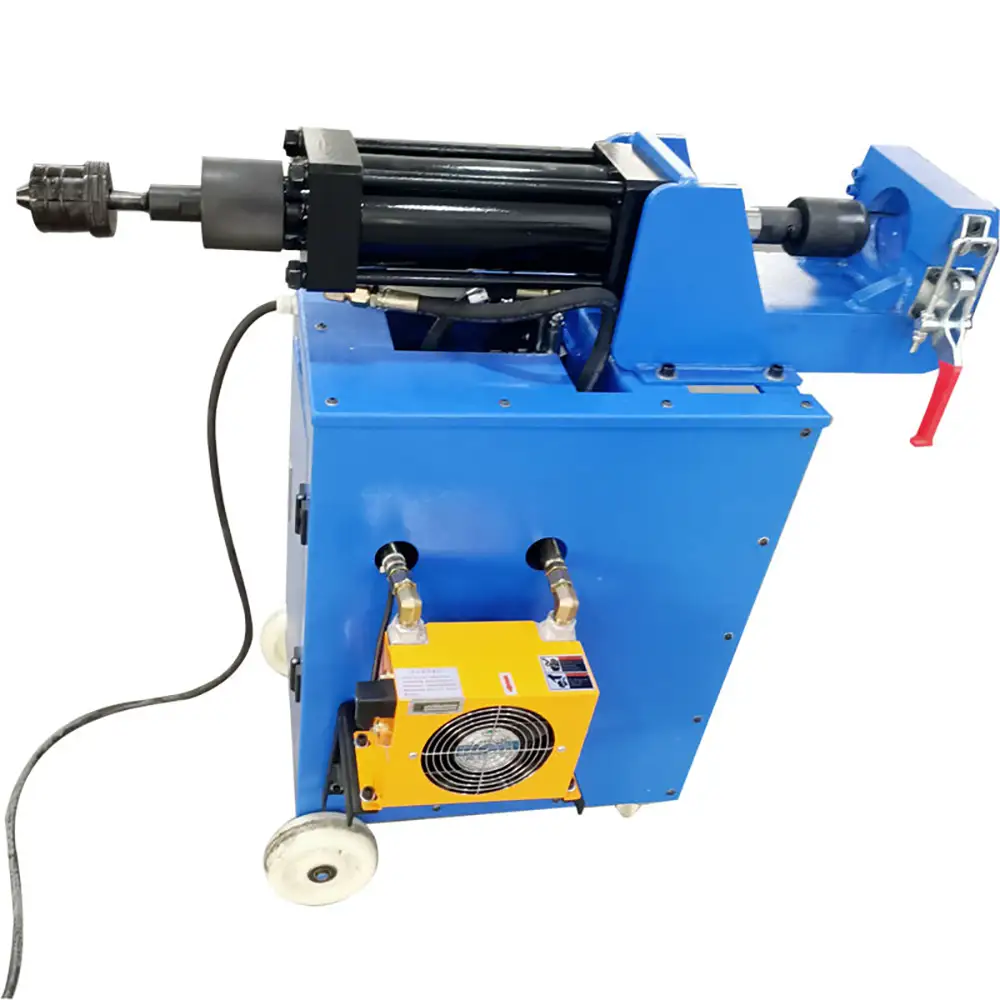
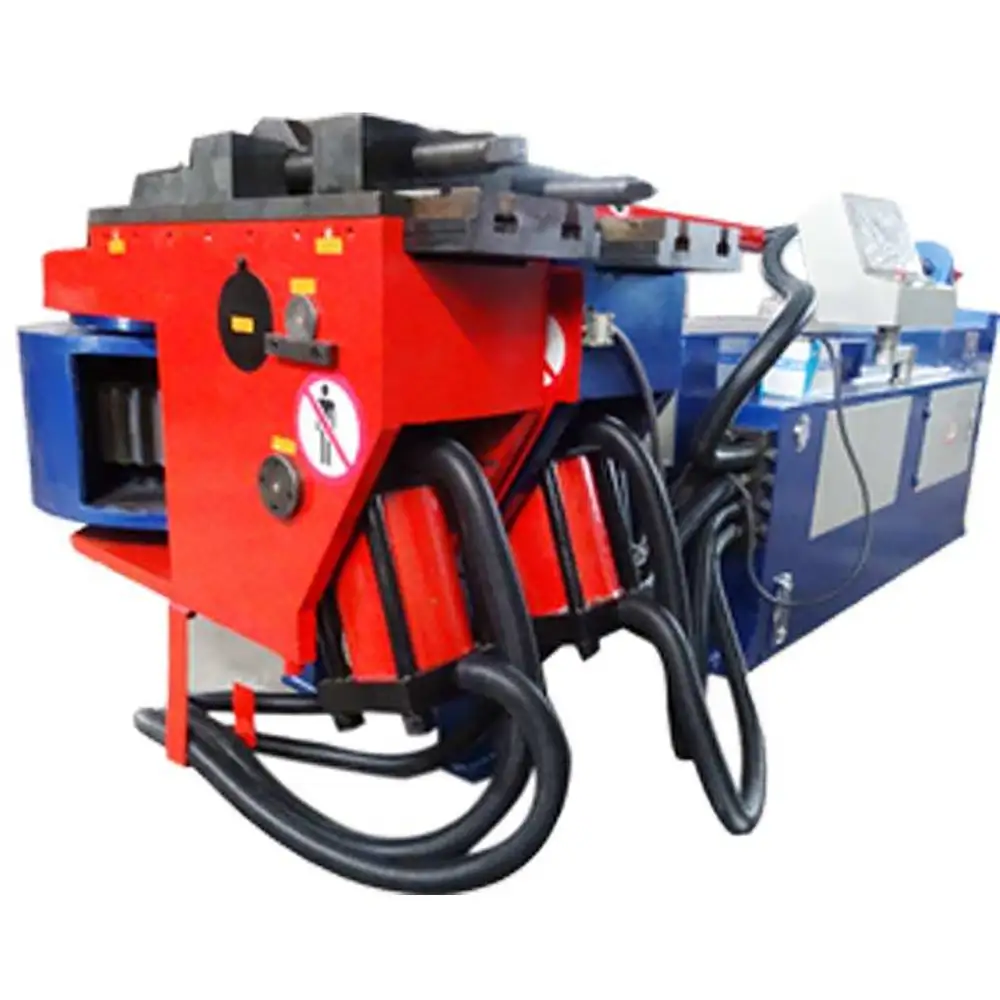
in order to confrim dies detail
please provide more detail as follow
1 pipe size , outside diameter
2 pipe material
3 thickness
4 bending raidus (centre radius )
Bending Dies and Rolling Moulds for Pipe Bending and Rolling Machines
Bending Dies and Rolling Moulds are critical tooling components used with pipe bending,pipe rolling,and tube forming machines. They determine how a metal pipe or tube is supported,positioned,and shaped during the forming process. Properly selected tooling can help manufacturers achieve repeatable bending angles,radii,and rolled profiles while reducing unwanted deformation of the workpiece.
For manufacturers using a Pipe Bending and Rolling Machine,the machine itself provides the required forming force and movement,but the dies or moulds establish the contact geometry between the equipment and the pipe.
Different pipe diameters,wall thicknesses,materials,and product shapes require different tooling configurations. Therefore,the correct bending die or rolling mould should be selected according to the actual workpiece and forming requirements.
Pipe Bending Dies
A pipe bending die provides a controlled path around which the tube is formed. The die supports the outside surface of the pipe while bending force is applied to create the required curvature.
Depending on the machine and application,bending dies may be used for:
Round Pipe Bending
Round Tube Bending
Steel Pipe Bending
Stainless Steel Tube Bending
Aluminum Tube Bending
Frame Tube Bending
Structural Tube Forming
Custom Metal Tube Bending
The die radius is one of the most important dimensions because it directly influences the resulting bend geometry.
When selecting a bending die,manufacturers should consider pipe outside diameter,wall thickness,material strength,bending radius,and required bend angle.
Rolling Moulds for Pipe Rolling
Rolling moulds are used when a pipe or tubular component needs to be formed through a rolling process. Instead of creating a single localized bend,rolling tooling can support progressive shaping of the workpiece.
Rolling moulds can be used for applications involving:
Circular Pipe Forming
Curved Tube Forming
Ring Forming
Arc Forming
Radius Rolling
Cylindrical Forming
Profile Rolling
Custom Tube Rolling
The exact mould design depends on the required finished shape and rolling machine structure.
For repeat production,the rolling mould should maintain consistent contact with the workpiece throughout the forming process.
Importance of Proper Tooling Selection
Using the correct die or mould is essential for achieving stable tube forming results.
An unsuitable die may cause excessive flattening,wrinkling,surface marks,slippage,or dimensional variation. The problem can become more noticeable when processing thin-wall tubing or materials with higher strength.
Important tooling considerations include:
Pipe Outside Diameter
Tube Wall Thickness
Material Type
Material Hardness
Bending Radius
Required Bend Angle
Rolling Profile
Production Volume
Surface Finish Requirements
Machine Configuration
Providing complete tube information allows the tooling manufacturer to evaluate the appropriate die or mould geometry.
Tooling for Different Pipe Materials
Different metals respond differently to bending and rolling.
Carbon steel is commonly used for structural and general fabrication applications. Stainless steel may require careful control of surface contact to minimize visible marks. Aluminum tubing is generally more sensitive to surface damage and deformation.
The same tooling should not automatically be assumed to provide identical results across different materials.
For demanding applications,testing a sample tube with the proposed die or mould can help confirm the forming process before larger production quantities are manufactured.
Tube Bending Die Design
A tube bending die normally incorporates a groove or forming surface that matches the outside profile of the workpiece.
For round tubing,the groove should provide appropriate support around the tube circumference. The exact geometry depends on the tube diameter and bending method.
Additional tooling components may include:
Clamp Dies
Pressure Dies
Wiper Dies
Mandrels
Follower Dies
Tube Supports
Positioning Fixtures
Not every pipe bending application requires all of these components. Tooling selection should be based on the bending machine and product geometry.
Mandrels and Tube Support
When a tube is bent to a relatively tight radius,the inside wall can wrinkle while the outside wall stretches. Thin-wall tubes may also experience excessive flattening.
A mandrel or internal support system can help maintain tube geometry during bending in suitable applications.
The need for a mandrel depends on tube dimensions,material,bending radius,and machine configuration.
For simple large-radius bends,a conventional bending die may be sufficient. For tighter bends or demanding dimensional requirements,additional support may be necessary.
Custom Bending Dies
Custom bending dies are useful when standard tooling does not match the required pipe size or product geometry.
For OEM and ODM projects,customers can provide:
Pipe Drawings
Tube Dimensions
Material Grade
Wall Thickness
Required Bending Radius
Bend Angle
Product Shape
Machine Model
Existing Tooling Information
Based on this information,custom dies can be evaluated for compatibility with the existing pipe bending machine.
Custom tooling can be designed for dedicated production applications where the same tube shape is manufactured repeatedly.
Rolling Mould Design
Rolling moulds must be matched to both the workpiece and rolling machine.
The mould profile determines how the pipe contacts the forming surface during rolling. For products requiring a specific arc or curved shape,the mould geometry should correspond to the desired finished profile.
Rolling mould design may take into account:
Tube Diameter
Profile Shape
Rolling Radius
Material Thickness
Material Strength
Machine Roller Arrangement
Forming Direction
Required Surface Finish
For complex shapes,drawings or physical samples can be useful when developing the tooling.
Applications Across Metal Fabrication
Pipe bending dies and rolling moulds are used in many industries.
Potential applications include:
Automotive Components
Exhaust Systems
Furniture Frames
Fitness Equipment
Bicycle Frames
Motorcycle Components
Handrails
Guardrails
Agricultural Machinery
Construction Equipment
Steel Structures
HVAC Tubing
Industrial Pipe Fabrication
The correct tooling depends on the product and machine configuration.
Production Efficiency and Repeatability
Good tooling can help improve production consistency by establishing a repeatable forming geometry.
For high-volume production,using dedicated dies and moulds can reduce setup variation between operators. Once the tooling and machine parameters have been properly established,the same forming process can be repeated for subsequent workpieces.
Tooling can also reduce the need for manual measurement and adjustment during every bending operation.
Actual production efficiency depends on the machine cycle,loading method,number of bends,tool changes,material characteristics,and operator workflow.
Tooling Materials and Service Life
Bending dies and rolling moulds must withstand repeated mechanical contact and forming forces.
The appropriate tooling material depends on the application,machine force,workpiece material,production volume,and required service life.
Tooling surfaces should be inspected regularly for wear,damage,or accumulated debris.
Worn tooling can affect bending radius,surface quality,and dimensional consistency. Proper maintenance and timely replacement can help maintain stable production.
Surface Quality Considerations
For decorative or finished tubular products,surface quality can be especially important.
Visible scratches or marks created during bending may become more noticeable after polishing,painting,powder coating,or plating.
Tooling surfaces should therefore be kept clean and free from damage. Appropriate contact geometry and clamping pressure can also help reduce unnecessary surface marking.
For stainless steel and aluminum applications,the tooling should be evaluated according to the required finished appearance.
OEM and Custom Tooling Solutions
Bending dies and rolling moulds can be supplied as replacement tooling,additional tooling,or custom tooling for new machine applications.
Customers should provide the machine model and technical information when purchasing replacement dies. Even if two machines have similar bending capacities,the tooling mounting method or dimensions may be different.
For OEM projects,custom tooling can be developed according to customer drawings,samples,and machine specifications.
This makes the tooling suitable for manufacturers that need dedicated production solutions rather than generic replacement parts.
Maintenance and Storage
Proper tooling maintenance can extend service life and maintain forming quality.
After use,operators should remove metal chips,dust,and other debris from the die or mould. Tooling should be inspected for cracks,deformation,excessive wear,and surface damage.
When tooling is not in use,it should be stored in a clean,dry environment and protected from unnecessary impact or contamination.
Before installation,the mounting surfaces should be checked to ensure that the die or mould is properly positioned and securely fixed.
Why Choose Us
Application-Specific Bending Dies
Tooling can be selected according to pipe diameter,wall thickness,material,and required bending radius.
Rolling Mould Solutions
Rolling moulds can be evaluated for curved,radius,ring,and other tubular forming applications.
Custom Tooling Support
Dies and moulds can be developed according to customer drawings,samples,and machine specifications.
Multiple Tube Applications
Suitable tooling can support steel,stainless steel,aluminum,and other compatible metal tubes.
Improved Forming Consistency
Proper tooling establishes repeatable contact geometry for repeated bending and rolling operations.
Machine Compatibility Evaluation
Existing pipe bending and rolling machine information can be reviewed before tooling production.
OEM And ODM Capability
Dedicated tooling solutions can be developed for specialized production requirements.
B2B Industrial Supply
Suitable for machinery manufacturers,metal fabricators,distributors,and industrial users requiring replacement or customized tooling.
FAQs
1. What are bending dies used for?
Bending dies guide and support a pipe or tube during bending to create the required radius and shape.
2. What are rolling moulds used for?
Rolling moulds provide the forming surface used to progressively shape pipes or tubes during a rolling operation.
3. Are bending dies interchangeable between machines?
Not necessarily. Die dimensions,mounting methods,and machine structures can vary. Machine specifications should be confirmed before ordering.
4. Can custom pipe bending dies be manufactured?
Yes. Custom dies can be developed according to pipe dimensions,bending radius,material,and machine requirements.
5. What information is needed to make a bending die?
Typical information includes pipe diameter,wall thickness,material,bending radius,bend angle,machine model,and required tooling dimensions.
6. Can the dies be used for stainless steel tubes?
Suitable dies can be used for stainless steel applications when the tooling and machine are properly selected. Surface quality requirements should also be considered.
7. Can the tooling bend aluminum tubes?
Yes,suitable tooling can be used for aluminum tubing. Tooling contact surfaces and forming parameters should be selected to reduce surface damage and deformation.
8. Is a mandrel always required?
No. A mandrel is not required for every bending application. Its use depends on tube dimensions,bending radius,material,and required quality.
9. How can tube flattening be reduced?
Proper die geometry,clamping,support,process parameters,and,when required,a suitable mandrel can help control tube flattening.
10. Can rolling moulds be customized?
Yes. Rolling moulds can be designed according to the desired pipe profile,radius,machine structure,and workpiece specifications.
11. How should bending dies be maintained?
Dies should be kept clean,inspected for wear or damage,and stored properly when not in use. Damaged tooling should be serviced or replaced.
12. What should I provide for a tooling quotation?
Provide the pipe or tube diameter,wall thickness,material,bending or rolling shape,radius,machine model,tool mounting dimensions,and drawings or samples if available.
Prev:
CNC Pipe Bending Machine Hydraulic Tube Bender
Next:
Double Heads Pipe Tube Bending Machine
TAG:
Pipe Forming Dies,
Tube Forming Dies,
Tube Forming Tooling,
Pipe Bending Dies,
Tube Bending Dies,
Tube Bending Tooling,
Pipe Bending Tooling,
Pipe Bending Machine Dies,
Tube Bending Machine Dies,
Metal Pipe Bending Dies,
Metal Tube Bending Dies,
Stainless Steel Tube Bending Dies,
Steel Pipe Bending Dies,
Steel Tube Bending Dies,
Tube Forming Moulds,
Aluminum Tube Bending Dies,
Round Pipe Bending Dies,
Round Tube Bending Dies,
Square Tube Bending Dies,
Rectangular Tube Bending Dies,
Hydraulic Pipe Bending Dies,
Hydraulic Tube Bending Dies,
CNC Pipe Bending Dies,
CNC Tube Bending Dies,
Automatic Pipe Bending Dies,
Automatic Tube Bending Dies,
Pipe Bender Dies,
Tube Bender Dies,
Pipe Bender Tooling,
Tube Bender Tooling,
Related Category:
Bending Dies for Pipe Bending Machine,Rolling Moulds for Pipe Rolling Machine,Pipe Bending Dies,Tube Bending Dies,Pipe R China, suppliers, manufacturers, factory, customized, wholesale, quotation, made in China