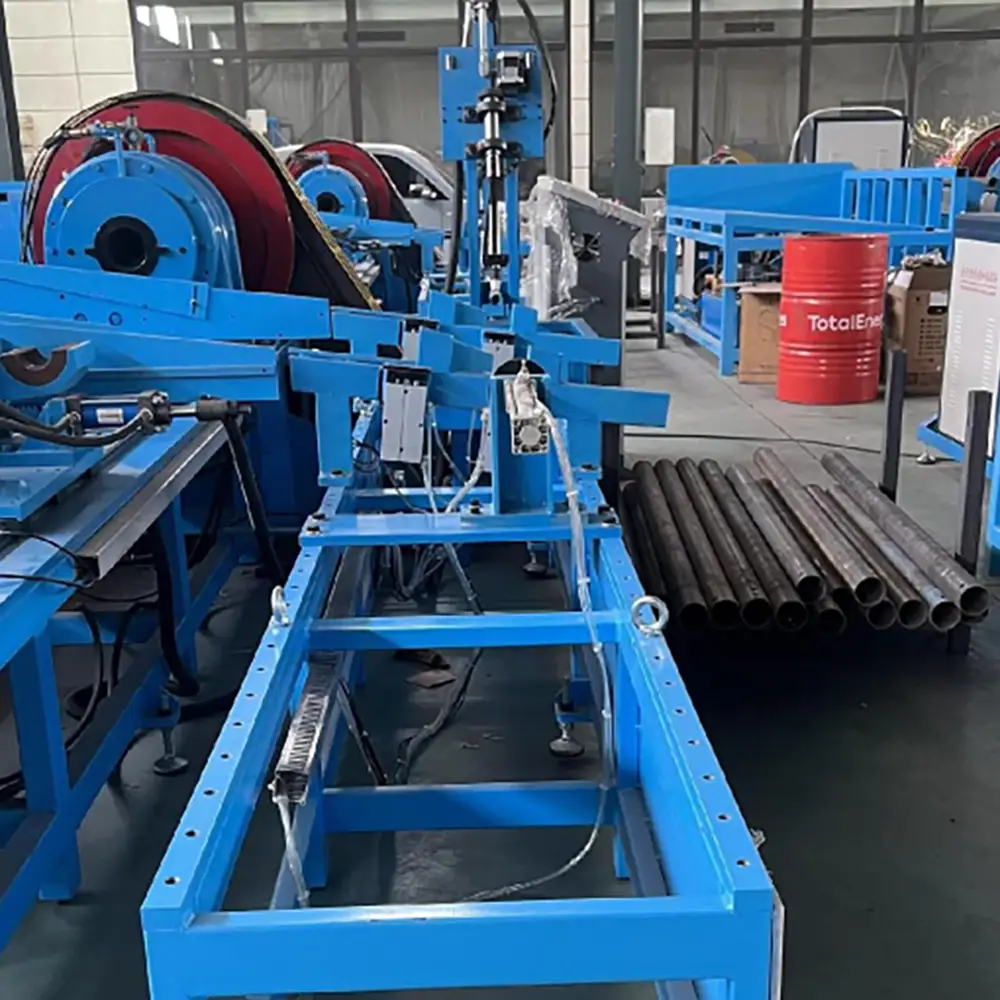
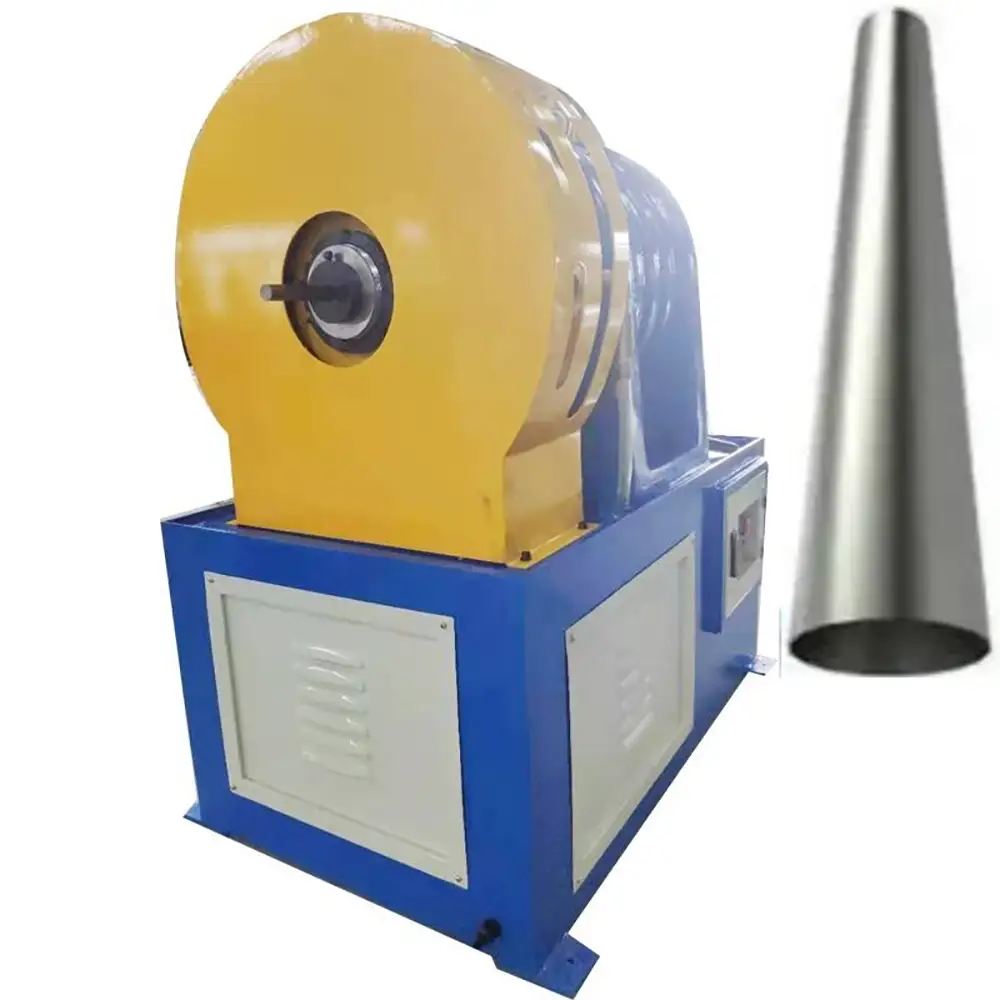
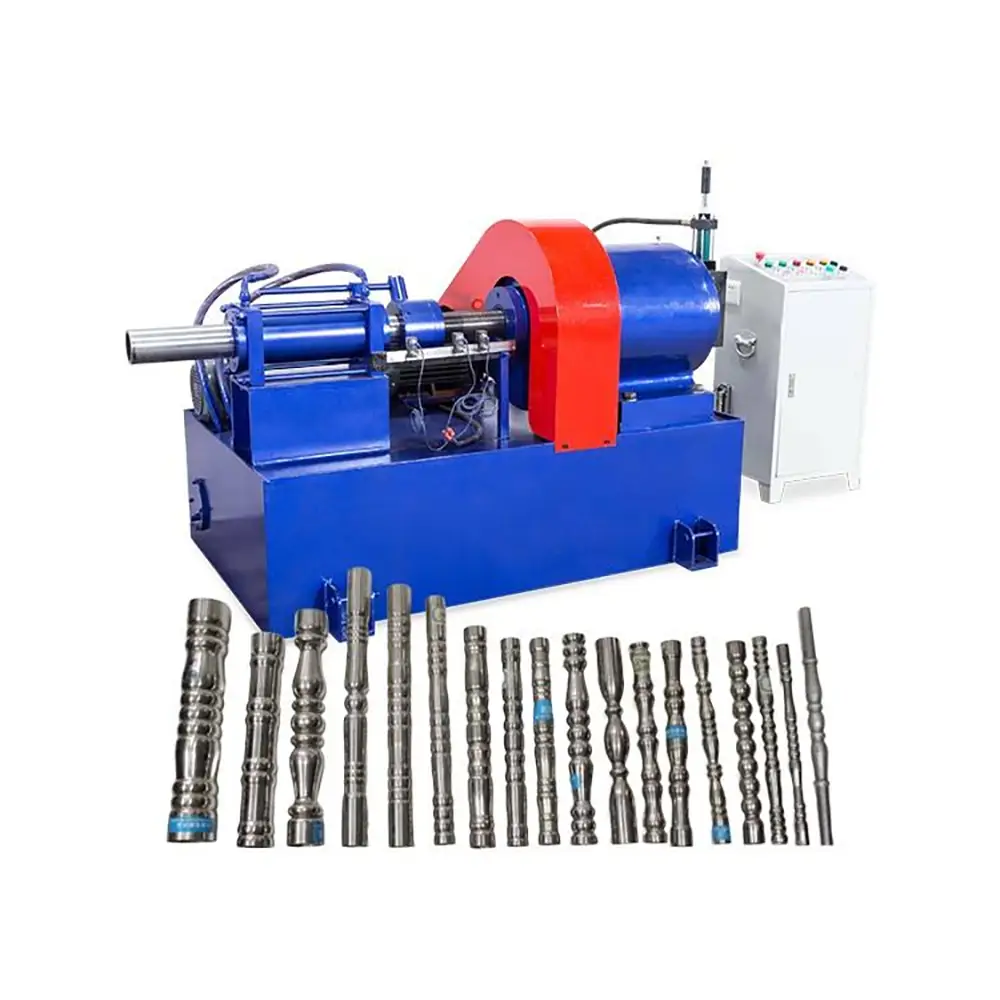
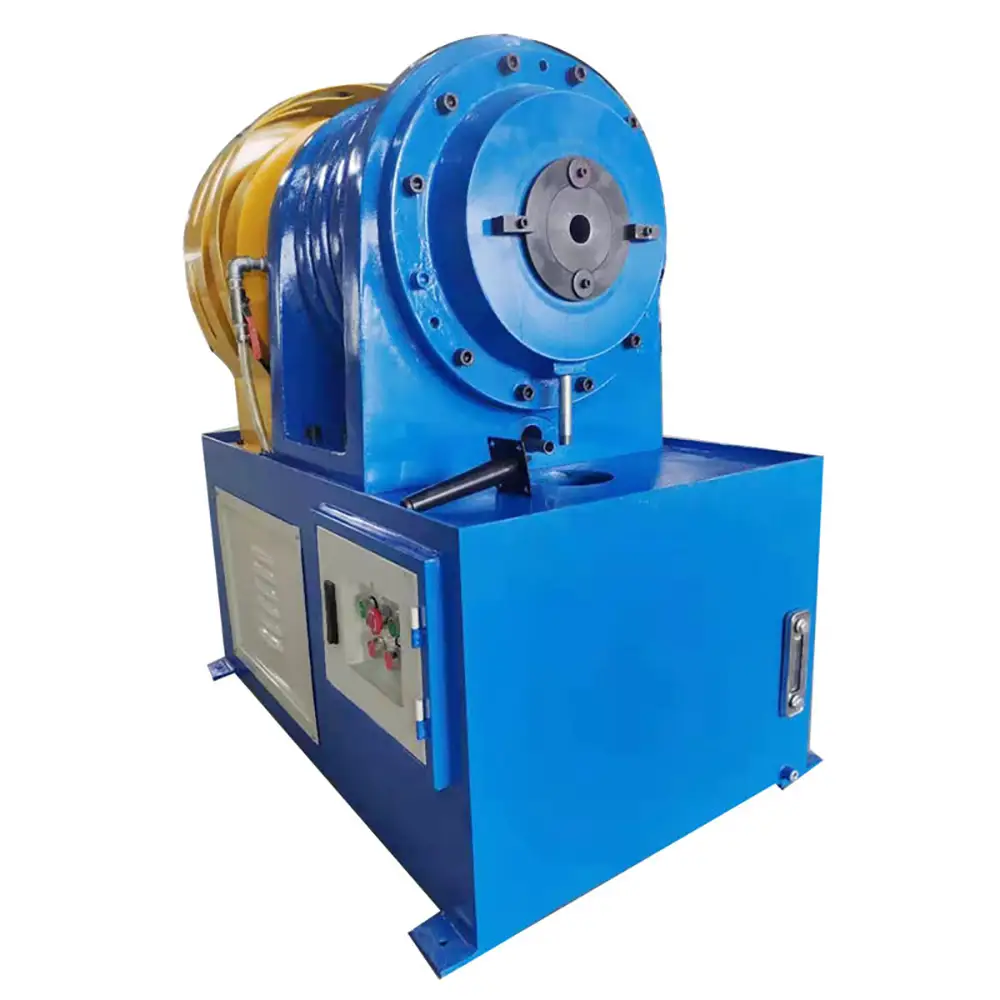
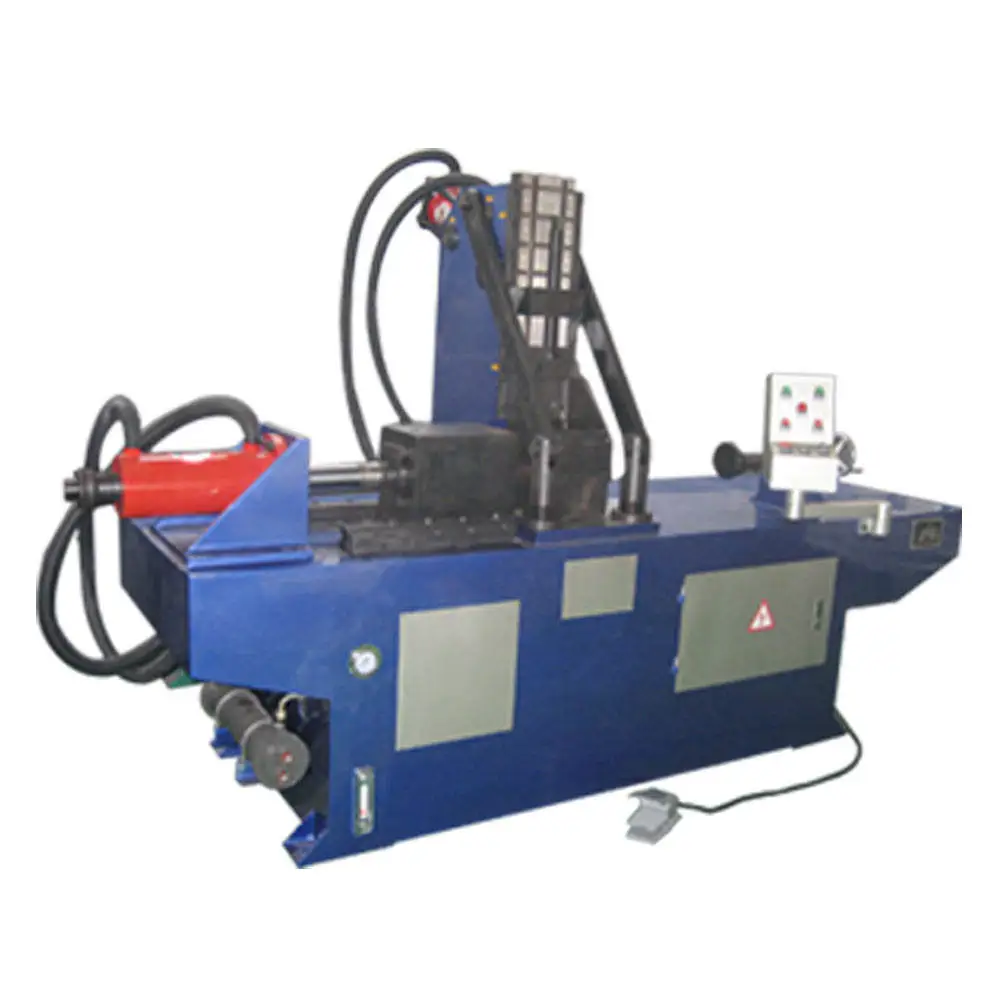
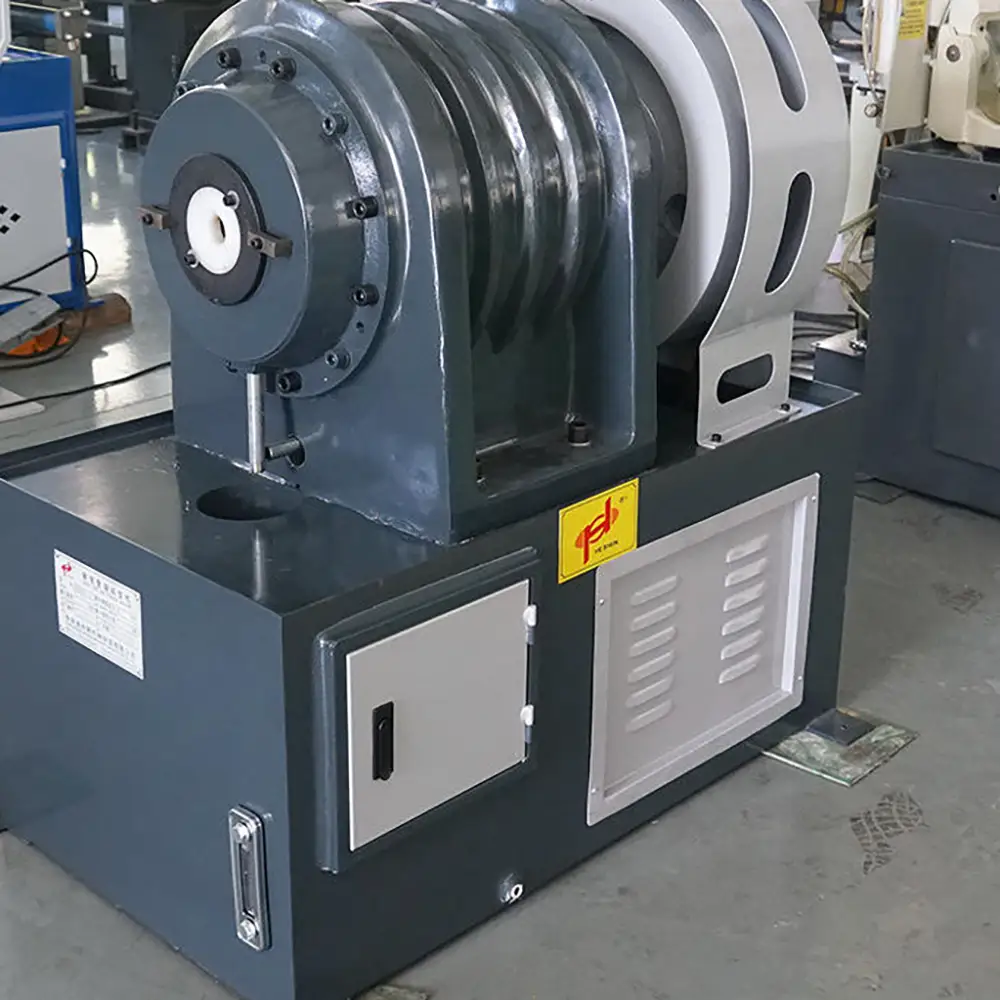
|
Machine Model |
50*300 |
50*450 |
76*600 |
76*800 |
|
Machine size(MM) |
1200*900*1200 |
1060*760*1160 |
1600*1300*1500 |
1900*1500*1500 |
|
Mold Size(MM) |
300*42*44 |
450*42*44 |
600*60*50 |
800*60*50 |
|
Processing range(MM) |
φ12- φ50 |
φ12- φ50 |
φ18- φ76 |
φ18- φ76 |
|
Workpiece thickness(MM) |
0.68-1.5 |
0.68-1.5 |
1.0-20 |
1.0-25 |
|
Forming length(MM) |
280 |
430 |
580 |
780 |
|
Molding time(S/Second) |
5-10 |
5-10 |
5-10 |
5-10 |
|
Main motor(KW) |
3.0 |
5.5 |
7.5-11 |
7.5-15 |
|
The total weight of equipment(KG) |
1100 |
1300 |
3200 |
3800 |
|
Packing size(L-W*H)(MM) |
1250*950*1300 |
1200*800*1350 |
1660*1350*1600 |
1960*1560*1750 |
Automatic and Manual Pipe End Taper Forming Equipment with Cr12Mo Mold
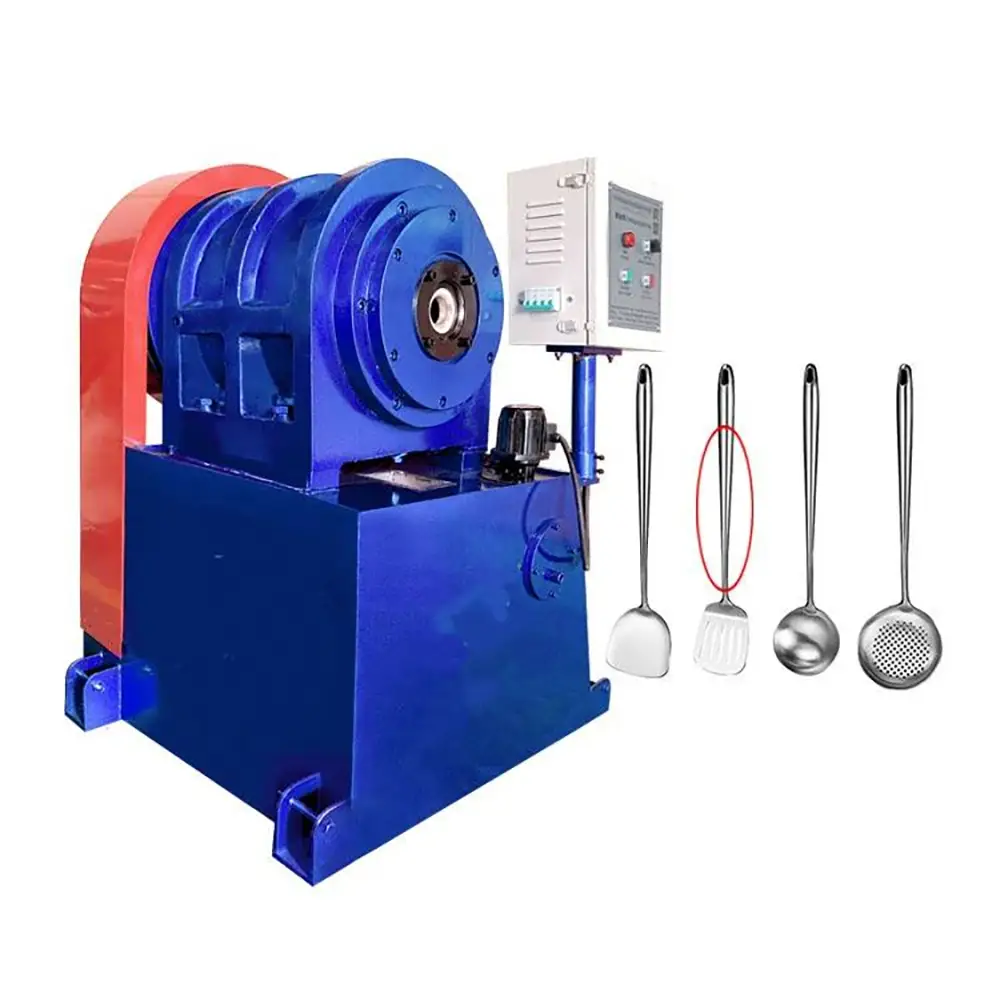
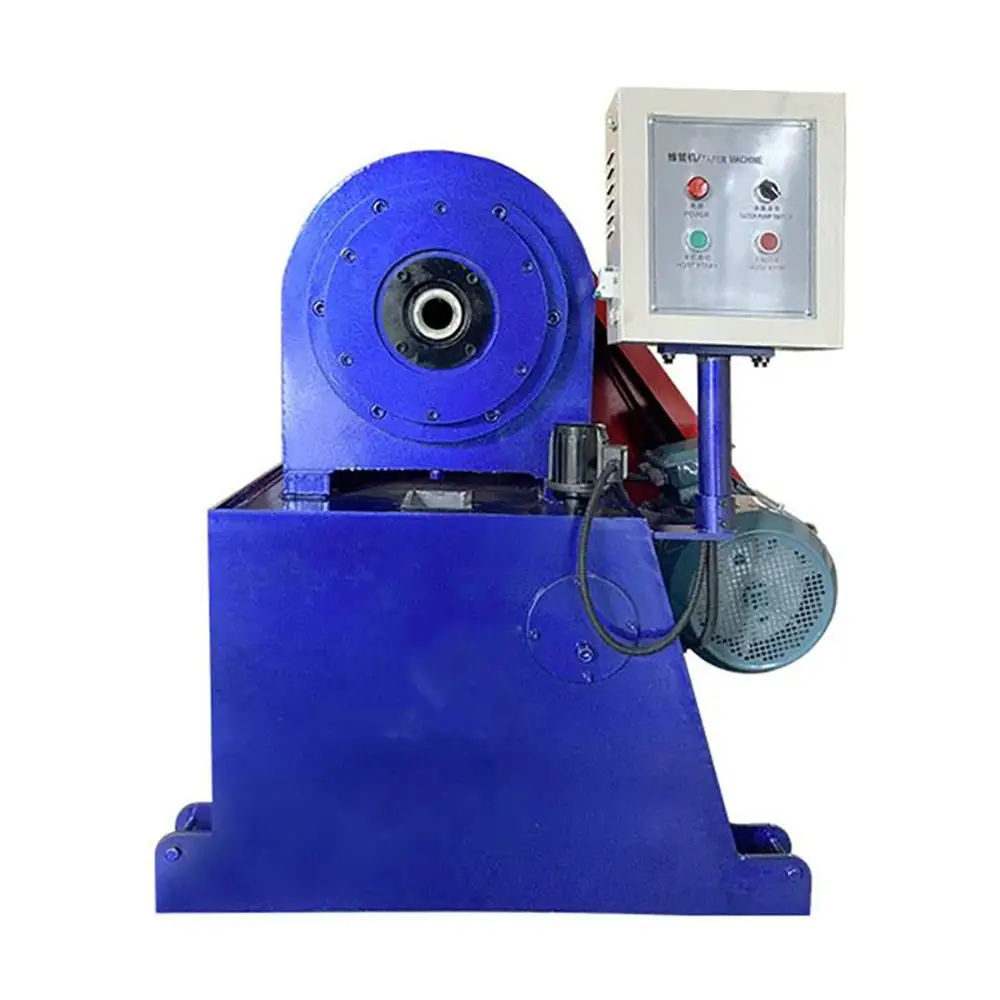
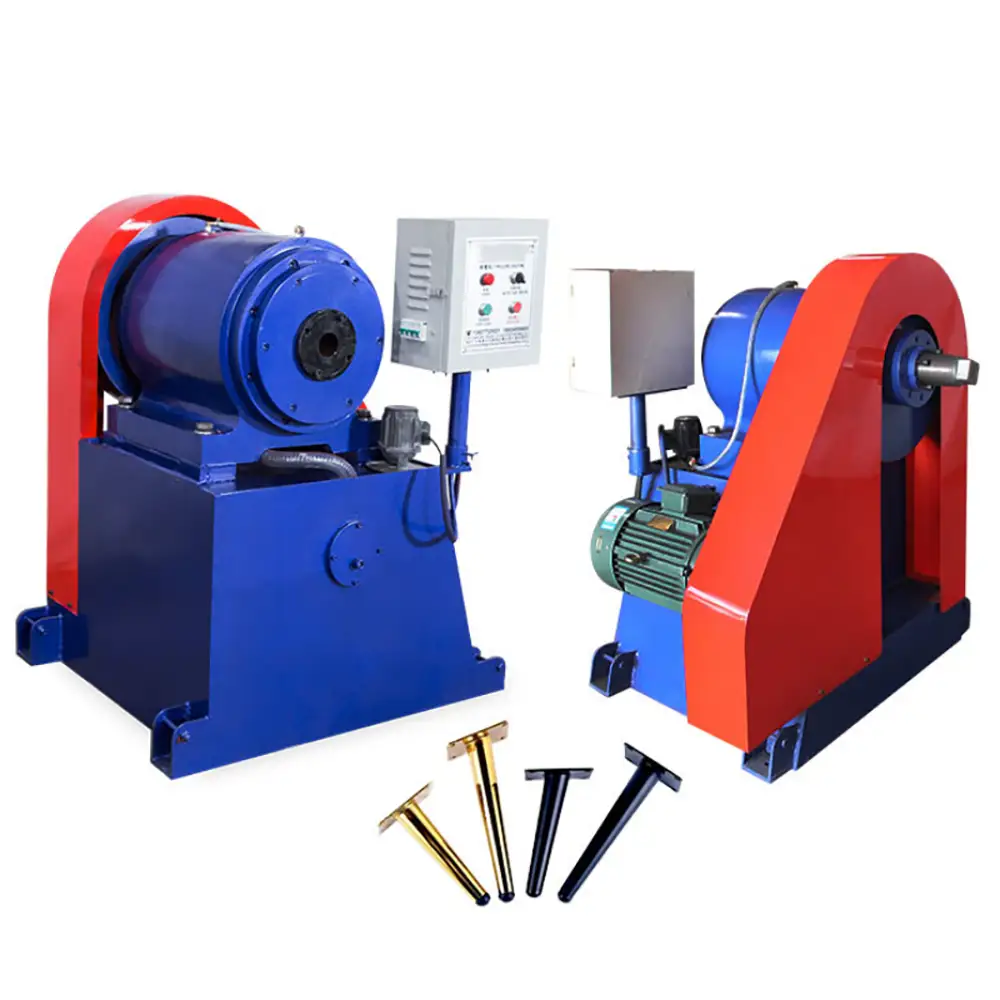
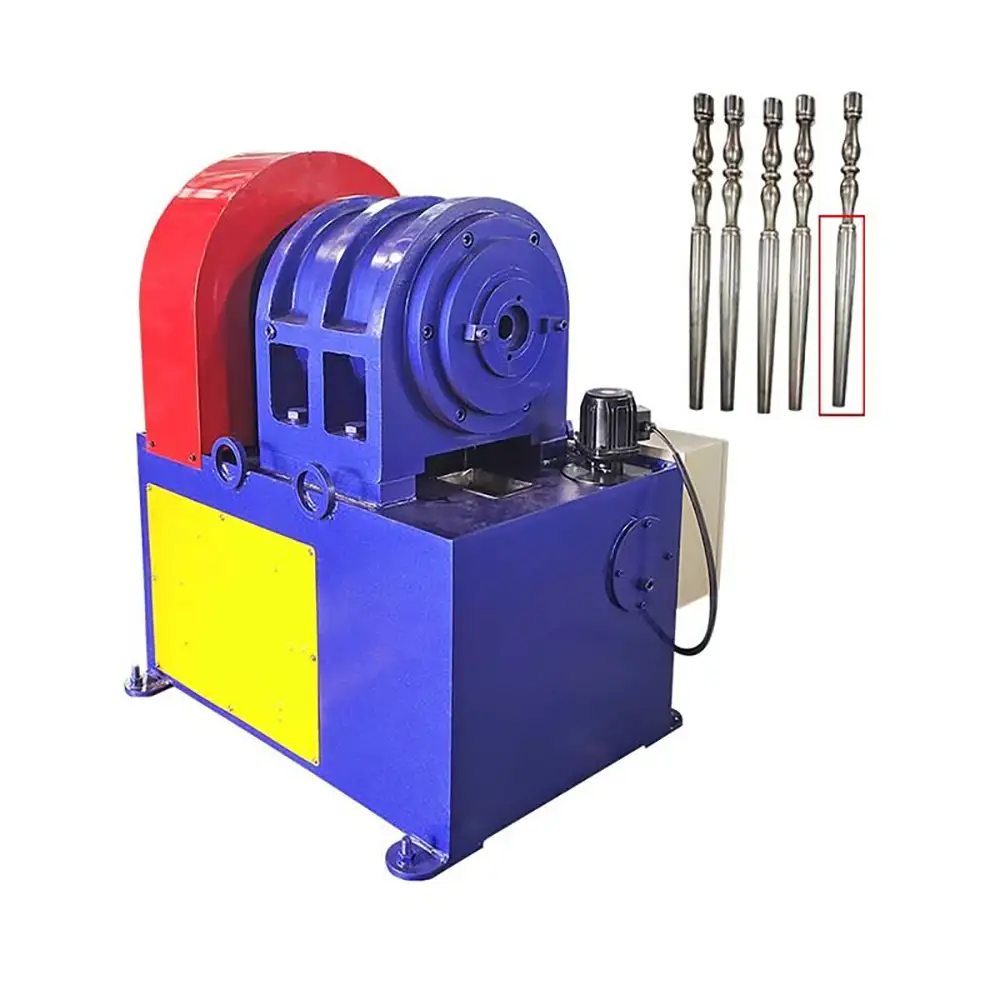
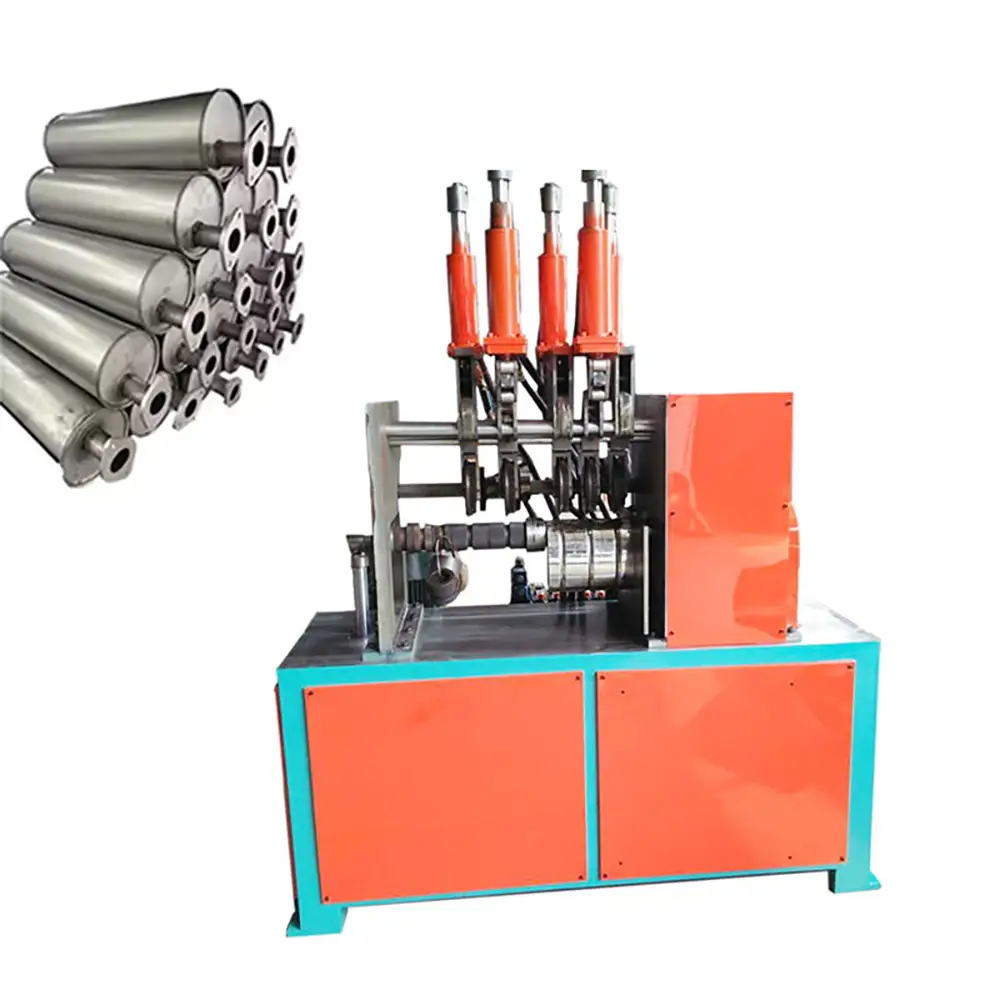
The Automatic and Manual Pipe End Taper Forming Equipment with Cr12Mo Mold is designed for controlled tapering,reducing,and end-forming operations on suitable metal pipes and tubes. By combining flexible operating modes with dedicated forming tooling,the machine can be adapted to different production requirements,from individual workpieces and small batches to repetitive industrial processing.
Pipe end taper forming is commonly used to reshape the end section of a tube or pipe into a reduced,tapered,or customized profile. The finished end may be used for connection,assembly,insertion,welding,or integration with another component.
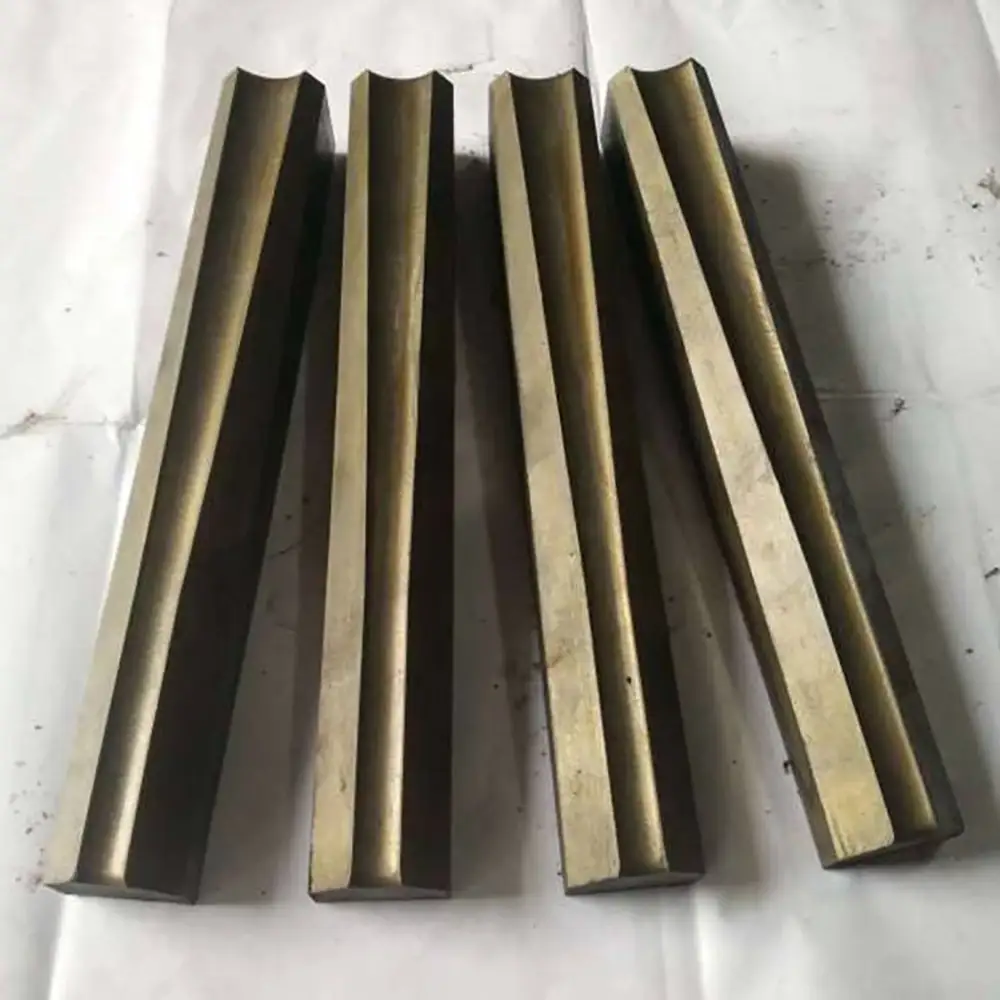
The use of a Cr12Mo mold provides a dedicated tooling material for the forming process. Cr12Mo is a chromium-alloy tool steel commonly used in tooling applications where wear resistance and dimensional stability are important considerations. Actual mold performance depends on heat treatment,tool geometry,forming load,material being processed,and operating conditions.
Automatic and Manual Operating Modes
One of the practical features of this pipe end forming equipment is the ability to support automatic and manual operating methods according to the machine configuration.
Automatic operation can be useful for repetitive production. Once the appropriate workpiece position,forming parameters,and tooling have been established,the machine can perform the forming cycle with reduced manual intervention.
Manual operation provides greater flexibility when processing prototypes,custom workpieces,small production batches,or products that require frequent setup changes.
Having different operating modes can help manufacturers adapt the machine to different production situations. The actual control method and level of automation depend on the selected machine configuration.
Pipe End Taper Forming Process
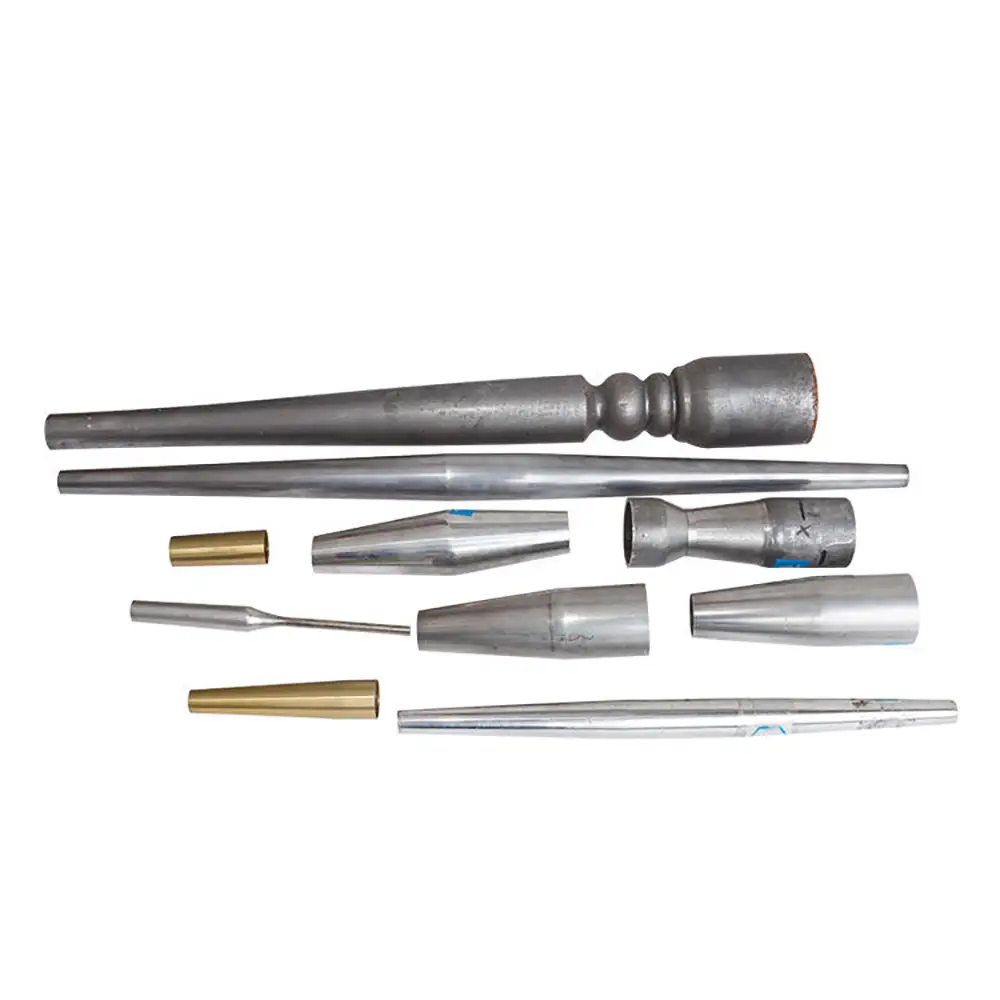
Pipe end taper forming changes the geometry of a selected section of the pipe. The end can be reduced gradually to create a tapered transition or another specified profile.
The forming process may involve a dedicated mold,die,pressing mechanism,rotary forming system,or other mechanical arrangement depending on the machine design.
Important parameters include pipe diameter,wall thickness,material strength,taper length,taper angle,and final end diameter.
The correct tooling must be selected for the intended workpiece. Different pipe sizes and materials may require different molds.
For production requiring several product specifications,additional forming molds can be supplied according to the required dimensions.
Cr12Mo Forming Mold
The Cr12Mo mold is an important component of the forming system. Cr12Mo belongs to the chromium-alloy tool steel family and is used in various forming and tooling applications.
For pipe end forming,the mold must withstand repeated contact with the workpiece and maintain its intended forming profile.
The actual service performance of the mold depends on several factors,including:
Heat treatment
Mold design
Forming pressure
Workpiece material
Pipe wall thickness
Production frequency
Lubrication
Maintenance
A properly designed mold can help maintain consistent end geometry during repetitive production.
Custom molds can also be considered when the customer requires a special taper angle,end diameter,transition profile,or workpiece shape.
Tube Tapering and End Reducing
Tapering and reducing are common tube end-forming operations.
Tapering creates a gradually changing diameter or angled transition at the tube end.
End reducing decreases the diameter of the selected section to prepare the tube for insertion,connection,or subsequent forming operations.
The two processes can sometimes be combined depending on the desired finished profile.
Applications may include:
Steel tubes
Stainless steel pipes
Carbon steel pipes
Aluminum tubes
Furniture tubes
Automotive tubes
Exhaust components
Structural tubes
Machinery components
Customized metal tubing
Actual material compatibility should be verified according to machine capacity and tooling design.
Automatic Pipe End Forming for Production
For repetitive manufacturing,the automatic operating mode can help establish a standardized forming cycle.
A typical workflow may include loading the pipe,positioning it in the fixture,activating the forming cycle,removing the finished workpiece,and repeating the operation.
Automation can reduce repetitive manual actions and may help improve consistency between similar workpieces.
However,actual production output depends on pipe dimensions,forming depth,cycle time,loading method,material characteristics,tooling,and operator workflow.
The machine should therefore be evaluated according to the complete production process rather than automation mode alone.
Manual Pipe End Forming for Flexible Production
Manual operation can be useful when manufacturers process different pipe sizes or frequently change products.
For prototype development,repair work,small batches,and custom metal fabrication,a manual operating mode can provide greater operator control.
Operators can adjust positioning and workpiece handling according to the machine's available controls and tooling.
Manual operation is also useful during initial production trials because the operator can verify the forming result before establishing a repetitive production procedure.
Applications
The pipe end taper forming equipment can be used across multiple metalworking industries.
Potential applications include:
Automotive Components
Motorcycle Components
Exhaust Pipe Manufacturing
Furniture Tube Processing
Steel Structure Fabrication
Agricultural Machinery
Construction Equipment
Machinery Manufacturing
Metal Furniture
General Tube Fabrication
The machine can also be evaluated for specialized components where a tapered or reduced pipe end is required.
For OEM projects,the machine can be configured around specific workpiece drawings and forming requirements.
Materials and Workpiece Compatibility
The machine can be configured for suitable metal pipes and tubes.
Common materials may include:
Carbon Steel
Mild Steel
Stainless Steel
Aluminum
Galvanized Steel
Other Compatible Metal Alloys
Different materials require different forming conditions.
Stainless steel may have greater springback than mild steel,while aluminum has different ductility and deformation characteristics. High-strength steel may require greater forming force and specialized tooling.
Customers should provide the exact material grade,pipe dimensions,and required finished shape before machine selection.
Custom Pipe End Geometry
Pipe products can have very different end-forming requirements. Some applications require a simple reduction,while others require a specific taper length or transition shape.
Custom tooling can be developed for:
Tapered Ends
Reduced Ends
Conical Ends
Stepped Ends
Customized Transition Profiles
Connection Preparation
Special Tube End Shapes
Cr12Mo tooling can be considered when appropriate for the forming application.
Customers should provide drawings or samples showing the original pipe dimensions and finished dimensions to determine the correct mold design.
Production Quality and Inspection
Consistent end forming requires accurate workpiece positioning and properly maintained tooling.
Important quality-control measurements may include:
End Diameter
Taper Angle
Taper Length
Wall Deformation
Roundness
Surface Condition
Overall Workpiece Length
First-piece inspection can be performed after machine setup. Periodic checks during production can help identify tooling wear or changes in forming conditions.
For components requiring precise dimensional tolerances,the required tolerance range should be specified before purchasing the machine.
Maintenance and Safety
Routine maintenance is important for reliable pipe end forming.
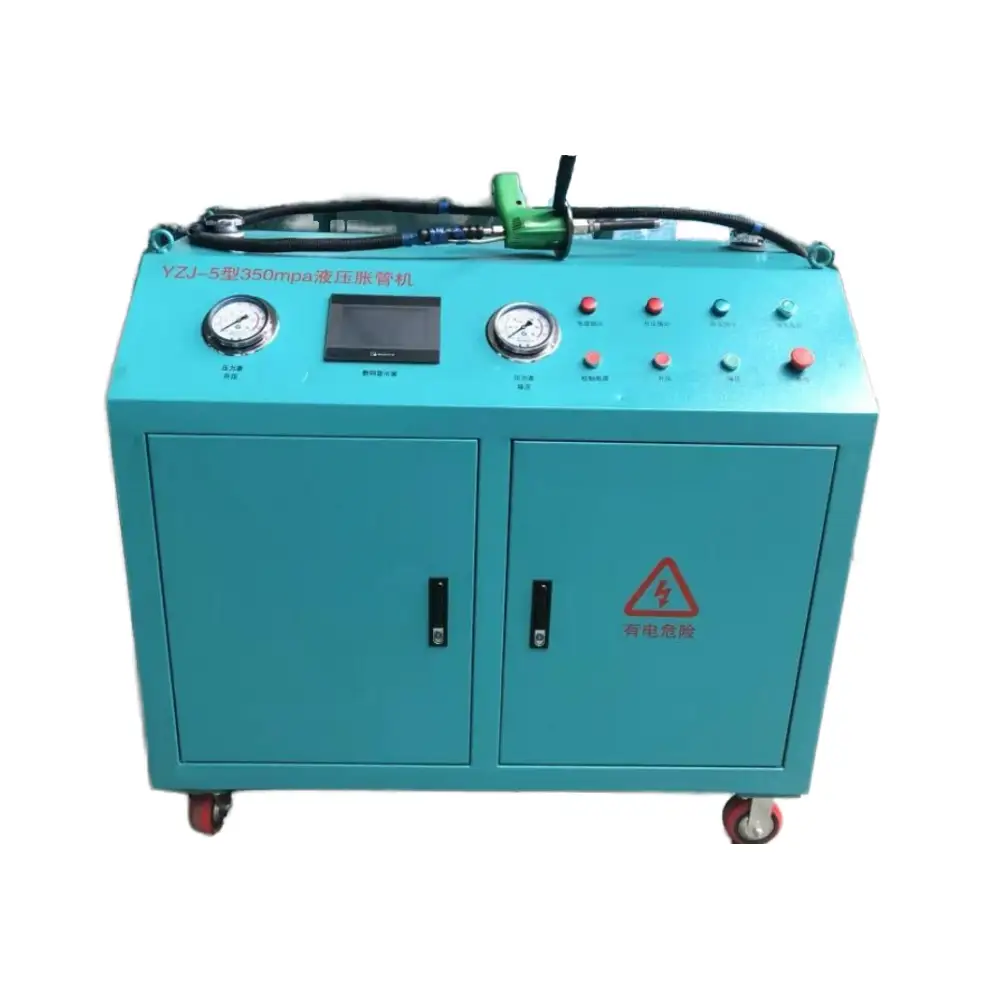
Operators should inspect molds,fixtures,mechanical components,hydraulic systems if equipped,and electrical components according to the manufacturer's maintenance schedule.
The Cr12Mo mold should be kept clean and inspected for wear,damage,or changes in the forming profile.
Pipe forming involves substantial mechanical force. Operators should receive appropriate training and keep hands away from moving tooling.
Emergency stops,guards,electrical protection,and other safety features depend on the machine configuration and applicable local requirements.
Custom & OEM Manufacturing
Different customers may require different pipe diameters,materials,taper angles,and production methods. The machine can therefore be supplied as a Custom & OEM solution.
Customers can provide:
Pipe Diameter
Wall Thickness
Material Grade
Taper Angle
Taper Length
Finished End Diameter
Production Quantity
Required Operating Mode
Product Drawings Or Samples
Based on these details,the appropriate machine structure,mold,and workholding arrangement can be evaluated.
OEM and ODM support may include customized molds,fixtures,operating controls,and other machine components.
Why Choose Us
Automatic & Manual Operation – Supports flexible production requirements from custom workpieces to repetitive manufacturing.
Cr12Mo Forming Mold – Uses suitable chromium-alloy tool steel tooling for demanding pipe end-forming applications.
Pipe End Taper Forming – Designed for controlled tapering,reducing,and reshaping of suitable metal tube ends.
Flexible Material Applications – Can be configured for suitable carbon steel,stainless steel,aluminum,and other metal tubes.
Custom Mold Support – Forming molds can be developed according to pipe dimensions and required end geometry.
Production Flexibility – Suitable for prototypes,small batches,and repetitive industrial production.
Quality-Oriented Processing – Controlled workholding and dedicated tooling support repeatable end-forming results.
OEM & ODM Support – Machine configurations and forming tools can be customized according to customer drawings,samples,and production requirements.
FAQs
1. What is a pipe end taper forming machine?
It is a machine designed to reshape the end section of a metal pipe or tube into a tapered,reduced,or customized profile.
2. Can the machine operate automatically and manually?
The described configuration can support automatic and manual operating modes according to the machine design.
3. What is Cr12Mo used for?
Cr12Mo is a chromium-alloy tool steel that can be used for forming molds and dies where suitable wear resistance and dimensional stability are required.
4. Can the Cr12Mo mold be customized?
Yes. Mold geometry can be designed according to the pipe diameter,taper angle,end diameter,and other required dimensions.
5. What materials can the machine process?
Depending on the machine and mold configuration,it may process carbon steel,mild steel,stainless steel,aluminum,galvanized steel,and other compatible metals.
6. Can the machine reduce pipe ends?
Yes. Pipe end reducing can be part of the forming process when suitable tooling is installed.
7. Can it process stainless steel tubes?
Yes,provided the machine,mold,and forming parameters are properly matched to the stainless steel grade and tube dimensions.
8. Is the machine suitable for small-batch production?
Yes. Manual operation can provide flexibility for prototypes,custom products,and small production batches.
9. Is it suitable for mass production?
The automatic operating mode can be suitable for repetitive production,subject to the machine's cycle time,tooling,and workpiece specifications.
10. What affects the forming result?
Pipe material,diameter,wall thickness,taper geometry,forming force,mold design,workpiece positioning,and machine rigidity all affect the finished result.
11. Can special taper shapes be produced?
Yes. Custom forming molds can be designed for suitable special taper angles,end diameters,and transition profiles.
Automatic Pipe End Taper Forming Machine,Manual Pipe End Taper Forming Machine,Pipe End Taper Forming Equipment China, suppliers, manufacturers, factory, customized, wholesale, quotation, made in China