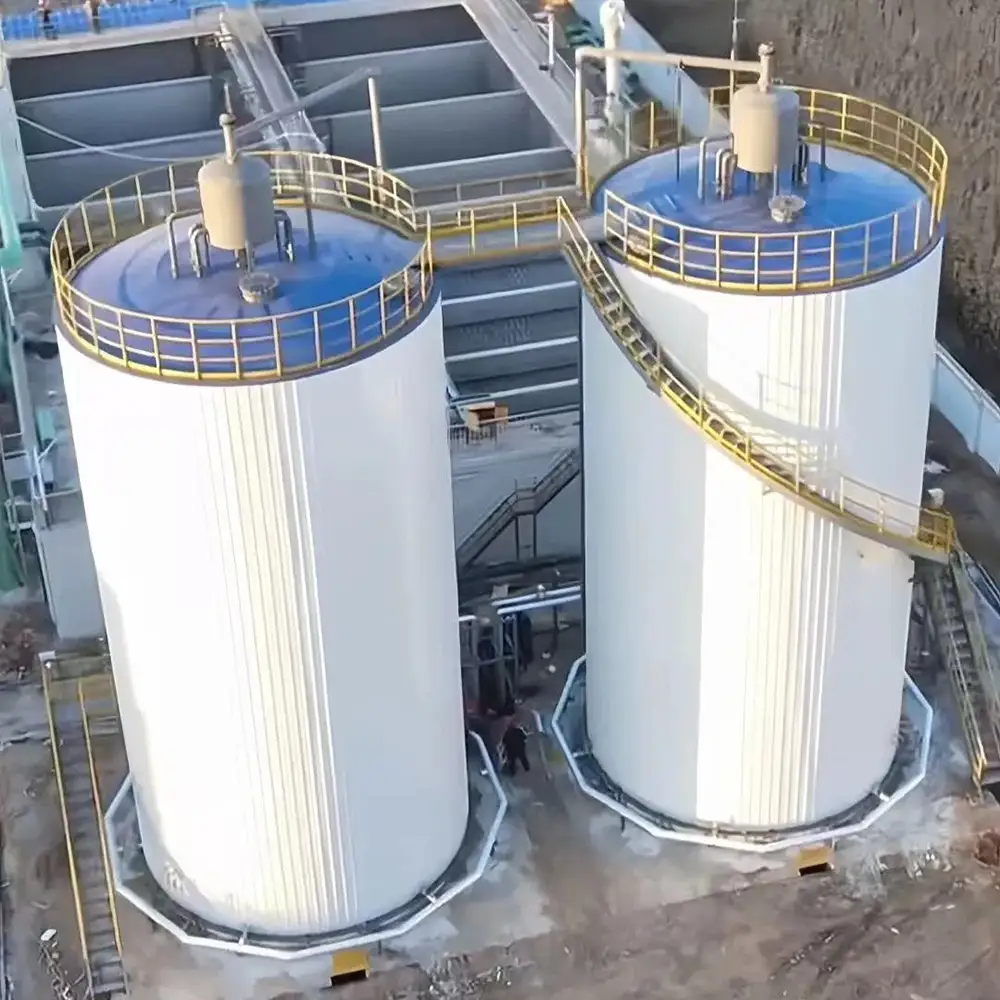
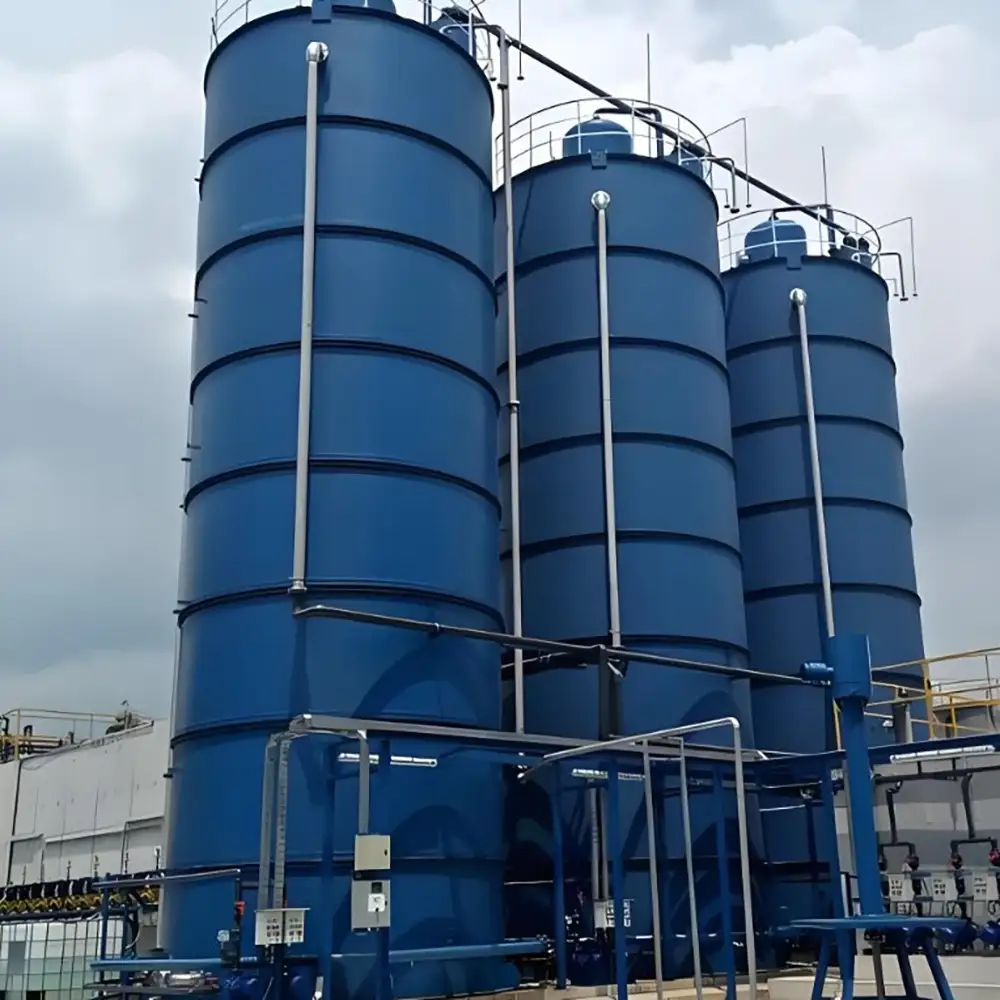
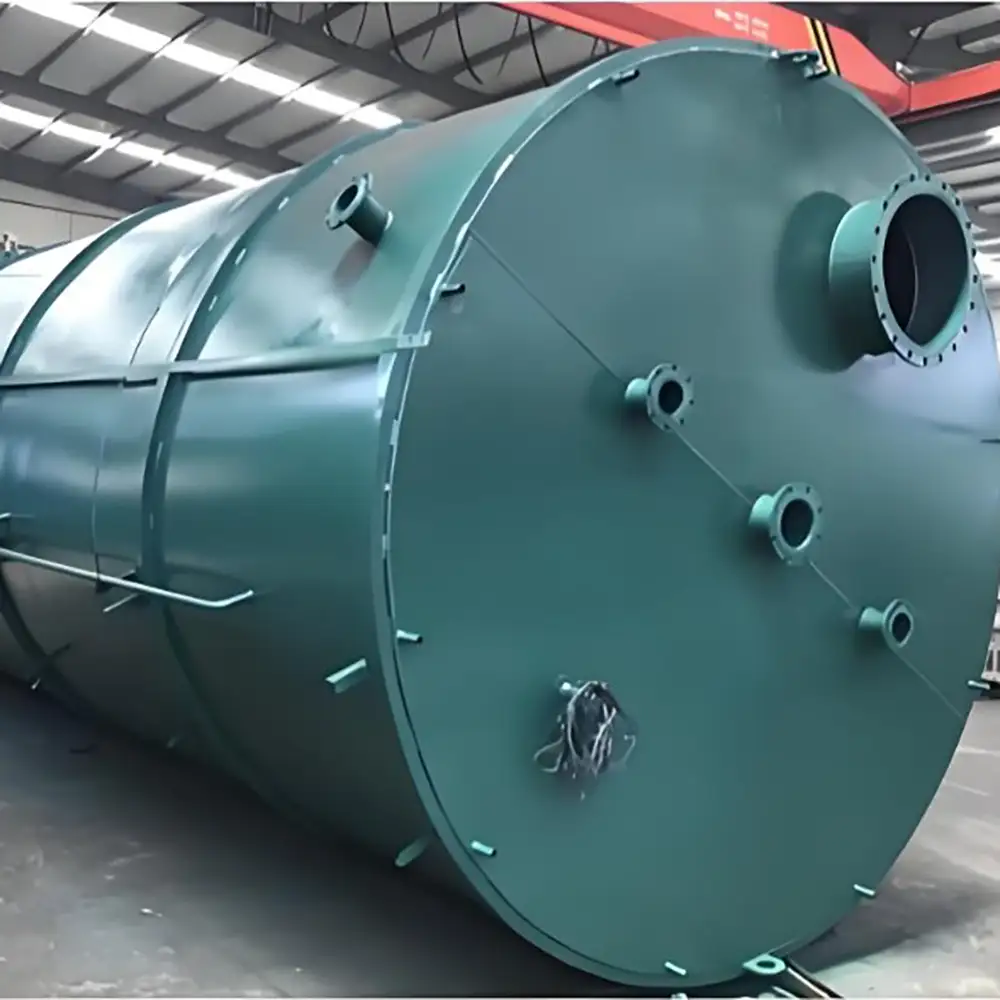
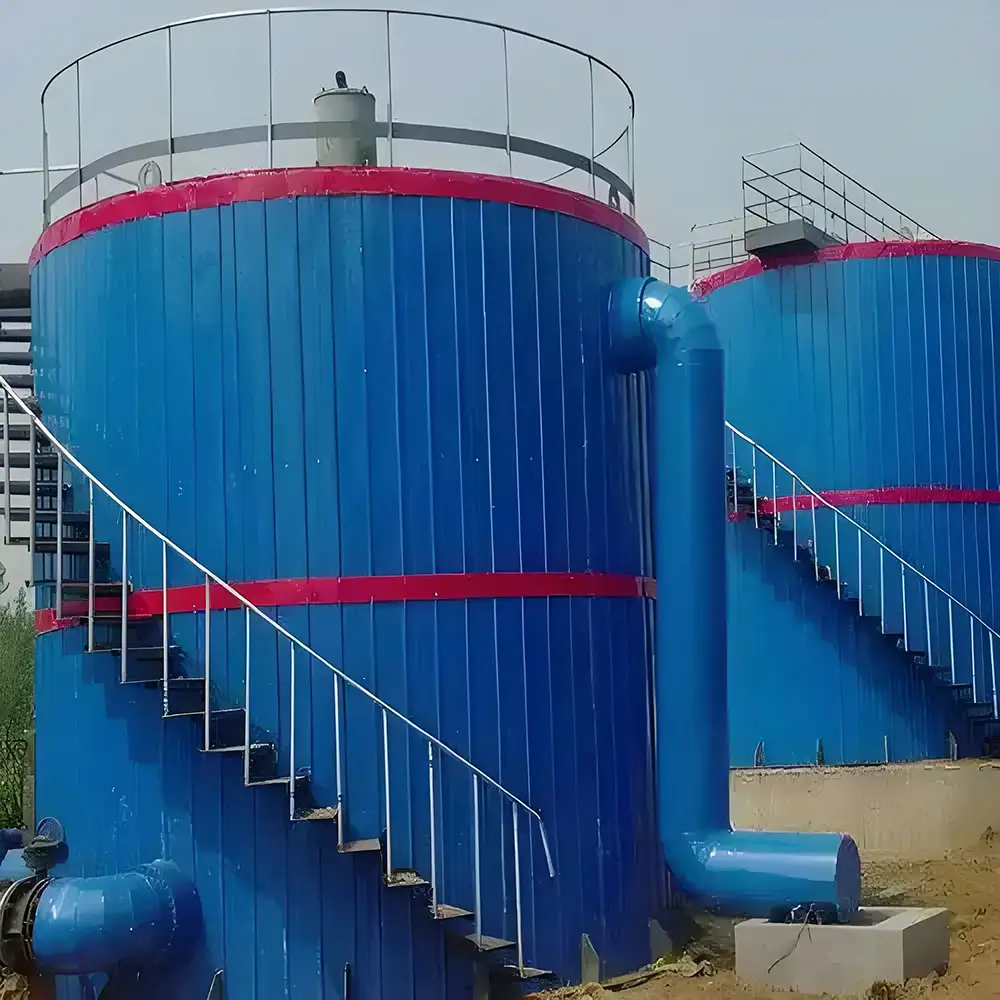
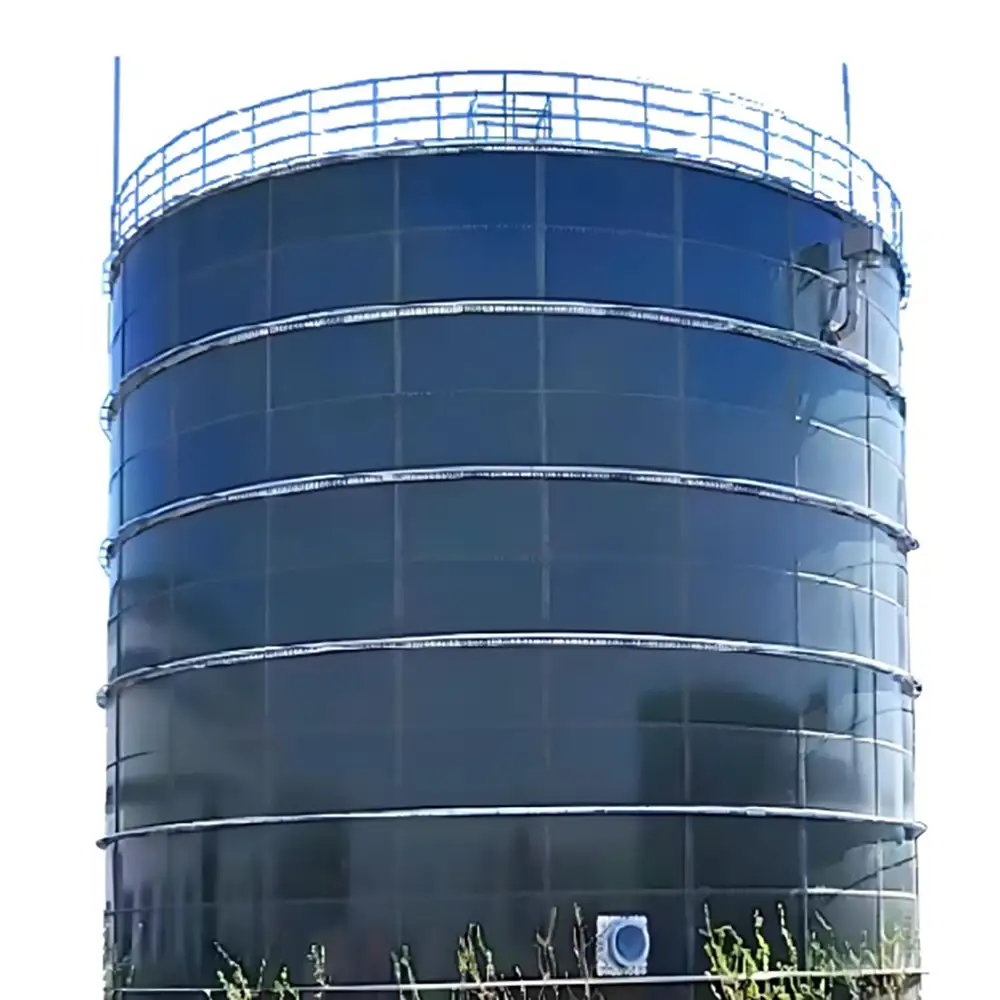
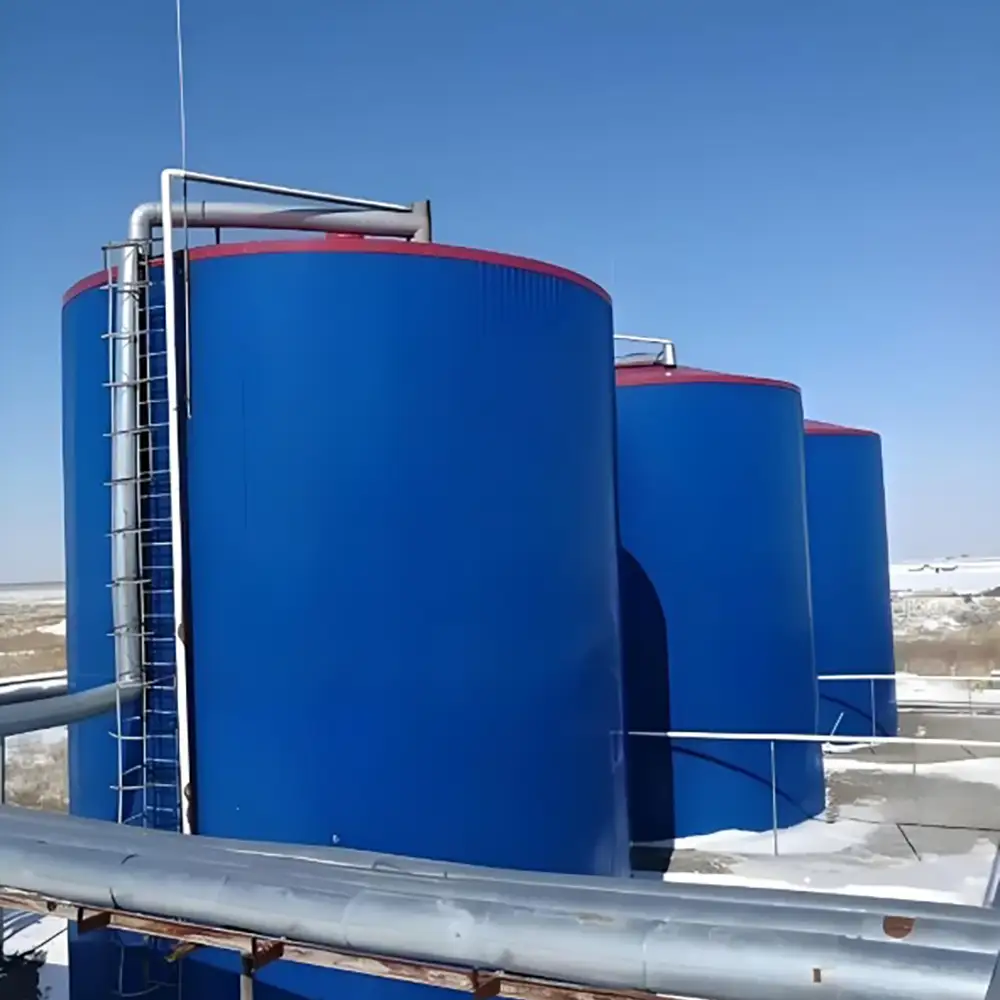
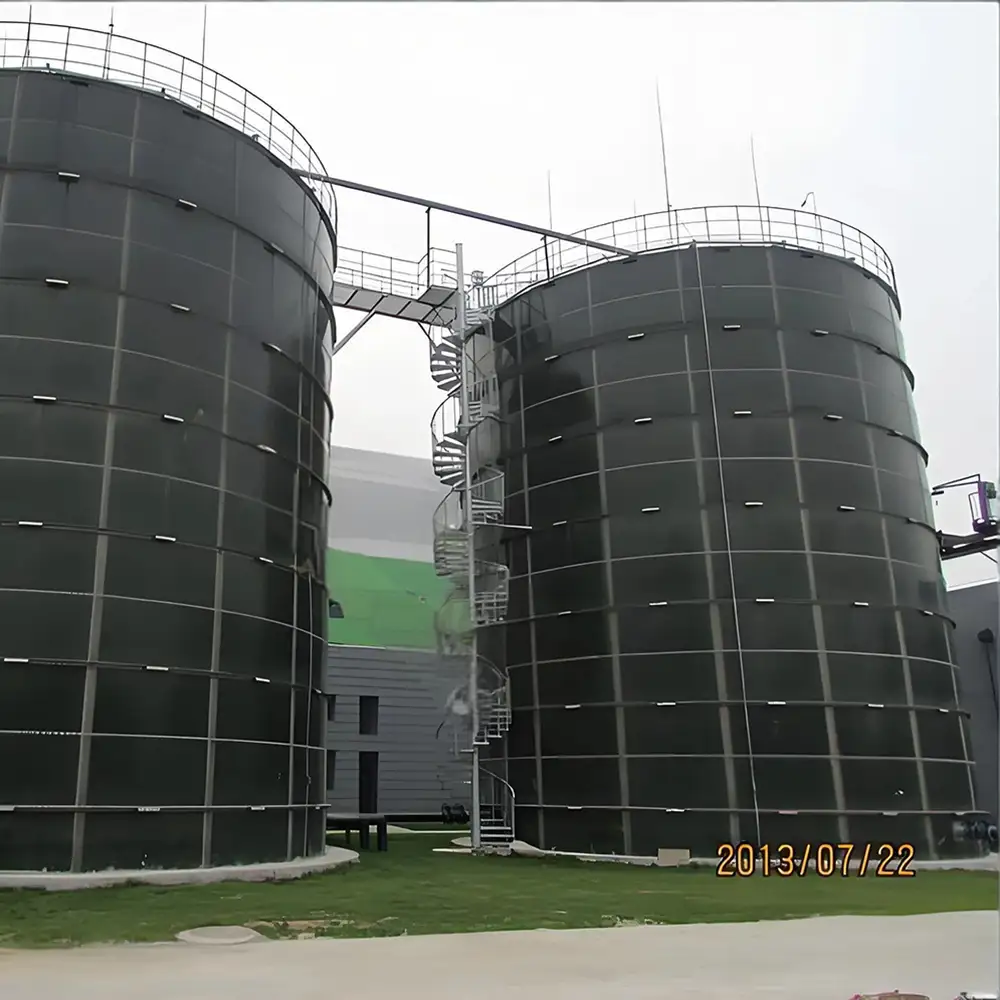
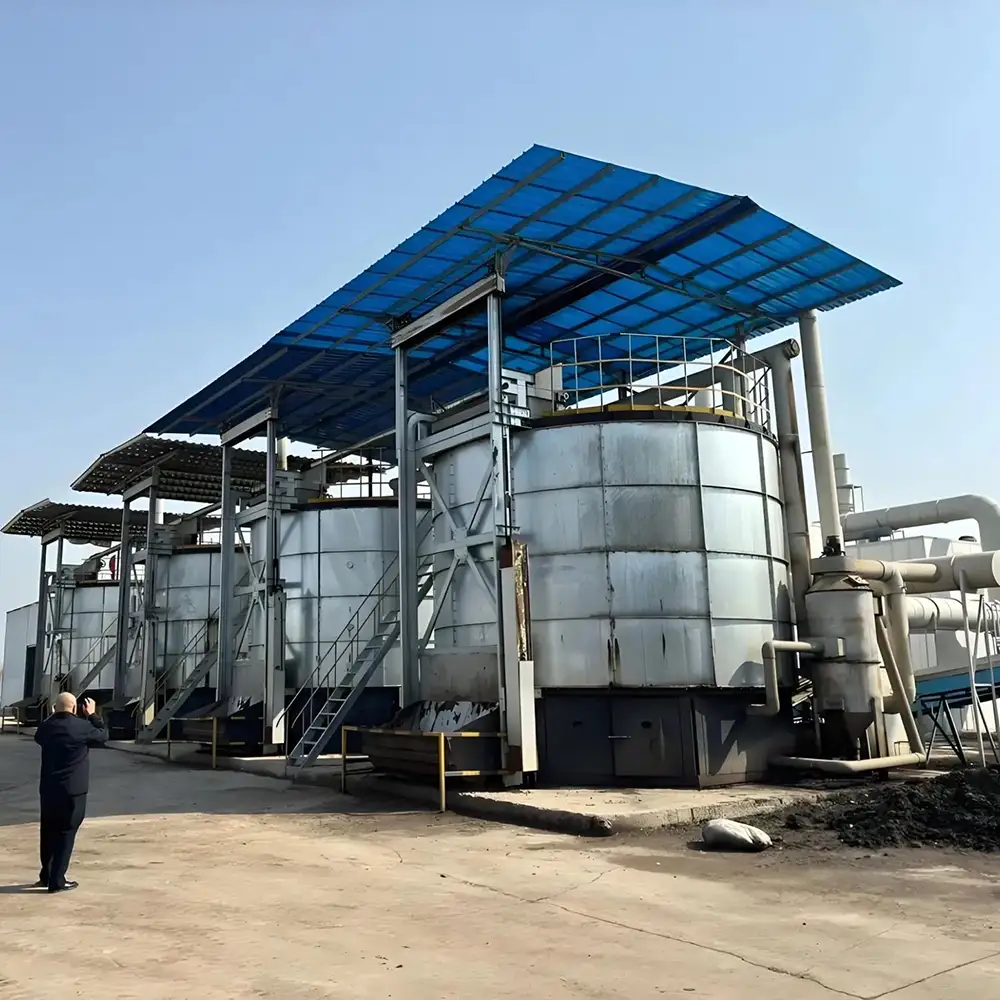
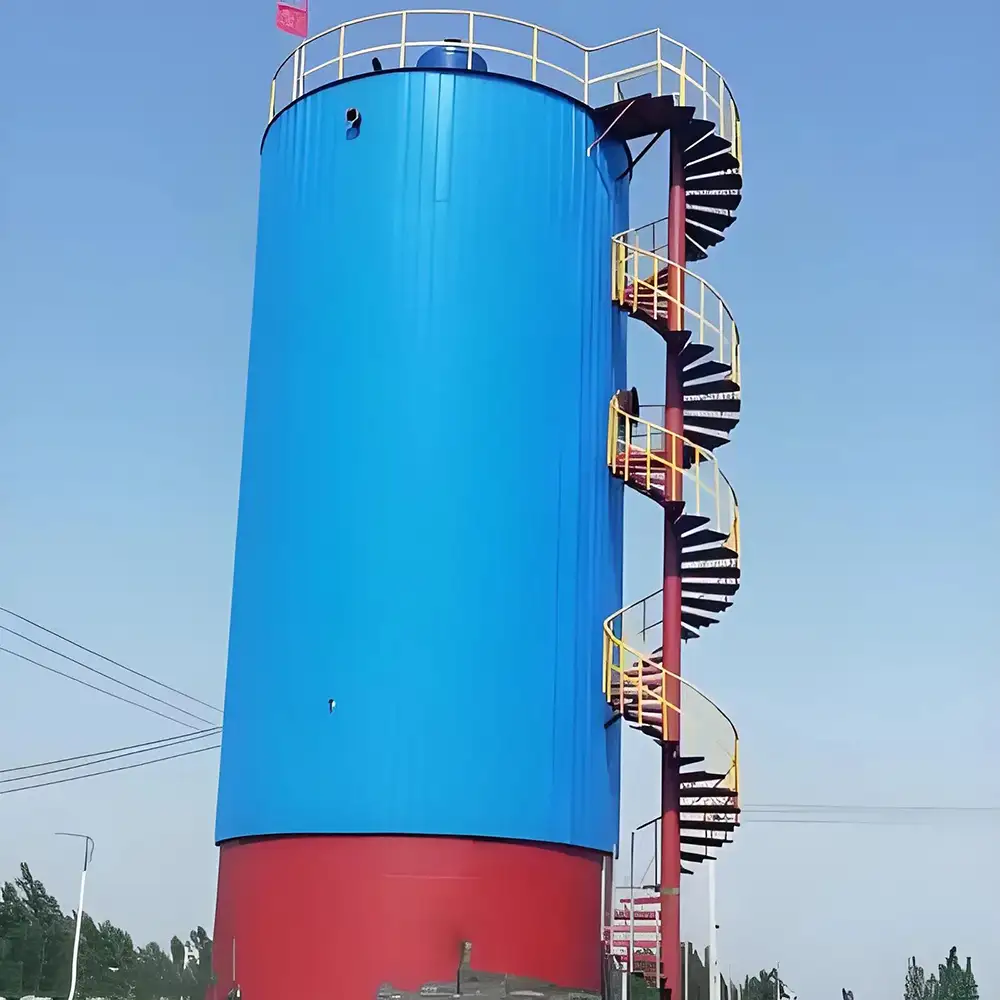
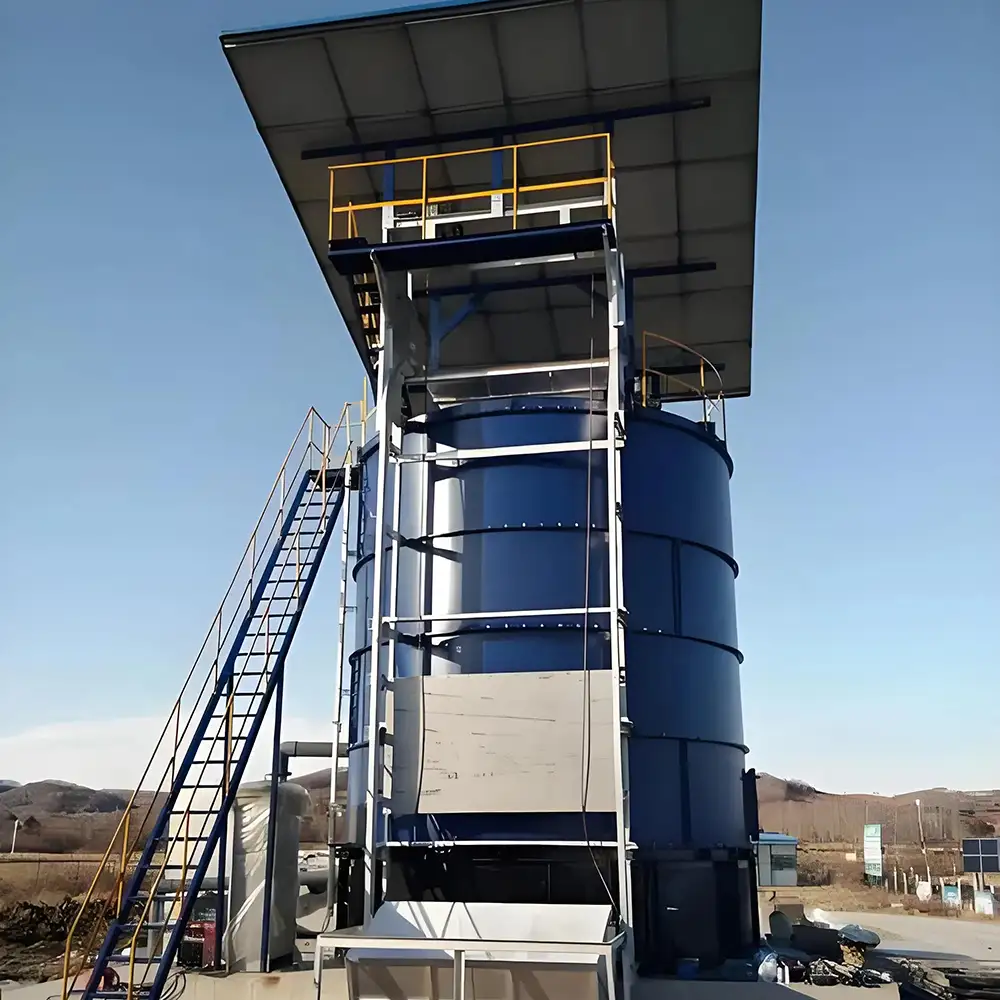
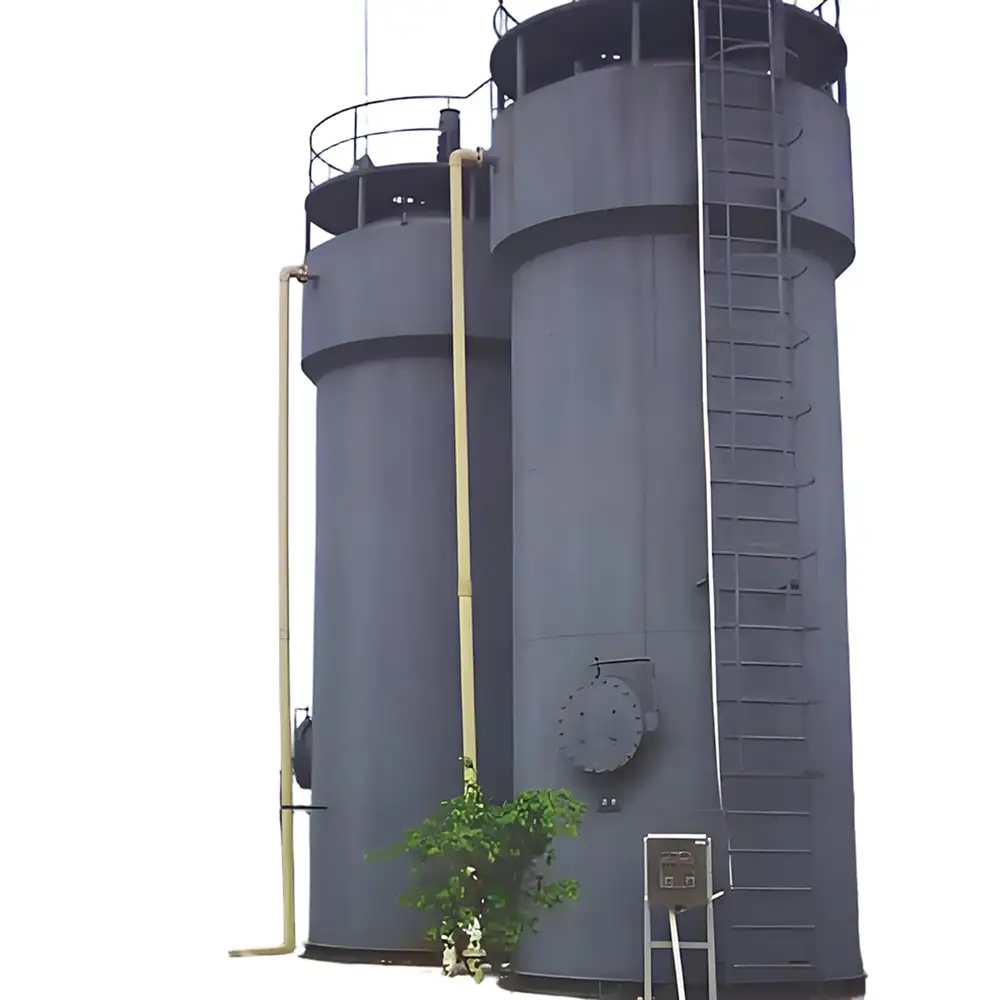
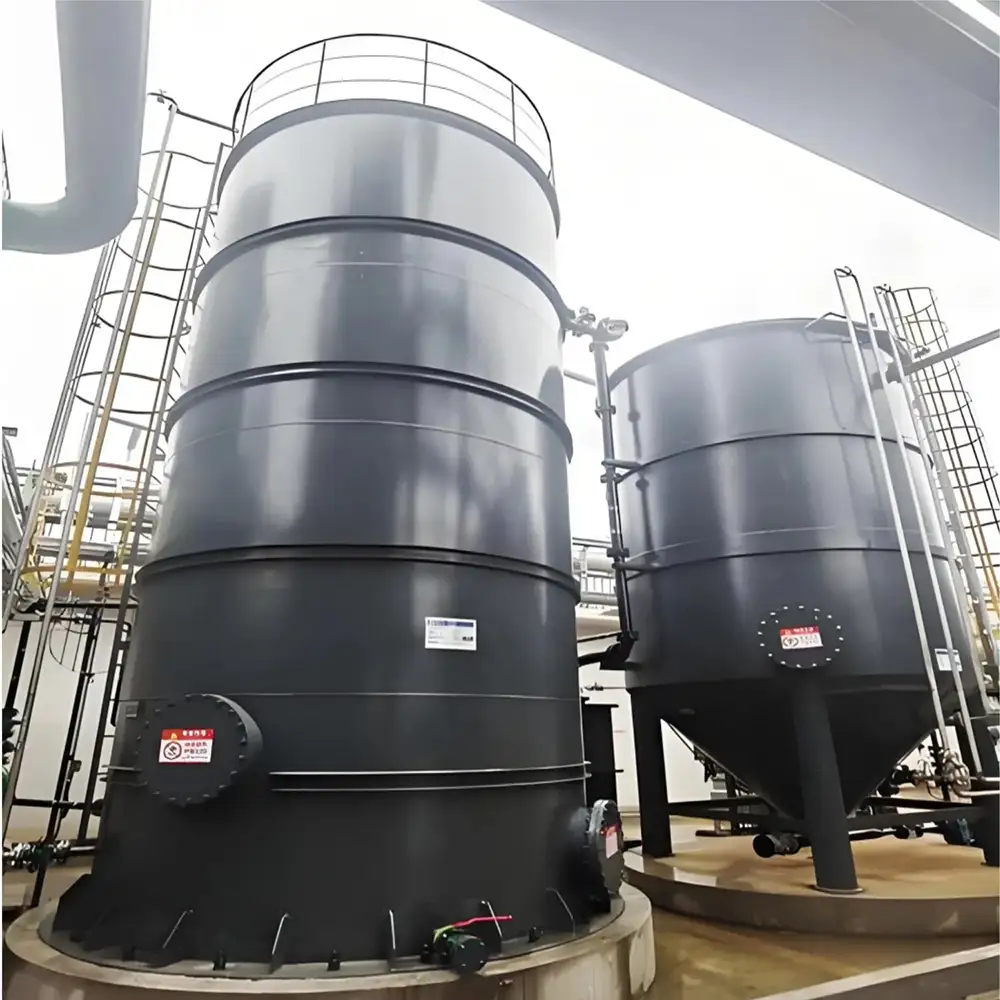
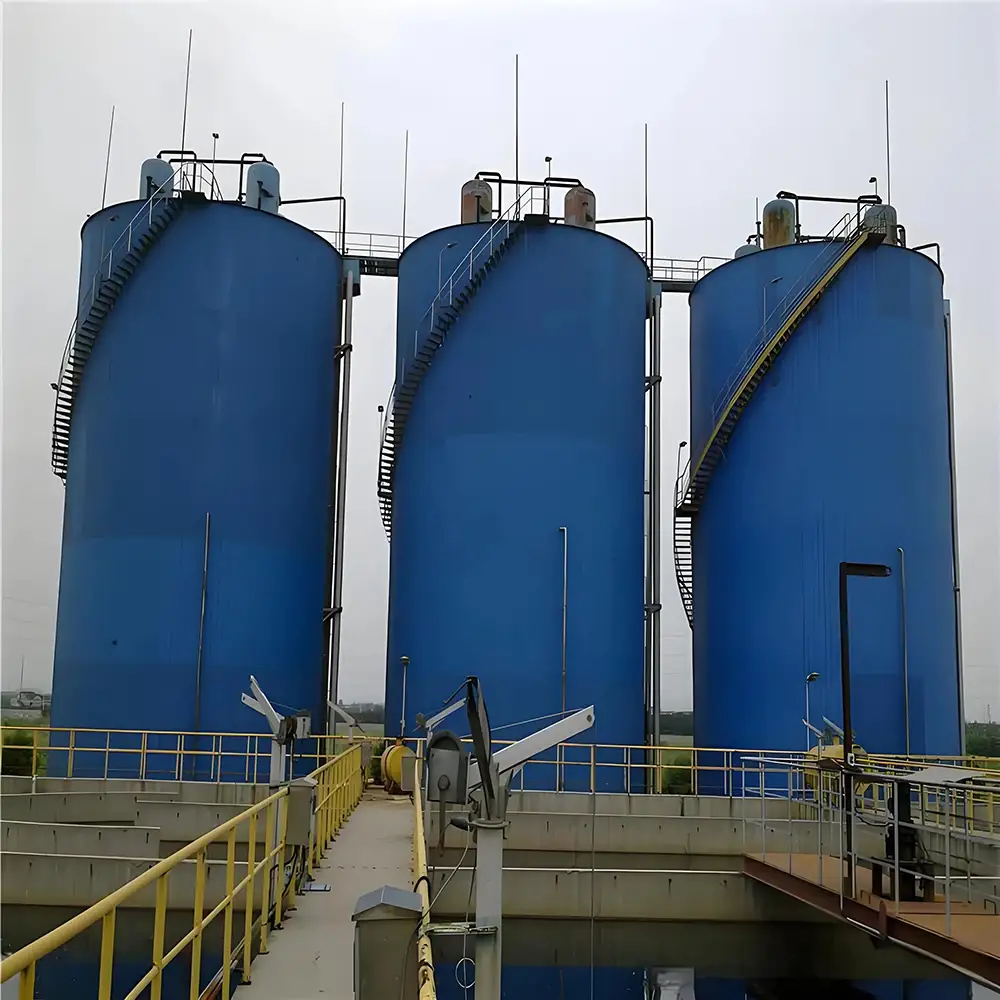
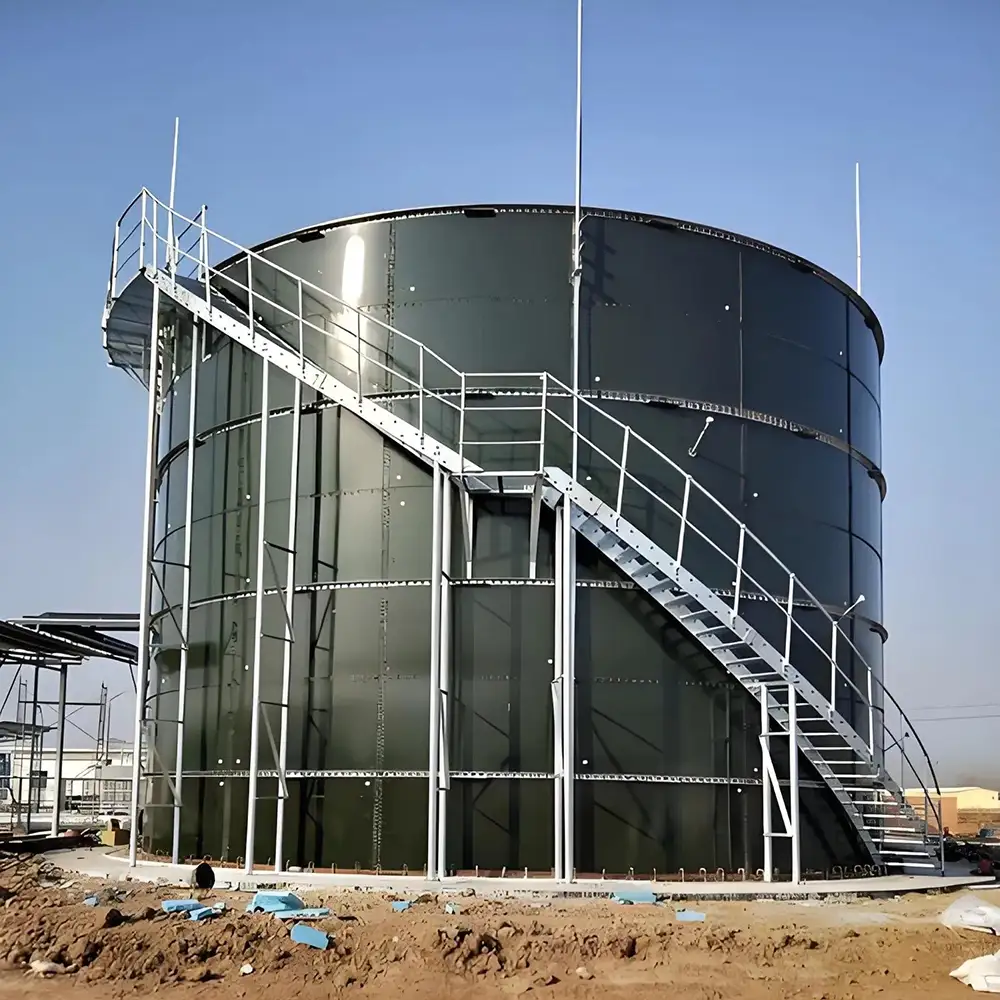
The Wastewater Treatment Fermentation Equipment for Farms Water Purifier Equipment is an integrated treatment solution designed for agricultural facilities, livestock farms, farm wastewater management, organic waste treatment, fermentation processes, and water purification applications. It can be incorporated into suitable farm wastewater treatment systems to help reduce organic pollutants, suspended solids, and other contaminants before treated water is reused, discharged, or transferred to additional treatment stages.
Modern farms can generate wastewater from livestock housing, manure handling, cleaning operations, feed processing, agricultural production, and other activities. This wastewater may contain organic matter, suspended solids, nutrients, microorganisms, and other substances that require appropriate treatment.
Fermentation and biological treatment can play an important role in processing biodegradable organic matter. Depending on the wastewater characteristics and treatment objectives, anaerobic or aerobic biological processes can be incorporated into a complete agricultural wastewater treatment system.
|
PH |
6--8 |
B\C |
≥0.3 |
|
Inflow suspended solids |
≤1500mg\L |
Influent ammonia nitrogen concentration |
≤2000mg/L |
|
Effective water depth |
5-8m |
COD concentration of influent water |
≥1500mg/L |
|
Effective water depth |
<0.8m/h |
UASB sludge yield |
0.05-0.10kgVSS/kgCOD |
|
Total depth of sedimentation zone |
≥1.0m |
Sedimentation zone surface load |
≤0.8m |
|
The distance between the perforated water pipe and the pool bottom |
200mm |
Outlet weir load |
6.12m/(h·m) |
|
Use for |
Mineral, Printing, Chemical, Dyeing, Starch |
Certificate |
SGS, ISO |
Farm Wastewater Treatment Equipment
Agricultural wastewater varies significantly depending on the type of farm and production process. Livestock farms may generate manure wastewater and wash water, while poultry farms, dairy farms, food-related agricultural facilities, and crop processing operations may produce different organic wastewater streams.
The equipment can be configured as part of a treatment process based on the actual wastewater characteristics. Important factors include flow rate, organic concentration, suspended solids, pH, temperature, nutrients, salinity, and the presence of chemicals or potentially inhibitory substances.
A suitable treatment process can combine solid-liquid separation, fermentation, biological treatment, filtration, disinfection, and other stages according to the required treatment performance.
Fermentation For Agricultural Wastewater
Fermentation is a biological process that can be used to treat suitable organic materials under controlled conditions. In anaerobic systems, microorganisms break down biodegradable organic matter in an oxygen-limited environment and may produce biogas as a byproduct.
For farms with high organic waste loads, anaerobic fermentation can provide both waste treatment and potential energy recovery opportunities.
Depending on the project, fermentation equipment may be connected to manure separation equipment, anaerobic reactors, biogas storage systems, gas purification equipment, and digestate processing systems.
Anaerobic Digestion And Biogas Production
Anaerobic digestion is widely used for suitable agricultural and livestock wastes. Organic material is converted by microorganisms under anaerobic conditions, producing treated digestate and biogas.
The biogas can contain methane, carbon dioxide, moisture, hydrogen sulfide, and other components. If energy recovery is planned, the gas may require desulfurization, dehydration, filtration, or other conditioning before being supplied to a gas generator or boiler.
A complete farm biogas system may include feedstock preparation, anaerobic fermentation, gas storage, biogas purification, and energy utilization equipment.
Water Purifier Equipment For Farms
Water purification is an important part of agricultural water management. Depending on the source and intended use, treated farm wastewater may require additional filtration, clarification, disinfection, or other purification processes.
The water purifier equipment can be incorporated into a broader treatment line to provide additional treatment after biological or physical processing.
Possible downstream treatment stages include:
Sedimentation
Filtration
Biological Treatment
Membrane Filtration
Disinfection
Activated Carbon Treatment
Water Reuse Treatment
The appropriate combination depends on the quality of the incoming water and the intended reuse or discharge requirements.
Livestock Farm Applications
Livestock farms generate wastewater from animal housing, manure collection, equipment cleaning, and other daily operations. The wastewater may contain high concentrations of organic matter and suspended solids.
A farm wastewater treatment system can use separation and biological treatment to reduce the organic load before further purification.
The treatment process may include manure separation, fermentation, anaerobic digestion, solid-liquid separation, biological treatment, clarification, filtration, and disinfection.
The actual process should be selected according to livestock type, manure characteristics, wastewater volume, climate, and local environmental requirements.
Dairy Farm Wastewater Treatment
Dairy farms can produce wastewater containing organic matter, suspended solids, fats, proteins, nutrients, and cleaning residues.
Suitable treatment equipment can be incorporated into a dairy wastewater treatment line to process the wastewater before reuse or discharge.
Pretreatment may be necessary to remove larger solids and regulate the wastewater characteristics before biological treatment. Process design should consider variations in daily wastewater flow and organic loading.
Agricultural Organic Waste Treatment
Farms may generate crop residues, manure, food-processing residues, and other biodegradable organic materials. Instead of treating these materials only as waste, anaerobic fermentation can provide an opportunity for resource recovery.
Suitable organic waste can be processed through fermentation or anaerobic digestion to produce biogas and digestate.
The digestate may require additional solid-liquid separation, dewatering, storage, or further treatment depending on its intended use.
Solid-Liquid Separation
Solid-liquid separation is often an important pretreatment stage for agricultural wastewater and manure. Removing larger suspended solids before biological treatment can reduce the load on downstream equipment.
Depending on the material, suitable equipment may include screens, rotary separators, screw press separators, settling tanks, or other separation systems.
The separated solid fraction may be processed separately, while the liquid fraction can enter biological or purification treatment.
Biological Wastewater Treatment
Biological treatment uses microorganisms to break down biodegradable pollutants in wastewater. Aerobic and anaerobic processes can be selected according to the wastewater characteristics and treatment objectives.
Anaerobic treatment can be attractive for high-organic-load wastewater because it can reduce biodegradable organic matter while generating biogas. Aerobic treatment may be used where additional biological polishing is required.
The final process configuration should be determined by wastewater analysis and the required treated-water quality.
Water Reuse Applications
Properly treated agricultural wastewater may potentially be reused for suitable non-potable applications, depending on local regulations and water quality requirements.
Potential applications may include irrigation, equipment washing, landscape use, or other appropriate agricultural purposes after the necessary treatment and disinfection.
Water reuse should always be based on actual water quality testing and applicable local standards.
Integrated Farm Water Treatment System
A complete farm wastewater treatment system may combine multiple treatment technologies instead of relying on a single piece of equipment.
A typical process can include:
Wastewater Collection
Screening And Solid Separation
Equalization
Fermentation Or Anaerobic Digestion
Biological Treatment
Clarification
Filtration
Disinfection
Treated Water Storage Or Reuse
The exact process depends on the wastewater characteristics, treatment capacity, environmental requirements, and intended water reuse.
Flexible B2B Project Configuration
Agricultural wastewater treatment projects vary considerably in scale and composition. A system suitable for a small livestock farm may not be appropriate for a large dairy or industrial agricultural facility.
Important information for equipment selection includes daily wastewater flow, wastewater source, organic concentration, suspended solids, pH, temperature, treatment objectives, available installation space, and local discharge or reuse requirements.
Customers can provide wastewater analysis reports, flow data, site drawings, photos, or existing treatment process information for technical evaluation.
Operation And Maintenance
Reliable wastewater treatment depends not only on equipment selection but also on correct operation and routine maintenance.
Operators should regularly inspect pumps, valves, pipelines, tanks, filters, separation equipment, biological treatment systems, and control components.
For fermentation and anaerobic digestion systems, process conditions such as pH, temperature, organic loading, and gas production should be monitored according to the process design.
Regular maintenance helps identify equipment wear, blockages, leaks, or abnormal operating conditions at an early stage.
Key Features
Farm Wastewater Treatment Equipment
Agricultural Water Purification System
Fermentation And Biological Treatment
Suitable For Livestock Wastewater
Anaerobic Digestion Compatibility
Organic Waste Treatment
Solid-Liquid Separation Integration
Water Filtration And Purification
Biogas Recovery Potential
Flexible Treatment Process Configuration
Suitable For Farm Water Reuse Applications
Main Applications
Livestock Farms
Dairy Farms
Poultry Farms
Agricultural Facilities
Farm Wastewater Treatment
Manure Wastewater Treatment
Agricultural Organic Waste Treatment
Anaerobic Fermentation
Biogas Production
Farm Water Purification
Agricultural Water Reuse
Organic Wastewater Treatment
FAQs
1. What Is Farm Wastewater Treatment Equipment?
It is equipment designed to treat wastewater generated by agricultural and livestock operations. Depending on the wastewater characteristics, the system can combine separation, biological treatment, filtration, disinfection, and other processes.
2. Can The Equipment Be Used For Livestock Wastewater?
Yes. Suitable configurations can be used for livestock manure wastewater, farm cleaning wastewater, and other agricultural wastewater streams.
3. What Is The Role Of Fermentation?
Fermentation can biologically process suitable biodegradable organic matter. Anaerobic fermentation can also generate biogas during the treatment of suitable organic waste.
4. Can The System Produce Biogas?
When an anaerobic digestion or fermentation process is included and the feedstock is suitable, biogas can be generated. Actual gas production depends on organic loading, feedstock characteristics, temperature, retention time, and other process conditions.
5. Can It Treat Dairy Farm Wastewater?
Yes. Suitable treatment systems can be designed for dairy wastewater containing organic matter, suspended solids, nutrients, fats, proteins, and other contaminants.
6. Can Treated Water Be Reused?
Potentially, depending on the treatment process, treated-water quality, intended reuse application, and applicable local regulations. Additional filtration or disinfection may be required.
7. Does The System Require Pretreatment?
Many agricultural wastewater applications benefit from pretreatment such as screening, solid-liquid separation, or equalization. The actual pretreatment requirements depend on the wastewater characteristics.
8. Can It Be Combined With A Biogas Plant?
Yes. Fermentation and wastewater treatment equipment can be integrated with anaerobic digesters, biogas storage, desulfurization, dehydration, and biogas generator systems.
9. How Is The Treatment Process Selected?
The process should be selected according to wastewater flow, organic concentration, suspended solids, pH, temperature, nutrients, contaminants, required treated-water quality, and intended discharge or reuse.
10. What Information Is Needed For A Project Quotation?
Please provide wastewater source, daily flow, wastewater analysis if available, organic concentration, suspended solids, pH, treatment objective, site conditions, and intended discharge or reuse application.
Why Choose Us
Agricultural Wastewater Treatment Solutions
We provide practical wastewater treatment and fermentation equipment solutions for livestock farms, dairy farms, poultry facilities, agricultural operations, and organic waste projects.
Integrated Fermentation Technology
Suitable anaerobic fermentation and biological treatment processes can be integrated with wastewater treatment to support organic matter reduction and potential biogas recovery.
Water Purification Integration
Filtration, clarification, disinfection, and other water purification stages can be incorporated according to the required treated-water quality and intended reuse or discharge.
Project-Based System Configuration
We evaluate wastewater characteristics, daily flow, treatment objectives, site conditions, and local requirements to help develop an appropriate equipment configuration.
Technical Support
We provide technical communication, process evaluation, equipment coordination, documentation, project support, export packaging, and after-sales technical assistance.
Complete Farm Treatment Solutions
The equipment can be integrated with solid-liquid separators, anaerobic digesters, biogas storage, purification equipment, water treatment systems, and digestate processing equipment for complete agricultural waste management.
Prev:Sorry, no information
Next:
Anaerobic Migrating Blanket Reactor Tower Water Treatment Plant
TAG:
Livestock Wastewater Treatment,
Agricultural Wastewater Treatment,
Organic Waste Treatment Equipment,
Organic Wastewater Treatment,
Agricultural Waste Treatment,
Livestock Waste Treatment,
Organic Waste Fermentation,
Anaerobic Fermentation Equipment,
Biogas Production Equipment,
Poultry Farm Wastewater Treatment,
Farm Wastewater Treatment,
Manure Wastewater Treatment,
Anaerobic Digestion Equipment,
Water Purification Equipment,
Farm Biogas Equipment,
Agricultural Biogas System,
Farm Water Treatment System,
Manure Treatment Equipment,
Agricultural Wastewater Purifier,
Biogas Fermentation Equipment,
Dairy Farm Wastewater Treatment,
Anaerobic Digester Equipment,
Farm Wastewater Treatment System,
Farm Water Purifier Equipment,
Agricultural Water Purification,
Farm Water Treatment Equipment,
Farm Water Purifier,
Farm Fermentation Equipment,
Agricultural Fermentation Equipment,
Wastewater Treatment Equipment,
Related Category:
Wastewater Treatment Fermentation Equipment for Farms, Farm Wastewater Treatment Equipment, Farm Water Purifier Equipmen China, suppliers, manufacturers, factory, customized, wholesale, quotation, made in China