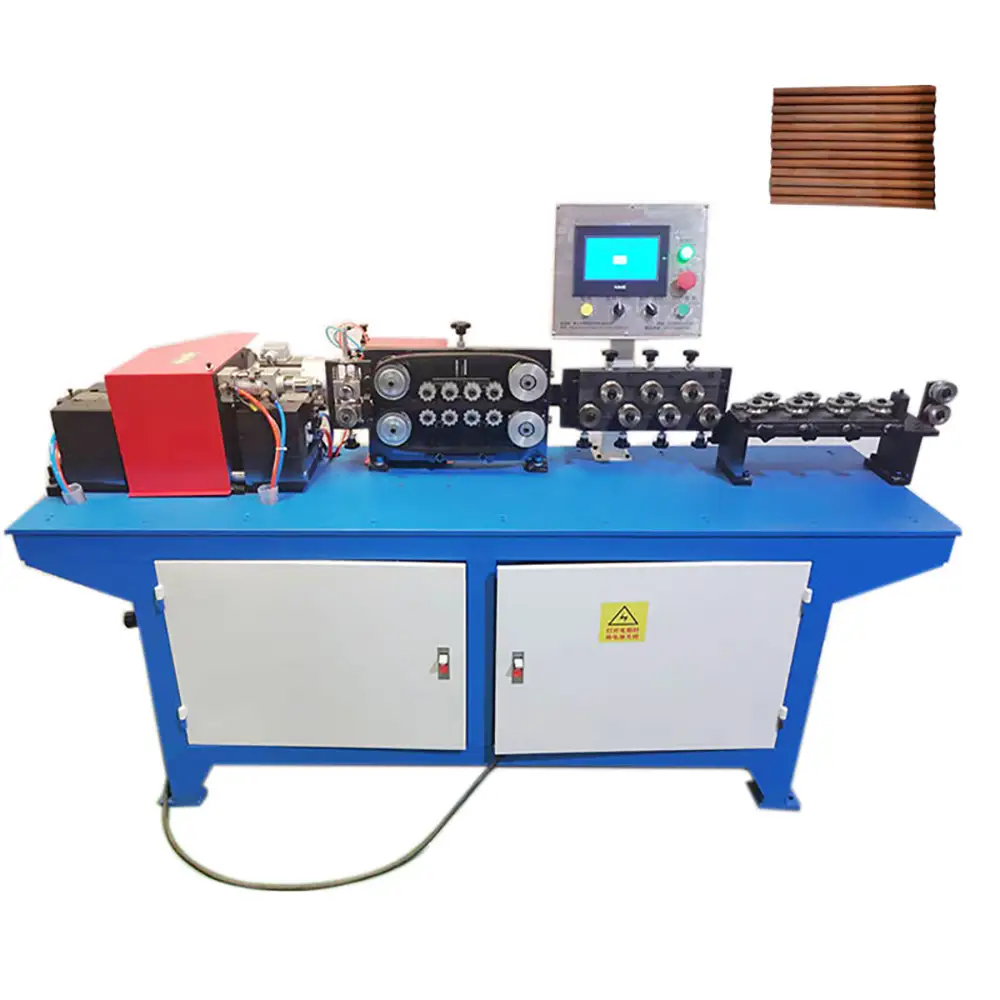
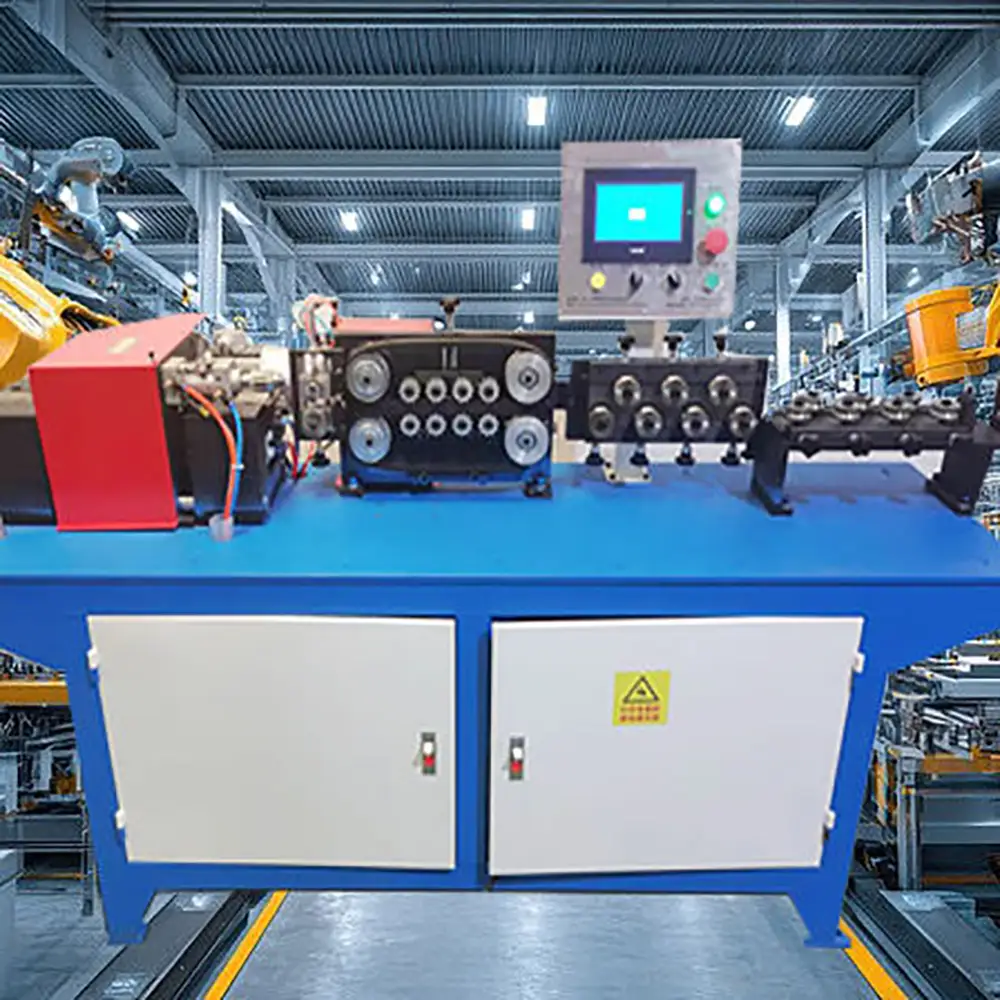
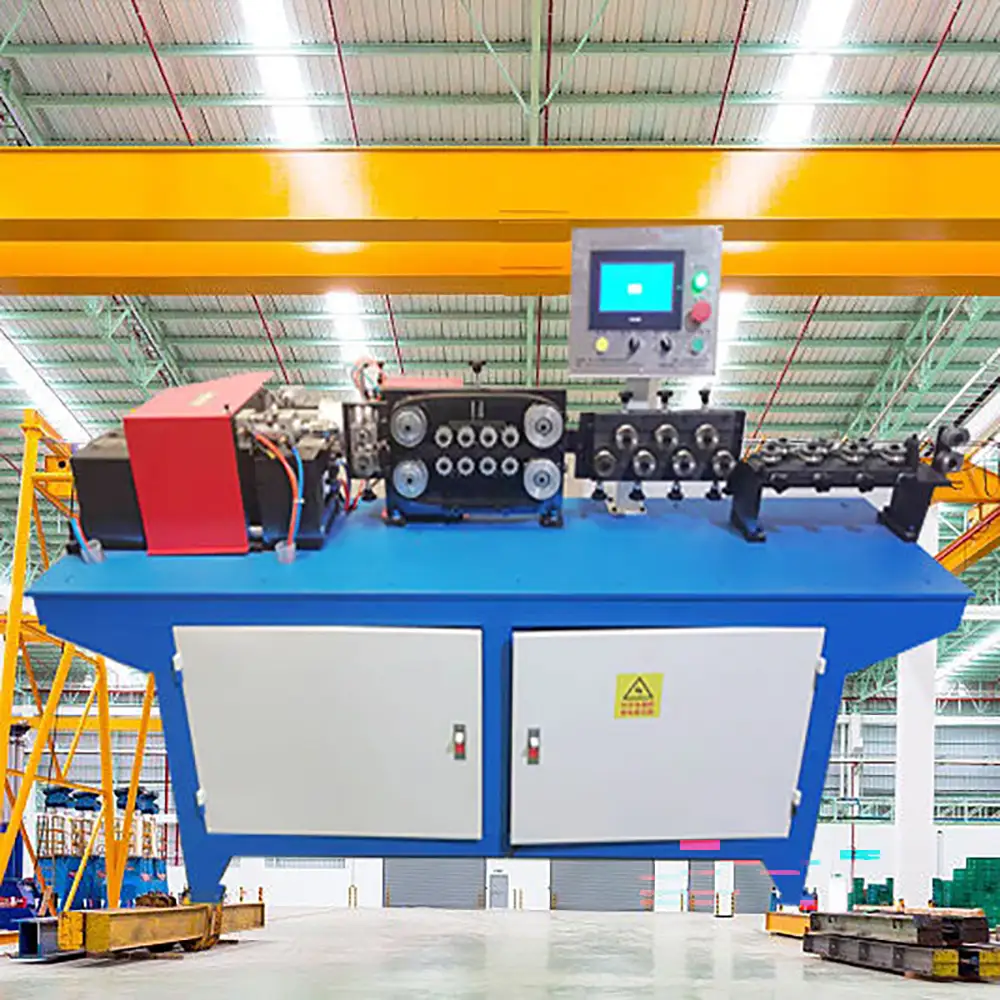
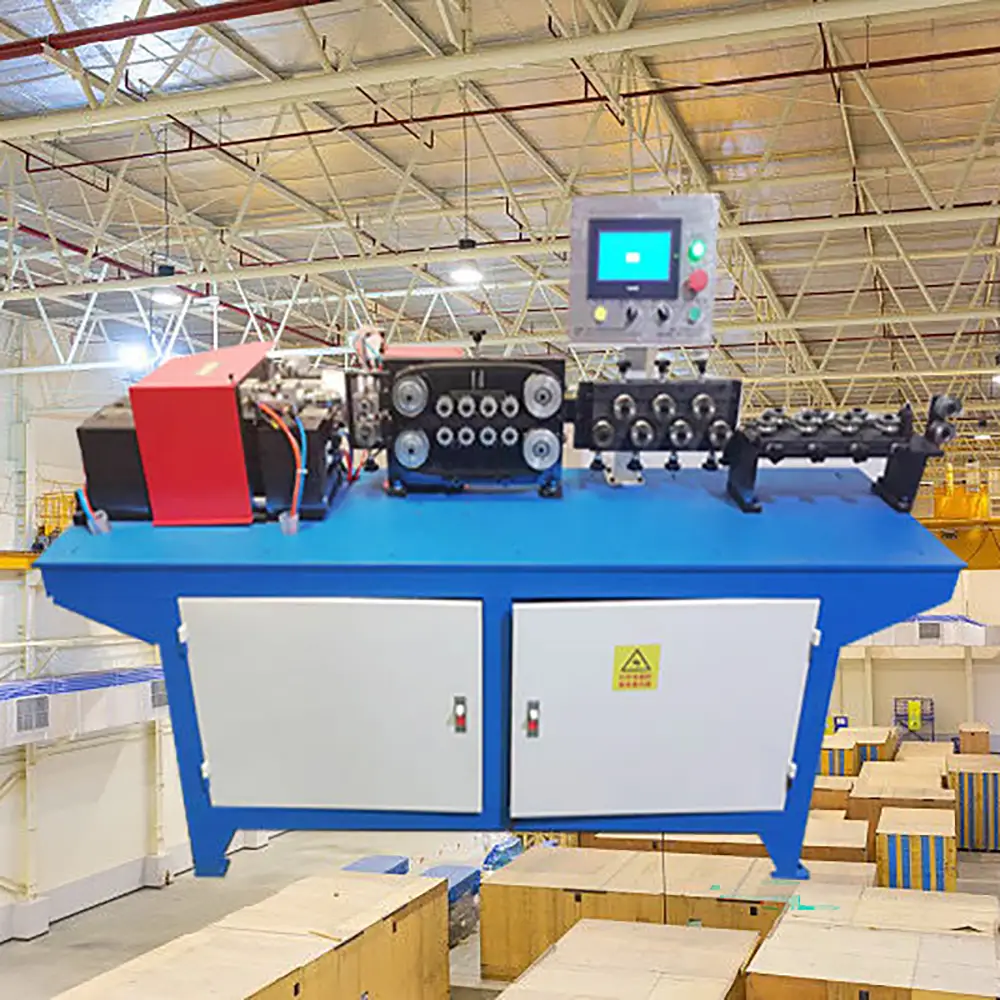
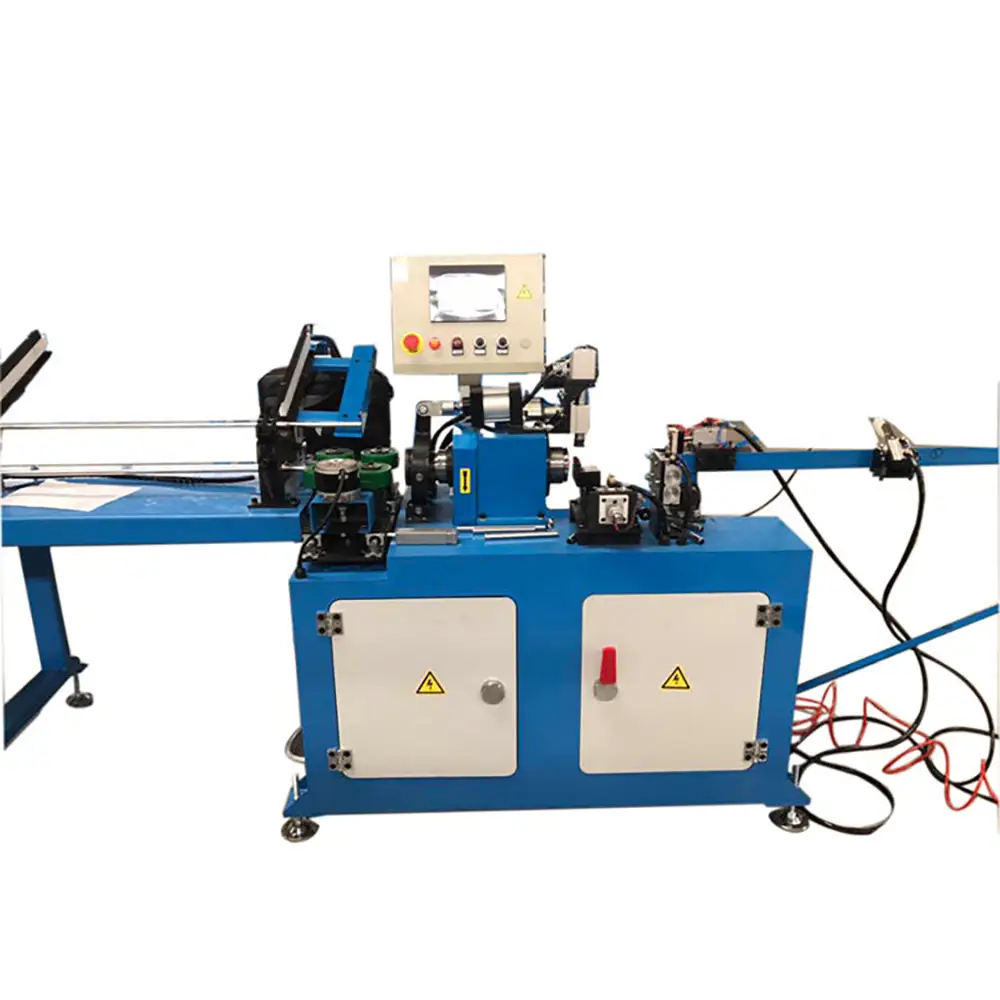
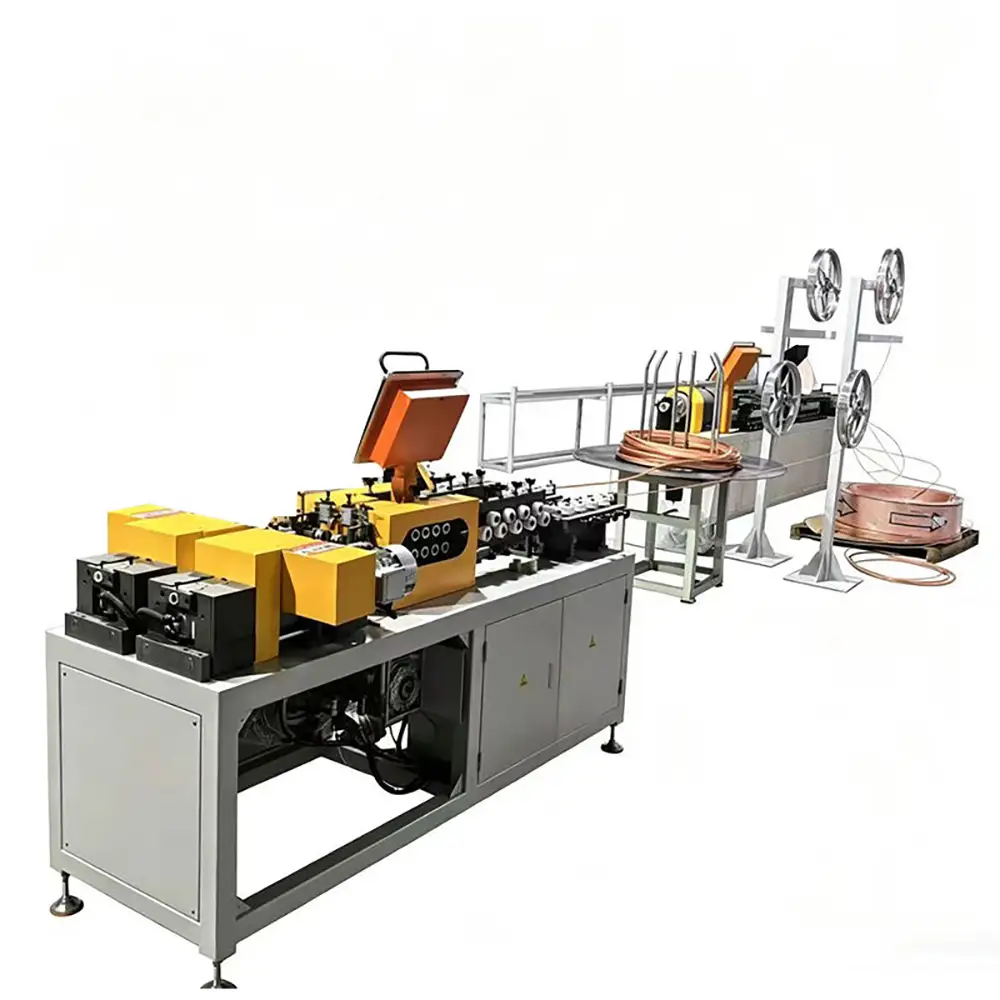
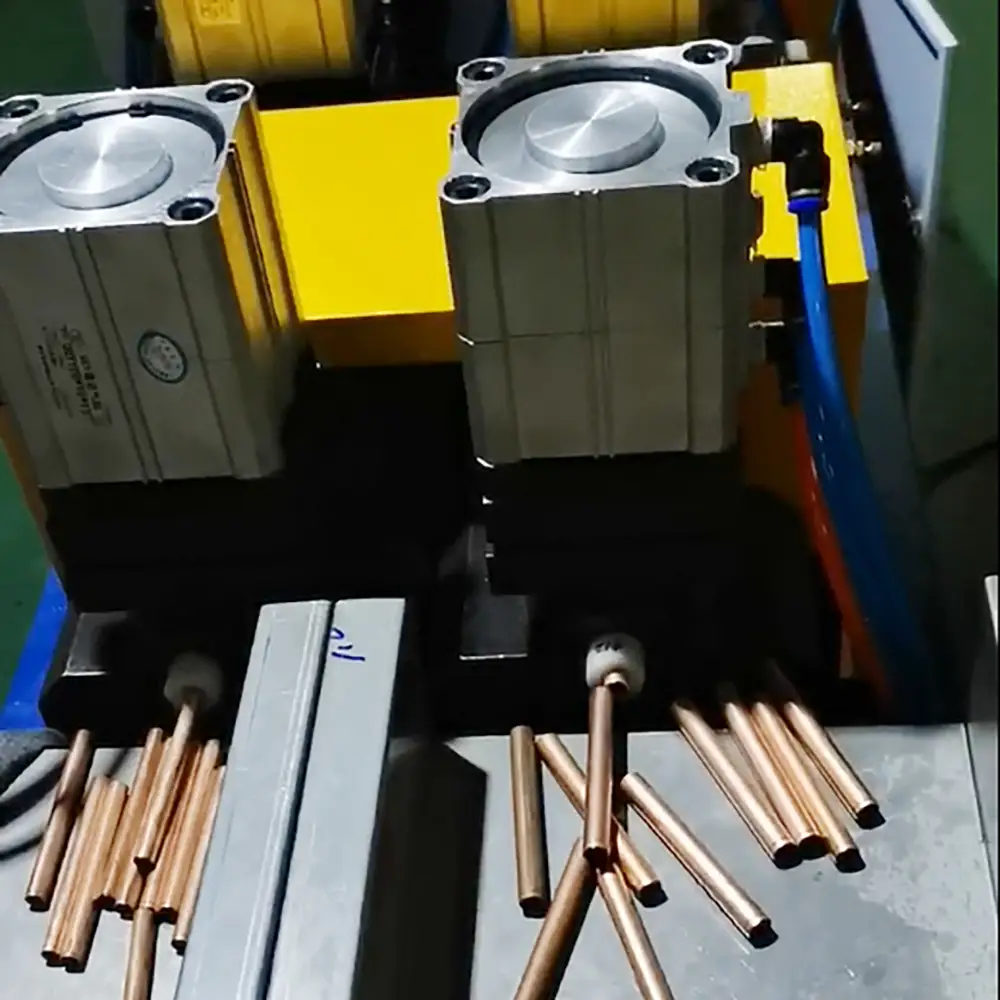
Copper Brass Aluminum Tube Pipe Cutting Machine
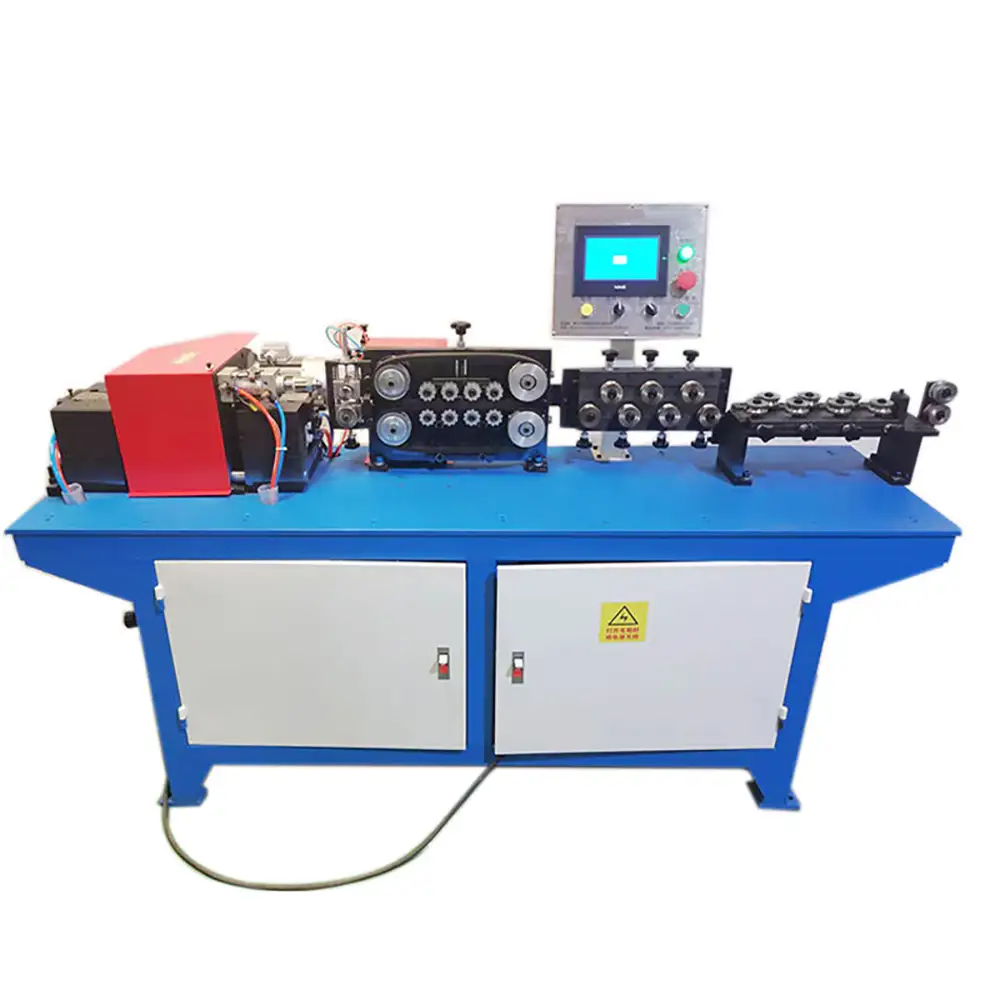
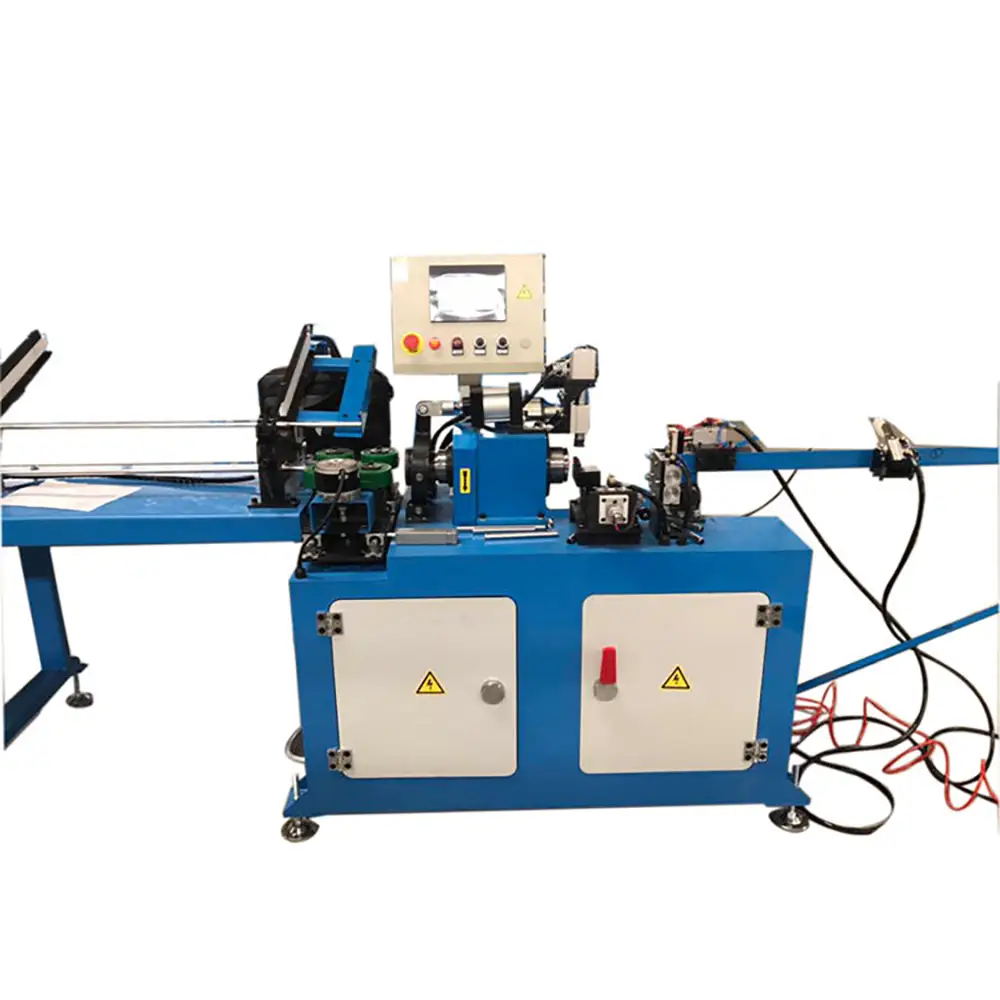
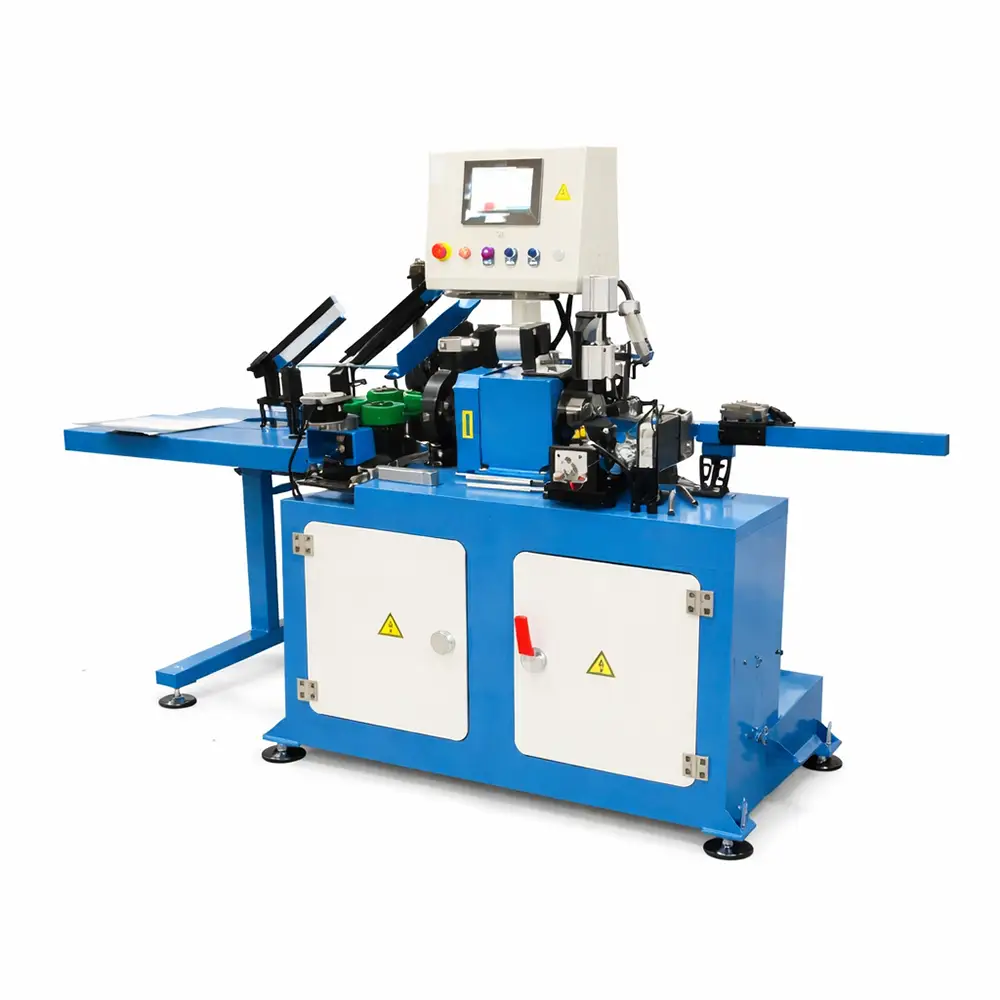
The Tube Copper Pipe Brass Copper Aluminum Cutting Machine is designed for manufacturers that need efficient, accurate, and repeatable cutting of copper, brass, aluminum, and other compatible non-ferrous metal tubes and pipes. It provides a dedicated solution for preparing tubular materials into precise lengths for further fabrication, assembly, bending, brazing, welding, flaring, and other manufacturing processes.
Copper, brass, and aluminum are widely used in industries such as HVAC, refrigeration, plumbing, electrical equipment, heat exchangers, automotive components, furniture, construction, and general metal fabrication. These materials have different mechanical properties from carbon steel and stainless steel, so appropriate cutting tools, clamping methods, feeding systems, and process parameters are important for achieving clean and consistent results.
An automatic or semi-automatic tube cutting machine can reduce repetitive manual measuring and cutting operations. With controlled feeding and positioning, manufacturers can establish a more repeatable production process and improve material utilization.
The exact tube diameter range, wall thickness, cutting length, production speed, cutting tolerance, and automation level depend on the selected machine configuration and tooling.
Designed for Copper Tube Cutting
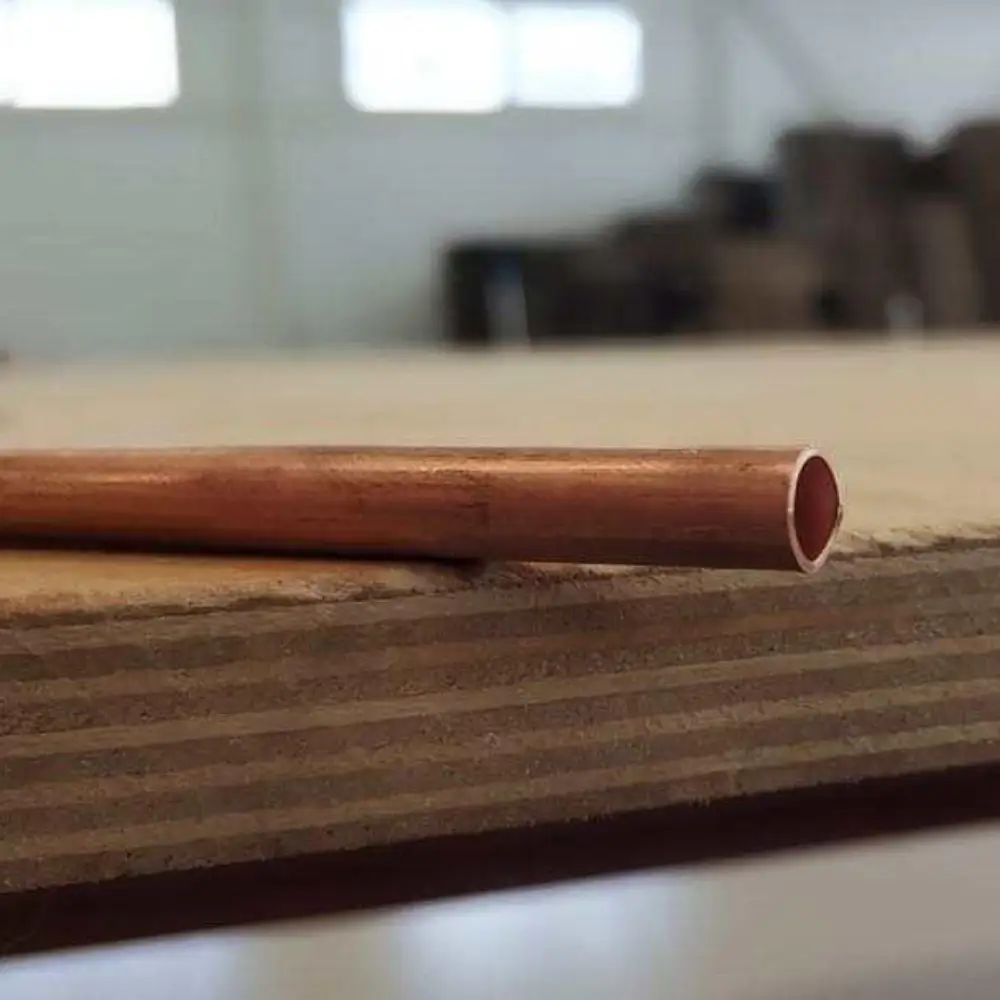
Copper tubing is one of the most common applications for specialized tube cutting equipment. Copper combines good thermal conductivity with corrosion resistance and relatively high ductility, making it widely used in refrigeration, HVAC, plumbing, heat-transfer systems, and electrical applications.
When cutting copper tubes, excessive clamping pressure or an unsuitable cutting tool can deform the tube. Proper support and tooling help maintain the tube's roundness and reduce unnecessary damage.
For refrigeration and HVAC applications, the finished tube end may need to support downstream operations such as brazing, flaring, expansion, or connection. Therefore, the cutting method should be selected according to the required edge quality and final assembly process.
Brass Pipe and Tube Cutting
Brass is used for fittings, valves, plumbing components, electrical components, heat-transfer products, decorative parts, and various machined assemblies.
A brass tube cutting machine provides a controlled method for producing repeatable lengths from brass tubing or pipe stock. Since brass alloys can vary in hardness and composition, the cutting tool and process parameters should be matched to the specific material.
For high-volume production, automatic feeding and positioning can reduce manual measuring and help maintain consistent cutting lengths.
Where the cut ends are used for subsequent machining, threading, brazing, assembly, or forming, manufacturers should define their dimensional and edge requirements before selecting the machine.
Aluminum Tube Cutting
Aluminum tubing is lightweight, corrosion resistant, and easy to fabricate, making it popular in automotive, HVAC, furniture, construction, electronics, machinery, and general manufacturing.
Aluminum is relatively soft compared with many steels. Improper clamping or an unsuitable cutting method can cause deformation, scratches, or burrs. The machine should therefore use an appropriate feeding and support arrangement for the intended aluminum tube dimensions.
For precision aluminum tube applications, controlled feeding and positioning help produce repeatable lengths. If the finished components require a particularly clean edge, an additional deburring or end-finishing process can be incorporated into the production workflow.
Non-Ferrous Metal Tube Cutting
Copper, brass, and aluminum are all non-ferrous metals, and each has different cutting characteristics.
A suitable non-ferrous metal tube cutting machine should be configured according to:
Material type and alloy
Outside diameter
Wall thickness
Tube length
Required cut length
Dimensional tolerance
Cutting edge requirements
Production volume
Feeding method
Automation requirements
Using the same cutting parameters for every non-ferrous metal is not recommended. Copper, brass, and aluminum can respond differently to cutting forces and tooling.
Testing with actual customer material is an effective way to confirm cutting performance before mass production.
Tube Cutting Machine Working Process
A typical tube cutting workflow can include the following stages.
1. Material Loading
Copper, brass, aluminum, or other compatible tube stock is loaded into the machine's feeding system.
2. Material Feeding
The tube is advanced toward the cutting position using the configured feeding mechanism. Stable feeding helps maintain consistent cutting lengths.
3. Positioning
A mechanical stop, sensor, servo positioning system, or other control method can establish the cutting location depending on the machine configuration.
4. Tube Clamping
The tube is securely supported and clamped before cutting. Correct clamping pressure is particularly important for thin-wall copper and aluminum tubes.
5. Cutting
The selected cutting tool separates the tube at the required position. The cutting technology should match the material, diameter, wall thickness, and required edge quality.
6. Finished Tube Collection
After cutting, the finished tube sections can be collected manually or transferred through an integrated collection arrangement.
7. Repeated Production
The feeding and cutting sequence is repeated to produce multiple tube sections with consistent target dimensions.
This process is suitable for both batch production and continuous manufacturing workflows, depending on the machine configuration.
Precision and Repeatability
For industrial tube manufacturing, repeatable cutting length is often essential. Components that are too long or too short can create problems during bending, brazing, welding, flaring, assembly, or automated production.
Controlled feeding and positioning reduce dependence on manual measurement. This helps manufacturers standardize the cutting process and simplify inspection.
Actual cutting accuracy depends on the machine design, material straightness, tube diameter, wall thickness, tooling condition, feeding method, machine setup, and operating environment.
Customers requiring specific tolerances should provide their dimensional requirements when requesting a machine quotation.
Clean Cutting and Edge Quality
Different applications require different levels of edge quality.
For HVAC and refrigeration tubing, the tube end may need to remain suitable for brazing, flaring, or expansion.
For plumbing and industrial tubing, the cut may need to maintain dimensional consistency for connection and assembly.
For furniture and decorative applications, surface appearance may be especially important.
For precision components, burr formation and tube deformation may need to be minimized.
The cutting method should therefore be selected based on the final application rather than focusing only on cutting speed. If required, additional deburring, chamfering, cleaning, or end-finishing equipment can be added after cutting.
Applications
HVAC and Refrigeration
Copper and aluminum tubes are widely used in air-conditioning, refrigeration, heat-pump, and thermal systems. Accurate tube cutting supports subsequent bending, brazing, flaring, and assembly operations.
Plumbing and Fittings
Copper and brass tubing can be processed for plumbing components, fittings, valves, and related products.
Heat Exchangers
Copper and aluminum tubes can be cut to controlled lengths for heat-transfer equipment and exchanger assembly.
Automotive
Aluminum, copper, brass, and other compatible tubes can be used in selected automotive fluid, thermal, structural, and fabricated components.
Electrical Equipment
Copper and aluminum are widely used in electrical applications because of their conductivity and other material properties. Tube and profile cutting equipment can support selected fabrication processes.
Furniture and Architectural Fabrication
Aluminum and brass tubes can be cut into repeatable lengths for furniture frames, railings, decorative structures, and architectural components.
Industrial Manufacturing
Non-ferrous tubes can be processed into components for machinery, equipment, piping assemblies, and specialized fabrication.
Production Efficiency
Automatic tube cutting can significantly reduce repetitive manual operations in batch production. Instead of measuring and cutting every tube individually, a controlled feeding system can automatically position the material for repeated cutting cycles.
Production efficiency depends on the tube diameter, wall thickness, material, cutting length, loading method, tooling, and machine configuration.
For short tube lengths, the feeding and cutting cycle may be repeated frequently. Longer cutting lengths require more feeding time. Material loading and finished-piece collection can also influence overall productivity.
For this reason, actual production capacity should be evaluated using the customer's specific tube dimensions and production requirements.
Tooling and Machine Configuration
Tooling plays an important role in tube cutting performance. Copper, brass, and aluminum can require different cutting conditions depending on alloy and tube geometry.
For thin-wall tubing, suitable clamping and support are important to minimize deformation.
For thicker-wall pipe, the cutting system must provide appropriate cutting force and tool durability.
Manufacturers producing several tube sizes may benefit from interchangeable tooling or adjustable fixtures.
Customers should provide tube drawings, material grades, outside diameters, wall thicknesses, required lengths, tolerances, and expected production quantities so the appropriate machine configuration can be evaluated.
Customization and OEM/ODM
Different industries have different tube cutting requirements. OEM and ODM solutions can be considered for customized feeding systems, fixtures, tooling, control systems, automatic collection, cutting specifications, and integration with other production equipment.
The machine can also be incorporated into a larger manufacturing process involving tube bending, deburring, cleaning, flaring, brazing, inspection, or packaging.
For B2B projects, providing samples or drawings before ordering can help ensure that the proposed machine is matched to the actual production requirements.
Installation and Maintenance
Correct installation and setup are important for stable operation. The machine should be installed on a suitable foundation or work surface and connected to the required electrical, pneumatic, or other utilities according to its configuration.
Routine maintenance should include inspection of cutting tools, feeding components, guides, clamps, bearings, sensors, transmission parts, and electrical systems.
Cutting tools should be inspected regularly for wear. Worn tooling may increase burr formation, reduce cutting quality, or affect dimensional consistency.
Material guides and clamping surfaces should also be kept clean and properly aligned. Preventive maintenance can help reduce downtime and maintain stable production performance.
FAQs
1. What materials can this tube cutting machine process?
It is designed primarily for copper, brass, aluminum, and other compatible non-ferrous metal tubes and pipes. Exact compatibility should be confirmed according to the machine configuration.
2. Can it cut copper pipes?
Yes. Copper pipe and tube cutting is one of the main applications for this type of equipment.
3. Can it cut brass tubes?
Yes. The machine can be configured for suitable brass tube and pipe applications based on the alloy, diameter, and wall thickness.
4. Can it cut aluminum tubes?
Yes. Suitable tooling and clamping should be selected to accommodate the characteristics of aluminum tubing.
5. Can it cut thin-wall tubes?
Depending on the machine configuration, thin-wall tubing can be processed. Proper tube support and clamping are important to minimize deformation.
6. Is the machine automatic?
The equipment can be configured with automatic feeding, positioning, clamping, and cutting functions. The actual automation level depends on the selected model and configuration.
7. Can different tube lengths be produced?
Yes. The feeding and positioning system can be configured for different target cutting lengths within the machine's processing range.
8. Will the tube have burrs after cutting?
Burr formation depends on material, tube thickness, cutting method, tooling condition, and process parameters. Additional deburring can be used when required.
9. Can the machine cut both copper and aluminum?
A suitable configuration can be designed for multiple compatible non-ferrous materials. Material and tube specifications should be confirmed before ordering.
10. What information is needed for a quotation?
Provide the material and alloy, tube outside diameter, wall thickness, required cutting length, tolerance, production quantity, and finished-edge requirements. Drawings or samples are recommended.
Why Choose Us
1. Designed for Non-Ferrous Metals
The machine can be configured specifically for copper, brass, aluminum, and other compatible non-ferrous tube applications.
2. Multiple Tube Applications
Suitable solutions can be developed for copper tubes, brass pipes, aluminum tubes, and other metal tubing.
3. Automatic Production Options
Automatic feeding, positioning, clamping, and cutting can reduce repetitive manual operations and improve production consistency.
4. Precision-Oriented Cutting
Controlled material feeding and positioning support repeatable cutting lengths for downstream manufacturing.
5. Flexible Tooling
Cutting tools, fixtures, guides, and clamping systems can be selected according to material and tube dimensions.
6. Production Efficiency
The equipment is suitable for batch production where consistent tube lengths and reduced manual handling are important.
7. OEM and ODM Customization
Customized machine configurations, feeding systems, tooling, controls, and collection solutions can be considered.
Prev:
Industrial CNC Rotary Tube Cutting Machine for Metal Pipes Automatic Saw Blade Precision Cutter
Next:
Automatic Capillary Thin Tube Cutting Machine High Speed Copper Steel Small Thin Pipe Cutter
TAG:
Metal Tube Processing Machine,
Tube Processing Machine,
Metal Pipe Processing Machine,
Copper Tube Processing Machine,
Aluminum Tube Processing Machine,
Metal Tube Cutting Machine,
Metal Pipe Cutting Machine,
Automatic Tube Cutting Machine,
Automatic Pipe Cutting Machine,
Automatic Tube Feeding Machine,
Precision Tube Cutting Machine,
Copper Tube Cutting Machine,
Copper Pipe Cutting Machine,
Automatic Copper Tube Cutting Machine,
Aluminum Tube Cutting Machine,
Aluminum Pipe Cutting Machine,
Automatic Aluminum Tube Cutting Machine,
Automatic Metal Tube Cutter,
Industrial Tube Cutting Machine,
Industrial Pipe Cutting Equipment,
Industrial Pipe Cutting Machine,
Precision Pipe Cutting Machine,
Metal Pipe Cutter,
Metal Tube Cutter,
Small Tube Cutting Machine,
Small Pipe Cutting Machine,
High Precision Tube Cutting Machine,
Aluminum Tube Cutter,
Aluminum Pipe Cutter,
Non-Ferrous Metal Cutting Machine,
Related Category:
Copper Tube Cutting Machine, Copper Pipe Cutting Machine, Brass Tube Cutting Machine, Brass Pipe Cutting Machine China, suppliers, manufacturers, factory, customized, wholesale, quotation, made in China