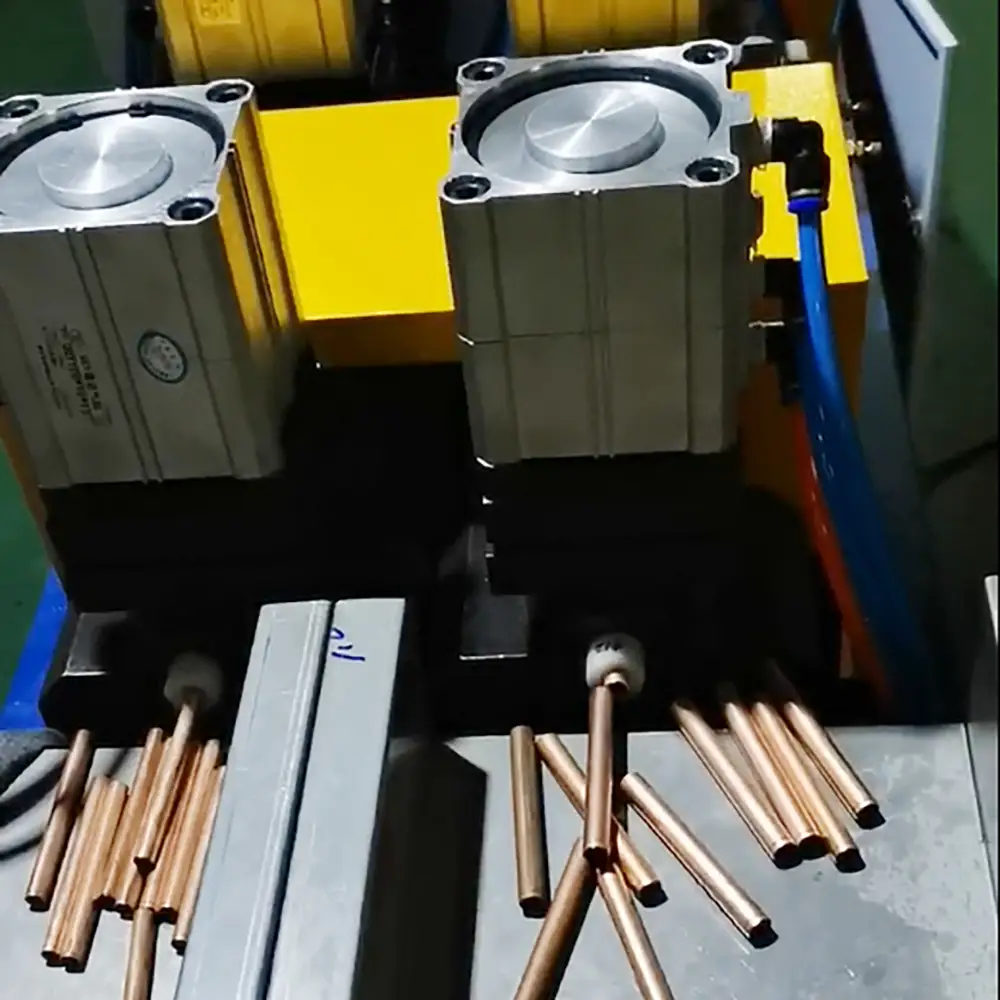
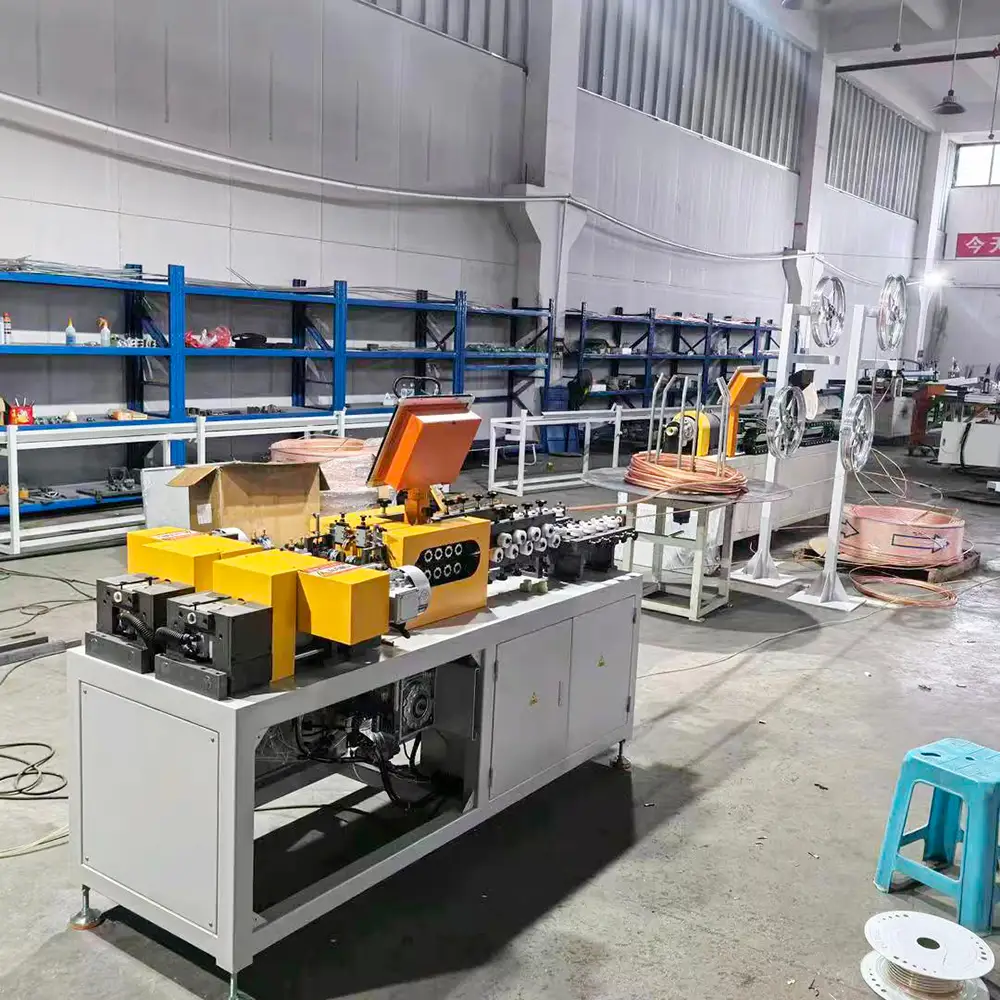
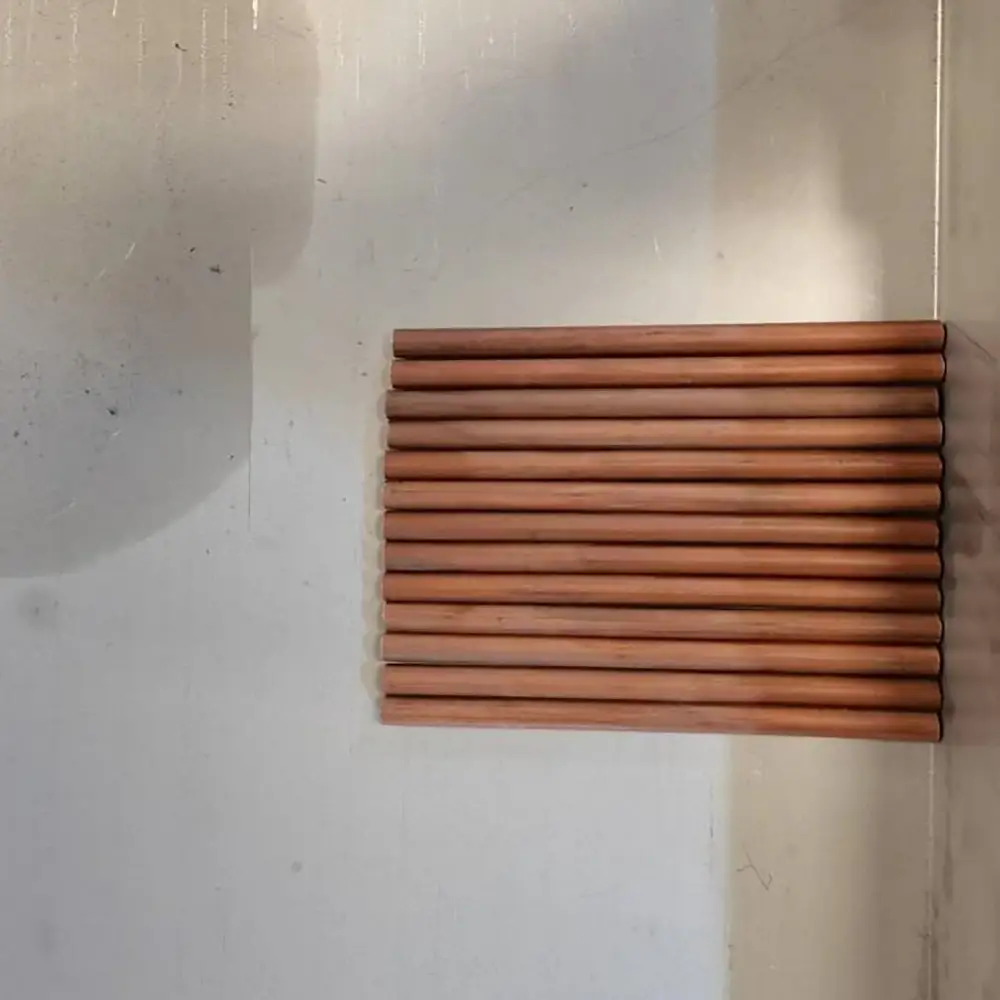
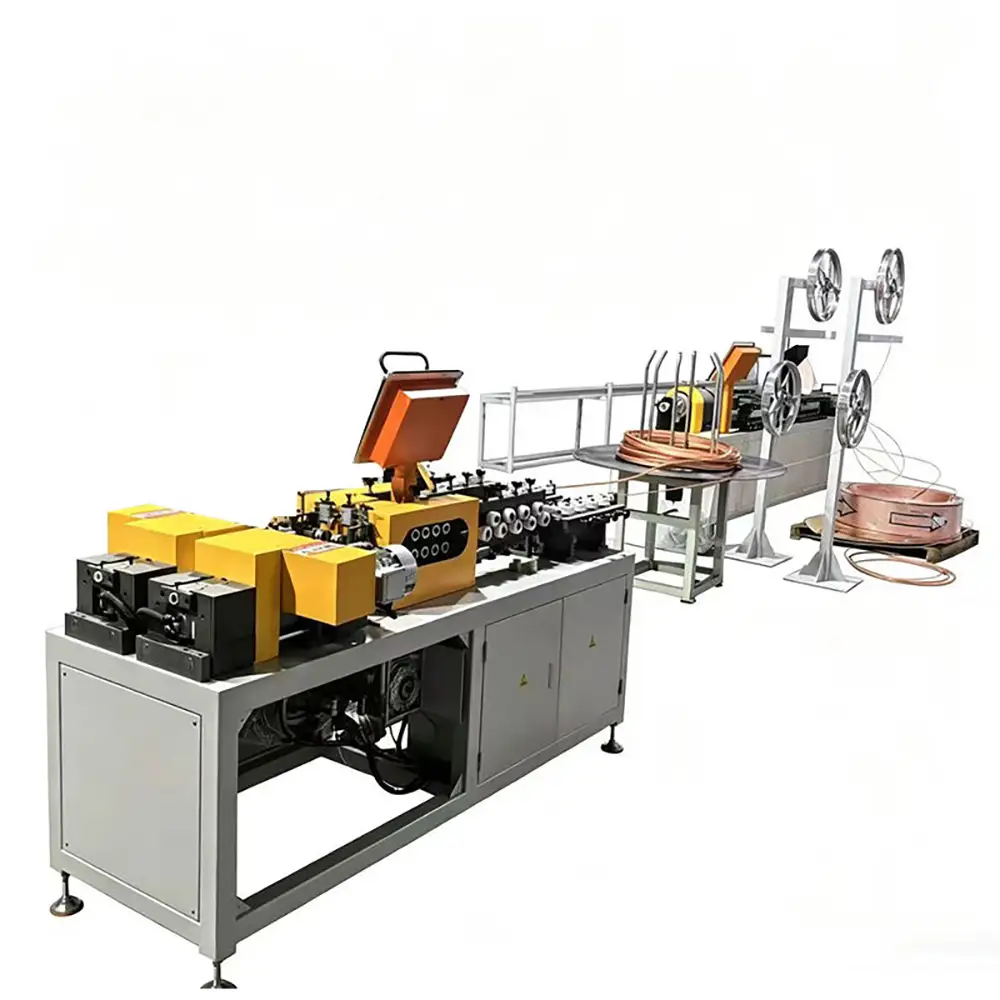
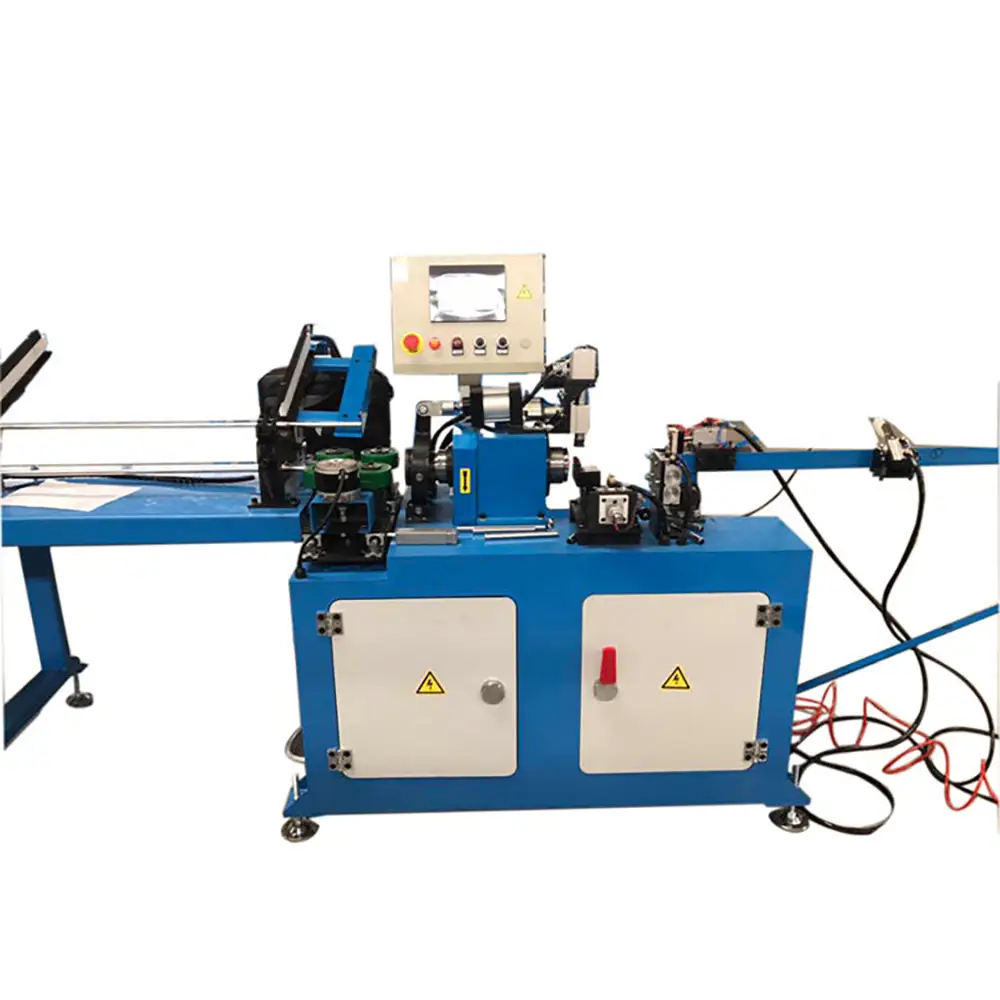
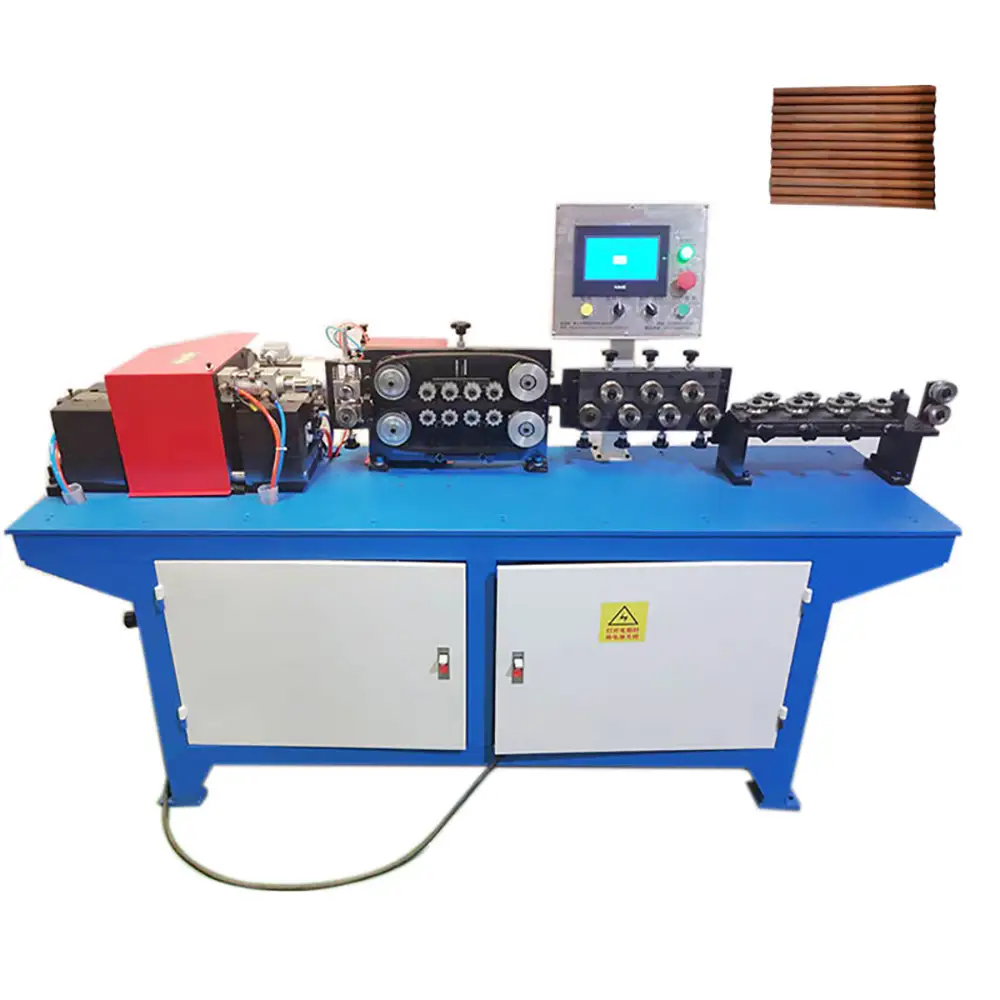
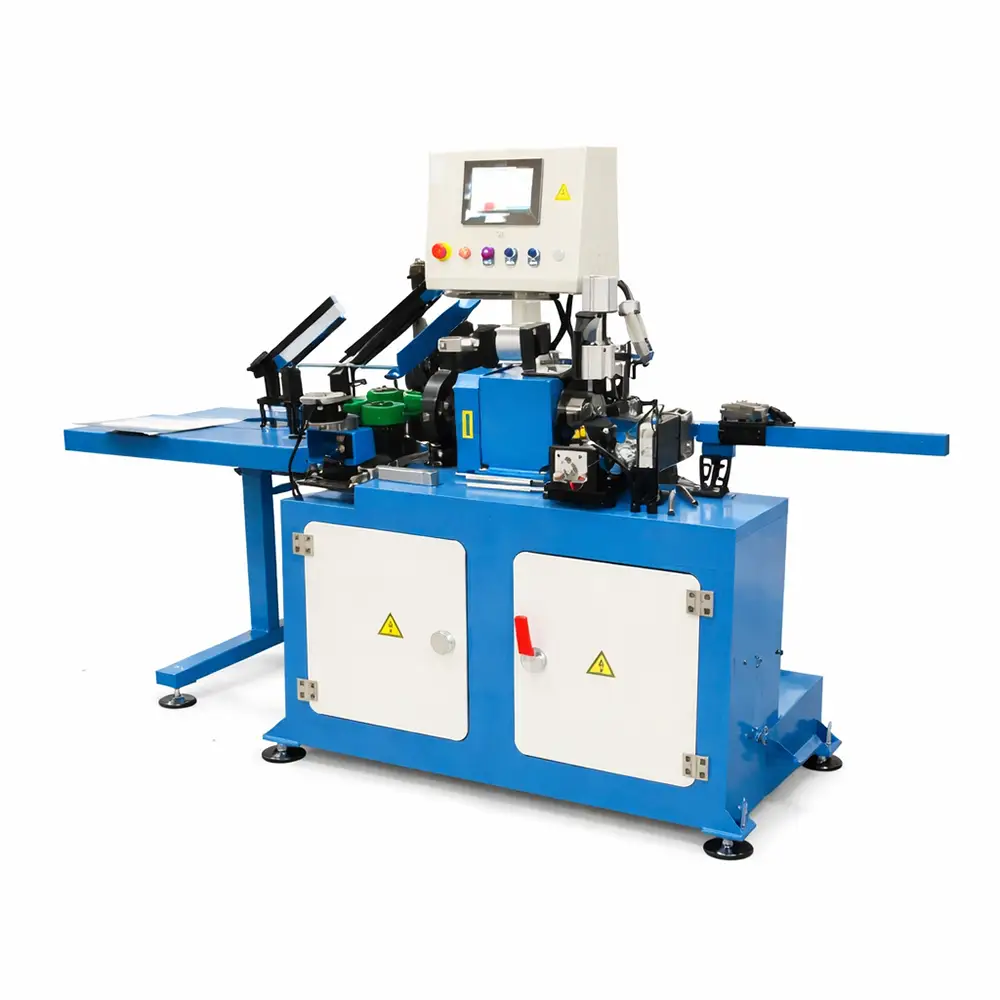
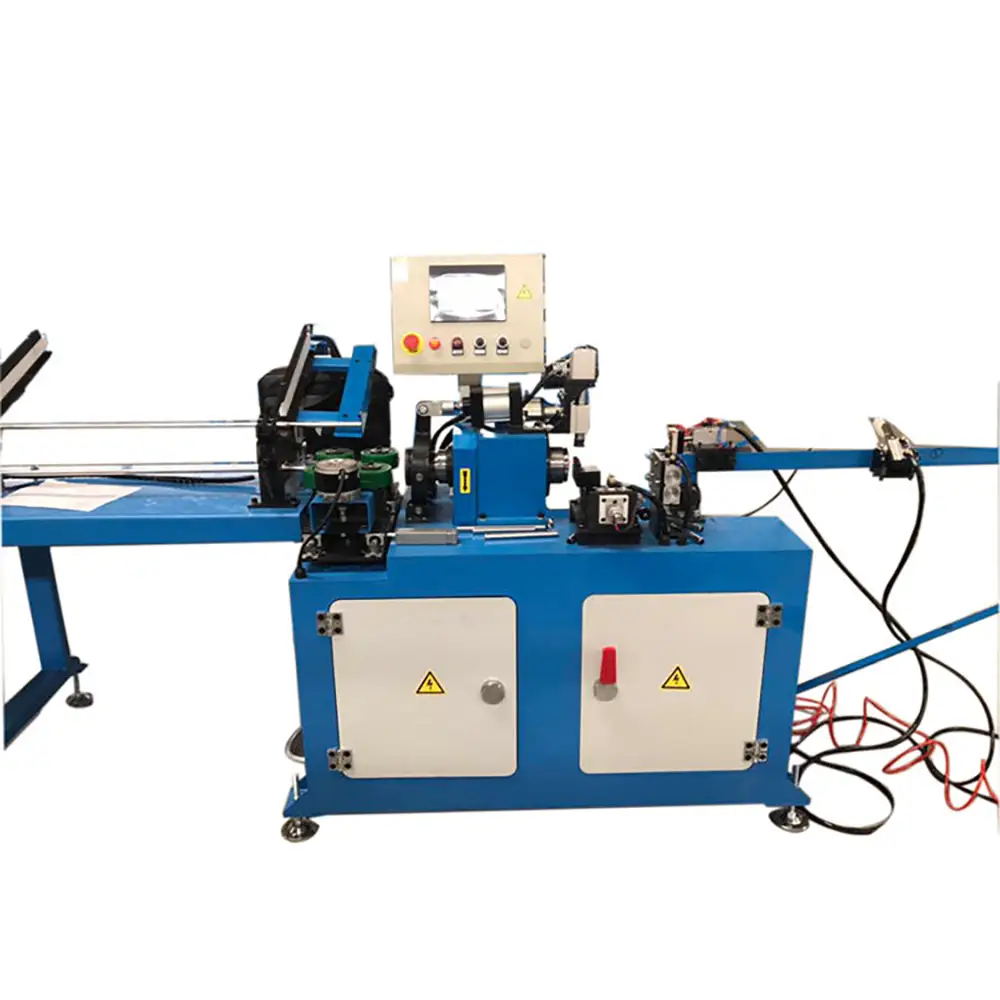
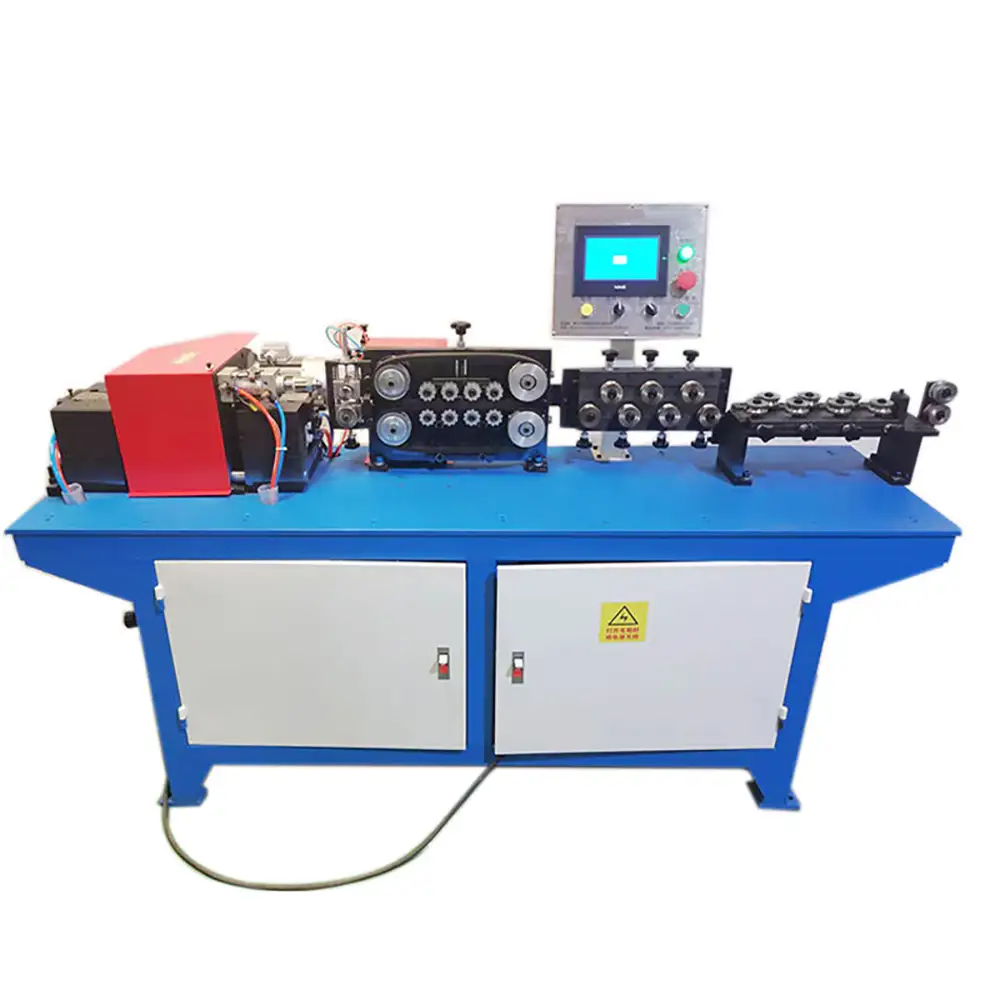
Chipless Cutting Technology: Smooth cutting surface without chips or secondary deburring
High Precision Cutting: Accurate cutting length with stable tolerance control
Burr Free Cutting Effect: Clean tube ends, suitable for precision industries
Suitable for Small Diameter Tubes: Ideal for capillary tubes and thin-wall stainless steel pipes
Automatic Feeding System: Improves production efficiency and reduces labor costs
Fast Cutting Speed: Stable continuous operation for mass production
Servo Control System: Precise positioning and easy parameter adjustment
Multi Length Adjustable: Flexible cutting lengths for different production needs
No Tube Deformation: Maintains roundness and protects thin-wall tubes
Wide Material Compatibility: Suitable for stainless steel, copper, aluminum, and other metal tubes
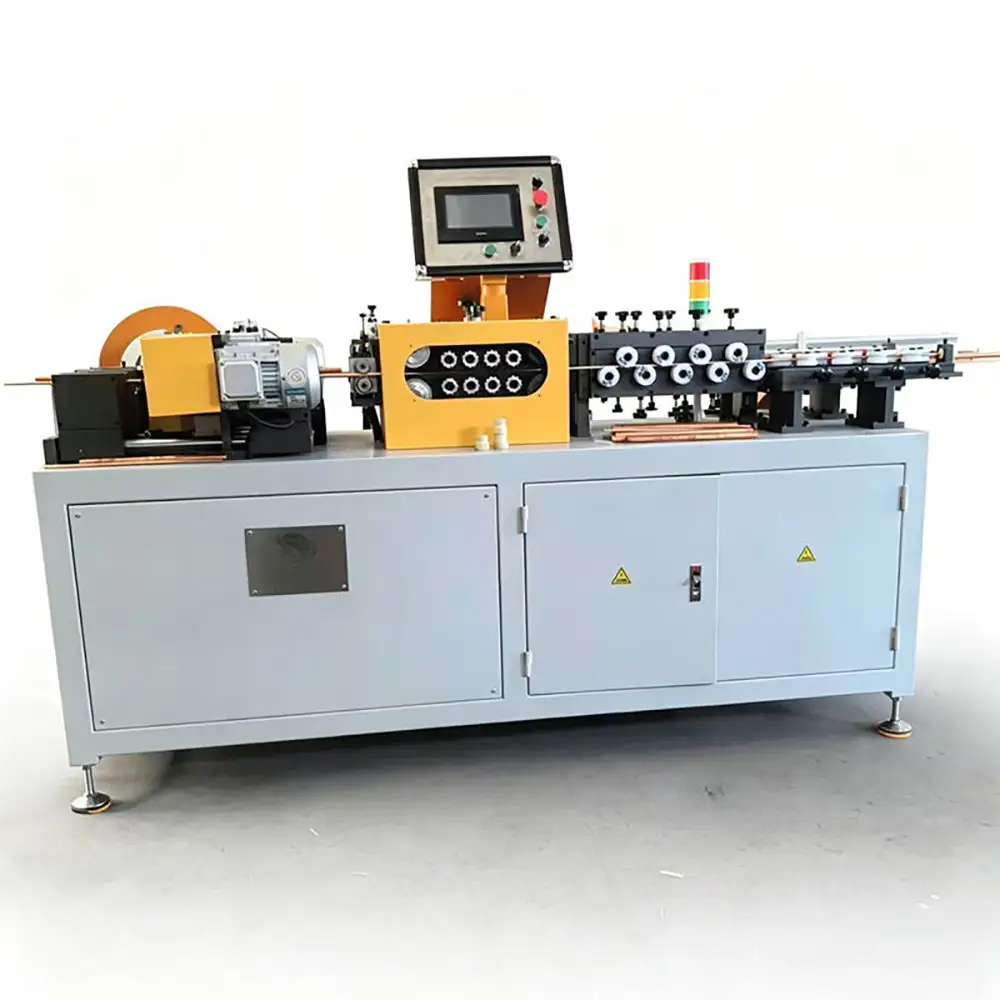
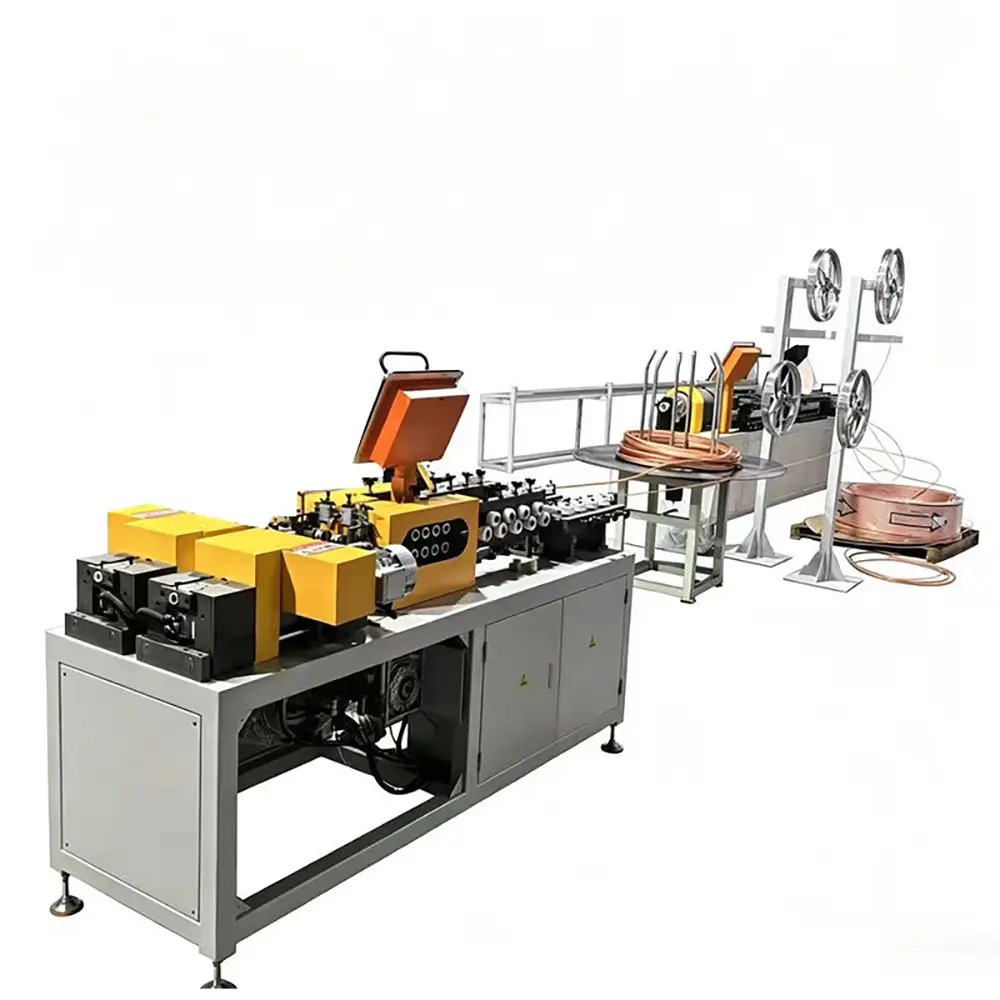
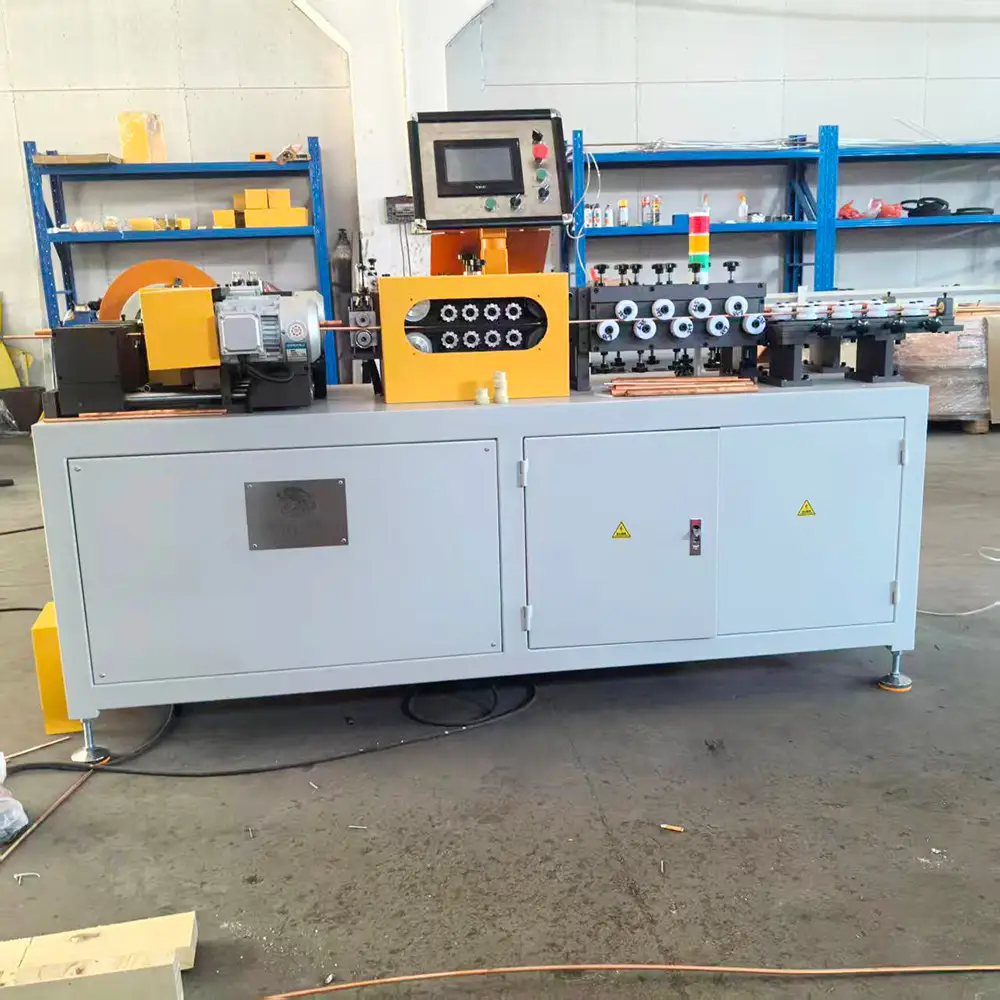
Automatic Capillary Thin Tube Cutting Machine for Copper and Steel Small Pipes
The Automatic Capillary Thin Tube Cutting Machine High Speed Copper Steel Small Thin Pipe Cutter is designed for manufacturers that need efficient and repeatable cutting of small-diameter, capillary, and thin-wall metal tubes. It provides an automated approach to cutting copper, steel, and other compatible metal tubing into consistent lengths for industrial production.
Small tubes and thin-wall pipes are widely used in refrigeration, HVAC, automotive components, heat exchangers, instrumentation, medical-related equipment, electronics, furniture, precision assemblies, and general metal fabrication. In these applications, consistent cutting length and controlled handling are important for downstream bending, flaring, welding, brazing, assembly, and other processes.
Compared with manual tube cutting, an automatic cutting machine can reduce repetitive measuring and handling operations while helping manufacturers establish a more consistent production workflow. The actual cutting speed, tube diameter range, wall thickness, tolerance, and compatible materials depend on the machine configuration, cutting technology, tooling, and production requirements.
High-Speed Cutting for Small and Thin Tubes
Small-diameter tubes require careful control during feeding and cutting. Thin-wall tubing can be more susceptible to deformation, vibration, and edge distortion than heavy-wall pipe. A suitable cutting machine therefore needs a stable feeding and positioning system together with appropriate clamping and cutting tooling.
The machine is designed to coordinate tube feeding, positioning, clamping, cutting, and repeated processing. Once the tube is correctly positioned, the cutting mechanism separates the material at the required location before the next section is fed into position.
For high-volume manufacturing, this repeatable workflow can help reduce manual intervention and improve production efficiency.
The term high speed should be understood in relation to the specific application. Actual production output depends on tube diameter, wall thickness, material, cutting length, feeding method, tooling, loading procedure, and machine configuration.
Automatic Capillary Tube Cutting
Capillary tubes are small-diameter tubes commonly used in specialized fluid and heat-transfer applications. Copper capillary tubes are particularly common in refrigeration and HVAC systems, while stainless steel and other metal capillary tubes can be used in instrumentation and industrial applications.
Because capillary tubing can have a small diameter and thin wall, maintaining tube geometry during cutting is important. Excessive clamping force or unsuitable cutting conditions may deform the tube.
The appropriate machine setup should therefore be selected according to the outside diameter, wall thickness, material hardness, cutting length, and required edge condition.
For demanding applications, manufacturers can provide tube samples and drawings so that the cutting process and tooling can be evaluated before equipment selection.
Copper Tube Cutting
Copper tubing is widely used in refrigeration, air conditioning, heat exchangers, plumbing, and thermal systems. It is relatively soft compared with many steels, which means cutting tools and clamping methods should be selected carefully.
A suitable copper tube cutter can produce repeatable lengths while reducing unnecessary deformation. For applications involving subsequent brazing or assembly, the finished tube end may need to meet specific requirements concerning burrs, squareness, and surface condition.
If the tubes will undergo additional processes such as flaring, expanding, bending, or brazing, the cutting parameters should be selected to support those downstream operations.
Steel and Stainless Steel Tube Cutting
Steel and stainless steel tubes are widely used in industrial equipment, automotive components, construction, furniture, fabrication, and precision assemblies.
Compared with copper, steel and stainless steel generally require different cutting conditions and tooling. The machine should therefore be configured according to the specific material grade, tube diameter, wall thickness, and required production performance.
For stainless steel tubes, surface appearance and edge quality may be particularly important in decorative and precision applications. Suitable guides, fixtures, cutting tools, and handling procedures can help protect the tube surface during production.
For carbon steel tubes, cutting parameters should be selected according to the material thickness and desired finished edge.
Small Pipe Cutting Machine Working Process
A typical automatic tube cutting cycle includes the following stages:
1. Tube Loading
The raw tube or tubing stock is placed into the feeding system. The loading method depends on tube length, diameter, production volume, and machine configuration.
2. Automatic Feeding
The feeding system advances the tube to the required cutting position. Controlled feeding helps establish consistent piece lengths.
3. Positioning
Sensors, mechanical stops, or a controlled positioning system can be used to determine the cutting location according to the machine design.
4. Clamping
The tube is supported and clamped before cutting. Appropriate clamping pressure is especially important for thin-wall and small-diameter tubes.
5. Cutting
The cutting mechanism separates the tube at the required position. The selected cutting method depends on the material, wall thickness, tube diameter, and finished-edge requirements.
6. Finished Tube Collection
After cutting, finished pieces can be collected manually or transferred through a suitable collection system depending on the machine configuration.
7. Repeated Production
The feeding and cutting cycle repeats to produce multiple tube sections with consistent target dimensions.
Thin-Wall Tube Processing
Thin-wall tubing can be more challenging than conventional heavy-wall pipe because excessive mechanical force may cause deformation.
A well-configured thin tube cutting machine should consider tube support, feeding stability, clamping force, cutting-tool geometry, and cutting parameters.
For delicate tubing, the cutting process should be tested with the customer's actual material. This can help determine whether the selected cutting method provides the desired combination of dimensional accuracy, edge quality, production speed, and tube integrity.
Where necessary, downstream deburring or end-finishing equipment can be incorporated into the production line.
Precision and Repeatability
Precision is important when tube sections are used as components in automated assembly or further processing. Inconsistent lengths can create problems during bending, welding, brazing, flaring, or final assembly.
Automatic feeding and controlled positioning help reduce dependence on manual measurement. Repeatable processing can also simplify quality control because operators can establish consistent inspection procedures.
Actual cutting tolerance depends on many factors, including tube straightness, material characteristics, feeding accuracy, machine setup, tooling wear, cutting method, and environmental conditions.
For this reason, customers requiring tight tolerances should provide specific dimensional requirements before selecting the machine.
Industrial Applications
The automatic capillary and thin tube cutter can support a variety of industries.
Refrigeration and HVAC: Copper capillary tubes and small copper tubing can be cut for refrigeration and air-conditioning components.
Heat Exchanger Manufacturing: Small tubes can be prepared for heat-transfer assemblies and related fabrication processes.
Automotive Components: Steel, stainless steel, copper, and other compatible tubes can be processed for selected automotive applications.
Instrumentation: Precision tubing can be used in measurement and fluid-control equipment.
Industrial Equipment: Small tubes can be processed for machinery, fluid systems, and fabricated components.
Furniture and Fabrication: Small metal tubes can be cut into repeatable lengths for frames, supports, and decorative components.
Electronics and Specialized Manufacturing: Small tubing can be used in selected assemblies requiring controlled dimensions.
The exact material and tube specification should always be confirmed according to the intended application.
Production Efficiency
Automatic tube cutting is particularly useful when manufacturers need to produce large quantities of identical components.
By automating feeding and cutting, the machine can reduce repetitive manual measurement and improve workflow consistency. Operators can focus more on material loading, quality inspection, machine monitoring, and maintenance.
Production efficiency depends on the actual cutting length and tube dimensions. Shorter cutting lengths may allow more frequent cutting cycles, while longer pieces require more feeding time. Material loading and finished-piece handling can also influence overall production capacity.
Therefore, production capacity should be evaluated using the customer's actual tube specification rather than relying only on a general machine speed.
Cutting Quality and Deburring
The finished tube edge is an important consideration for downstream processing. Depending on the cutting method, material, and tooling condition, some applications may require additional deburring.
For tubes used in brazing, welding, flaring, or assembly, excessive burrs can interfere with subsequent operations.
A production line can potentially include a separate deburring, cleaning, chamfering, or end-finishing process when required.
Customers should identify their finished-edge requirements before ordering so that the appropriate cutting and finishing solution can be selected.
Machine Configuration and Customization
The correct tube cutting machine should be selected according to:
Tube material
Tube outside diameter
Wall thickness
Tube length
Required cutting length
Cutting tolerance
Production volume
Finished-edge requirements
Feeding method
Automation requirements
Different applications may require different cutting tools and fixtures. Copper capillary tubing, carbon steel pipe, stainless steel tubing, and other materials should not automatically be processed using identical settings.
OEM and ODM customization can be considered for feeding systems, tooling, control functions, collection systems, cutting specifications, and integration with other production equipment.
Installation and Maintenance
Proper installation and setup are essential for stable operation. The machine should be installed on an appropriate surface and connected to the required electrical, pneumatic, or other utilities according to the selected configuration.
Routine maintenance should include inspection of cutting tools, clamps, guides, feeding components, sensors, bearings, transmission parts, and electrical systems.
Cutting tools should be inspected regularly for wear. A worn tool can increase burr formation and reduce cutting consistency.
Keeping the feeding path clean and properly aligned also helps maintain repeatable material positioning.
FAQs
1. What tubes can this machine cut?
It is designed for small and thin metal tubes, including suitable copper, steel, stainless steel, and other compatible tubing.
2. Can it cut copper capillary tubes?
Yes. With suitable tooling and configuration, the machine can be used for copper capillary tube cutting.
3. Can it cut thin-wall steel tubes?
Yes, provided the tube dimensions and wall thickness are within the machine's configured processing range.
4. Is this a high-speed tube cutting machine?
It is designed for efficient automatic tube cutting. Actual production speed depends on tube size, material, cutting length, tooling, feeding method, and machine configuration.
5. Can it cut stainless steel tubes?
Yes, when the machine is configured with suitable tooling and cutting parameters for the required stainless steel grade and tube dimensions.
6. Can different cutting lengths be programmed?
Depending on the control and feeding system, different target cutting lengths can be configured. Exact functions should be confirmed for the selected model.
7. Will thin tubes deform during cutting?
Proper clamping and tooling are important for minimizing deformation. Thin-wall tubes should be tested with the actual material and dimensions before production.
8. Does the machine eliminate burrs?
Burr formation depends on the material, cutting technology, tooling, and process settings. Additional deburring may be required for some applications.
9. Can the machine be customized?
Yes. Feeding systems, tooling, cutting specifications, controls, fixtures, and finished-piece collection can be customized according to project requirements.
10. What information is required for a quotation?
Provide the tube material, outside diameter, wall thickness, tube length, required cutting length, tolerance, production quantity, and finished-edge requirements. Samples or drawings are highly recommended.
Why Choose Us
1. Designed for Small Tube Applications
The machine is focused on automatic cutting of small-diameter, thin-wall, and capillary metal tubes.
2. Multiple Material Options
Suitable configurations can be developed for copper, carbon steel, stainless steel, and other compatible metal tubing.
3. Automatic Feeding and Cutting
Automated feeding and repeat cutting can reduce manual measuring and handling during batch production.
4. Precision-Oriented Processing
Controlled feeding, positioning, and clamping support repeatable tube cutting for downstream manufacturing.
5. Flexible Cutting Configuration
Cutting tools and machine settings can be selected according to tube material, diameter, wall thickness, length, and edge requirements.
6. Production Efficiency
The equipment is suitable for manufacturers that need repeatable processing of large quantities of small tube components.
7. OEM and ODM Customization
Customized tooling, feeding systems, controls, fixtures, collection systems, and other functions can be considered.
Prev:
Tube Copper Pipe Brass Copper Aluminum Cutting Machine
Next:
Metal Tube Cutting Machine for Small Pipe High Precision Automatic Capillary Tube Cutting Machine
TAG:
Metal Tube Processing Machine,
Metal Pipe Processing Machine,
Small Tube Processing Machine,
Stainless Steel Pipe Cutting Machine,
Metal Tube Cutting Machine,
Stainless Steel Tube Cutting Machine,
Metal Pipe Cutting Machine,
Automatic Tube Cutting Machine,
Steel Tube Cutting Machine,
Automatic Pipe Cutting Machine,
Automatic Tube Feeding Machine,
Precision Tube Cutting Machine,
Copper Tube Cutting Machine,
Copper Pipe Cutting Machine,
Automatic Copper Tube Cutting Machine,
Automatic Metal Tube Cutter,
Industrial Tube Cutting Machine,
Steel Pipe Cutting Machine,
Industrial Pipe Cutting Equipment,
Industrial Pipe Cutting Machine,
Precision Pipe Cutting Machine,
Metal Pipe Cutter,
Steel Pipe Cutter,
Steel Tube Cutter,
Metal Tube Cutter,
Small Tube Cutting Machine,
Small Pipe Cutting Machine,
Mini Tube Cutting Machine,
Mini Pipe Cutting Machine,
Stainless Steel Tube Cutter,
Related Category:
Automatic Capillary Tube Cutting Machine,Thin Tube Cutting Machine,Small Pipe Cutting Machine,High Speed Tube Cutting Ma China, suppliers, manufacturers, factory, customized, wholesale, quotation, made in China