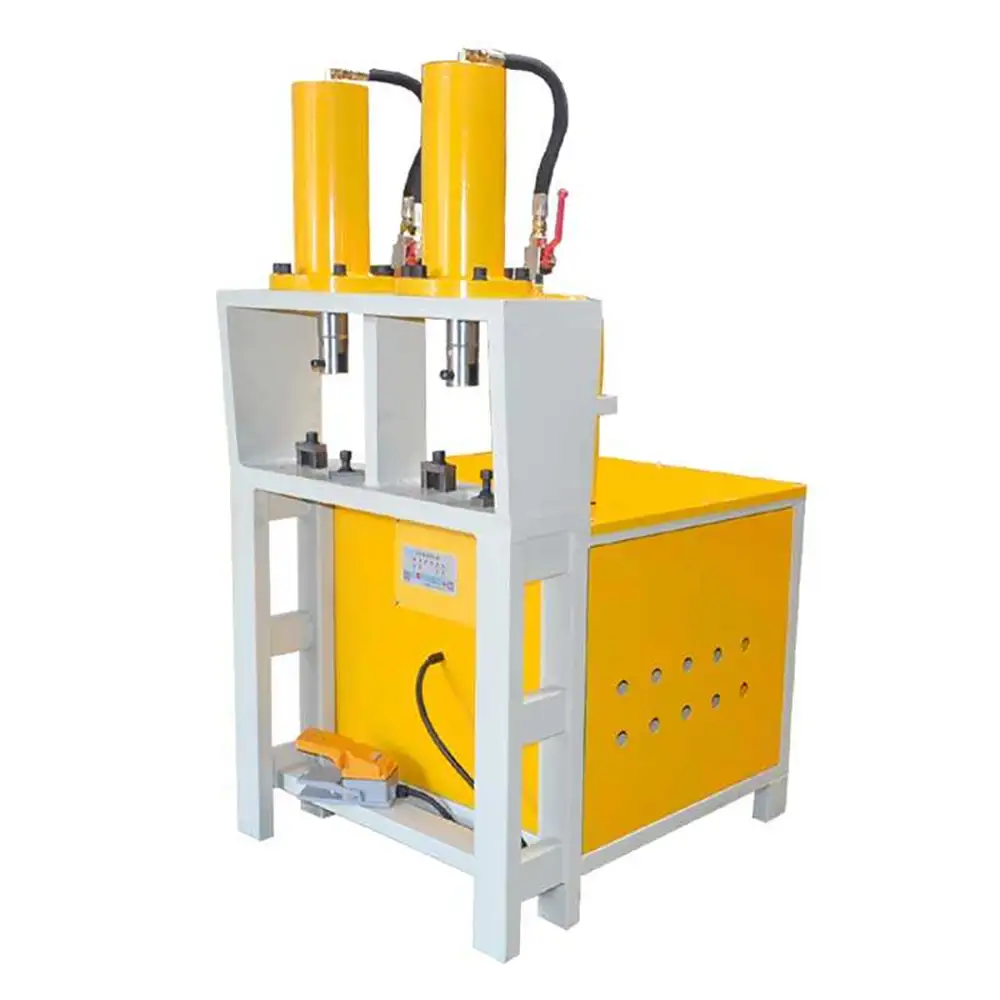
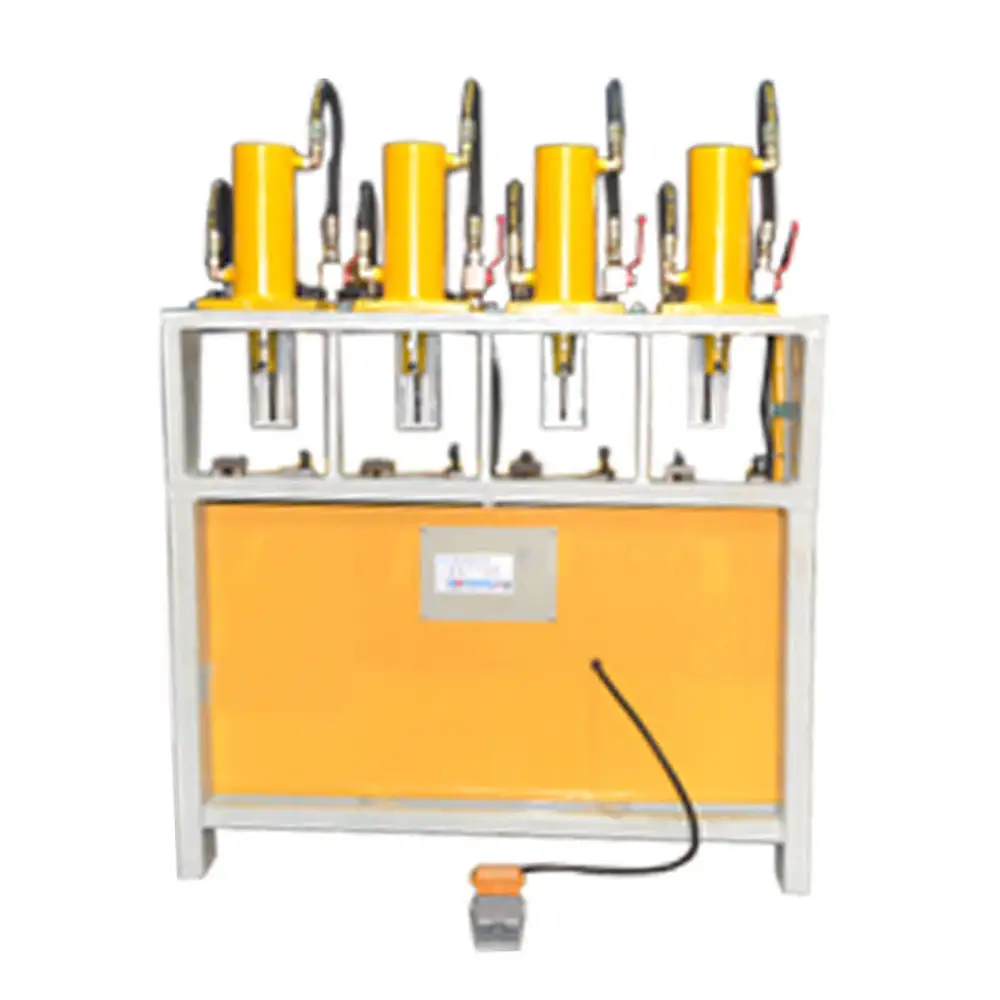
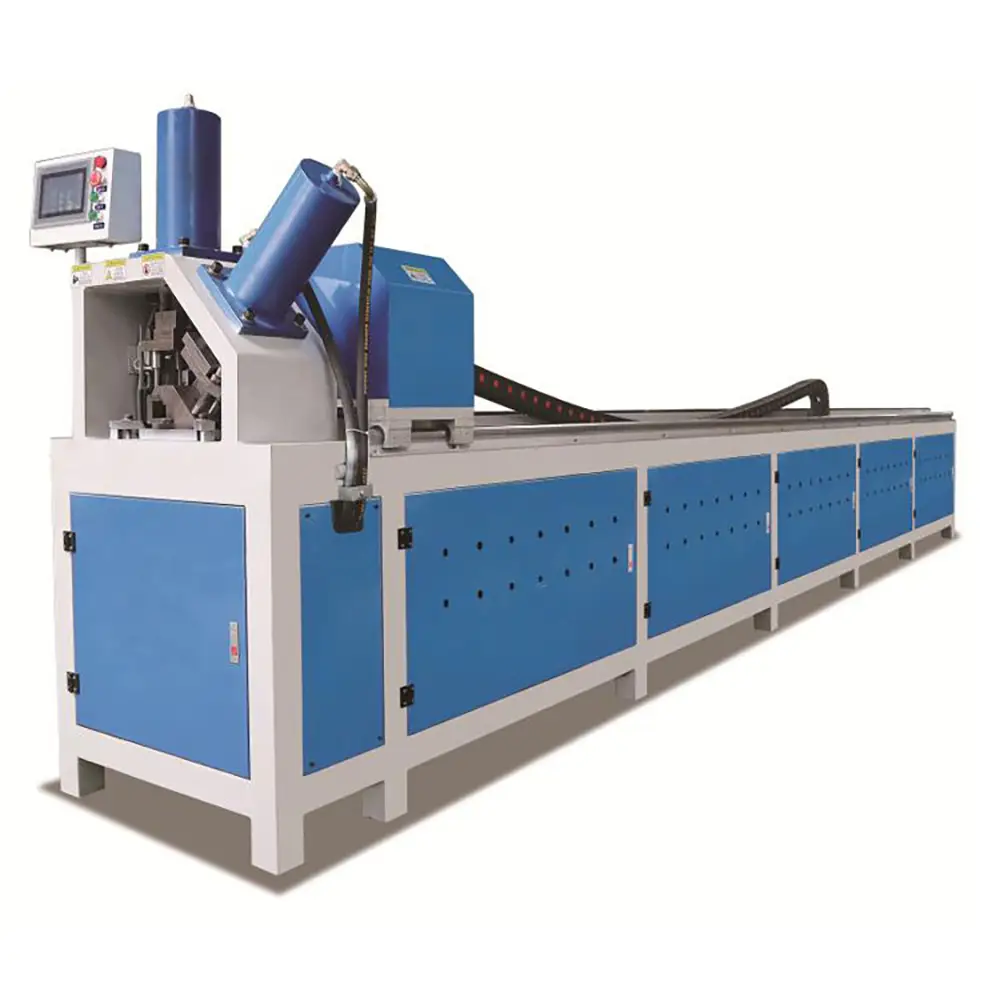
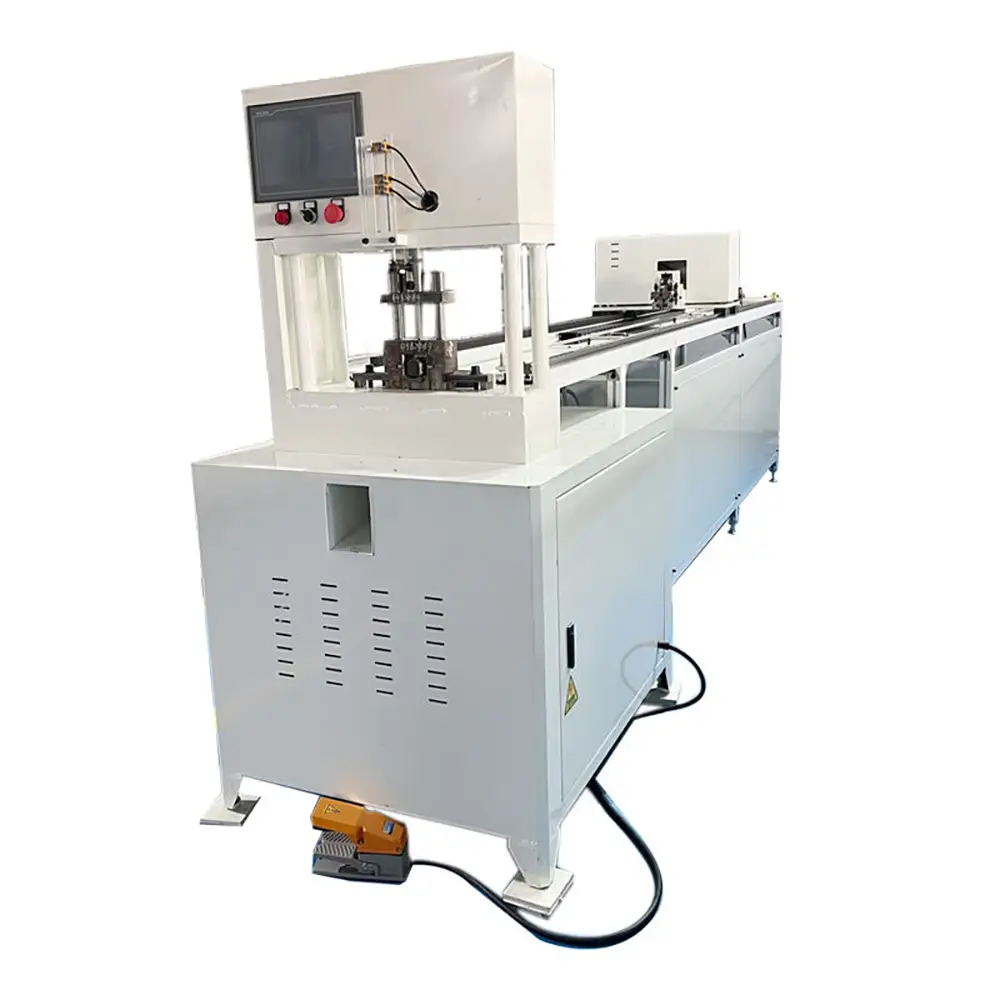
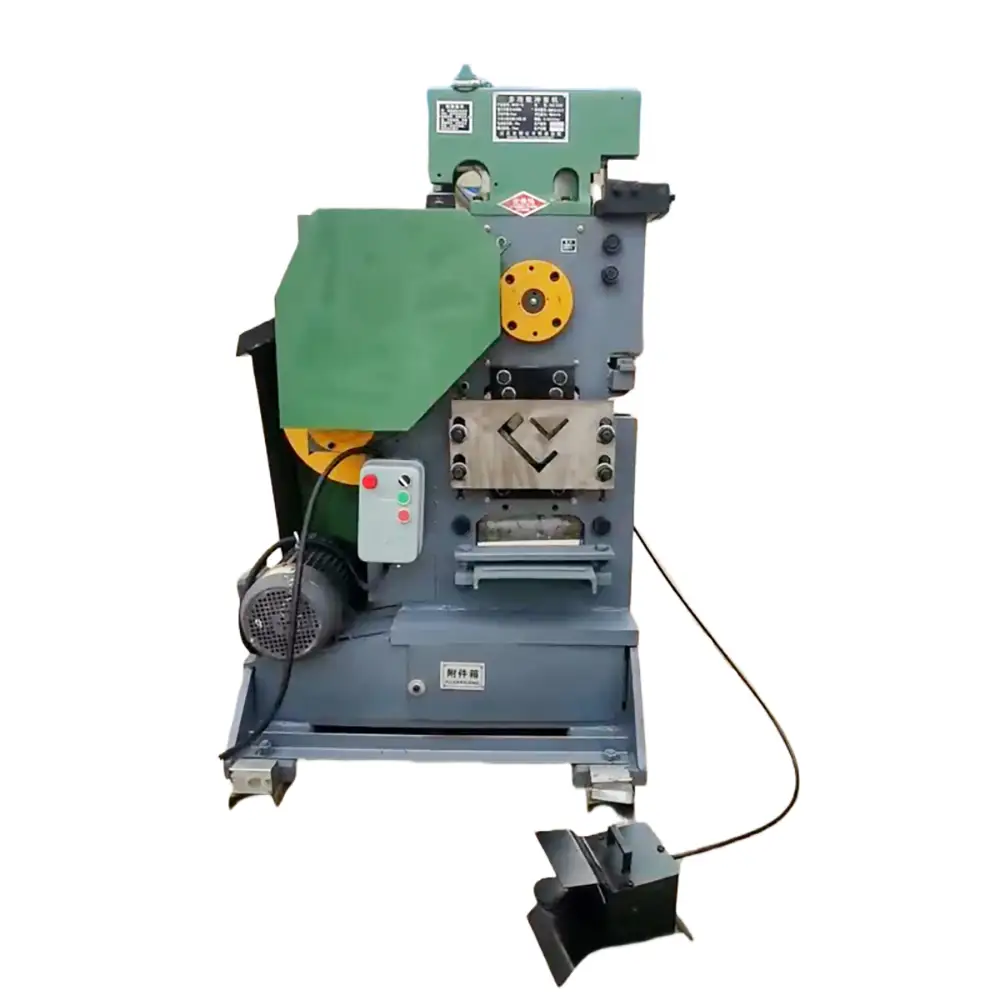
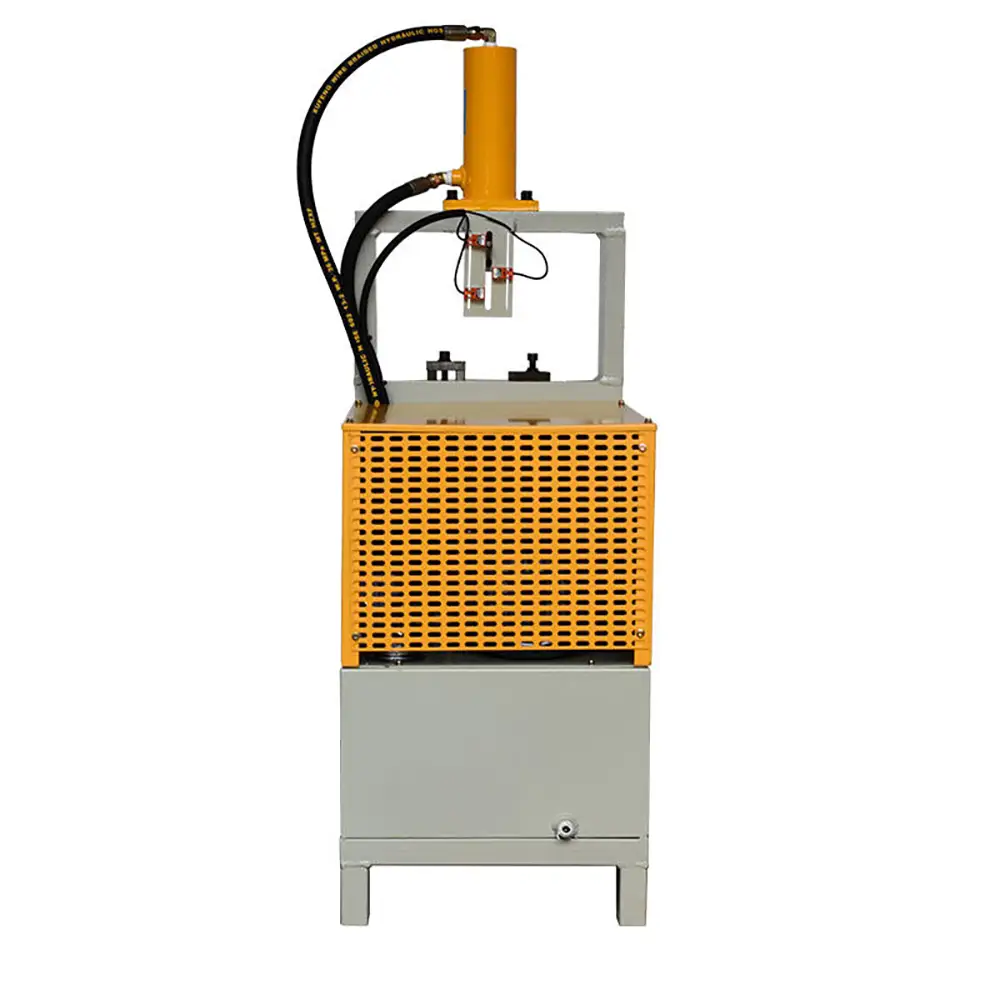
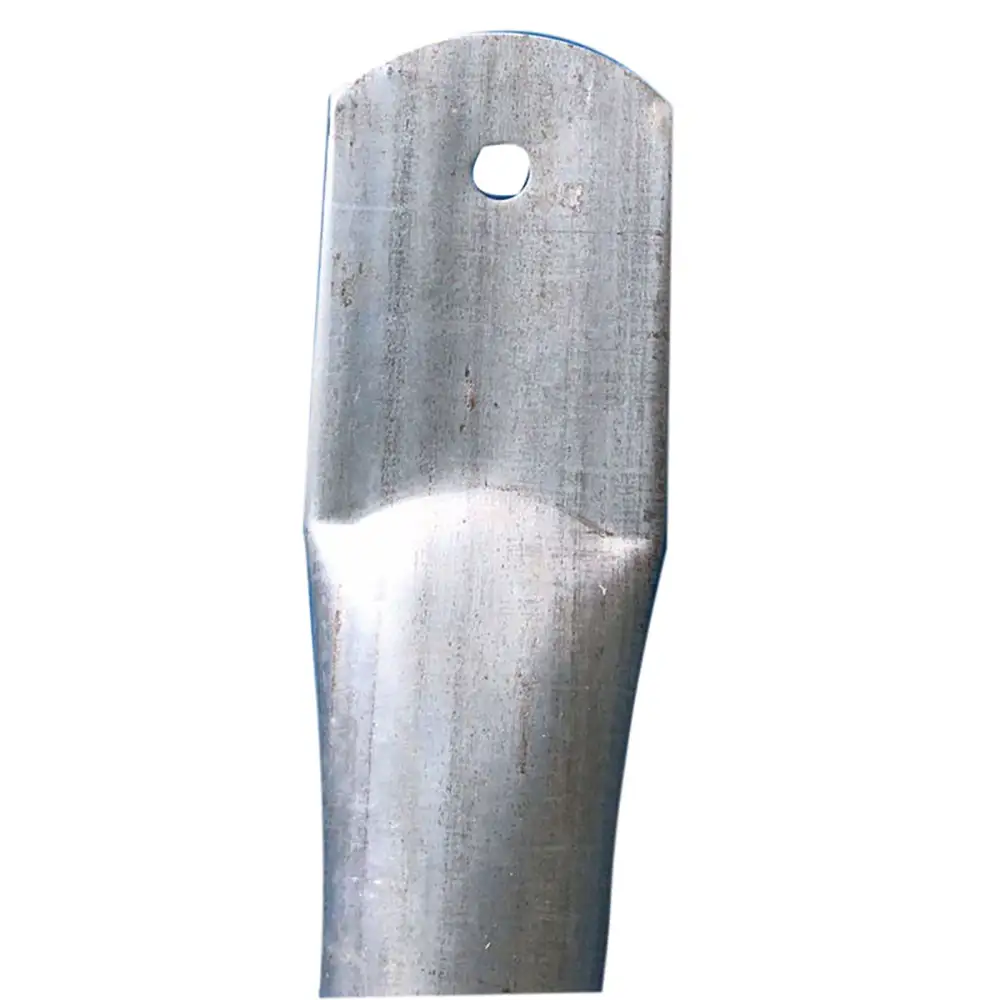
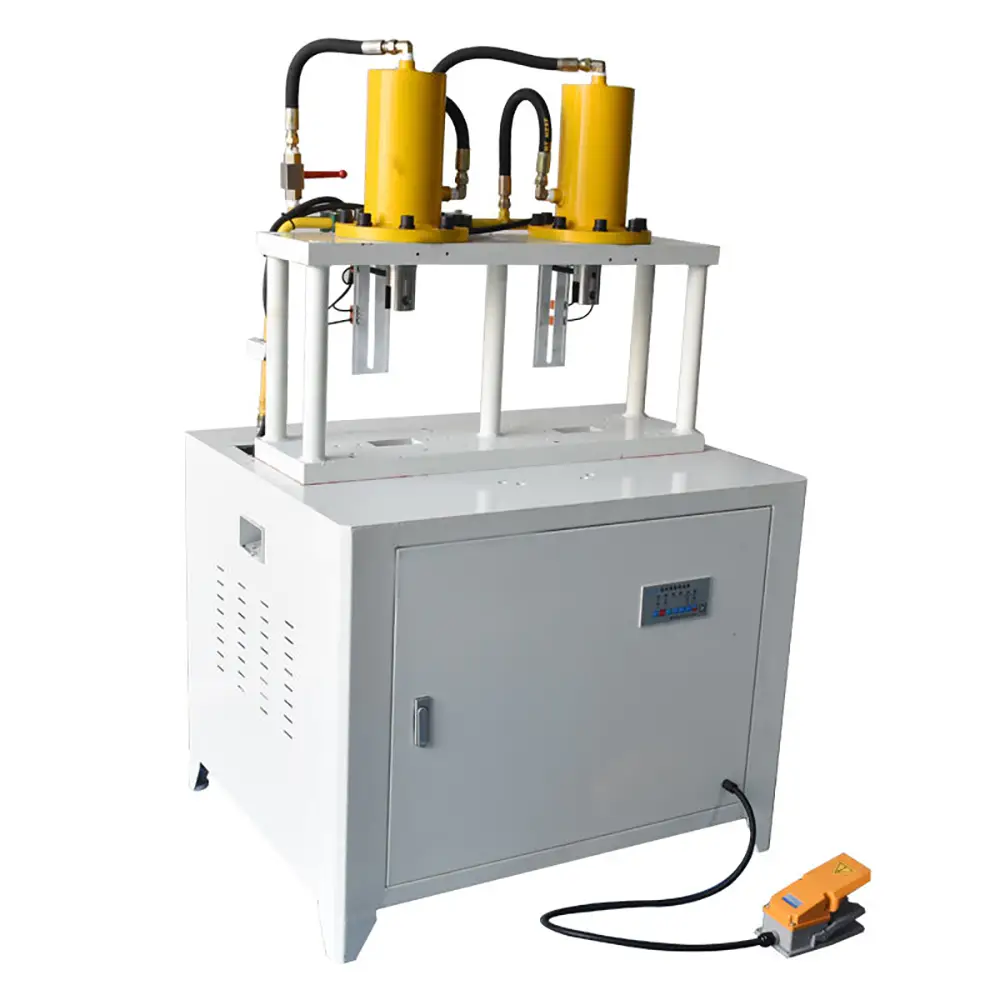
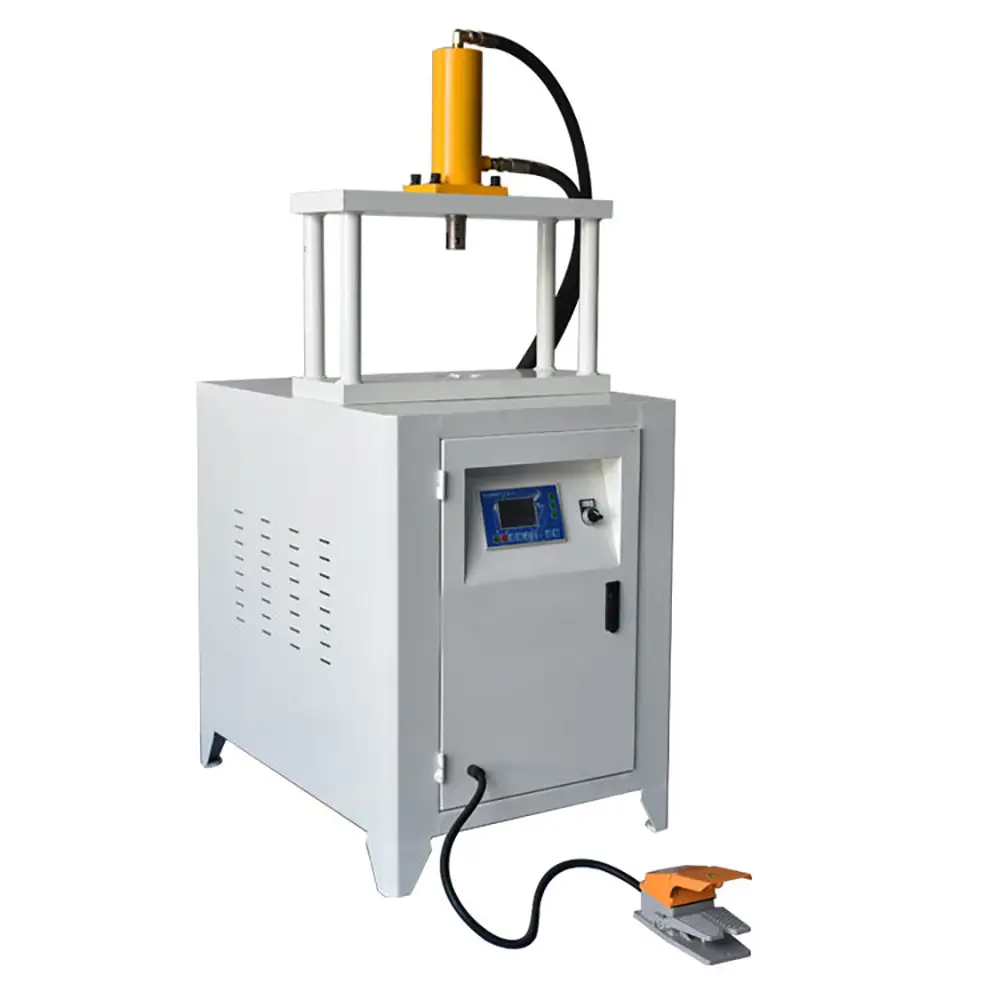
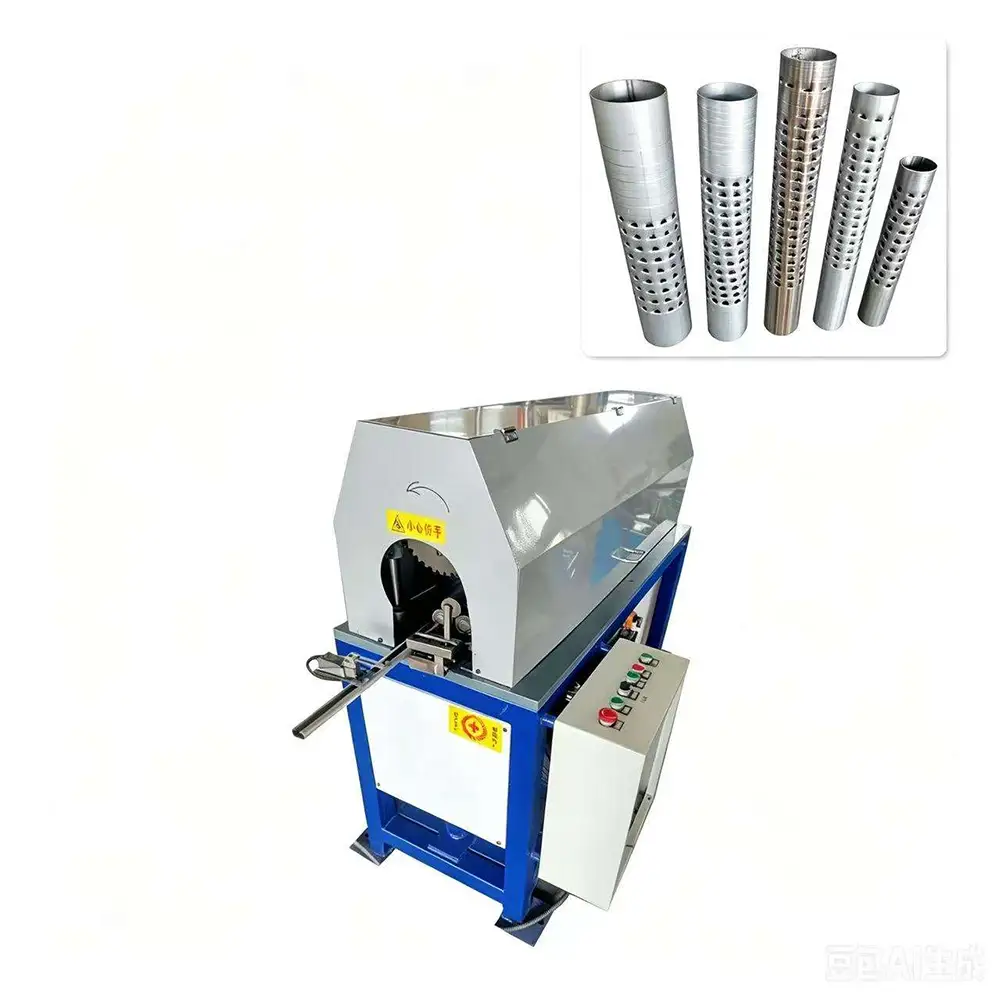
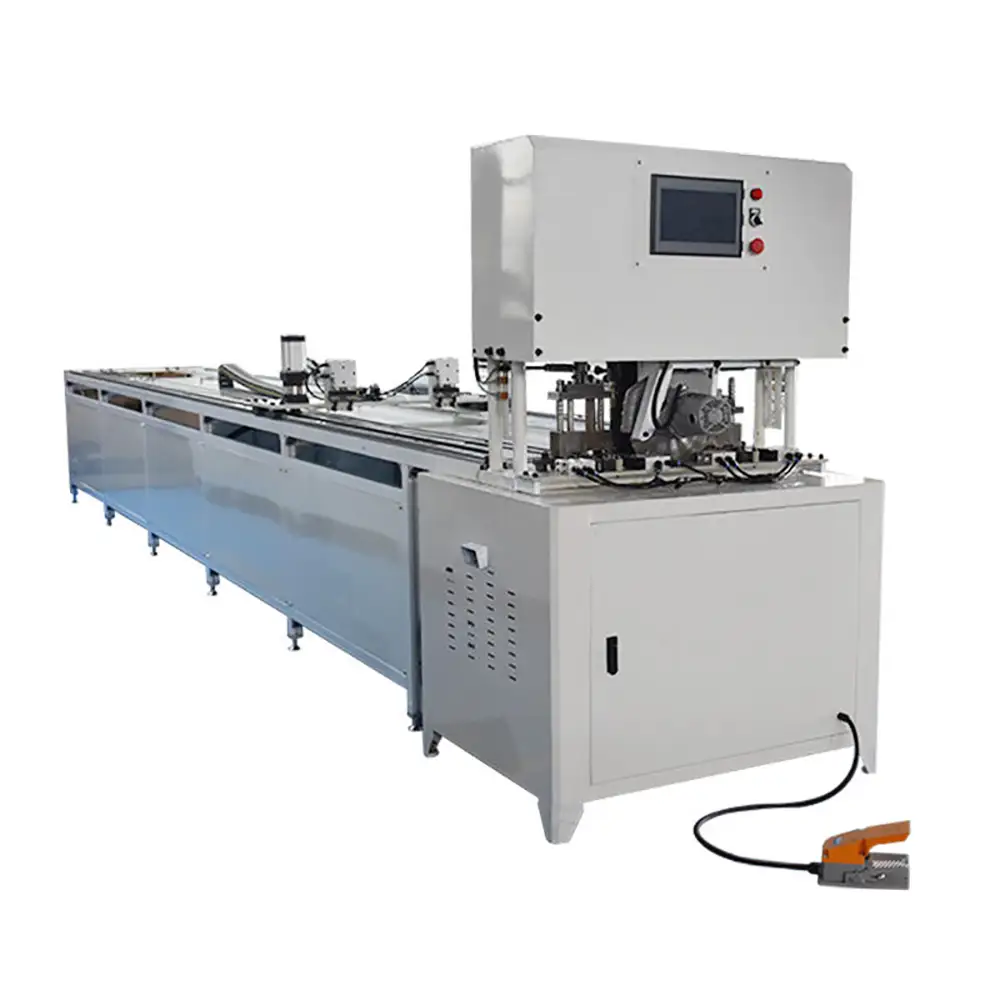
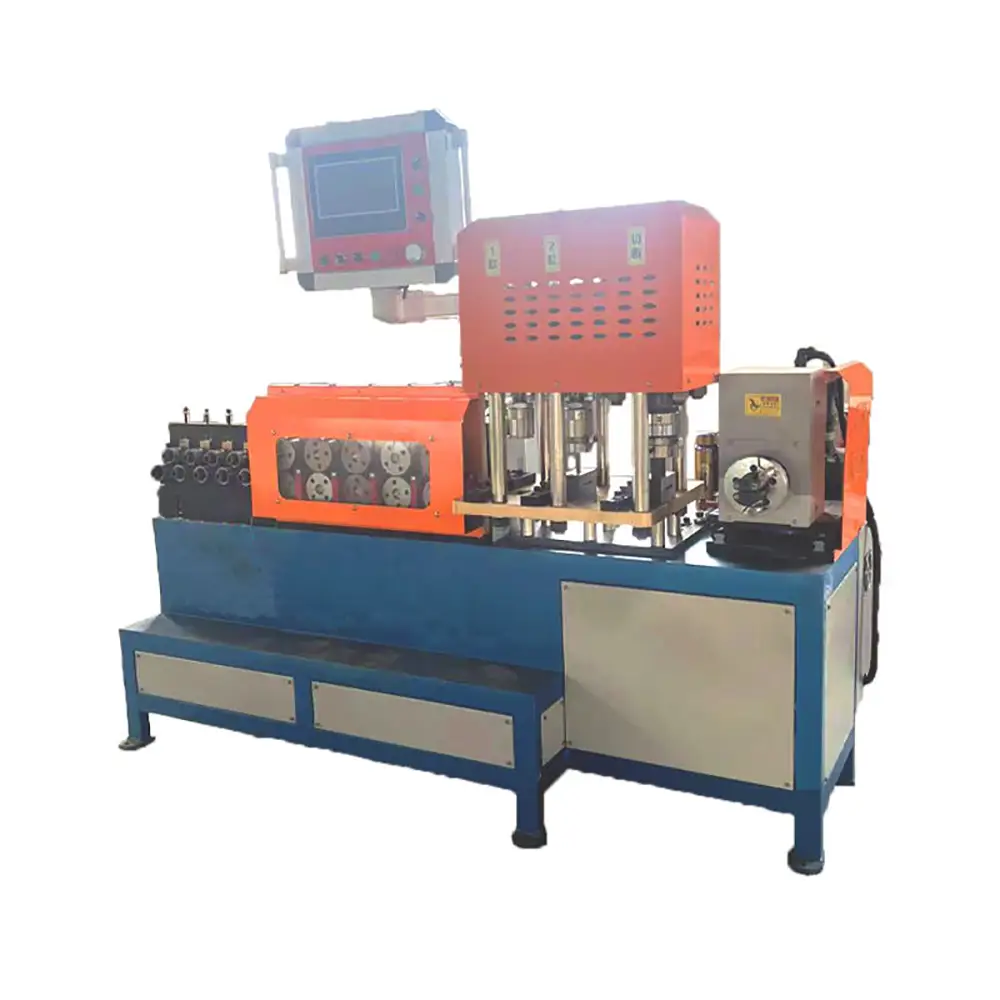
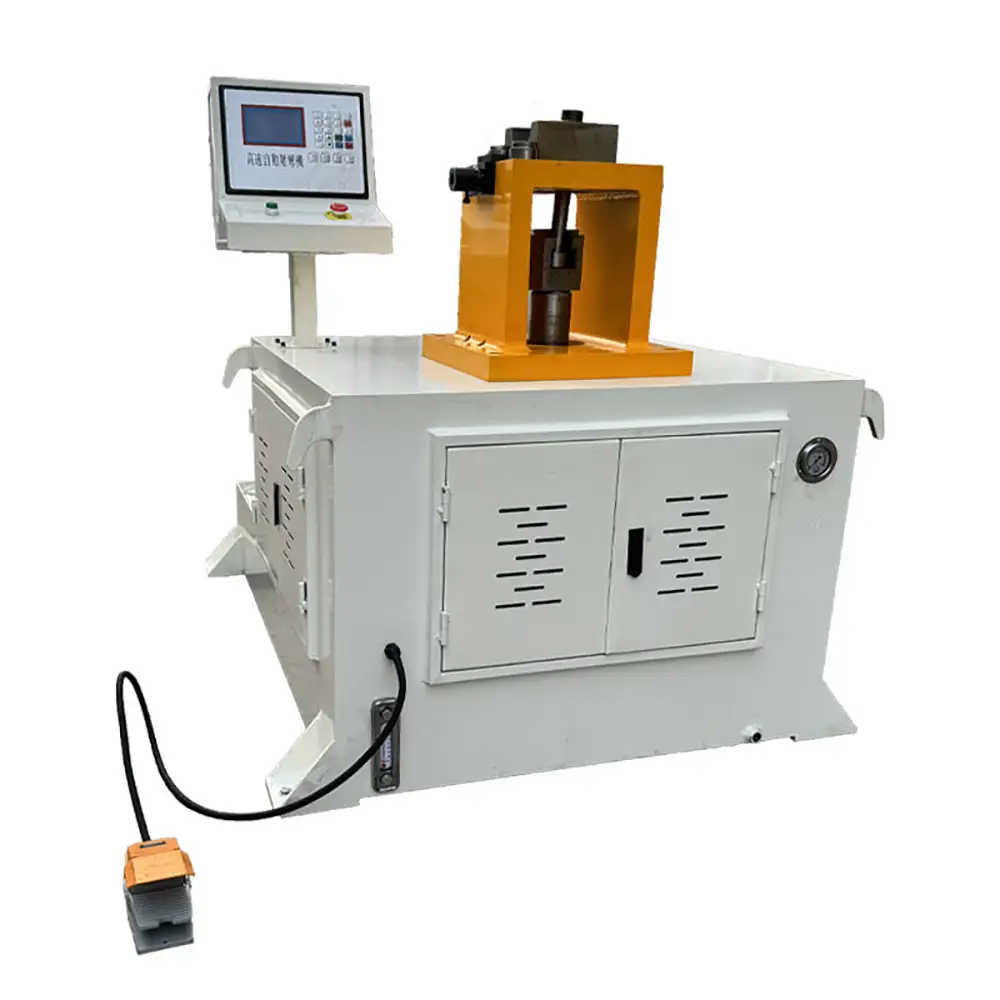
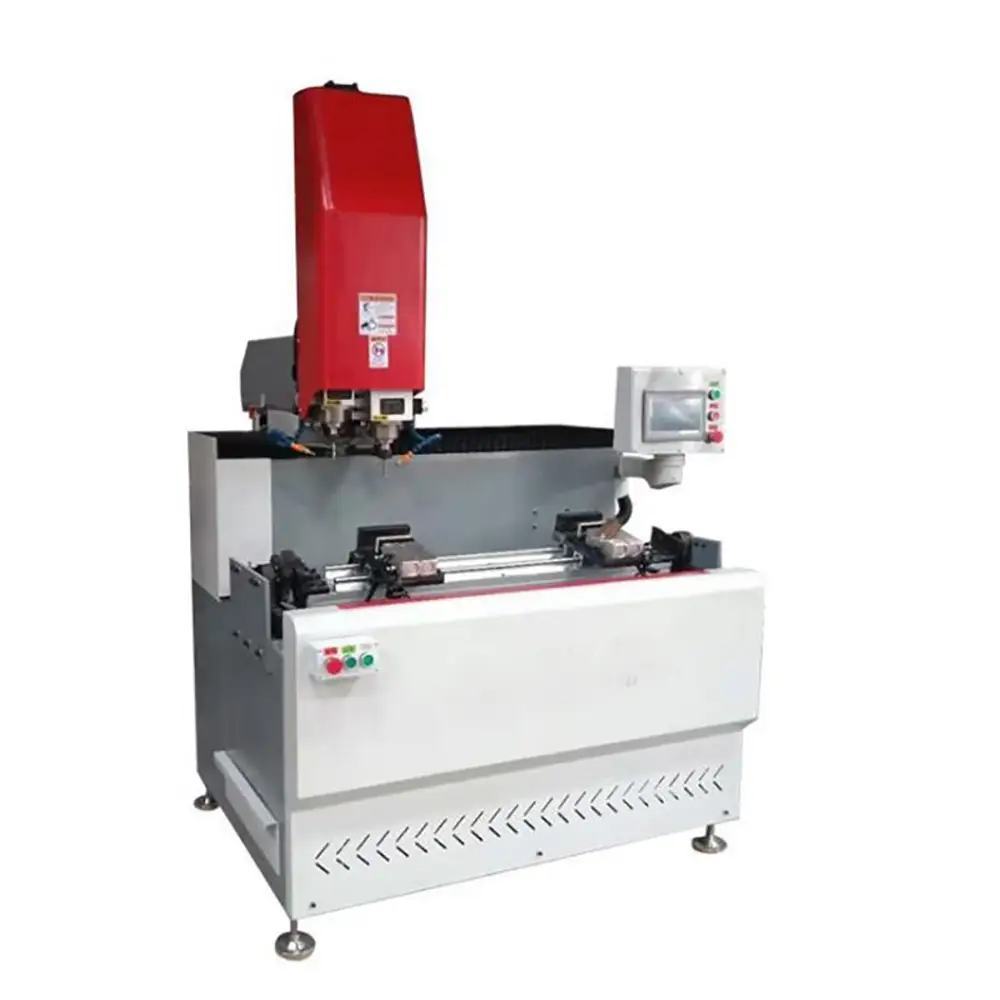
20T Two Heads Hydraulic Punch Hole Punching Machine/Arc Cutting Machine
Steel Punching Machine for Square Tube, Pipe, and Tube Hole Punching
The Steel Punching Machine is designed for efficient hole punching and processing of metal tubes, pipes, square tubes, and rectangular steel profiles. With configurable single-station and multi-station designs, the machine can support different production requirements ranging from customized fabrication to repetitive industrial tube processing.
Tube punching is widely used in the production of frames, racks, agricultural machinery, construction components, furniture, guardrails, automotive parts, and industrial equipment. A dedicated tube punching machine can provide a more consistent alternative to manual drilling or other hole-making methods when large numbers of similar holes are required.
Depending on the machine configuration, punching stations, hydraulic capacity, tooling, fixtures, and control system can be selected according to the material and required hole geometry. Actual punching capability depends on material strength, tube dimensions, wall thickness, hole diameter, punch and die design, and machine specifications.
Square Tube Punching Machine
Square tube punching is a common application for this type of equipment. Square steel tubes often require holes on one or more faces for bolting, assembly, welding fixtures, structural connections, or component installation.
A dedicated square tube fixture can hold the workpiece securely during punching. Proper positioning helps maintain consistent hole location throughout production.
Custom punches and dies can be developed for different hole diameters and tube dimensions. Depending on the machine design, positioning systems may also support repeated hole patterns along the length of the tube.
For manufacturers processing large quantities of square tube components, dedicated tooling can help reduce manual marking and improve production consistency.
Pipe and Round Tube Hole Punching
The machine can also be configured for round pipe and tube hole punching applications. Round tubes may require holes for brackets, fittings, fasteners, connections, or downstream assembly.
Because round tubes have curved surfaces, the fixture and punch geometry should be matched carefully to the tube diameter and required hole position.
Proper clamping helps prevent tube movement during punching and contributes to consistent hole quality. For specialized applications, custom tooling can be developed around the actual tube dimensions and hole pattern.
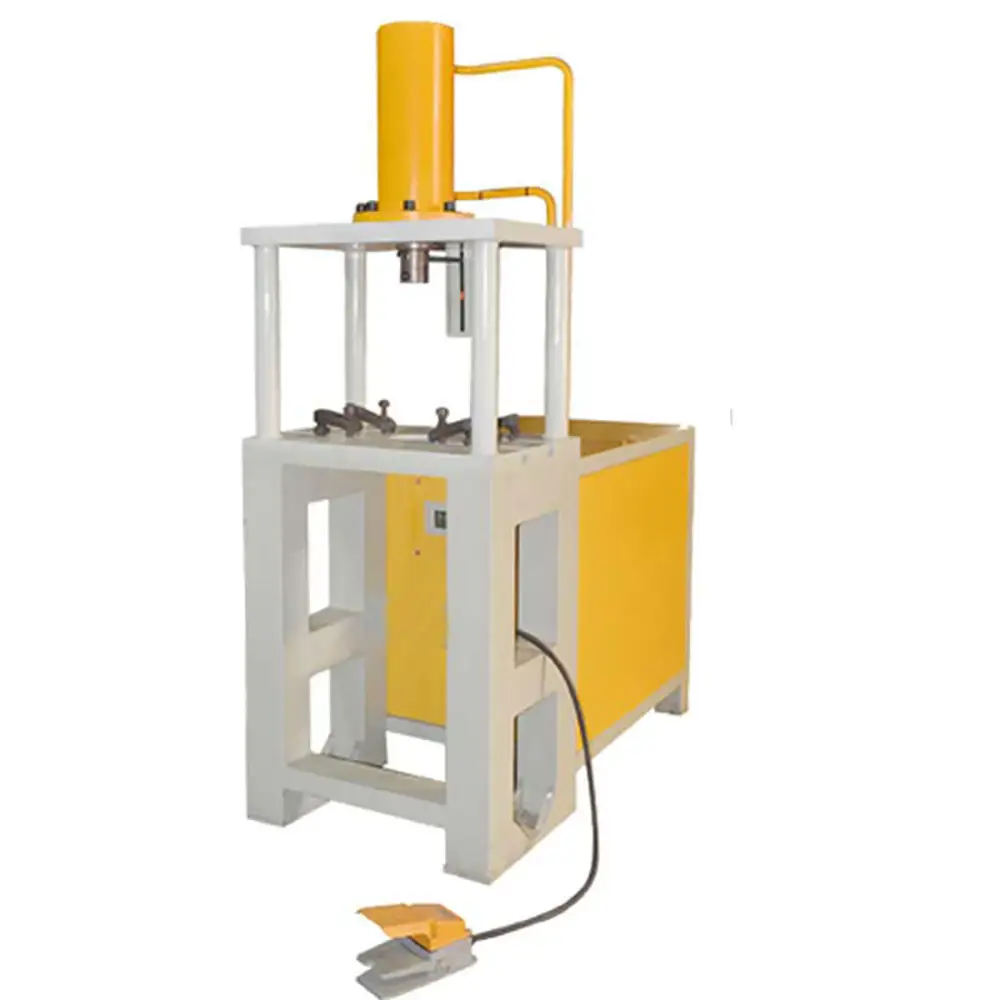
Single-Station Punching Machine
A single-station punching machine is suitable for applications where tube processing requirements are relatively straightforward or where production flexibility is more important than multiple simultaneous operations.
Single-station equipment can be useful for manufacturers producing different tube products because tooling can be changed according to the specific job.
It is also suitable for small and medium production runs, prototype manufacturing, customized components, and general metal fabrication.
The exact operating sequence depends on the machine configuration, but a typical process includes loading the tube, positioning it against a fixture or stop, clamping the workpiece, performing the punching operation, and removing the finished component.
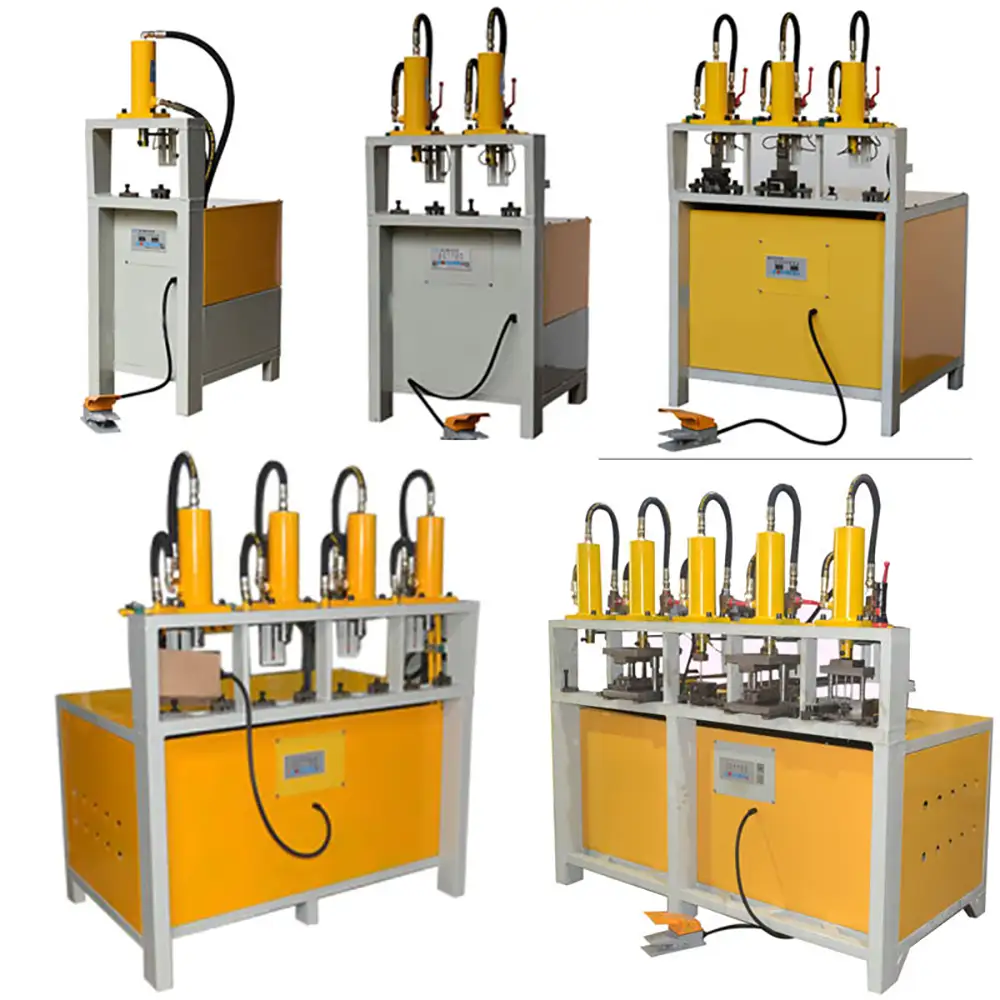
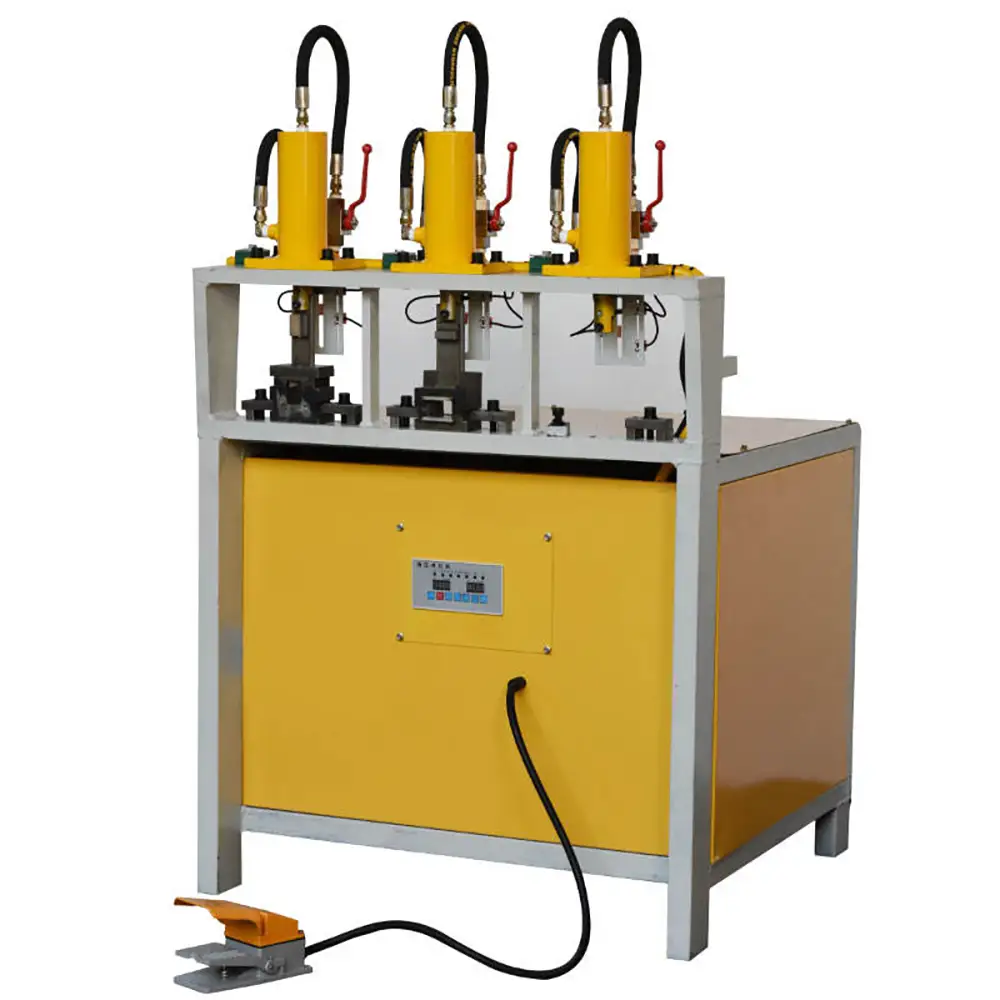
Multi-Station Tube Punching Machine
A multi-station tube punching machine is designed for production environments requiring multiple punching operations or multiple processing positions.
Several punching stations can be arranged according to the product design and production workflow. This can reduce repeated repositioning and improve the efficiency of repetitive tube processing.
Multi-station configurations are particularly useful when a tube requires several holes, different hole positions, or multiple processing steps.
The number and arrangement of stations should be selected according to the required tube dimensions, hole pattern, production volume, tooling requirements, and machine configuration.
Hydraulic Tube Punching Technology
Hydraulic punching provides controlled forming force for creating holes in suitable metal tubes and profiles. The hydraulic system can be matched to the required punching load based on material properties, tube wall thickness, hole diameter, and tooling.
Hydraulic tube punching is commonly used for steel and stainless steel components, although suitable configurations can also be developed for aluminum and other compatible metals.
Tooling selection is important. A properly matched punch and die can help achieve clean holes while reducing unnecessary tool wear.
For production applications, customers should evaluate the required punching capacity based on the actual material and dimensions rather than selecting a machine only by nominal tube size.
Custom Punches, Dies, and Fixtures
Custom tooling is one of the most important factors in specialized tube punching.
Different products may require different hole diameters, hole shapes, spacing, positions, and tube orientations. The machine can therefore be configured with application-specific punches, dies, clamps, stops, and positioning fixtures.
Custom tooling can be developed from engineering drawings, tube samples, hole patterns, or finished-product requirements.
For OEM manufacturing, providing detailed drawings before production helps determine the appropriate tooling arrangement and processing sequence.
Hole Patterns and Repetitive Tube Processing
Many industrial tube products require multiple holes at predefined distances. Repetitive hole patterns are common in storage racks, frames, agricultural equipment, construction products, furniture, and industrial structures.
A dedicated tube punching machine can help standardize the positioning process. Stops, scales, fixtures, or other positioning systems can be used depending on the machine design.
For multi-hole applications, repeatable positioning is important because small deviations can accumulate across long tube sections.
The actual positioning accuracy depends on the machine structure, fixture design, positioning system, operator procedure, and workpiece characteristics.
Materials and Tube Profiles
The machine can be configured for a variety of metal profiles, including:
Carbon steel tubes
Stainless steel tubes
Square steel tubes
Rectangular steel tubes
Round pipes
Aluminum tubes
Galvanized steel profiles
Other compatible metal sections
Material strength and wall thickness directly influence the required punching force and tooling design.
For harder materials or thicker sections, a suitable hydraulic system and punch/die combination should be selected based on engineering calculations and testing.
Applications
Steel and tube punching machines are widely used across different industries, including:
Steel structure manufacturing
Metal furniture production
Agricultural machinery
Construction equipment
Automotive components
Motorcycle and bicycle frames
Storage racks and shelving
Guardrails and fencing
Fitness equipment
Machine frames
Solar mounting structures
General metal fabrication
The exact application range depends on the machine configuration and tooling.
Production Efficiency
For repetitive production, a dedicated tube punching machine can reduce manual drilling, marking, and repositioning operations.
A fixture designed specifically for the product can help operators load the tube consistently and repeat the same punching process from one workpiece to another.
Multi-station configurations can further streamline production when several punching operations are required on the same component.
Actual production speed depends on hole size, tube dimensions, number of holes, loading method, station configuration, tooling changes, and operator workflow.
Quality Control and Maintenance
Regular quality checks should include hole diameter, hole position, edge condition, tube deformation, and overall dimensional consistency.
Punches and dies should be inspected for wear. Damaged or excessively worn tooling can affect hole quality and increase the load on the machine.
Operators should also inspect hydraulic components, hoses, fixtures, clamps, electrical systems, and moving parts according to the manufacturer's maintenance recommendations.
Keeping the tooling and work area clean helps maintain stable positioning and reduces the risk of debris affecting the punching process.
Safety and Operation
Operators should receive appropriate training before using the machine. Workpieces should be securely positioned and clamped before punching.
Safety procedures should include appropriate guarding, emergency-stop functions, electrical protection, and safe access to the working area according to the actual machine configuration and applicable local requirements.
Personal protective equipment should be selected according to the production environment and material being processed.
Custom & OEM Tube Punching Solutions
For customers with specialized requirements, Custom & OEM services can include customized punching stations, punches, dies, fixtures, positioning systems, and production layouts.
Customers can provide tube drawings, material specifications, hole patterns, production quantities, or physical samples. These details can be used to develop a suitable machine and tooling configuration.
This makes the Steel Punching Machine suitable for manufacturers, distributors, wholesalers, purchasing agents, and international B2B buyers seeking customized tube and pipe hole punching equipment.
Why Choose Us
Single And Multi-Station Options — Machine configurations can be selected according to production volume, hole patterns, and processing requirements.
Square Tube Punching Capability — Suitable tooling and fixtures can be developed for square and rectangular steel tube applications.
Pipe And Round Tube Processing — Dedicated fixtures can support punching applications on round pipes and tubes.
Custom Punching Tooling — Punches, dies, clamps, stops, and fixtures can be customized for specific products.
Hydraulic Punching Technology — Controlled hydraulic force supports repetitive hole punching in suitable metal tube applications.
OEM & ODM Support — Machine configurations can be developed around drawings, tube samples, and production requirements.
Wide Industrial Applications — Suitable for construction, agriculture, furniture, automotive, equipment frames, racks, and general fabrication.
B2B Manufacturing Support — Suitable for factories, wholesalers, distributors, purchasing agents, and industrial equipment buyers.
FAQs
1. What is a steel punching machine?
A steel punching machine is equipment designed to create holes or openings in metal components using a punch and die system. It can be configured for steel tubes, pipes, square tubes, and rectangular profiles.
2. Can this machine punch square steel tubes?
Yes. With appropriate fixtures and punching tooling, the machine can be configured for square steel tube hole punching.
3. Can it punch round pipes?
Yes. Round pipe and tube punching can be performed when the machine is equipped with suitable workholding and tooling.
4. What is the difference between single-station and multi-station punching?
A single-station machine uses one primary processing position, while a multi-station machine provides multiple processing positions or punching stations according to its design.
5. Can the machine punch stainless steel tubes?
Yes. Stainless steel tubes can be processed when the machine capacity, punch, die, fixture, and tooling are appropriately matched to the material.
6. Can it process rectangular tubes?
Yes. Rectangular steel tubes can be processed with suitable fixtures and tooling.
7. Can custom punches and dies be supplied?
Yes. Custom punching tools can be developed according to hole diameter, hole shape, tube dimensions, material, and production requirements.
8. Can the machine punch multiple holes on one tube?
Yes. Multiple holes can be processed using suitable positioning systems, fixtures, or multi-station configurations.
9. What factors determine punching capacity?
Important factors include material strength, tube wall thickness, hole diameter, tube dimensions, punch and die design, and available hydraulic or mechanical force.
10. Is the machine suitable for OEM production?
Yes. OEM configurations can include custom tooling, fixtures, punching stations, positioning systems, and other production-specific features.
11. How can I select the right tube punching machine?
Provide the tube material, tube profile, dimensions, wall thickness, hole diameter, hole positions, required quantity, and production cycle requirements.
12. Can you make a customized tube punching solution?
Yes. Customers can provide drawings or tube samples for evaluation, and the machine and tooling can be configured according to the actual application.
Prev:
Semi Automatic Exhaust Pipe Perforating Machine for Muffler | Hole Punching Stainless Steel Tube
Next:
Double Head Tube End Notching Machine
TAG:
Metal Tube Processing Machine,
Pipe Processing Machine,
Tube Processing Machine,
Pipe Fabrication Machine,
Tube Fabrication Machine,
Tube Punching Equipment,
Round Tube Punching Machine,
Metal Tube Punching Machine,
Automatic Tube Punching Machine,
Automatic Pipe Punching Machine,
Pipe Hole Punching Machine,
Tube Punching Machine,
Tube Hole Punching Machine,
Pipe Punching Machine,
Stainless Steel Tube Punching Machine,
Steel Tube Punching Machine,
Hydraulic Pipe Punching Machine,
Hydraulic Tube Punching Machine,
Square Tube Processing Machine,
Tube Hole Making Machine,
Pipe Hole Making Machine,
Metal Tube Hole Making Machine,
Metal Pipe Punching Machine,
Pipe Punching Equipment,
Single Station Tube Punching Machine,
Hydraulic Steel Punching Machine,
Metal Tube Punching Equipment,
Steel Punching Machine,
Tube Punching And Cutting Machine,
Rectangular Tube Processing Machine,
Related Category:
Steel Punching Machine,Square Tube Punching Machine,Pipe Hole Punching Machine,Tube Hole Punching Machine,Steel Tube Pun China, suppliers, manufacturers, factory, customized, wholesale, quotation, made in China