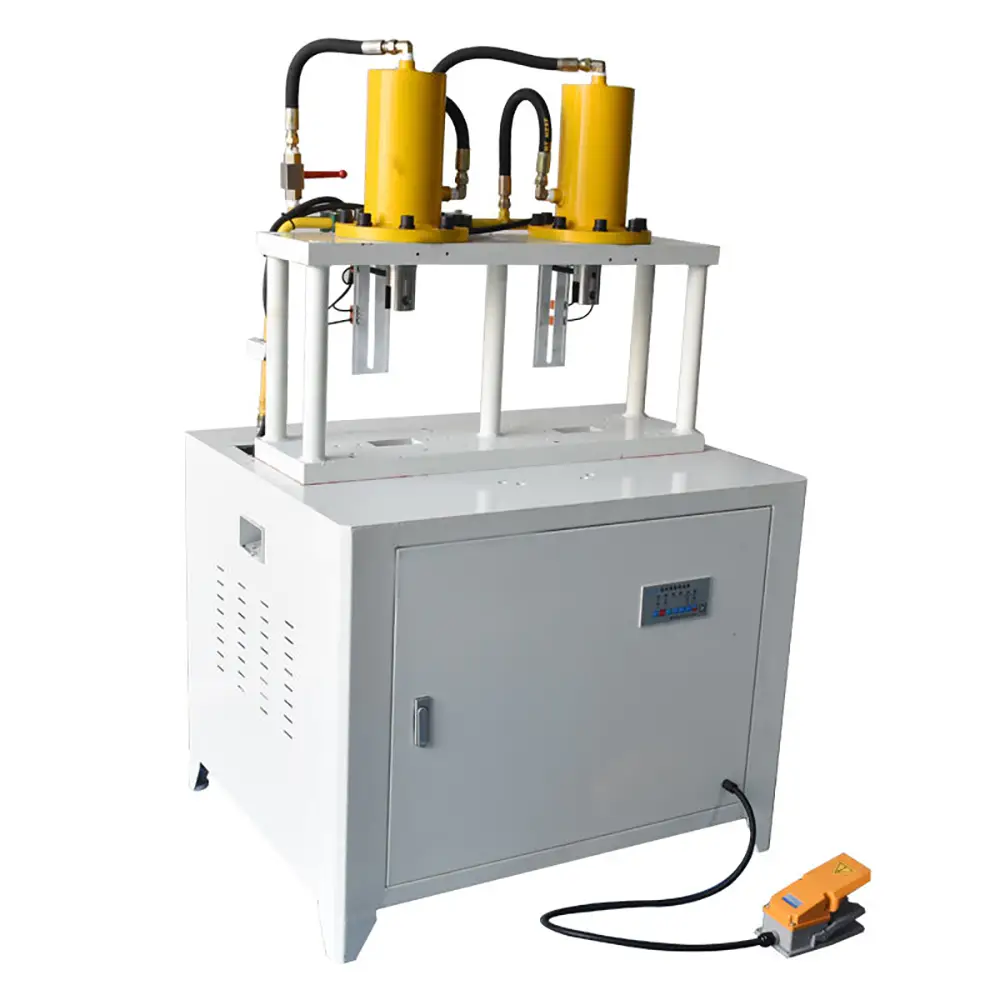
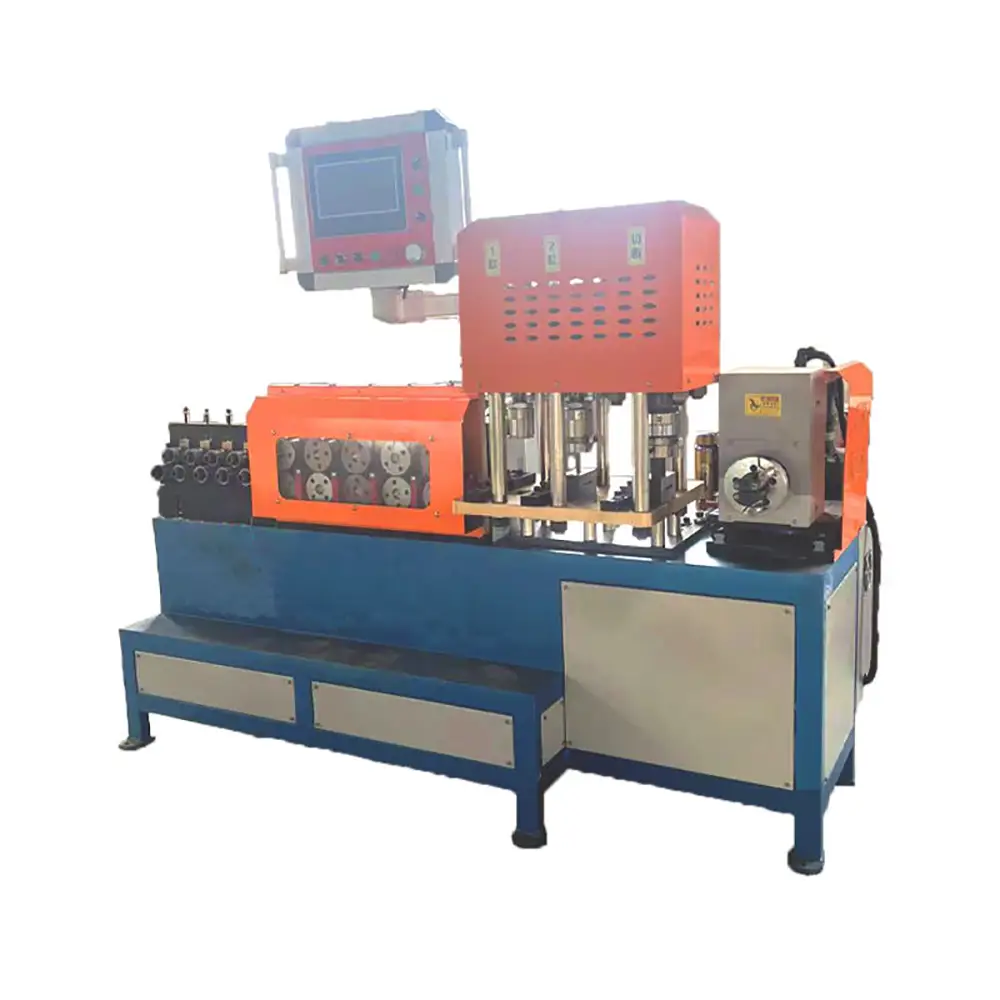
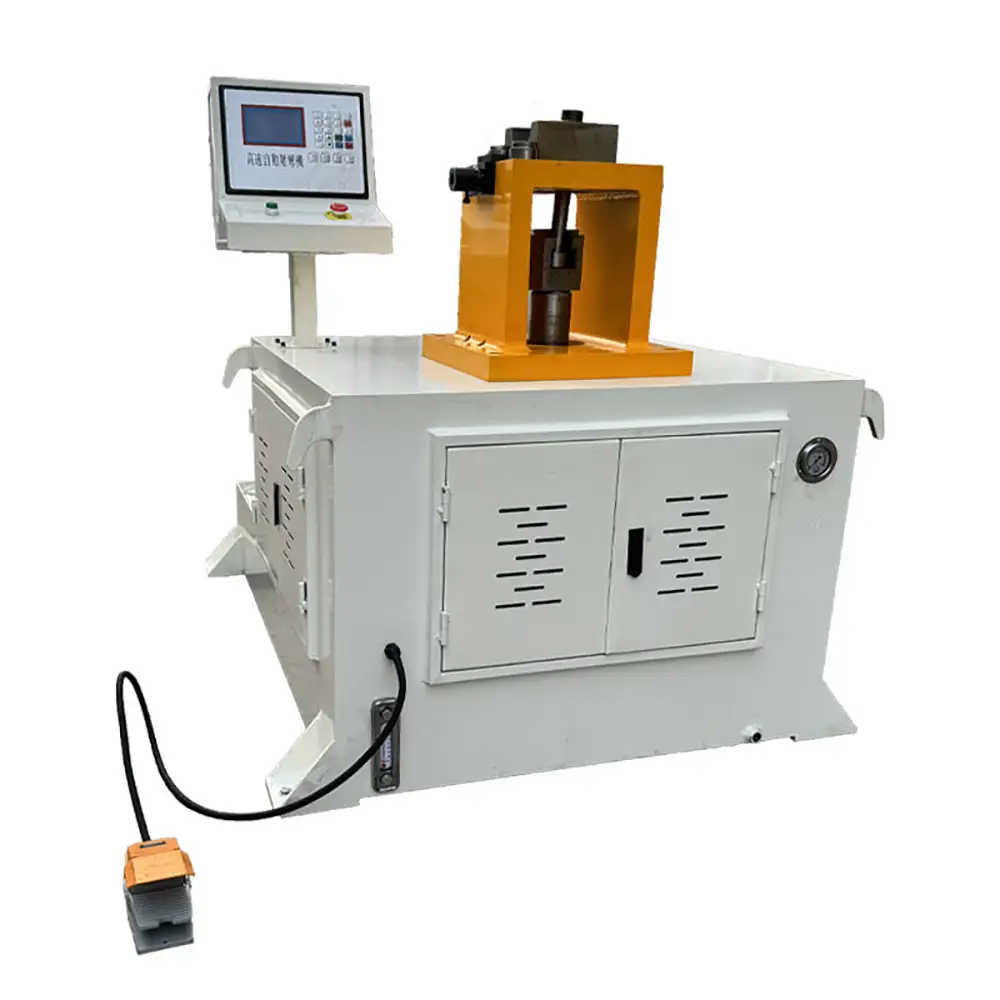
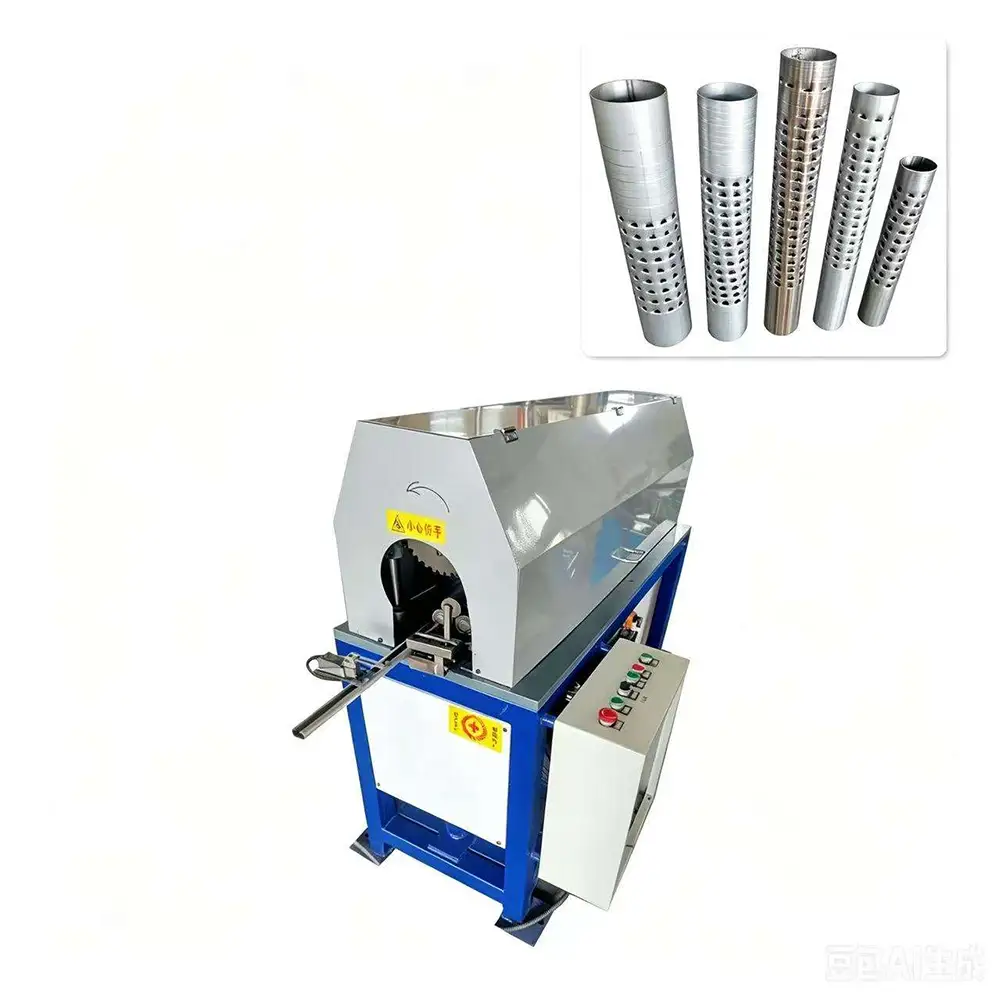
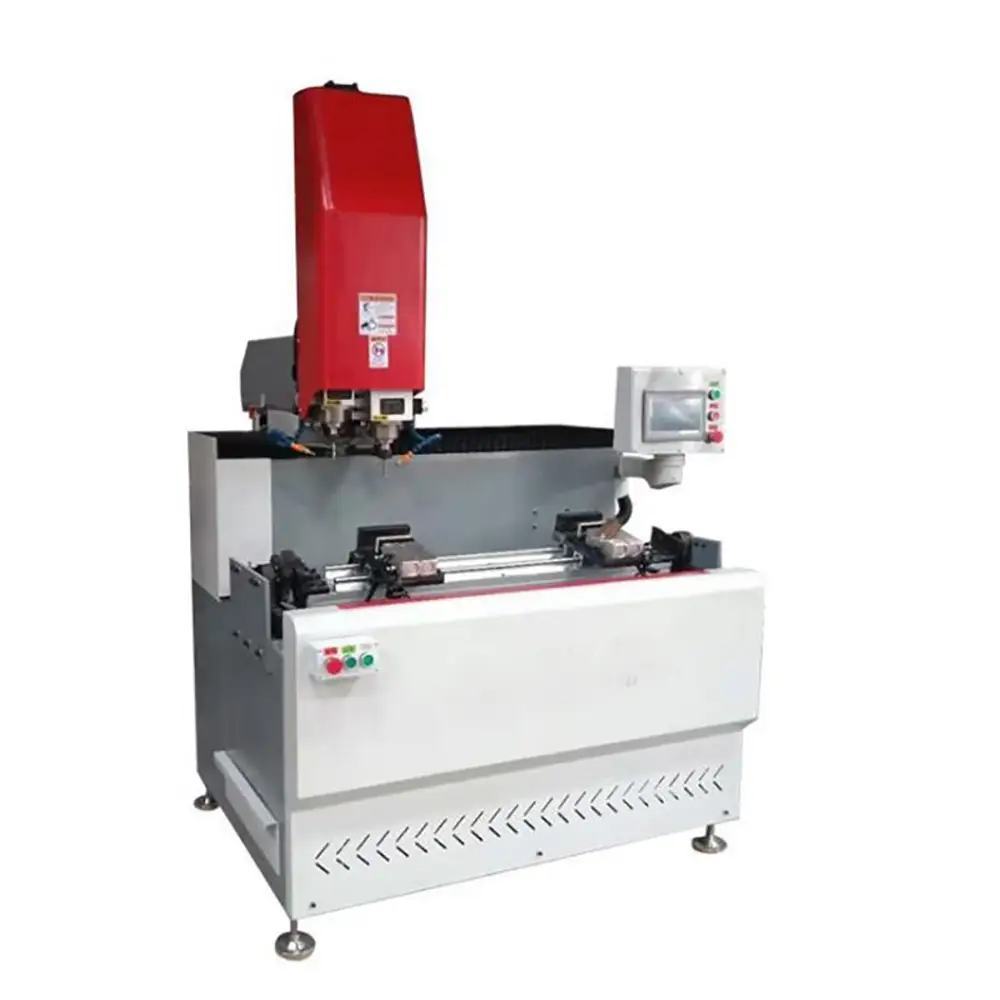
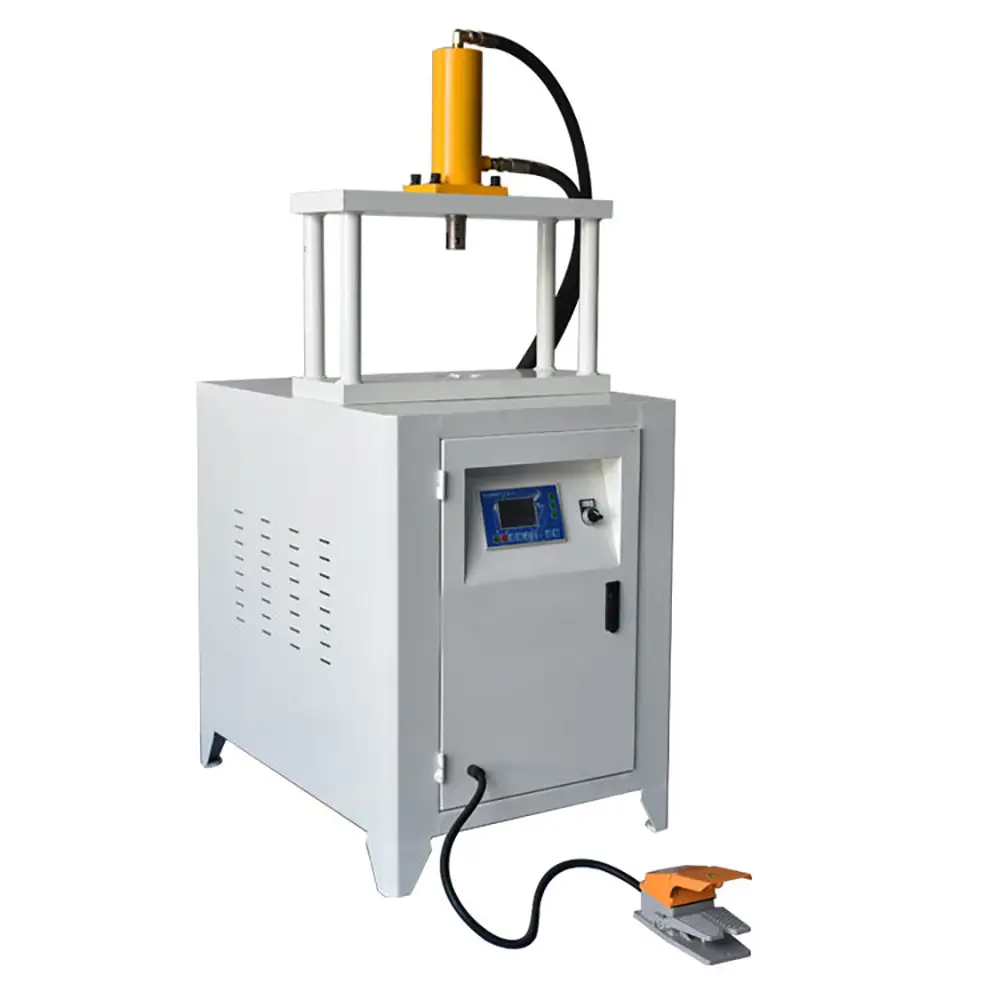
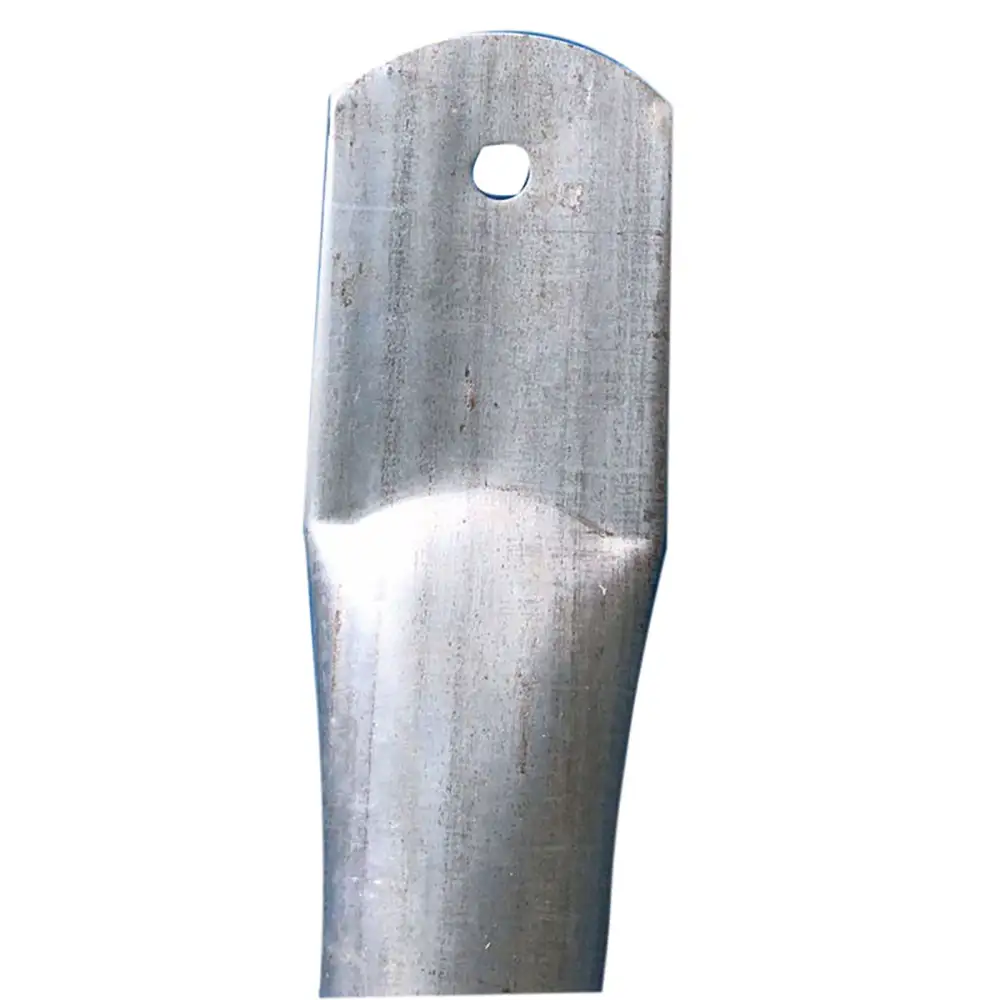
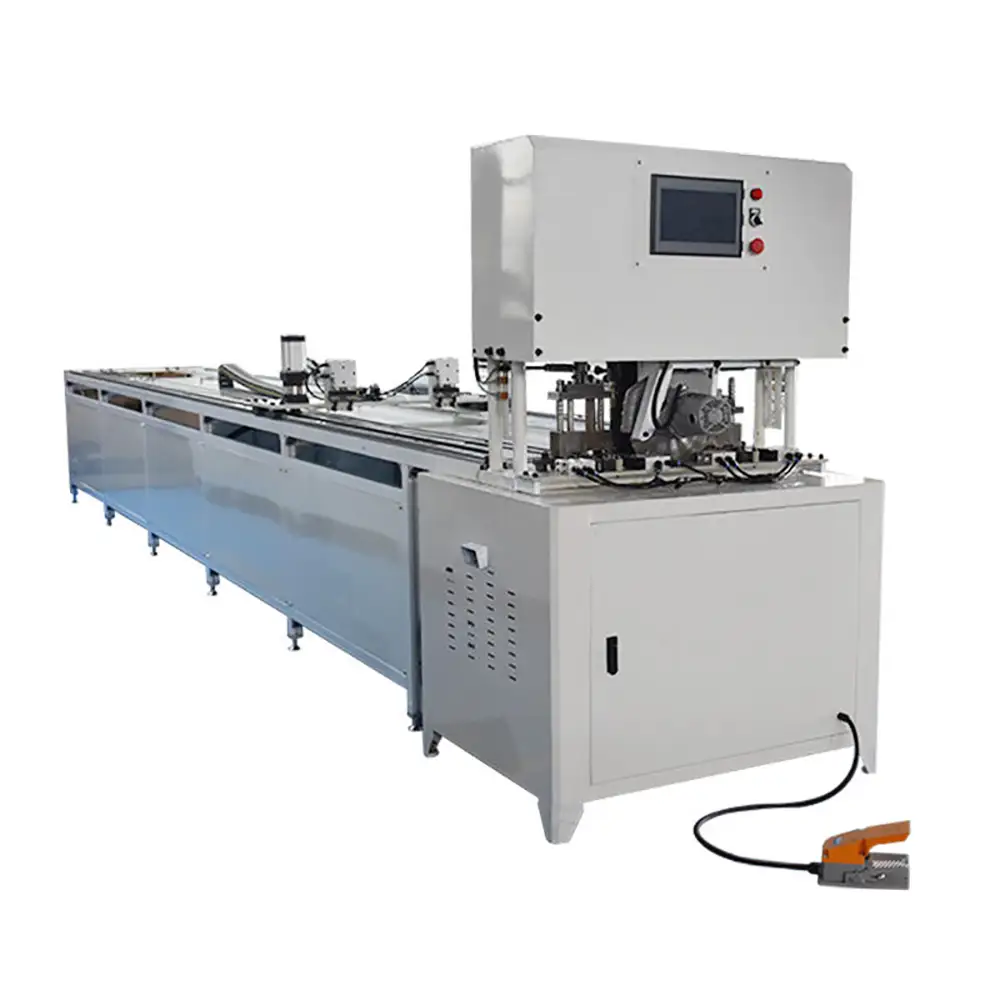
1 feed pipe by manual,puch different arc size fit to different pipe diameter
2 fit to carbon steel, stainless steel , copper, aluminum,glass fiber steel and so on
3 hole shape: round, square, rectangle, ellipse, and notch
4 punching type. half(one wall/side), through(two side/wall)
Inner package foamed plastic or stretch film,outpackage:iorn frame or wooden case.
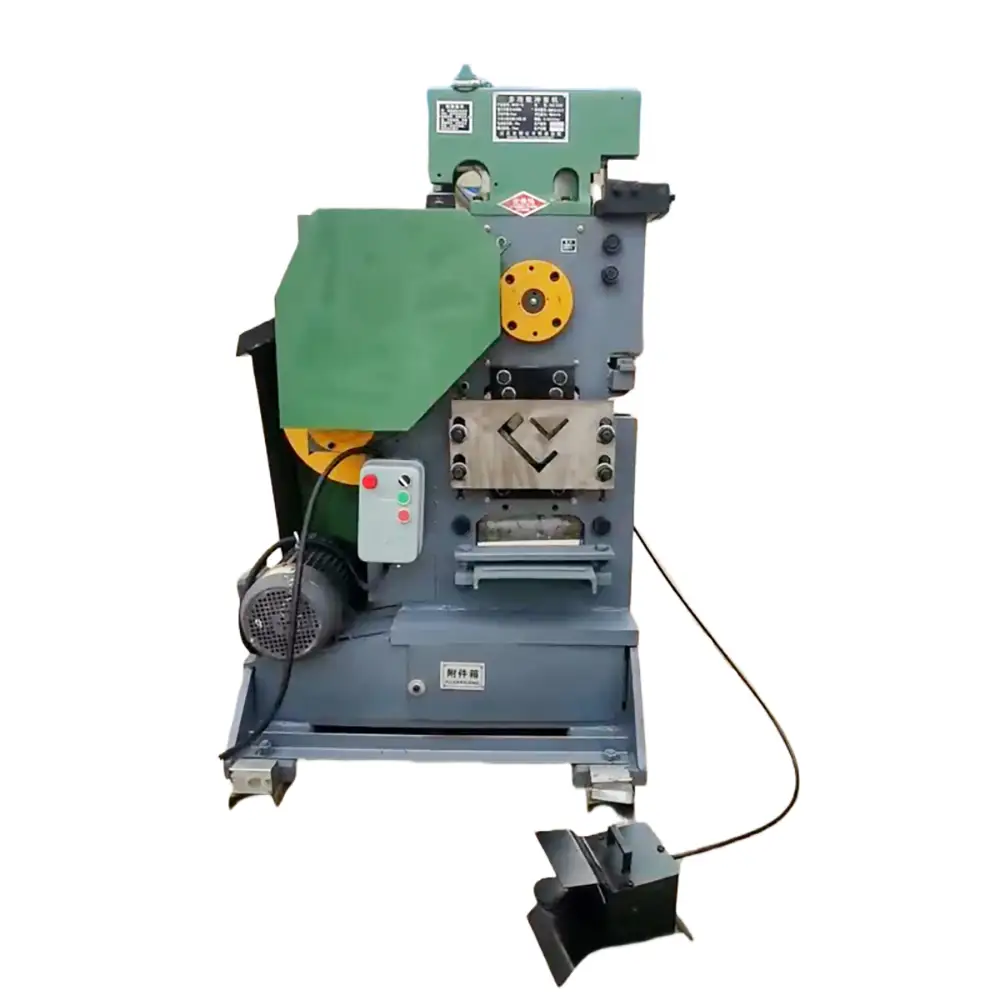
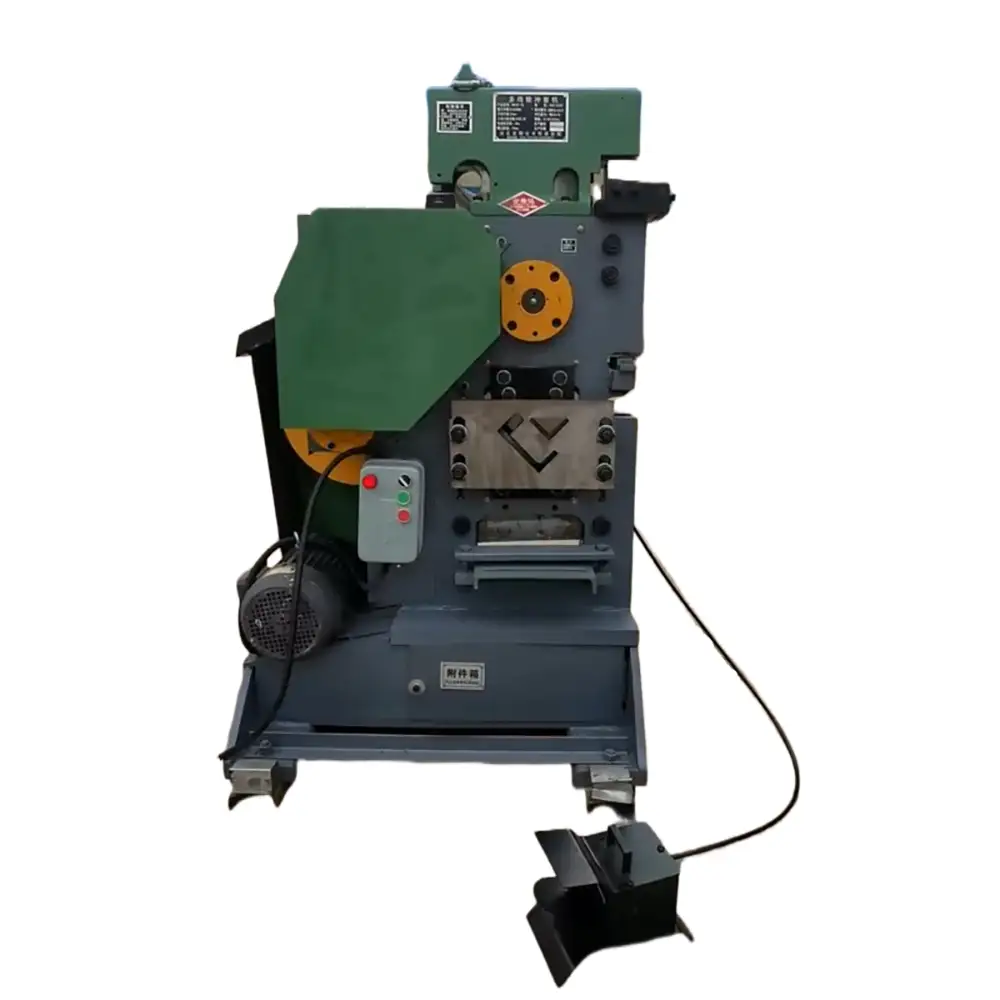
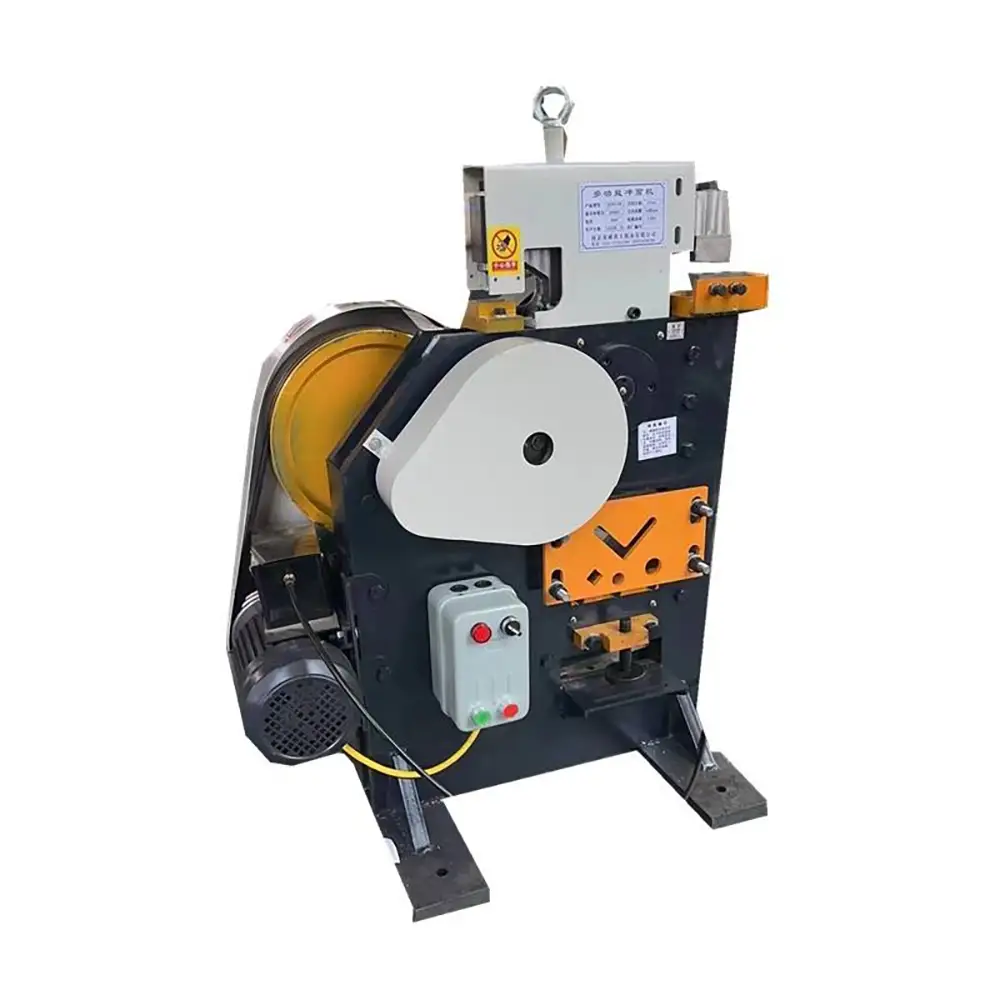
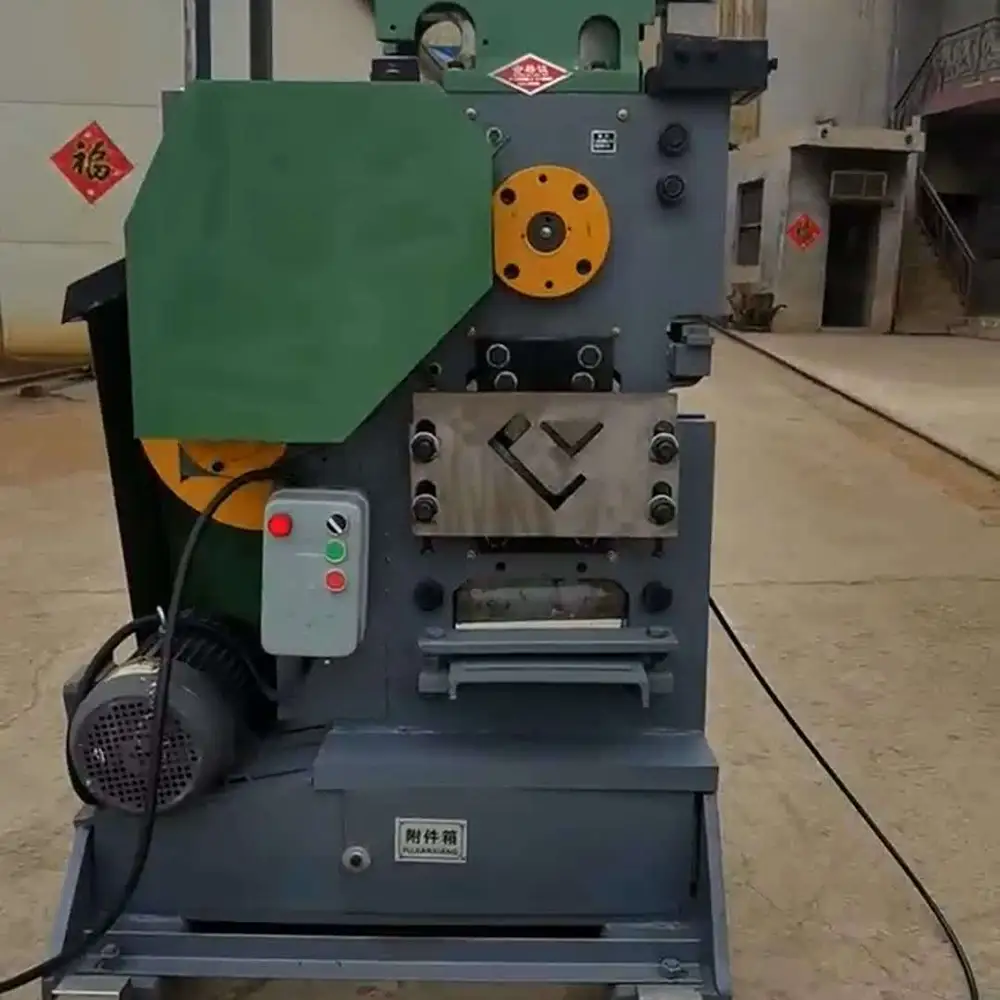
Multi-Function Punching And Shearing Machine
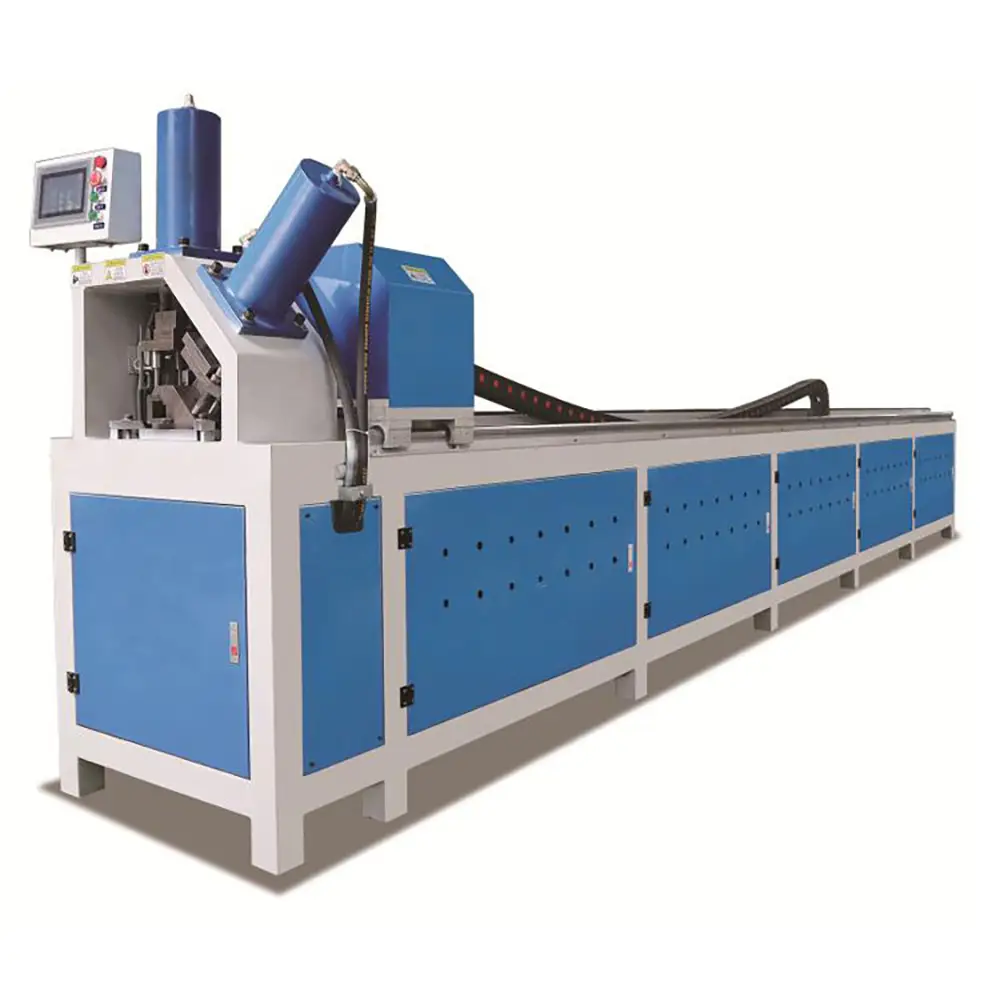
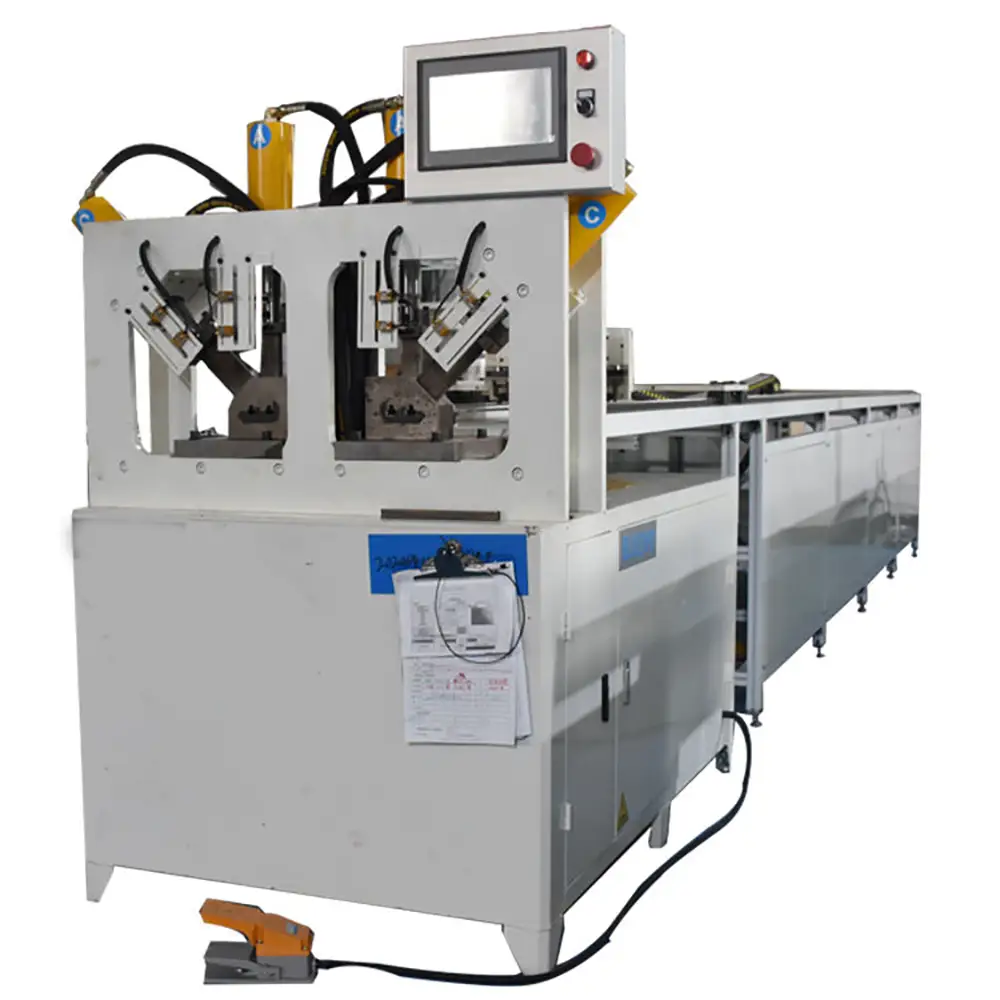
The Multi-Function Punching and Shearing Machine is designed for efficient metal fabrication involving channel steel, angle steel, flat steel, and other compatible steel sections. By combining punching and shearing operations in one machine, it provides manufacturers, steel fabricators, construction workshops, and industrial users with a practical solution for repetitive metal processing.
Channel steel, angle steel, and flat steel are widely used in structural frames, machinery supports, brackets, racks, agricultural equipment, construction components, and general steel fabrication. These materials frequently require holes, cut sections, mounting points, and accurately prepared ends before assembly.
Using separate machines for punching and shearing can increase material handling and require additional workshop space. A multi-function machine combines several operations into one working system, helping simplify the production process and improve workflow organization.
Steel Punching Function
The punching station is designed to create holes in compatible steel sections using a punch and die system. It can be used for bolt holes, mounting holes, connection points, and other openings required in fabricated steel components.
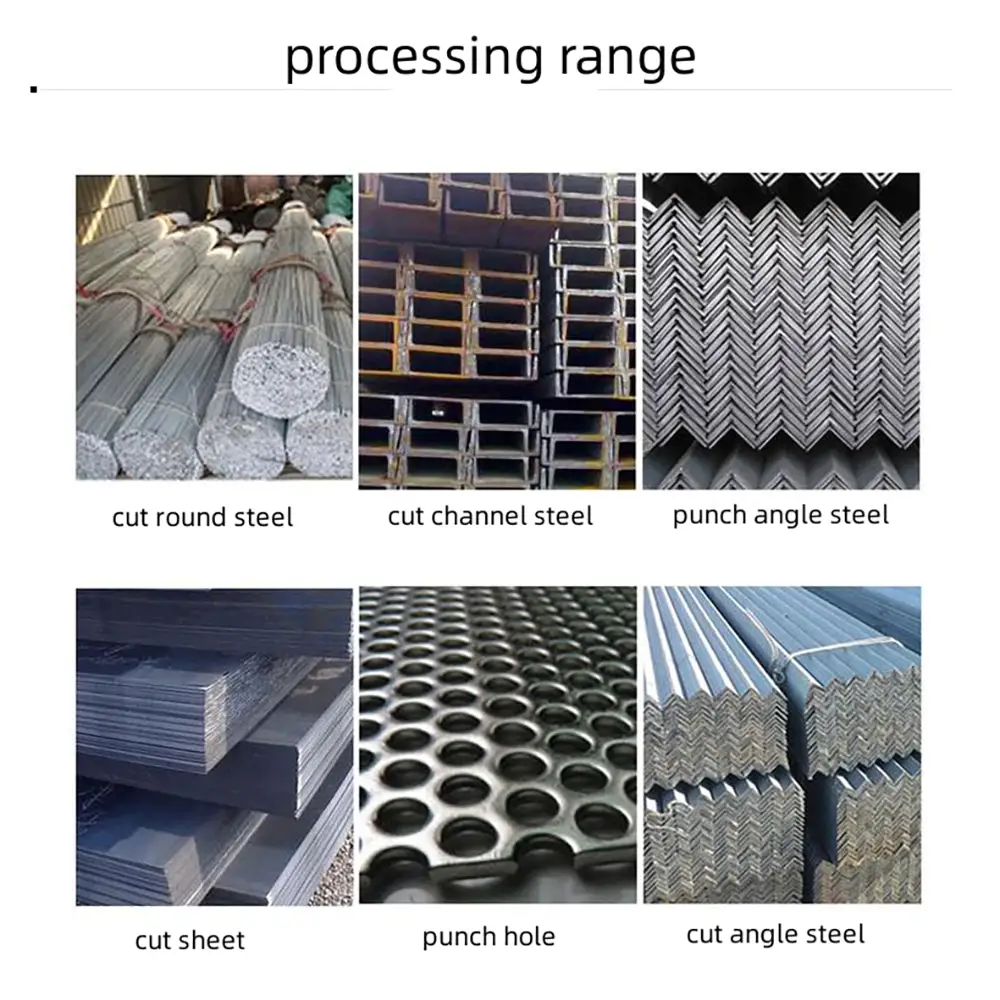
Channel steel and angle steel may require holes through one or more sections depending on the product design. Flat steel and flat bar can also be punched for brackets, supports, frames, and structural components.
Punching tooling should be selected according to the required hole diameter, material thickness, steel strength, and profile geometry. The actual punching capacity depends on the complete machine configuration, hydraulic system, working force, punch and die dimensions, and material properties.
Channel Steel Punching
Channel steel is commonly used in structural supports, frames, equipment bases, racks, and construction components. Creating consistent holes in channel sections is often necessary for bolted connections and component assembly.
A dedicated punching station can provide a more direct method than manually drilling individual holes. Proper positioning and workholding are important because channel profiles can have different widths, heights, and thicknesses.
Custom fixtures or profile supports can be considered for specific channel steel dimensions. This can help maintain stable positioning during repetitive punching operations.
Angle Steel Punching
Angle steel is frequently used for structural frames, brackets, supports, shelves, towers, agricultural machinery, and general fabrication. Punching holes in angle sections allows components to be assembled with bolts or other fastening systems.
The machine can be configured with suitable punching tooling according to the angle profile and required hole dimensions. The actual processing range depends on the selected model and tooling.
For production involving multiple angle sizes, interchangeable tooling or customized positioning accessories can help improve production flexibility.
Flat Steel Punching
Flat steel or flat bar is another common material for metal fabrication. It can be used to manufacture brackets, frames, supports, hinges, agricultural components, machinery parts, and structural connections.
The punching station can create holes at specified positions according to the selected tooling and workholding method. For repeated production, standardized positioning can help maintain consistent hole locations.
When purchasing a machine, buyers should provide the maximum flat bar width and thickness, required hole diameter, material strength, and expected production volume to determine an appropriate configuration.
Steel Shearing Function
The shearing function allows compatible metal stock to be cut using a controlled shearing action. Depending on the machine configuration, it may process flat steel, sheet or plate sections, and other compatible materials.
Shearing can help prepare steel components for subsequent assembly or fabrication. Compared with manual cutting methods, a dedicated shearing station can simplify repetitive cutting operations.
The actual shearing capacity depends on blade design, hydraulic force, material thickness, material width, steel strength, and machine structure. Buyers should confirm the required cutting dimensions before selecting the equipment.
Multi-Function Fabrication
The main advantage of a multi-function punching and shearing machine is its ability to combine several common steel fabrication operations in one machine.
Instead of moving material between separate punching and shearing equipment, operators can perform compatible operations within the same workstation. This can reduce material handling and make the workshop workflow easier to organize.
The machine can be especially useful for small and medium-sized fabrication shops that process different steel profiles and require flexible production capabilities.
Applications
The machine can be used across many steel fabrication industries, including:
Structural Steel Fabrication
Channel Steel Processing
Angle Steel Processing
Flat Bar Fabrication
Construction Component Manufacturing
Machinery Frame Production
Agricultural Equipment Manufacturing
Steel Rack Manufacturing
Bracket Production
Metal Support Manufacturing
Equipment Base Fabrication
General Metalworking
It can be used for both custom fabrication and repetitive production, depending on machine configuration and operator workflow.
Tooling And Workholding
Punches, dies, cutting blades, profile supports, and workholding components directly influence processing quality. The correct tooling should be selected according to the material, profile dimensions, hole requirements, and cutting specifications.
For channel and angle steel, proper profile positioning is particularly important. Custom fixtures can be designed where standard supports are not suitable for a specific profile.
Punch and die clearance should also be matched to the material and thickness. Improper tooling can increase burrs, deformation, and tool wear.
Production Efficiency
Combining punching and shearing operations can reduce the number of machines required for basic steel processing. It may also reduce intermediate material movement between different workstations.
For repetitive jobs, operators can establish standard positioning procedures and tooling setups. This can help improve workflow consistency and reduce unnecessary preparation time.
Actual production capacity depends on punching frequency, shearing dimensions, material size, operator handling, tooling changes, and machine configuration. Production requirements should be evaluated before selecting a specific model.
Quality Control
Quality control is important when processing structural steel and fabricated components. Operators should check hole diameter, hole position, profile dimensions, cutting length, edge condition, and burr formation.
Tooling should be inspected regularly because worn punches, dies, or blades can negatively affect processing quality. Proper maintenance and timely replacement of wear parts can help maintain stable results.
For high-volume production, sample inspection and standardized operating procedures can help reduce dimensional variation between batches.
Maintenance And Safety
Regular inspection of the hydraulic system, punches, dies, blades, fasteners, work tables, profile supports, and electrical components helps maintain reliable operation.
Operators should follow the manufacturer's maintenance schedule for hydraulic oil, lubrication, tooling inspection, and other service requirements.
Because punching and shearing involve significant mechanical forces, operators should use appropriate safety procedures. Guards, emergency stops, electrical protection, and other safety features should be used according to the specific machine configuration and applicable workplace requirements.
Custom & OEM Solutions
We provide Custom & OEM solutions for buyers with specialized channel steel, angle steel, and flat steel processing requirements.
Customization may include punching tooling, dies, cutting blades, profile fixtures, positioning systems, work tables, hydraulic configurations, and other machine components.
Customers can provide steel profile drawings, maximum thickness, width, hole diameter, hole pattern, cutting requirements, and production volume so that a suitable machine configuration can be evaluated.
Why Choose Us
Multi-Function Processing — Punching and shearing operations are combined into one practical steel fabrication machine.
Channel Steel Capability — The machine can be configured for compatible channel steel punching applications with suitable tooling and workholding.
Angle Steel Processing — Dedicated tooling can support angle steel hole punching and related fabrication requirements.
Flat Steel Punching — Flat bars and flat steel can be processed according to machine capacity and tooling configuration.
Hydraulic Operation — Hydraulic power provides controlled processing force for common steel punching and shearing operations.
Flexible Tooling — Punches, dies, blades, fixtures, and profile supports can be customized according to production requirements.
Custom & OEM Service — We support customized machine configurations for different materials, profiles, and production processes.
B2B Export Support — We provide technical communication, machine configuration assistance, packaging, and export coordination for international buyers.
Frequently Asked Questions
1. What is a multi-function punching and shearing machine?
It is a metal fabrication machine that combines punching and shearing operations in one equipment system for processing compatible steel profiles and metal stock.
2. Can it punch channel steel?
Yes. Channel steel can be processed when its dimensions and material properties are within the machine's applicable range.
3. Can it punch angle steel?
Yes. Angle steel punching is a common application. Suitable punches, dies, and positioning fixtures should be selected according to the angle dimensions.
4. Can it process flat steel?
Yes. Flat steel and flat bar can be punched and, depending on configuration, sheared within the applicable machine capacity.
5. What types of holes can it make?
Hole shape and diameter depend on the punch and die tooling. Round holes are common, while customized tooling may support other shapes.
6. What determines punching capacity?
Punching capacity depends on hydraulic force, machine structure, punch and die dimensions, material thickness, steel strength, and the specific machine configuration.
7. Can the machine shear steel?
Yes. The shearing station is designed for compatible steel materials. Actual cutting capacity depends on blade configuration, hydraulic force, material thickness, and width.
8. Is custom tooling available?
Yes. Custom punches, dies, blades, fixtures, and profile supports can be considered according to the customer's steel profiles and processing requirements.
9. Can one machine process different steel profiles?
Yes, where the machine capacity and tooling configuration are compatible. Different tooling or fixtures can be used for different profiles.
10. Is the machine suitable for construction steel fabrication?
Yes. It can be used for compatible channel steel, angle steel, flat steel, and other fabricated components used in construction and structural applications.
11. Can you provide OEM customization?
Yes. Custom & OEM solutions can include tooling, fixtures, hydraulic configurations, positioning systems, and other machine components.
12. What information is needed for machine selection?
Provide the steel material, profile type, maximum thickness, profile dimensions, required hole diameter, cutting dimensions, production volume, and any special processing requirements.
Prev:
Multifunction 5 Work Station Punching Ladder Hole Machine
Next:
Ironworker Mini Hydraulic Iron Worker Machine Punching Shearing Angle Cutting Machine
TAG:
Steel Profile Punching Machine,
Angle Steel Processing Machine,
Angle Steel Punching Machine,
Angle Iron Punching Machine,
Channel Steel Punching Machine,
Flat Bar Punching Machine,
Hydraulic Steel Punching Machine,
Metal Punching And Shearing Machine,
Steel Shearing Machine,
Channel Steel Processing Machine,
Multi-Function Steel Fabrication Machine,
Flat Steel Processing Machine,
Metal Fabrication Punching Machine,
Multi-Function Hydraulic Ironworker,
Hydraulic Punching Machine,
Multi-Function Punching And Shearing Machine,
Flat Steel Punching Machine,
Steel Punching And Shearing Machine,
Hydraulic Shearing Machine,
Channel Steel Punching Equipment,
Related Category:
Multi-Function Punching And Shearing Machine,Channel Steel Punching Machine,Angle Steel Punching Machine China, suppliers, manufacturers, factory, customized, wholesale, quotation, made in China