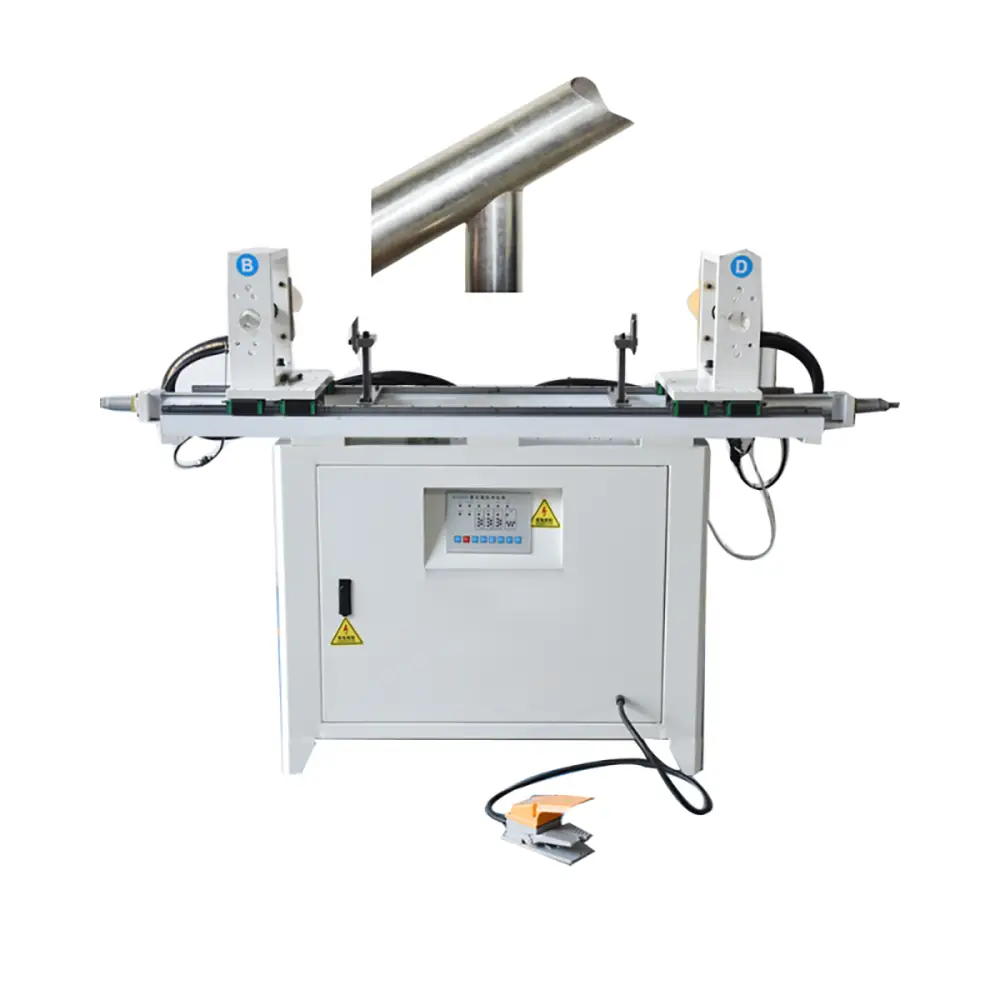
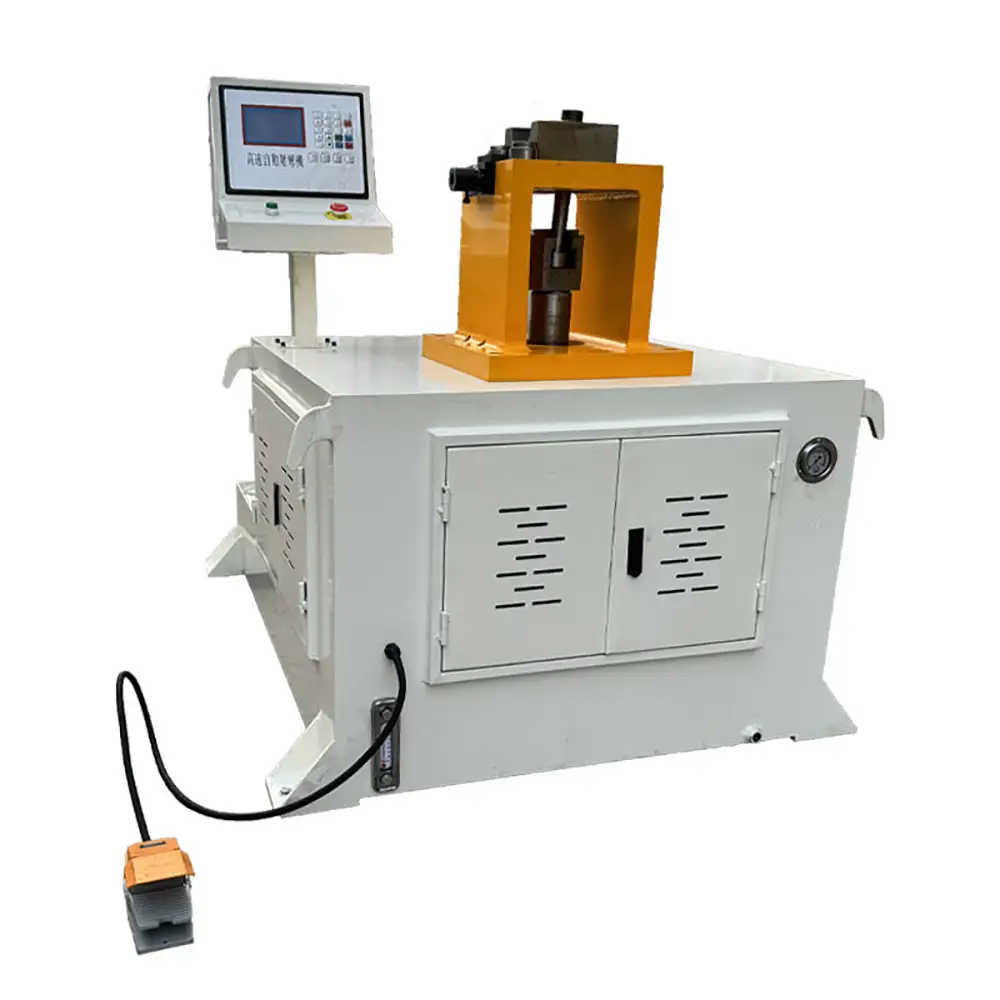
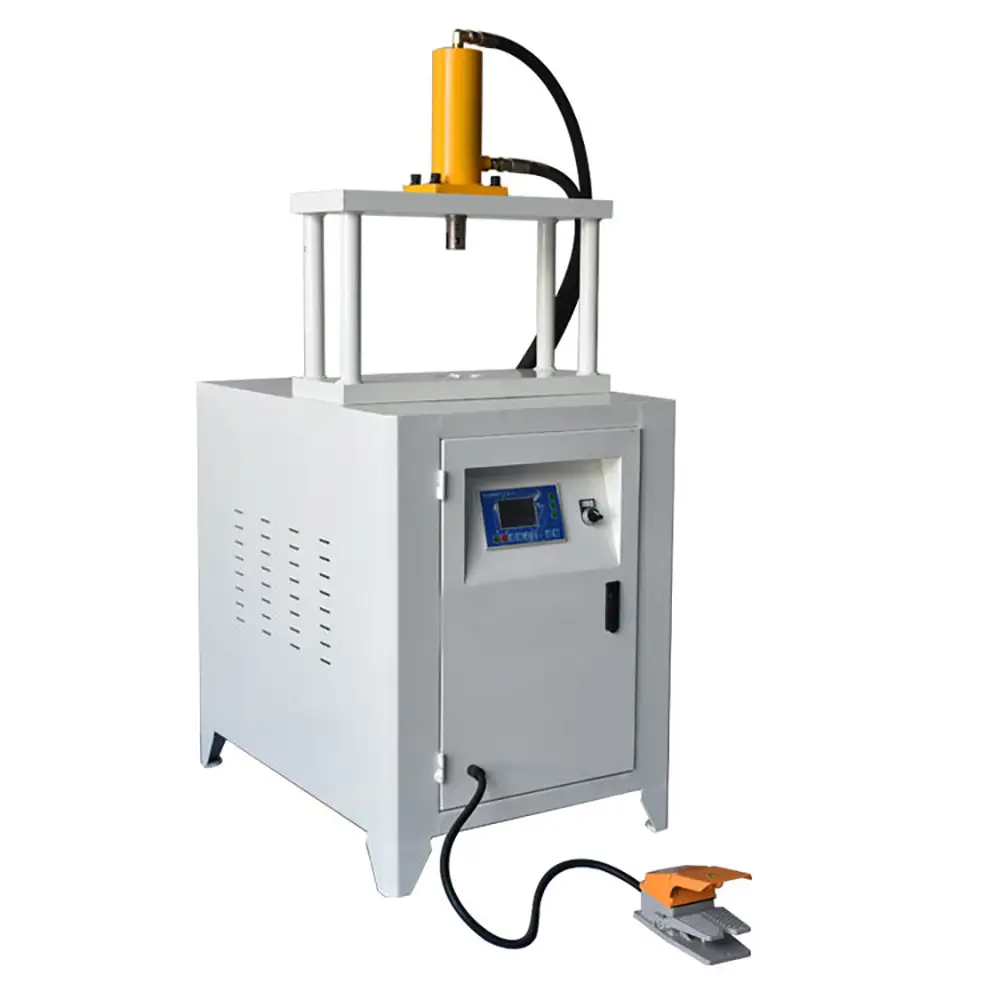
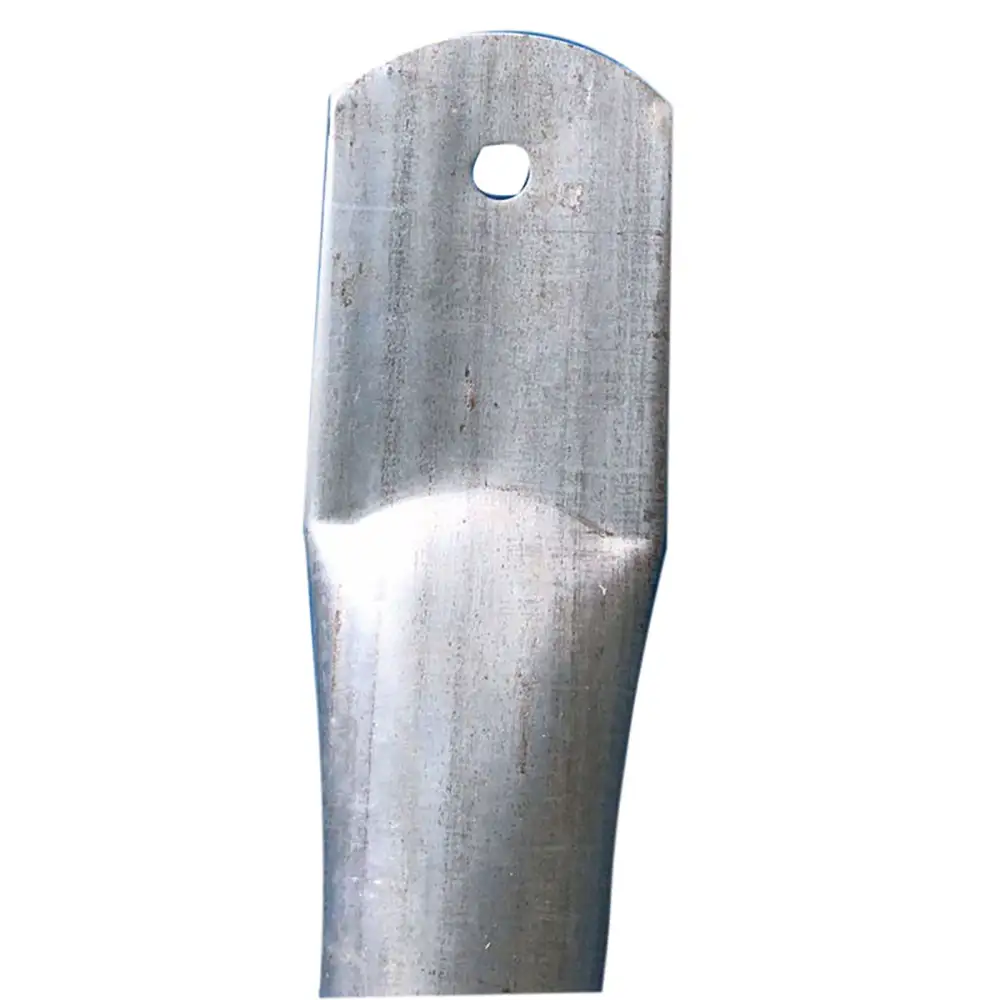
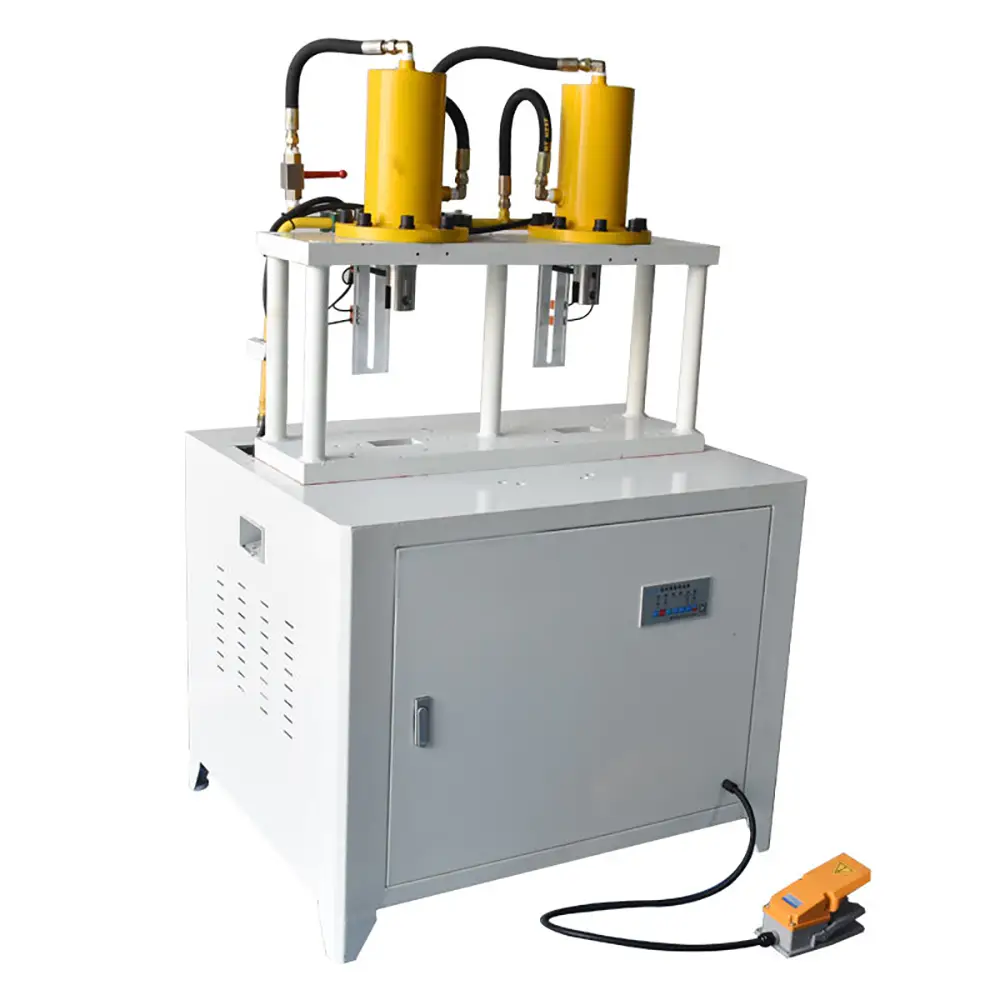
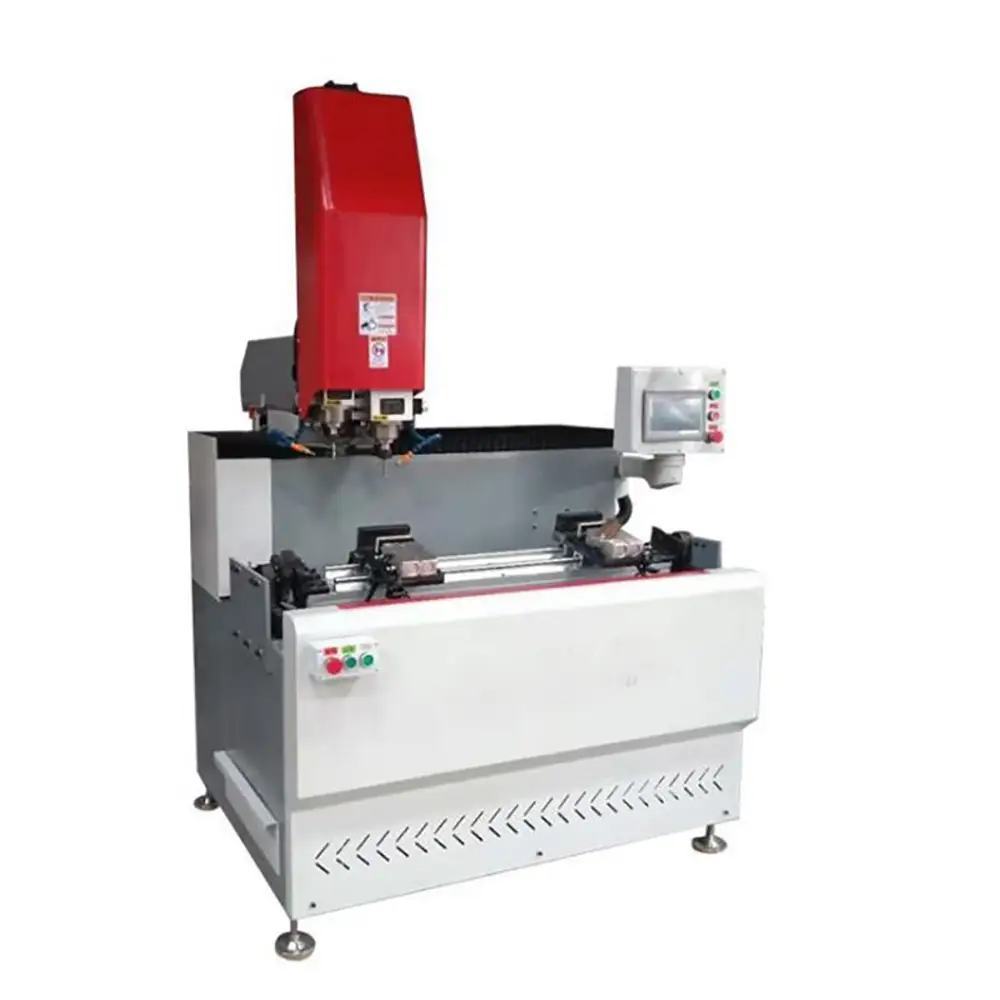
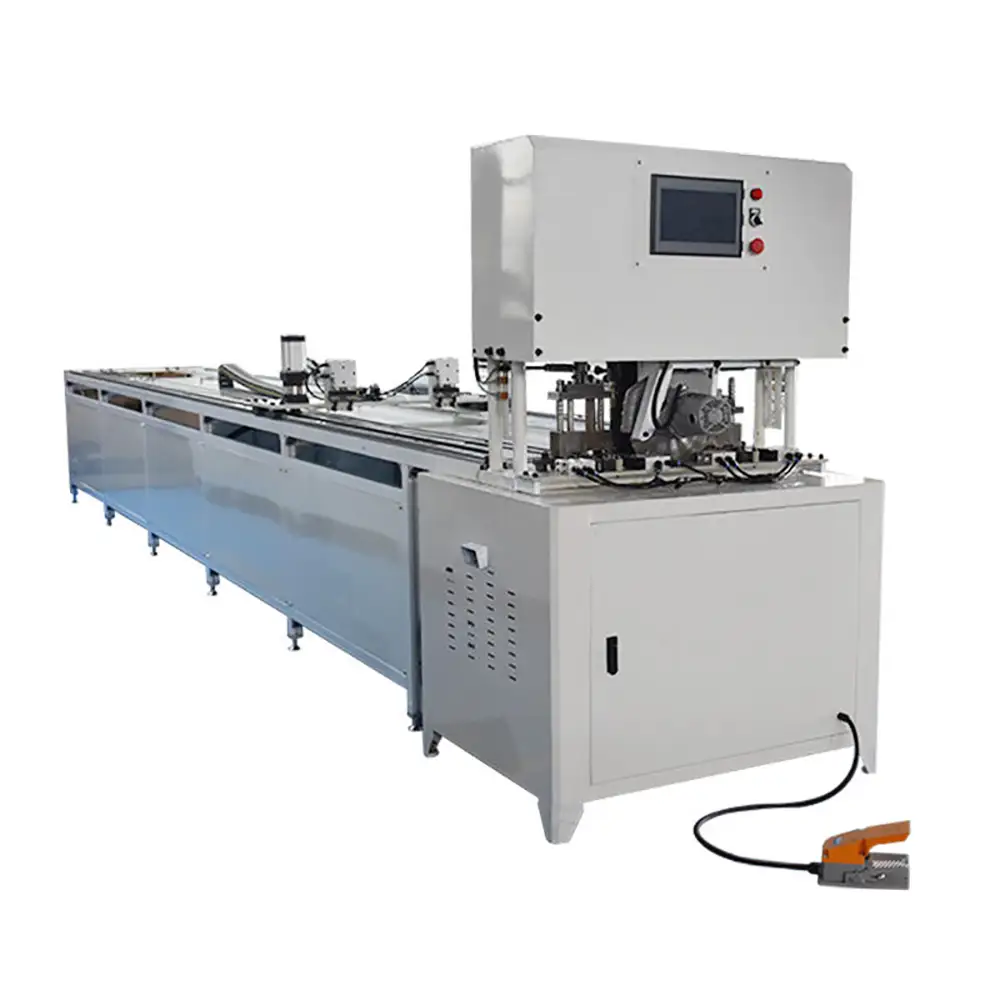
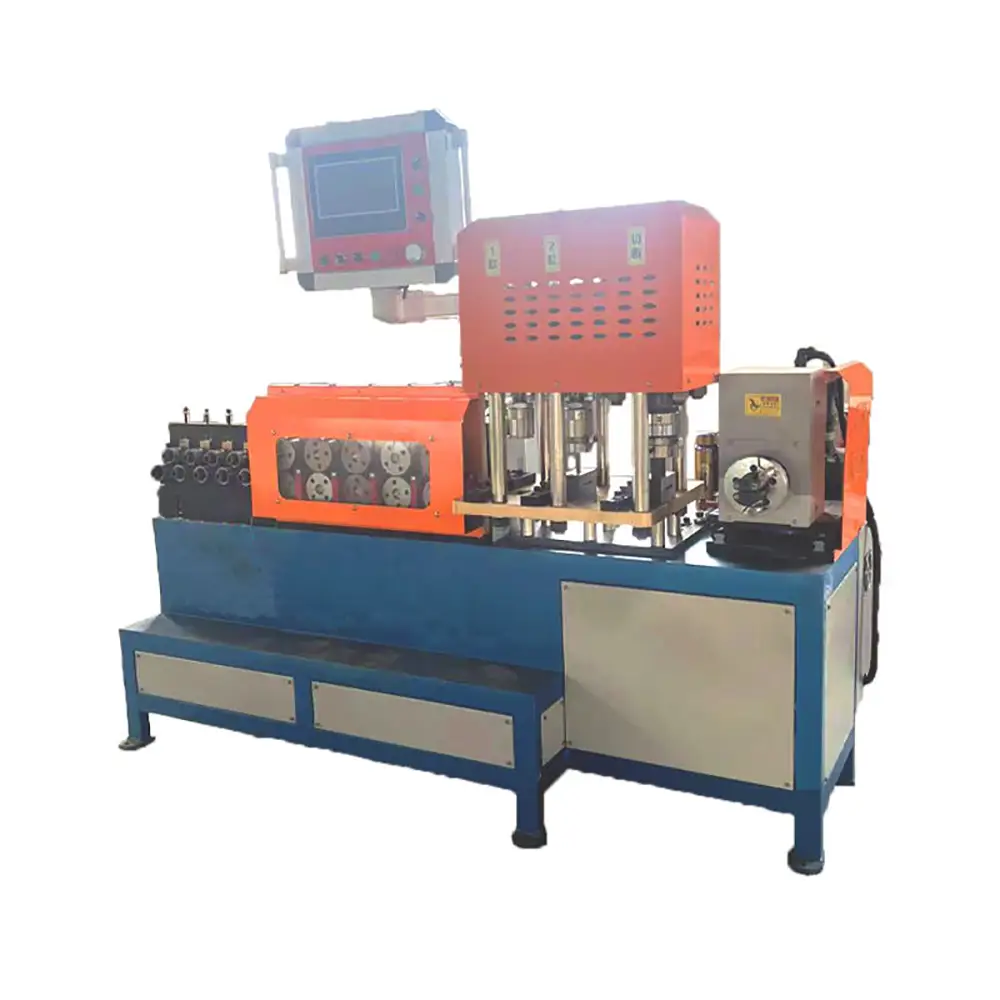
1 The notching range is 30-90 degrees, which can be adjusted arbitrarily
2 Semi-automatic NC control.
3.Both straight and curving pipe can be processed.
4.Compared with punch, it has wider machining scope, is safer to operate, easier to change mould and has lower noise.
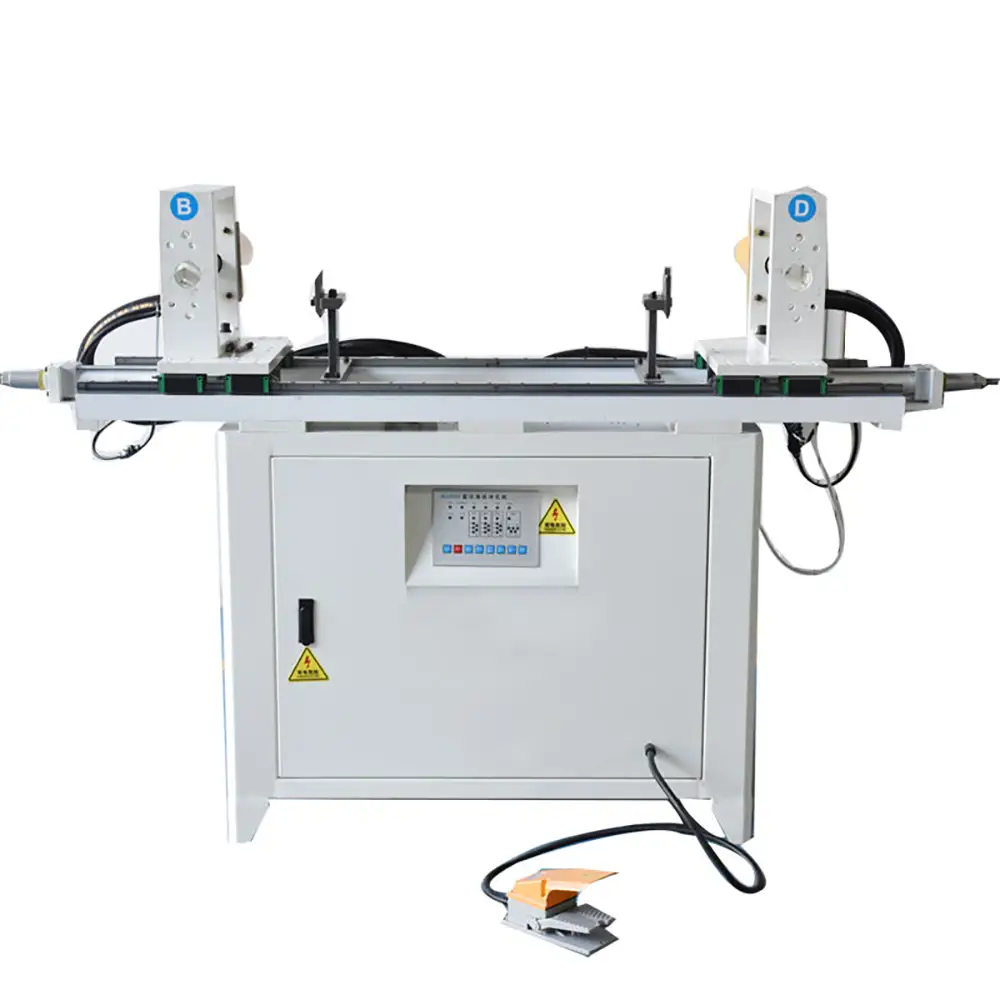
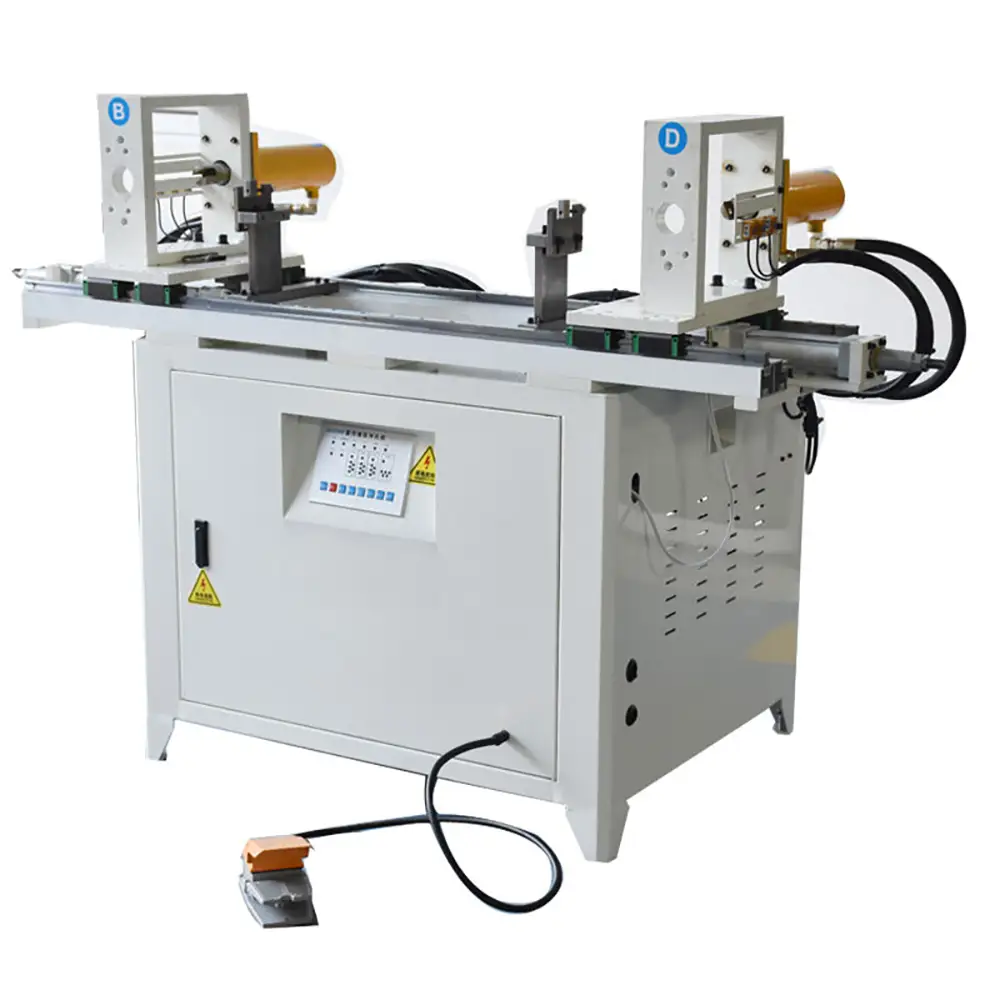
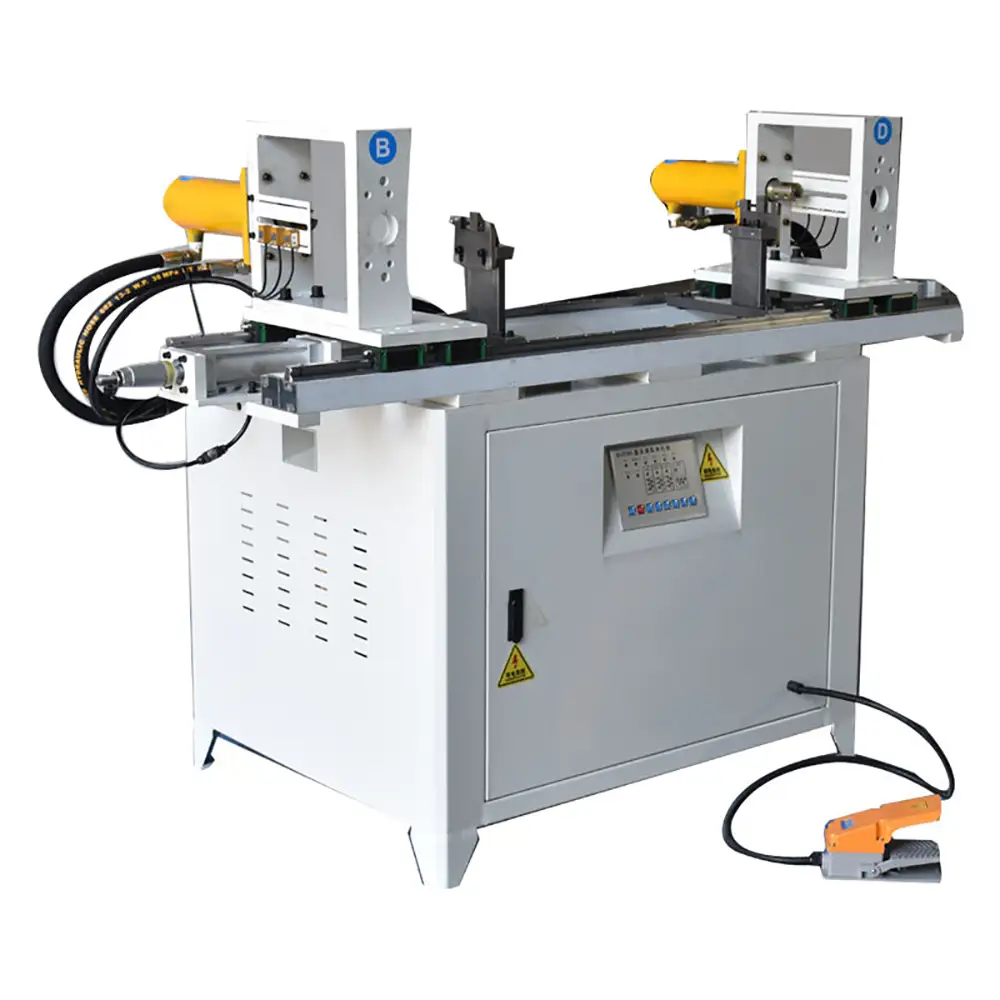
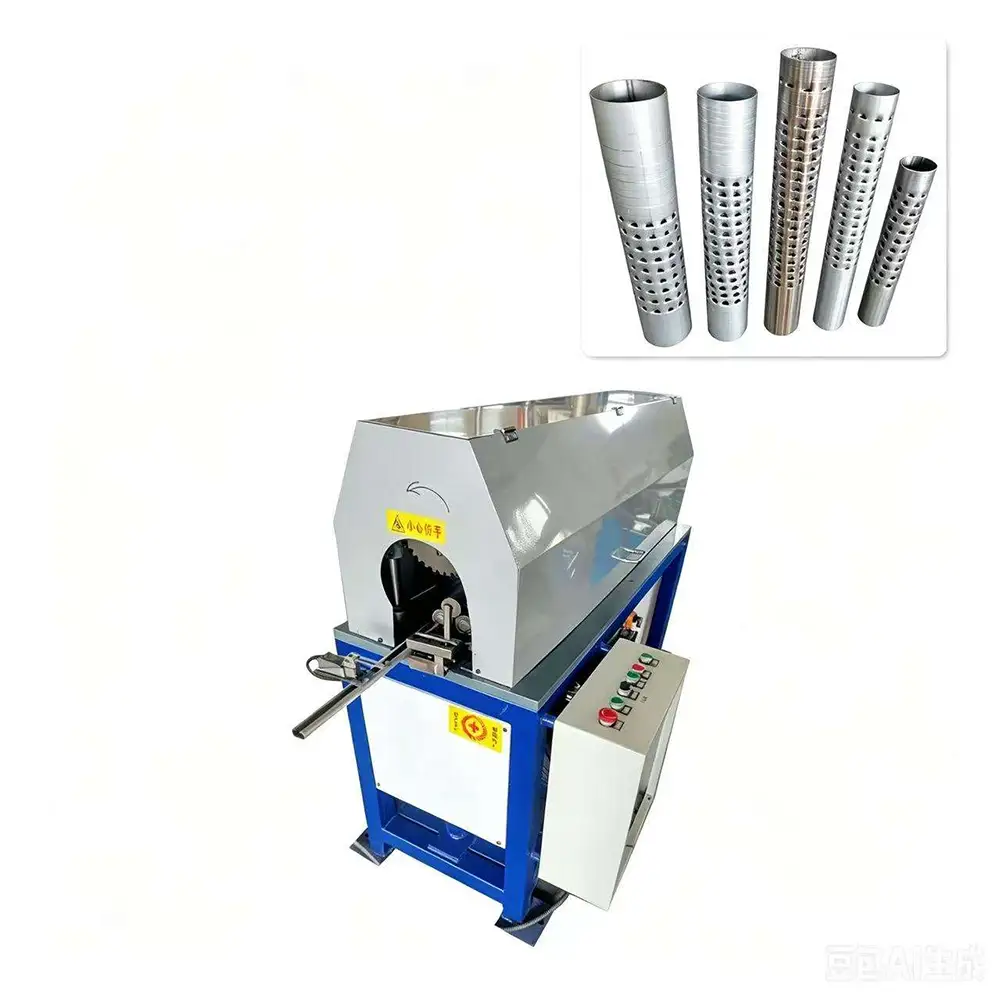
The Double Head Horizontal Hydraulic Metal Pipe End Arc Punching Hole Machine is a specialized metal tube processing solution designed for punching holes and forming arc-shaped openings at the ends of suitable metal pipes and tubes. Combining a horizontal working structure, hydraulic punching force, and a double-head configuration, the machine is designed for repetitive pipe end processing applications where consistent positioning and efficient production are important.
Pipe end punching is commonly required when tubes need to connect with other components, accommodate fasteners, prepare for assembly, or create special openings for structural and fabricated products. Compared with manually drilling or cutting individual pipe ends, a dedicated hydraulic punching machine can provide a more standardized production process.
The actual punching capacity, hole dimensions, tube size range, and compatible materials depend on the machine configuration, tooling, hydraulic system, workpiece geometry, and production requirements. Customers should provide tube drawings and processing requirements before confirming the final configuration.
Double Head Hydraulic Punching Design
The double-head configuration provides two punching positions or processing heads within one machine structure, depending on the specific design. This arrangement can help support efficient processing of tube ends and may reduce handling requirements for suitable production applications.
The actual working method of the two heads depends on the machine configuration and tooling arrangement. Buyers should confirm whether the selected model is designed for simultaneous processing, sequential operations, or two-position processing according to their specific application.
For manufacturers processing large quantities of similar tubes, the double-head structure can be useful for developing a more organized and repeatable production workflow.
Horizontal Pipe End Processing
The horizontal machine structure provides a dedicated working orientation for positioning and processing metal pipes and tubes. A suitable fixture holds the workpiece in position while the hydraulic punching system applies controlled force through the selected punch and die.
Horizontal positioning can be particularly useful for longer tubular workpieces because the tube can be supported along its length while the end area is processed.
Proper workholding is essential for maintaining stable positioning and achieving consistent hole locations. Fixtures can be designed according to tube diameter, cross-sectional shape, length, and end geometry.
Hydraulic Pipe End Punching
Hydraulic punching provides high forming force through a controlled hydraulic system. It is suitable for many metal tube applications where a concentrated force is required to create a hole, notch, or arc-shaped opening.
The required punching force depends on the material strength, tube wall thickness, opening dimensions, tooling geometry, and tube configuration. An 8-ton, 20-ton, 50-ton, or other nominal capacity should therefore be evaluated together with the complete machine specifications rather than considered a universal processing limit.
Properly matched punches and dies can help improve hole quality and reduce unnecessary deformation around the processed area.
Arc Punching and End Forming
One of the key applications of this machine is pipe end arc punching. Arc-shaped openings may be required when a tube needs to connect with another round, square, or specially shaped component.
These openings can also be used for structural fabrication, frame manufacturing, tube connections, brackets, supports, and other fabricated assemblies.
The exact arc geometry is determined by the tooling. Custom punches and dies can be developed for specific tube diameters, hole shapes, and product designs.
For customers with non-standard tube end requirements, drawings or physical samples can be used to evaluate suitable tooling.
Metal Pipe and Tube Applications
The machine can process suitable metal pipes and tubes used in many industries. Potential applications include:
Metal pipe end hole punching
Tube end arc punching
Pipe end notching
Structural tube processing
Metal frame manufacturing
Furniture tube fabrication
Automotive component production
Agricultural machinery components
Construction tube processing
Guardrail and fencing components
Machinery frames
Custom metal tube assemblies
The actual application range depends on the machine's working capacity and tooling configuration.
Suitable Materials
Depending on the selected configuration, the machine may be suitable for compatible carbon steel, mild steel, stainless steel, aluminum, and other metal tubes.
Different materials require different punching conditions. Stainless steel, for example, may have different strength and work-hardening characteristics from mild steel. Aluminum profiles may also require different tooling clearance and workholding methods.
Customers should provide material grade, tube dimensions, wall thickness, hole size, and production requirements so the appropriate machine and tooling can be evaluated.
Customized Punches and Dies
Tooling plays a major role in pipe end punching. A correctly designed punch and die set can help create the required opening while controlling material deformation.
Customization can include:
Round hole punches
Arc-shaped punches
Tube end notching tools
Special-shaped punches
Custom dies
Tube positioning fixtures
Replaceable tooling sets
Product-specific workholding systems
Customized tooling is especially useful when a manufacturer has a unique tube geometry or requires a special end profile.
Production Efficiency
A dedicated pipe end punching machine can reduce the need for multiple manual processing steps. Instead of marking, drilling, cutting, and finishing every tube individually, a suitable punching process can combine positioning and forming into a more repeatable operation.
For repetitive production, standardized fixtures and tooling can help reduce setup variation. Operators can follow a consistent loading, positioning, punching, inspection, and unloading process.
Production efficiency depends on the number of holes, tube length, hole geometry, feeding method, punching cycle, operator workflow, and machine configuration.
Hole Quality and Dimensional Consistency
The quality of a punched opening depends on punch sharpness, die clearance, hydraulic pressure, material characteristics, tube positioning, and tooling alignment.
Regular inspection of punch and die condition is important for maintaining consistent results. Worn tooling may increase burrs, deformation, or dimensional variation.
For applications requiring tight dimensional tolerances, customers should conduct sample testing using actual production materials and tooling before finalizing the machine specification.
Maintenance and Safety
Routine maintenance should include inspection of hydraulic components, hoses, fittings, punches, dies, fixtures, guides, fasteners, and other working components according to the manufacturer's recommendations.
Operators should keep the work area clean and remove metal scraps regularly. Punching tools should be inspected for wear or damage and replaced or serviced when necessary.
Because hydraulic punching involves significant force, operators should follow appropriate safety procedures and use applicable guarding, emergency-stop systems, personal protective equipment, and safe work practices according to the machine configuration and local requirements.
Custom & OEM Solutions
Tube manufacturers often have unique requirements for tube diameter, wall thickness, hole position, arc geometry, and production volume. We support Custom & OEM solutions for application-specific pipe processing.
Customization may include punching heads, punches and dies, tube fixtures, positioning systems, hydraulic configurations, machine tables, feeding systems, and control arrangements.
Customers can provide tube drawings, material specifications, hole dimensions, arc radius, wall thickness, and production volume for a detailed machine evaluation.
Why Choose Us
Double Head Processing Configuration
Two processing heads can support efficient pipe end operations according to the specific machine design.
Horizontal Working Structure
Provides a practical orientation for positioning and supporting longer metal pipes and tubes.
Hydraulic Punching Power
Hydraulic force is suitable for controlled punching and forming of compatible metal tube materials.
Pipe End Arc Processing
Designed for tube end holes, arc-shaped openings, notching, and related metal pipe end applications.
Custom Punching Tooling
Punches, dies, and fixtures can be developed according to tube geometry and required hole patterns.
Wide Industrial Applications
Suitable for structural tubes, furniture frames, machinery components, automotive parts, agricultural equipment, and general fabrication.
OEM & Custom Support
Machine configuration, tooling, workholding, positioning, and other components can be customized for specific applications.
B2B Manufacturing Support
Suitable for manufacturers, distributors, wholesalers, fabricators, contractors, and industrial machinery buyers.
FAQs
1. What is a double-head pipe end punching machine?
It is a hydraulic tube processing machine equipped with two punching heads or processing positions, depending on the specific configuration, for efficient pipe end punching and forming.
2. What does horizontal design mean?
The machine uses a horizontal working orientation for positioning and processing metal pipes or tubes. This can be useful for supporting longer workpieces during end processing.
3. Can it punch arc-shaped holes?
Yes. With suitable customized punches and dies, the machine can produce arc-shaped or other specially shaped openings in compatible pipe ends.
4. Can it process round pipes?
Yes. Round metal pipes can be processed when their dimensions and material properties are within the machine's working range.
5. Can it process square or rectangular tubes?
Potentially, depending on the machine configuration and tooling. Customers should provide the tube cross-section and end-processing drawing for confirmation.
6. What materials can be processed?
Depending on configuration, suitable materials may include carbon steel, mild steel, stainless steel, aluminum, and other compatible metal tubes.
7. Can the punching tooling be customized?
Yes. Custom punches, dies, arc-forming tools, and tube fixtures can be designed for specific hole shapes and tube geometries.
8. Can both heads work at the same time?
The operating method depends on the specific machine design. The double-head configuration may support simultaneous, sequential, or separate processing operations depending on the selected model.
9. What information is needed for a quotation?
Provide tube material, outside dimensions, wall thickness, tube length, hole size, hole shape, arc dimensions, hole location, and expected production volume.
10. Is this machine suitable for mass production?
It can support repetitive production when the tooling, fixtures, feeding method, and machine cycle are appropriate for the required application.
11. How can punching quality be maintained?
Proper punch and die clearance, stable tube positioning, sharp tooling, correct hydraulic settings, and regular inspection can help maintain consistent punching quality.
12. Can you provide OEM solutions?
Yes. OEM solutions can include custom tooling, fixtures, punching heads, positioning systems, hydraulic configurations, feeding equipment, and other application-specific features.
Prev:
Mini Hydraulic Portable Hole Punch Machine for Steel Flat Steel Bar Channel Steel Punching
Next:
Vertical Blinds Punching Machine Aluminium Punching Machine Blind Punching Machine
TAG:
Tube End Forming Machine,
Pipe End Forming Machine,
Hydraulic Tube End Forming Machine,
Tube End Punching Machine,
Hydraulic Tube Punching Machine,
Metal Pipe End Processing Machine,
Hydraulic Metal Tube Processing Machine,
Pipe End Notching Machine,
Automatic Pipe End Punching Machine,
Custom Pipe End Punching Machine,
Metal Tube Hole Punching Machine,
Metal Tube Punching Equipment,
Industrial Pipe Punching Machine,
Pipe Arc Punching Machine,
Tube End Arc Punching Machine,
Pipe End Hole Punching Machine,
Horizontal Metal Tube Processing Machine,
Hydraulic Pipe End Notching Machine,
Pipe End Hole Making Machine,
Double Head Pipe Punching Machine,
Hydraulic Metal Pipe Punching Machine,
Metal Pipe End Punching Machine,
Pipe End Arc Punching Machine,
Double Head Hydraulic Pipe Punching Machine,
Horizontal Hydraulic Pipe Punching Machine,
Related Category:
Hydraulic Metal Pipe Punching Machine,Tube End Punching Machine,Pipe End Hole Punching Machine,Hydraulic Tube End Formin China, suppliers, manufacturers, factory, customized, wholesale, quotation, made in China