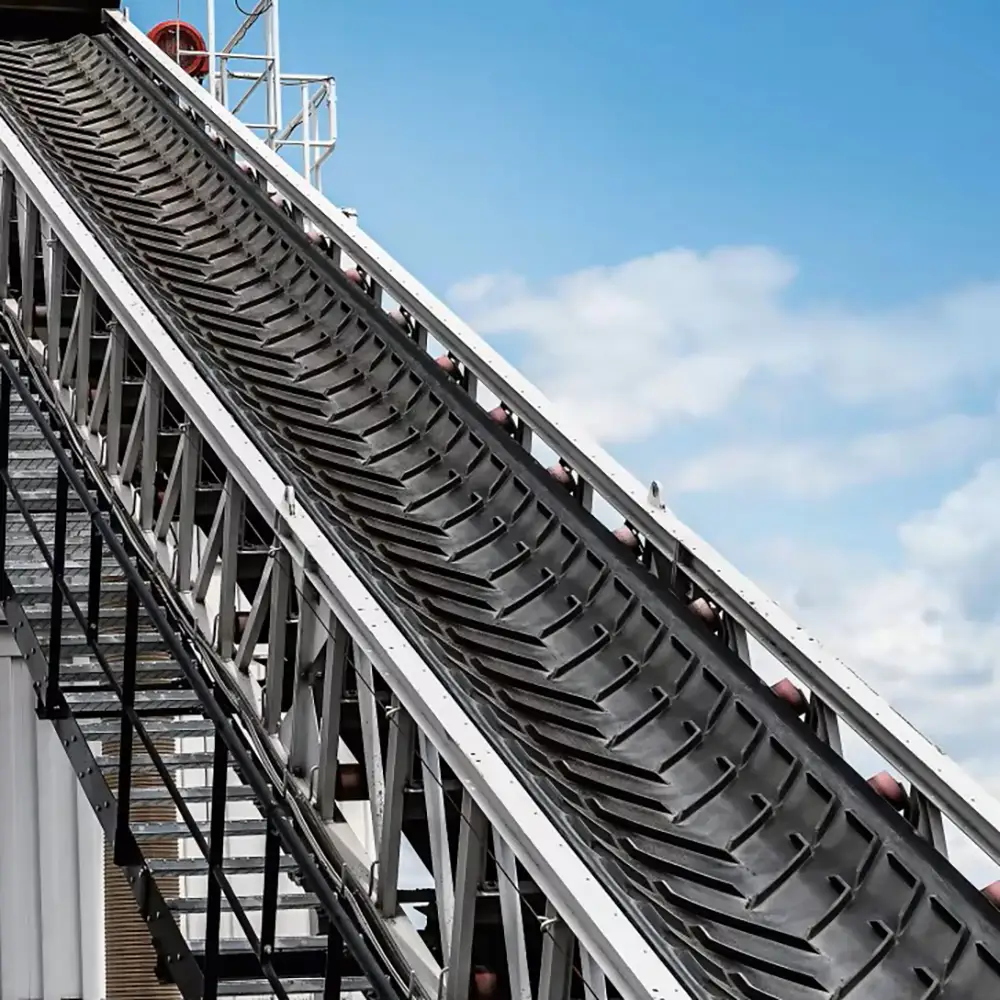
Sidewall conveyor belt There is a straight-line sidewall higher than belt on either side of the belt. The height of the sidewall is about 10-30mm. It can convey powder, granular, paste and liquid materials that scatter easily. Wedge-shape Sidewall conveyor belt There is non-connecting wedge-shape sidewall higher than belt on either side of the belt. The height of sidewall is about 20-80mm. It can convey powder, granular and small lump materials which scatter easily. Corrugated Sidewall conveyor belt There is continuous corrugated sidewall higher than belt on either side of the belt. The height of the sidewall is about 60-500mm. It can convey powder, granular small lump, paste and liquid materials that scatter easily.
|
B(mm) |
H(mm) |
H1(mm) |
Bf(mm) |
Br(mm) |
R(mm) |
|
300 |
40 |
35 |
25 |
180 |
35 |
|
60 |
55 |
50 |
120 |
40 |
|
80 |
75 |
|
400 |
60 |
55 |
50 |
180 |
60 |
|
80 |
75 |
|
100 |
90 |
|
500 |
80 |
75 |
50 |
250 |
75 |
|
100 |
90 |
|
120 |
110 |
|
650 |
100 |
90 |
50 |
350 |
100 |
|
120 |
110 |
|
160 |
140 |
75 |
300 |
|
800 |
120 |
110 |
50 |
460 |
120 |
|
160 |
140 |
75 |
410 |
|
200 |
180 |
|
1000 |
160 |
140 |
75 |
550 |
150 |
|
200 |
180 |
|
240 |
220 |
|
1200 |
160 |
140 |
75 |
690 |
180 |
|
200 |
180 |
|
240 |
220 |
|
300 |
260 |
105 |
630 |
|
1400 |
200 |
180 |
75 |
830 |
210 |
|
240 |
220 |
|
300 |
260 |
105 |
770 |
|
400 |
360 |
|
1600 |
200 |
180 |
75 |
970 |
240 |
|
240 |
220 |
|
300 |
260 |
105 |
910 |
|
400 |
360 |
|
1800 |
240 |
220 |
75 |
1110 |
270 |
|
300 |
260 |
105 |
1050 |
|
400 |
360 |
|
500 |
460 |
125 |
1010 |
Sidewall Belt Conveyor, Automatic Rubber Steep Sidewall Belt Conveyor Machine
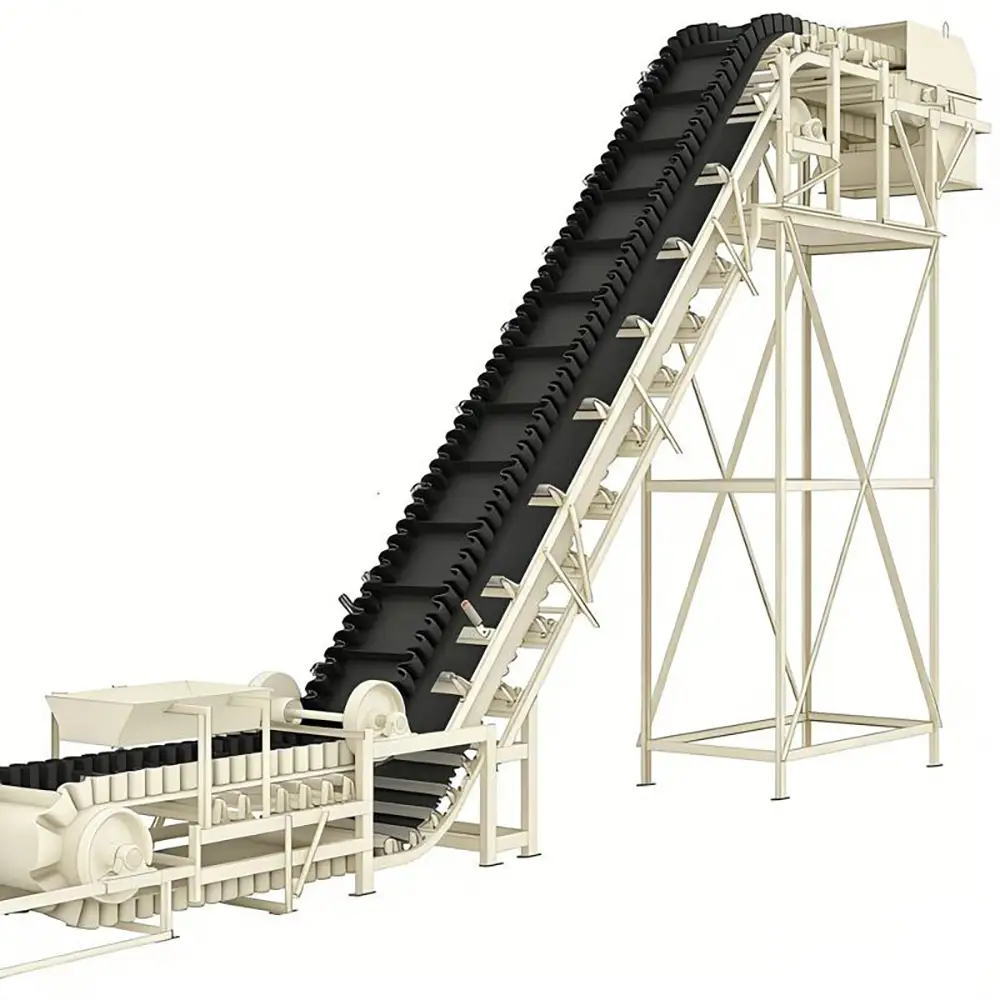
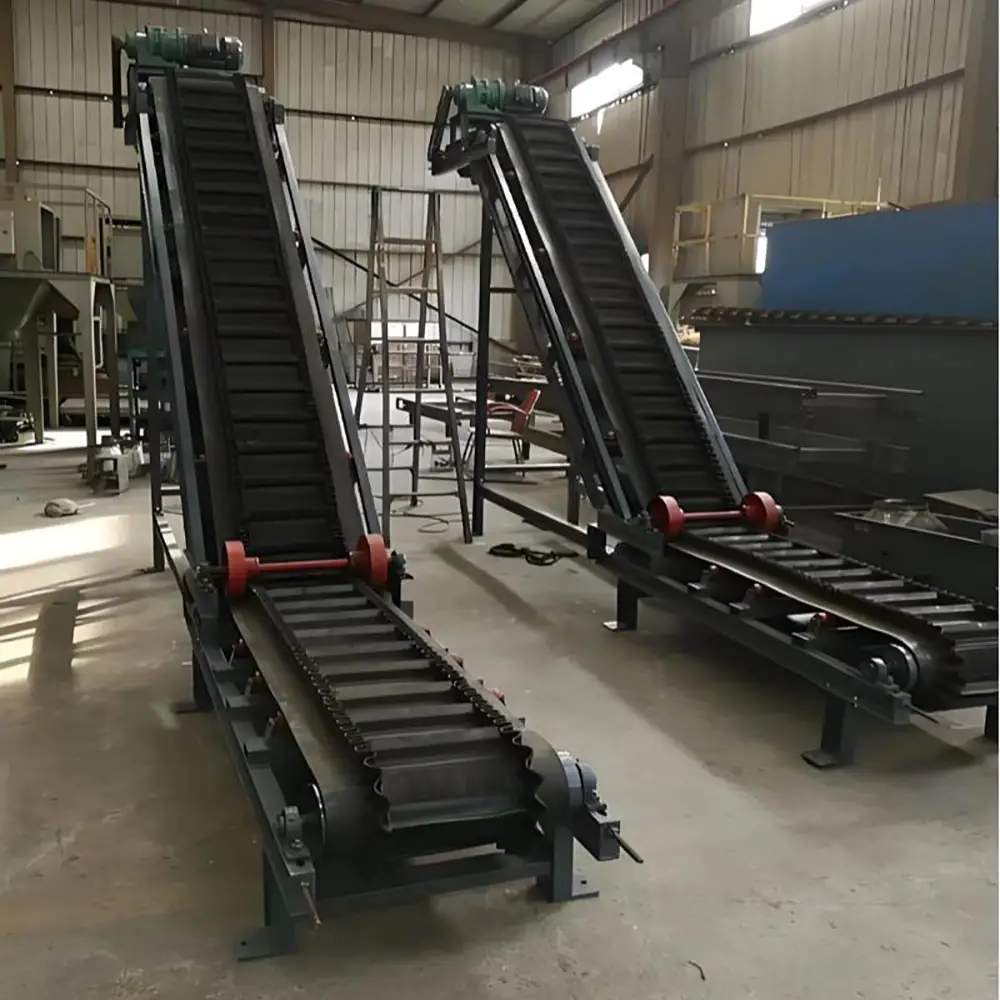
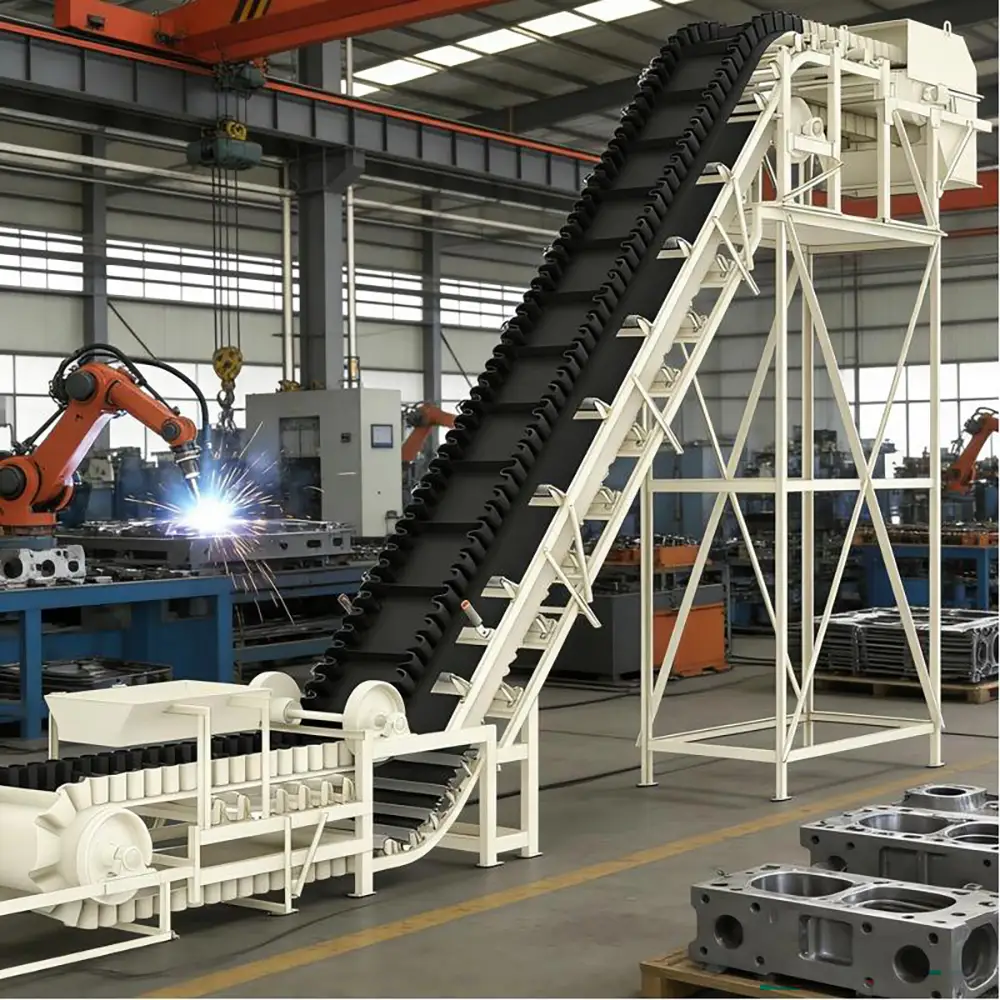
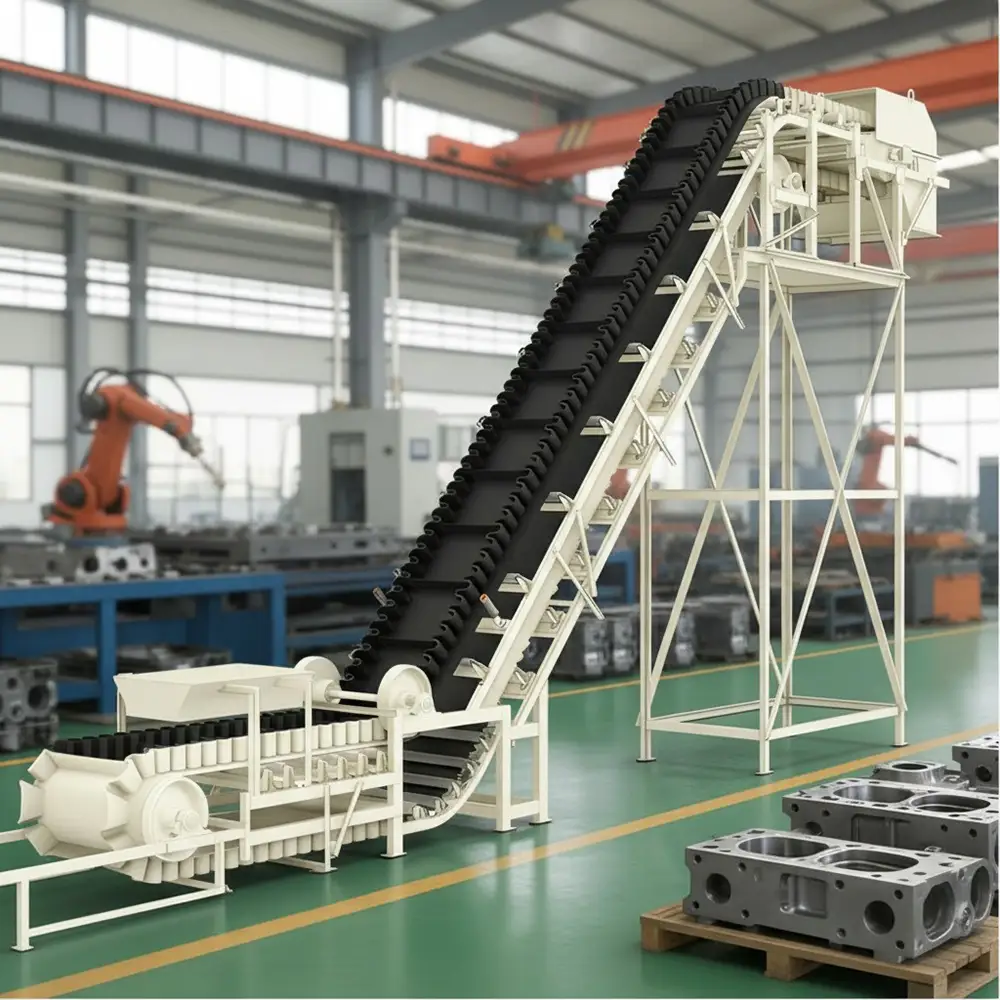
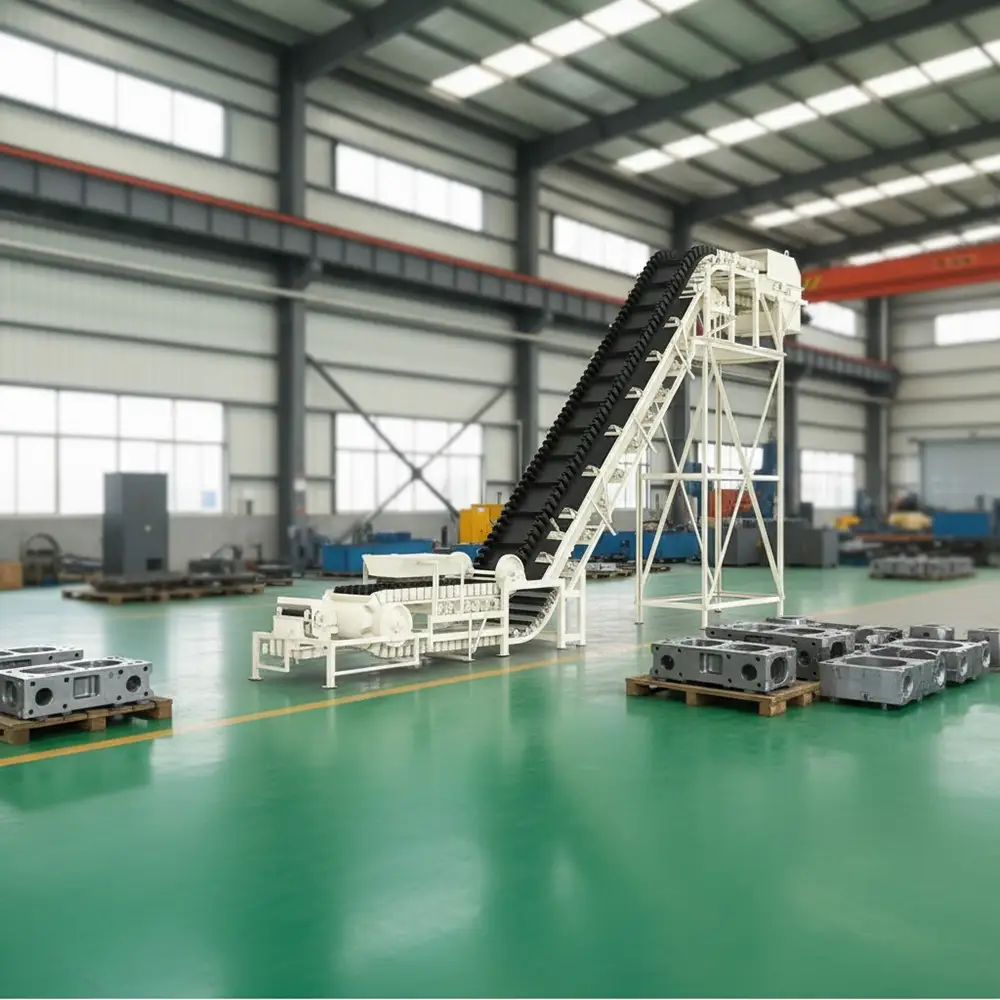
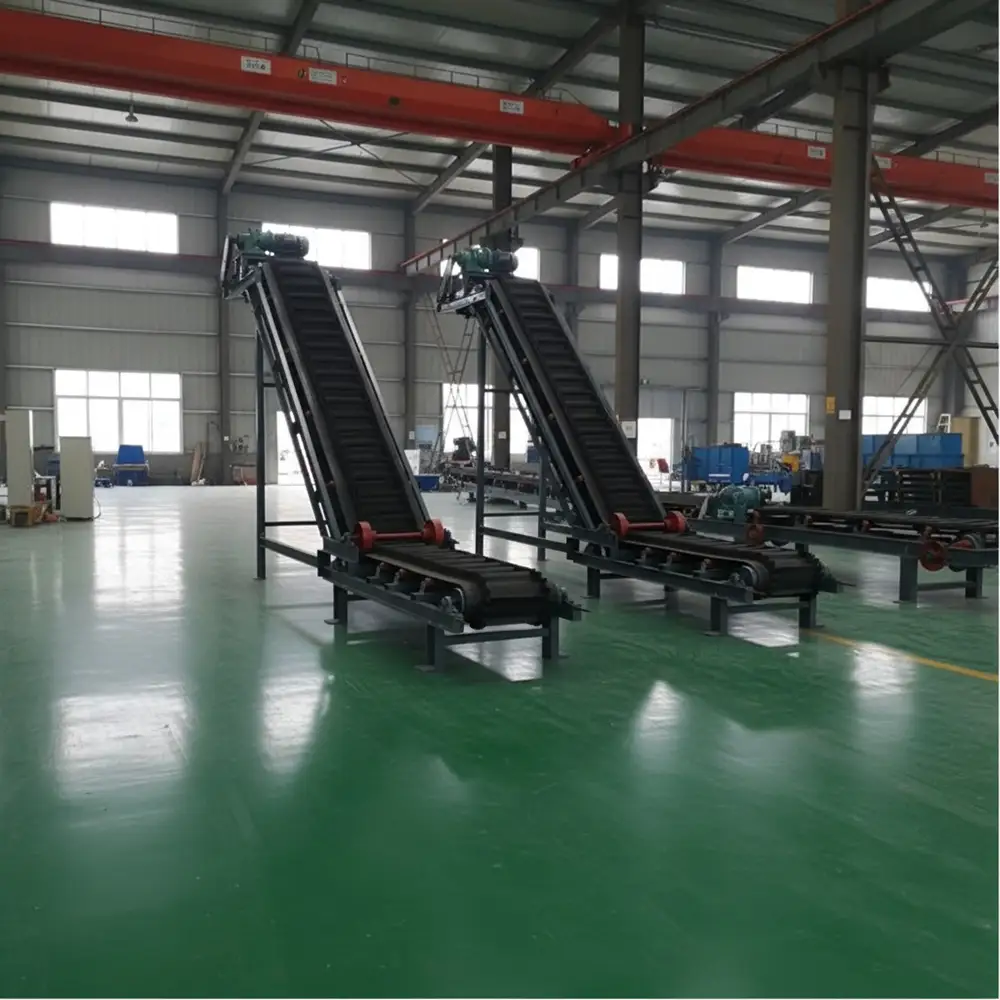
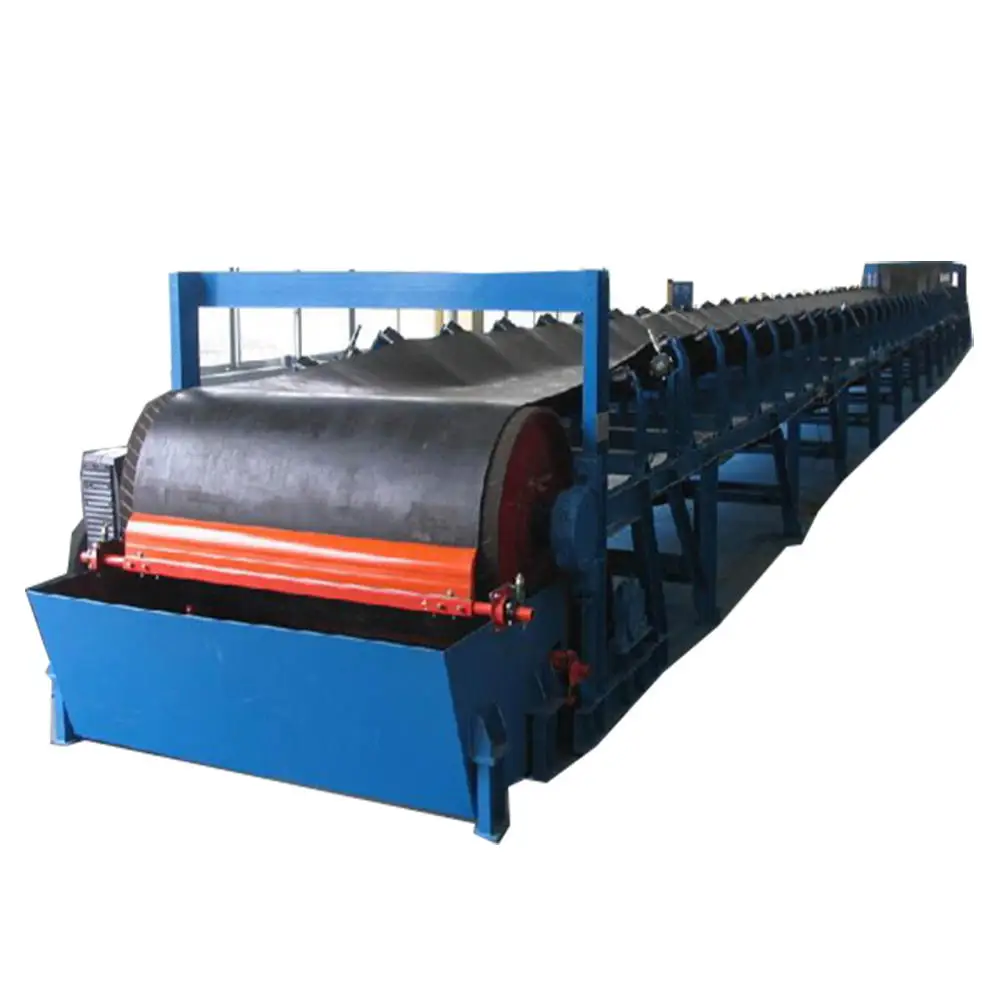
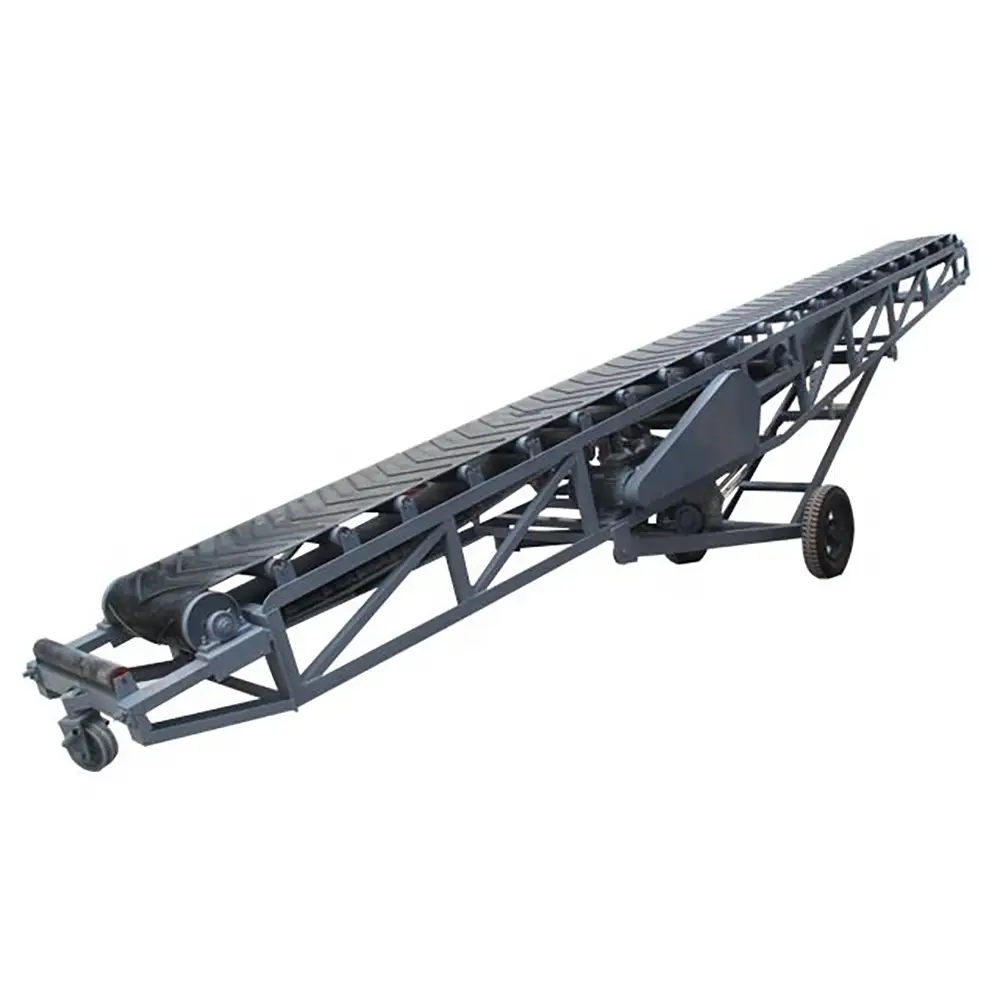
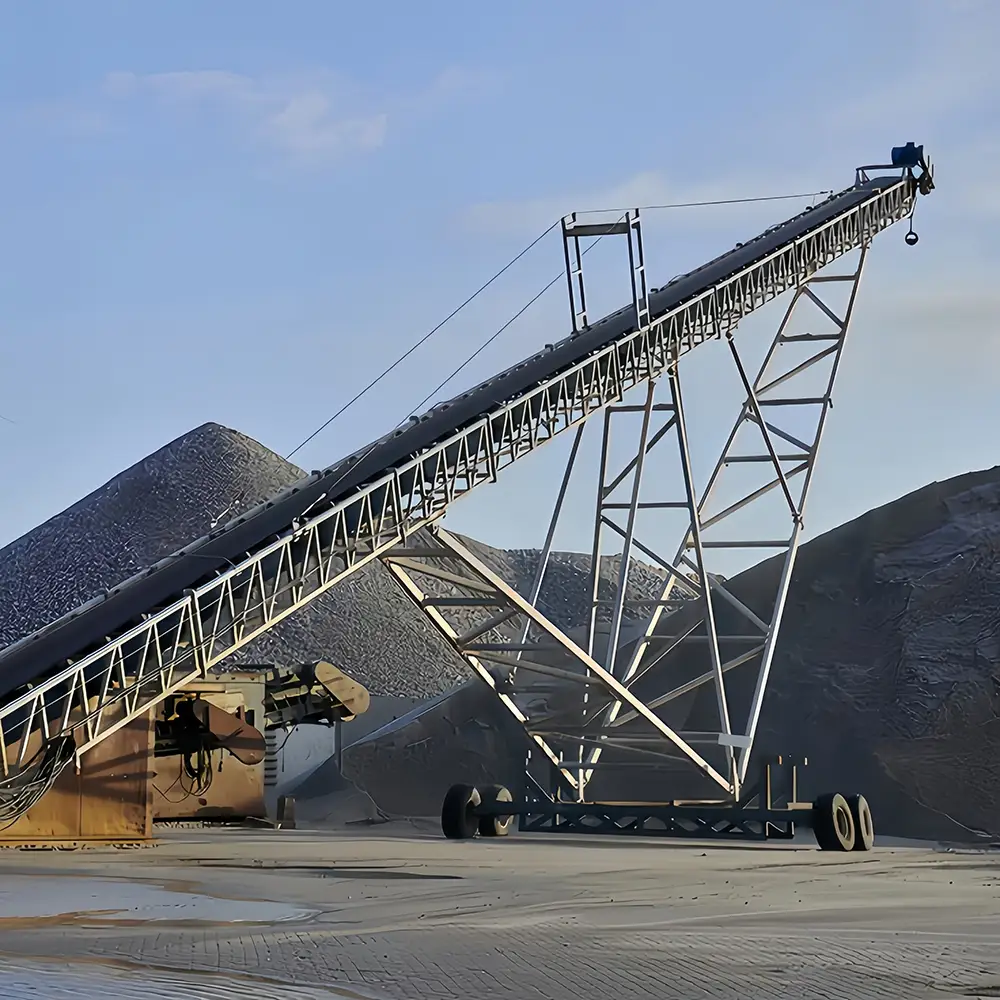
The Sidewall Belt Conveyor is a specialized continuous conveying system designed for transporting bulk materials at steep angles and, in suitable configurations, near-vertical directions. The Automatic Rubber Steep Sidewall Belt Conveyor Machine combines a flexible rubber conveyor belt with corrugated sidewalls and transverse cleats to keep materials securely on the belt during high-angle conveying.
Compared with conventional flat belt conveyors, sidewall belt conveyors can achieve much steeper conveying angles while requiring less horizontal installation space. This makes them particularly useful where production lines have limited floor area but require materials to be transferred to a higher elevation.
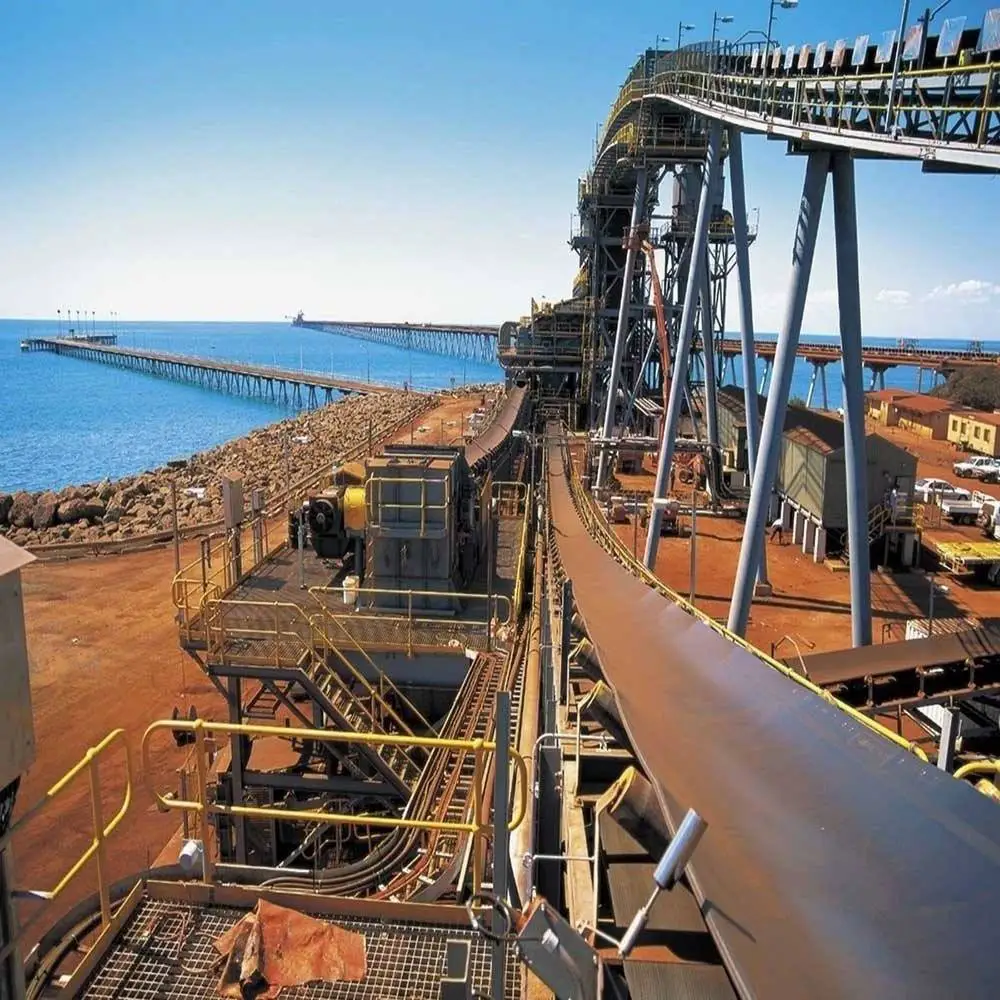
The system is widely used in mining, quarrying, coal handling, aggregate processing, cement plants, construction materials, fertilizer production, recycling, ports, and other bulk material handling industries.
What Is a Sidewall Belt Conveyor?
A sidewall belt conveyor uses a specially designed belt with raised rubber sidewalls along both edges. Depending on the conveying requirements, transverse cleats or crossbars are installed between the sidewalls.
The sidewalls prevent material from spilling over the edges, while the cleats help retain material when the belt travels upward at a steep angle.
This configuration creates a continuous conveying pocket that can carry materials more securely than a conventional flat belt at high inclinations.
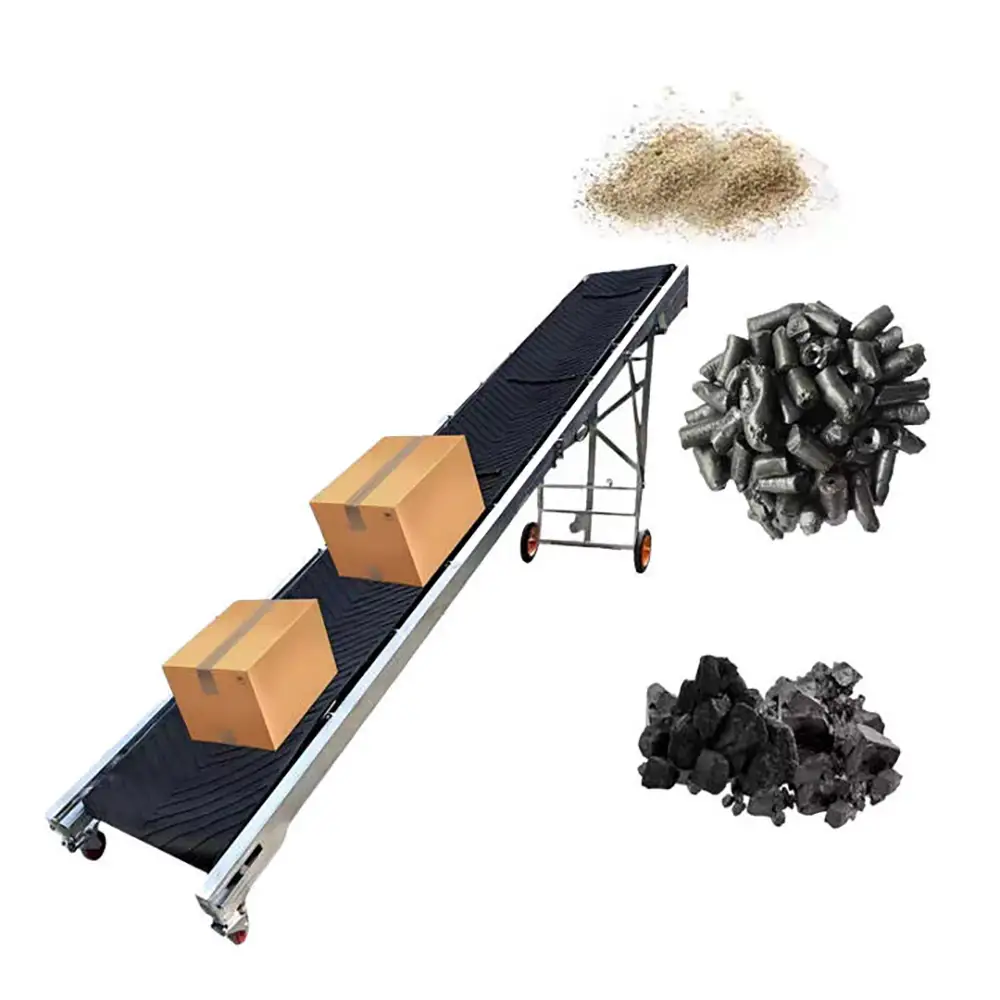
Typical materials include:
Coal
Iron ore
Copper ore
Limestone
Crushed stone
Gravel
Sand
Aggregate
Cement materials
Fertilizer
Grain
Wood chips
Biomass
Recyclable materials
Industrial bulk materials
Automatic Rubber Steep Sidewall Belt Conveyor Design
The Automatic Rubber Steep Sidewall Belt Conveyor Machine is designed for continuous and automated material transportation. Once connected to the appropriate feeding and receiving equipment, the conveyor can operate continuously with limited manual intervention.
The rubber sidewall belt is the core component. It combines a horizontal base belt with corrugated rubber sidewalls. Cleats can be positioned at suitable intervals to create individual conveying sections.
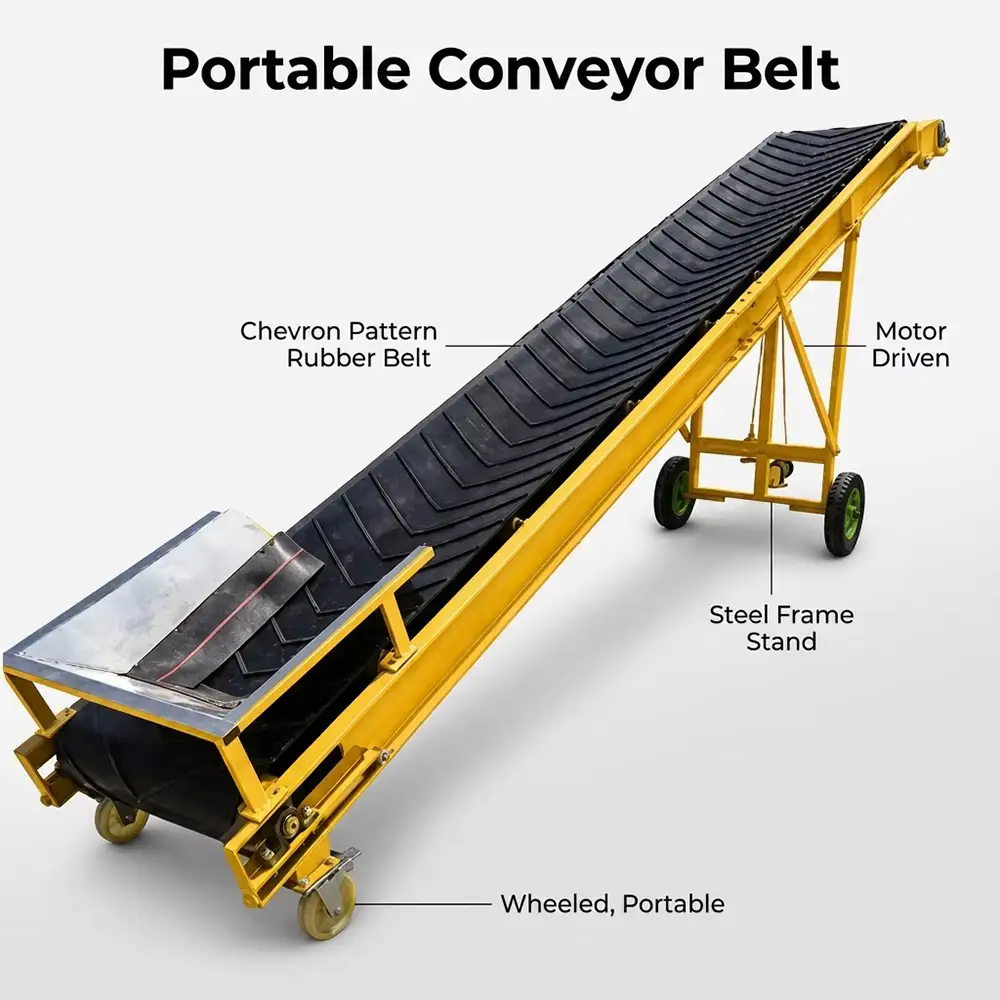
The drive unit normally includes an electric motor, gearbox, drive pulley, coupling, and related transmission components. Carrying rollers, return rollers, tensioning equipment, conveyor frames, and protective components complete the conveying system.
Depending on the application, the system can be designed as a fixed conveyor or integrated into a larger automatic material handling line.
Corrugated Sidewall Belt
The corrugated rubber sidewall is one of the most important features of the conveyor. Its flexible structure provides additional containment while allowing the belt to travel around pulleys.
Sidewall height can be selected according to material characteristics and required conveying capacity. Higher sidewalls can provide greater material containment, while the overall belt configuration must be matched to the material and conveying angle.
The rubber formulation can also be selected according to the working environment, including general industrial use, abrasive materials, and other demanding applications.
Cleated Conveyor Belt
Transverse cleats are installed across the belt surface to help prevent material from sliding backward during steep-angle transportation.
Different cleat shapes and heights can be selected according to material size, density, moisture, and required conveying angle.
The combination of rubber sidewalls and cleats creates a pocket-like conveying structure that improves material retention and enables high-angle conveying.
Main Components
Rubber Sidewall Belt
The sidewall belt provides both material support and edge containment. It is selected according to capacity, material characteristics, belt width, conveying angle, and operating conditions.
Cleats
Cleats increase material retention and help maintain stable transportation on steep inclines.
Drive System
The drive motor and gearbox generate the torque required to move the belt and loaded material. Power selection depends on conveyor length, inclination, material weight, belt speed, and conveying resistance.
Conveyor Rollers
Carrying rollers support the loaded belt and help maintain its shape. Return rollers support the belt on the return section.
Conveyor Frame
The steel frame provides structural support for the belt, rollers, drive unit, and other components. It can be customized according to conveyor layout and installation requirements.
Tensioning System
The tensioning device maintains suitable belt tension and helps compensate for belt elongation during operation.
Feed Hopper and Discharge Chute
Hoppers and chutes provide controlled material transfer between the sidewall conveyor and upstream or downstream equipment.
Steep Angle Material Handling
One of the main advantages of a Steep Sidewall Belt Conveyor is its ability to transport bulk materials at significantly steeper angles than many conventional belt conveyors.
Traditional flat belts can experience material rollback when the inclination becomes too high. The sidewall and cleat structure helps contain the material and maintain a more stable conveying flow.
This makes the system useful for moving material from underground or ground-level processing areas to elevated screens, crushers, storage bins, silos, hoppers, or production lines.
The exact maximum conveying angle depends on belt design, material characteristics, cleat configuration, particle size, moisture content, and other operating conditions.
Applications
Mining
Sidewall conveyors can transport ore, coal, crushed rock, and mineral materials between different elevations in mining and mineral processing facilities.
Quarrying
Quarries can use steep sidewall conveyors to move stone, gravel, sand, and aggregate from crushers and screens to elevated stockpiles or processing equipment.
Coal Handling
The enclosed conveying pockets help transport coal efficiently while reducing material rollback during inclined conveying.
Cement and Construction Materials
Limestone, clinker-related materials, sand, aggregate, and other bulk construction materials can be transported between different production stages.
Recycling
Sidewall belt conveyors can transfer waste, recyclable materials, wood products, and processed materials between sorting and recycling equipment.
Agriculture and Biomass
The system can also be configured for grain, fertilizer, biomass, wood chips, and similar bulk agricultural materials.
How Does a Sidewall Belt Conveyor Work?
Material enters the conveyor through a feeding hopper or upstream machine.
The electric motor drives the pulley, causing the rubber sidewall belt to move continuously. The material is loaded onto the belt between the two sidewalls.
As the belt travels upward, the corrugated sidewalls prevent material from falling over the edges. Cross cleats divide the conveying surface into sections and help prevent material from sliding backward.
When the belt reaches the discharge pulley, the belt changes direction and the material leaves the conveying pockets under the action of gravity and belt movement.
The empty belt then returns to the loading point, completing the continuous conveying cycle.
Key Advantages
Steep Conveying Capability
The sidewall and cleat design allows bulk materials to be transported at steep inclines while reducing rollback.
Space Saving
A steep conveyor can reduce the horizontal footprint required to achieve a specific lifting height.
Continuous Automatic Operation
The conveyor can operate continuously as part of an automated material handling system.
High Material Retention
Rubber sidewalls help prevent material from falling from the belt edges.
Wide Material Compatibility
The system can be configured for coal, ore, stone, aggregate, sand, grain, fertilizer, biomass, and many other bulk materials.
Flexible Configuration
Belt width, sidewall height, cleat design, conveyor length, inclination, capacity, discharge height, and drive power can be customized.
Easy System Integration
The conveyor can be integrated with crushers, vibrating screens, feeders, hoppers, silos, storage systems, and other processing equipment.
How to Select a Sidewall Belt Conveyor
Before selecting a Sidewall Belt Conveyor, buyers should provide several important operating parameters.
Material Type: Specify whether the material is coal, ore, stone, sand, grain, fertilizer, biomass, or another product.
Particle Size: Maximum and average particle size affect belt and cleat selection.
Bulk Density: Material density helps determine required belt capacity and drive power.
Capacity: State the required conveying capacity, such as tons per hour.
Conveying Height: Specify the required vertical elevation between loading and discharge points.
Inclination: The conveyor angle affects belt design, cleat arrangement, and material retention.
Belt Width: Belt width should be selected according to capacity and material size.
Operating Environment: Outdoor, dusty, wet, corrosive, abrasive, or high-temperature conditions may require specialized components.
Maintenance
Routine inspection is important for maintaining reliable operation. Operators should regularly check the rubber sidewalls, cleats, belt surface, rollers, pulleys, bearings, drive motor, gearbox, and tensioning system.
The belt should remain correctly aligned and tensioned. Damaged sidewalls or cleats should be repaired or replaced to maintain proper material containment.
Material buildup should be removed from rollers and pulleys to reduce belt tracking problems. Lubrication and gearbox maintenance should follow the recommended service schedule.
Safety guards and emergency stop systems should be inspected regularly, particularly on long or high-capacity conveyors.
OEM and Custom Conveyor Solutions
Different industries have different requirements for steep-angle conveying. We can provide customized Automatic Rubber Steep Sidewall Belt Conveyor Machine solutions based on capacity, conveying height, belt width, material characteristics, inclination, and plant layout.
Custom options may include different sidewall heights, cleat configurations, belt materials, drive arrangements, hoppers, discharge chutes, dust covers, guards, support structures, and control systems.
For complete production lines, the conveyor can also be integrated with crushing, screening, feeding, washing, sorting, storage, and packaging equipment.
Why Choose Us?
We provide Sidewall Belt Conveyor solutions for mining, quarrying, aggregate, coal, cement, recycling, agriculture, biomass, and industrial material handling applications.
Heavy-Duty Sidewall Conveyor Construction
Automatic Continuous Material Handling
Steep-Angle Conveying Solutions
Corrugated Rubber Sidewall Belts
Customized Cleat Configurations
Flexible Conveyor Dimensions
Professional System Design
Suitable for Mining and Quarry Applications
OEM and Custom Manufacturing
Factory Direct Supply
Technical Support and After-Sales Service
We focus on matching the conveyor configuration to the customer's material, conveying capacity, elevation, site layout, and operating environment.
FAQs
1. What is a sidewall belt conveyor?
A sidewall belt conveyor is a specialized belt conveyor equipped with raised rubber sidewalls and usually transverse cleats for transporting bulk materials at steep inclines.
2. What is the purpose of the rubber sidewalls?
The rubber sidewalls help prevent materials from spilling from the sides of the belt and provide better material containment during steep-angle conveying.
3. Can a sidewall conveyor transport coal and ore?
Yes. With the appropriate belt construction and heavy-duty components, it can be used for coal, ore, crushed stone, aggregate, and other mining materials.
4. Why are cleats installed on the belt?
Cleats help retain materials and reduce backward sliding when the conveyor operates at a steep angle.
5. Can the conveying angle be customized?
Yes. The conveying angle can be designed according to the material characteristics, required elevation, belt configuration, and site layout.
6. Can the sidewall height be customized?
Yes. Sidewall height can be selected according to the material and required conveying capacity.
7. Is the conveyor fully automatic?
The conveyor can operate automatically when integrated with suitable feeding, control, and receiving equipment. The exact automation configuration depends on the complete system.
8. Can it save installation space?
Yes. Because it can convey material at a steep angle, it can reduce the horizontal space required to reach a specific elevation compared with a long conventional inclined conveyor.
9. What information is needed for a quotation?
Provide the material type, capacity, particle size, conveying length, vertical lifting height, inclination, belt width if known, feeding height, discharge height, and power supply.
10. Can you provide a complete conveyor system?
Yes. The sidewall conveyor can be configured with feeding hoppers, discharge chutes, drive systems, support structures, controls, and other material handling equipment according to project requirements.
Prev:
DT II Type Fixed Belt Conveyor, Mining Conveyor, Cement Industry Belt Conveying Equipment
Next:
DY Portable Belt Conveyor, Mobile Type Belting Conveyor
TAG:
Mining Belt Conveyor,
Steep Incline Belt Conveyor,
Sidewall Belt Conveyor,
Vertical Belt Conveyor,
Industrial Belt Conveyor,
Heavy Duty Sidewall Conveyor,
Bulk Material Conveyor,
Mining Conveyor Equipment,
Material Handling Conveyor,
Coal Conveyor,
Continuous Belt Conveyor,
Aggregate Conveyor,
Quarry Conveyor,
Stone Conveyor,
Mining Conveyor System,
Ore Conveyor,
Heavy Duty Belt Conveyor,
Custom Sidewall Conveyor,
Inclined Belt Conveyor,
Automatic Belt Conveyor,
Cleated Belt Conveyor,
Sidewall Belt Conveyor Machine,
Rubber Sidewall Conveyor,
Sidewall Conveyor System,
Mining Sidewall Conveyor,
Corrugated Sidewall Belt Conveyor,
Steep Angle Belt Conveyor,
Steep Incline Conveyor,
Sidewall Conveyor,
Steep Sidewall Conveyor,
Related Category:
Sidewall Belt Conveyor, Automatic Rubber Steep Sidewall Belt Conveyor Machine, Corrugated Sidewall Belt Conveyor, Steep China, suppliers, manufacturers, factory, customized, wholesale, quotation, made in China