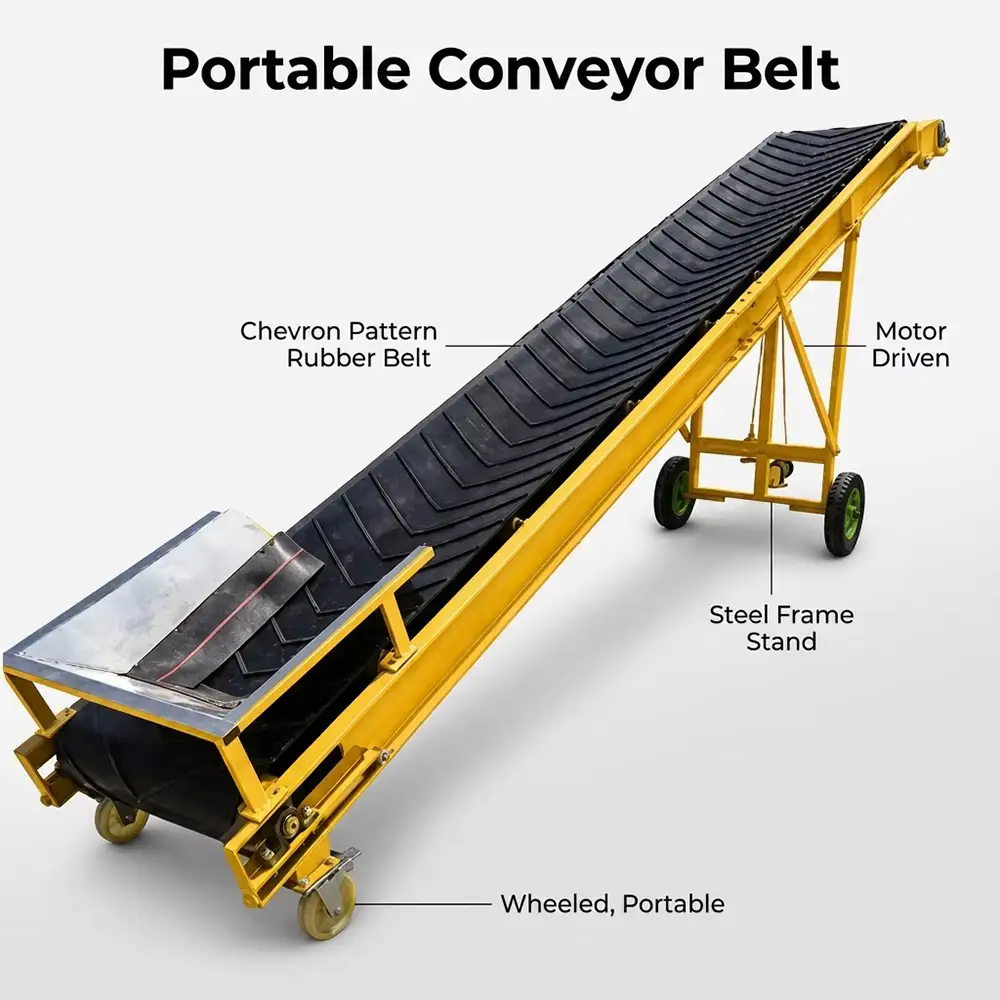
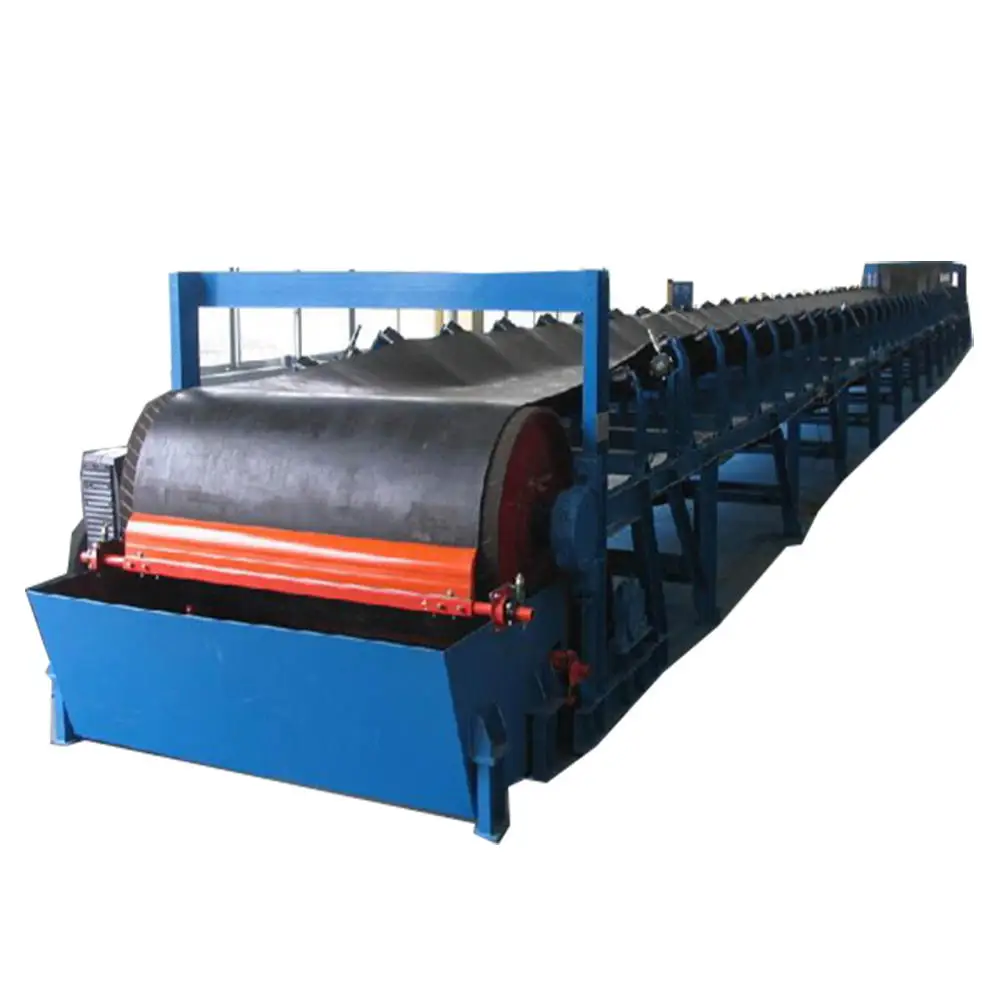
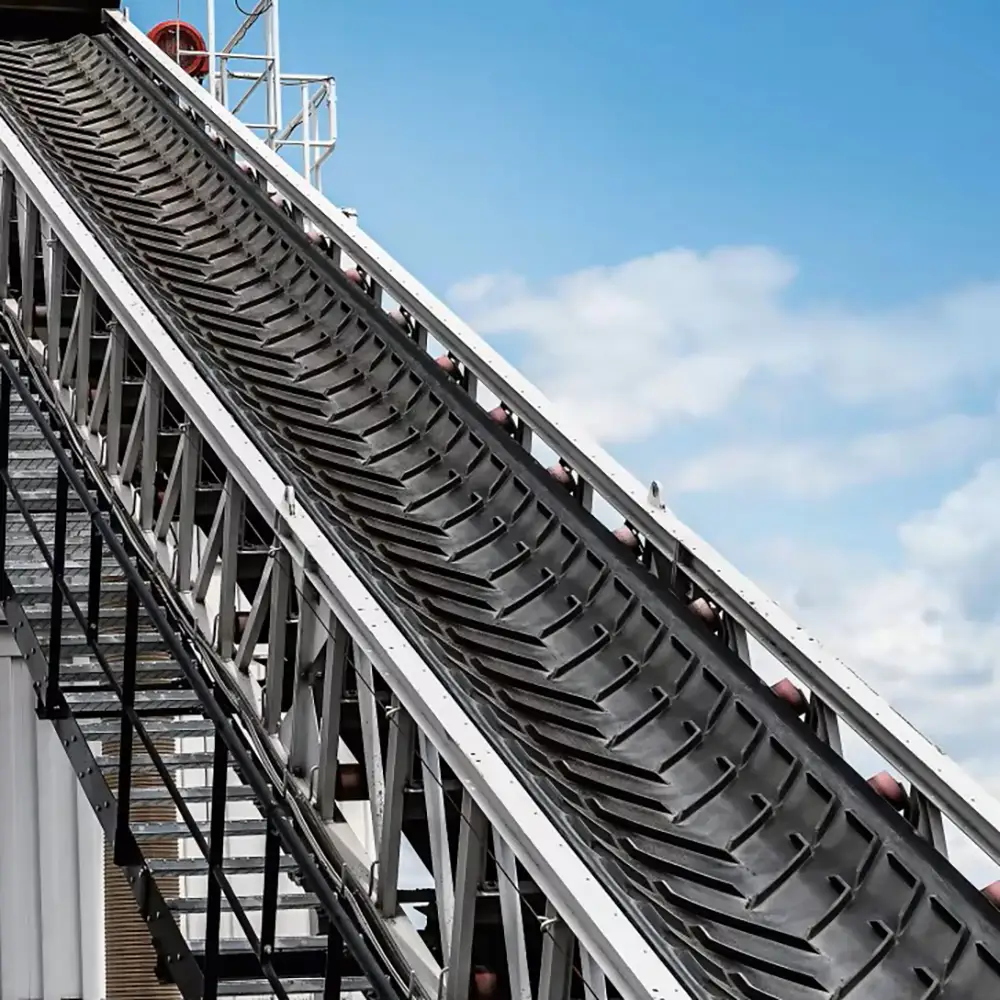
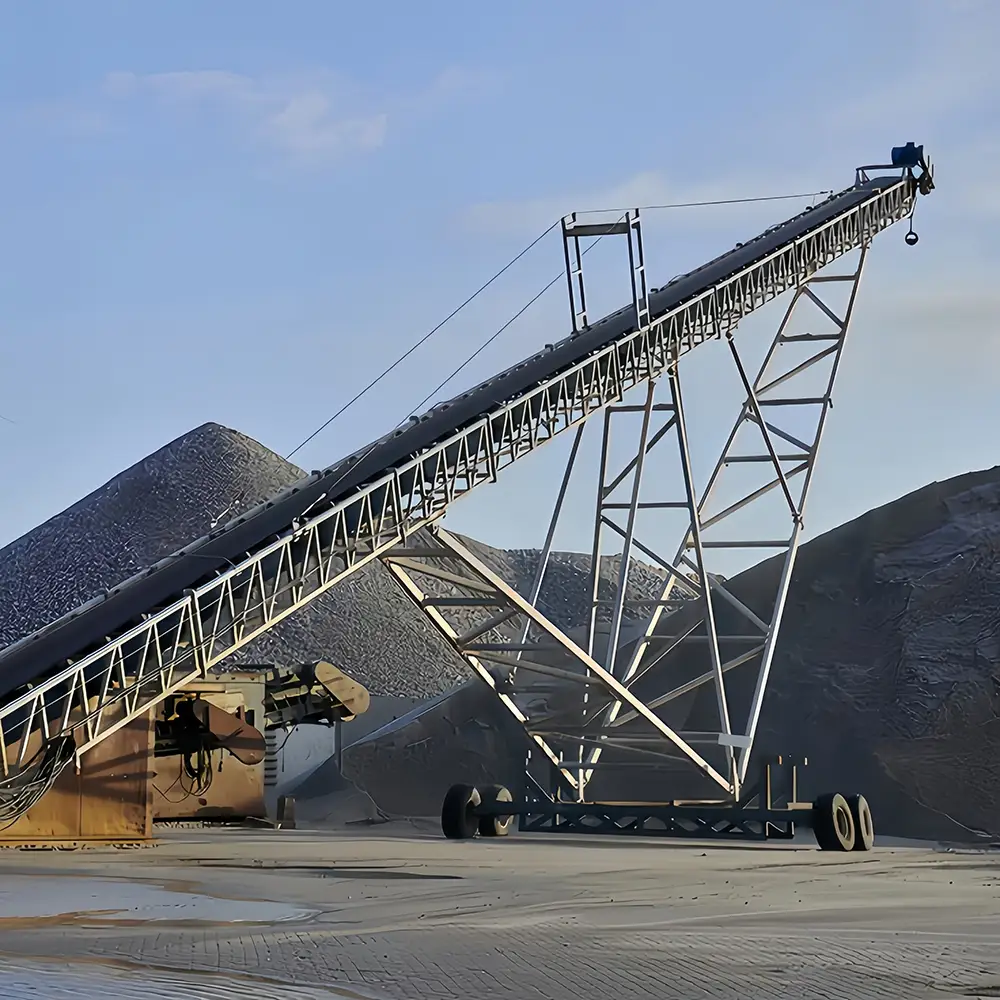
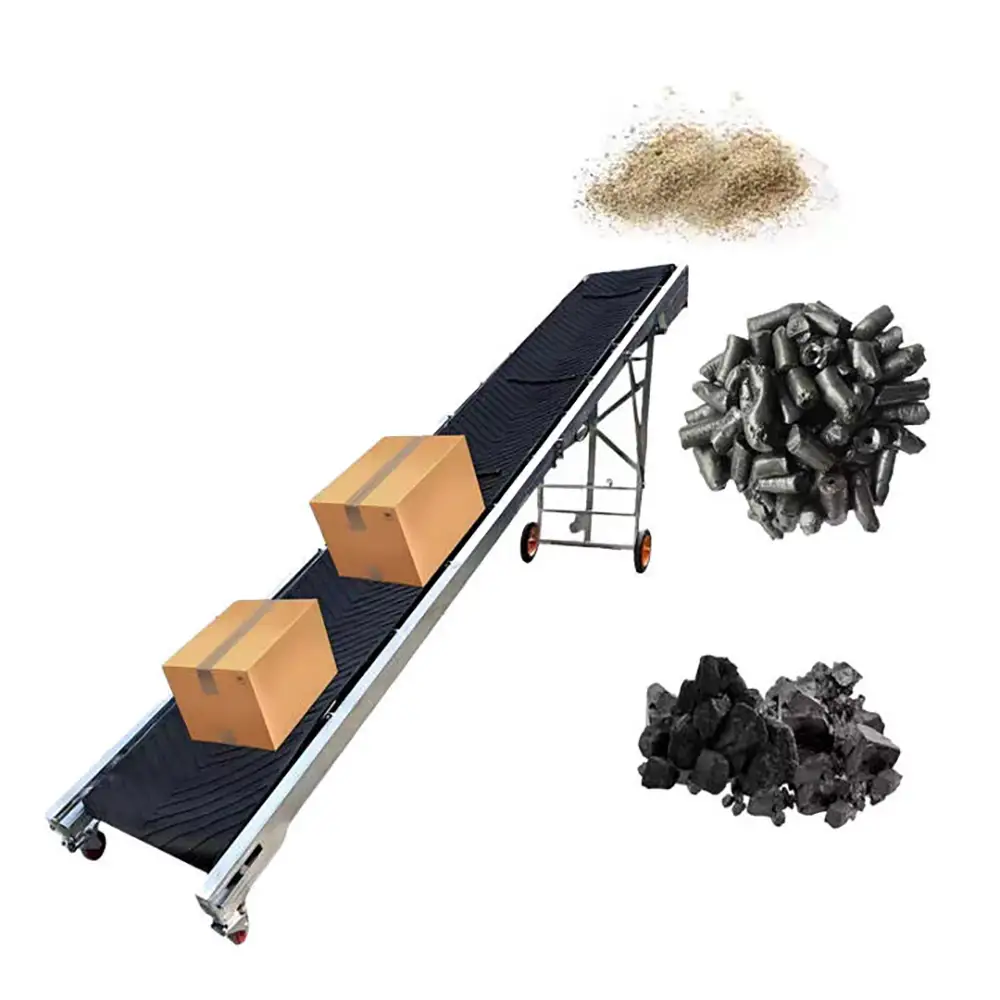
Mobile Belt Conveyor for Stone and Mining Transport Overview
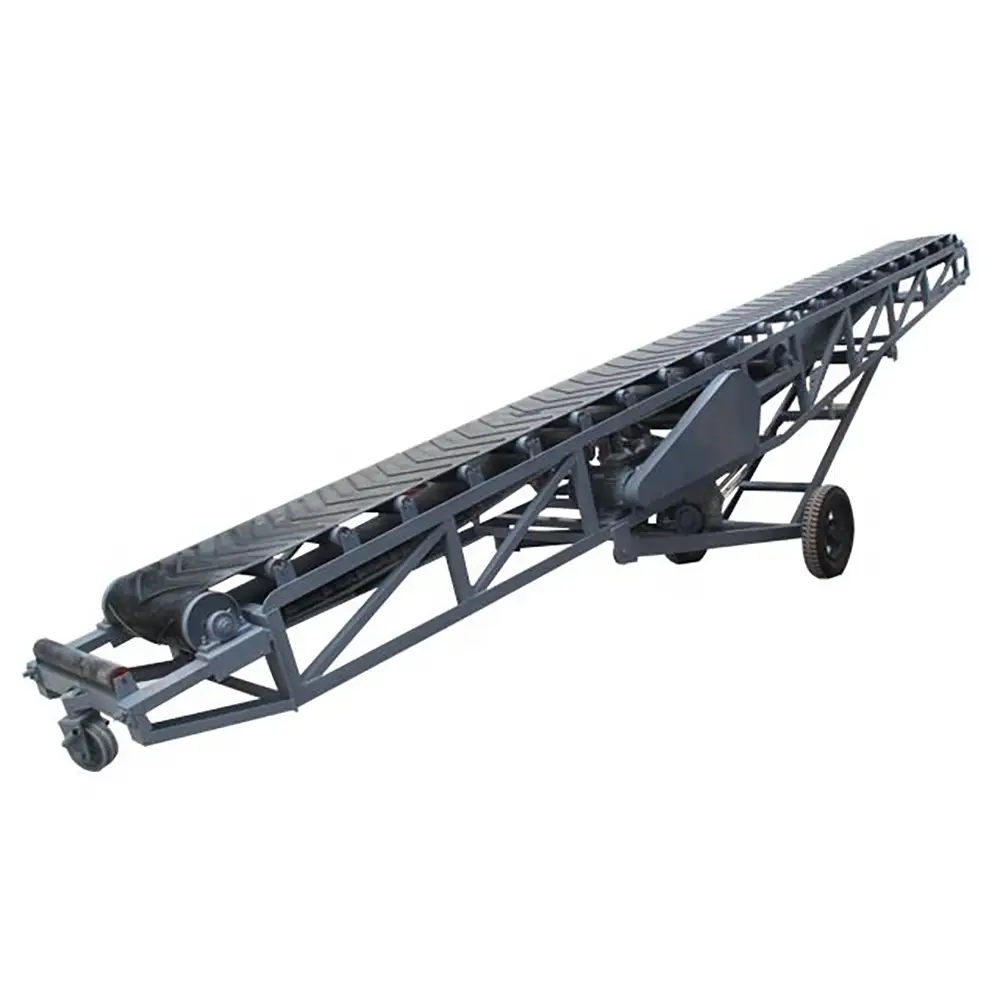
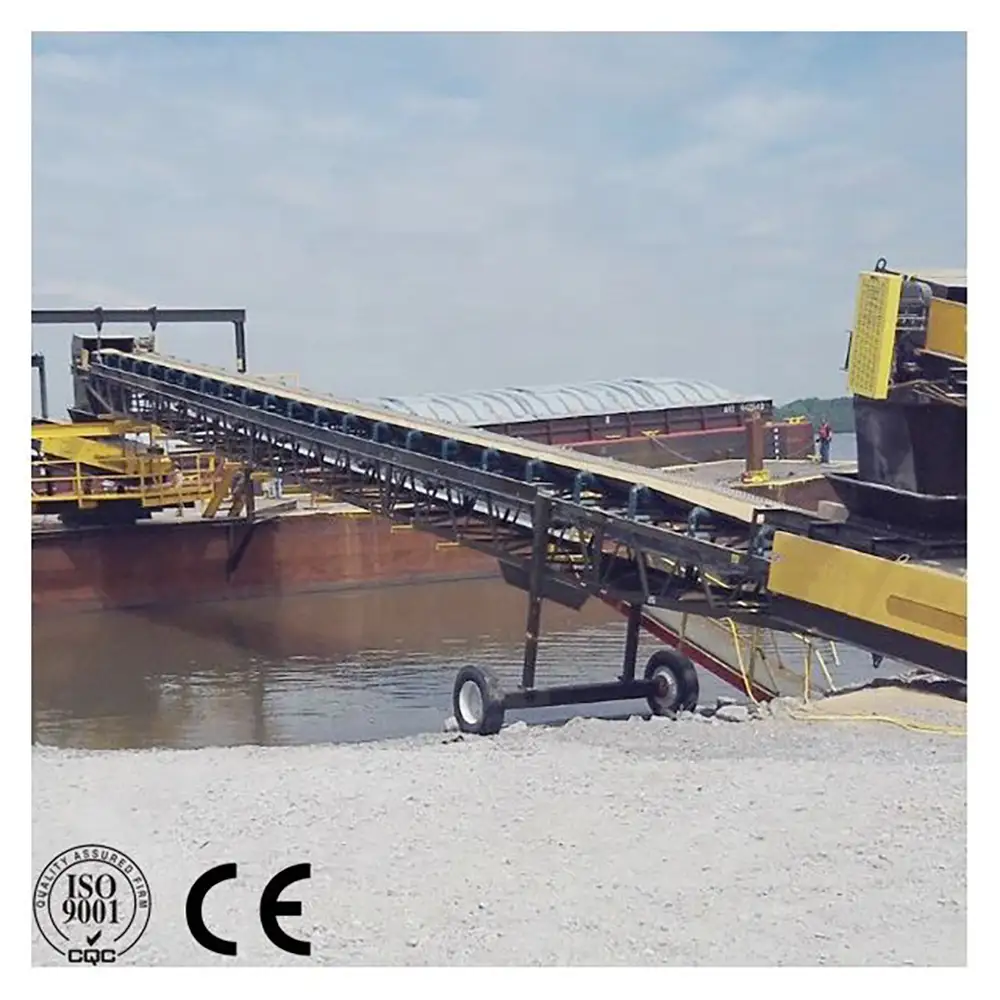
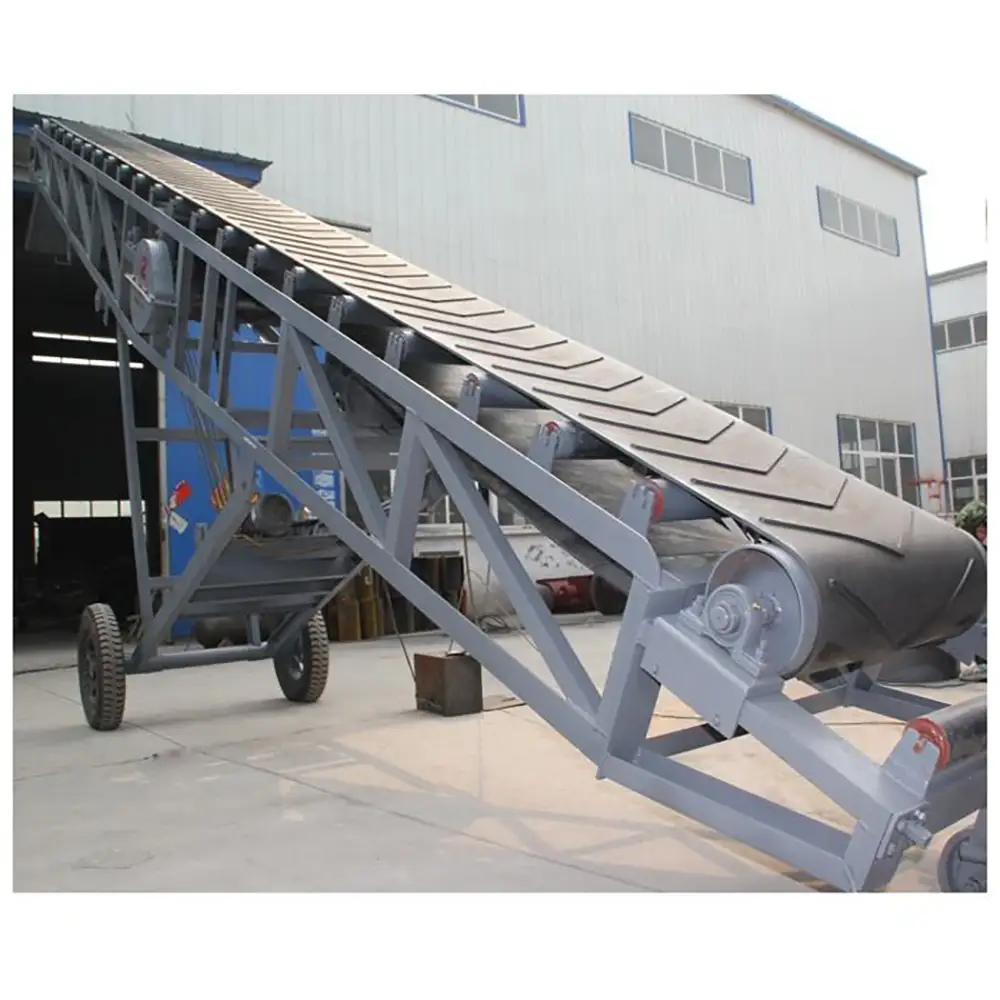
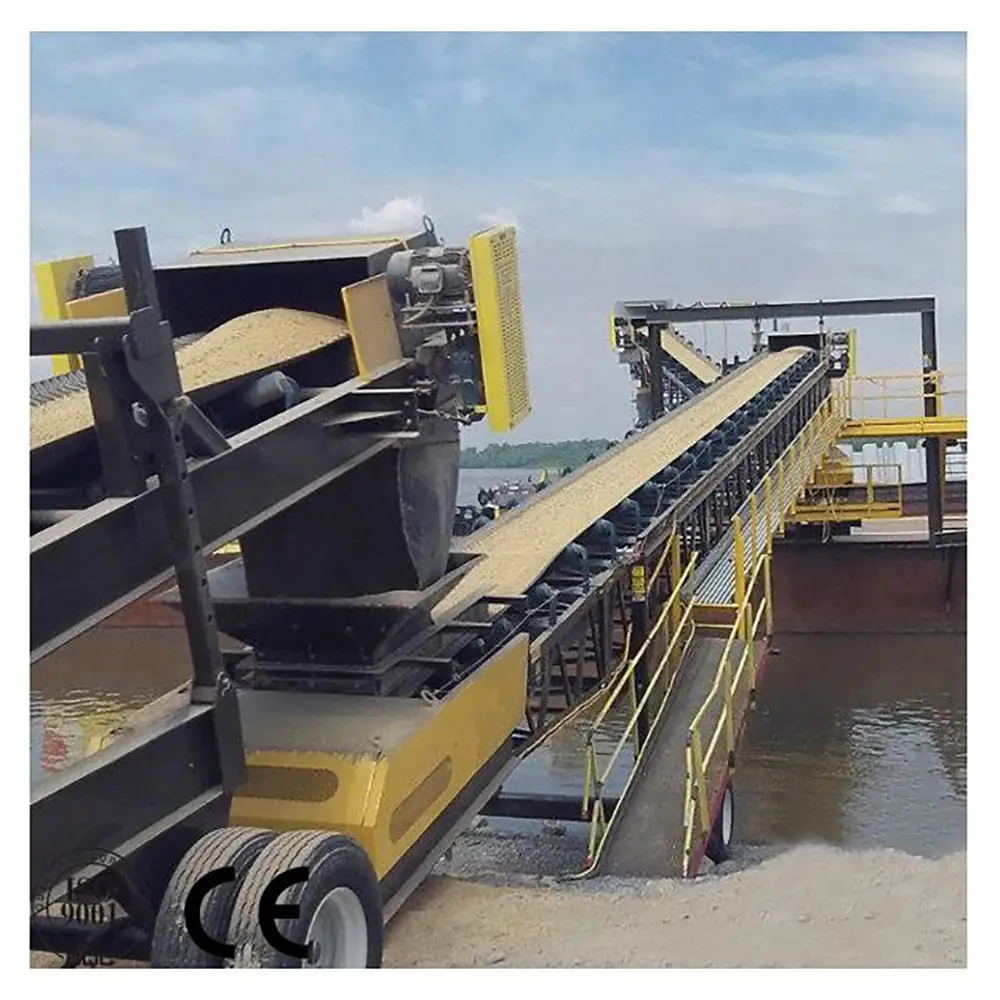
A mobile belt conveyor for stone and mining transport is a heavy-duty material handling solution designed to move rocks, crushed stone, gravel, sand, ores, and other bulk materials across mining sites, quarries, aggregate plants, and construction projects. Unlike permanently installed conveyor systems, mobile belt conveyors can be repositioned to accommodate changing material sources, stockpiles, and loading locations.
Mining and quarrying operations often involve multiple stages of material handling, including excavation, crushing, screening, stockpiling, and transportation. A mobile conveyor can connect these operations and provide a continuous material transfer route between equipment and working areas.
Designed for demanding industrial environments, mobile stone conveyors can be configured with robust frames, abrasion-resistant rubber belts, heavy-duty rollers, suitable drive systems, and mobility equipment. Depending on the application, they may be used as standalone transfer conveyors or integrated into a larger crushing and screening line.
Selecting the right conveyor capacity, belt width, length, and mobility configuration helps match the equipment to the material characteristics and site requirements.
|
Item |
DY400 |
DY500 |
DY650 |
DY800 |
DY1000 |
|
Length(m) |
3~25 |
|
Belt width(mm) |
400 |
500 |
650 |
800 |
1000 |
|
Belt speed(m/s) |
0.4~1.25 |
|
Lifting height(m) |
1.2~9.7 |
|
Conveying capacity |
(t/h) |
40-80 |
70-145 |
130-265 |
200-330 |
320-500 |
|
(pcs/h) |
800 |
1400 |
2600 |
3000 |
3500 |
2. What Is a Mobile Mining Belt Conveyor?
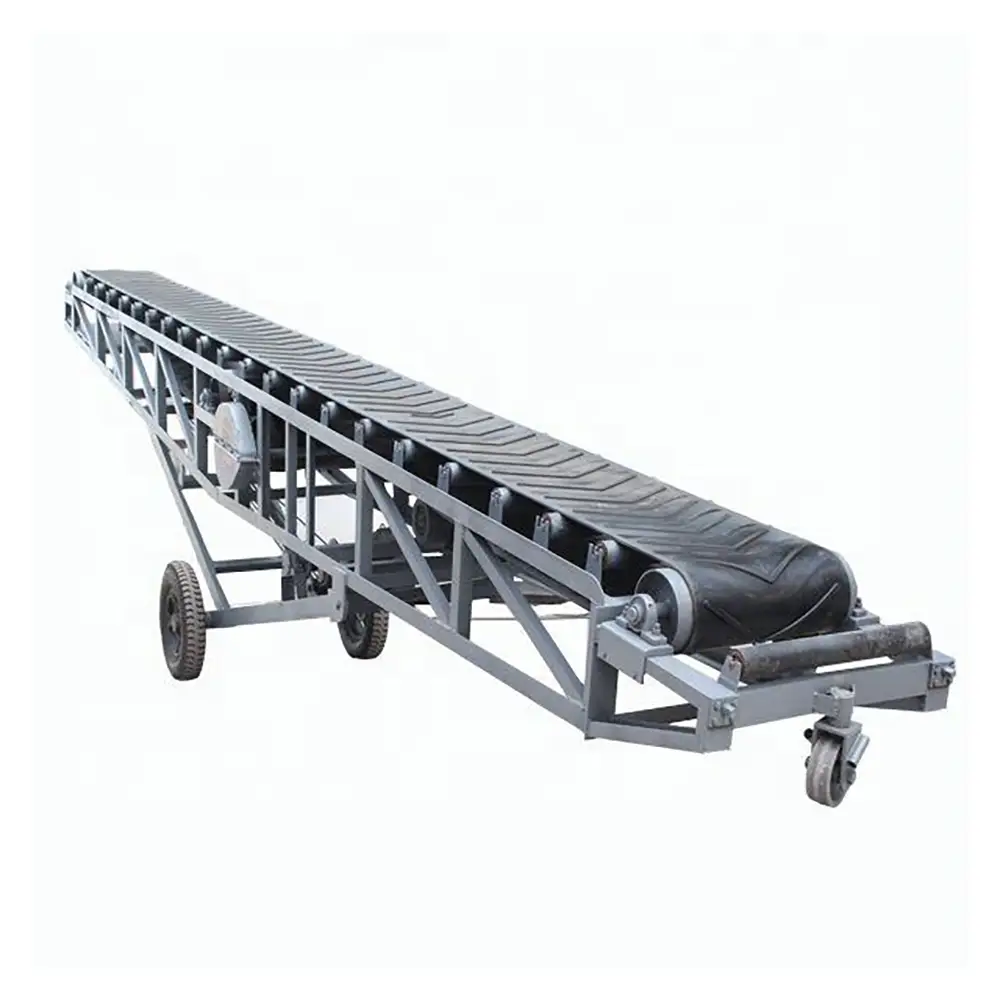
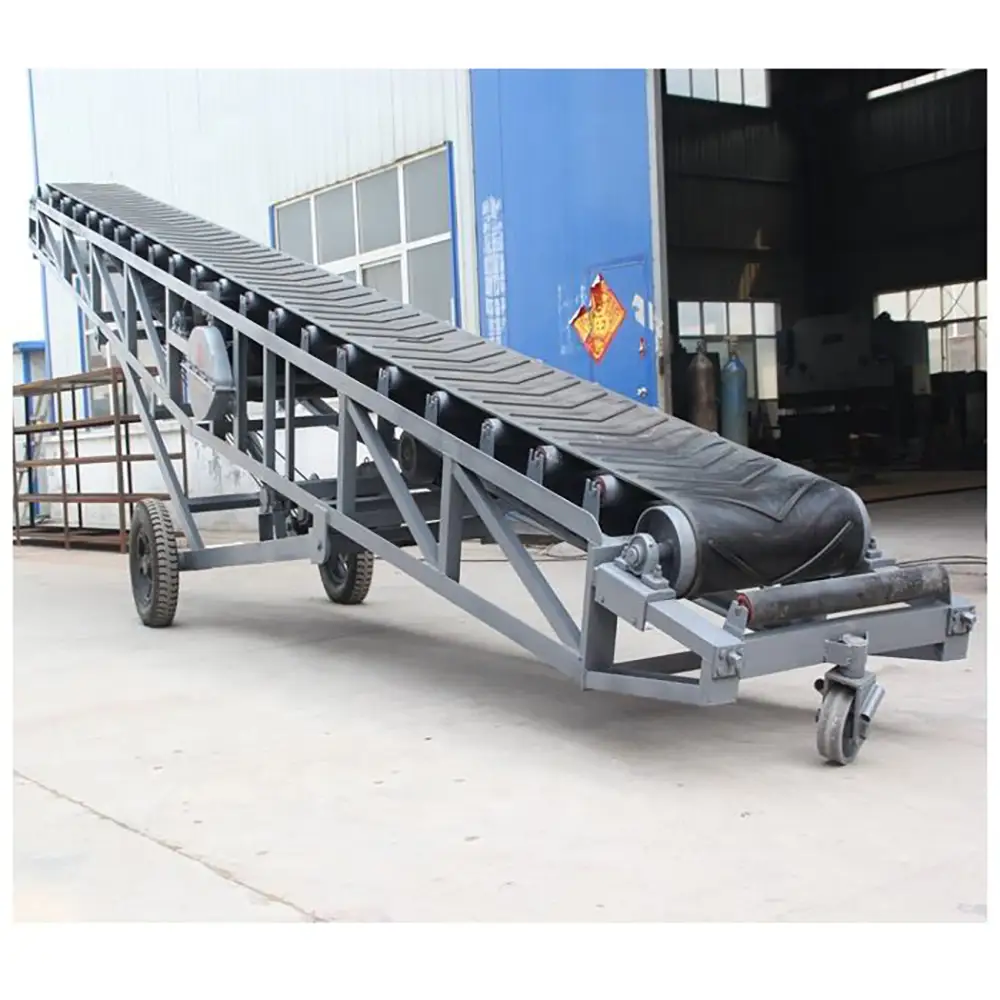
A mobile mining belt conveyor is a mechanical conveying system mounted on a movable frame or chassis. It transports bulk materials using a continuous belt supported by rollers or a suitable conveying bed.
The conveyor typically consists of a rubber belt, drive pulley, tail pulley, idlers, frame, electric motor, transmission system, and belt tensioning arrangement. Mobile models may also include wheels, tracks, towing connections, hydraulic lifting equipment, or adjustable supports.
For stone and mining applications, the conveyor structure and belt must accommodate heavy loads, abrasive materials, impact during loading, and demanding outdoor conditions.
Depending on the equipment design, mobile conveyors can transport materials horizontally or at an incline. Some models are designed for temporary material transfer, while others are intended for regular repositioning within a quarry or processing facility.
3. Key Features of Heavy-Duty Mobile Stone Conveyors
Heavy-Duty Rubber Conveyor Belt
The rubber belt provides the carrying surface for stone, ore, aggregate, and other bulk materials. Belt construction can be selected according to material abrasiveness, lump size, loading impact, and operating conditions.
For demanding applications, reinforced belts and suitable abrasion-resistant rubber compounds can help withstand wear associated with continuous stone handling.
Strong Conveyor Frame
A rigid frame supports the belt, rollers, drive system, and transported material. Structural design should account for conveyor length, material loading, dynamic forces, mobility requirements, and the operating environment.
High-Capacity Drive System
The motor and transmission system provide the power required to move the belt and its material load. Drive selection depends on belt width, conveyor length, incline, speed, and throughput.
Mobile Chassis and Relocation
Mobile conveyors can be equipped with wheels, towing arrangements, tracks, or other relocation features depending on the site and equipment type.
A suitable mobility arrangement allows the conveyor to be positioned near different stockpiles, crushers, screens, or loading points.
Adjustable Conveying Height
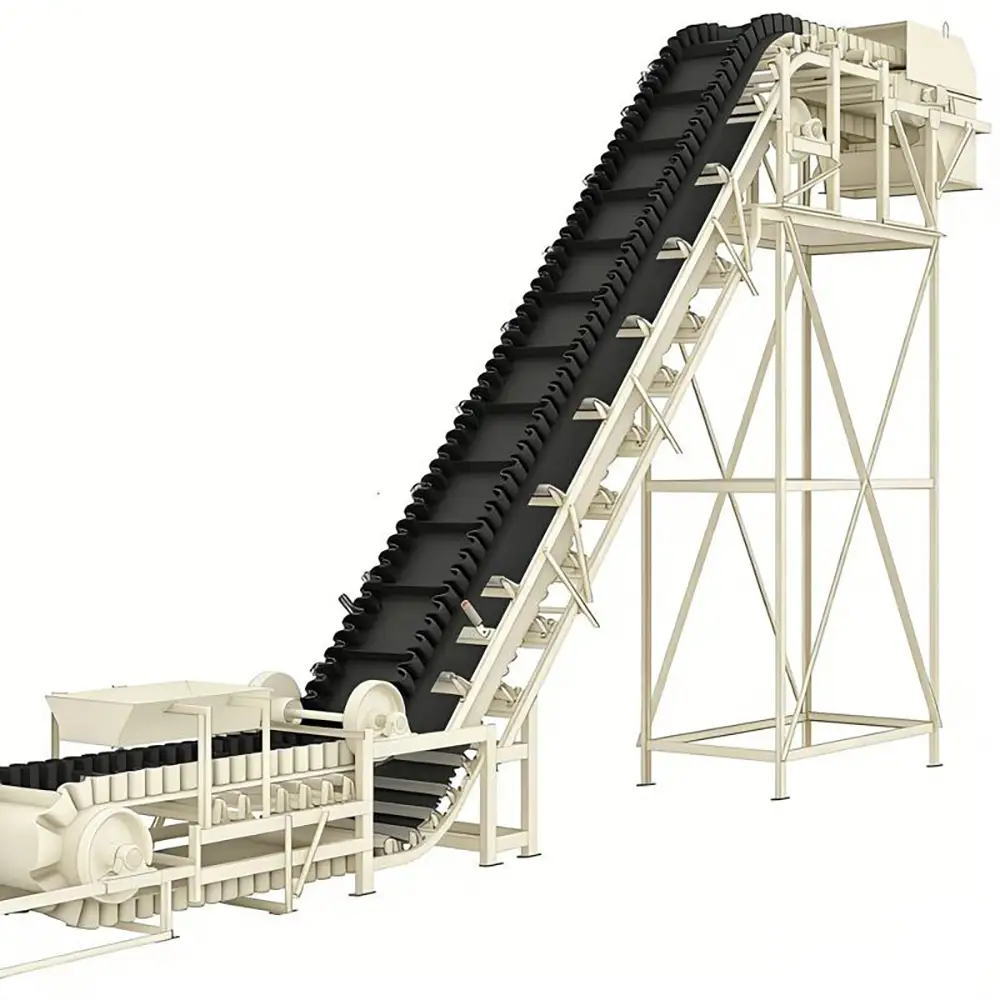
Some models provide adjustable discharge height or conveyor inclination. This can help transfer stone and aggregates into stockpiles, hoppers, trucks, or downstream equipment.
Adjustment mechanisms and load limitations depend on the specific conveyor design.
Reliable Roller and Belt Support
Carrying and return rollers support the belt during operation. Correct roller spacing, alignment, sealing, and bearing selection help maintain belt tracking and reduce unnecessary resistance.
4. Applications in Stone, Quarry, and Mining Operations
Mobile belt conveyors can support different material handling stages across mining and quarrying projects.
Stone Quarrying
Conveyors transfer extracted rock, crushed stone, and quarry aggregates from processing equipment to stockpiles, trucks, or other handling systems.
Mining Operations
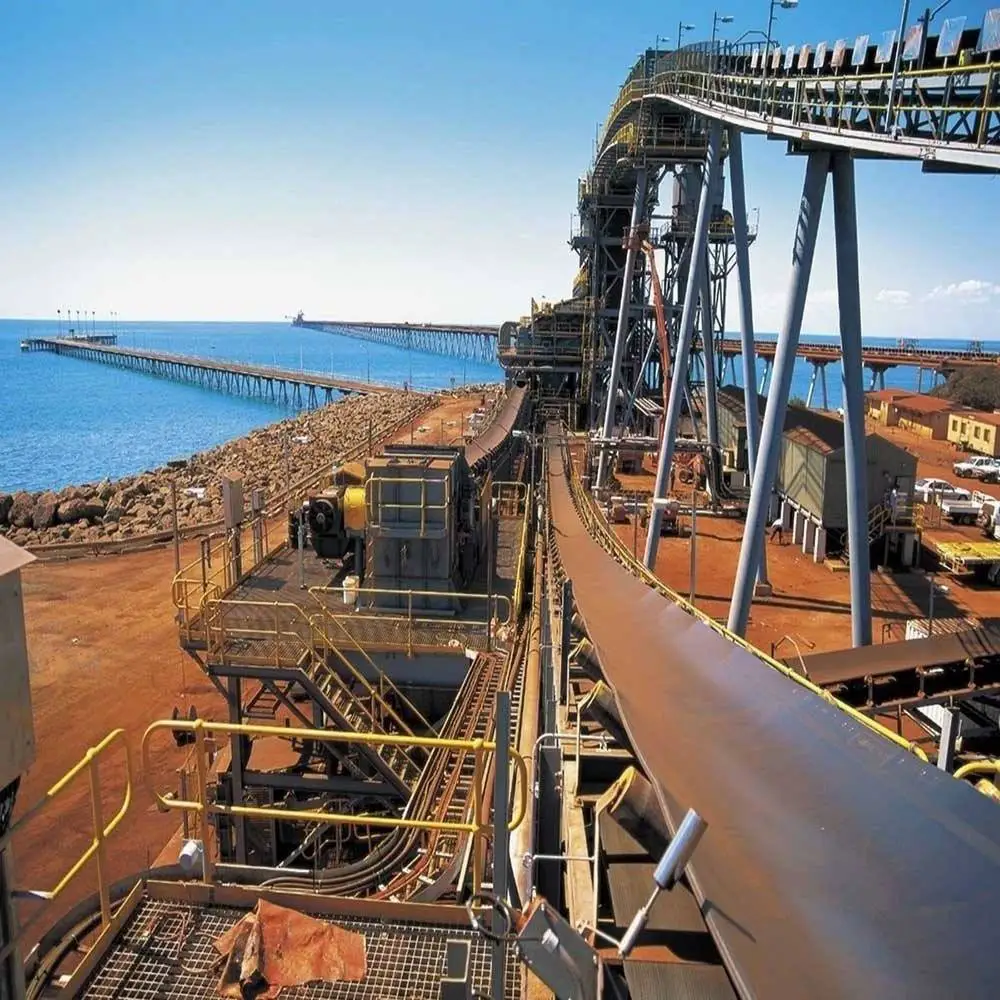
Depending on the equipment specification and material, mobile conveyors can transport ores, mineral materials, and selected mine waste between working areas and processing equipment.
Crushing and Screening Plants
Mobile belt conveyors can connect jaw crushers, cone crushers, impact crushers, vibrating screens, and stockpiling equipment. Their positioning flexibility can help accommodate changes in the production layout.
Sand and Gravel Processing
Conveyors move sand, gravel, and screened aggregates between washing, screening, storage, and loading operations. Belt selection should consider moisture, material flow, and the possibility of material buildup.
Construction and Infrastructure Projects
Mobile conveyors can transfer crushed rock, aggregate, and other construction materials around temporary work sites and material storage areas.
Stockpiling and Material Loading
Mobile conveyors can deliver bulk material to designated stockpile locations or loading points. Certain designs support adjustable discharge heights or integration with additional conveying equipment.
5. How a Mobile Stone Conveyor Works
A mobile belt conveyor transports material through a continuous mechanical belt movement process.
Step 1: Material Feeding
Stone or ore is loaded onto the conveyor through a hopper, chute, crusher outlet, screen discharge, loader, or another suitable feeding arrangement. Loading equipment should control impact and distribute material across the belt.
Step 2: Belt Movement
An electric motor drives the conveyor pulley through a suitable transmission system. The pulley moves the belt along the carrying and return sections of the conveyor.
Step 3: Material Transportation
The moving belt carries the stone or mineral material along the conveyor. Idlers support the carrying side, while return rollers guide the unloaded belt back toward the feeding end.
Step 4: Material Discharge
At the discharge pulley, the conveyed material leaves the belt and falls into a receiving area, stockpile, truck, hopper, or another conveyor.
Step 5: Continuous Operation
The belt returns to the loading end and repeats the conveying cycle. Proper belt tension, tracking, loading, and drive performance help maintain stable transportation.
6. Advantages of Mobile Belt Conveyors for Mining and Stone Transport
Flexible Site Layout
Mobile conveyors can be relocated as mining faces, stockpiles, and material handling requirements change. This is useful for operations that need to adjust their conveying routes over time.
Continuous Material Transfer
When correctly integrated with upstream and downstream equipment, a mobile conveyor can support continuous movement of stone and bulk materials.
Reduced Repeated Equipment Movement
A suitable conveyor arrangement can reduce the need for loaders or other mobile machinery to repeatedly carry material across the same transfer route. The overall benefit depends on site layout and operating practices.
Adaptable Material Handling Capacity
Different belt widths, speeds, lengths, and drive configurations can be selected to meet the required throughput and material characteristics.
Improved Stockpile Management
Adjustable and repositionable conveyors can serve different discharge locations and help organize aggregate or ore stockpiles.
Integration With Crushing Equipment
Mobile conveyors can be coordinated with crushers, screens, feeders, and other material handling machines to create a more connected production line.
7. How to Choose the Right Mobile Mining Conveyor
Choosing the correct conveyor requires careful evaluation of the material, production requirements, and site conditions.
Material Size and Weight
Determine the maximum stone lump size, average particle size, bulk density, and material distribution. Larger and heavier materials may require a wider belt and a stronger feeding arrangement.
Required Conveying Capacity
Estimate the required throughput in tons per hour. Belt width, belt speed, material loading depth, and conveyor inclination all affect conveying capacity.
Conveyor Length and Incline
Conveying distance and elevation changes influence drive power, belt tension, support requirements, and the need for additional conveying stages.
Belt Strength and Abrasion Resistance
Stone and ore can create significant wear. Choose appropriate belt reinforcement, cover thickness, and rubber compounds based on impact and abrasion conditions.
Mobility and Site Conditions
Consider whether the conveyor needs to be towed, wheeled, tracked, or repositioned using lifting equipment. Evaluate ground stability, slope, access routes, and turning space.
Environmental Conditions
Outdoor mining operations may involve rain, dust, temperature changes, mud, and corrosive conditions. The frame, bearings, electrical equipment, and belt should be suitable for the site environment.
Integration With Existing Machinery
Check compatibility with crushers, screens, feeders, hoppers, loaders, and downstream conveyors. Feeding height, discharge height, speed, and capacity should be coordinated.
8. Installation, Operation, and Maintenance
Correct installation and maintenance are important for safe, consistent conveyor operation.
Before starting the conveyor, confirm that the frame is stable, the mobility system is secured, the belt is correctly aligned, and the drive components and protective guards are installed. Check the electrical supply, emergency stops, and relevant interlocks.
During operation, monitor belt tracking, loading distribution, vibration, material spillage, motor temperature, and unusual noise. Avoid overloading the belt or allowing large rocks to impact the conveyor beyond its rated design.
Routine maintenance should include:
Inspecting the rubber belt for cuts, cracks, and excessive wear.
Checking belt tracking, tension, and splice condition.
Inspecting drive pulleys, tail pulleys, rollers, and bearings.
Checking the motor, gearbox, couplings, and drive guards.
Removing accumulated material around rollers and discharge points.
Inspecting frame connections, supports, wheels, and lifting components.
Testing emergency stops and other safety devices.
Following the manufacturer's lubrication and replacement schedules.
Before inspection or repair, isolate the power supply and apply the required lockout procedures. Mobile conveyors should only be relocated according to their operating and transport instructions.
9. Custom Mobile Belt Conveyor and OEM Solutions
Every quarry and mining project has different material properties, throughput targets, working conditions, and site layouts. A mobile belt conveyor can be configured to suit specific transportation requirements.
Customization may include conveyor length, belt width, belt strength, motor power, belt speed, frame structure, mobility system, adjustable discharge height, and loading or unloading accessories.
For OEM projects, the conveyor can be coordinated with crushing plants, screening systems, feeders, and existing conveying equipment. Customers can provide material specifications, required capacity, site drawings, feeding and discharge heights, and mobility requirements to support equipment selection.
A project-specific design helps align conveyor performance with the material handling process and the practical conditions of the mine or quarry.
10. Why Choose Us?
Heavy-Duty Material Handling Solutions
We support material handling applications involving stone, aggregates, minerals, and other bulk materials used in quarrying, mining, construction, and industrial production.
Flexible Conveyor Configurations
Different belt widths, conveyor lengths, drive systems, frame structures, and mobility arrangements can be considered according to project needs.
Application-Based Recommendations
We evaluate material characteristics, conveying capacity, transport distance, site conditions, and integration requirements when discussing suitable equipment specifications.
Custom Manufacturing and OEM Support
Customized conveyor configurations can be coordinated for specific mining layouts, production lines, and bulk material transportation projects.
Practical Operation and Maintenance
Equipment selection can take into account belt inspection, roller accessibility, drive maintenance, cleaning, and the requirements of regular relocation.
Project Coordination
We can coordinate technical specifications and configuration details to support equipment purchasing, project planning, and integration with existing machinery.
5. FAQs
Q1: What Is a Mobile Belt Conveyor Used for in Mining?
A mobile belt conveyor transports stone, crushed rock, ore, aggregates, and other bulk materials between mining, crushing, screening, stockpiling, and loading operations.
Q2: Can a Mobile Conveyor Handle Large Rocks?
Some heavy-duty mobile conveyors can handle large rock material when designed for the maximum lump size, loading impact, belt strength, and required throughput. The feeding arrangement and impact protection are also important.
Q3: What Is the Difference Between a Mobile and a Fixed Mining Conveyor?
A mobile conveyor is designed to be repositioned around the working site, while a fixed conveyor is installed along a permanent route. Mobile systems provide greater layout flexibility, whereas fixed systems are commonly used for stable, long-term conveying routes.
Q4: Can Mobile Belt Conveyors Be Used With Crushers?
Yes. Mobile conveyors can receive material from crushers and transfer it to screens, stockpiles, trucks, or additional conveyors. Feeding height, throughput, and material size must be compatible with the connected equipment.
Q5: What Belt Material Is Suitable for Stone Transport?
Reinforced rubber conveyor belts with suitable abrasion-resistant covers are commonly considered for stone and aggregate handling. Belt strength and cover specifications should be selected according to material size, impact, abrasion, and operating conditions.
Q6: Can a Mobile Belt Conveyor Operate at an Incline?
Yes, if the conveyor is designed for inclined operation. The maximum suitable angle depends on material characteristics, belt surface, cleats, loading conditions, and the conveyor's structural and drive specifications.
Q7: How Do I Calculate the Required Conveyor Capacity?
Capacity depends on belt width, belt speed, material bulk density, loading cross-section, and conveyor inclination. The required capacity should be calculated using the actual material and operating conditions.
Q8: How Often Should a Mining Conveyor Belt Be Inspected?
Inspection frequency depends on operating hours, loading impact, material abrasiveness, and site conditions. Regular checks should cover belt damage, splices, tracking, rollers, pulleys, and drive components.
Q9: Can the Mobile Conveyor Be Customized for a Quarry?
Yes. Conveyor length, belt width, capacity, mobility system, frame configuration, discharge height, and drive specifications can be considered according to the quarry layout and material handling requirements.
Q10: What Information Is Needed to Get a Conveyor Quotation?
Provide the material type, maximum lump size, bulk density, required throughput, conveyor length, conveying angle, feeding and discharge heights, mobility requirements, power supply, and site conditions.
Prev:
Large Angle Rib Belt Conveyor, Skirt Conveyor
Next:
Portable Rubber Belt Conveyor
TAG:
Mining Belt Conveyor,
Stone Belt Conveyor,
Ore Belt Conveyor,
Quarry Belt Conveyor,
Crushed Stone Conveyor,
Rubber Belt Conveyor,
Industrial Belt Conveyor,
Bulk Material Conveyor,
Mining Material Handling Equipment,
Aggregate Conveyor,
Mining Conveyor System,
Heavy Duty Belt Conveyor,
Mobile Mining Conveyor,
Portable Belt Conveyor,
Mobile Belt Conveyor,
Portable Mining Conveyor,
Mining Equipment,
Stone Conveyor System,
Industrial Material Handling,
Mobile Rubber Belt Conveyor,
Mobile Transfer Conveyor,
Rock Conveyor,
Mobile Aggregate Conveyor,
Quarry Conveyor System,
Portable Stone Conveyor,
Mining Transport Conveyor,
Stone Transport Conveyor,
Inclined Mining Conveyor,
Heavy Duty Mining Conveyor,
Mobile Stockpile Conveyor,
Related Category:
Mobile Belt Conveyor for Stone and Mining Transport, Mobile Mining Conveyor, Stone Belt Conveyor, Portable Mining Convey China, suppliers, manufacturers, factory, customized, wholesale, quotation, made in China