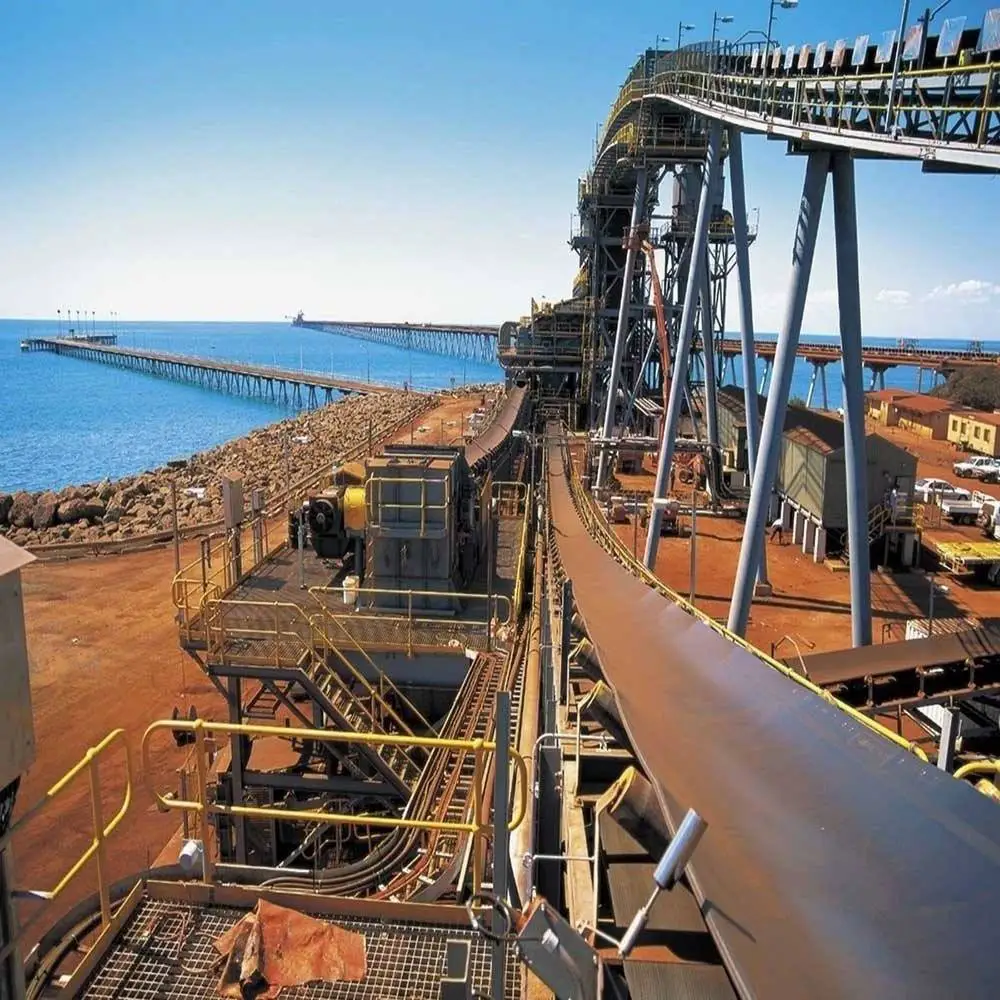
Portable Rubber Belt Conveyor | Mobile Industrial Conveyor for Material Handling
1. Portable Rubber Belt Conveyor Overview
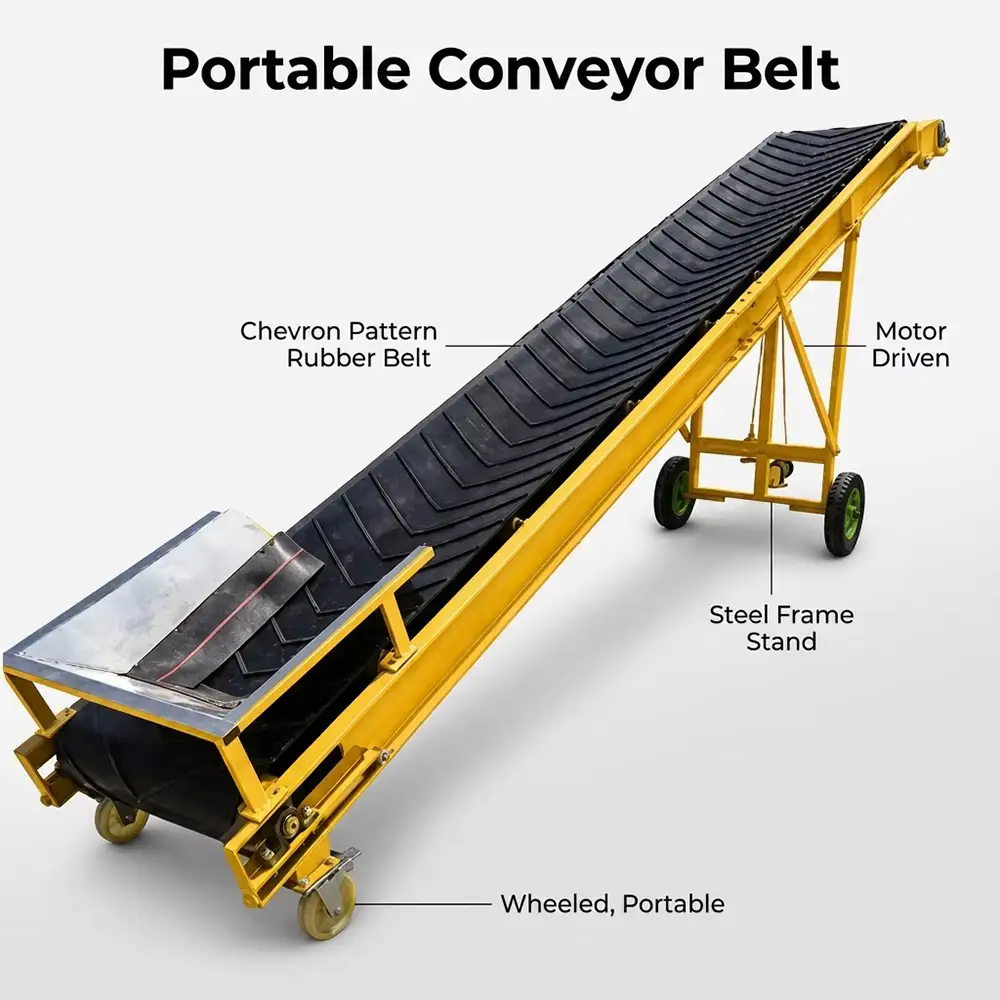
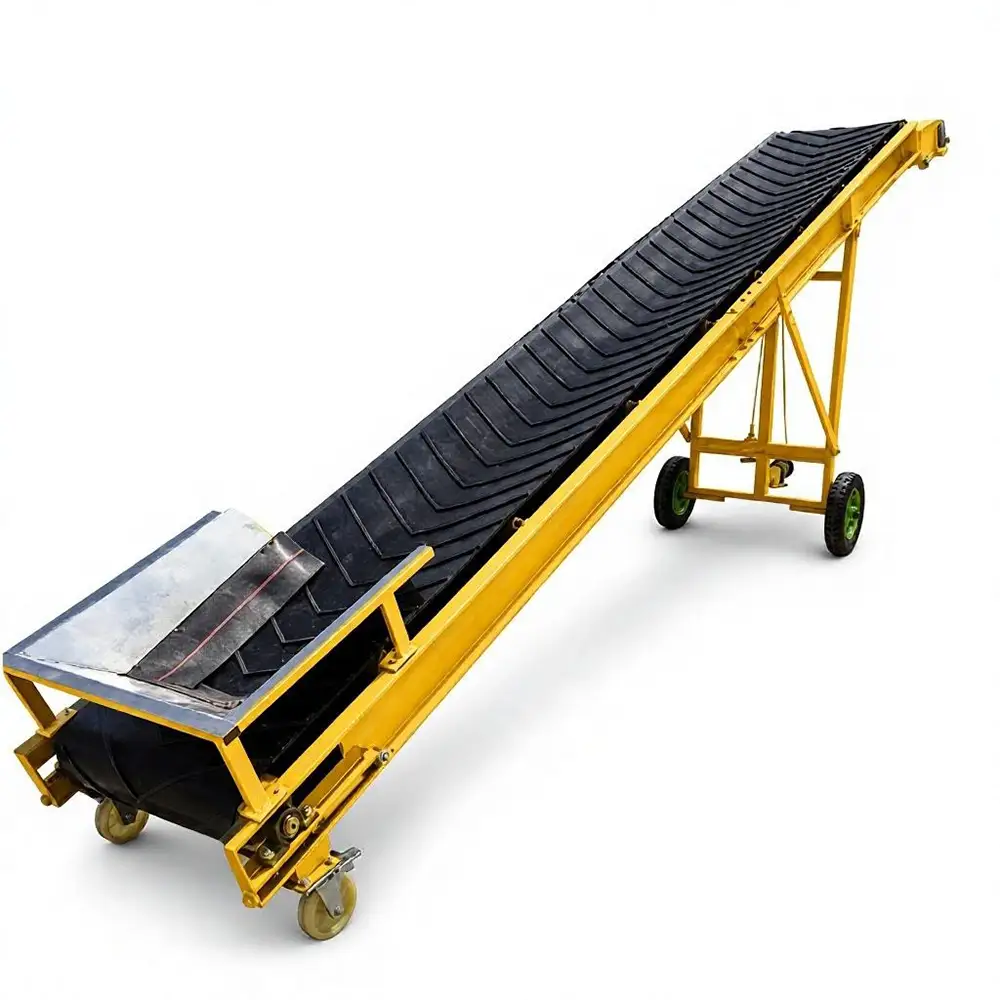
A portable rubber belt conveyor is a versatile material handling solution designed to transport bulk materials, packaged goods, and industrial products between different locations. Featuring a durable rubber conveyor belt, a movable frame, and a powered drive system, this equipment provides a practical way to load, unload, transfer, and distribute materials without installing a permanent conveyor line.
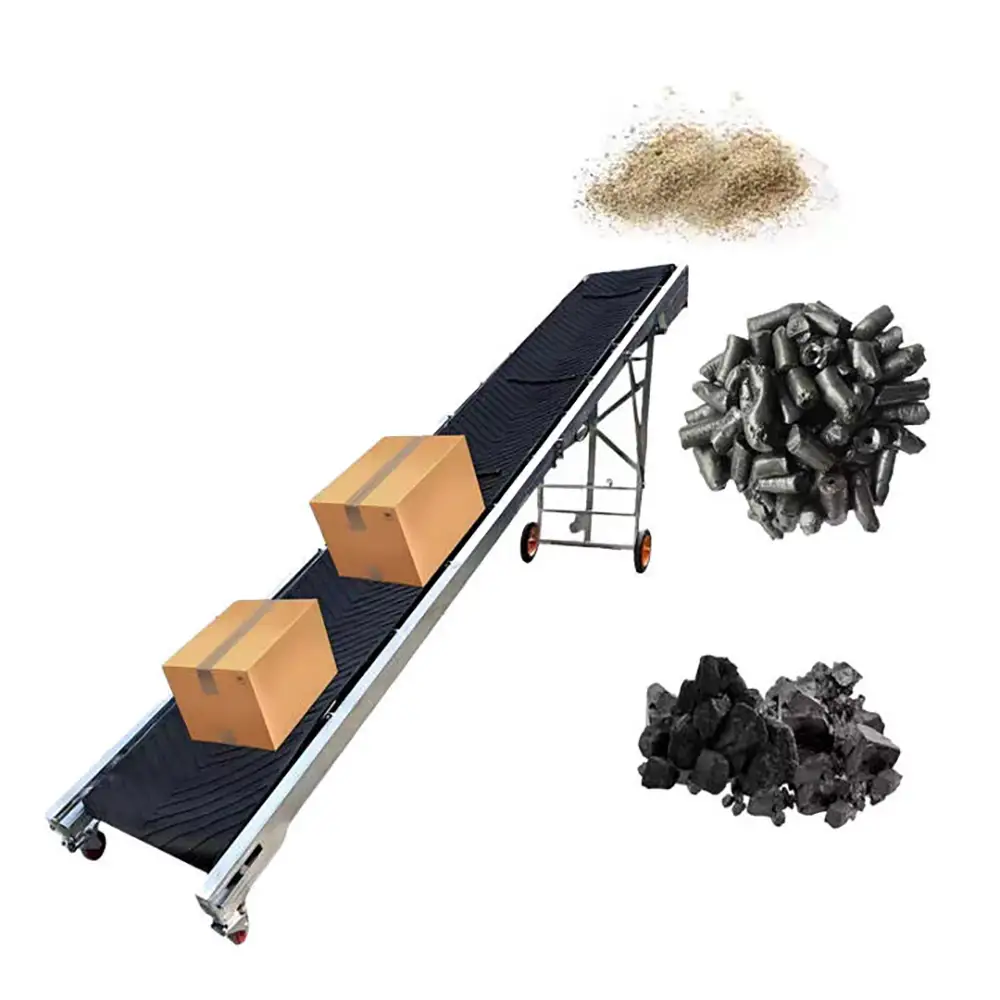
Portable belt conveyors are widely used in warehouses, agricultural facilities, construction sites, mining operations, manufacturing plants, ports, and distribution centers. Their mobile structure makes them suitable for operations where material transfer points change frequently or where fixed conveyor systems are not practical.
Depending on the application, portable rubber belt conveyors can be configured with different belt widths, conveyor lengths, conveying speeds, frame structures, drive motors, and mobility options. They can also be designed for horizontal conveying or selected inclined conveying applications.
For businesses seeking flexible material handling equipment, a portable rubber belt conveyor can help simplify material movement, reduce repetitive manual handling, and support more organized loading and unloading operations.
2. What Is a Portable Rubber Belt Conveyor?
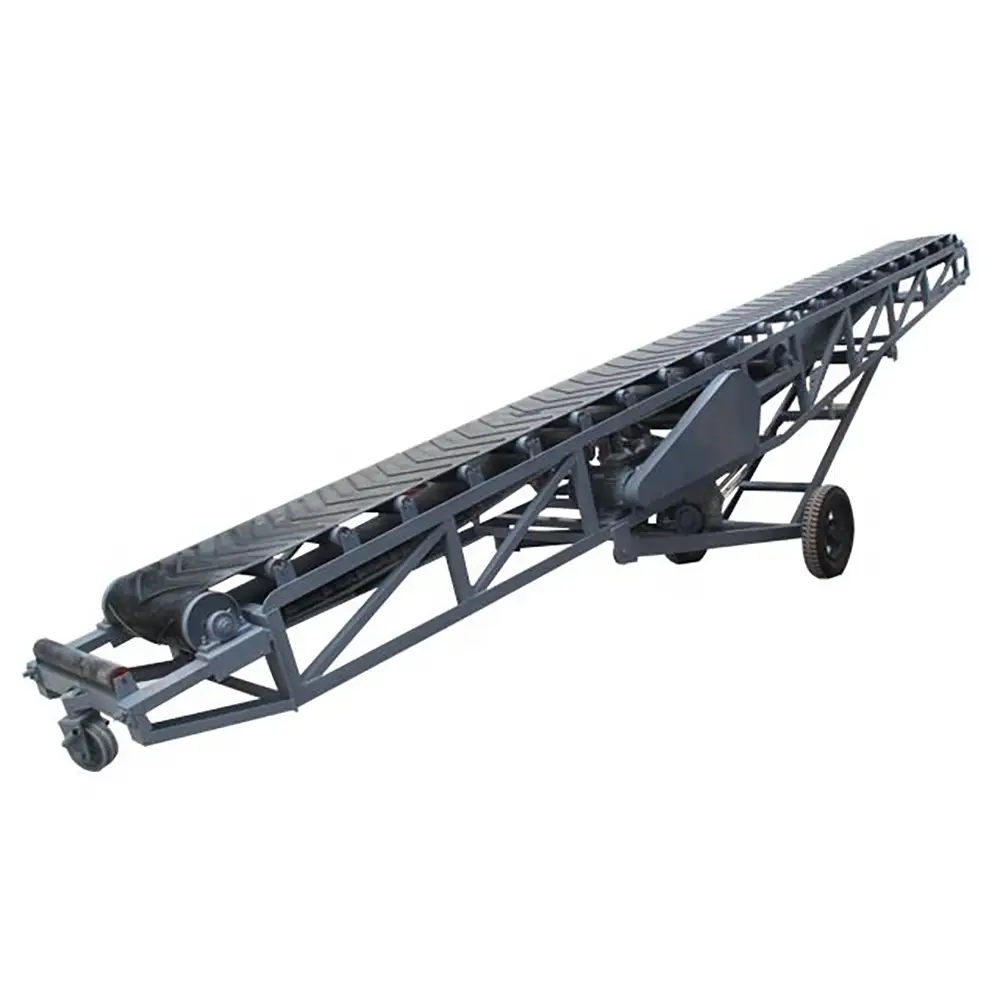
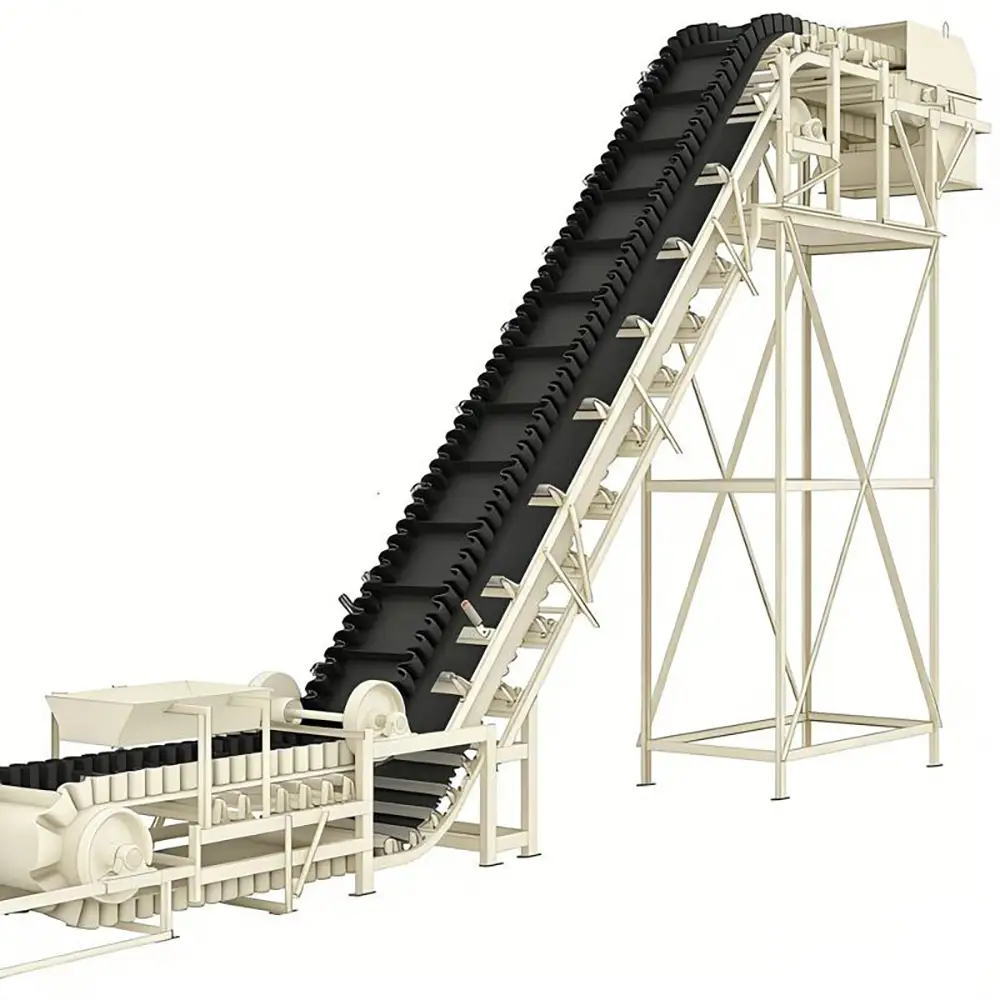
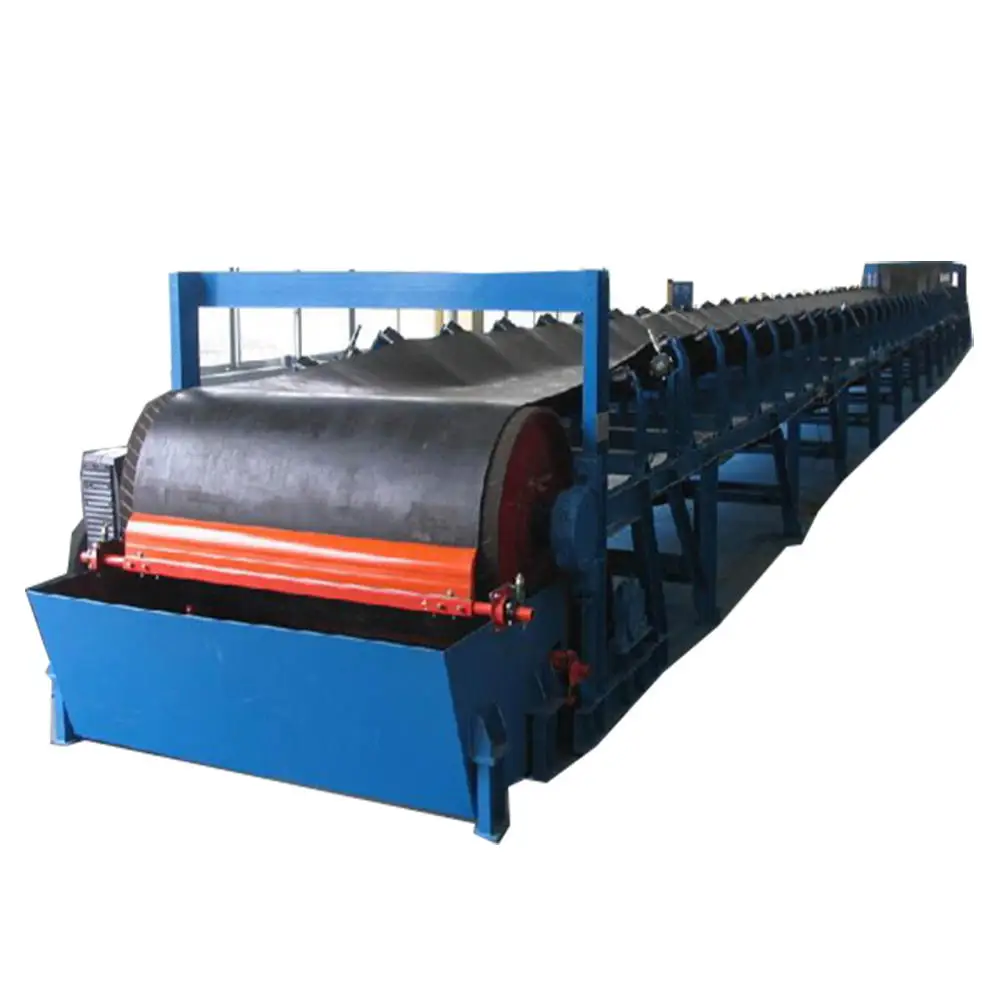
A portable rubber belt conveyor is a mobile mechanical conveying system that uses a continuous rubber belt to move materials along a supporting frame. The conveyor belt travels around a drive pulley and a tail pulley, supported by rollers or a suitable bed structure.
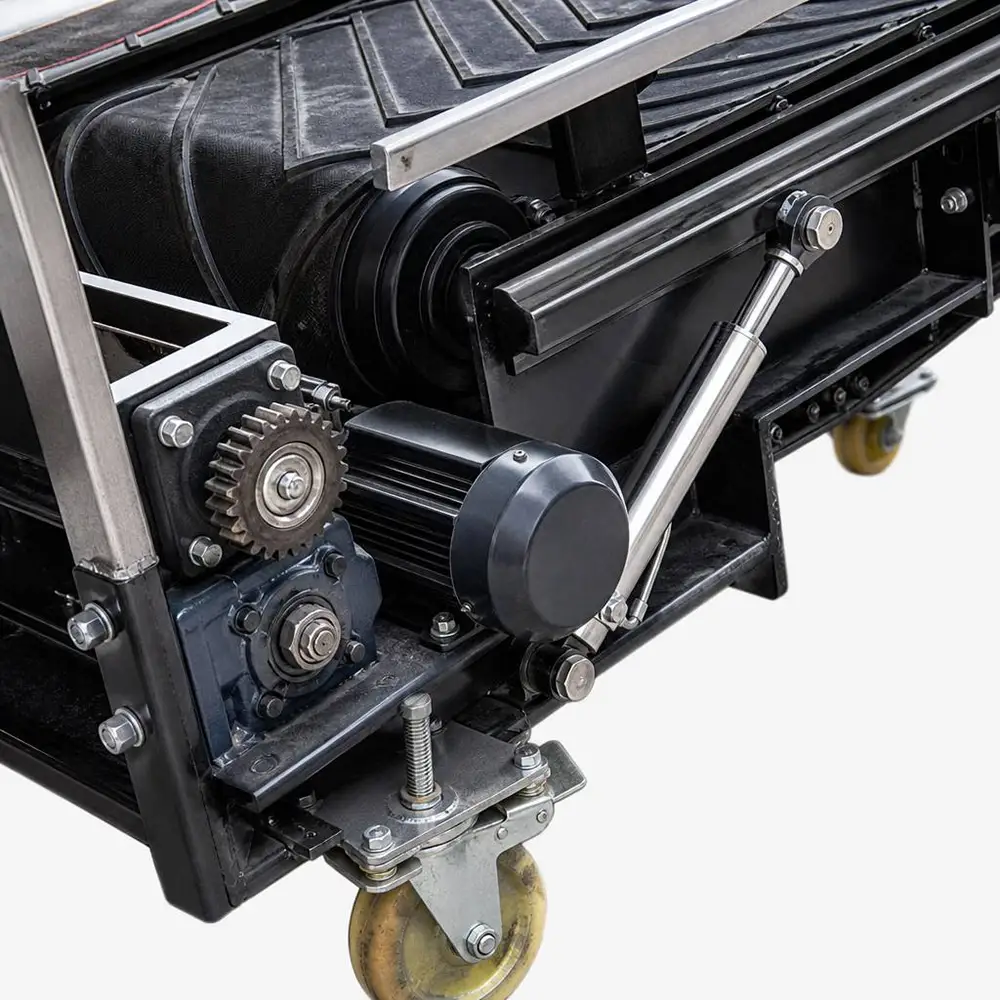
The drive motor supplies the power needed to move the belt, while the frame supports the conveyor and maintains alignment. Portable models commonly feature wheels, casters, or a transportable chassis to allow movement between working areas.
Some configurations include adjustable conveyor heights, variable conveying speeds, side guards, loading hoppers, and flexible discharge arrangements. These features help adapt the conveyor to different material handling tasks.
The correct design depends on material weight, particle size, conveying distance, loading method, working environment, and the required throughput.
3. Main Features of Portable Rubber Belt Conveyors
Durable Rubber Conveyor Belt
The rubber belt provides a continuous conveying surface for transporting a wide range of materials. Belt construction and surface characteristics can be selected according to material abrasiveness, temperature, moisture, and required traction.
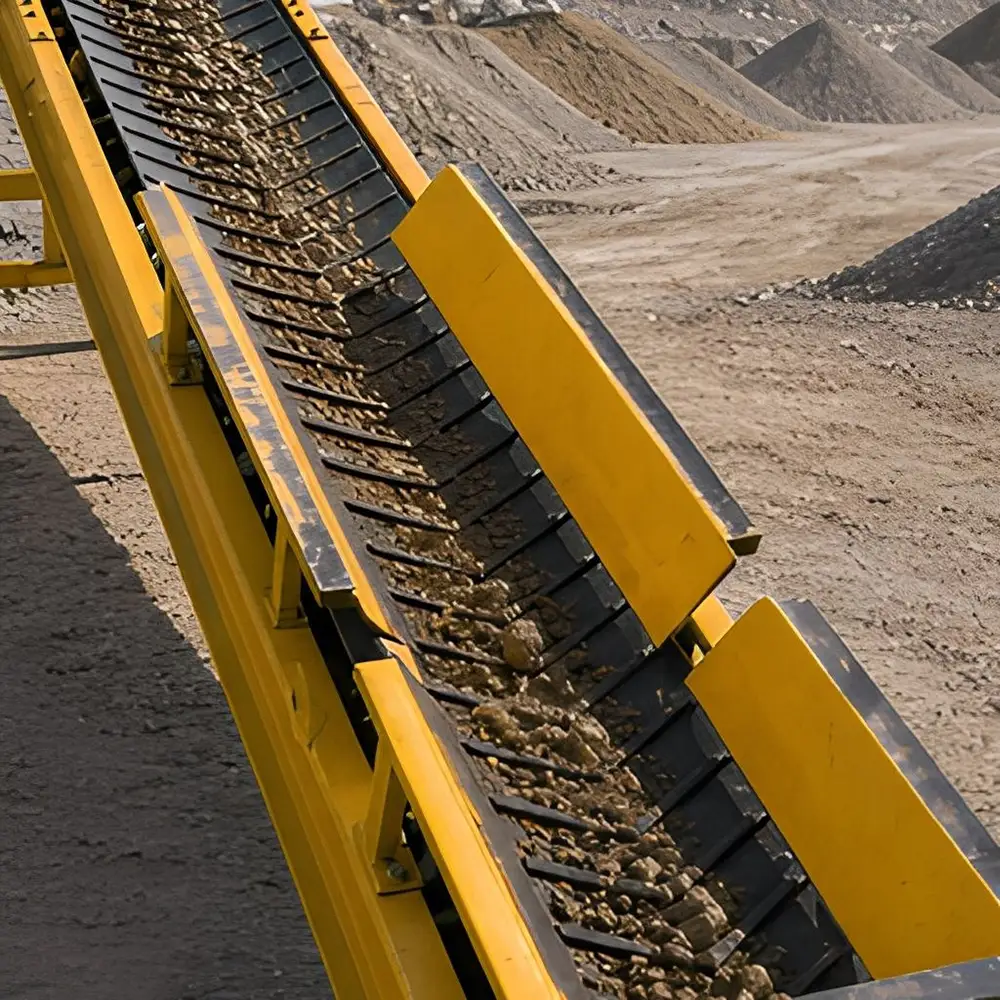
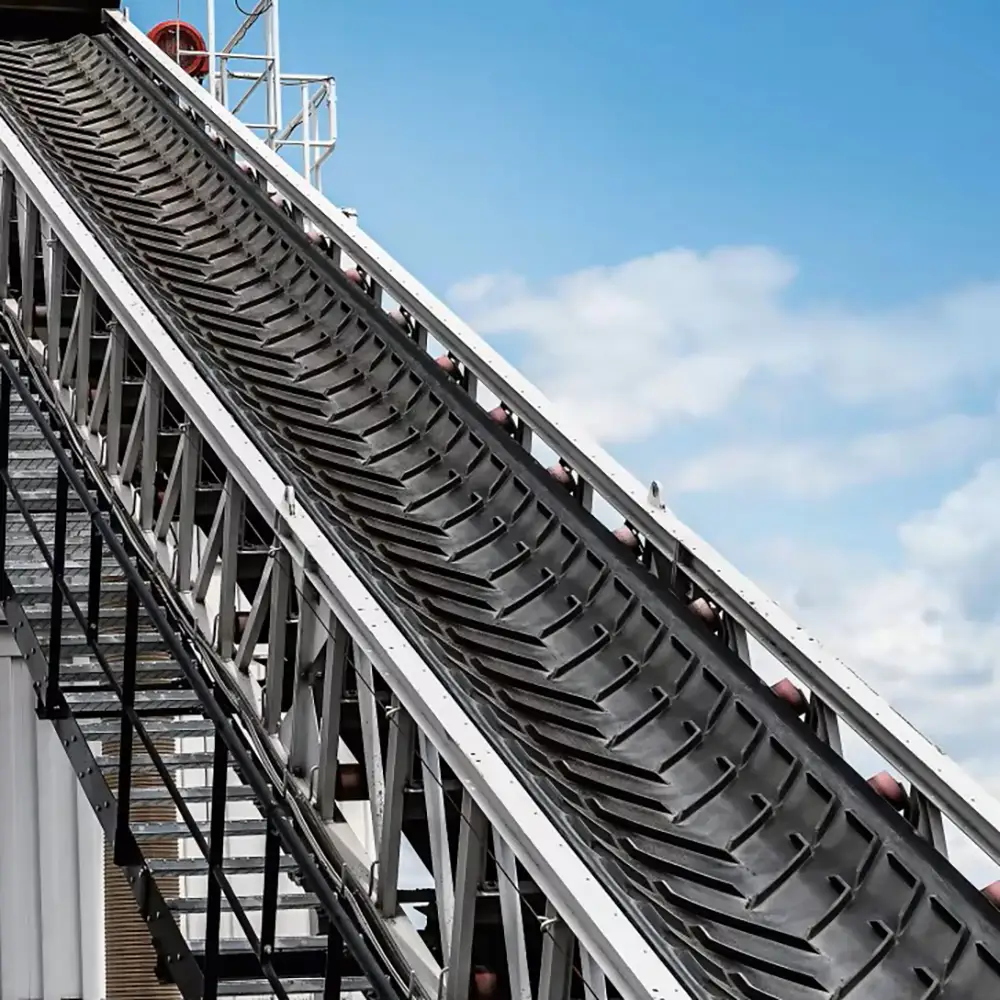
Options may include smooth rubber belts, textured belts, and cleated belts for applications requiring additional material retention.
Mobile and Flexible Structure
A portable conveyor is designed for movement and repositioning. Depending on the model, mobility may be provided by wheels, swivel casters, towable frames, or other transport arrangements.
This flexibility is useful in facilities where loading points, unloading areas, and production layouts frequently change.
Adjustable Conveying Height
Selected portable belt conveyors can be equipped with adjustable supports or lifting mechanisms. Height adjustment helps align the conveyor with trucks, storage areas, hoppers, and other material handling equipment.
The adjustment range and load capacity should be confirmed according to the model specifications.
Stable Drive System
A suitable motor and transmission system provide the torque required for continuous belt movement. Drive configuration depends on the conveyor length, belt speed, material load, inclination, and operating duty.
Easy Operation and Maintenance
Accessible drive components, replaceable belt parts, and practical frame arrangements can simplify inspection and routine servicing. Emergency stops and suitable protective guards should be incorporated according to the equipment design and applicable safety requirements.
4. Applications of Portable Rubber Belt Conveyors
Portable rubber belt conveyors can be used across a wide range of industries.
Agriculture and Grain Handling
Portable conveyors can move grain, seeds, feed, and other agricultural materials between storage areas, processing equipment, and loading points. Appropriate belt design and dust management help accommodate the material and operating environment.
Construction and Building Materials
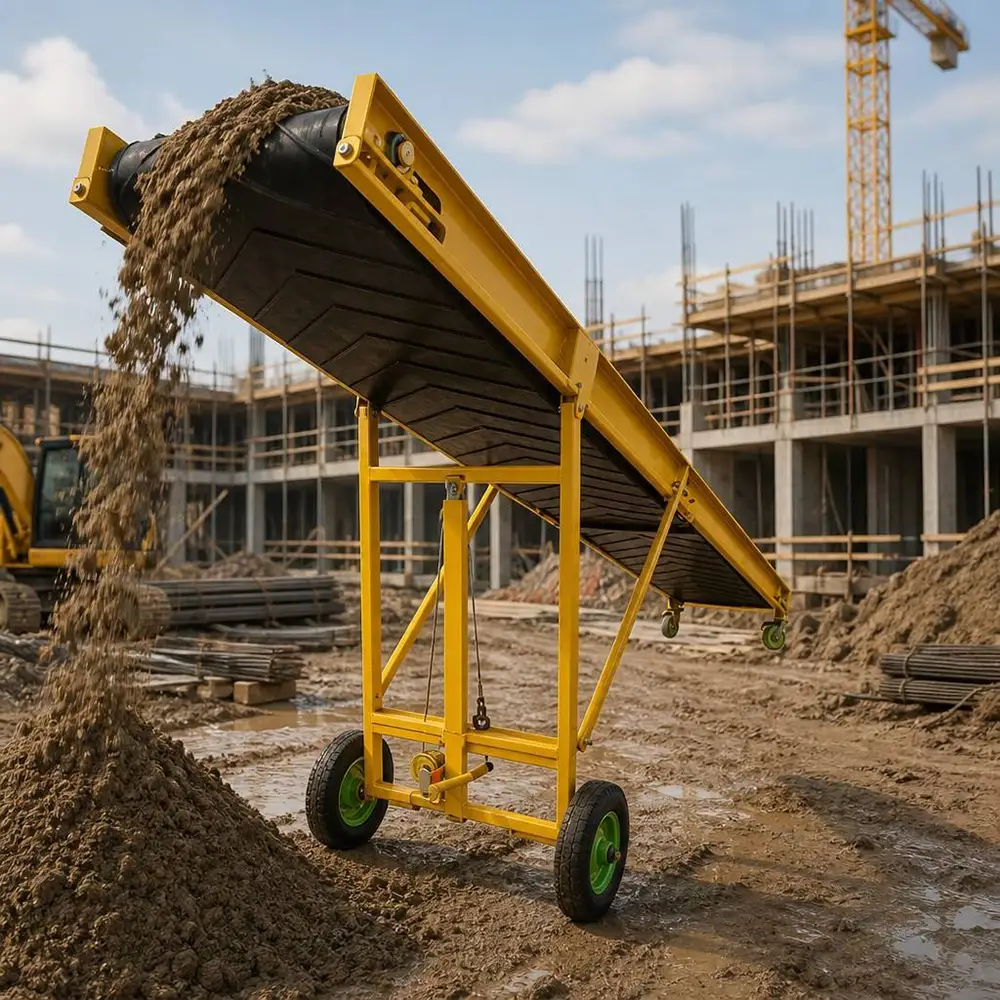
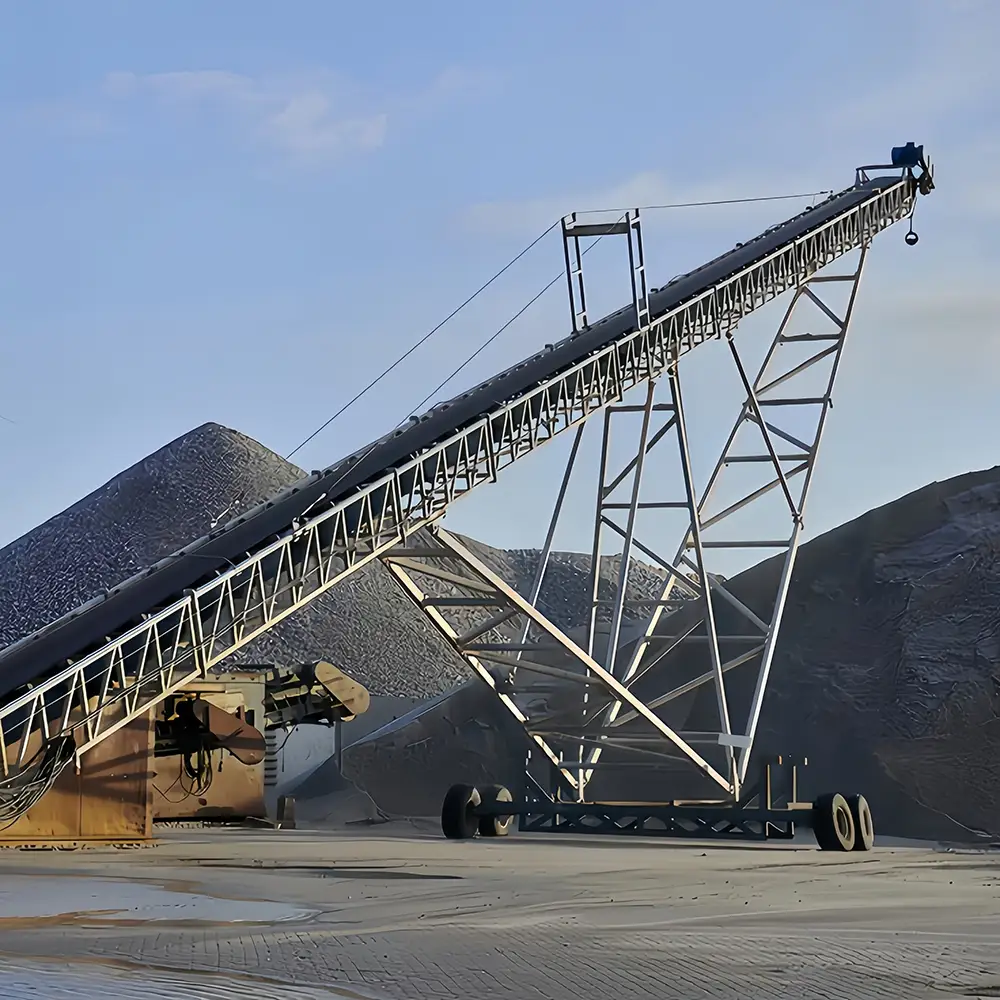
Sand, gravel, cement bags, aggregate, bricks, and other construction materials can be transported between working areas. Inclined conveyor configurations may help transfer materials to elevated loading points when designed for the required conditions.
Warehousing and Logistics
Portable belt conveyors support loading and unloading of cartons, packages, bags, and selected palletized or unitized materials. They can be positioned near truck loading bays or temporary sorting areas.
Mining and Quarrying
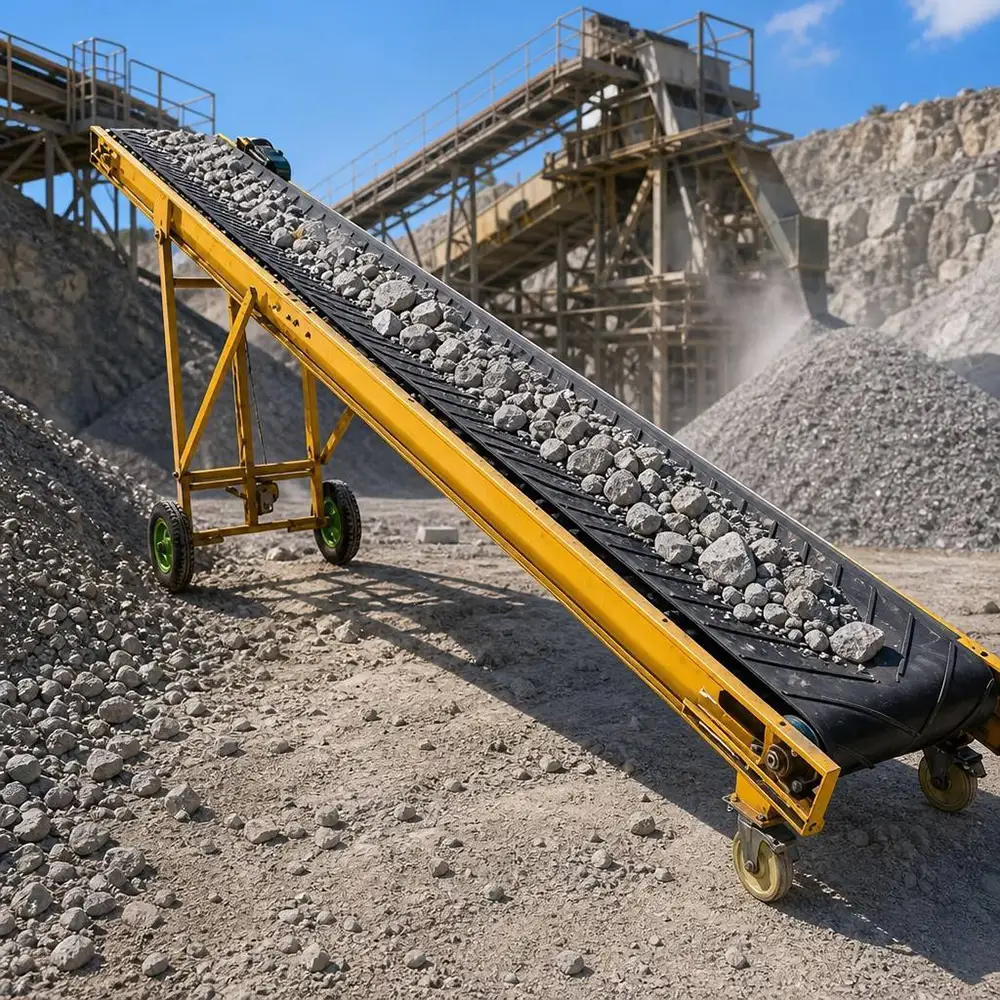
Depending on belt construction and equipment capacity, mobile conveyors can transfer selected ores, crushed stone, aggregates, and other bulk materials between processing stages or stockpiles.
Manufacturing and Industrial Production
Portable conveyors can move components, packaged products, raw materials, and production waste between workstations, machines, and temporary storage areas.
Ports and Bulk Material Handling
Portable conveyor systems can support material transfer in selected loading, unloading, and stockpile operations where mobile equipment is required.
5. How a Portable Rubber Belt Conveyor Works
The conveyor operates through a continuous belt movement system.
Step 1: Material Feeding
Materials are placed onto the conveyor belt through manual loading, a hopper, a chute, or an upstream machine. Loading arrangements should distribute material appropriately to reduce spillage and uneven belt wear.
Step 2: Motor-Driven Belt Movement
The electric motor transfers power through the drive system to the drive pulley. The pulley moves the belt along the conveyor frame.
Step 3: Material Transportation
The moving rubber belt carries materials toward the discharge end. Supporting rollers or a suitable conveying surface help maintain belt support and reduce unnecessary resistance.
Step 4: Material Discharge
At the discharge end, materials leave the belt and fall into a receiving area, container, truck, hopper, or downstream processing machine.
Step 5: Belt Return
The unloaded belt travels back along the return path to the loading end, creating a continuous conveying cycle.
Belt tracking, tension, loading conditions, and drive performance all contribute to stable operation.
6. Advantages of a Portable Rubber Belt Conveyor
Flexible Material Handling
Portable conveyors can be repositioned to serve different loading and unloading points. This is useful for temporary projects, seasonal operations, and facilities with changing production layouts.
Reduced Manual Handling
Mechanized transportation reduces the need for workers to repeatedly carry materials over long distances. It can support more consistent material movement and help organize workflow.
Adaptable Conveyor Configuration
Different belt widths, lengths, drive arrangements, and support structures allow equipment to be configured for specific conveying requirements.
Efficient Loading and Unloading
When correctly positioned, a portable conveyor can help transfer materials between trucks, storage areas, processing machines, and production lines.
Space-Saving Operation
A mobile conveyor can be moved away from a working area when it is not required. Certain models may also feature folding or compact transport arrangements, depending on their design.
Integration With Existing Equipment
Portable conveyors can complement forklifts, hoppers, screens, crushers, packaging equipment, and other material handling machinery when their operating capacities and interfaces are compatible.
7. How to Choose the Right Portable Rubber Belt Conveyor
Selecting the appropriate conveyor requires an evaluation of the material, operating conditions, and required conveying performance.
Material Type
Identify whether the conveyor will transport grain, aggregate, sand, packages, bags, components, or another material. Particle size, bulk density, moisture, temperature, and abrasiveness influence belt selection.
Conveyor Length and Width
The conveyor dimensions should accommodate the material volume and loading arrangement. Wider belts may be required for larger material sizes or higher throughput.
Conveying Capacity
Estimate the required throughput in tons per hour or units per hour. The conveyor should be sized for the expected material load and operating duty.
Conveying Angle
Inclined conveying requires consideration of material sliding, belt traction, and the need for cleats or other retaining features.
Mobility Requirements
Choose wheels, towing arrangements, or other mobility features according to the distance and frequency of relocation, ground conditions, and transport method.
Drive Power and Belt Speed
Motor capacity and belt speed should be matched to conveyor dimensions, material loading, incline, and the required transfer rate.
Working Environment
Consider indoor or outdoor use, dust, moisture, temperature, corrosion, and exposure to weather. Appropriate structural materials and electrical protection should be selected accordingly.
8. Installation, Operation, and Maintenance
Portable belt conveyors should be positioned on suitable ground and secured according to the manufacturer's operating instructions. Before starting, check the conveyor frame, wheel locks or stabilizers, belt tracking, drive guards, electrical connections, and emergency stop system.
During operation, distribute materials evenly and avoid exceeding the rated load or conveying capacity. Monitor unusual vibration, belt movement, motor temperature, and material spillage.
Routine maintenance generally includes:
Inspecting the rubber belt for cuts, wear, and surface damage.
Checking belt tracking and tension.
Inspecting drive pulleys, rollers, bearings, and motor components.
Cleaning material buildup around the conveyor and return belt.
Checking fasteners, frame connections, and support structures.
Testing safety devices and emergency stop functions.
Lubricating components according to the manufacturer's maintenance schedule.
Before servicing, isolate the power supply and follow the required lockout procedures. Never reach into moving belt or pulley areas.
9. Custom Portable Conveyor and OEM Solutions
Different businesses have different conveying distances, material characteristics, site layouts, and throughput requirements. Portable rubber belt conveyors can be configured to suit individual projects.
Customization options may include conveyor length, belt width, belt material, conveying speed, motor power, frame dimensions, adjustable height, mobility components, and loading or discharge accessories.
OEM projects can also consider integration with existing production equipment and material handling systems. To support equipment selection, customers should provide material specifications, required capacity, conveyor dimensions, conveying angle, working environment, and mobility requirements.
An application-based configuration helps ensure the conveyor matches the intended workflow and operating conditions.
10. Why Choose Us?
Material Handling Equipment Experience
We support industrial material handling applications across agriculture, construction, manufacturing, warehousing, and bulk material transportation.
Flexible Product Configurations
Portable conveyor solutions can be discussed in different lengths, widths, belt types, drive arrangements, and mobility configurations.
Application-Based Recommendations
We consider the material characteristics, required throughput, conveying distance, installation conditions, and site layout when evaluating suitable conveyor specifications.
Custom Manufacturing Support
OEM and customized options can be coordinated for project-specific dimensions, operating conditions, and material transfer requirements.
Practical Maintenance Considerations
Belt accessibility, drive component inspection, cleaning, and routine servicing can be considered during equipment selection.
Project Coordination
We can coordinate product specifications, configuration details, and technical information to support purchasing, installation planning, and integration with existing equipment.
5. FAQs
Q1: What Is a Portable Rubber Belt Conveyor Used For?
A portable rubber belt conveyor is used to transport bulk materials, bags, cartons, and selected industrial products between different locations. Common applications include loading, unloading, warehousing, agriculture, construction, mining, and manufacturing.
Q2: What Materials Can a Portable Rubber Belt Conveyor Handle?
Depending on belt construction and conveyor capacity, it can handle grain, sand, gravel, aggregate, packaged goods, bags, and many other materials. Material temperature, abrasiveness, size, and moisture should be considered.
Q3: Can a Portable Belt Conveyor Be Used for Inclined Conveying?
Yes. Some models can operate at an incline. The suitable angle depends on the material, belt surface, belt speed, and whether cleats or other retaining features are required.
Q4: Can the Conveyor Height Be Adjusted?
Selected models offer adjustable conveying heights using mechanical supports, lifting systems, or other arrangements. The adjustment range and rated load depend on the equipment design.
Q5: What Is the Difference Between a Portable and a Fixed Belt Conveyor?
A portable conveyor is designed to be relocated between working areas, while a fixed conveyor is installed in a permanent position. Portable systems provide greater positioning flexibility, whereas fixed systems are commonly integrated into continuous production layouts.
Q6: How Do I Choose the Correct Conveyor Belt Width?
Belt width depends on material size, required capacity, loading method, and the risk of spillage. Wider belts may be necessary for larger materials or higher throughput.
Q7: Is a Portable Rubber Belt Conveyor Suitable for Outdoor Use?
Some models can be configured for outdoor applications. Weather exposure, moisture, corrosion, electrical protection, and ground conditions should be considered when selecting the equipment.
Q8: How Do I Maintain a Portable Rubber Belt Conveyor?
Regularly inspect belt wear, tracking, tension, rollers, pulleys, bearings, motor components, frame fasteners, and safety devices. Follow the manufacturer's cleaning, lubrication, and servicing instructions.
Q9: Can Portable Rubber Belt Conveyors Be Customized?
Yes. Available design options may include conveyor dimensions, belt type, motor capacity, belt speed, frame construction, adjustable height, mobility features, and loading or discharge arrangements.
Q10: What Information Is Needed to Request a Quote?
Provide the material type, required conveying capacity, conveyor length and width, conveying angle, loading and discharge heights, operating environment, power supply, and mobility requirements. Drawings or photographs of the installation area can also help.
Prev:
Mobile Belt Conveyor for Stone and Mining Transport
Next:Sorry, no information
TAG:
Mining Belt Conveyor,
Aggregate Belt Conveyor,
Rubber Belt Conveyor,
Industrial Belt Conveyor,
Bulk Material Conveyor,
Industrial Material Handling Equipment,
Material Handling Conveyor,
Industrial Conveyor Equipment,
Heavy Duty Belt Conveyor,
Inclined Belt Conveyor,
Portable Material Handling Conveyor,
Portable Belt Conveyor,
Mobile Belt Conveyor,
Portable Conveyor System,
Mobile Conveyor System,
Mobile Rubber Belt Conveyor,
Mobile Transfer Conveyor,
Warehouse Belt Conveyor,
Construction Belt Conveyor,
Electric Belt Conveyor,
Small Belt Conveyor,
Portable Rubber Belt Conveyor,
Portable Conveyor Belt,
Portable Loading Conveyor,
Mobile Loading Conveyor,
Portable Unloading Conveyor,
Adjustable Belt Conveyor,
Portable Industrial Conveyor,
Portable Grain Conveyor,
Portable Sand Conveyor,
Related Category:
Portable Rubber Belt Conveyor, Mobile Belt Conveyor, Portable Conveyor Belt, Mobile Rubber Belt Conveyor, Industrial Bel China, suppliers, manufacturers, factory, customized, wholesale, quotation, made in China