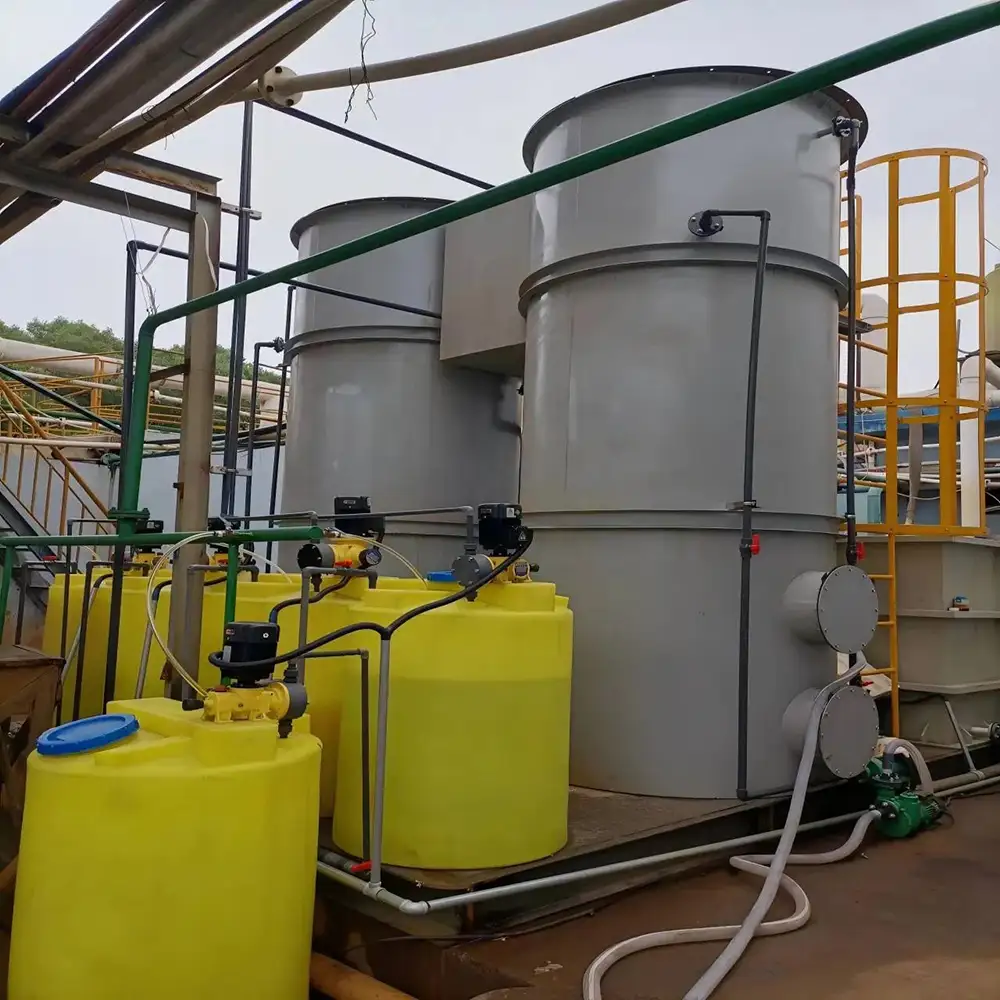
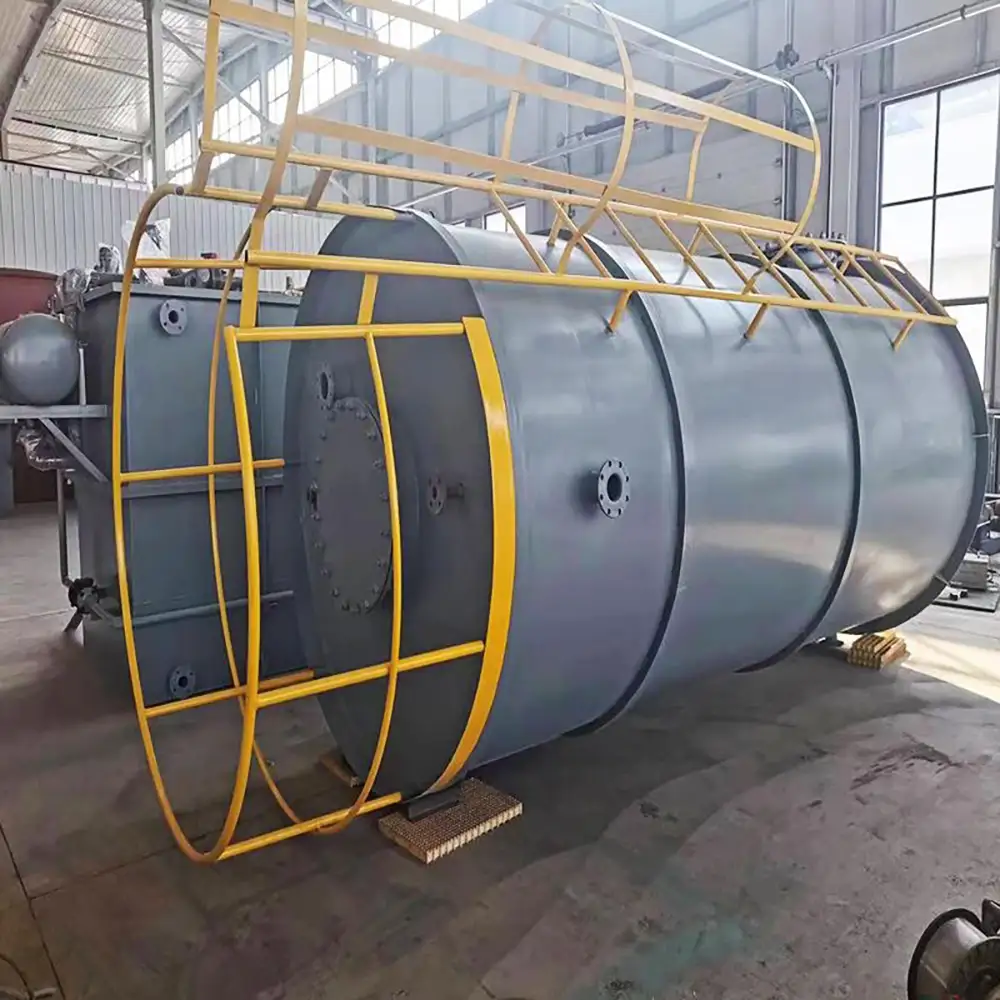
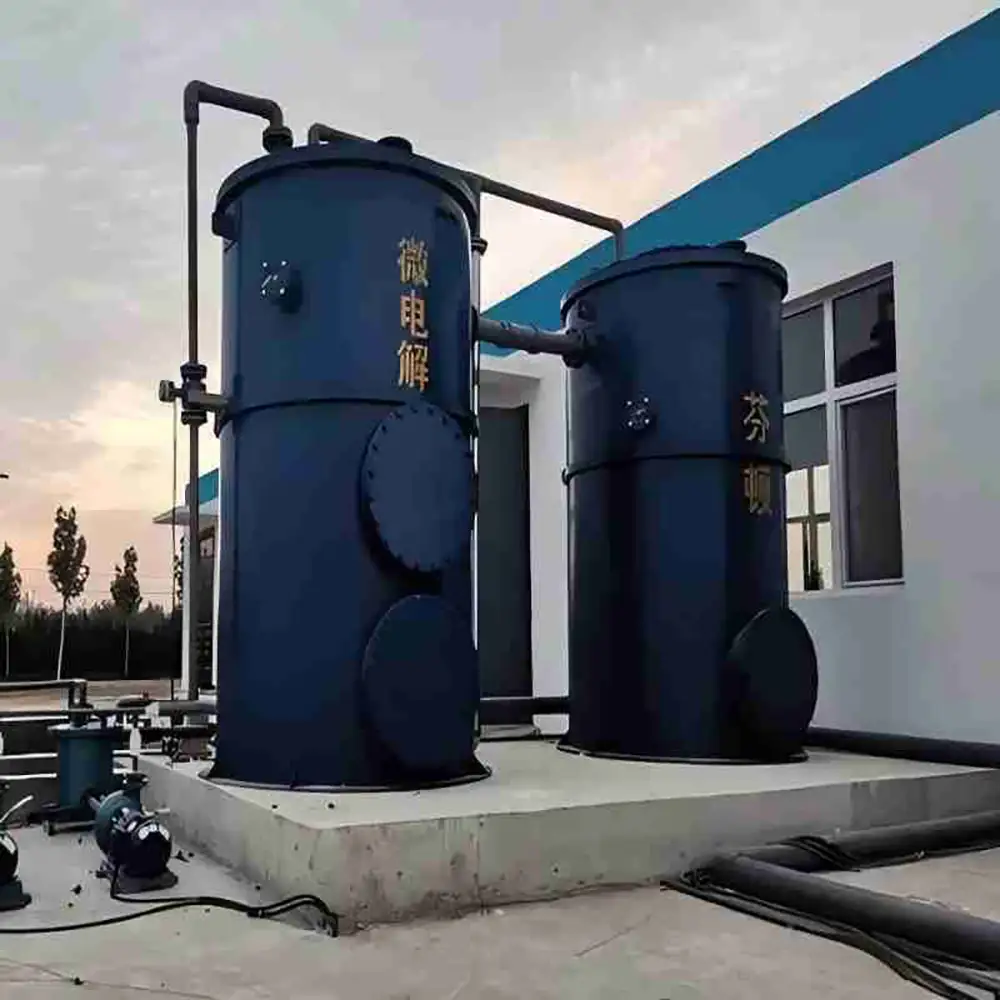
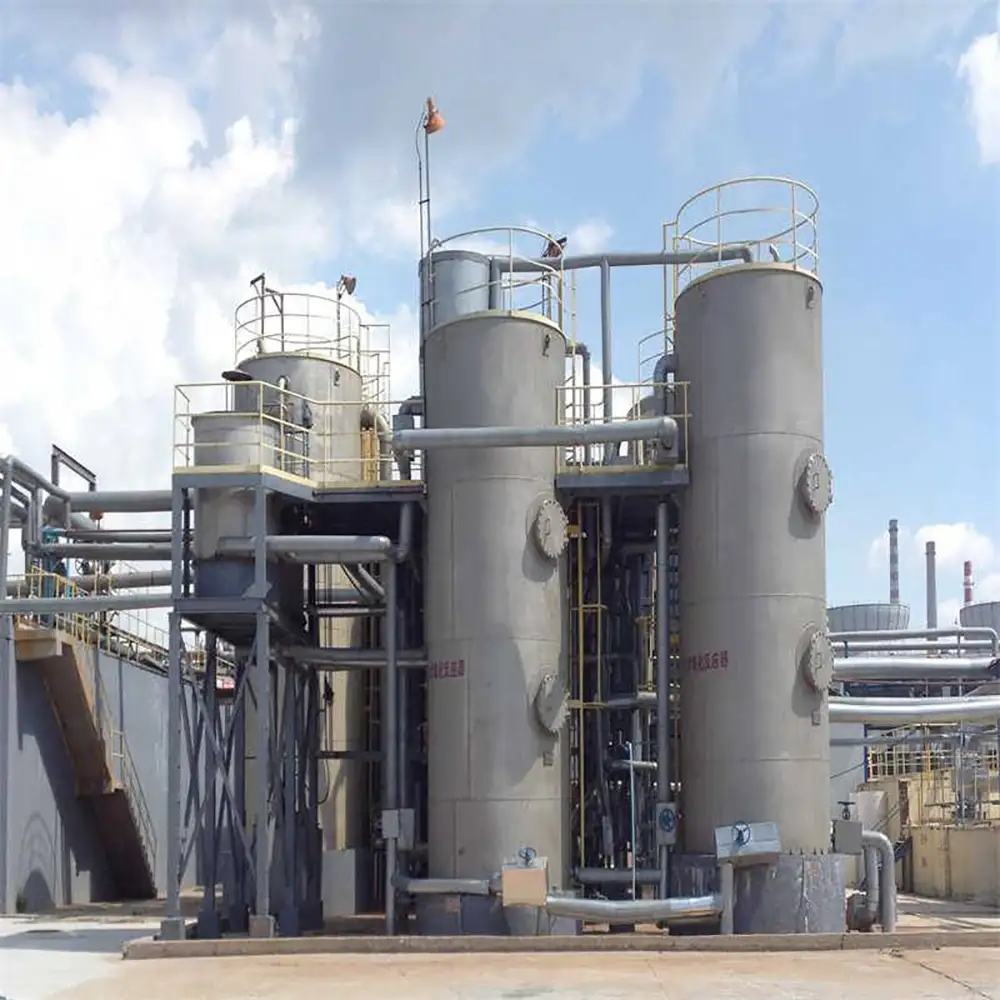
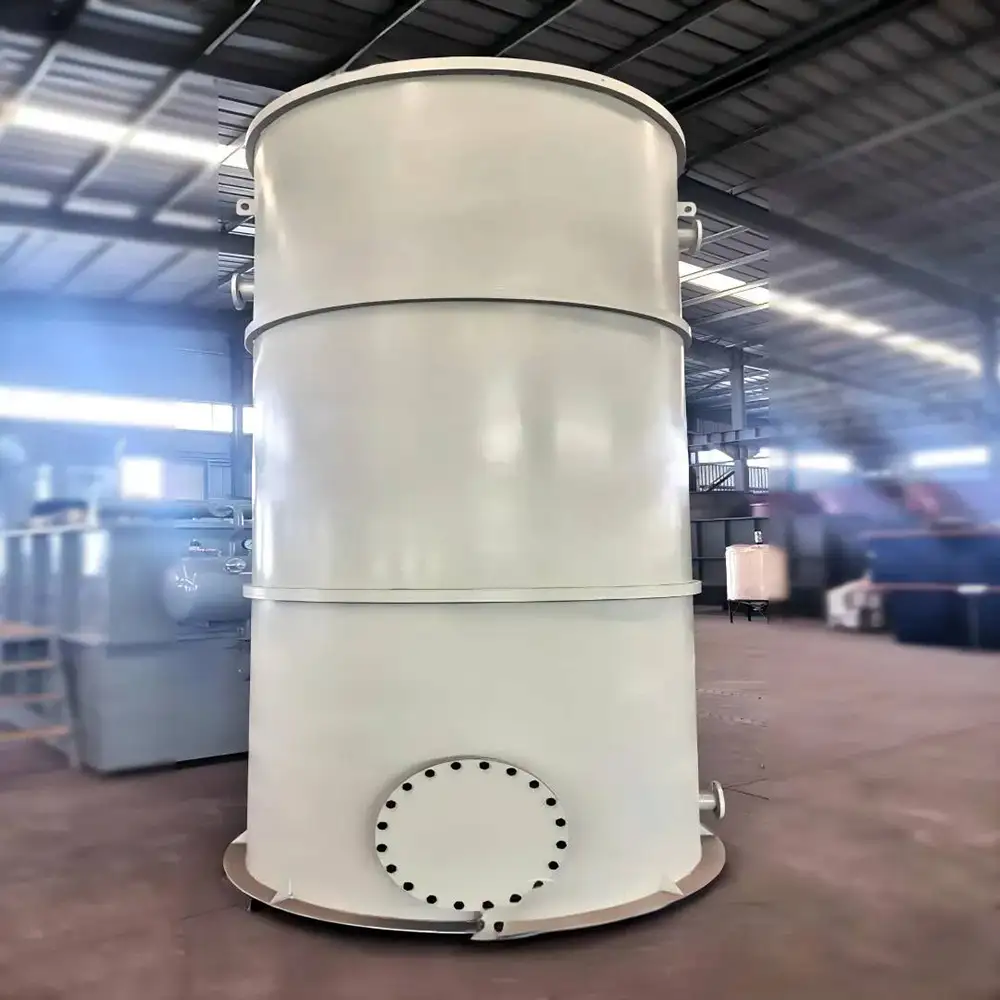
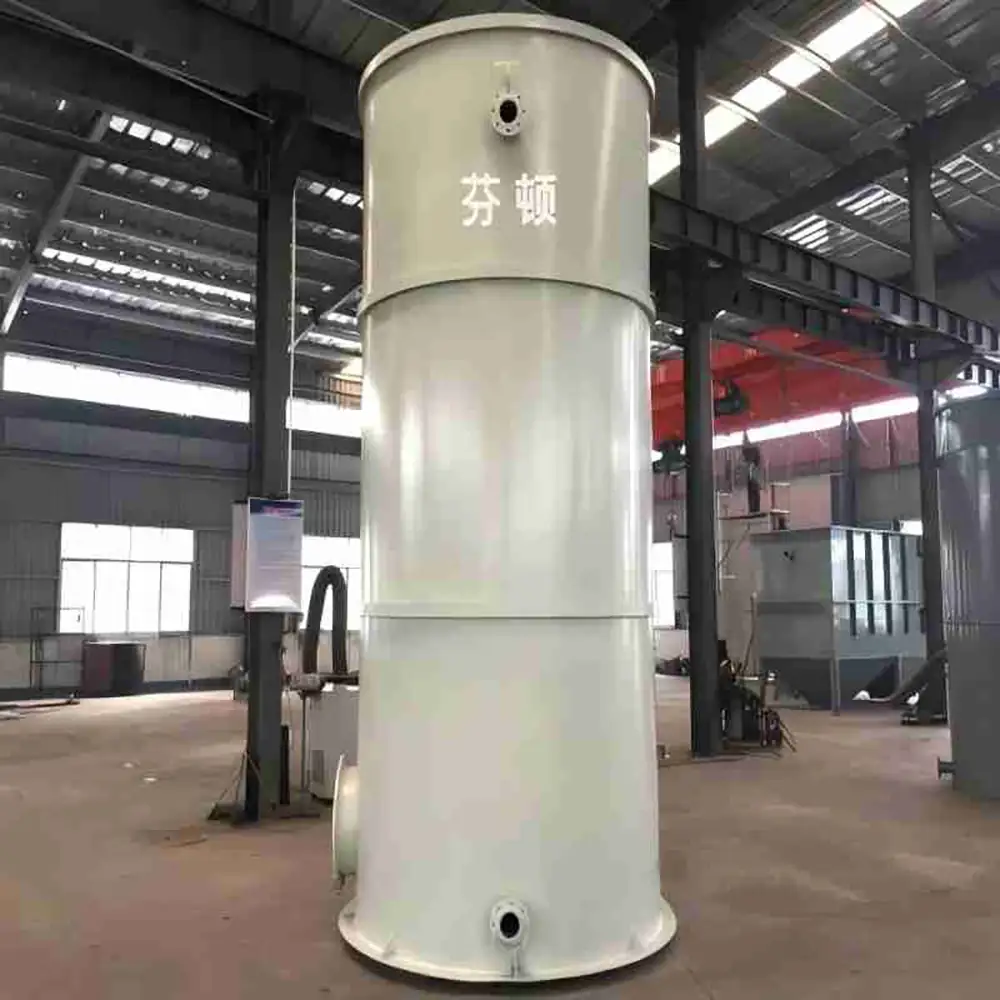
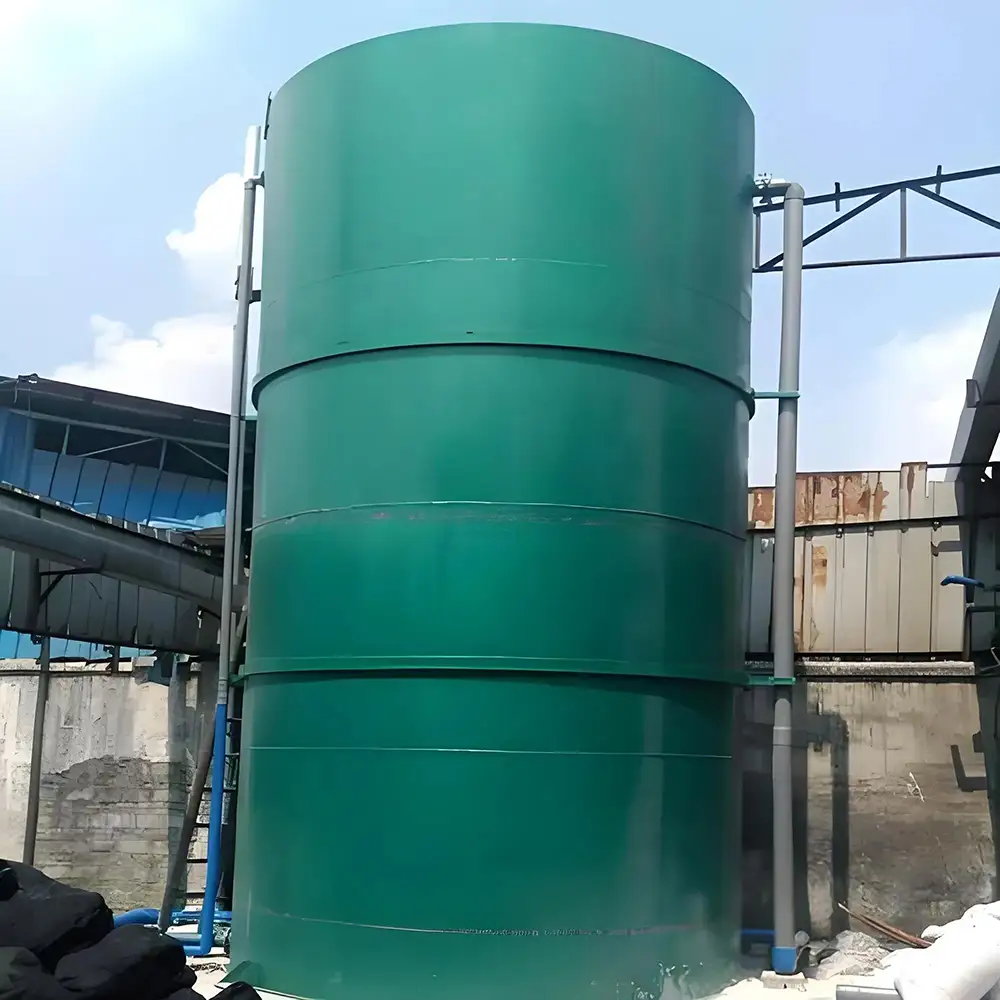
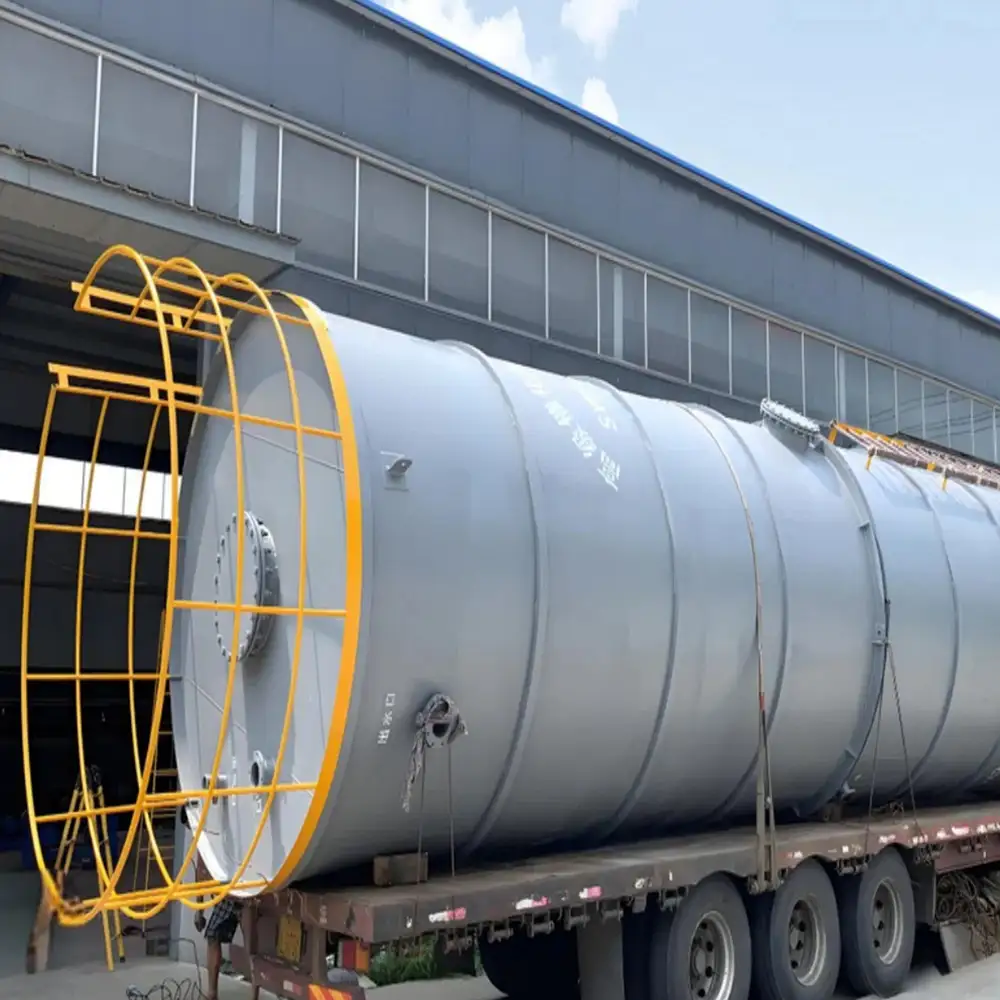
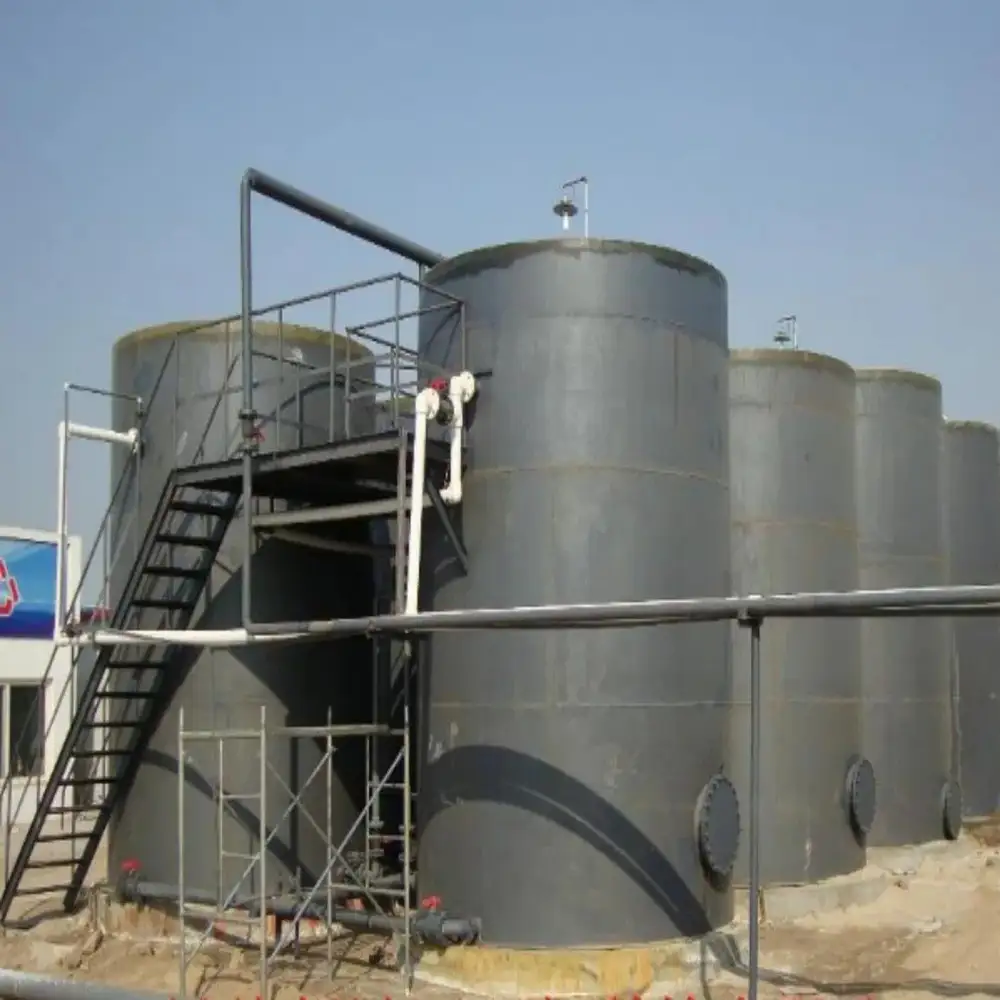
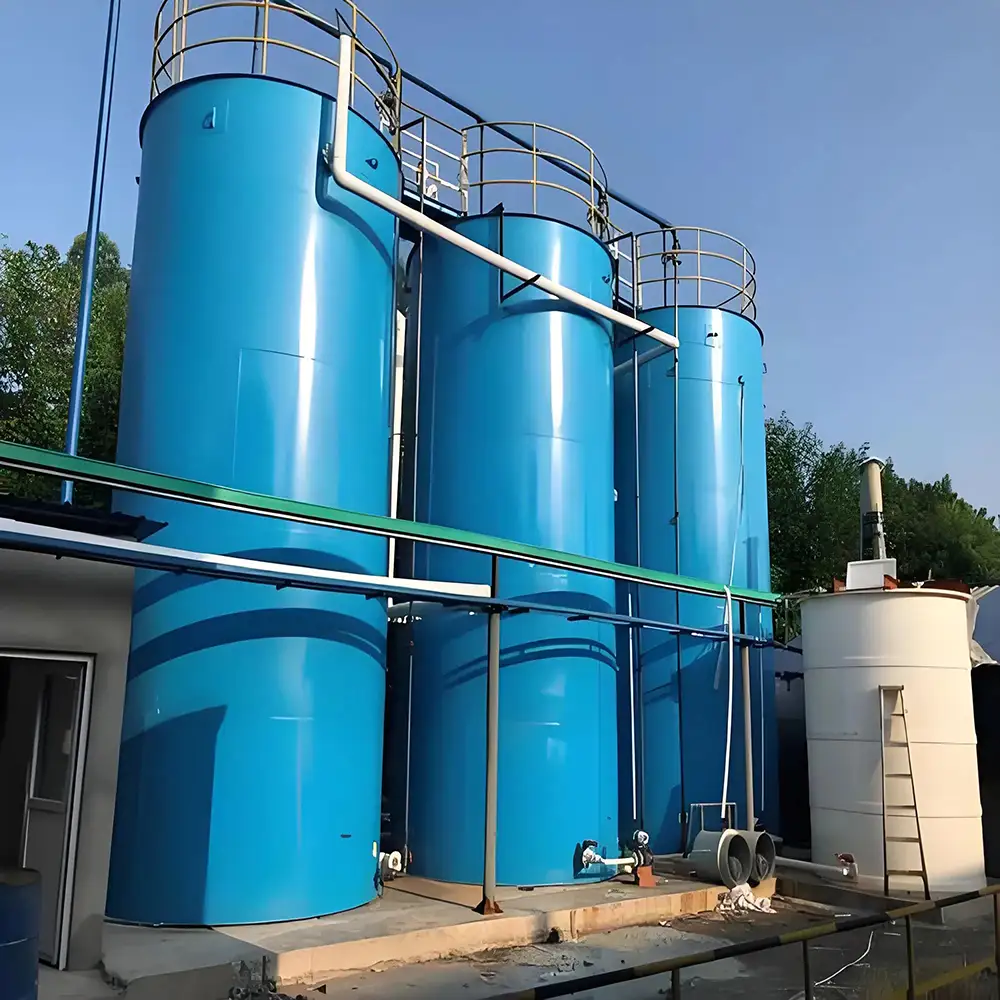
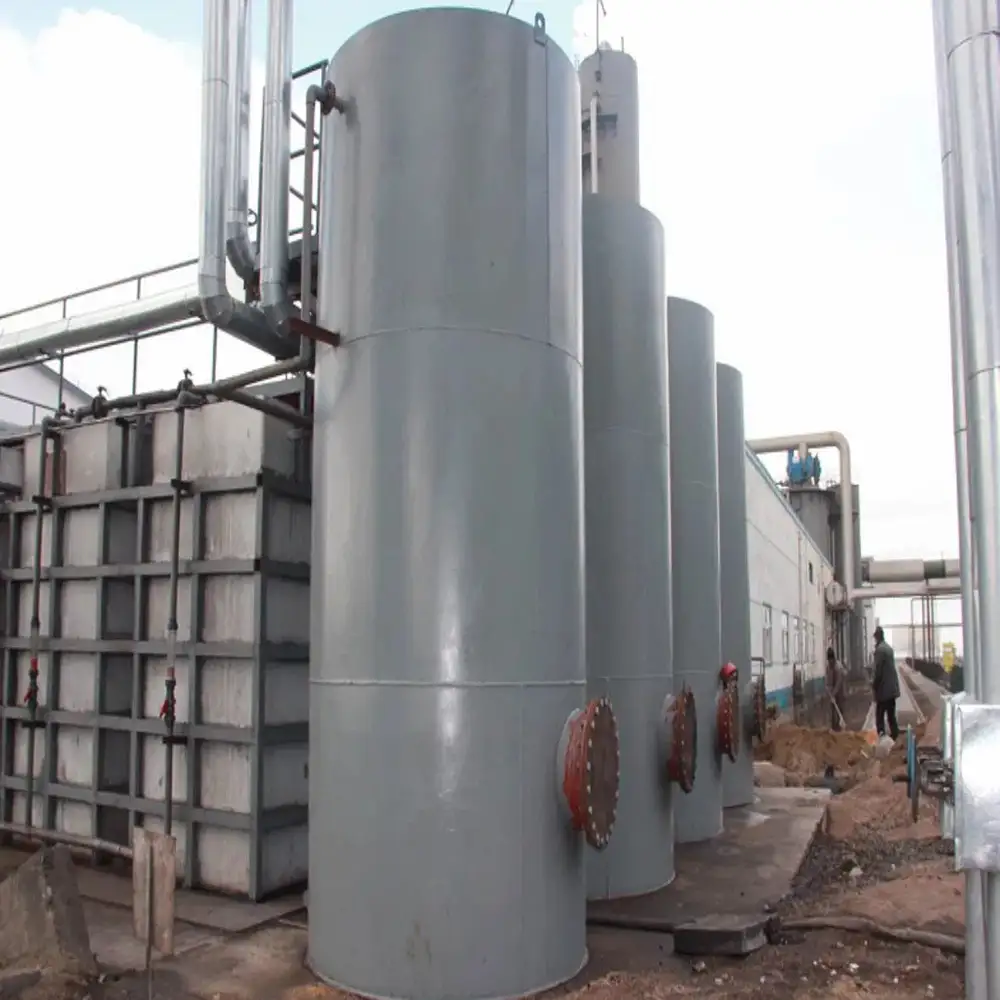
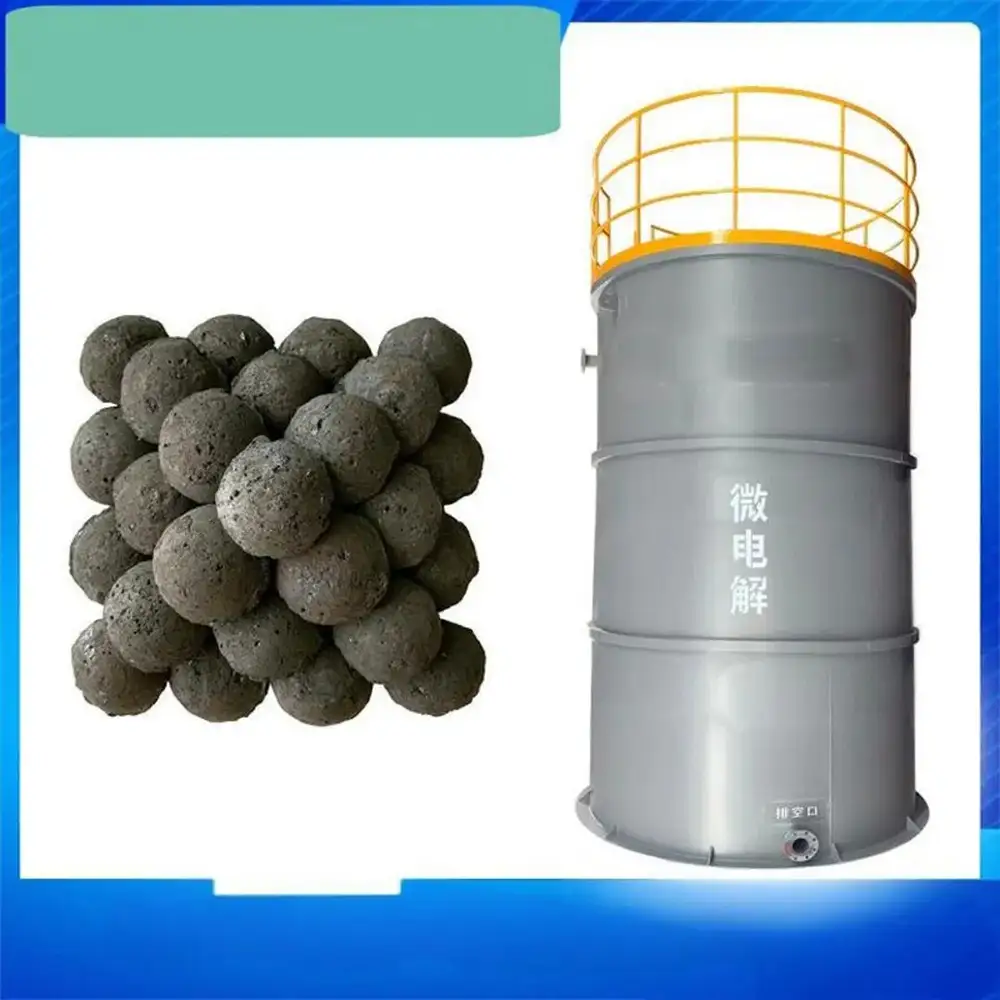
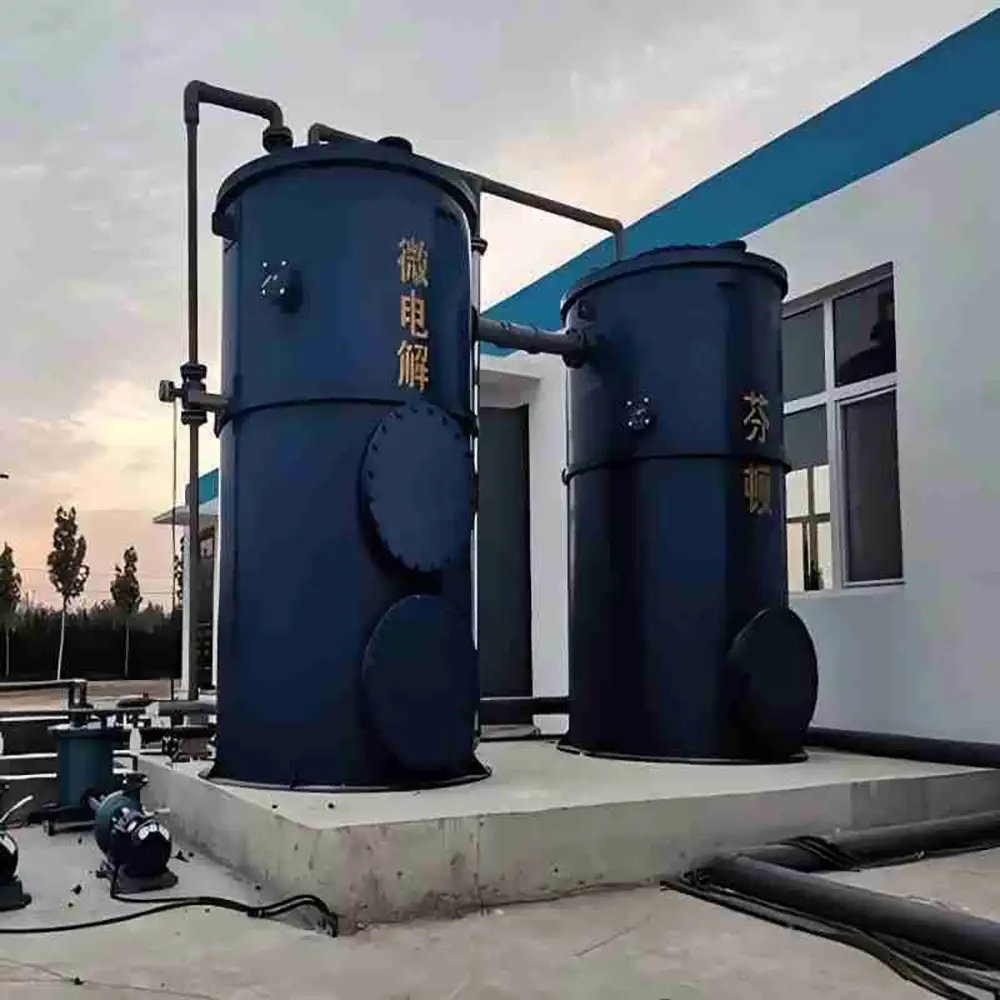
Fenton oxidation tower usually includes an oxidation tower body, screen plate, filler, Fenton oxidation zone, iron carbon reaction zone, water inlet distribution zone, water outlet zone, water outlet tank, circulation device, and necessary pipe accessories.
The filler layer consists of materials with high surface area, such as quartz sand, bluestone, ceramic or plastic blocks, which provide microorganisms with a surface for settlement and growth, helps to form biofilms and further promotes the oxidative decomposition reaction.
Fenton Catalytic Oxidation Reactor for Sewage Treatment
The Fenton Catalytic Oxidation Reactor is an advanced wastewater treatment system designed for sewage and industrial wastewater containing refractory organic pollutants, difficult-to-biodegrade compounds, residual COD, color, and other contaminants that may require additional oxidation beyond conventional biological treatment. By combining Fenton chemistry with controlled catalytic oxidation, the reactor provides an effective treatment stage for wastewater pretreatment, advanced treatment, or final polishing.
Fenton oxidation is an established advanced oxidation process that uses an iron catalyst and hydrogen peroxide to generate highly reactive hydroxyl radicals. These reactive species can attack a wide range of organic contaminants and transform complex molecules into smaller oxidation products. Fenton-based processes have been investigated for both industrial wastewater and municipal sewage treatment applications.
How the Fenton Catalytic Oxidation Reactor Works
The basic Fenton reaction involves ferrous iron and hydrogen peroxide:
Fe²⁺ + H₂O₂ → Fe³⁺ + •OH + OH⁻
The hydroxyl radical generated during the reaction is highly reactive and can oxidize many organic compounds. Depending on wastewater composition and operating conditions, complex organic molecules can be broken down into smaller intermediates and, with sufficient oxidation, further converted toward simpler end products.
The reactor provides a controlled environment for chemical dosing, rapid mixing, catalytic oxidation, and reaction contact. Proper hydraulic conditions allow the hydrogen peroxide and iron catalyst to contact the wastewater effectively.
Fenton treatment involves multiple reactions rather than a single pathway. Iron cycling, hydrogen peroxide decomposition, radical reactions, organic oxidation, and subsequent coagulation can all contribute to overall treatment performance.
Catalytic Oxidation for Sewage Treatment
Conventional sewage treatment is often based on biological processes that remove biodegradable organic matter. However, some wastewater streams may contain refractory compounds that are difficult for microorganisms to degrade.
The Fenton Catalytic Oxidation Reactor can provide an additional oxidation stage for these difficult pollutants.
Depending on the process design, the reactor can be installed:
Before biological treatment
After biological treatment
Between physicochemical and biological treatment
As an advanced polishing stage
As part of a combined oxidation and coagulation process
When used as pretreatment, Fenton oxidation can transform selected refractory compounds into more biodegradable intermediates. When used after biological treatment, it can provide additional removal of residual organic contaminants that remain in the treated effluent.
COD Reduction and Organic Pollutant Treatment
Chemical oxygen demand, or COD, is an important parameter for evaluating organic pollution in sewage and industrial wastewater.
Fenton catalytic oxidation can contribute to COD reduction by oxidizing susceptible organic compounds and transforming refractory organic matter. However, not all COD behaves the same way. Biodegradable COD is often more economically treated biologically, while Fenton oxidation can be particularly useful for refractory or toxic organic fractions.
Actual COD removal depends on the wastewater composition, initial COD concentration, hydrogen peroxide dosage, iron concentration, pH, reaction time, temperature, and mixing conditions.
For this reason, laboratory testing and pilot-scale validation are recommended when designing a commercial Fenton treatment system.
Improving Wastewater Biodegradability
One important application of Fenton catalytic oxidation is biodegradability improvement.
Some sewage and industrial wastewater contains organic compounds that microorganisms cannot easily utilize. If these compounds inhibit biological activity or remain resistant to biological degradation, direct biological treatment may not achieve the desired treatment target.
Controlled Fenton oxidation can modify certain refractory organic structures and produce smaller intermediate compounds. These compounds may be more suitable for subsequent biological treatment.
A process can therefore be configured as:
Sewage → Pretreatment → Fenton Catalytic Oxidation → Biological Treatment → Clarification → Advanced Treatment
The exact configuration should be selected according to wastewater characteristics and the required discharge or reuse standard.
Color and Chromaticity Removal
Fenton oxidation can also be used for wastewater decolorization.
Dyeing, textile, printing, chemical, and pharmaceutical wastewater may contain colored organic compounds with complex molecular structures. Hydroxyl radicals can attack chromophoric structures and contribute to color reduction.
For sewage treatment plants receiving industrial wastewater, this capability can be useful when conventional biological treatment does not sufficiently reduce color.
Fenton processes have been widely investigated for the treatment of dyes and other refractory organic contaminants, although performance depends strongly on contaminant type and operating conditions.
Fenton Catalyst and Hydrogen Peroxide
The catalyst and oxidant are central components of the system.
Conventional Fenton treatment generally uses an iron source together with hydrogen peroxide. The iron catalyst participates in the reaction cycle while hydrogen peroxide serves as the oxidant.
The dosage must be carefully controlled. Too little reagent may result in incomplete oxidation, while excessive hydrogen peroxide or iron can increase operating costs and may interfere with the desired oxidation pathway.
Research reviews identify pH, catalyst concentration, hydrogen peroxide concentration, pollutant concentration, and reaction time as important operating parameters.
Reactor Design
A complete Fenton catalytic oxidation system may include:
Equalization Tank
pH Adjustment System
Iron Catalyst Dosing Unit
Hydrogen Peroxide Dosing Unit
Rapid Mixing Chamber
Fenton Catalytic Oxidation Reactor
Reaction Tank
Neutralization System
Flocculation Tank
Sedimentation Tank
Sludge Collection System
The reactor can be designed according to wastewater flow, pollutant concentration, required reaction time, chemical dosage, and installation conditions.
Continuous-flow or batch configurations can be considered depending on the project scale and process requirements.
pH Control and Process Optimization
pH is one of the most important parameters in conventional Fenton treatment. Traditional Fenton systems commonly operate under acidic conditions, and the reaction performance can change substantially as pH changes.
An industrial system therefore normally includes pH monitoring and chemical adjustment.
Other important operating parameters include:
Hydrogen Peroxide Dosage
Iron Catalyst Dosage
Wastewater COD
Organic Pollutant Concentration
Reaction Time
Hydraulic Retention Time
Temperature
Mixing Intensity
Dissolved Oxygen
These parameters should be optimized through wastewater testing rather than applying one fixed recipe to every sewage treatment project.
Fenton Oxidation and Coagulation
Fenton treatment can provide both oxidation and physicochemical separation effects.
As iron changes oxidation state during the process, ferric iron species can form and subsequently participate in coagulation and precipitation. After the oxidation stage, neutralization and sedimentation may therefore be used to separate suspended and precipitated materials.
This means that a practical Fenton treatment line may combine:
Oxidation → Neutralization → Flocculation → Sedimentation
The resulting sludge should be collected and managed according to applicable local requirements.
Industrial and Municipal Applications
The Fenton Catalytic Oxidation Reactor can be considered for:
Municipal Sewage Treatment
Industrial Sewage Treatment
Chemical Wastewater
Pharmaceutical Wastewater
Textile Wastewater
Dyeing Wastewater
Printing Wastewater
Petrochemical Wastewater
Coking Wastewater
Landfill Leachate
High-COD Wastewater
Refractory Organic Wastewater
Fenton treatment has been investigated across numerous wastewater categories and can be used as a standalone, pretreatment, or post-treatment process depending on the treatment objective.
Integration With Biological Treatment
Fenton oxidation and biological treatment can complement each other.
Biological systems are generally well suited to biodegradable organic matter, while Fenton oxidation can target certain refractory compounds. A properly designed combination can therefore assign different treatment functions to each process.
For example:
Screening → Equalization → Fenton Oxidation → Neutralization → Biological Treatment → Clarification
Alternatively:
Screening → Biological Treatment → Fenton Oxidation → Filtration
The choice depends on whether the main objective is biodegradability improvement, refractory COD reduction, color removal, toxicity reduction, or final effluent polishing.
Reviews of Fenton technologies have specifically discussed their integration with biological processes and the engineering challenges involved in full-scale implementation.
Sludge Management and Maintenance
Conventional Fenton systems can generate iron-containing sludge. Sludge generation and chemical consumption are important considerations during system design.
Routine maintenance should include inspection of:
Chemical Dosing Pumps
Hydrogen Peroxide Dosing Equipment
Iron Dosing Equipment
pH Sensors
Mixing Equipment
Reactor Tanks
Valves and Piping
Sludge Removal Equipment
Regular monitoring of COD, pH, color, suspended solids, and other project-specific parameters helps maintain stable operation.
Why Choose Us
We provide Fenton catalytic oxidation equipment designed around the actual wastewater characteristics and treatment objectives of each project.
Key advantages include:
Designed for sewage and industrial wastewater treatment
Advanced oxidation for refractory organic pollutants
Supports COD reduction
Can improve wastewater biodegradability
Suitable for color and chromaticity reduction
Controlled iron catalyst and H₂O₂ dosing
Flexible reactor configurations
Suitable for pretreatment or advanced polishing
Can be integrated with biological treatment
Supports coagulation and sedimentation processes
Flexible WWTP process integration
Laboratory and pilot testing support
Process design based on wastewater characteristics
The Fenton Catalytic Oxidation Reactor is especially suitable when conventional treatment does not sufficiently address refractory organic pollutants and an additional oxidation stage is required.
Frequently Asked Questions
1. What is a Fenton Catalytic Oxidation Reactor?
It is a wastewater treatment reactor that uses an iron catalyst and hydrogen peroxide to generate highly reactive oxidizing species for organic pollutant degradation.
2. Can it be used for sewage treatment?
Yes. Fenton processes have been investigated for municipal sewage as well as various industrial wastewater applications.
3. What pollutants can Fenton oxidation treat?
It can target various refractory organic pollutants, including certain dyes, phenolic compounds, pharmaceuticals, pesticides, and other difficult-to-biodegrade compounds.
4. Can it reduce COD?
Yes. Fenton oxidation can contribute to COD reduction, particularly for susceptible refractory organic fractions. Actual removal depends on wastewater composition and operating conditions.
5. Can it improve biodegradability?
Yes. Under suitable conditions, oxidation can transform some refractory compounds into smaller intermediates that may be more suitable for subsequent biological treatment.
6. Can it remove wastewater color?
Yes. Fenton oxidation can attack chromophoric organic structures and is widely studied for dye and color removal.
7. What chemicals are required?
A conventional Fenton system generally uses an iron source and hydrogen peroxide. pH adjustment chemicals may also be required.
8. What pH does the Fenton reactor use?
Traditional Fenton systems commonly operate under acidic conditions. The optimum operating pH should be established through testing for the specific wastewater.
9. Does Fenton treatment produce sludge?
Yes. Conventional Fenton treatment can generate iron-containing sludge, which should be considered during system design and sludge management planning.
10. Can Fenton oxidation replace biological treatment?
Usually, it is better considered a complementary process. Biological treatment can handle biodegradable organics efficiently, while Fenton oxidation can target selected refractory contaminants.
11. Can it be combined with MBBR?
Yes. Fenton oxidation can be installed before or after MBBR depending on whether the objective is biodegradability improvement or advanced polishing.
12. How is the reactor capacity determined?
Capacity should be based on wastewater flow, COD, pollutant composition, pH, target removal, chemical demand, reaction time, and downstream treatment requirements. Laboratory or pilot testing is recommended before final equipment sizing.
Prev:
Fenton Oxidation Tower Process Sewage Treatment Equipment
Next:
Fenton Reactor Advanced Oxidation System for Wwtp Plant
TAG:
Industrial Wastewater Treatment Equipment,
Industrial Organic Wastewater Treatment,
Industrial Wastewater Treatment System,
Industrial Wastewater Treatment,
Organic Wastewater Treatment,
High COD Wastewater Treatment,
Sewage Treatment Plant,
Industrial Sewage Treatment,
Industrial Wastewater Treatment Plant,
Wastewater Treatment Plant,
Chemical Wastewater Treatment,
Pharmaceutical Wastewater Treatment,
Dyeing Wastewater Treatment,
Sewage Treatment Equipment,
Sewage Treatment System,
Advanced Wastewater Treatment,
COD Removal Wastewater Treatment,
Industrial Sewage Treatment Equipment,
Petrochemical Wastewater Treatment,
Textile Wastewater Treatment,
Printing Wastewater Treatment,
Municipal Wastewater Treatment,
Municipal Sewage Treatment,
Landfill Leachate Treatment,
Coking Wastewater Treatment,
Color Removal Wastewater Treatment,
Biological Treatment Pretreatment,
Biodegradability Improvement Wastewater Treatment,
Wastewater Decolorization,
Biological Wastewater Pretreatment,
Related Category:
Fenton Catalytic Oxidation Reactor,Fenton Reactor,Sewage Treatment Fenton Reactor,Fenton Advanced Oxidation System China, suppliers, manufacturers, factory, customized, wholesale, quotation, made in China