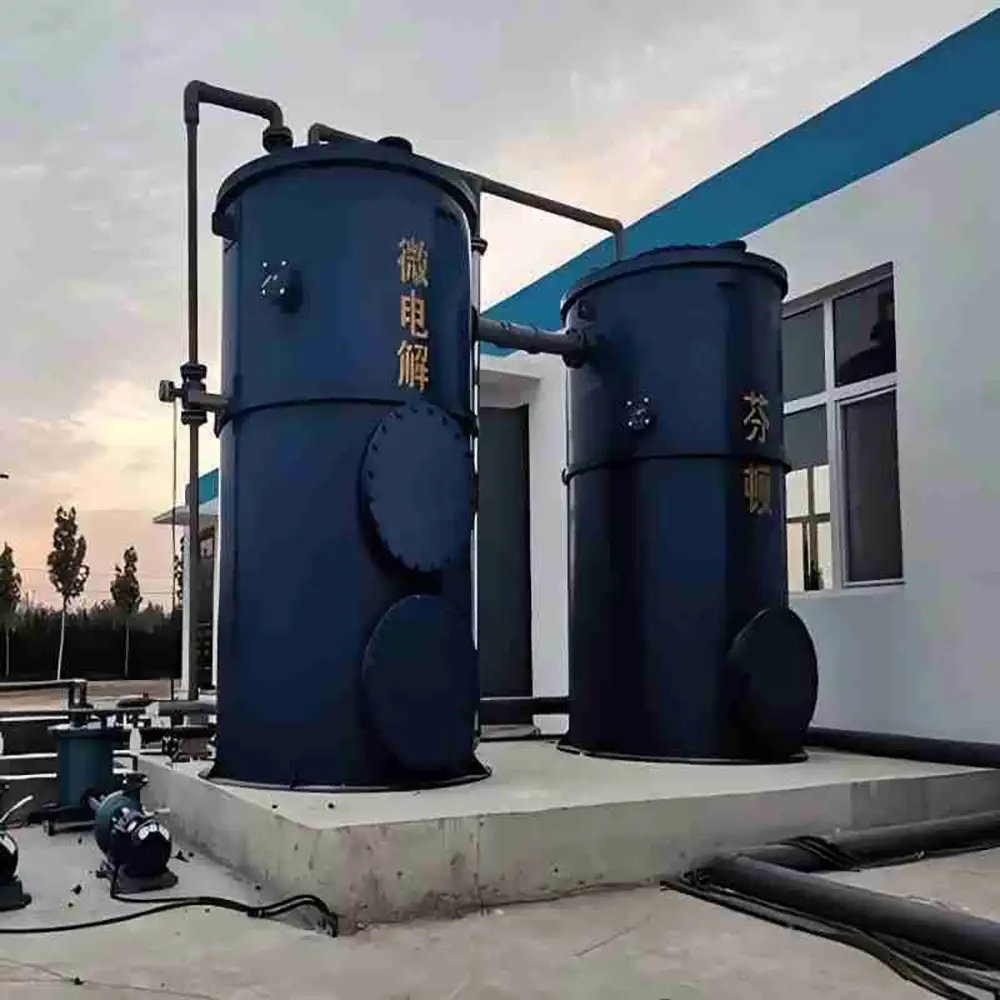
Ultrasonic - Enhanced Fenton Reaction Apparatus for Industrial Effluent Treatment Equipment
1. Definition: Fenton oxidation tower oxidizes and decomposes organic matter in wastewater through a specific chemical reaction process, thereby achieving the purpose of purifying water quality.
Principle: This device mainly uses the chain reaction between Fe²+ and H2O2to catalyze the formation of hydroxyl radicals (·OH) with strong oxidation properties. These radicals can oxidize various toxic and difficult-to-degrade organic compounds and convert them into none. Small molecule substances that are harmful, such as carbon dioxide and water.
2. Structure and composition
Fenton Catalyzed Degradation System Persistent Organic Pollutants Wastewater Treatment Equipment
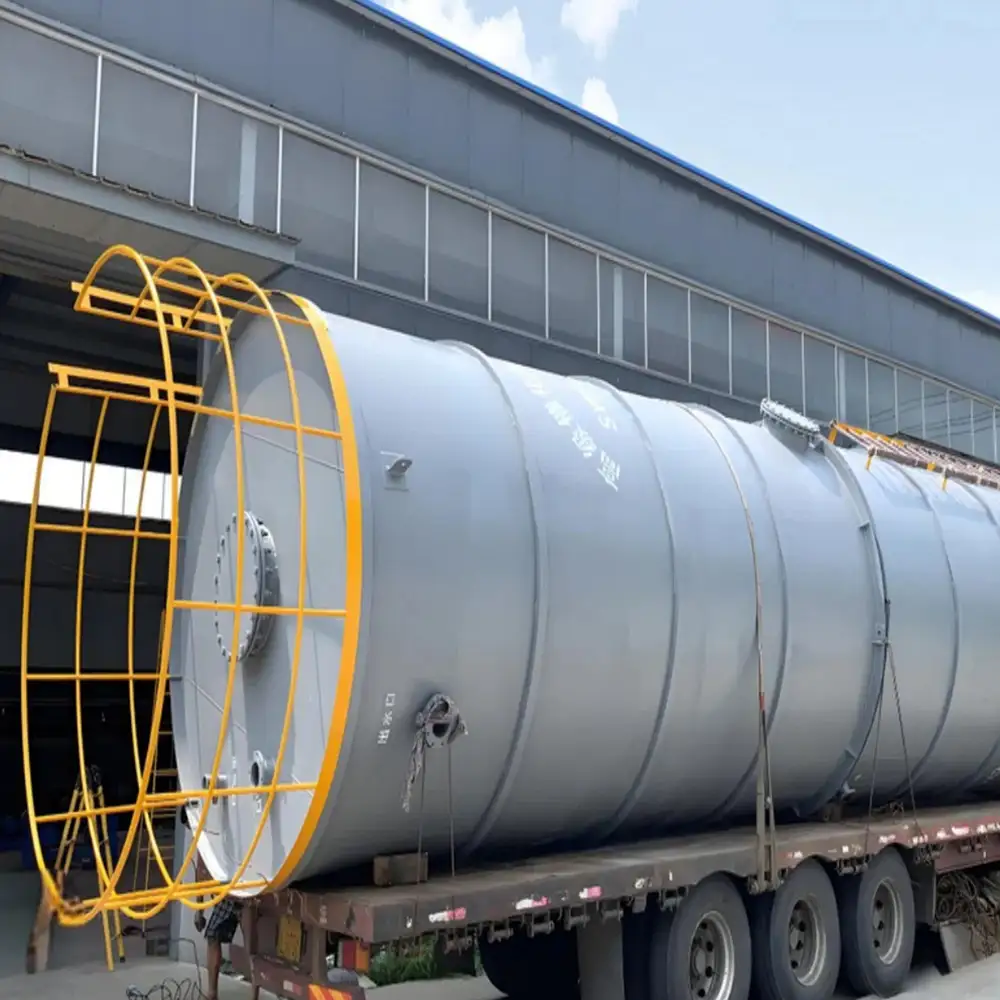
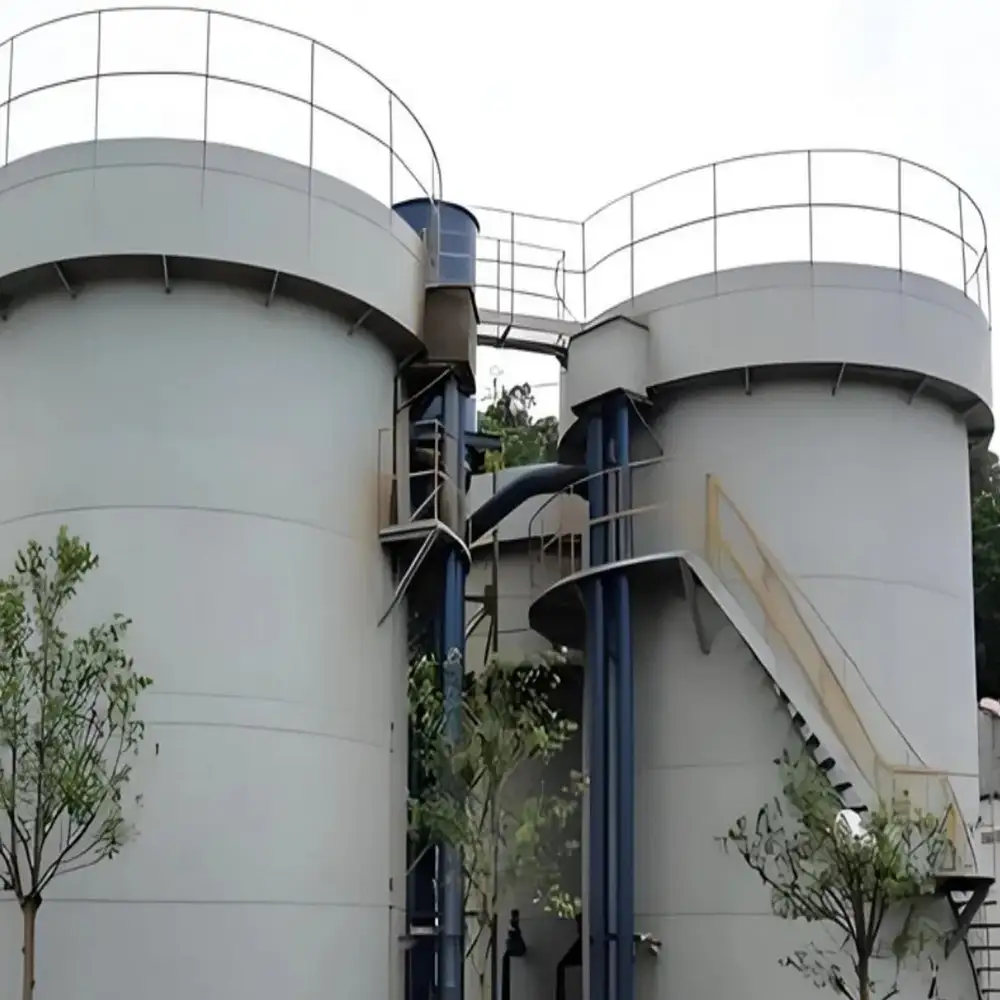
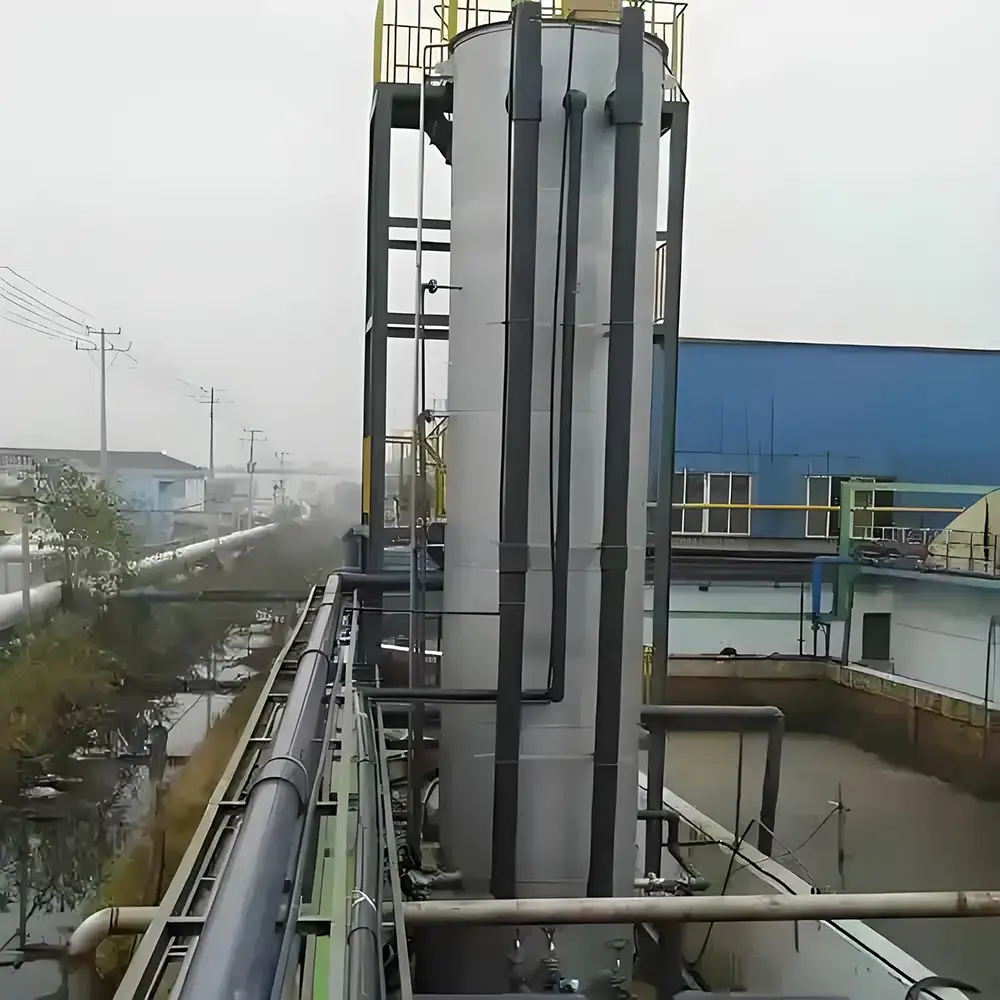
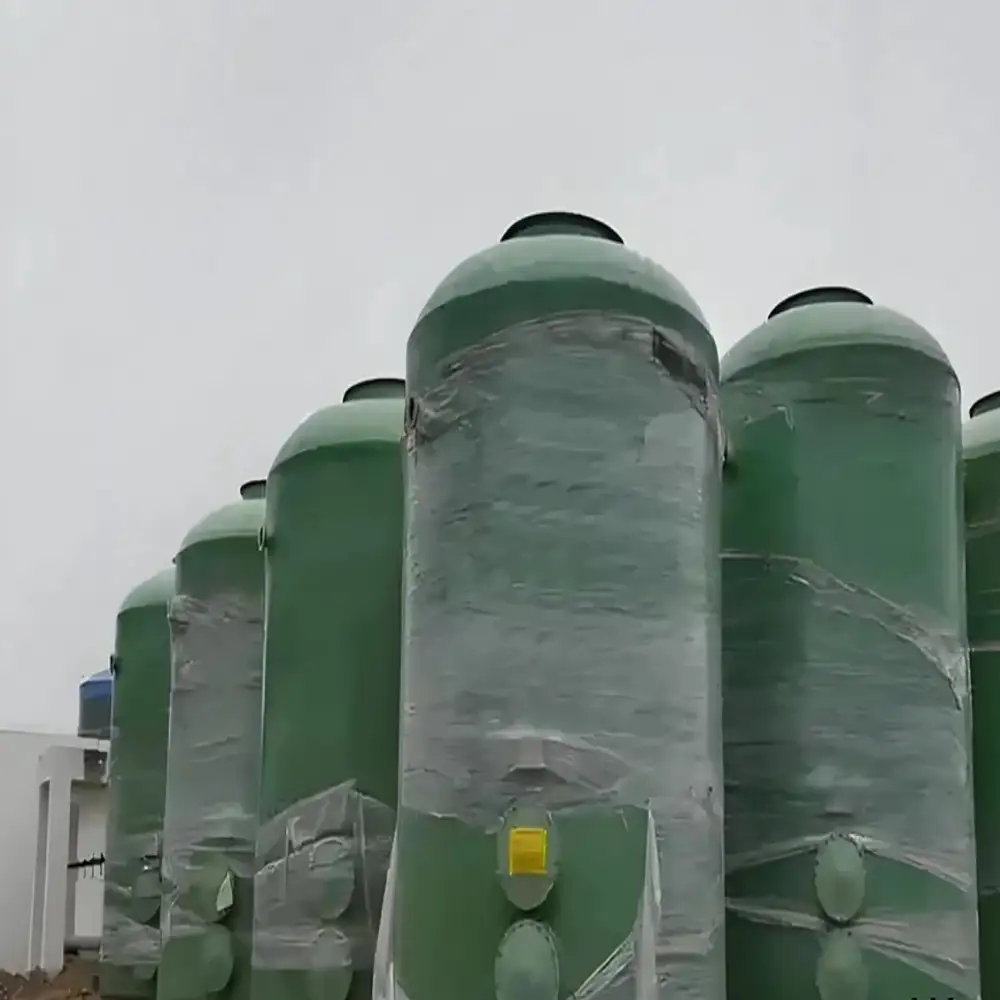
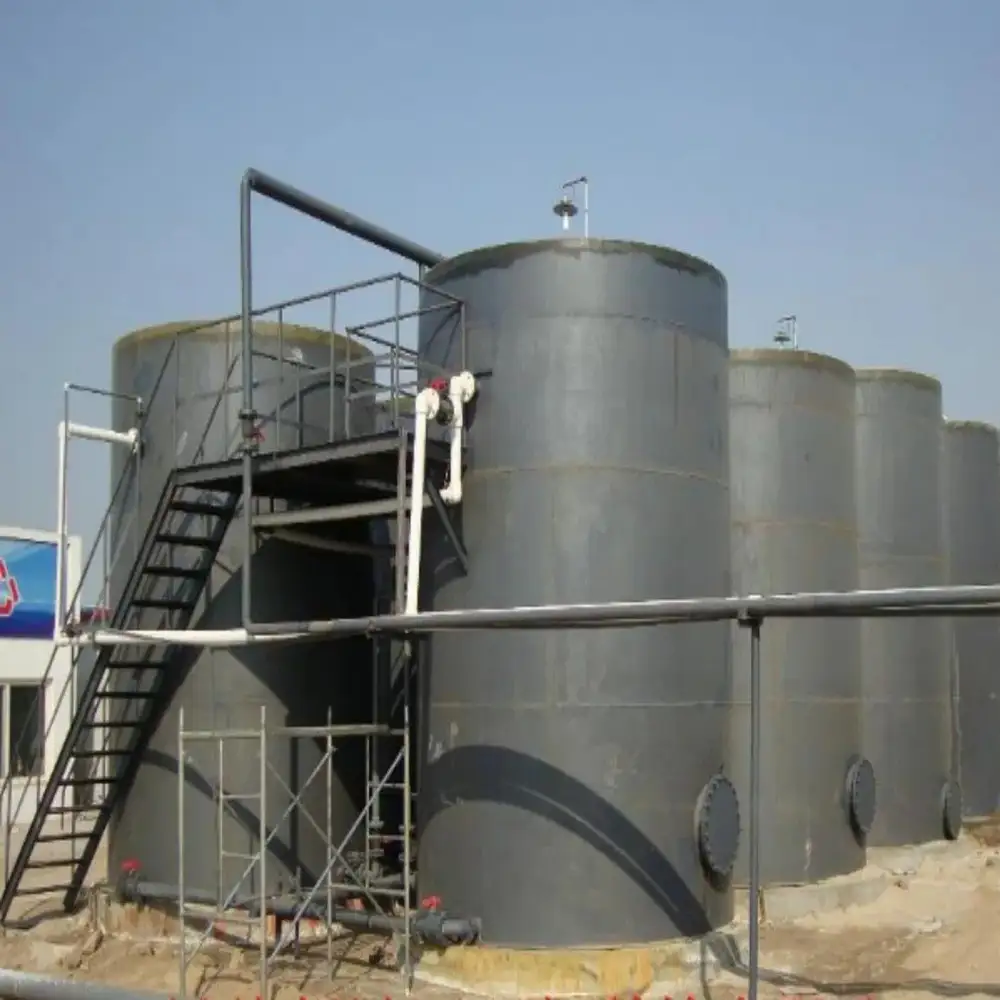
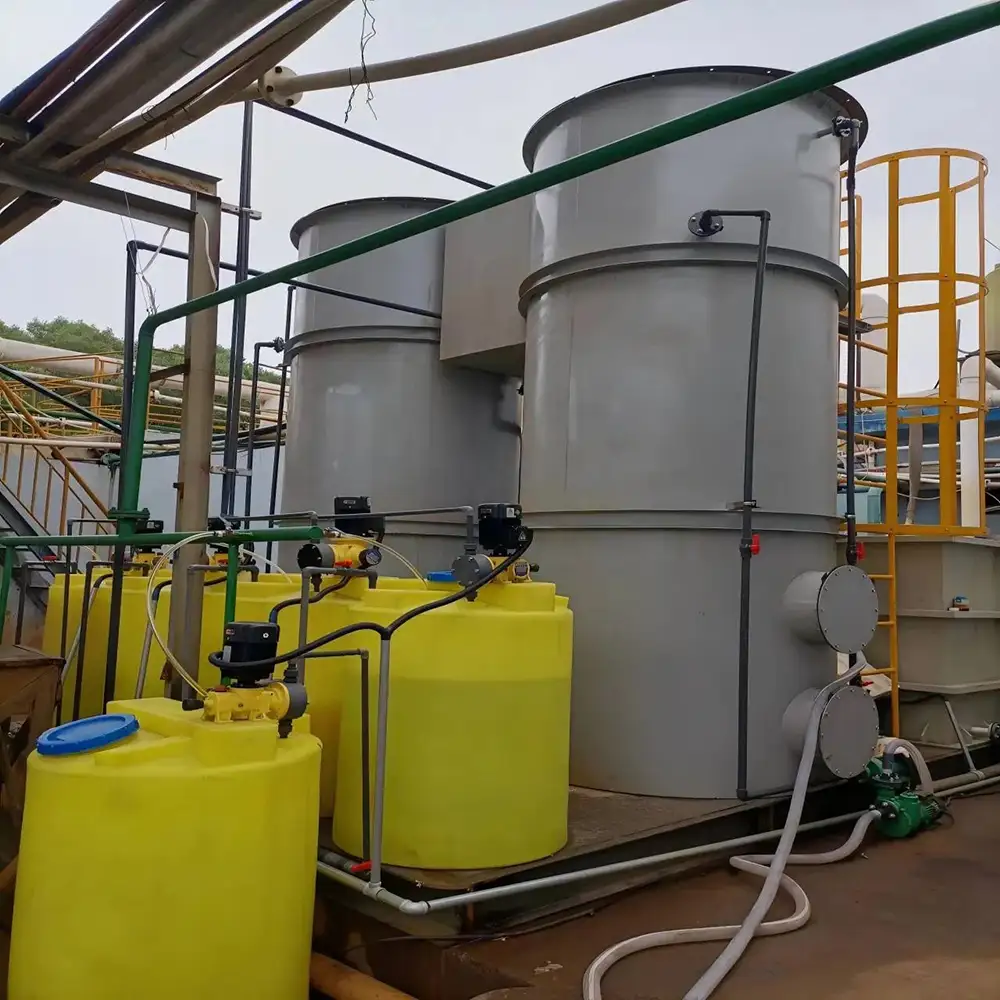
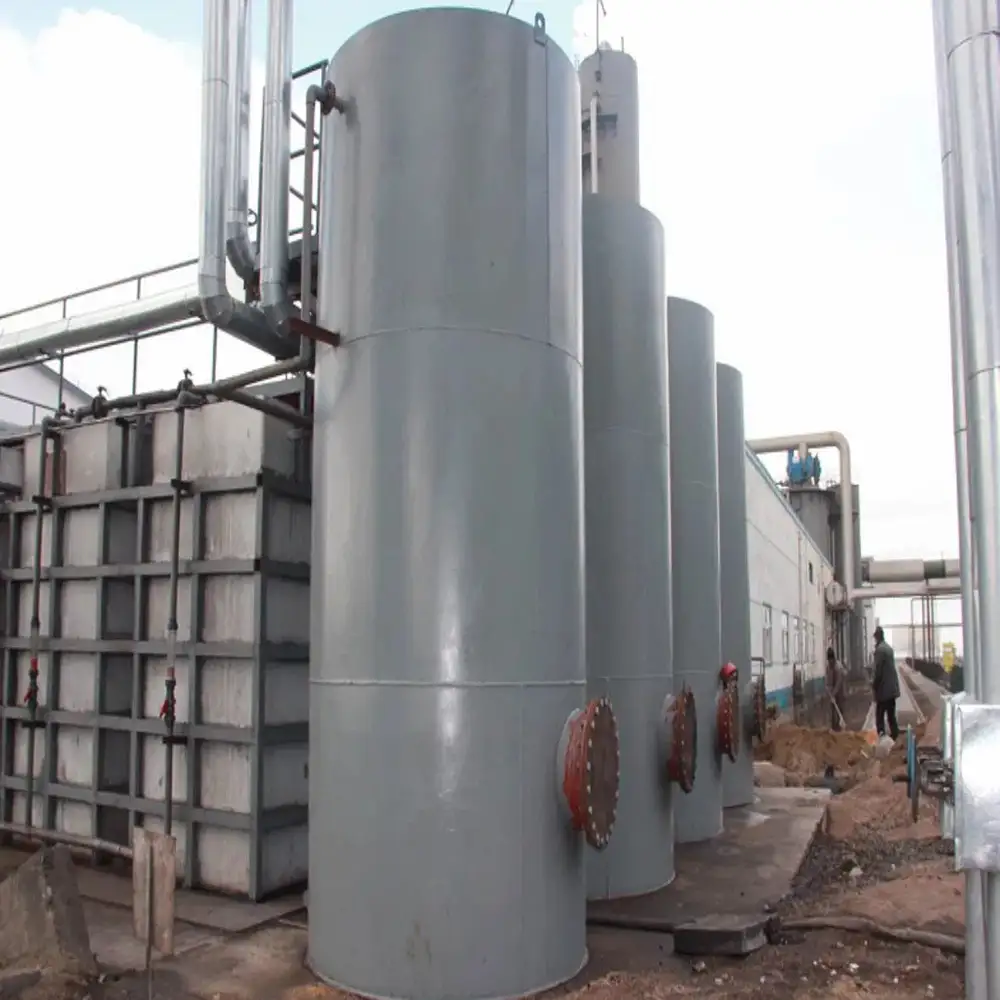
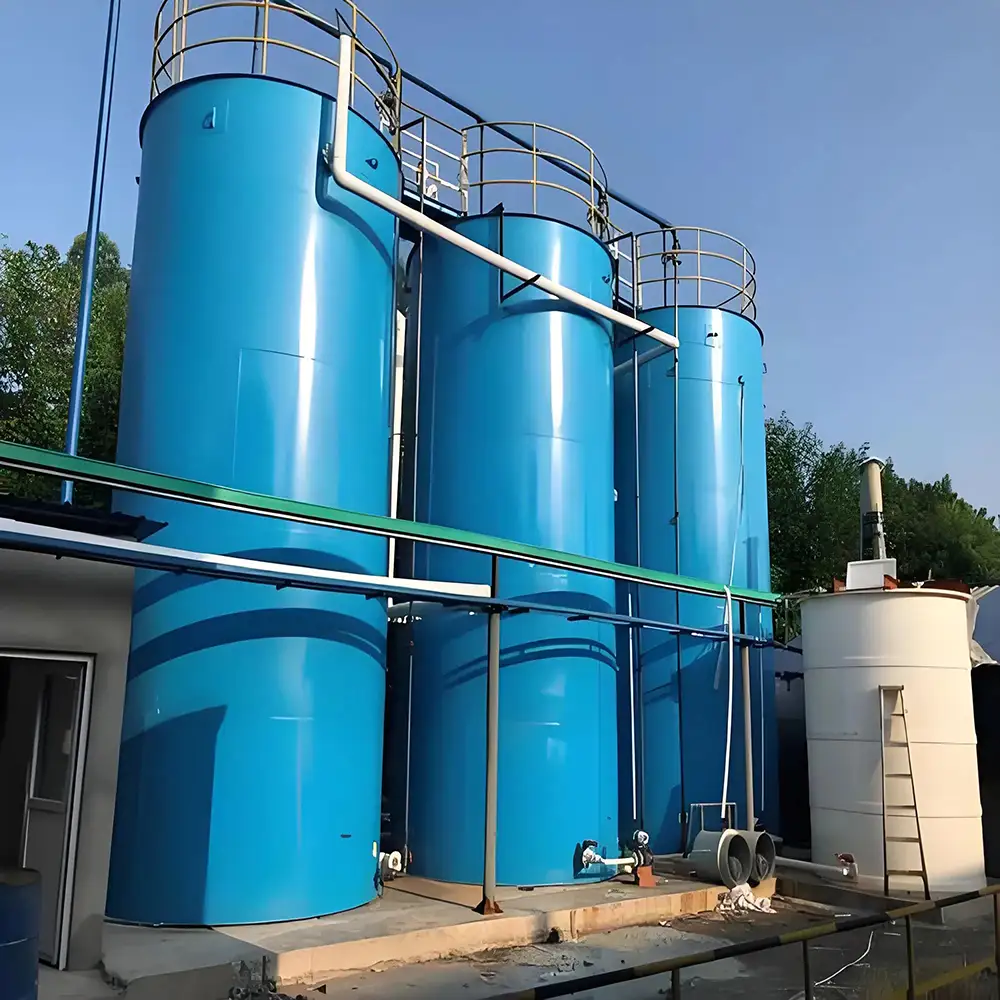
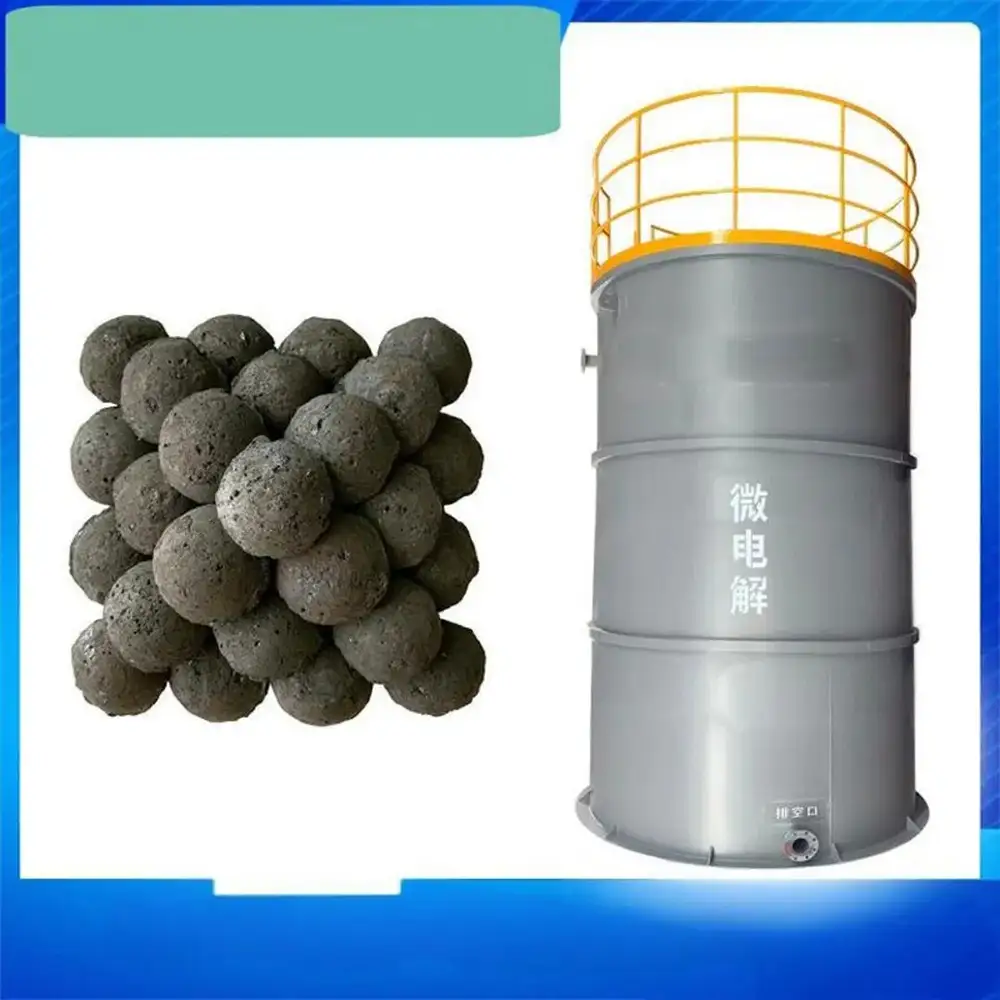
Fenton oxidation tower usually includes an oxidation tower body, screen plate, filler, Fenton oxidation zone, iron carbon reaction zone, water inlet distribution zone, water outlet zone, water outlet tank, circulation device, and necessary pipe accessories.
The filler layer consists of materials with high surface area, such as quartz sand, bluestone, ceramic or plastic blocks, which provide microorganisms with a surface for settlement and growth, helps to form biofilms and further promotes the oxidative decomposition reaction.
3. Characteristics and Advantages
Strong oxidation capacity: Fenton oxidation tower can produce strong oxidative hydroxyl radicals, and has high degradation efficiency for organic pollutants.
Simple equipment: relatively simple structure, easy to manufacture and maintain.
Easy to operate: The operation process is simple and does not require complicated operation steps.
Low operating cost: Due to the simple and easy operational equipment, the operating cost is relatively low.
Wide applicability: Especially suitable for treating wastewater with high concentrations and difficult biodegradation, such as garbage leachate.
4. Application areas
Fenton oxidation towers have been widely used in urban sewage treatment, industrial wastewater treatment and rural domestic sewage treatment. Its efficient oxidative decomposition capability makes it excellent in handling a variety of organic pollutants.
5. Material selection
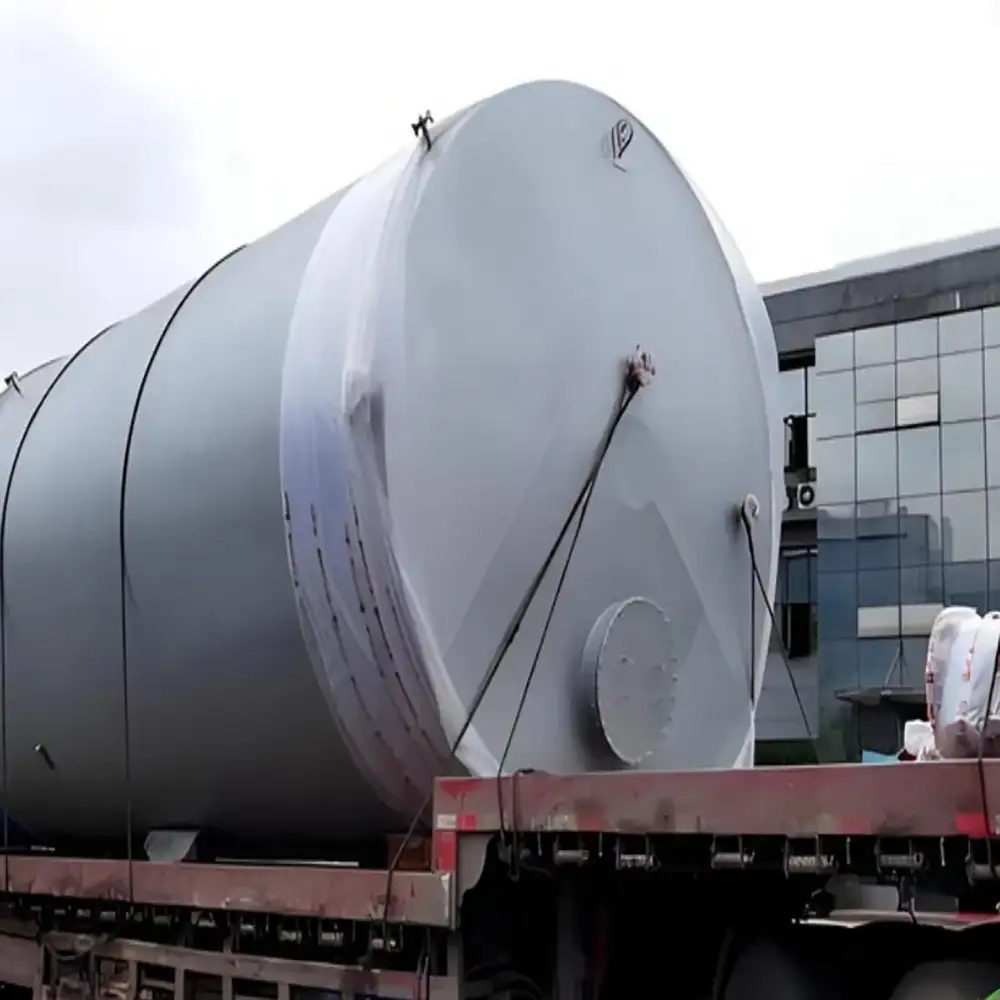
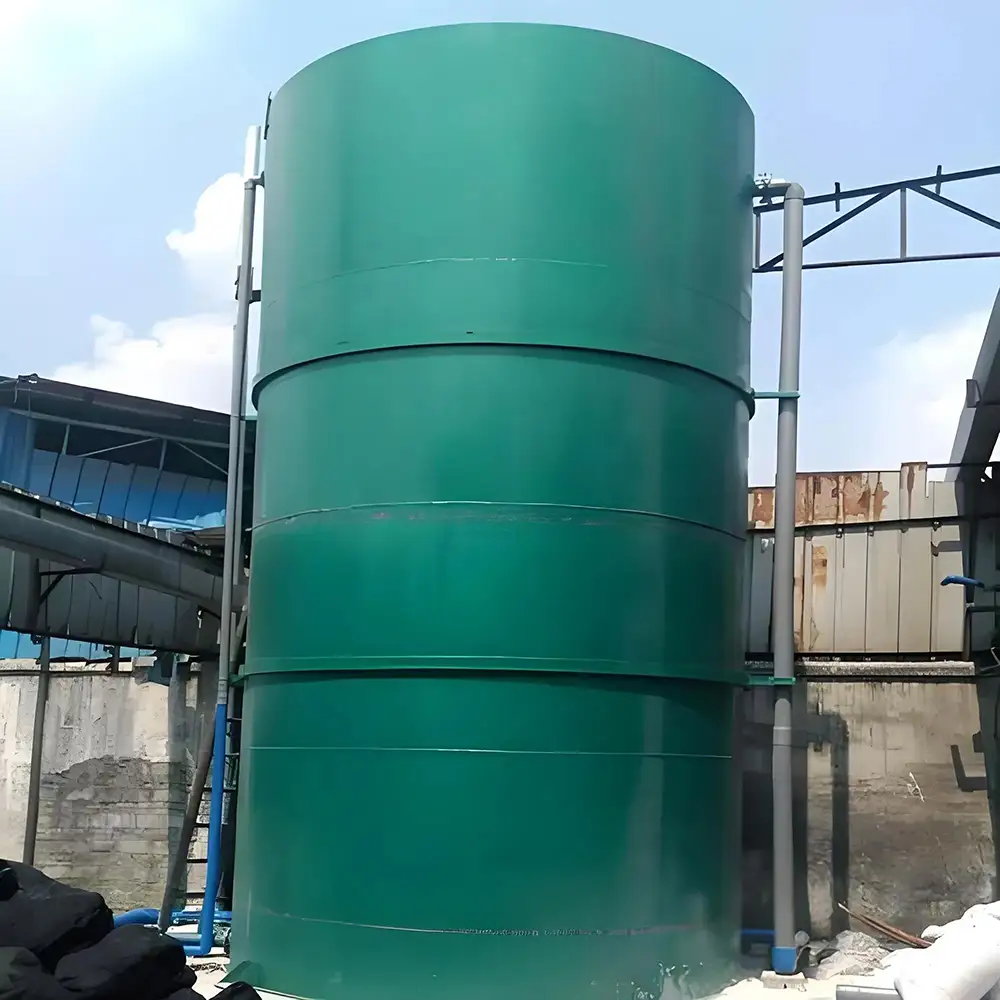
The materials of Fenton oxidation tower are mainly made of three materials: carbon steel, fiberglass and stainless steel. Since the fiberglass material itself has anti-corrosion properties and is relatively low in manufacturing costs, it has become a widely used material.
Fenton Catalyzed Degradation System for Persistent Organic Pollutants Wastewater Treatment
The Fenton Catalyzed Degradation System is an advanced oxidation wastewater treatment solution designed for the degradation of persistent organic pollutants, refractory organic compounds, toxic contaminants, and other difficult-to-treat substances in industrial wastewater. By combining an iron-based catalyst with hydrogen peroxide, the Fenton process generates highly reactive hydroxyl radicals that can attack and break down complex organic molecules.
Fenton oxidation is widely studied as an advanced oxidation process for organic wastewater because hydroxyl radicals can react rapidly with a broad range of refractory contaminants. The conventional reaction involves Fe²⁺ and H₂O₂, producing hydroxyl radicals that participate in the oxidation of organic pollutants.
This technology can be used as a pretreatment, intermediate treatment, or polishing stage depending on the wastewater characteristics and overall treatment process.
Fenton Catalyzed Oxidation Principle
The basic Fenton reaction uses ferrous iron and hydrogen peroxide:
Fe²⁺ + H₂O₂ → Fe³⁺ + •OH + OH⁻
The generated hydroxyl radical is a powerful oxidizing species that can attack organic molecules through different reaction pathways. These reactions can break complex compounds into smaller intermediates and, under suitable conditions, promote further oxidation and mineralization.
The effectiveness of the process depends on several operating parameters, including wastewater pH, H₂O₂ concentration, iron dosage, pollutant concentration, reaction time, temperature, and the characteristics of the wastewater matrix.
Treatment of Persistent Organic Pollutants
Persistent and refractory organic pollutants can be difficult to remove through conventional biological treatment because of their chemical stability, toxicity, or poor biodegradability.
A Fenton catalyzed degradation system can be considered for wastewater containing contaminants such as:
Phenolic Compounds
Dyes and Colorants
Pharmaceutical Residues
Pesticides
Aromatic Organic Compounds
Refractory COD
Toxic Organic Intermediates
Industrial Solvents
Printing and Dyeing Pollutants
Chemical Manufacturing Organics
Iron-based Fenton and Fenton-like catalysts have been investigated for degradation of dyes, phenols, pharmaceuticals, pesticides, and other emerging contaminants in water treatment.
Advanced Oxidation for Difficult Wastewater
Conventional physical separation can transfer pollutants from water to another phase instead of destroying them. Biological treatment can also have limitations when wastewater contains highly toxic or poorly biodegradable compounds.
Fenton oxidation provides a chemical oxidation pathway that can transform refractory organic compounds into smaller and potentially more biodegradable molecules. For this reason, Fenton treatment can be used before biological treatment to improve biodegradability or after biological treatment as an advanced polishing step.
Research on Fenton oxidation identifies its ability to improve the biodegradability of refractory wastewater as one of its important applications.
Typical Fenton Treatment Process
A complete Fenton wastewater treatment system may include several process stages:
Wastewater Equalization → pH Adjustment → Iron Catalyst Dosing → H₂O₂ Dosing → Fenton Reaction → Neutralization → Flocculation → Sedimentation or DAF → Filtration
The exact process depends on the wastewater characteristics and treatment objectives.
Equalization helps stabilize variations in wastewater flow and pollutant concentration. pH adjustment provides suitable reaction conditions. Iron and hydrogen peroxide are then introduced under controlled conditions to initiate oxidation.
After the oxidation reaction, neutralization and solid-liquid separation may be required to remove iron-containing precipitates and other solids.
Fenton Reactor and Chemical Dosing
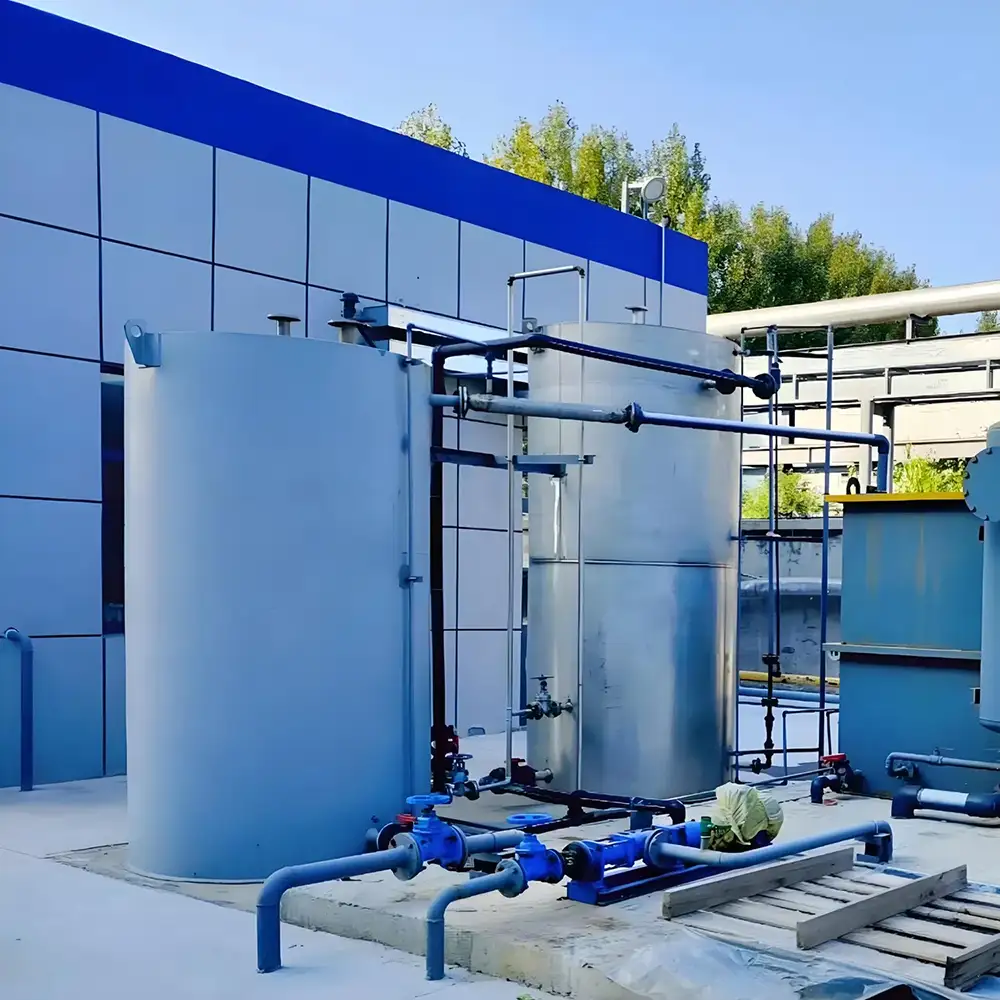
The Fenton reactor provides controlled contact between wastewater, catalyst, and hydrogen peroxide.
A properly designed system may include:
Reaction Tank
Mixing System
Iron Dosing Unit
Hydrogen Peroxide Dosing Unit
pH Adjustment System
Chemical Storage Tanks
Flow Meters
pH Sensors
ORP Monitoring
PLC Control System
Sludge Separation Equipment
Accurate chemical dosing is important because excessive or insufficient reagent dosage can affect oxidation efficiency, operating cost, residual peroxide, and sludge generation.
Process optimization studies identify wastewater pH, catalyst concentration, hydrogen peroxide concentration, and pollutant concentration as important factors affecting Fenton treatment performance.
Treatment of Industrial Wastewater
The Fenton catalyzed degradation system can be integrated into industrial wastewater treatment plants serving industries where refractory organic compounds are present.
Potential applications include:
Chemical Industry
Chemical manufacturing wastewater may contain complex organic compounds that require advanced oxidation before biological treatment or final discharge.
Textile and Dyeing Industry
Dyes and other color-causing organic compounds can be difficult to remove using conventional treatment alone. Fenton oxidation can provide an additional oxidation step for color and refractory organic reduction.
Pharmaceutical Wastewater
Pharmaceutical manufacturing wastewater may contain biologically resistant organic compounds. Advanced oxidation can be considered as part of a multi-stage treatment process.
Petrochemical and Refining Wastewater
Fenton-based oxidation can be evaluated for wastewater containing refractory aromatic and other organic pollutants.
Landfill Leachate
Landfill leachate can contain complex organic matter and refractory COD. Fenton oxidation may be integrated with biological, membrane, or physicochemical treatment depending on the wastewater composition.
Fenton as Pretreatment
One important application is using Fenton oxidation before biological treatment.
When refractory organic molecules are partially oxidized into smaller and more biodegradable compounds, subsequent biological treatment may become more effective. This approach can reduce the burden on biological reactors and improve the overall treatment train.
The exact benefit should be verified through laboratory or pilot testing because wastewater composition strongly affects oxidation performance.
Fenton as Advanced Polishing
Fenton treatment can also be placed after conventional biological or physicochemical treatment.
For wastewater that has already undergone biological treatment but still contains refractory COD, color, toxic organic compounds, or other persistent pollutants, Fenton oxidation can provide an additional treatment barrier.
This configuration is particularly useful when the wastewater requires deeper treatment before reuse or discharge.
Homogeneous and Heterogeneous Fenton Systems
Traditional Fenton treatment commonly uses soluble iron salts. Alternative Fenton-like and heterogeneous systems use solid catalysts or modified iron-containing materials.
Heterogeneous Fenton processes are being studied because solid catalysts may offer advantages related to catalyst recovery and reduced dissolved iron under appropriate operating conditions. However, catalyst stability, activity, regeneration, and potential leaching must be considered in system design.
Therefore, the most suitable Fenton configuration should be selected according to wastewater chemistry, required treatment performance, operating cost, and sludge-management requirements.
Important Operating Considerations
Fenton treatment is not simply a matter of adding hydrogen peroxide and iron. Process conditions need to be carefully controlled.
Important parameters include:
Wastewater pH
H₂O₂ Dosage
Iron Dosage
Fe²⁺/Fe³⁺ Ratio
Reaction Time
Initial COD
Organic Pollutant Concentration
Temperature
Mixing Intensity
Oxidation-Reduction Potential
Post-Treatment Requirements
Conventional Fenton chemistry generally operates within an acidic pH range, and literature identifies a relatively narrow effective pH window as one of the challenges of conventional Fenton systems.
Sludge and Post-Treatment
One consideration in conventional Fenton treatment is the generation of iron-containing sludge. After oxidation, pH adjustment can cause iron precipitation, requiring sedimentation, DAF, filtration, or another solid-liquid separation process.
The sludge should be collected and managed according to the characteristics of the treated wastewater and applicable local requirements.
Properly integrating Fenton oxidation with clarification, filtration, biological treatment, or other downstream processes can improve the overall performance of the treatment plant.
Why Choose Us
Designed for refractory and persistent organic wastewater
Fenton-based advanced oxidation technology
Effective generation of hydroxyl radicals under suitable operating conditions
Suitable for difficult-to-biodegrade organic pollutants
Can be used as pretreatment or advanced polishing
Integrated chemical dosing and reaction systems available
pH, ORP, flow, and dosing control options
Suitable for industrial wastewater treatment applications
Can be combined with DAF, sedimentation, biological treatment, filtration, and other processes
Flexible process design according to wastewater characteristics and treatment objectives
FAQ
1. What is a Fenton catalyzed degradation system?
It is an advanced oxidation wastewater treatment system that uses an iron catalyst and hydrogen peroxide to generate reactive hydroxyl radicals for degradation of organic pollutants.
2. What are persistent organic pollutants in wastewater?
They are organic compounds that resist conventional degradation and may remain in wastewater because of their chemical stability, toxicity, or poor biodegradability.
3. How does Fenton oxidation degrade organic pollutants?
Iron catalyzes the decomposition of hydrogen peroxide to generate hydroxyl radicals. These reactive species attack organic molecules and promote their oxidation and breakdown.
4. What chemicals are normally used?
Conventional Fenton treatment generally uses a source of ferrous/ferric iron and hydrogen peroxide. The exact chemicals and dosage depend on the wastewater characteristics and process design.
5. What wastewater can Fenton treatment handle?
It can be considered for wastewater containing refractory COD, dyes, phenols, pharmaceutical compounds, pesticides, aromatic organics, and other difficult-to-treat organic pollutants.
6. Can Fenton treatment remove COD?
Fenton oxidation can reduce organic pollutants and COD, but the actual removal efficiency depends strongly on wastewater composition, reagent dosage, pH, reaction time, and other process conditions.
7. Can Fenton treatment improve biodegradability?
Yes. Partial oxidation of refractory organic compounds can produce smaller or more biodegradable intermediates, making Fenton oxidation useful as pretreatment before biological treatment.
8. Is Fenton treatment suitable after biological treatment?
Yes. It can be used as an advanced polishing process for wastewater that still contains refractory organic pollutants after biological treatment.
9. Does Fenton treatment produce sludge?
Conventional Fenton treatment can generate iron-containing sludge, particularly after neutralization and iron precipitation. Sludge handling should therefore be included in the overall process design.
10. Is pH important in Fenton oxidation?
Yes. pH is a major operating parameter, and conventional Fenton chemistry generally requires acidic conditions for effective hydroxyl radical generation.
11. Can the system be automated?
Yes. Chemical dosing, pH adjustment, flow, reaction time, ORP, and other operating parameters can be monitored and controlled through an automated PLC-based system.
12. How should the Fenton system be designed?
The system should be designed according to wastewater flow, COD, pollutant type, pH, biodegradability, chemical demand, treatment target, and downstream process requirements. Laboratory or pilot testing is recommended for difficult wastewater before full-scale design.
Prev:
Fenton - Mediated in - Situ Chemical Oxidation Method for Groundwater Remediation Water Treatment Plant
Next:Sorry, no information
TAG:
Industrial Wastewater Treatment Equipment,
Industrial Organic Wastewater Treatment,
Industrial Wastewater Treatment,
Organic Wastewater Treatment,
Industrial Wastewater Treatment Plant,
Chemical Wastewater Treatment,
Industrial Water Treatment,
Pharmaceutical Wastewater Treatment,
Chemical Industry Wastewater Treatment,
Advanced Wastewater Treatment,
Petrochemical Wastewater Treatment,
Landfill Leachate Treatment,
Pesticide Wastewater Treatment,
Color Removal Wastewater Treatment,
Hydrogen Peroxide Oxidation,
Hydrogen Peroxide Wastewater Treatment,
Iron Catalyzed Oxidation,
Organic Pollutant Removal,
Hydroxyl Radical Oxidation,
Hydroxyl Radical Wastewater Treatment,
COD Reduction System,
Refractory Wastewater Treatment,
Refractory Organic Wastewater Treatment,
Chemical Oxidation Wastewater Treatment,
Advanced Oxidation Process,
Advanced Oxidation Wastewater Treatment,
Advanced Oxidation System,
Catalytic Oxidation Wastewater Treatment,
Catalytic Oxidation System,
Fenton Treatment System,
Related Category:
Fenton Catalyzed Degradation System,Fenton Oxidation Wastewater Treatment,Fenton Wastewater Treatment System China, suppliers, manufacturers, factory, customized, wholesale, quotation, made in China