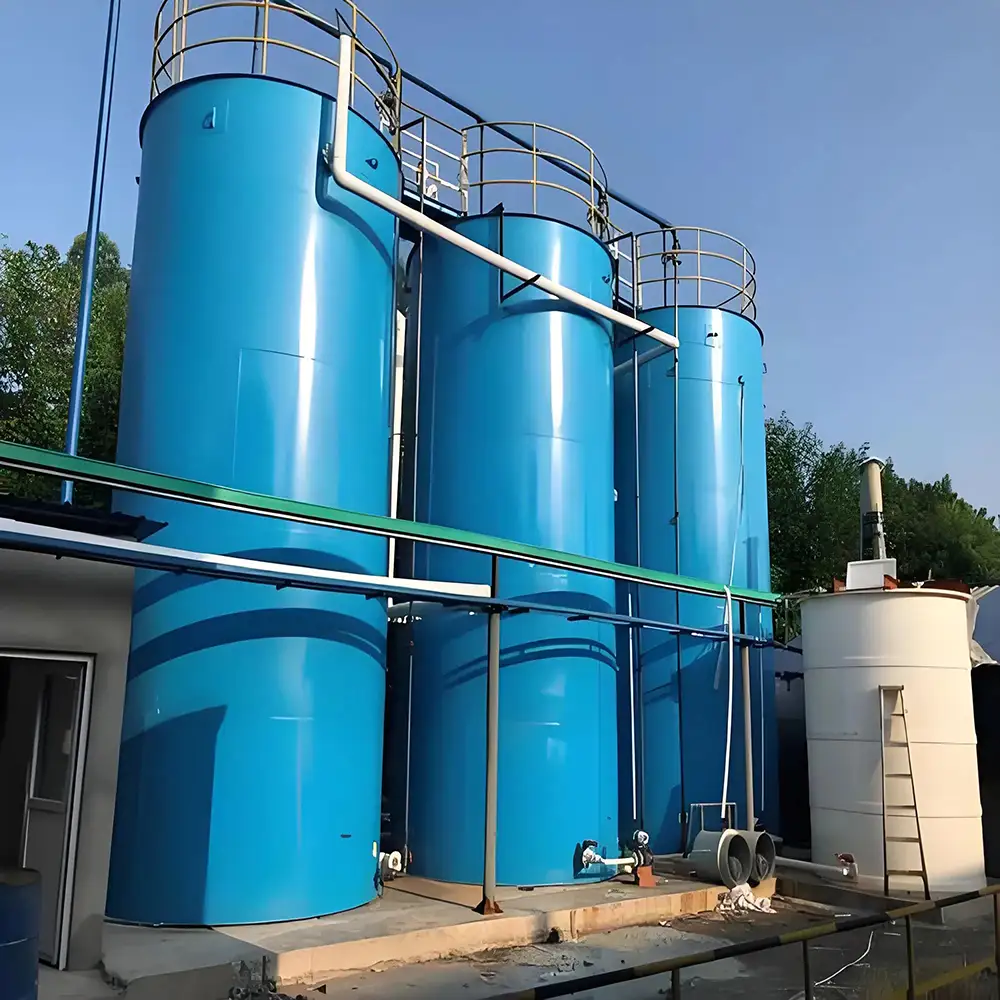
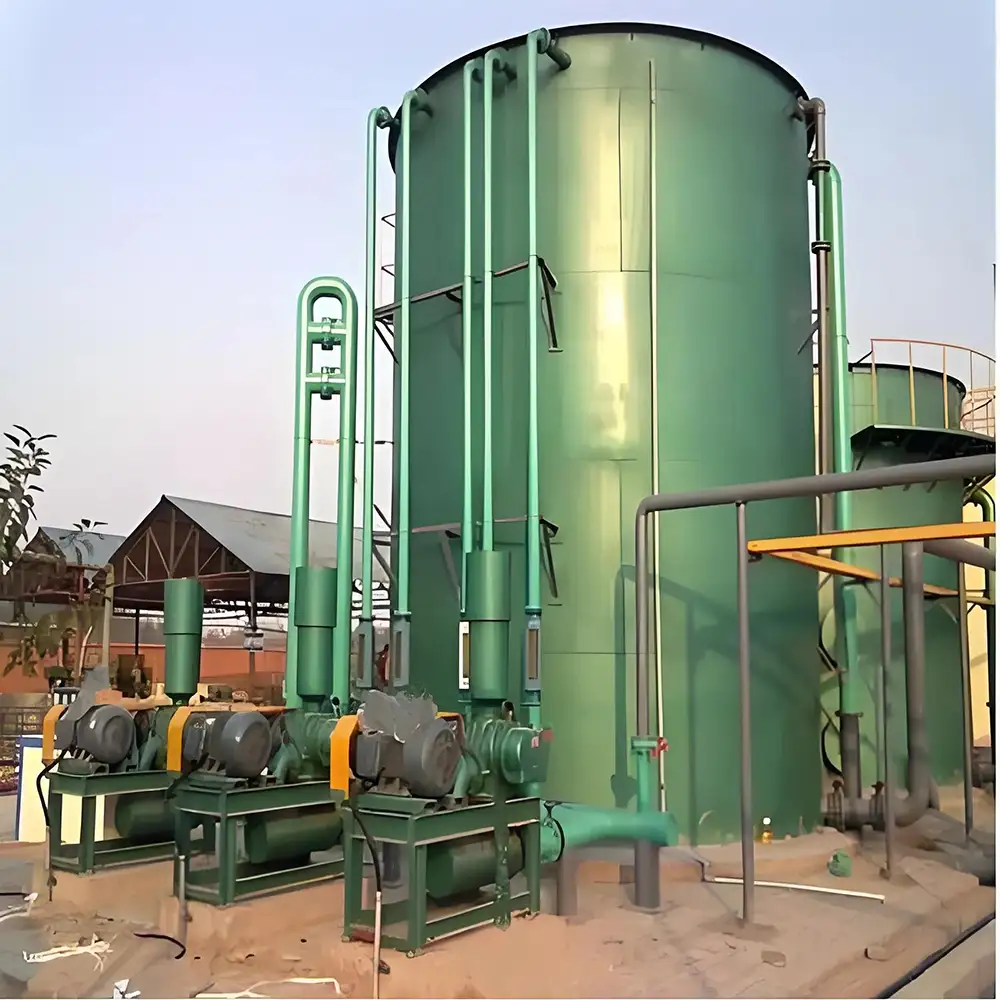
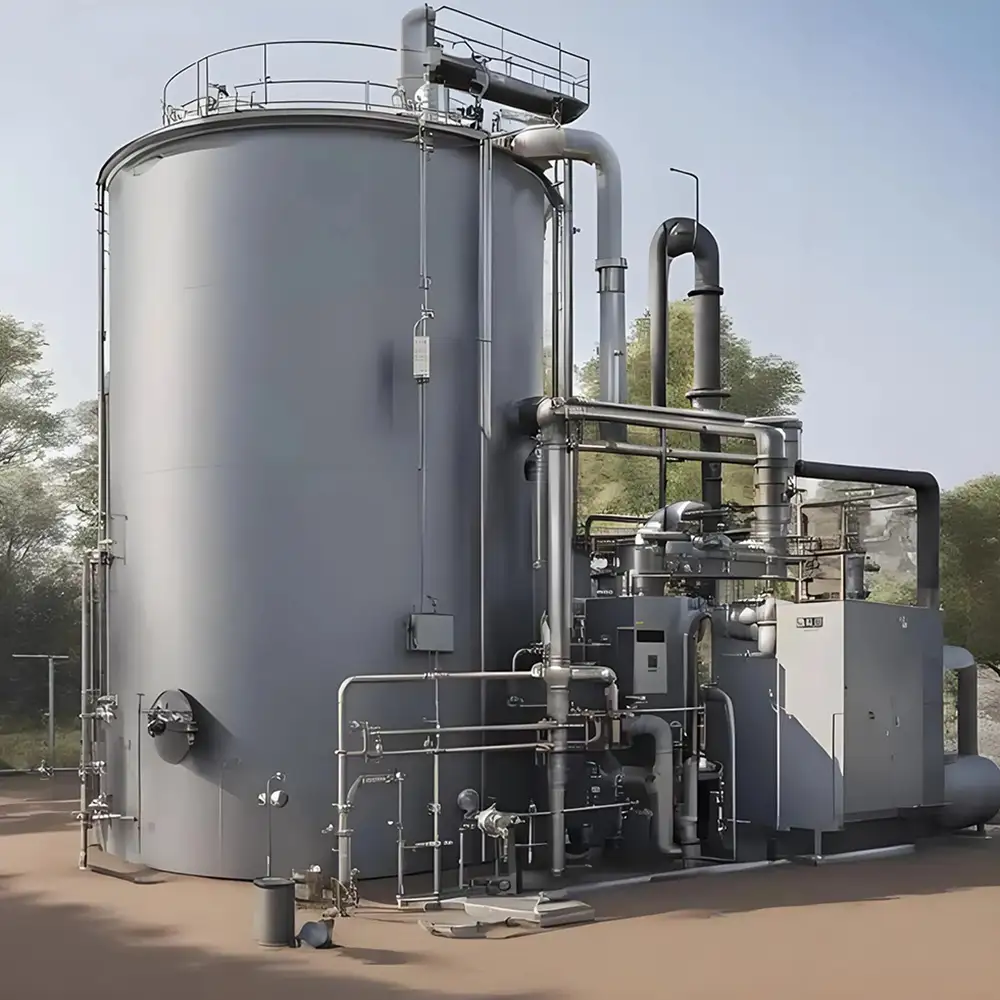
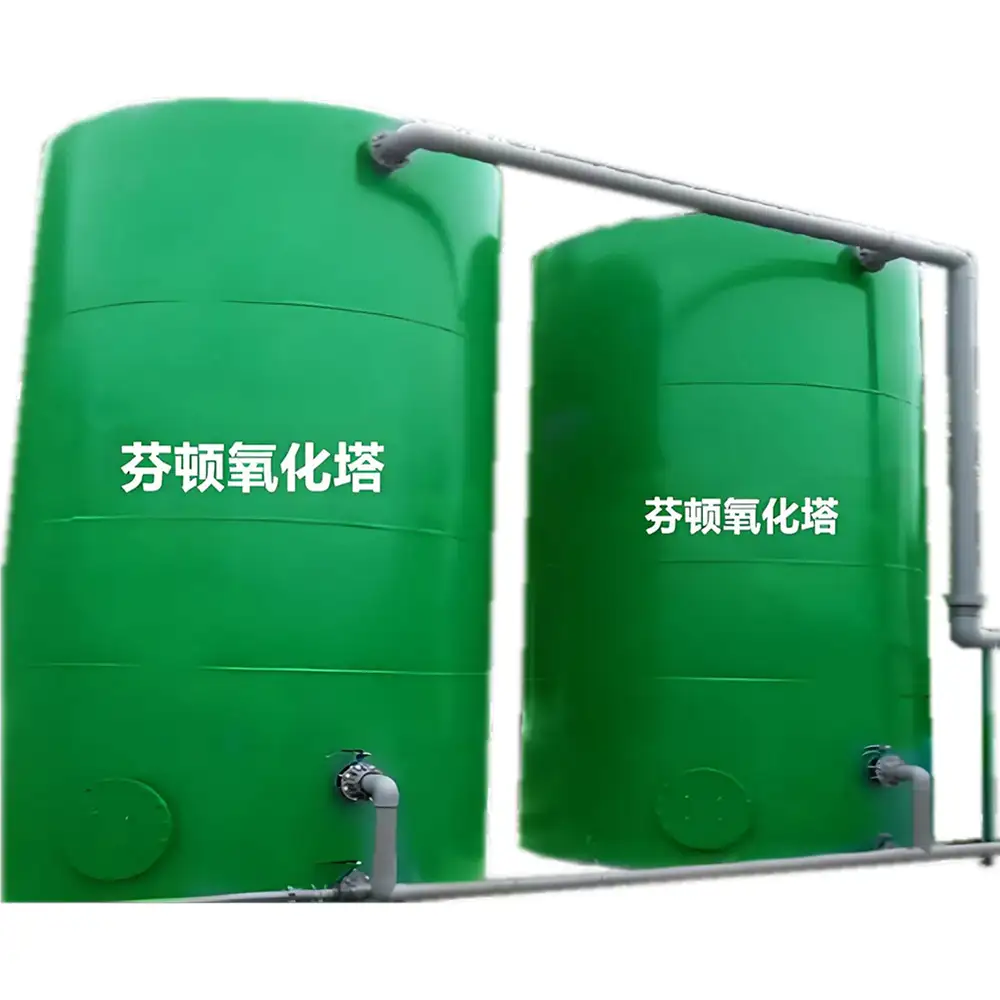
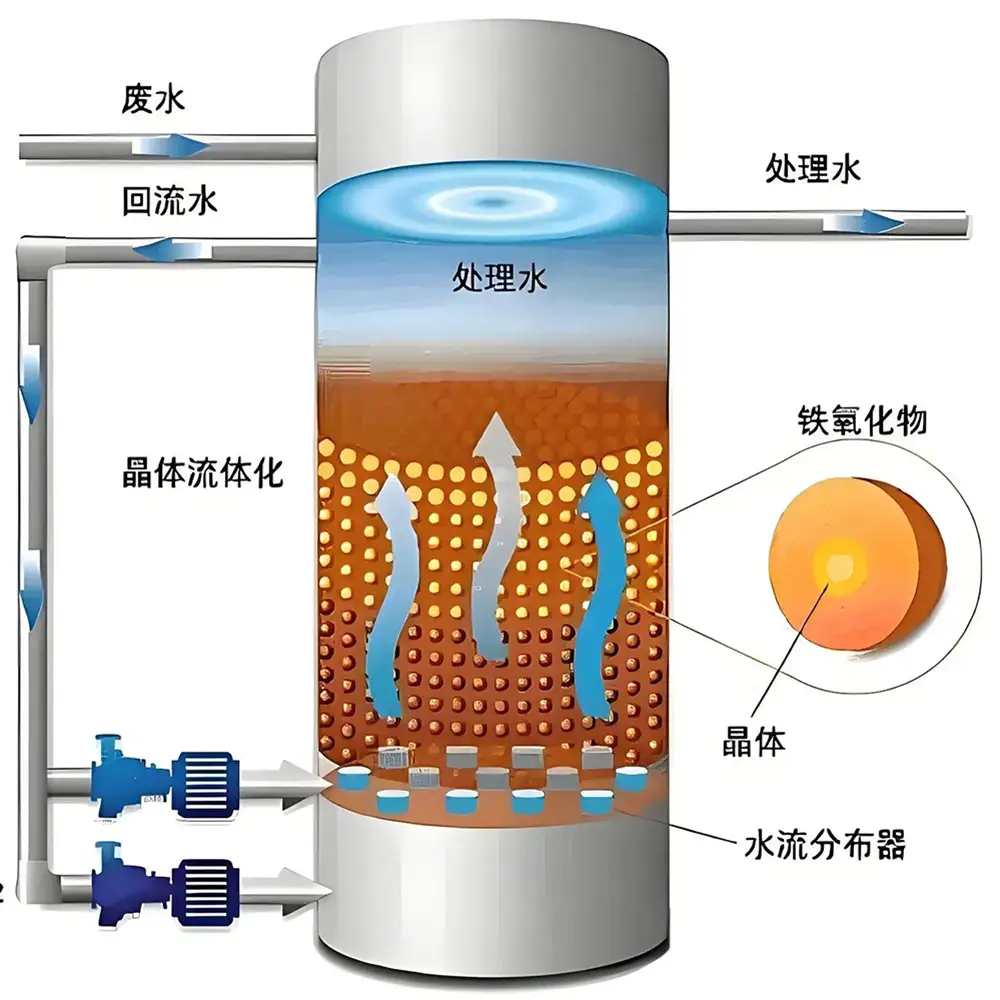
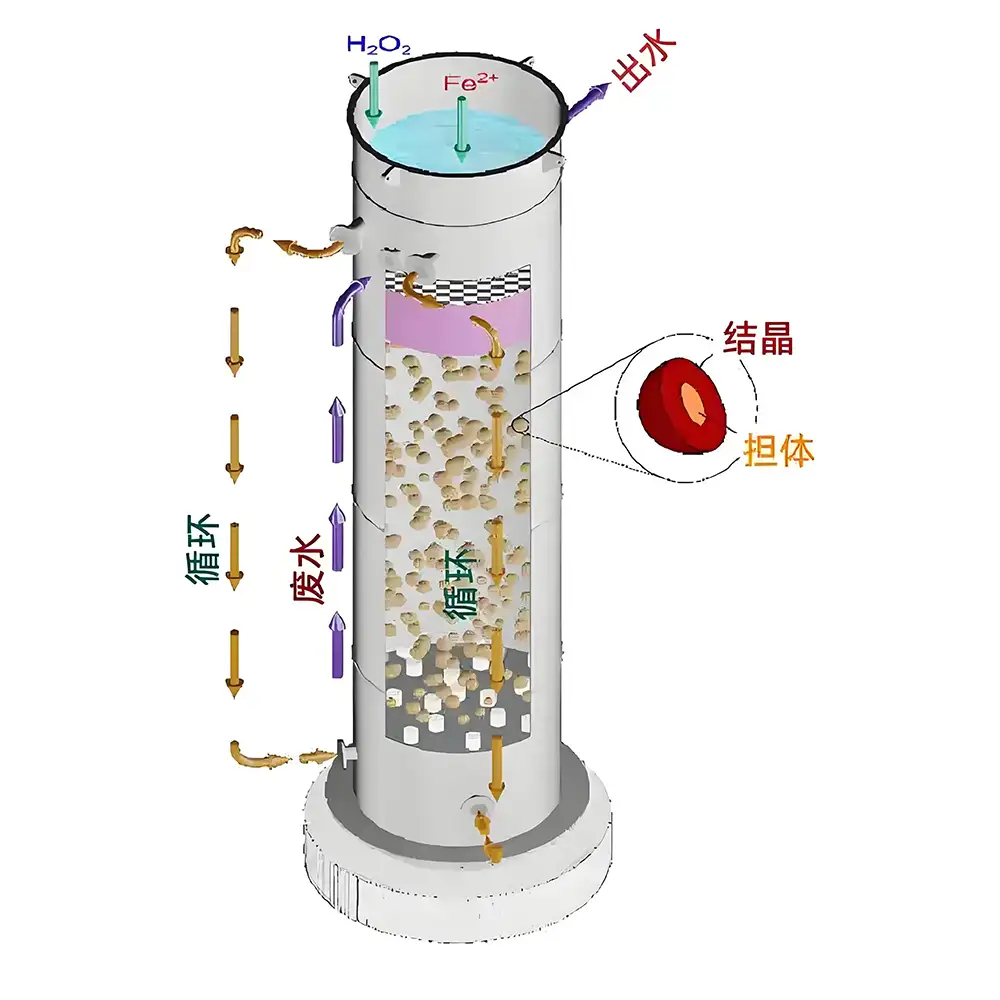
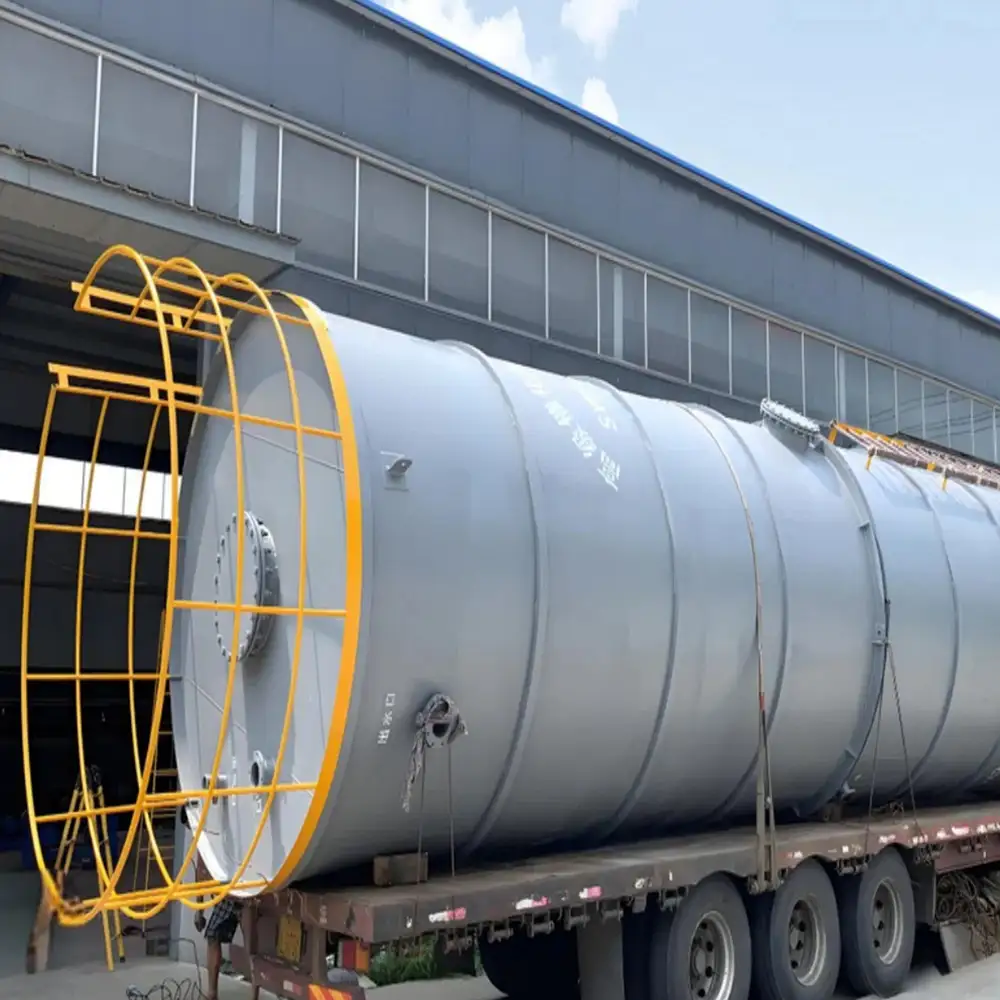
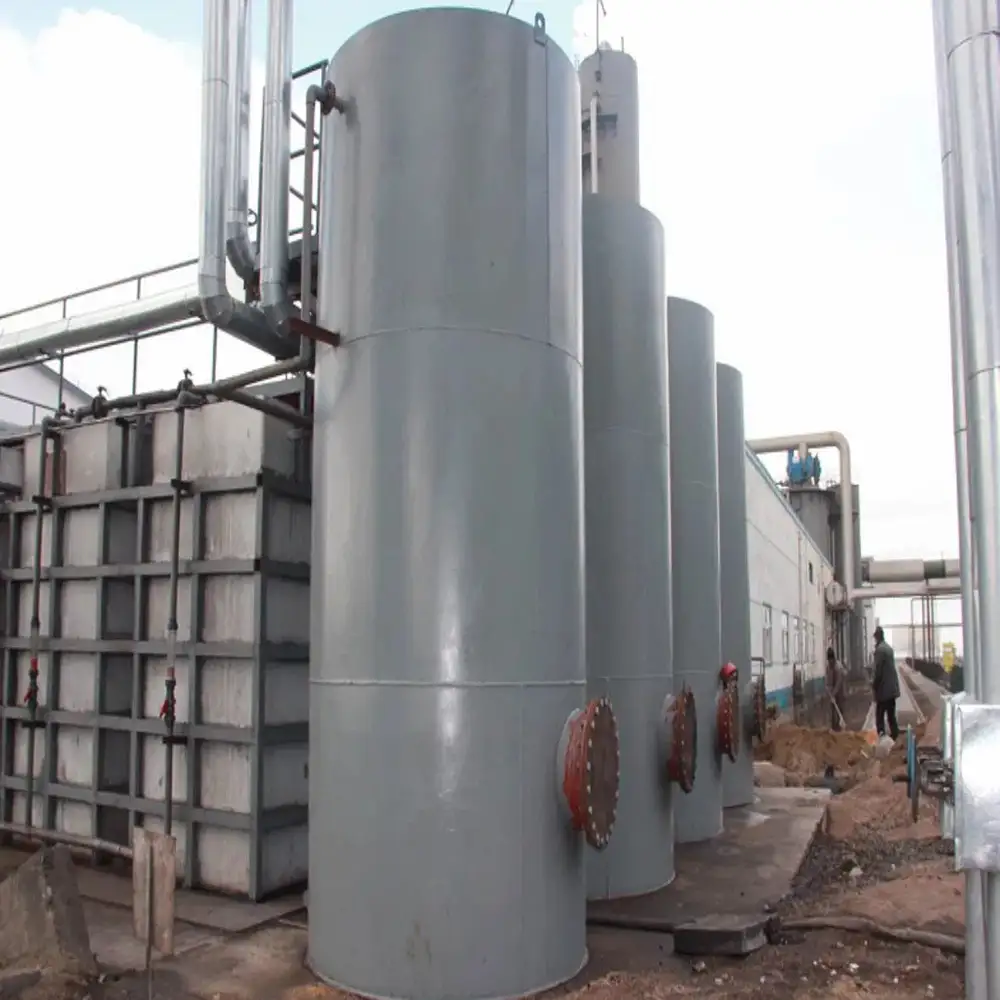
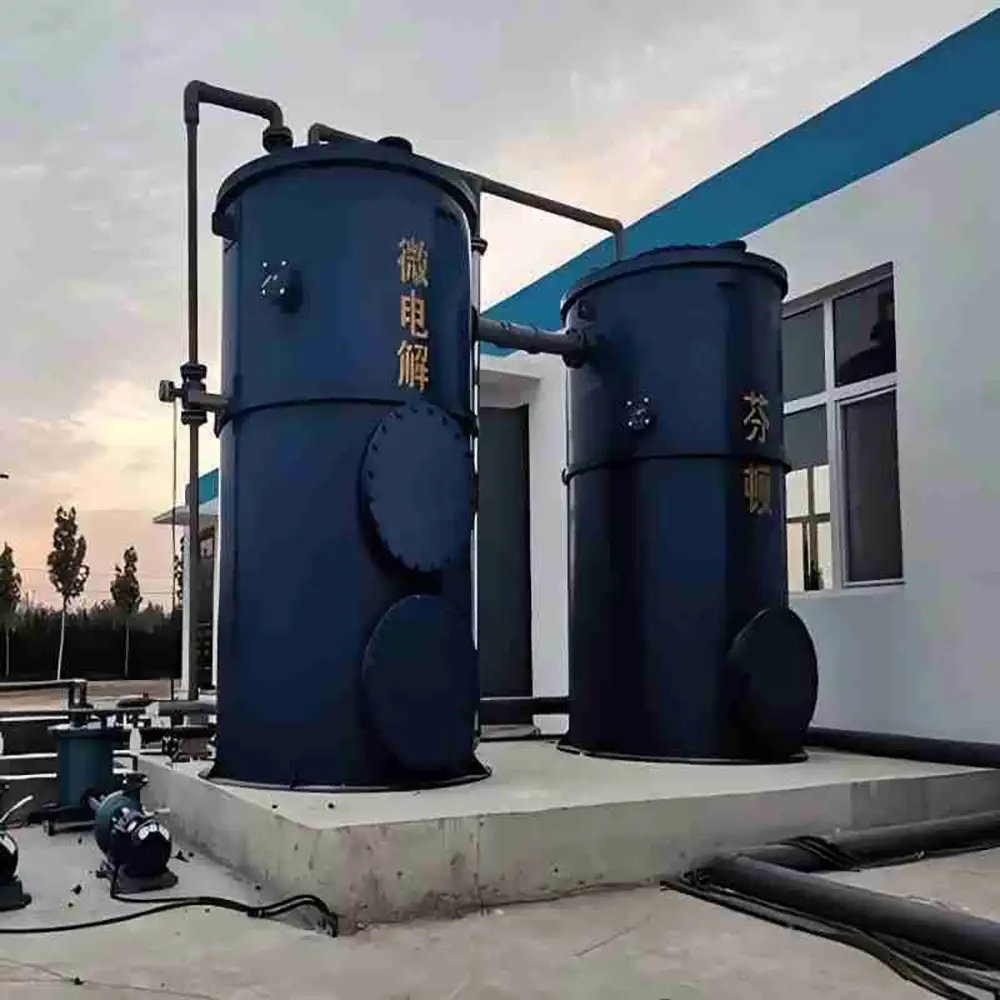
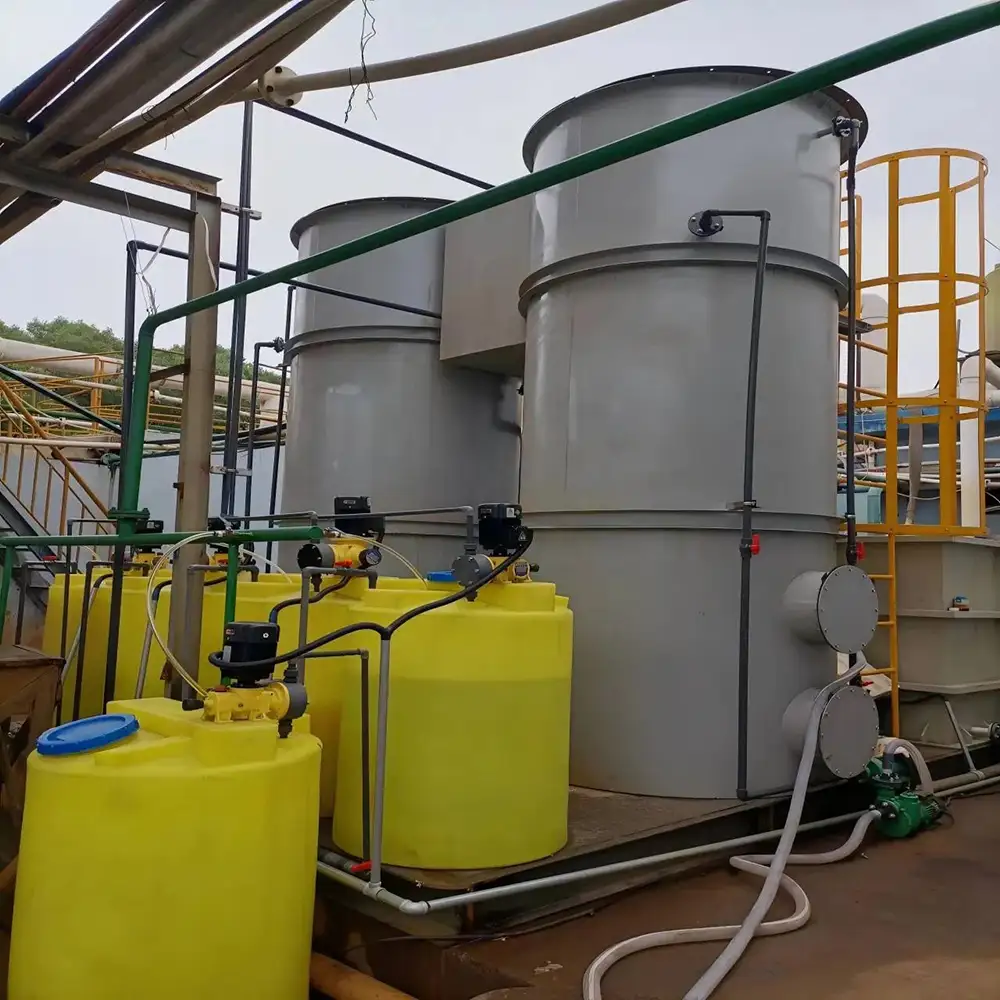
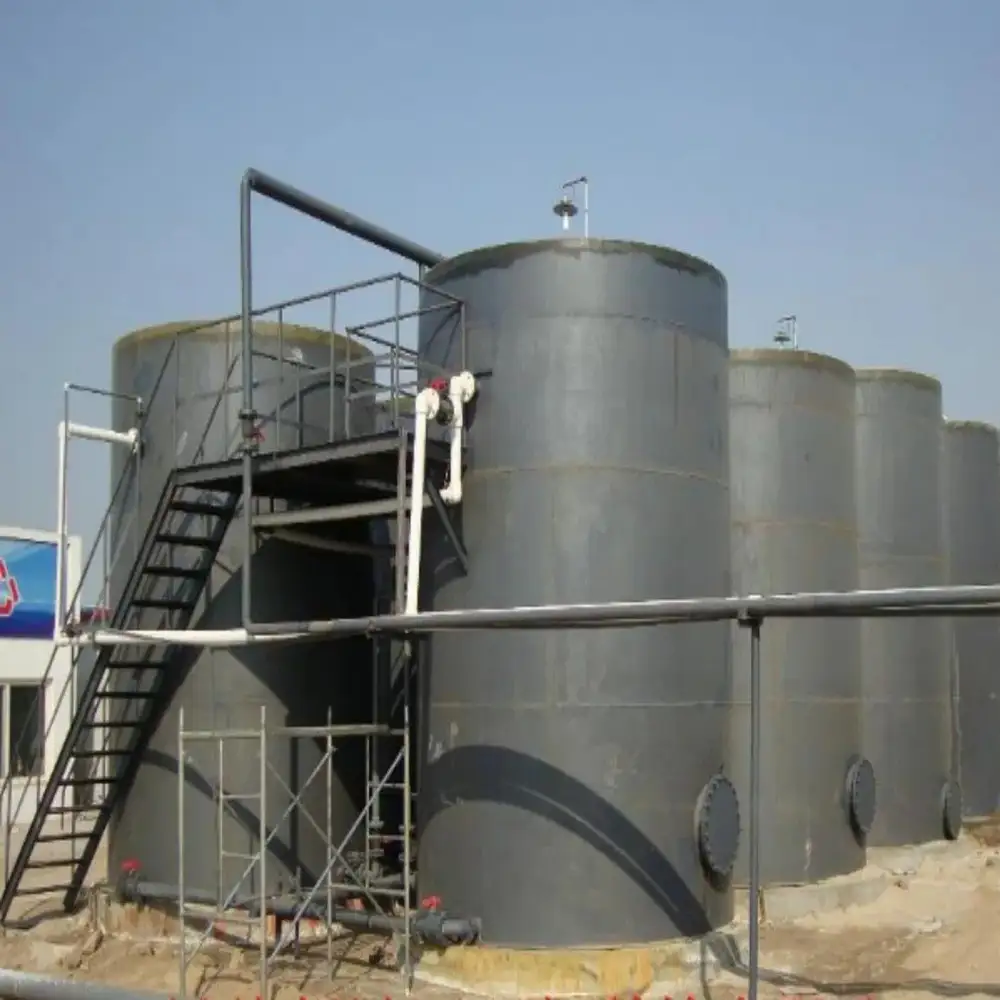
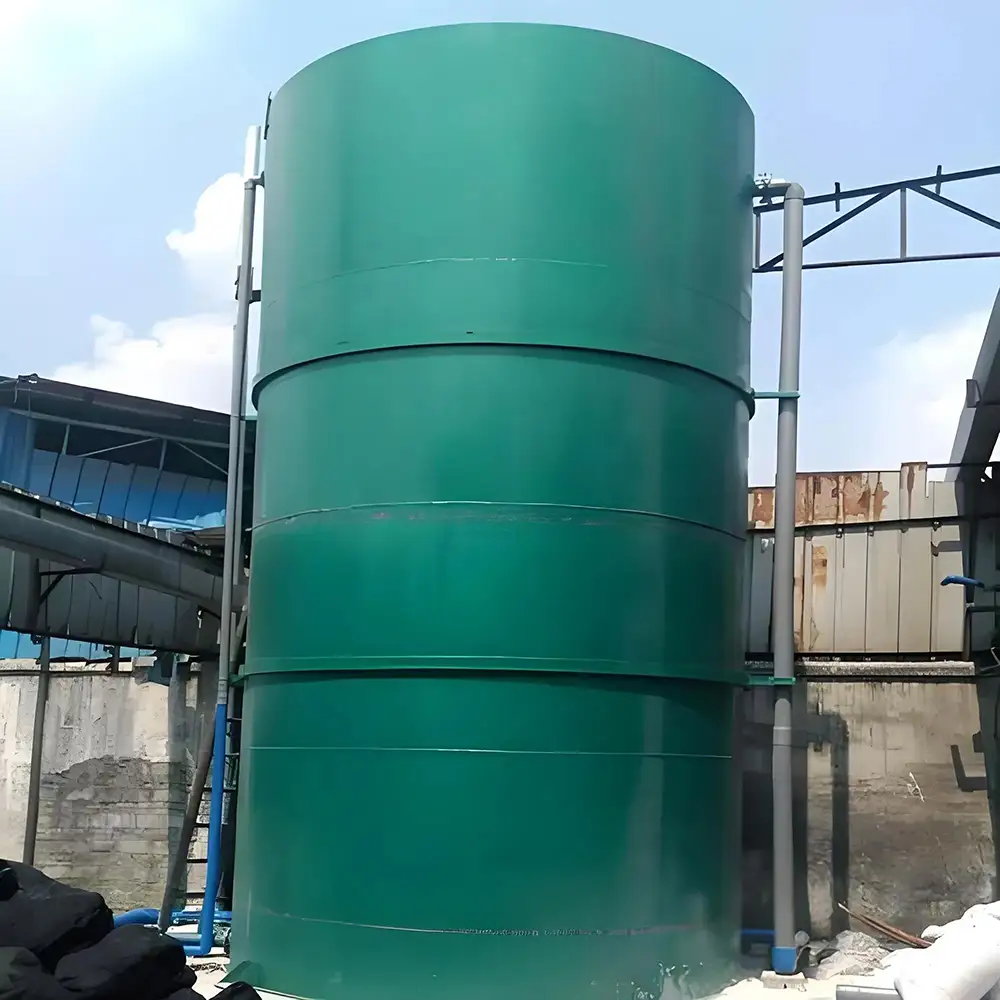
Fenton oxidation tower is a device that uses the Fenton process for wastewater treatment, also known as a Fenton reactor or Fenton reaction tank. The following is a detailed explanation of the Fenton oxidation tower:
1. Definition and Principles
Definition: Fenton oxidation tower oxidizes and decomposes organic matter in wastewater through a specific chemical reaction process, thereby achieving the purpose of purifying water quality.
Principle: This device mainly uses the chain reaction between Fe²+ and H2O2to catalyze the formation of hydroxyl radicals (·OH) with strong oxidation properties. These radicals can oxidize various toxic and difficult-to-degrade organic compounds and convert them into none. Small molecule substances that are harmful, such as carbon dioxide and water.
2. Structure and composition
Fenton - Mediated in - Situ Chemical Oxidation Method for Groundwater Remediation Water Treatment Plant
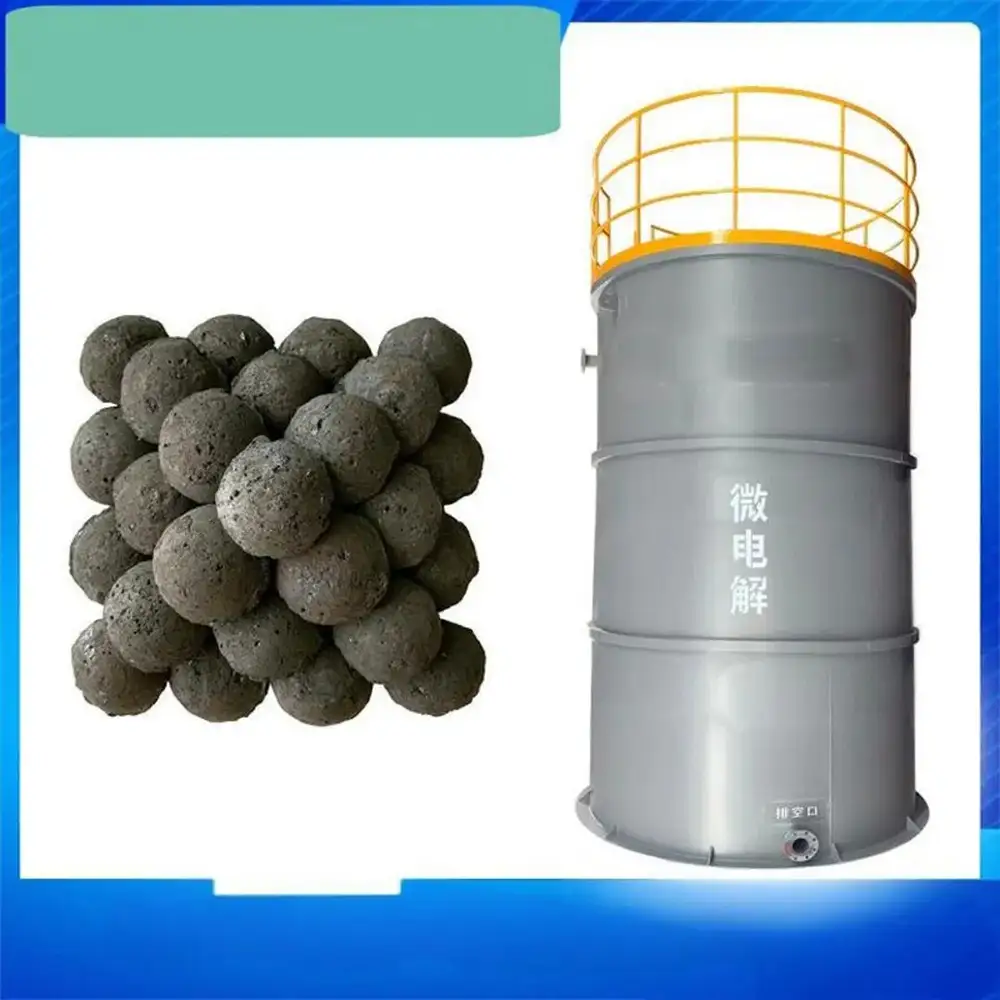
Fenton oxidation tower usually includes an oxidation tower body, screen plate, filler, Fenton oxidation zone, iron carbon reaction zone, water inlet distribution zone, water outlet zone, water outlet tank, circulation device, and necessary pipe accessories.
The filler layer consists of materials with high surface area, such as quartz sand, bluestone, ceramic or plastic blocks, which provide microorganisms with a surface for settlement and growth, helps to form biofilms and further promotes the oxidative decomposition reaction.
Fenton-Mediated In-Situ Chemical Oxidation Method for Groundwater Remediation
The Fenton-Mediated In-Situ Chemical Oxidation System is an advanced groundwater remediation technology designed to treat contaminated soil and groundwater directly at the affected site. The process combines hydrogen peroxide with an iron-based catalyst to generate highly reactive hydroxyl radicals that can chemically oxidize a wide range of organic contaminants.
In-situ chemical oxidation, commonly known as ISCO, delivers an oxidant into contaminated soil or groundwater without requiring complete excavation or removal of the affected media. EPA describes ISCO as a remediation approach that can chemically transform hazardous compounds into less toxic, more stable, less mobile, or inert compounds.
Fenton-mediated oxidation is one of the established chemical oxidation approaches used for groundwater and soil remediation. The technology can be considered for petroleum hydrocarbons, solvents, volatile organic compounds, and other oxidizable organic contaminants.
Fenton Chemical Oxidation Principle
The conventional Fenton reaction is based on the interaction between hydrogen peroxide and ferrous iron.
Fe²⁺ + H₂O₂ → Fe³⁺ + •OH + OH⁻
The reaction generates hydroxyl radicals, which are highly reactive and non-selective oxidizing species. These radicals can attack organic contaminant molecules and initiate oxidation reactions.
EPA technical information explains that Fenton chemistry involves hydrogen peroxide and ferrous iron producing hydroxyl radicals, while also noting that the oxidant can react with many other substances present in groundwater and subsurface materials.
This makes site characterization and reagent delivery extremely important when designing a full-scale groundwater remediation program.
What Is In-Situ Chemical Oxidation?
Unlike conventional pump-and-treat systems that extract contaminated groundwater for aboveground treatment, ISCO introduces chemical oxidants into the contaminated zone.
The objective is to bring the oxidant, catalyst, and contaminants into effective contact within the treatment area.
Typical ISCO implementation may include:
Site Investigation → Contaminant Characterization → Pilot Testing → Injection Well Design → Reagent Injection → Oxidation Reaction → Groundwater Monitoring → Additional Treatment if Required
The specific sequence depends on the contaminant distribution, groundwater flow, aquifer properties, treatment objectives, and regulatory requirements.
EPA identifies ISCO as a technology used for remediation of contaminated soil and groundwater at waste disposal and spill sites.
Treatment of Contaminated Groundwater
Fenton-mediated ISCO can be evaluated for groundwater containing oxidizable organic contaminants such as:
Benzene
Toluene
Ethylbenzene
Xylene
Petroleum Hydrocarbons
PAHs
Chlorinated Solvents
VOCs
Industrial Organic Compounds
Fuel-Related Contaminants
Other Refractory Organic Pollutants
EPA technical guidance describes hydrogen peroxide with ferrous iron as a Fenton system capable of generating hydroxyl radicals that react with organic compounds, including common petroleum-related contaminants.
The suitability of Fenton oxidation should always be confirmed through site-specific treatability testing because groundwater chemistry can significantly affect oxidant demand and contaminant degradation.
Groundwater Remediation System Design
A Fenton-mediated groundwater remediation project is more than simply injecting hydrogen peroxide and iron into an aquifer.
A complete system may include:
Hydrogen Peroxide Storage
Iron Catalyst Preparation
Chemical Dosing Equipment
Injection Pumps
Injection Wells
Flow Meters
Pressure Monitoring
pH Monitoring
ORP Monitoring
Groundwater Monitoring Wells
PLC Control System
Safety Equipment
Sampling Equipment
The injection system must be designed to distribute reagents through the contaminated zone while maintaining appropriate control of reaction intensity and subsurface conditions.
Because hydroxyl radicals react extremely rapidly, effective contact between the contaminant, iron catalyst, and hydrogen peroxide is a fundamental consideration in Fenton oxidation.
Conventional and Modified Fenton Systems
Traditional Fenton chemistry generally performs best under acidic conditions. EPA literature notes that conventional Fenton oxidation can require strongly acidic conditions, which can present practical challenges for direct aquifer treatment.
Modified Fenton systems may use chelated or complexed iron catalysts and stabilized hydrogen peroxide to improve reagent performance under less acidic conditions.
Published field research has investigated modified Fenton approaches using chelated iron and stabilized hydrogen peroxide to facilitate in-situ application under approximately neutral groundwater conditions.
The appropriate chemistry should therefore be selected based on groundwater pH, alkalinity, iron availability, contaminant type, aquifer conditions, and treatment objectives.
Petroleum Hydrocarbon Remediation
Fenton oxidation can be considered for sites affected by petroleum-derived contamination.
Potential applications include:
Gasoline-Contaminated Groundwater
Diesel-Contaminated Groundwater
Fuel Storage Sites
Service Stations
Petroleum Processing Sites
Industrial Spill Areas
Hydrocarbon-Contaminated Soil
Research indexed by EPA's HERO database has evaluated Fenton oxidation for benzene and toluene contaminated groundwater and investigated optimized in-situ chemical oxidation systems for petroleum hydrocarbons.
The actual treatment performance depends on contaminant concentration, soil organic matter, groundwater chemistry, oxidant demand, permeability, and reagent distribution.
Chlorinated Solvent and VOC Remediation
Groundwater contaminated with chlorinated solvents and other VOCs can be challenging because contaminants may migrate through groundwater and become distributed within complex subsurface zones.
Fenton-based ISCO has been investigated for contaminated groundwater containing compounds such as trichloroethylene and related chlorinated solvent contaminants. EPA's HERO database documents field research involving modified Fenton-based ISCO for chlorinated groundwater plumes.
For these applications, injection layout, reagent mobility, contaminant distribution, and monitoring are especially important.
Advantages of In-Situ Treatment
One important advantage of ISCO is that treatment can occur directly within the contaminated zone.
Potential benefits include:
Reduced Need for Excavation
Direct Treatment of Contaminated Zones
Rapid Oxidation Reactions
Treatment of Refractory Organic Contaminants
Reduced Surface Disruption
Flexible Injection Configurations
Compatibility with Other Remediation Technologies
EPA describes ISCO as a technology that can be performed in place, avoiding the need in some cases to excavate soil or pump all groundwater to an aboveground treatment system.
However, ISCO does not eliminate the need for engineering controls, monitoring, safety procedures, or regulatory approval.
Integration With Other Remediation Technologies
Fenton-mediated ISCO can be incorporated into a broader groundwater remediation strategy.
A project may combine ISCO with:
ISCO → Pump And Treat → Activated Carbon → Air Stripping → Bioremediation → Monitored Natural Attenuation
EPA notes that ISCO may be followed by other remediation approaches such as pump-and-treat or monitored natural attenuation when residual contamination remains after oxidation.
The final treatment train should be determined according to site-specific contaminant behavior and remediation goals.
Monitoring and Performance Evaluation
Groundwater monitoring is essential before, during, and after chemical oxidation.
Important parameters may include:
Contaminant Concentration
Hydrogen Peroxide Residual
pH
ORP
Dissolved Oxygen
Iron Concentration
Groundwater Level
Temperature
Conductivity
Oxidant Demand
Treatment Byproducts
Sampling procedures must also account for the presence of oxidizing chemicals. EPA has published specific guidance because oxidants used during ISCO can affect groundwater samples and potentially produce artificially low contaminant measurements if samples are not properly preserved.
Safety and Process Control
Hydrogen peroxide-based Fenton reactions can be strongly exothermic. Injection rates, reagent concentrations, pressure, temperature, and reaction conditions therefore need appropriate engineering controls.
EPA documentation identifies heat generation as an important consideration for Fenton-based in-situ oxidation.
A properly designed system should include suitable chemical storage, dosing controls, injection safeguards, monitoring instruments, emergency procedures, and operator protection.
Why Choose Us
Fenton-mediated advanced oxidation technology
Designed for contaminated groundwater remediation
Suitable for in-situ chemical oxidation applications
Hydrogen peroxide and iron catalyst dosing options
Suitable for petroleum hydrocarbons and selected VOCs
Flexible injection and monitoring configurations
PLC-based chemical dosing and process control options
Compatible with pump-and-treat and other remediation technologies
Site-specific process design based on groundwater conditions
Suitable for pilot-scale testing and full-scale remediation projects
FAQ
1. What is Fenton-mediated in-situ chemical oxidation?
It is a groundwater remediation method that uses hydrogen peroxide and an iron catalyst to generate hydroxyl radicals directly within a contaminated subsurface zone.
2. What does ISCO stand for?
ISCO stands for In-Situ Chemical Oxidation. It refers to delivering chemical oxidants into contaminated soil or groundwater to chemically transform or destroy contaminants in place.
3. How does Fenton oxidation work?
Ferrous iron reacts with hydrogen peroxide and generates hydroxyl radicals. These highly reactive species attack susceptible organic contaminants and promote oxidation.
4. What groundwater contaminants can Fenton treatment address?
Potential targets include petroleum hydrocarbons, benzene, toluene, xylene, PAHs, VOCs, chlorinated solvents, and other oxidizable organic compounds.
5. Does Fenton treatment require hydrogen peroxide?
Conventional Fenton chemistry uses hydrogen peroxide as the oxidant and iron as the catalyst. Modified systems may use different catalyst formulations or stabilized peroxide depending on site requirements.
6. Does conventional Fenton oxidation require acidic conditions?
Conventional Fenton oxidation generally performs best under acidic conditions. Modified Fenton systems have been developed to operate under less acidic or near-neutral conditions in some applications.
7. Can Fenton oxidation treat petroleum-contaminated groundwater?
Yes. Fenton-based ISCO has been studied for petroleum hydrocarbons including benzene and toluene in contaminated groundwater.
8. Can it treat chlorinated solvents?
Fenton-based ISCO has been investigated for chlorinated solvent groundwater plumes, including TCE and related compounds. Actual applicability must be established through site characterization and treatability testing.
9. Can Fenton ISCO be used without excavating soil?
Yes. The defining feature of in-situ treatment is that the oxidant is delivered into the contaminated subsurface rather than requiring complete excavation of the contaminated soil.
10. Why is groundwater monitoring important?
Monitoring verifies contaminant reduction, reagent distribution, groundwater conditions, and potential rebound after treatment. Sampling methods must also account for residual oxidants.
11. Can Fenton ISCO be combined with other remediation technologies?
Yes. Depending on site conditions, ISCO may be combined with pump-and-treat, bioremediation, activated carbon, monitored natural attenuation, or other remediation methods.
12. Is pilot testing recommended?
Yes. Site-specific bench or pilot testing is strongly recommended for complex groundwater remediation projects because aquifer chemistry, contaminant distribution, natural oxidant demand, permeability, and reagent delivery can substantially affect treatment performance.
Prev:
Iron-Carbon Micro-Electrolysis Reaction Tower Chemical Wastewater Treatment Equipment
Next:
Fenton Catalyzed Degradation System Persistent Organic Pollutants Wastewater Treatment Equipment
TAG:
Industrial Water Treatment,
Water Treatment Plant,
Groundwater Treatment Equipment,
Groundwater Treatment System,
Hydrogen Peroxide Oxidation,
Iron Catalyzed Oxidation,
Fenton Hydrogen Peroxide Treatment,
Hydroxyl Radical Oxidation,
Advanced Oxidation Process,
Advanced Oxidation System,
Fenton Treatment System,
Fenton Reactor,
Fenton Oxidation System,
Soil And Groundwater Remediation,
In-Situ Groundwater Treatment,
Groundwater Chemical Oxidation,
Groundwater Cleanup System,
Groundwater Cleanup Equipment,
Hydrogen Peroxide Groundwater Treatment,
Iron Catalyst Groundwater Treatment,
Hydroxyl Radical Groundwater Treatment,
Organic Contaminant Groundwater Treatment,
Organic Pollutant Groundwater Remediation,
Refractory Organic Groundwater Treatment,
VOC Groundwater Treatment,
VOC Groundwater Remediation,
Petroleum Hydrocarbon Groundwater Treatment,
Petroleum Hydrocarbon Remediation,
Hydrocarbon Groundwater Remediation,
Benzene Groundwater Treatment,
Related Category:
Fenton-Mediated In-Situ Chemical Oxidation,Fenton In-Situ Chemical Oxidation,In-Situ Chemical Oxidation Groundwater Reme China, suppliers, manufacturers, factory, customized, wholesale, quotation, made in China