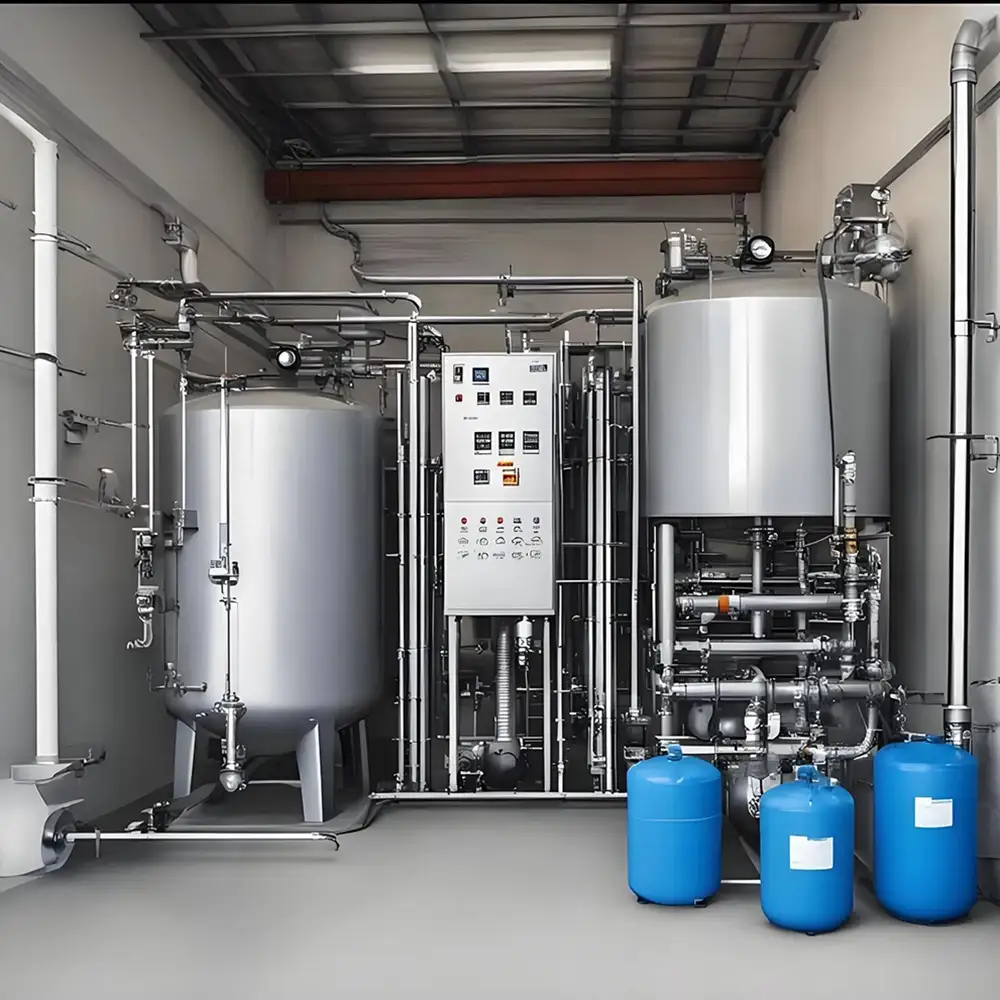
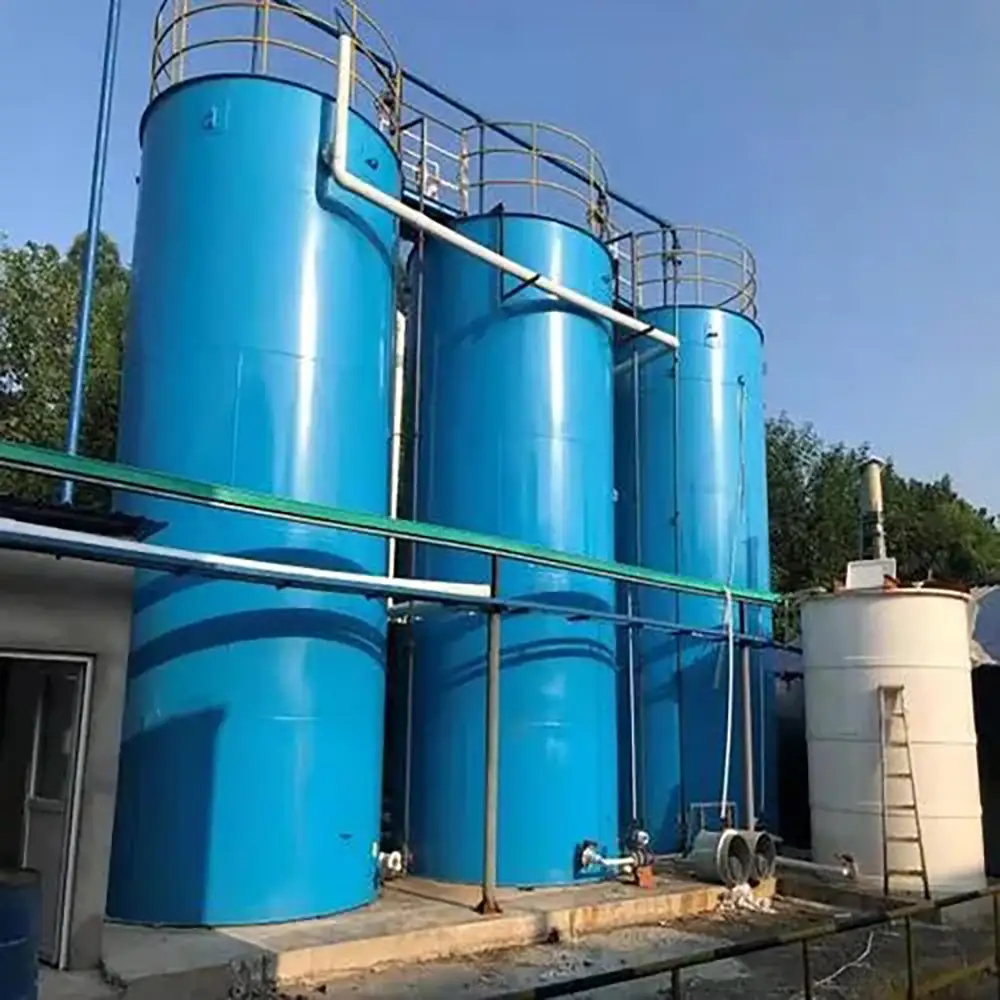
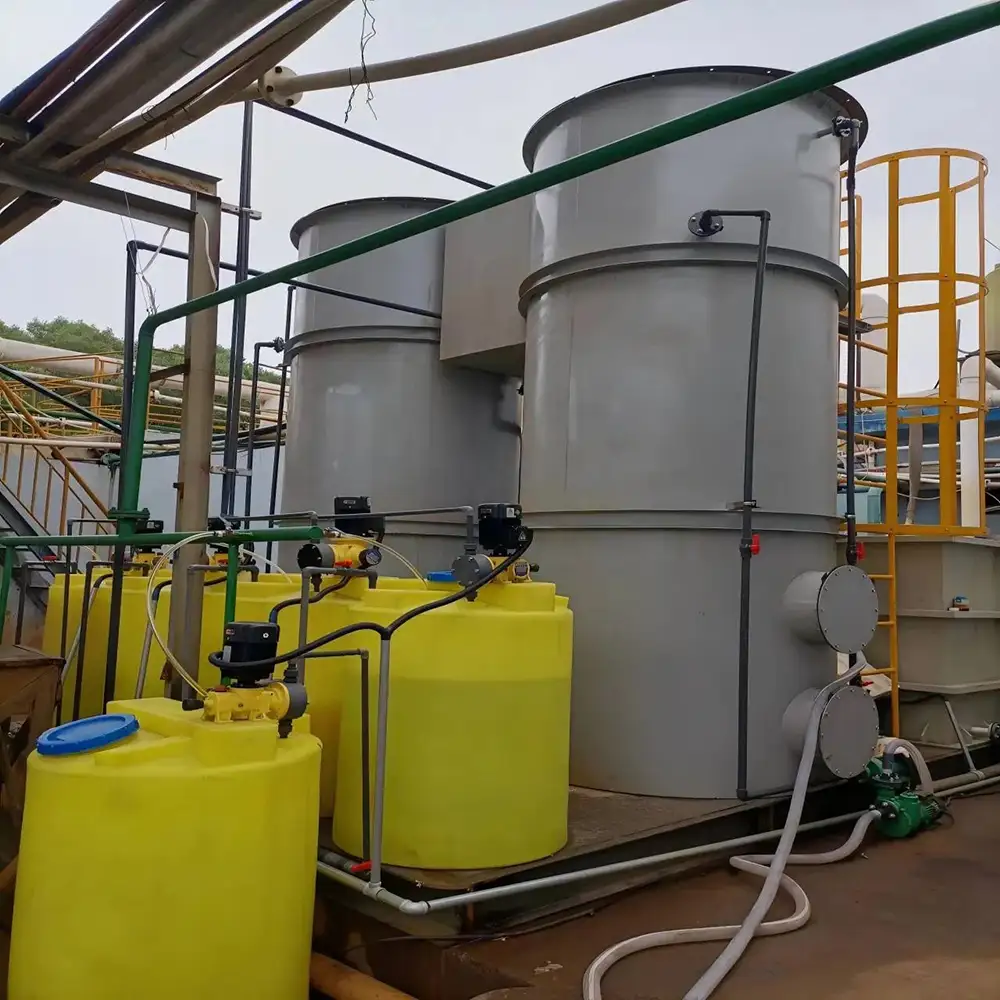
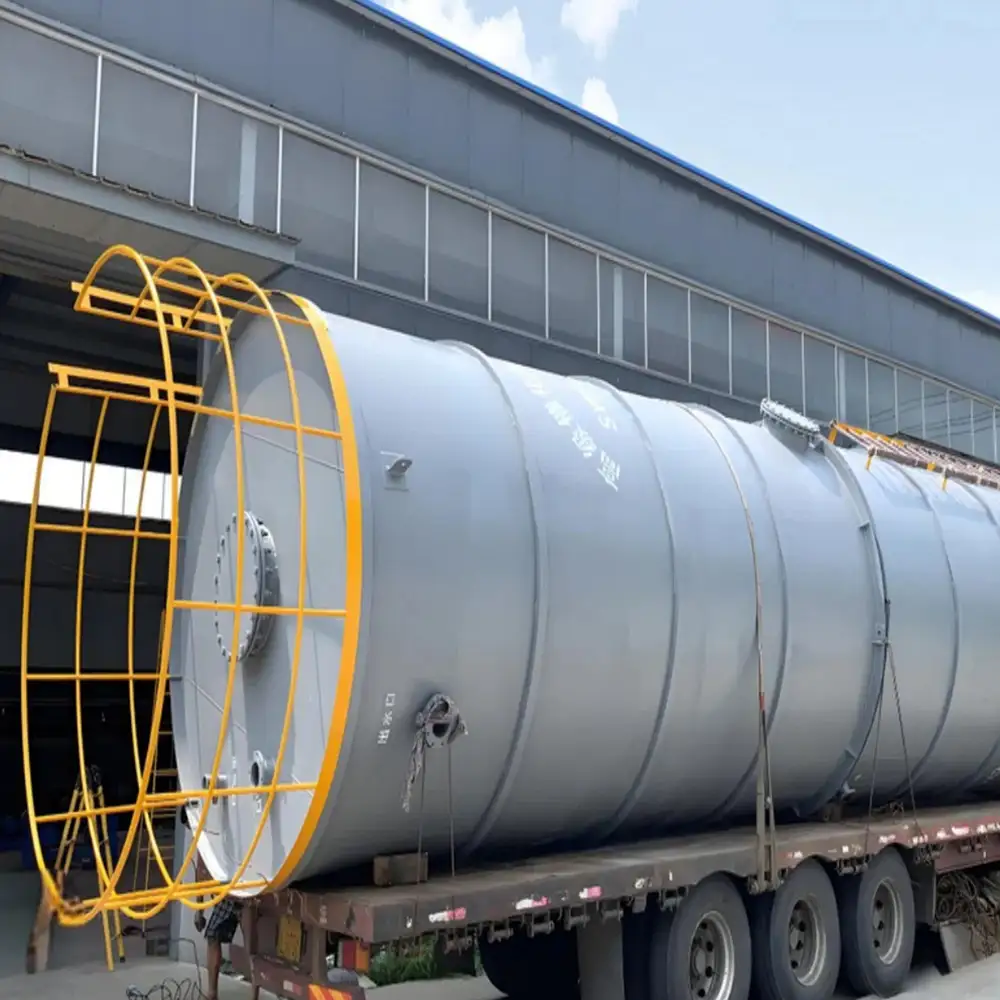
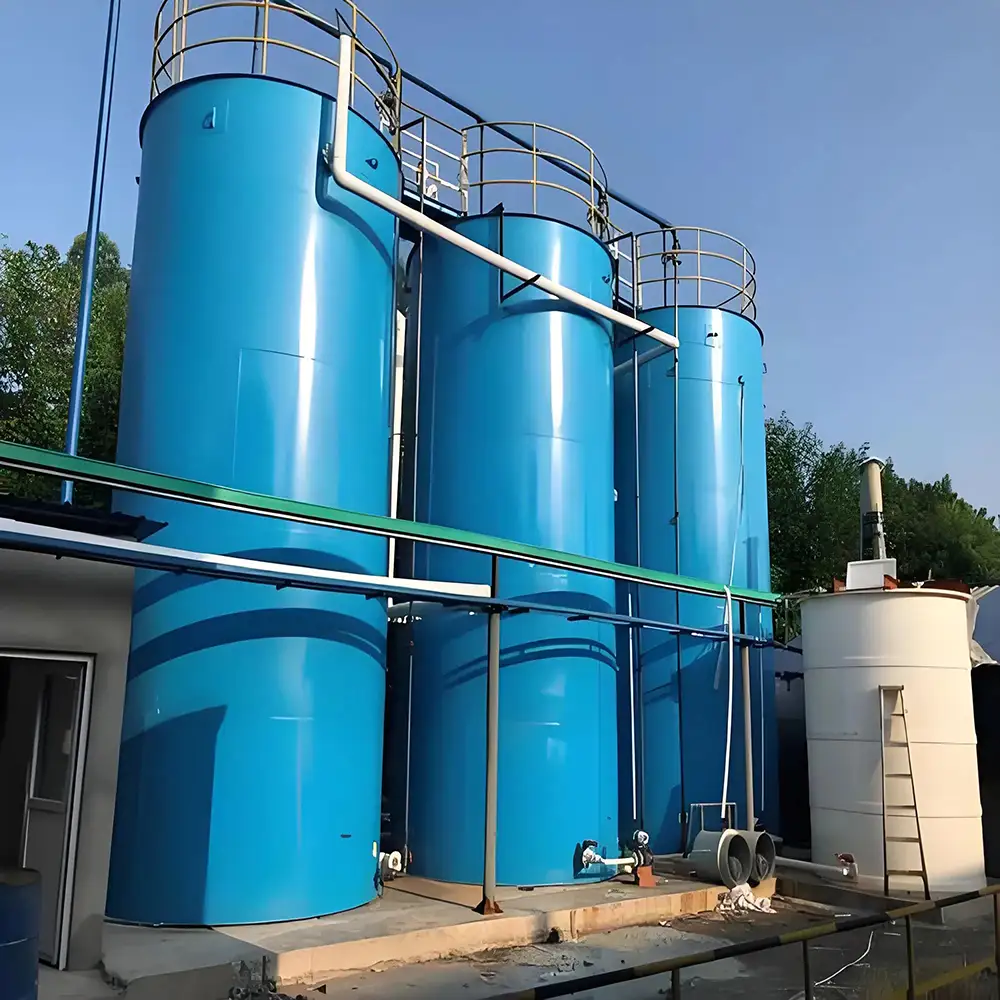
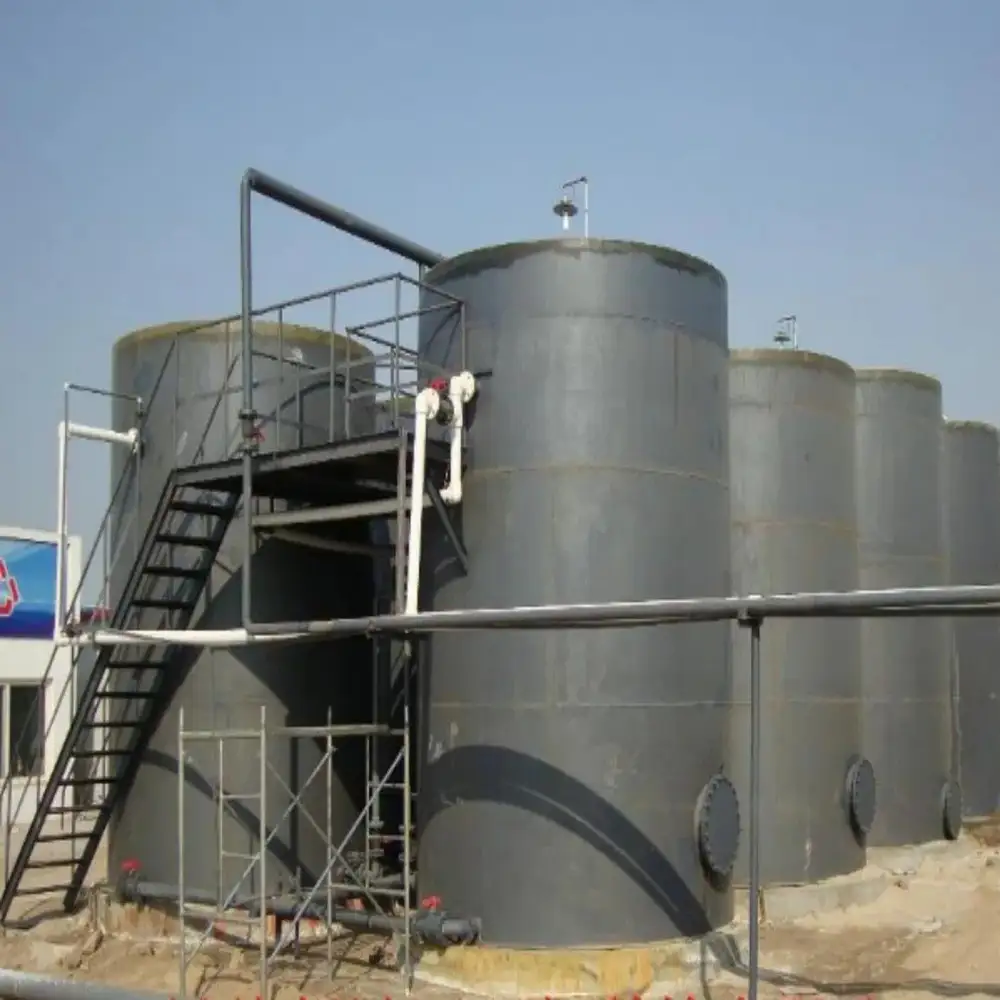
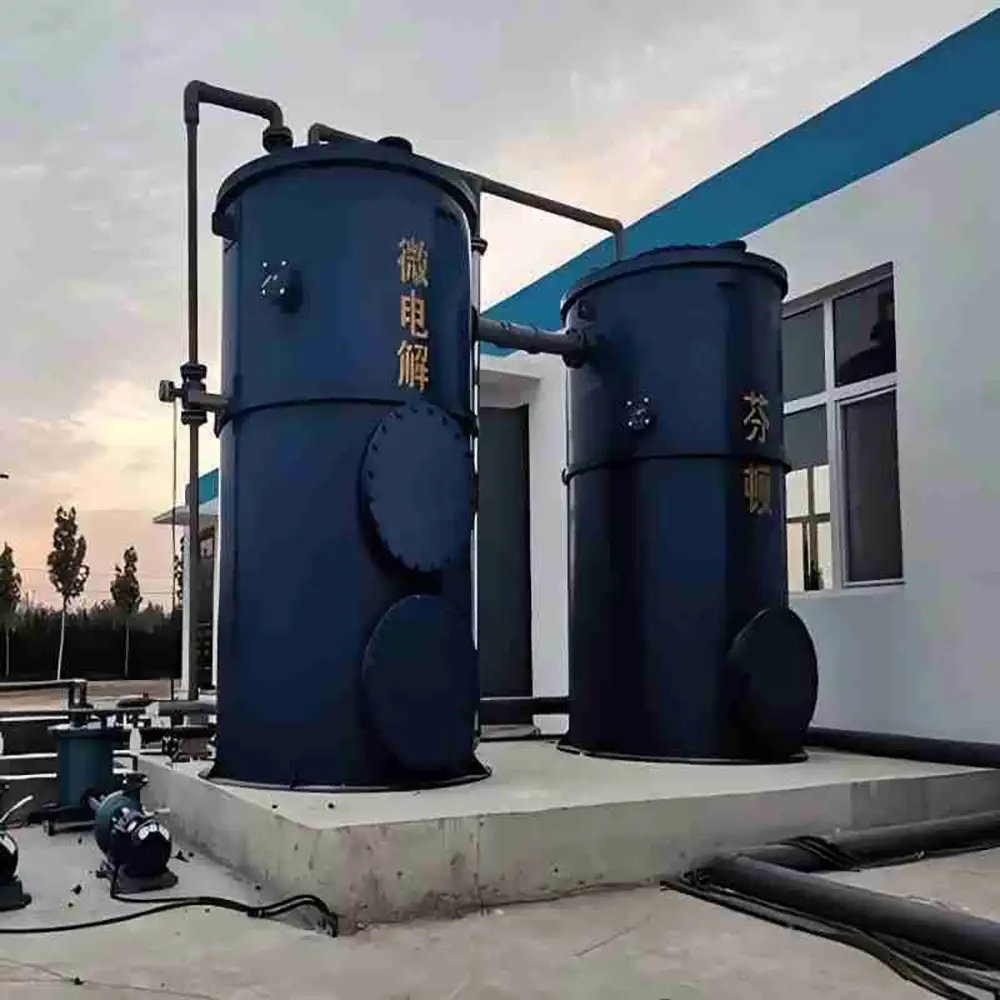
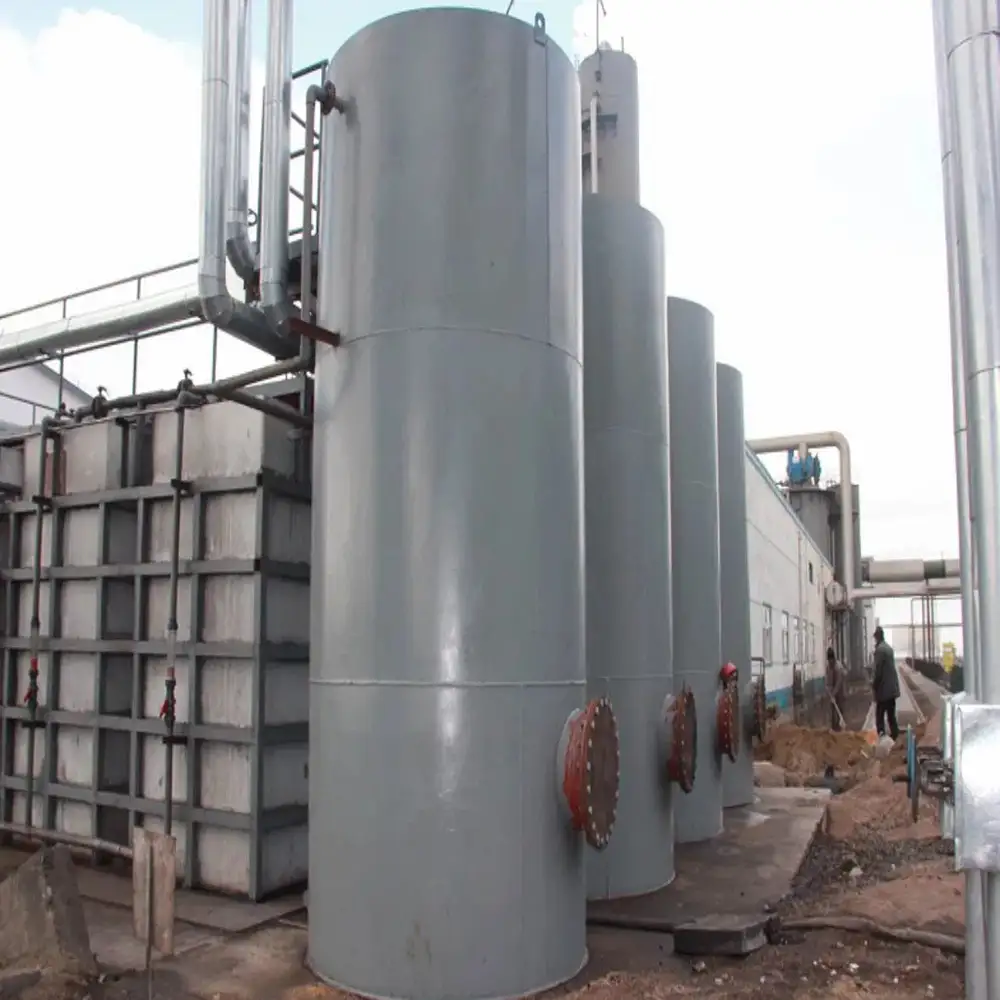
Fenton oxidation tower is a device that uses the Fenton process for wastewater treatment, also known as a Fenton reactor or Fenton reaction tank. The following is a detailed explanation of the Fenton oxidation tower:
1. Definition and Principles
Definition: Fenton oxidation tower oxidizes and decomposes organic matter in wastewater through a specific chemical reaction process, thereby achieving the purpose of purifying water quality.
Principle: This device mainly uses the chain reaction between Fe²+ and H2O2to catalyze the formation of hydroxyl radicals (·OH) with strong oxidation properties. These radicals can oxidize various toxic and difficult-to-degrade organic compounds and convert them into none. Small molecule substances that are harmful, such as carbon dioxide and water.
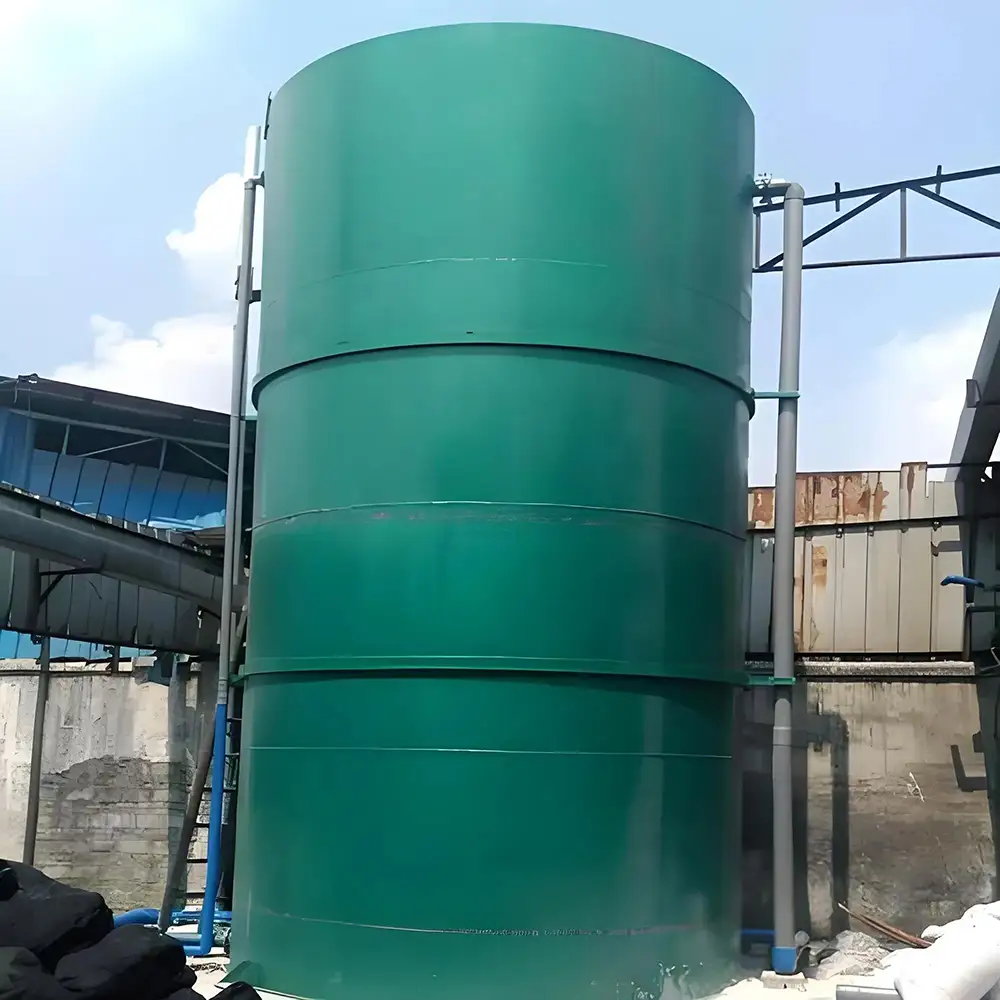
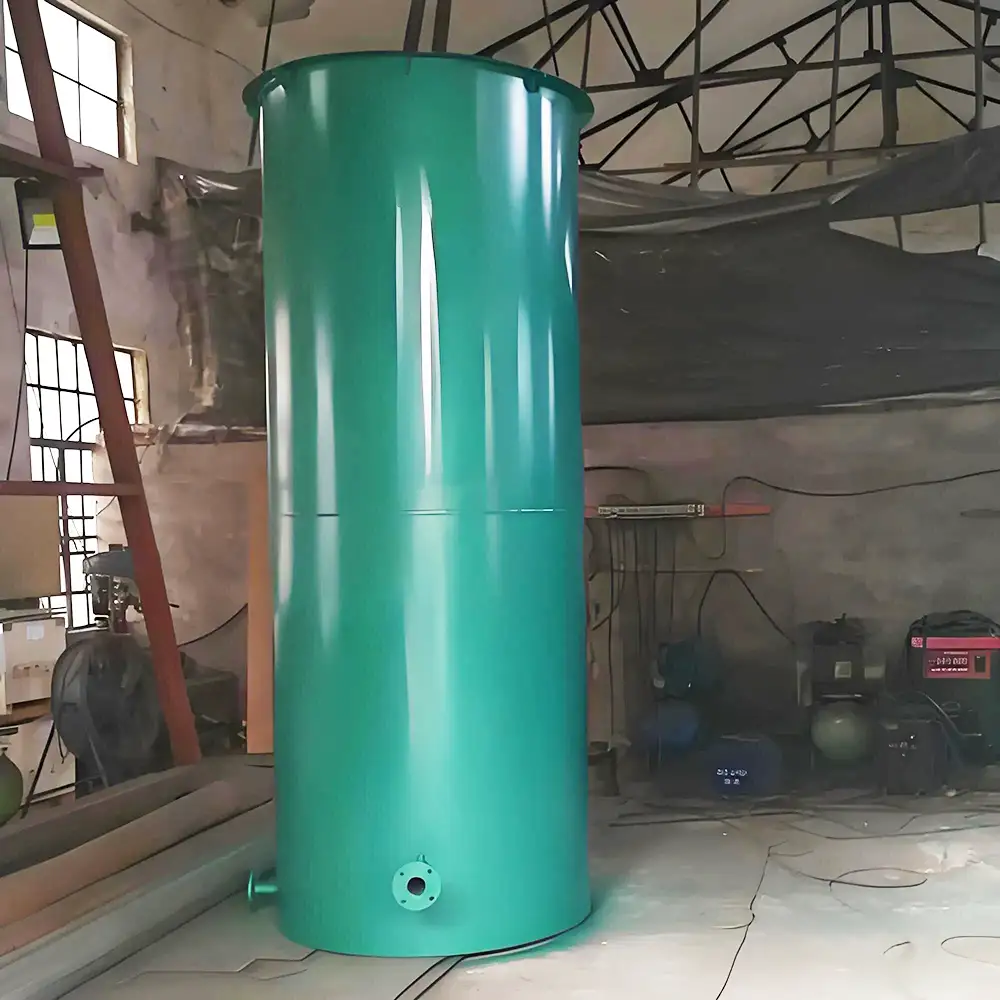
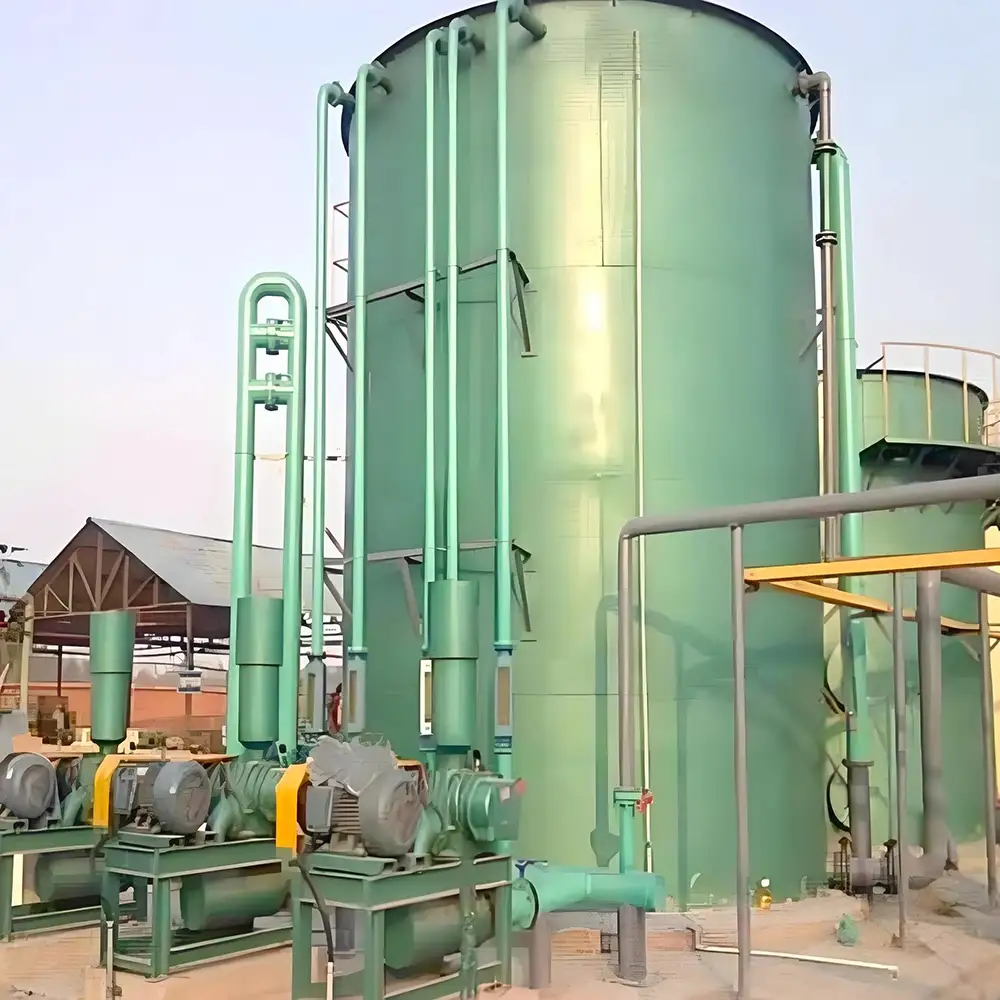
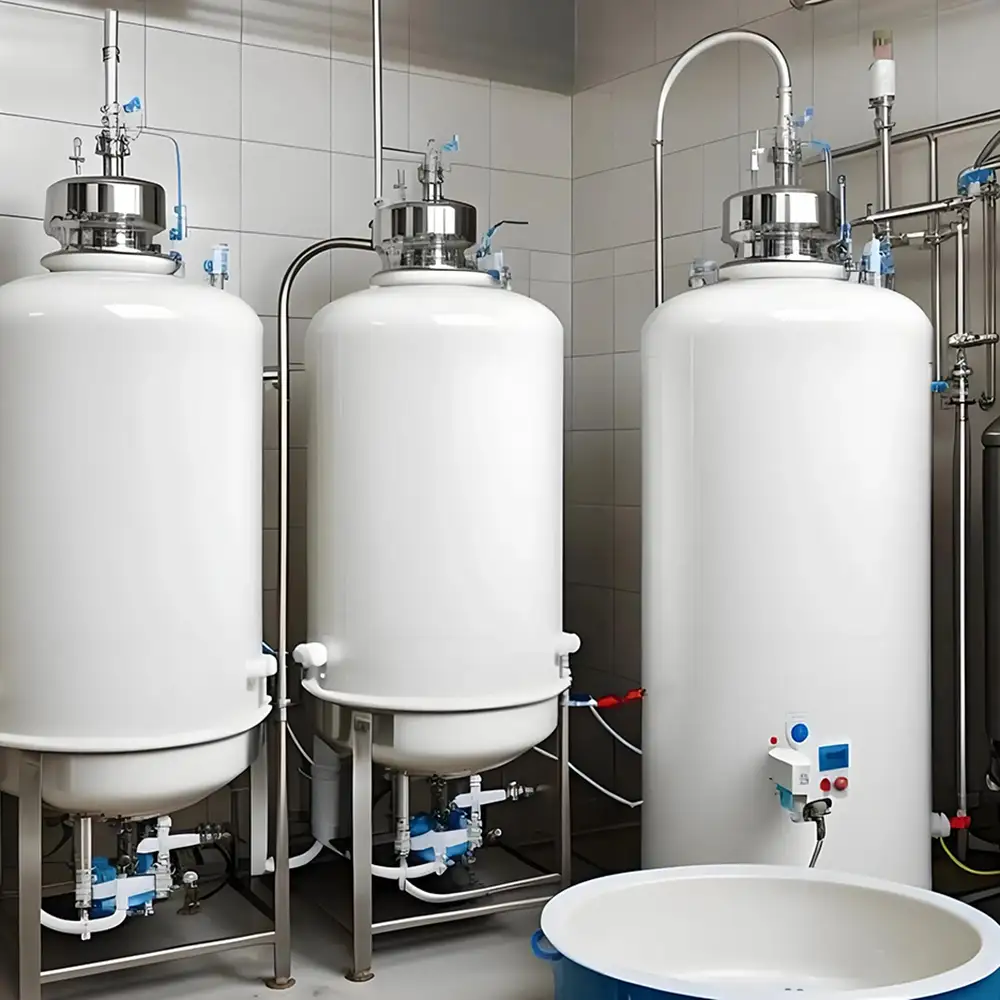
Factory Manufacturer Fenton Reactor Advanced Oxidation System for Wwtp Plant
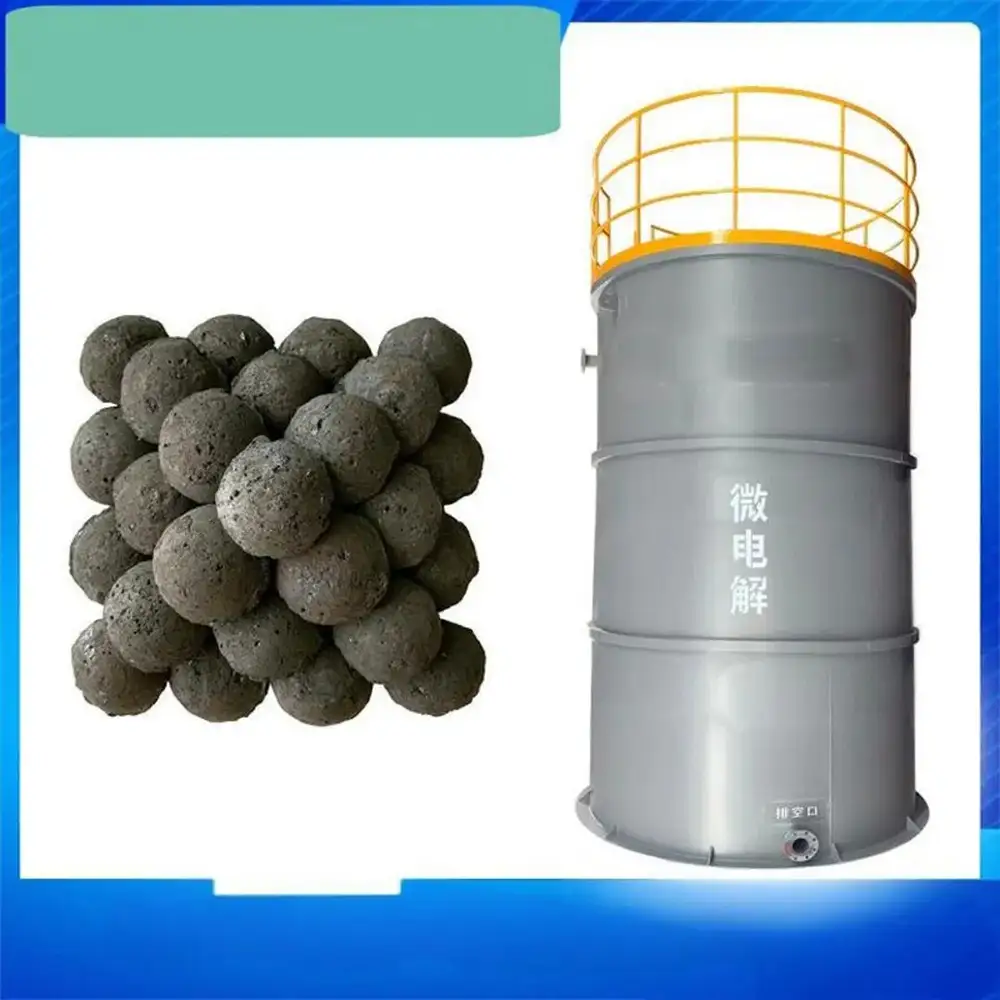
Fenton oxidation tower usually includes an oxidation tower body, screen plate, filler, Fenton oxidation zone, iron carbon reaction zone, water inlet distribution zone, water outlet zone, water outlet tank, circulation device, and necessary pipe accessories.
The filler layer consists of materials with high surface area, such as quartz sand, bluestone, ceramic or plastic blocks, which provide microorganisms with a surface for settlement and growth, helps to form biofilms and further promotes the oxidative decomposition reaction.
Fenton Reactor Advanced Oxidation System for WWTP Wastewater Treatment
The Fenton Reactor Advanced Oxidation System is designed for wastewater treatment plants that require advanced oxidation of refractory organic pollutants, difficult-to-biodegrade compounds, high-COD wastewater, and other contaminants that may not be adequately treated by conventional biological processes alone. The system combines controlled Fenton chemistry with reactor-based mixing and chemical dosing to promote oxidation and subsequent separation of treated pollutants.
Fenton treatment is a well-established advanced oxidation process based on the reaction between ferrous iron and hydrogen peroxide. This reaction can generate highly reactive oxidizing species that attack a wide range of organic contaminants. Fenton-based processes have been studied extensively for industrial wastewater treatment, including chemical, textile, pharmaceutical, dyeing, and other refractory wastewater applications.
How the Fenton Reactor Works
A conventional Fenton system typically uses ferrous iron and hydrogen peroxide as the principal reagents. When Fe²⁺ reacts with H₂O₂ under suitable conditions, highly reactive species are generated and participate in the oxidation of organic pollutants.
The simplified reaction is:
Fe²⁺ + H₂O₂ → Fe³⁺ + •OH + OH⁻
Hydroxyl radicals are highly reactive and can attack many types of organic molecules. Depending on the contaminant and process conditions, oxidation can break complex organic structures into smaller intermediates and, with sufficient oxidation, further convert organic compounds toward carbon dioxide and water. The actual reaction network is more complex than the simplified equation and can involve multiple iron oxidation states and reactive intermediates.
The Fenton Reactor provides controlled conditions for reagent mixing, oxidation, hydraulic retention, and downstream separation.
Advanced Oxidation for Refractory Wastewater
One of the major applications of a Fenton reactor is the treatment of refractory organic wastewater.
Some industrial wastewater contains organic compounds that are resistant to conventional biological degradation. These contaminants can contribute to high COD, color, toxicity, odor, and poor biodegradability.
Fenton oxidation can chemically transform these compounds before biological treatment or provide additional polishing after biological treatment. The appropriate position of the Fenton reactor depends on the wastewater characteristics and the overall treatment objective.
For pretreatment applications, the goal may be to break down difficult organic structures and improve biodegradability. For advanced treatment, the objective may be further removal of residual organic pollutants after biological treatment.
COD Reduction and Organic Pollutant Degradation
COD is an important design parameter for industrial wastewater treatment. Fenton oxidation can contribute to COD reduction by oxidizing susceptible organic compounds and transforming larger or refractory molecules.
However, Fenton treatment should not be considered a universal solution for every COD fraction. Easily biodegradable organic matter may be better handled by biological treatment, while Fenton oxidation can be more valuable for refractory or toxic fractions.
The overall COD removal depends on wastewater composition, initial COD concentration, hydrogen peroxide dosage, iron dosage, pH, reaction time, mixing, temperature, and other process conditions.
Pilot testing is therefore recommended when the wastewater contains a complex mixture of industrial contaminants.
Improving Wastewater Biodegradability
The Fenton Reactor can also be used as a biological treatment pretreatment system.
When wastewater contains compounds that microorganisms cannot readily degrade, direct biological treatment may have limited effectiveness. Advanced oxidation can transform some complex molecules into smaller and potentially more biodegradable intermediates.
The resulting wastewater can then enter an activated sludge system, MBBR, biological aerated filter, or another biological treatment process.
This integrated approach can be especially useful for chemical, pharmaceutical, textile, dyeing, printing, and other industrial wastewater streams containing refractory organic compounds. Reviews of Fenton processes have specifically identified coupling Fenton oxidation with biological treatment as an important process configuration.
Color and Chromaticity Removal
Fenton oxidation is also suitable for wastewater containing color-causing organic compounds.
Dyeing and textile wastewater can contain complex chromophoric molecules that are difficult to remove through conventional biological treatment alone. The reactive oxidizing species generated during Fenton treatment can attack these molecular structures and contribute to decolorization.
The actual color removal performance depends on the type and concentration of dyes, wastewater chemistry, reagent dosage, pH, and reaction time. Fenton-based advanced oxidation has been widely investigated for textile and dye-containing wastewater.
Fenton Reactor Design
A complete Fenton treatment system may include several functional sections:
Wastewater Equalization Tank
pH Adjustment System
Ferrous Iron Dosing System
Hydrogen Peroxide Dosing System
Fenton Reaction Tank
Rapid Mixing Section
Oxidation Reaction Zone
Neutralization Tank
Flocculation Tank
Sedimentation or Clarification System
Sludge Collection System
The reactor itself can be configured according to wastewater flow rate, pollutant concentration, required reaction time, and installation conditions.
Efficient mixing is important because the treatment chemicals need to contact the wastewater effectively. The system should also provide controlled chemical dosing and sufficient reaction time for the selected process conditions.
pH Control and Chemical Dosing
pH is one of the most important operating parameters in conventional Fenton treatment. The Fenton reaction is strongly pH-dependent, and conventional systems commonly operate under acidic conditions.
The optimum pH is not necessarily identical for every wastewater because pollutant chemistry, iron speciation, hydrogen peroxide decomposition, and downstream treatment requirements can vary.
Hydrogen peroxide and iron dosage should also be optimized. Excessive H₂O₂ can increase chemical consumption and may cause undesirable scavenging reactions, while insufficient dosage may limit oxidation performance.
A controlled dosing system allows operators to adjust chemical addition according to influent flow and wastewater characteristics.
Fenton Oxidation and Coagulation
Fenton treatment can provide more than oxidation alone. After the oxidation stage, ferric iron generated during the process can participate in coagulation and precipitation mechanisms.
As a result, Fenton-based treatment can combine oxidation with physicochemical separation. Some organic compounds, suspended materials, and oxidation products may become incorporated into flocs and removed during subsequent clarification.
Research reviews describe the interaction between oxidation, coagulation, and adsorption in integrated Fenton-based wastewater treatment.
For this reason, a Fenton treatment line often includes neutralization and solid-liquid separation after the oxidation reactor.
Industrial Wastewater Applications
The Fenton Reactor Advanced Oxidation System can be considered for:
Chemical Manufacturing Wastewater
Pharmaceutical Wastewater
Textile Wastewater
Dyeing Wastewater
Printing Wastewater
Petrochemical Wastewater
Coking Wastewater
Pesticide Wastewater
Landfill Leachate
Phenolic Wastewater
High-COD Industrial Wastewater
Refractory Organic Wastewater
The actual suitability of Fenton oxidation should be verified through wastewater characterization and laboratory or pilot testing.
Integration With Other Treatment Processes
The Fenton Reactor can be integrated into a larger WWTP process.
A typical industrial configuration may be:
Screening → Equalization → pH Adjustment → Fenton Oxidation → Neutralization → Sedimentation → Biological Treatment → Advanced Treatment
Another configuration may place Fenton oxidation after biological treatment:
Pretreatment → Biological Treatment → Fenton Advanced Oxidation → Filtration → Discharge or Reuse
The best configuration depends on whether the objective is biodegradability improvement, refractory COD reduction, color removal, toxicity reduction, or final effluent polishing.
Sludge and Maintenance Considerations
Traditional homogeneous Fenton systems can generate iron-containing sludge that requires appropriate collection, handling, and disposal. Sludge generation is one of the recognized challenges associated with conventional Fenton treatment.
Proper chemical dosing and process optimization can help avoid unnecessary reagent consumption and excessive sludge production.
Routine maintenance should include inspection of dosing pumps, reagent storage systems, mixers, valves, pipelines, pH instruments, oxidation tanks, and sludge removal equipment.
Why Choose Us
We provide industrial wastewater treatment equipment designed around actual wastewater characteristics, flow conditions, treatment targets, and downstream processes.
Our Fenton Reactor Advanced Oxidation System offers:
Designed for refractory industrial wastewater
Advanced oxidation for difficult organic pollutants
Supports COD reduction and organic pollutant degradation
Suitable for wastewater biodegradability improvement
Can support color and chromaticity reduction
Controlled Fe²⁺ and H₂O₂ dosing
Flexible reactor configurations
Integrated pH adjustment and neutralization
Compatible with biological treatment systems
Suitable for pretreatment or advanced polishing
Integrated sludge separation options
Laboratory and pilot testing support
Flexible WWTP process integration
The system can be engineered as an individual Fenton reactor or integrated into a complete industrial wastewater treatment plant according to project requirements.
Frequently Asked Questions
1. What is a Fenton Reactor?
A Fenton Reactor is a wastewater treatment reactor where iron and hydrogen peroxide are controlled to promote Fenton oxidation of organic pollutants.
2. What chemicals are used in Fenton treatment?
Conventional Fenton treatment primarily uses an iron source, commonly Fe²⁺, together with hydrogen peroxide. Additional chemicals may be required for pH adjustment and post-treatment.
3. What pollutants can Fenton oxidation treat?
It can be applied to various refractory organic pollutants, including certain dyes, phenolic compounds, pharmaceuticals, pesticides, and other industrial organic contaminants.
4. Can a Fenton reactor reduce COD?
Yes. Fenton oxidation can reduce COD by oxidizing or transforming susceptible organic compounds, although actual performance depends on wastewater characteristics and process conditions.
5. Can Fenton treatment improve biodegradability?
Yes. Under suitable conditions, oxidation can transform refractory compounds into smaller or more biodegradable intermediates, making Fenton treatment useful as biological pretreatment.
6. Can it remove wastewater color?
Yes. Fenton oxidation is widely studied for color and dye removal, particularly in textile and dyeing wastewater.
7. What pH is required for Fenton treatment?
Conventional Fenton systems generally operate under acidic conditions, but the optimum pH must be established for the specific wastewater and process configuration.
8. Does Fenton treatment produce sludge?
Conventional Fenton treatment can generate iron-containing sludge, particularly when iron salts are used. Sludge handling should therefore be included in system design.
9. Can Fenton oxidation replace biological treatment?
Not necessarily. Fenton is often used as pretreatment or advanced polishing, while biological treatment may provide more economical removal of biodegradable organic matter.
10. Can the Fenton reactor be combined with MBBR?
Yes. Fenton oxidation can be installed before an MBBR or other biological process when improving biodegradability is part of the treatment objective.
11. How is hydrogen peroxide dosage determined?
Dosage depends on wastewater COD, pollutant composition, iron concentration, pH, reaction time, and the required treatment target. Laboratory or pilot testing is recommended.
12. How should a Fenton WWTP system be sized?
Sizing should consider wastewater flow, COD, pollutant composition, pH, reagent demand, hydraulic retention time, sludge production, treatment targets, and downstream processes.
Prev:
Sewage Treatment Catalytic Oxidation Reactor Fenton
Next:
Iron-Carbon Micro-Electrolysis Reactor Improves Biodegradability
TAG:
Industrial Wastewater Treatment Equipment,
Industrial Organic Wastewater Treatment,
Industrial Wastewater Treatment System,
Industrial Wastewater Treatment,
Organic Wastewater Treatment,
High COD Wastewater Treatment,
Industrial Wastewater Treatment Plant,
Chemical Wastewater Treatment,
Chemical Wastewater Treatment Equipment,
Wastewater Pretreatment Equipment,
Pharmaceutical Wastewater Treatment,
Industrial Chemical Wastewater Treatment,
Dyeing Wastewater Treatment,
Advanced Wastewater Treatment,
COD Removal Wastewater Treatment,
Industrial Wastewater Pretreatment,
Wastewater Pretreatment System,
Petrochemical Wastewater Treatment,
Textile Wastewater Treatment,
Printing Wastewater Treatment,
Landfill Leachate Treatment,
Pesticide Wastewater Treatment,
Coking Wastewater Treatment,
Color Removal Wastewater Treatment,
Biological Treatment Pretreatment,
Biodegradability Improvement Wastewater Treatment,
Wastewater Decolorization,
Hydrogen Peroxide Oxidation,
Hydrogen Peroxide Wastewater Treatment,
Iron Catalyzed Oxidation,
Related Category:
Fenton Reactor,Advanced Oxidation System,Fenton Advanced Oxidation Process,Fenton Wastewater Treatment China, suppliers, manufacturers, factory, customized, wholesale, quotation, made in China