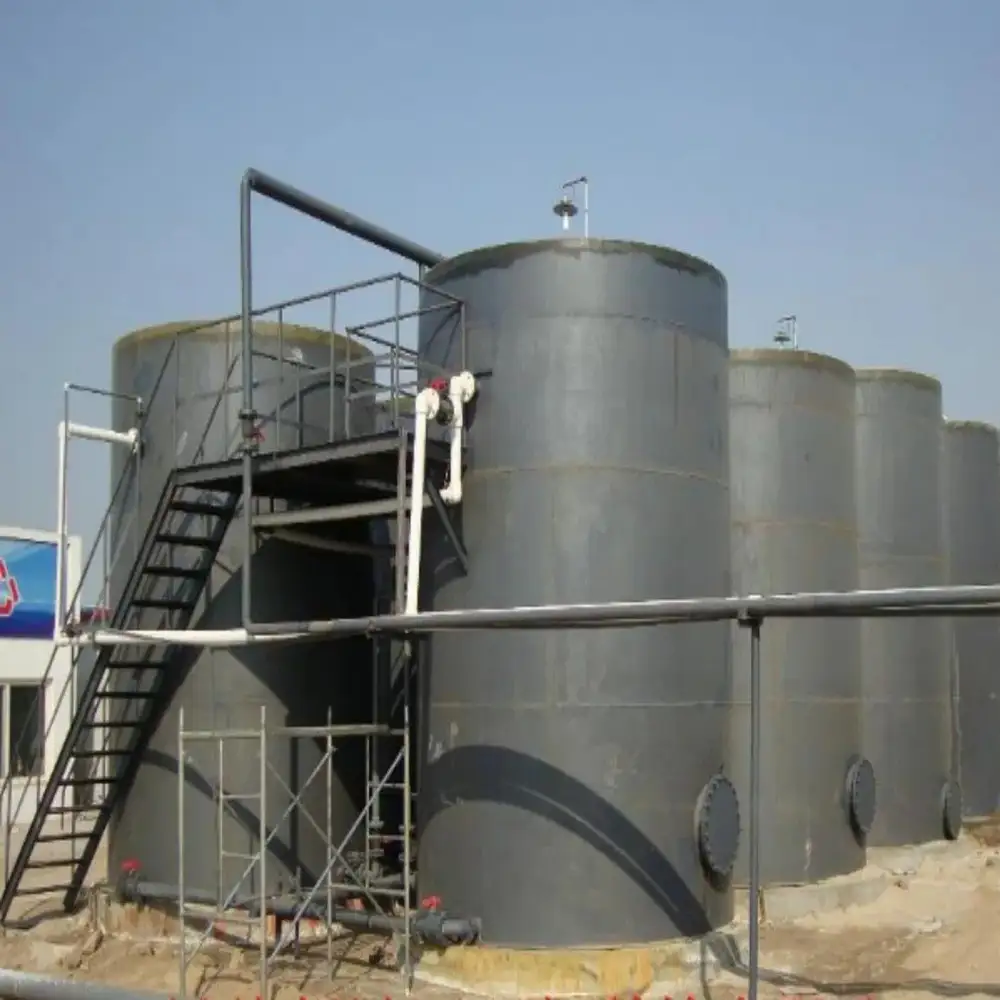
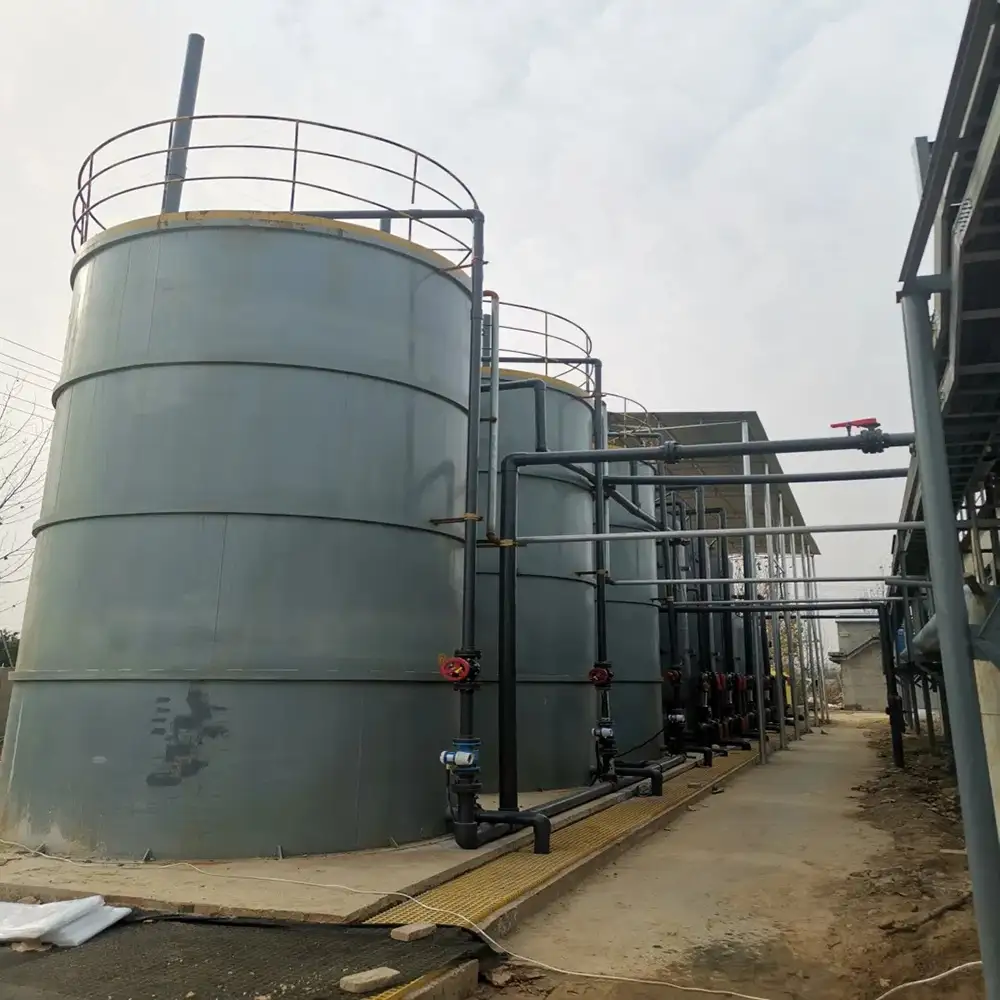
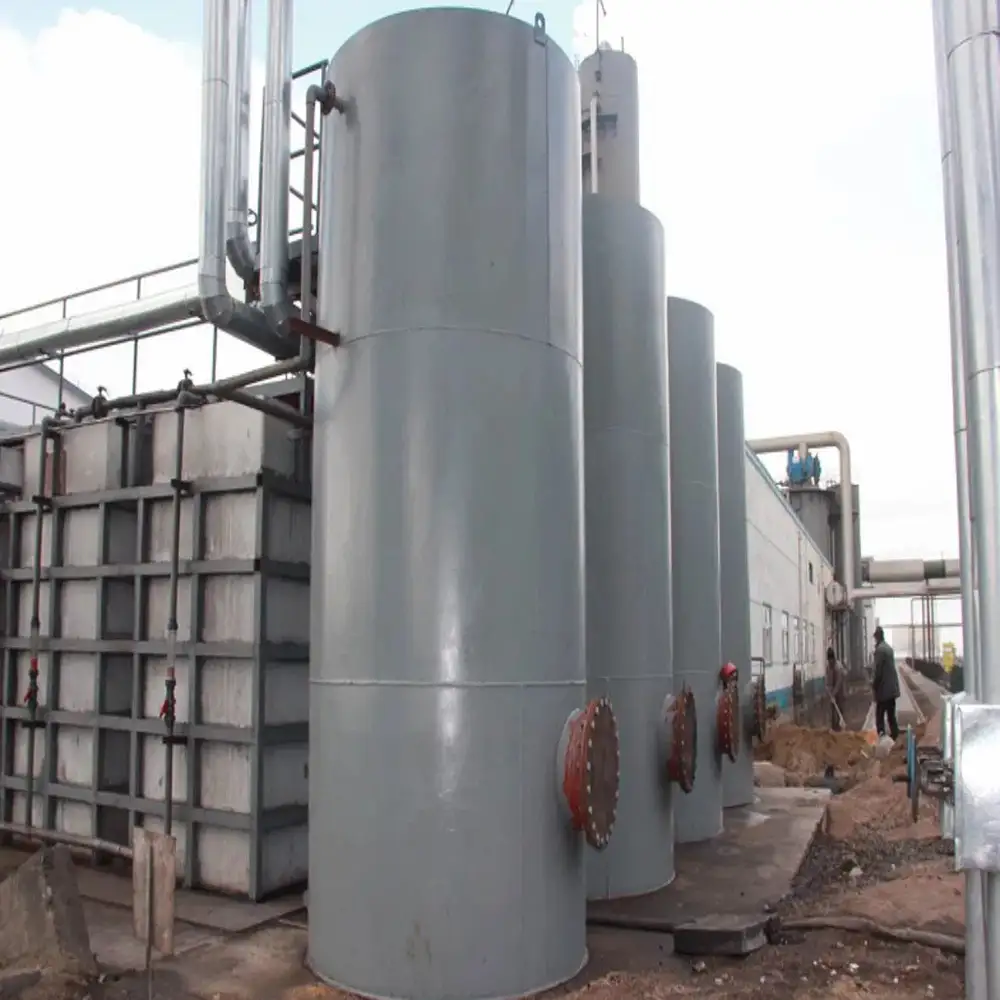
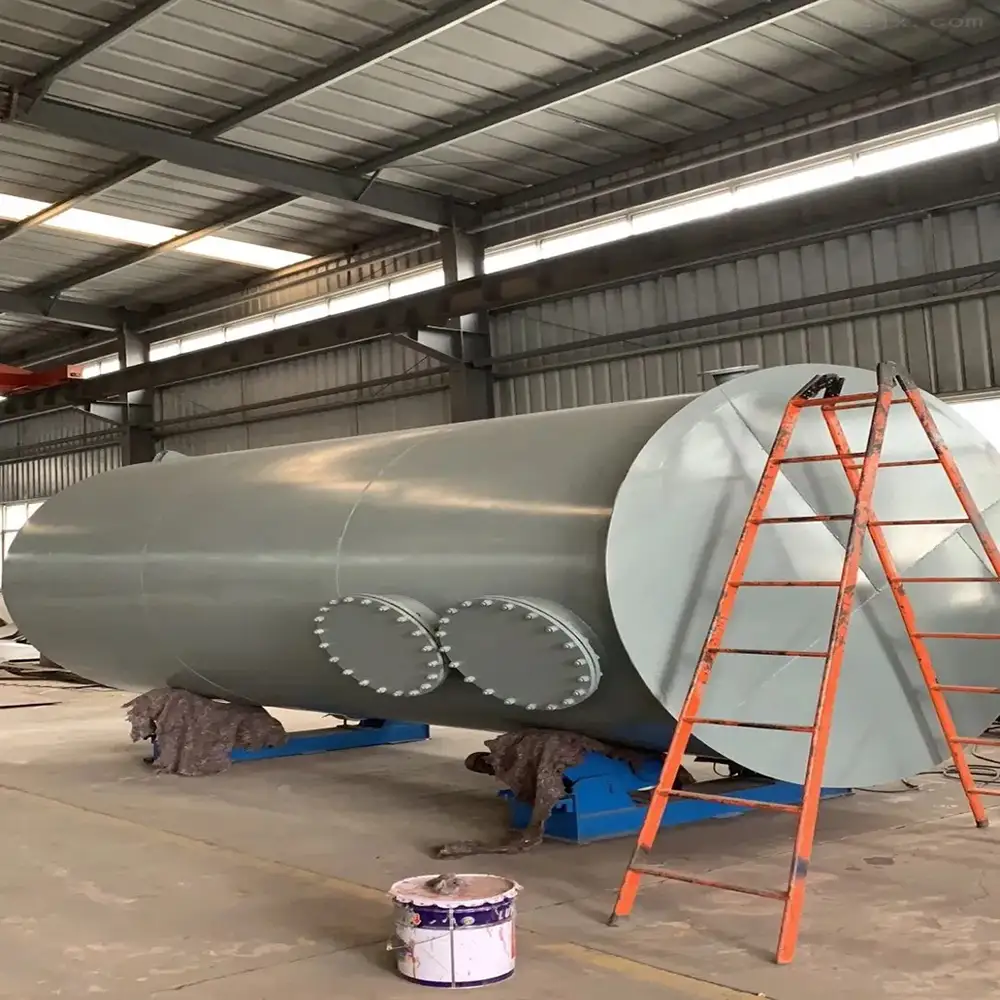
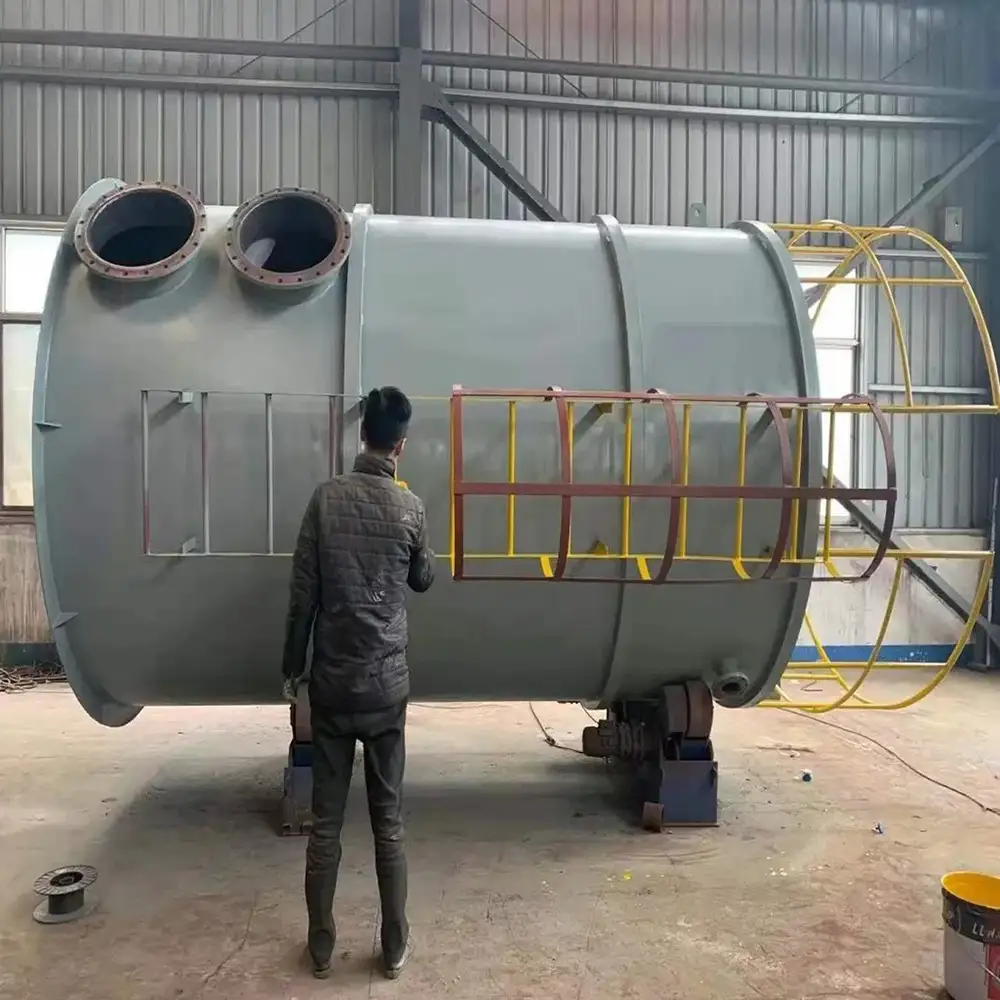
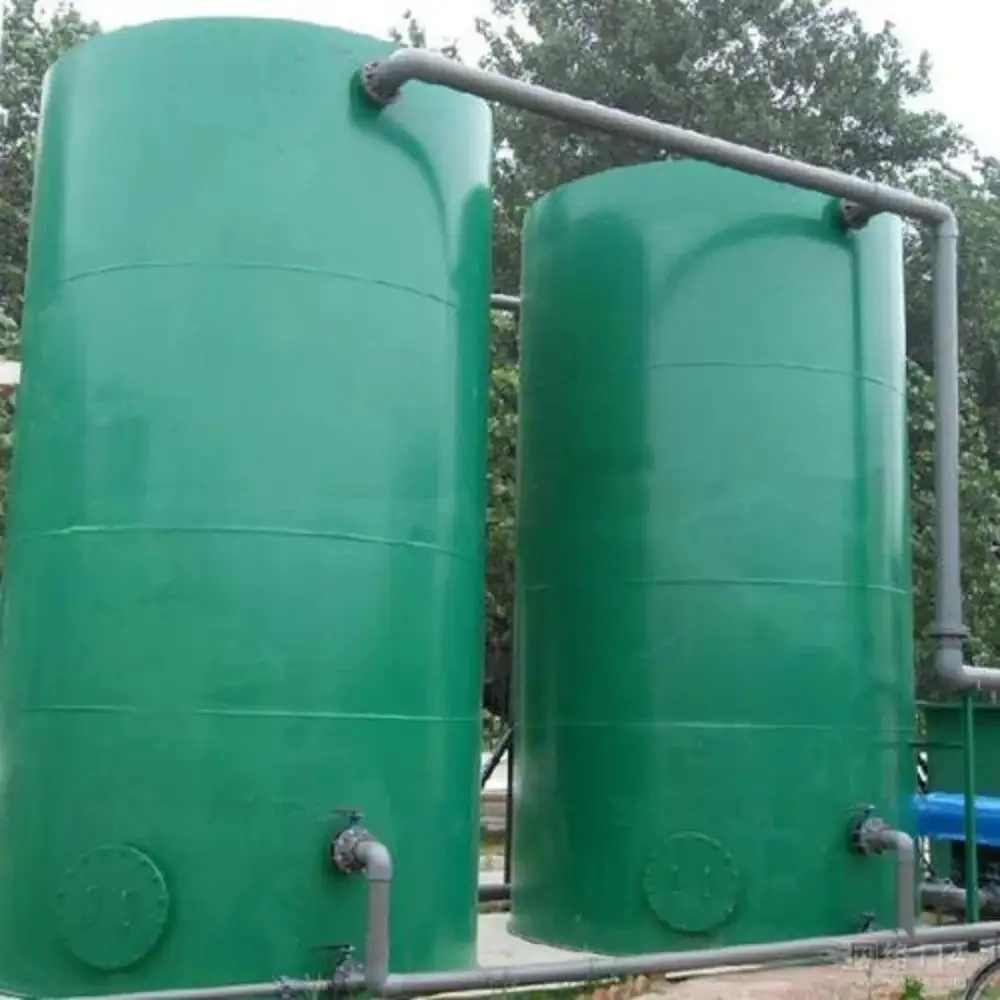
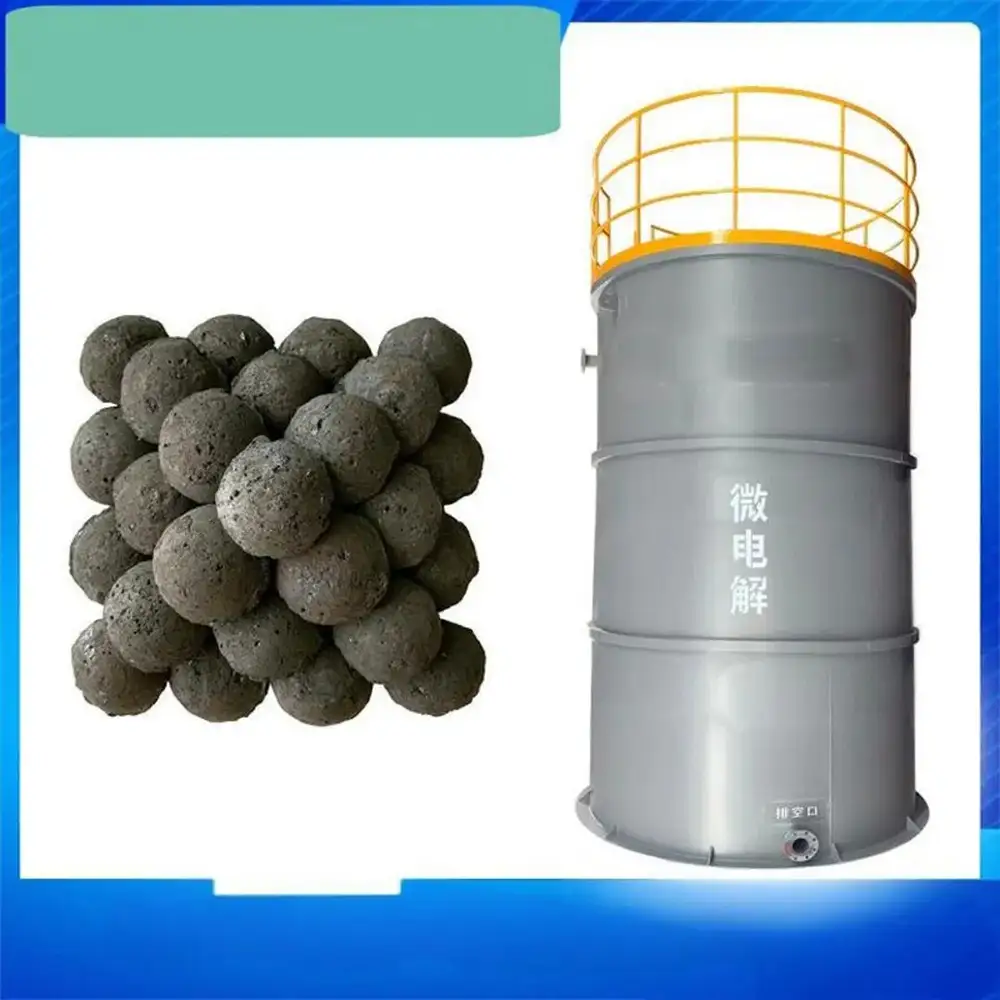
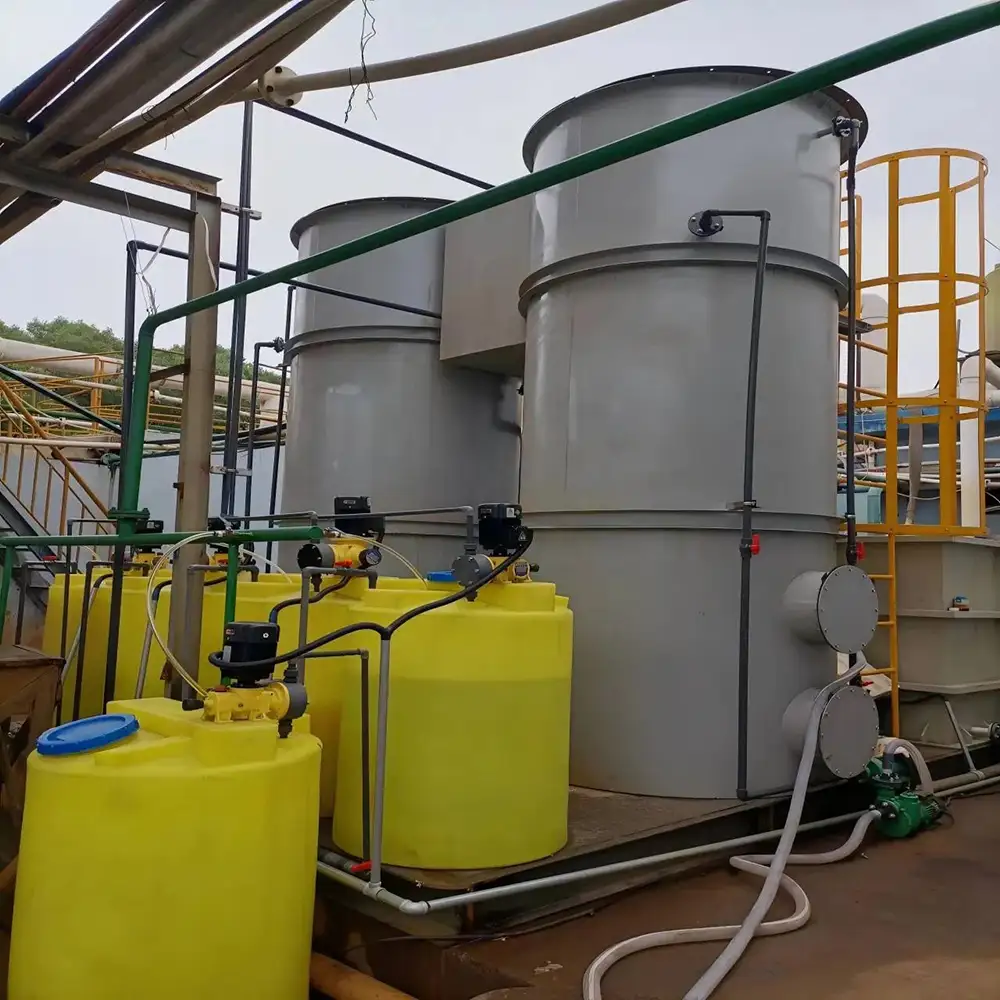
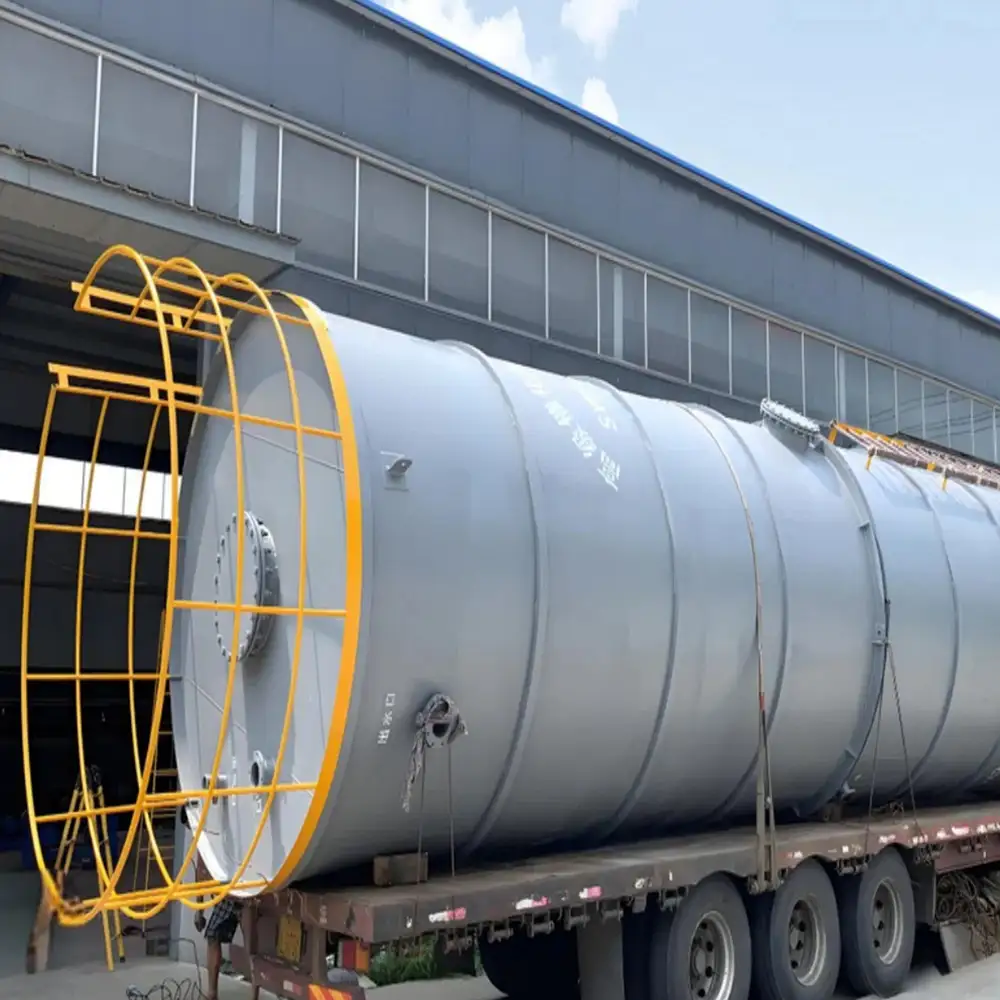
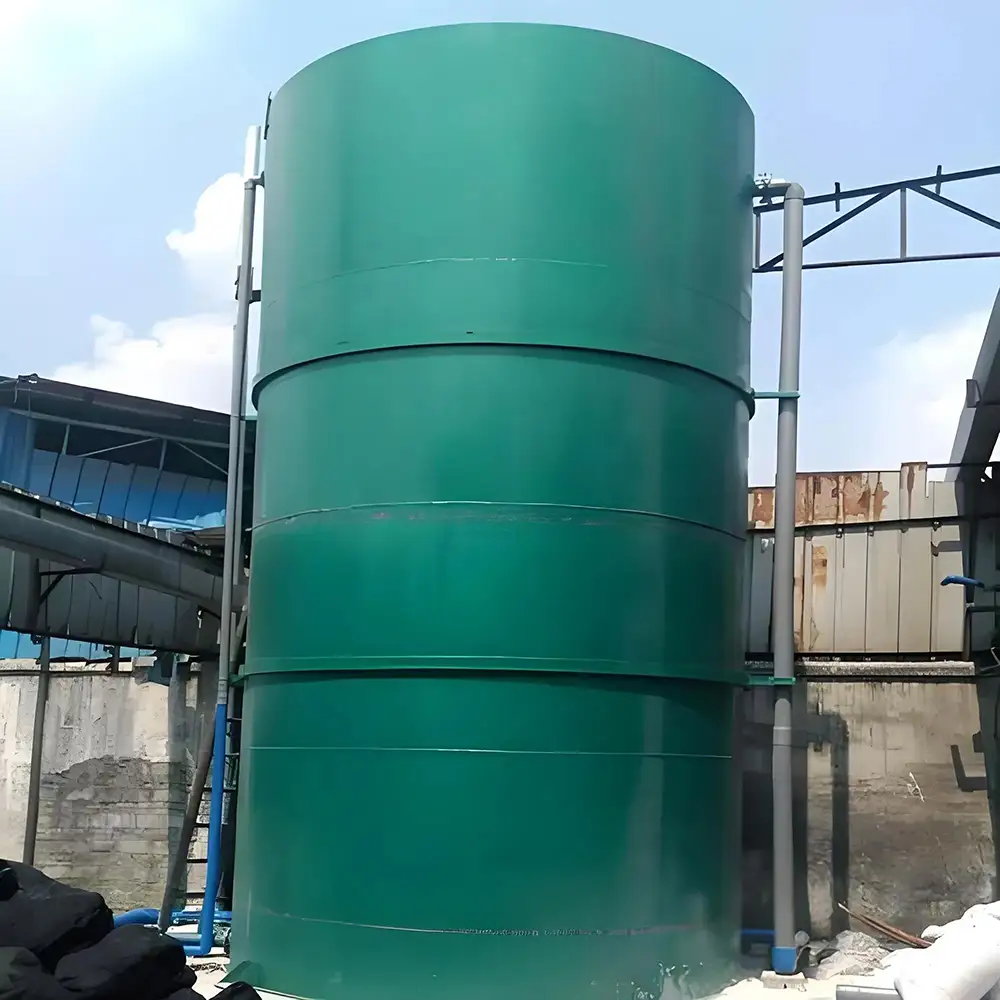
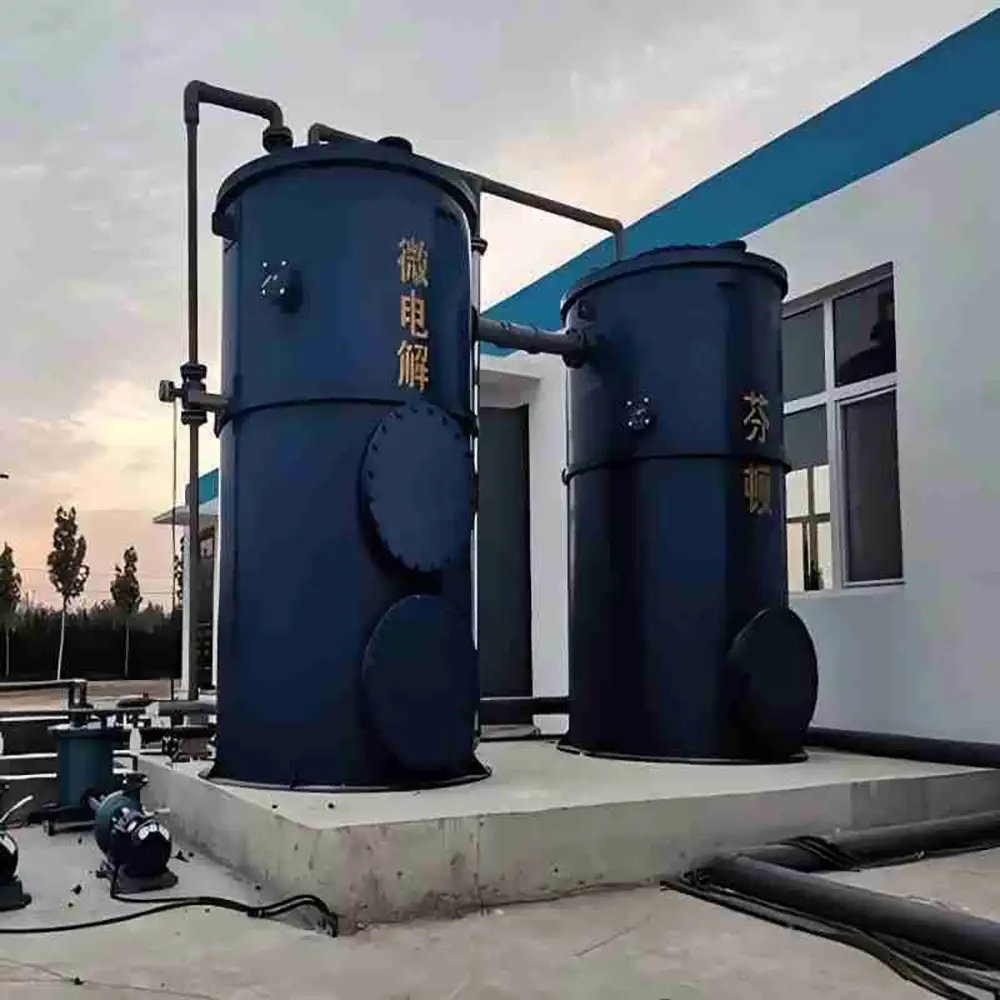
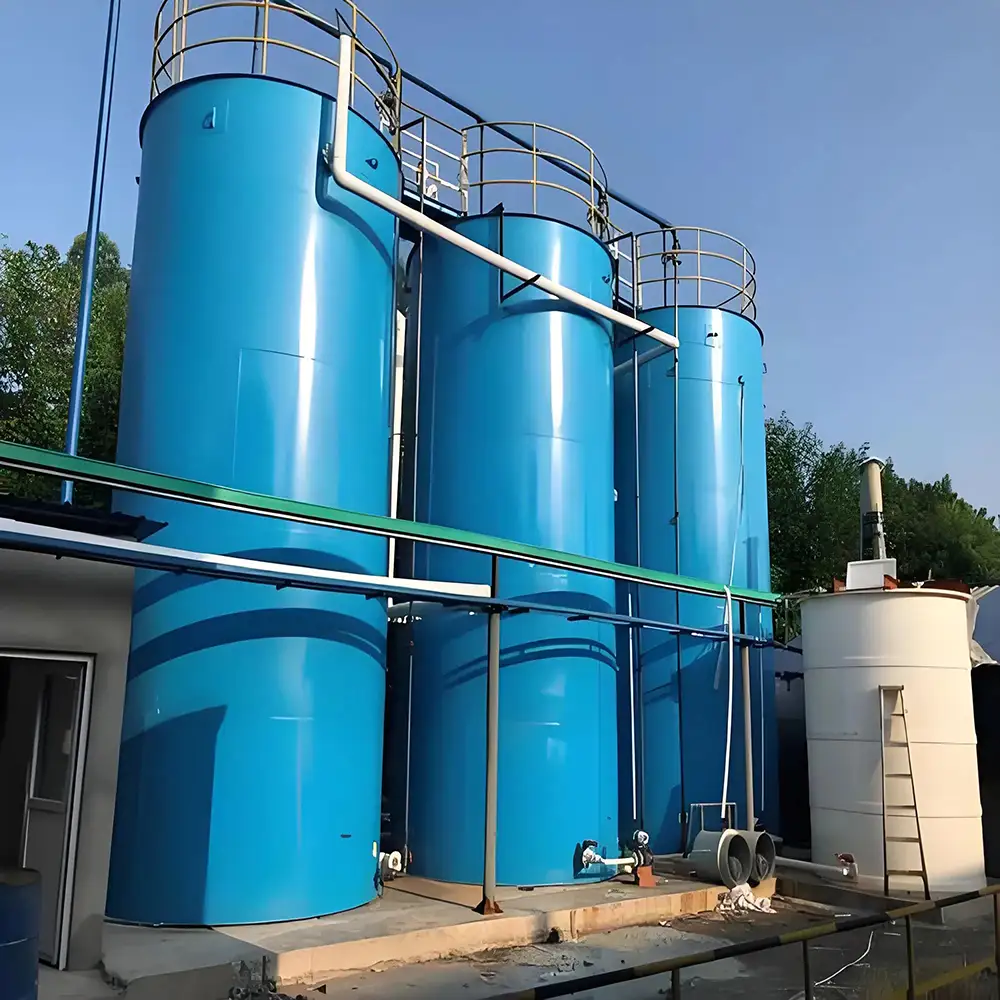
|
Product Material |
Carbon steel FRP Stainless steel |
Accept customization |
|
Thickness |
4-15mm |
|
Size |
Customized |
|
Purpose |
It is used in the treatment of various industrial wastewaters such as printing and dyeing, chemical industry, electroplating, pulp and paper making, pharmaceuticals, wool washing, pesticides, alcohol, etc. and the reuse of treated water. |
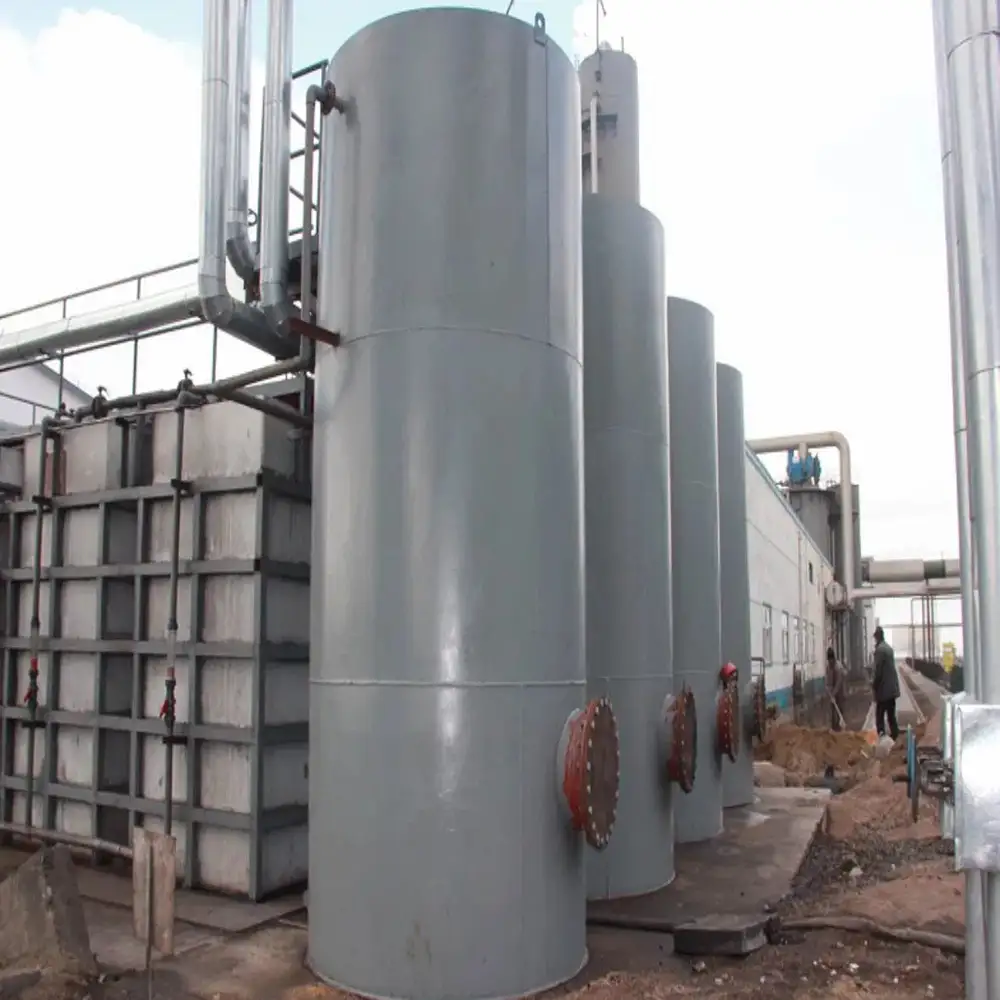
Iron-Carbon Micro-Electrolysis Reaction Tower for Chemical Wastewater Treatment
The Iron-Carbon Micro-Electrolysis Reaction Tower is an advanced physicochemical wastewater treatment unit designed for chemical wastewater, industrial effluent, refractory organic wastewater, and other difficult-to-treat water streams. The system uses iron-carbon micro-electrolysis filler to create numerous microscopic galvanic cells inside the reaction tower, promoting redox reactions and other physicochemical mechanisms for pollutant removal.
Iron-carbon micro-electrolysis, also known as Fe-C micro-electrolysis, uses iron as an anodic material and carbon as a cathodic material. When the iron-carbon filler contacts wastewater, internal micro-galvanic cells can form spontaneously. The resulting electrochemical reactions can contribute to reduction, oxidation, adsorption, coagulation, and co-precipitation of contaminants.
The technology is particularly attractive as a pretreatment process for industrial wastewater containing refractory organic compounds and pollutants that are difficult to remove through conventional biological treatment alone.
Iron-Carbon Micro-Electrolysis Working Principle
The reaction tower is normally filled with specially prepared iron-carbon media. Wastewater passes through or contacts the filler under controlled hydraulic conditions.
Iron acts as the sacrificial anode and carbon functions as the cathode. Because of the electrochemical potential difference between the two materials, microscopic galvanic cells form within the filler bed.
The simplified anodic reaction can be represented as:
Fe → Fe²⁺ + 2e⁻
The generated electrons participate in cathodic reactions, while ferrous ions and other reactive species can contribute to pollutant transformation.
The overall treatment mechanism is not limited to electrochemical reactions. Research identifies several simultaneous mechanisms, including reduction, oxidation, adsorption, surface complexation, coagulation, and co-precipitation.
This multi-mechanism approach allows iron-carbon micro-electrolysis to address different types of pollutants within a single treatment stage.
Treatment of Refractory Chemical Wastewater
Chemical wastewater can contain complex organic compounds with high COD, poor biodegradability, strong color, toxicity, and variable composition.
The iron-carbon micro-electrolysis reaction tower can be considered for wastewater containing:
Refractory Organic Compounds
High-COD Wastewater
Dyeing Wastewater
Pharmaceutical Wastewater
Chemical Manufacturing Wastewater
Printing Wastewater
Electroplating Wastewater
Petrochemical Wastewater
Coking Wastewater
Pesticide Wastewater
Phenolic Wastewater
Difficult-to-Biodegrade Industrial Effluent
Iron-carbon micro-electrolysis has been investigated for industrial wastewater including coking, pharmaceutical, electroplating, dye-containing and other refractory wastewater applications.
Improve Wastewater Biodegradability
One of the most useful applications of the micro-electrolysis reaction tower is wastewater pretreatment before biological treatment.
Some industrial organic pollutants are resistant to biological degradation because of their molecular structure or toxicity. Iron-carbon micro-electrolysis can transform certain complex compounds into smaller or more readily treatable intermediates.
This can help improve the compatibility of difficult wastewater with subsequent biological processes.
A typical treatment sequence can therefore be:
Equalization → pH Adjustment → Iron-Carbon Micro-Electrolysis → Coagulation/Flocculation → Biological Treatment → Sedimentation → Filtration
The exact process should be determined through wastewater analysis and treatment testing.
COD and Organic Pollutant Reduction
Iron-carbon micro-electrolysis can contribute to the reduction of COD and other organic pollutants through several simultaneous mechanisms.
Electrochemical reduction can transform certain compounds, while iron corrosion products can promote adsorption and coagulation. Newly generated iron species can also participate in precipitation and pollutant capture.
However, actual COD removal depends strongly on wastewater composition, pH, iron-carbon material, hydraulic retention time, dissolved oxygen, pollutant concentration, and other process parameters.
For this reason, the reaction tower should be designed according to actual wastewater characteristics rather than relying on a fixed removal percentage.
Iron-Carbon Filler Reaction Tower Design
The main components of the equipment may include:
Reaction Tower
Iron-Carbon Micro-Electrolysis Filler
Wastewater Distribution System
Internal Support Layer
Gas or Air Distribution System
Inlet Pipe
Outlet Pipe
Drainage System
Backwashing or Cleaning Arrangement
Pressure Monitoring
pH Monitoring
Control System
The filler bed should provide sufficient contact between wastewater and active Fe-C materials while maintaining appropriate hydraulic distribution.
Uniform flow distribution is important because short-circuiting can reduce contact time and cause uneven utilization of the filler.
Iron-Carbon Filler Performance
The performance of the system depends partly on the physical and chemical properties of the iron-carbon filler.
Important filler characteristics may include:
Iron-to-Carbon Ratio
Particle Size
Porosity
Specific Surface Area
Electrical Conductivity
Mechanical Strength
Surface Activity
Hydraulic Permeability
Resistance to Caking
Research shows that filler preparation methods can significantly influence micro-electrolysis performance. Physical mixing, coprecipitation, calcination, and sintering are among the approaches reported for preparing iron-carbon materials.
Recent research also highlights filler caking and loss of activity as important practical considerations in long-term operation.
Chemical Wastewater Applications
Pharmaceutical Wastewater
Pharmaceutical wastewater may contain complex organic compounds and residual intermediates with relatively poor biodegradability. Micro-electrolysis can be used as a pretreatment or combined process to improve subsequent biological treatment.
Dyeing and Textile Wastewater
Dyes and aromatic compounds can create high color and organic loading. Iron-carbon treatment may provide reduction, adsorption, coagulation, and oxidation effects before downstream treatment.
Electroplating Wastewater
Electroplating wastewater may contain heavy metals and organic additives. Iron-carbon systems can contribute to pollutant transformation and precipitation, although the complete treatment train should be designed around the specific metals and wastewater chemistry.
Coking Wastewater
Coking wastewater can contain refractory organics and compounds that are difficult to treat biologically. Iron-carbon micro-electrolysis has been investigated as part of treatment strategies for such wastewater.
Combination With Fenton Oxidation
The iron-carbon micro-electrolysis reaction tower can be integrated with Fenton or Fenton-like oxidation.
Iron-carbon reactions can generate Fe²⁺ and other reactive species, while hydrogen peroxide can be introduced in a downstream or integrated oxidation stage.
A combined process may be arranged as:
Iron-Carbon Micro-Electrolysis → Fenton Oxidation → Coagulation → Sedimentation → Biological Treatment
Research reviews have specifically discussed combining iron-carbon micro-electrolysis with Fenton-like processes, biological aerated filters, UV, ozone, and other treatment technologies.
The appropriate combination depends on the pollutant characteristics and required treatment performance.
Combination With Biological Treatment
Micro-electrolysis is often most valuable when used as part of a treatment train rather than as an isolated treatment technology.
After pretreatment, wastewater may have improved biodegradability and reduced toxicity, allowing biological treatment to operate under more favorable conditions.
Recent research has also investigated integrated iron-carbon and biological processes for refractory wastewater and landfill leachate, demonstrating the growing interest in combined physicochemical-biological treatment systems.
Operating Parameters
Several factors affect the performance of an iron-carbon micro-electrolysis system:
Wastewater pH
Fe/C Ratio
Filler Dosage
Hydraulic Retention Time
Dissolved Oxygen
Wastewater Temperature
Initial COD
Pollutant Concentration
Filler Particle Size
Flow Rate
Reaction Tower Loading
Recent studies have demonstrated that pH and dissolved oxygen can influence pollutant removal and reaction pathways, while filler composition and preparation conditions also affect performance.
Therefore, laboratory or pilot testing is recommended before selecting the final reaction tower size and operating parameters.
Maintenance and Filler Management
Long-term operation requires attention to filler activity, bed permeability, sludge accumulation, and potential channeling.
Depending on the system design, maintenance may include:
Checking Inlet and Outlet Pressure
Monitoring pH
Inspecting Filler Condition
Removing Accumulated Sludge
Checking Hydraulic Distribution
Cleaning or Replacing Inactive Filler
Inspecting Valves and Pipes
Monitoring COD and Other Target Pollutants
Filler caking is an identified challenge for iron-carbon micro-electrolysis systems because it can reduce active surface area and affect long-term treatment performance.
Why Choose Us
Designed for industrial and chemical wastewater treatment
Iron-carbon micro-electrolysis reaction technology
Suitable for refractory organic wastewater pretreatment
Multiple pollutant-removal mechanisms in one process
Can improve wastewater biodegradability
Compatible with Fenton and Fenton-like oxidation
Can be integrated with biological treatment
Suitable for chemical, pharmaceutical, textile, coking, and electroplating wastewater
Flexible reaction tower and filler configurations
Process parameters can be selected according to actual wastewater characteristics
FAQ
1. What is an iron-carbon micro-electrolysis reaction tower?
It is a wastewater treatment reactor filled with iron-carbon media. The Fe-C materials form microscopic galvanic cells that promote electrochemical and physicochemical reactions for pollutant removal.
2. How does iron-carbon micro-electrolysis work?
Iron acts as the anode and carbon as the cathode. Their electrochemical potential difference produces microcurrent cells, while iron corrosion products and other reactive species contribute to reduction, oxidation, adsorption, coagulation, and precipitation.
3. What wastewater is suitable for this system?
It can be considered for chemical, pharmaceutical, textile, dyeing, coking, electroplating, petrochemical, and other industrial wastewater containing refractory or difficult-to-biodegrade pollutants.
4. Can the system reduce COD?
Yes, iron-carbon micro-electrolysis can contribute to COD reduction, but the actual performance depends on wastewater composition, pH, filler properties, reaction time, and other operating conditions.
5. Can it improve biodegradability?
Yes. It can transform certain refractory organic compounds into more treatable intermediates, making the process useful as pretreatment before biological treatment.
6. What is the role of iron in the process?
Iron acts as the sacrificial anode and releases ferrous ions and electrons during the electrochemical reaction. Iron species can subsequently participate in reduction, coagulation, adsorption, and precipitation.
7. What is the role of carbon?
Carbon functions primarily as the cathodic component of the Fe-C micro-galvanic system and provides a conductive surface for electrochemical reactions.
8. Can iron-carbon micro-electrolysis be combined with Fenton oxidation?
Yes. Iron-carbon micro-electrolysis can be combined with Fenton or Fenton-like oxidation to enhance treatment of refractory organic wastewater.
9. Does the reaction tower require aeration?
Aeration requirements depend on the specific process design. Dissolved oxygen can influence reaction pathways and treatment performance, so the appropriate operating condition should be determined through process testing.
10. Does the iron-carbon filler need replacement?
Potentially, yes. Filler activity can decline over time because of surface passivation, caking, sludge accumulation, or other factors. Maintenance and replacement intervals depend on wastewater characteristics and operating conditions.
11. What causes iron-carbon filler caking?
Sludge accumulation, precipitated compounds, surface reactions, and physical agglomeration can contribute to caking. Filler design and appropriate hydraulic operation are important for maintaining permeability and activity.
12. Should pilot testing be performed?
Yes. Pilot or laboratory testing is recommended for industrial wastewater with complex chemistry because pH, Fe/C ratio, filler properties, reaction time, dissolved oxygen, and pollutant concentration can significantly affect treatment performance.
Prev:
Iron-Carbon Micro-Electrolysis Reactor Removes Cod Chromaticity and Improves Biodegradability
Next:
Fenton - Mediated in - Situ Chemical Oxidation Method for Groundwater Remediation Water Treatment Plant
TAG:
Industrial Wastewater Treatment Equipment,
Industrial Organic Wastewater Treatment,
Industrial Wastewater Treatment,
Organic Wastewater Treatment,
High COD Wastewater Treatment,
Industrial Wastewater Treatment Plant,
Chemical Wastewater Treatment,
Chemical Wastewater Treatment Equipment,
Electroplating Wastewater Treatment,
Wastewater Pretreatment Equipment,
Pharmaceutical Wastewater Treatment,
Dyeing Wastewater Treatment,
Advanced Wastewater Treatment,
Industrial Wastewater Pretreatment,
Electrochemical Wastewater Treatment,
Petrochemical Wastewater Treatment,
Textile Wastewater Treatment,
Printing Wastewater Treatment,
Coking Wastewater Treatment,
Biodegradability Improvement Wastewater Treatment,
Organic Pollutant Removal,
COD Reduction Wastewater Treatment,
Refractory Organic Pollutant Treatment,
Refractory Wastewater Treatment,
Refractory Organic Wastewater Treatment,
Advanced Oxidation Wastewater Treatment,
Advanced Wastewater Treatment Equipment,
Fenton Wastewater Treatment,
Phenolic Wastewater Treatment,
Chemical Wastewater Treatment System,
Related Category:
Iron-Carbon Micro-Electrolysis Reaction Tower,Iron Carbon Micro-Electrolysis System,Micro-Electrolysis Reaction Tower China, suppliers, manufacturers, factory, customized, wholesale, quotation, made in China