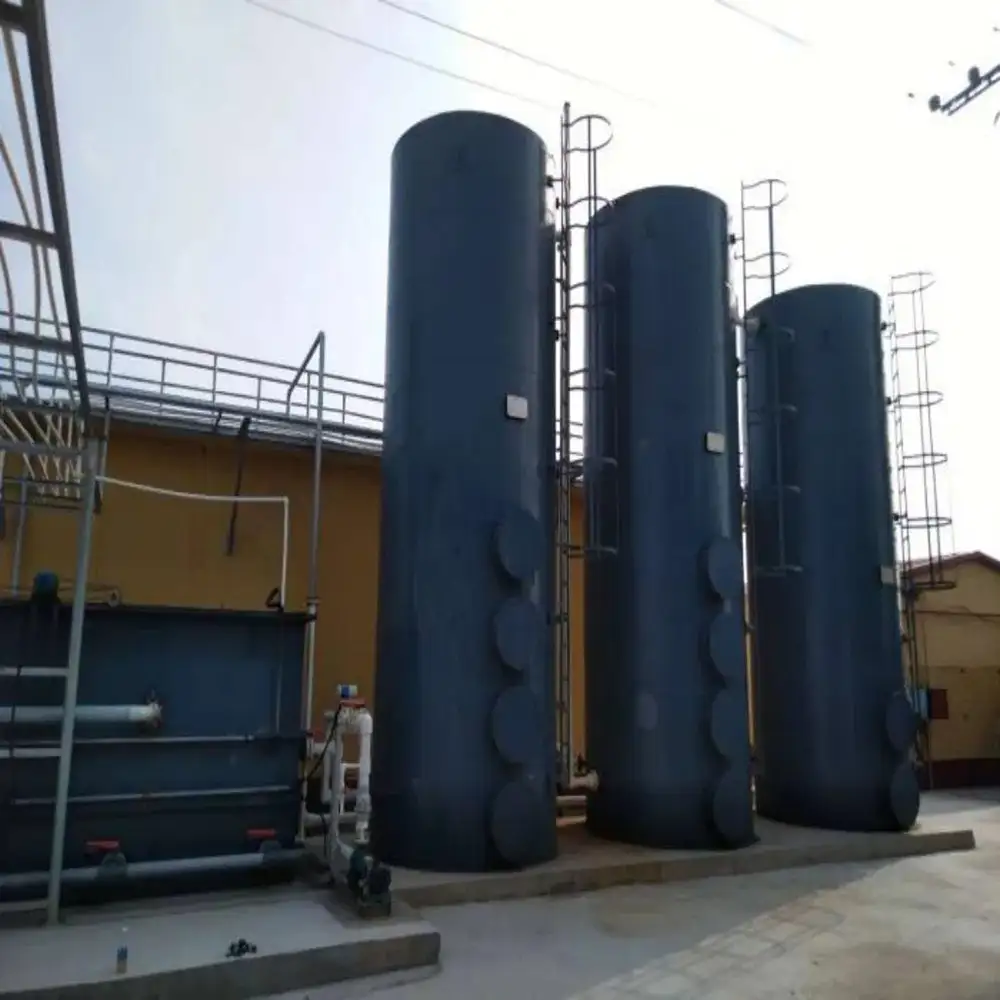
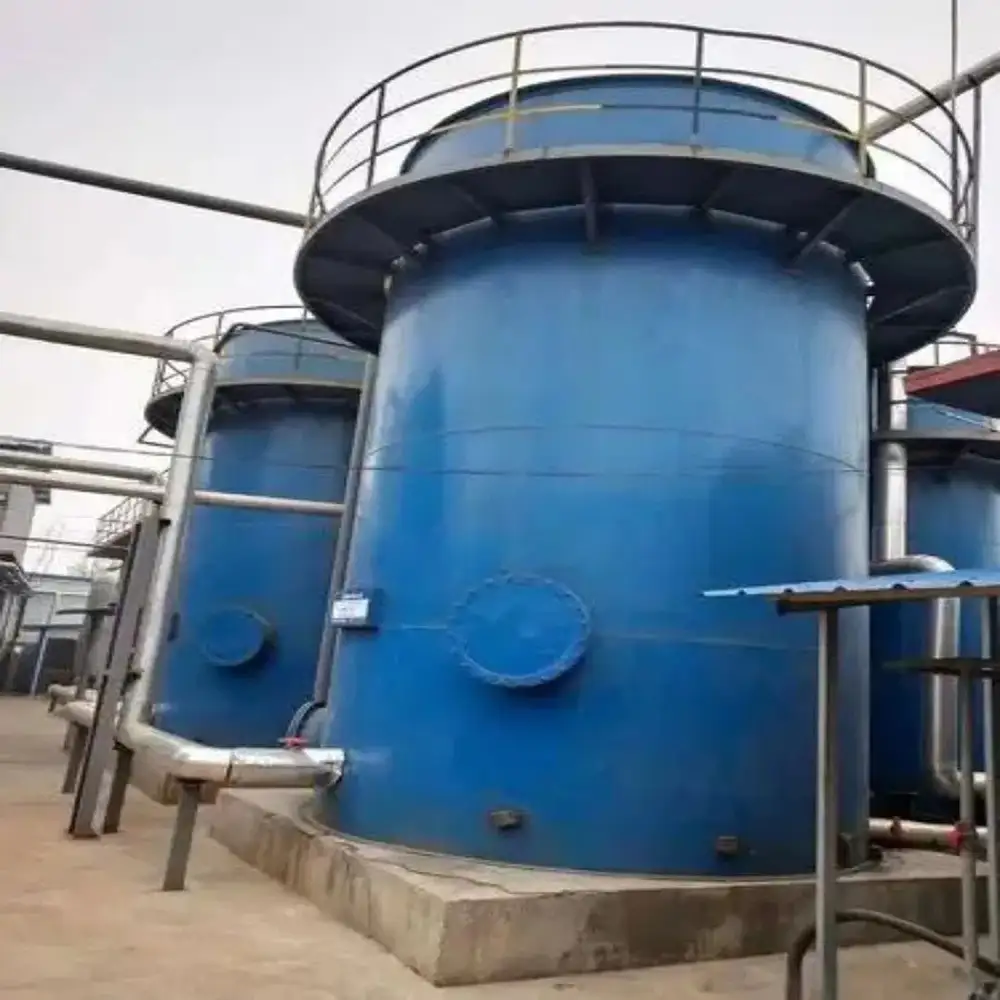
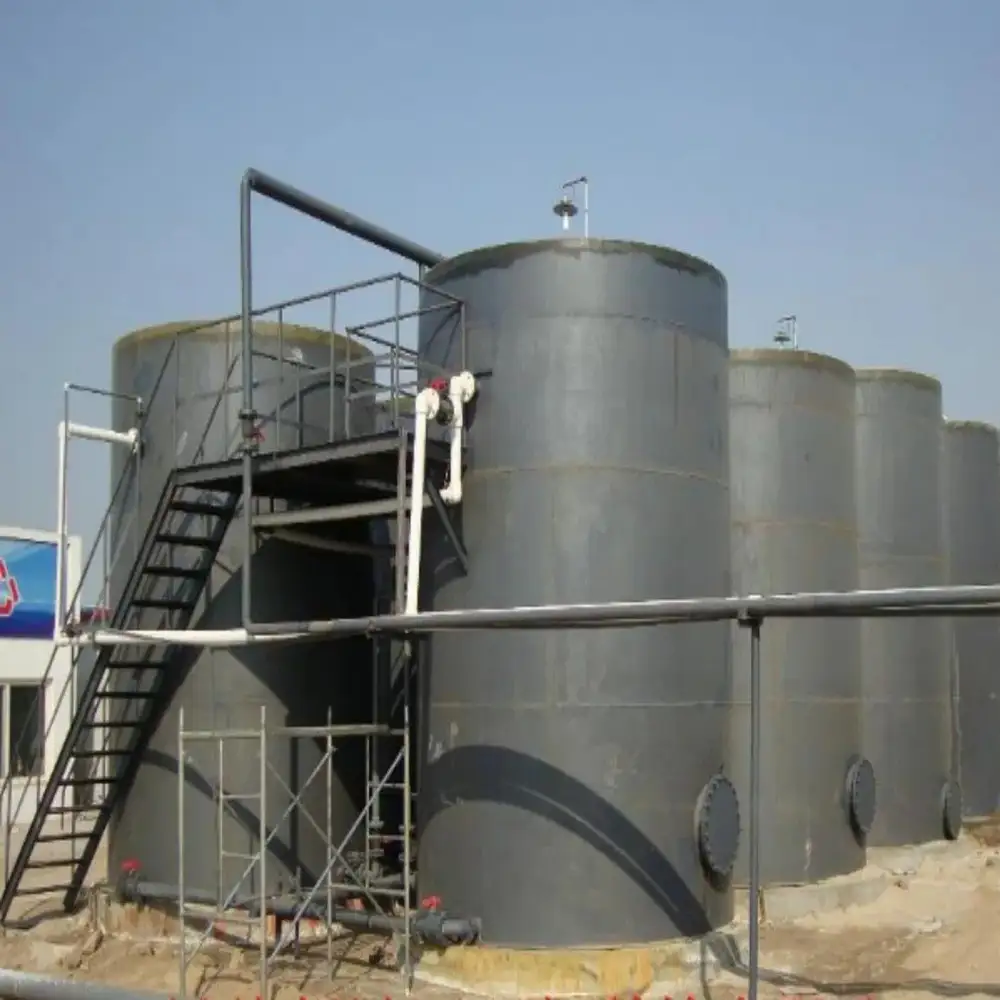
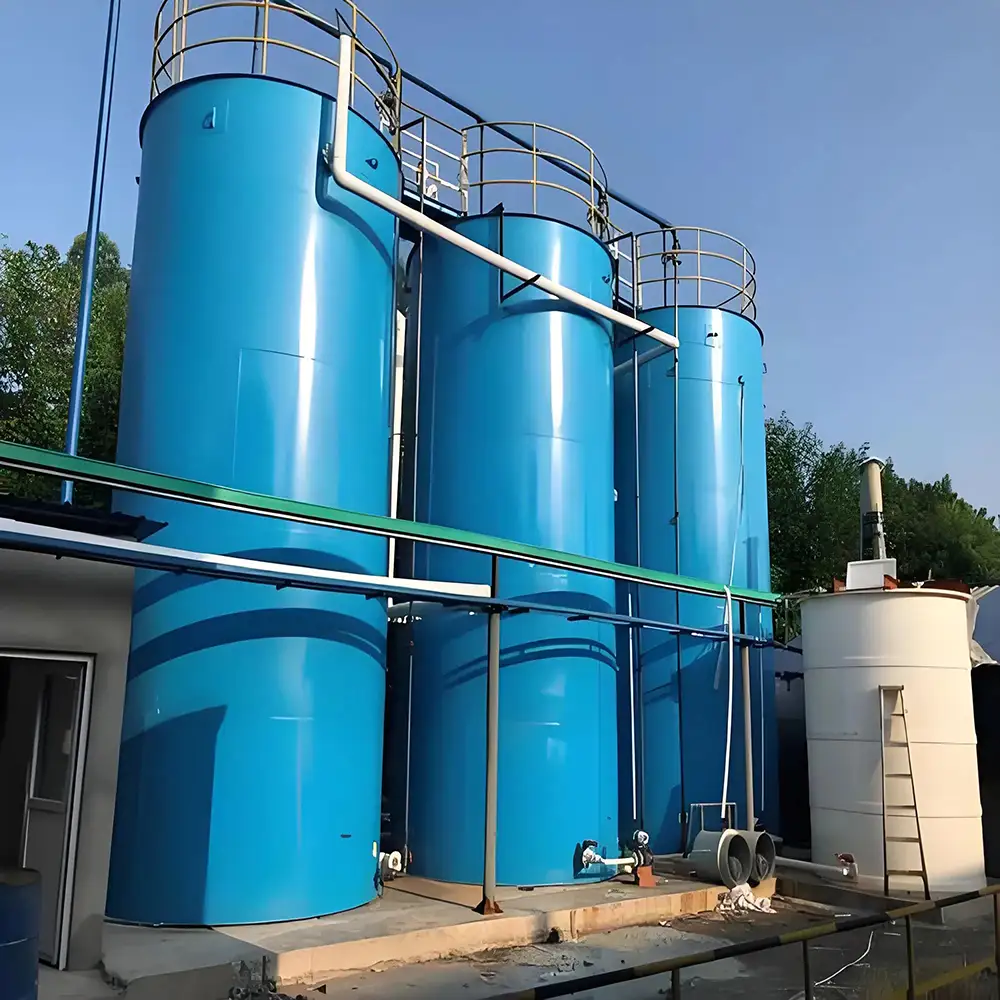
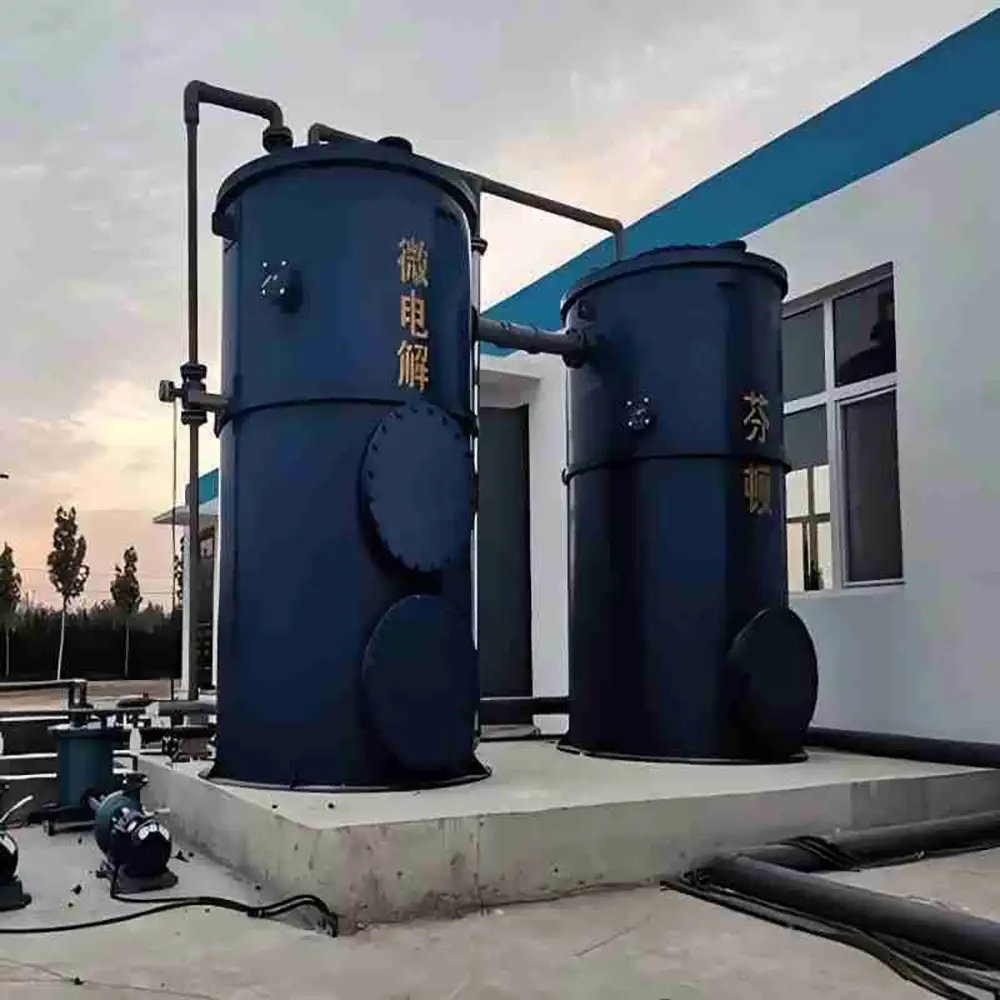
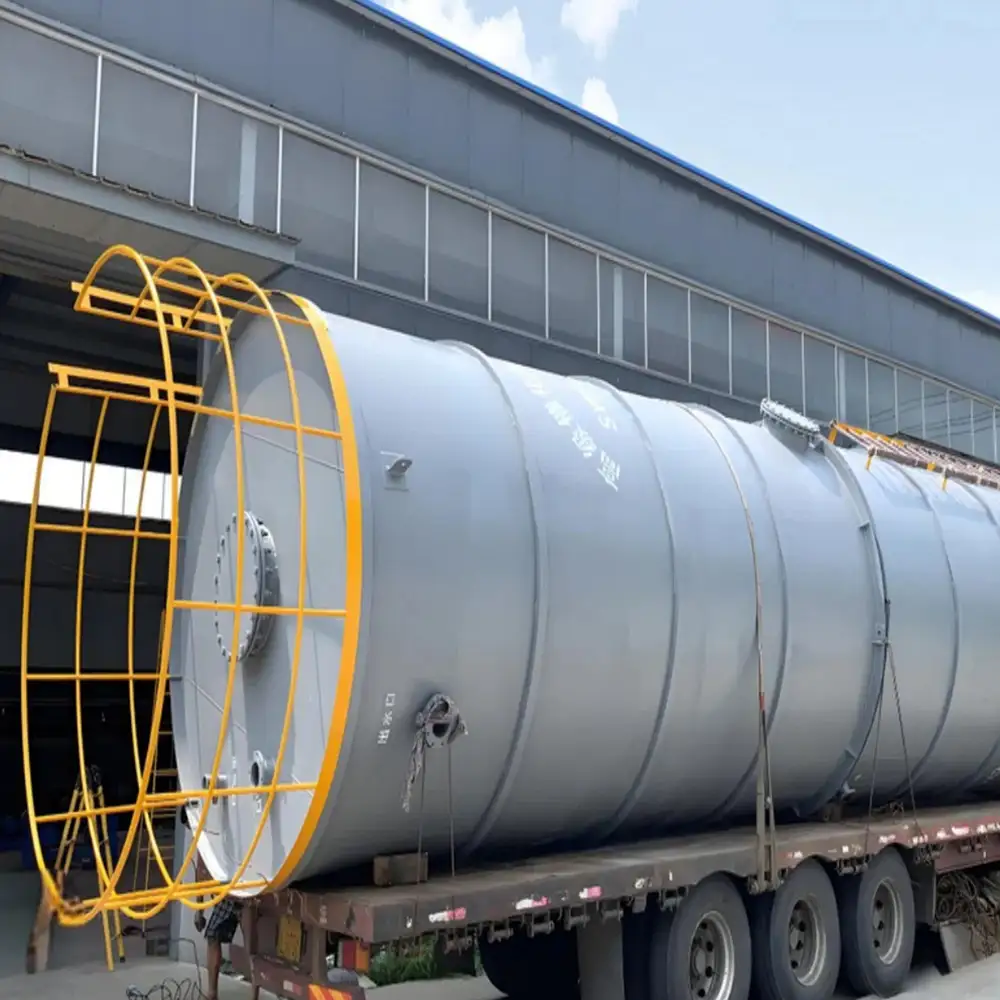
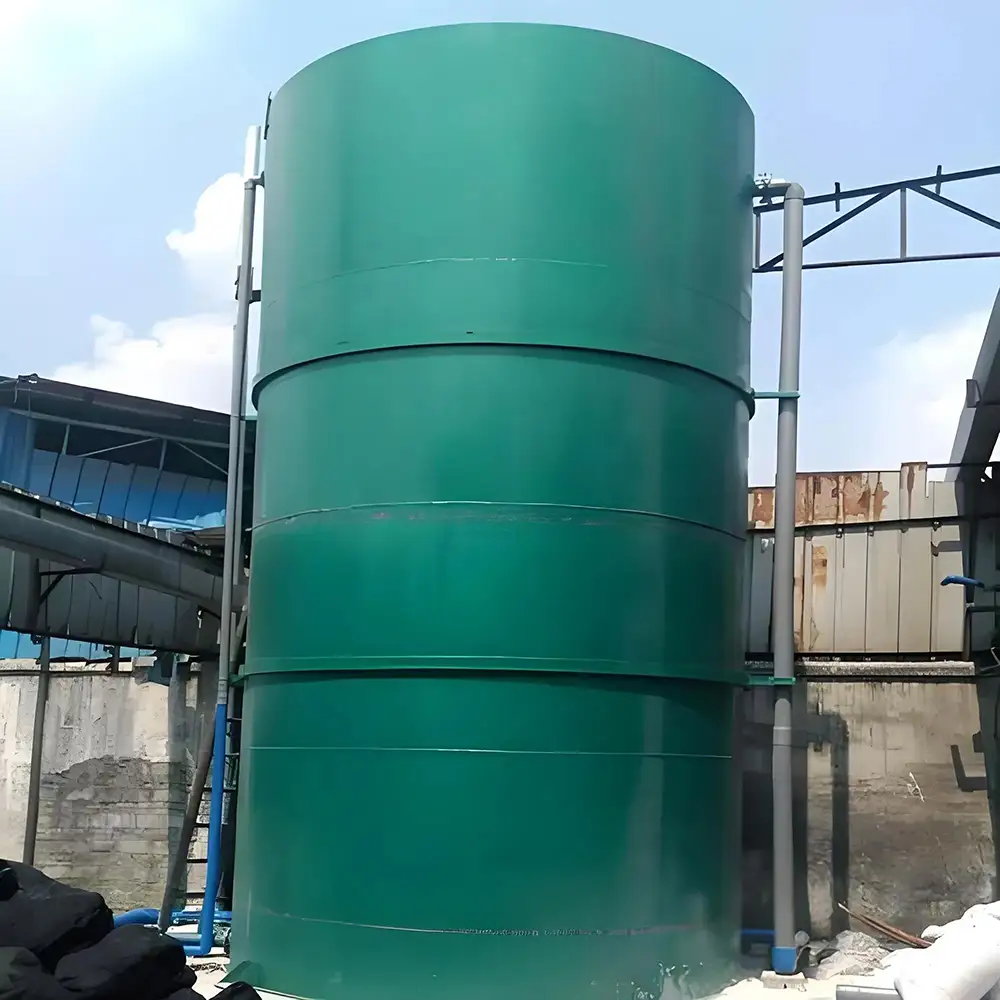
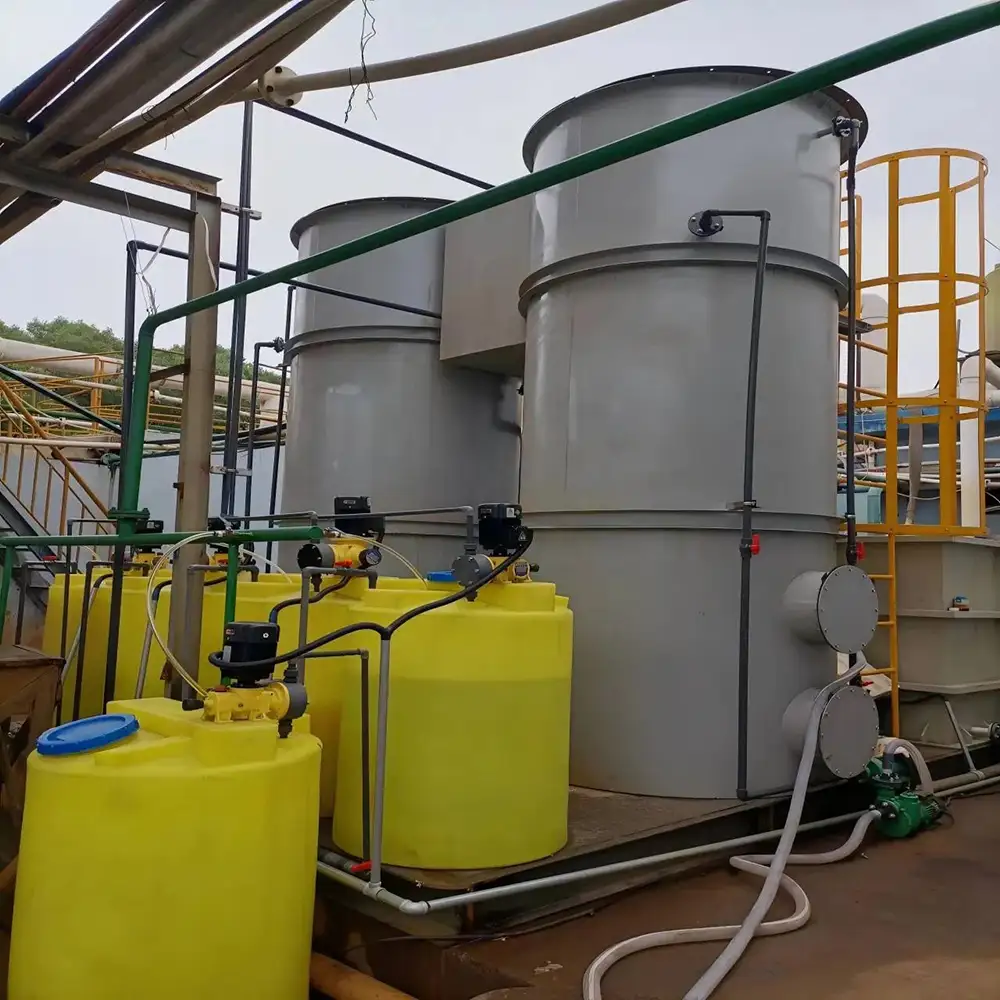
Iron-carbon micro-electrolysis is used to treat wastewater with high organic concentration, high toxicity, high chromaticity and difficult biodegradability. It can significantly reduce the chromaticity and COD of wastewater, improve the B/C ratio, and improve the biodegradability of wastewater. It can be widely used in the treatment of various industrial wastewaters such as printing and dyeing, chemical industry, electroplating, pulp and paper making, pharmaceutical industry, wool washing, pesticides, alcohol, etc. and the reuse of treated water.
1. Dye, printing and dyeing wastewater; coking wastewater; petrochemical wastewater; rubber additive wastewater.
-----While decolorizing the above wastewater, the BOD/COD value in the treated water is significantly increased.
2.Petroleum wastewater; leather wastewater; papermaking wastewater, wood processing wastewater.
-----The BOD/COD value of the above wastewater after treatment is greatly increased.
3. Electroplating wastewater; printing wastewater; mining wastewater; other wastewater containing heavy metals.
-----Heavy metals can be removed from the above wastewater.
4.Organic phosphorus agricultural wastewater; organic chlorine agricultural wastewater.
-----Greatly improve the biodegradability of the above wastewater, and can remove phosphorus and sulfide.
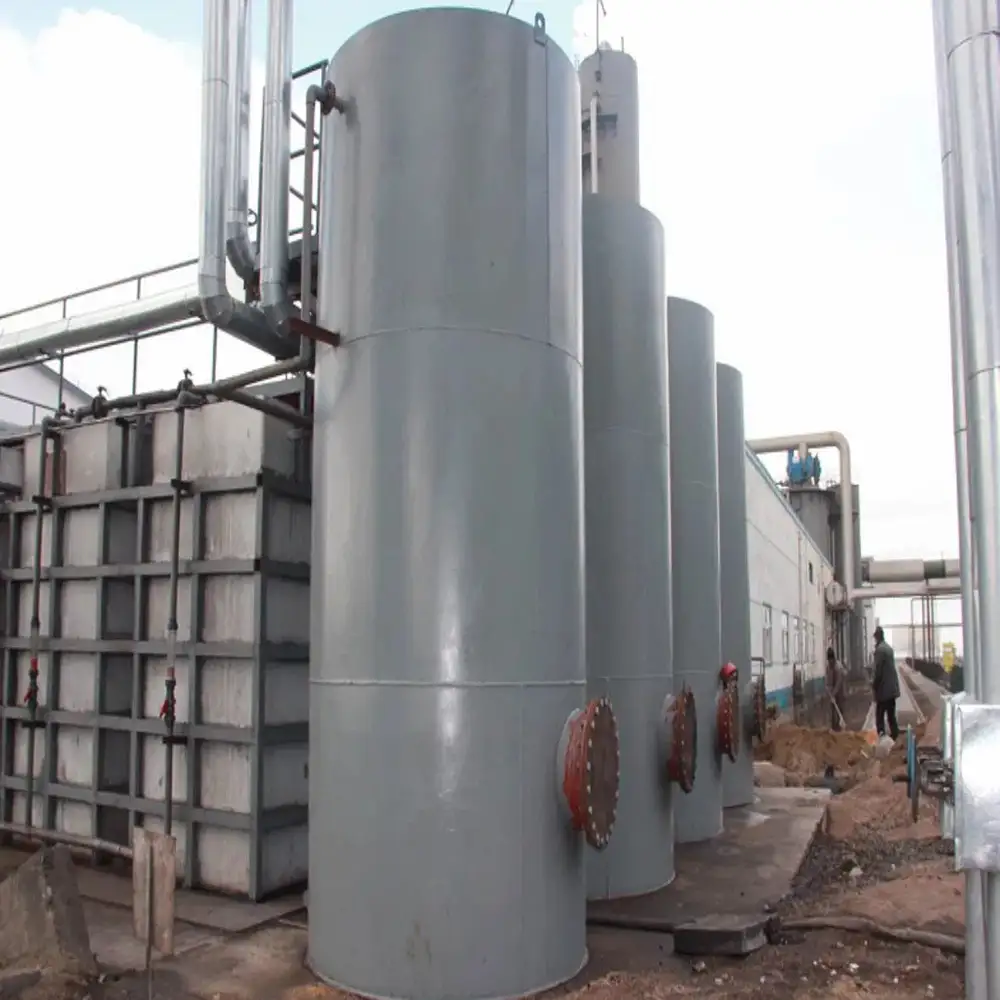
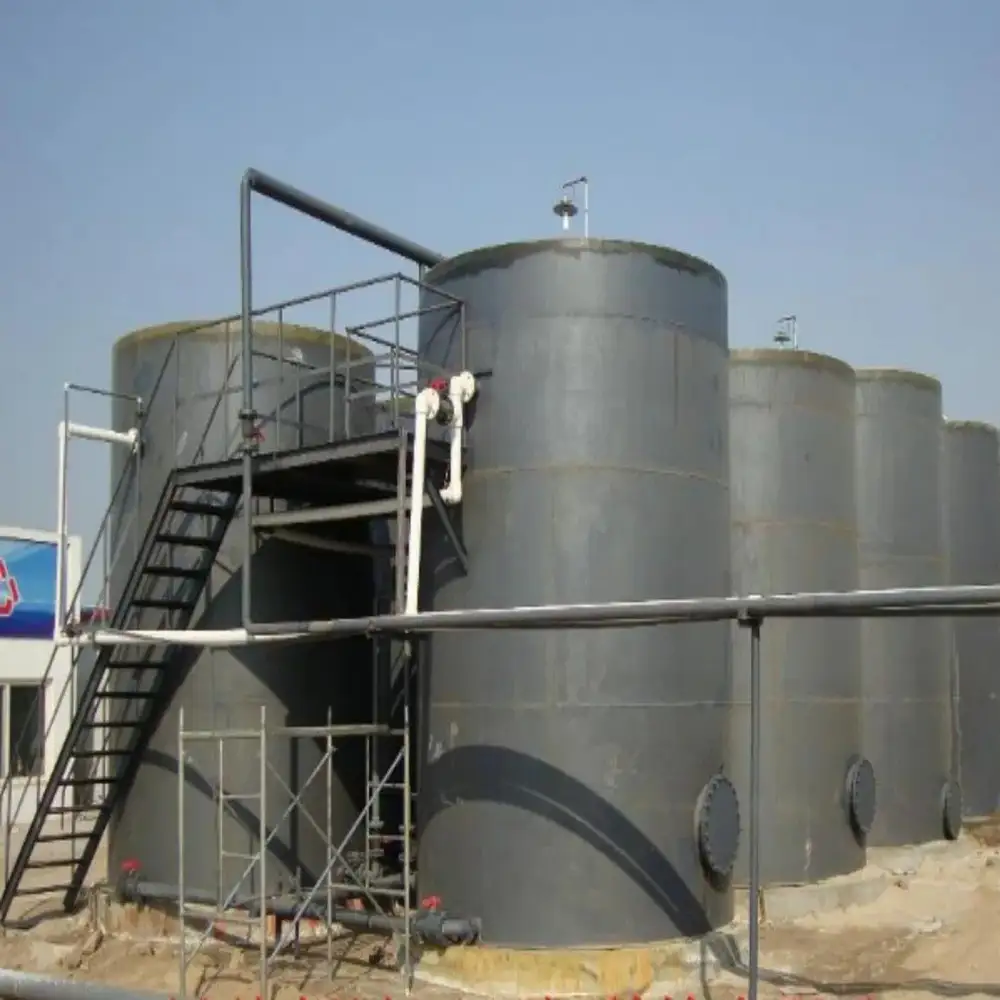
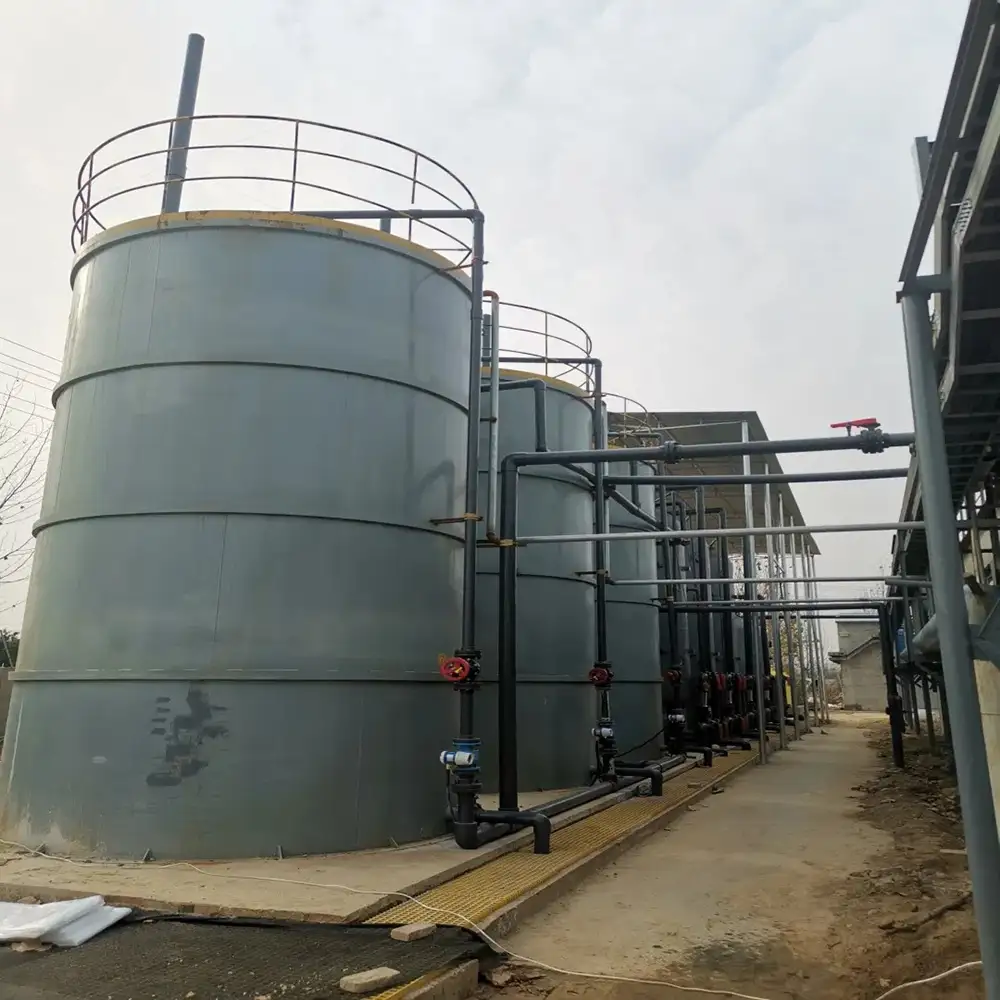
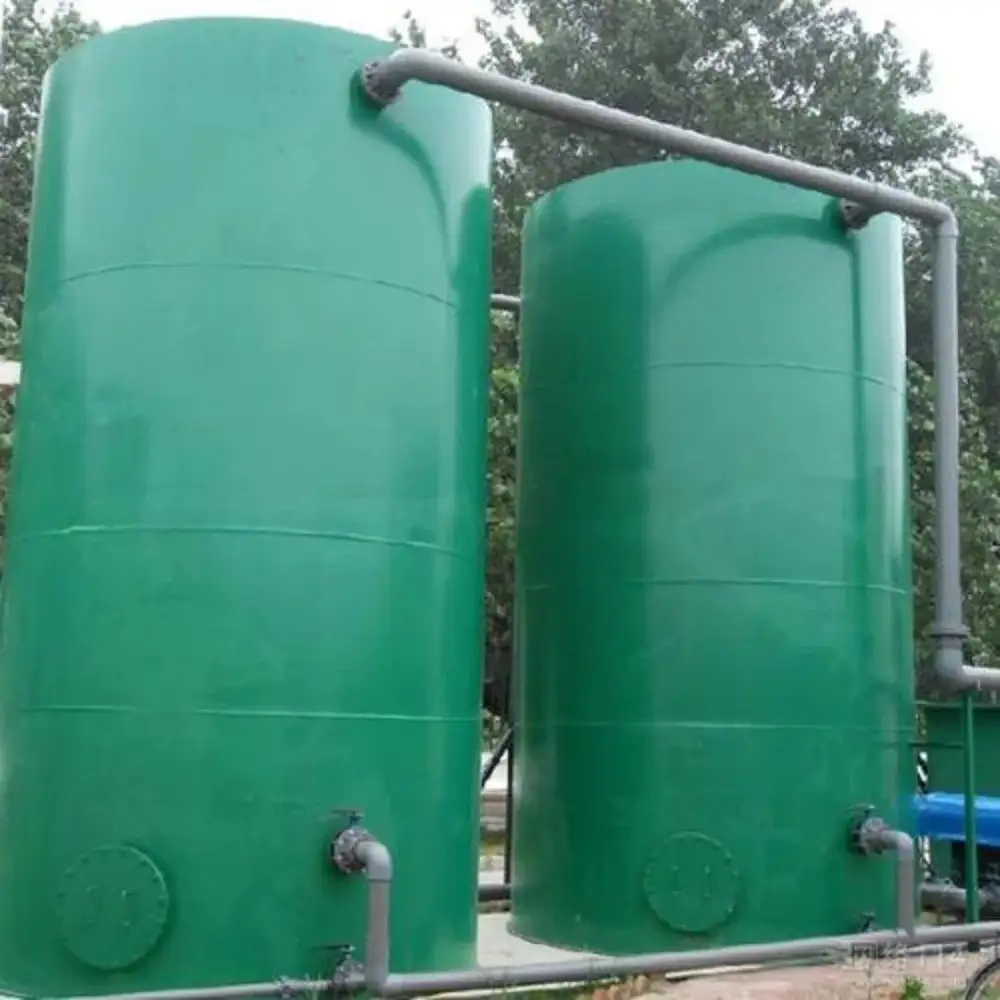
Iron-Carbon Micro-Electrolysis Reactor for Wastewater Biodegradability Improvement
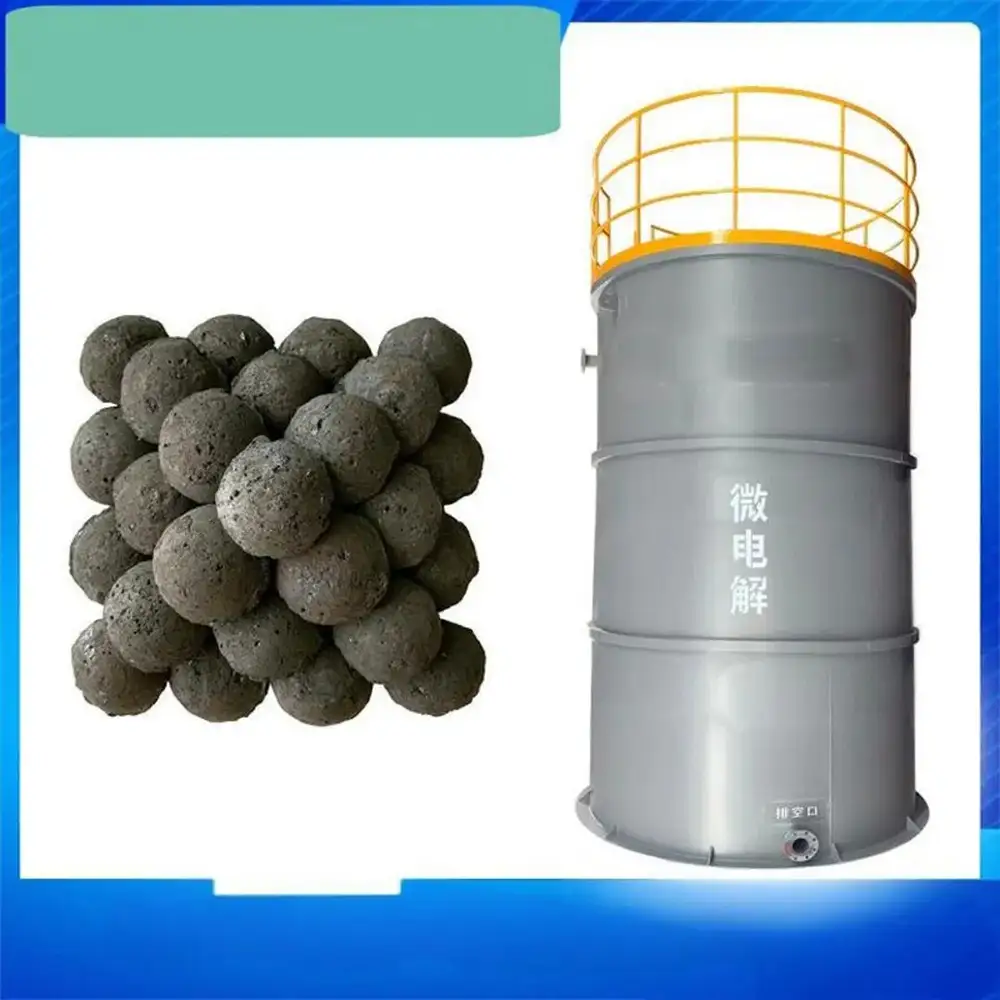
The Iron-Carbon Micro-Electrolysis Reactor is an industrial wastewater pretreatment system designed to improve the biodegradability of wastewater containing refractory organic compounds, high COD, toxic pollutants, and other contaminants that may be difficult to treat through biological processes alone. By using iron and carbon materials to form microscopic galvanic cells in wastewater, the reactor promotes electrochemical reactions that can transform organic pollutants and make a portion of the wastewater more suitable for subsequent biological treatment.
Iron-carbon micro-electrolysis is widely investigated for refractory wastewater because it can operate without an external power supply while combining several treatment mechanisms, including redox reactions, adsorption, coagulation, precipitation, and electron transfer. Research has also examined its integration with biological and advanced oxidation processes.
How Iron-Carbon Micro-Electrolysis Improves Biodegradability
Many industrial wastewaters contain complex organic molecules that microorganisms cannot easily degrade. A low BOD₅/COD ratio can indicate that a significant portion of the organic load is difficult to biodegrade.
In an iron-carbon micro-electrolysis reactor, iron and carbon form numerous microscopic galvanic cells when immersed in conductive wastewater. Iron can act as the electron-donating component, while carbon provides a conductive cathodic surface. This creates localized electrochemical reactions that promote pollutant transformation.
The process is not based on a single removal mechanism. Depending on the wastewater and operating conditions, pollutant removal may involve oxidation-reduction, adsorption, iron-ion reactions, coagulation, coprecipitation, and other physicochemical interactions.
These reactions can break down or transform certain complex organic structures into smaller or more readily treatable compounds. As a result, the treated wastewater may become more compatible with downstream biological processes.
Refractory Wastewater Pretreatment
The primary value of the Iron-Carbon Micro-Electrolysis Reactor is often its role as a pretreatment system.
Chemical, pharmaceutical, dyeing, textile, printing, coking, petrochemical, and other industrial wastewater streams may contain refractory organic compounds that inhibit or limit biological treatment. Applying micro-electrolysis before a biological reactor can help modify the wastewater characteristics and reduce the burden on microorganisms.
A published study on industrial estate wastewater specifically reported that a micro-electrolysis-circulatory system was capable of increasing wastewater biodegradability while also addressing COD removal during pretreatment.
This makes micro-electrolysis suitable for process configurations in which the objective is not simply to remove pollutants in one reactor, but to prepare difficult wastewater for the next treatment stage.
COD Reduction and Organic Pollutant Transformation
COD reduction is another important function of iron-carbon micro-electrolysis. The actual COD removal rate varies according to the wastewater composition, initial concentration, pH, Fe/C ratio, reaction time, media properties, dissolved oxygen, and other operating parameters.
The process can promote the transformation of certain high-molecular-weight and refractory organic compounds. Iron-related reactions can also support coagulation and precipitation of some pollutants.
For example, research on organic peroxide production wastewater found that iron-carbon micro-electrolysis pretreatment reduced COD and increased the biodegradability index under optimized experimental conditions. The study also observed decomposition of some macromolecular organic compounds.
Therefore, the reactor can be positioned as a COD-reduction and biodegradability-improvement stage before biological treatment.
Improving Biological Treatment Performance
Biological treatment systems depend on microorganisms that require suitable environmental and substrate conditions. When wastewater contains excessive refractory or toxic organic compounds, microorganisms may not efficiently utilize the available organic matter.
Micro-electrolysis pretreatment can change the characteristics of these compounds before they reach the biological reactor.
A typical process may include:
Wastewater → Screening → Equalization → Iron-Carbon Micro-Electrolysis → Sedimentation → Biological Treatment → Advanced Treatment
Depending on the wastewater, the biological stage may use activated sludge, MBBR, biological aerated filters, or another suitable biological process.
The exact process configuration should be determined from wastewater analysis and laboratory or pilot testing.
Suitable Industrial Applications
The Iron-Carbon Micro-Electrolysis Reactor can be considered for wastewater streams such as:
Chemical Manufacturing Wastewater
Pharmaceutical Wastewater
Dyeing Wastewater
Textile Wastewater
Printing Wastewater
Coking Wastewater
Petrochemical Wastewater
Electroplating Wastewater
Organic Chemical Wastewater
High-COD Industrial Wastewater
Refractory Organic Wastewater
Industrial Park Wastewater
Iron-carbon micro-electrolysis has been reviewed and studied for applications involving dye wastewater, landfill leachate, pharmaceutical wastewater, heavy-metal wastewater, and other difficult industrial effluents.
Iron-Carbon Filler and Reactor Design
The iron-carbon filler is a key component of the system. Its composition, particle structure, conductivity, surface area, iron-to-carbon ratio, particle size, and resistance to passivation can influence treatment performance.
Reactor design may include fixed-bed, fluidized-bed, internal-circulation, or other configurations depending on the process requirements. Research has identified material agglomeration and passivation as important challenges and has investigated improved reactor configurations to maintain effective contact between wastewater and micro-electrolysis media.
A properly designed reactor should provide sufficient wastewater-media contact while maintaining stable hydraulic distribution and convenient access for inspection and media maintenance.
Operating Parameters
The operating conditions should be customized according to the characteristics of the wastewater.
Important parameters can include:
Initial pH
Iron-to-carbon ratio
Filler dosage
Hydraulic retention time
Dissolved oxygen
Aeration intensity
Wastewater temperature
COD concentration
Organic pollutant composition
Hydraulic loading rate
pH and reaction time can significantly affect the performance of iron-carbon micro-electrolysis. The properties and concentration of the micro-electrolysis materials also influence pollutant degradation.
Because industrial wastewater compositions vary significantly, laboratory testing or pilot-scale validation is recommended before determining final reactor dimensions and operating parameters.
Integration With Fenton and Other Treatment Technologies
Iron-carbon micro-electrolysis does not have to operate as an isolated treatment technology. It can be integrated with Fenton oxidation, coagulation, biological treatment, adsorption, membrane processes, or other advanced wastewater treatment technologies.
For difficult organic wastewater, a combined micro-electrolysis and Fenton process may provide additional oxidation capacity. In other applications, micro-electrolysis can be used primarily as a pretreatment stage before biological treatment.
Research reviews have identified combinations of iron-carbon micro-electrolysis with advanced oxidation and biological processes as an important direction for refractory wastewater treatment.
Maintenance and Filler Management
Routine monitoring is important for maintaining stable reactor performance. Depending on wastewater conditions, the iron-carbon filler may become coated with suspended solids, precipitates, or other deposits. Agglomeration and surface passivation can reduce effective contact and electrochemical activity.
Regular inspection should therefore consider:
Filler condition
Pressure loss
Flow distribution
pH
COD
BOD₅/COD
Suspended solids
Color
Effluent biodegradability
Filler replacement, regeneration, or reactor cleaning should be scheduled according to actual operating conditions.
Why Choose Us
We provide industrial wastewater treatment equipment designed according to wastewater characteristics and project treatment objectives.
Our Iron-Carbon Micro-Electrolysis Reactor offers:
Designed for refractory industrial wastewater pretreatment
Supports wastewater biodegradability improvement
Helps transform difficult-to-biodegrade organic pollutants
Can contribute to COD reduction
Suitable for chemical and high-COD wastewater
Flexible iron-carbon filler configurations
Compatible with biological treatment systems
Can be integrated with Fenton and other advanced oxidation processes
Suitable for different industrial wastewater applications
Flexible reactor configurations and process integration
Laboratory and pilot testing support
Technical assistance for process selection and equipment sizing
The reactor is particularly useful when the main objective is to improve wastewater characteristics before biological treatment rather than relying on micro-electrolysis as the only treatment stage.
Frequently Asked Questions
1. What is an Iron-Carbon Micro-Electrolysis Reactor?
It is a wastewater treatment reactor that uses iron and carbon materials to create microscopic galvanic cells and promote electrochemical reactions for pollutant transformation.
2. How does it improve biodegradability?
It can transform certain refractory or complex organic compounds into forms that may be more accessible to microorganisms in subsequent biological treatment.
3. Can it remove COD?
Yes. Iron-carbon micro-electrolysis can contribute to COD reduction, although the actual removal efficiency depends on wastewater composition and operating conditions.
4. Is it suitable for refractory wastewater?
Yes. Refractory industrial wastewater is one of the major application areas investigated for iron-carbon micro-electrolysis.
5. Can it be used before an MBBR system?
Yes. It can be used as pretreatment before MBBR or other biological processes when the wastewater requires biodegradability improvement.
6. What industries can use this reactor?
Potential applications include chemical, pharmaceutical, textile, dyeing, printing, coking, petrochemical, electroplating, and industrial park wastewater treatment.
7. Does the reactor require external electricity?
Conventional iron-carbon micro-electrolysis relies on galvanic interactions between iron and carbon and can operate without an external electrical power source.
8. What affects the treatment performance?
Important factors include pH, Fe/C ratio, filler dosage, reaction time, dissolved oxygen, wastewater composition, and hydraulic conditions.
9. Can it be combined with Fenton oxidation?
Yes. Iron-carbon micro-electrolysis can be integrated with Fenton or Fenton-like oxidation for more complex refractory wastewater treatment.
10. Does the iron-carbon filler need maintenance?
Yes. Agglomeration and passivation can occur under some operating conditions, so filler condition and reactor performance should be monitored.
11. Can it completely replace biological treatment?
Not necessarily. For many applications, its strongest role is pretreatment that improves wastewater characteristics before biological or advanced treatment.
12. Should pilot testing be conducted?
Yes. Pilot or laboratory testing is recommended to establish suitable pH, filler dosage, reaction time, hydraulic conditions, and downstream treatment requirements for the specific wastewater.
Prev:
Fenton Reactor Advanced Oxidation System for Wwtp Plant
Next:
Iron-Carbon Micro-Electrolysis Reactor Removes Cod Chromaticity and Improves Biodegradability
TAG:
Industrial Wastewater Treatment Equipment,
Industrial Organic Wastewater Treatment,
Industrial Wastewater Treatment System,
Industrial Wastewater Treatment,
Organic Wastewater Treatment,
High COD Wastewater Treatment,
Chemical Wastewater Treatment,
Chemical Wastewater Treatment Equipment,
Electroplating Wastewater Treatment,
Wastewater Pretreatment Equipment,
Pharmaceutical Wastewater Treatment,
Industrial Chemical Wastewater Treatment,
Dyeing Wastewater Treatment,
Advanced Wastewater Treatment,
COD Removal Wastewater Treatment,
Industrial Wastewater Pretreatment,
Wastewater Pretreatment System,
Electrochemical Wastewater Treatment,
Petrochemical Wastewater Treatment,
Textile Wastewater Treatment,
Printing Wastewater Treatment,
Coking Wastewater Treatment,
Biological Treatment Pretreatment,
Biodegradability Improvement Wastewater Treatment,
Biological Wastewater Pretreatment,
Organic Pollutant Removal,
COD Reduction System,
COD Reduction Wastewater Treatment,
Refractory Organic Pollutant Treatment,
Refractory Wastewater Treatment,
Related Category:
Iron-Carbon Micro-Electrolysis Reactor,Iron Carbon Micro-Electrolysis,Micro-Electrolysis Wastewater Treatment China, suppliers, manufacturers, factory, customized, wholesale, quotation, made in China