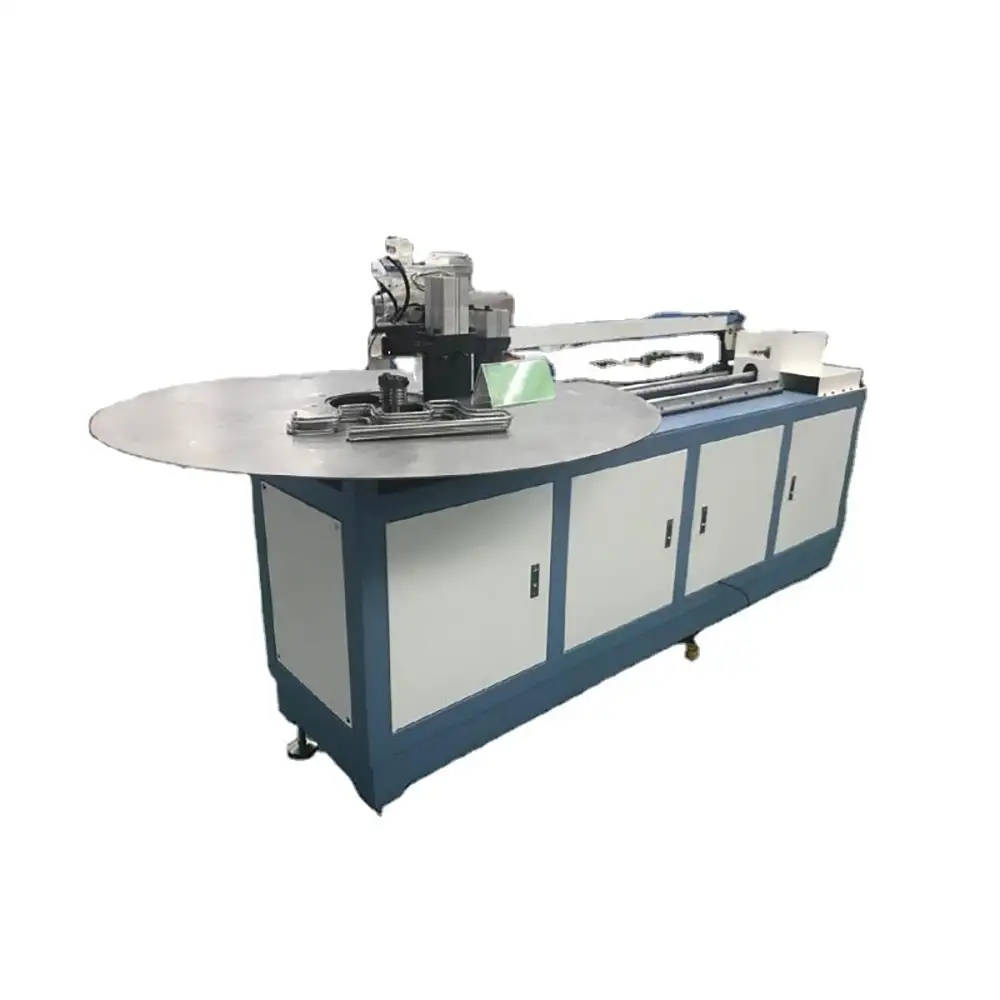
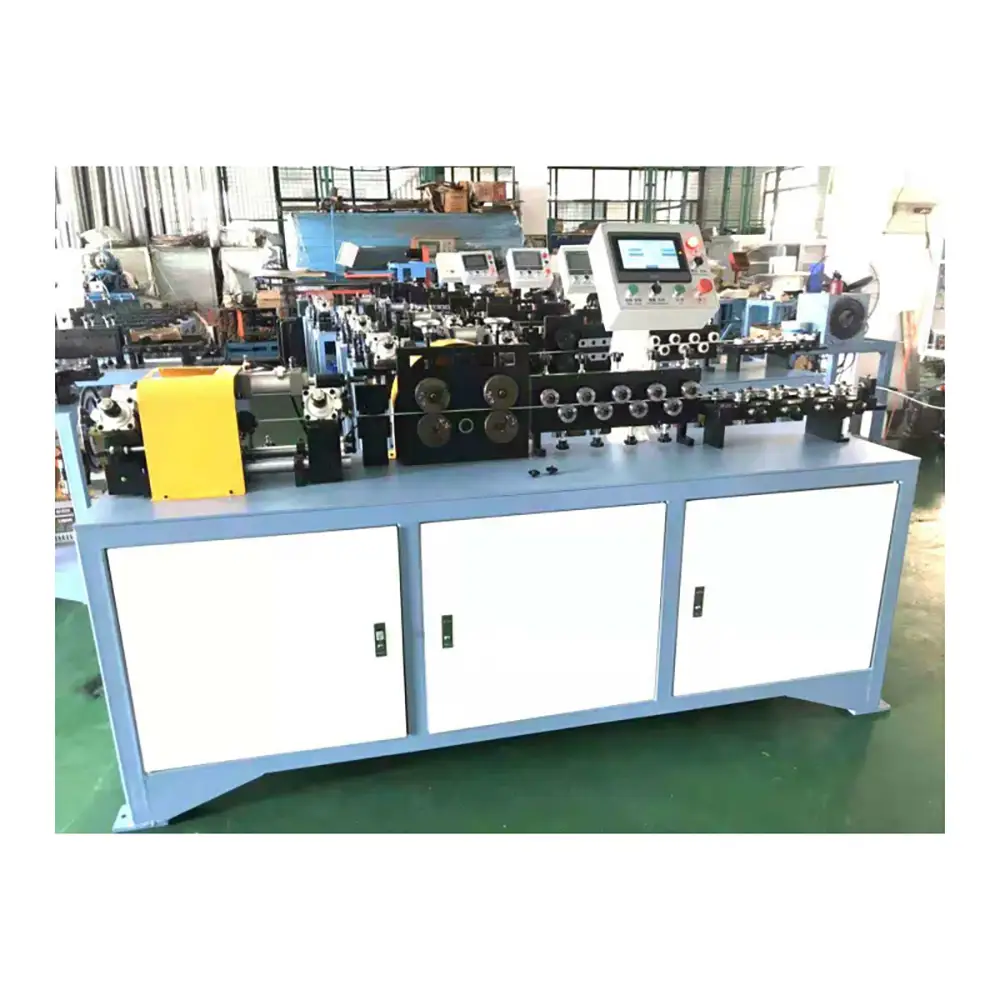
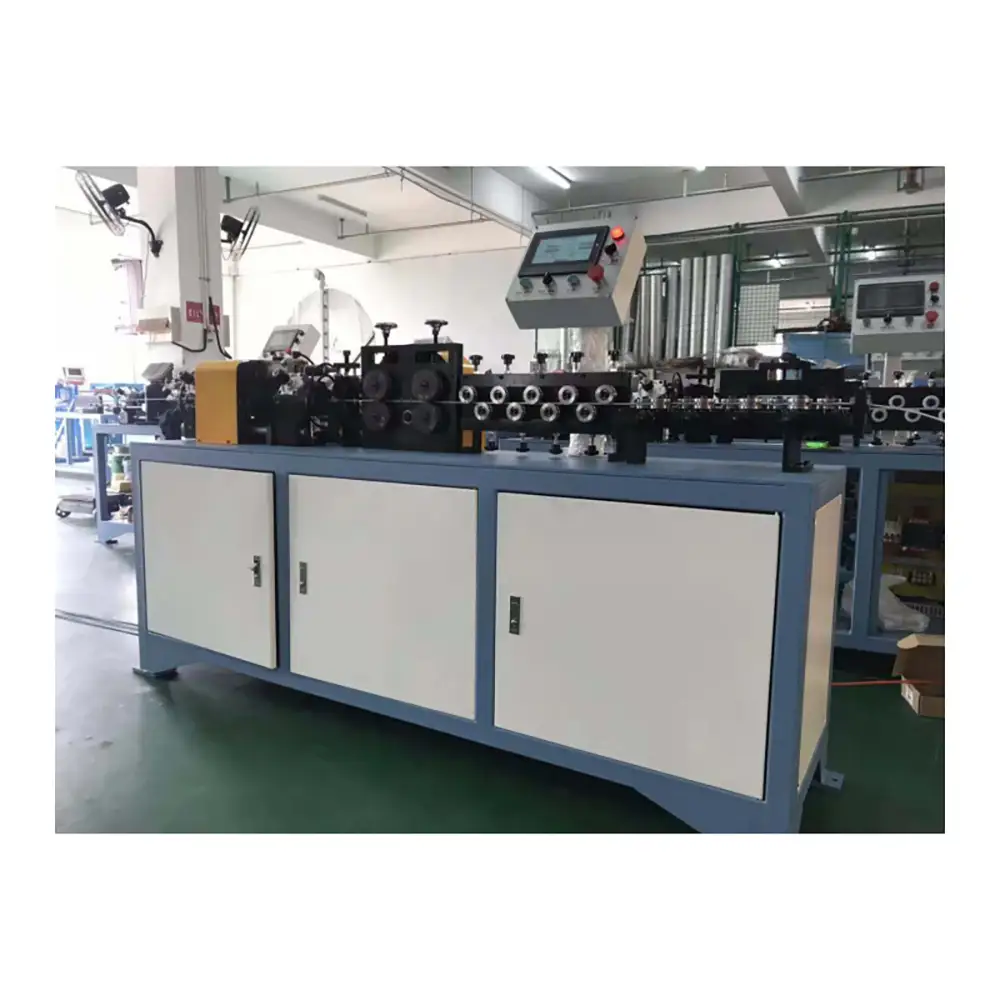
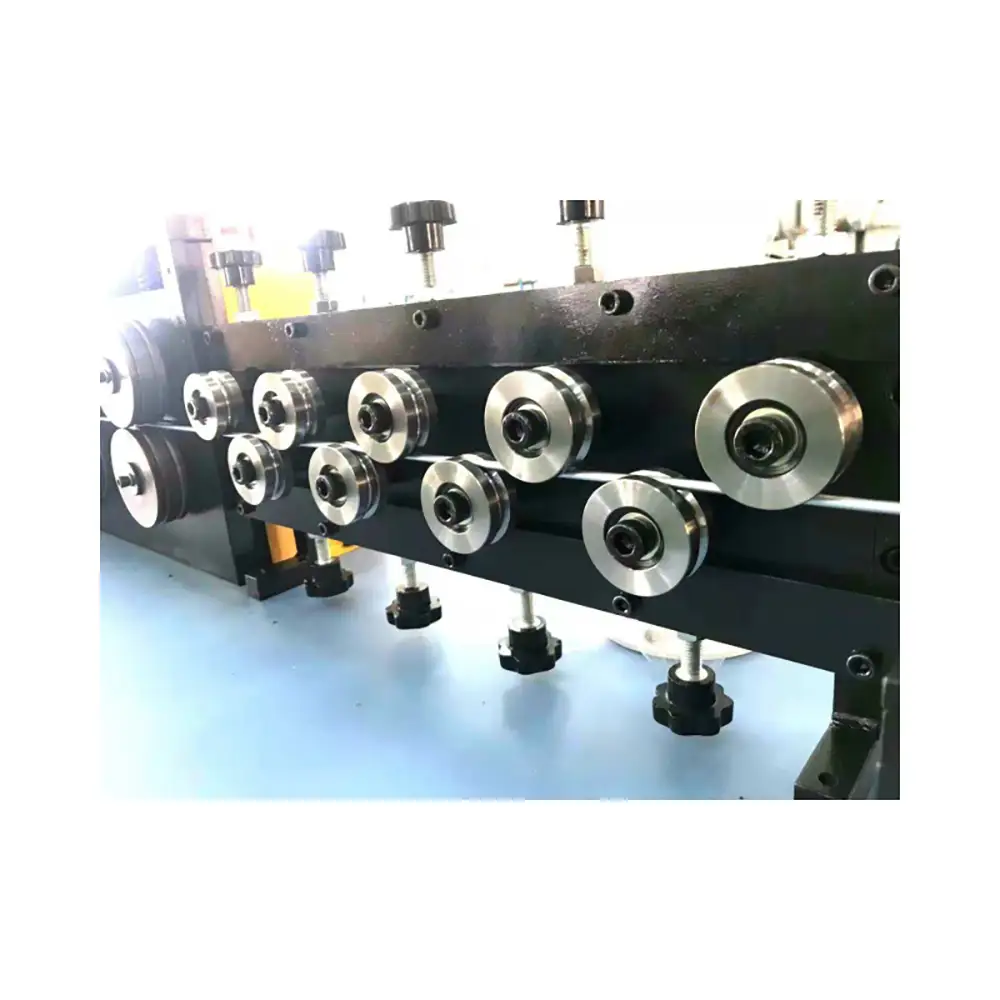
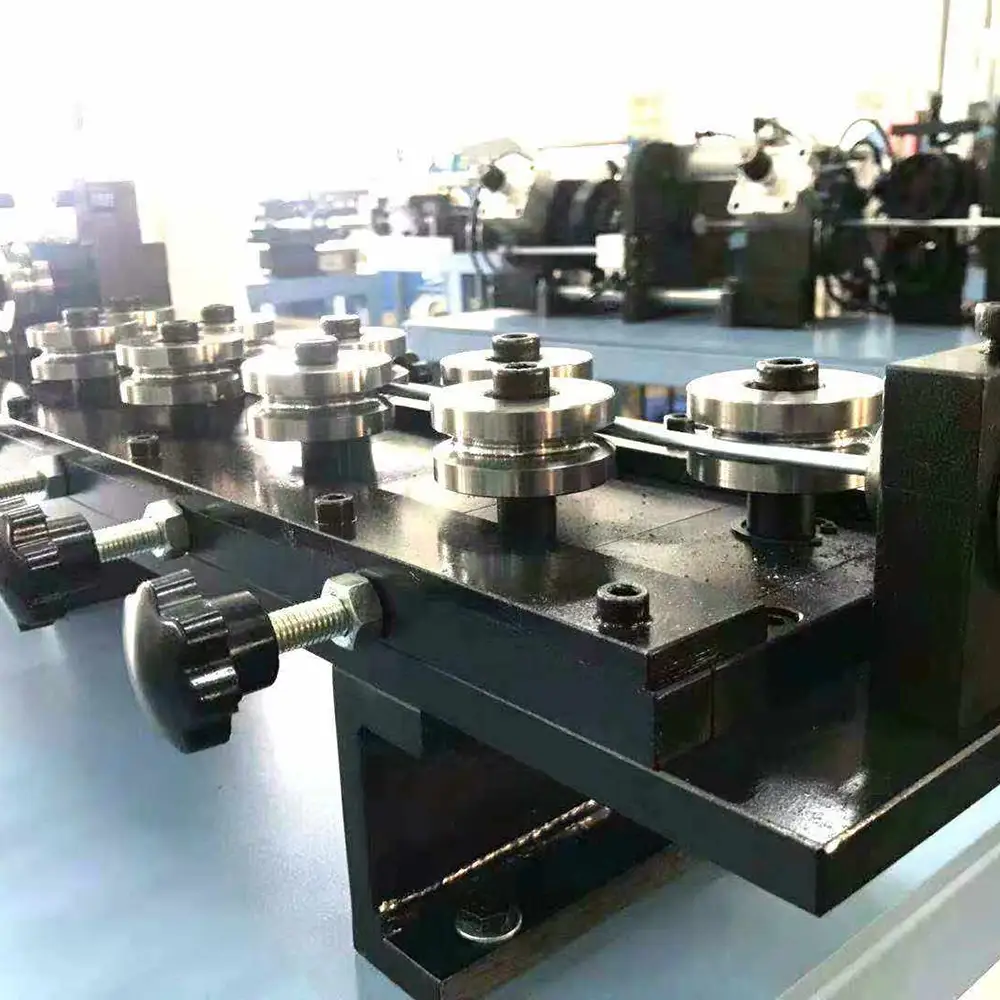
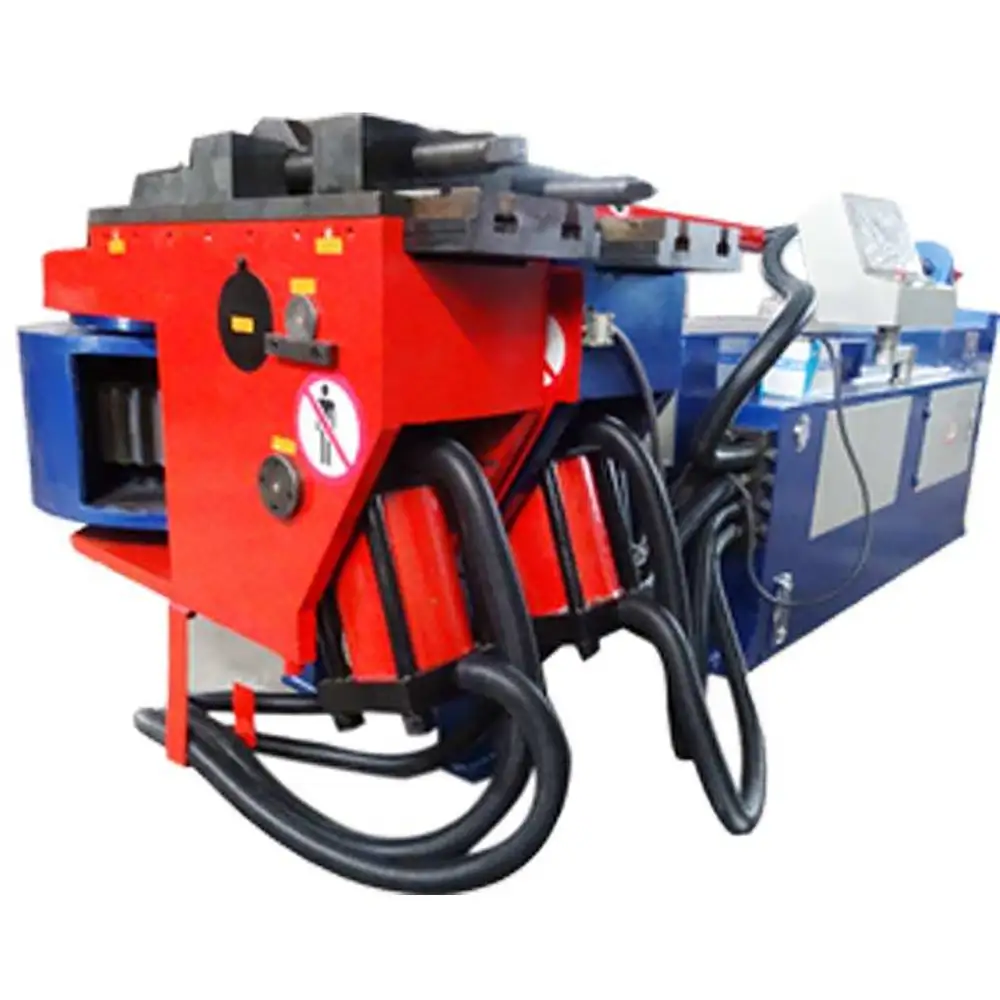
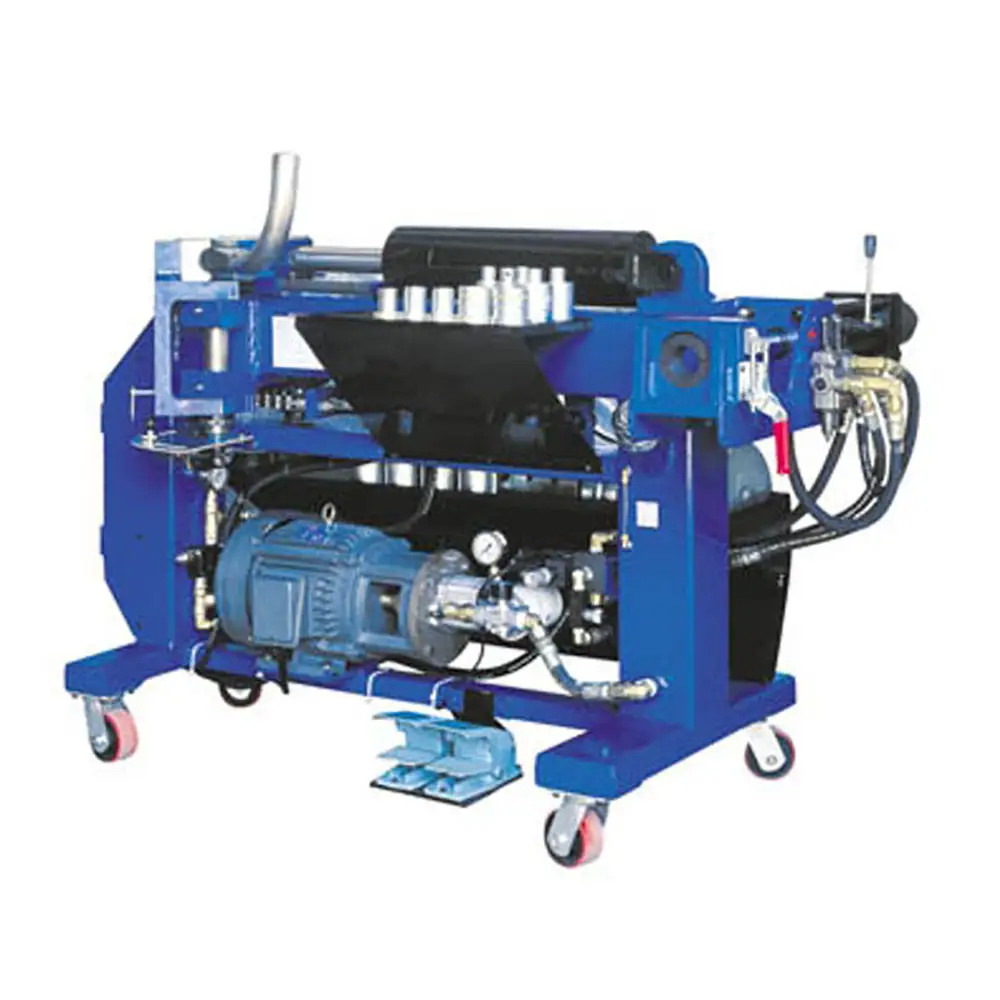
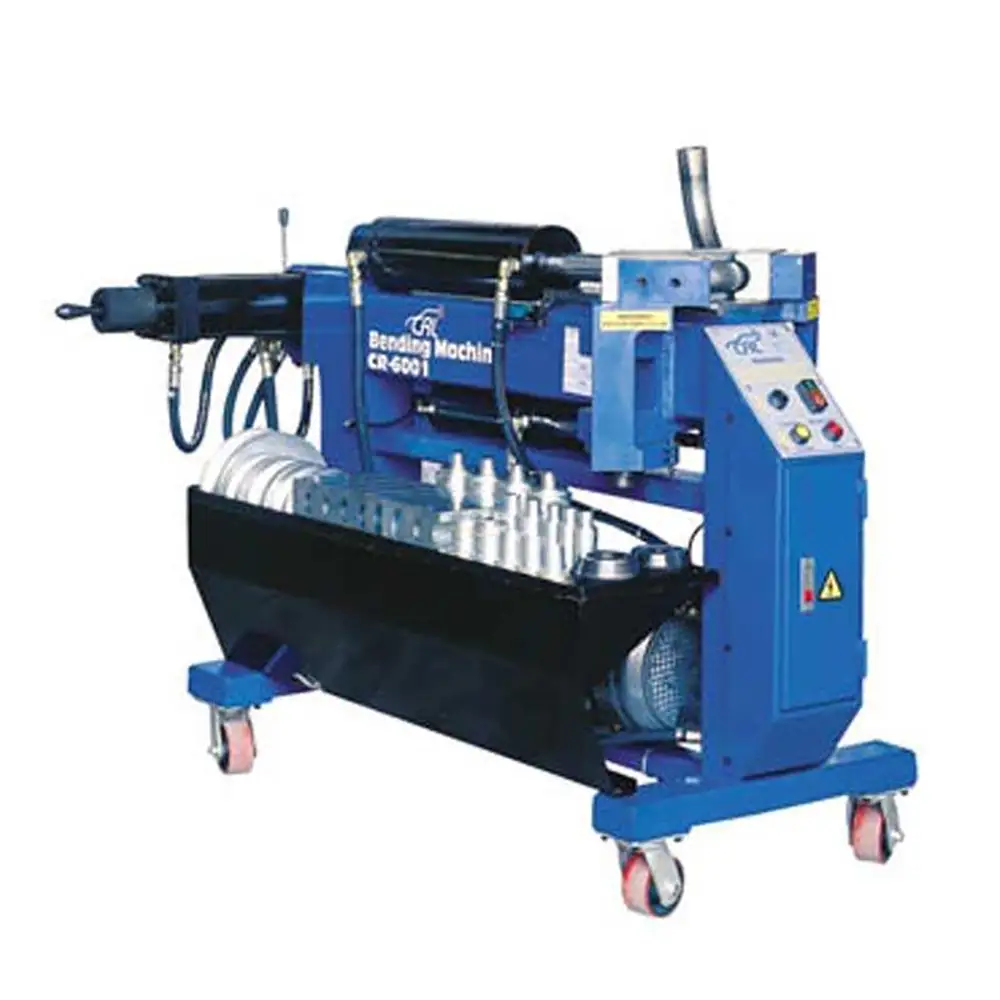
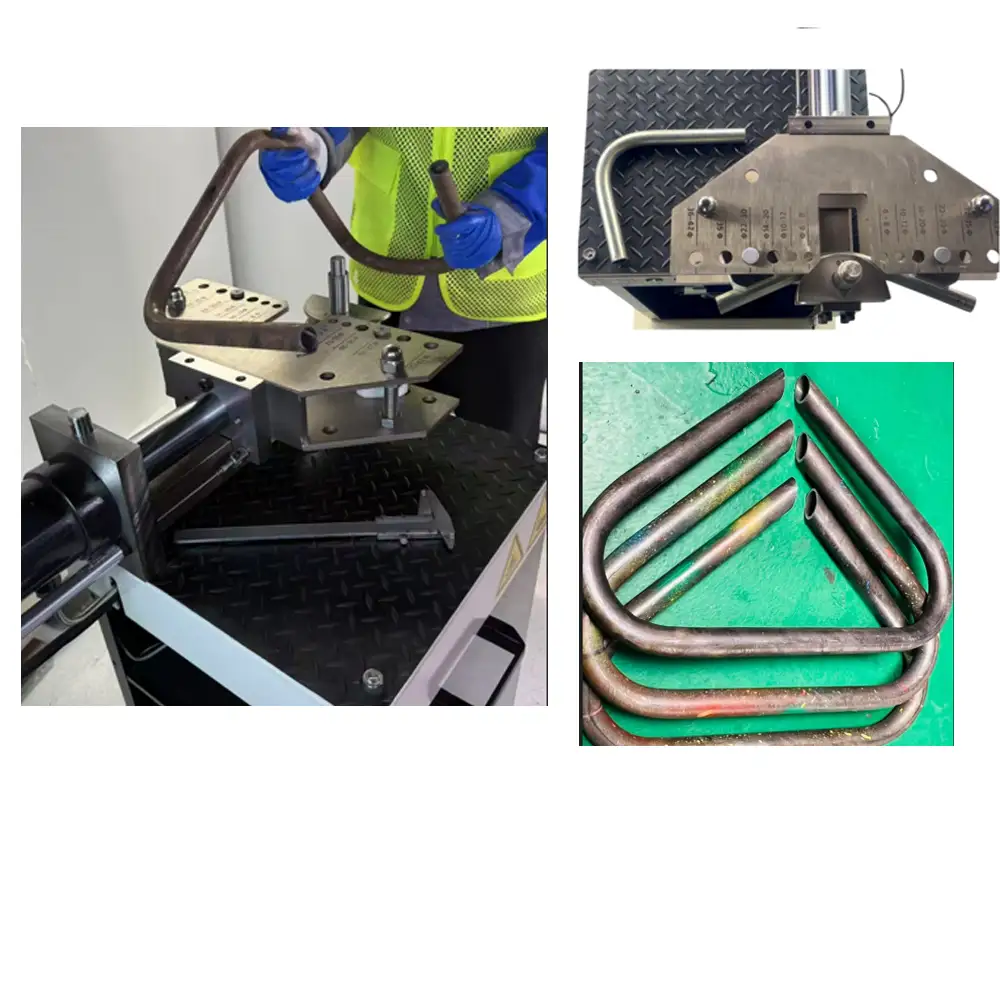
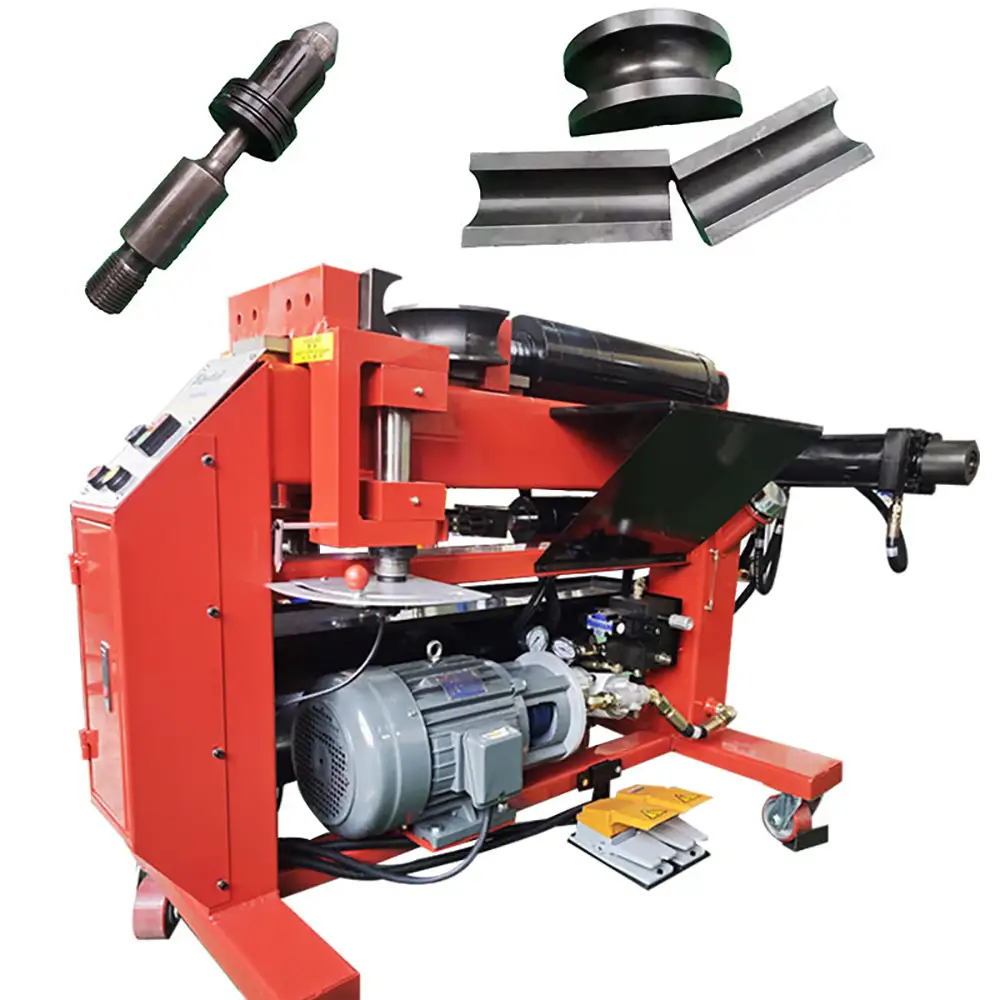
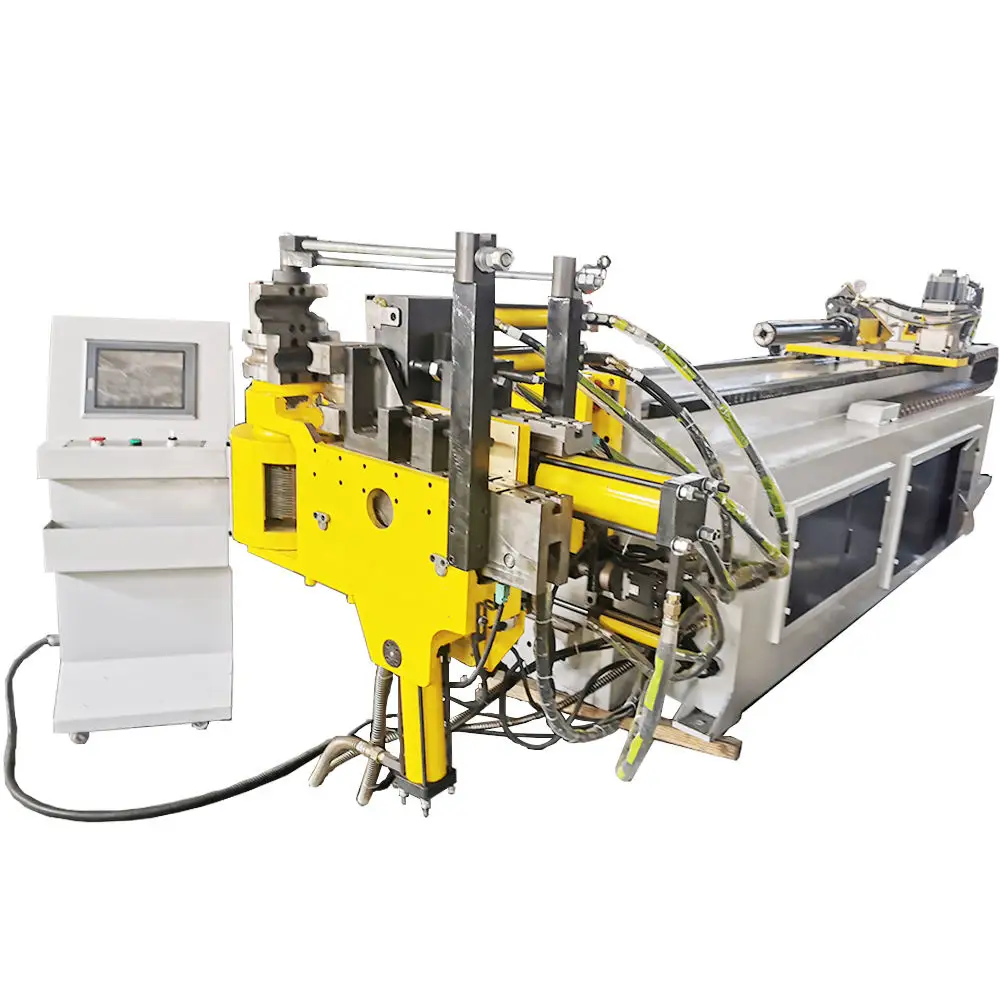
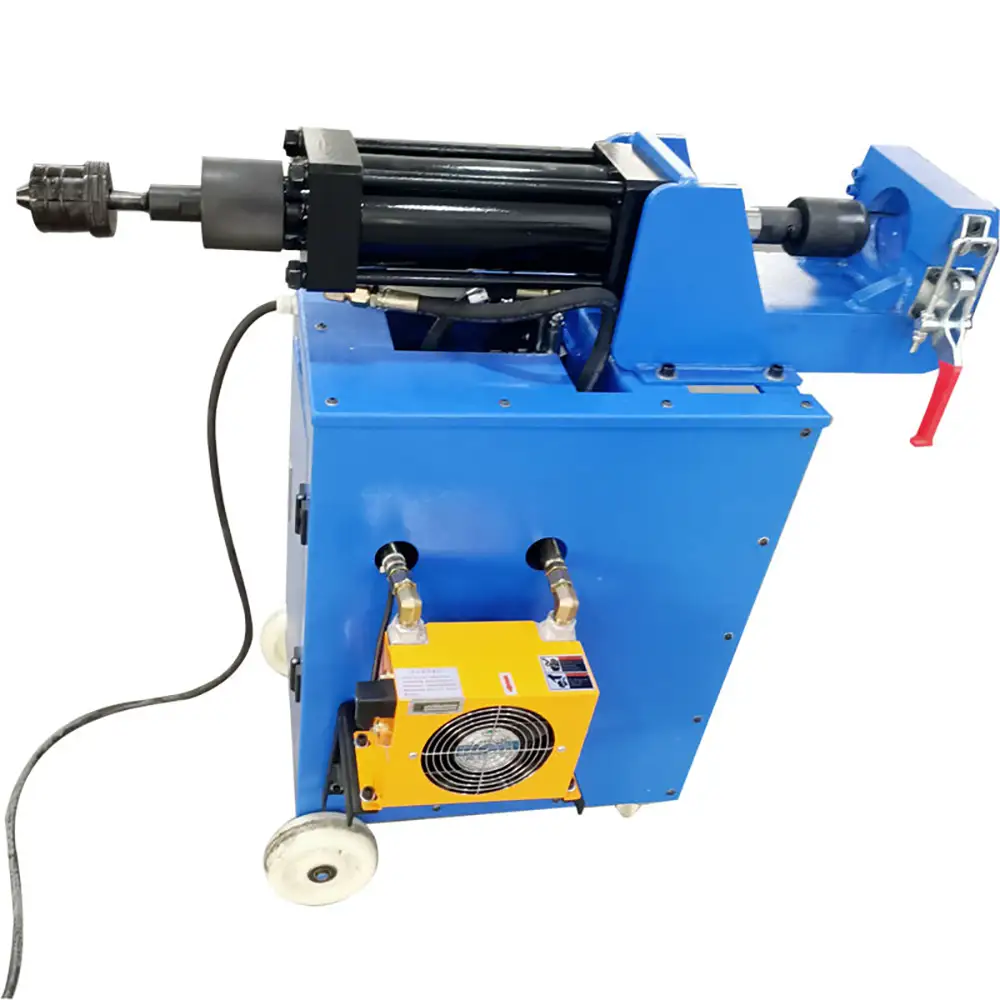
After years of research and development and practice, our company produced the same service bending control system to strengthen the strength of the bending structure, while improving the convenience of bending mold replacement, the key is to enhance the traditional processing of 4-5 tubes at a time to a processing of 8-10 tubes, quickly Improve production efficiency and save labor costs. Bending mold using a special design to ensure that the bending process of the tube itself a small amount of deformation and perfect R-shaped.
|
Item |
Parameters and specifications |
|
Equipment Model |
WB-12-G |
|
Applicable pipe |
Steel pipe, Bundy pipe |
|
Pipe processing range |
φ3- φ10 |
|
Bending radius range |
R9-R30 |
|
Bending angle |
1~180° |
|
Number of bends at a time |
1-12 (calculated according to the size of the pipe diameter) |
|
Single bending times |
110 times |
|
Single feeding |
10 ~ 700mm / time, can be 3 times feeding |
|
Operating system |
Touch screen + button switch |
|
Operation mode |
Manual feeding + automatic feeding + automatic bending |
|
Surface condition |
Tube surface without obvious pull, scratch, pressure marks and knurled scratches |
|
Input voltage |
380V, three, 50Hz |
|
Working air pressure |
0.6~0.8Mpa |
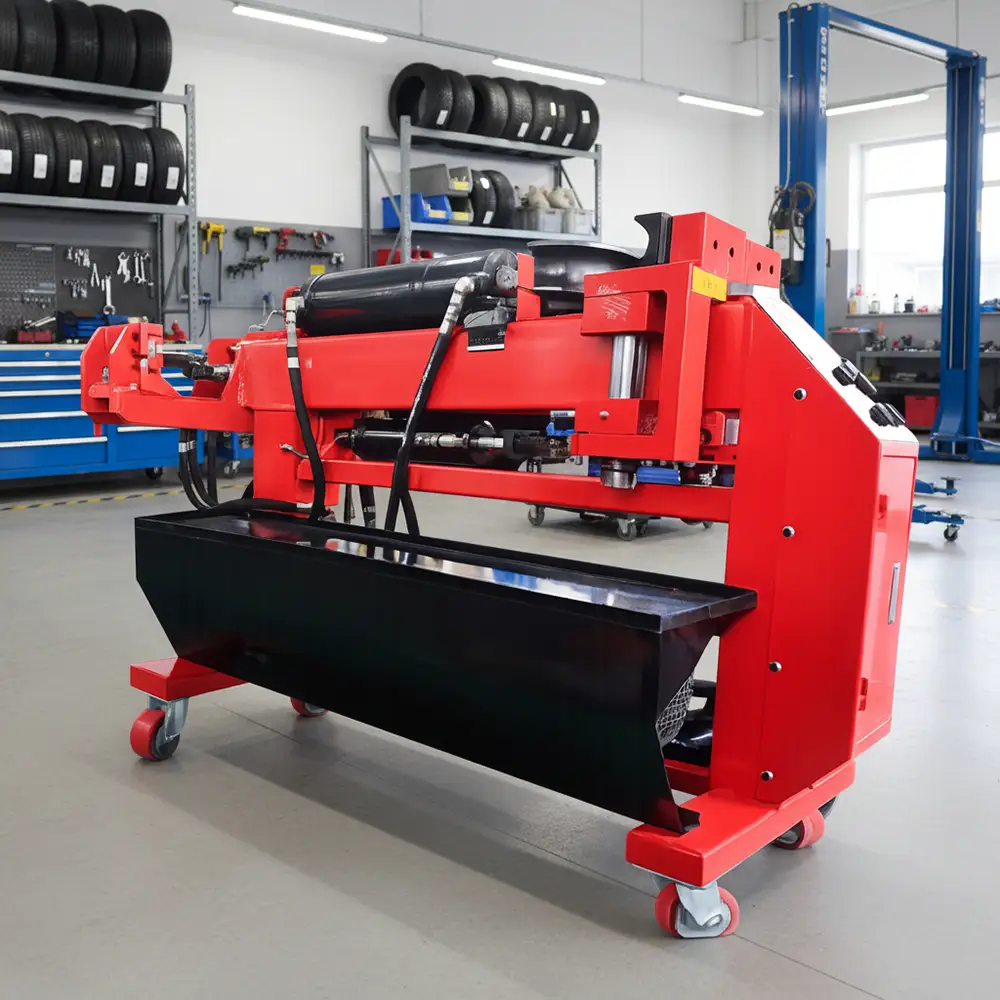
Serpentine Aluminum Copper Hydraulic Tube Bending Machine
The Serpentine Aluminum Copper Hydraulic Bender Tube Bending Machine is a specialized tube forming solution designed for bending suitable aluminum,copper,and other metal tubes into continuous serpentine or curved configurations. The machine is particularly useful for manufacturers producing heat exchanger coils,refrigeration components,HVAC tubing,automotive cooling systems,and other products that require accurately formed tubular circuits.
Serpentine tube forming requires controlled bending because multiple bends must be produced in a coordinated sequence while maintaining the required tube spacing,shape,and dimensional consistency. A hydraulic bending system can provide controlled forming force and repeatable mechanical movement for suitable tube materials and sizes.
The actual bending method,capacity,number of bends,and automation level depend on the machine configuration and tooling. Customers should provide tube diameter,wall thickness,material,and required serpentine geometry when selecting the appropriate equipment.
Serpentine Tube Bending Process
Serpentine tube bending involves forming a continuous tube into repeated curves or U-shaped sections. Instead of producing individual straight tube pieces and joining them together,the tube can be mechanically formed into a continuous serpentine configuration.
This can reduce the number of joints required in certain heat exchanger and cooling applications. A controlled bending process can also help maintain consistent spacing between adjacent tube sections.
The finished geometry depends on tube material,bend radius,tooling,center distance,number of bends,and machine setup. For production applications,the desired serpentine drawing or sample should be provided so the forming method can be evaluated.
Hydraulic Tube Bender
The hydraulic system provides mechanical force for tube forming. Hydraulic bending is commonly used when the workpiece requires controlled forming force or when the tube material and dimensions require more forming capacity than a simple manual bender can provide.
For aluminum and copper tubes,controlled force is important because excessive pressure can cause flattening,wrinkling,or surface deformation.
The hydraulic system should therefore be matched to the tube dimensions,material properties,and required bend geometry. Actual hydraulic pressure,stroke,and bending capacity vary according to the machine model.
Aluminum Tube Bending
Aluminum tubing is widely used in heat exchangers,refrigeration systems,automotive cooling components,and HVAC equipment because of its lightweight characteristics and thermal conductivity.
However,aluminum tube bending requires appropriate tooling and forming parameters to minimize surface damage and unwanted deformation.
A suitable serpentine tube bending machine can be configured for aluminum tubing according to its diameter,wall thickness,alloy,and required bend radius.
For production involving different aluminum tube specifications,interchangeable tooling can provide greater flexibility.
Copper Tube Bending
Copper tubing is commonly used in refrigeration,air conditioning,heat transfer,and plumbing applications. Its ductility makes it suitable for many tube forming operations,but incorrect bending conditions can still cause kinking,flattening,or dimensional variation.
A hydraulic copper tube bending machine can provide controlled mechanical forming for suitable copper tubing.
The correct bending die,clamping method,and forming parameters should be selected according to the copper tube size and required geometry. For applications involving thin-wall tubing or tight bends,additional support may be required.
Heat Exchanger and Refrigeration Applications
One of the important applications for serpentine tube bending is heat exchanger manufacturing.
Typical applications may include:
HVAC Heat Exchanger Coils
Refrigeration Heat Exchangers
Condenser Coils
Evaporator Coils
Automotive Radiators
Cooling Systems
Air Conditioning Equipment
Industrial Heat Transfer Equipment
Refrigeration Units
Thermal Management Components
Serpentine tube forming can create continuous flow paths for suitable heat transfer components. The exact tube configuration depends on the heat exchanger design and required flow path.
Continuous Tube Forming
The machine can be used for applications where multiple bends are required along one continuous tube. This can help reduce the need for cutting and joining separate tube sections.
Reducing the number of connections may be beneficial for certain manufacturing processes because each additional joint can introduce another assembly or joining operation.
However,the suitability of continuous serpentine forming depends on the product design,tube material,and required geometry. Customers should confirm the complete tube path before selecting tooling.
Bending Radius and Tube Geometry
Bending radius is one of the most important factors in tube forming. A smaller radius generally places greater forming demands on the tube and tooling.
The appropriate radius depends on tube diameter,wall thickness,material properties,and application requirements.
For serpentine heat exchanger tubes,the distance between adjacent bends may also be important because it determines the final coil width and overall component dimensions.
Tooling should therefore be designed around the actual product drawing rather than relying only on tube diameter.
Tube Clamping and Surface Protection
Proper tube clamping helps keep the workpiece stable during bending. At the same time,the clamping system should avoid excessive surface marking,particularly when processing soft aluminum or copper tubing.
Suitable dies and contact surfaces can help protect the tube exterior. Clean tooling and correct alignment are also important for maintaining surface quality.
If the finished tube will be visible or requires a controlled surface appearance,the tooling and bending process should be tested using the actual production material.
Production Efficiency
Serpentine tube bending machines can improve production efficiency when manufacturers repeatedly produce similar tube geometries.
Once the appropriate tooling and process parameters have been established,the operator can process multiple workpieces using a consistent bending procedure.
Actual production output depends on tube dimensions,number of bends,loading and unloading time,machine cycle characteristics,tooling,operator workflow,and required quality inspection.
For high-volume heat exchanger production,the tube bender can be integrated into a broader manufacturing line involving tube cutting,fin assembly,brazing,testing,and final inspection.
Applications Beyond Heat Exchangers
Although serpentine bending is commonly associated with heat transfer equipment,the machine can also be evaluated for other products requiring repeated curved tube configurations.
Potential applications include:
Automotive Cooling Components
Refrigeration Tubing
HVAC Components
Water Heating Equipment
Industrial Cooling Systems
Thermal Management Systems
Metal Coil Components
Specialized Tubular Structures
Custom Tube Assemblies
The actual application should be evaluated according to the material and geometry requirements.
Bending Accuracy and Quality
Tube bending quality depends on material consistency,tooling geometry,machine rigidity,hydraulic force,clamping,alignment,and forming parameters.
Springback can also affect the final angle or shape. Aluminum and copper alloys may respond differently depending on their composition and mechanical properties.
For products requiring precise dimensions,the first formed pieces should be inspected against the production drawing. Process parameters can then be adjusted as required.
Customers with strict dimensional requirements should provide drawings and tolerances before ordering.
Maintenance and Safety
Hydraulic tube bending equipment contains moving tooling and pressurized hydraulic components. Operators should follow appropriate machine safety procedures and keep hands clear of the bending area during operation.
Depending on the configuration,the machine may include emergency-stop controls,guards,limit systems,and other protective features. Actual safety equipment should be confirmed for the selected model.
Routine maintenance may include checking hydraulic lines,connections,oil condition,tooling,fasteners,and moving components. The bending dies should also be inspected regularly for wear or damage.
Keeping aluminum and copper tube contact surfaces clean can help reduce surface marks and contamination.
OEM and Custom Serpentine Tube Bending
Different heat exchanger manufacturers may require different tube diameters,bend radii,center distances,and serpentine patterns.
The machine can therefore be evaluated for custom production requirements. Customers should provide:
Tube Material
Tube Outside Diameter
Wall Thickness
Tube Length
Bend Radius
Bend Count
Center Distance
Serpentine Width
Overall Coil Dimensions
Production Volume
CAD drawings or physical samples can help determine the appropriate tooling and machine configuration.
OEM and ODM solutions may include custom dies,fixtures,control systems,and tube handling arrangements according to the application.
Why Choose Us
Serpentine Tube Forming – Designed for applications requiring repeated bends and continuous curved tube configurations.
Aluminum and Copper Applications – Suitable machine configurations can be developed for common heat exchanger and refrigeration tubing.
Hydraulic Bending Force – Hydraulic operation provides controlled mechanical force for suitable tube forming applications.
Heat Exchanger Production – Suitable for condenser,evaporator,radiator,HVAC,and refrigeration tube forming applications.
Flexible Tooling – Dies and fixtures can be selected according to tube diameter,bend radius,and serpentine geometry.
Consistent Production – Controlled machine movement can help improve repeatability across repeated tube bending cycles.
Custom Manufacturing Support – Machine configuration can be evaluated according to tube specifications and production requirements.
OEM & ODM Service – Custom tooling,fixtures,and machine configurations can be developed for manufacturers,distributors,and industrial buyers.
FAQs
1. What is a serpentine tube bending machine?
A serpentine tube bending machine is equipment designed to form a continuous tube into repeated curves or U-shaped sections,creating a serpentine configuration.
2. Can it bend aluminum tubes?
Yes. The machine can be configured for suitable aluminum tubing when the bending dies and parameters are matched to the material.
3. Can it bend copper tubes?
Yes. Suitable copper tubes can be formed using appropriate tooling and controlled bending conditions.
4. What industries use serpentine tube bending?
Common applications include HVAC,refrigeration,heat exchanger,automotive cooling,and industrial thermal management manufacturing.
5. Can it make heat exchanger coils?
It can be used for suitable serpentine tube forming in heat exchanger production. The exact coil geometry and tooling should be confirmed according to the product design.
6. Is hydraulic bending better for copper and aluminum?
Hydraulic bending provides controlled mechanical force,but suitability depends on the tube material,dimensions,tooling,and required geometry. The machine should be configured for the specific application.
7. What tube sizes can the machine bend?
The available tube size range depends on the machine model and tooling. Tube outside diameter,wall thickness,and material should be provided when selecting the machine.
8. Can the machine produce different serpentine shapes?
Different tooling and machine configurations may support different serpentine patterns,bend radii,and center distances. Custom tooling can be evaluated for special geometries.
9. How can tube flattening be reduced?
Appropriate bending radius,die geometry,clamping,forming force,and tube support can help reduce excessive flattening. Actual results depend on the material and tube dimensions.
10. Can it process thin-wall tubes?
Potentially,depending on the tube material,diameter,wall thickness,bend radius,and machine tooling. Thin-wall applications should be tested with the actual tube specification.
11. Can the machine be customized?
Yes. Depending on the manufacturer and application,custom dies,fixtures,control systems,and tube handling arrangements can be considered.
12. What information is needed for a quotation?
Provide tube material,outer diameter,wall thickness,tube length,bend radius,number of bends,center distance,serpentine dimensions,production volume,and drawings if available.
Prev:
DW38CNC-2A-1S Full Automatic Pipe Bending Machine Bend by Hydraulic
Next:
Auto Repair Shop Exhaust Tube Shrinking Expanding Machine End Forming Machine for Tube and Pipe Expanding Shrinking Bead
TAG:
Metal Tube Forming Machine,
Tube Forming Machine,
Tube Forming Equipment,
Aluminum Tube Forming Machine,
Copper Tube Forming Machine,
Aluminum Tube Bending Machine,
Pipe Bending Equipment,
Tube Bending Equipment,
Automatic Tube Bending Machine,
Hydraulic Pipe Bending Machine,
CNC Tube Bending Machine,
Industrial Tube Bending Machine,
Hydraulic Tube Bending Machine,
Metal Pipe Bending Machine,
Tube Bending Machine,
Metal Tube Bending Machine,
Pipe Bending Machine,
Semi-Automatic Tube Bending Machine,
CNC Pipe Bending Machine,
Metal Tube Bender,
Pipe Bending Machinery,
Tube Bending Machinery,
Aluminum Pipe Bending Machine,
Hydraulic Tube Bender,
Hydraulic Pipe Bender,
Industrial Tube Bender,
Precision Tube Bending Machine,
Copper Tube Bending Machine,
Copper Tube Bender,
Aluminum Tube Bender,
Related Category:
Serpentine Tube Bending Machine,Serpentine Tube Bender,Aluminum Tube Bending Machine,Copper Tube Bending Machine,Hydraul China, suppliers, manufacturers, factory, customized, wholesale, quotation, made in China