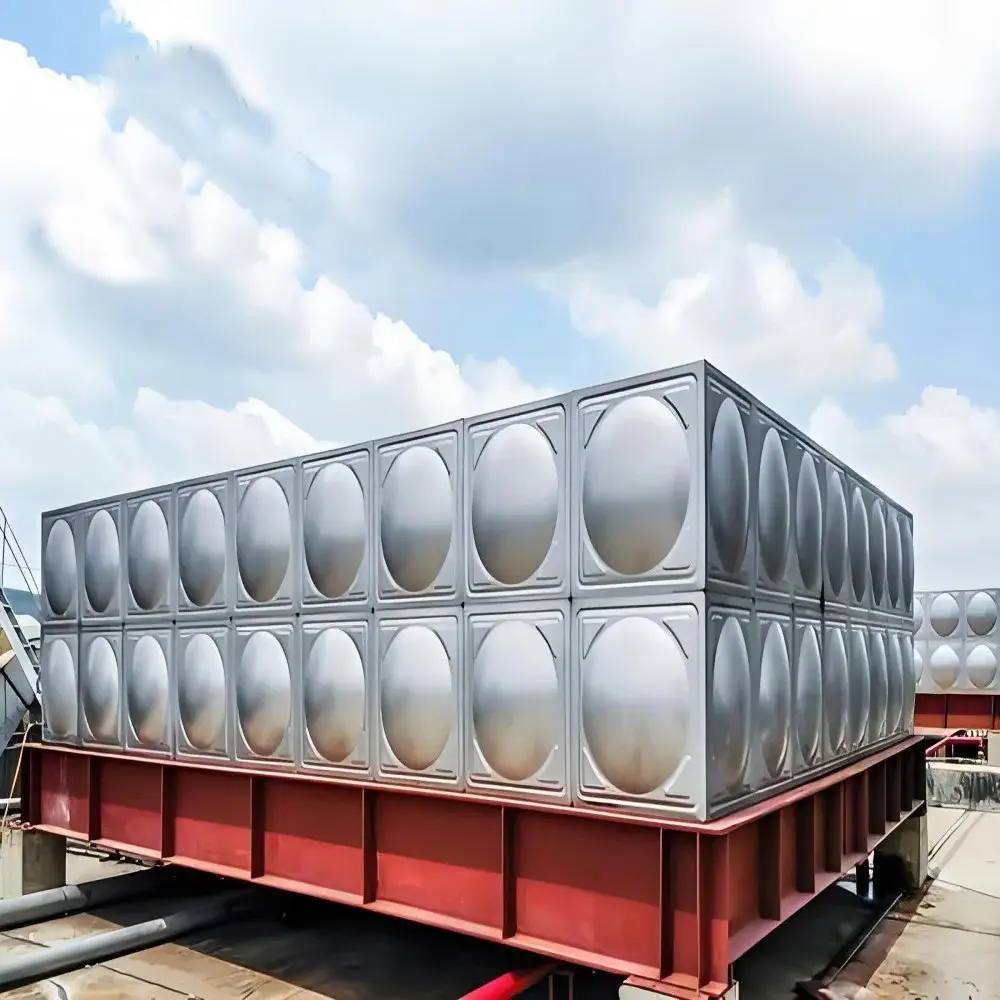
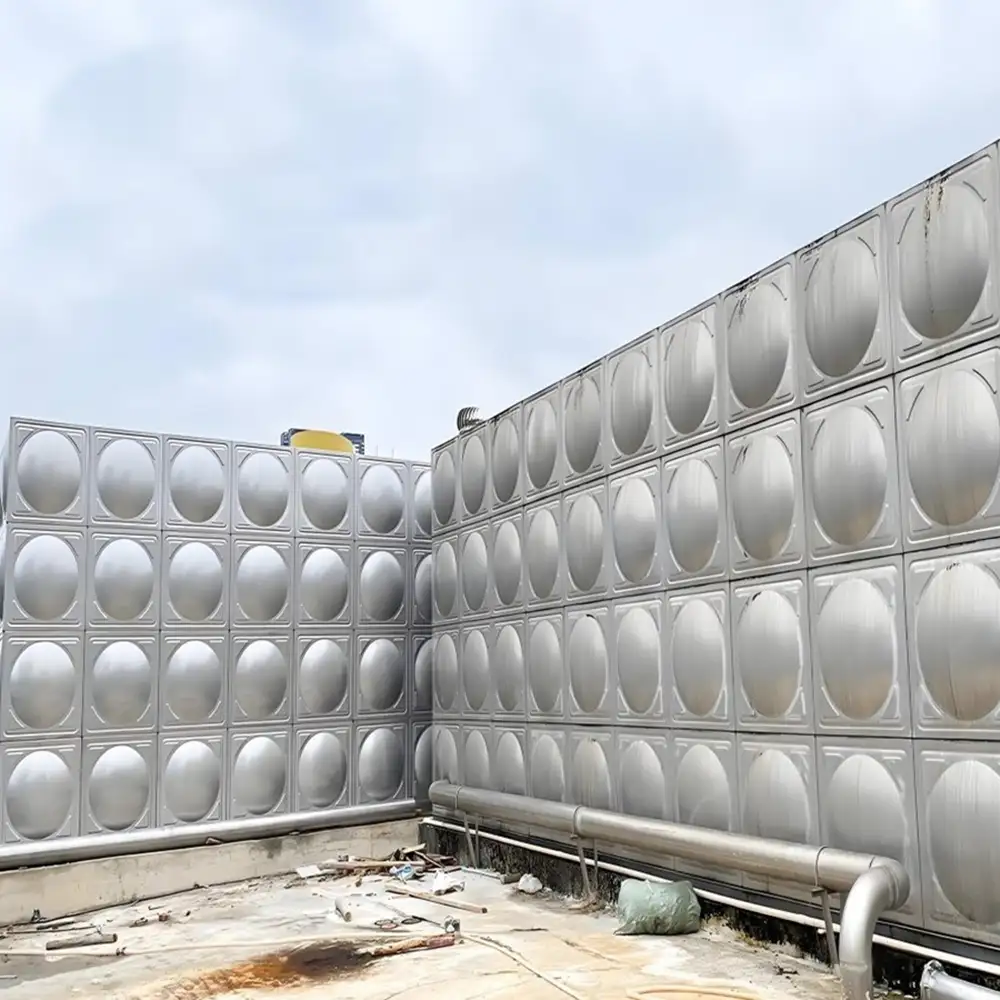
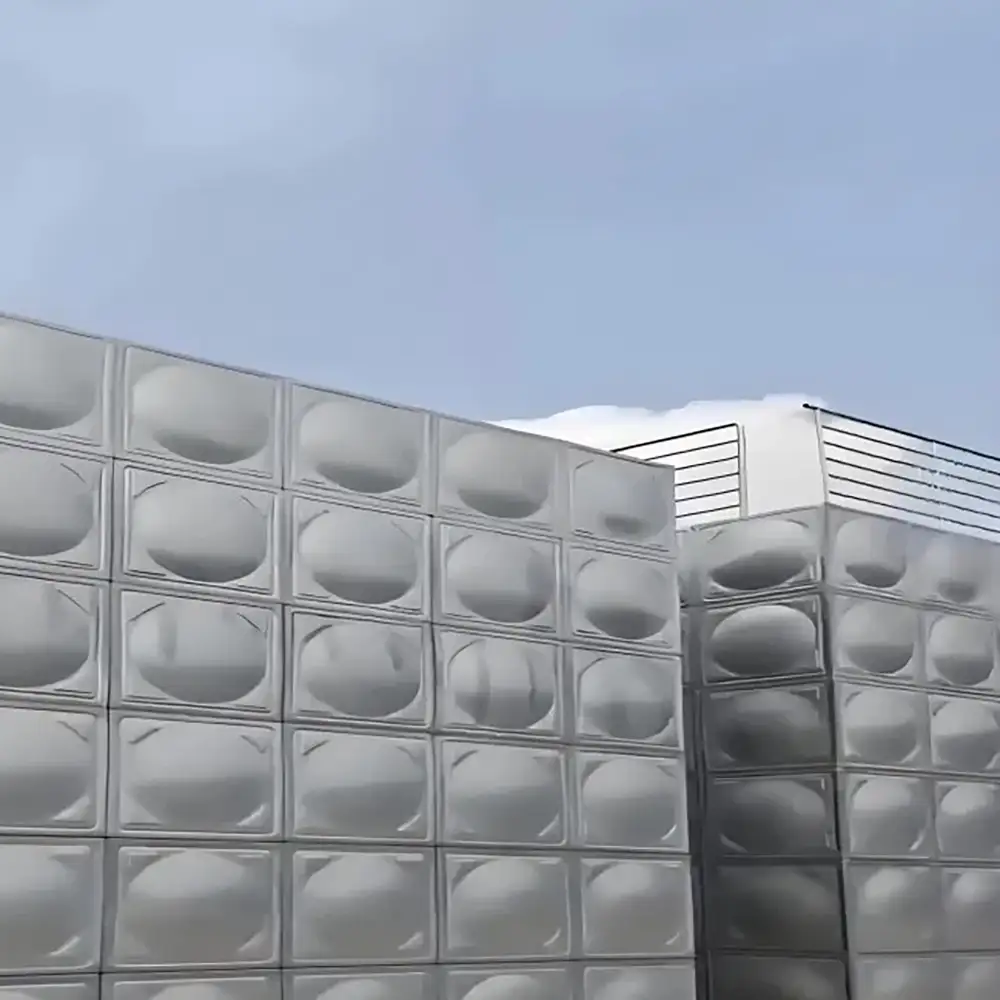
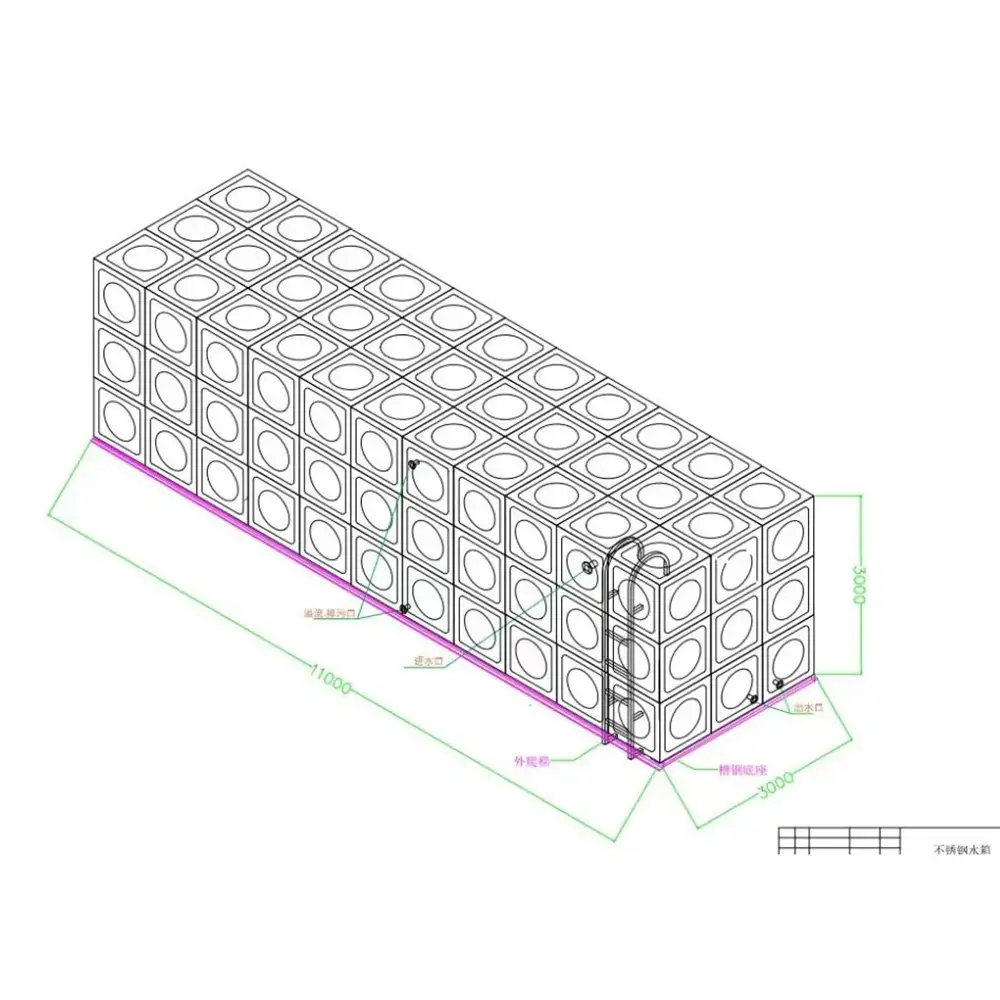
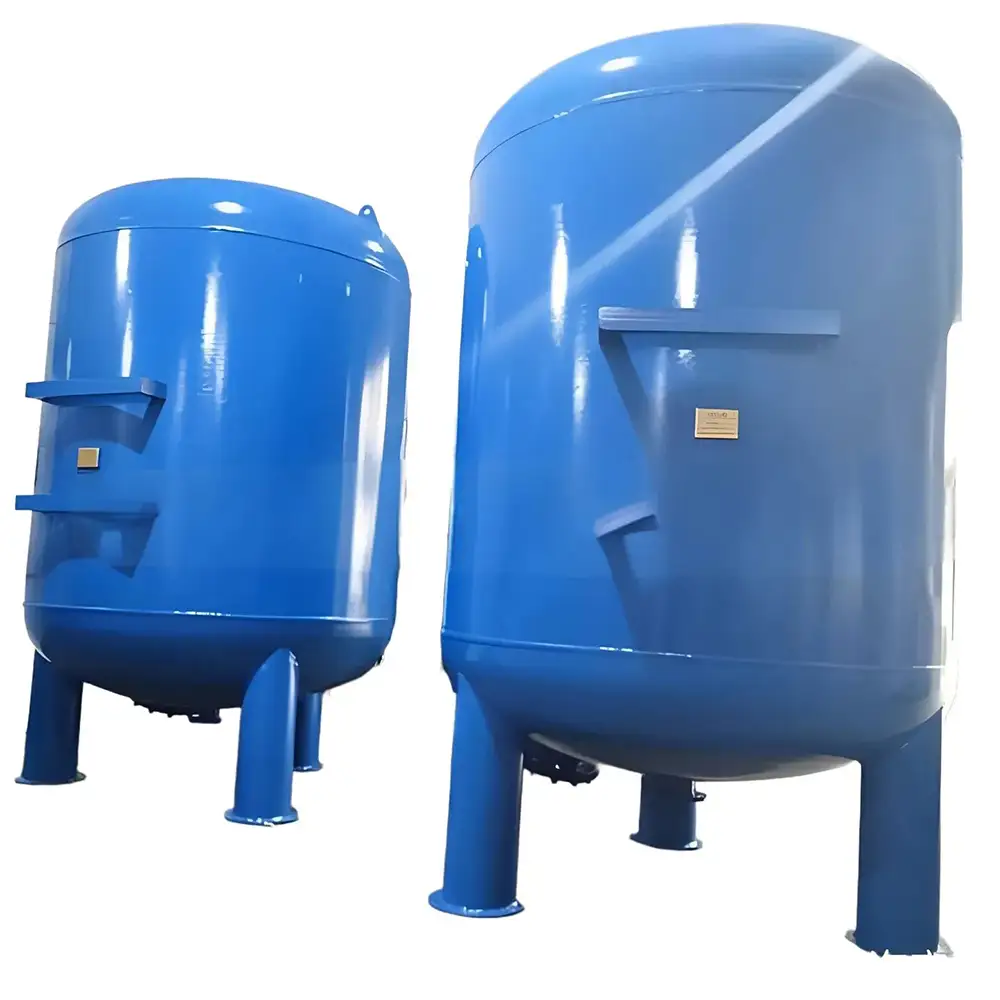
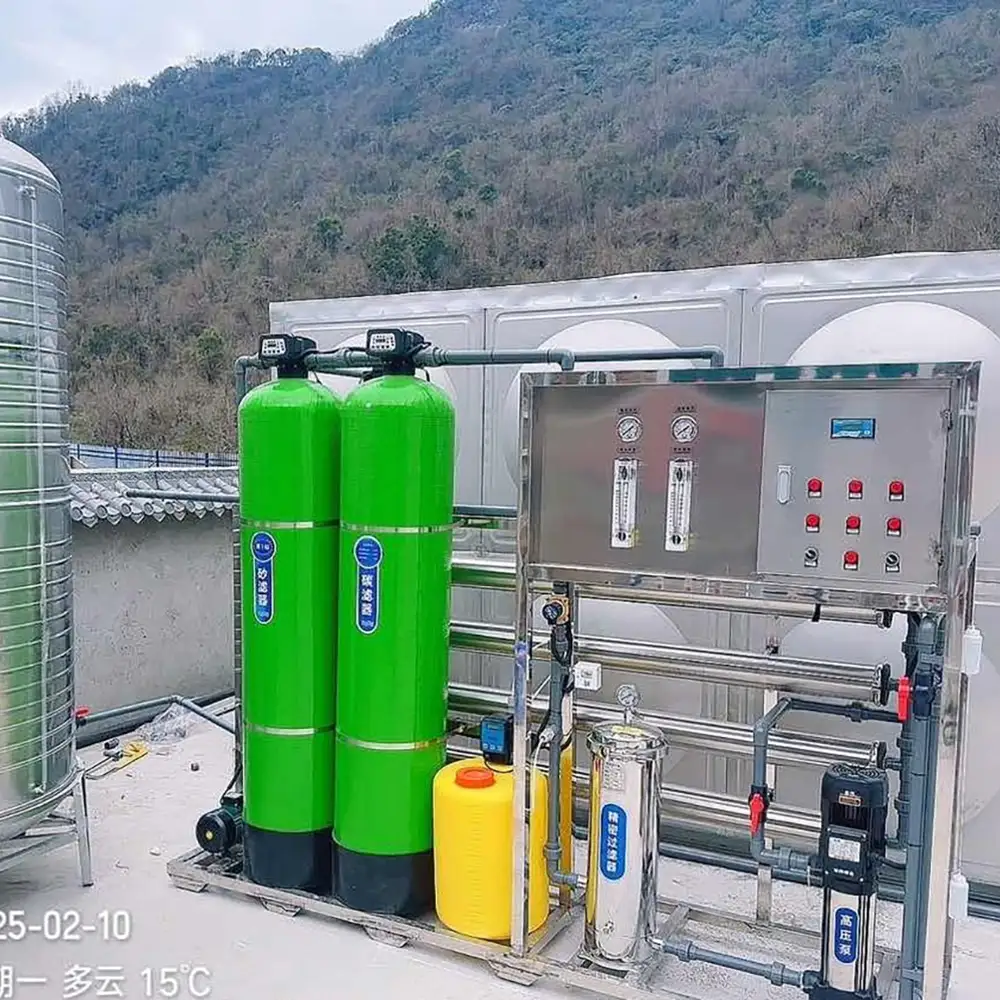
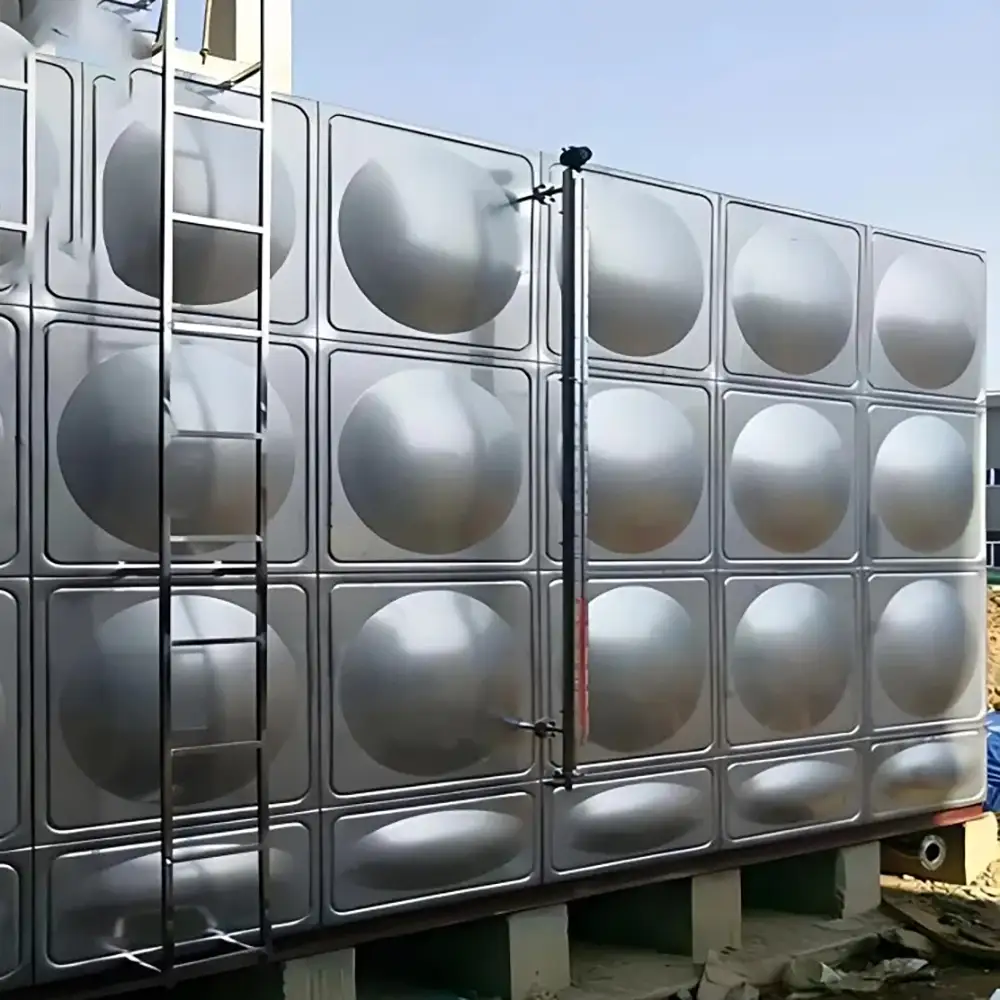
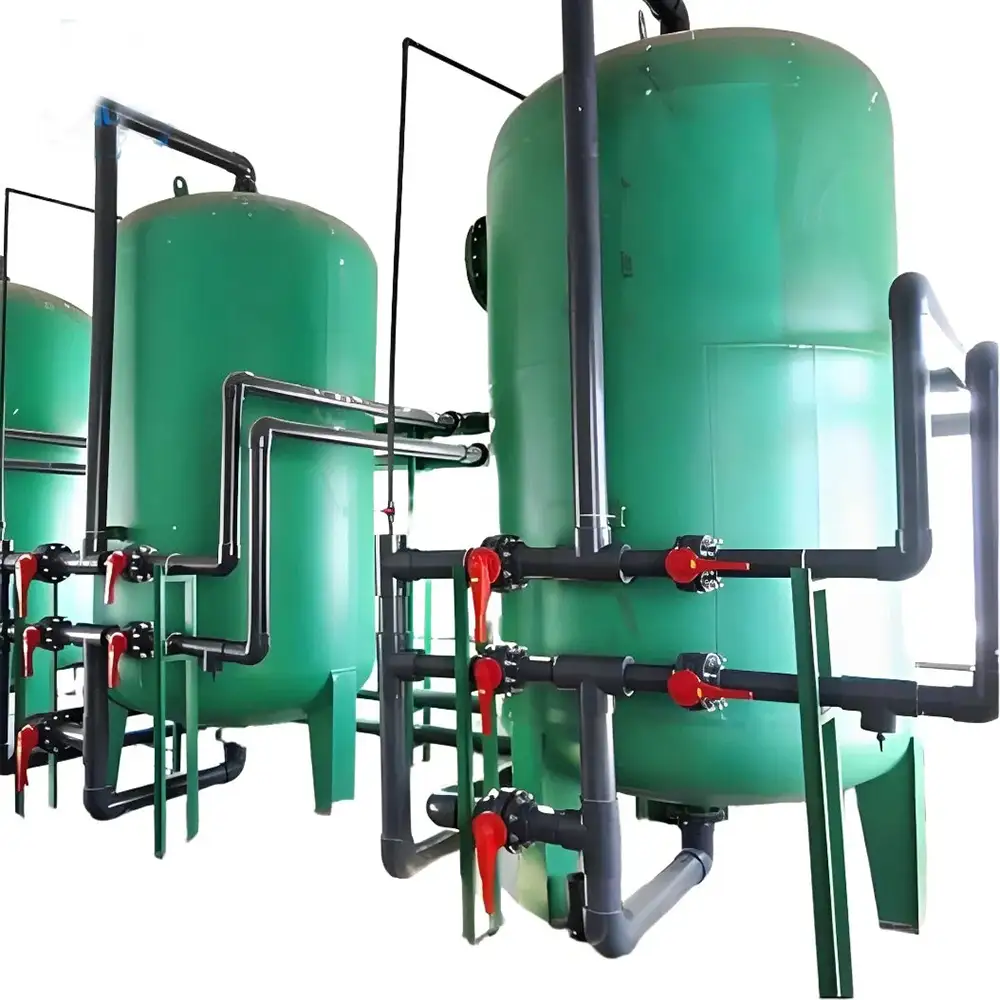
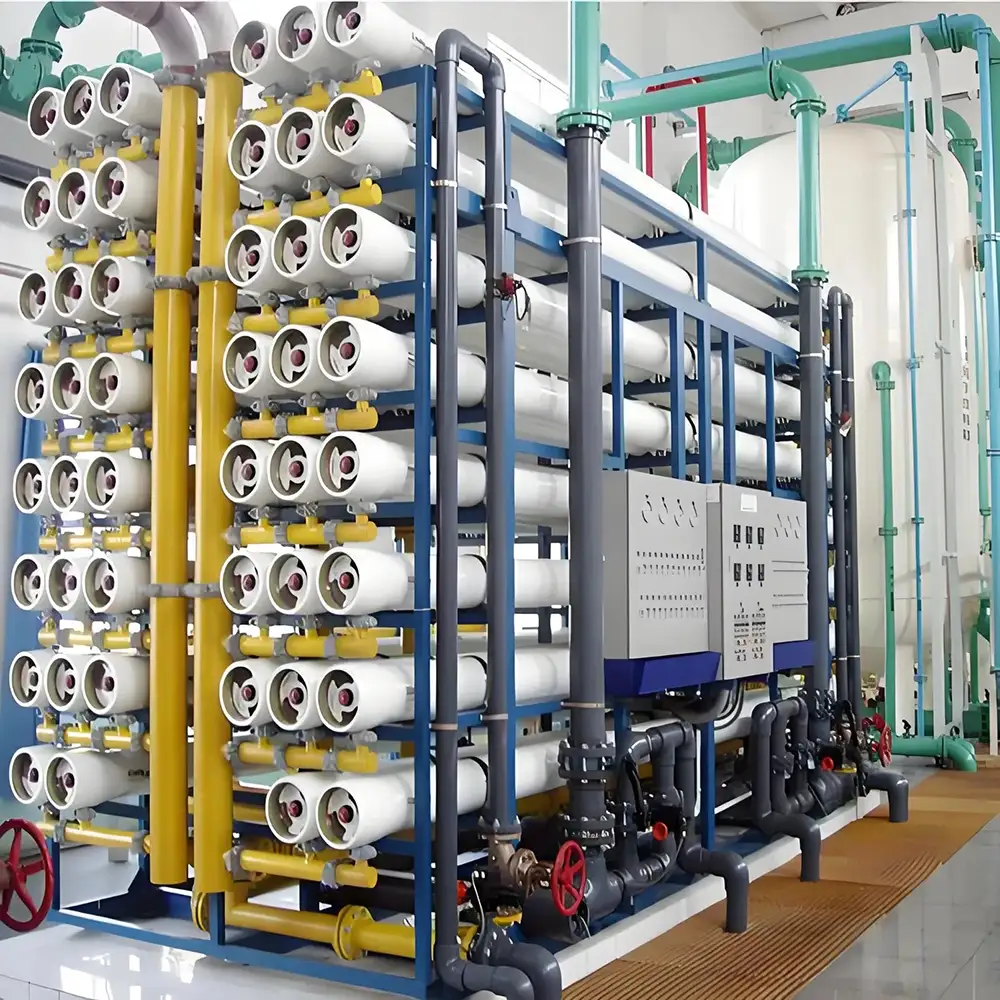
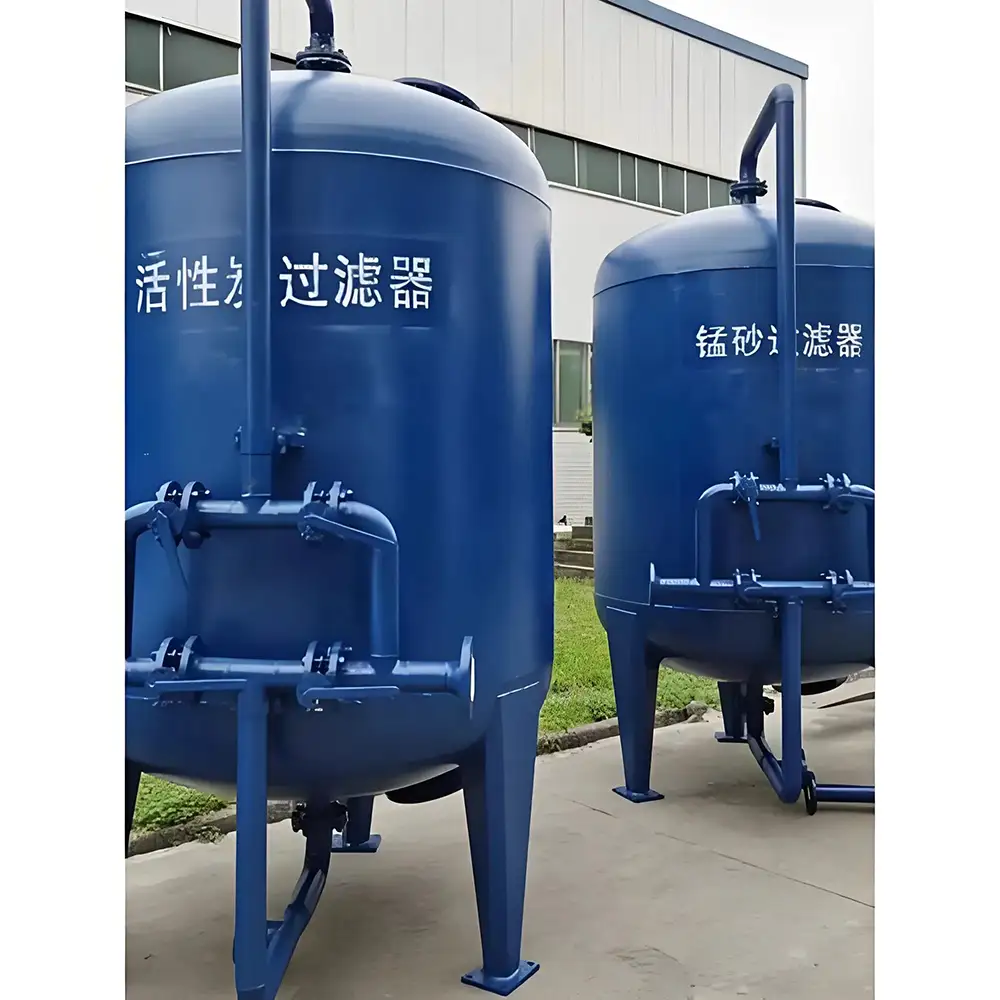
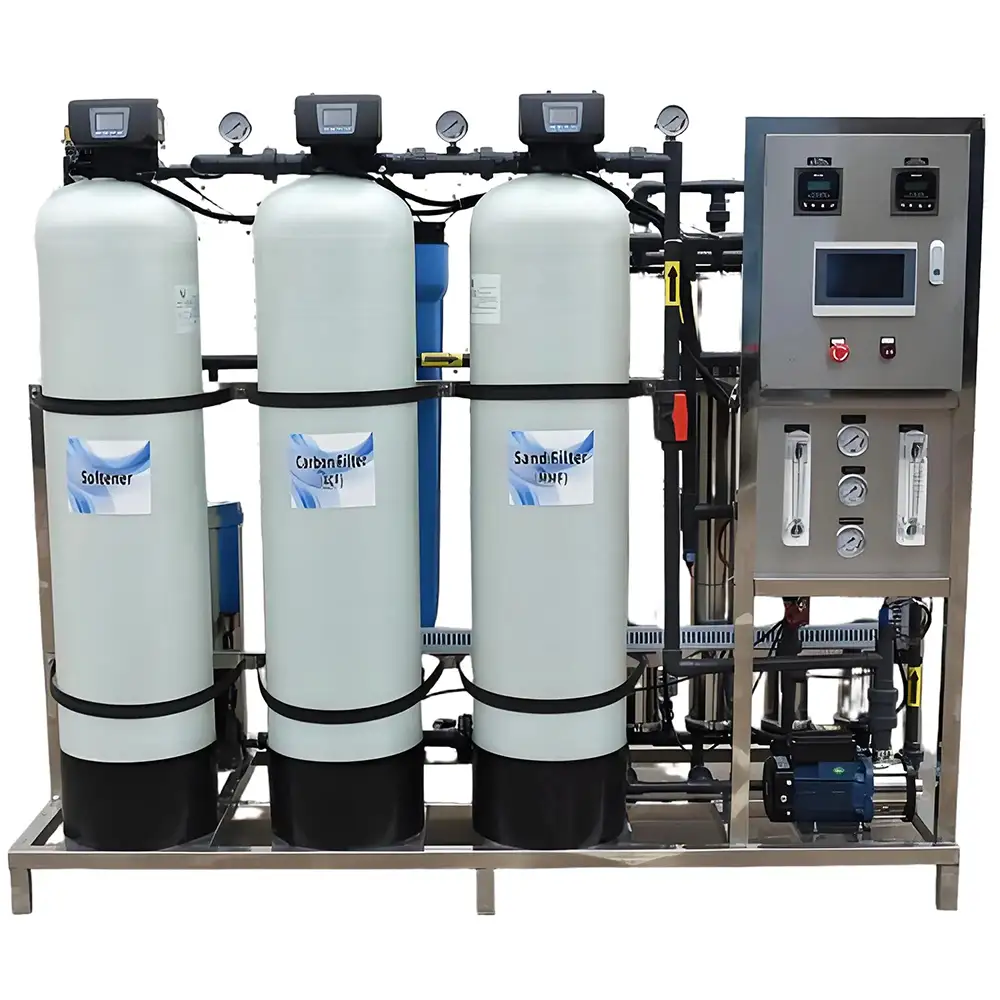
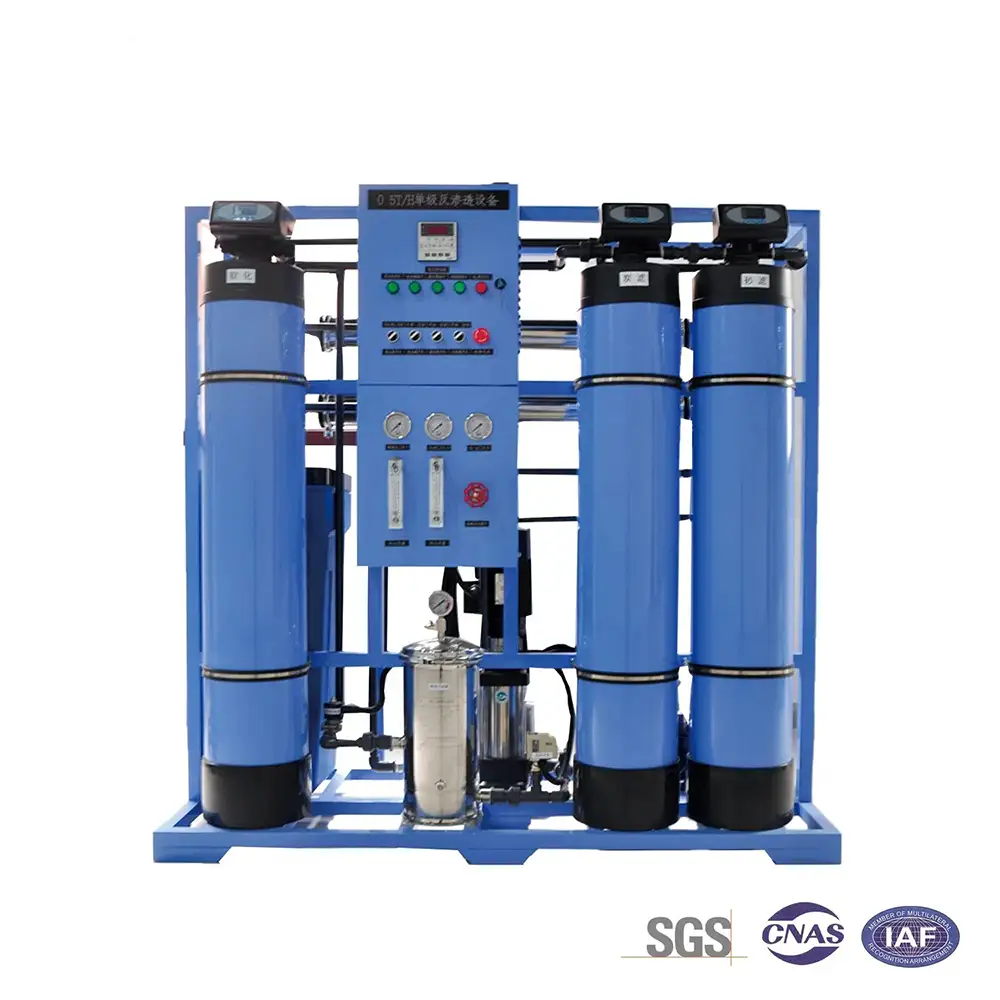
Water tank is a device used to store and distribute liquids, which is widely used in life and industry. Water tanks come in many types, and can be divided into fiberglass tanks, stainless steel tanks, enamel tanks, galvanized steel tanks, and PE tanks according to their materials. Each type of water tank has its own unique characteristics and applicable scenarios.
Product Parameters
|
brand |
wzss |
high |
Customizable |
weight |
Can be customized according to the water tank size |
|
Plate thickness |
8mm |
Specification |
Customizable, heat preservation |
support |
Customizable |
|
run |
cycle |
Material |
Stainless steel, galvanized, customizable |
Scenario |
Residential area, school, factory, etc. |
|
type |
Can be above ground or buried underground |
shape |
Square |
HS |
7309000000 |
Secondary Water Supply Tank / Fiberglass / Solar Water Heating System / Fire Protection Available
A Secondary Water Supply Tank is a reliable water storage solution designed to provide reserve capacity for residential buildings, commercial facilities, industrial plants, hotels, hospitals, agricultural projects, and other applications where a stable water supply is required. When manufactured from fiberglass reinforced plastic (FRP/GRP), the tank combines corrosion resistance, lightweight construction, flexible configuration, and long-term water storage performance.
This type of water storage tank can be configured for several applications, including secondary water supply, domestic water storage, solar water heating systems, process water storage, rainwater collection, irrigation, and dedicated fire protection reserves. Fiberglass tanks are widely used for fire protection because they can provide watertight standby storage and are available in both above-ground and underground configurations.
The exact tank structure, capacity, fittings, internal configuration, insulation, and certification requirements should be selected according to the stored water, installation environment, local building requirements, and intended application.
What Is a Secondary Water Supply Tank?
A secondary water supply tank is a storage vessel installed as part of a building or facility water supply system to provide additional water capacity when the primary municipal or well supply is insufficient, intermittent, or unable to meet peak demand.
The tank can receive water from a municipal pipeline, well, rainwater collection system, water treatment plant, or other approved source. A booster pump system can then supply stored water to the building or process equipment at the required pressure.
A typical secondary water supply configuration may include:
Primary Water Source → Inlet Control → Fiberglass Storage Tank → Level Control → Booster Pump → Building Water Distribution System
The system can be equipped with water level sensors, float valves, overflow pipes, drain connections, inspection openings, ventilation, access manways, and other accessories.
Fiberglass FRP Water Tank Construction
FRP stands for Fiber Reinforced Plastic, while GRP refers to Glass Reinforced Plastic. Both terms are commonly used to describe composite tanks manufactured using glass fiber reinforcement and resin.
Compared with conventional metal tanks, fiberglass construction offers excellent corrosion resistance and does not rely on conventional exterior or interior paint coatings for basic corrosion protection. This makes FRP attractive for water storage applications where moisture, humidity, chemicals, or outdoor exposure could create corrosion concerns.
Depending on the project, the tank may be supplied as a factory-made vessel or as a sectional panel tank assembled at the installation site. Modular panel construction can be particularly useful when the installation location has restricted access because individual panels can be transported through doors, corridors, basements, rooftops, or other difficult areas.
Solar Water Heating System
This fiberglass water storage tank can also be integrated into a Solar Water Heating System when the tank design and materials are suitable for the operating temperature and pressure of the application.
A solar thermal water heating system typically uses solar collectors to capture solar energy and transfer heat to water or a heat-transfer fluid. The heated water is stored in a tank for later use.
A simplified system can be:
Solar Collector → Circulation System → Heat Exchanger or Storage Tank → Hot Water Distribution
Depending on the system design, one or more storage tanks may be used together with auxiliary heating equipment. Solar water heating systems may also require insulation, temperature controls, pressure relief components, circulation pumps, expansion equipment, and freeze/overheat protection appropriate to the climate and system type.
For this reason, a standard cold-water storage tank should not automatically be marketed as a high-temperature solar storage tank. The tank material, resin system, liner, fittings, insulation, pressure rating, and operating temperature should be confirmed before use in a solar thermal application.
Fire Protection Water Storage
A major application for fiberglass storage tanks is fire protection water storage.
Where the municipal water supply cannot provide sufficient volume or pressure for a building's fire suppression requirements, a dedicated or supplementary storage tank can provide an available water reserve for sprinkler systems, fire pumps, standpipes, or dry-hydrant connections, depending on the system design.
For fire protection applications, tank capacity should be calculated based on the required fire flow, duration, sprinkler demand, pump requirements, and applicable local fire code. NFPA 22 is one of the standards commonly associated with water tanks for private fire protection, but the applicable requirements must be confirmed with the project's authority having jurisdiction (AHJ).
Available configurations can include:
Fire Sprinkler Water Storage
Fire Pump Supply Tank
Emergency Water Storage
Dry Hydrant Water Storage
Commercial Fire Protection Tank
Industrial Fire Protection Tank
Secondary Fire Water Supply
Key Features
1. Corrosion-Resistant Fiberglass
FRP construction provides strong resistance to corrosion and is suitable for many indoor and outdoor water storage environments.
2. Flexible Capacity
Tank capacity can be customized according to the building's water demand, available installation area, fire reserve requirements, or solar hot-water storage requirements.
3. Above-Ground or Underground Options
Depending on the application, fiberglass tanks can be designed for above-ground or underground installation. Underground configurations can save valuable surface space, while above-ground tanks can simplify inspection and maintenance.
4. Multiple Fittings Available
The tank can be equipped with inlet and outlet connections, overflow pipes, drain ports, vents, manways, level indicators, flanges, ladders, inspection openings, pump connections, and other project-specific accessories.
5. Solar Heating Compatibility
For suitable designs, the tank can be integrated with solar thermal water heating systems and appropriate auxiliary heating equipment.
6. Fire Protection Configuration
Dedicated fire-water storage configurations can be designed around the required fire reserve, pump connection, sprinkler system, or dry-hydrant arrangement.
7. Custom Engineering
Tank dimensions, capacity, shape, fittings, support structure, insulation, access openings, and control accessories can be customized for different projects.
Applications
This fiberglass secondary water supply tank is suitable for:
Residential Buildings
Apartment Complexes
Hotels
Hospitals
Schools
Commercial Buildings
Industrial Plants
Warehouses
Manufacturing Facilities
Agricultural Water Storage
Irrigation Systems
Solar Water Heating Systems
Domestic Water Storage
Process Water Storage
Rainwater Storage
Fire Protection Water Storage
Fire Sprinkler Systems
Emergency Water Supply
Municipal Water Projects
For potable-water applications, the tank should be manufactured and certified according to the applicable drinking-water requirements. Fire protection, solar thermal, and potable-water applications may require different materials, fittings, temperature ratings, or certifications.
Installation and Maintenance
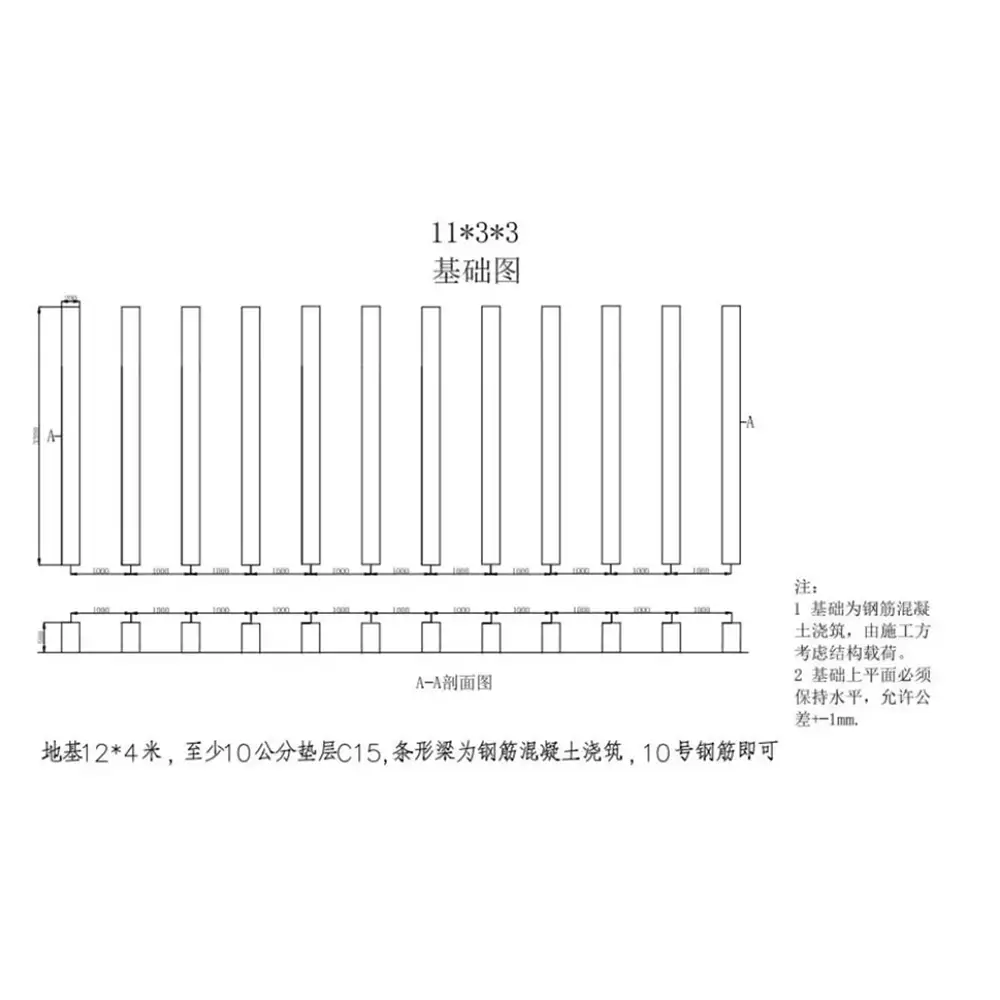
Before installation, the foundation or supporting structure should be designed for the full operating weight of the tank and stored water. Underground installations require additional consideration of soil conditions, groundwater, buoyancy, burial depth, traffic loading, anchoring, and site drainage.
During operation, users should periodically inspect the tank body, fittings, valves, manways, overflow system, level controls, pumps, and connected piping.
For solar heating applications, temperature, pressure, insulation condition, heat exchanger performance, and safety controls should also be checked.
For fire protection tanks, inspection and maintenance should follow the applicable fire protection standard and local requirements. A fire reserve should remain available according to the approved system design.
Why Choose Us?
As an experienced Fiberglass Water Tank Manufacturer and Water Storage Equipment Supplier, we provide customized FRP/GRP tank solutions for commercial, industrial, residential, solar heating, and fire protection applications.
Our advantages include:
Custom Tank Capacity and Dimensions
FRP/GRP Corrosion-Resistant Construction
Above-Ground and Underground Solutions
Solar Water Heating Tank Options
Fire Protection Water Storage Options
Potable and Process Water Configurations
Custom Inlet and Outlet Connections
Manways, Vents, Drains and Level Controls
Insulation Options for Temperature-Sensitive Applications
OEM and ODM Manufacturing
Project-Specific Engineering Support
Export Packaging and International Delivery
We can customize the tank according to required capacity, installation location, water type, operating temperature, pressure, connection size, and applicable project standards.
Frequently Asked Questions
1. What is a secondary water supply tank?
It is a storage tank used to provide additional or reserve water capacity when the primary water source cannot reliably meet the required demand.
2. What is an FRP water tank?
An FRP water tank is manufactured from fiber-reinforced plastic, combining resin and glass-fiber reinforcement to create a lightweight and corrosion-resistant storage structure.
3. Can the fiberglass tank be used for fire protection?
Yes. Fiberglass tanks are used for standby and dedicated fire protection water storage. The tank must be designed, sized, and configured according to the applicable fire code and project requirements.
4. Can this tank supply a sprinkler system?
Yes, when properly designed as part of a fire protection system. Tank capacity, outlet arrangement, suction configuration, and fire pump requirements should be determined by the fire protection engineer.
5. Can the tank be used with a solar water heating system?
Yes, provided the tank is specifically designed for the temperature, pressure, water quality, and heat-transfer configuration of the solar thermal system.
6. Can the tank be installed underground?
Yes. Underground FRP water tanks are available for suitable applications, but structural design, soil conditions, groundwater, burial depth, anchoring, and traffic loading must be considered.
7. Can the tank be installed above ground?
Yes. Above-ground installation is commonly used for commercial, industrial, agricultural, solar heating, and fire protection water storage.
8. Is fiberglass better than steel for water storage?
FRP offers excellent corrosion resistance and can reduce the need for conventional corrosion protection. However, the best tank material depends on the water chemistry, temperature, pressure, installation conditions, structural requirements, and project budget.
9. Can the tank be customized?
Yes. Capacity, dimensions, fittings, manways, connections, insulation, supports, internal configuration, and accessories can be customized.
10. Can it store potable water?
Yes, when the tank is manufactured with materials and certifications appropriate for potable-water service. The required drinking-water certification should be confirmed for the target market and application.
11. What accessories can be supplied?
Common accessories include inlet and outlet pipes, overflow connections, drain fittings, vents, manways, level indicators, ladders, flanges, pump connections, valves, insulation, and anchoring systems.
12. How should the tank capacity be selected?
For domestic or commercial water supply, capacity should be based on consumption, peak demand, supply reliability, and pump operation. For fire protection, capacity must be calculated according to the required fire flow and duration and the applicable fire code.
13. Can you manufacture customized fiberglass tanks?
Yes. We can provide customized FRP/GRP water storage tanks for secondary water supply, solar water heating, fire protection, industrial water storage, and other project-specific applications.
Prev:
Stainless Steel Square Fire-Fighting Insulated Water Tank
Next:
Water Purification Pretreatment Link/Multi-Media Filter
TAG:
Industrial Water Storage Tank,
Fire Fighting Water Storage,
Emergency Water Storage Tank,
Fire Pump Water Tank,
Fire Pump Storage Tank,
Emergency Fire Water Tank,
Fire Reserve Water Tank,
Fire Protection Water Storage,
Fire Protection Water Tank,
Fire Water Storage Tank,
Fire Suppression Water Tank,
Fire Suppression Storage Tank,
Fire Sprinkler Water Tank,
Fire Sprinkler Storage Tank,
Fire Fighting Water Tank,
Fire Fighting Water Storage Tank,
Commercial Solar Water Heating,
Industrial Solar Water Heating,
Fire Protection Storage Tank,
Standby Fire Water Tank,
Fire Water Reserve,
Dry Hydrant Water Tank,
Fire Hydrant Water Storage Tank,
Fire Protection Cistern,
Water Cistern,
Fiberglass Fire Water Tank,
FRP Fire Water Tank,
GRP Fire Water Tank,
Underground Water Storage Tank,
Underground Fiberglass Water Tank,
Related Category:
Secondary Water Supply Tank,Fiberglass Water Storage Tank,FRP Water Tank,GRP Water Tank,Solar Water Heating Storage Tank China, suppliers, manufacturers, factory, customized, wholesale, quotation, made in China