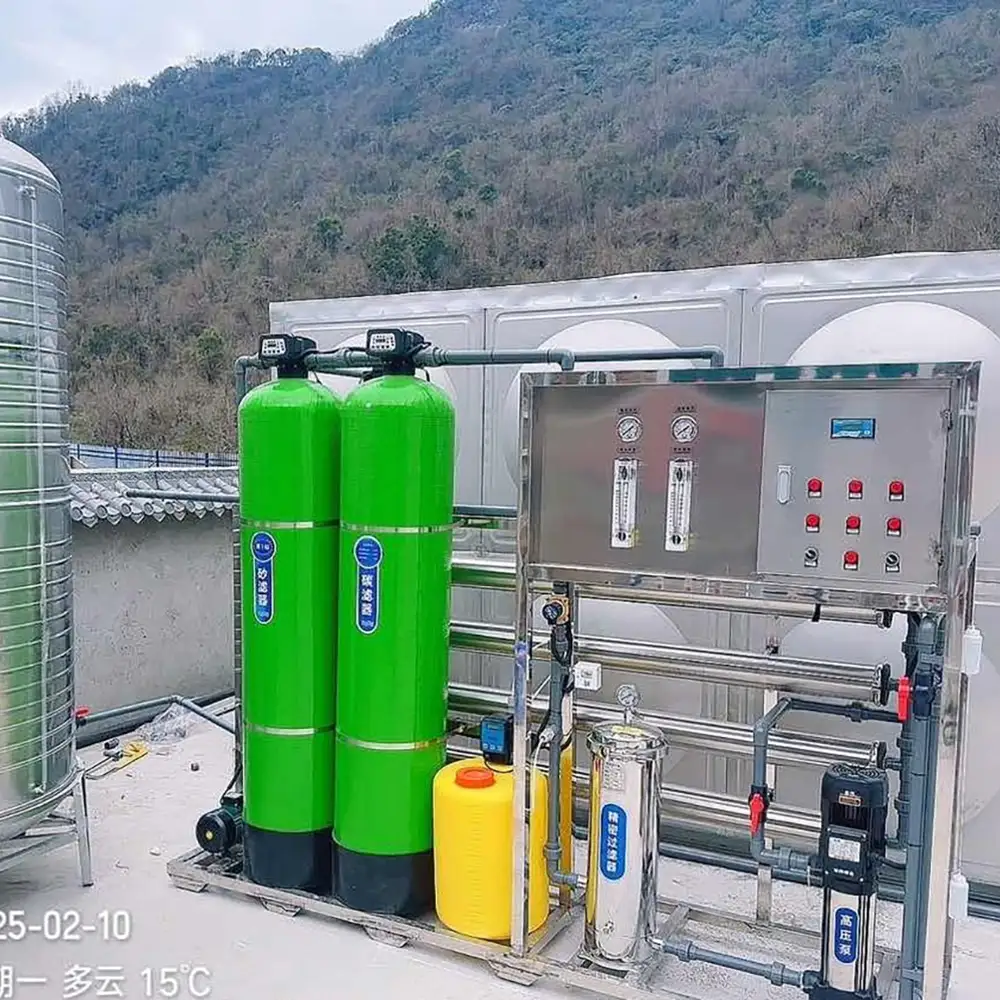
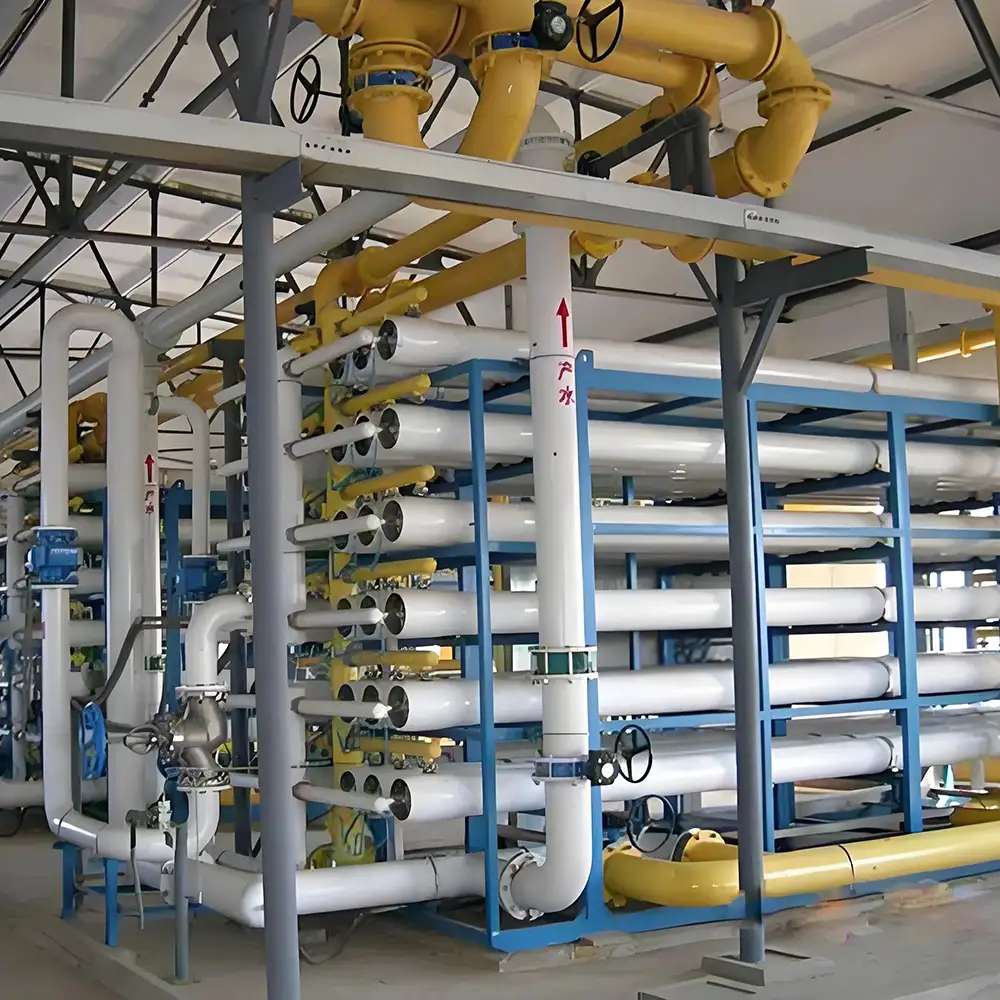
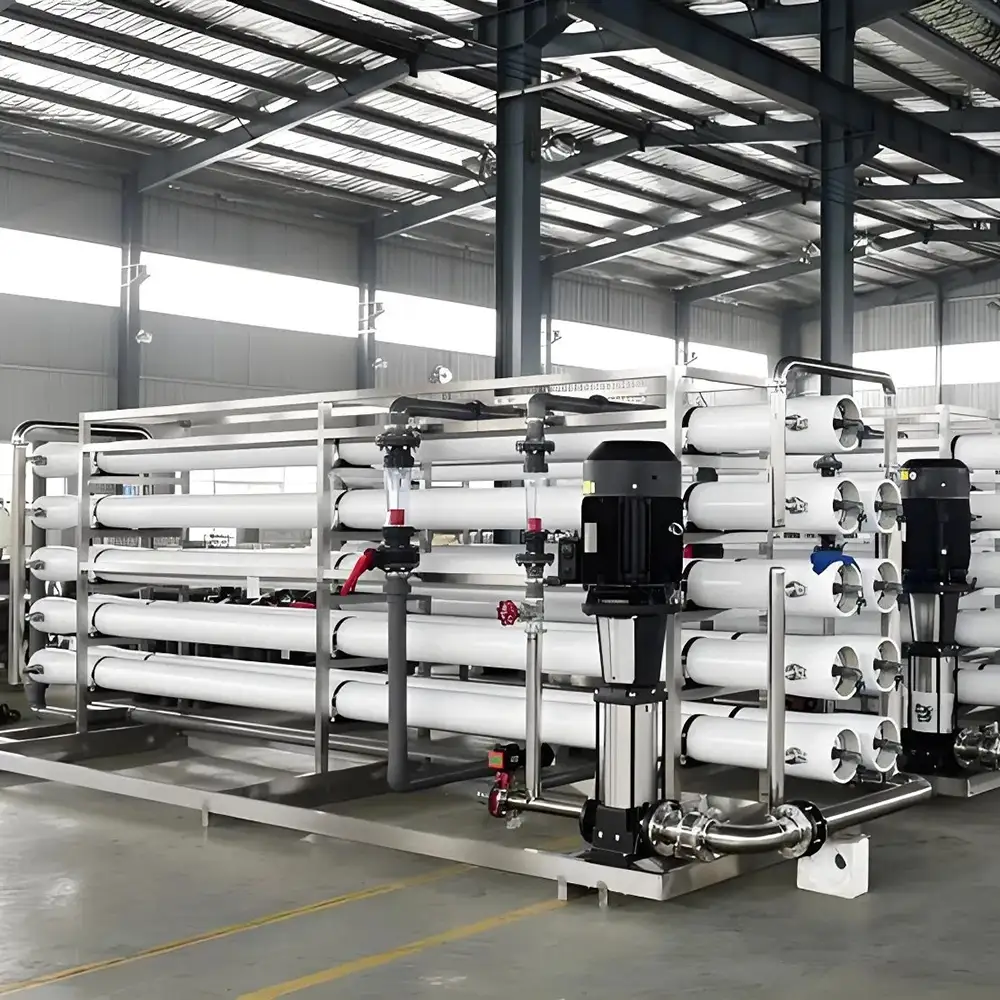
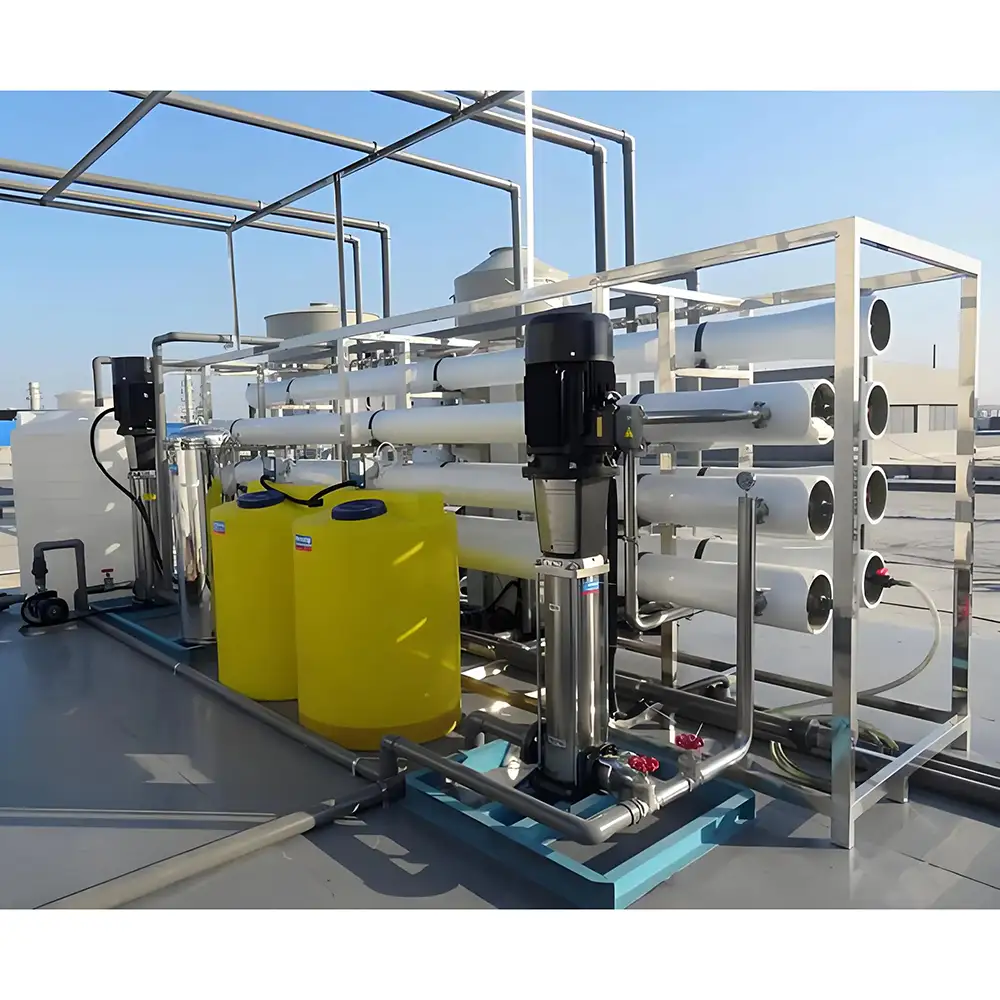
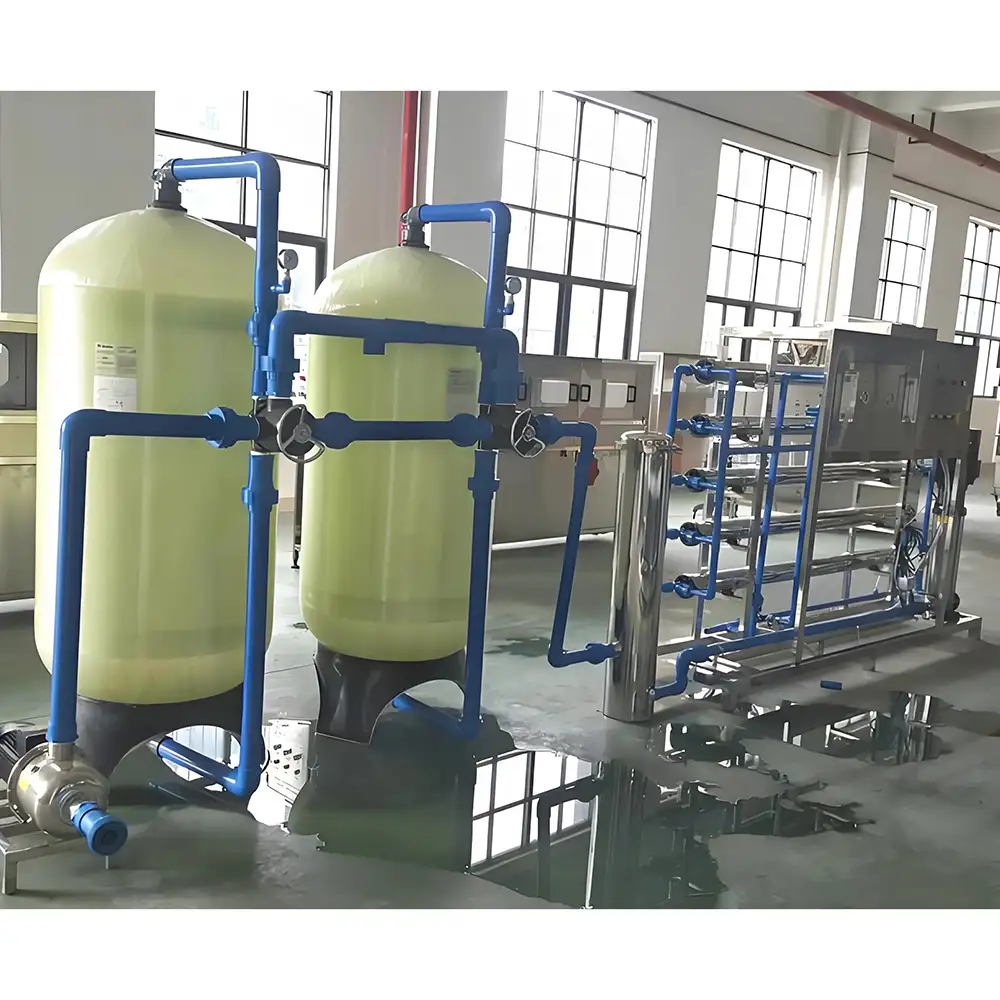
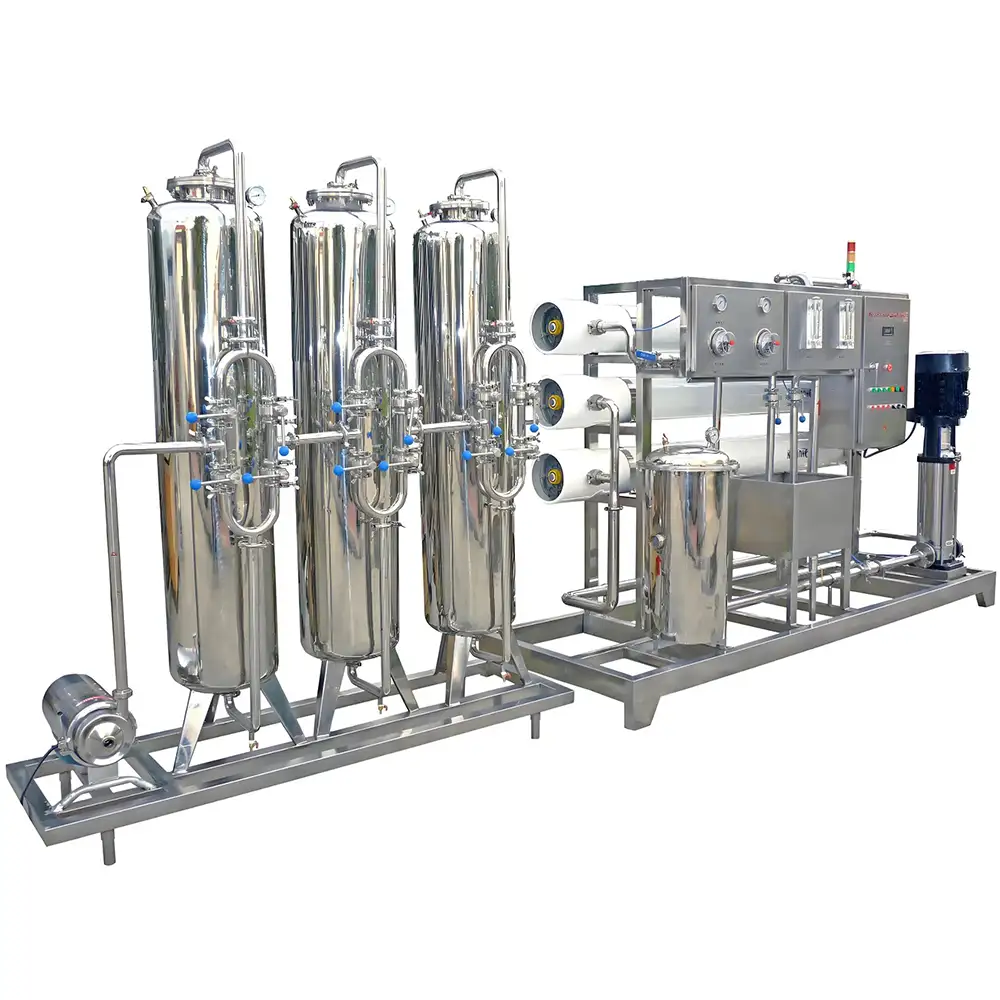
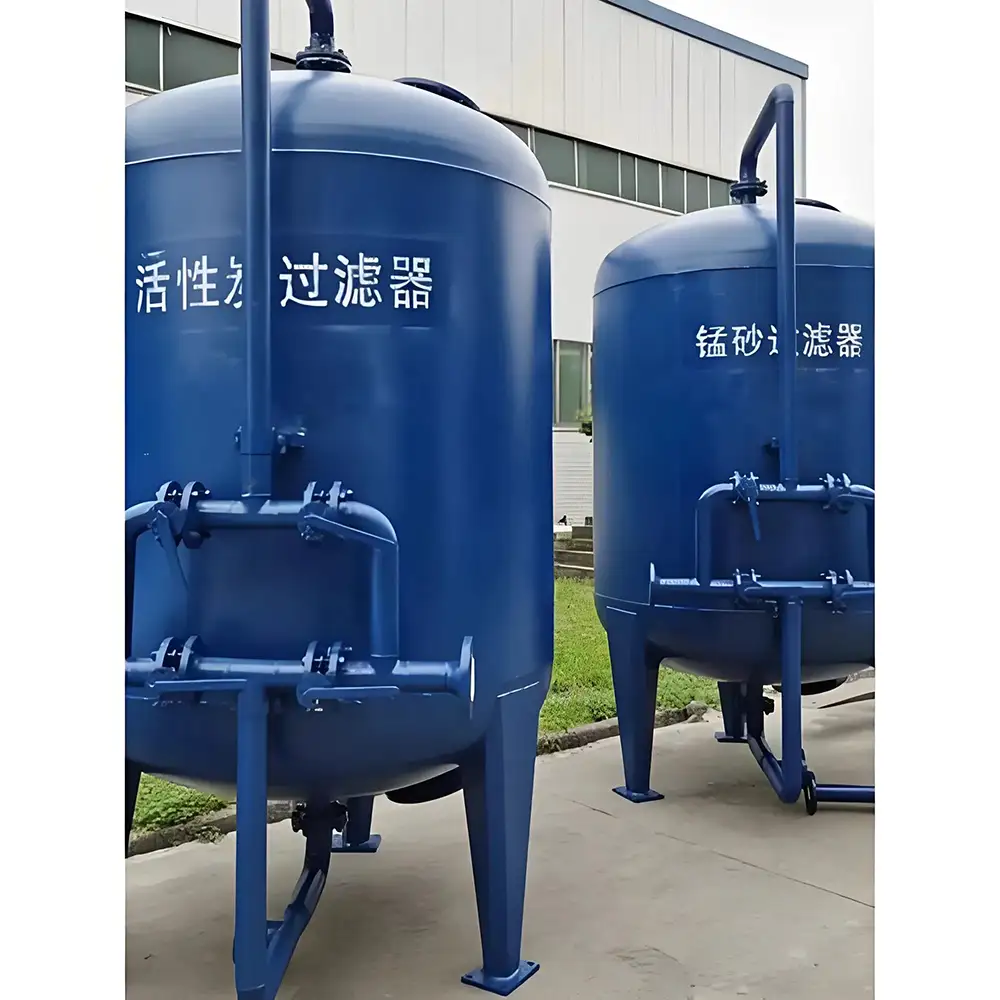
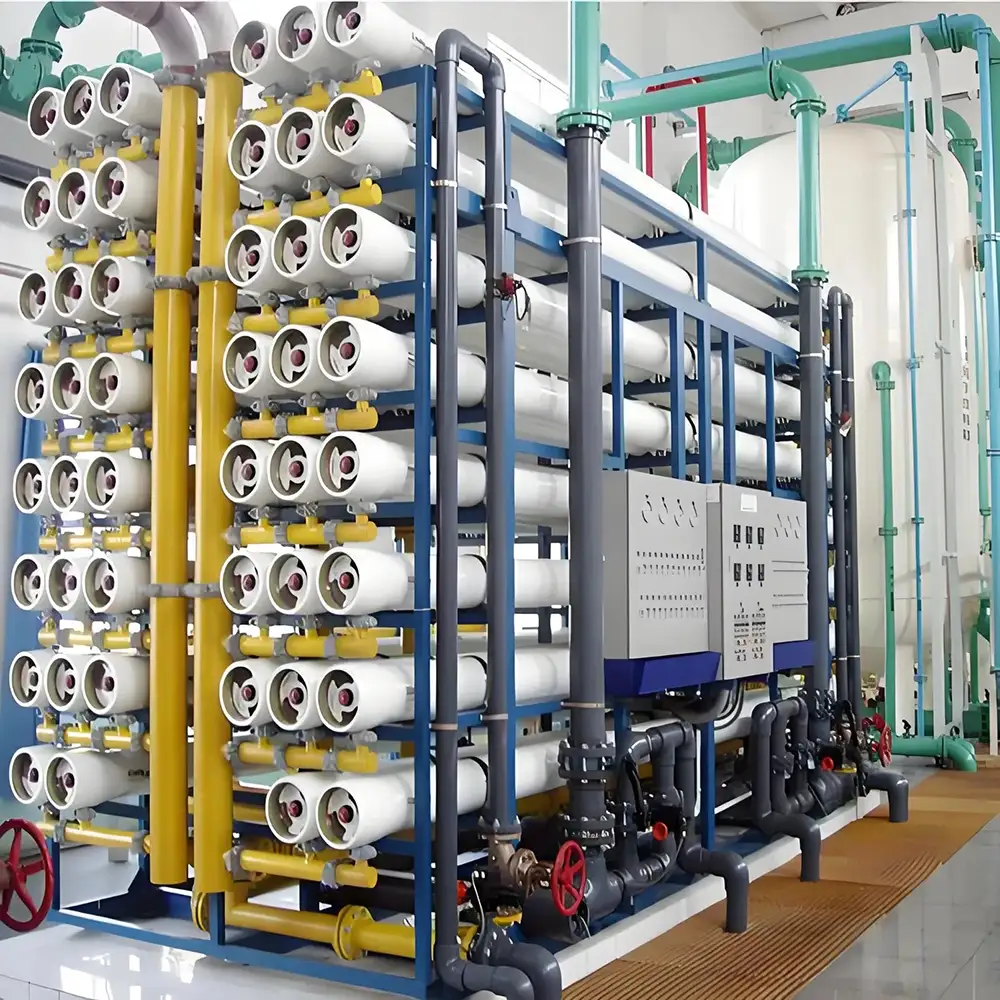
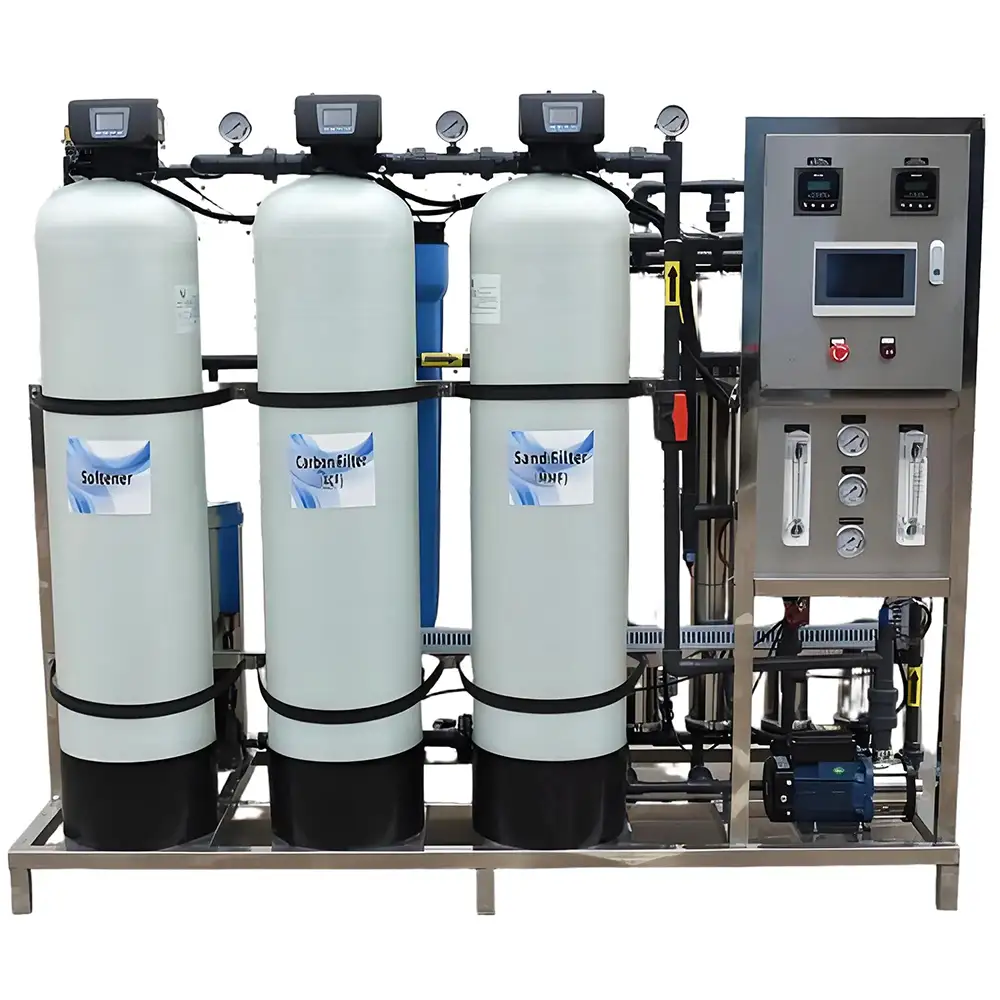
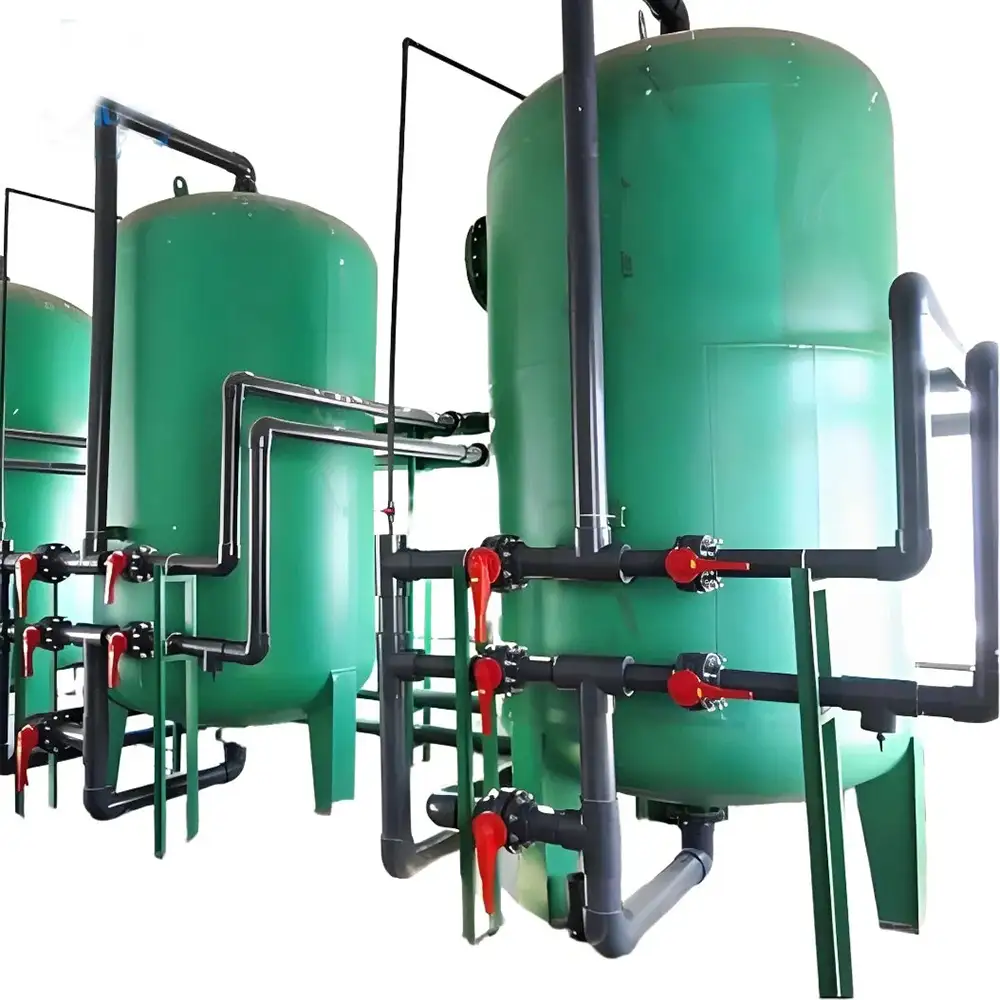
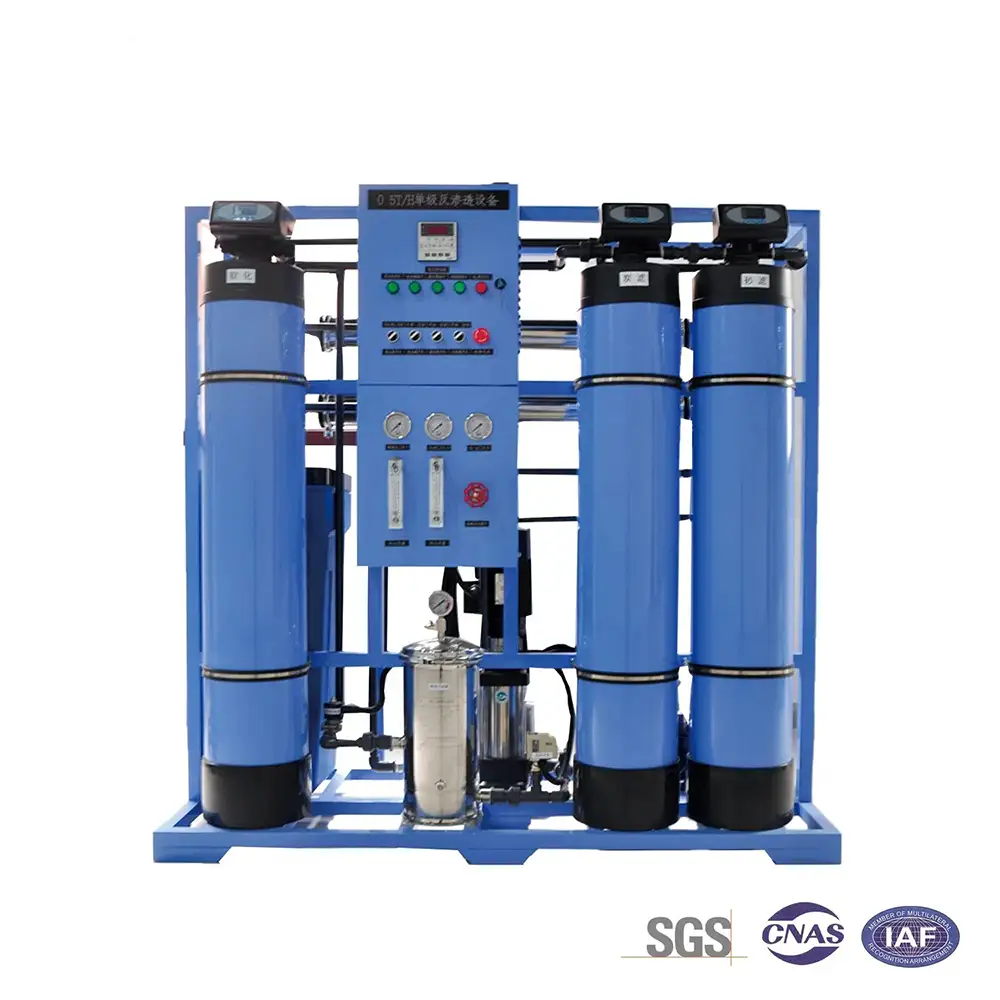
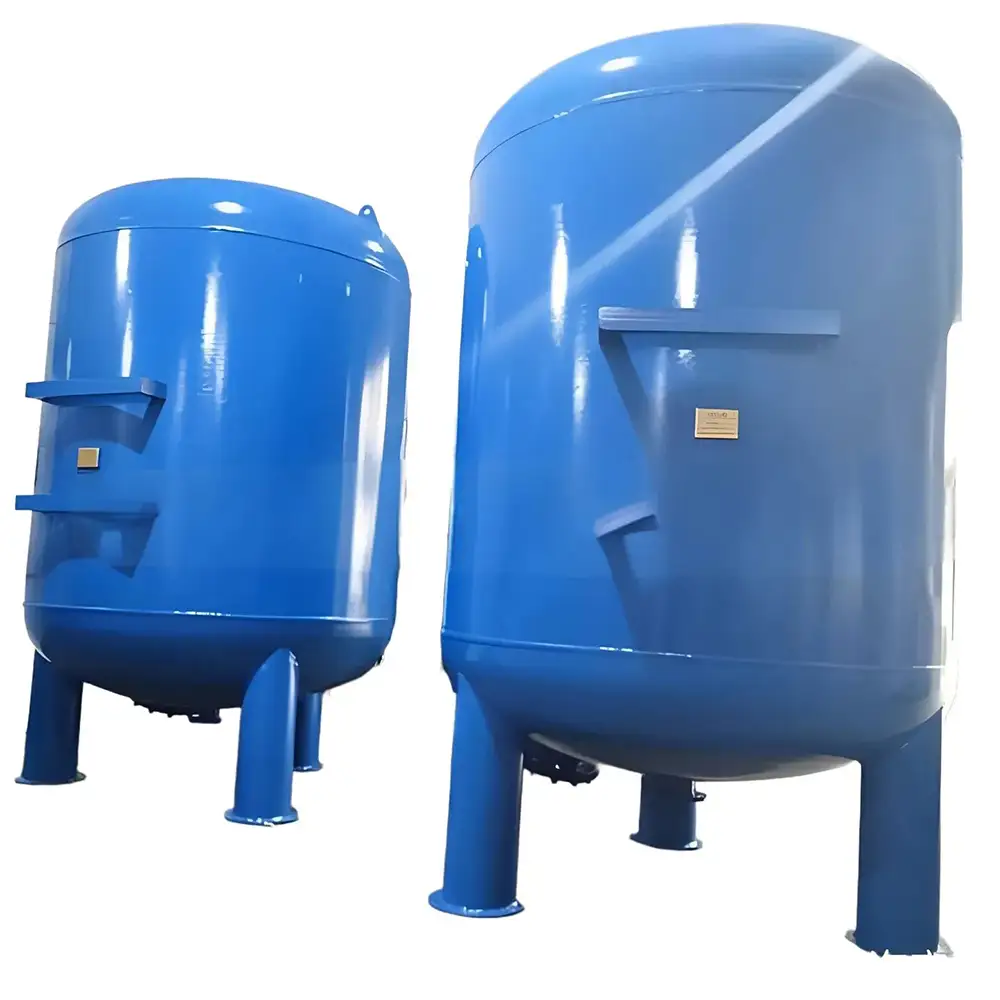
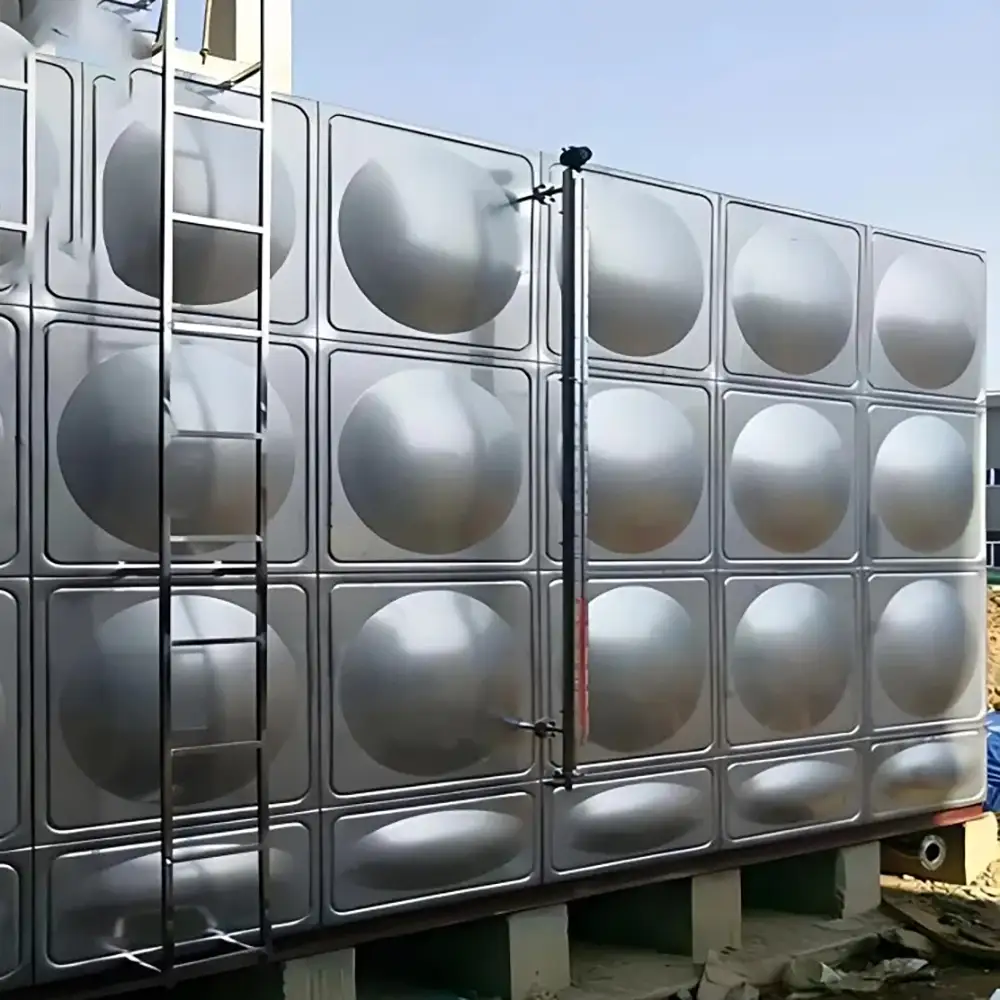
In the process of water treatment, filtration generally refers to the process of using quartz sand, Anthracite and other filter material layers to intercept suspended impurities in water to make water clear. The porous material used for filtration is called filtration material, and quartz sand is the most common filtration material. There are various types of filter materials, including granular, powdered, and fibrous. Common filter materials include quartz sand, Anthracite, activated carbon, Magnetite, garnet, porous ceramics, plastic balls, etc
Home Plant Water Purification System with Reverse Osmosis Filtration
A Home Plant Water Purification System with Reverse Osmosis Filtration provides an effective solution for households that want an additional level of drinking-water treatment directly at the point of use. By combining sediment filtration, activated carbon treatment, reverse osmosis, and optional post-filtration or remineralization, a residential water purification system can be configured around the quality of the incoming water and the family's daily water demand.
Reverse osmosis is a membrane-based purification technology. Water is supplied under pressure to a semipermeable membrane, allowing water molecules to pass while retaining many dissolved substances and other contaminants. Modern residential RO systems commonly combine the RO membrane with mechanical and carbon filtration to provide multiple treatment stages.
The term "Home Plant Water Purification System" can describe a compact household water purification plant, residential RO system, under-sink purification unit, countertop RO machine, or a larger home water treatment configuration. The most suitable design depends on whether the system is intended for drinking and cooking water, a dedicated kitchen faucet, or broader household water treatment.
How the Home RO Water Purification System Works
A typical Home Plant Water Purification System can use the following process:
Tap Water → Sediment Filter → Activated Carbon Filter → Reverse Osmosis Membrane → Post-Carbon Filter → Optional Remineralization → Purified Water
The first filtration stage is normally designed to reduce larger suspended particles such as sediment, dirt, rust, and other particulate matter. This stage helps protect downstream components.
An activated carbon pre-filter can then reduce chlorine, certain organic compounds, taste, and odor. Carbon pretreatment is particularly important in systems using thin-film composite RO membranes because chlorine exposure can damage certain membrane materials.
The RO membrane is the primary advanced filtration stage. Pressurized feed water passes through the semipermeable membrane, producing a purified permeate stream and a concentrated reject stream.
A post-carbon filter can provide final taste and odor polishing. Some systems also include a remineralization stage designed to add selected minerals back into the treated water for taste and water chemistry considerations.
The exact number of stages should not be treated as a simple measure of performance. Proper membrane selection, pretreatment, operating pressure, water temperature, feed-water quality, flow rate, and certified reduction claims are all important when evaluating an RO system.
Reverse Osmosis Filtration Technology
Reverse Osmosis Filtration is one of the key technologies used in modern residential water purification. Unlike conventional sediment or carbon filtration, RO is designed to reduce dissolved contaminants that cannot be effectively removed by ordinary mechanical filtration alone.
The RO membrane operates by pressure-driven separation. Feed water enters the membrane housing, and water passes through the membrane while a portion of dissolved substances remains in the concentrate stream.
This makes RO particularly useful when homeowners want to reduce total dissolved solids or specific contaminants identified in their water supply.
However, RO is not automatically the correct solution for every household water problem. A water quality analysis or municipal water report can help determine whether RO is appropriate and what pretreatment should be included.
Multi-Stage Home Water Filtration
Enhanced filtration is important because the RO membrane should not be expected to handle every contaminant by itself.
A well-designed Home Water Purification System can include:
Sediment pre-filter
Activated carbon pre-filter
Reverse osmosis membrane
Post-carbon filter
Remineralization filter
UV disinfection
Alkaline or mineral filtration
Leak protection
Pressure pump
Storage tank
Electronic water-quality monitoring
Not every system needs all of these components. A compact residential RO system may only require several core stages, while a more advanced Home Plant Water Purification System can include additional treatment and monitoring functions.
Under-Sink and Countertop RO Systems
For drinking and cooking water, an under-sink Reverse Osmosis Filtration System is a popular configuration because the equipment can remain hidden beneath the kitchen counter while supplying purified water through a dedicated faucet.
Tankless systems can reduce the physical footprint and provide on-demand production, while traditional tank-based systems store purified water for faster dispensing during periods of high demand.
Countertop RO systems are another option for apartments, rental properties, offices, temporary installations, or users who do not want permanent plumbing modifications. Current residential RO systems are available in both countertop and under-sink configurations.
The appropriate design depends on available installation space, water pressure, desired production rate, plumbing configuration, and daily consumption.
Benefits of a Home Plant Water Purification System
A properly configured residential water purification system can provide several practical benefits:
Improved Water Quality
Multi-stage treatment can reduce sediment, chlorine-related taste and odor, dissolved solids, and other targeted contaminants depending on the selected filters and membrane.
Better-Tasting Drinking Water
Removing certain substances that affect taste and odor can improve the sensory quality of drinking and cooking water. A post-carbon or remineralization stage can be added according to the desired water profile.
Compact Installation
Residential RO equipment can be designed for under-sink installation, countertop placement, wall mounting, or compact cabinet integration.
Flexible Capacity
Different membrane capacities and storage configurations can be selected according to household water consumption.
Reduced Dependence on Bottled Water
A home purification system can provide treated water directly from the household water supply, potentially reducing the need to purchase packaged drinking water.
Customizable Filtration
The filtration configuration can be adjusted according to the source-water characteristics rather than using the same filter combination for every home.
Home RO Water Purifier Applications
This type of Reverse Osmosis Filtration equipment is suitable for:
Household drinking water
Kitchen cooking water
Residential apartments
Single-family homes
Condominiums
Rental properties
Small offices
Restaurants and small food-service areas
Vacation homes
RV and mobile applications
Well-water treatment applications with appropriate pretreatment
Point-of-use drinking-water systems
For private wells, additional pretreatment may be necessary depending on hardness, iron, manganese, turbidity, bacteria, hydrogen sulfide, and other water-quality characteristics.
Water Storage and Delivery
Traditional RO systems can use a purified-water storage tank to provide treated water when demand is higher than the instantaneous membrane production rate.
Tankless systems can instead use a pump and control system to produce water on demand. Some advanced systems incorporate digital displays, TDS monitoring, filter-life indicators, automatic shutoff, leak detection, and smart controls.
The choice between tank and tankless operation should consider available space, water pressure, production capacity, electrical requirements, and expected peak demand.
Maintenance and Filter Replacement
Regular maintenance is essential for maintaining water quality and system performance.
Sediment and carbon cartridges should be replaced according to actual operating conditions and the manufacturer's recommended service interval. The RO membrane should also be monitored through changes in product-water quality, production rate, and system performance.
A significant change in taste, odor, flow rate, or water-quality readings can indicate that filters require inspection or replacement. Proper sanitation is also important for residential systems, especially when the equipment has been in service for an extended period.
Users should always follow the specific maintenance instructions supplied with the selected RO system.
System Customization
A professional Home Plant Water Purification System should be designed according to the incoming water rather than simply selecting the largest number of filtration stages.
Important design information includes:
Municipal or well-water source
Feed-water TDS
Water pressure
Water temperature
Hardness
Turbidity
Chlorine or chloramine
Iron and manganese
Daily water demand
Required production capacity
Available installation space
Tank or tankless preference
Required monitoring functions
Desired outlet-water quality
Based on these conditions, the system can be configured with the appropriate sediment filter, carbon filter, RO membrane, pump, storage tank, post-filter, remineralization stage, UV treatment, and control system.
Why Choose Us?
We focus on supplying complete and customizable Home Water Purification Systems rather than offering a one-size-fits-all filtration configuration.
As a professional water treatment equipment Manufacturer and Factory, we can customize RO membrane capacity, filtration stages, pump specifications, storage capacity, filter housings, piping, electrical controls, monitoring systems, cabinet design, and installation configuration.
Our products can be developed for distributors, water treatment contractors, OEM customers, private-label brands, and residential water purification projects.
We can also provide different configurations ranging from compact countertop RO units and under-sink systems to higher-capacity residential water purification plants.
For international B2B customers, OEM/ODM and Custom solutions can be developed according to local market requirements, water conditions, voltage standards, installation methods, packaging requirements, and target applications.
FAQs
1. What Is a Home Plant Water Purification System?
It is a residential water treatment system designed to improve household water quality through one or more filtration and purification technologies, such as sediment filtration, carbon filtration, RO, UV, and remineralization.
2. What Is Reverse Osmosis Filtration?
Reverse osmosis uses pressure to force water through a semipermeable membrane. The membrane separates purified water from a concentrated reject stream and can significantly reduce many dissolved substances.
3. Is RO Suitable for Drinking Water?
Yes, residential RO systems are widely used for point-of-use drinking and cooking water. The specific contaminants reduced depend on the membrane, filtration configuration, operating conditions, and applicable certification.
4. What Filters Are Usually Used Before an RO Membrane?
A typical system uses a sediment filter followed by an activated carbon filter. Additional pretreatment may be required when the source water has high hardness, iron, manganese, turbidity, or other challenging characteristics.
5. What Is the Difference Between RO and a Regular Water Filter?
Conventional sediment and carbon filters primarily target particulate matter, chlorine, taste, odor, and selected organic compounds. RO uses membrane separation and can reduce many dissolved contaminants.
6. Does an RO System Remove Minerals?
RO can reduce many dissolved minerals and salts along with other dissolved substances. If a different mineral profile is desired, a remineralization stage can be added after RO.
7. Is a Storage Tank Necessary?
Not always. Traditional systems commonly use a storage tank, while tankless RO systems can produce purified water on demand using suitable pumps and controls.
8. Can an RO System Be Installed Under the Kitchen Sink?
Yes. Under-sink installation is a common configuration for point-of-use residential RO systems.
9. Can This System Be Used With Well Water?
Yes, but well water should first be tested. Depending on the analysis, additional treatment for hardness, iron, manganese, sediment, microorganisms, or other contaminants may be necessary.
10. How Often Should RO Filters Be Replaced?
Replacement intervals depend on feed-water quality, household consumption, filter capacity, and system design. Actual water-quality and performance monitoring should be used together with the manufacturer's recommended service schedule.
11. Can a Home RO System Include UV Sterilization?
Yes. UV can be added as an optional treatment stage when microbiological control is required by the application and water source.
12. Can the System Be Customized for Different Countries?
Yes. Voltage, pump type, membrane capacity, fittings, control systems, tank size, filtration stages, packaging, and installation configuration can be customized for different markets.
13. Can You Provide OEM and Private-Label Home RO Systems?
Yes. OEM/ODM and private-label configurations can be developed for distributors, importers, water-treatment companies, and residential filtration brands.
Prev:
Quartz Sand Filter / Water Filtration System / Sewage Treatment System
Next:
Industrial Deionized Water Systems / Enhanced Filtration Equipment / Quartz Sand Filtration Machines
TAG:
Drinking Water Purification System,
Water Purification Equipment,
Reverse Osmosis Water Treatment,
RO Water Purification System,
Water Filtration Equipment,
Water Purification Machine,
Water Treatment Equipment,
RO Water Treatment System,
Advanced Water Purification,
RO Membrane System,
RO Membrane Filtration,
Reverse Osmosis Water Purification,
Reverse Osmosis Filtration,
RO Drinking Water System,
Drinking Water Purifier,
RO Water Purifier,
Home RO Water Purifier,
Whole House RO System,
RO Water Filtration System,
RO Water Filter System,
Reverse Osmosis Water Filtration,
Multi Stage Water Filtration,
Advanced Water Filtration,
Reverse Osmosis Membrane,
Multi Stage Water Purification,
Potable Water Purification System,
Drinking Water Filter,
Multi Stage RO System,
Water Filtration Machine,
RO Membrane Water Filter,
Related Category:
Home Plant Water Purification System,Home Water Purification System,Reverse Osmosis Filtration,Home RO Water Purifier China, suppliers, manufacturers, factory, customized, wholesale, quotation, made in China