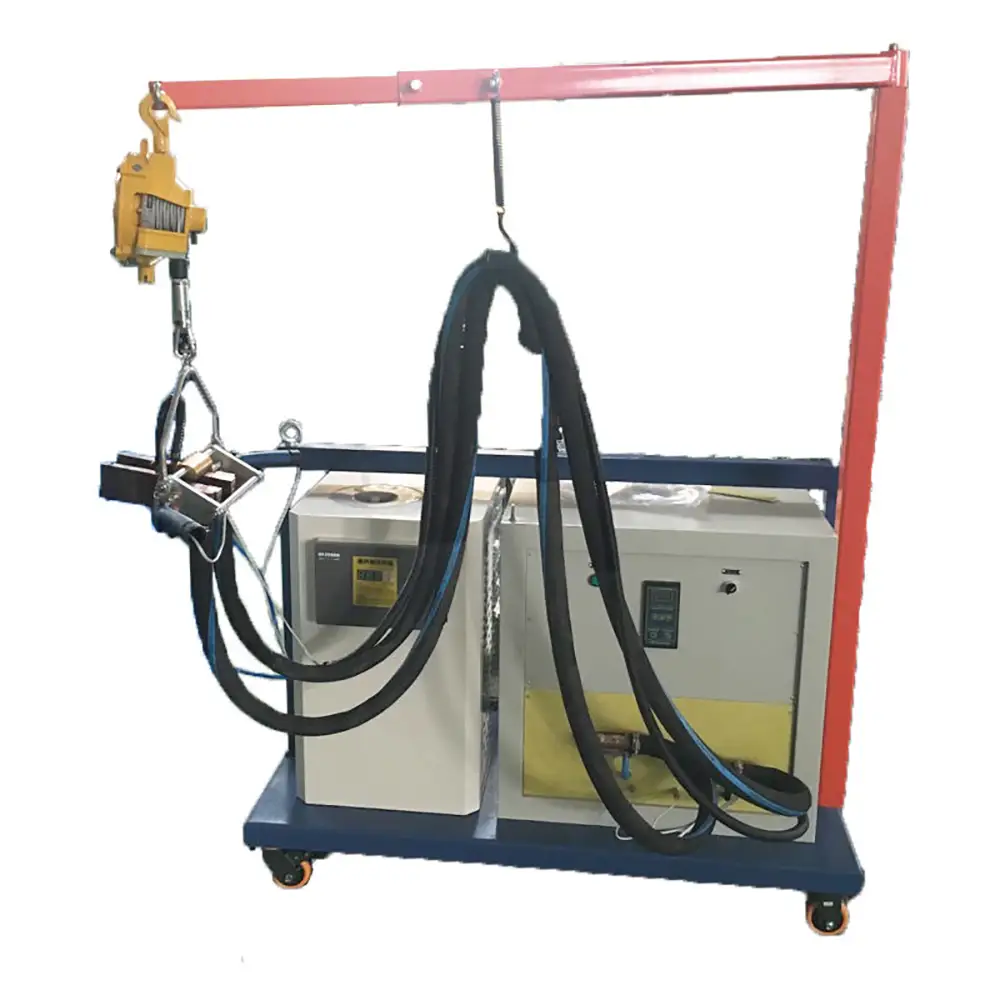
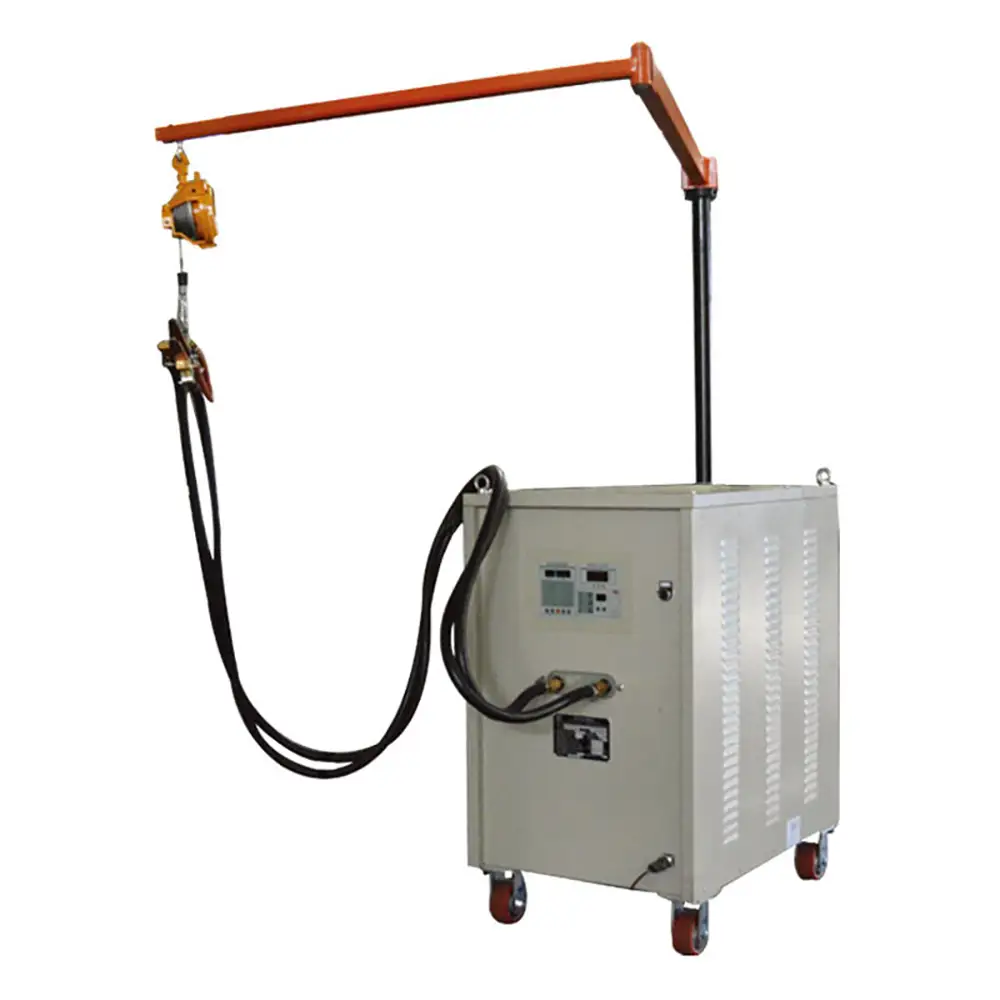
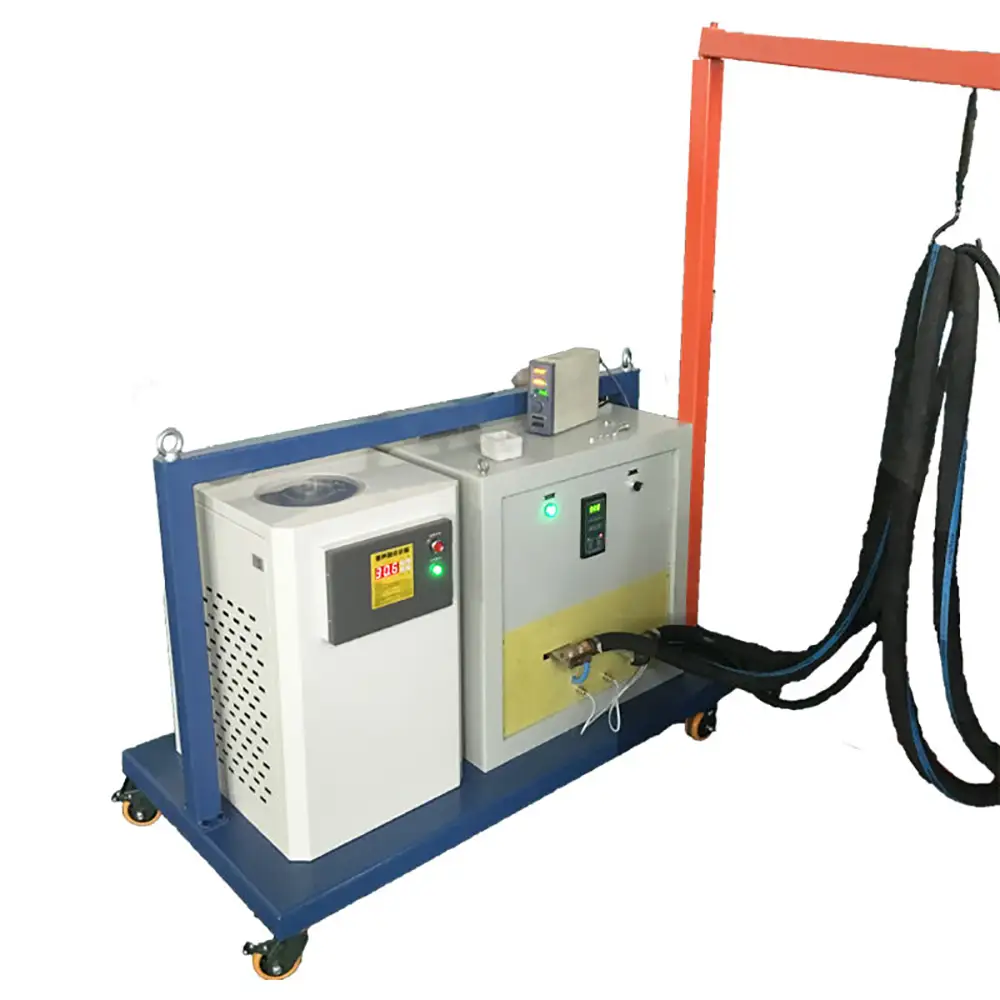
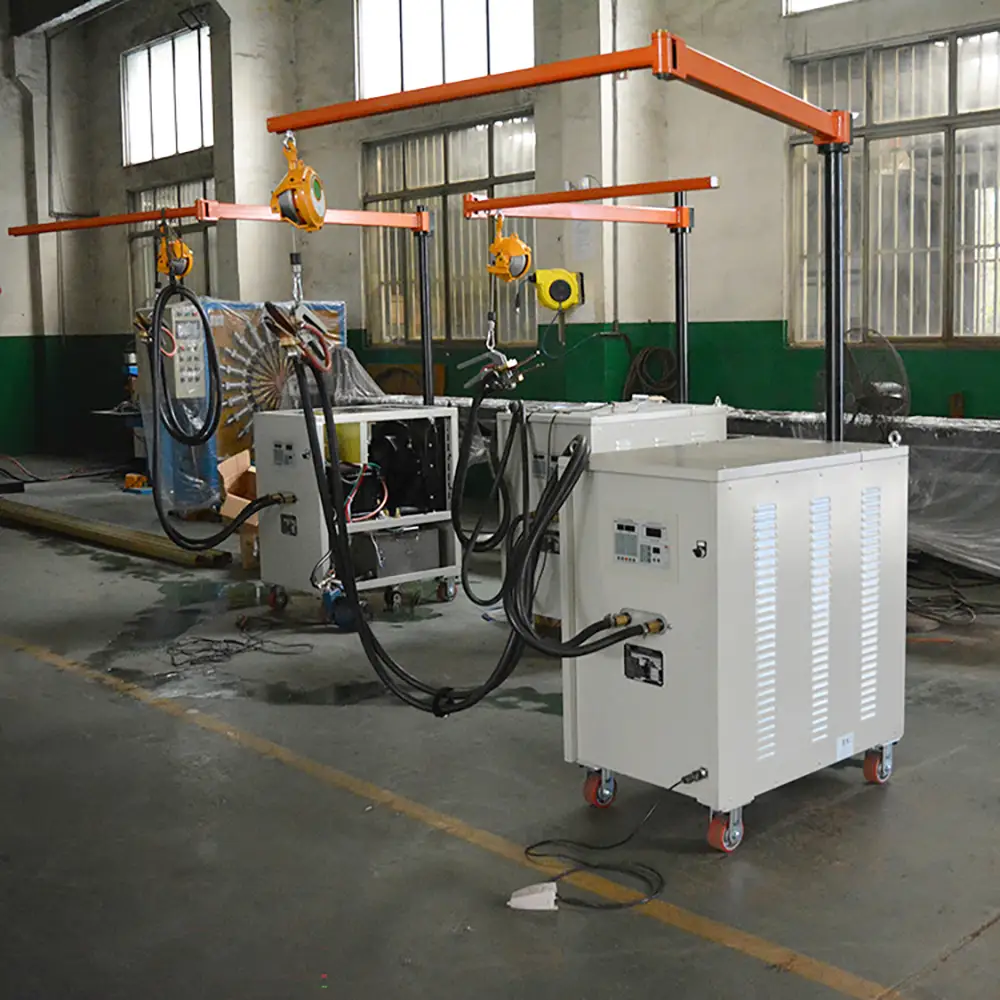
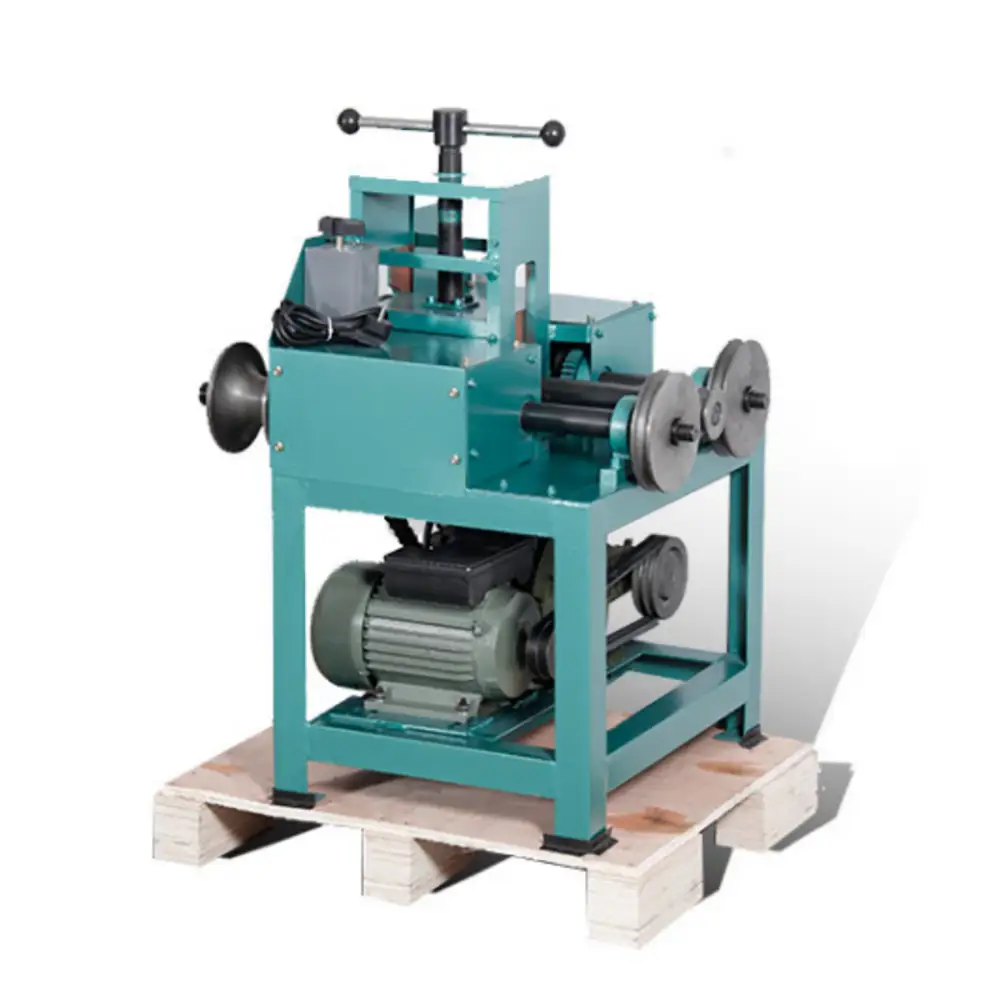
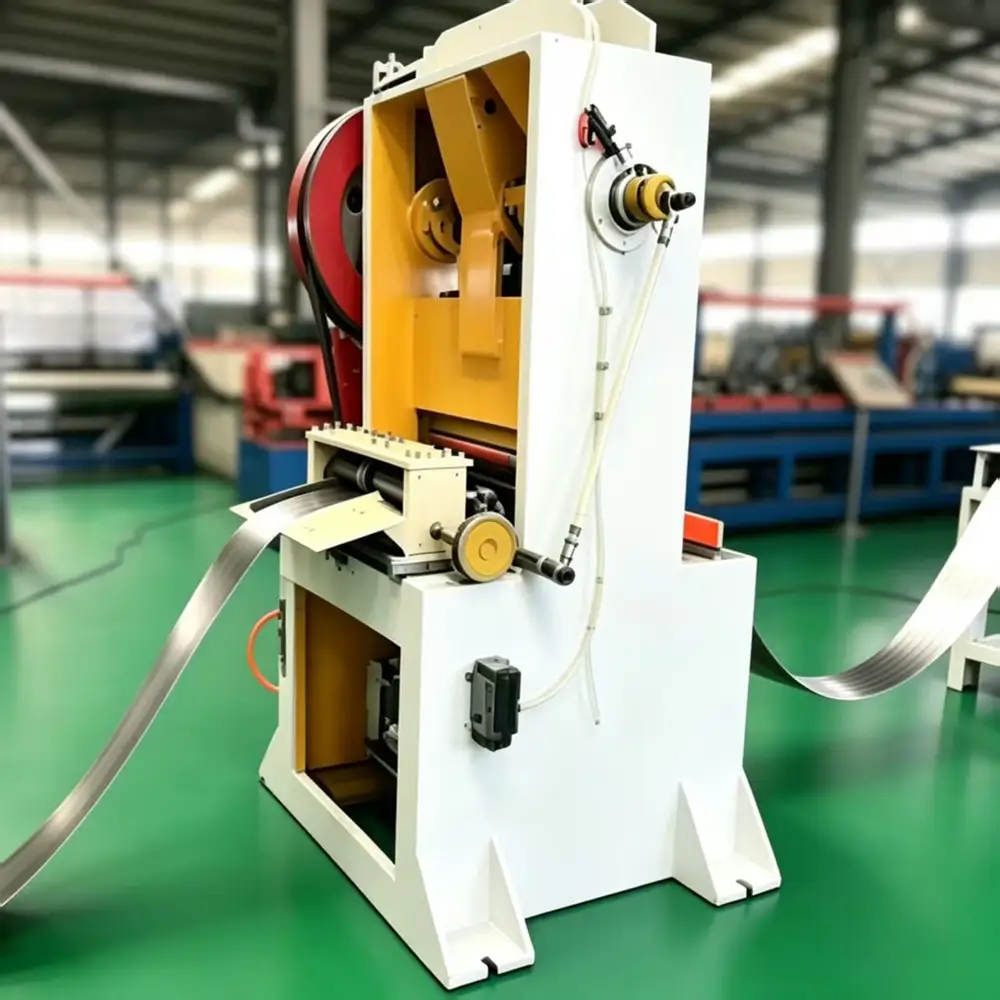
Features
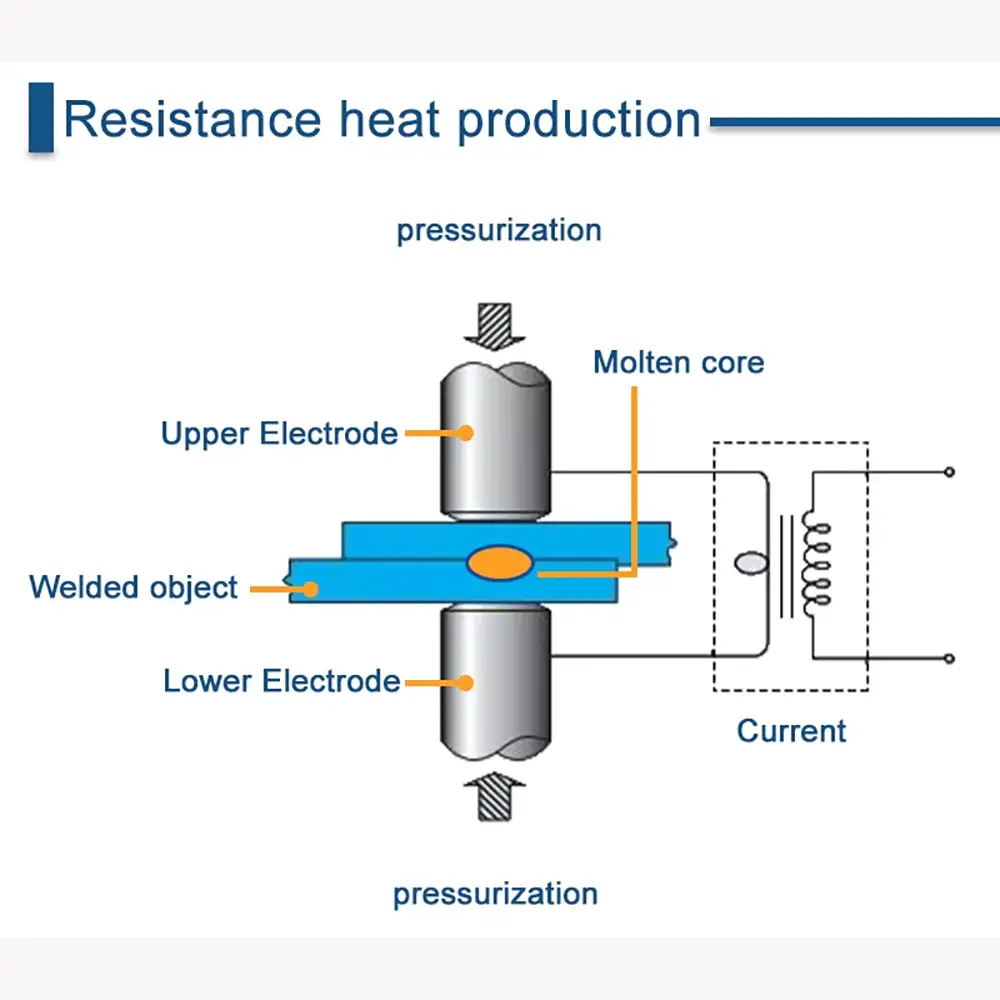
Resistance brazing relies on the heat generated by the resistance of the workpiece itself when the electric current passes through the brazing place to heat the workpiece and melt the brazing material, thus the heating speed is extremely fast, the production efficiency is high, and the operation is simple. It is mainly used for the welding of tools, band saws, motor copper stator coil, electric contacts, and so on.
PRODUCT SPECIFICATIONS
|
Model |
QDN-120 |
|
Rated Capacity |
120KVA |
|
Voltage |
3-phase 4-wire 380V (AB phase welding, CN phase chiller) |
|
Rated Input Current |
315A |
|
Output Voltage |
5-20V |
|
Welding Current |
0-999% or 0-450V |
|
Welding time |
0-250 cycles (0.02-5 seconds) |
|
Air pressure |
0.1-0.6MPa |
|
Cooling water |
Cooling water: pure water must be used, and refrigerant must be used in winter. When not in use for a long time, the residual
cooling water inside the welding machine needs to be drained to prevent oxidation and rust of the welding machine joints. |
The Resistance Brazing Machine for Carbide Brazing is specialized industrial equipment designed to provide controlled resistance heating for brazing carbide components onto suitable metal substrates. It is particularly useful for manufacturers producing carbide-tipped tools, cutting components, saw blades, wear-resistant parts, and other products that require localized brazing.
Resistance heating generates heat directly through electrical resistance at the work area. This provides a focused heating method that can be suitable for brazing operations where accurate heat application and controlled processing are important.
Compared with broad-area heating methods, resistance brazing can provide localized heat to the joint area, helping manufacturers manage the brazing process while reducing unnecessary heating of surrounding components.
The exact machine configuration, electrical parameters, electrode arrangement, workholding system, and automation level depend on the carbide product and brazing application.
Resistance Heating for Carbide Brazing
Resistance heating is based on the electrical resistance of the workpiece and contact area. When an appropriate electrical current passes through the selected path, heat is generated at the required processing area.
For carbide brazing, this principle can be used to heat the joint between a carbide insert or tip and a compatible metal body until the selected brazing filler material reaches the appropriate working condition.
The process requires careful control of electrical parameters, contact pressure, heating time, joint design, filler material, and workpiece positioning.
Proper process development is important because carbide and substrate materials can have different thermal properties.
Carbide Tip Brazing Machine
A Carbide Tip Brazing Machine is designed for joining carbide tips or inserts to metal tools and components. Carbide provides excellent wear resistance and hardness, while the supporting metal body provides structural strength.
Common carbide-brazed products may include:
Carbide saw blades
Carbide cutting tools
Carbide-tipped drills
Mining tools
Woodworking tools
Turning tools
Wear-resistant components
Agricultural cutting components
Construction tool components
Specialized industrial cutters
The exact application depends on the machine configuration and brazing process.
Localized Heating Process
One important advantage of resistance brazing is the ability to concentrate heating around the joint area. This can be useful when the surrounding tool body should not be exposed to excessive heat.
Localized heating can help improve process control and reduce unnecessary thermal exposure.
A typical operation involves positioning the carbide component and metal substrate correctly, applying the appropriate brazing filler, establishing electrical contact through suitable electrodes, and controlling the heating cycle.
The specific sequence should be developed according to the material combination and brazing alloy being used.
Carbide Brazing Applications
Carbide brazing is widely used when a hard carbide cutting or wear-resistant element needs to be attached to a metal body.
Potential applications include carbide-tipped tools for:
Metal cutting
Wood cutting
Stone processing
Mining
Construction
Agriculture
Drilling
Machining
Industrial wear protection
For each application, the carbide grade, substrate material, filler alloy, joint clearance, heating conditions, and cooling procedure should be evaluated.
Controlled Electrical Heating
The heating parameters are central to resistance brazing performance. Depending on the equipment design, the machine can provide controlled adjustment of relevant electrical and processing parameters.
Stable electrical output helps operators establish repeatable brazing conditions when processing similar workpieces.
However, the optimum parameters cannot be determined by machine type alone. They depend on factors such as carbide size, substrate material, joint configuration, filler metal, electrode contact, and required brazing temperature.
Production trials are recommended when introducing a new product or material combination.
Electrode and Workholding System
Proper electrode contact is important because resistance heating depends on the electrical path through the workpiece and contact area.
The machine can be configured with suitable electrodes and fixtures for the intended product. Workholding helps maintain the correct position of the carbide insert and substrate throughout the brazing cycle.
For manufacturers with different tool geometries, customized fixtures can help accommodate different workpiece shapes and production requirements.
Customers should provide product drawings, carbide dimensions, substrate dimensions, joint location, and brazing requirements when requesting equipment configuration.
Brazing Filler Materials
Carbide brazing commonly uses a suitable brazing alloy or filler material between the carbide component and metal substrate.
The filler alloy must be selected according to the carbide grade, substrate material, operating environment, required joint strength, and brazing temperature.
The resistance brazing machine provides the heating process, but filler selection remains an important part of the overall brazing technology.
Customers should follow the recommendations of the brazing alloy and tool-material suppliers when establishing the production process.
Tool Manufacturing Applications
Manufacturers of cutting tools can use resistance brazing equipment as part of a carbide tool production line.
The machine may be used for attaching carbide tips to selected tool bodies before subsequent operations such as grinding, inspection, cleaning, or finishing.
This can support production of specialized tools in different geometries and sizes.
For batch manufacturing, a dedicated fixture and repeatable heating cycle can help standardize production procedures.
Saw Blade and Cutting Tool Brazing
Carbide brazing is widely associated with cutting tools and saw products. Carbide tips can be brazed onto selected saw blades, cutters, and tool bodies to provide wear-resistant cutting edges.
A resistance heating system can be useful where the brazing operation requires concentrated heat at individual joints or selected areas.
The machine configuration should be matched to the product dimensions and production method. Different blade designs may require different fixtures and electrode arrangements.
Wear-Resistant Component Brazing
Carbide is also used in wear-resistant industrial components. Brazing can attach carbide pieces to suitable steel substrates to create a composite component combining wear resistance with structural support.
Potential applications include selected mining, drilling, agricultural, construction, and material-processing components.
The machine can support these applications when the component geometry and brazing process are compatible with resistance heating.
Production Efficiency
A dedicated Carbide Brazing Machine can help manufacturers organize repeated brazing operations more efficiently.
Once the appropriate fixture, electrodes, filler material, and process parameters have been established, operators can repeat the brazing procedure across production batches.
Potential production benefits include:
Controlled localized heating
Repeatable brazing cycles
Reduced manual heating work
Consistent workpiece positioning
Efficient batch production
Easier process standardization
Reduced unnecessary heating of surrounding areas
Actual production efficiency depends on the product design, brazing cycle, operator workflow, and machine configuration.
Safety and Operator Training
Resistance brazing equipment uses electrical power and produces high temperatures at the work area. Appropriate safety procedures are therefore essential.
Operators should receive training in machine operation, workpiece positioning, electrode handling, electrical safety, hot-work procedures, and emergency procedures.
Suitable protective equipment should be used according to the workplace risk assessment and local regulations.
The work area should also provide appropriate ventilation and handling procedures for brazing fluxes, fumes, and other process materials where applicable.
Maintenance
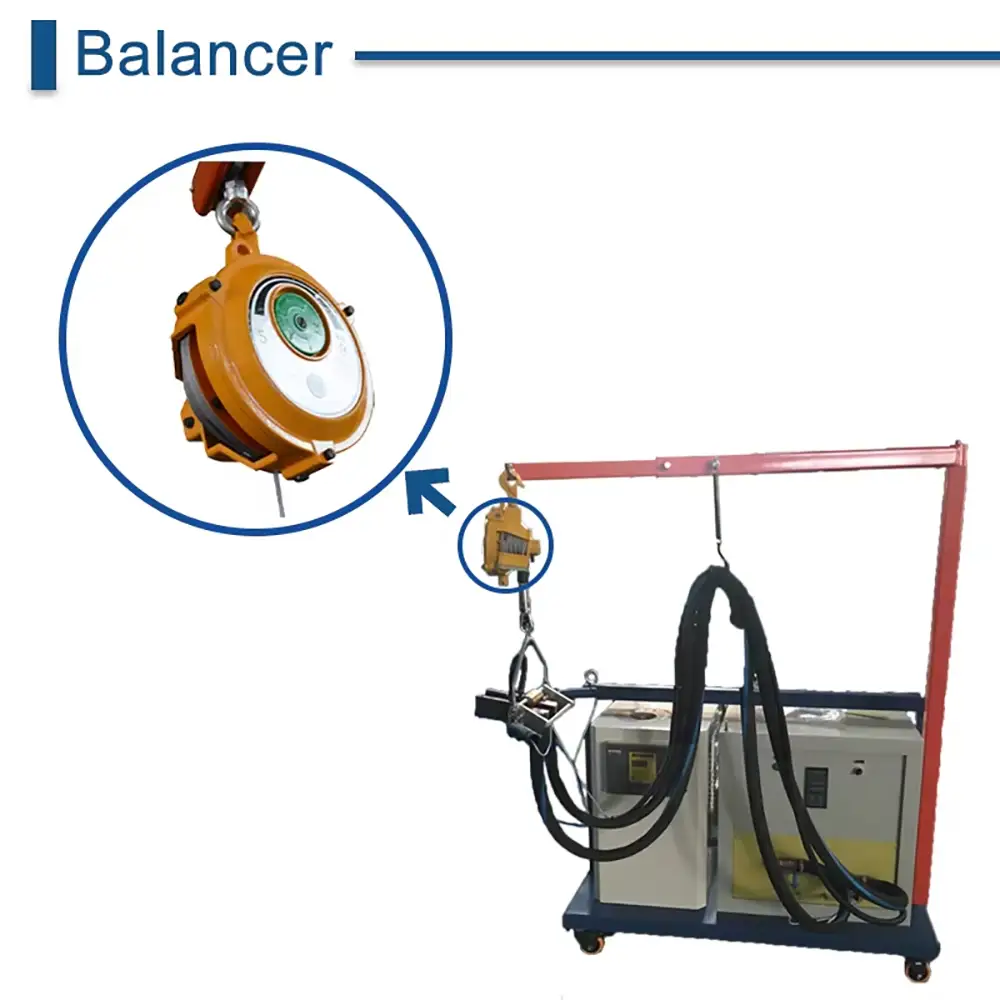
Regular maintenance helps keep the machine operating consistently. Operators should inspect electrodes, fixtures, cables, electrical connections, switches, cooling systems where applicable, and other machine components.
Electrode surfaces should be kept clean and maintained according to the manufacturer's recommendations. Poor electrode contact can affect electrical resistance and heating consistency.
Fixtures should also be checked for wear or deformation because accurate workpiece positioning is important for repeatable brazing.
OEM, ODM, and Custom Brazing Solutions
B2B customers often have specialized carbide products requiring customized workholding and heating configurations. OEM and ODM solutions can therefore be developed according to the actual brazing application.
Customization may include electrodes, fixtures, machine dimensions, electrical configuration, control systems, workpiece positioning, and automation features.
As a Resistance Brazing Machine Manufacturer, Factory, and Supplier, we can provide equipment solutions for carbide tool manufacturers, cutting tool factories, saw blade manufacturers, mining tool suppliers, and industrial component producers.
Customers should provide product drawings, material specifications, carbide dimensions, substrate dimensions, filler alloy information, production volume, and required brazing process when requesting a quotation.
Frequently Asked Questions
1. What is a resistance brazing machine?
A resistance brazing machine uses controlled electrical resistance heating to generate heat at a selected work area for brazing compatible metal components.
2. Can this machine braze carbide tips?
Yes. It is designed for selected carbide brazing applications, including attaching carbide tips or inserts to compatible metal substrates.
3. What products can be brazed?
Potential applications include carbide-tipped cutting tools, saw blades, drills, wear-resistant components, mining tools, agricultural tools, and other suitable products.
4. What is the advantage of resistance heating?
Resistance heating can provide localized heat at the joint area, which may help control the brazing process and reduce unnecessary heating of surrounding material.
5. Can different carbide sizes be processed?
Potentially, depending on the machine configuration, electrode design, fixture, and workpiece geometry. Technical details should be provided before ordering.
6. Does the machine include brazing filler material?
The machine provides the heating process. The appropriate brazing filler alloy is normally selected according to the carbide, substrate, and application requirements.
7. Can the fixture be customized?
Yes. Customized fixtures and electrode arrangements can be developed for specific carbide tools, saw blades, and other workpiece geometries.
8. Can the machine be used for batch production?
Yes. Once the appropriate process parameters and fixture have been established, the machine can support repeated production of compatible brazed components.
9. What information should I provide for a quotation?
Provide product drawings, carbide dimensions, substrate material, joint dimensions, filler alloy, production quantity, electrical requirements, and desired automation level.
10. Do you provide OEM and ODM service?
Yes. OEM and ODM solutions can be provided for customized resistance brazing machines, fixtures, electrodes, controls, and production systems.
Why Choose Us
Specialized Resistance Heating – Designed for controlled electrical heating in industrial brazing applications.
Carbide Brazing Applications – Suitable for selected carbide tips, inserts, cutting tools, saw blades, and wear-resistant components.
Localized Heating – Concentrates heating at the required joint area to support controlled brazing operations.
Custom Fixtures and Electrodes – Workholding and electrode systems can be configured according to specific product geometries.
Repeatable Production – Supports standardized brazing procedures for repeated manufacturing operations.
Wide Industrial Applications – Suitable for cutting tools, mining tools, agricultural equipment, construction tools, and industrial wear components.
OEM and ODM Service – Customized machine configurations can be developed for specific production requirements.
B2B Technical Support – Product drawings, materials, brazing requirements, and production targets can be evaluated to help determine a suitable equipment configuration.
Prev:
Automatic Saw Tooth Grinding Machine for HSS Circular Saw on Cutting Machine
Next:
Automatic Z Type Belt Conveyor Incline Bucket Elevator Lifting Belt Conveyor
TAG:
Carbide Brazing Machine,
Metal Brazing Machine,
Induction Brazing Machine,
Carbide Insert Brazing Machine,
Automatic Resistance Brazing Machine,
Automatic Carbide Brazing Machine,
Industrial Brazing Machine,
Industrial Brazing Equipment,
Industrial Resistance Heating Machine,
Metal Brazing Equipment,
Electric Brazing Machine,
Electrical Resistance Brazing Machine,
Resistance Heating Brazing Equipment,
Resistance Heat Brazing Machine,
Carbide Brazing System,
Carbide Brazing Production Machine,
Carbide Brazing Production Equipment,
Carbide Tool Manufacturing Machine,
Carbide Tool Manufacturing Equipment,
Carbide Tool Brazing System,
Carbide Tip Brazing System,
Carbide Tip Soldering Machine,
Carbide Soldering Machine,
Carbide Soldering Equipment,
Carbide Saw Blade Brazing Machine,
Carbide Saw Blade Brazing Equipment,
Saw Blade Brazing Machine,
Saw Blade Brazing Equipment,
Saw Tip Brazing Machine,
Saw Tip Brazing Equipment,
Related Category:
Resistance Brazing Machine,Resistance Heating Machine,Carbide Brazing Machine,Carbide Brazing Equipment China, suppliers, manufacturers, factory, customized, wholesale, quotation, made in China