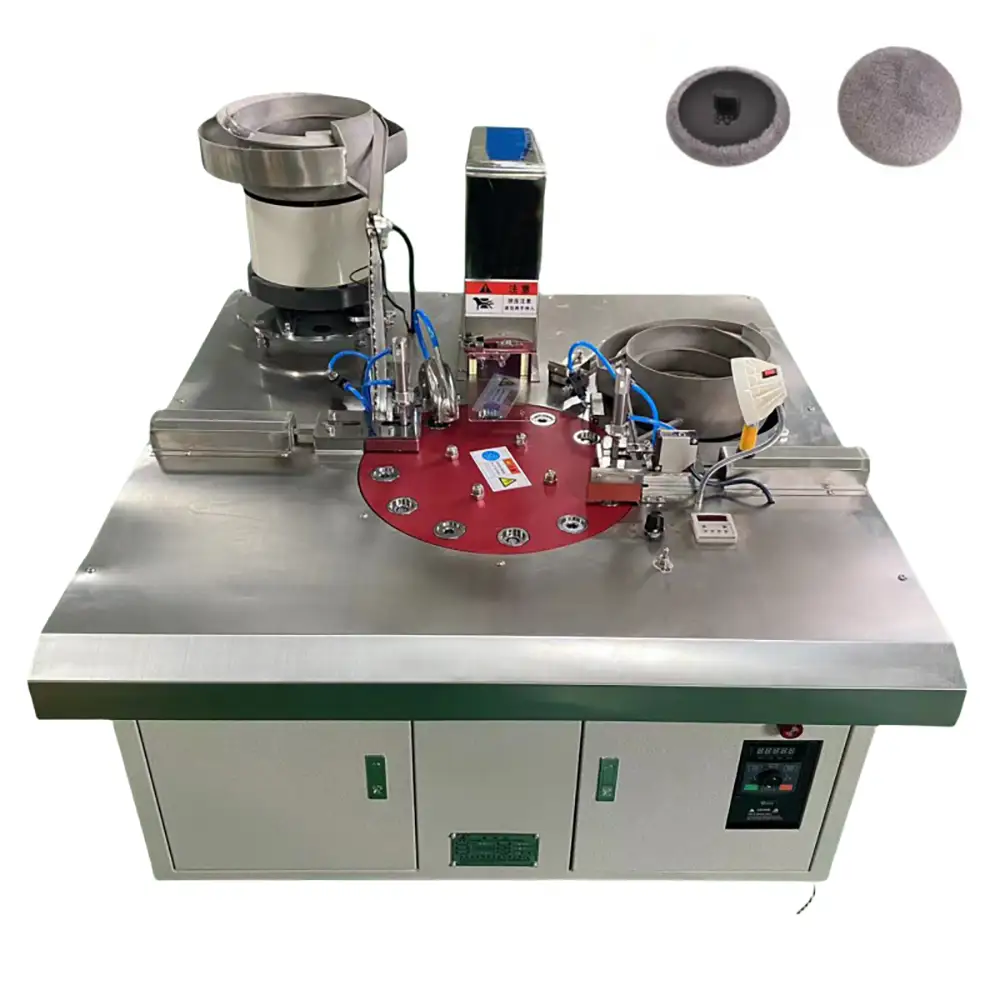
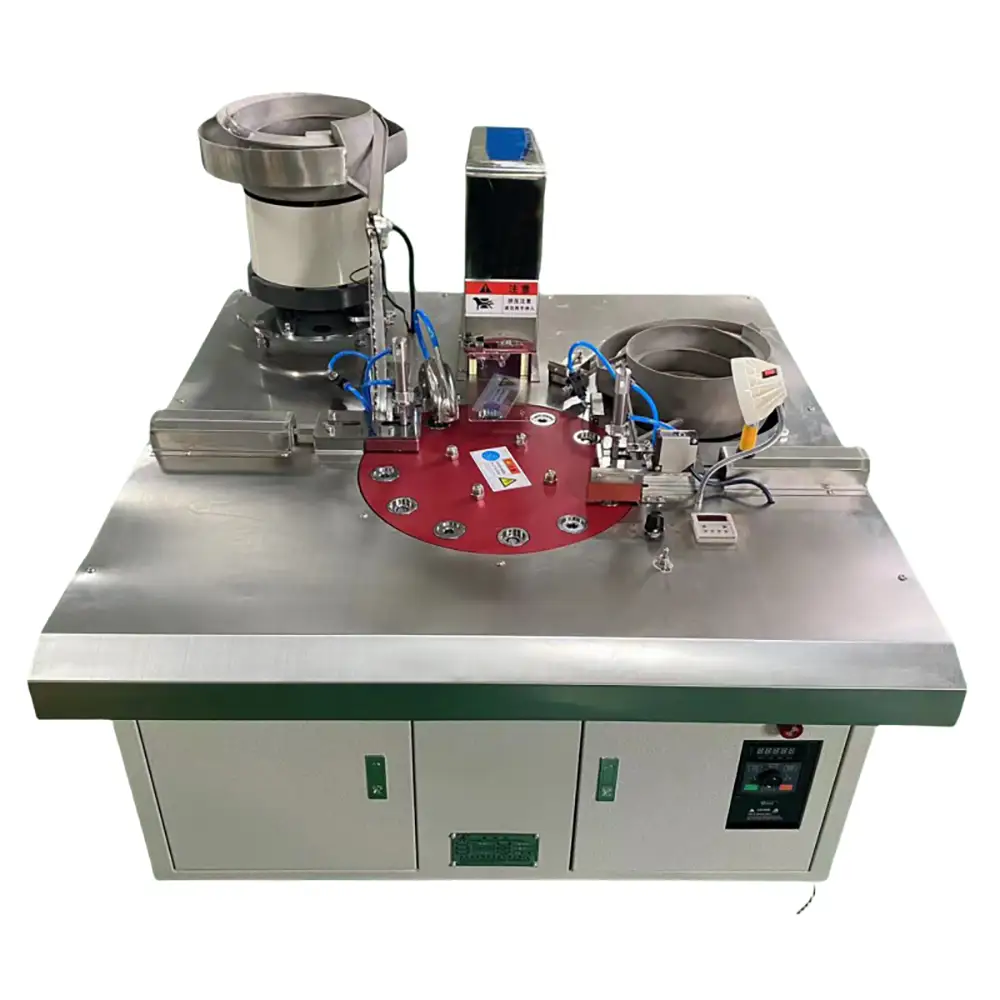
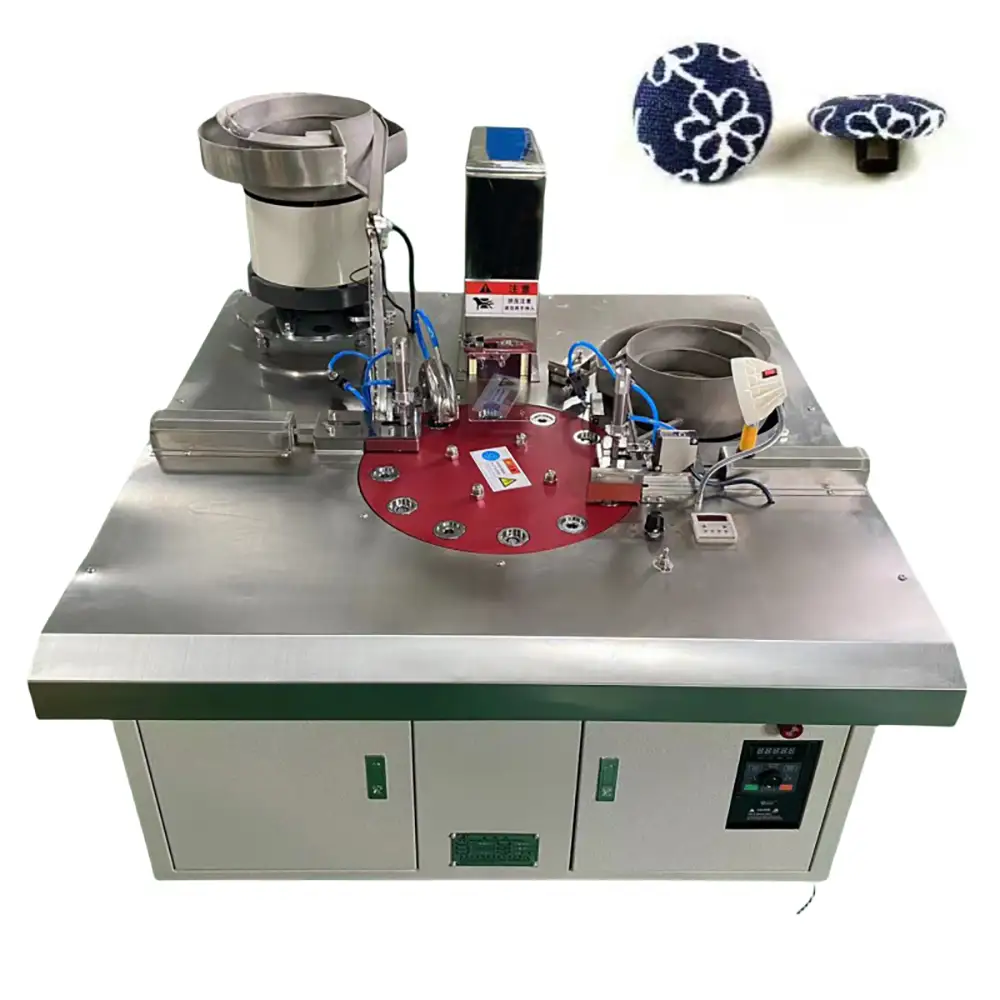
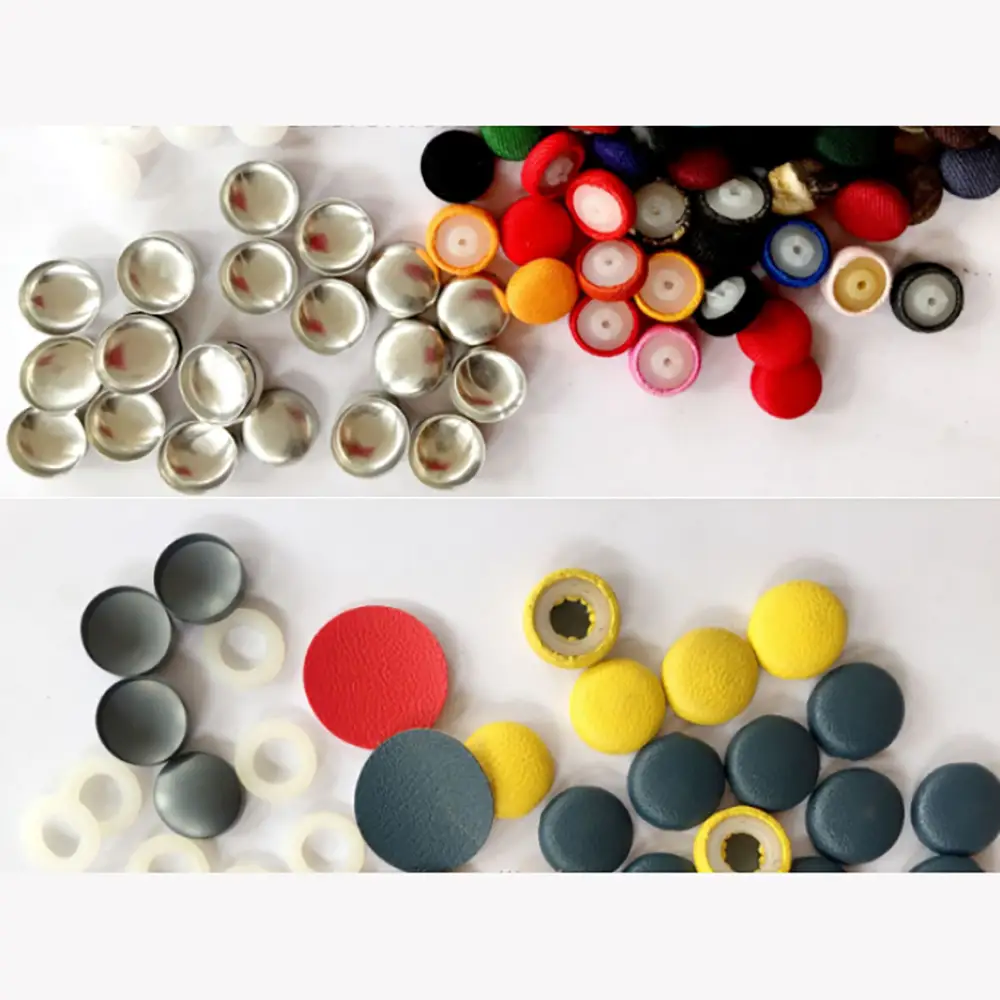
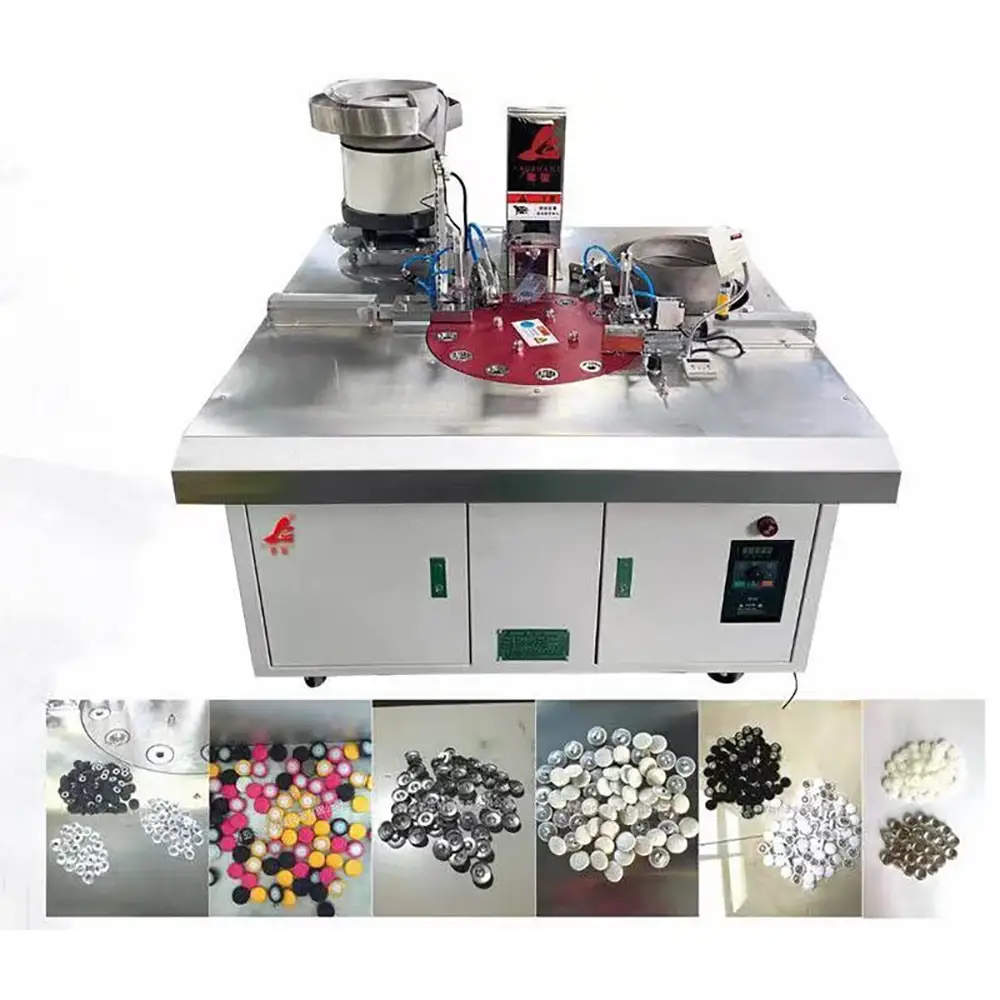
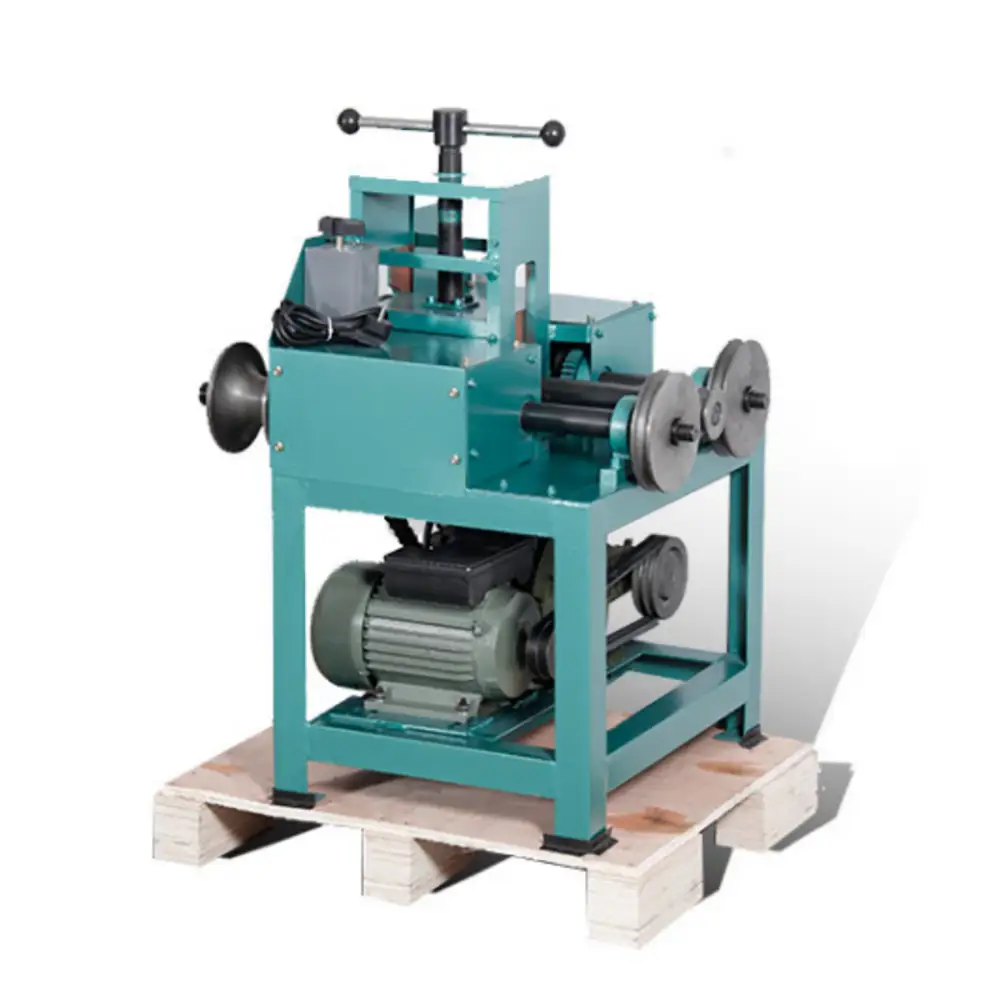
this machine can cover the buttons automatically.
4) Upper metal and bottom metal are feed automatically.
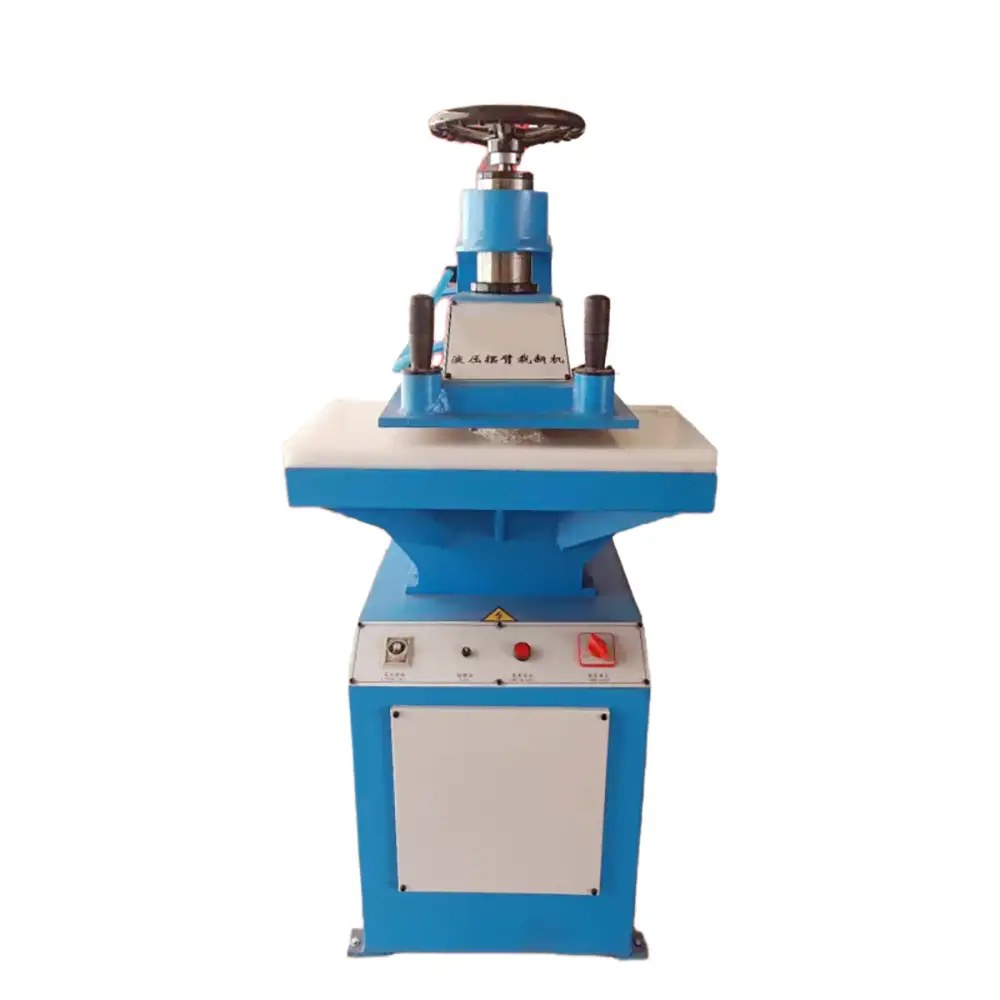
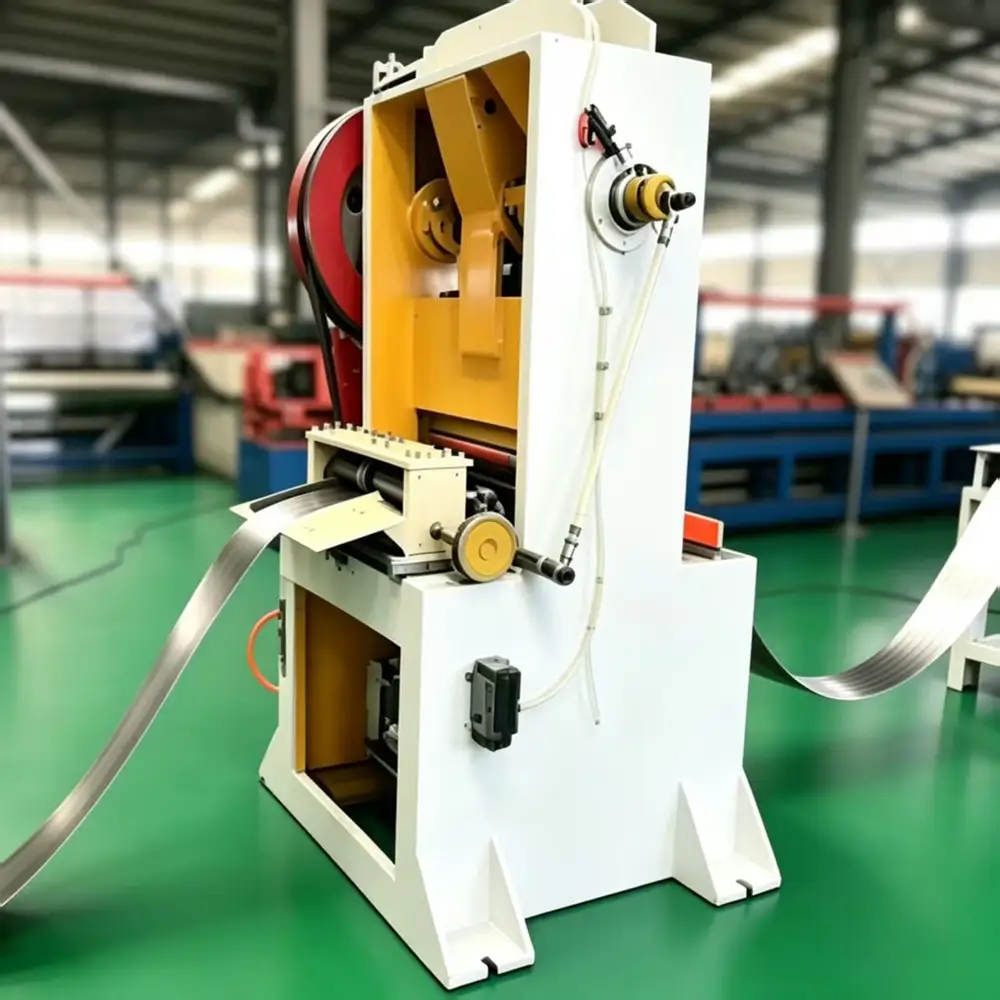
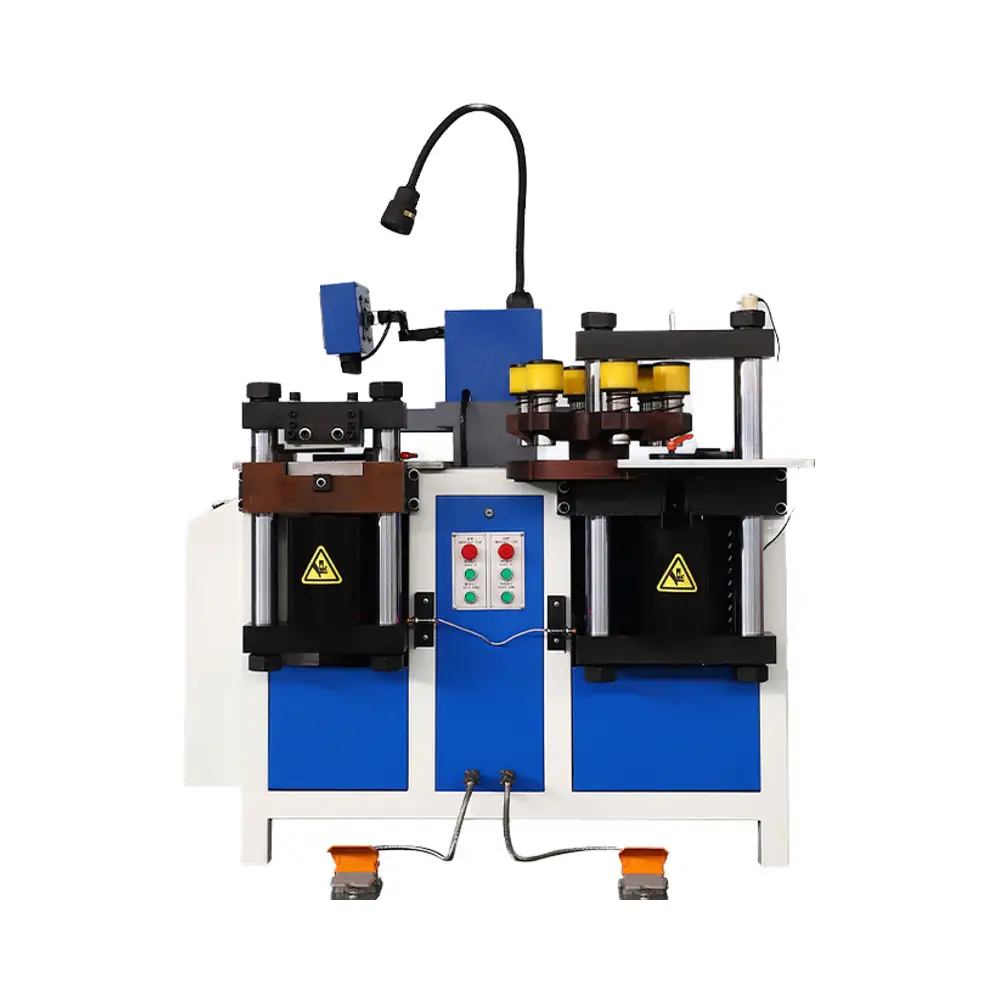
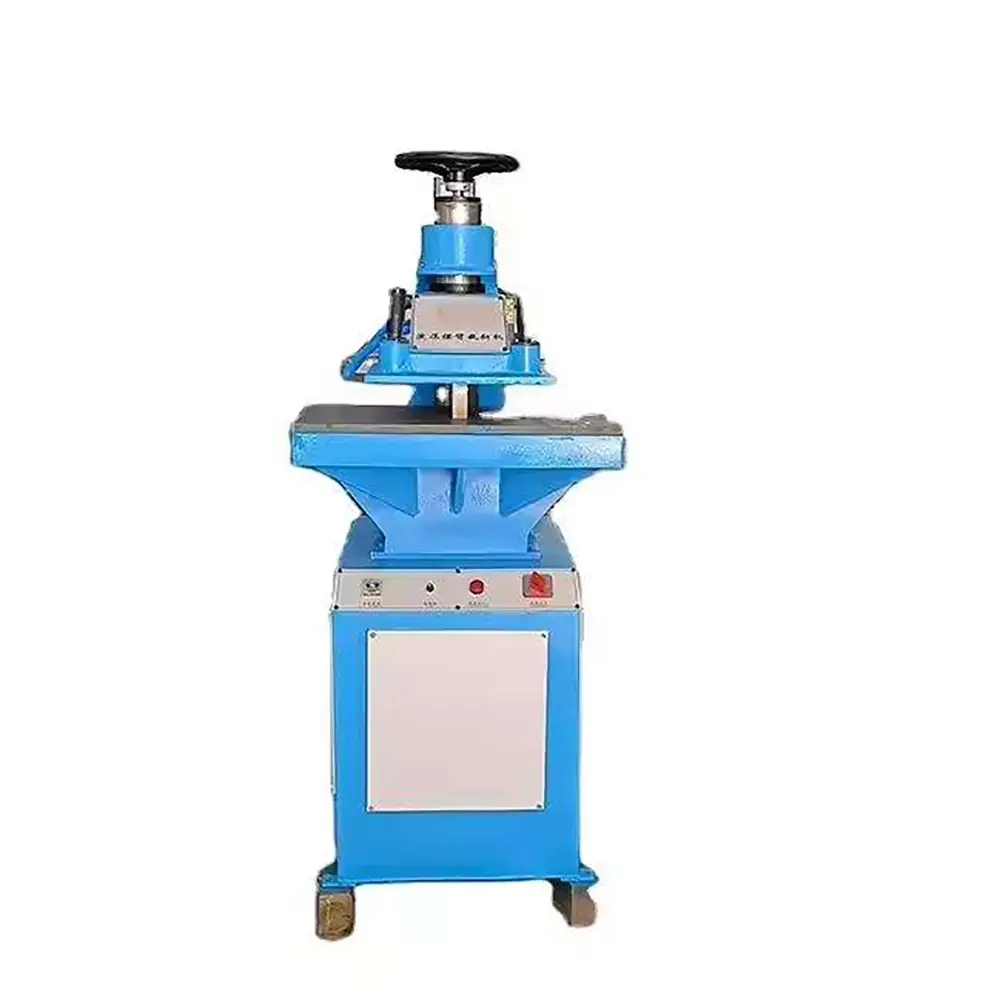
Cloth Cutting Machine
|
Electrical spec |
220V 50/60hz |
|
Type |
Hydraulic |
|
Work method |
Manual |
|
Pressure |
3T |
|
Power |
2.2 |
|
Weight |
38g |
|
Dimension |
650X550x1650mm |
Snap Button Fastener Button Making and Attaching Machine
The Snap Button Fastener Button Making Covering Attaching Machine is designed for garment manufacturers, clothing accessory producers, textile factories, and sewing-related businesses that need an efficient solution for button preparation, covering, assembly, and attachment. By combining button-making or covering functions with an efficient attaching process, the machine helps streamline the production of decorative and functional buttons used on garments and textile products.
Snap buttons and covered buttons are widely used in apparel, children's clothing, jackets, shirts, uniforms, denim products, bags, accessories, and decorative textile applications. Traditional manual button assembly and attachment can require considerable operator time and may result in inconsistent positioning or pressure. A dedicated button machine provides a more standardized production process.
Depending on the selected configuration and tooling, the machine can be adapted to different button components, covering materials, sizes, and garment applications. Buyers can therefore configure the equipment according to their specific button production requirements.
Efficient Button Making and Covering
Button covering is the process of placing fabric or another suitable decorative material over a button shell or related component to create a finished appearance. The process requires appropriate tooling to hold the button components and form the covering material consistently.
The machine can help simplify this repetitive operation by providing controlled forming and pressing. Instead of relying entirely on manual assembly, the operator can position the components in the corresponding tooling and allow the machine to perform the required forming or attaching operation.
The actual button diameter, material thickness, tooling design, and compatible components depend on the machine configuration. Before purchasing, buyers should provide detailed button samples or drawings so the appropriate dies and fixtures can be confirmed.
Snap Fastener Assembly and Attachment
Snap fasteners consist of mating components that allow garments and textile products to be opened and closed conveniently. They are commonly used on baby clothing, jackets, workwear, shirts, bags, leather goods, and various textile accessories.
A snap button attaching machine is designed to help position and secure fastener components onto the target material. Correct alignment is important because the mating components must engage properly after installation.
Depending on the machine type, attachment may involve pressing, riveting, or another mechanical fastening process. The correct tooling and pressure must be selected according to the button or snap fastener design and the material being processed.
Designed for Garment Decoration
Buttons are not only functional components. They can also contribute significantly to the visual appearance of clothing and textile products.
Covered buttons can use fabrics that match or complement the garment, while decorative buttons can incorporate different colors, textures, shapes, and surface designs. This makes button-making equipment useful for fashion manufacturers and garment accessory suppliers.
Typical applications include:
Shirts
Jackets
Coats
Dresses
Children's clothing
Baby clothing
Uniforms
Denim garments
Workwear
Bags
Textile accessories
Decorative clothing products
For fashion production, consistent button appearance and attachment can help maintain the overall quality of finished garments.
Suitable for Different Button Materials
The machine can be configured for different button and fastener components depending on the production requirement. Common materials used in button manufacturing and garment accessories may include metal, plastic, coated components, and fabric-covered shells.
The covering material may include suitable textile fabrics or other compatible decorative materials. Material compatibility should always be evaluated before production because fabric thickness, elasticity, surface characteristics, and button construction can affect the forming process.
For new applications, manufacturers can test representative samples to determine appropriate tooling and operating parameters.
Tooling and Die Configuration
Tooling is one of the most important elements of a button covering and attaching machine. The die must correspond to the dimensions and shape of the button or fastener component.
Different button sizes may require different dies or tooling sets. If a manufacturer produces several button sizes, interchangeable tooling can provide additional production flexibility when supported by the machine design.
When ordering, buyers should provide button diameter, component dimensions, fastener type, fabric thickness, and attachment method. Sample components are also useful for confirming the tooling design.
Improved Production Efficiency
Garment factories can process large numbers of buttons and fasteners during daily production. Manual button covering and attachment can become repetitive, particularly for high-volume orders.
A dedicated machine helps create a more organized workflow. Operators can prepare button components, load the workpiece, operate the machine, inspect the finished attachment, and continue with the next piece.
The degree of automation depends on the machine configuration. Semi-automatic or automatic solutions may be selected according to production volume, labor requirements, and budget.
Consistent Button Attachment
Consistent attachment is important for both appearance and product usability. Buttons should be positioned correctly and attached firmly enough for their intended application.
A controlled machine process can help reduce variations caused by inconsistent manual pressure or positioning. Proper workholding and correctly matched tooling also help maintain repeatable results.
For garments with multiple buttons, consistent spacing and alignment remain important. Operators should follow the garment manufacturer's production specifications and use appropriate positioning methods.
Application in Garment and Textile Factories
This type of equipment can be used in a variety of textile and garment production environments. It may serve as an independent workstation or be incorporated into a broader garment accessory production process.
Potential users include:
Garment manufacturers
Clothing factories
Textile manufacturers
Fashion accessory producers
Button manufacturers
Garment accessory suppliers
Sewing workshops
Apparel OEM factories
Uniform manufacturers
Bag manufacturers
For companies supplying private-label or OEM garments, reliable button attachment equipment can support repeatable production across different customer orders.
Easy Operation and Production Workflow
A practical button machine should allow operators to understand the loading, positioning, pressing, and unloading sequence clearly.
A typical workflow starts with preparing the button or snap components and selecting the appropriate tooling. The fabric or garment section is then positioned in the working area. After alignment, the machine performs the required covering or attachment operation.
The completed button is inspected before the next cycle begins. Depending on the machine design, production settings and operating procedures can be adjusted for different button types.
Operator training should always follow the manufacturer's instructions and the specific machine configuration.
Maintenance and Service
Regular maintenance helps maintain reliable operation. Operators should routinely inspect dies, pressing components, fasteners, moving mechanisms, and other working parts.
Button components and fabric fibers can create debris around the working area. Keeping the machine clean can help prevent material buildup from interfering with tooling or positioning.
Any worn tooling should be inspected and replaced or serviced as necessary. Lubrication requirements should follow the manufacturer's maintenance schedule.
OEM and Custom Button Machine Solutions
Garment manufacturers often have specialized requirements based on button dimensions, fastener types, fabric materials, and production volumes. For this reason, customized tooling and machine configurations can be valuable for professional buyers.
As a Button Making Machine Manufacturer and Supplier, we can support OEM and ODM projects according to application requirements. Custom solutions may include button size ranges, tooling, dies, pressing configurations, electrical specifications, machine structure, and automation options.
Before placing an order, buyers are encouraged to provide button samples, garment samples, drawings, dimensions, photos, and expected production volume. This information helps determine the appropriate machine and tooling configuration.
A Practical Solution for Garment Accessory Production
The Snap Button Fastener Button Making Covering Attaching Machine provides a practical solution for companies involved in clothing accessories, button production, garment decoration, and textile manufacturing.
By combining controlled button processing with efficient attachment operations, the equipment can help reduce repetitive manual work and establish a more standardized production workflow.
For manufacturers handling different garment styles and button designs, selecting the correct machine configuration and tooling is essential. With appropriate setup, operator training, and regular maintenance, the machine can become an effective part of a modern garment accessory production line.
FAQs
1. What is a snap button making and attaching machine?
It is a machine designed to assist with button preparation, covering, assembly, or attachment depending on the selected configuration and tooling.
2. Can the machine be used for garment decoration?
Yes. It can be used for covered buttons and other decorative or functional garment buttons, subject to suitable tooling and component compatibility.
3. Can it attach snap fasteners to clothing?
Depending on the machine configuration, it can be used for suitable snap fastener attachment applications. The exact fastener type should be confirmed before ordering.
4. What materials can be used with the machine?
Compatible materials depend on the button construction and machine configuration. Common garment accessory components may include metal, plastic, and fabric-covered button components.
5. Can different button sizes be processed?
Different button sizes may require different dies or tooling. Buyers should provide the required size range so the appropriate tooling can be selected.
6. Can fabric be used to cover the buttons?
Yes, suitable textile fabric can be used for covered-button applications when the machine and tooling are configured for fabric covering.
7. Is the machine automatic?
The degree of automation depends on the selected model. Automatic, semi-automatic, and other configurations may be available depending on the production requirement.
8. What information is needed for a quotation?
Provide button diameter, button or snap type, component dimensions, fabric material and thickness, required operation, production volume, and photos or samples if available.
9. Can you provide customized tooling?
Yes. Customized dies and tooling can be discussed according to button dimensions, fastener structure, covering material, and application requirements.
10. Is OEM service available?
Yes. OEM and ODM solutions can be considered for machine configuration, tooling, electrical requirements, automation, and other project-specific requirements.
Why Choose Us
Garment Accessory Expertise – We provide equipment solutions for button making, button covering, snap fastener attachment, and textile accessory production.
Flexible Machine Configuration – Machine functions and tooling can be evaluated according to button dimensions and production requirements.
Custom Tooling Support – Appropriate dies and fixtures can be developed or selected for different button and fastener applications.
Production Efficiency – Mechanical processing can reduce repetitive manual operations and support a more organized garment production workflow.
Consistent Processing – Controlled pressing and positioning can help improve repeatability when the machine is correctly configured.
OEM & ODM Service – Customized machine configurations are available for distributors, garment factories, and specialized manufacturers.
Sample-Based Evaluation – Button samples, garment samples, drawings, and technical specifications can be used to determine a suitable configuration.
International B2B Supply – We support overseas buyers with machine production, inspection, packaging, documentation, and shipment preparation.
Snap Button Making Machine, Snap Button Attaching Machine, Button Making Machine, Button Covering Machine China, suppliers, manufacturers, factory, customized, wholesale, quotation, made in China