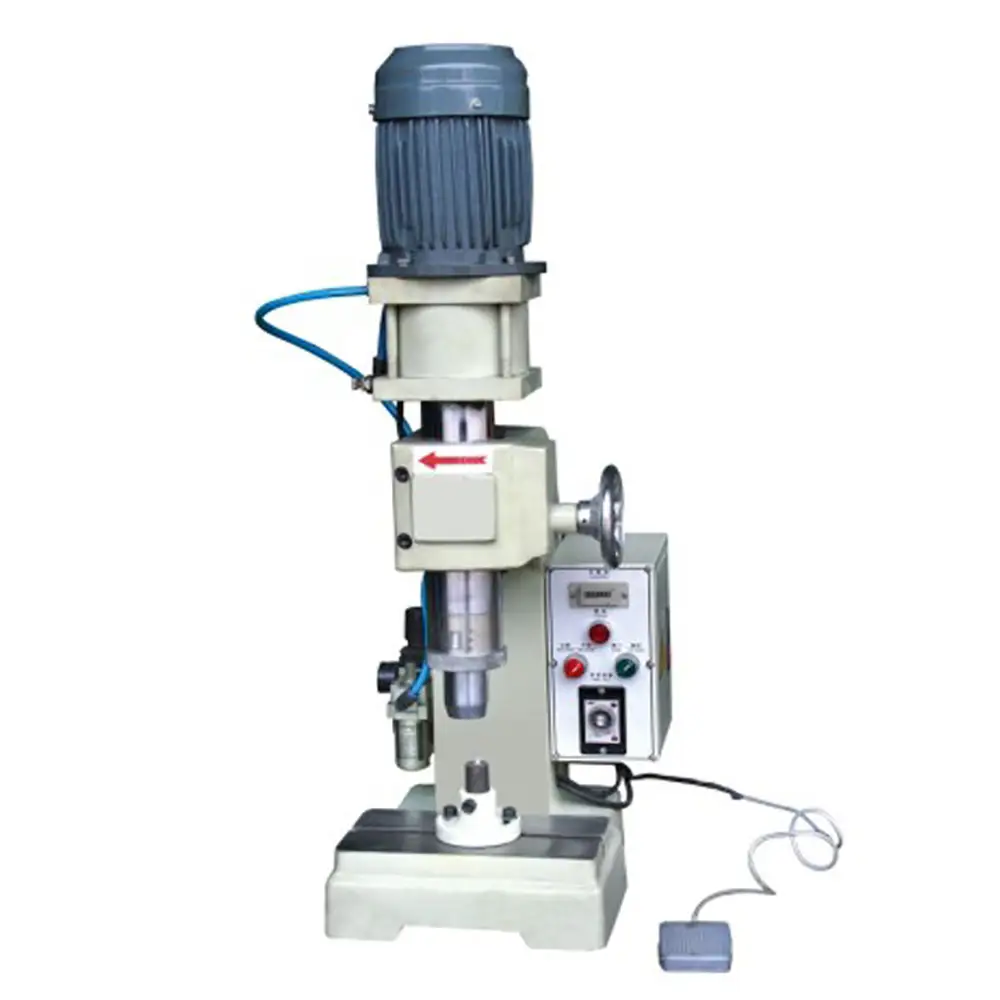
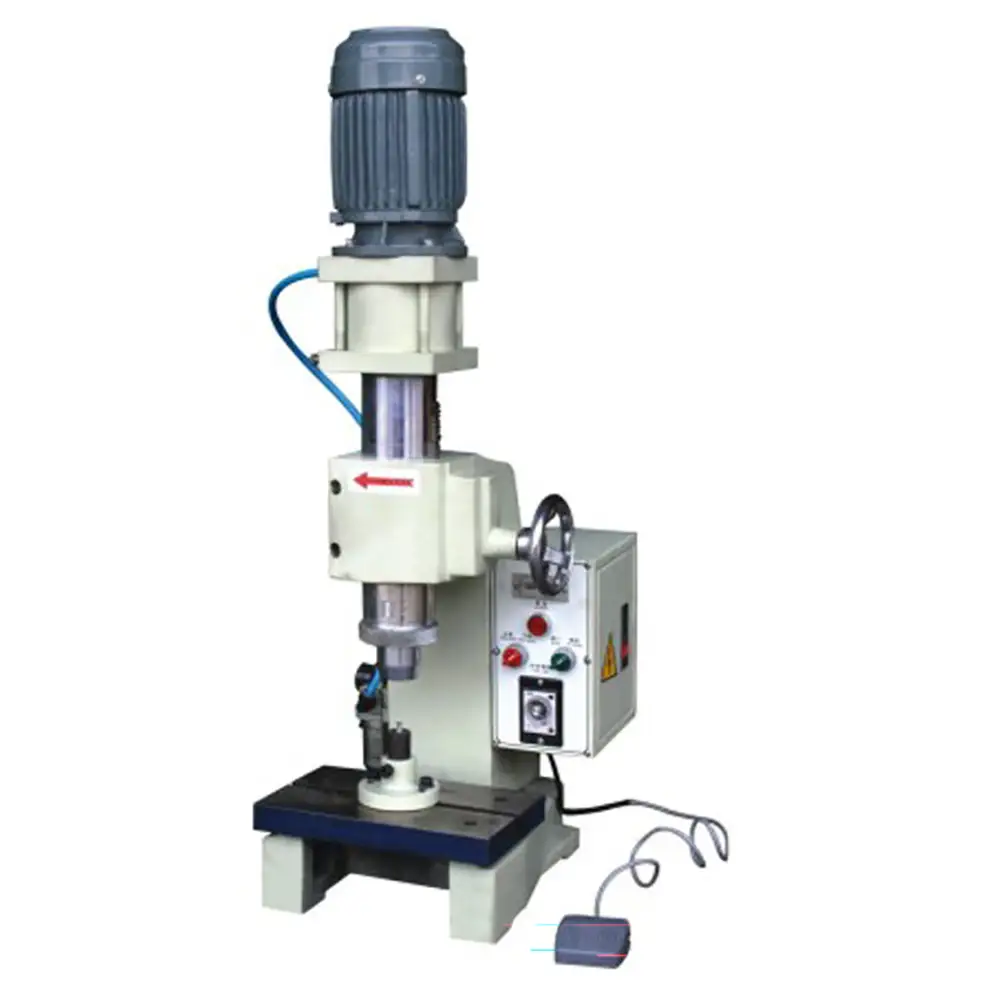
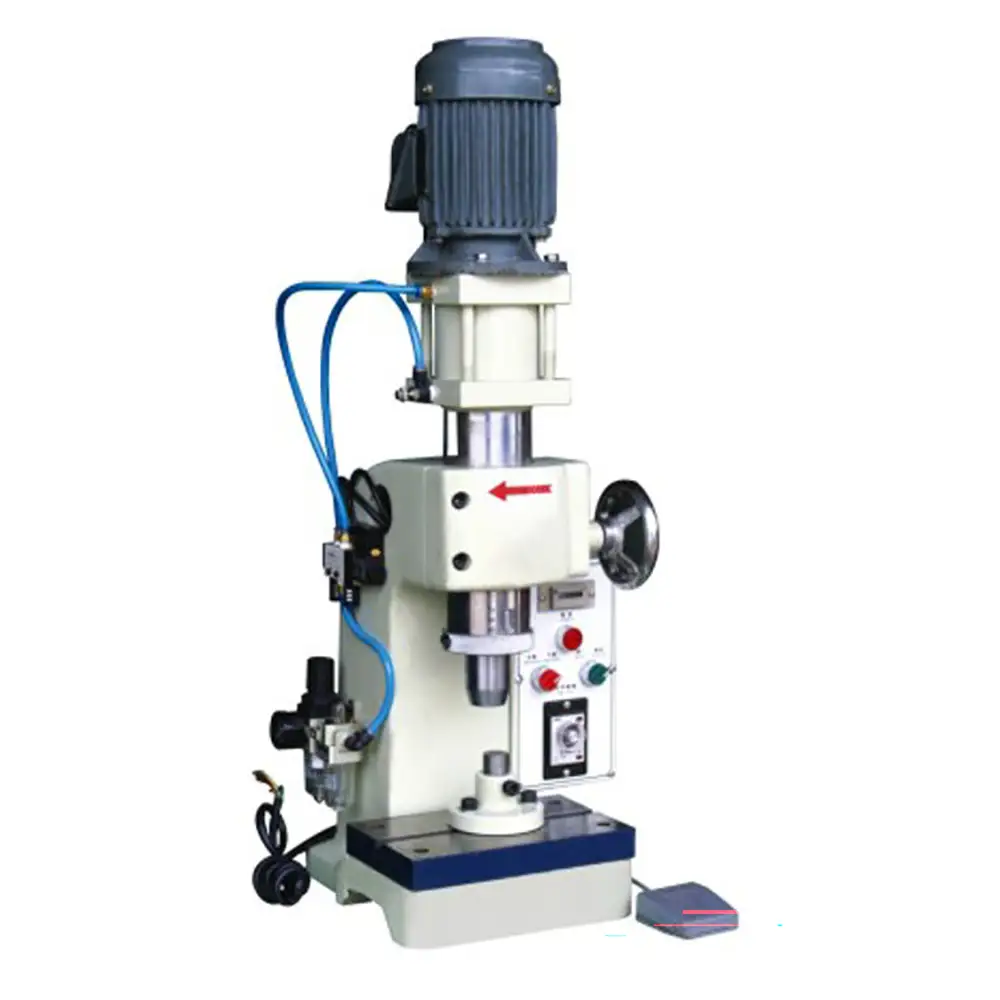
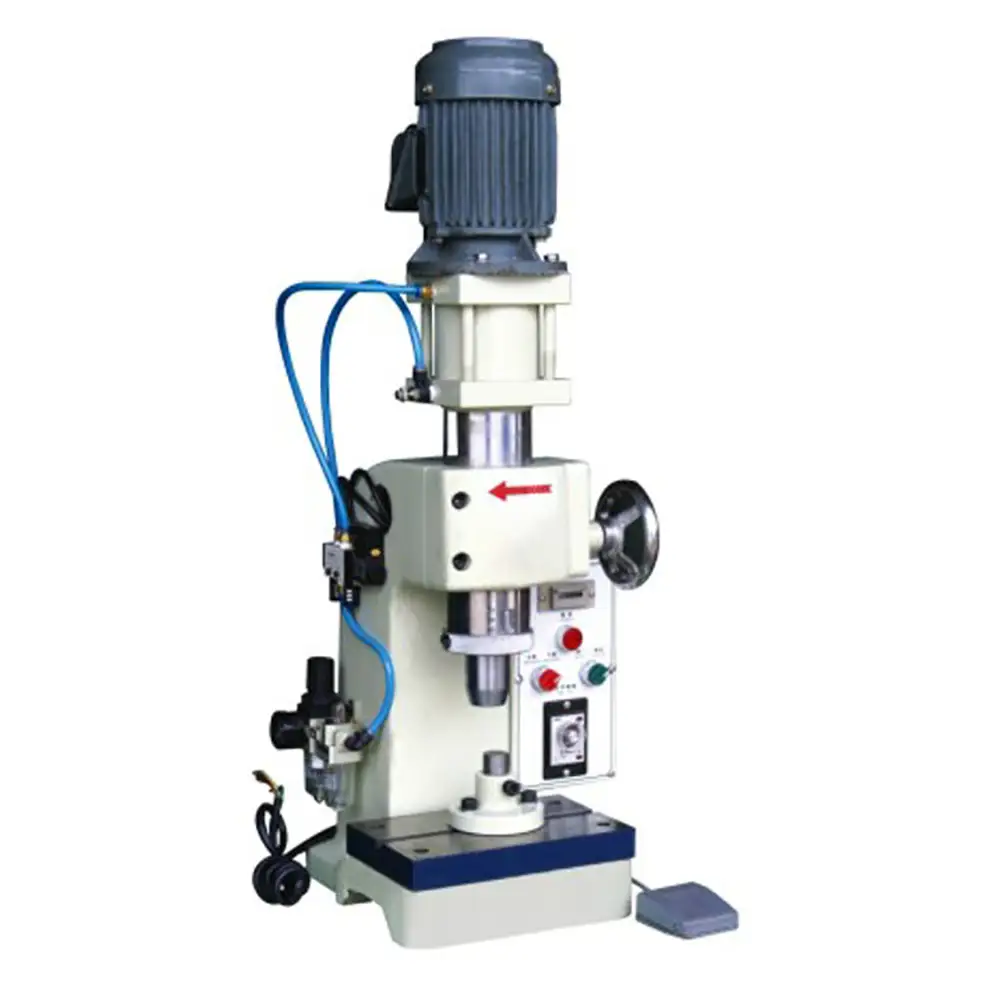
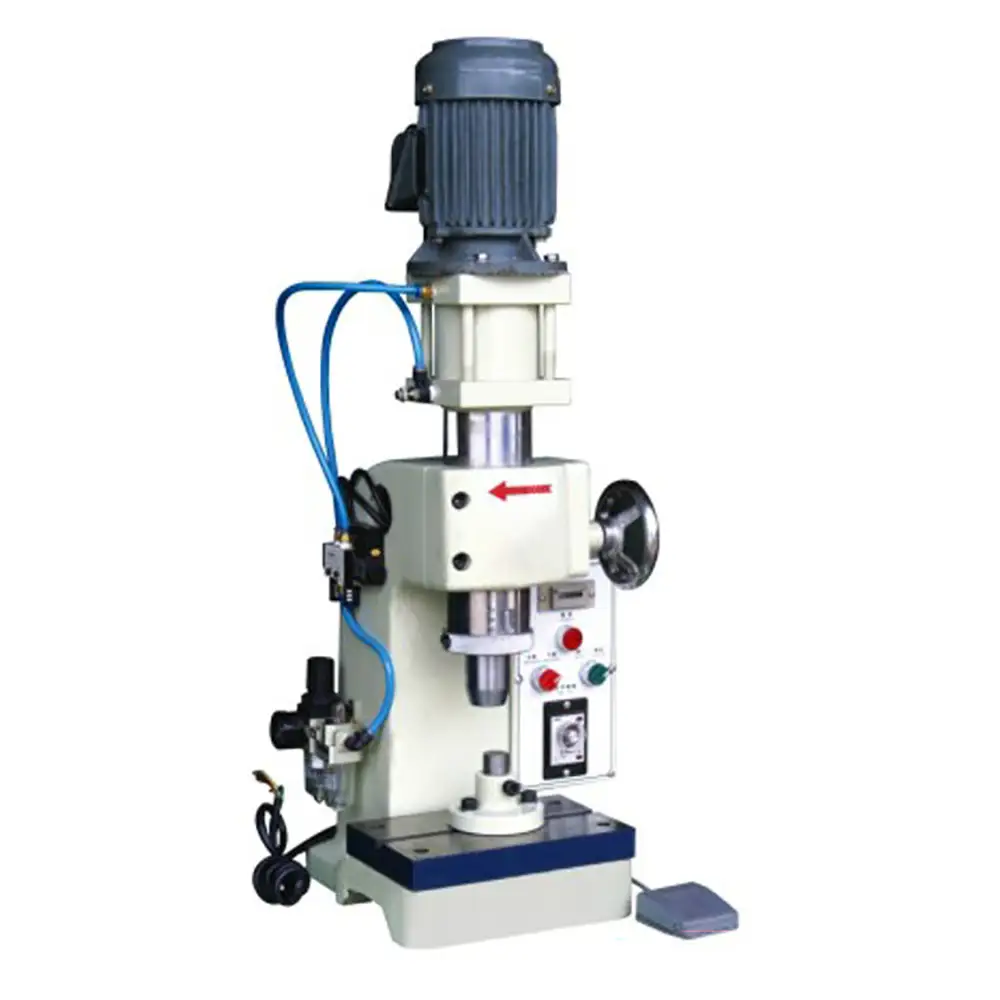
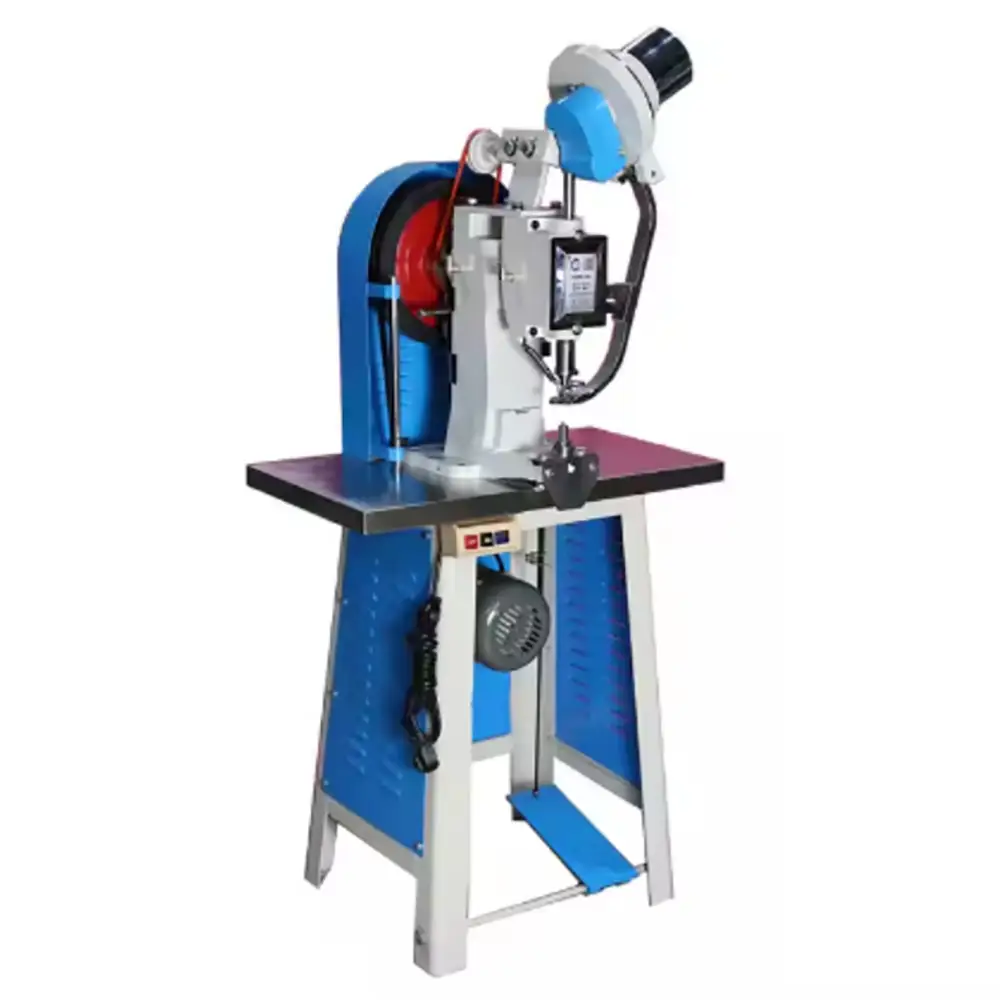
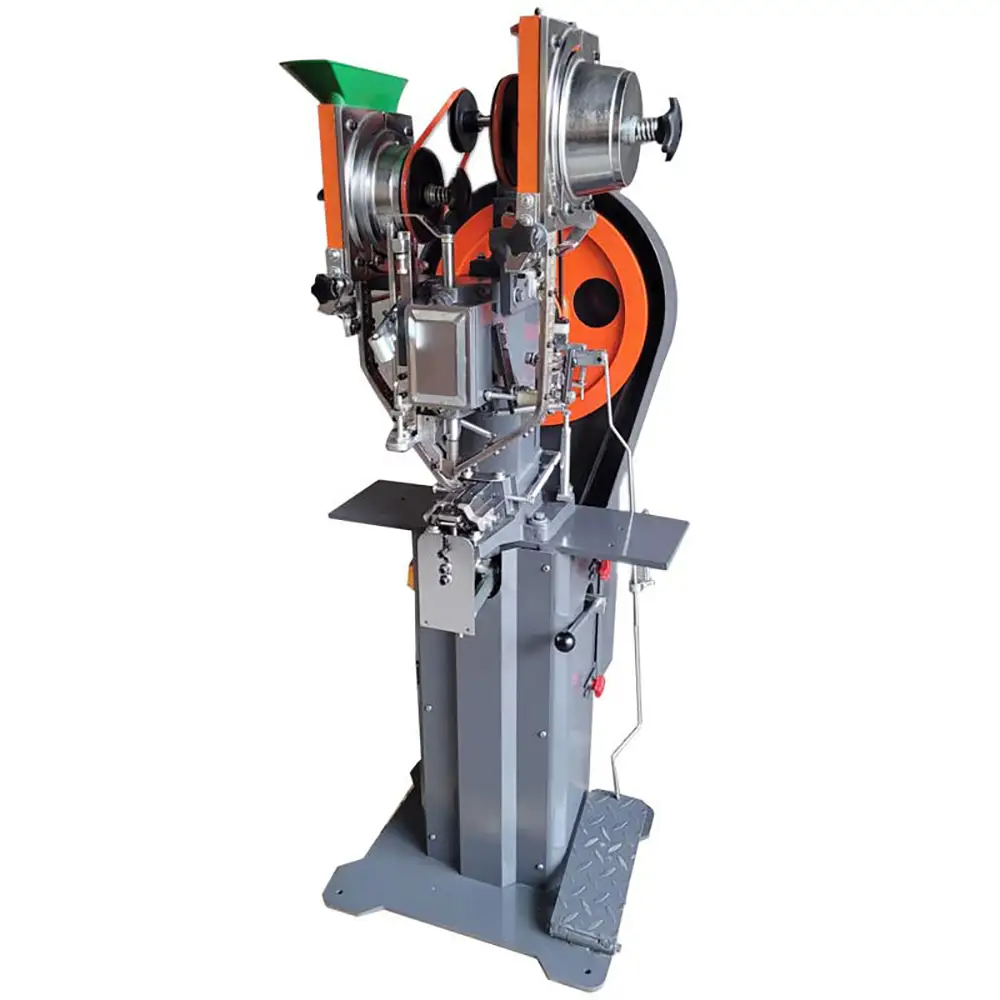
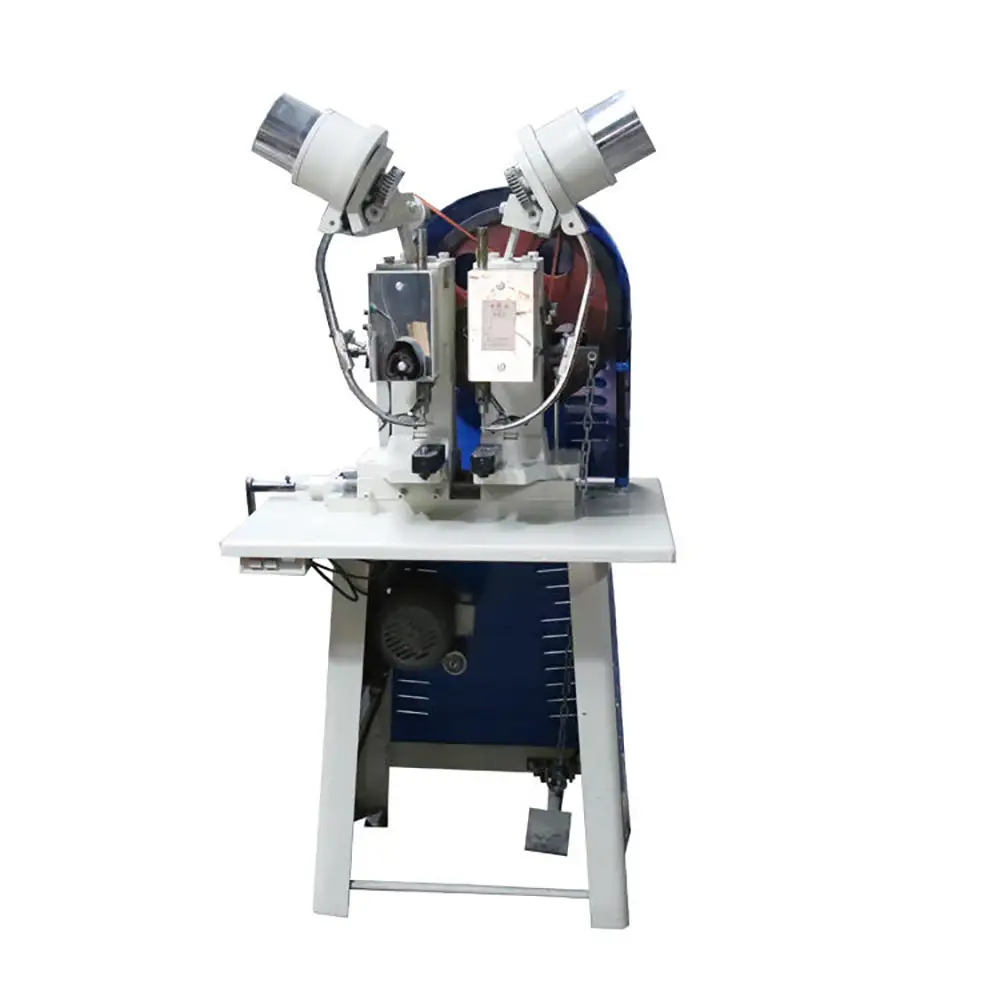
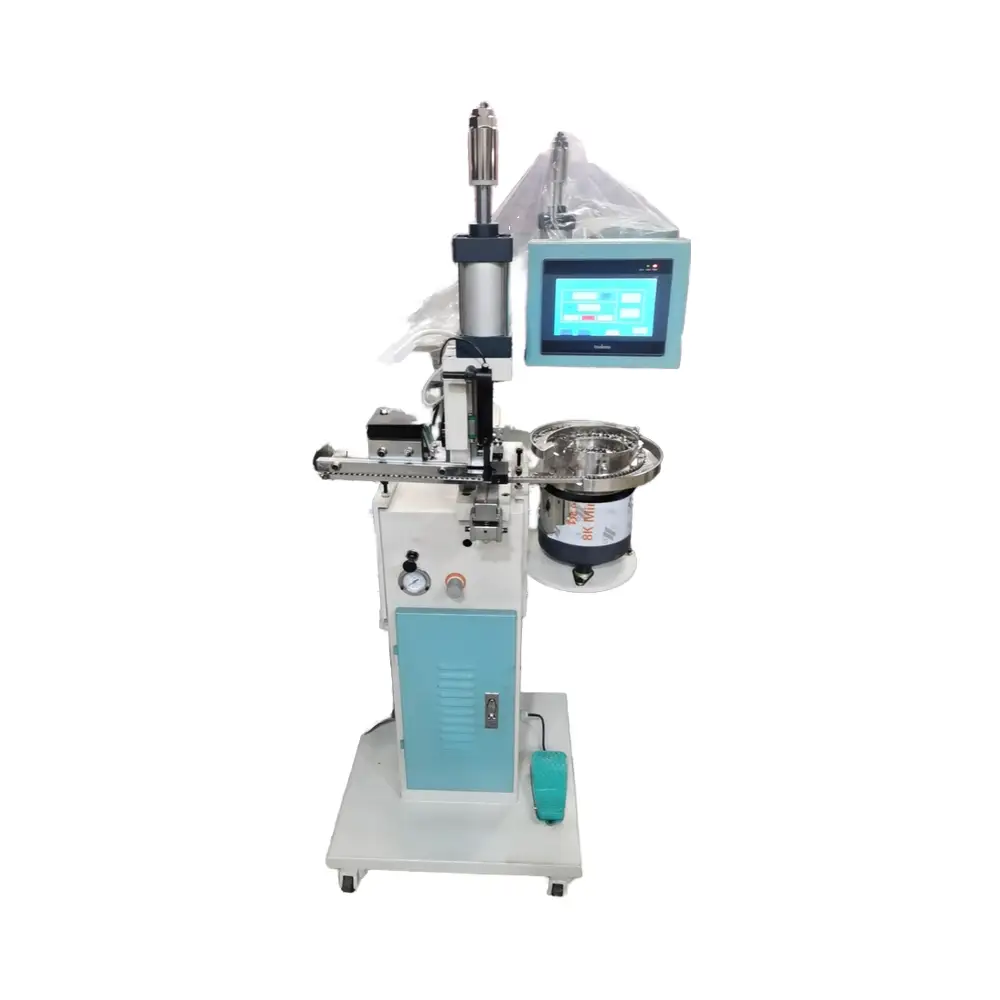
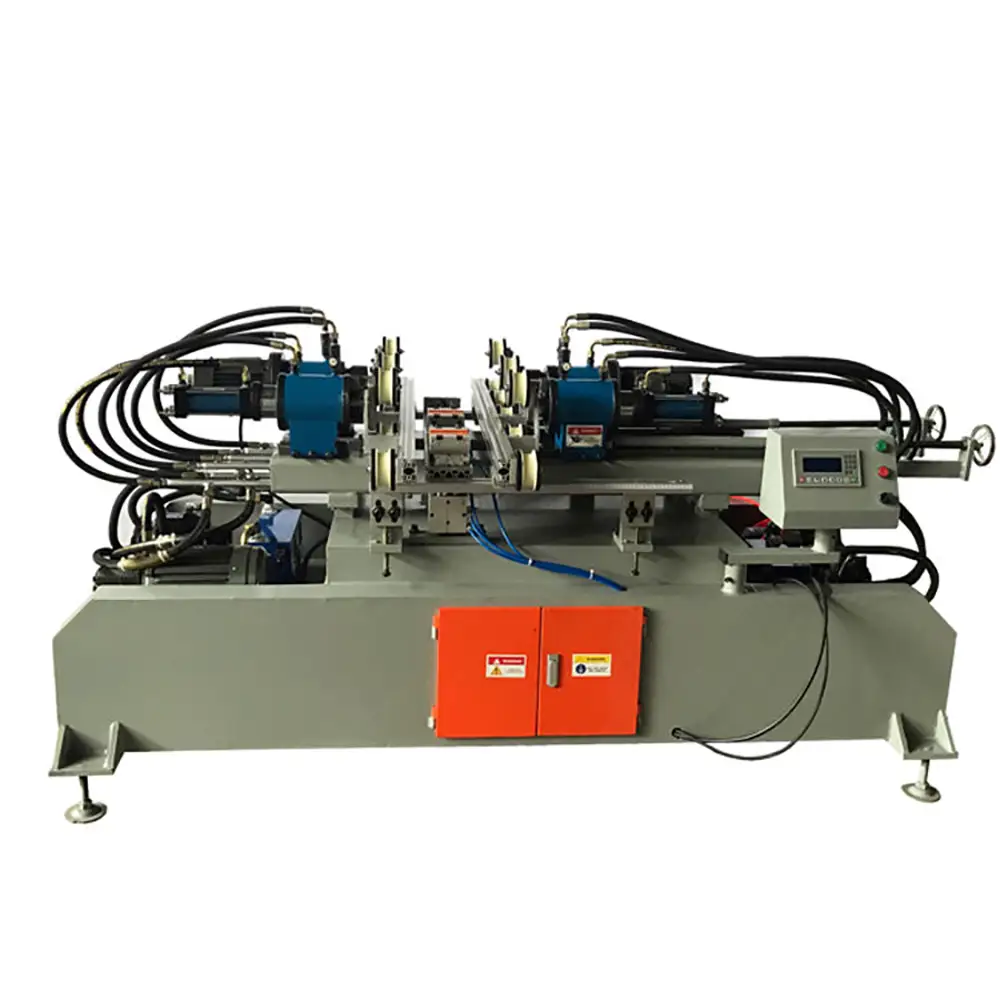
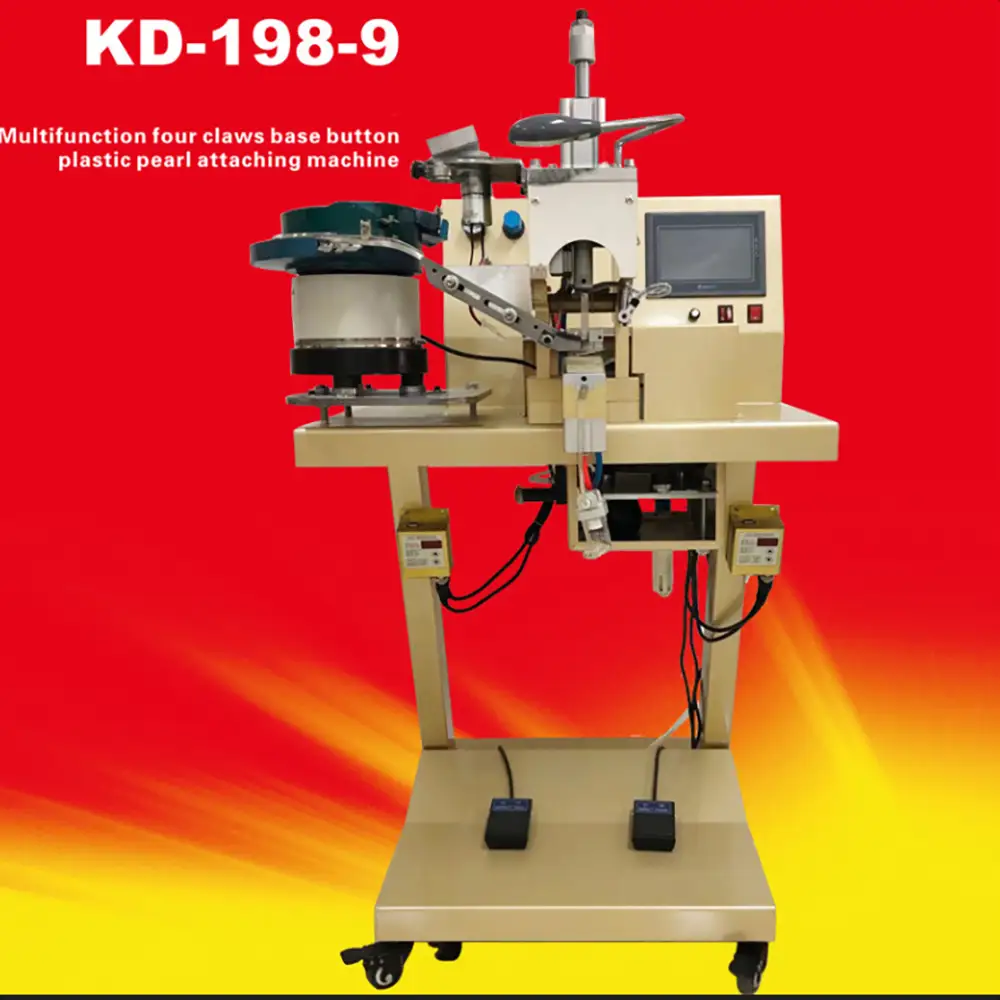
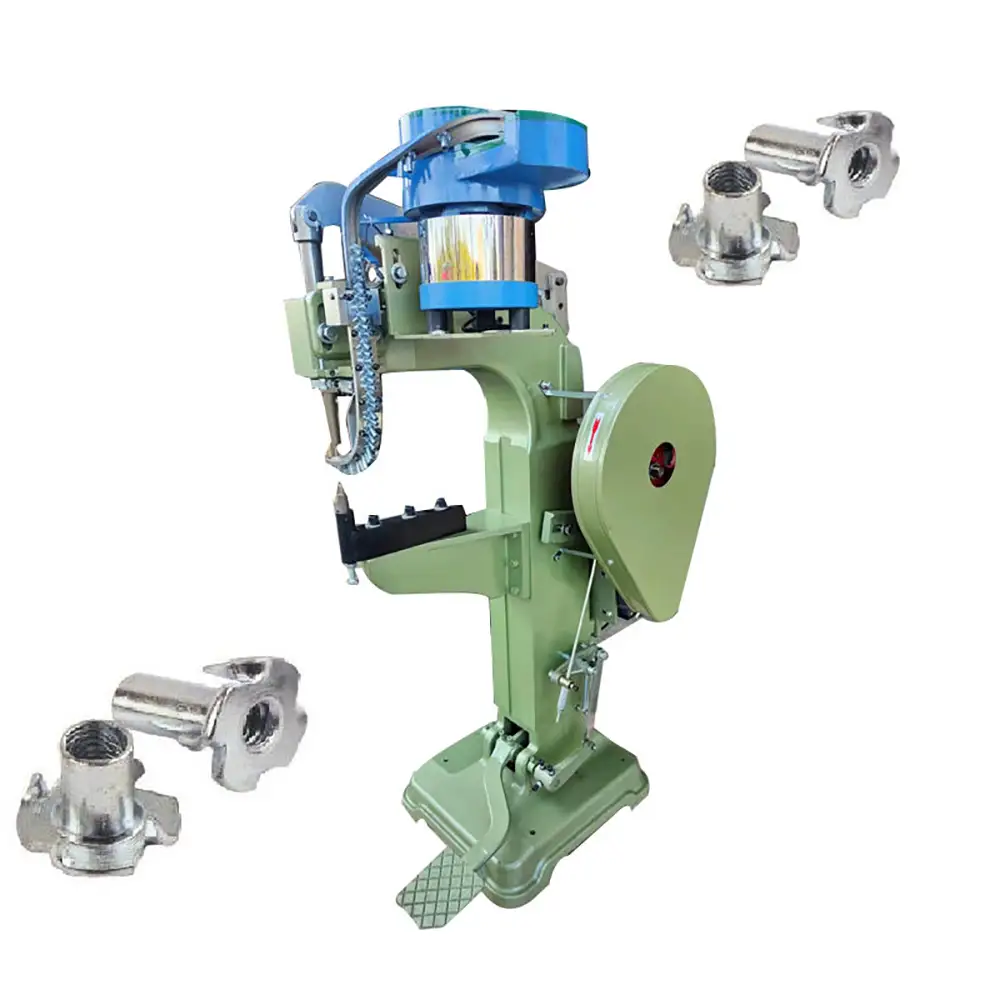
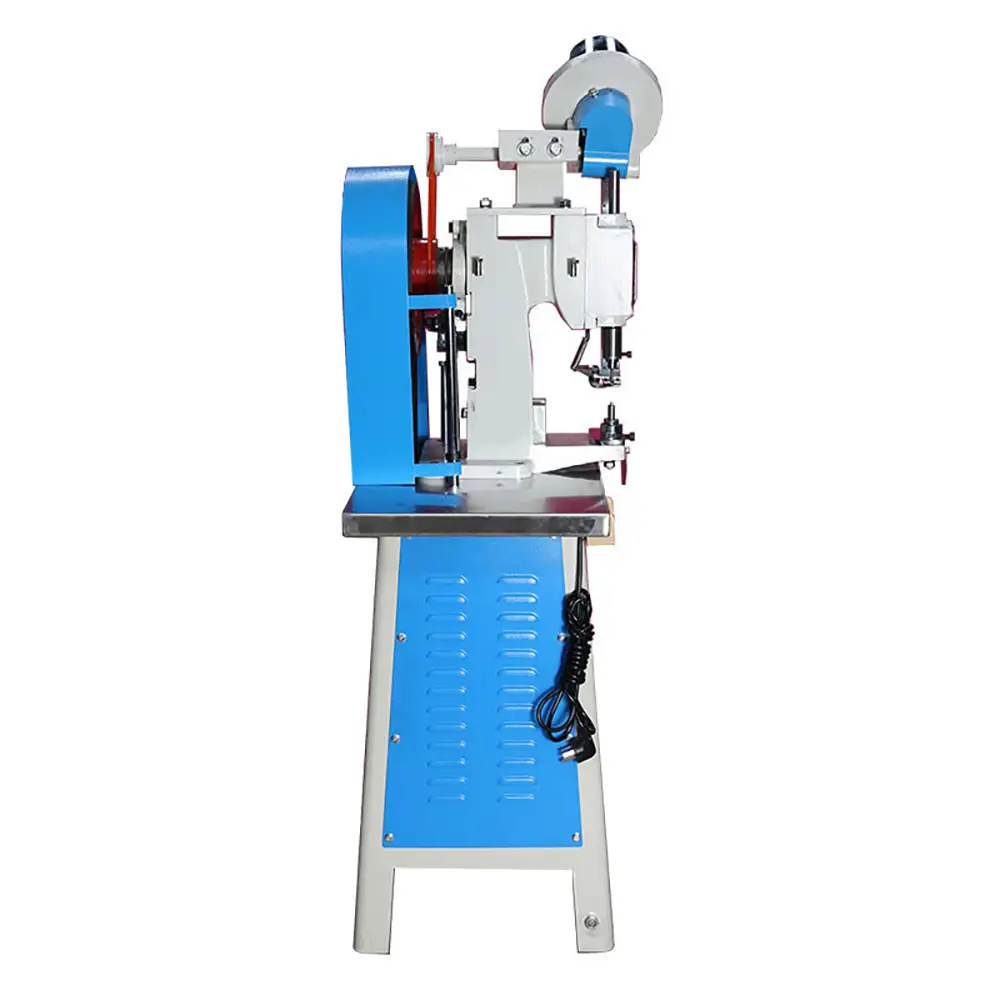
Pneumatic Solid Rotary Riveting Machine
The Pneumatic Solid Rotary Riveting Machine is an industrial fastening solution designed for forming and securing solid rivets through a controlled rotary riveting process. It combines pneumatic power with rotary riveting technology to provide consistent, repeatable, and efficient fastening for a wide range of metal components and industrial assemblies.
Solid riveting is widely used when manufacturers require a strong and permanent mechanical connection. Unlike manual hammering or impact riveting, rotary riveting gradually forms the rivet through controlled pressure and rotational movement. This can help reduce shock, vibration, and unnecessary deformation while producing a clean and consistent riveted joint.
The pneumatic configuration provides a practical power source for many manufacturing environments. Depending on the machine design, pneumatic controls can be used to manage the riveting cycle and provide repeatable operation.
The machine can be equipped with customized riveting heads, dies, punches, fixtures, and workpiece positioning systems according to the specific solid rivet and product requirements.
1 Progressive design:
Low center of gravity, strong rigidity, simple structure, no noise, no impact, no vibration, two-stage weight adjustment, small size and no space.
2 Easy operation:
Strong working pressure, strong safety, easy operation, can be operated without experience, fast and convenient tool replacement, high work efficiency, good riveting effect
3 Standard configuration:
Standard electronic accessories are used for each model. When using automatic operation, the timer can be adjusted to the appropriate time at will
4 Usage
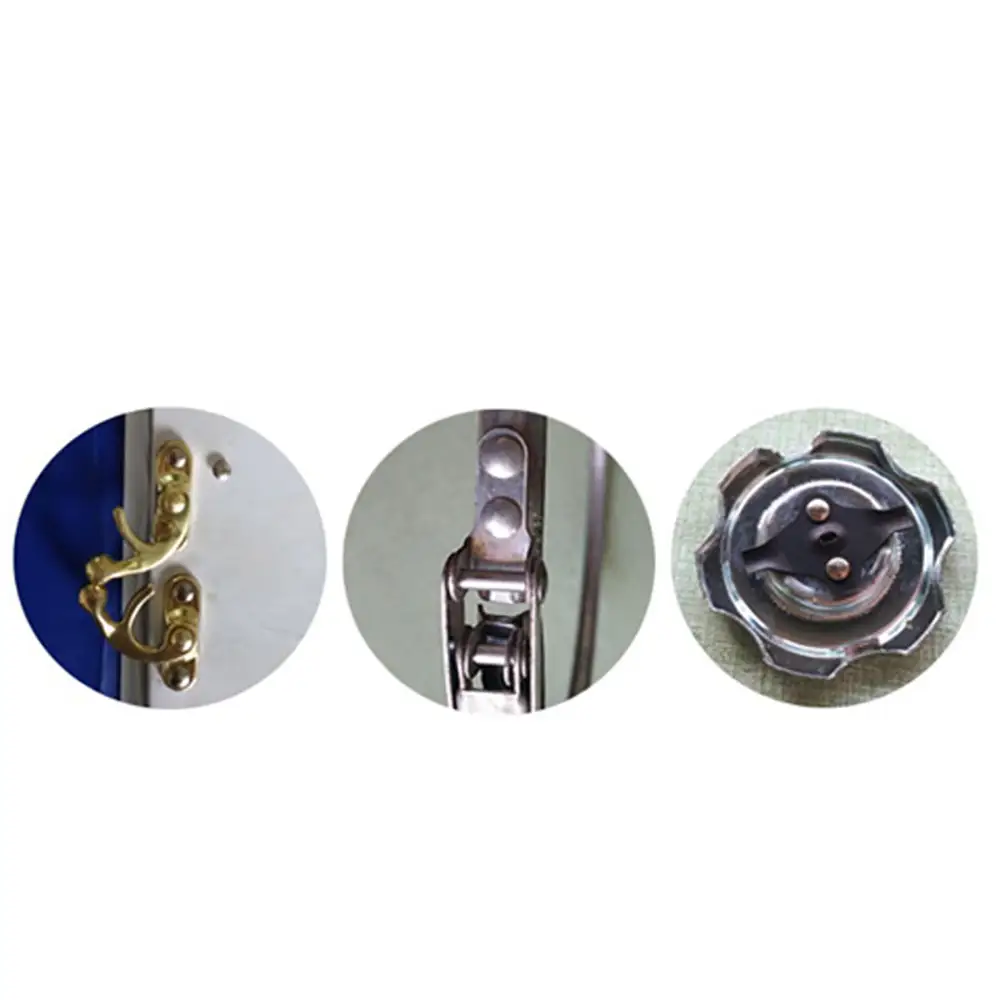
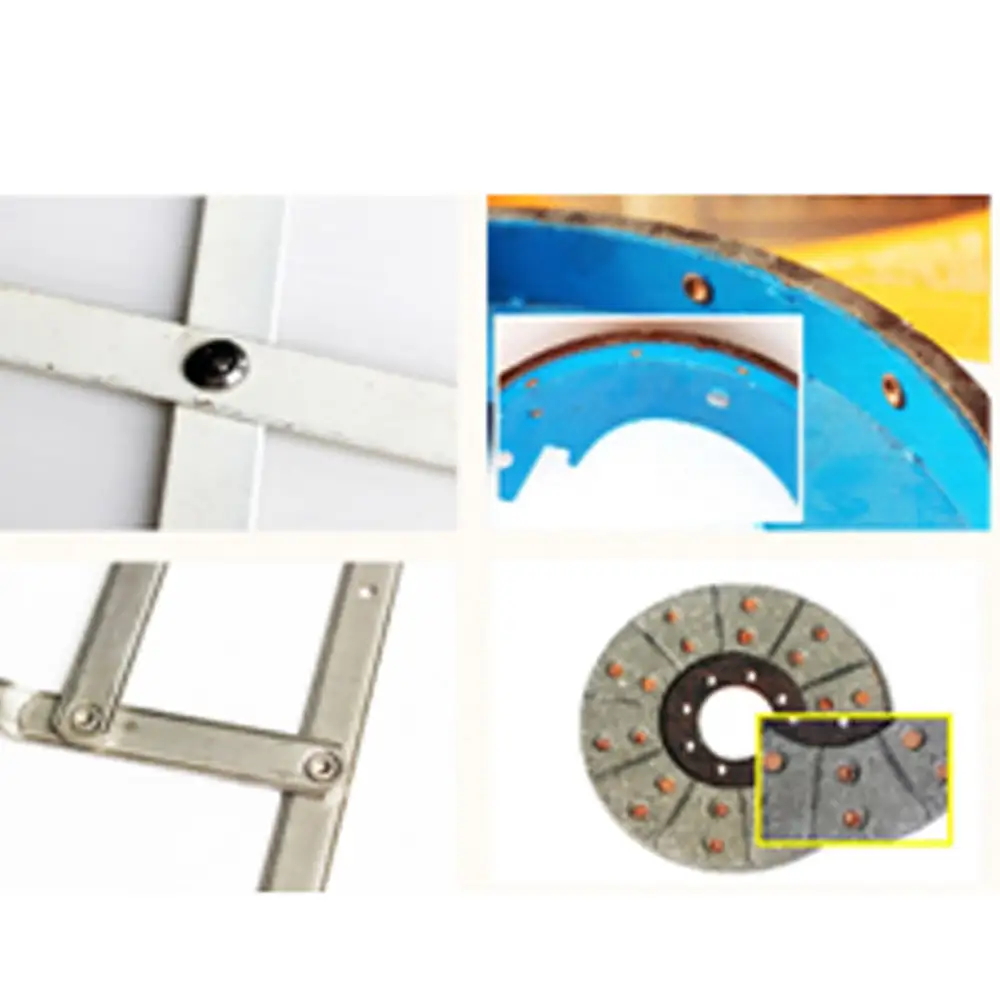
Suitable for riveting of solid rivets such as scissors, pliers, juicer blades, notebook shafts, LCD shafts, gas springs, piston rods, etc.
|
Model |
Motor |
Spindle stroke(mm) |
Riveting capacity( soft material ) |
Working time(s) |
working pressure
kg/cm² |
· MPA
kg/cm² |
Riveting length(mm) |
Weight(kg) |
Riveting RMP |
|
S-136 |
1/2 |
35 |
Solid river:0.5~3
river:1~8 |
0.5~6 |
2~6 |
100~700 |
100 |
78 |
1400/1720 |
|
S-141 |
1/2 |
40 |
Solid river:1~6
river:1~15 |
0.5~6 |
2~6 |
300~800 |
150 |
115 |
1400/1720 |
|
S-143 |
1/2HP
1HP |
40 |
Solid river:2~8
hollow river:2~20 |
0.5~6 |
2~6 |
460~1100 |
150 |
170 |
1400/1720 |
What Is a Pneumatic Solid Rotary Riveting Machine?
A Pneumatic Solid Rotary Riveting Machine is designed to install solid rivets using a rotary forming process powered by compressed air.
During operation, the workpiece and solid rivet are positioned in the machine fixture. The riveting head applies controlled pressure while rotating or orbiting around the rivet end. This gradually forms the rivet into the required finished shape.
The rotary process can provide a smooth and controlled deformation compared with conventional impact riveting.
This type of machine is particularly useful for components that require accurate rivet forming, consistent appearance, and repeatable fastening quality.
Rotary Riveting Technology
Rotary riveting, also known as orbital or radial riveting depending on the machine design, forms the rivet progressively rather than applying one large impact force.
The riveting tool follows a controlled movement while pressure is applied to the rivet. This gradually shapes the rivet head and creates a permanent mechanical connection.
The process can help minimize vibration and reduce the possibility of excessive deformation to the surrounding workpiece.
The exact riveting movement depends on the machine design and tooling configuration. For customized applications, the riveting head should be selected according to the rivet diameter, rivet material, workpiece material, and desired finished rivet shape.
Pneumatic Power System
The pneumatic system uses compressed air as the machine's primary operating power.
Pneumatic operation can provide a relatively simple and practical solution for production environments that already have compressed-air infrastructure.
The machine can be configured with pneumatic controls, pressure regulation, valves, and other components appropriate for the riveting process.
Stable air pressure is important for consistent machine operation. The actual required pressure depends on the rivet size, material, tooling, and machine design.
Manufacturers should follow the equipment manufacturer's recommended air-pressure range rather than applying a generic pressure setting.
Solid Rivet Applications
Solid rivets are widely used in applications where a permanent mechanical connection is required.
The Pneumatic Solid Rotary Riveting Machine can be used for suitable:
Steel Rivets
Stainless Steel Rivets
Aluminum Rivets
Copper Rivets
Brass Rivets
Metal Rivets
Industrial Solid Rivets
The appropriate rivet material depends on the application and required mechanical properties.
Different rivet materials have different forming characteristics, so the machine tooling and riveting parameters should be selected accordingly.
Industrial Applications
The machine can be used in a wide range of industrial manufacturing applications.
Typical applications include:
Automotive Components
Motorcycle Components
Metal Hardware
Electrical Components
Mechanical Assemblies
Furniture Hardware
Door And Window Hardware
Hinges
Brackets
Locks
Machinery Components
Industrial Tools
Electrical Appliances
Metal Fabrication
Transportation Components
The machine's actual suitability depends on the rivet specifications and product structure.
Automotive Riveting
Automotive manufacturing uses riveted connections for various brackets, hinges, linkage components, support parts, and mechanical assemblies.
A pneumatic rotary riveting machine can provide controlled solid rivet forming for suitable automotive applications.
Customized fixtures can position the component accurately while the riveting head performs the fastening operation.
For safety-critical automotive components, the final riveting process should be validated according to the manufacturer's quality requirements and applicable standards.
Metal Hardware Riveting
Metal hardware manufacturers can use solid riveting machines for brackets, handles, hinges, locks, supports, and other components.
Rotary riveting is useful where a clean and consistent rivet head is required.
The machine can be configured with specialized dies and fixtures for different hardware shapes.
This makes it possible to create a dedicated riveting workstation for repetitive hardware production.
Advantages of Solid Rotary Riveting
One of the main benefits of rotary riveting is controlled rivet deformation.
Instead of striking the rivet with a sudden impact, the riveting tool gradually forms the material.
This can provide several production advantages:
Controlled Forming: The rivet is progressively shaped during the riveting process.
Consistent Appearance: Proper tooling can produce uniform rivet heads.
Reduced Shock: Rotary riveting generally creates less impact than traditional hammer riveting.
Repeatable Production: Machine-controlled operation can improve consistency between parts.
Reduced Workpiece Stress: Controlled forming can help minimize unnecessary deformation around the rivet.
Flexible Tooling: Dies and riveting tools can be customized for different products.
Industrial Productivity: The machine is suitable for repetitive production operations.
Precision Riveting Tooling
Tooling is critical to achieving high-quality solid riveting results.
The riveting head, forming tool, die, punch, fixture, and workpiece support must be correctly matched to the rivet and product.
Custom tooling can help control:
Rivet Position
Rivet Height
Finished Head Shape
Rivet Deformation
Workpiece Alignment
Fastening Consistency
For products with complex geometry, customized fixtures can help hold the workpiece securely and maintain consistent riveting positions.
Production Efficiency
Manual solid riveting can be labor-intensive, especially when large numbers of identical components need to be assembled.
A pneumatic rotary riveting machine provides a dedicated and repeatable production process.
The operator can position the workpiece in the fixture, initiate the riveting cycle, and remove the finished component after the process is complete.
Depending on the machine configuration, automatic feeding and other automation functions can further improve production efficiency.
Actual cycle time depends on the rivet size, workpiece design, riveting parameters, loading method, and machine configuration.
Custom Pneumatic Riveting Solutions
Every product has different fastening requirements. For this reason, customized pneumatic rotary riveting solutions can be developed.
Possible options include:
Customized Riveting Heads
Special Forming Dies
Product Fixtures
Automatic Rivet Feeding
Adjustable Riveting Parameters
Foot Pedal Operation
Automatic Cycle Control
Safety Guards
Multiple Riveting Positions
Production-Line Integration
Providing rivet samples, product drawings, workpiece samples, and production requirements can help determine the appropriate machine configuration.
Quality Control
Riveting quality depends on several factors, including rivet material, diameter, length, hole size, workpiece thickness, tooling alignment, riveting force, and machine settings.
Manufacturers should inspect the finished rivet for proper formation, positioning, surface appearance, and fastening strength.
Depending on the application, quality control may include dimensional inspection, visual inspection, torque testing, pull testing, shear testing, or destructive testing.
For critical components, the appropriate inspection procedure should be established according to the product requirements.
Maintenance
Routine maintenance helps keep the pneumatic rotary riveting machine operating reliably.
Operators should inspect the pneumatic system, air lines, valves, riveting head, forming tools, fixtures, fasteners, and moving components.
The machine should be kept clean and free from metal debris that could interfere with tooling or workpiece positioning.
Forming dies and riveting tools should be checked for wear because worn tooling can affect the finished rivet shape and fastening quality.
Following the manufacturer's maintenance instructions can help extend equipment service life.
Why Choose Our Pneumatic Solid Rotary Riveting Machine?
Pneumatic Operation – Uses compressed air for practical industrial operation.
Rotary Riveting Technology – Provides controlled and progressive solid rivet forming.
Consistent Riveting Quality – Machine-controlled operation helps improve repeatability.
Wide Industrial Applications – Suitable for automotive, hardware, electrical, machinery, and metal assembly applications.
Customized Tooling – Riveting heads, dies, punches, and fixtures can be customized.
Reduced Impact – Rotary forming can reduce the shock associated with conventional impact riveting.
Flexible Production Configuration – Suitable for manual loading or customized automation options.
OEM Support – Machine configuration can be developed according to specific rivet and product requirements.
FAQ
1. What is a Pneumatic Solid Rotary Riveting Machine?
It is a pneumatic-powered industrial machine designed to form and fasten solid rivets using a controlled rotary riveting process.
2. What is rotary riveting?
Rotary riveting forms the rivet progressively through controlled rotational or orbital tool movement rather than relying on a single heavy impact.
3. What is the difference between rotary riveting and impact riveting?
Rotary riveting gradually forms the rivet, while impact riveting typically uses a sudden striking force. Rotary riveting can provide controlled deformation and reduced shock for suitable applications.
4. What types of solid rivets can be used?
Depending on the machine and tooling, suitable aluminum, steel, stainless steel, copper, brass, and other solid rivets may be processed.
5. Can the machine be used for aluminum rivets?
Yes. Aluminum solid rivets can be suitable for rotary riveting when the machine tooling and parameters are matched to the rivet specifications.
6. Can the riveting tooling be customized?
Yes. Forming dies, riveting heads, punches, fixtures, and positioning components can be customized for specific applications.
7. What industries use pneumatic rotary riveting?
Applications can include automotive, electrical, machinery, metal hardware, furniture hardware, transportation equipment, appliances, and other manufacturing industries.
8. Can the machine automatically feed rivets?
Depending on the configuration, an automatic rivet feeding system can be added for suitable production applications.
9. Is pneumatic rotary riveting suitable for high-volume production?
Yes. It can be suitable for repetitive production where consistent solid rivet fastening is required. Automation options can further improve production efficiency.
10. What information is needed to select a machine?
Important information includes rivet diameter, rivet length, rivet material, workpiece material and thickness, hole diameter, finished rivet shape, production volume, and product drawings or samples.
11. Can the machine handle different products?
Potentially, yes. Different products may require different fixtures and tooling. Compatible applications can be supported by interchangeable or customized tooling.
12. Should I send samples before ordering?
Yes. Actual rivet and workpiece samples are recommended for testing. Sample testing can help determine the appropriate riveting tool, machine configuration, and process parameters.
Prev:
Hydraulic Riveting Machine for Large Solid Nails
Next:
Two Stations Full Automatic Aluminium Alloy Ladder Expanding and Riveting Machine
TAG:
Industrial Riveting Machine,
Industrial Riveting Equipment,
Metal Riveting Machine,
Rivet Fastening Machine,
Rivet Setting Machine,
Precision Riveting Machine,
Solid Riveting Machine,
Solid Rivet Fastening Machine,
Rivet Assembly Machine,
Industrial Rivet Machine,
Pneumatic Rivet Press,
Radial Riveting Machine,
Radial Rivet Machine,
Solid Rivet Press,
Pneumatic Riveting Machine,
Automatic Riveting Machine,
Pneumatic Riveting Equipment,
Pneumatic Rivet Machine,
Rotary Rivet Machine,
Rotary Riveting Machine,
Rotary Riveting Equipment,
Solid Rivet Machine,
Automatic Solid Rivet Machine,
Industrial Solid Riveting Machine,
Orbital Riveting Machine,
Orbital Rivet Machine,
Pneumatic Solid Rivet Machine,
Pneumatic Rotary Riveting Machine,
Pneumatic Solid Rotary Riveting Machine,
Related Category:
Pneumatic Solid Rotary Riveting Machine, Pneumatic Rotary Riveting Machine, Solid Rivet Machine China, suppliers, manufacturers, factory, customized, wholesale, quotation, made in China