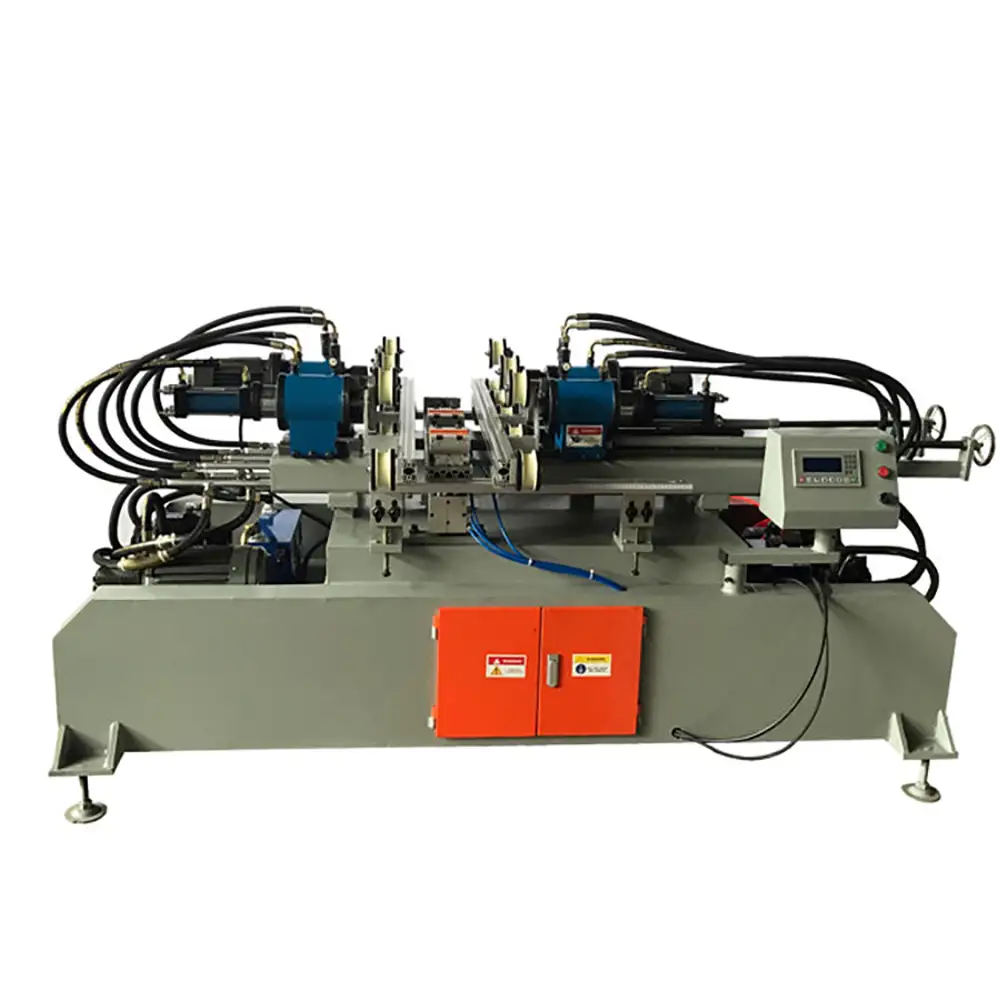
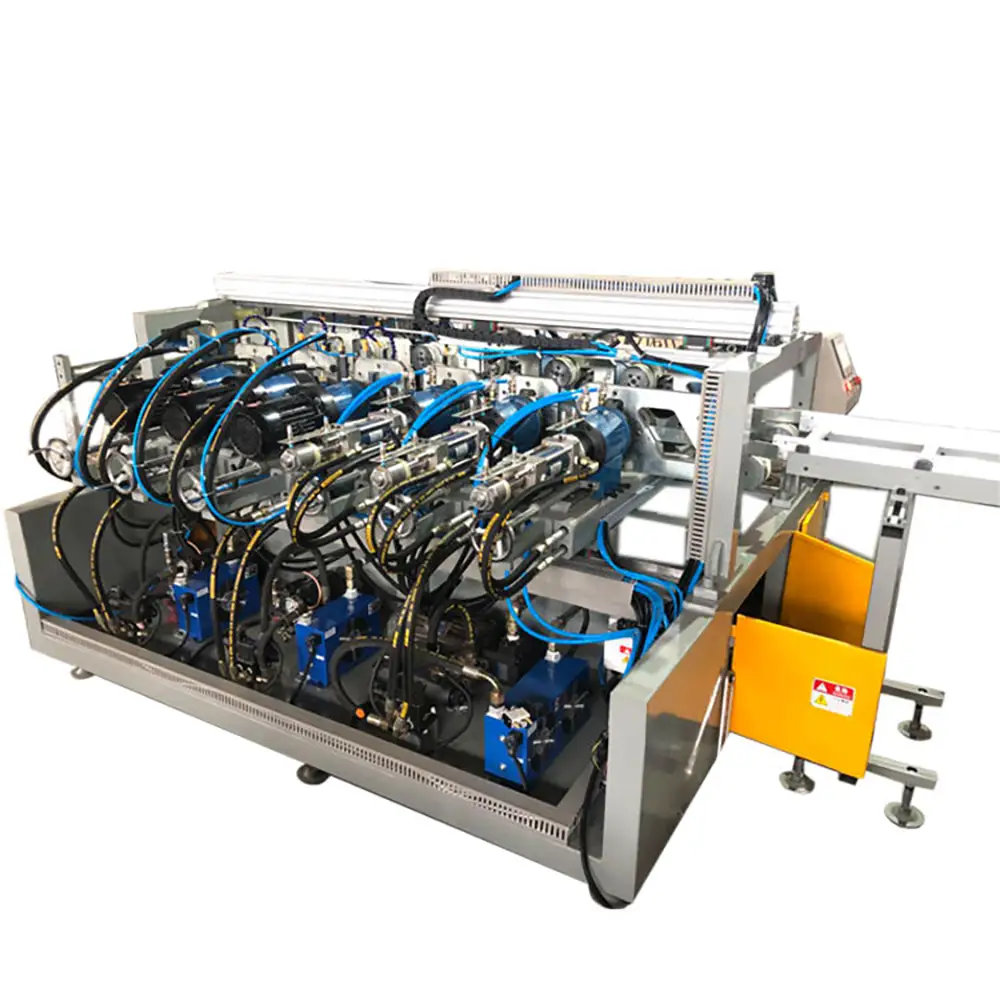
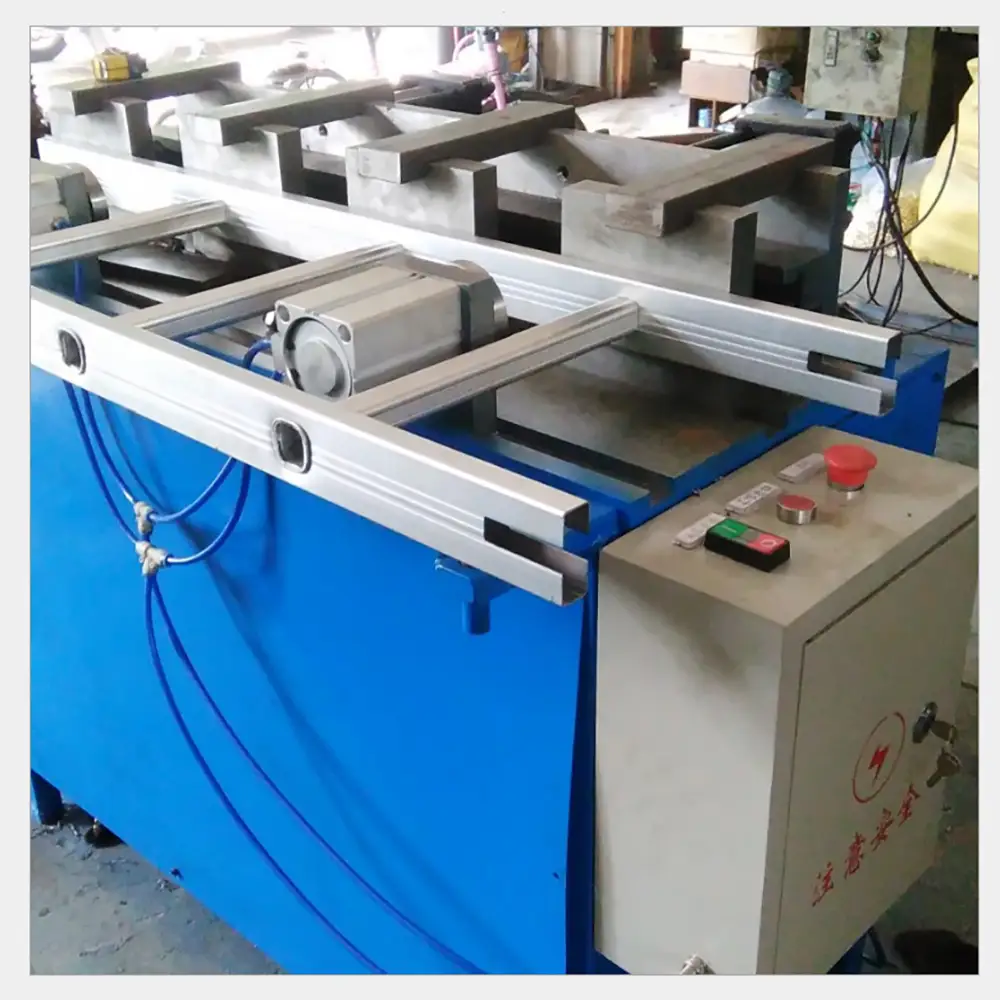
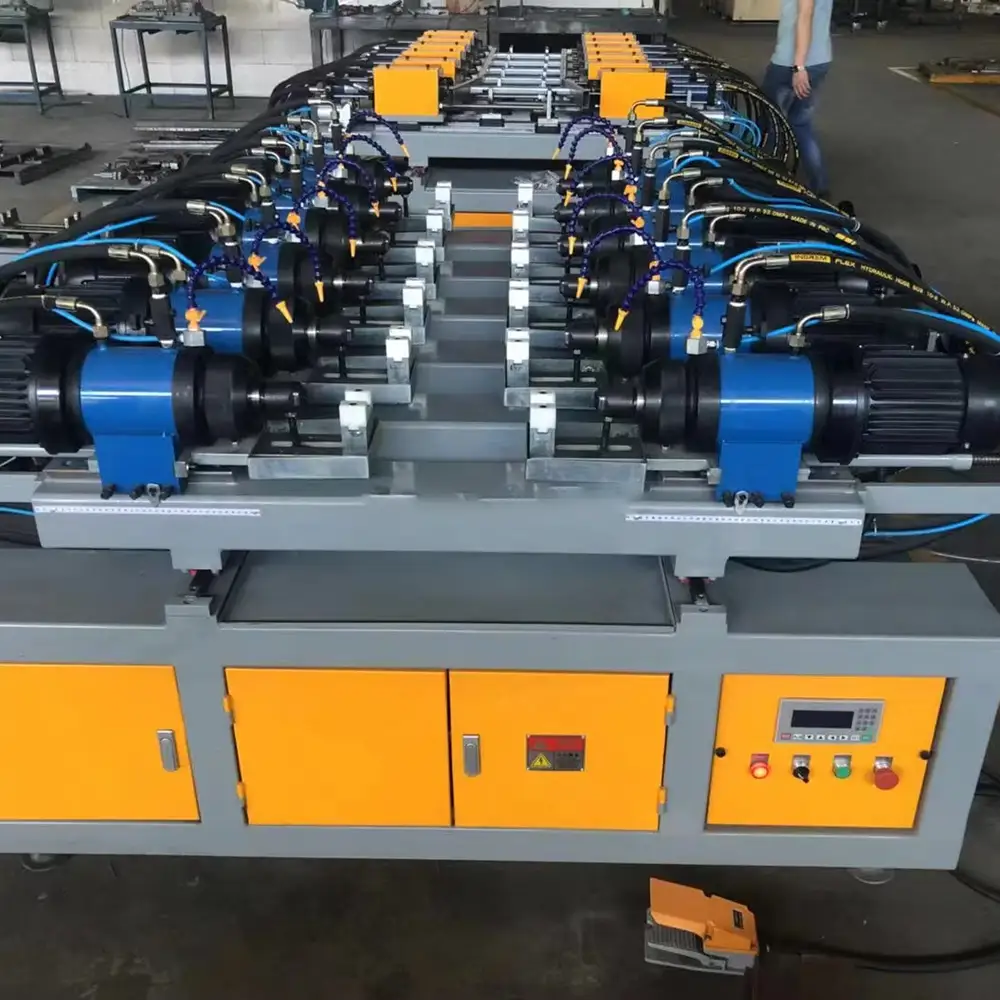
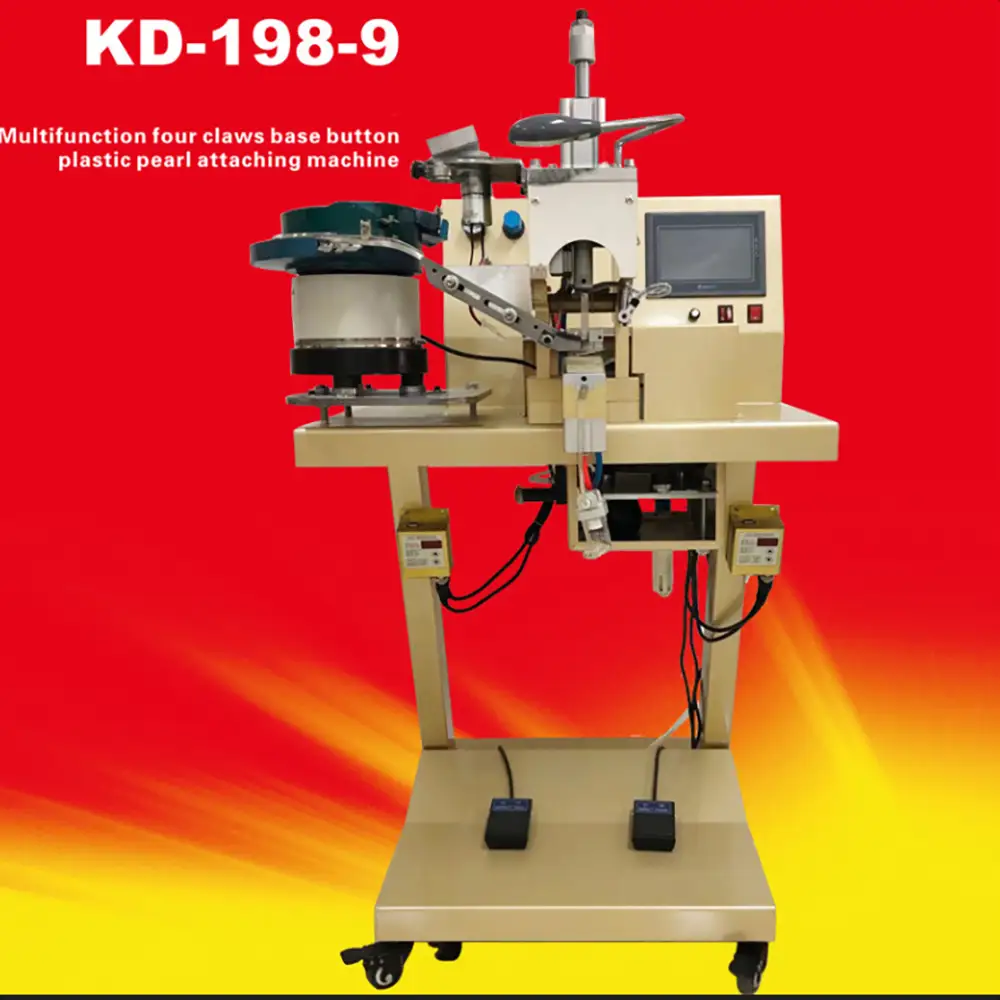
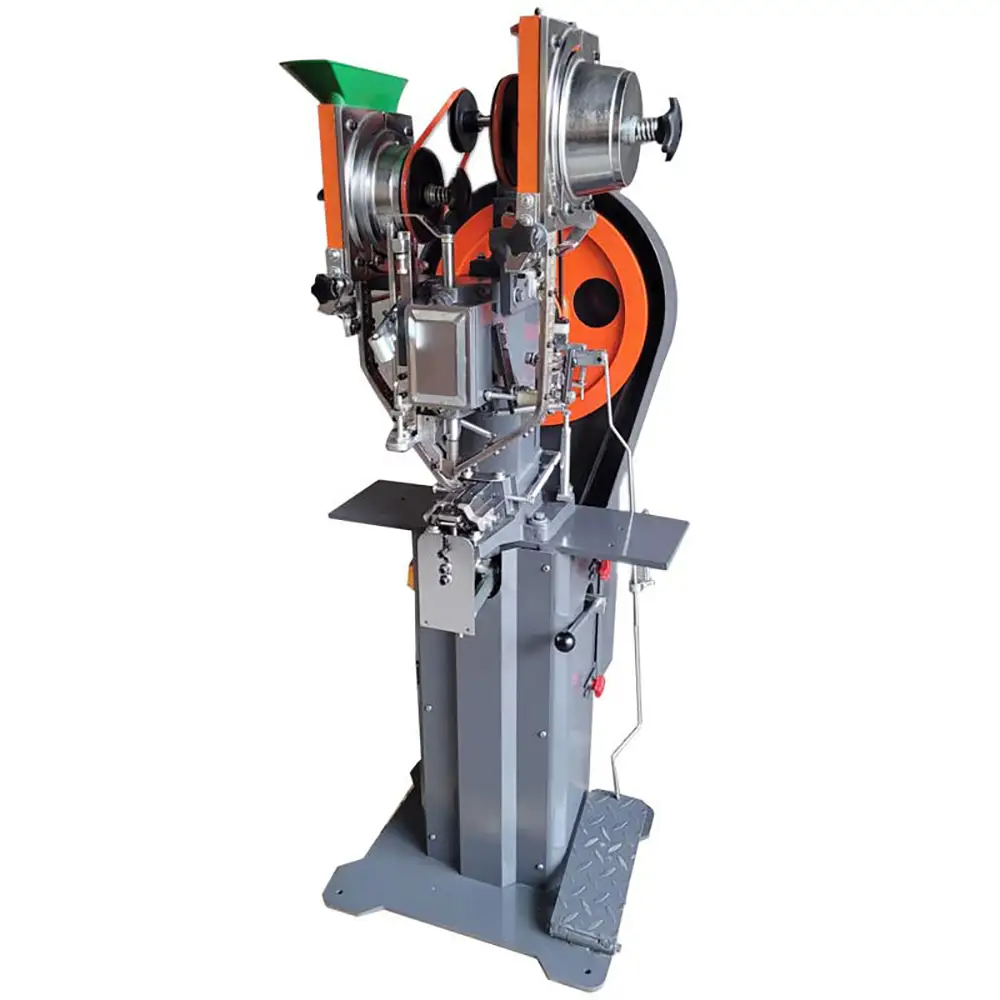
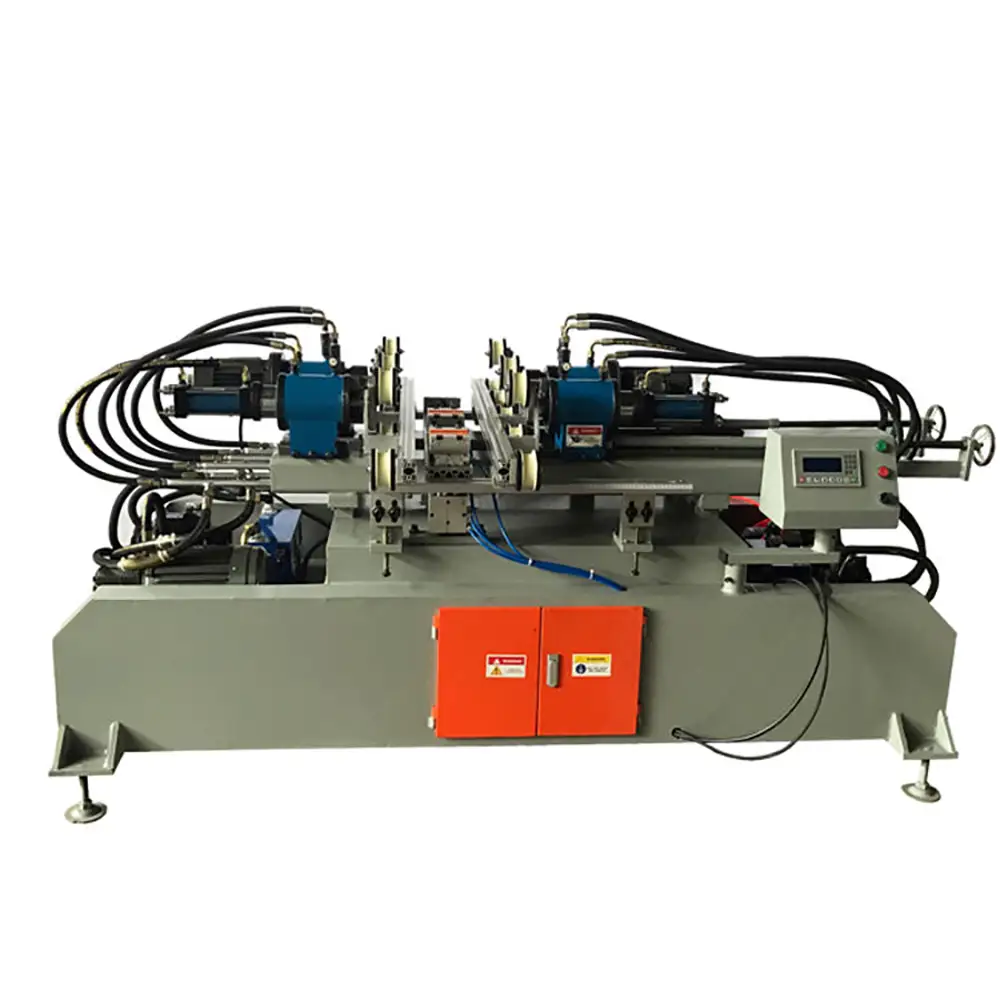
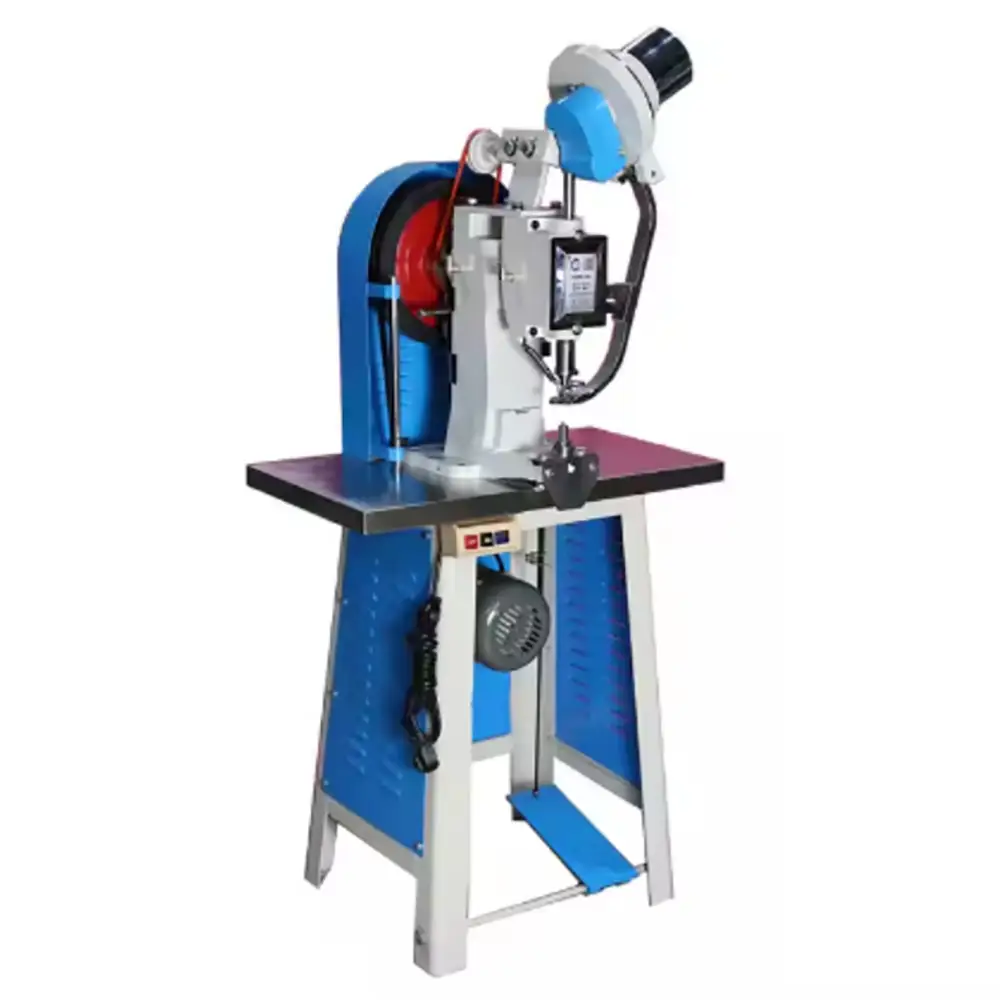
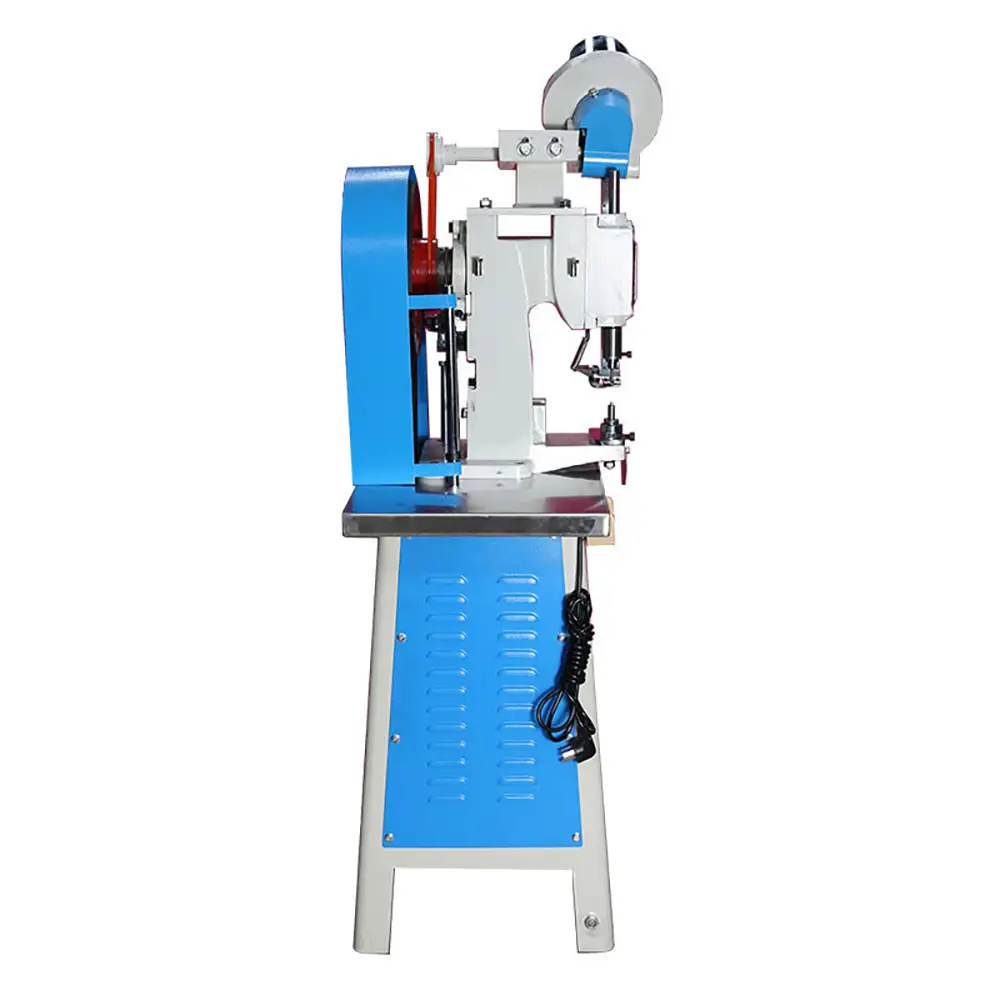
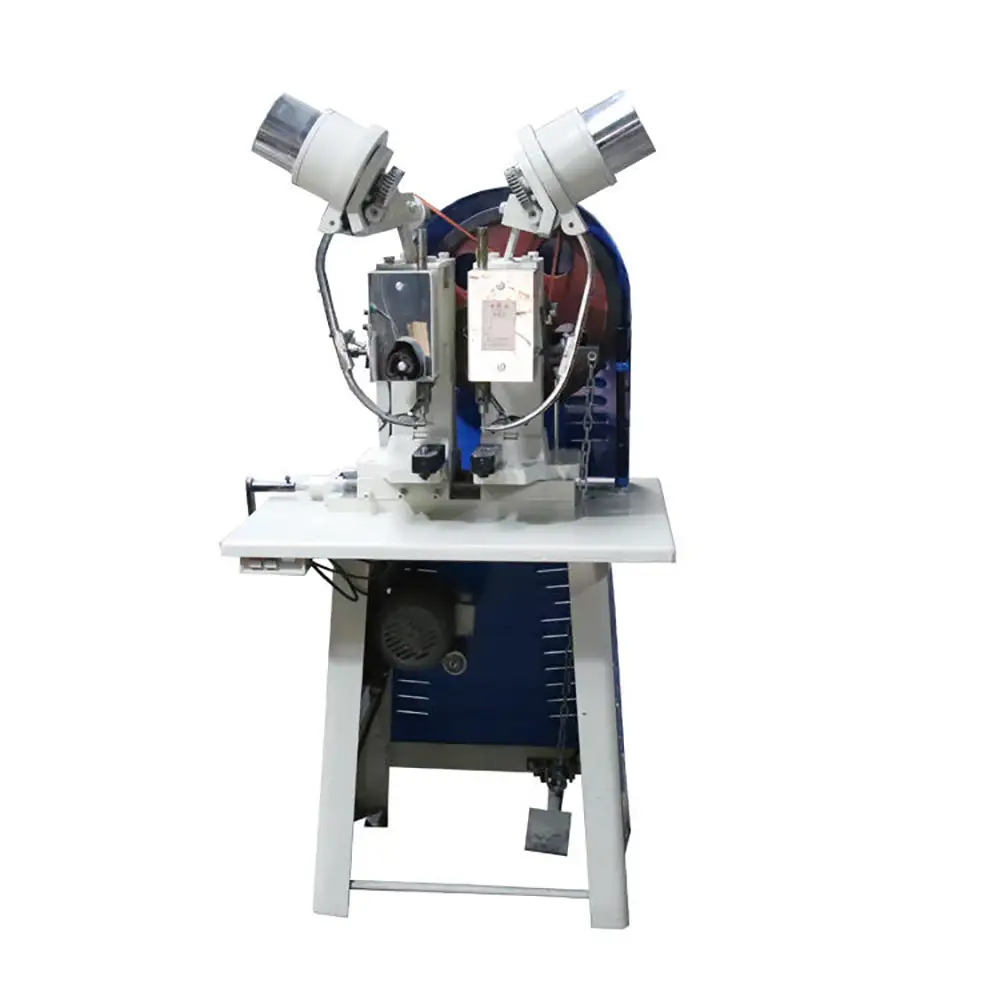
Two Stations Full Automatic Aluminum Alloy Ladder Expanding and Riveting Machine
The Two Stations Full Automatic Aluminum Alloy Ladder Expanding and Riveting Machine is an automated production solution designed specifically for aluminum alloy ladder manufacturing. It combines ladder expanding, positioning, and riveting operations into an integrated production process, helping manufacturers improve production efficiency, fastening consistency, and overall assembly workflow.
Aluminum ladders require accurate positioning and reliable connections between rails, steps, brackets, and other structural components. Traditional manual expanding and riveting processes can involve considerable labor and may result in variations in positioning and fastening quality. A full automatic ladder expanding and riveting machine provides a more standardized approach to these repetitive manufacturing operations.
|
Machine type |
Two expanding and two rivetings |
|
Control system |
PLC + touch screen |
|
Ladder width |
250-1000mm |
|
Step spacing |
250-350mm |
|
Feeding method |
manual feeding |
|
Way of advancement |
automatic |
|
Pump pressure |
7MPa |
|
Fuel tank capacity |
150L |
|
Power consumption |
12Kw |
|
Work efficiency |
7 seconds / 2 levels |
|
Input gas source |
0.6-0.8MPa |
|
Dimensions |
3000x 2000x 1500 mm |
|
Machine weight |
2000Kg |
With a two-station configuration, the machine can organize production operations efficiently and reduce unnecessary workpiece handling. Depending on the ladder design and machine configuration, the two stations can be arranged to support sequential or coordinated processing.
The machine can be customized according to ladder dimensions, profile shape, rivet specifications, step spacing, production volume, and required automation level.
What Is an Aluminum Ladder Expanding and Riveting Machine?
An Aluminum Ladder Expanding and Riveting Machine is specialized equipment for manufacturing aluminum alloy ladders.
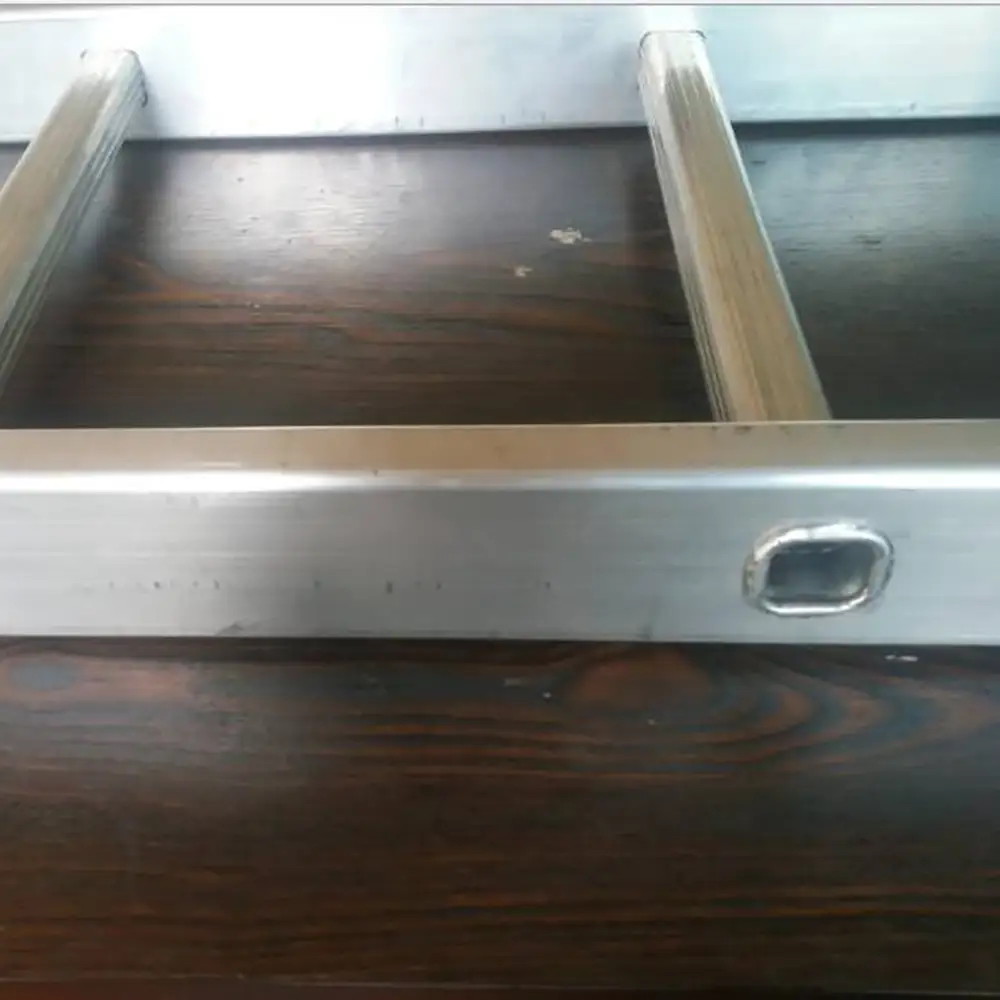
The machine is designed to perform the expanding and riveting processes required to assemble ladder components. Expanding can help position or form the ladder structure according to the required production process, while riveting provides mechanical fastening between compatible components.
The automated system can include workpiece positioning, ladder feeding or loading, expanding mechanisms, riveting heads, automatic rivet feeding, fixtures, sensors, and a programmable control system.
By integrating multiple processes into one machine, manufacturers can reduce manual handling and create a more consistent production workflow.
Two-Station Production Design
The two-station configuration is one of the important features of this ladder manufacturing equipment.
Two working stations can be arranged to process ladder components in an organized sequence. Depending on the machine design, one station may perform a particular expanding or positioning operation while another station completes riveting or a subsequent assembly process.
The actual station configuration depends on the ladder structure and production requirements.
A two-station system can help improve production flow while reducing the need for operators to repeatedly move large aluminum ladder components between separate machines.
Full Automatic Operation
The machine is designed for automatic production rather than relying entirely on manual riveting.
Once the ladder components are correctly loaded or supplied, the machine can perform the programmed expanding and riveting sequence according to the selected machine configuration.
Automatic operation can reduce repetitive manual work and help manufacturers achieve more consistent production results.
The actual level of automation may include automatic positioning, automatic rivet feeding, automatic indexing, automatic riveting, and other functions depending on the machine configuration.
Aluminum Alloy Ladder Applications
The machine is suitable for manufacturing various aluminum alloy ladder products, including:
Step Ladders
Folding Ladders
Extension Ladders
Household Ladders
Industrial Ladders
Platform Ladders
Telescopic Ladder Components
Multi-Purpose Ladders
Aluminum Step Ladders
Lightweight Industrial Ladders
The actual application depends on the ladder structure, profile dimensions, rivet type, and required production process.
Ladder Expanding Process
Expanding is an important manufacturing operation for certain aluminum ladder designs.
The expanding process can help form, position, or adjust ladder components before or during the fastening process. The exact process depends on the ladder construction and the manufacturer's production method.
A dedicated expanding mechanism can provide more repeatable results than manual processing.
The machine can be configured with suitable supports, positioning fixtures, and forming components to match the ladder profile.
Automatic Riveting Process
After the ladder components are positioned correctly, the automatic riveting system can complete the required fastening operations.
The riveting system can be configured according to the rivet diameter, rivet length, material, head design, and ladder construction.
Automatic rivet feeding can reduce the need for operators to manually place individual rivets. A suitable feeding system can supply rivets to the riveting head in the required orientation.
For customized ladder production, actual rivet and ladder samples should be tested before final machine configuration.
Precision Ladder Positioning
Accurate positioning is essential when manufacturing aluminum ladders.
The ladder rails, steps, brackets, and other components must be correctly aligned before riveting. Incorrect positioning can result in uneven step spacing, misaligned rails, or inconsistent rivet locations.
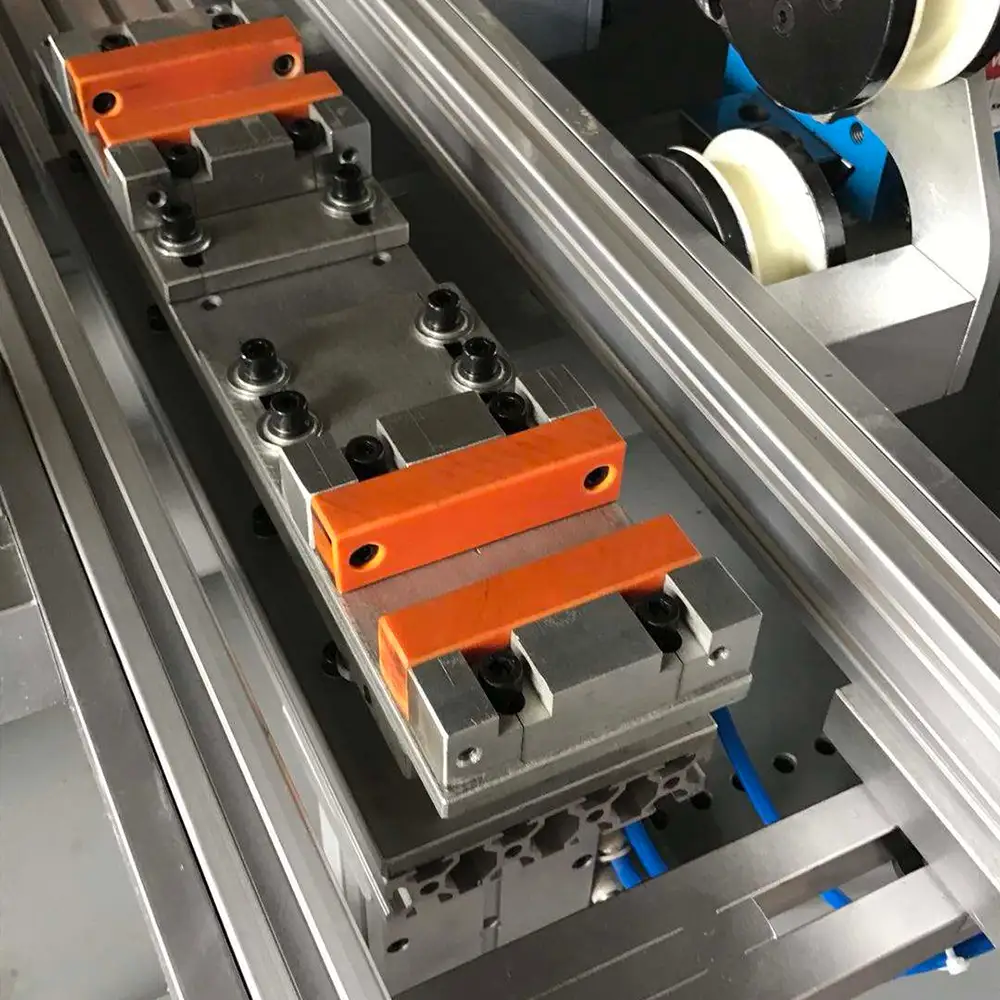
The machine can use customized fixtures and positioning systems designed according to the ladder profile.
Adjustable positioning components can also help accommodate different ladder specifications where the machine is designed for multiple product models.
Automatic Rivet Feeding
Automatic rivet feeding can significantly reduce repetitive manual work.
Rivets are supplied through a feeding system and delivered to the riveting position. The feeding system should be selected according to the rivet's size, shape, material, and orientation.
For high-volume ladder manufacturing, automatic feeding can help maintain a more continuous production workflow.
The feeding system can be customized for the specific rivet used by the ladder manufacturer.
Production Efficiency
Manual ladder assembly can require multiple operators and separate processing steps. This can increase labor requirements and make production consistency more difficult to maintain.
A full automatic expanding and riveting machine integrates important operations into one production system.
The two-station configuration can reduce repeated handling and help organize the manufacturing process more efficiently.
Production capacity depends on ladder size, number of riveting points, riveting cycle, loading method, machine configuration, and operator workflow. Actual production performance should be confirmed through sample testing.
Applications in Ladder Manufacturing
The machine can be used for suitable ladder production processes involving:
Aluminum Alloy Rails
Ladder Steps
Ladder Rungs
Support Brackets
Hinges
Reinforcement Components
Folding Mechanisms
Platform Components
Riveted Joints
Ladder Accessories
The machine configuration should be selected according to the specific ladder design.
Advantages for Ladder Manufacturers
Full Automatic Production
Automated processing reduces repetitive manual expanding and riveting operations.
Two-Station Configuration
Two stations help organize multiple manufacturing operations within one production system.
Consistent Riveting
Controlled machine operation can improve the repeatability of rivet installation.
Accurate Positioning
Dedicated fixtures help maintain the correct position of ladder components.
Automatic Rivet Feeding
Automatic feeding reduces manual rivet placement and supports continuous production.
Reduced Labor
Automation can reduce the number of repetitive manual operations required during ladder assembly.
Improved Production Flow
Integrating expanding and riveting can reduce unnecessary movement between separate workstations.
Customizable Design
Fixtures, tooling, feeding systems, and machine parameters can be adapted to specific ladder products.
Suitable for High-Volume Production
The Two Stations Full Automatic Aluminum Alloy Ladder Expanding and Riveting Machine is designed for manufacturers that produce ladders in batches or at high production volumes.
For large-scale production, automated positioning and riveting can help establish a repeatable manufacturing process.
The machine can potentially be integrated with additional equipment such as material handling systems, conveyors, inspection stations, or other automated production equipment.
The appropriate configuration depends on the customer's production line and factory layout.
Custom Ladder Manufacturing Solutions
Different aluminum ladders have different dimensions, profiles, step arrangements, and riveting requirements.
Custom machine configurations can include:
Customized Ladder Fixtures
Automatic Rivet Feeders
Adjustable Positioning Systems
Customized Riveting Heads
Ladder Expanding Tooling
Automatic Loading Systems
Automatic Discharge Systems
Safety Guards
PLC Or CNC Control
Production-Line Integration
Manufacturers can provide ladder samples, drawings, aluminum profiles, rivet samples, production targets, and factory layout information to help determine a suitable machine configuration.
Quality Control
Ladder manufacturing requires consistent control of dimensions and fastening quality.
Important inspection points can include ladder rail alignment, step spacing, rivet positioning, rivet deformation, connection strength, component appearance, and overall ladder geometry.
For industrial or safety-related ladders, manufacturers should establish quality-control procedures appropriate to their products and applicable market requirements.
The machine can help standardize the production process, but final product validation remains the responsibility of the ladder manufacturer.
Maintenance
Regular maintenance is important for maintaining reliable machine operation.
Operators should inspect the expanding mechanism, riveting heads, dies, punches, fixtures, sensors, automatic feeding components, hydraulic or pneumatic systems where applicable, and other moving parts.
Rivet feeding channels should be kept clean to prevent feeding interruptions.
Tooling should also be inspected for wear because worn components may affect rivet positioning and finished-product quality.
Following the manufacturer's maintenance schedule can help reduce unexpected downtime and extend machine service life.
Why Choose Our Two Stations Full Automatic Aluminum Ladder Expanding And Riveting Machine?
Two-Station Production Design – Organizes expanding and riveting operations efficiently.
Full Automatic Operation – Reduces repetitive manual assembly and riveting work.
Designed for Aluminum Ladders – Specifically developed around aluminum alloy ladder manufacturing applications.
Automatic Rivet Feeding – Helps reduce manual rivet placement and improve production flow.
Accurate Positioning – Customized fixtures help maintain ladder alignment and consistent riveting positions.
High Production Efficiency – Integrates important ladder assembly processes into one automated system.
Customized Tooling – Ladder fixtures, expanding tools, riveting heads, and feeding systems can be customized.
OEM Production Solutions – Machine configuration can be developed according to ladder design, production volume, and factory requirements.
FAQ
1. What is a Two Stations Full Automatic Aluminum Ladder Expanding and Riveting Machine?
It is an automated machine designed to perform ladder expanding and riveting operations for aluminum alloy ladder production using a two-station production configuration.
2. What types of ladders can the machine manufacture?
It can be configured for suitable aluminum step ladders, folding ladders, extension ladders, platform ladders, household ladders, and industrial ladders.
3. What does the expanding process do?
The expanding process depends on the ladder design. It can be used to form, position, or adjust ladder components as part of the manufacturing process.
4. Can the machine automatically feed rivets?
Yes. An automatic rivet feeding system can be integrated according to the rivet specifications and production requirements.
5. Can the machine process different ladder sizes?
Potentially, yes. Adjustable fixtures and tooling can be designed for compatible ladder dimensions. The actual working range depends on the machine configuration.
6. Can the riveting tooling be customized?
Yes. Riveting dies, punches, fixtures, guides, and ladder positioning components can be customized for specific ladder designs.
7. Is the machine suitable for high-volume ladder production?
Yes. Its automatic operation and two-station design are suitable for repetitive batch production and high-volume manufacturing applications.
8. Can it be used for aluminum alloy profiles?
Yes. The machine is designed for suitable aluminum alloy ladder profiles, subject to the profile dimensions and specific machine configuration.
9. Can one machine produce different ladder models?
This depends on the compatibility of the ladder designs. Different fixtures and tooling may be required for different ladder models.
10. Can the machine be integrated into a production line?
Depending on the configuration, it can be integrated with material handling, conveyors, inspection equipment, loading systems, or other automated machinery.
11. What information is needed for a quotation?
Useful information includes ladder drawings, aluminum profile dimensions, ladder length and width, step spacing, rivet specifications, number of riveting points, production volume, and desired automation level.
12. Should I provide ladder and rivet samples?
Yes. Providing actual ladder components, aluminum profiles, and rivet samples is recommended. Sample testing can help determine suitable expanding tooling, fixtures, rivet feeding, and riveting parameters.
Prev:
Pneumatic Solid Rotary Riveting Machine
Next:
CNC Multi-station Hydraulic Rotary Riveting Machine for Rivet Machine
TAG:
Aluminum Ladder Production Machine,
Ladder Production Equipment,
Ladder Manufacturing Machine,
Aluminum Step Ladder Machine,
Automatic Ladder Manufacturing Machine,
Ladder Assembly Machine,
Industrial Riveting Machine,
Automatic Riveting Machine,
Ladder Rung Riveting Machine,
Aluminum Profile Riveting Machine,
Ladder Rail Riveting Machine,
Automatic Ladder Assembly Equipment,
Rivet Machine For Ladder,
Custom Ladder Riveting Machine,
Automatic Aluminum Ladder Riveting Machine,
Aluminum Ladder Riveting Machine,
Automatic Ladder Riveting Machine,
Ladder Riveting Machine,
Aluminum Ladder Assembly Machine,
Automatic Ladder Assembly Machine,
Ladder Expanding And Riveting Machine,
Folding Ladder Riveting Machine,
Automatic Rivet Feeding Machine,
Extension Ladder Riveting Machine,
Two Station Riveting Machine,
Two Station Full Automatic Ladder Riveting Machine,
Aluminum Alloy Ladder Riveting Machine,
Full Automatic Ladder Machine,
Aluminum Step Ladder Riveting Machine,
Industrial Ladder Riveting Machine,
Related Category:
Two Stations Full Automatic Aluminum Alloy Ladder Expanding and Riveting Machine China, suppliers, manufacturers, factory, customized, wholesale, quotation, made in China