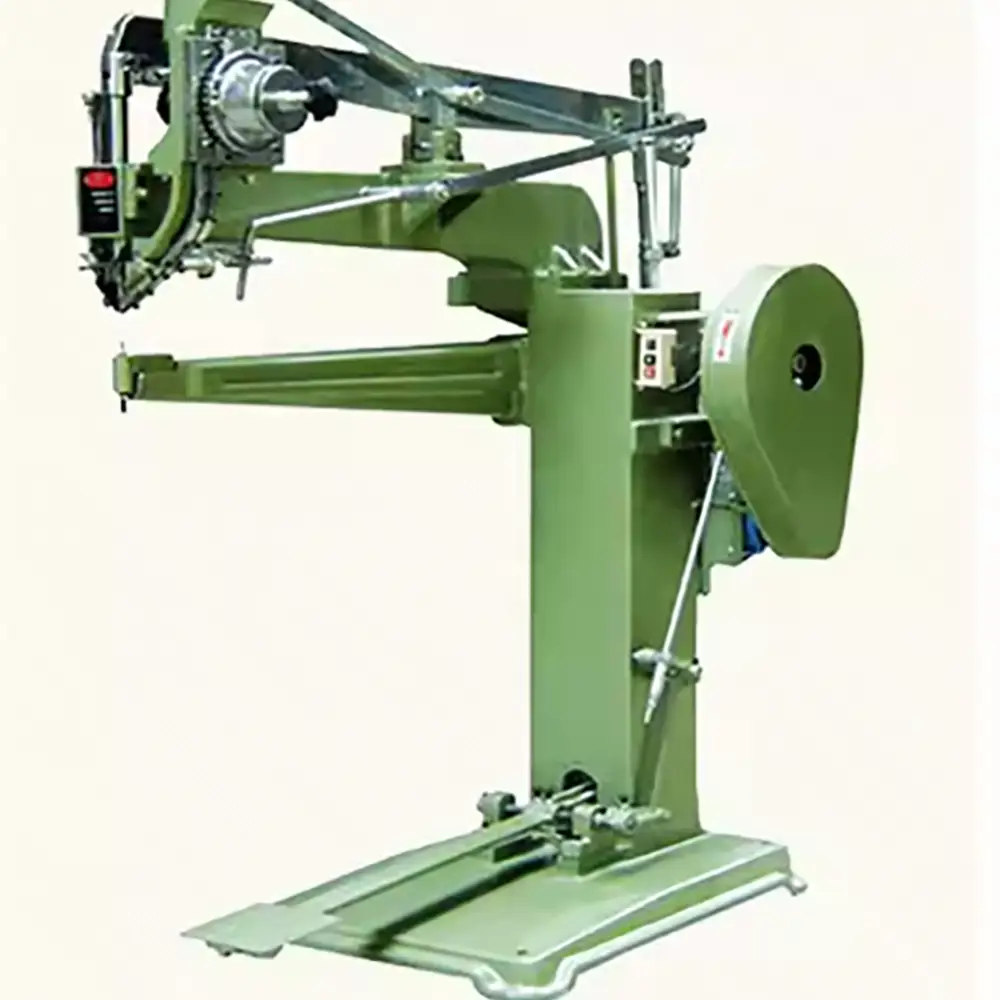
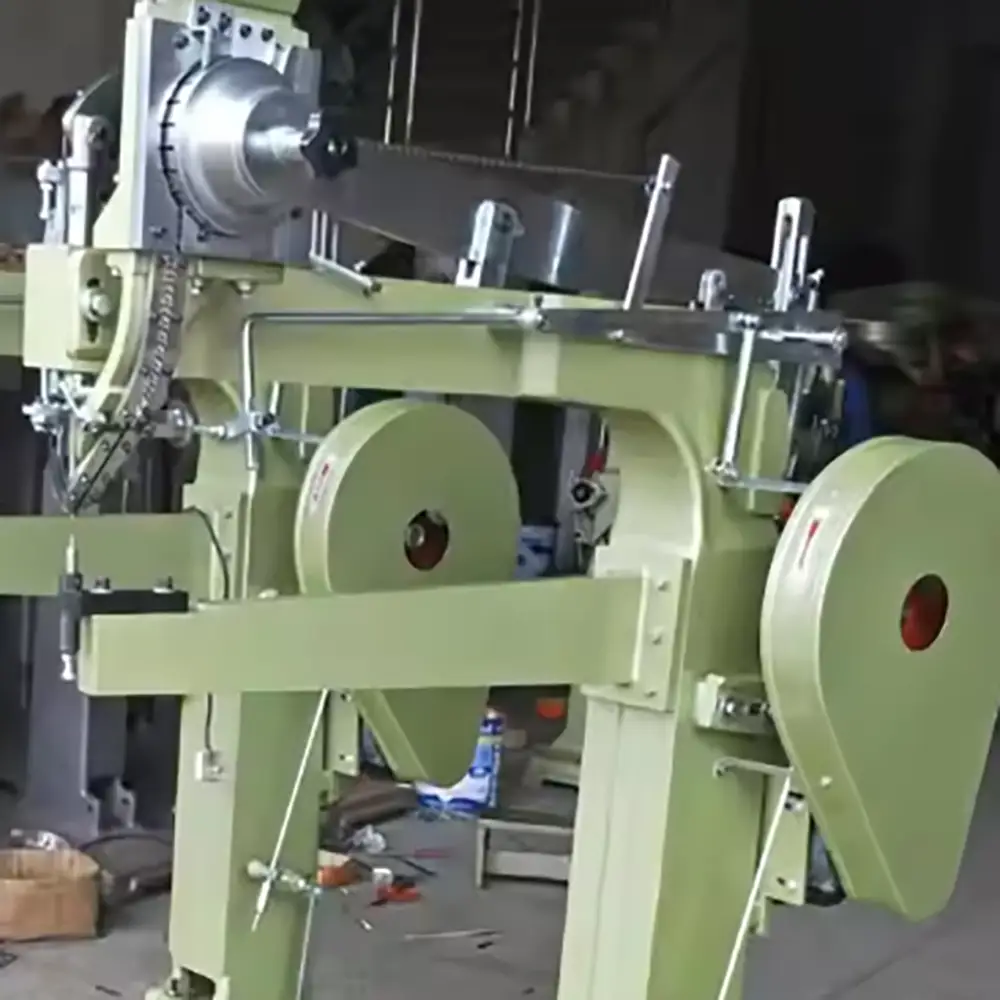
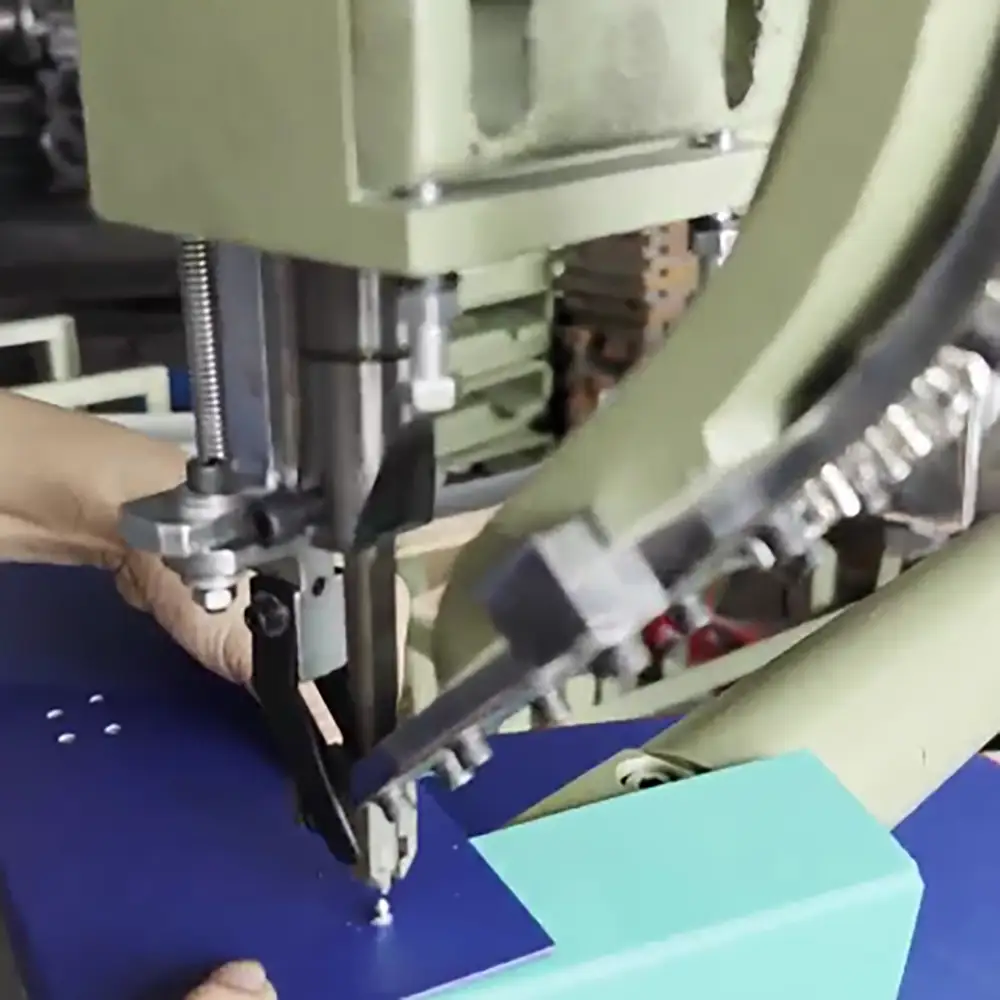
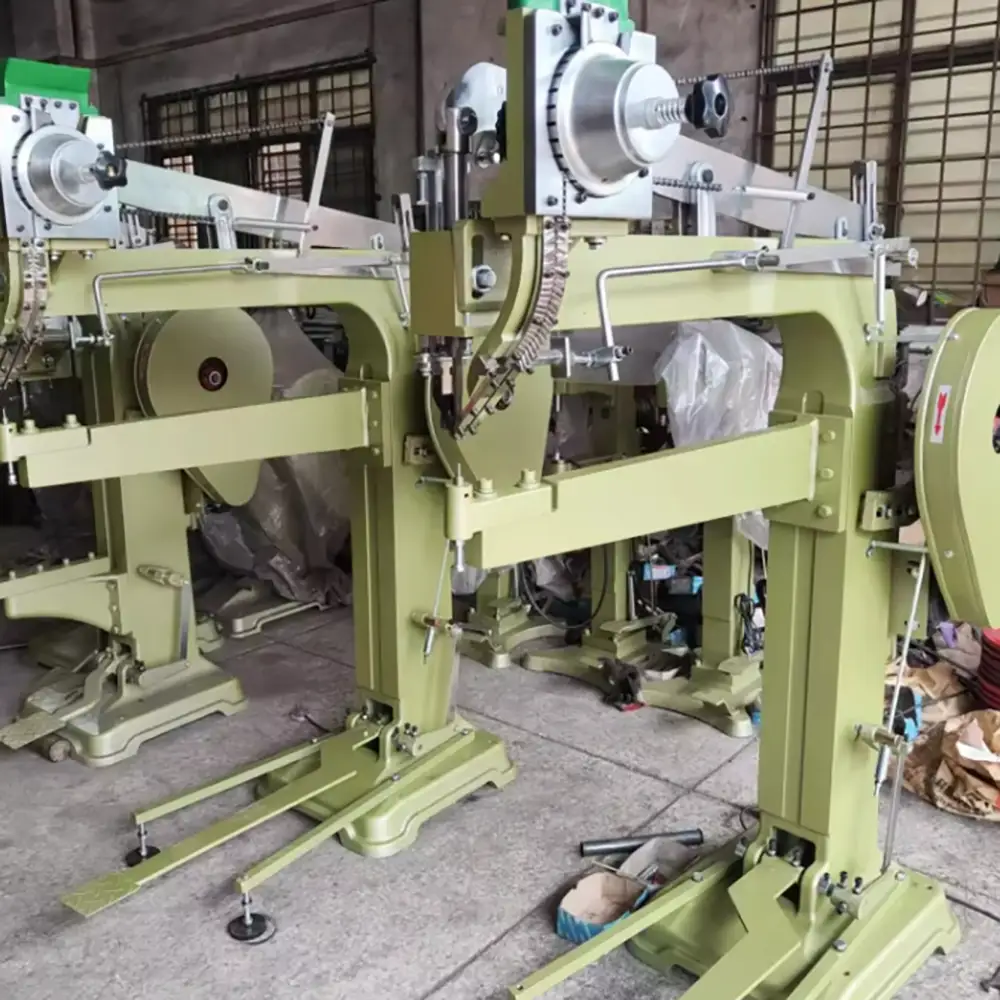
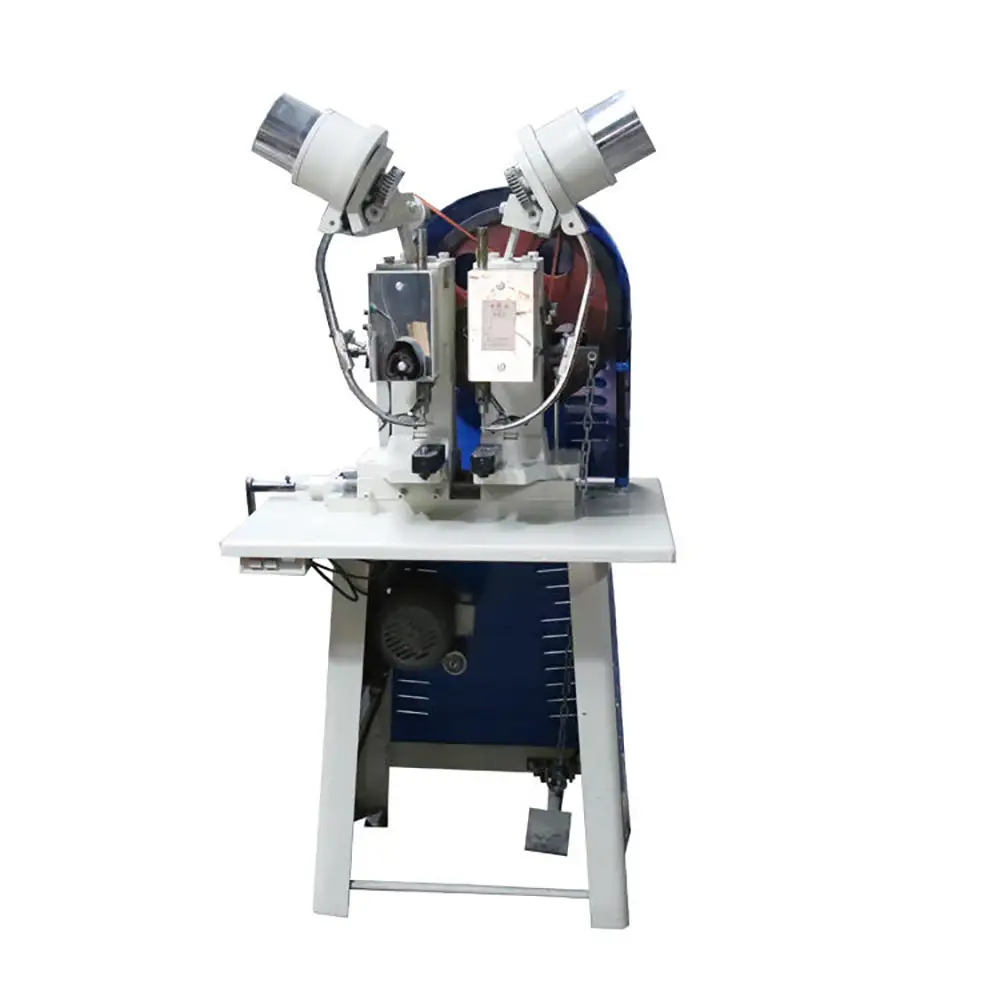
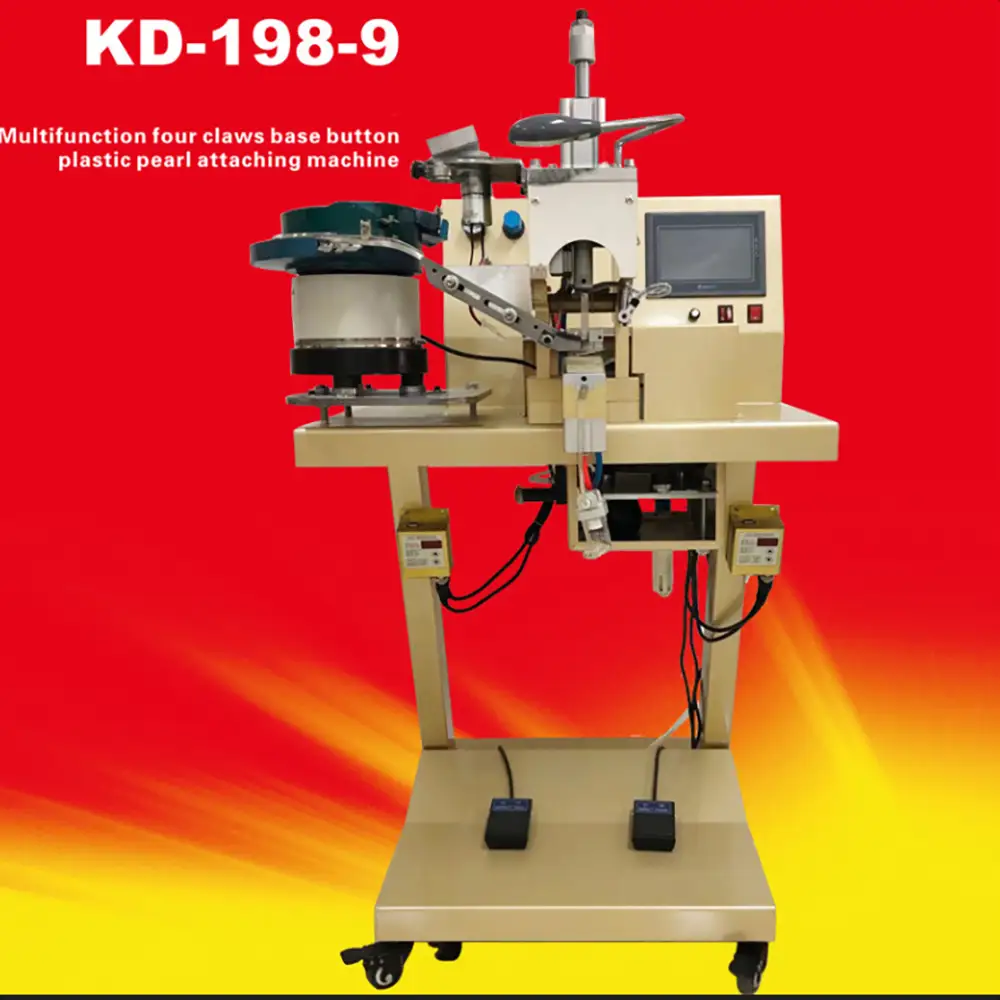
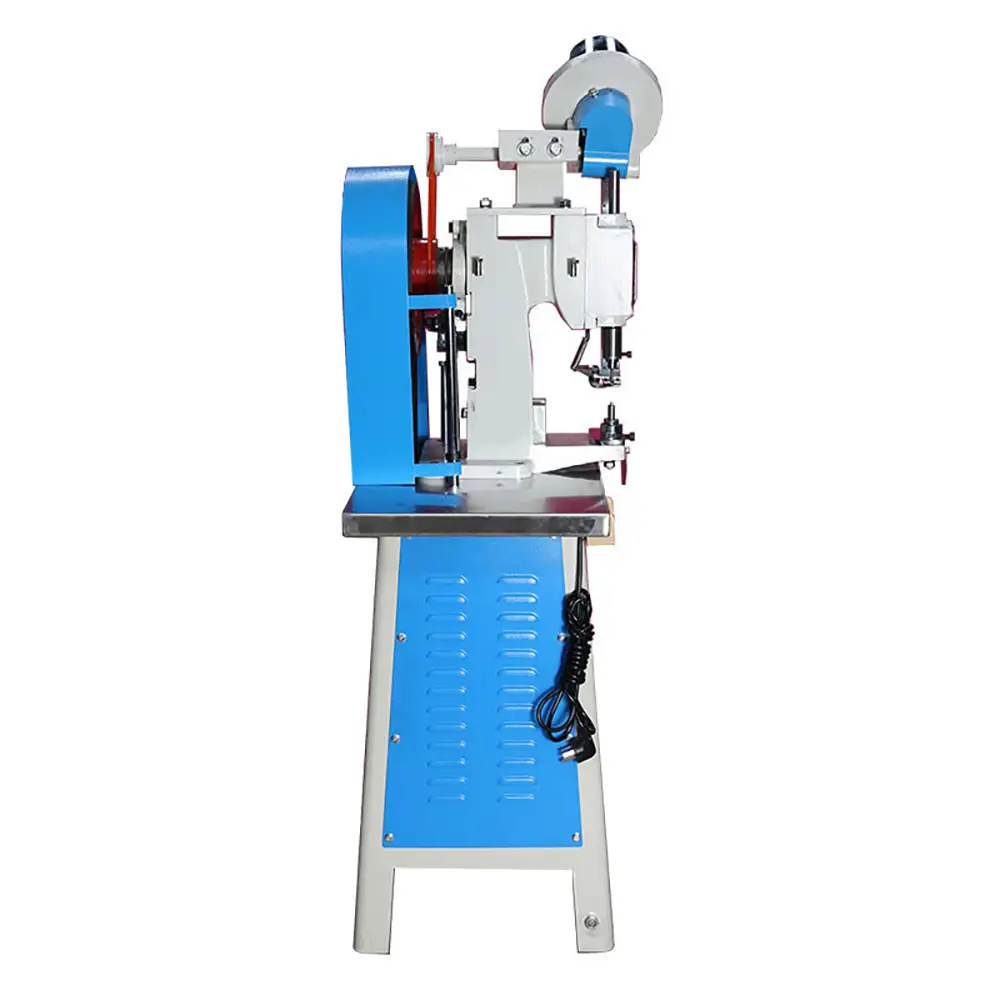
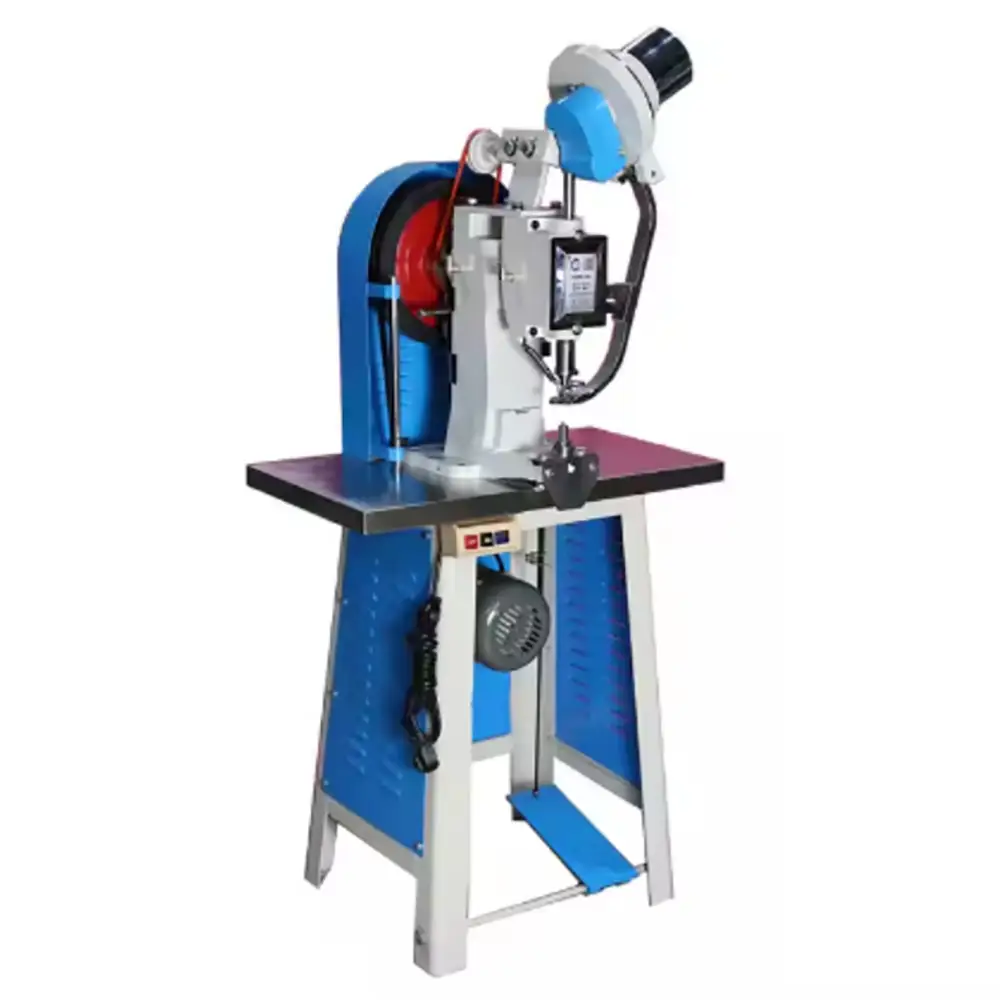
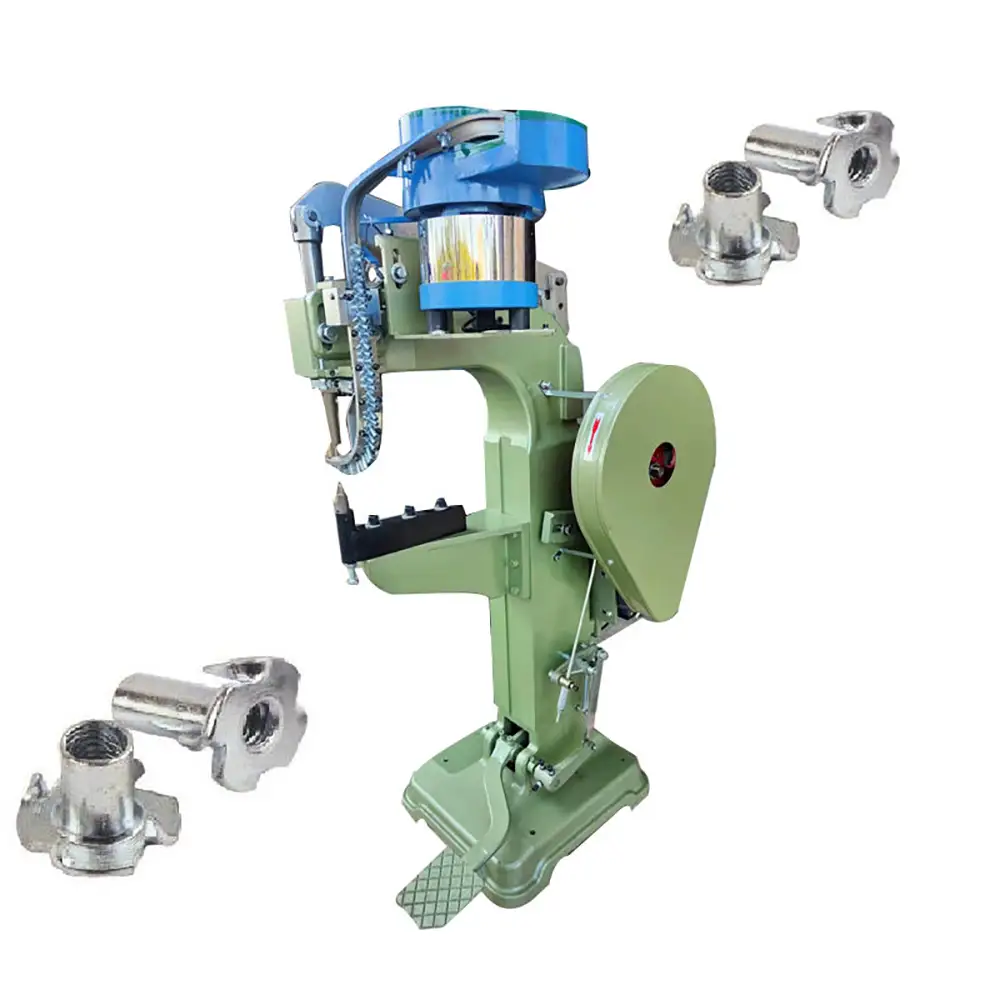
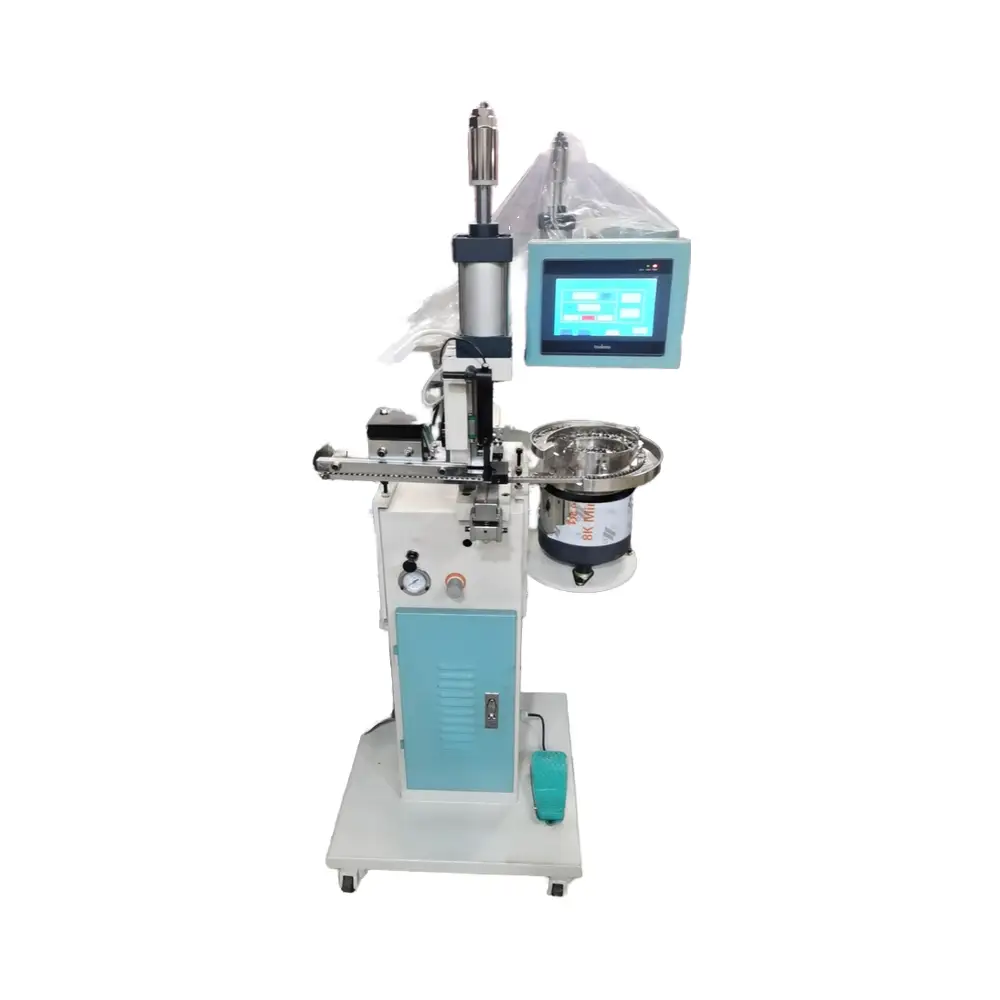
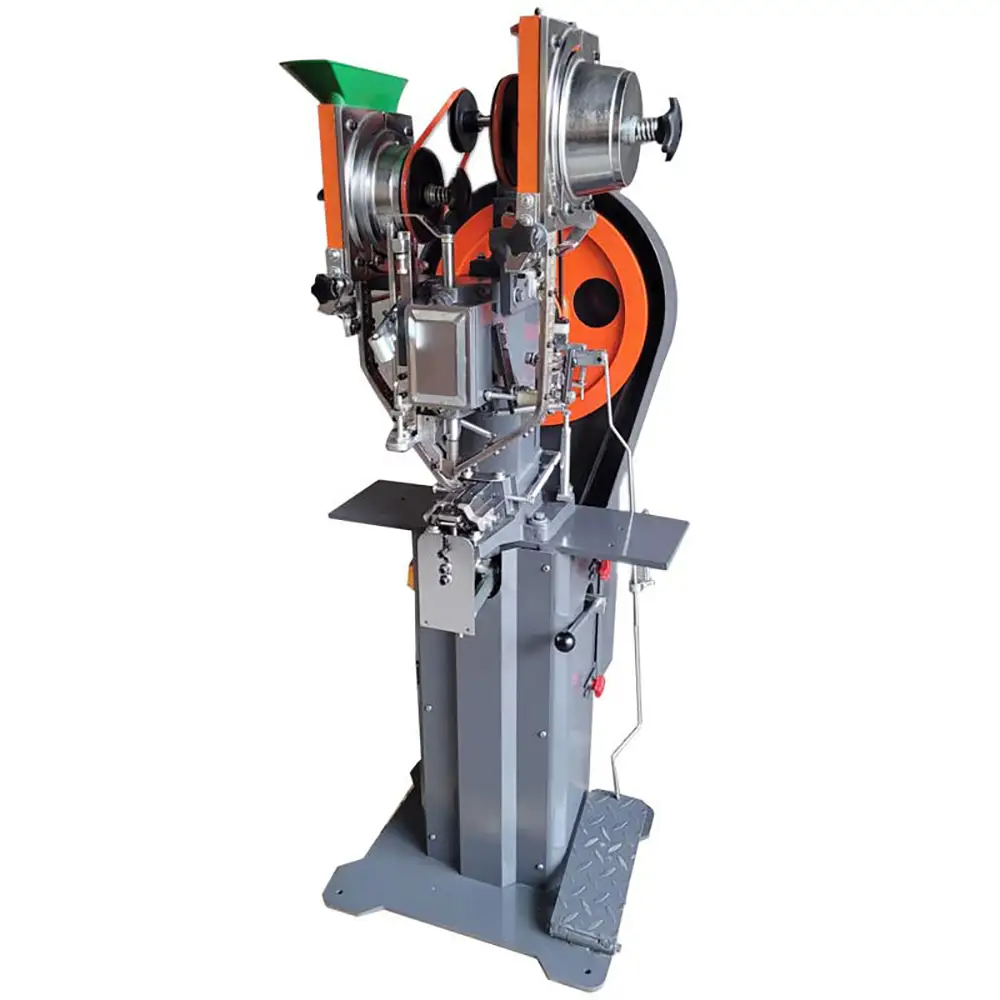
Automatic Efficient Bag Hardware Riveting Equipment Pneumatic Condition New and Used for Belt Turnover Boxes and Sports Gear
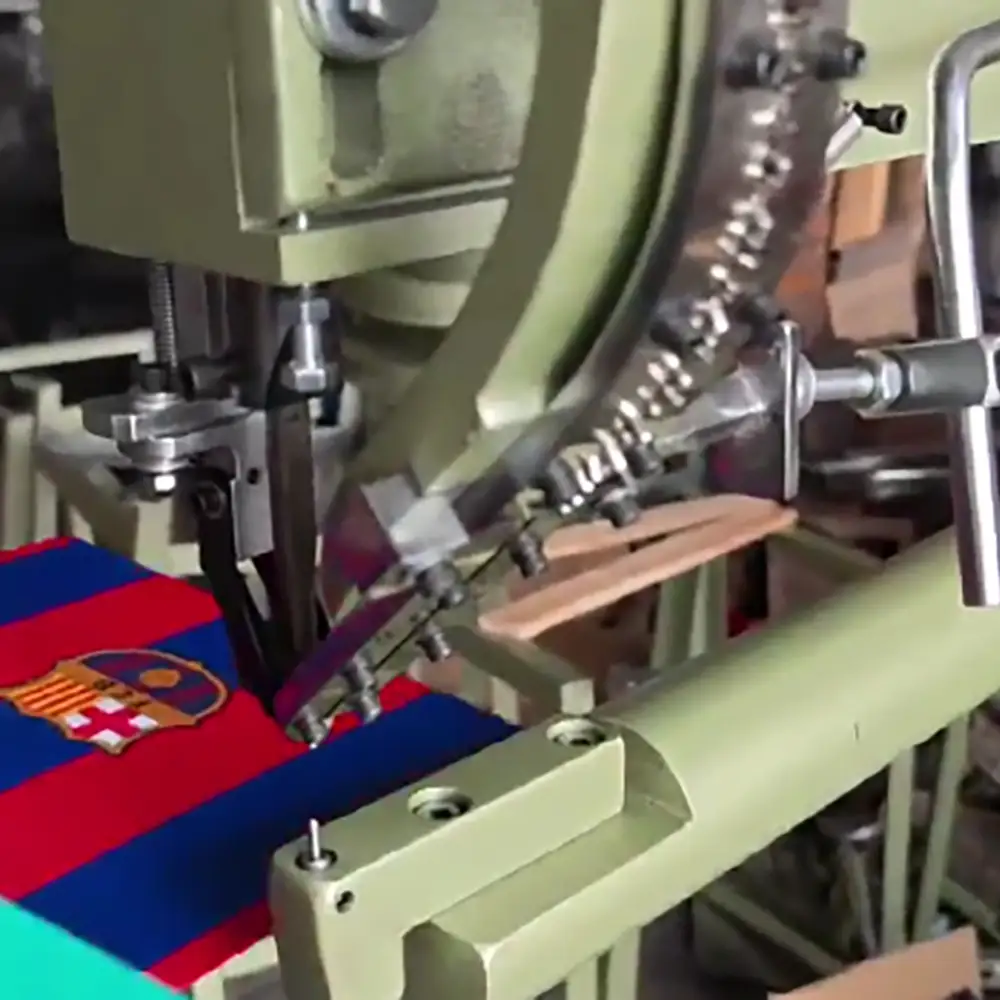
Function of riveting machine for golf bags and riveting of large turnover boxes
1 Fit for riveting the spherical head, half-hollow rivets
2 With automatic feeding device, which can rivet continuously
3 The clamp and punch of high-performance is of a high riveting capability
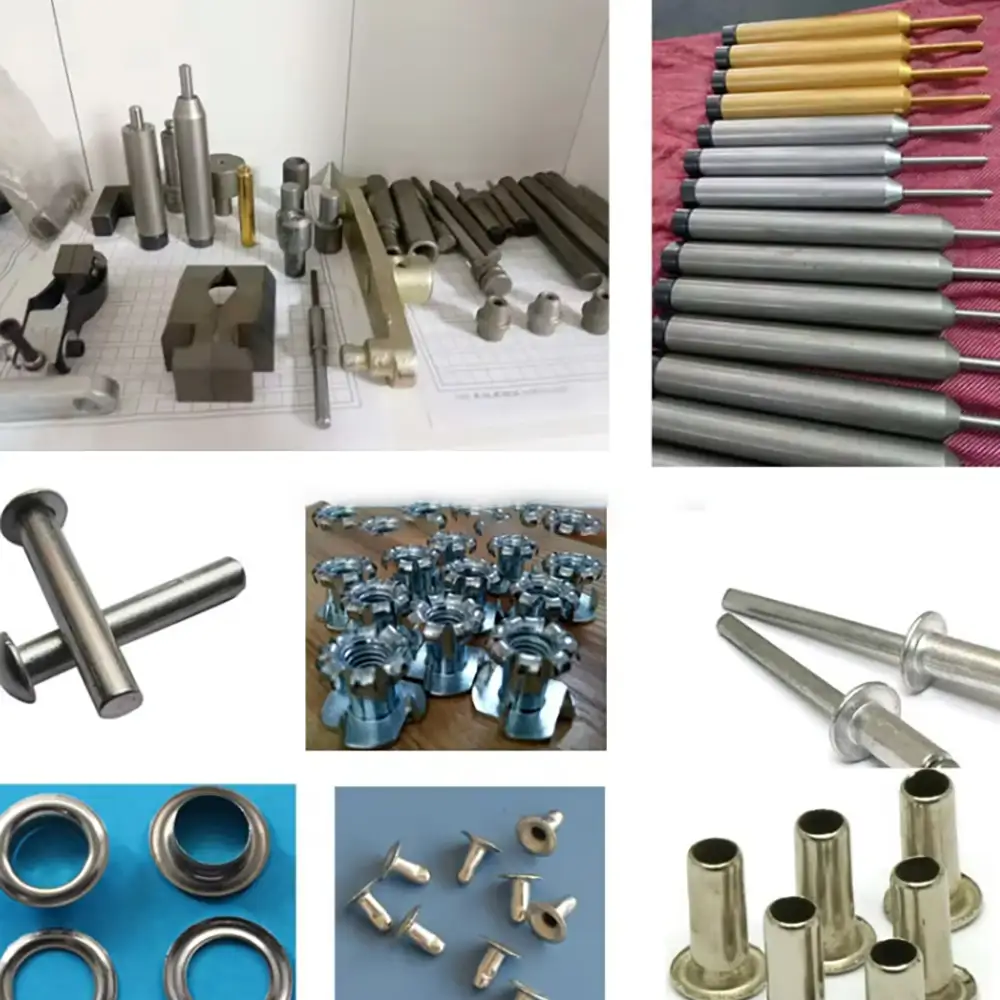
4 Can rivet clinch of various specifications if the die is changed
Application:
Suitable for riveting of belts, uppers and various materials
|
item |
value |
|
power (kw) |
0.75 |
|
power source |
Pneumatic |
|
weight (kg) |
250 |
|
warranty |
1 Year |
|
Pressure capacity |
1/2, HP |
|
Throat depth |
950mm |
|
Rivet diameter |
3-4.5mm |
|
Rivet nail top diameter |
6-13mm |
|
Machine dimensions(L*W*H) |
1440*660*1600mm |
|
Net weight |
250kg |
|
Rivet nail length |
3-20mm |
|
Model |
JT3 |
Long Arm Long Throat Riveting Machine
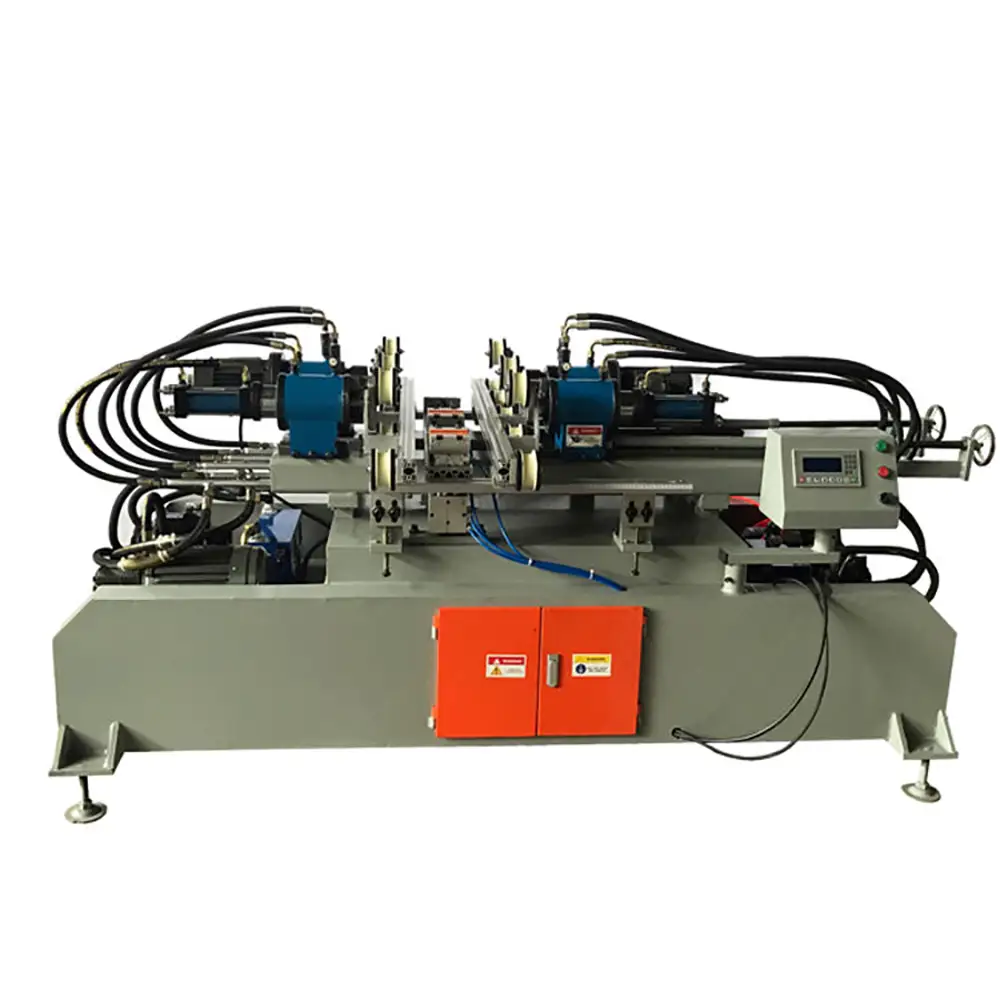
The Long Arm Long Throat Riveting Machine is an industrial riveting solution designed for workpieces that require extended working depth and improved access to recessed or hard-to-reach riveting positions. Its long-arm and long-throat configuration provides additional working space compared with conventional compact riveting equipment, making it particularly useful for hollow board products, transfer boxes, packaging structures, sheet materials, and larger components.
Depending on the machine configuration and tooling, the equipment can be used with different types of rivets, including solid rivets and hollow rivets, as well as suitable stainless steel and mild steel rivet applications. This makes the machine suitable for manufacturers that need flexible riveting capabilities across different products and materials.
For B2B manufacturers, packaging factories, industrial component suppliers, and OEM production lines, a long-throat riveting machine can improve access, positioning flexibility, and production efficiency while reducing the limitations associated with short working arms.
Long Arm and Long Throat Design
The most important feature of this riveting machine is its extended arm and throat structure. The longer throat provides additional clearance between the riveting head and the machine body, allowing operators to position larger or deeper workpieces more easily.
This design is especially useful when the riveting point is located far from the edge of a product. Instead of forcing a large workpiece into a small working area, the operator can place the product into the extended throat space and position the riveting point more effectively.
Applications may include hollow plastic boards, transfer boxes, packaging containers, panels, sheet structures, and other products with large working dimensions.
Solid and Hollow Riveting
The machine can be configured for different riveting applications depending on the selected tooling and rivet type.
Solid rivets are commonly used when a permanent and strong mechanical connection is required. They can be suitable for metal components, structural parts, brackets, panels, and other industrial assemblies.
Hollow rivets can provide an efficient fastening method for products where a lighter or different rivet construction is preferred. They are commonly found in packaging, textile products, leather goods, boards, sheets, and various manufactured components.
The appropriate rivet, die, punch, and machine configuration should be selected according to the material, rivet dimensions, product construction, and required joint performance.
SS and MS Riveting Applications
The machine can be used for suitable SS and MS rivet applications, depending on machine capacity and tooling.
Stainless steel rivets are often selected when corrosion resistance, appearance, and durability are important. They may be used in equipment components, industrial products, packaging structures, and applications exposed to demanding environments.
Mild steel rivets can provide a practical fastening solution for general industrial applications. They are widely used for metal components, brackets, frames, panels, and other fabricated products.
Before selecting the machine, manufacturers should confirm the rivet material, rivet diameter, workpiece thickness, and required riveting process.
Hollow Board Riveting Machine
One important application is riveting hollow board products. Hollow boards, corrugated plastic sheets, and similar lightweight panel materials are used for packaging, logistics, advertising displays, partitions, storage containers, and industrial protection products.
The long-throat structure provides additional access when riveting positions are located toward the center of a large hollow board or assembled product.
Depending on the product design, the machine can be used to install rivets in reinforced areas, connecting sections, handles, brackets, covers, or other components.
For manufacturers producing hollow board products in larger quantities, a dedicated riveting machine can help standardize the fastening process and reduce repetitive manual work.
Transfer Box Riveting Applications
Transfer boxes and reusable packaging containers often require reliable mechanical fastening for connecting panels, handles, reinforcement pieces, hinges, brackets, or other components.
The long arm design can make it easier to reach riveting points on larger box structures. This is particularly valuable when the product cannot be conveniently folded, disassembled, or positioned close to a conventional short-throat riveting head.
The machine can therefore be considered for packaging box production, logistics containers, reusable transport boxes, industrial storage products, and similar applications.
Stable and Consistent Riveting
A professional industrial riveting machine helps manufacturers establish a more repeatable fastening process. Consistent positioning of the workpiece and correct selection of tooling are important for achieving uniform rivet installation.
For high-volume production, repeatability is especially important because every product must meet the same assembly requirements.
Compared with purely manual riveting, a dedicated machine can help reduce operator fatigue and improve production consistency. It also allows manufacturers to establish standardized operating procedures for different products.
Flexible Industrial Applications
The long-arm configuration makes this riveting machine suitable for a wide range of products beyond hollow boards and transfer boxes.
Potential applications include:
Hollow plastic board products
Corrugated plastic panels
Transfer boxes
Reusable logistics containers
Packaging boxes
Industrial storage boxes
Metal sheet assemblies
Aluminum and steel components
Panels and brackets
Advertising display structures
Protective covers
Industrial equipment components
The actual application depends on the material, product dimensions, rivet type, and machine configuration.
Production Efficiency
For manufacturers handling repetitive riveting operations, improving production efficiency is a major consideration. A professional long-throat riveter can reduce the amount of manual fastening work and provide a dedicated workstation for repeatable rivet installation.
The operator can position the workpiece, align the riveting point with the tooling, and complete the fastening operation using the machine's designed working process.
For production environments, this can make riveting easier to standardize and integrate into assembly workflows.
Tooling and Rivet Compatibility
Tooling selection is an important part of configuring a long arm riveting machine. Different rivet sizes and types may require different punches, dies, fixtures, or other tooling components.
Manufacturers should provide information such as:
Rivet type
Rivet material
Rivet diameter
Rivet length
Workpiece material
Workpiece thickness
Riveting position
Product dimensions
Required production volume
With this information, the machine configuration can be evaluated more accurately.
OEM and Custom Manufacturing
Different factories may have very different riveting requirements. For this reason, OEM and custom machine configuration can be valuable for industrial users.
The working throat, tooling, fixtures, riveting head configuration, and other components may be selected according to the intended application and production process, depending on the equipment design.
For manufacturers producing specialized hollow board products, transfer boxes, or industrial assemblies, customized tooling can help improve positioning and production efficiency.
How to Choose a Long Throat Riveting Machine
When selecting a long throat riveting machine, first determine the maximum workpiece size and the distance between the product edge and the riveting position. This will help determine the required throat depth.
Next, identify the rivet type and material, such as solid rivets, hollow rivets, stainless steel rivets, or mild steel rivets.
You should also consider the workpiece material and thickness, required riveting force, production volume, tooling requirements, and operator workflow.
For OEM applications, providing product drawings, rivet samples, or workpiece samples can help determine the most suitable machine configuration.
Why Choose Our Long Arm Long Throat Riveting Machine?
Long-Throat Working Area: Provides additional working clearance for larger and deeper workpieces.
Flexible Riveting Applications: Suitable for solid and hollow rivets depending on tooling and configuration.
SS & MS Compatibility: Can support suitable stainless steel and mild steel riveting applications.
Hollow Board Applications: Designed to provide improved access for hollow board and panel products.
Transfer Box Production: Suitable for larger packaging and transfer box structures.
Consistent Riveting: Supports repeatable riveting when the machine and tooling are correctly configured.
Industrial Design: Suitable for continuous manufacturing and assembly environments.
Flexible Tooling: Riveting dies, punches, and fixtures can be selected according to application requirements.
OEM Support: Machine configuration can be evaluated according to specific product and production requirements.
Production Efficiency: Helps reduce repetitive manual riveting and improve the overall assembly workflow.
Main Applications
The Long Arm Long Throat Riveting Machine can be used for:
Hollow Board Riveting
Transfer Box Riveting
Packaging Box Manufacturing
Reusable Logistics Container Assembly
Solid Rivet Installation
Hollow Rivet Installation
Stainless Steel Riveting
Mild Steel Riveting
Sheet Metal Assembly
Industrial Component Riveting
Panel Riveting
Custom OEM Riveting
FAQS
1. What is a long throat riveting machine?
A long throat riveting machine is designed with an extended working distance between the riveting head and machine body. This allows larger or deeper workpieces to be positioned more easily.
2. What types of rivets can it use?
Depending on the machine configuration and tooling, it can be suitable for solid rivets, hollow rivets, and other compatible rivet types.
3. Can it rivet stainless steel rivets?
It can be configured for suitable stainless steel riveting applications, depending on rivet size, workpiece material, machine capacity, and tooling.
4. Can it work with mild steel rivets?
Yes, suitable configurations can be used for mild steel rivet applications. The exact setup should be selected according to the rivet dimensions and required riveting process.
5. Is it suitable for hollow plastic boards?
Yes. The long-throat design is particularly useful for hollow board and corrugated plastic products where the riveting position may be far from the product edge.
6. Can it be used for transfer boxes?
Yes. The machine can be used for transfer boxes and reusable packaging structures where panels, handles, brackets, or reinforcement components need to be mechanically fastened.
7. Why is a long throat important?
A longer throat provides greater access to riveting points located deeper inside a workpiece. This can be especially useful for large panels, boxes, boards, and assembled structures.
8. Can the machine be customized?
Depending on the equipment design, tooling, fixtures, riveting heads, and other configurations may be customized to match specific production requirements.
9. How do I select the correct machine?
Consider the workpiece dimensions, throat depth, rivet material, rivet diameter, workpiece thickness, production volume, and required tooling.
10. Is this machine suitable for industrial production?
Yes. It is designed for industrial riveting applications where stable, repeatable, and efficient mechanical fastening is required.
11. Can it replace manual riveting?
For compatible production processes, a dedicated riveting machine can reduce repetitive manual riveting and provide a more standardized fastening operation.
12. Can OEM customers request special tooling?
Yes. OEM customers can provide product drawings, rivet samples, or workpiece samples so the required tooling and machine configuration can be evaluated.
Prev:
Riveting and Punching Machine for Luggage Ball Bags Sturdy Bags
Next:
Professional Button Production Machine
TAG:
Industrial Riveting Machine,
Metal Riveting Machine,
Heavy Duty Riveting Machine,
Industrial Rivet Machine,
Automatic Riveting Machine,
Solid Rivet Machine,
Rivet Installation Machine,
Rivet Press Machine,
Hollow Rivet Machine,
Long Arm Riveting Machine,
Long Reach Riveting Machine,
Metal Riveter,
Stainless Steel Riveter,
MS Riveting Machine,
Mild Steel Riveter,
SS Riveting Machine,
Long Throat Riveting Machine,
Long Arm Riveter,
Long Throat Riveter,
Long Reach Riveter,
Solid Hollow Riveting Machine,
Hollow Board Riveting Machine,
Hollow Board Riveter,
Transfer Box Riveting Machine,
Transfer Box Riveter,
Packaging Box Riveting Machine,
Long Arm Metal Riveter,
Long Throat Metal Riveter,
Related Category:
Long Arm Riveting Machine, Long Throat Riveting Machine, Long Arm Riveter, Long Throat Riveter, Solid Rivet Machine China, suppliers, manufacturers, factory, customized, wholesale, quotation, made in China