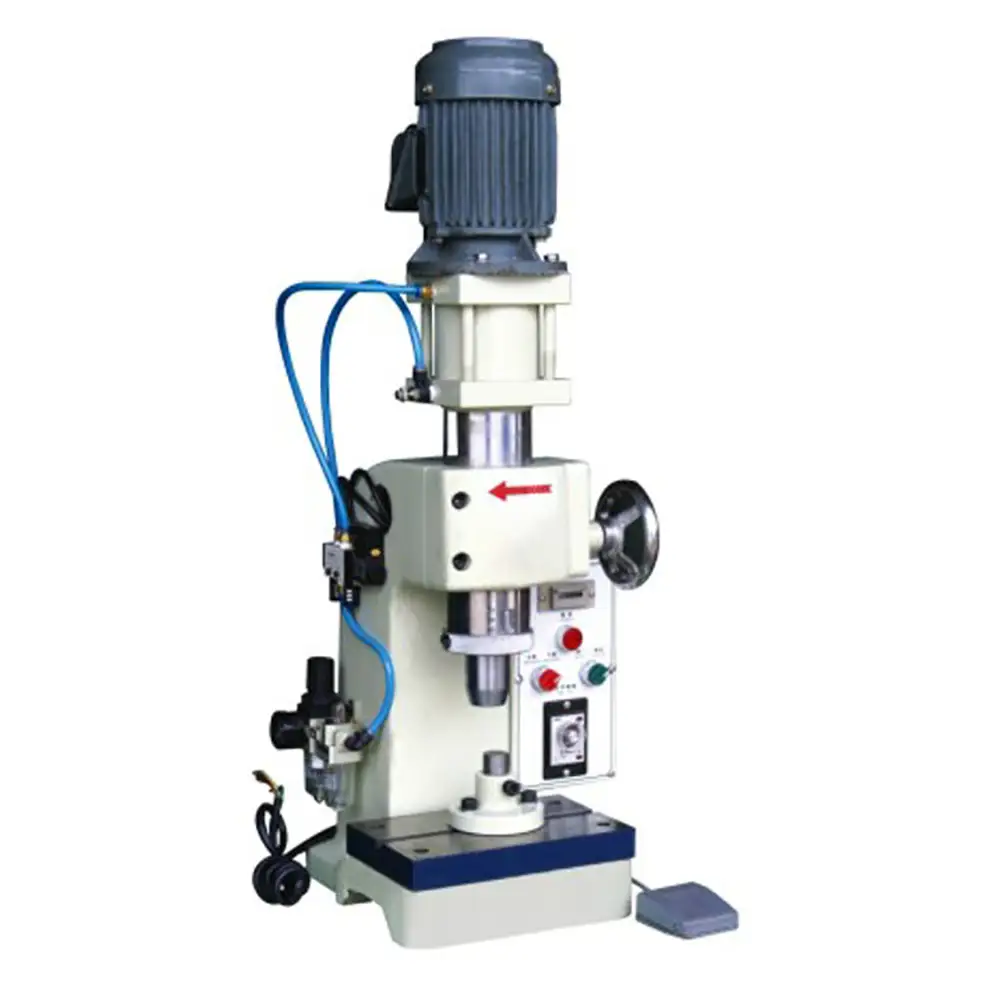
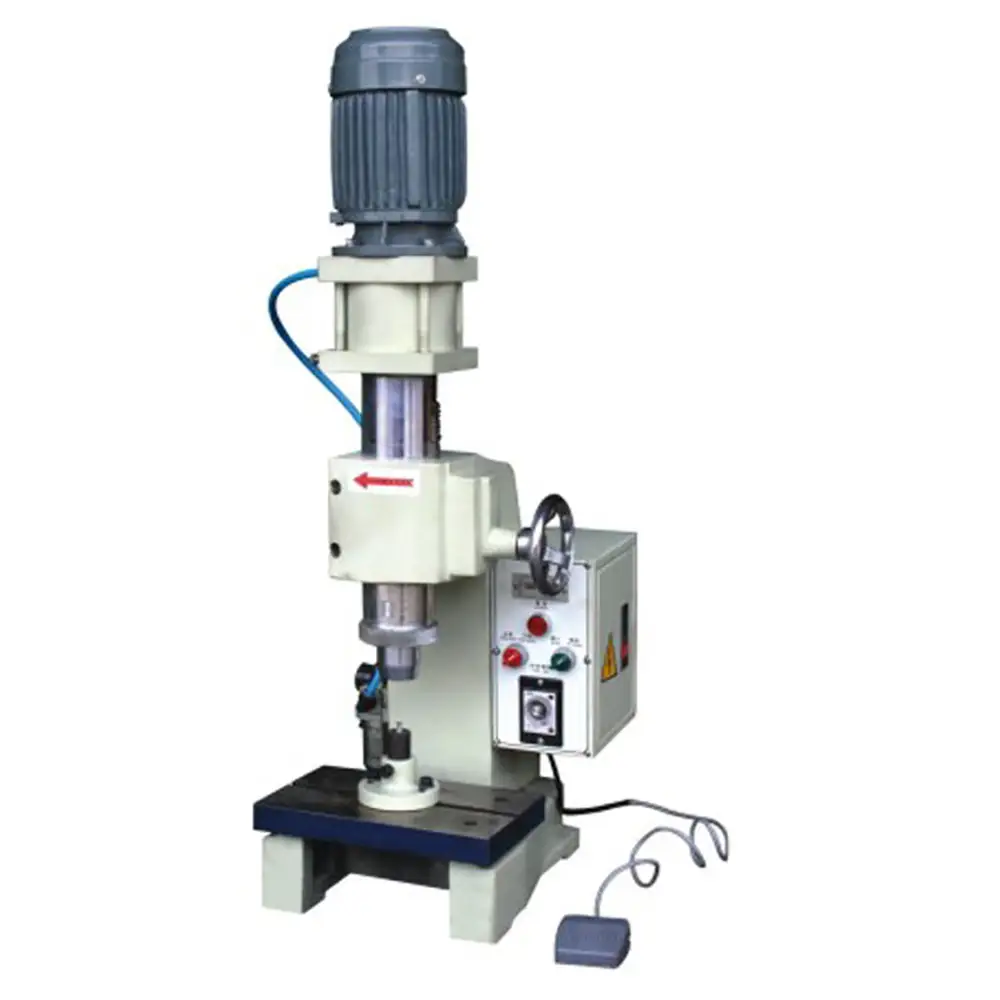
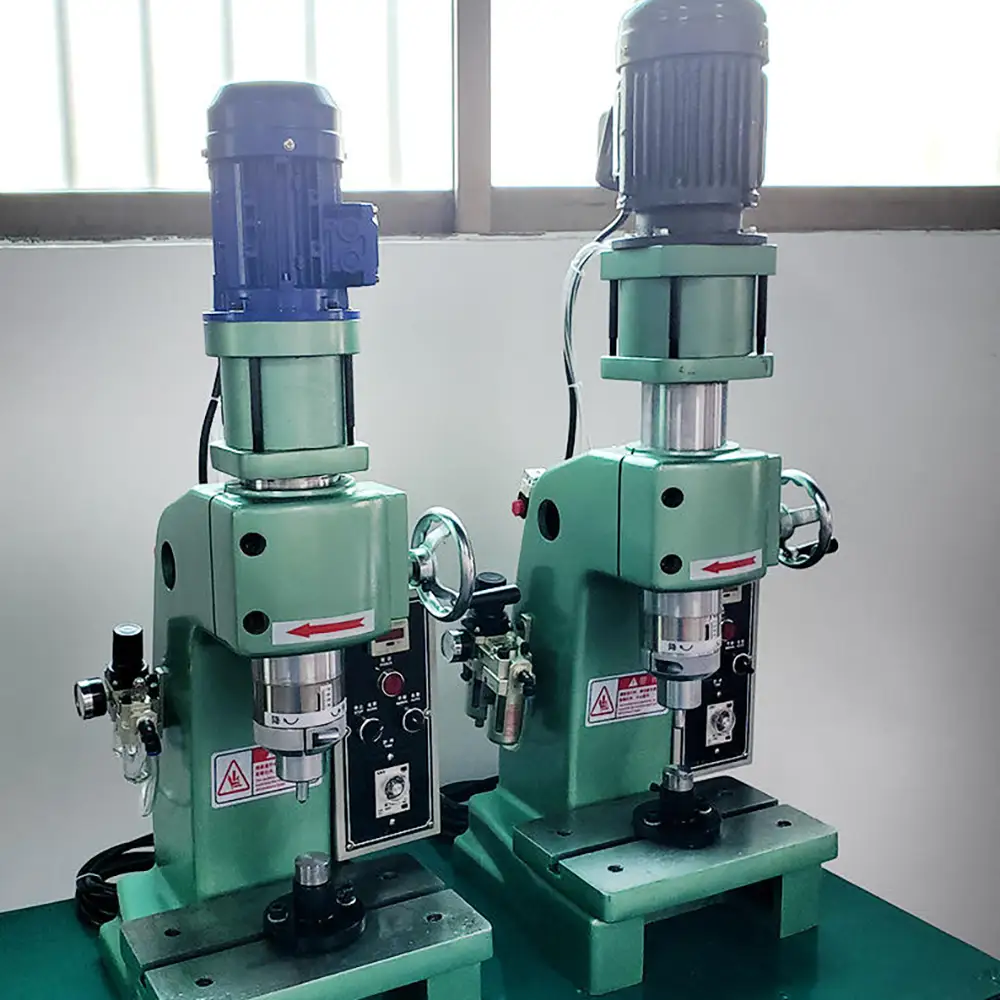
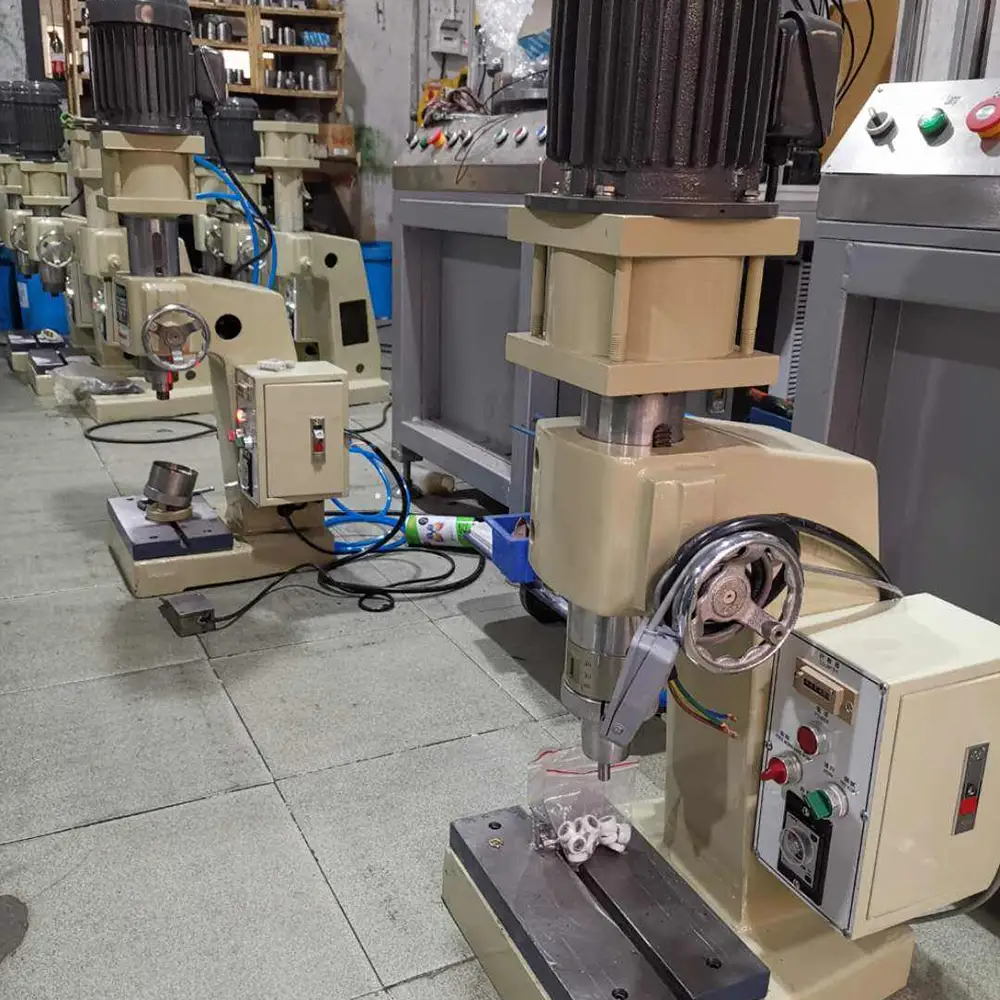
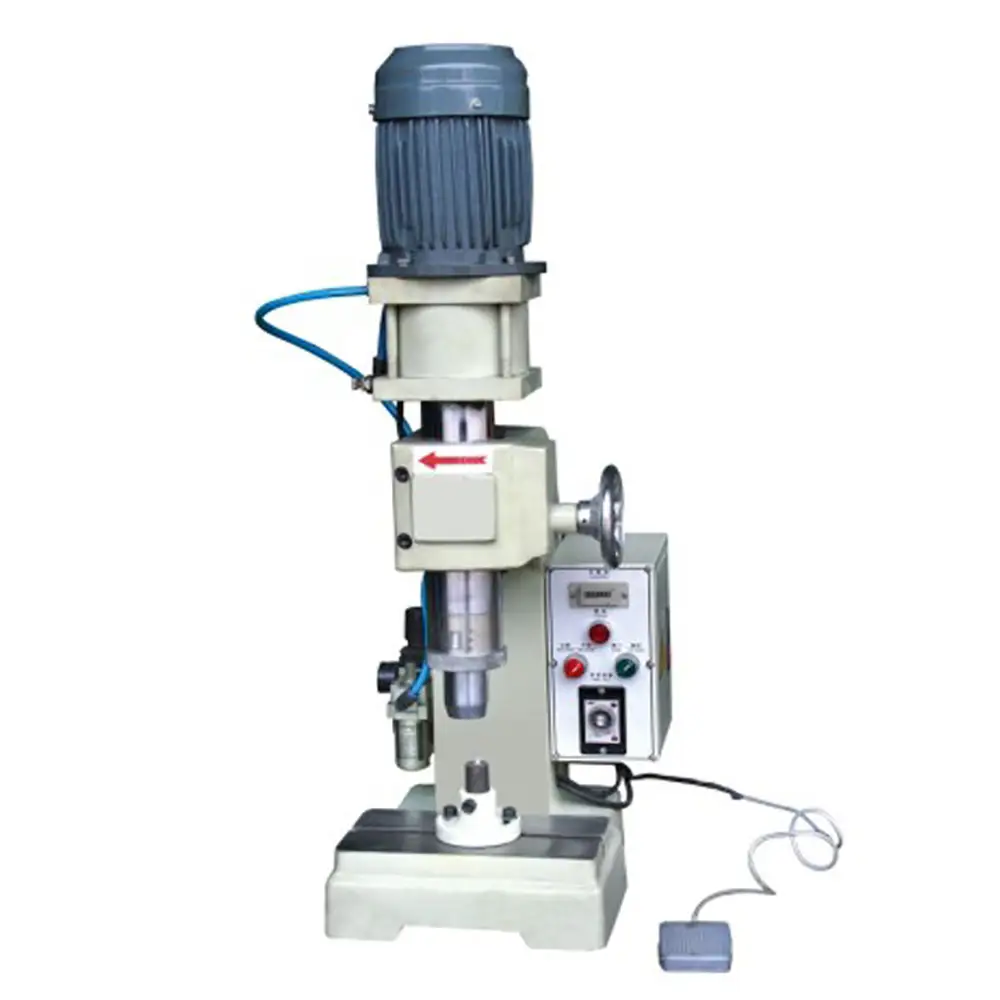
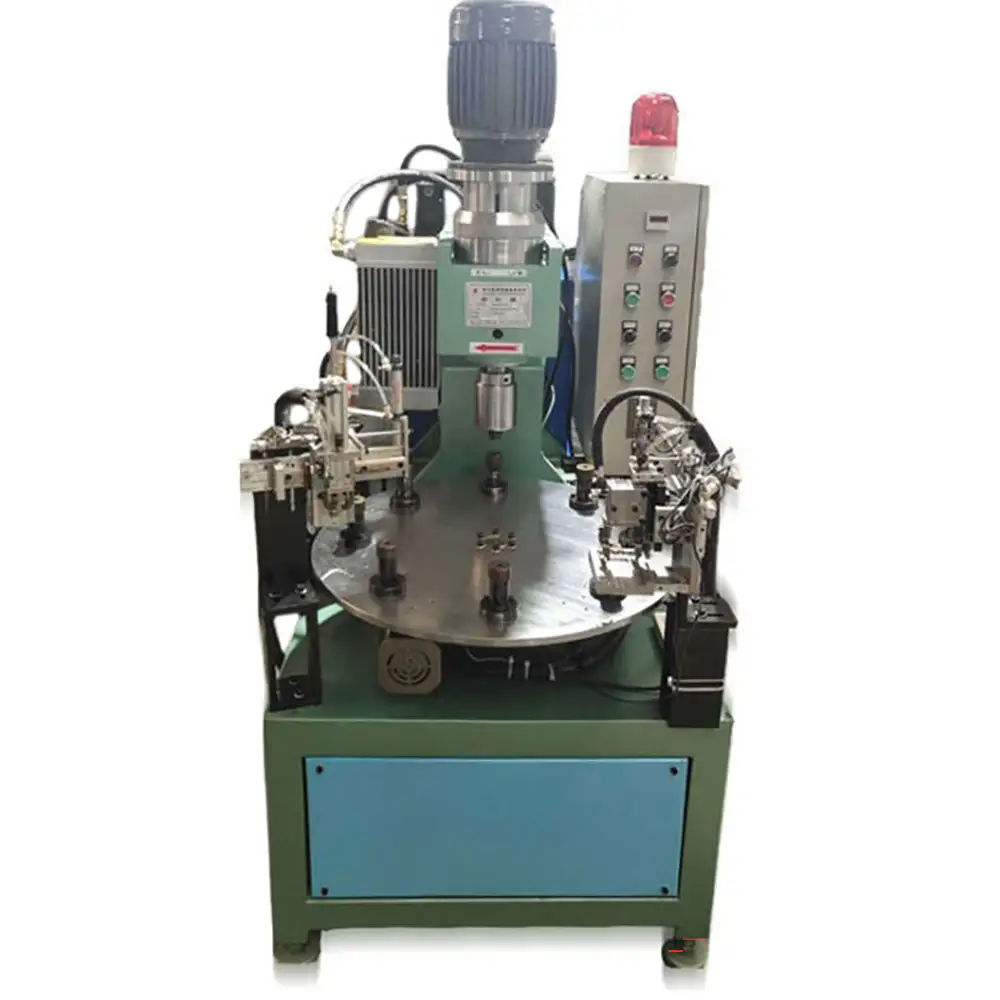
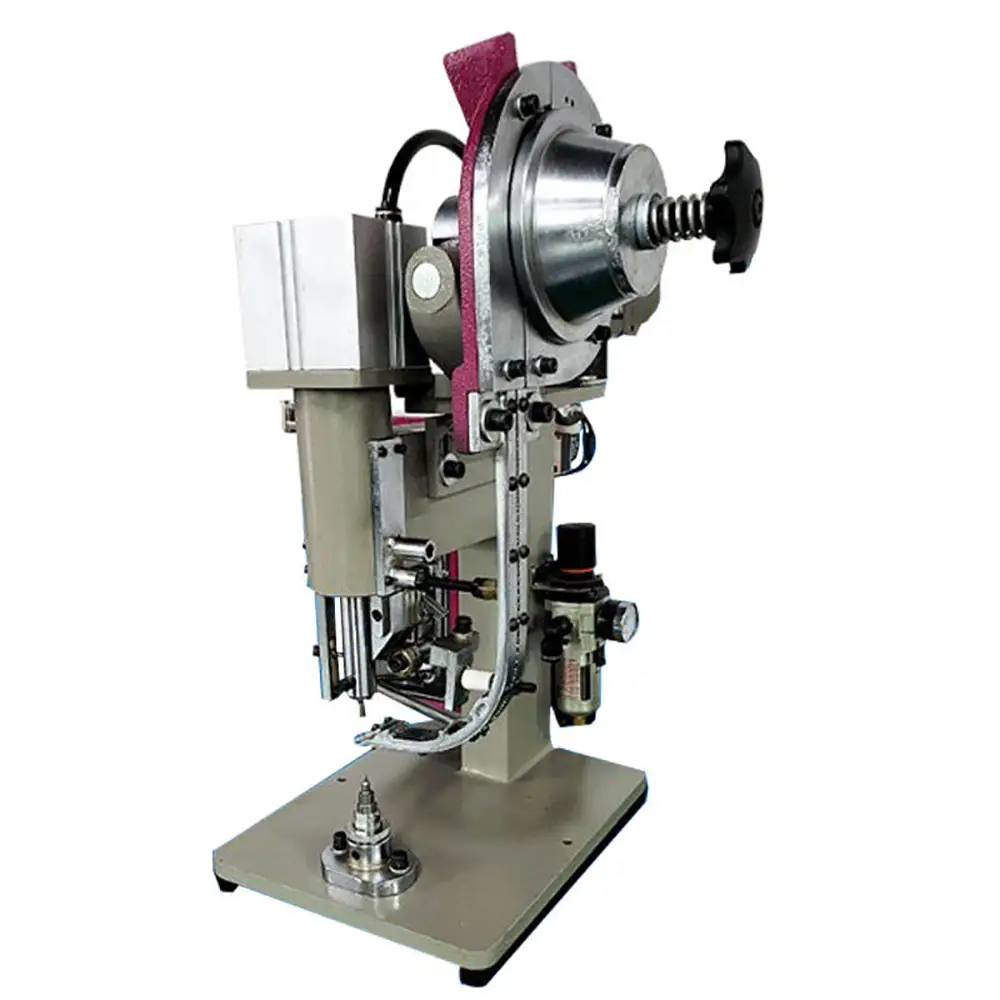
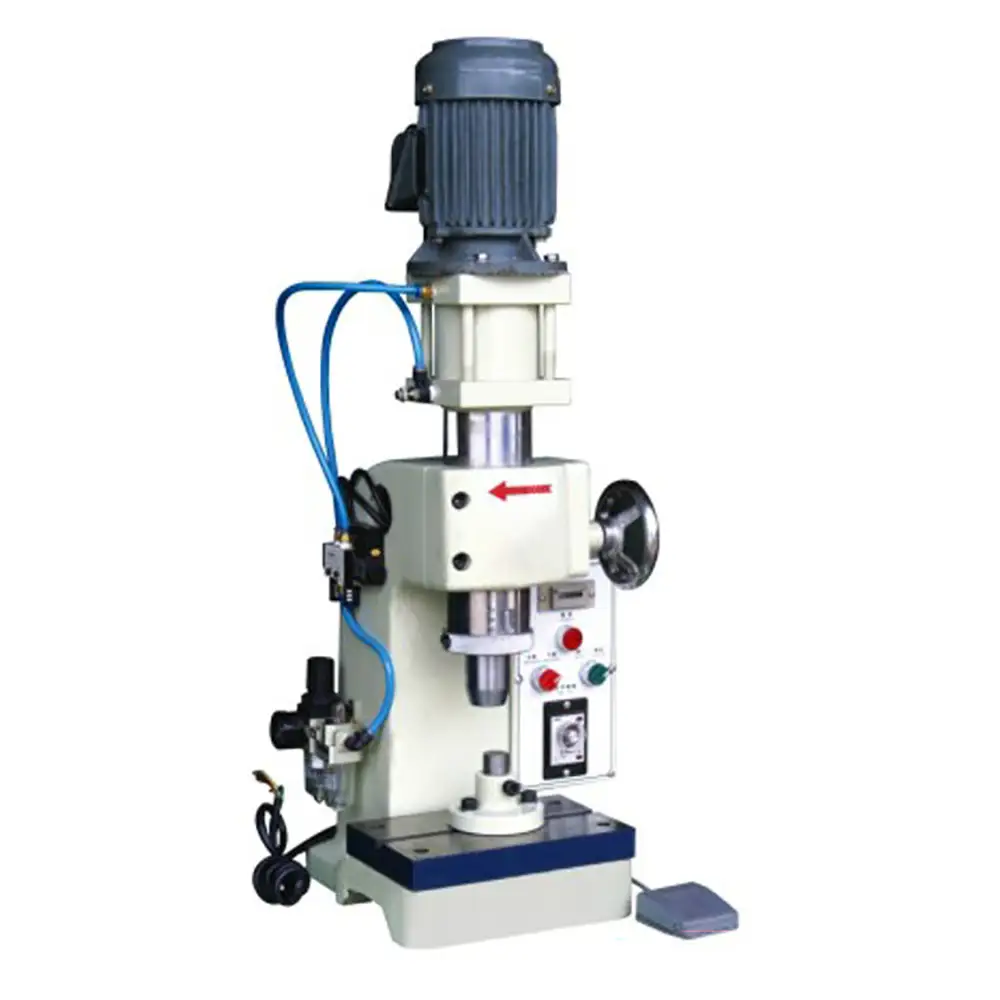
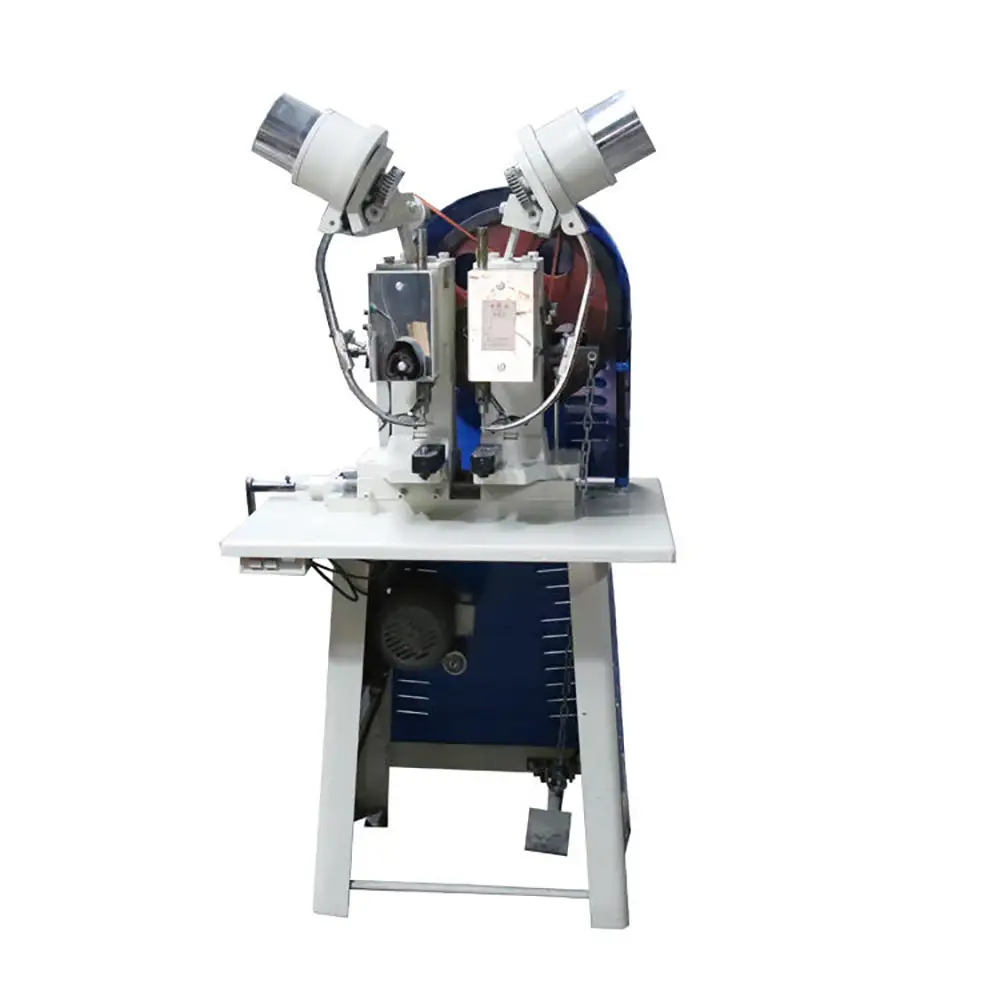
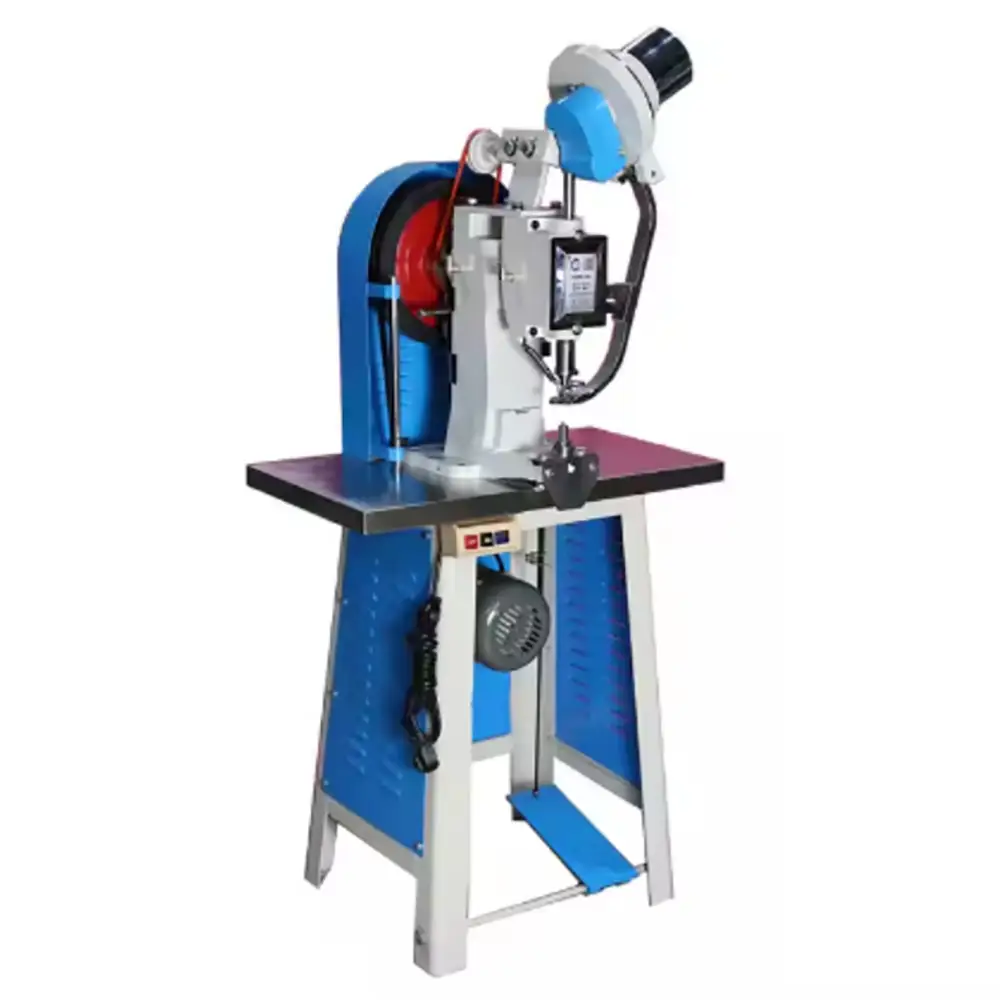
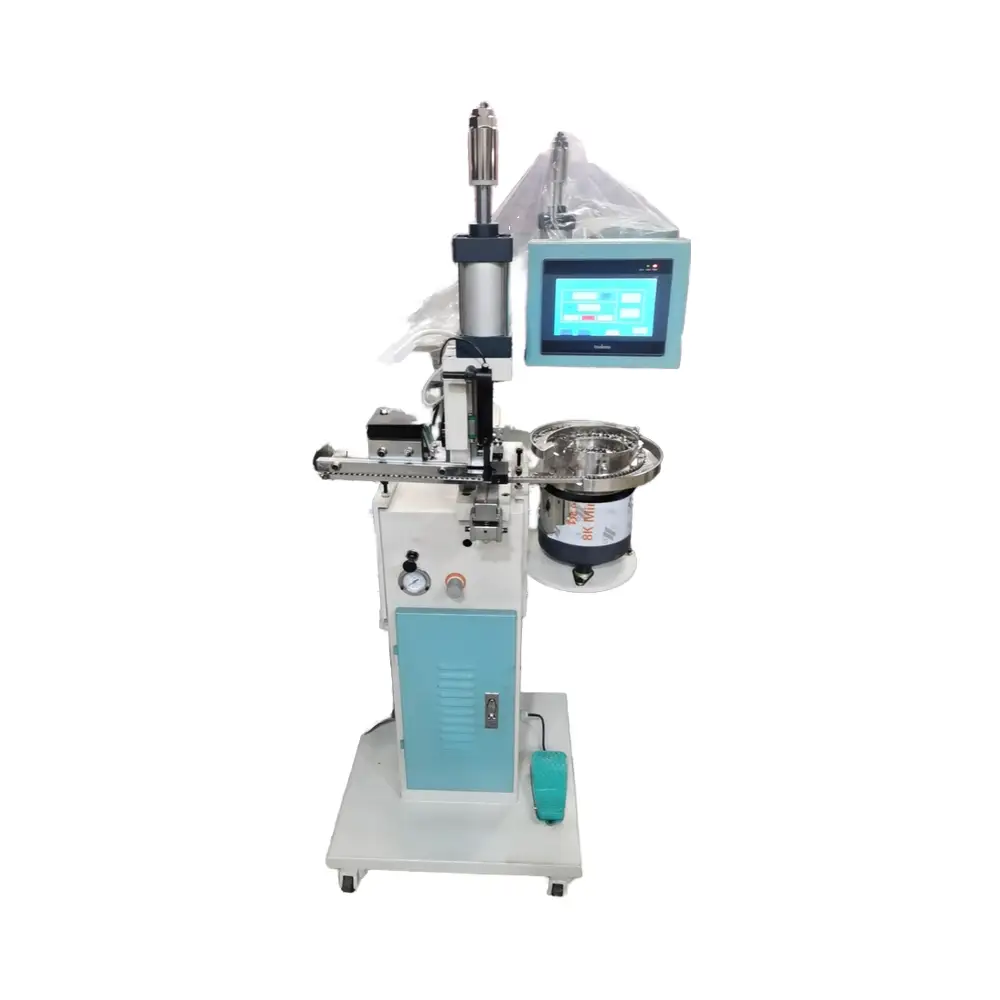
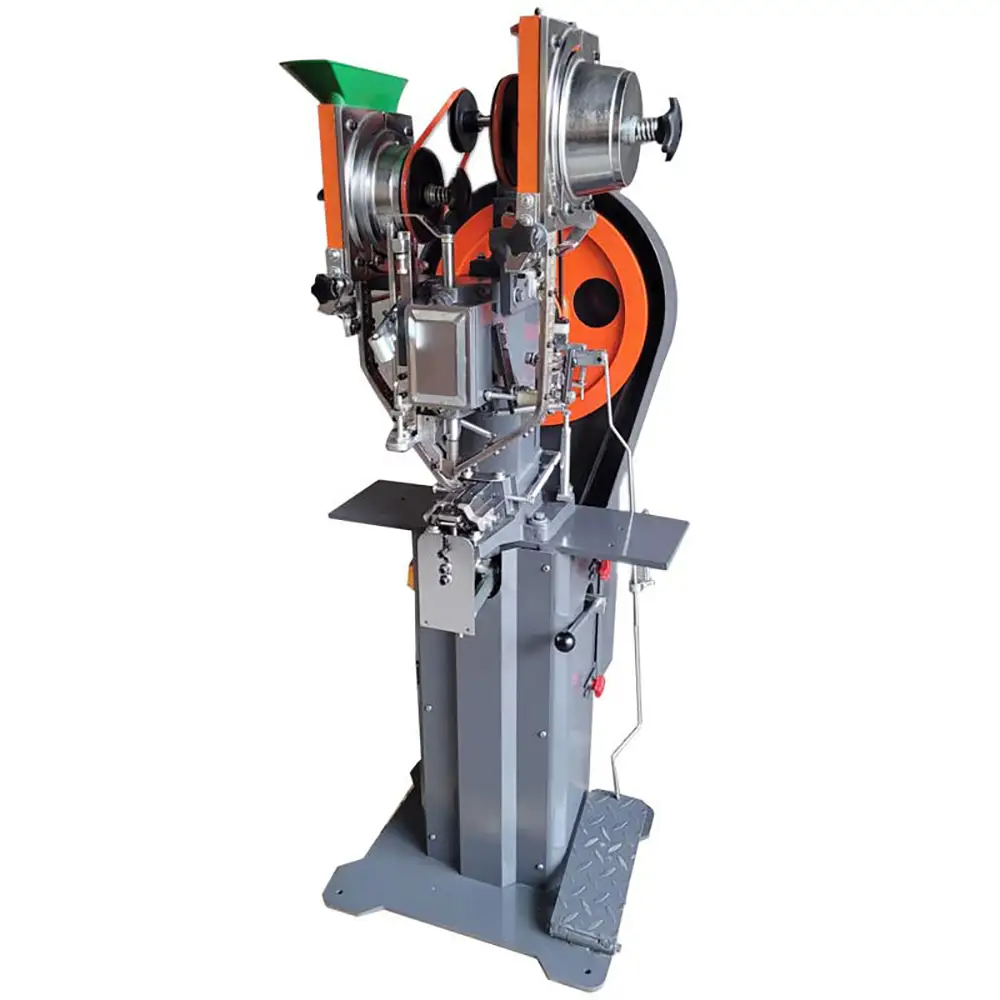
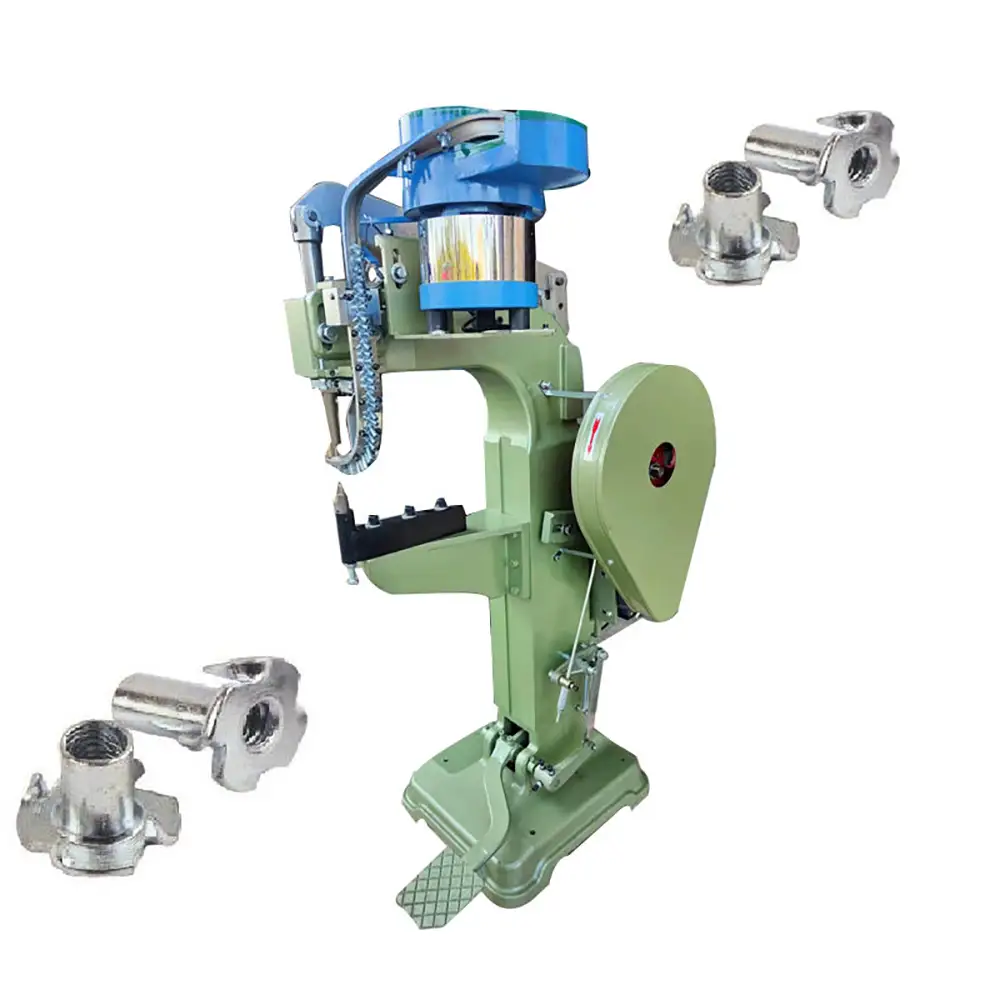
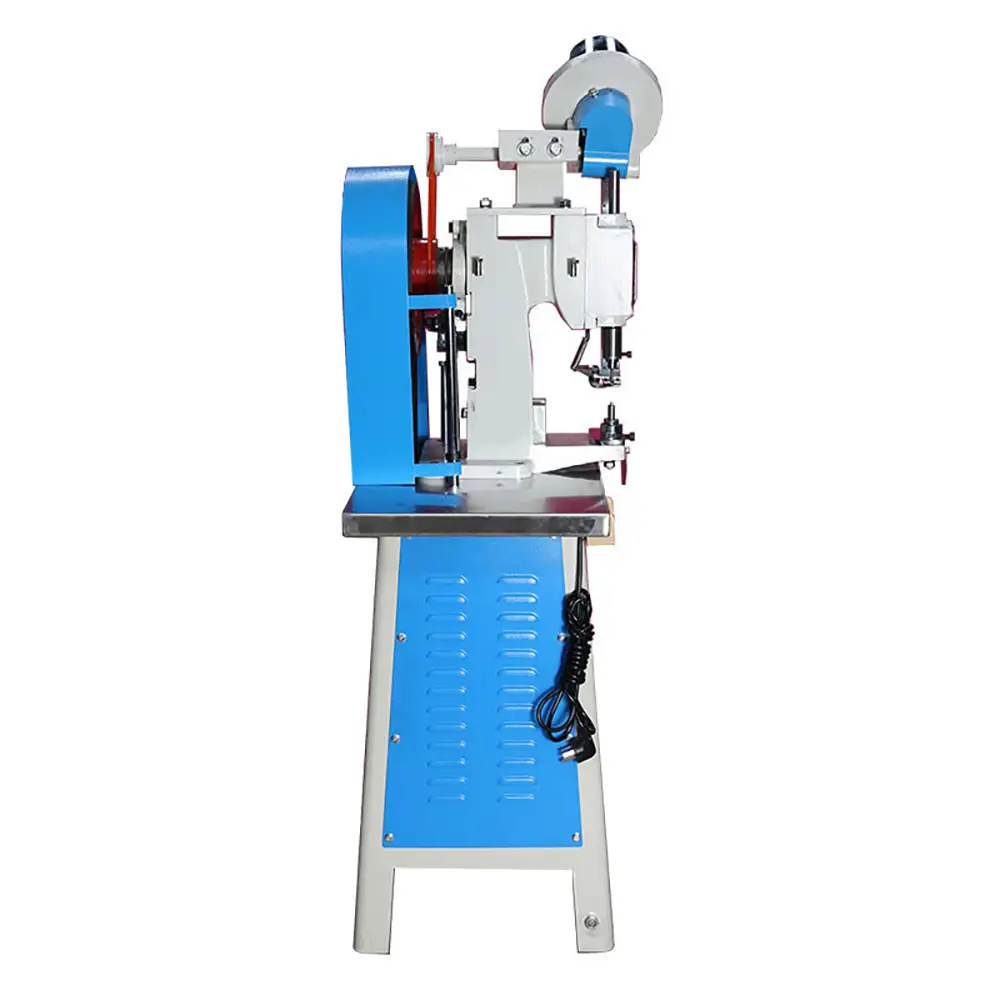
Pneumatic Rotary Riveting Machine for Hardware
The Pneumatic Rotary Riveting Machine for Hardware is an industrial fastening solution designed for manufacturers that require stable, repeatable, and efficient riveting of metal hardware components. Combining pneumatic power with rotary riveting technology, the machine progressively forms rivets to create secure permanent connections while maintaining consistent production quality.
Hardware products often contain rivets used to connect brackets, hinges, handles, plates, clips, fittings, and other metal components. For manufacturers producing these parts in medium- or high-volume quantities, manual riveting can require significant labor and may result in variations in rivet position, forming quality, and finished appearance.
A Pneumatic Rotary Riveting Machine helps automate the riveting process and provides a controlled production cycle. The machine can be configured with appropriate riveting heads, dies, fixtures, and pneumatic controls according to the specific hardware product and rivet specifications.
Rotary Riveting Technology
Rotary riveting is a mechanical forming process in which the riveting tool moves in a controlled rotary or orbital pattern while applying force to the rivet. Instead of relying primarily on a sudden impact, the tool progressively forms the rivet head.
This controlled forming process can provide a smooth and consistent finished rivet while reducing unnecessary shock and vibration. It is particularly useful for hardware products where appearance, dimensional consistency, and controlled fastening are important.
The Rotary Riveting Machine can be configured for different rivet diameters, lengths, head shapes, and hardware components. The actual riveting parameters should be selected according to the material and dimensions of the rivet and workpiece.
1 Progressive design:
Low center of gravity, strong rigidity, simple structure, no noise, no impact, no vibration, two-stage weight adjustment, small size and no space.
2 Easy operation:
Strong working pressure, strong safety, easy operation, can be operated without experience, fast and convenient tool replacement, high work efficiency, good riveting effect
3 Standard configuration:
Standard electronic accessories are used for each model. When using automatic operation, the timer can be adjusted to the appropriate time at will
4 Usage
Suitable for riveting of solid rivets such as scissors, pliers, juicer blades, notebook shafts, LCD shafts, gas springs, piston rods, etc.
|
Model |
Motor |
Spindle stroke(mm) |
Riveting capacity( soft material ) |
Working time(s) |
working pressure
kg/cm² |
· MPA
kg/cm² |
Riveting length(mm) |
Weight(kg) |
Riveting RMP |
|
S-136 |
1/2 |
35 |
Solid river:0.5~3
river:1~8 |
0.5~6 |
2~6 |
100~700 |
100 |
78 |
1400/1720 |
|
S-141 |
1/2 |
40 |
Solid river:1~6
river:1~15 |
0.5~6 |
2~6 |
300~800 |
150 |
115 |
1400/1720 |
|
S-143 |
1/2HP
1HP |
40 |
Solid river:2~8
hollow river:2~20 |
0.5~6 |
2~6 |
460~1100 |
150 |
170 |
1400/1720 |
Pneumatic Riveting System
The machine uses compressed air as the primary power source for the riveting operation. Pneumatic systems are widely used in industrial assembly because they provide a practical and relatively simple method of controlling machine movement.
A pneumatic riveting machine can be suitable for factories that already have a compressed-air system. The required air pressure and consumption depend on the machine model, riveting force, cycle time, and application.
The pneumatic system can be combined with mechanical controls, sensors, foot pedals, or other operating methods depending on the machine configuration.
Hardware Riveting Applications
The Hardware Riveting Machine is suitable for a wide range of metal hardware applications. Riveting can be used to permanently join two or more components without requiring welding, screws, or other removable fasteners.
Potential applications include:
Metal Hardware
Hinges
Brackets
Handles
Clips
Buckles
Latches
Furniture Hardware
Cabinet Hardware
Door Hardware
Automotive Hardware
Electrical Hardware
Construction Hardware
Industrial Fittings
Metal Accessories
The actual application depends on the workpiece structure, rivet type, material, and required fastening performance.
Riveting for Metal Hardware
Metal hardware components are often manufactured in large quantities, making production consistency an important consideration. The Pneumatic Hardware Riveting Machine provides a repeatable method for installing rivets into metal components.
For example, hinges may require rivets to connect multiple plates, while brackets may use rivets to attach mounting components. Handles, clips, buckles, and fittings can also use riveted connections.
The machine can be equipped with customized fixtures that hold each workpiece in the correct position during the riveting cycle.
Controlled Rivet Forming
The quality of a riveted connection depends on several factors, including rivet diameter, rivet length, material hardness, hole size, workpiece thickness, tooling geometry, and forming force.
A rotary riveting process allows the rivet material to be gradually formed. This can help create a consistent rivet head and minimize unnecessary deformation of the surrounding workpiece.
For precision hardware components, controlled forming can also help maintain a more consistent finished appearance.
Before mass production, sample testing is recommended to determine the appropriate riveting head, die, force, stroke, and cycle parameters.
Customized Riveting Tooling
Different hardware products require different riveting positions and component geometries. Customized tooling and fixtures can therefore be an important part of the machine configuration.
The fixture can be designed to support the workpiece and maintain accurate alignment between the rivet and riveting head. Customized riveting dies can also be manufactured according to the desired finished rivet head shape.
Customers can provide product drawings, physical samples, rivet samples, or technical specifications. These materials can be used to evaluate the appropriate machine configuration and tooling requirements.
Improve Production Efficiency
Manual riveting requires operators to repeatedly position the workpiece and perform the riveting operation. For high-volume production, this can increase labor requirements and make production speed dependent on operator performance.
The Automatic Rotary Riveting Machine can help standardize the riveting cycle and reduce repetitive manual operations.
Depending on the production setup, the operator may only need to load the hardware component into the fixture and activate the machine. The machine then performs the predefined riveting cycle.
Actual production capacity depends on the rivet size, product structure, operator loading time, machine cycle, and production configuration.
Stable Production Performance
A stable riveting machine should maintain consistent movement and forming force throughout repeated production cycles. Pneumatic power provides a practical method of operating the riveting mechanism, while the rotary forming process helps control how the rivet is shaped.
Regular maintenance is important for maintaining machine performance. Operators should inspect the pneumatic system, riveting head, forming die, fixtures, moving components, and fasteners according to the manufacturer's maintenance schedule.
Clean compressed air and appropriate pneumatic-system maintenance can also help support reliable operation.
Easy Operation
The machine is designed for practical industrial use and can be configured with straightforward operating controls.
Depending on the machine model, operation may include foot-pedal activation, two-hand controls, automatic cycling, pneumatic adjustment, or other control functions.
Safety protection should be selected according to the machine's intended application and factory environment. Operators should always follow the machine operating manual and applicable workplace safety procedures.
Quality Control
Quality inspection is an important part of hardware riveting production. Finished components can be checked for rivet head dimensions, alignment, deformation, fastening condition, and appearance.
For critical hardware applications, mechanical tests can also be performed to evaluate the strength and reliability of the riveted joint.
Sample testing before mass production allows manufacturers to confirm that the selected machine and tooling are appropriate for the specific hardware product.
Why Choose Our Pneumatic Rotary Riveting Machine?
1. Pneumatic Power
Uses compressed air for practical and efficient industrial riveting operations.
2. Rotary Riveting Process
Progressive rivet forming helps achieve controlled and repeatable fastening.
3. Designed for Hardware
Suitable for hinges, brackets, handles, clips, buckles, fittings, and other metal hardware.
4. Consistent Production
Controlled riveting cycles help maintain consistent results during repetitive production.
5. Customized Tooling
Riveting heads, dies, and workholding fixtures can be customized according to product requirements.
6. Flexible Applications
Suitable for furniture hardware, automotive components, construction hardware, electrical products, and industrial fittings.
7. Reduced Manual Work
The machine can reduce repetitive manual riveting operations and improve production workflow.
8. OEM & Custom Solutions
Machine configurations can be developed according to customer samples, drawings, rivet specifications, and production requirements.
FAQ
1. What is a Pneumatic Rotary Riveting Machine?
A Pneumatic Rotary Riveting Machine uses compressed air to power a rotary riveting mechanism that progressively forms a rivet and creates a permanent mechanical connection.
2. What hardware products can be riveted?
The machine can be used for suitable hinges, brackets, handles, clips, buckles, latches, furniture hardware, automotive hardware, electrical components, and other metal products.
3. What materials can be riveted?
Suitable materials depend on the machine capacity, rivet type, and application. Common applications include aluminum, steel, stainless steel, copper, and other compatible metals.
4. Is the machine automatic?
Depending on the configuration, the riveting cycle can be activated through pneumatic controls, foot pedals, sensors, or other automatic operating systems.
5. What is the advantage of rotary riveting?
Rotary riveting progressively forms the rivet instead of relying mainly on a high-impact operation. This can provide controlled forming, consistent rivet heads, and reduced shock.
6. Can the machine handle different rivet sizes?
Different rivet sizes may require suitable tooling and adjustments. The applicable rivet range depends on the specific machine model and configuration.
7. Can you customize the riveting die?
Yes. Customized riveting dies can be developed according to the required rivet head shape and finished dimensions.
8. Can the workholding fixture be customized?
Yes. Customized fixtures can be designed according to the hardware component's dimensions and riveting position.
9. What air pressure does the machine require?
The required air pressure depends on the machine model and riveting application. Exact pneumatic requirements should be confirmed according to the selected machine configuration.
10. Can I send hardware samples for testing?
Yes. Providing actual hardware components and rivet samples is recommended for evaluating tooling, riveting parameters, and machine suitability.
11. Is this machine suitable for high-volume production?
Yes. The machine is designed for repetitive industrial riveting applications. Actual production capacity depends on the product, rivet specifications, cycle time, and loading method.
12. Do you offer customized and OEM solutions?
Yes. Customized machines, riveting heads, dies, fixtures, feeding systems, and other production configurations can be developed according to customer requirements.
Prev:
Semi Automatic Eyelet Cornes Riveting Machine for Belt Shoe Upper Tag Advertising Cloth, Safety Net Gift Bag
Next:
Full Automatic Male Female Double Rivet Feed Automatically Riveting Machine
TAG:
Rivet Forming Machine,
Industrial Riveting Machine,
Industrial Riveting Equipment,
Metal Riveting Machine,
Precision Riveting Machine,
Rivet Assembly Machine,
Industrial Rivet Machine,
Pneumatic Riveting Machine,
Pneumatic Riveting Equipment,
Pneumatic Rivet Machine,
Rotary Rivet Machine,
Rotary Riveting Machine,
Rotary Riveting Equipment,
Pneumatic Rotary Riveting Machine,
Rivet Installation Machine,
Automatic Riveting Equipment,
Automatic Rivet Machine,
Hardware Riveting Machine,
Metal Hardware Riveting Machine,
Hardware Rivet Machine,
Automatic Hardware Riveting Machine,
Pneumatic Rivet Assembly Machine,
Automatic Rotary Riveting Machine,
Hardware Riveting Equipment,
Pneumatic Hardware Riveting Machine,
Related Category:
Pneumatic Rotary Riveting Machine,Pneumatic Riveting Machine,Rotary Riveting Machine China, suppliers, manufacturers, factory, customized, wholesale, quotation, made in China