Main Features
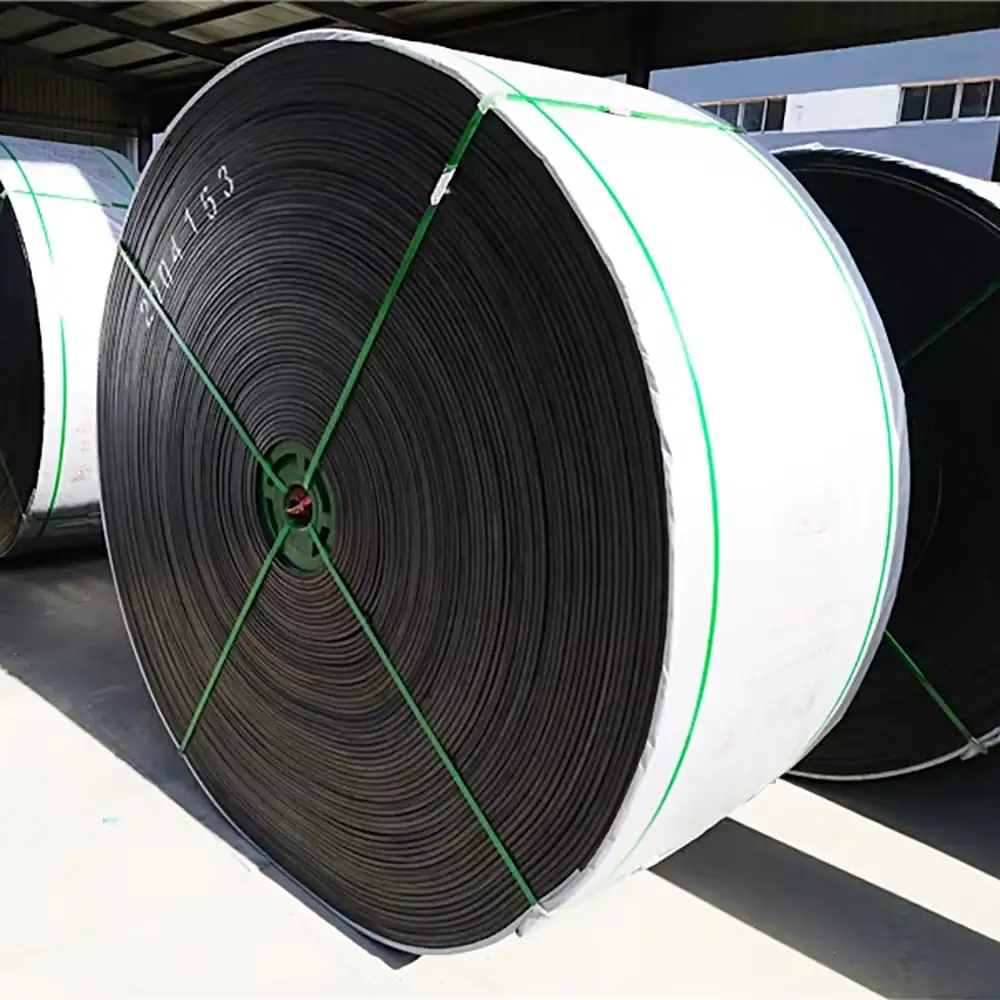
1) high abrasion resistance,high tensile strength and good fatigue resistance.
2)High tensile strength,good shock resistance.
3)Good trough ability,high adhesion between plies.
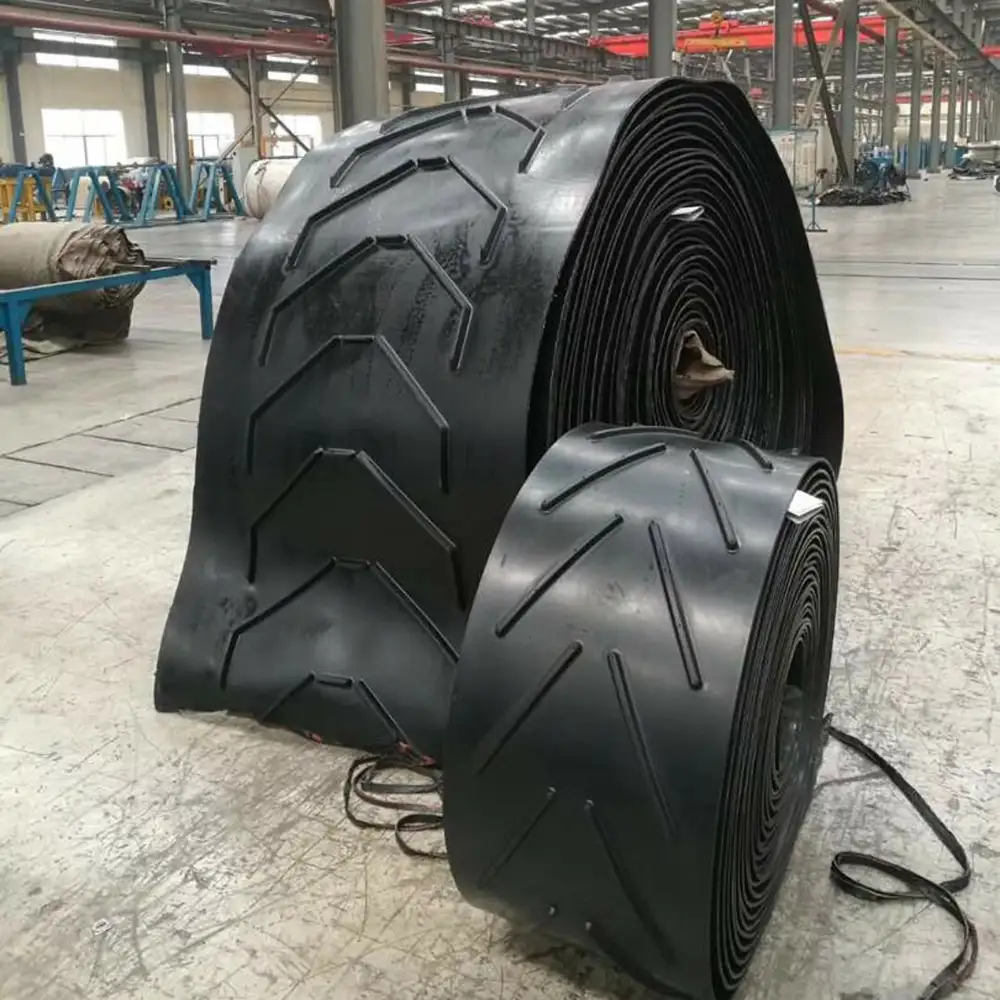
A pattern conveyor belt is a rubber conveyor belt manufactured with a specially designed surface pattern to improve material handling performance for specific conveying applications. Unlike a conventional smooth conveyor belt, a patterned belt has a raised, textured, grooved, ribbed, diamond, chevron, or other surface design that can provide additional grip and help stabilize products during transportation.
Conveyor belt design patterns are especially useful when materials need to be conveyed on an incline, when products require better surface traction, or when the belt needs a particular carrying surface for a specialized production process. Different patterns are developed for different materials, belt speeds, conveyor angles, and product characteristics.
Pattern conveyor belts can be used in manufacturing, packaging, logistics, agriculture, recycling, mining, aggregate handling, food processing, and general industrial material handling. The appropriate pattern depends on the application rather than simply the appearance of the belt.
As a conveyor belt manufacturer and supplier, we can provide different patterned rubber belt constructions and discuss customized belt dimensions, surface designs, rubber compounds, reinforcement, and other specifications according to the customer's equipment.
Main product
|
CC conveyor belt |
chevron conveyor belt |
oil resistant conveyor belt |
patterned conveyor belt |
|
Polyester conveyor belt(ep) |
Steel cord conveyor belt |
Cold resistant conveyor belt |
sidewall conveyor belt |
|
Nylon conveyor belt(NN) |
Common Flame retartant conveyor belt |
Whole-core flame retartant conveyor belt |
Endless belt |
|
heat resistant conveyor belt |
Chemical resistant conveyor belt |
high temperature resistant conveyor belt |
Flat Conveyor belt |
What Is a Pattern Conveyor Belt?
A pattern conveyor belt is a continuous rubber belt with a structured top surface. The pattern is formed as part of the rubber cover and may extend across the complete belt width or follow a specific arrangement.
The purpose of the pattern is generally to modify the interaction between the conveyed product and the belt surface. A textured or raised design can provide additional traction compared with a smooth belt, which can be useful for inclined conveying or products that tend to slide.
Common conveyor belt surface patterns include:
Rough Top Pattern
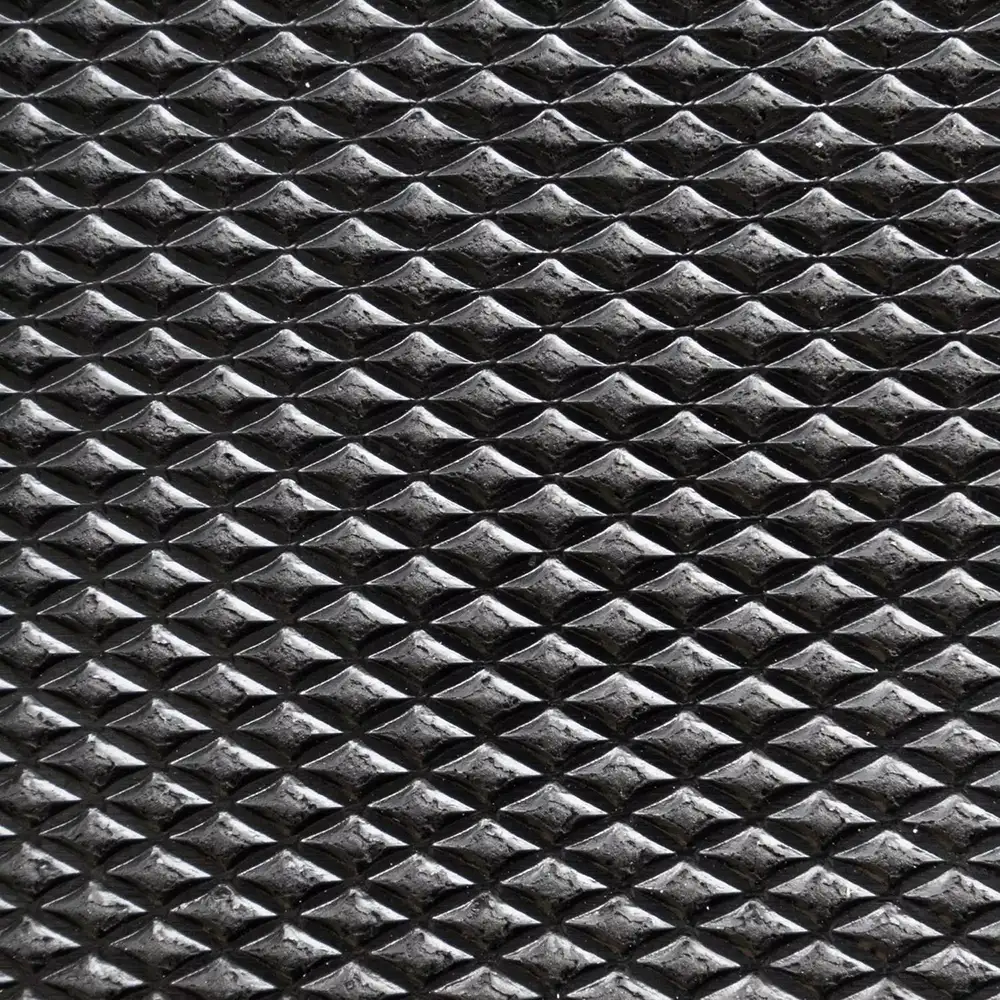
Diamond Pattern
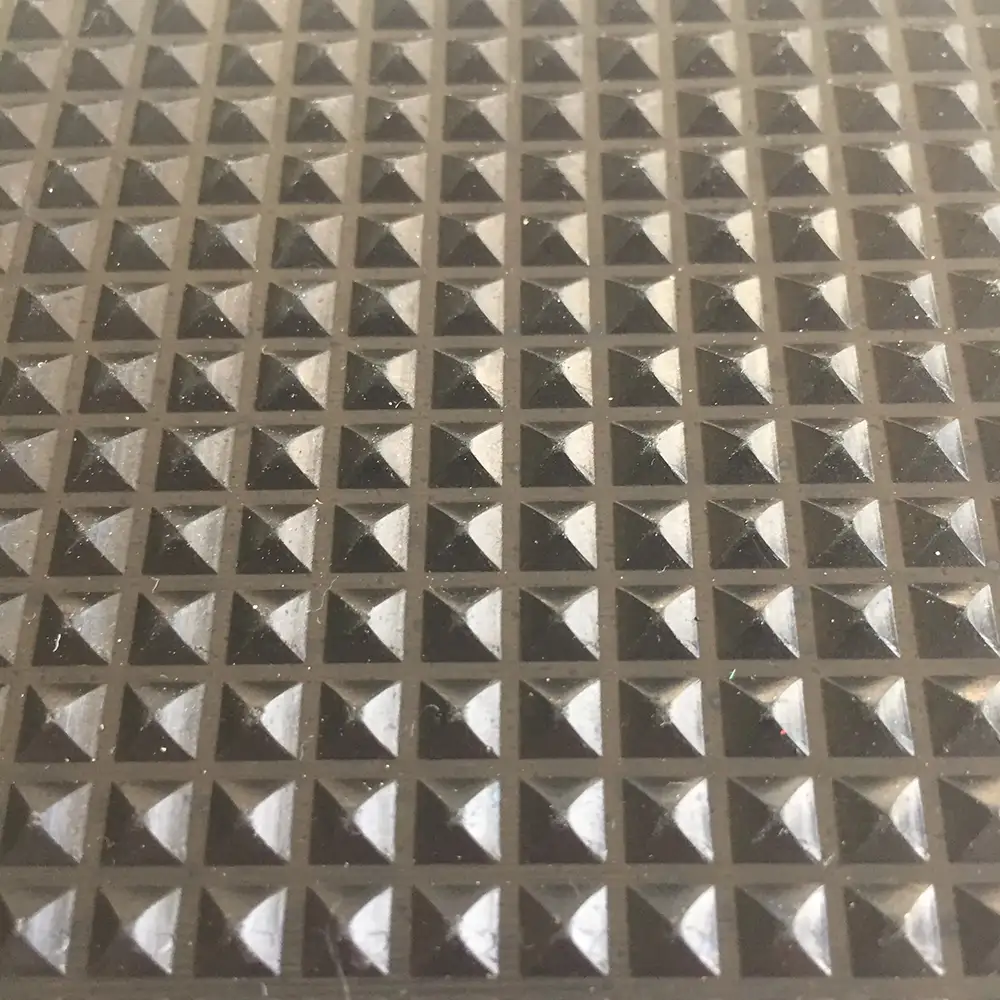
Checker Pattern
Chevron Pattern
Herringbone Pattern
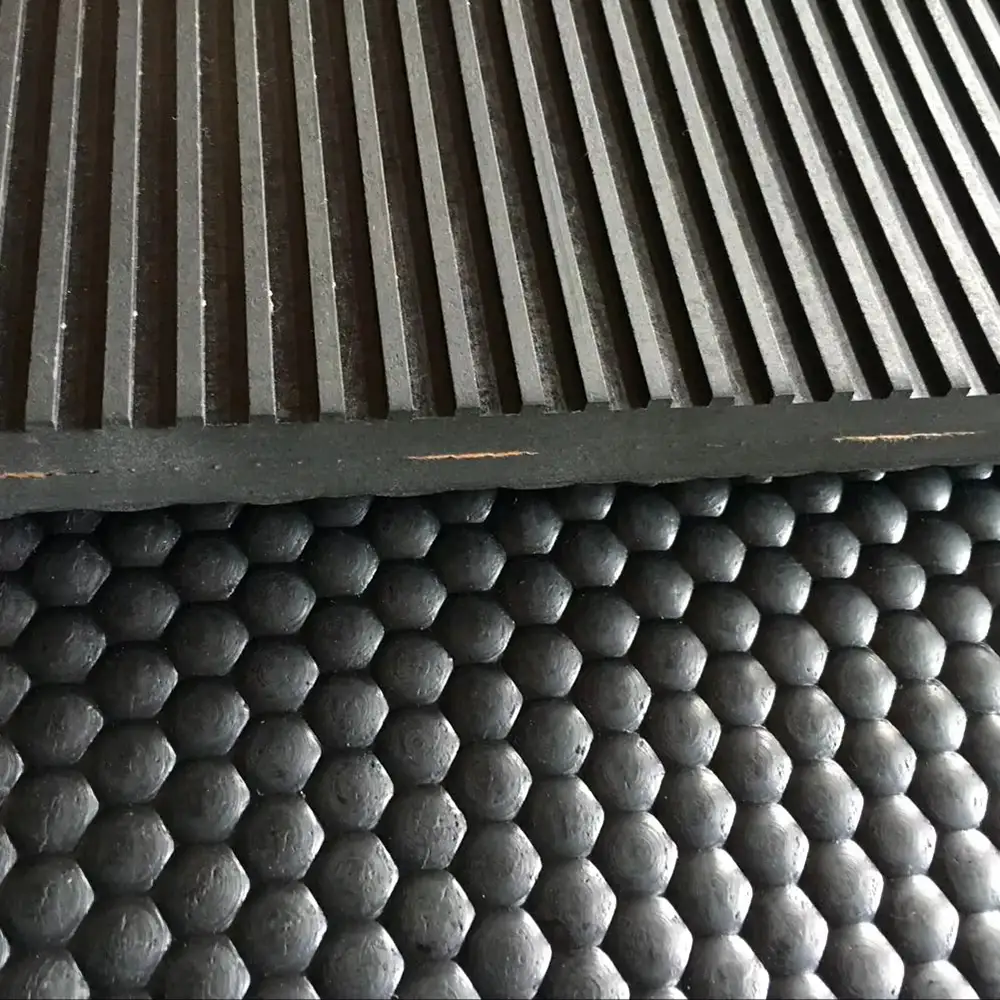
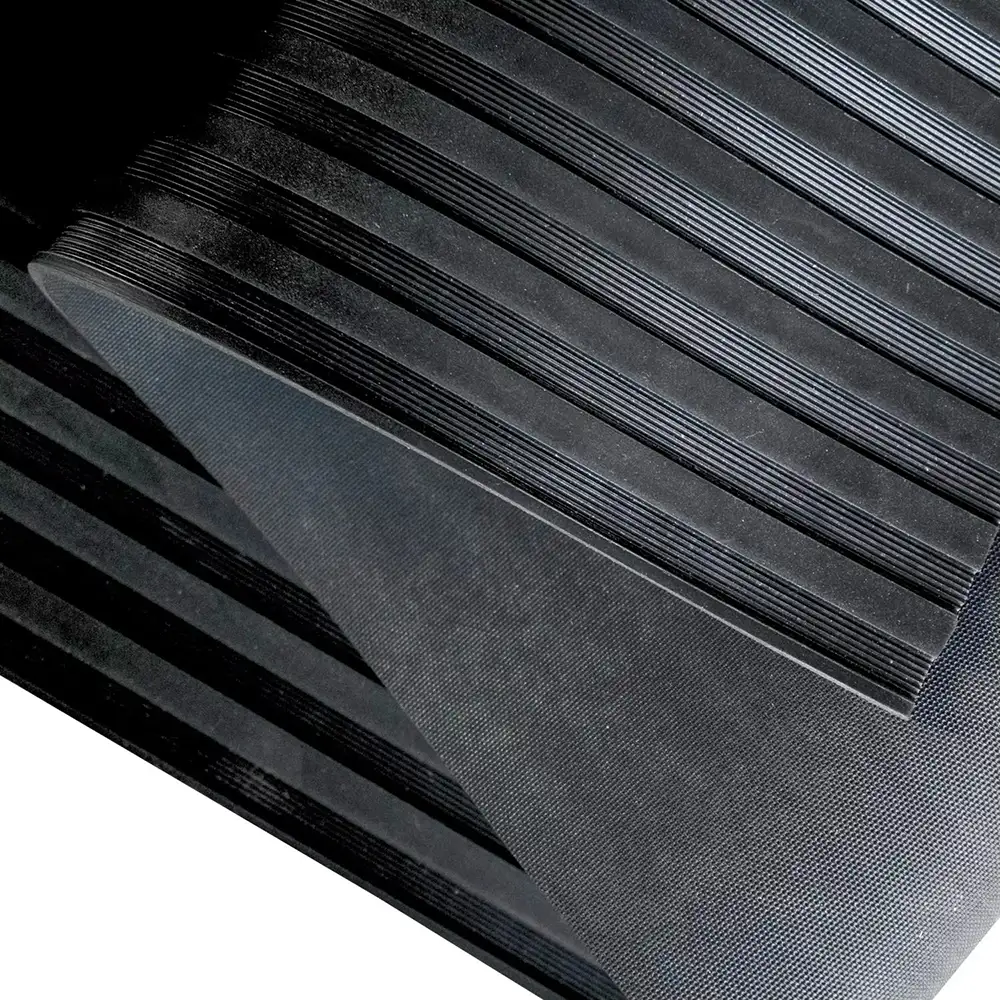
Ribbed Pattern
Wave Pattern
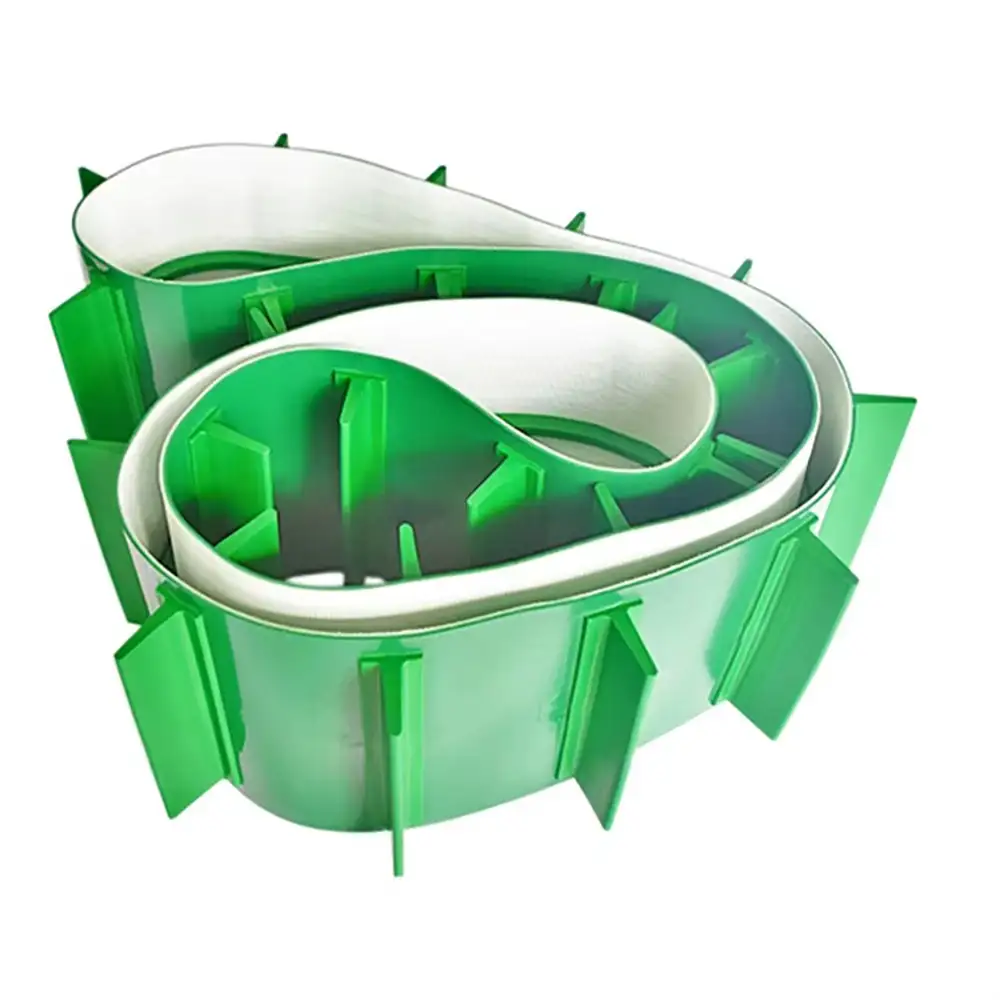
Cleated Pattern
Circular or Specialized Texture
Each design provides different contact characteristics. Pattern height, spacing, direction, belt material, and product properties all influence actual performance.
Common Conveyor Belt Design Patterns
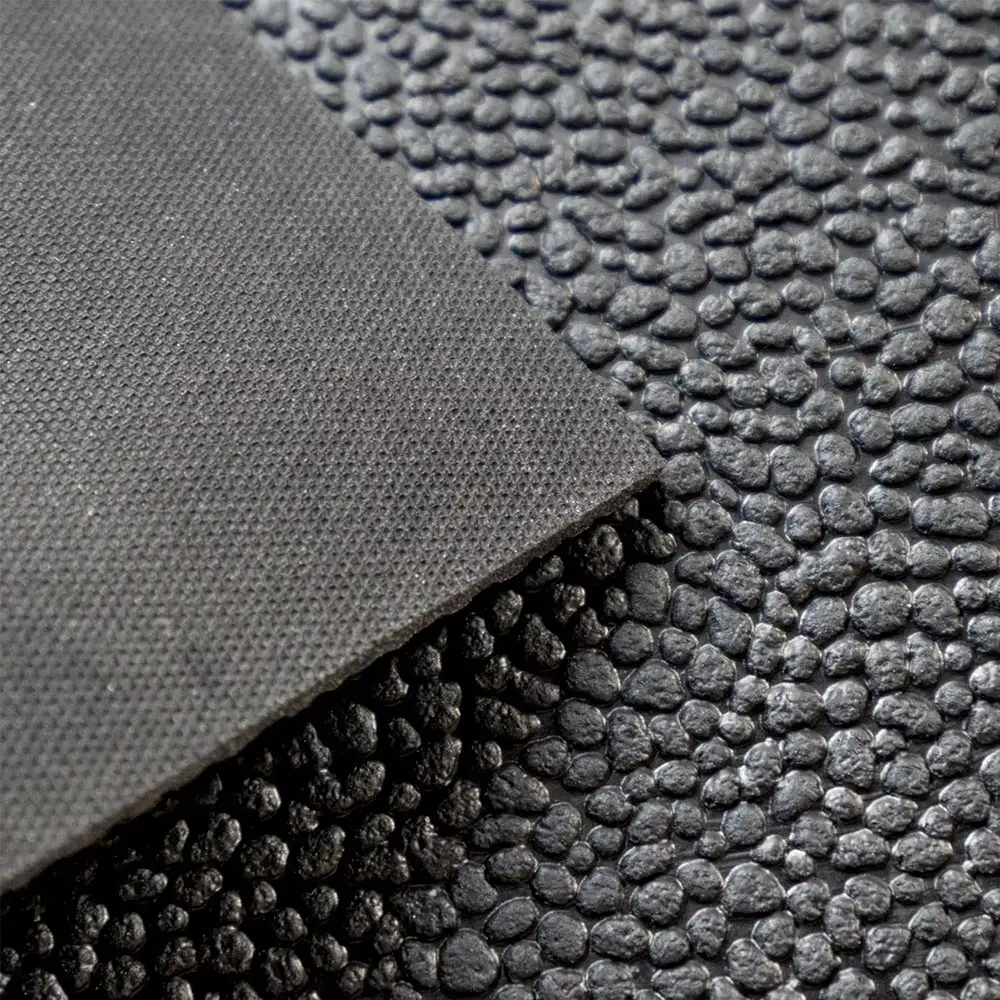
Rough Top Conveyor Belt
Rough top belts feature a textured surface designed to provide additional friction between the belt and conveyed products. They are commonly used for cartons, bags, packages, and other products where surface grip is important.
The rough surface can help reduce product movement during inclined conveying and may also provide cushioning for certain transported goods.
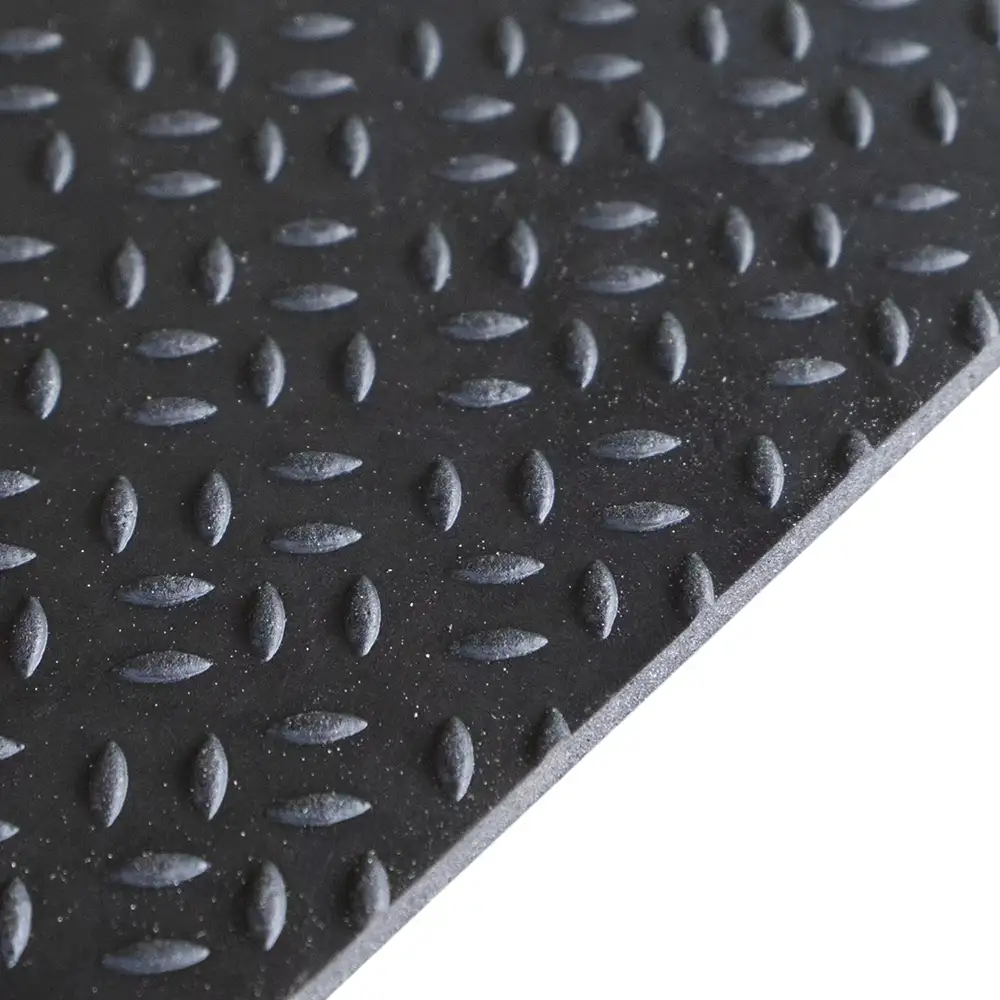
Diamond Pattern Conveyor Belt
Diamond or diamond-grid patterns provide a structured surface that can increase contact between the product and belt. They are used in selected industrial conveying and general material handling applications.
The actual grip characteristics depend on the rubber compound, pattern geometry, product material, and operating conditions.
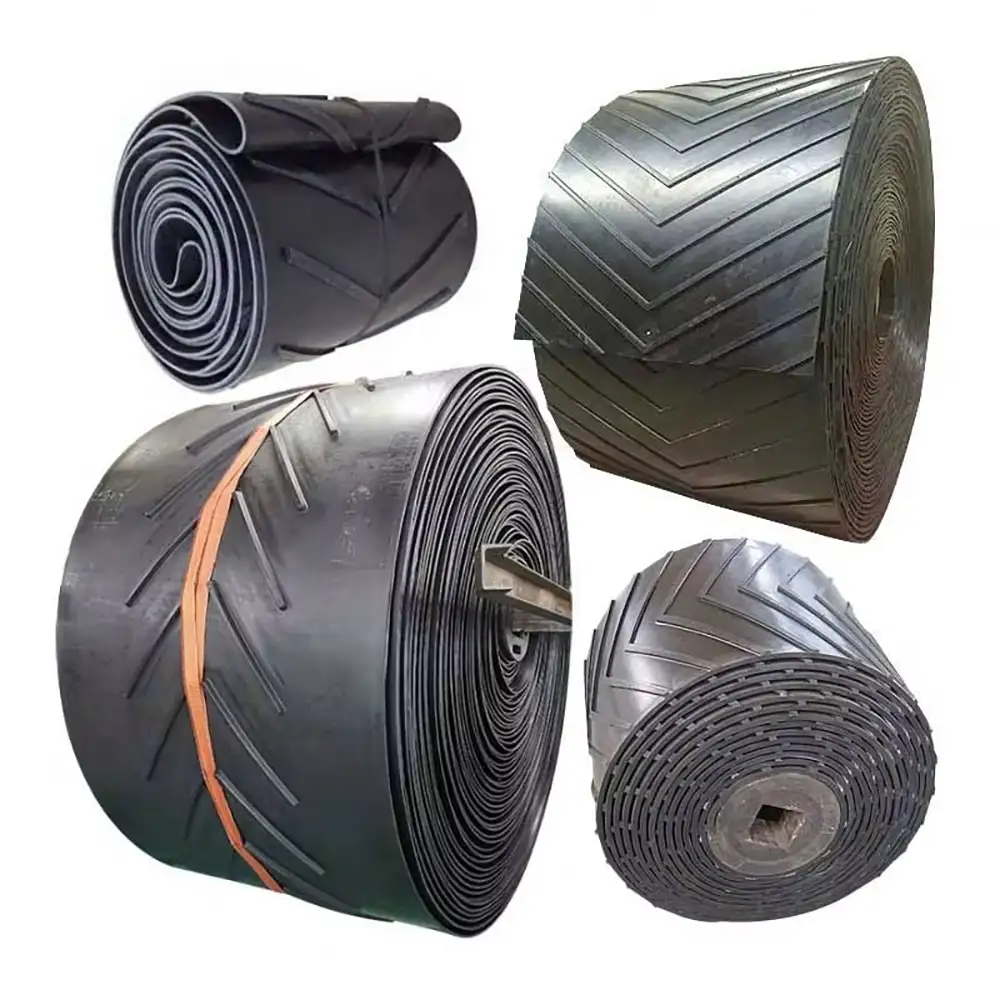
Chevron Conveyor Belt
Chevron patterns consist of raised V-shaped or angled elements across the belt surface. This design is commonly associated with inclined bulk material conveying because the raised pattern helps retain material as the belt travels upward.
Chevron belts are available in different pattern heights and configurations for different conveying requirements.
Ribbed Conveyor Belt
Ribbed patterns use raised lines or ribs to create additional surface structure. Depending on the configuration, ribbed belts can be used for product handling, incline conveying, and specialized industrial applications.
Cleated Pattern Conveyor Belt
Cleats create larger raised sections that divide the belt surface into carrying areas. They can provide greater material retention for selected steep-angle applications than shallow surface textures.
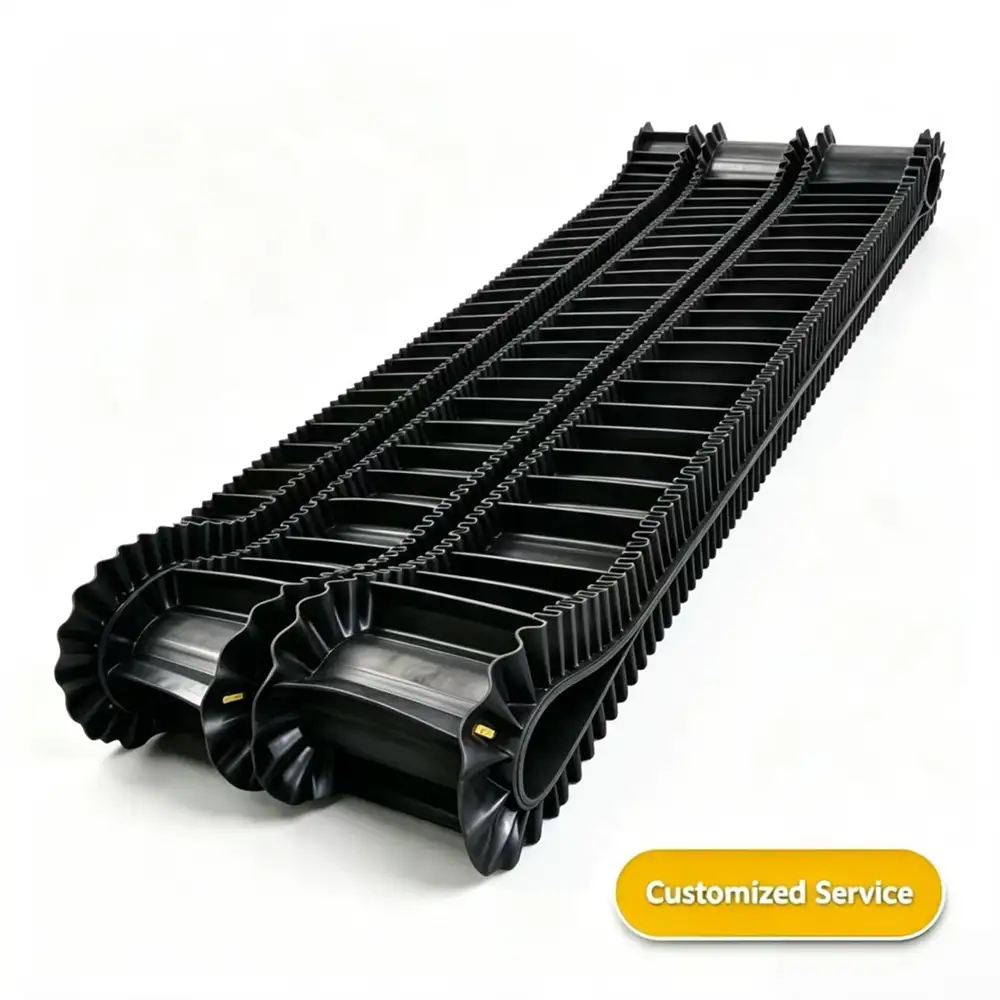
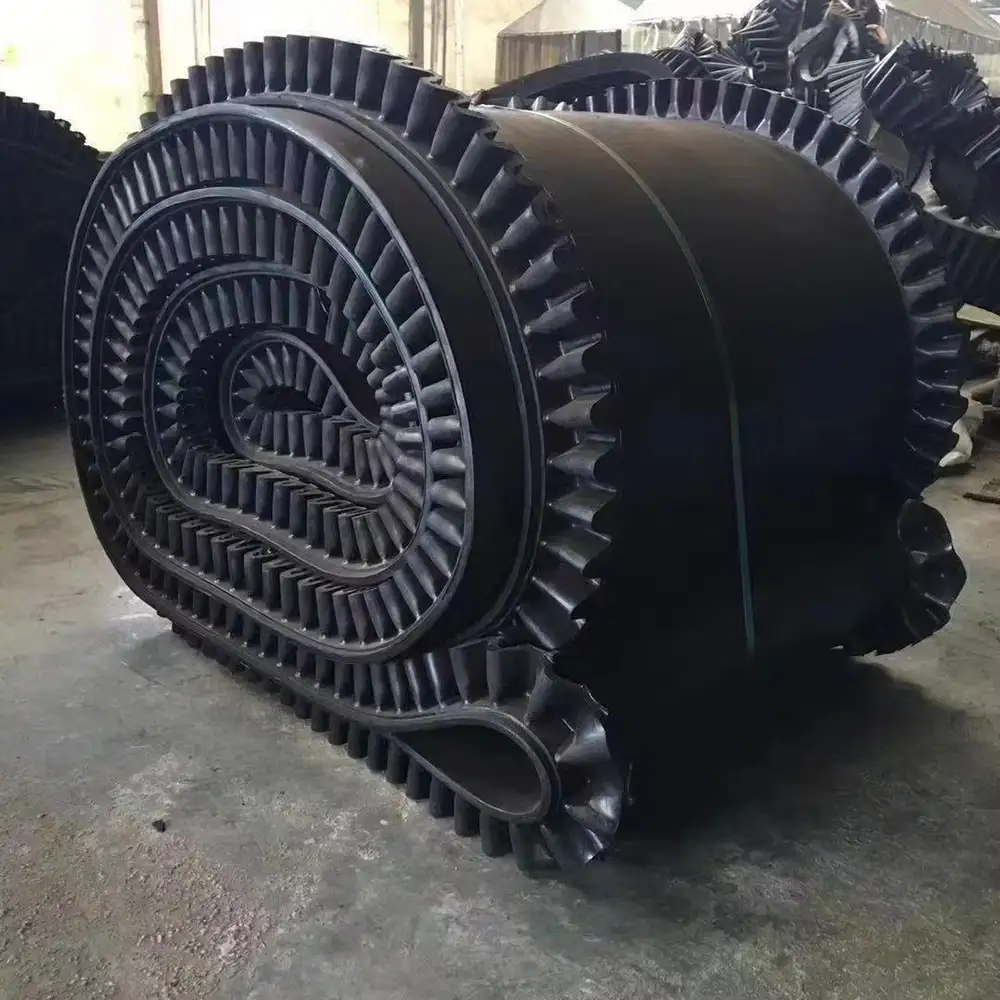
For demanding steep or vertical conveying applications, a corrugated sidewall conveyor belt may be more appropriate than a simple patterned belt.
Key Features and Benefits
Improved Surface Grip
A suitable surface pattern can increase friction between the belt and the conveyed material. This can help reduce sliding in applications where a smooth belt is insufficient.
Incline Conveying
Patterned surfaces can help transport products or bulk materials up inclined conveyor sections. The maximum practical conveying angle depends on the pattern, material, belt speed, loading conditions, and complete conveyor design.
Better Product Stability
For packaged products, cartons, bags, boxes, and other unit loads, a textured surface can help maintain product position while the belt is moving.
Multiple Pattern Options
Different patterns can be selected according to the application. Buyers can choose from rough, diamond, chevron, ribbed, cleated, and other available surface designs.
Rubber Compound Selection
Pattern conveyor belts can be produced with rubber compounds suited to different operating environments. Depending on the application, buyers may consider abrasion resistance, oil resistance, heat resistance, weather resistance, or general-purpose rubber.
Custom Belt Specifications
Belt width, length, thickness, tensile strength, surface pattern, pattern height, and reinforcement can be selected according to the conveyor system and product requirements.
Applications
Pattern conveyor belts are used in many industries and material handling systems.
Packaging and Logistics: Rough-top and textured belts can help transport cartons, boxes, bags, parcels, and packaged goods.
Agriculture: Patterned belts may be used for conveying agricultural products and packaged materials where additional grip is required.
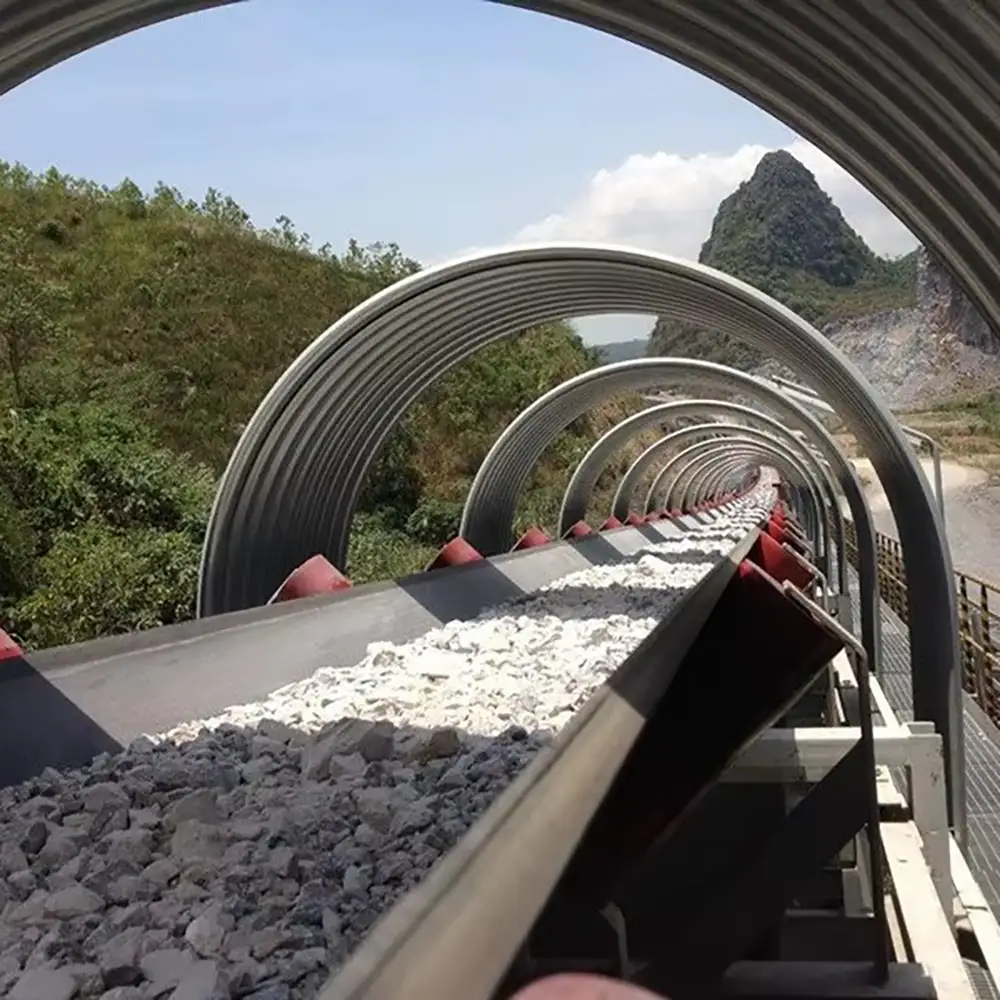
Mining and Aggregate: Chevron and other raised patterns can be used for selected bulk material conveying applications.
Recycling: Textured belts can support the transportation of recyclable materials through sorting and processing systems.
Manufacturing: Patterned belts are used in production lines, assembly operations, product transfer, and material handling equipment.
Food Processing: Suitable belt materials and surface designs can be selected for compatible food-handling systems, subject to applicable material and regulatory requirements.
Warehousing: Patterned surfaces can be used for conveying packages and products where controlled movement is important.
How to Choose a Conveyor Belt Design Pattern
The most important consideration is the material being conveyed.
For cartons, packages, and bags, a rough-top or ribbed pattern may provide useful grip. For bulk materials on inclines, a chevron or cleated design may be considered. For specialized products, the pattern should be selected according to the shape, weight, surface material, and sensitivity of the product.
The conveyor angle is another important factor. A shallow surface pattern may be sufficient for a moderate incline, while steeper conveying may require more pronounced cleats or a specialized sidewall belt.
Belt speed also affects product stability. Higher speeds can increase movement or bouncing, particularly when products are irregularly shaped.
The environment should also be evaluated. Abrasive materials may require a wear-resistant compound, while oily materials may require an oil-compatible rubber formulation. Outdoor conveyors may require suitable weather resistance.
Pattern Design and Customization
For OEM and industrial projects, the conveyor belt design pattern can be selected based on the customer's application.
Potential customization parameters include:
Belt Width
Belt Length
Belt Thickness
Pattern Type
Pattern Height
Pattern Pitch
Pattern Direction
Rubber Compound
Hardness
Tensile Strength
Reinforcement Construction
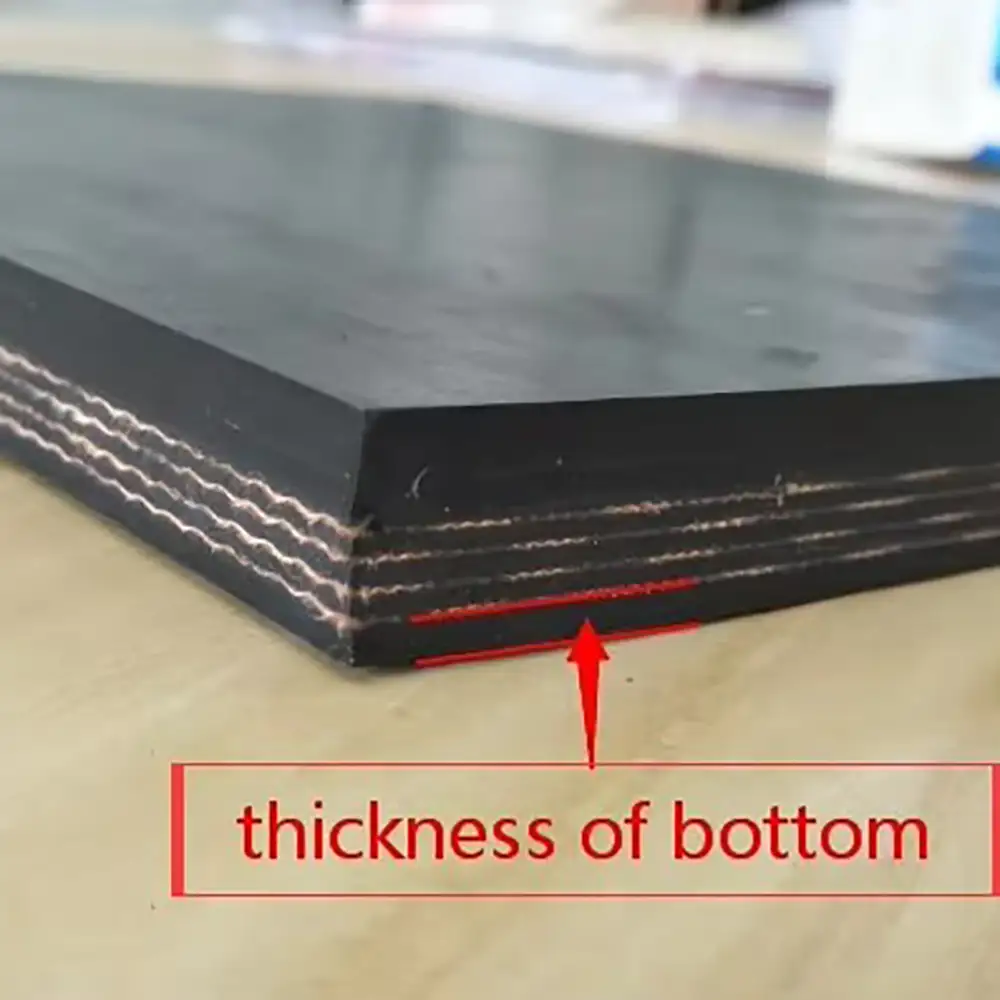
Top and Bottom Cover Thickness
Not every pattern is available in every belt construction. The relationship between pattern geometry, belt flexibility, pulley diameter, and belt thickness should be evaluated before production.
For an accurate quotation, provide a belt drawing, product sample, conveyor dimensions, or existing belt specification whenever possible.
Installation and Maintenance
Before installation, inspect the belt for transportation damage and confirm its dimensions and surface pattern. Check the conveyor frame, pulleys, idlers, bearings, take-up system, and tracking components.
Install the belt without twisting or damaging the patterned surface. Correct alignment is important because uneven tracking can cause edge wear and abnormal stress.
During operation, monitor belt tracking, tension, loading, and surface condition. Remove accumulated material that may interfere with belt movement.
Inspect the patterned cover for excessive wear, cuts, cracking, delamination, and deformation. For chevron or cleated belts, pay particular attention to the edges and bases of raised sections.
Maintenance schedules should be based on actual operating conditions and the manufacturer's recommendations.
Why Choose Us
Multiple Pattern Options: Support for rough-top, diamond, chevron, ribbed, cleated, and other industrial belt patterns.
Application-Based Selection: Match surface design to product characteristics, conveyor angle, speed, and working environment.
Custom Belt Specifications: Discuss belt width, thickness, length, pattern dimensions, reinforcement, and rubber compound.
Industrial and OEM Supply: Suitable for equipment manufacturers, conveyor system integrators, distributors, and industrial users.
Material Options: Consider general-purpose, abrasion-resistant, oil-resistant, heat-resistant, and other suitable rubber compounds.
Export B2B Support: Clear specification, packaging, and order communication for international buyers.
Frequently Asked Questions
1. What is a pattern conveyor belt?
It is a conveyor belt with a raised or textured top surface designed to provide specific handling characteristics, such as additional grip or improved product stability.
2. Why use a patterned conveyor belt instead of a smooth belt?
A pattern can increase surface traction and help reduce product sliding or movement, particularly in inclined or specialized conveying applications.
3. What is the best conveyor belt pattern for inclined conveying?
The appropriate pattern depends on the material, conveyor angle, belt speed, and required capacity. Chevron and cleated designs are commonly considered for inclined bulk material handling.
4. What is a rough-top conveyor belt?
A rough-top belt has a textured rubber surface that provides additional grip for products such as cartons, bags, packages, and other unit loads.
5. What is a chevron conveyor belt?
A chevron belt has raised V-shaped or angled patterns on its carrying surface. It is commonly used for inclined bulk material conveying.
6. Can the conveyor belt pattern be customized?
Depending on the manufacturing range, pattern type, height, pitch, and other dimensions may be customized or selected from available designs.
7. Can patterned conveyor belts handle heavy materials?
Yes, suitable heavy-duty constructions can be used for selected applications. Belt reinforcement, tensile strength, cover thickness, and rubber compound should be matched to the load.
8. Are patterned belts available in heat-resistant rubber?
Heat-resistant patterned belts may be available for appropriate applications. The actual operating temperature and exposure conditions should be provided when selecting the belt.
9. How do I select the correct pattern?
Consider the material type, package shape, weight, moisture, abrasiveness, conveyor angle, belt speed, and operating environment. A conveyor drawing or material sample can help with selection.
10. Can you supply custom-size pattern conveyor belts?
Custom belt dimensions may be available depending on the product construction. Provide the required width, length, thickness, pattern, and application details for confirmation.
Request a Quote
Send us your conveyor dimensions, material characteristics, required belt pattern, and operating conditions. We can discuss a suitable patterned conveyor belt construction for your industrial material handling application.
Prev:
Polyester Conveyor Belt, Quality Polyester Canvas Conveyor Belts
Next:
Endless Rubber Belt, Quality Endless Belts
TAG:
Industrial Rubber Conveyor Belt,
Oil Resistant Conveyor Belt,
Mining Conveyor Belt,
Industrial Conveyor Belt,
EP Pattern Conveyor Belt,
Heat Resistant Pattern Conveyor Belt,
Bulk Material Conveyor Belt,
Material Handling Conveyor Belt,
Coal Conveyor Belt,
Aggregate Conveyor Belt,
Industrial Pattern Conveyor Belt,
Patterned Conveyor Belt,
Incline Conveyor Belt,
Inclined Conveyor Belt,
Patterned Rubber Conveyor Belt,
Rubber Pattern Conveyor Belt,
Textured Conveyor Belt,
Textured Rubber Conveyor Belt,
Pattern Conveyor Belt,
Herringbone Conveyor Belt,
Chevron Conveyor Belt,
Chevron Pattern Conveyor Belt,
Abrasion Resistant Conveyor Belt,
Heavy Duty Conveyor Belt,
High Grip Conveyor Belt,
Cement Conveyor Belt,
NN Pattern Conveyor Belt,
High Incline Conveyor Belt,
Cleated Conveyor Belt,
Anti Slip Conveyor Belt,
Related Category:
Pattern Conveyor Belt, Conveyor Belt Design Pattern, Patterned Conveyor Belt, Rubber Pattern Conveyor Belt China, suppliers, manufacturers, factory, customized, wholesale, quotation, made in China