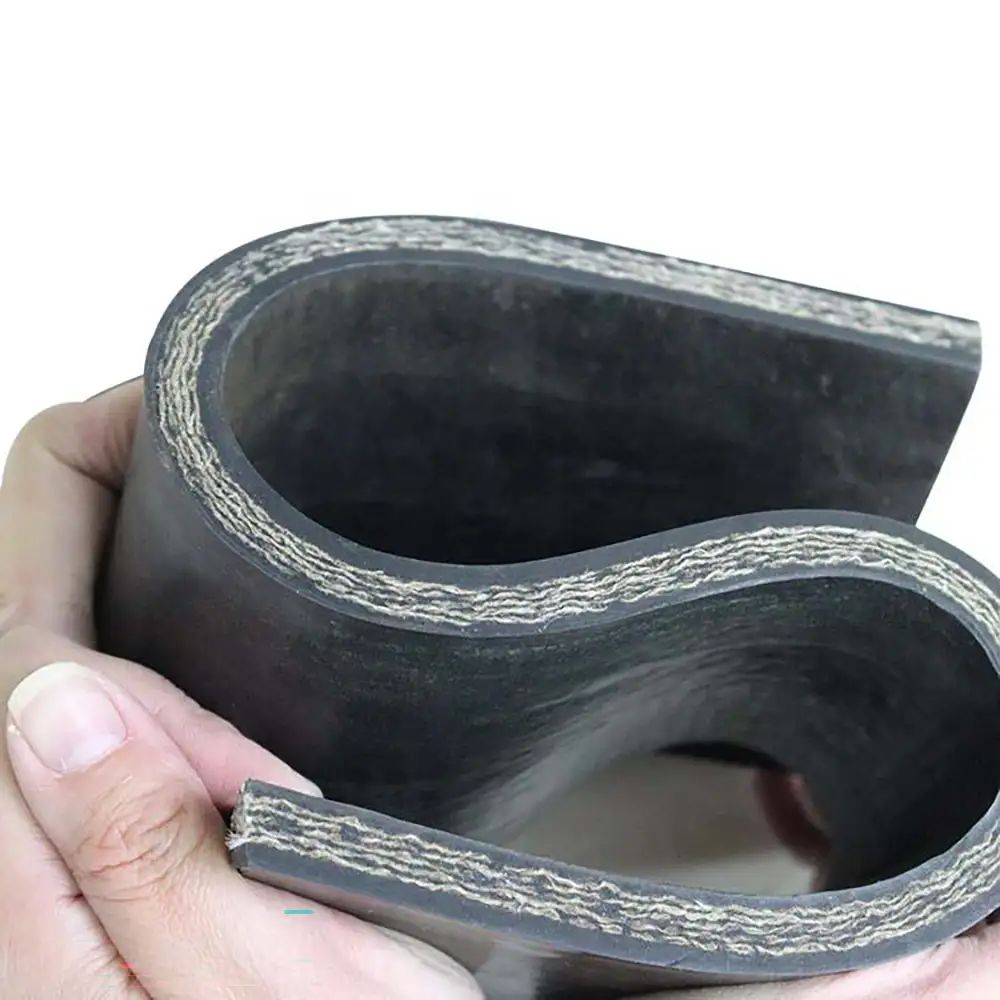
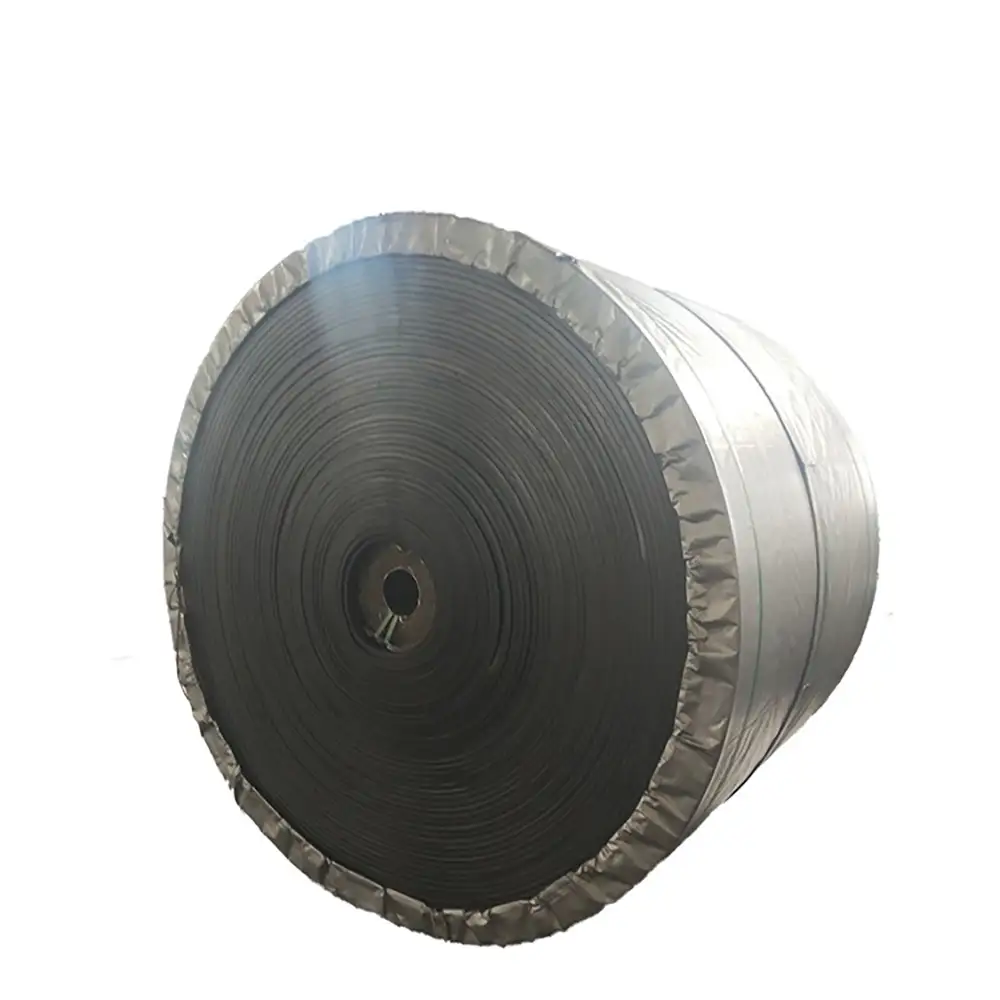
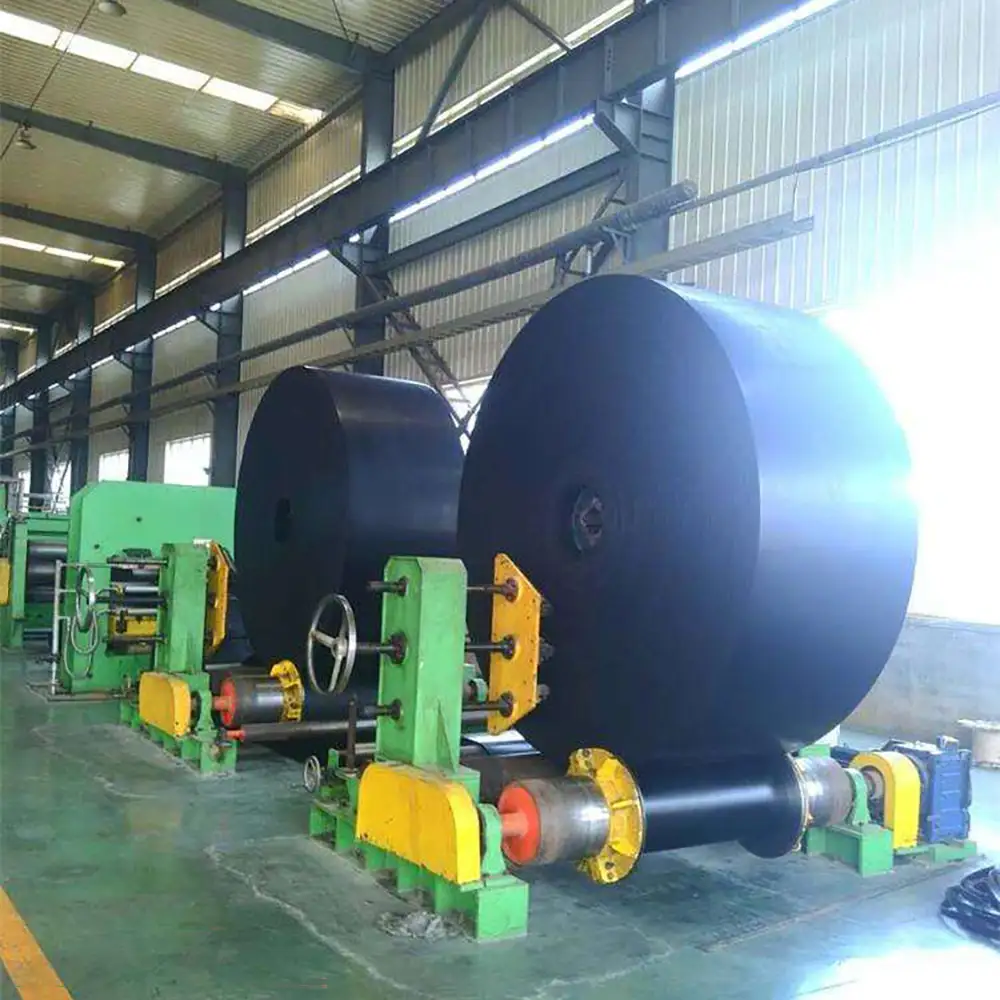
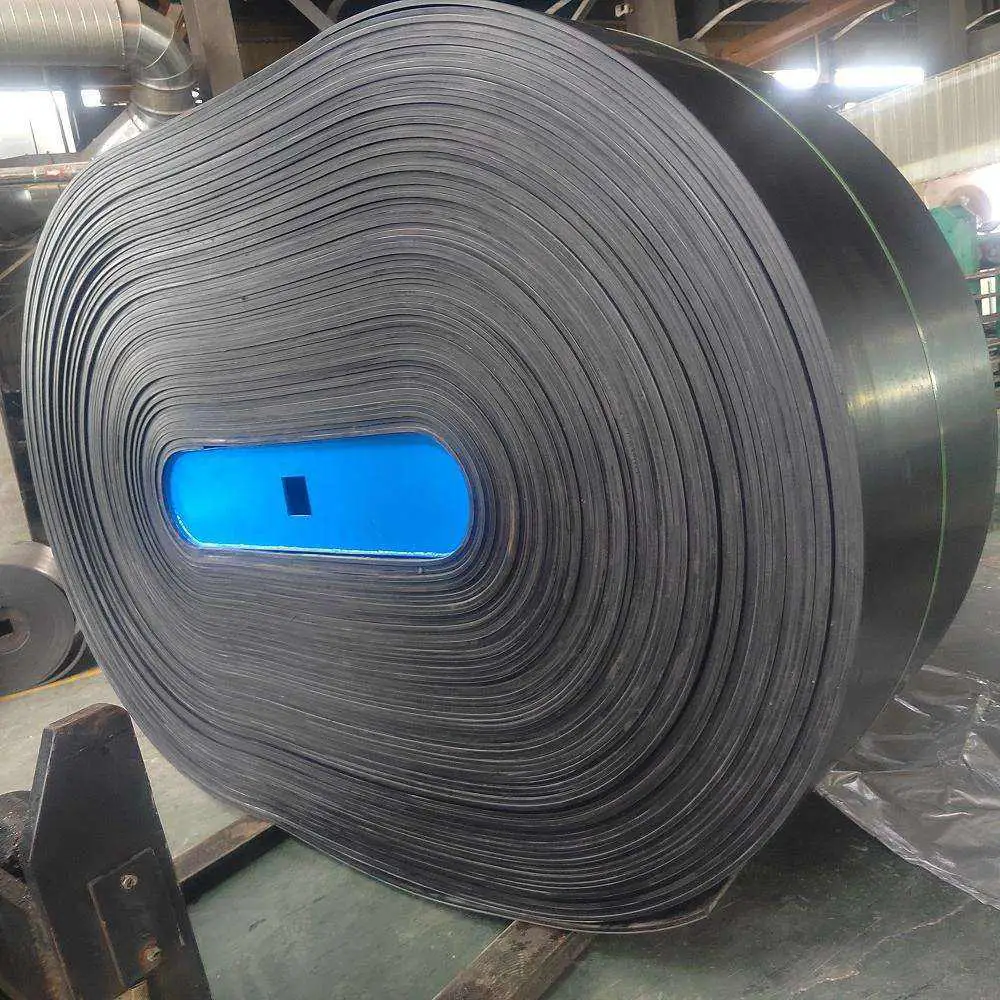
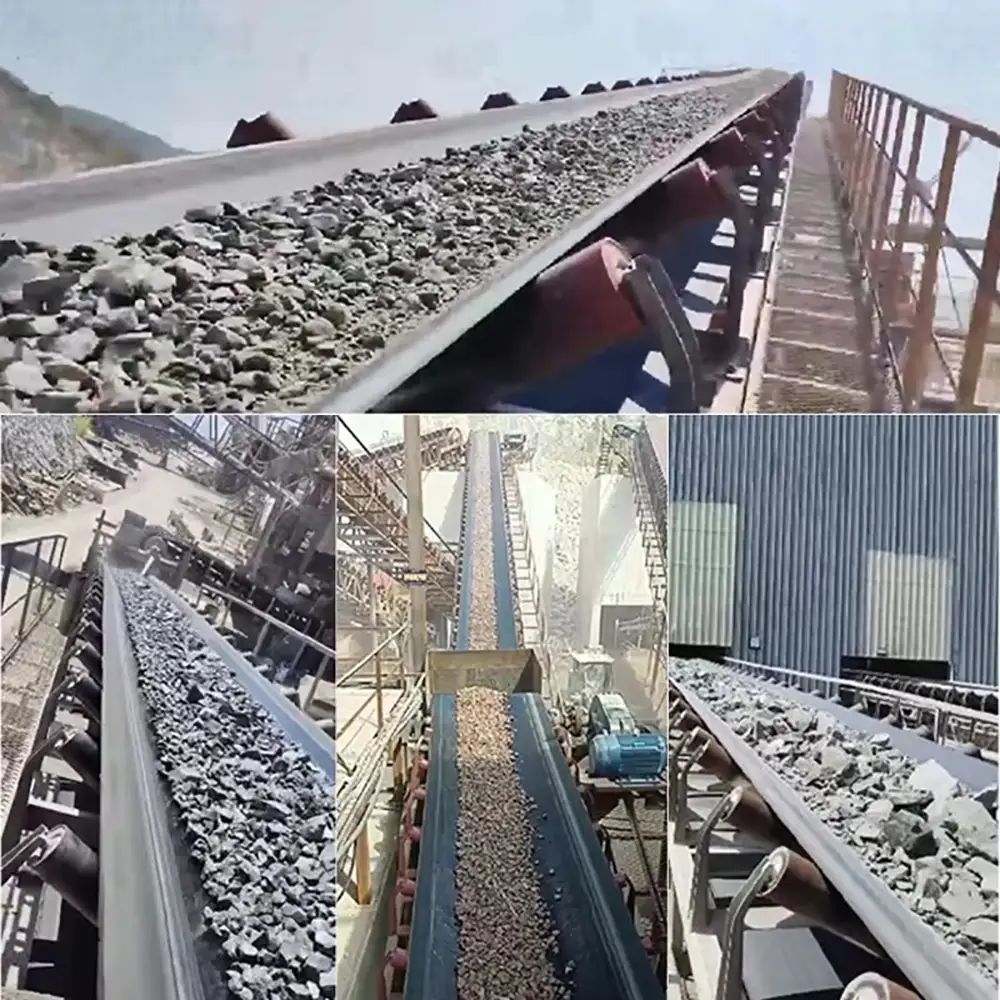
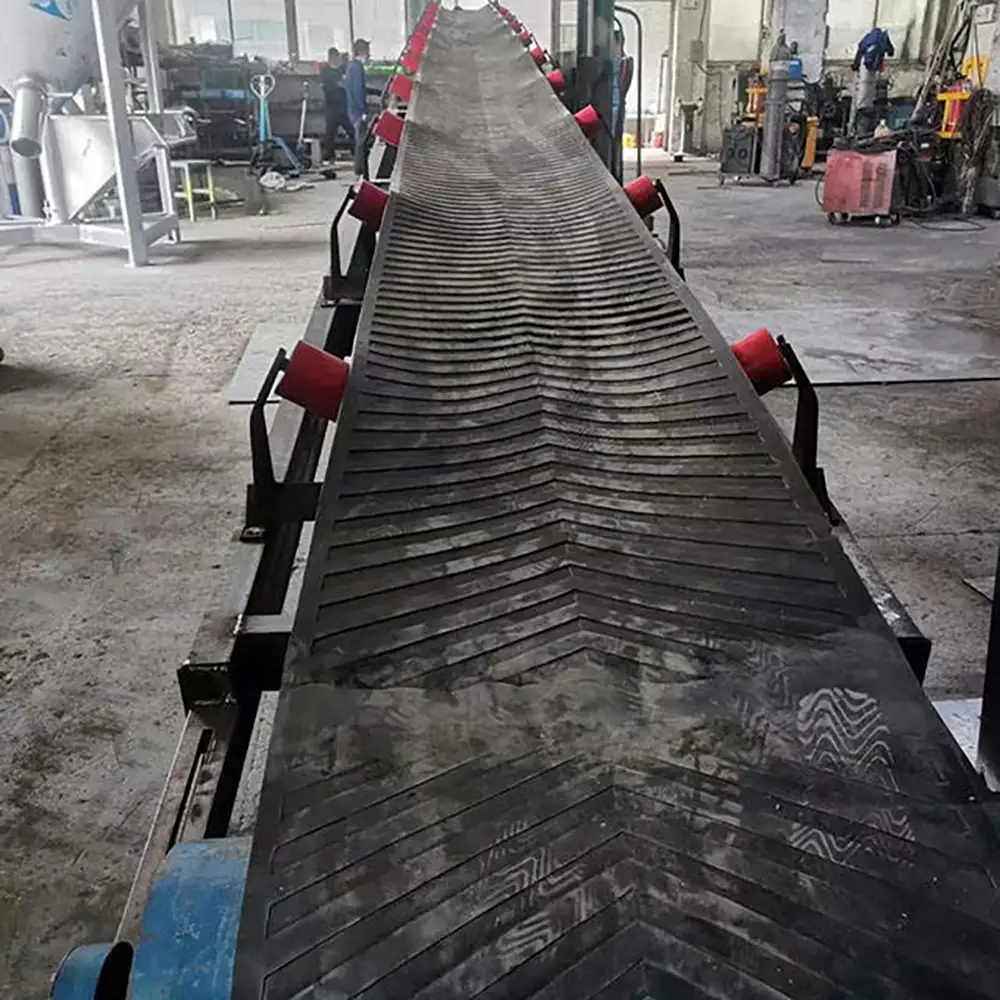
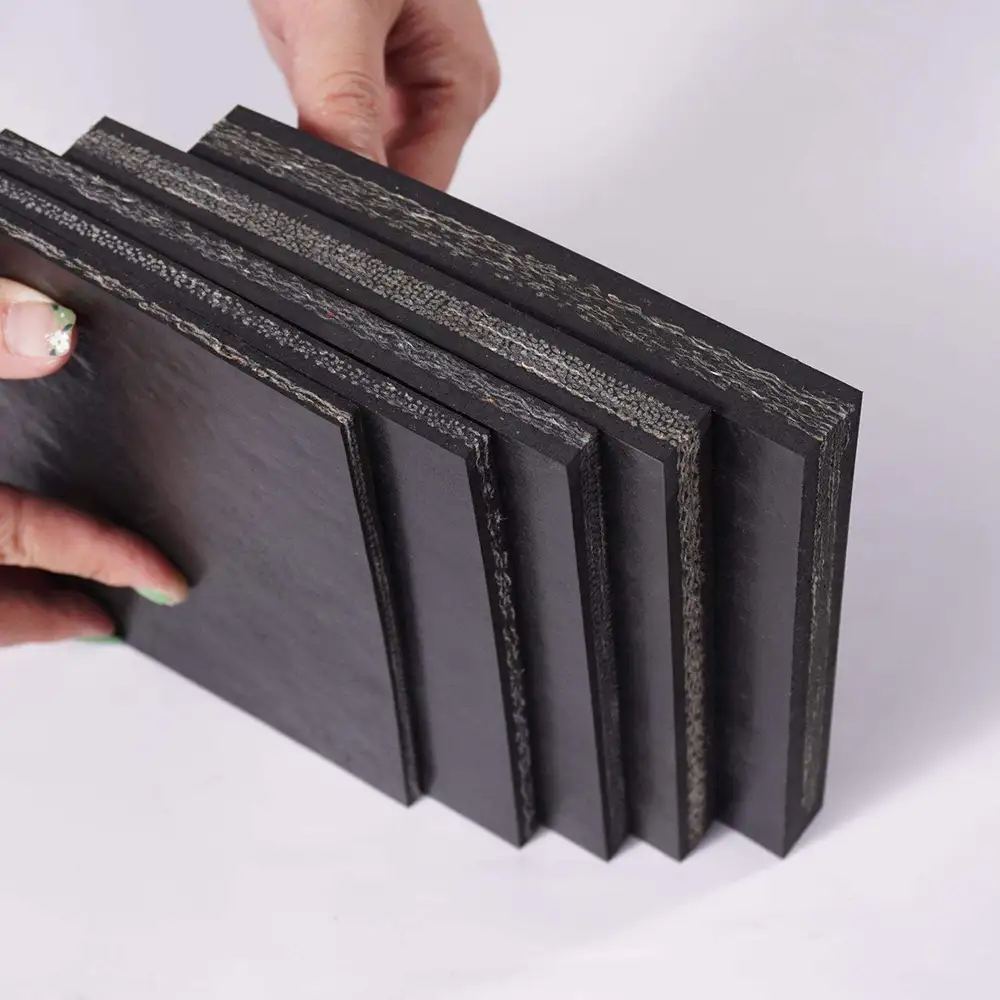
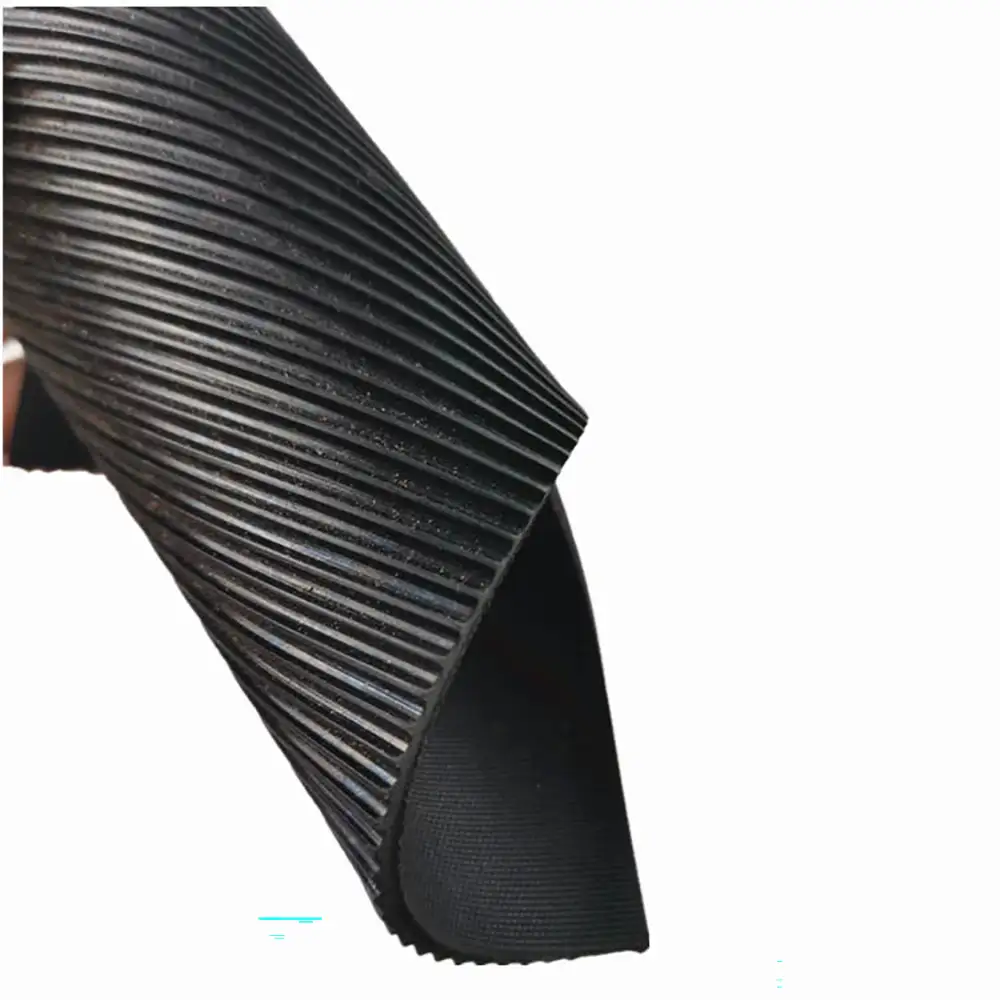
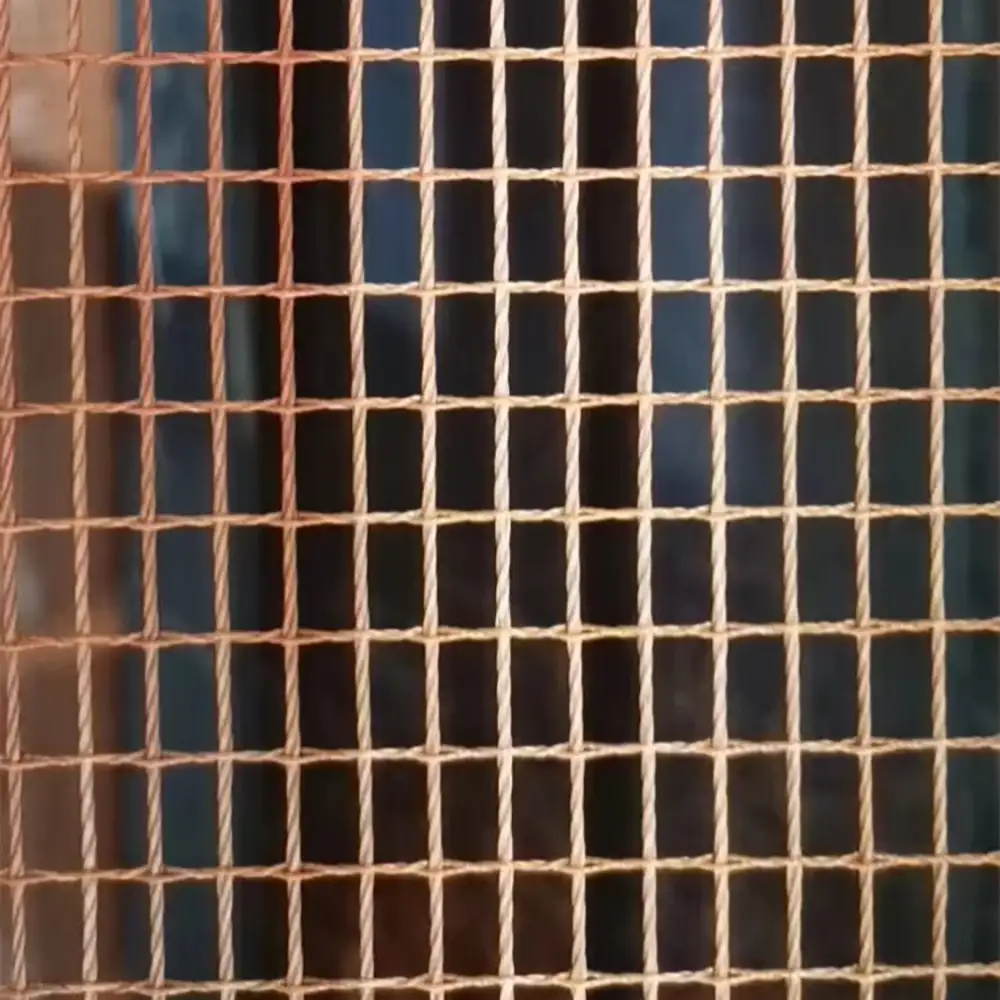
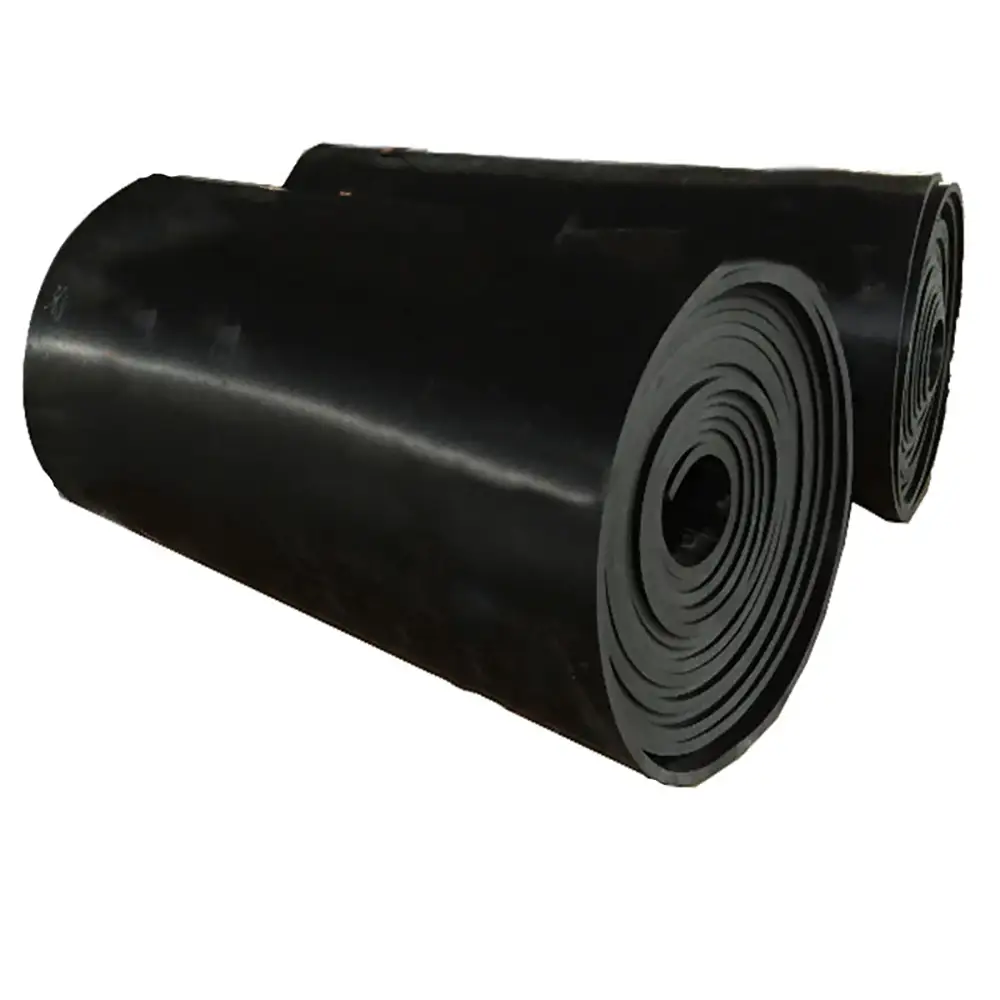
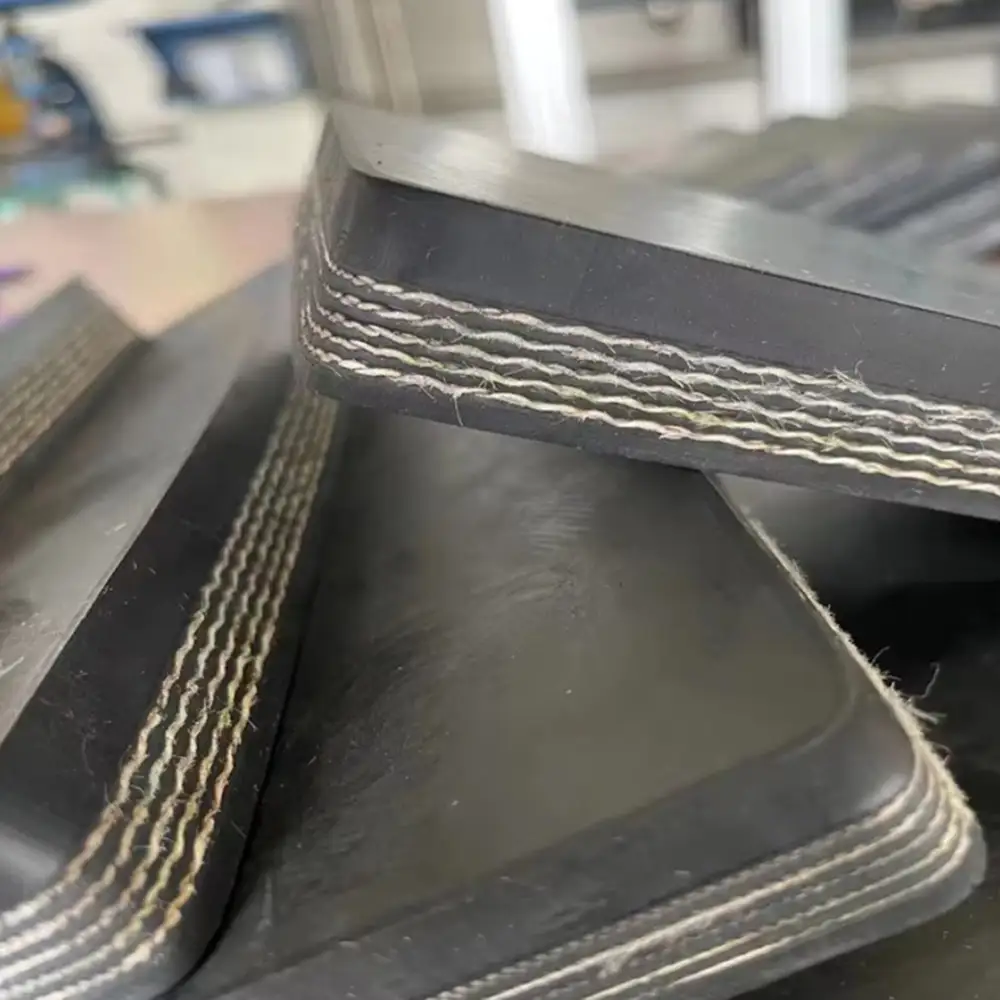
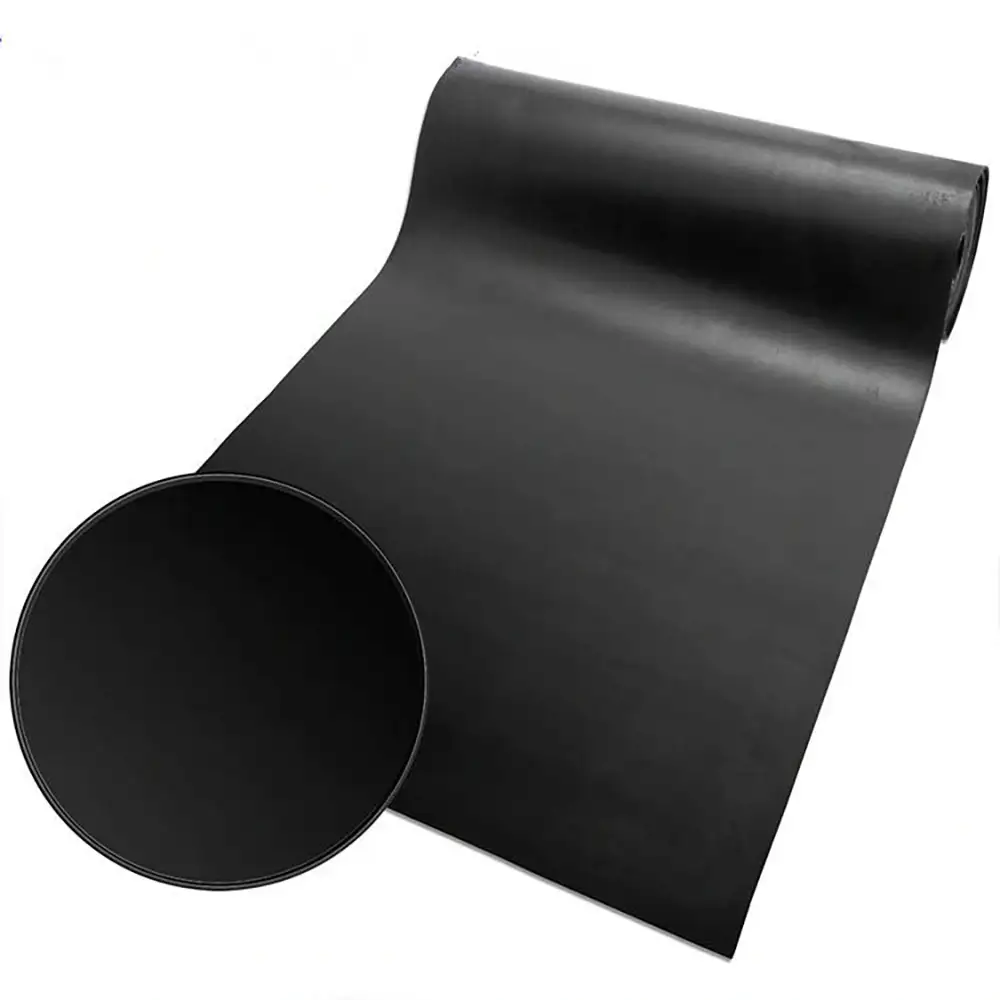
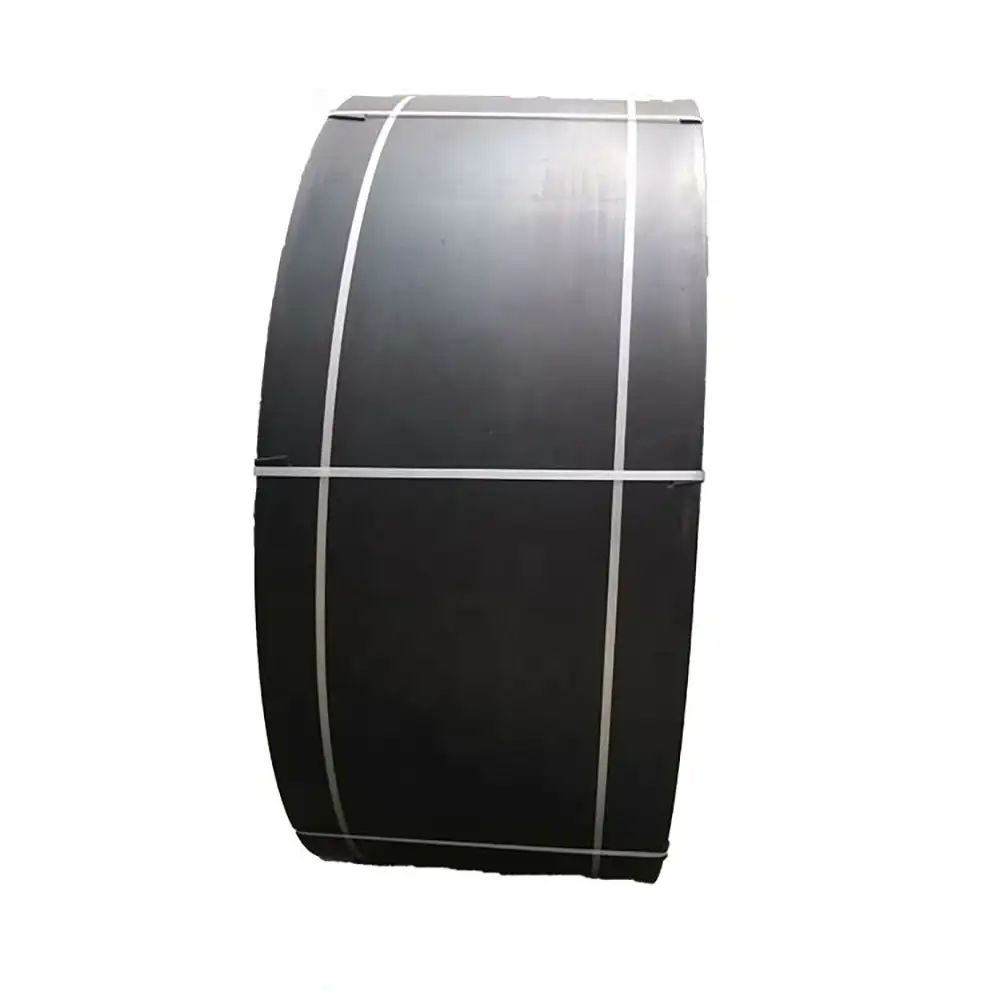
Nylon is one of the best quality synthetic fibers the rubber industry use nowadays. The nylon canvas is woven by nylon fibers both in warp and in weft, it is the most widely used fabric in rubber industry,and its outstanding merits are its high abrasion resistance,high tensile strength and good fatigue resistance.Conveyor belts with nylon canvas inside have the characteristics of thin belt body ,high tensile strength,good shock resistance,good troughability,high adhesion between plies,splendid flexibility and long working life.Nylon conveyor belts are suitable for medium,long-distance and heavy-load transportation of materials,widely used in mining ,metallurgical industry and architectural industry,ports and etc...
A nylon conveyor belt is a flexible rubber conveyor belt reinforced with nylon fabric to provide tensile strength, flexibility, impact resistance, and reliable performance in demanding material handling applications. Also commonly referred to as an NN conveyor belt, this type of belt uses nylon textile reinforcement within the rubber body to create a strong and flexible conveying structure.
Nylon conveyor belts are widely used for transporting coal, rock, ore, gravel, sand, aggregate, cement, and other bulk materials. Their flexible carcass construction allows the belt to bend around pulleys and adapt to conveyor systems where dynamic flexibility is important.
Compared with different fabric constructions, nylon reinforcement provides useful flexibility and resistance to repeated bending. This makes nylon rubber conveyor belting suitable for many mining, quarrying, aggregate processing, manufacturing, recycling, and general industrial applications.
As an industrial conveyor belt manufacturer and supplier, we can provide nylon conveyor belts in different widths, tensile grades, ply configurations, cover thicknesses, and rubber compounds. Specifications can be selected according to the conveyor system, material characteristics, operating environment, and customer requirements.
|
Specification and techical data of multi-ply nylon conveyor belt: |
|
Fabric type |
Fabricspecs |
Ply thickness |
(N/mm) single fabric strength |
(mm)Cover thickness |
Widtth mm |
Length m |
|
(mm/P) |
|
Upper |
Lower |
|
Nylon (NN) |
NN-100 |
0.7 |
100 |
1.5-8 |
1-4.5 |
300-1800 |
20-300 |
|
NN-125 |
0.75 |
125 |
|
NN-150 |
0.8 |
150 |
|
NN-200 |
0.9 |
200 |
|
NN-250 |
1.1 |
250 |
|
NN-300 |
1.25 |
300 |
|
NN-350 |
1.35 |
350 |
|
NN-400 |
1.7 |
400 |
|
NN-500 |
1.8 |
500 |
What Is a Nylon Conveyor Belt?
A nylon conveyor belt consists of a rubber carcass reinforced with one or more layers of nylon fabric. The fabric reinforcement provides the belt with its primary tensile strength, while the rubber covers protect the carcass and provide the conveying surface.
Nylon fabric is commonly identified as NN fabric in conveyor belt terminology. NN generally refers to nylon-nylon textile construction, where nylon is used in both the longitudinal and transverse directions of the fabric.
The nylon reinforcement provides a combination of strength and flexibility that can be useful for conveyors subject to frequent bending, impact, loading changes, or demanding operating conditions.
The final performance of an NN conveyor belt depends on the fabric construction, number of plies, rubber formulation, cover thickness, belt dimensions, and complete conveyor design.
|
Adhesion and elongation of the belt: |
|
Belt |
Adhesive strdngth |
Elongation |
|
carcass |
Between plies |
N/mm Between rubber and carcass |
Longitudinal elongation at break |
Longitudinal elongation at reference load |
|
|
N/mm |
Rubber thickness |
Rubber thickness |
%>= |
%<= |
|
|
|
<=1.5mm |
>1.5mm |
|
|
|
Nylon canvas |
>=4.50 |
>=3.2 |
>=3.5 |
10 |
4 |
Nylon reinforcement provides excellent flexibility for conveyor systems that require repeated bending around pulleys and other components. Proper pulley selection and belt tension remain important for achieving reliable operation.
|
Cover properties of the belts: |
|
Cover grade |
Tensile strength |
Elongation |
Abrasion |
Change Rate of tensile strength and elongation after aging |
|
>= |
>= |
<= |
|
Mpa |
kgf/cm2 |
% |
mm3 |
% |
|
Heavy(H) |
24 |
240 |
450 |
120 |
-25~+25 |
|
Medium(M) |
18 |
180 |
400 |
100 |
-25~+25 |
|
Light(L) |
15 |
150 |
350 |
200 |
-30~+30 |
High Tensile Strength
Nylon fabric provides the carcass with substantial tensile strength for continuous material handling. The required tensile grade should be selected according to conveyor length, load, belt speed, and system tension.
Good Impact Resistance
Nylon conveyor belts can be considered for applications where material is dropped onto the belt at transfer points. Proper chute design, impact idlers, and loading conditions are also important for reducing localized stress.
Reliable Fatigue Resistance
Repeated flexing is a normal part of conveyor operation. Nylon fabric construction provides useful flexibility and fatigue resistance when properly matched to the conveyor system.
Custom Rubber Covers
The rubber cover can be selected according to the operating environment. Depending on the belt compound, options may include abrasion resistance, heat resistance, oil resistance, weather resistance, flame resistance, or other application-specific properties.
Nylon Conveyor Belt Applications
Nylon rubber conveyor belts are used across a broad range of industrial sectors.
Mining
Nylon conveyor belts can be used for transporting coal, ore, rock, overburden, and other bulk materials in mining operations. Belt construction should be selected according to conveyor length, loading conditions, material size, and required environmental properties.
Quarry and Aggregate
Quarries and aggregate plants commonly transport crushed stone, gravel, sand, limestone, and other abrasive materials. An abrasion-resistant rubber cover can be selected when required.
Coal Handling
NN conveyor belts can be used in coal handling systems for conveying bulk coal and related materials. Where underground mining regulations require flame-resistant or antistatic performance, the belt must be selected and certified according to the applicable requirements.
Stone Crusher Plants
Nylon conveyor belting can be used between crushing, screening, stockpiling, and transfer equipment. Abrasion and impact requirements should be evaluated based on the material size and loading conditions.
Cement Plants
Cement, limestone, clinker-related materials, additives, and other bulk products can be transported using appropriately specified nylon conveyor belts.
Recycling
Recycling systems can use nylon conveyor belts for moving scrap materials, recycled aggregates, waste products, and other materials. The belt compound should be matched to the materials and contaminants involved.
General Industrial Conveying
Nylon conveyor belting is also suitable for warehouses, ports, manufacturing facilities, agricultural processing, bulk material handling, and other industrial conveyor applications.
Nylon Conveyor Belt vs EP Conveyor Belt
Nylon and EP conveyor belts are both textile-reinforced rubber conveyor belts, but their fabric constructions differ.
NN conveyor belts use nylon textile reinforcement, while EP conveyor belts typically use polyester in the longitudinal direction and polyamide in the transverse direction.
Nylon reinforcement is often selected when flexibility and resistance to repeated bending are important. EP construction can provide a useful combination of tensile strength, dimensional stability, and relatively low elongation.
Neither construction is universally suitable for every conveyor. The correct choice depends on conveyor length, belt tension, pulley diameter, material characteristics, loading conditions, operating temperature, and other engineering factors.
How to Select the Right Nylon Conveyor Belt
When purchasing an industrial nylon conveyor belt, consider the following factors:
Belt Width
Belt Length
Tensile Strength
Number Of Plies
Nylon Fabric Construction
Top Cover Thickness
Bottom Cover Thickness
Rubber Compound
Material Characteristics
Material Lump Size
Conveyor Speed
Conveyor Inclination
Pulley Diameter
Loading Impact
Operating Temperature
Environmental Conditions
For abrasive materials such as crushed stone and iron ore, an appropriate abrasion-resistant cover may be required. For elevated-temperature applications, a heat-resistant compound should be considered. For oily materials, an oil-resistant compound may be more appropriate.
Nylon Conveyor Belt Manufacturing And Customization
Nylon conveyor belts can be manufactured in different specifications for industrial customers. Depending on the product construction, customization may include belt width, belt length, tensile grade, number of plies, cover thickness, rubber compound, edge configuration, and surface characteristics.
For specific projects, customers should provide as much conveyor information as possible, including conveying material, conveyor length, belt speed, capacity, inclination, pulley diameter, loading conditions, and operating temperature.
This information helps determine a belt construction that is compatible with the complete conveying system.
Installation And Maintenance
Correct installation is essential for maximizing nylon conveyor belt service life. The conveyor structure should be properly aligned, pulleys should be clean and correctly positioned, and the belt should be installed with suitable tension.
During operation, regularly inspect the belt for tracking problems, edge damage, abnormal wear, cover cracking, cuts, and carcass exposure. Transfer points should be checked for excessive impact or material buildup.
Proper belt tracking is especially important because persistent misalignment can damage belt edges and create uneven wear.
Splices should also be inspected regularly. The selected splicing method should be compatible with the belt construction and the manufacturer's recommended procedure.
Why Choose Us?
We provide industrial nylon conveyor belt solutions for customers involved in mining, quarrying, aggregate processing, bulk material handling, and general industry.
Nylon Conveyor Belt Expertise: We understand NN fabric-reinforced conveyor belt construction and industrial applications.
Application-Based Selection: Belt construction can be matched to the material, conveyor design, and operating conditions.
Multiple Specifications: Different widths, tensile grades, plies, cover thicknesses, and rubber compounds can be supplied.
Custom Manufacturing: OEM and customized conveyor belt requirements are supported.
Industrial Quality: Production and inspection processes are designed to maintain consistent belt construction.
Export B2B Supply: We support distributors, conveyor system integrators, contractors, and industrial users.
Application Support: Customers can provide conveyor specifications so an appropriate belt construction can be evaluated.
Flexible Product Portfolio: Nylon belts can be specified for different combinations of abrasion, heat, oil, weather, or other requirements where available.
Frequently Asked Questions
1. What Is a Nylon Conveyor Belt?
A nylon conveyor belt is a rubber conveyor belt reinforced with nylon fabric. It is commonly called an NN conveyor belt and is widely used for industrial bulk material handling.
2. What Does NN Conveyor Belt Mean?
NN generally refers to a nylon-nylon fabric carcass, meaning nylon textile reinforcement is used in both the longitudinal and transverse directions.
3. What Materials Can Nylon Conveyor Belts Convey?
They can be used for coal, rock, ore, gravel, sand, aggregate, limestone, cement materials, recycled materials, and many other bulk products, subject to proper belt selection.
4. Are Nylon Conveyor Belts Suitable for Mining?
Yes. Nylon conveyor belts are widely used in mining-related material handling. The belt must be selected according to material, conveyor design, loading conditions, and applicable safety requirements.
5. Is Nylon Conveyor Belt Better Than EP Conveyor Belt?
Nylon and EP belts have different reinforcement characteristics. Nylon is often selected where flexibility and repeated bending are important, while EP construction offers a different balance of tensile strength, dimensional stability, and elongation.
6. Can Nylon Conveyor Belts Handle Abrasive Materials?
Yes. A nylon conveyor belt can be manufactured with a rubber cover designed for improved abrasion resistance. The appropriate compound depends on the material and operating conditions.
7. Can Nylon Belts Be Used for Coal?
Yes. Nylon conveyor belts can be used in coal handling systems. For specific underground applications, required flame-resistant, antistatic, or other properties must be confirmed according to the applicable mine standards.
8. Can the Nylon Conveyor Belt Be Customized?
Yes. Width, length, tensile grade, ply construction, cover thickness, rubber compound, and other specifications can be customized depending on the manufacturing requirements.
9. How Long Does a Nylon Conveyor Belt Last?
Service life varies significantly with material abrasiveness, belt loading, conveyor alignment, tension, speed, temperature, maintenance, splicing quality, and rubber compound. There is no single service-life figure applicable to every installation.
10. How Do I Choose an NN Conveyor Belt?
Provide the belt width, conveyor length, conveying material, capacity, speed, inclination, tensile requirement, pulley diameter, operating temperature, and environmental conditions. These details can be used to determine an appropriate NN belt construction.
Request A Quote
Looking for a Nylon Conveyor Belt Manufacturer, Industrial Nylon Conveyor Belt Supplier, or OEM Conveyor Belt Factory? Send us your belt dimensions, conveyor specifications, material characteristics, and operating conditions. We can help provide a customized nylon rubber conveyor belting solution for your application.
Prev:
Heat Resistant Chevron Rubber Conveyor Belt with Steel Cord for Oil Coal Mining and Manufacturing Plant
Next:
Oil Resistant Belt
TAG:
Multi Ply Conveyor Belt,
Mining Conveyor Belt,
Ore Conveyor Belt,
Rock Conveyor Belt,
Coal Conveyor Belt,
Quarry Conveyor Belt,
Aggregate Conveyor Belt,
Coal Mining Conveyor Belt,
Stone Crusher Conveyor Belt,
Abrasion Resistant Conveyor Belt,
Heavy Duty Conveyor Belt,
Nylon Conveyor Belt,
Nylon Fabric Conveyor Belt,
Nylon Rubber Conveyor Belt,
Fabric Conveyor Belt,
Textile Conveyor Belt,
Textile Carcass Conveyor Belt,
Fabric Conveyor Belting,
Multi Ply Fabric Conveyor Belt,
Rubber Conveyor Belt,
Rubber Conveyor Belting,
Nylon Multi Ply Conveyor Belt,
Abrasion Resistant Nylon Conveyor Belt,
Heat Resistant Nylon Conveyor Belt,
Oil Resistant Nylon Conveyor Belt,
Weather Resistant Nylon Conveyor Belt,
Flame Resistant Nylon Conveyor Belt,
Fire Resistant Nylon Conveyor Belt,
Antistatic Nylon Conveyor Belt,
Nylon Quarry Conveyor Belt,
Related Category:
Nylon Conveyor Belt,Industrial Nylon Conveyor Belt,Nylon Rubber Conveyor Belt,NN Conveyor Belt,Nylon Fabric Conveyor Bel China, suppliers, manufacturers, factory, customized, wholesale, quotation, made in China