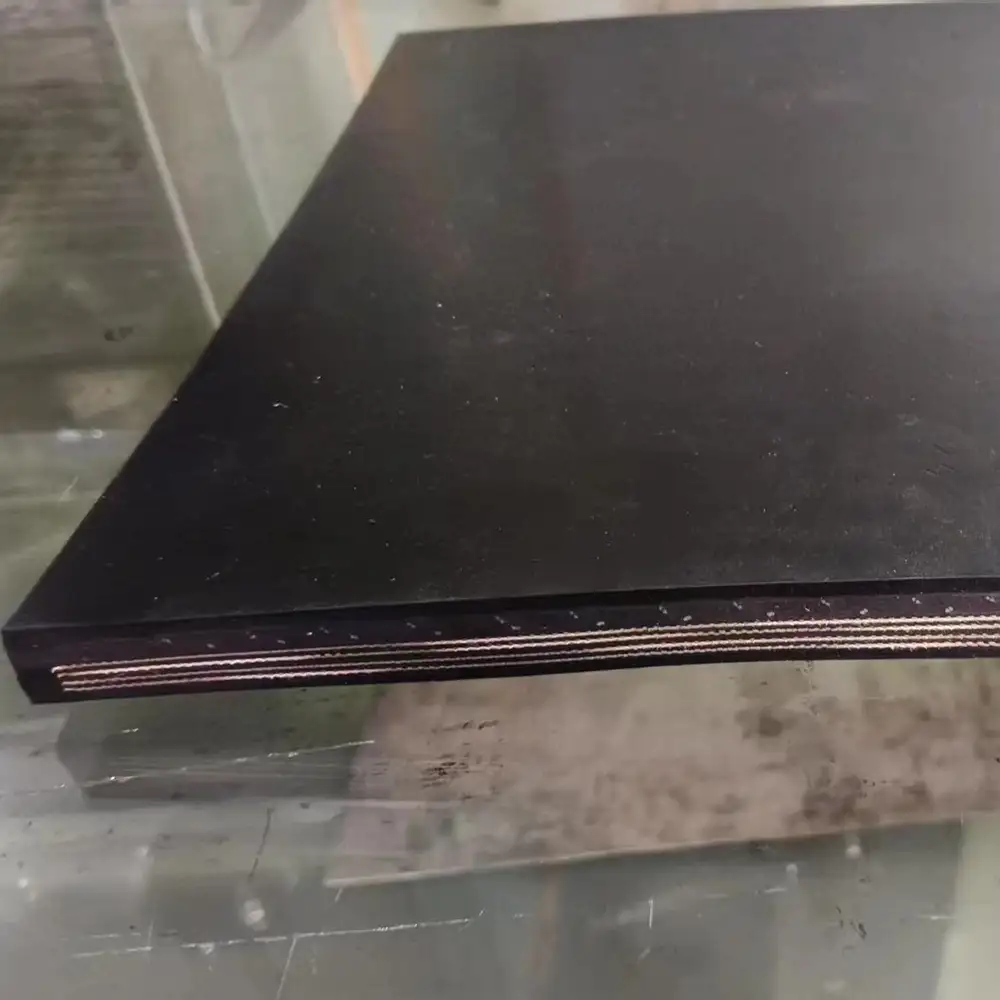
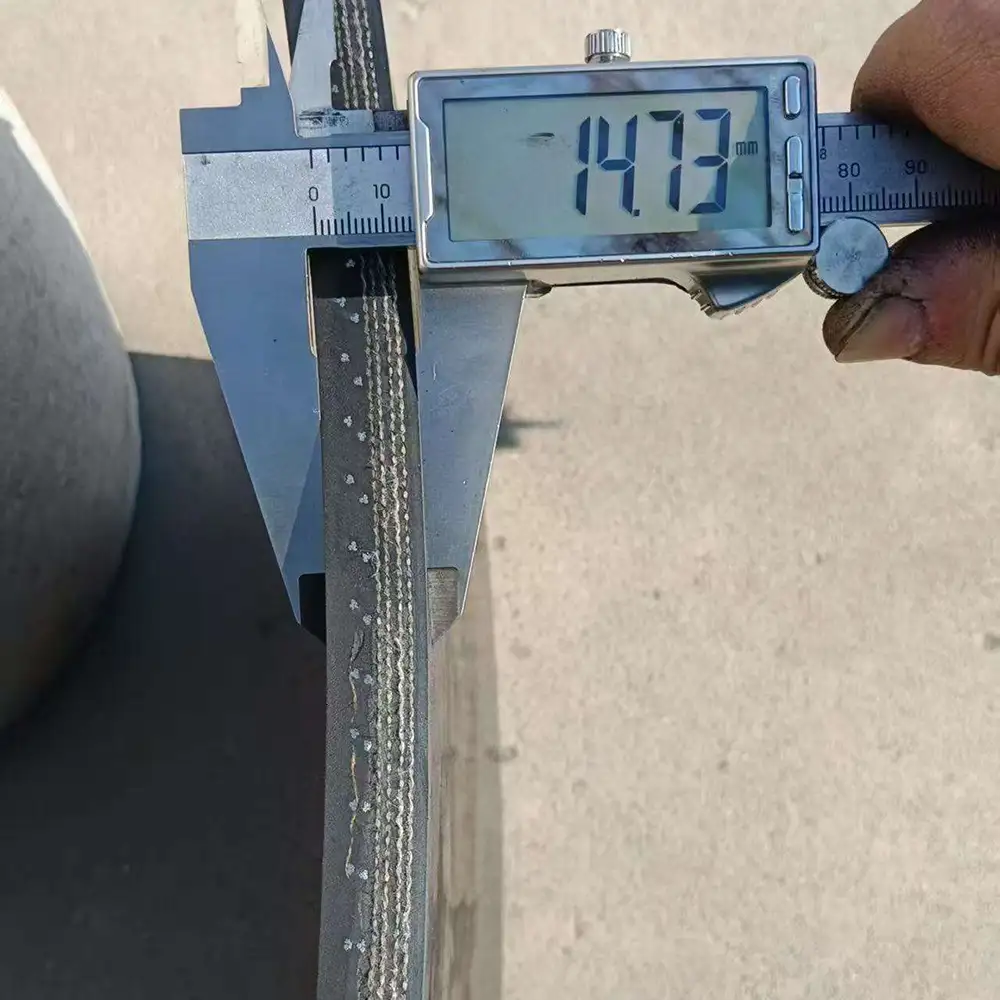
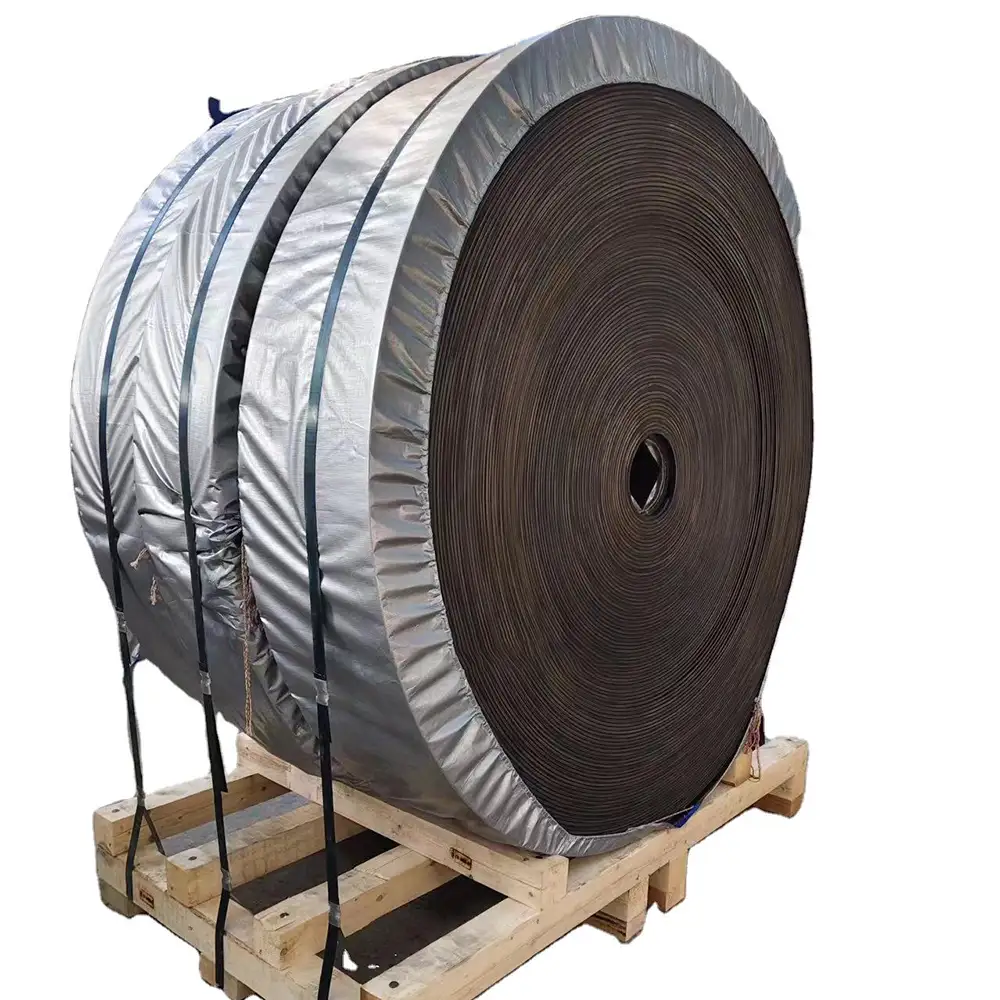
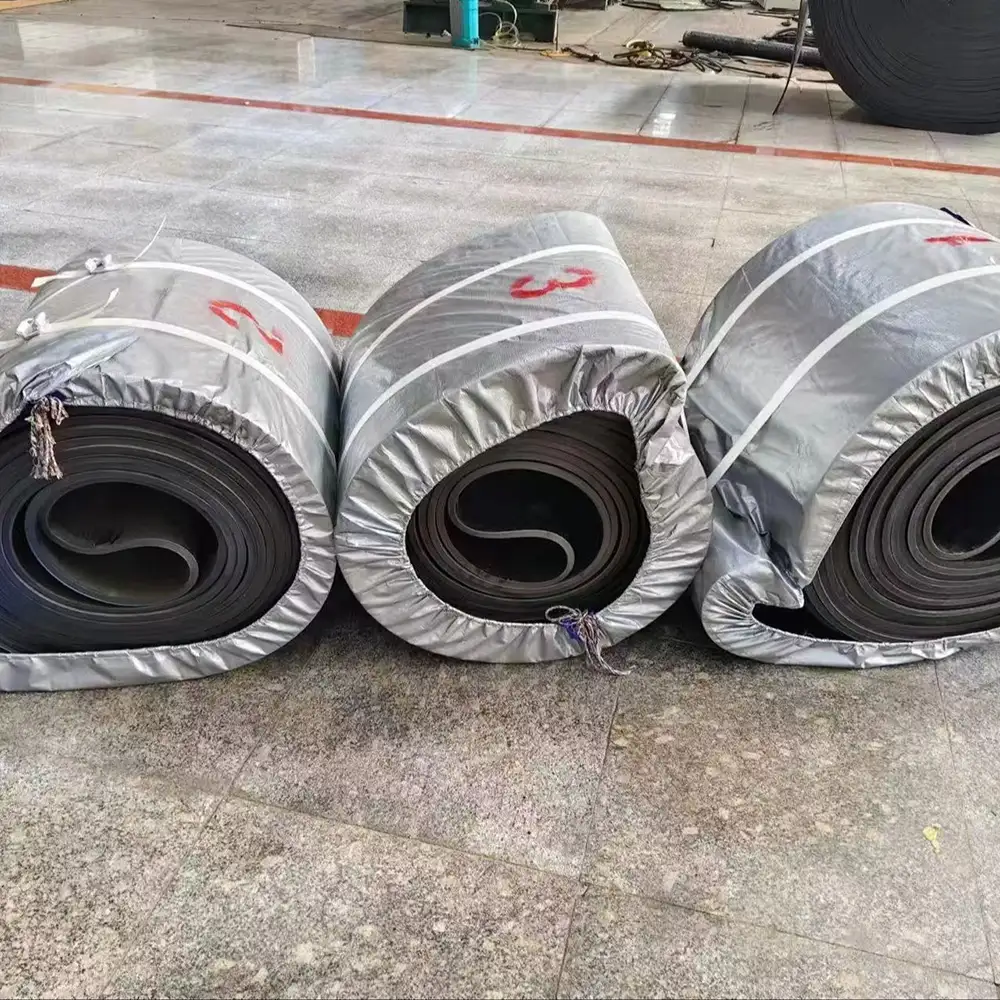
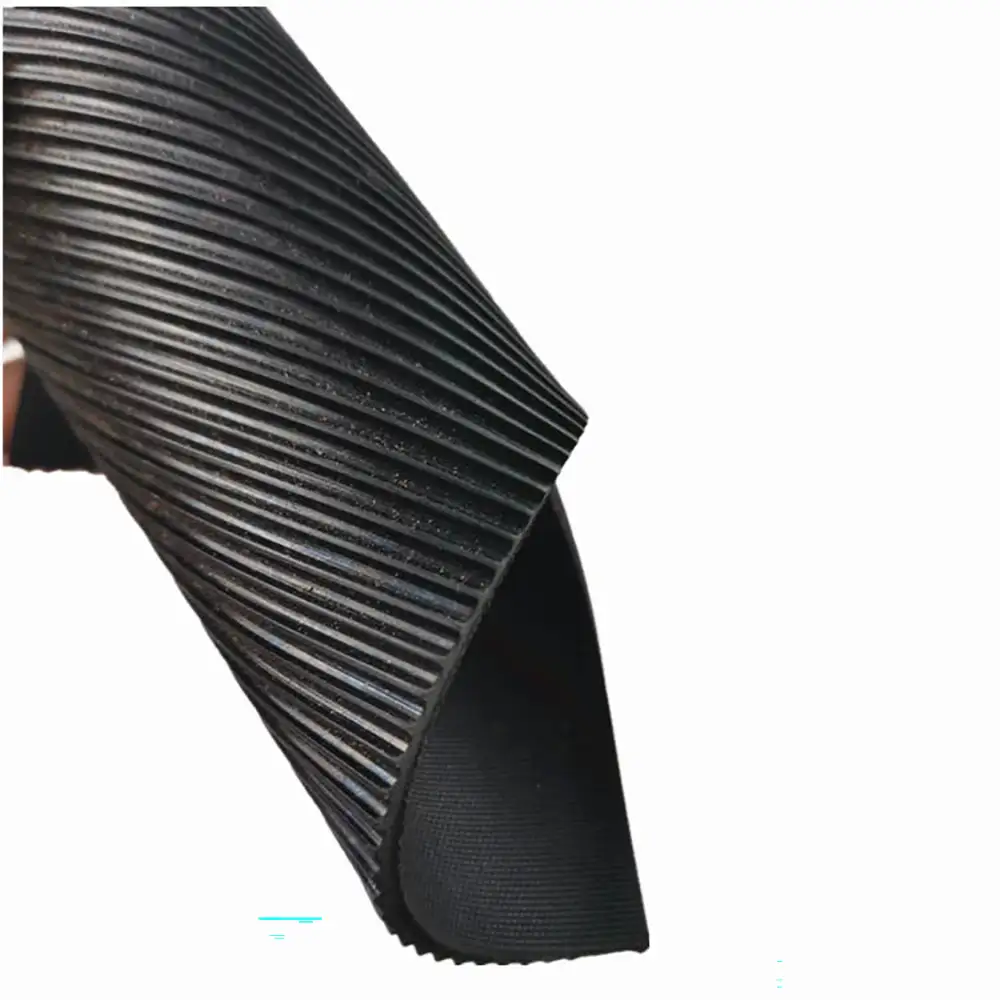
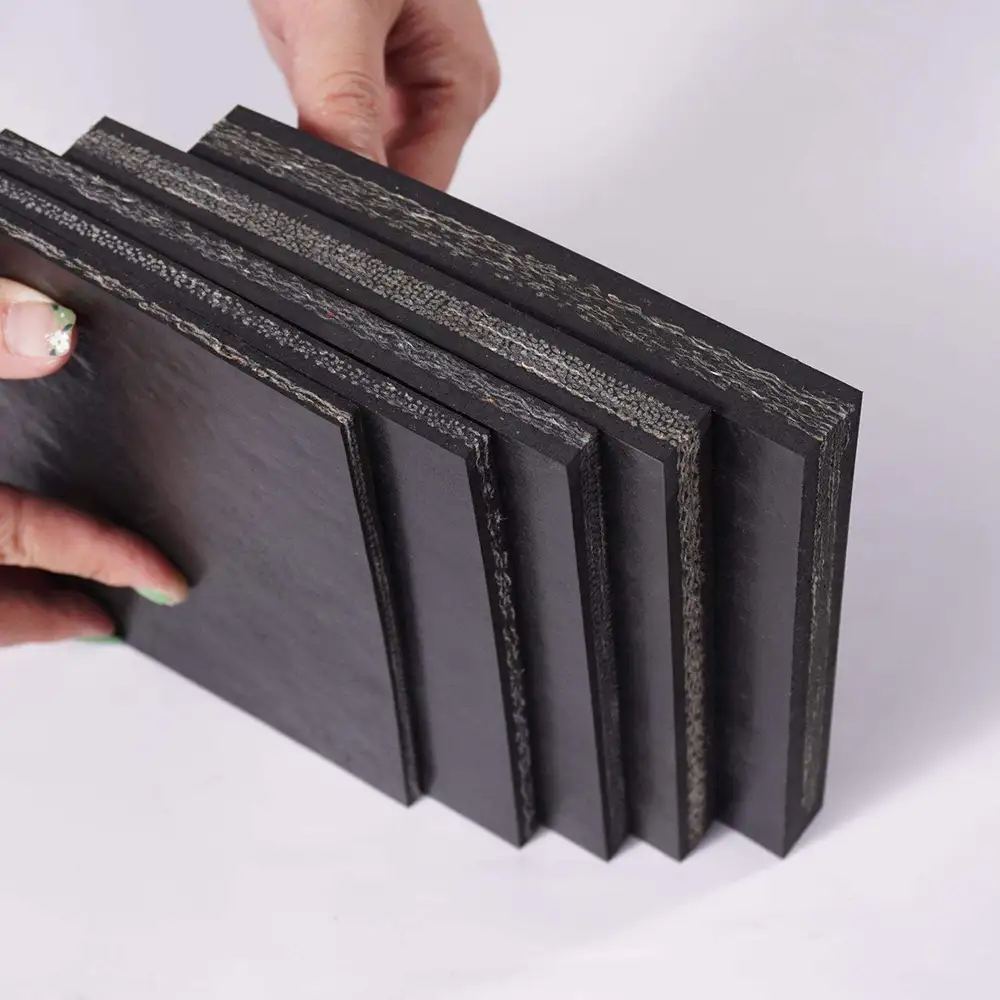
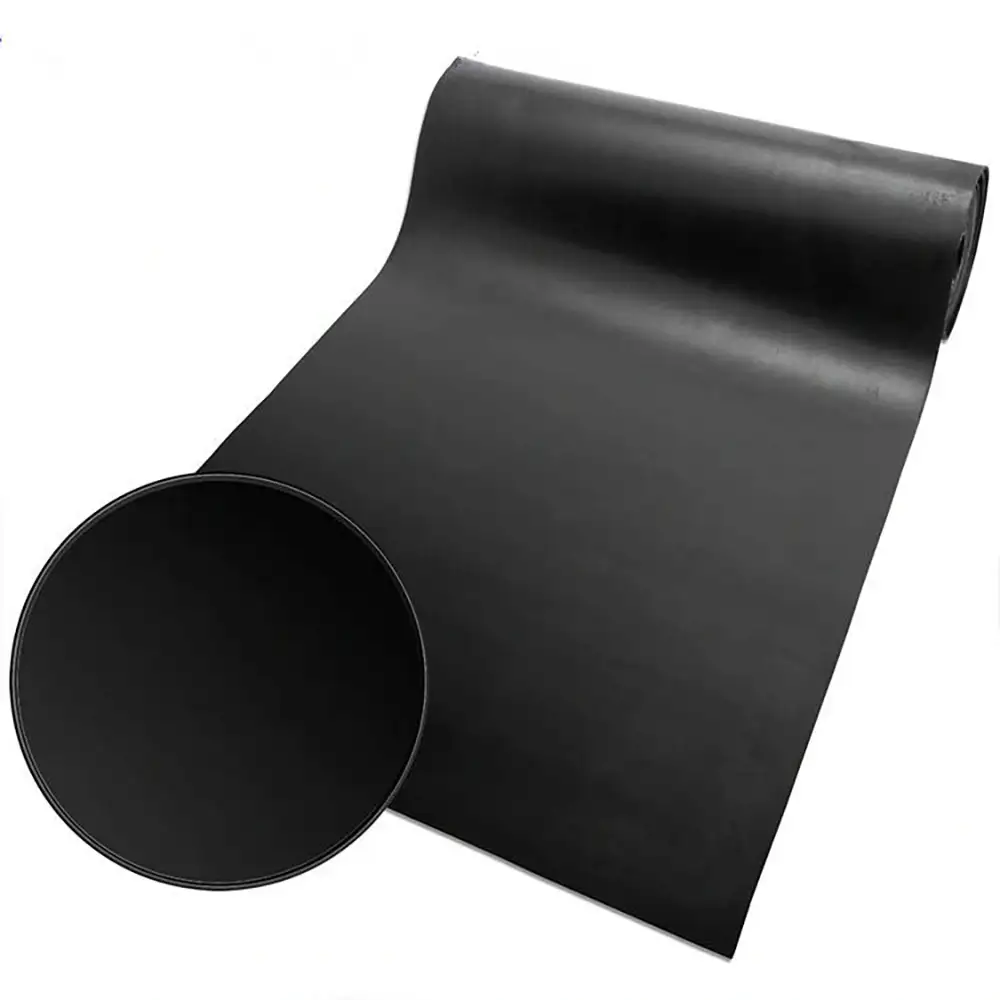
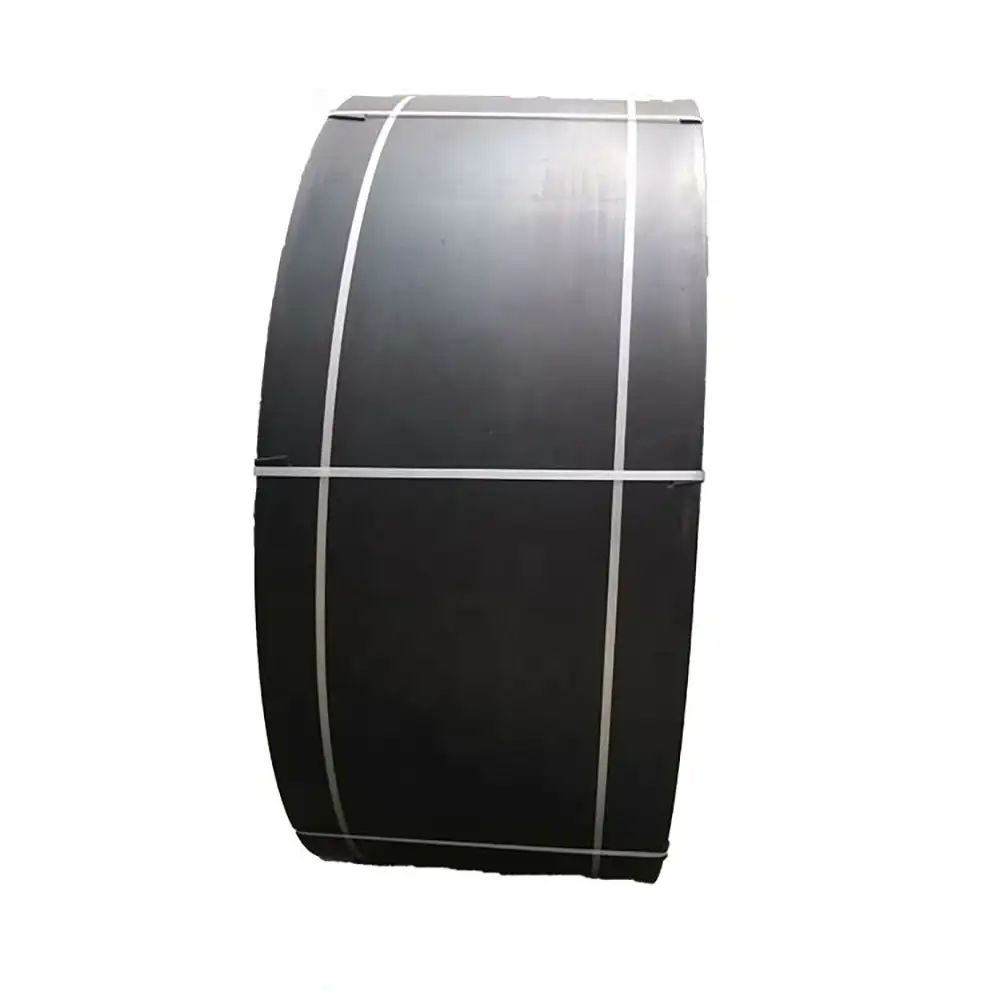
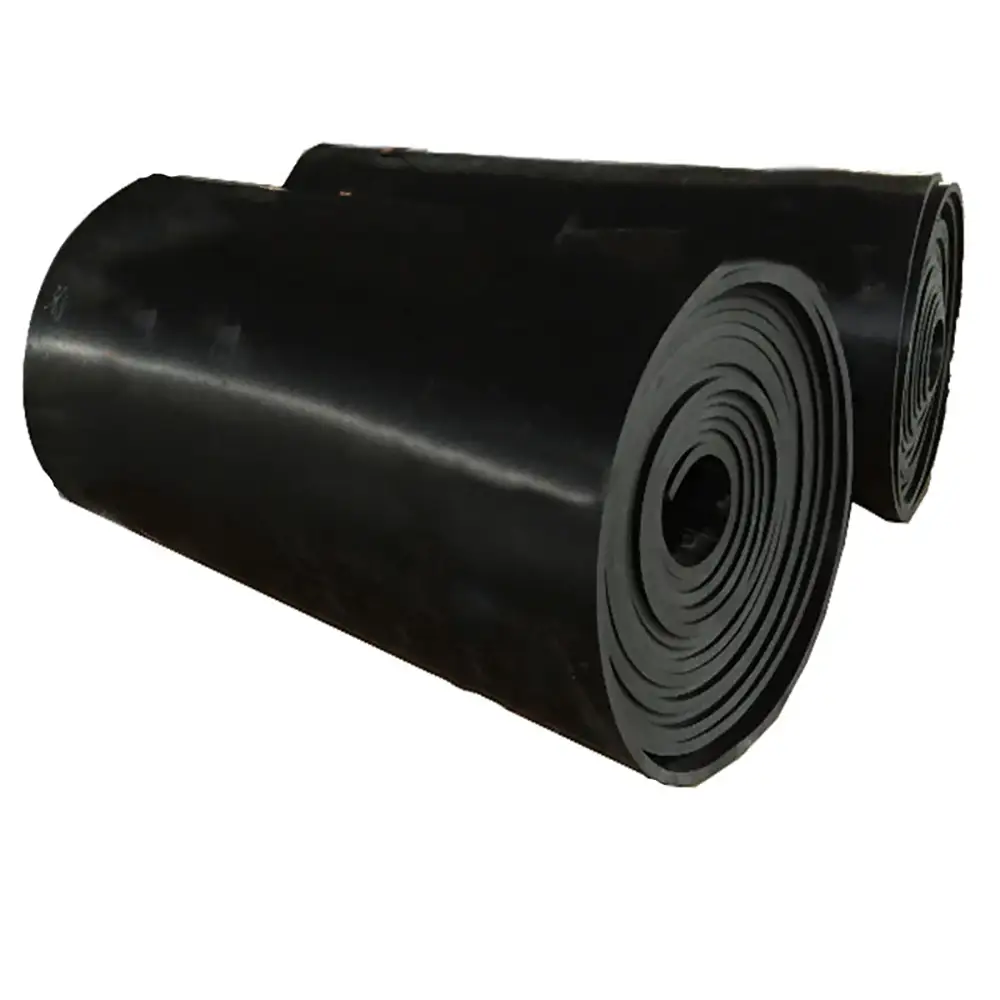
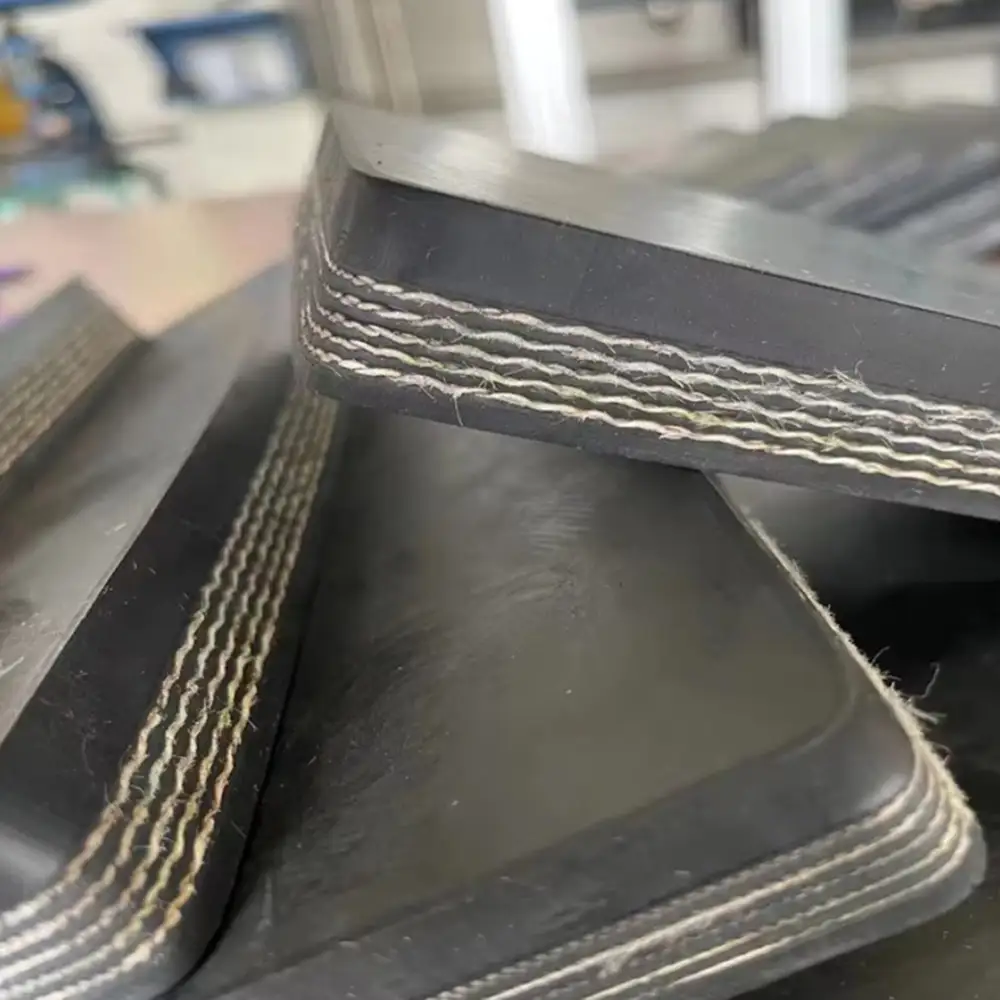
Cover Compounds
General, Fire-resistant, Cold-resistant, Abrasion-resistant, Heat-resistant and Chemical-resistant. tear-resistance steel cord .
Standard ,High-grade, Ordinary nonflammable, Wear-resistant, Heat and wear-resistant, New-structure.
Standards offered
GB/T9770, DIN22131, EN ISO 15236, SANS1366 and AS1333.
Certificate: ISO9001:2008;SGS; Bureau Veritas Certificate
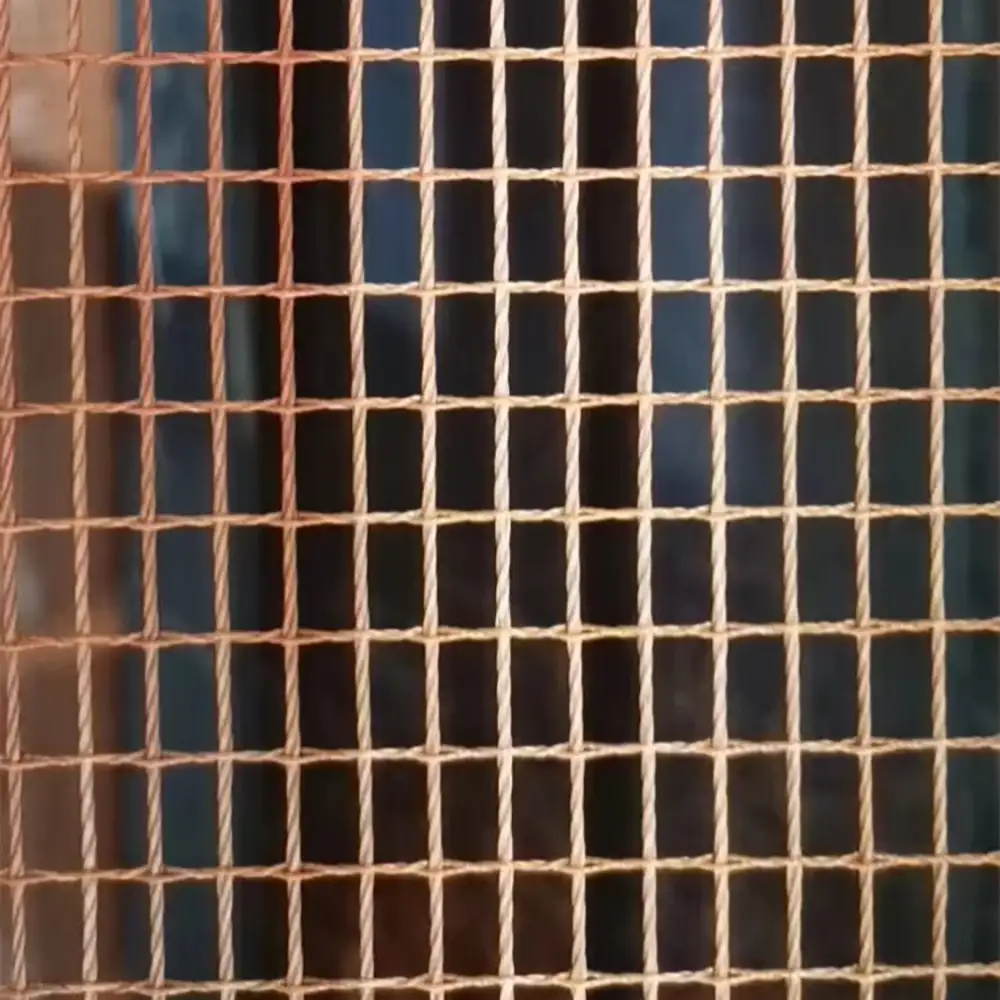
Steel cord conveyor belt features
1. High tensile strength
Steel cord conveyor belt is suitable for large span,long distance transportation of materials
2. Small elongation in use
It need only a very short take-up stroke distance.
3. Small diameter of drive pulley
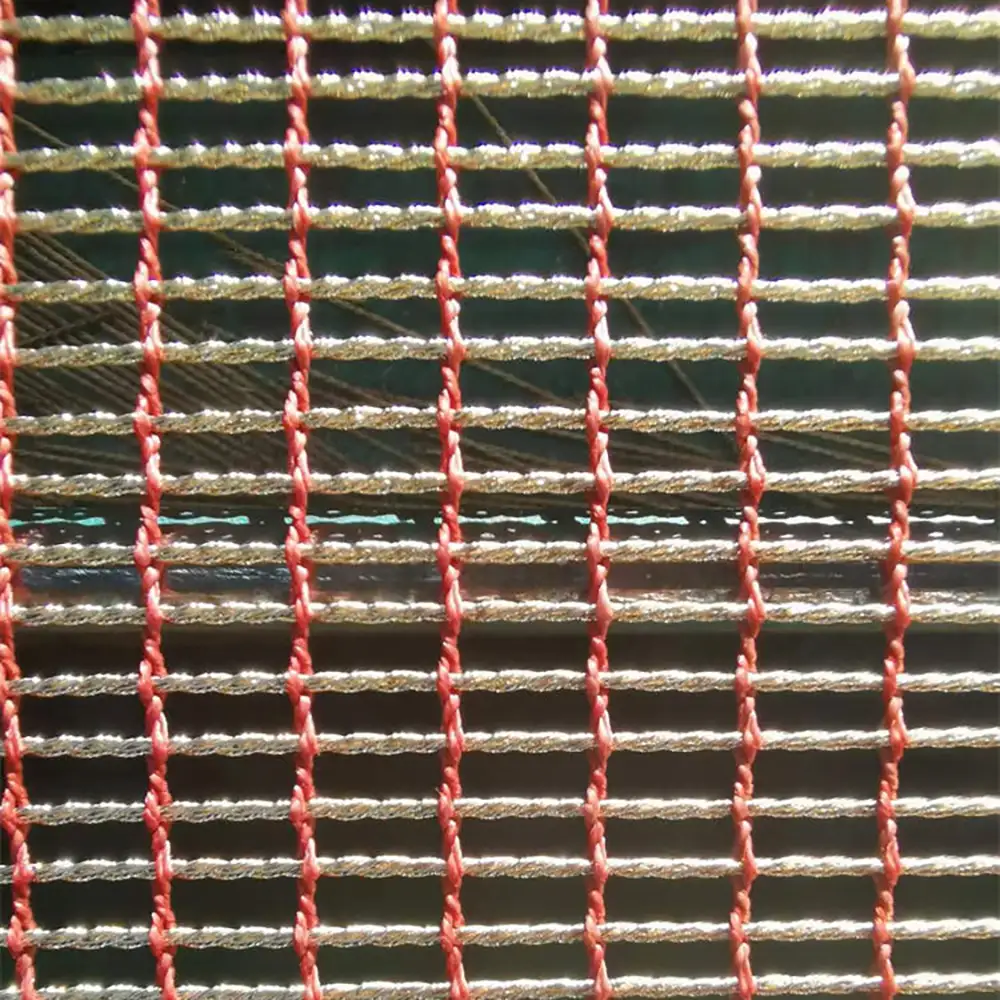
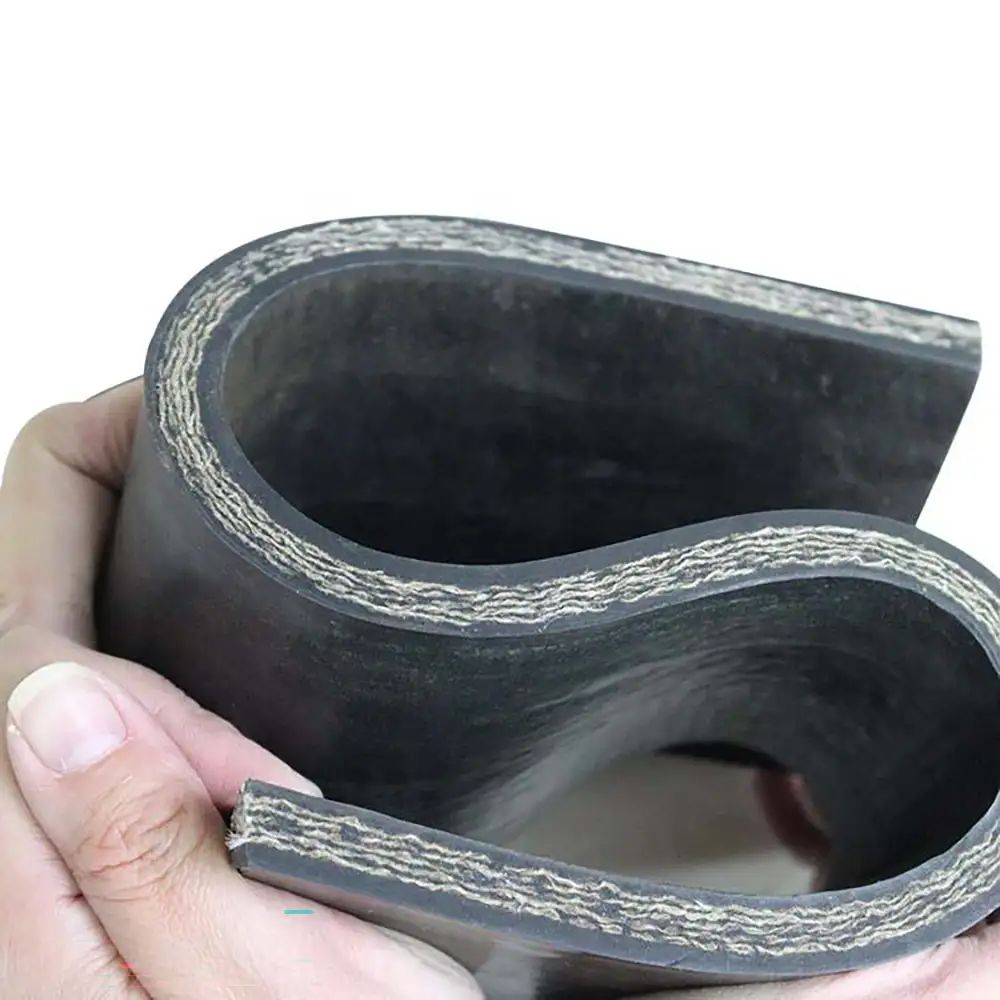
Steel cord conveyor belt body has a layer of longitudinally arranged steel cords as its skeleton,and thus is resistant to flex fatigue.Therefore,drive pulley of smaller diameter can be used to make the equipment smaller.
4. High adhesion between rubber and steel cord
The steel cords are coated with zinc on their surface,and also the rubber used has the property of qood adhesion with steel cords.Therefore,the rubber is tighrly adhered to the steel cords and is resistant to shock and difficult to drop,so the rubber belts are long in life.
5. Even tension of steel cords
Out of our advanced techniques in manufacturing,the steel cords are very evenly arranged and have the same tension,so the belts are well balanced in running and difficult to run awry.
6. Good troughability
As the belt body has no transverse skeleton,it is easyv to from a deep trogh,so the belts can load more materials and prevent the materials from escaping.
7.Good troughability
Steel cord conveyor belt boby has no transverse skeleton,it is easy to from a deep trough,so the belts can load more materials and prevent the materials from escaping.
8. Inspection of the belt with X-rays
Users can X-rays to inspect damages of the skeleton steel cords on the conveyor machines to prevent accidents from happening.
Cover property and grade:
Tensile strdngth: >=15Mpa 18Mpa 20Mpa 25Mpa
Elongation at break: >=350% 400% 450% 450%
Aging tset(70oCx168h)
Change rate of tensile strength: -25~+25%
Change rate of elongation at break: -25~+25%
Abrasion <=200mm3 150mm3 120mm3 90mm3
FABRIC CONVEYOR BELT
A: EP/NN/CC multi-ply is one of the best quality synthetic fibers that the rubber industry uses nowadays. The EP multi-ply belt is woven by polyester in warp and polyamide in weft, it is most widely used fabric in rubber industry, and its outstanding merits are high abrasion resistance, high tensile strength;
B: EP/NN/CC Conveyor belts has the characteristics of the low elongation in warp and good trough ability in weft, good water resistance, wet strength is not reduced, not mildew, initial modulus polyester high, desirable safety coefficient is low.
C: EP/NN/CC Conveyor belts are suitable for long-distance and high speed under the condition of high load conveying material , which is widely used in mining, metallurgical industry and architectural industry and ports.
Features:
1. High belt strength, big safety coefficient.
2. The special canvas used for this product has excellent impact absorption property with high tearing strength and latitudinal strength.
3. Covering rubber has the advantages of high strength, good elasticity, excellent tearing and abrasion resistance, good aging resistance and long life span.
4. High bonding strength between laminates no layers separation in use.
5. The buffer rubber has good elasticity, vibration reducing properties.
6. Unique production process, high application suitability, long life span.
Steel cord conveyor belt |
The Price= Price/metre×width
Test items D H L P
Tdnsile strngth 18 25 20 14
Pull to break
the elongation rate 400 450 400 350
Abrasion 90 120 150 200
Type D cover property and grade:
Tensile strdngth: >=18Mpa
Elongation at break: >=400%
Abrasion <=90mm3 |
Type Eg:width=1000 mm
(Tope rubber+steel cord+under rubber) |
Price
$/metre |
|
ST630 1000(5+3+5) |
51.6 |
|
ST800 1000(5+3.5+5) |
54.9 |
|
ST1000 1000(6+4+6) |
65.2 |
|
ST1250 1000(6+4.5+6) |
68.9 |
|
ST1600 1000(6+5+6) |
72.7 |
|
ST2000 1000(8+6+8) |
97 |
|
ST2500 1000(8+7.2+8) |
104.9 |
|
ST2800 1000(8+7.5+8) |
109 |
|
ST3150 1000(8+8.1+8) |
111.7 |
|
ST3500 1000(8+8.6+8) |
116.6 |
|
ST4000 1000(8+8.9+8) |
120.8 |
Main technical index of ST series steel cord conveyor belt
|
strength of the belt specifications |
ST
630 |
ST
800 |
ST
1000 |
ST
1250 |
ST
1600 |
ST
2000 |
ST
2500 |
ST
3150 |
ST
3500 |
ST
4000 |
ST
4500 |
ST
5000 |
ST
5400 |
ST
6300 |
|
longitudinal tensible strength |
630 |
800 |
1000 |
1250 |
1600 |
2000 |
2500 |
3150 |
3500 |
4000 |
4500 |
5000 |
5400 |
6300 |
Maximal nominal diameter
of the steel wire mm |
3.0 |
3.5 |
4.0 |
4.5 |
5.0 |
6.0 |
7.2 |
8.1 |
8.6 |
8.9/9.1 |
9.7 |
10.9 |
11.3 |
12.3 |
|
Space bettween cord |
10 |
10 |
12 |
12 |
12 |
12 |
15 |
15 |
15 |
15/17 |
16 |
17 |
17 |
18 |
|
Top cover thickness |
5 |
5 |
6 |
6 |
6 |
8 |
8 |
8 |
8 |
8/8 |
8 |
8.5 |
9 |
10 |
|
Bottom cover thickness |
5 |
5 |
6 |
6 |
6 |
6 |
6 |
8 |
8 |
8/8 |
8 |
8.5 |
9 |
10 |
|
Quality |
18 |
19.5 |
21.5 |
22.2 |
26.1 |
33.1 |
35.3 |
41.1 |
45 |
45/45 |
51 |
59 |
62 |
65 |
|
Width specifications |
Number of steel cords |
|
800 |
75 |
75 |
63 |
63 |
63 |
63 |
50 |
50 |
|
|
|
|
|
|
|
1000 |
95 |
95 |
79 |
79 |
79 |
79 |
64 |
64 |
64 |
64/56 |
59 |
55 |
55 |
54 |
|
1200 |
113 |
113 |
94 |
94 |
94 |
94 |
76 |
76 |
77 |
77/68 |
71 |
66 |
66 |
63 |
|
1400 |
133 |
133 |
111 |
111 |
111 |
111 |
89 |
89 |
90 |
90/79 |
84 |
78 |
78 |
74 |
|
1600 |
151 |
151 |
126 |
126 |
126 |
126 |
101 |
101 |
104 |
104/91 |
96 |
90 |
90 |
85 |
|
1800 |
|
171 |
143 |
143 |
143 |
143 |
114 |
114 |
117 |
117/108 |
109 |
102 |
102 |
96 |
|
2000 |
|
|
159 |
159 |
159 |
159 |
128 |
128 |
130 |
130/114 |
121 |
113 |
113 |
107 |
|
2200 |
|
|
|
|
|
176 |
141 |
141 |
144 |
144/125 |
134 |
125 |
125 |
118 |
|
2400 |
|
|
|
|
|
193 |
155 |
155 |
157 |
157/137 |
146 |
137 |
137 |
129 |
|
2600 |
|
|
|
|
|
209 |
168 |
168 |
170 |
170/148 |
159 |
149 |
149 |
140 |
|
2800 |
|
|
|
|
|
|
|
|
184 |
184/160 |
171 |
161 |
161 |
151 |
Tear Resistant Conveyor Belt, Conveyor Engineering, Design And Technology Services
Tear resistant conveyor belts are engineered for demanding bulk material handling applications where sharp, heavy, oversized, or irregular materials can create a risk of longitudinal belt damage. In mining, quarrying, aggregate processing, coal handling, and other heavy-duty industries, a conveyor belt is exposed to impact, abrasion, tension, and continuous mechanical stress. Selecting the correct tear-resistant construction and integrating it with an appropriately designed conveyor system can help improve operational reliability and reduce unplanned downtime.
In addition to supplying tear resistant conveyor belts, professional conveyor engineering, design, and technology services can help customers develop a complete conveying solution. Belt construction, conveyor layout, loading points, drive systems, pulleys, idlers, take-up equipment, belt cleaners, transfer chutes, and safety systems should work together as part of the overall engineering design.
What Is A Tear Resistant Conveyor Belt?
A tear resistant conveyor belt is a reinforced rubber conveyor belt designed to provide improved resistance to ripping, tearing, and damage caused by sharp or penetrating materials. The belt may incorporate specialized reinforcement, transverse breakers, additional textile structures, steel elements, or other construction features depending on the product design.
The purpose of tear resistance is different from ordinary abrasion resistance. Abrasion resistance helps protect the rubber cover against gradual surface wear, while tear resistance addresses the propagation of cuts or longitudinal rips after the belt has been penetrated or damaged.
This distinction is particularly important for applications involving crushed rock, iron ore, limestone, coal, recycled materials, and other bulk products that may contain sharp edges or large lumps.
How Tear Resistant Conveyor Belts Work
During loading, large pieces of material can fall onto the belt and create concentrated impact forces. A sharp object may penetrate the top cover and potentially initiate a longitudinal tear.
A tear resistant conveyor belt uses its specialized internal construction to help limit or slow the propagation of such damage. Depending on the belt design, transverse reinforcement or breaker layers can provide additional resistance against tearing forces.
The actual performance depends on belt construction, reinforcement design, cover compound, material characteristics, loading conditions, and conveyor configuration. Therefore, tear resistance should be evaluated together with the complete conveyor application rather than treated as a single universal performance value.
Key Features And Benefits
Improved Tear Resistance
Specialized reinforcement can help resist the propagation of longitudinal tears caused by sharp or penetrating material.
Heavy-Duty Construction
Tear resistant belts can be designed for demanding applications involving high loads, impact, and continuous material transportation.
Abrasion Resistant Covers
For abrasive materials, an appropriate rubber cover can help reduce surface wear and protect the internal carcass.
Impact Protection
Tear-resistant construction can be combined with suitable belt covers and conveyor loading systems to address demanding impact conditions.
High Tensile Strength Options
Depending on the conveyor design, fabric-reinforced and steel cord constructions can be considered for different tension requirements.
Long-Distance Conveying
Appropriate tear-resistant belt constructions can be used on selected long-distance conveyor systems when matched to the engineering requirements.
Application-Specific Rubber Compounds
Different cover compounds can be selected for abrasion, heat, oil, weather, flame, or other operating conditions where suitable products are available.
Conveyor Engineering, Design And Technology Services
A reliable conveyor system begins with engineering. Conveyor design services can help determine the appropriate system configuration based on material characteristics, required capacity, conveying distance, elevation, and operating environment.
Typical engineering considerations include:
Material Type And Bulk Density
Material Lump Size
Required Conveying Capacity
Belt Width
Belt Speed
Conveyor Length
Conveyor Inclination
Belt Tension
Loading Conditions
Transfer Point Design
Pulley Diameter
Idler Configuration
Take-Up Arrangement
Drive System
Belt Cleaning
Conveyor Safety Equipment
Engineering analysis helps ensure that the selected belt is compatible with the rest of the conveyor system.
Conveyor Belt Design Technology
Conveyor technology involves more than choosing a belt. The complete system should be designed to control material flow and mechanical loading while maintaining reliable belt tracking and tension.
Transfer points are particularly important. Poorly controlled loading can create excessive impact, belt mistracking, spillage, and accelerated belt wear. Proper chute geometry, loading direction, impact idlers, and belt support can help distribute loading more effectively.
Drive and take-up systems must also be coordinated with belt tensile characteristics. For high-tension conveyors, the belt carcass, splice construction, pulley arrangement, and drive configuration should be evaluated together.
Applications
Tear resistant conveyor belts and conveyor engineering services can be used for:
Iron Ore Mining
Coal Mining
Quarrying
Stone Crushing
Aggregate Processing
Limestone Handling
Rock Transportation
Cement Plants
Mineral Processing
Recycling
Construction Materials
Ports And Terminals
Bulk Material Handling
Long-Distance Conveyor Systems
For particularly demanding mining applications, the belt construction should be selected based on actual material size, impact energy, conveyor tension, and operating conditions.
How To Select A Tear Resistant Conveyor Belt
Start by identifying the material being transported. Sharp rock, iron ore, crushed stone, coal, and recycled materials may create different damage mechanisms.
Next, determine conveyor width, length, belt speed, capacity, inclination, maximum lump size, loading height, and operating tension.
Consider whether the application requires abrasion resistance, impact resistance, tear resistance, heat resistance, oil resistance, flame resistance, antistatic properties, or weather resistance.
The carcass should then be selected according to the required tensile performance. EP, NN, steel cord, and specialized reinforced constructions may be available depending on the application.
For underground mining, applicable safety standards and certification requirements should be confirmed before ordering.
Installation And Maintenance
Correct installation is essential for maximizing belt performance. Conveyor alignment should be checked before commissioning, while pulleys and idlers should be correctly positioned.
Loading points should be inspected to ensure that material enters the belt smoothly and does not create unnecessary impact or penetration risk.
During operation, regularly inspect the belt surface, edges, joints, tracking, tension, pulleys, idlers, and transfer points.
If a cut or penetration occurs, inspect it promptly. A small defect can potentially develop into a larger longitudinal tear under continuous belt tension.
Preventive maintenance should also include checking belt cleaners, skirting, take-up equipment, and material buildup around conveyor components.
Why Choose Us
We provide tear resistant conveyor belt solutions together with conveyor engineering, design, and technology support for mining, quarrying, coal, iron ore, aggregate, cement, recycling, and other bulk material handling applications.
Our team can help customers evaluate belt construction according to material characteristics, conveyor dimensions, loading conditions, belt tension, and operating environment.
Available belt constructions can include fabric-reinforced conveyor belts, steel cord conveyor belts, abrasion-resistant belts, tear-resistant belts, impact-resistant constructions, and application-specific rubber compounds.
Our engineering approach considers the belt as part of the complete conveyor system. We can assist with technical specification development, belt selection, conveyor configuration, transfer point considerations, and other project requirements.
We support international B2B customers including mining companies, conveyor system integrators, engineering contractors, distributors, wholesalers, and industrial purchasing departments.
OEM and custom manufacturing requirements can also be discussed. Our services can include technical communication, production coordination, quality inspection, packaging, and export support.
Frequently Asked Questions
1. What is a tear resistant conveyor belt?
It is a conveyor belt designed with specialized reinforcement or construction features to improve resistance to tearing and the propagation of cuts, particularly in demanding bulk material applications.
2. What is the difference between tear resistance and abrasion resistance?
Abrasion resistance addresses gradual surface wear, while tear resistance is designed to help prevent or slow the propagation of cuts and rips through the belt.
3. What materials require tear resistant conveyor belts?
Sharp or heavy materials such as iron ore, rock, crushed stone, aggregate, coal, and certain recycled materials can create conditions where tear resistance is an important belt selection consideration.
4. Can tear resistant belts be used for mining?
Yes. They are commonly considered for demanding mining and quarrying applications where material impact and penetration can create belt damage risks.
5. Are tear resistant belts available with EP fabric carcasses?
Depending on the product design, tear-resistant reinforcement can be incorporated into fabric-reinforced belt constructions. The exact structure should be confirmed according to the required application.
6. Can steel cord conveyor belts have tear resistance?
Yes, specialized steel cord belt constructions can incorporate additional features designed to improve resistance to longitudinal tearing. The exact design varies by manufacturer and product grade.
7. What information is needed to select a tear resistant belt?
Important information includes material type, lump size, conveyor width, length, speed, capacity, inclination, loading height, belt tension, pulley diameter, and environmental conditions.
8. Do you provide conveyor engineering services?
Yes. Conveyor engineering support can cover belt selection, system requirements, conveyor configuration, material handling conditions, and other technical considerations.
9. Can conveyor belts be customized?
Yes. Belt width, length, carcass construction, tensile grade, cover thickness, rubber compound, reinforcement, and other specifications can be discussed according to project requirements.
10. How can conveyor belt tearing be reduced?
Appropriate belt selection, controlled material loading, suitable transfer-point design, correct belt tracking and tension, proper idler support, regular inspection, and prompt repair of cuts can all help reduce the risk of major belt damage.
Prev:
EP Conveyor Belt, Rubber Conveyor Belting, Polyester Conveyor Belts
Next:
Textile Conveyor Belt, Conveyor belts with a Textile Carcass
TAG:
Steel Cord Conveyor Belt,
Heavy Duty Rubber Conveyor Belt,
Mining Conveyor Belt,
Industrial Conveyor Belt,
Abrasion Resistant Rubber Conveyor Belt,
Bulk Material Conveyor Belt,
Material Handling Conveyor Belt,
Rock Conveyor Belt,
Coal Conveyor Belt,
Quarry Conveyor Belt,
Aggregate Conveyor Belt,
Mining Rubber Conveyor Belt,
Coal Mining Conveyor Belt,
Stone Crusher Conveyor Belt,
Abrasion Resistant Conveyor Belt,
Iron Ore Conveyor Belt,
EP Fabric Conveyor Belt,
Polyester Conveyor Belt,
EP Rubber Conveyor Belt,
EP Conveyor Belt,
Mining Conveyor Belting,
Coal Mine Conveyor Belt,
Iron Ore Mining Conveyor Belt,
Long Distance Conveyor Belt,
High Tension Conveyor Belt,
Conveyor System Engineering,
Belt Conveyor Engineering,
Belt Conveyor Design,
Belt Conveyor Technology,
Industrial Conveyor Engineering,
Related Category:
Tear Resistant Conveyor Belt,Anti Tear Conveyor Belt,Tear Resistant Rubber Conveyor Belt,Mining Conveyor Belt,Heavy Duty China, suppliers, manufacturers, factory, customized, wholesale, quotation, made in China