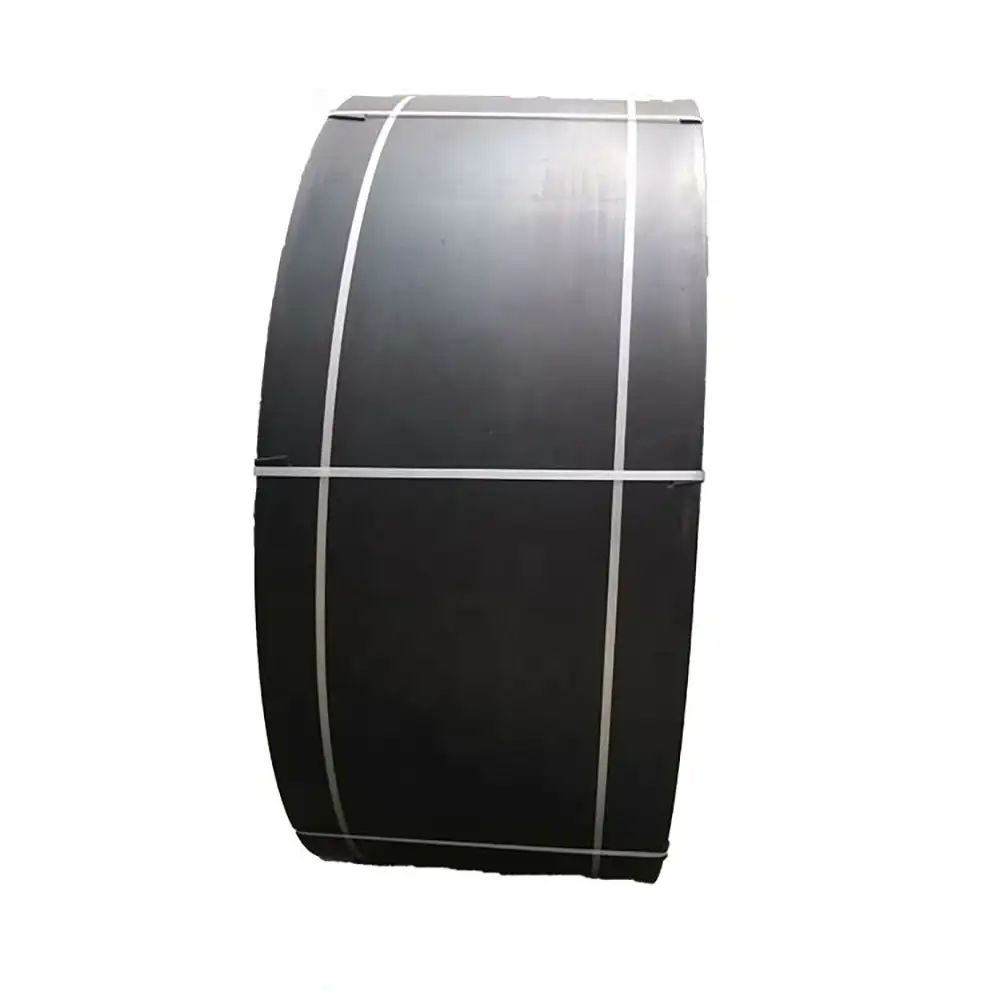
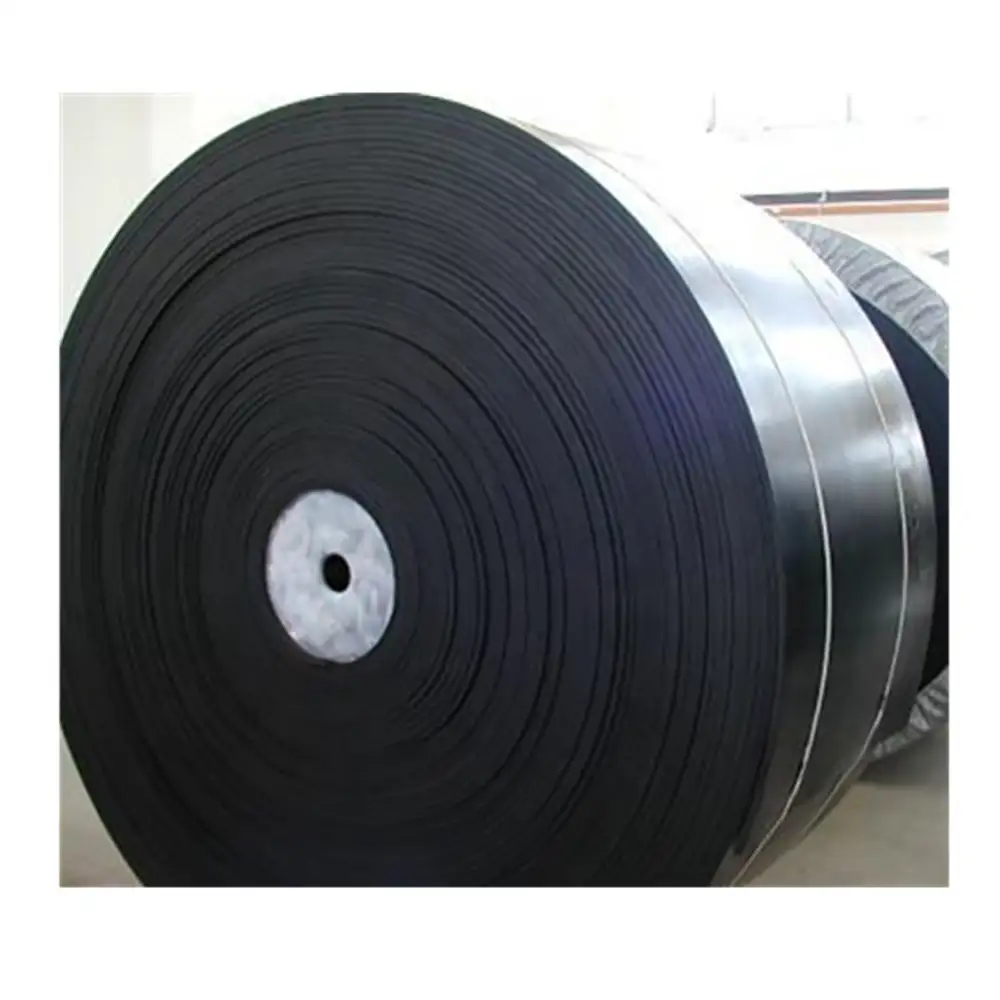
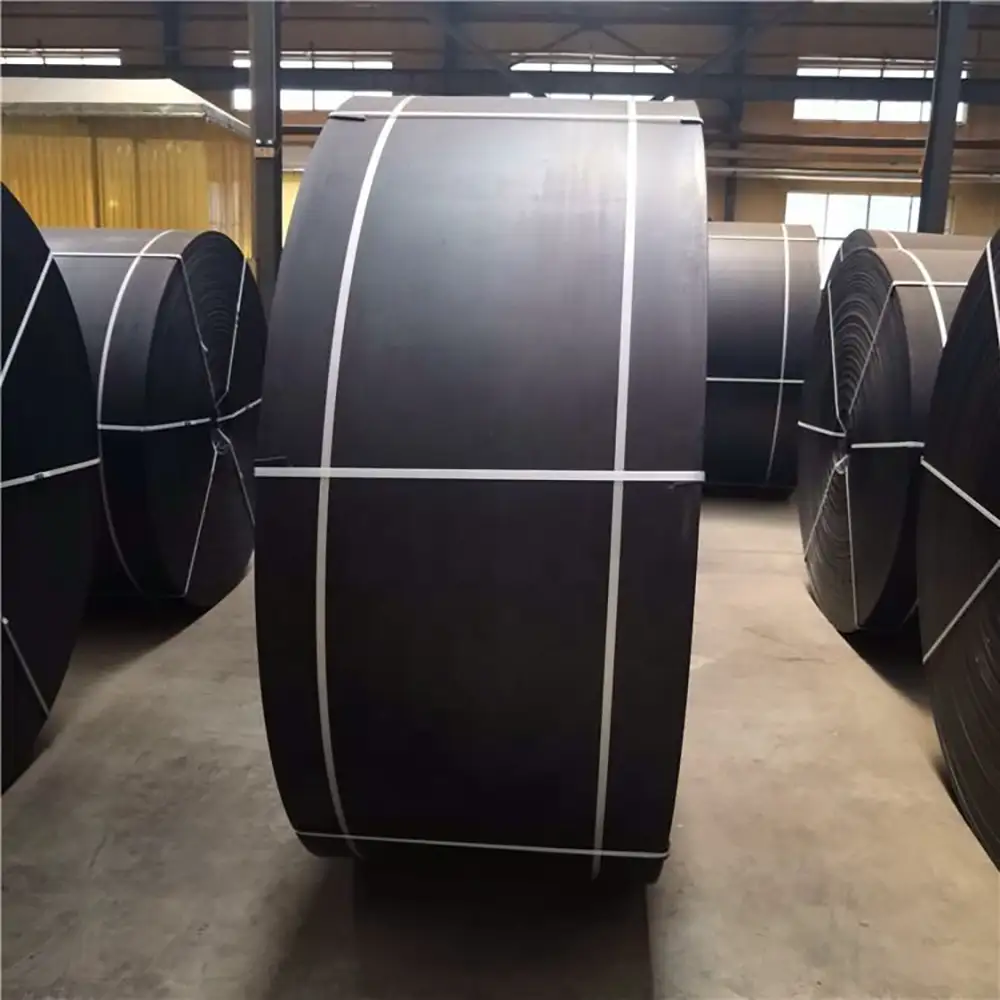
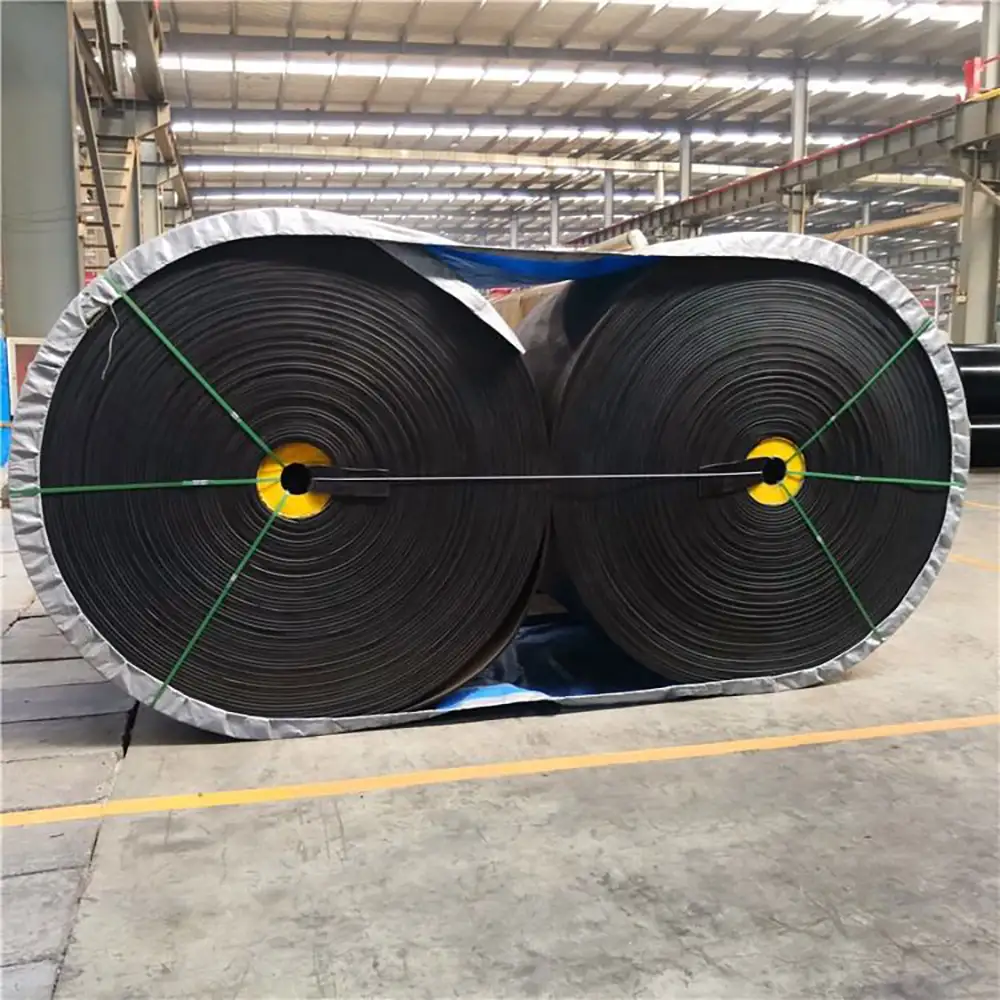
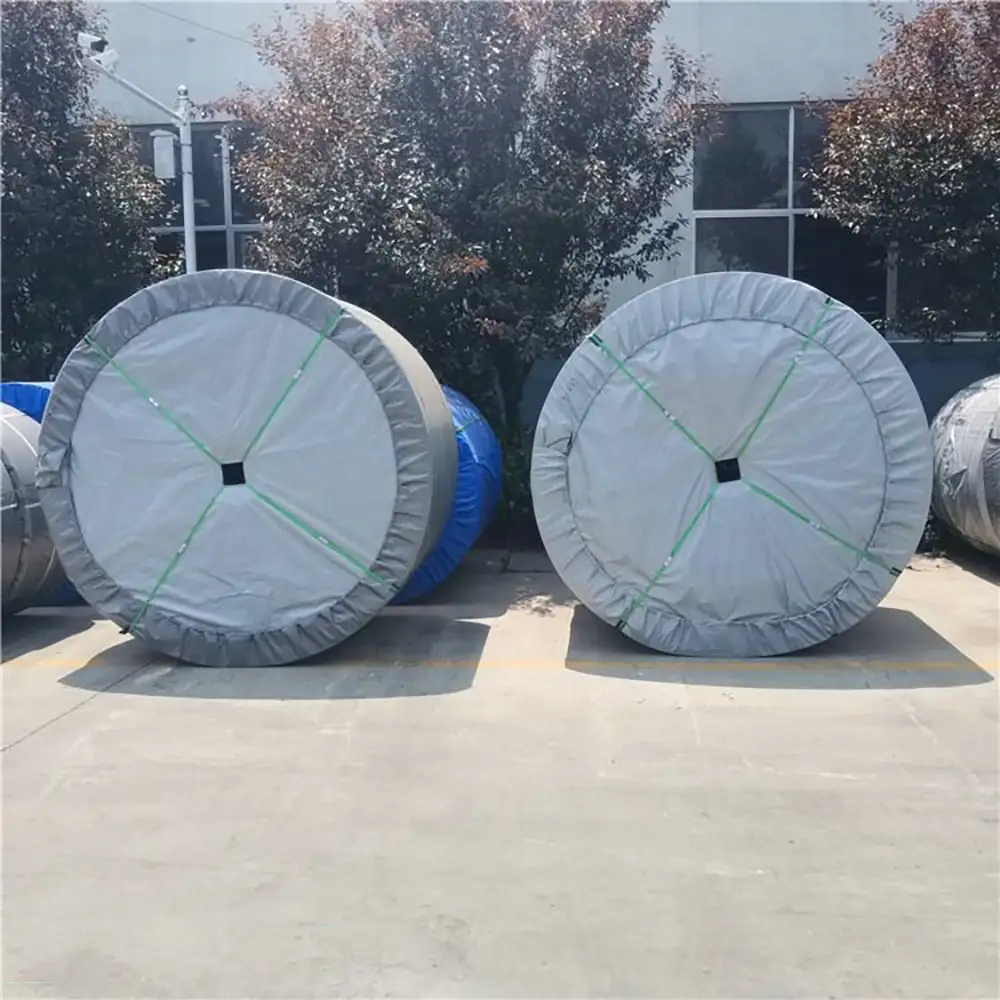
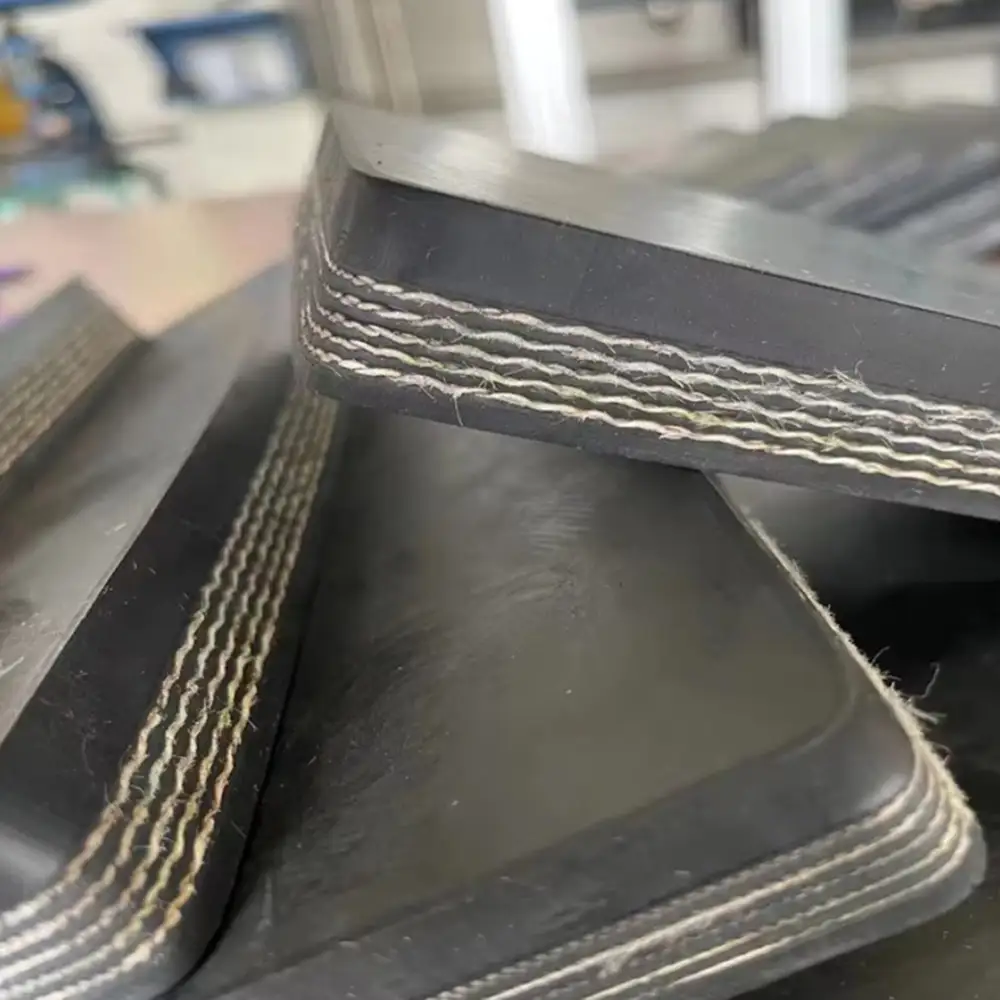
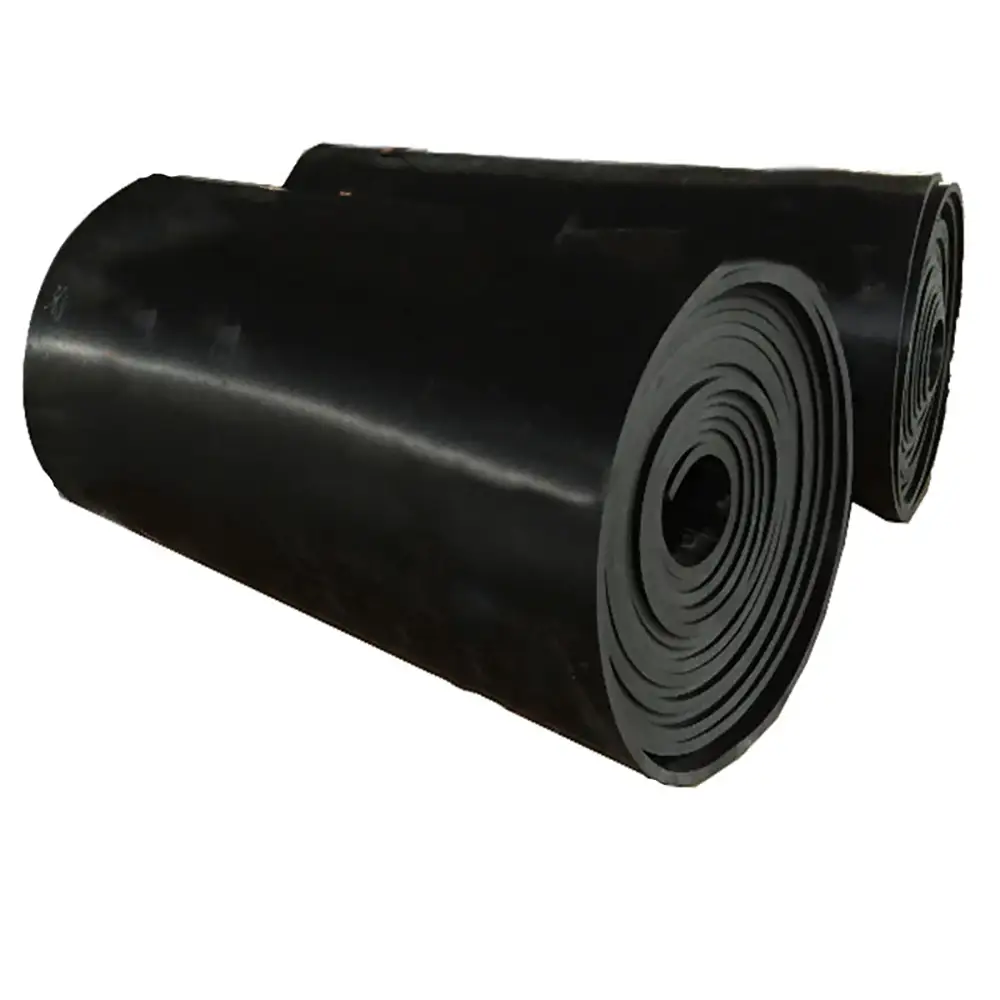
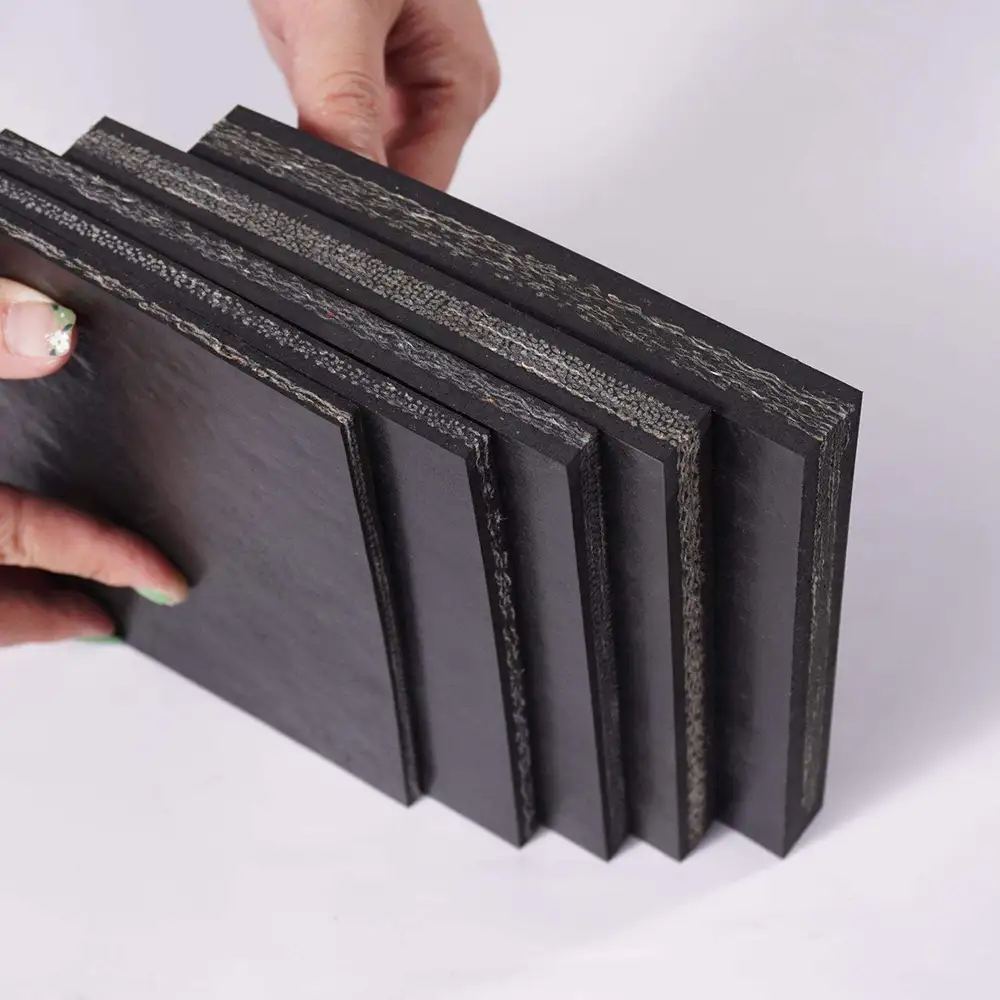
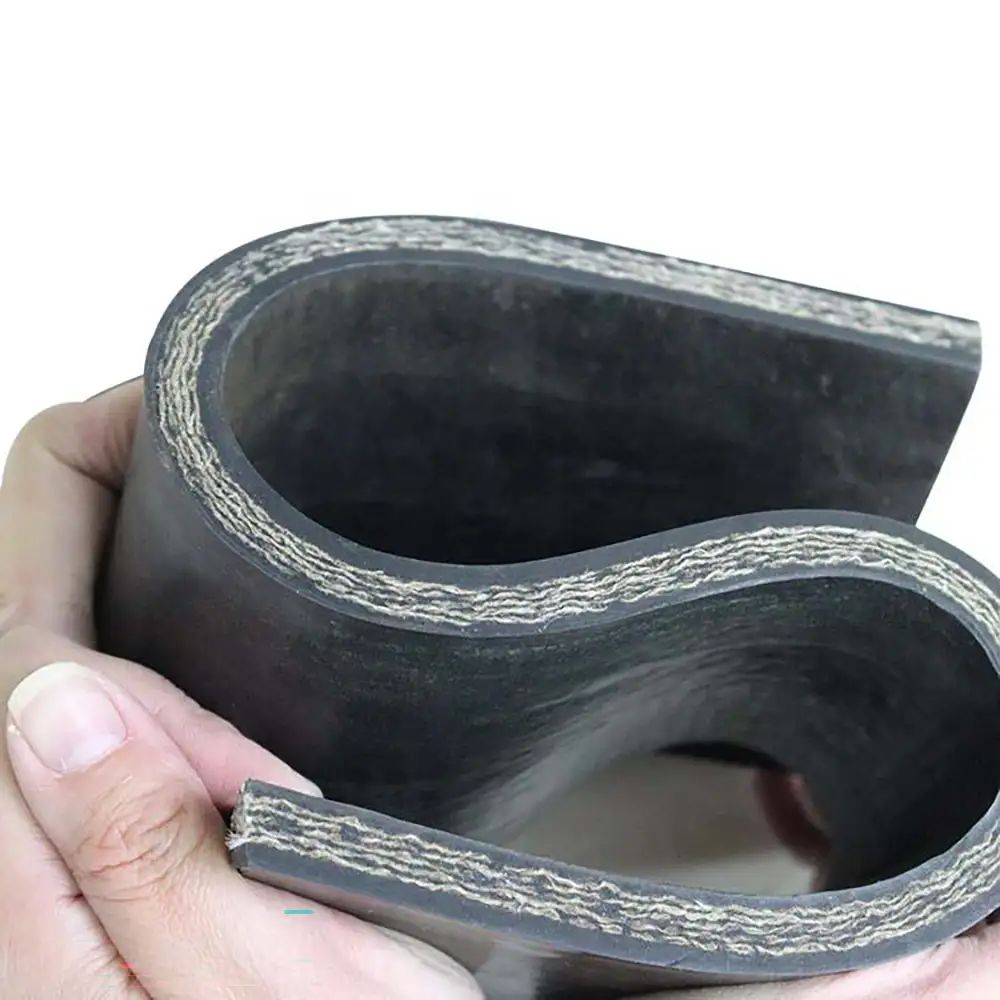
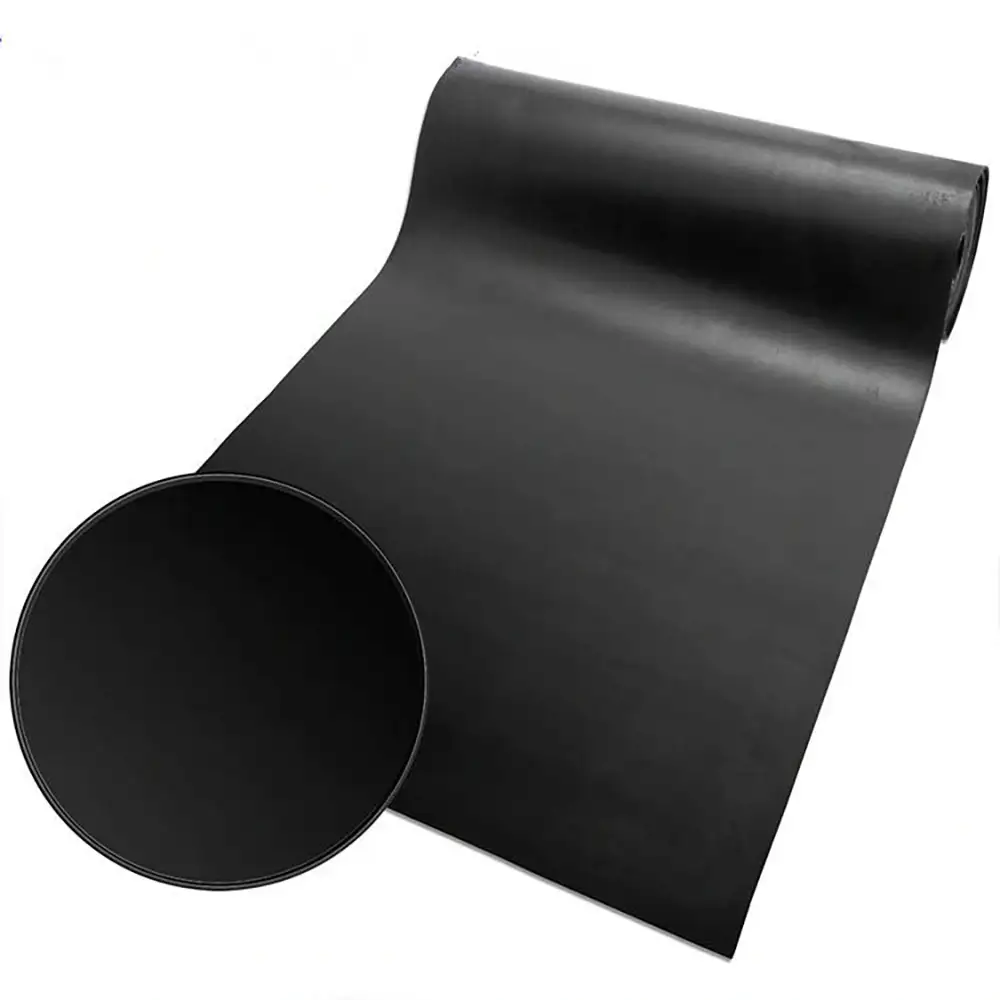
the Heat Resistance Conveyor Belt is made of the multilayer rubber cotton canvas 'polyester cotton' covered with the high temperature or heat resistant rubbers, which are bonded through high temperature vulcanization, it is applicable to conveying of the coke, cement, clinker and hot casting etc.
1,The heat resistance conveyor belt's specification shall be identical with that of the conventional conveyor belt.
2,The heat resistance conveyor belt shall be in accordance with HG2297-92.
3,The heat resistant conveyor belt contains three types.
Type I; it is able to resist the test temperature of no more than 100ºC, the max. short-time operating temperature is 150ºC,the symbol is T1.
Type II; it is able to resist the test temperature of no more than 125ºC, the max. short-time operating temperature is 170ºC,the symbol is T2.
Type III; it is able to resist the test temperature of no more than 150ºC, the max. short-time operating temperature is 200ºC,the symbol is T3.
Type IV; it is able to resist the test temperature of no more than 175ºC, the max. short-time operating temperature is 230ºC,the symbol is T4.
4,The Heat Resistance Conveyor Belt physical property of the cover rubber after heat test shall conform to the values specified in the table.
High Temperature Resistant Conveyor Belt For Steel And Mining
High Temperature Resistant Conveyor Belt is designed for conveying bulk materials exposed to elevated temperatures during industrial processing and material handling. Heat Resistant Conveyor Belt products are commonly considered for steel plants, foundries, cement plants, mining operations, coke handling, metallurgy, aggregate processing and other facilities where conventional conveyor belts may experience excessive thermal stress.
Hot materials can transfer heat directly to the conveyor belt surface. Continuous exposure to elevated temperatures may accelerate rubber aging, hardening, cracking, adhesion loss and other forms of deterioration. A heat-resistant conveyor belt uses a specially formulated rubber cover and appropriate reinforcement construction to provide improved resistance to thermal exposure.
The correct belt must be selected according to the actual material temperature, exposure duration, material characteristics, conveyor speed, belt construction and operating conditions. There is no single temperature rating that applies to every heat-resistant conveyor belt.
As an industrial conveyor belt manufacturer and supplier, we can provide customized heat-resistant rubber conveyor belting for steel, mining, cement and other heavy-duty applications.
What Is A Heat Resistant Conveyor Belt?
A heat resistant conveyor belt is a rubber conveyor belt manufactured with materials and compounds designed to withstand elevated operating temperatures better than standard general-purpose conveyor belts.
The belt normally consists of a reinforced carcass and rubber covers. The carcass provides tensile strength and dimensional stability, while the top cover protects the belt from heat, abrasion and contact with conveyed materials.
Depending on the application, the carcass can use textile reinforcement such as EP or NN fabric, while steel cord construction may be considered for long-distance or high-tension conveyor systems.
The heat-resistant cover formulation is an important part of the belt's performance. Different formulations are designed for different combinations of temperature, abrasion, material characteristics and operating conditions.
High Temperature Resistant Rubber Cover
The rubber cover is the first part of the conveyor belt exposed to hot material. When material temperatures increase, heat can penetrate the cover and eventually affect the carcass and bonding layers.
A suitable heat-resistant rubber compound can help reduce thermal degradation and maintain useful mechanical properties under the specified operating conditions.
However, heat resistance should not be considered separately from abrasion resistance. Hot steel, sintered material, clinker, coke and other bulk materials can also be abrasive. Therefore, the belt compound and construction should be selected based on both thermal and mechanical demands.
Material temperature, contact time and cooling conditions can all affect actual belt life.
Heat Resistant Conveyor Belt For Steel Plants
Steel manufacturing and metal-processing facilities can involve extremely demanding material-handling conditions.
Heat-resistant conveyor belts may be used for conveying materials such as hot sinter, coke, pellets, slag-related materials and other processed bulk materials, depending on the specific conveyor system.
In these applications, the belt must be selected according to the actual material temperature and whether the conveyed material contains sharp, abrasive or heavy particles.
Transfer points are particularly important. Large hot material falling from a height can create both impact and thermal stress. Proper chute design, loading configuration and impact-support arrangements can help reduce damage to the conveyor belt.
Heat Resistant Conveyor Belt For Mining
Mining operations can involve materials exposed to heat during processing, transportation or stockpiling. Heat-resistant belts can be considered where the conveyed material exceeds the suitable temperature range of a conventional belt.
Typical applications may include mineral processing, hot aggregate, processed ore, sintered products and other high-temperature bulk materials.
Mining conveyor systems can also require high tensile strength, abrasion resistance and impact resistance. EP fabric, NN fabric or steel cord reinforcement can be selected according to conveyor length, tension and system design.
For underground mining, additional flame-resistant and antistatic requirements may apply depending on the mine, jurisdiction and applicable standards. These requirements should be specified separately rather than assumed from the term "heat resistant."
Key Features And Benefits
Depending on the selected construction and rubber formulation, heat-resistant conveyor belts can provide:
Improved Resistance To Elevated Temperature
Reduced Thermal Aging
Durable Rubber Cover
Good Abrasion Resistance With Suitable Compound
High Tensile Strength
Flexible Textile Reinforcement Options
Steel Cord Options For High-Tension Systems
Suitable Performance For Heavy-Duty Conveying
Good Adhesion Between Belt Components
Custom Width And Length
Different Cover Thickness Options
Application-Specific Rubber Formulations
Actual performance depends on the belt design and operating environment.
Common Applications
High-temperature conveyor belts can be used in a variety of industries, including:
Steel Plants
Iron And Steel Processing
Mining
Mineral Processing
Cement Plants
Foundries
Metallurgy
Coke Handling
Sinter Plants
Aggregate Processing
Brick And Ceramic Production
Power Plants
Recycling Facilities
Heavy Industrial Manufacturing
The exact belt construction should be selected according to the material being conveyed and the conveyor system.
EP And NN Heat Resistant Conveyor Belts
Textile-reinforced belts are widely used in industrial conveyor systems.
EP Conveyor Belt: EP fabric uses polyester in the longitudinal direction and polyamide in the transverse direction. This construction provides useful tensile strength, dimensional stability and relatively low elongation.
NN Conveyor Belt: NN fabric uses nylon reinforcement and is known for flexibility and resistance to repeated bending.
Both constructions can be produced with suitable heat-resistant rubber covers when the application requires elevated-temperature conveying.
The choice between EP and NN depends on conveyor design, belt length, tension, pulley configuration, troughing requirements and other engineering factors.
Steel Cord Heat Resistant Conveyor Belt
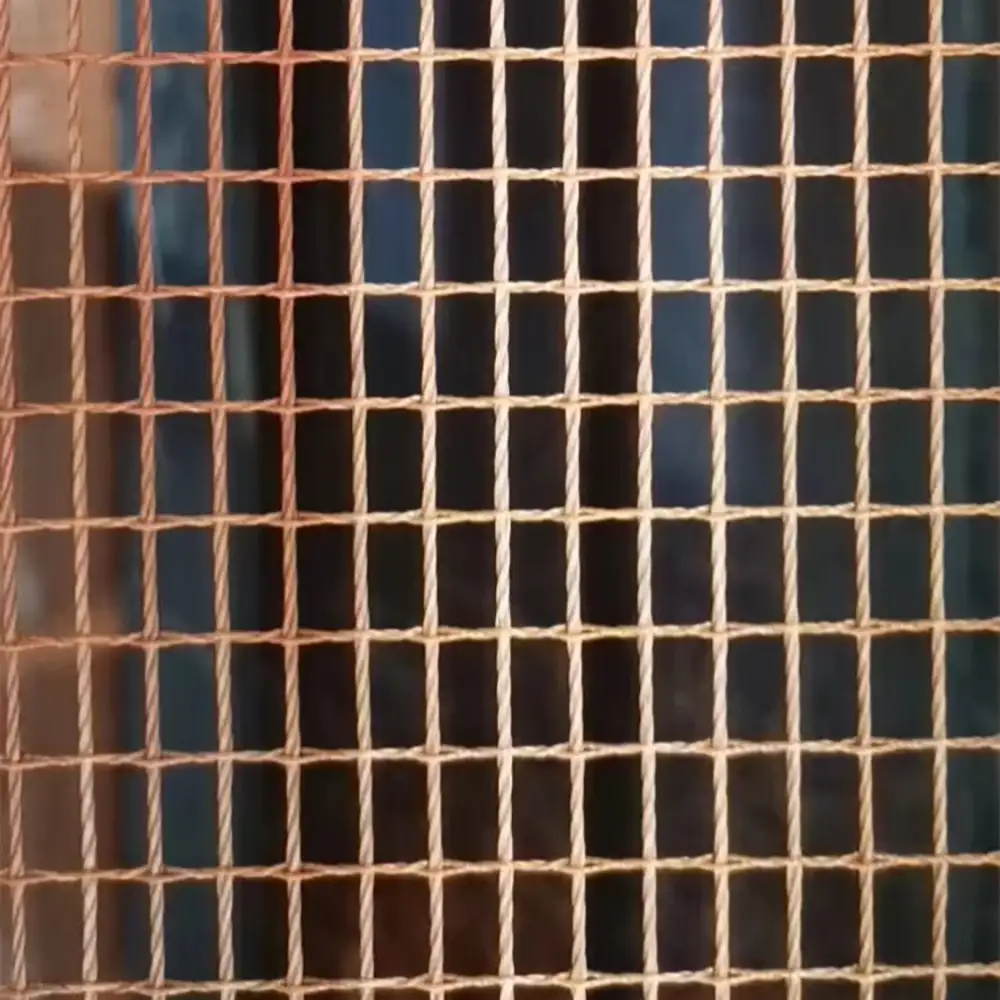
Steel cord conveyor belts use steel cables as the primary longitudinal tensile reinforcement. They can be considered for long-distance, high-capacity or high-tension conveyor systems.
When a steel plant or mining operation combines high temperature with long conveyor distances and heavy loads, a steel cord construction may be evaluated.
The belt still requires an appropriate heat-resistant rubber cover. Steel cord reinforcement alone does not make a conveyor belt heat resistant.
Splicing is also an important consideration for steel cord belts. The splice method and installation quality can have a major effect on system reliability.
How To Select A Heat Resistant Conveyor Belt
Selecting a heat-resistant conveyor belt requires more than specifying a maximum temperature.
Important factors include:
Material Temperature: Determine the actual temperature of the material at the point where it contacts the belt.
Exposure Duration: Short-term contact with hot material can produce different effects from continuous thermal exposure.
Material Characteristics: Consider whether the material is abrasive, sharp, dusty, wet, oily or chemically aggressive.
Belt Speed: Higher speeds can influence exposure time, loading conditions and thermal behavior.
Belt Width: Width should be selected according to required capacity and material loading.
Tensile Strength: The required strength depends on conveyor length, load, incline and system tension.
Pulley Diameter: The carcass and belt construction should be compatible with the conveyor's pulley arrangement.
Cover Thickness: Cover thickness should reflect abrasion, impact and thermal requirements.
Environmental Conditions: Ambient temperature, humidity, sunlight and other conditions can affect belt performance.
Temperature Rating And Material Selection
Heat-resistant conveyor belts are often divided into different temperature-performance categories by manufacturers or standards. However, these categories should not be treated as universal without checking the actual specification.
A belt's suitable temperature depends on the rubber formulation, material temperature, exposure duration, particle size, belt speed and cooling conditions.
For this reason, customers should provide the actual operating data when requesting a quotation. If the material is described simply as "hot," additional information should be obtained before selecting the belt.
For extremely hot materials, engineering changes such as controlled material cooling, specialized loading systems or alternative conveying technologies may also need to be considered.
Installation And Maintenance
Correct installation is essential for heat-resistant conveyor belt performance.
Before installation, inspect the belt for transportation damage and verify its dimensions and construction. The conveyor frame, idlers, pulleys and take-up system should be properly aligned.
During operation, avoid material accumulation and excessive slippage. Belt misalignment can increase friction and local heating, creating unnecessary stress on the belt.
Regularly inspect the top cover for hardening, cracking, blistering, abrasion and other signs of thermal or mechanical deterioration. Check splices and belt edges for damage.
Proper cleaning and material loading can also help extend service life. Transfer chutes should minimize excessive impact and prevent large hot particles from damaging the belt.
Custom Heat Resistant Conveyor Belt Manufacturing
We can provide customized heat-resistant conveyor belts for industrial B2B projects.
Customization may include:
Belt Width
Belt Length
Tensile Strength
Number Of Plies
EP Or NN Fabric
Steel Cord Construction
Top And Bottom Cover Thickness
Rubber Compound
Heat Resistance Grade
Abrasion Resistance
Edge Type
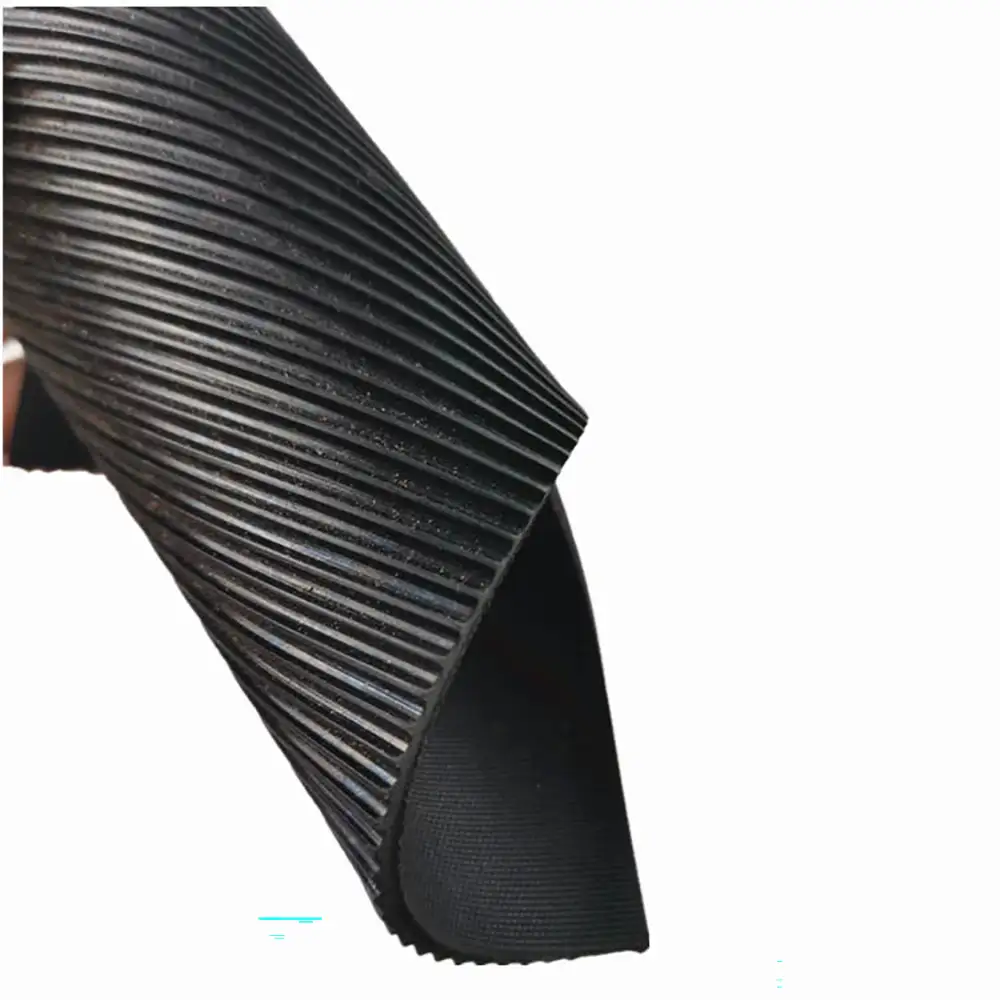
Surface Pattern
Splice Requirements
For steel, mining and cement applications, customers can provide conveyor specifications, material temperature, material type, belt dimensions and operating conditions.
This information allows the belt construction to be matched more accurately to the actual system.
Why Choose Us
We provide heat-resistant conveyor belt solutions for heavy-duty industrial material handling.
Industrial Conveyor Belt Manufacturing: We supply rubber conveyor belts for demanding bulk material applications.
Heat-Resistant Compounds: Suitable rubber formulations can be selected according to the required thermal environment.
Multiple Reinforcement Options: EP, NN and steel cord constructions can be considered according to conveyor requirements.
Steel And Mining Applications: Solutions can be developed for steel plants, mining, cement and other heavy industries.
Custom Specifications: Width, length, tensile strength, cover thickness and other parameters can be customized.
Application-Based Selection: Belt selection considers temperature, material characteristics and conveyor conditions.
OEM And B2B Service: Suitable for distributors, wholesalers, contractors and industrial equipment buyers.
Export Supply Capability: Products can be prepared for international industrial purchasing projects.
Frequently Asked Questions
1. What Is A High Temperature Resistant Conveyor Belt?
It is a conveyor belt manufactured with a rubber compound and construction designed to provide improved resistance to elevated temperatures compared with a standard general-purpose conveyor belt.
2. What Industries Use Heat Resistant Conveyor Belts?
They are commonly used in steel, mining, cement, metallurgy, foundry, coke handling, aggregate processing and other heavy industrial applications.
3. Can Heat Resistant Belts Be Used In Steel Plants?
Yes. They can be considered for conveying hot materials in steel and metal-processing facilities, provided the belt specification matches the actual material temperature and operating conditions.
4. Are Heat Resistant Conveyor Belts Suitable For Mining?
Yes. They can be used in mining and mineral-processing applications where conveyed materials create elevated thermal exposure. Abrasion and impact requirements should also be evaluated.
5. What Temperature Can A Heat Resistant Conveyor Belt Handle?
There is no single universal temperature limit. The suitable temperature depends on the rubber formulation, exposure duration, material characteristics and belt construction. The manufacturer's actual specification should be confirmed.
6. Is Heat Resistance The Same As Fire Resistance?
No. Heat resistance refers to the belt's ability to withstand elevated temperatures, while flame or fire resistance addresses a different set of performance requirements. A heat-resistant belt should not automatically be assumed to be flame resistant.
7. Can A Heat Resistant Belt Also Be Abrasion Resistant?
Yes. A belt can be designed with properties for both heat and abrasion resistance. The appropriate compound and construction should be selected according to the conveyed material.
8. Should I Choose EP, NN Or Steel Cord?
The choice depends on conveyor length, tension, pulley arrangement, load, speed and other system requirements. EP and NN are textile reinforcement options, while steel cord is generally considered for high-tension applications.
9. Can The Belt Width And Length Be Customized?
Yes. Belt width, length, tensile strength, cover thickness and reinforcement construction can be specified according to the conveyor system.
10. What Information Is Needed For A Heat Resistant Conveyor Belt Quote?
Useful information includes belt width, length, material type, material temperature, conveyor speed, capacity, inclination, tensile requirement, pulley diameter, environmental conditions and existing belt construction.
Prev:
Fine Ribbed Rubber Sheet, Color Anti-Fatigue and Anti-Slip Design
Next:
Checker Rubber Sheet, Anti-Slip Rubber Sheet, DOT Round Button Checker
TAG:
Heavy Duty Rubber Conveyor Belt,
Heavy Duty Heat Resistant Conveyor Belt,
Heat Resistant Mining Conveyor Belt,
Heat Resistant Conveyor Belting,
Heat Resistant Conveyor Belt,
Heat Resistant Rubber Conveyor Belt,
Mining Conveyor Belt,
Industrial Conveyor Belt,
Steel Mining Conveyor Belt,
High Temperature Conveyor Belting,
Hot Material Handling Conveyor Belt,
High Temperature Rubber Belt,
Heat Resistant Belt for Cement Plant,
Heat Resistant NN Conveyor Belt,
Steel Cord Heat Resistant Conveyor Belt,
Heat Resistant Belt For Foundry,
Heat Resistant Belt For Metallurgy,
Heat Resistant Belt For Coke Handling,
Abrasion Resistant Heat Resistant Conveyor Belt,
Industrial Heat Resistant Belting,
Heat Resistant EP Conveyor Belt,
Hot Material Conveyor Belt,
Steel Plant Conveyor Belt,
Heat Resistant Industrial Conveyor Belt,
Heat Resistant Steel Plant Conveyor Belt,
High Temperature Conveyor Belt,
Heat Resistant Belt,
High Temperature Resistant Conveyor Belt,
Related Category:
High Temperature Resistant Conveyor Belt, Heat Resistant Conveyor Belt, High Temperature Conveyor Belt, Heat Resistant R China, suppliers, manufacturers, factory, customized, wholesale, quotation, made in China