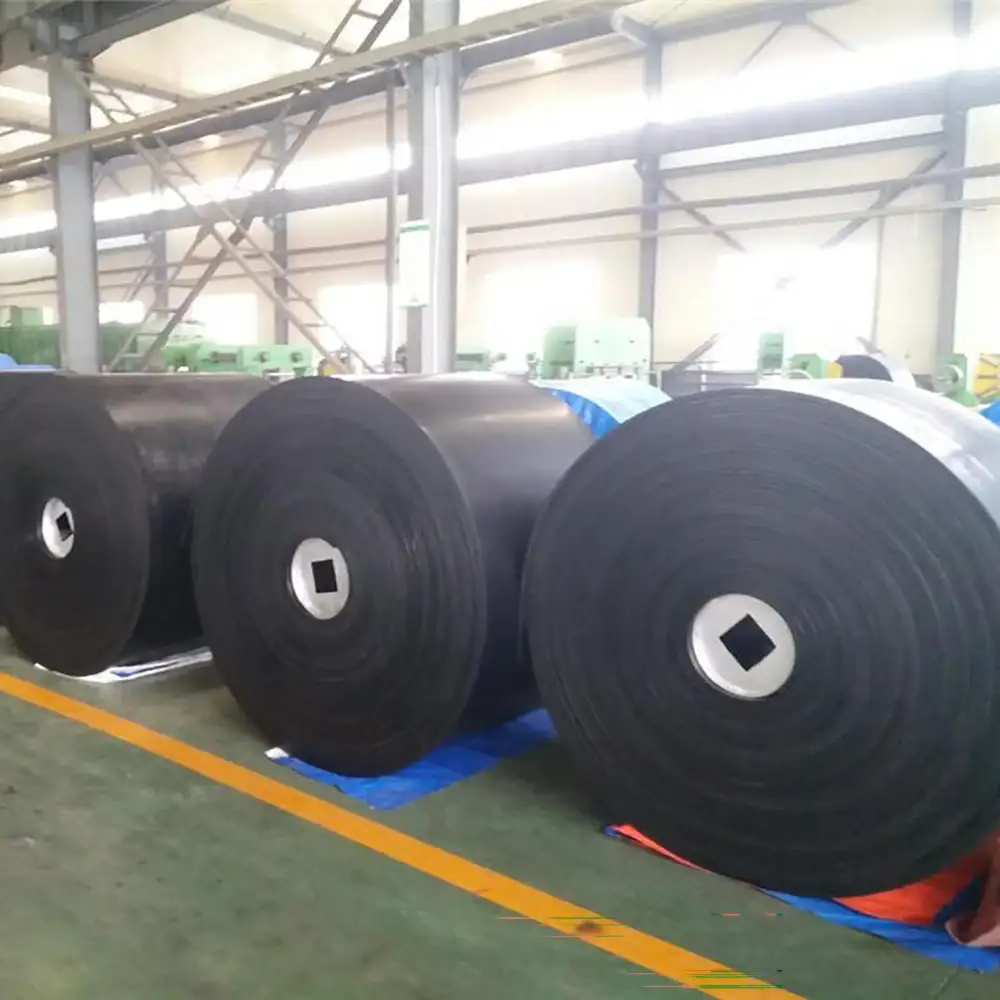
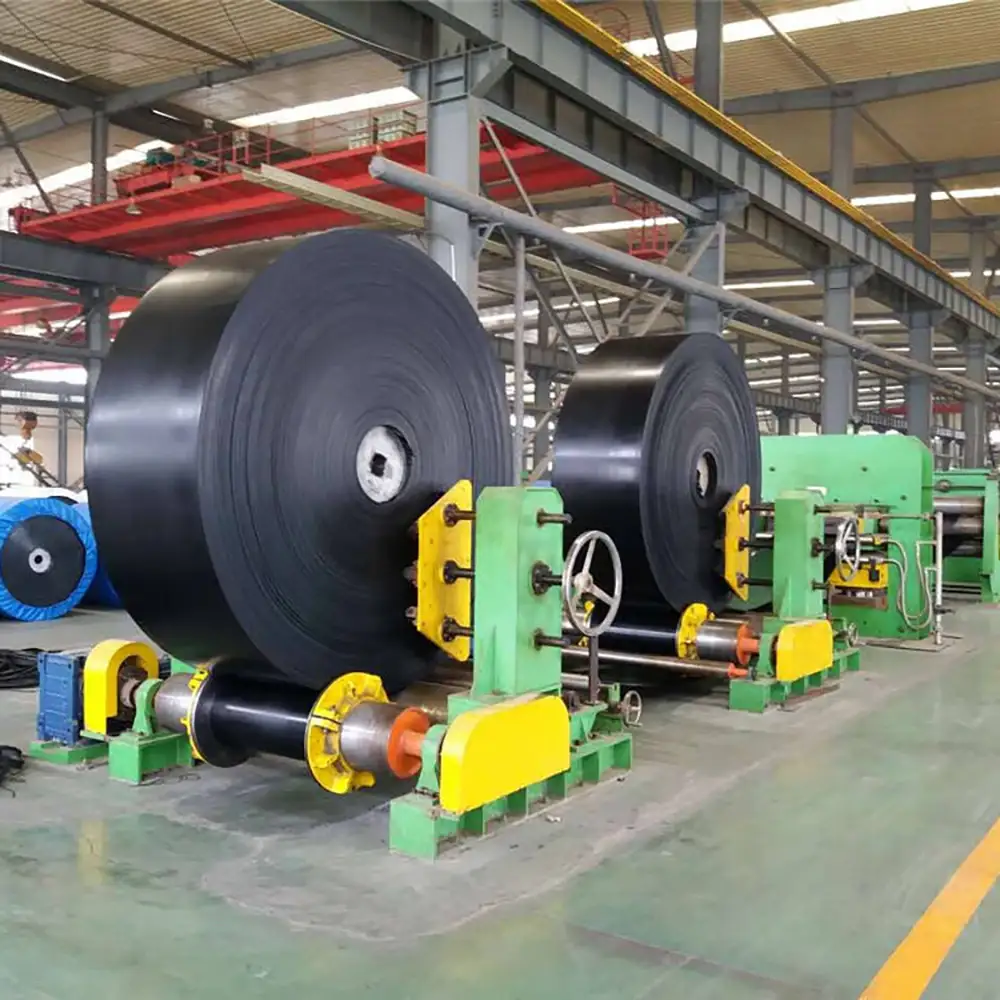
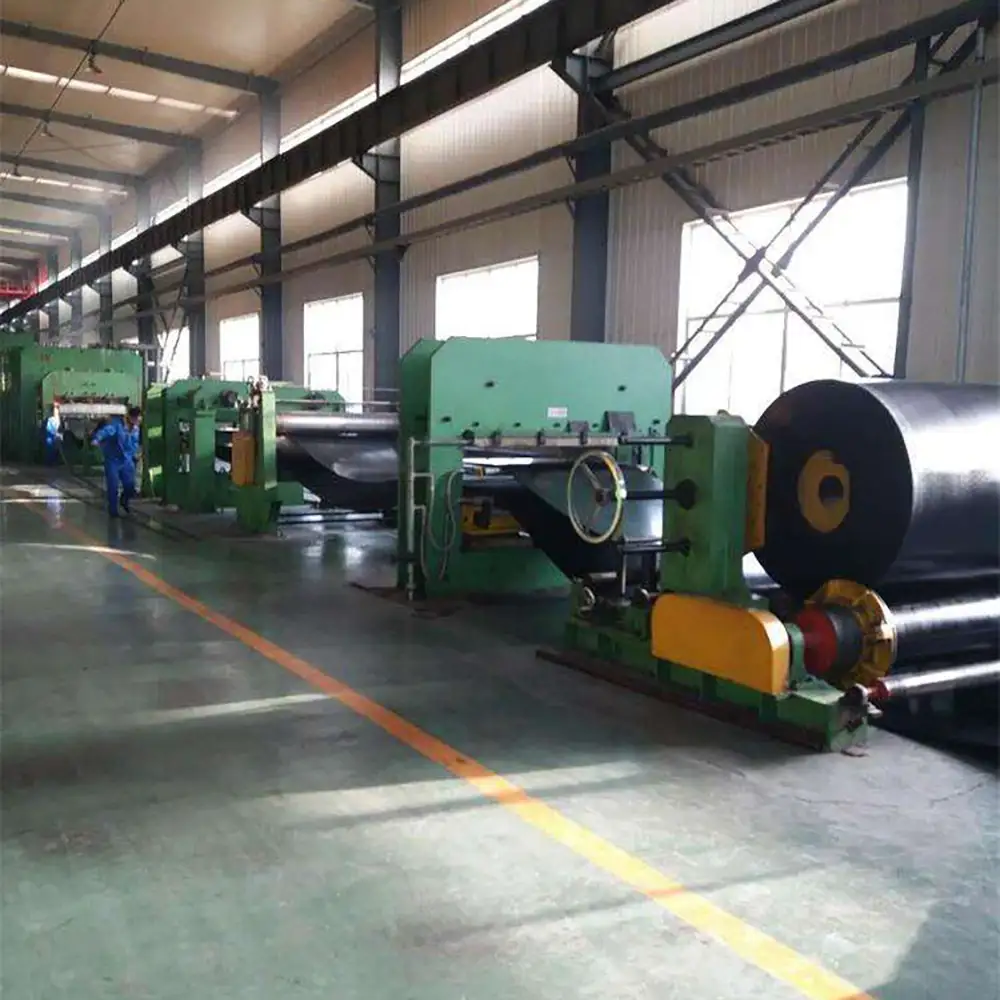
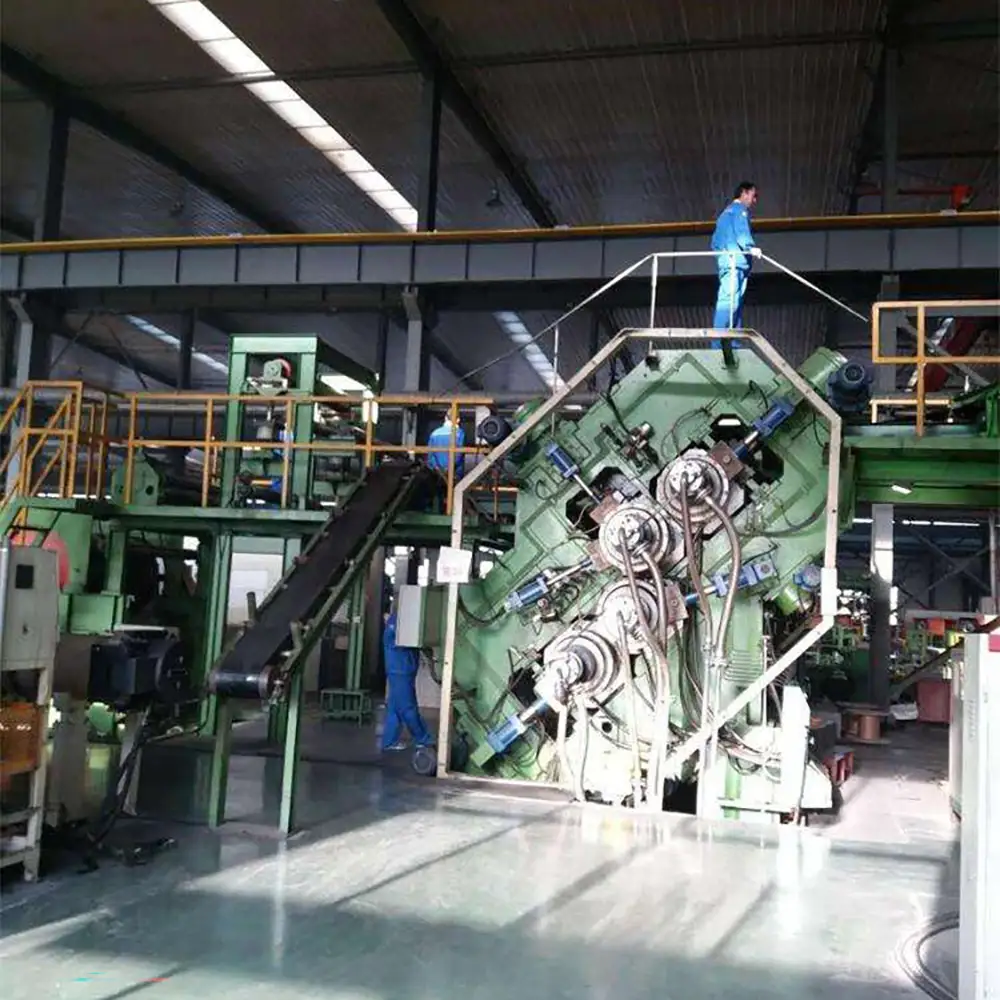
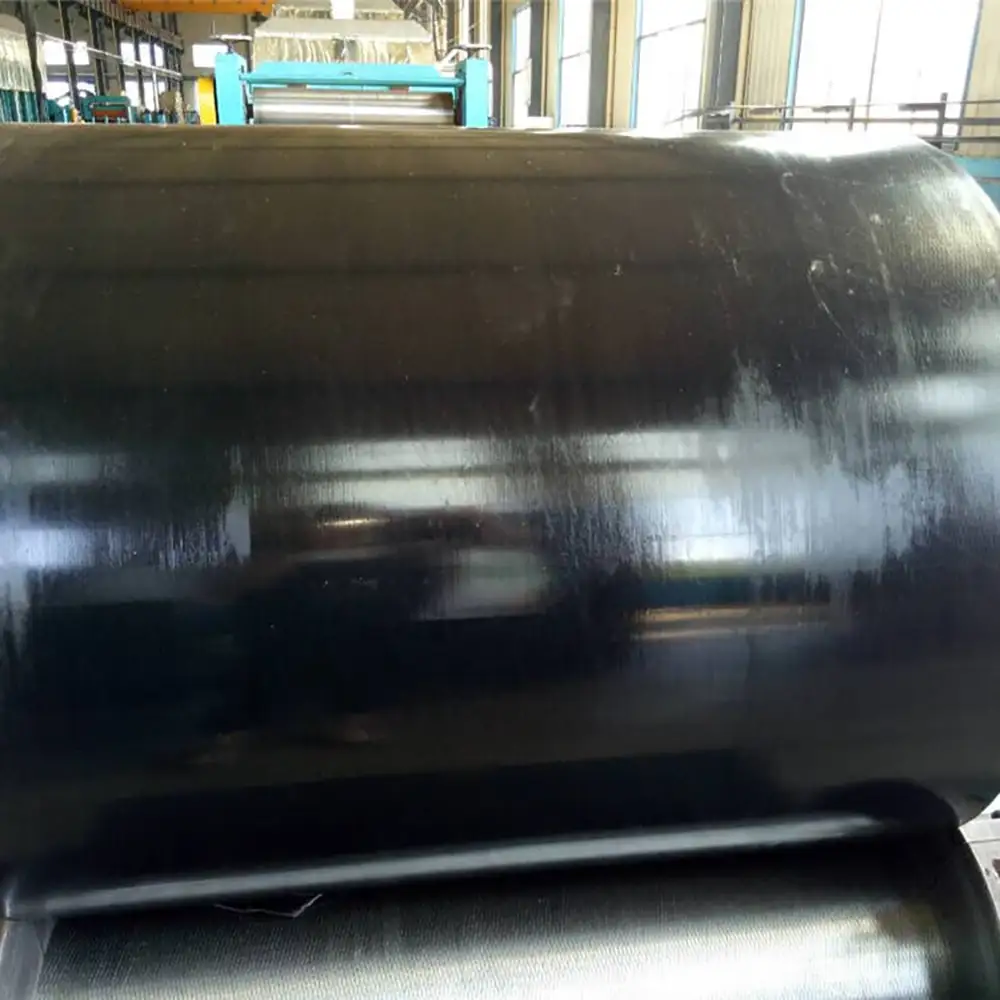
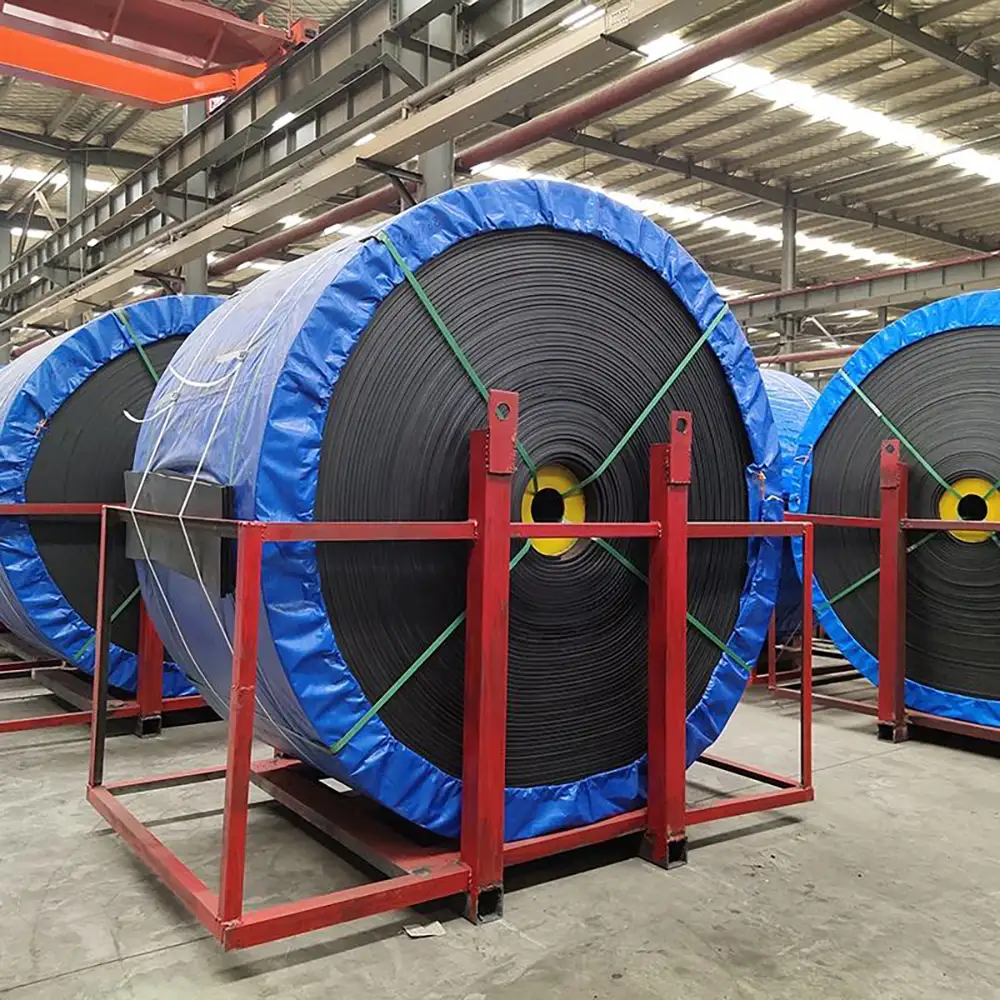
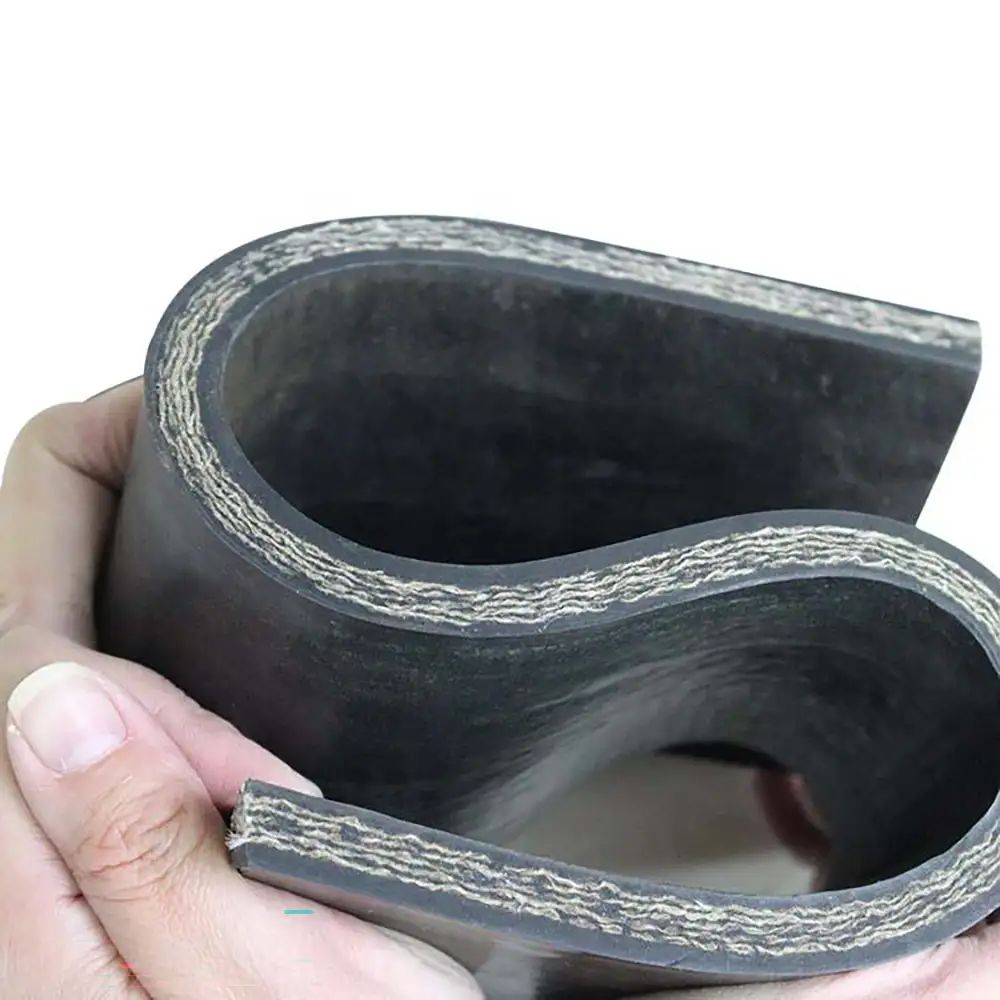
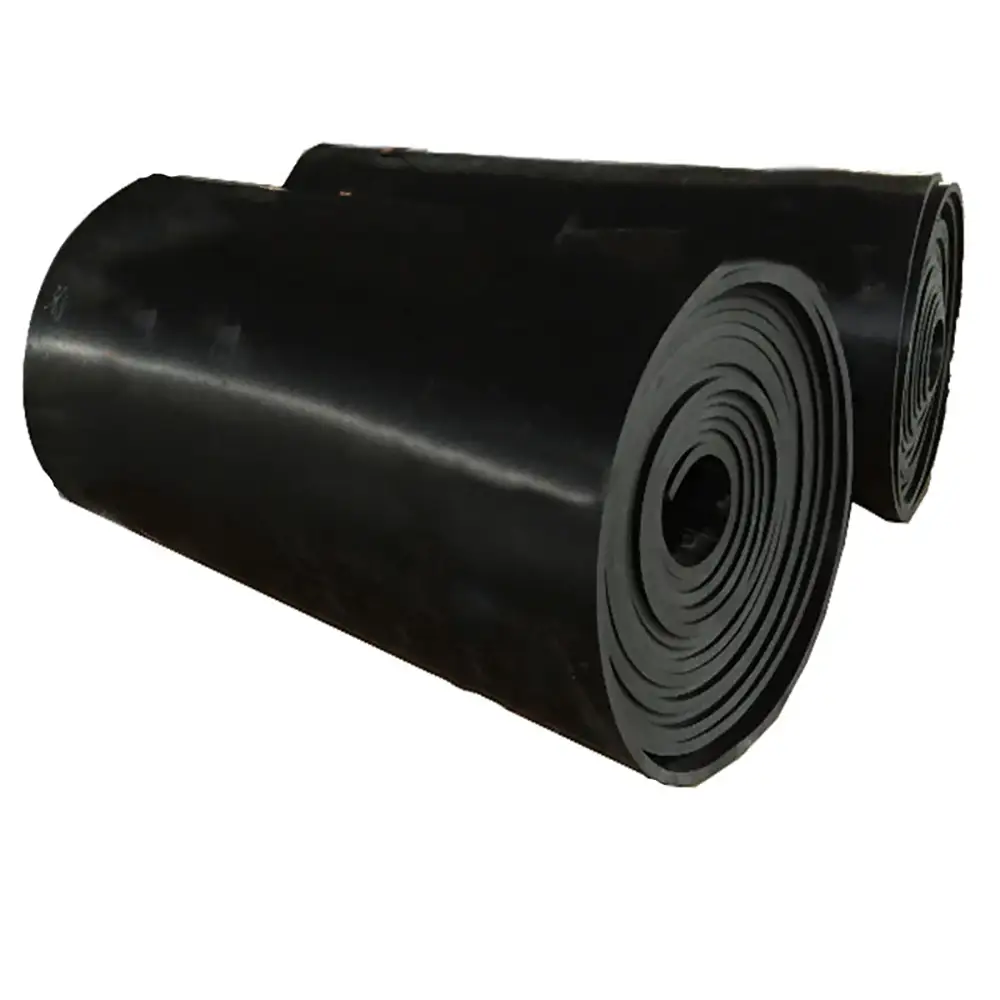
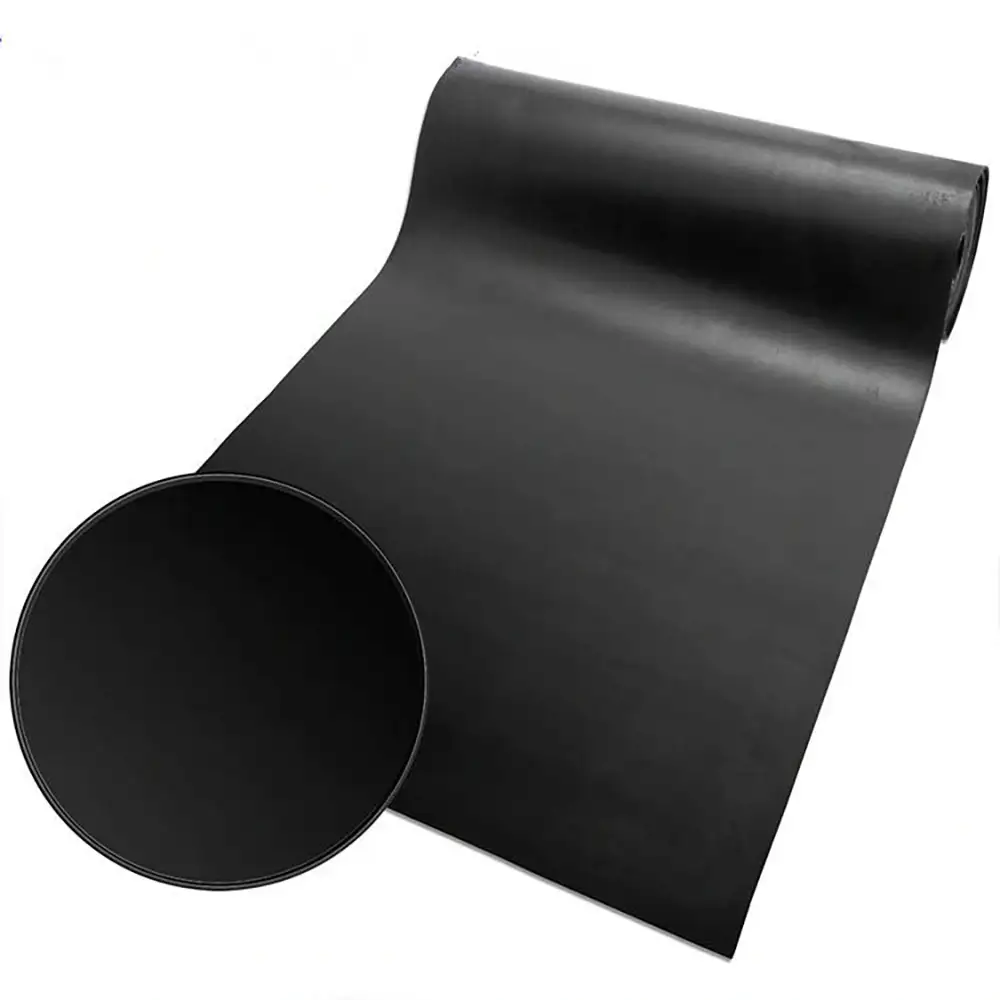
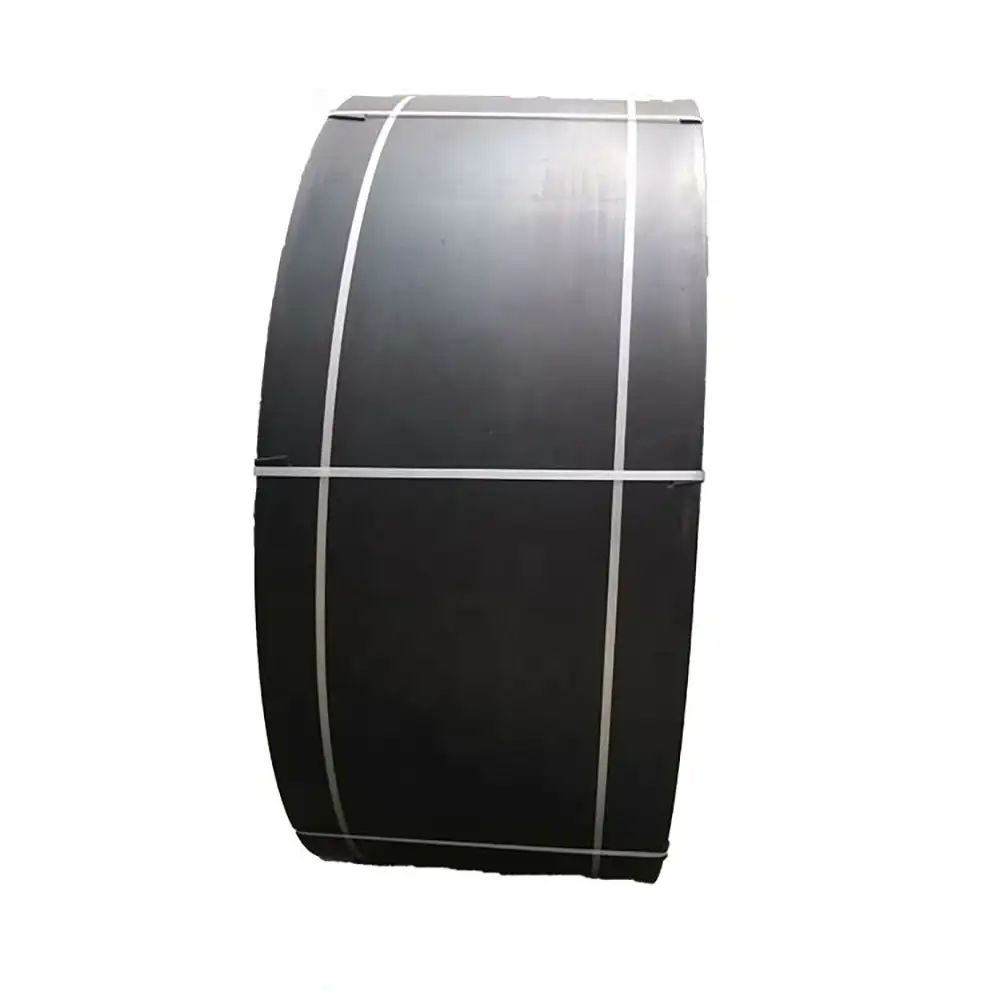
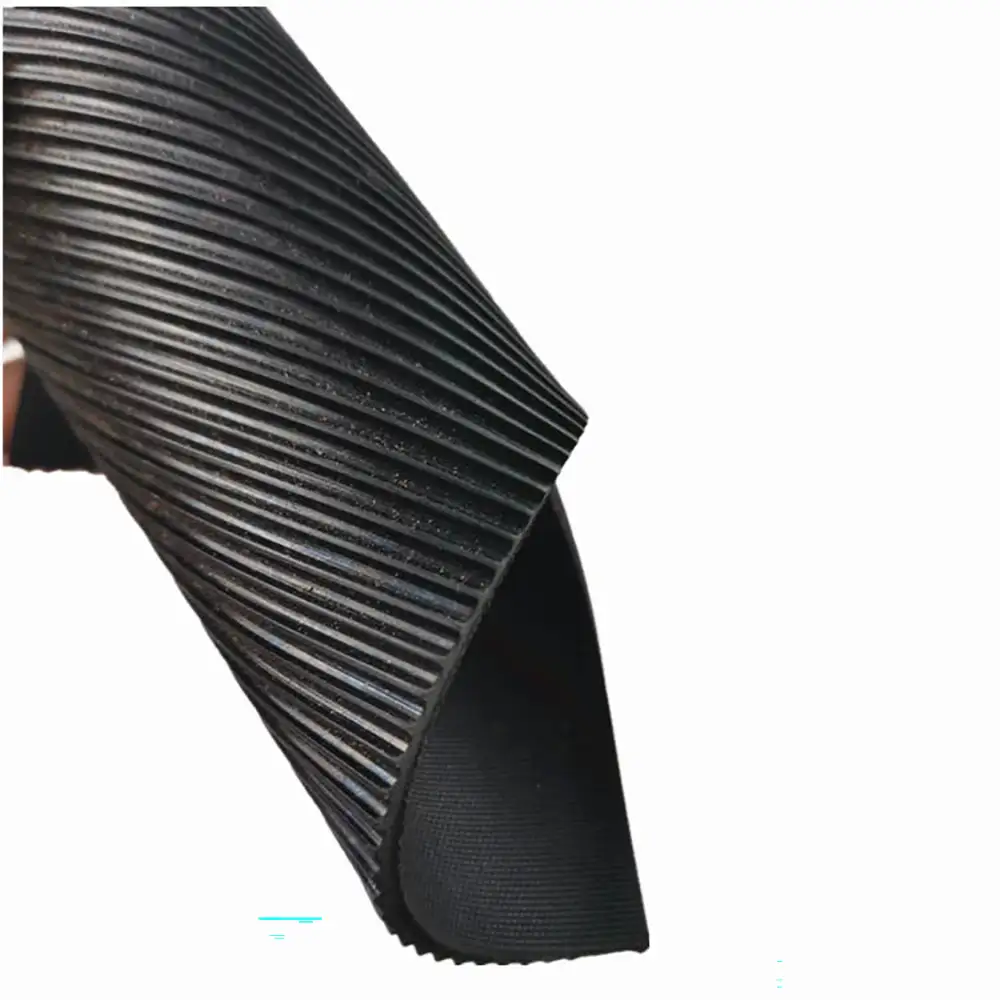
The product is made of cotton canvas ,nylon canvas or EP canvas and finished through the processes of calendering, assembling, vulcanizing and etc.It is suitable for conveying oily materials or working at oily site
Technical indexes:
|
Grade |
Tensile Strength |
Elongation at Break |
Maximum Abrasion Loss |
Polymer / Rubber |
Working Temperature Range |
Application |
|
Oil Resistance |
Mpa |
% Minimum |
MM3 |
|
Degrees |
|
|
OR |
15 |
300% |
150 |
NBR Blend |
- 30 to + 60 |
For materials like grains, refuse, woodchips, fertilizers coated with oil, coated coal / coke, etc. |
|
MOR |
12 |
300% |
300 |
NBR Blend |
- 30 to + 50 |
For materials with moderate amount of oil like grain, refuse, recycling waste, wood pulp, pinewood etc. |
Oil Resistant Belt
An oil resistant belt is a specialized rubber conveyor belt designed for conveying materials that contain oils, fats, grease, or other substances that can negatively affect conventional rubber compounds. When a standard conveyor belt is exposed to oily materials for extended periods, the rubber may swell, soften, lose strength, or experience accelerated deterioration. Oil resistant conveyor belts use specially selected rubber compounds and reinforcement structures to provide improved resistance to these conditions.
Oil resistant belts are widely used in material handling systems where petroleum-based substances, mineral oils, vegetable oils, animal fats, lubricants, or oily industrial materials may come into contact with the belt surface. Depending on the rubber formulation, the belt can be designed for different levels and types of oil exposure.
As an experienced rubber conveyor belt manufacturer and supplier, we can provide oil resistant belting in different constructions, widths, thicknesses, tensile grades, cover configurations, and rubber compounds to match the requirements of individual conveyor systems.
What Is an Oil Resistant Conveyor Belt?
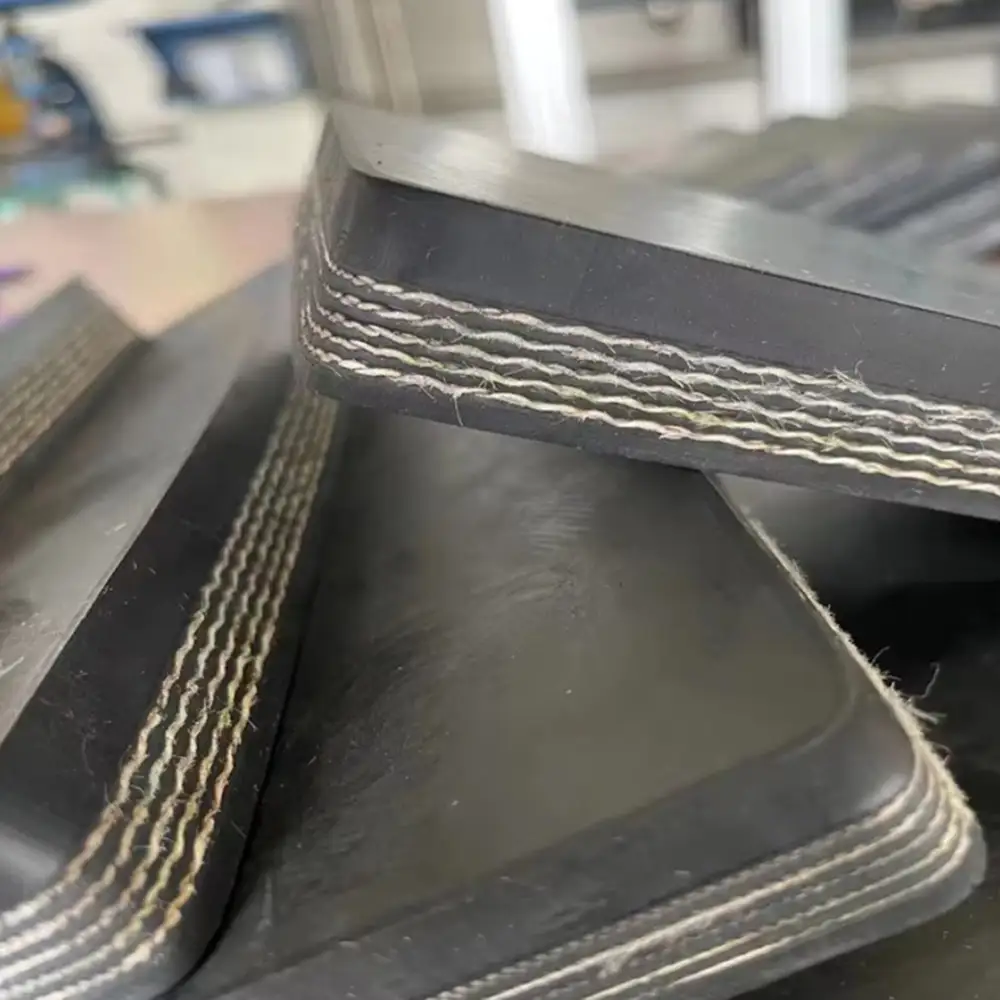
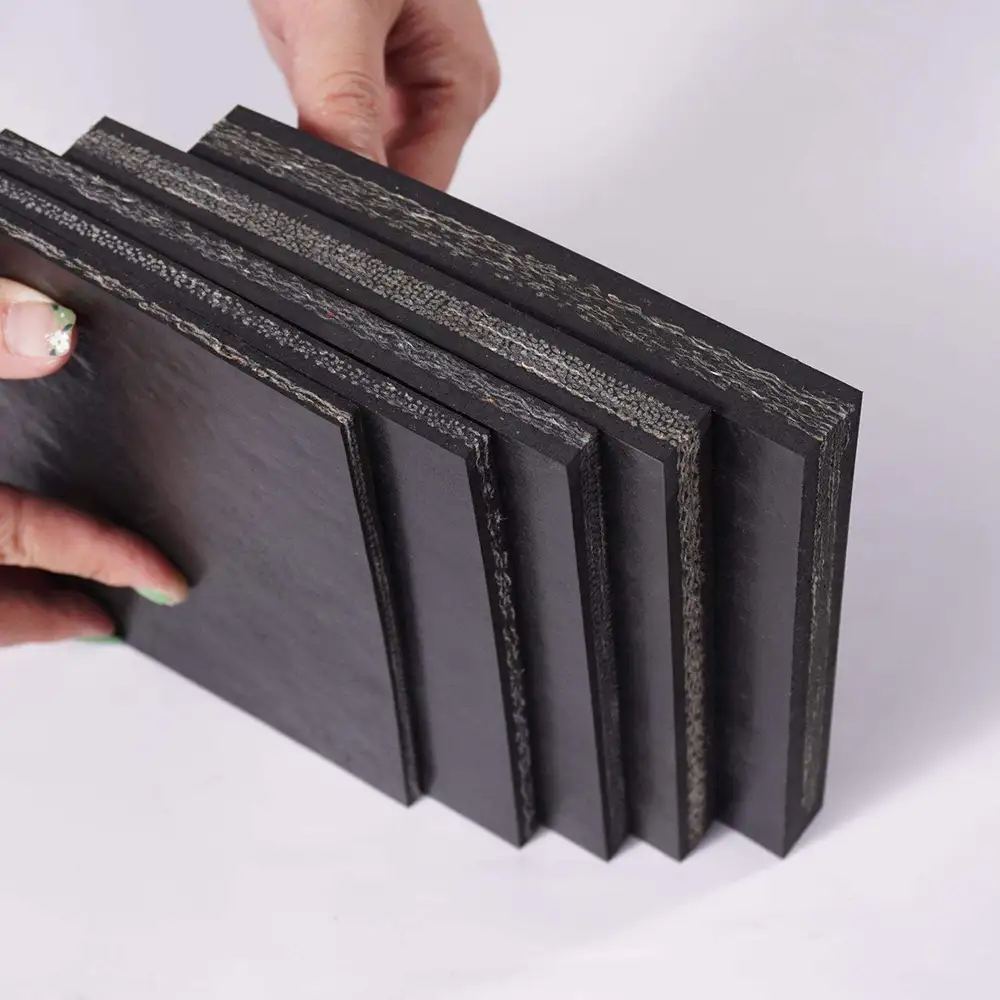
An oil resistant conveyor belt generally consists of a reinforced carcass surrounded by specially formulated rubber covers. The carcass provides tensile strength and dimensional stability, while the rubber cover is engineered to resist deterioration caused by oils and oily materials.
Common reinforcement options may include EP polyester fabric, NN nylon fabric, or other constructions selected according to conveyor length, tension, loading conditions, and application requirements.
The oil resistance of a belt is not determined by the word "oil resistant" alone. Different oils and chemicals can affect rubber compounds differently. Therefore, belt selection should consider the specific material being conveyed, oil concentration, temperature, exposure duration, belt speed, loading method, and operating environment.
Key Features of Oil Resistant Belt
Improved Resistance to Oil and Grease
The specially formulated rubber cover helps reduce swelling, softening, cracking, and deterioration when the belt is exposed to compatible oils, grease, or oily materials.
Durable Reinforced Construction
Fabric-reinforced constructions such as EP or NN can provide the tensile strength and flexibility required for continuous conveying. The appropriate carcass depends on belt width, conveyor length, loading conditions, and system tension.
Good Flexibility
A properly selected oil resistant conveyor belt can maintain useful flexibility around pulleys and through conveyor transitions. Belt construction and thickness should be matched to the conveyor's pulley configuration.
Abrasion Resistance
Many oil-resistant conveyor belt applications also involve abrasive materials. Depending on the rubber compound, the belt can be designed with additional abrasion resistance for applications involving oily aggregate, recycled materials, industrial waste, or other demanding products.
Custom Cover Properties
Oil resistance can be combined with other performance characteristics when required. Depending on the application, options may include abrasion resistance, heat resistance, weather resistance, flame resistance, or antistatic properties.
Applications of Oil Resistant Belt
Oil resistant conveyor belting is used in a wide range of industrial material handling applications.
Recycling Industry
Recycling plants may handle materials contaminated with lubricants, oils, grease, and other substances. Oil resistant belts can help maintain belt performance where conventional rubber may deteriorate more rapidly.
Automotive and Parts Manufacturing
Automotive production and parts processing can involve oily metal components, machined parts, lubricants, and cutting fluids. Oil resistant belting can be selected for conveying these materials.
Machinery and Metalworking
Metalworking operations frequently use cutting oils, coolants, lubricants, and machining fluids. An appropriate oil resistant belt can provide improved durability in material handling systems exposed to these substances.
Aggregate and Mining
Some mining and aggregate applications may involve oily materials or processing environments where oil contamination is possible. Oil resistant rubber conveyor belts can be specified when compatibility with the conveyed material is required.
Chemical and Industrial Processing
Industrial facilities may use conveyor systems to transport materials containing oils or other compatible substances. Belt selection should always be based on chemical compatibility with the actual material.
Agriculture and Food-Related Applications
Certain agricultural materials may contain natural oils or fats. Specialized oil-resistant rubber compounds can be considered where the conveyed product and regulatory requirements permit their use.
How to Choose the Right Oil Resistant Belt
Choosing an oil resistant belt requires more than simply selecting a belt labeled "oil resistant." Start by identifying the material being conveyed and the type of oil or oily substance involved.
Petroleum oils, mineral oils, vegetable oils, animal fats, and synthetic fluids can have different effects on rubber. The operating temperature can also influence rubber performance.
Important selection factors include:
Belt width
Belt length
Tensile strength
Number of fabric plies
Carcass construction
Top and bottom cover thickness
Rubber compound
Oil type and concentration
Material temperature
Conveyor speed
Conveyor inclination
Pulley diameter
Impact conditions
Loading method
Required abrasion resistance
Environmental conditions
For heavy-duty systems, the belt construction should be selected together with the conveyor's loading, tension, pulley, idler, and take-up design.
Oil Resistant Rubber Compounds
Different oil resistant belts can use different rubber formulations depending on the intended application. Some are designed primarily for contact with mineral oils, while others may be developed for vegetable oils, animal fats, or particular industrial materials.
This distinction is important because no single rubber compound provides identical resistance to every type of oil or chemical.
When requesting an oil resistant conveyor belt, provide information about the material being conveyed and the operating environment. This allows the belt manufacturer to recommend a compatible rubber compound rather than relying only on a general oil-resistant designation.
Installation and Maintenance
Proper installation helps maximize the service life of an oil resistant conveyor belt. The conveyor frame should be correctly aligned, and pulleys and idlers should rotate freely. Incorrect tracking, excessive tension, or damaged components can cause premature belt wear even when the rubber compound is suitable for the application.
During operation, regularly inspect the belt for cracking, abnormal swelling, edge damage, surface wear, and tracking problems. Remove accumulated material where necessary and check loading points for excessive impact.
If the belt is exposed to oils that are not known to be compatible with the rubber compound, evaluate the condition of the belt before continued operation.
Oil Resistant Belt Customization
We can support customized oil resistant conveyor belt requirements for different industrial applications. Depending on the project, customization may include belt width, length, tensile grade, carcass type, number of plies, cover thickness, rubber compound, surface characteristics, edge configuration, and other construction details.
For demanding conveyor systems, we can also discuss combinations of oil resistance with abrasion resistance, heat resistance, weather resistance, flame resistance, or other required properties.
The final belt specification should be confirmed according to the actual material, conveyor design, operating temperature, belt speed, loading conditions, and applicable industry requirements.
Why Choose Us?
Choosing the right oil resistant belt requires both rubber material knowledge and an understanding of conveyor applications. We focus on matching belt construction and rubber properties to the customer's actual operating conditions.
Application-Based Belt Selection: We help identify suitable belt construction based on conveyed material and operating conditions.
Oil Resistant Rubber Options: Different rubber formulations can be considered for different oil and grease exposure conditions.
Multiple Carcass Choices: EP, NN, and other reinforcement constructions can be selected according to conveyor requirements.
Custom Manufacturing: Belt width, length, tensile grade, cover thickness, and other specifications can be customized.
Industrial B2B Supply: We support distributors, conveyor system integrators, contractors, equipment manufacturers, and industrial end users.
OEM & Custom Service: Customized belt requirements can be discussed for specific conveyor projects.
Quality-Focused Production: Manufacturing and inspection processes are used to maintain consistent belt construction and product quality.
Export Experience: We support international customers with product specifications and application-based communication.
Frequently Asked Questions
1. What Is an Oil Resistant Belt?
An oil resistant belt is a rubber conveyor belt manufactured with a rubber compound designed to provide improved resistance to oils, grease, and compatible oily materials.
2. What Materials Can Be Conveyed With an Oil Resistant Conveyor Belt?
Applications may include oily metal parts, recycled materials, industrial products, materials containing grease, and other oil-contaminated bulk materials. Compatibility should be confirmed for the specific material.
3. Is an Oil Resistant Belt Suitable for Petroleum Products?
Some oil resistant compounds are designed for petroleum or mineral oil exposure, but performance varies by formulation. The exact oil type and concentration should be provided before selecting the belt.
4. Can the Belt Handle Vegetable Oil?
Certain rubber formulations can be used with vegetable oils and fats. However, the appropriate compound should be selected according to the specific oil, temperature, and exposure conditions.
5. Is an Oil Resistant Belt Also Abrasion Resistant?
It can be. Oil resistance and abrasion resistance are separate properties, but a belt can be designed with a compound that provides both when the application requires it.
6. Can Oil Resistant Conveyor Belts Be Used in Mining?
Yes. Oil resistant belts can be used in selected mining and bulk material handling applications where oil contamination is present. The belt should be matched to the material and mining environment.
7. What Reinforcement Is Used in Oil Resistant Belts?
EP polyester fabric and NN nylon fabric are common reinforcement options. The appropriate carcass depends on belt tension, conveyor length, flexibility requirements, and operating conditions.
8. Can the Belt Be Customized?
Yes. Depending on the manufacturing model, belt width, length, tensile strength, number of plies, cover thickness, rubber compound, and other construction parameters can be customized.
9. How Can I Increase Oil Resistant Belt Service Life?
Correct belt selection, proper tracking, suitable tension, good loading-point design, regular inspection, and preventing contact with incompatible chemicals can help extend belt service life.
10. How Do I Order an Oil Resistant Conveyor Belt?
Provide the belt width, length, tensile requirement, material being conveyed, oil type, operating temperature, conveyor speed, and other available system information. These details help determine a suitable belt construction.
Request a Quote
Prev:
Nylon Conveyor Belt, Industry Nylon Conveyor Belt
Next:
EP Conveyor Belt, Rubber Conveyor Belting, Polyester Conveyor Belts
TAG:
Industrial Rubber Conveyor Belt,
Heavy Duty Rubber Conveyor Belt,
Oil Resistant Industrial Conveyor Belt,
Oil Resistant Mining Conveyor Belt,
Oil Resistant Conveyor Belting,
Oil Resistant Rubber Conveyor Belt,
Heat Resistant Conveyor Belt,
Oil Resistant Conveyor Belt,
Industrial Conveyor Belting,
Industrial Conveyor Belt,
Antistatic Conveyor Belt,
Flame Resistant Conveyor Belt,
Weather Resistant Conveyor Belt,
Abrasion Resistant Rubber Conveyor Belt,
Abrasion Resistant Conveyor Belt,
Heavy Duty Conveyor Belt,
EP Fabric Conveyor Belt,
Polyester Conveyor Belt,
EP Rubber Conveyor Belt,
EP Conveyor Belt,
Textile Conveyor Belt,
Rubber Conveyor Belt,
Rubber Conveyor Belting,
Oil Resistant Rubber Belting,
Grease Resistant Conveyor Belt,
Oil Resistant Mining Belt,
Oil Resistant Quarry Conveyor Belt,
Oil Resistant Aggregate Conveyor Belt,
Oil Resistant Recycling Conveyor Belt,
Oil Resistant Metal Conveyor Belt,
Related Category:
Oil Resistant Belt,Oil Resistant Conveyor Belt,Oil Resistant Rubber Belt,Oil Resistant Conveyor Belting China, suppliers, manufacturers, factory, customized, wholesale, quotation, made in China