Loss In Weight Scale
Loss in weight electric instruction
graphic display condition of all feeding position
Instrument will display cumulant, proportion, set values, unloading quantity, error control, accuracy control, feeding material condition. Delay and feeding set, make sure each feeding position start and stop by order, avoiding first material fix last material.
Menu function
System initiating: batching system start
Loss in weightr: loss in weight building and related parameter
Hopper set: initiating material level
Volume ratio: set material quantity for each feeding position, set first and last material button.
Batching curve: 20s/t history curve, on line curve 2s/t(sampling time)
Material change schedule: check the condition of all feeding position, stop feeding material, delay feeding material, material change, display detailed parameter and time, out of material alarm.
Comprehensive set: enter total feeding material and each feeding position percent, enter set value of feeding position, feeding rated material automatic according to chemical composition and related production technical parameter of all feeding position
Loss In Weight Scale for Accurate Gravimetric Feeding
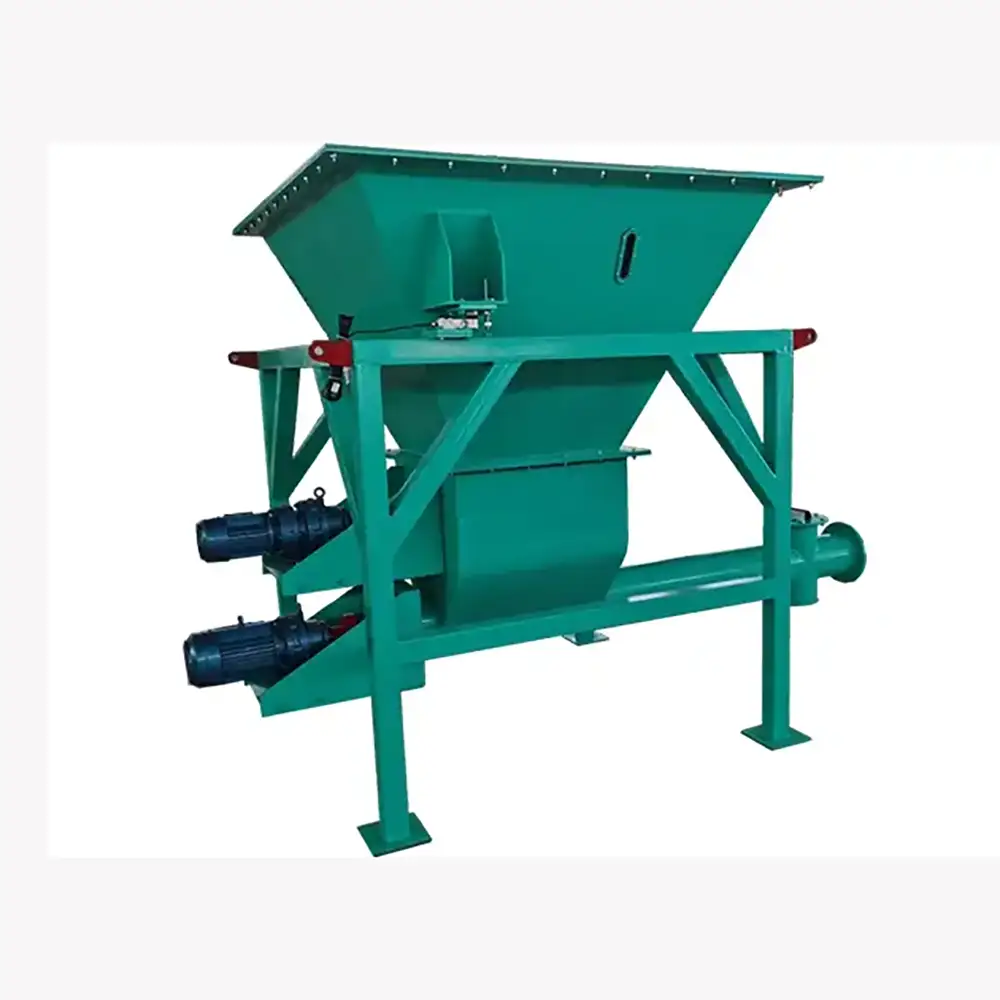
A Loss In Weight Scale is an industrial gravimetric weighing and feeding system designed to continuously measure the amount of material discharged from a hopper, bin, or feeder. By monitoring the reduction in total system weight over time, the equipment can calculate real-time mass flow and precisely control material feeding.
Loss-in-weight technology is widely used where consistent material dosing, accurate formulation, and stable process control are important. Typical applications include plastics processing, chemical production, food processing, pharmaceuticals, building materials, agriculture, battery materials, and other industries that require continuous feeding of powders, granules, pellets, flakes, or other bulk solids.
Unlike volumetric feeding systems that control material according to volume, a loss-in-weight system measures actual mass loss. This allows the controller to compensate for changes in bulk density and maintain a more consistent gravimetric feeding rate.
What Is a Loss In Weight Scale?
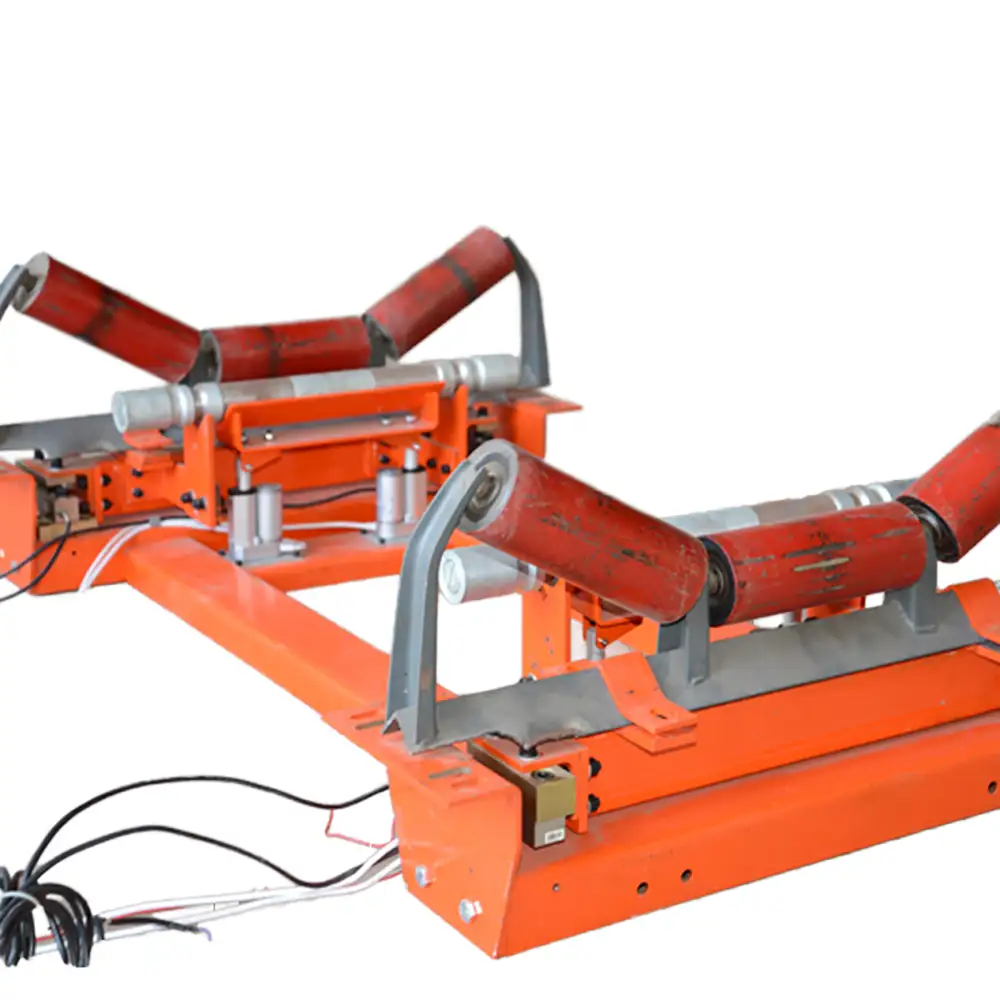
A Loss In Weight Scale consists of a material hopper or weighing vessel mounted on load cells together with a controlled feeding device. The system continuously monitors the total weight of the hopper and its contents.
When material is discharged, the measured weight decreases. The controller calculates the rate of weight loss and determines the actual material feed rate. Based on the programmed target, the controller automatically adjusts the feeder speed to maintain the required mass flow.
The system can therefore perform both continuous weighing and automatic feeding, making it suitable for production processes where precise material ratios are required.
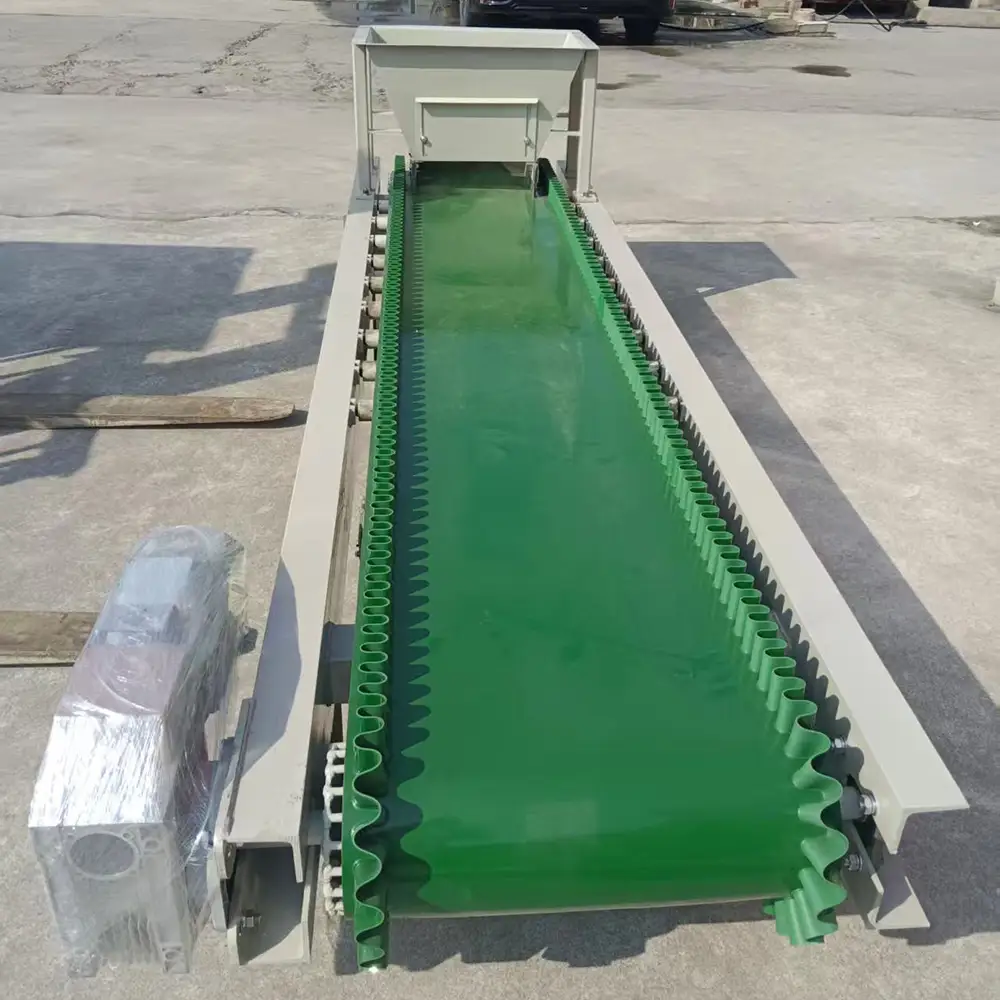
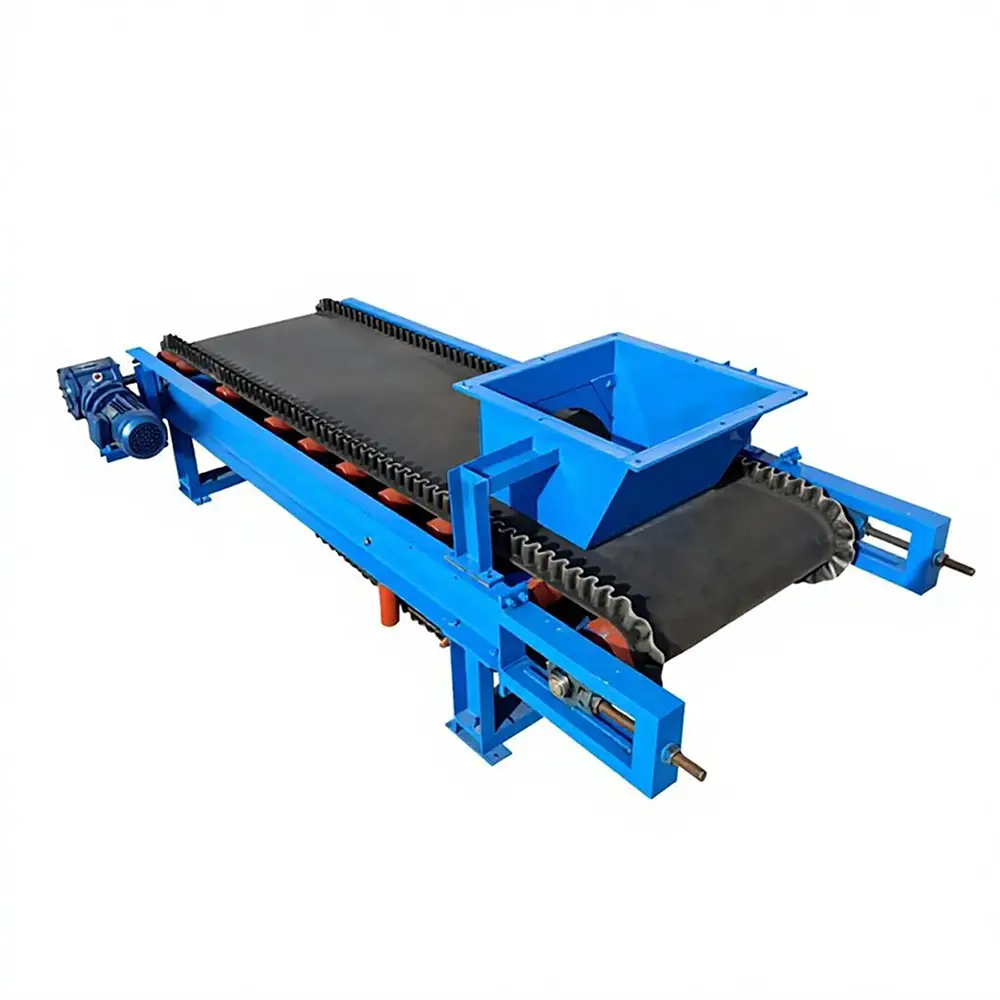
Depending on the application, the feeder may use a screw feeder, twin-screw feeder, vibratory feeder, belt feeder, rotary valve, or other material handling mechanism.
How Does a Loss In Weight Feeder Work?
The operating principle is straightforward but highly effective.
First, the weighing hopper is filled with the required material. Load cells measure the combined weight of the hopper, feeder, and material.
During operation, the feeder removes material from the hopper at a controlled rate. The weighing controller continuously monitors the reduction in weight.
For example, if the system loses 10 kg of material during a defined time period, the controller can calculate the corresponding mass flow rate. It then compares the actual feeding rate with the programmed setpoint.
If the actual flow is too low, feeder speed can be increased. If the flow is too high, feeder speed can be reduced.
When the hopper reaches a predefined refill level, the system can enter a refill cycle. After refilling, the controller resumes gravimetric control while minimizing interruption to the production process.
Main Components
A typical Loss In Weight Scale includes:
Weighing Hopper
Load Cells
Feeding Screw or Feeder
Drive Motor
Variable Frequency Drive
Weighing Controller
Material Inlet
Material Outlet
Level Sensor
Control Cabinet
Touchscreen or Digital Display
Communication Interface
The specific configuration depends on the material characteristics and required feeding accuracy.
For difficult powders, the hopper may include an agitator or anti-bridging device to prevent material from forming bridges or rat holes. For sticky materials, specialized hopper and feeder designs can improve discharge stability.
Loss In Weight Scale vs. Volumetric Feeder
A major advantage of loss-in-weight feeding is that the system measures mass rather than volume.
A volumetric feeder generally controls material based on feeder speed and estimated volume. If bulk density changes, the actual mass flow can also change.
A gravimetric Loss In Weight Feeder continuously monitors material weight and can compensate for variations in bulk density. This makes it particularly useful for applications requiring consistent formulation and dosing.
The technology is commonly selected for blending, compounding, extrusion, chemical dosing, recipe control, and other processes where material ratios directly affect final product quality.
Applications
Plastics and Polymer Processing
Loss-in-weight feeders are widely used for feeding polymer pellets, additives, masterbatch, powders, and regrind into extrusion and compounding lines.
Chemical Industry
The system can provide controlled feeding of powders, granules, catalysts, additives, and other chemical materials.
Food Processing
Food manufacturers can use gravimetric feeding systems for flour, starch, sugar, grains, spices, powders, and other dry ingredients where controlled dosing is required.
Pharmaceutical Production
Where process specifications permit, precise gravimetric feeding can support controlled material dosing and continuous manufacturing processes.
Building Materials
Cement additives, minerals, powders, fly ash, limestone powder, and other dry bulk materials can be continuously fed according to a programmed setpoint.
Battery and Advanced Materials
Powders and fine materials used in battery and advanced material production can require controlled and repeatable dosing. A gravimetric feeder can be integrated into automated material preparation systems.
Agriculture and Feed Processing
The system can be used to continuously meter powders, grains, additives, and other dry ingredients in agricultural and animal-feed processing.
Key Advantages
Accurate Gravimetric Feeding
The system measures actual material weight, providing direct feedback for controlled mass flow.
Continuous Process Control
Real-time weighing allows the feeding rate to be monitored and adjusted continuously.
Compensation for Bulk Density Changes
Because the system measures mass loss rather than relying solely on volume, it can compensate for changes in material bulk density.
Automatic Dosing
The controller can automatically maintain the programmed feeding rate, reducing the need for manual adjustment.
Suitable for Multiple Materials
Different feeder configurations can be used for powders, granules, pellets, flakes, and other dry bulk materials.
Easy Automation
The system can be connected to PLC, DCS, SCADA, or other plant automation systems depending on the required interface.
Flexible Configuration
Hopper capacity, feeder type, weighing range, motor size, control system, and discharge configuration can be customized.
How to Select a Loss In Weight Scale
Choosing the correct system requires a detailed understanding of the material and process.
Material Type: Specify whether the material is powder, pellet, granule, flake, fiber, or another bulk solid.
Bulk Density: Material density affects hopper capacity and feeder configuration.
Feed Rate: Provide the minimum, normal, and maximum required feeding rates.
Particle Size: Particle size distribution helps determine the appropriate feeder design.
Flowability: Cohesive powders may require agitation, vibration, or special screw designs.
Hopper Capacity: The hopper should provide sufficient operating time between refills without creating unnecessary system size.
Required Accuracy: The weighing and control system should be selected according to the production process requirements.
Environmental Conditions: Temperature, humidity, dust, corrosive materials, and sanitary requirements may influence material and component selection.
Installation and Maintenance
For accurate operation, the weighing hopper should be isolated from mechanical forces that could interfere with load-cell measurements. Flexible connections are commonly used at material inlet and outlet points to minimize unwanted load transfer.
The system should be installed on a stable structure and properly leveled. Electrical connections, load-cell signals, feeder rotation, and communication interfaces should be checked before commissioning.
Regular maintenance should include inspection of load cells, feeder screws, bearings, motors, seals, hopper walls, level sensors, and electrical components.
Material buildup should be removed when necessary, especially when processing sticky or moisture-sensitive powders. Periodic calibration and verification can help maintain consistent weighing performance.
OEM and Custom Loss In Weight Scale
Different industries require different feeding capacities and mechanical configurations. As a Loss In Weight Scale Manufacturer and Gravimetric Feeder Supplier, we can provide customized systems based on material properties, feeding range, hopper capacity, process layout, and automation requirements.
Available customization can include:
Single or multiple feeders
Screw or twin-screw feeder
Different hopper volumes
Load-cell configurations
Agitators and anti-bridging devices
Stainless steel contact parts
Dust-tight designs
PLC control
Touchscreen operation
Remote communication
Customized inlet and outlet
OEM branding and specifications
Complete gravimetric feeding systems can also be designed for integration with extrusion lines, mixers, blenders, reactors, packaging systems, and automated production lines.
Why Choose Us?
Professional industrial weighing and feeding solutions
Gravimetric and loss-in-weight technology
Customized feeder configurations
Suitable for powders, pellets, granules, and bulk solids
Accurate continuous material measurement
PLC and automation integration
OEM and custom manufacturing available
Factory-direct B2B supply
Application-based equipment selection
Technical support for commissioning and operation
FAQs
1. What Is a Loss In Weight Scale?
A Loss In Weight Scale is a gravimetric feeding and weighing system that determines material flow by continuously measuring the reduction in weight of a hopper or weighing vessel.
2. What Is a Loss In Weight Feeder?
A Loss In Weight Feeder combines a weighing system with a controlled feeder to automatically maintain a target material feed rate based on actual mass flow.
3. What Materials Can It Feed?
It can be configured for powders, granules, pellets, flakes, additives, minerals, chemicals, polymers, food ingredients, and other bulk solids.
4. What Is the Difference Between Gravimetric and Volumetric Feeding?
Gravimetric feeding measures material by mass, while volumetric feeding primarily controls material according to volume. Gravimetric systems can compensate for bulk-density variations.
5. Can It Feed Powder?
Yes. Screw and twin-screw feeder configurations are commonly used for powder materials. Cohesive powders may require an agitator or specialized discharge design.
6. Can a Loss In Weight Feeder Work Continuously?
Yes. The system is designed for continuous weighing and feeding. Automatic refill cycles can be incorporated when required by the process.
7. Can the System Be Connected to a PLC?
Yes. The weighing controller can be configured with suitable communication and control interfaces for PLC, DCS, SCADA, or other automation systems.
8. How Accurate Is a Loss In Weight Scale?
Actual performance depends on the feeder design, weighing components, material properties, operating range, installation, and calibration. The system should be configured according to the required process accuracy.
9. Can You Customize the Hopper and Feeder?
Yes. Hopper capacity, feeder type, screw configuration, material of construction, load cells, controls, and inlet/outlet dimensions can be customized.
10. How Do I Choose the Right Model?
Provide the material name, bulk density, particle size, minimum and maximum feed rates, required accuracy, hopper capacity, and installation conditions. These parameters allow the appropriate gravimetric feeding configuration to be selected.
Prev:
Hopper Scale, Weighing Hopper Scale,Electronic Weighing Scale
Next:
Chain Plate Scale, Industrial Waste Drag Chain Metal Scale Plate Conveyor
TAG:
Precision Dosing System,
Industrial Dosing System,
Bulk Material Feeder,
Material Feeding Machine,
Industrial Powder Feeder,
Volumetric Feeder,
Powder Feeder,
Automatic Material Feeder,
Gravimetric Feeder,
Bulk Material Weigh Feeder,
Continuous Weighing Feeder,
Industrial Feeding System,
Industrial Weigh Feeder,
Automatic Weigh Feeder,
Bulk Powder Feeder,
Automatic Dosing Feeder,
Continuous Weigh Feeder,
Continuous Weighing System,
Industrial Weighing Machine,
Weighing And Dosing System,
Industrial Dosing Machine,
Powder Dosing Machine,
Gravimetric Feeding Machine,
Automatic Material Dosing,
Precision Material Feeder,
Plastic Pellet Feeder,
Polymer Gravimetric Feeder,
Plastic Extrusion Feeder,
Chemical Dosing Feeder,
Food Ingredient Feeder,
Related Category:
Loss In Weight Scale,Loss In Weight Feeder,Loss In Weight Weighing System,Gravimetric Feeder,Gravimetric Weigh Feeder China, suppliers, manufacturers, factory, customized, wholesale, quotation, made in China