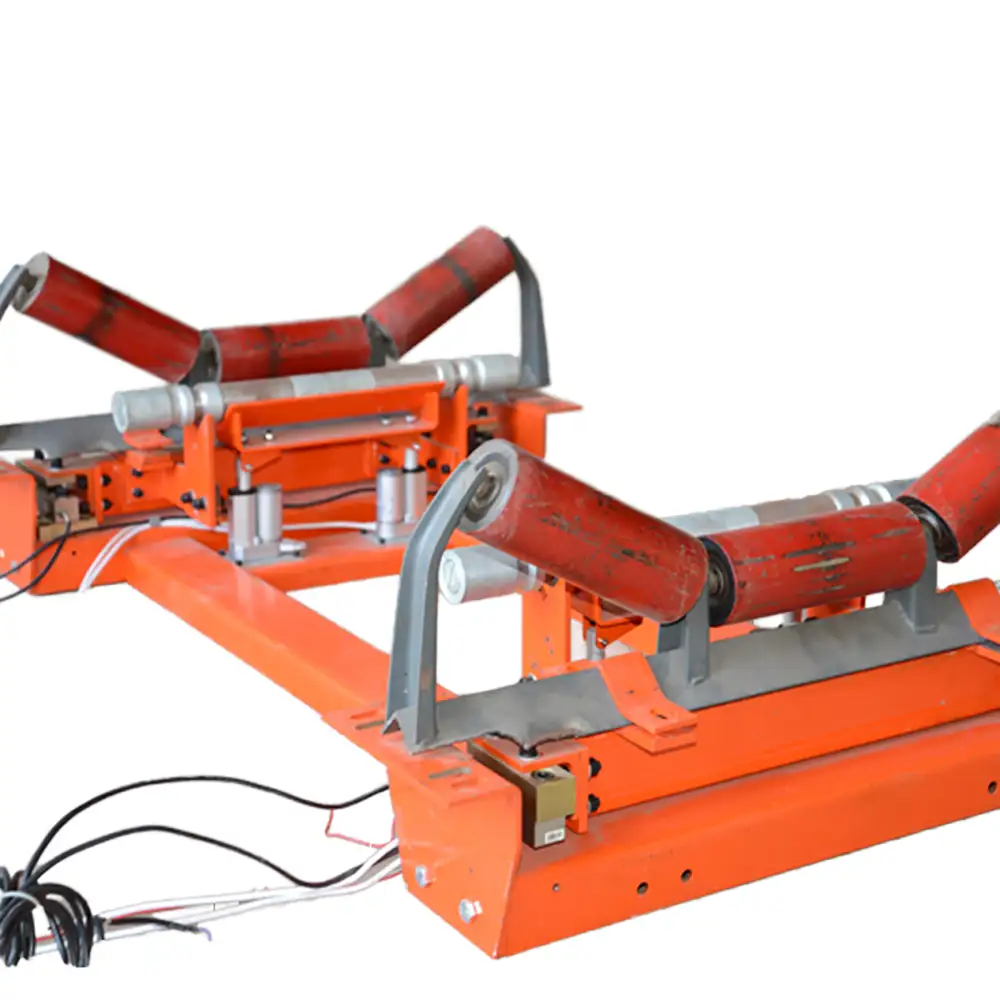
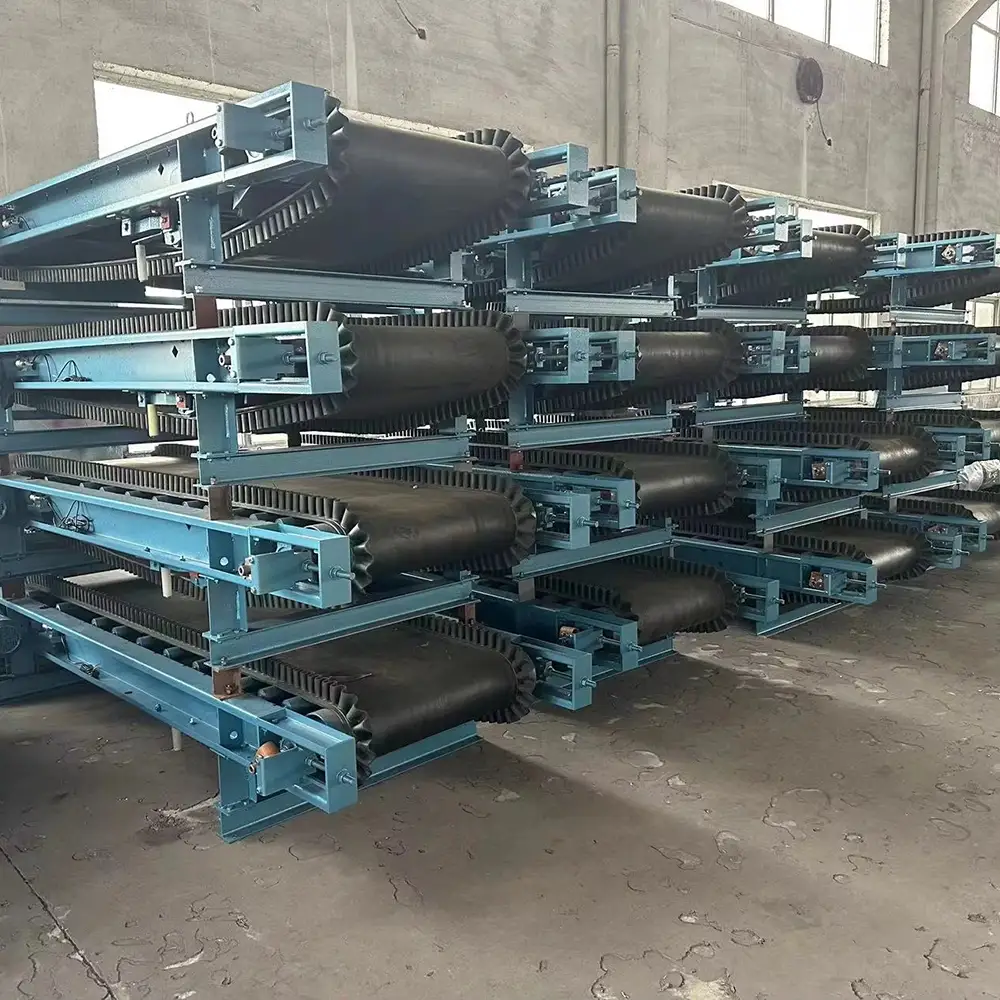
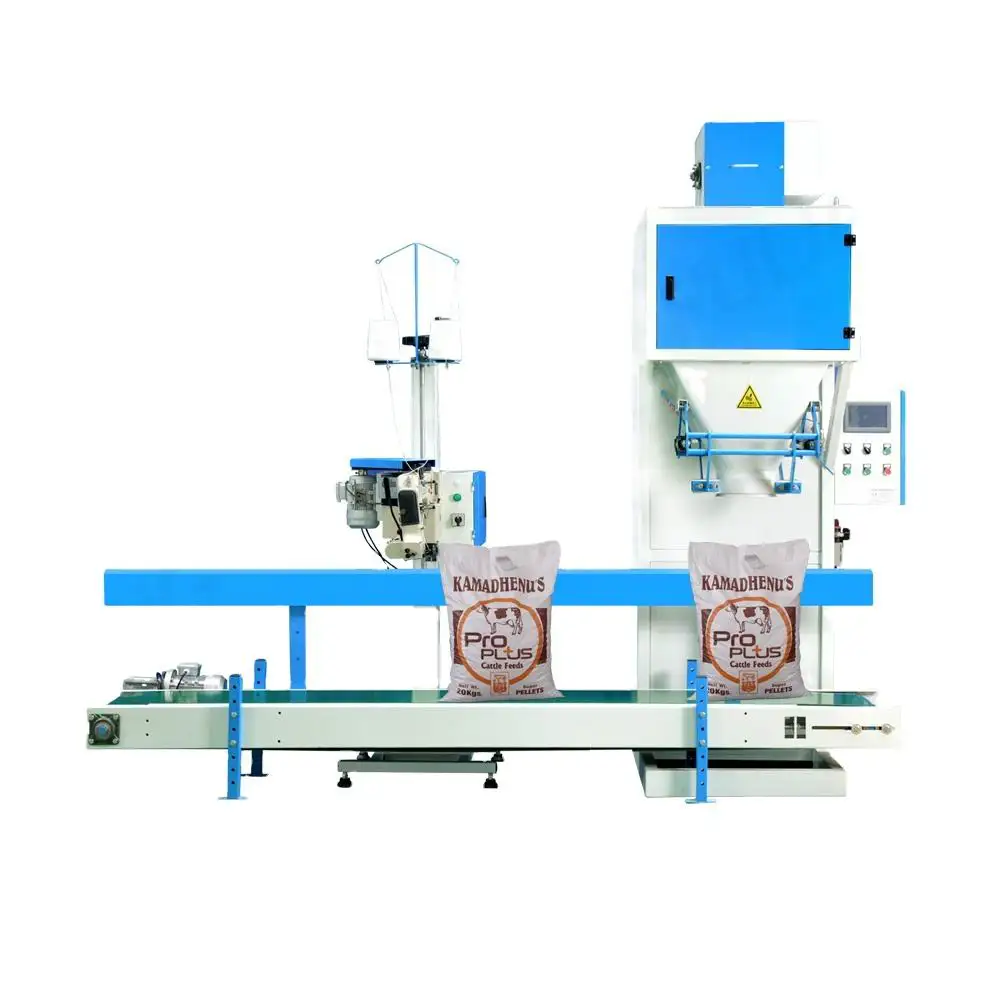
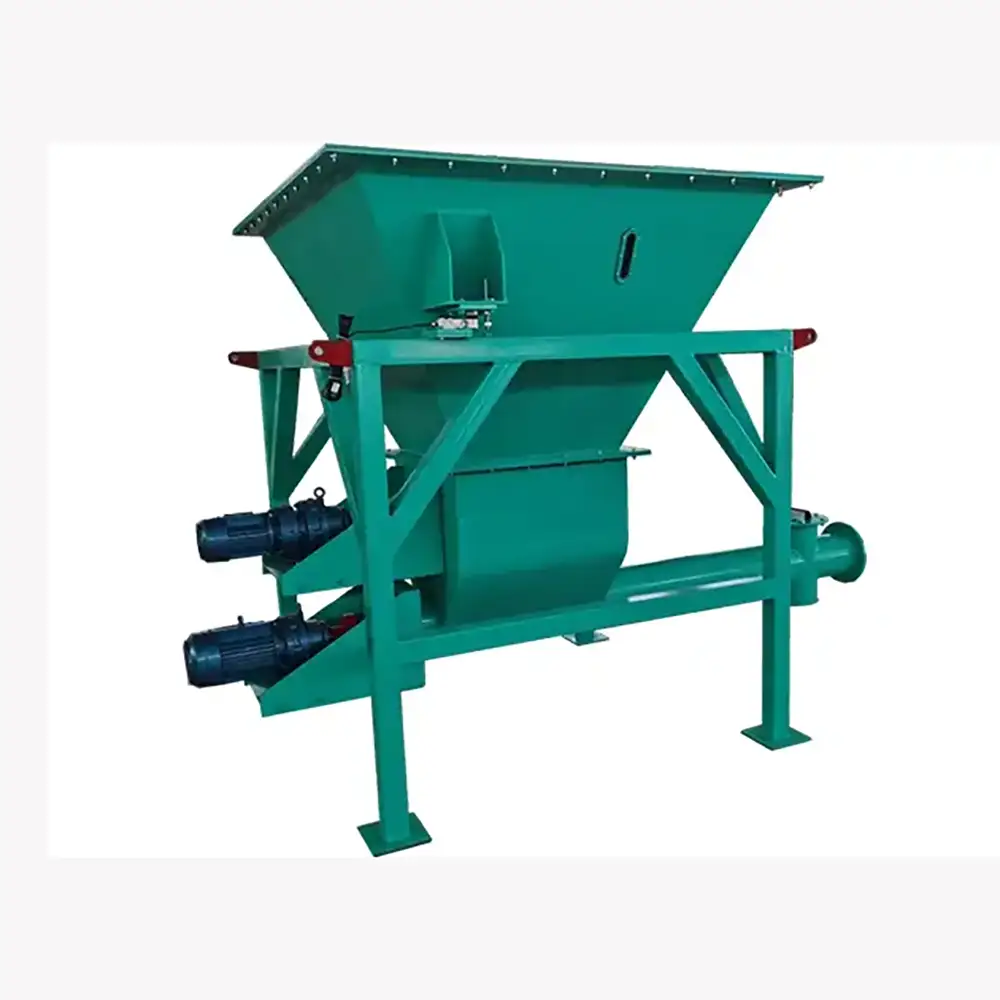
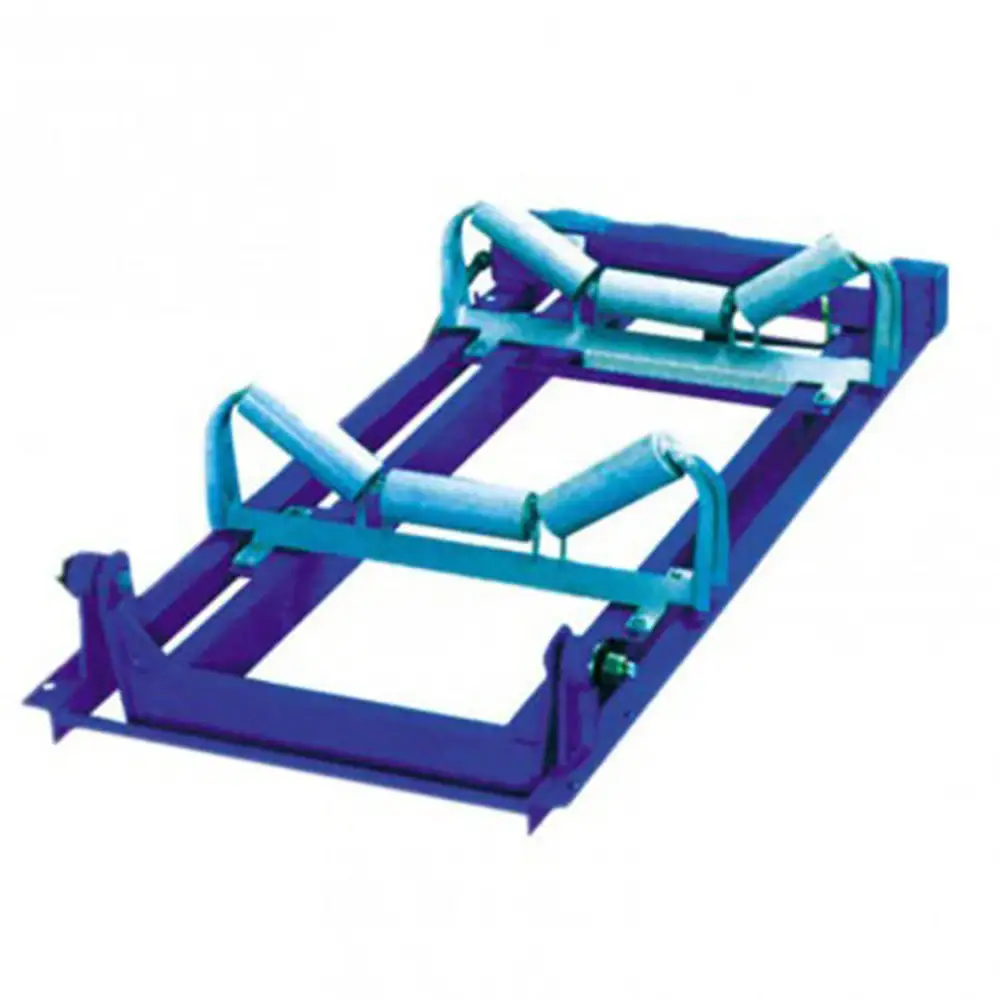
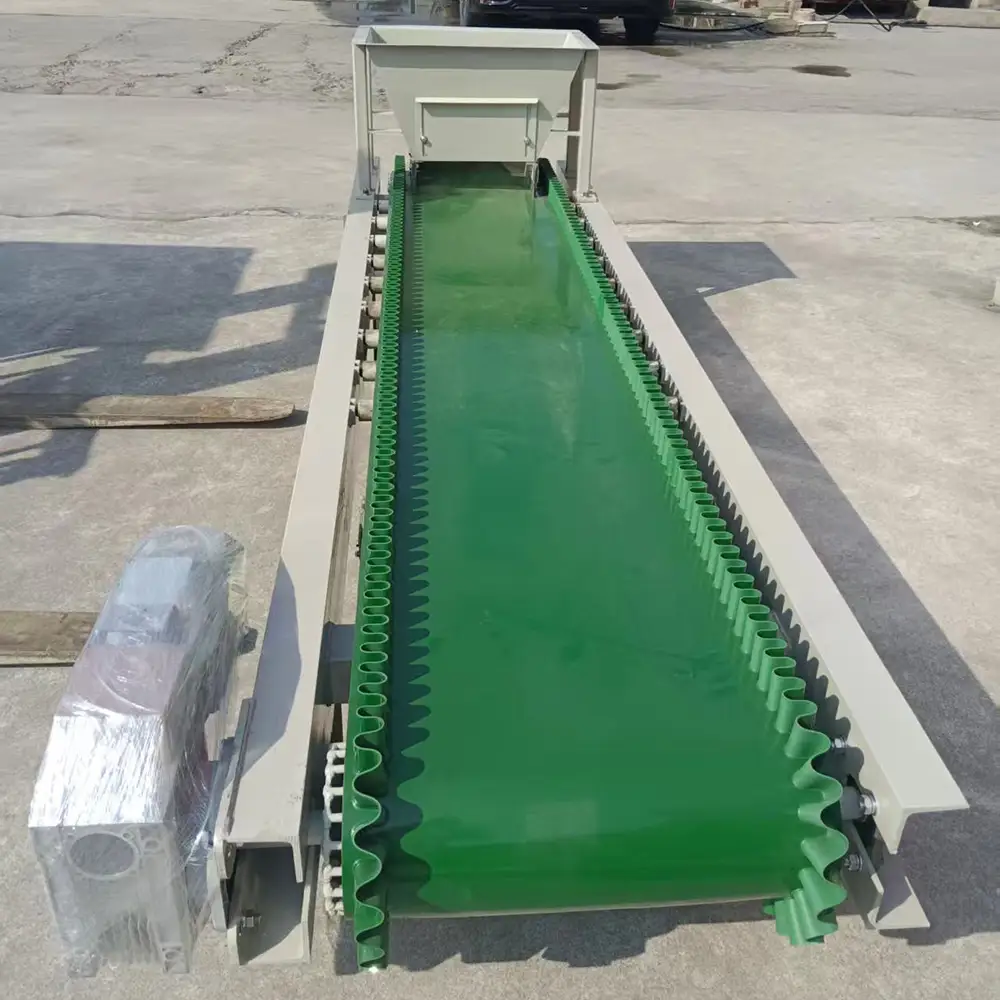
Hopper scale work principle
Hopper scale instrument is for bulk quantitative control. There are three button: out1 for feeding quick, out2 for feeding slow, and out3 for layout. They control material feeding and layout directly, and also became the input signal of PLC. PLC and other logical combine and control material feeding and layout of hopper. Sequence chart as below for work principle.
Main technical parameter
Weighing accuracy ±0.5% ; ±1%
Flow rate 0.02t-300t
Work mode: automatic weighing, printing automatic or manual, Hard disk storage
Power: 220V+10%,-15%; 50Hz±2%
Application
PLC control technology, focus control and operation, calibration convenient
self-inspection, feeding, nesting, and material quantity control are system automatic.
hopper can design square, circular, or irregular according to onsite conditions.
Fixed value setting, transfinite alarm function
communication with upper computer, and display the running status
of system and related equipment
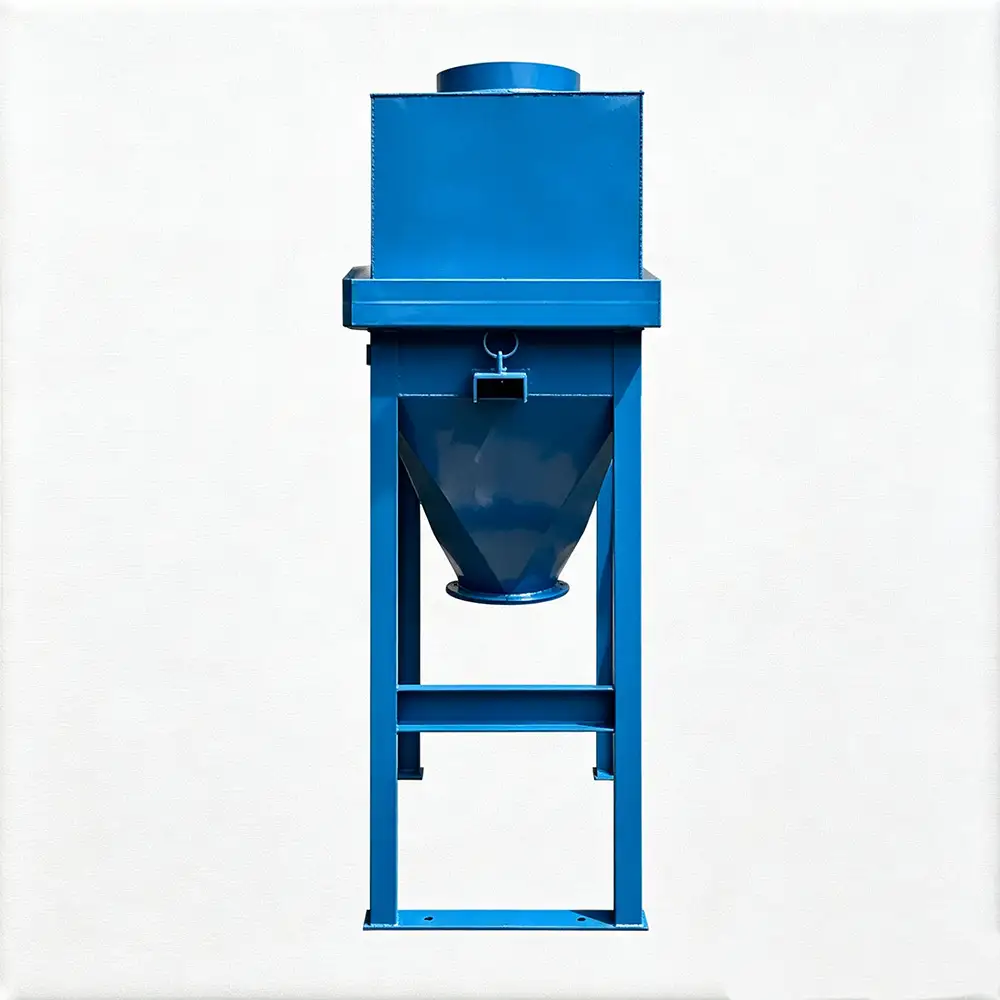
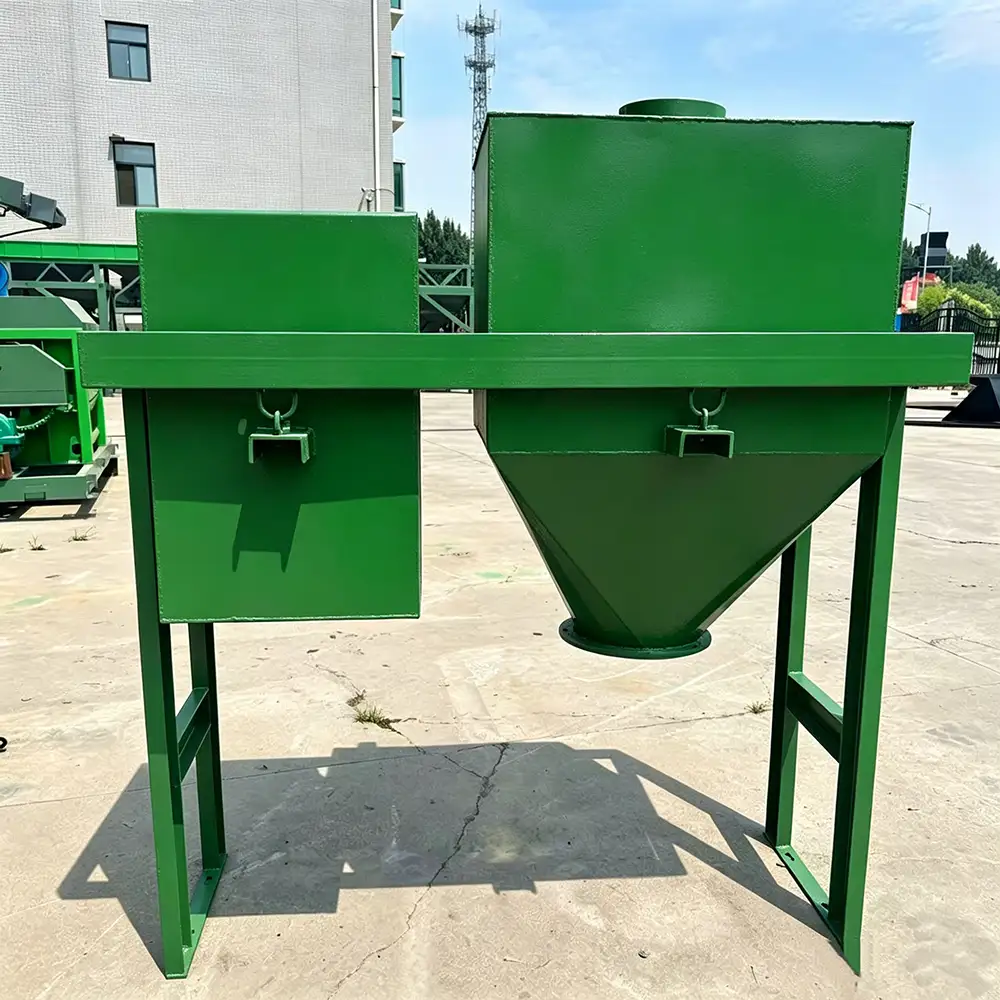
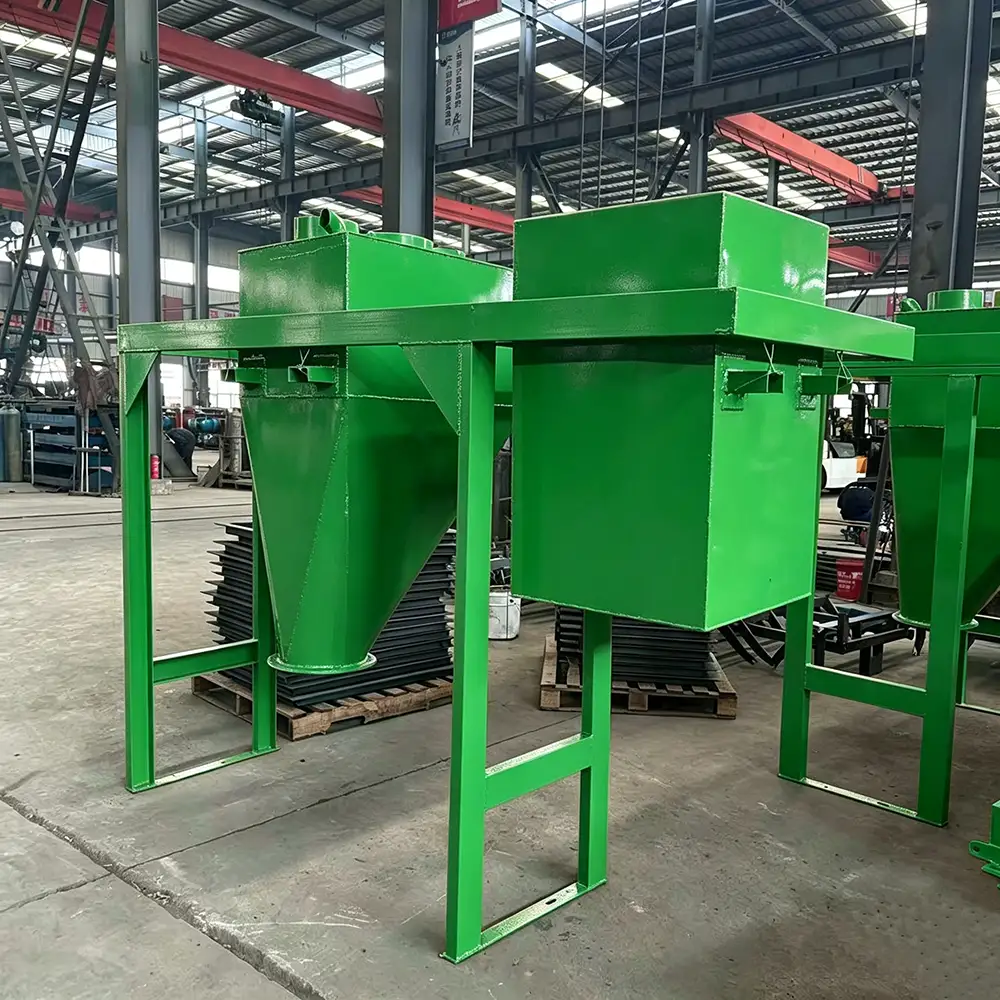
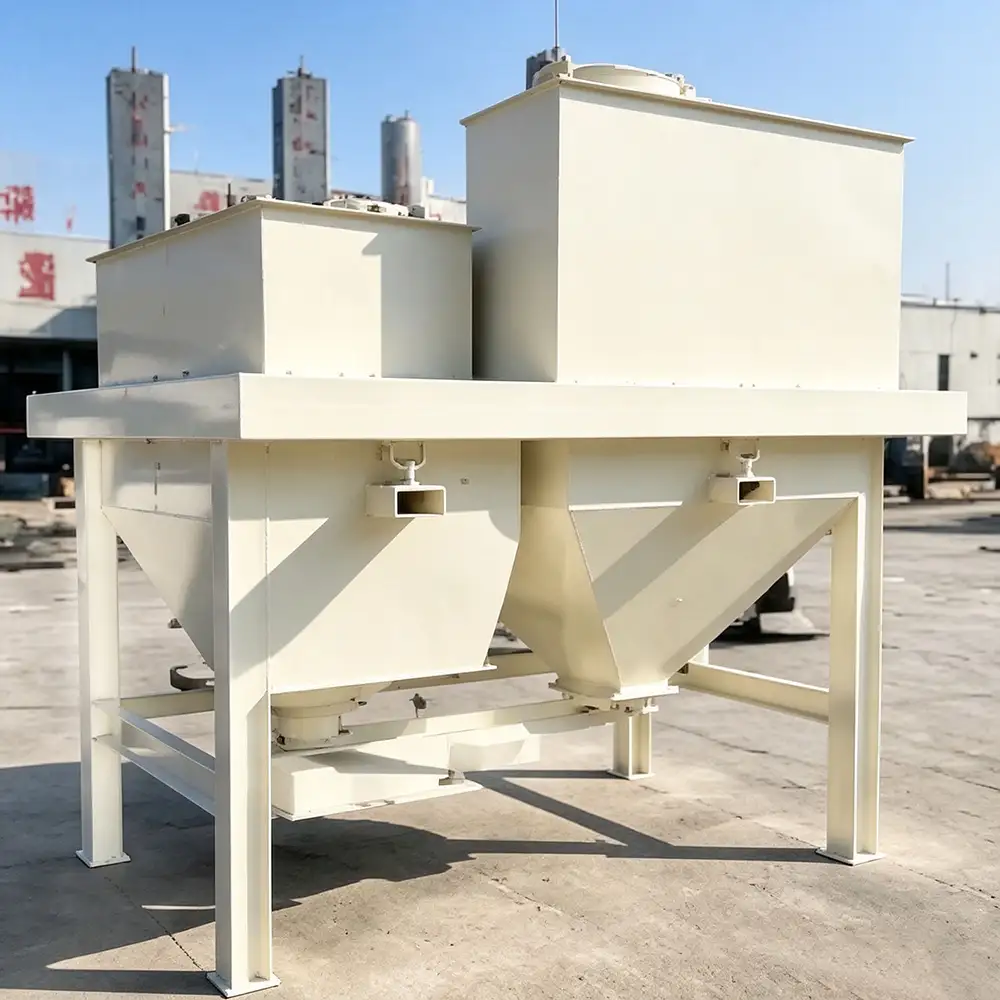
Hopper Scale for Accurate Industrial Material Weighing
A Hopper Scale is an industrial weighing system designed to accurately measure bulk materials as they are loaded into a hopper, bin, vessel, or processing container. Equipped with electronic load cells and a weighing controller, the system provides reliable weight measurement for batching, dosing, filling, blending, and material management.
A Weighing Hopper Scale is widely used in industries where bulk materials need to be measured before being discharged into a production process. Typical applications include grain handling, feed production, cement manufacturing, mining, aggregate processing, chemical production, food processing, fertilizer production, and general bulk material handling.
The Electronic Weighing Scale uses load cells to convert the mechanical load of material into an electrical signal. A weighing indicator or digital controller processes this signal and displays the measured weight. Depending on the configuration, the system can also automatically control feeding and discharge operations.
What Is a Weighing Hopper Scale?
A Weighing Hopper Scale consists of a hopper supported by one or more load cells. Material enters the hopper through an inlet, and the load cells continuously detect the weight of the material contained inside.
The weighing controller receives the load-cell signals and calculates the corresponding weight. Once the target weight is reached, the feeding system can stop automatically or switch to another stage of the process.
After weighing, the hopper can discharge the material through a controlled outlet. This makes the system suitable for both batch weighing and automated material handling.
Depending on the production process, the hopper may be equipped with pneumatic gates, butterfly valves, slide gates, screw feeders, rotary valves, or other discharge mechanisms.
How Does an Electronic Hopper Scale Work?
The weighing process generally follows several steps.
First, the empty hopper is zeroed or tared by the electronic weighing controller. Material is then introduced through the feeding system.
As the material accumulates, the load cells measure the increasing load. The electronic controller converts the load-cell output into a weight reading.
When the programmed target weight is reached, the controller can send a signal to stop the upstream feeder. The measured material can then be discharged into a mixer, conveyor, truck, packaging machine, storage bin, or other processing equipment.
For automated systems, the weighing controller can communicate with a PLC or plant control system to coordinate feeding, weighing, discharge, and batching sequences.
Main Components
A typical Hopper Scale includes:
Weighing Hopper
Load Cells
Weighing Frame
Electronic Weighing Indicator
Junction Box
Feeding Inlet
Discharge Outlet
Material Gate or Valve
Control Cabinet
PLC or Controller
Level Sensor
Flexible Connections
The configuration can be adapted to the material and application. Stainless steel contact surfaces may be selected for food, chemical, or corrosive environments, while heavy-duty carbon steel structures can be used for mining, aggregate, cement, and industrial applications.
Batch Weighing and Continuous Process Control
Hopper scales are particularly useful for batch weighing. Each material can be weighed according to a programmed target before being released into the next production stage.
For example, a concrete batching plant may use weighing hoppers to measure cement, sand, aggregate, and other components according to a predefined recipe.
In a feed mill, different ingredients can be accurately weighed before entering a mixer. In chemical processing, individual powders or granules can be measured before being combined.
The weighing data can be recorded and transferred to a production management or automation system, helping improve process traceability and material control.
Applications
Grain and Feed Processing
Hopper scales can weigh grain, corn, wheat, soybean meal, feed additives, and other agricultural materials before mixing, storage, or packaging.
Cement and Concrete Batching
Heavy-duty weighing hoppers are commonly used for cement, sand, gravel, aggregate, fly ash, and other concrete or building-material components.
Mining and Mineral Processing
Industrial hopper weighing systems can measure ores, minerals, concentrates, limestone, coal, and other bulk materials.
Chemical Industry
Electronic weighing hoppers can be configured for powders, granules, additives, catalysts, and other chemical raw materials.
Fertilizer Production
Fertilizer ingredients can be accurately weighed and batched before mixing or granulation.
Food Processing
Depending on hygienic requirements, stainless steel weighing hoppers can be used for flour, sugar, starch, grains, powders, and other food ingredients.
Recycling and Waste Handling
Hopper scales can measure recycled materials, industrial waste, granular materials, and other bulk products before processing or transportation.
Key Advantages
Accurate Electronic Weighing
Load-cell technology provides direct measurement of material weight and can support automated batching operations.
Automatic Batching
The system can be programmed with target weights for repeatable material batching.
Real-Time Weight Display
Operators can monitor the current hopper weight through a digital weighing indicator or touchscreen interface.
Flexible Discharge
Different discharge mechanisms can be selected according to material flowability, particle size, and process requirements.
Easy Automation
The electronic weighing system can be integrated with PLC, DCS, SCADA, and other industrial control platforms.
Suitable for Bulk Materials
The equipment can be designed for powders, granules, pellets, grains, minerals, aggregates, and other bulk solids.
Customizable Capacity
Hopper volume, weighing range, load-cell capacity, structure, discharge design, and control system can be customized.
How to Select a Hopper Scale
Several factors should be considered when selecting an industrial weighing hopper.
Material Type: Identify the material, particle size, bulk density, moisture, flowability, and abrasiveness.
Weighing Capacity: Determine the maximum weight that the hopper needs to handle in each batch.
Hopper Volume: The hopper should provide enough capacity for the required batch size without creating unnecessary dead space.
Required Accuracy: The weighing system should be selected according to the production process and batching tolerance.
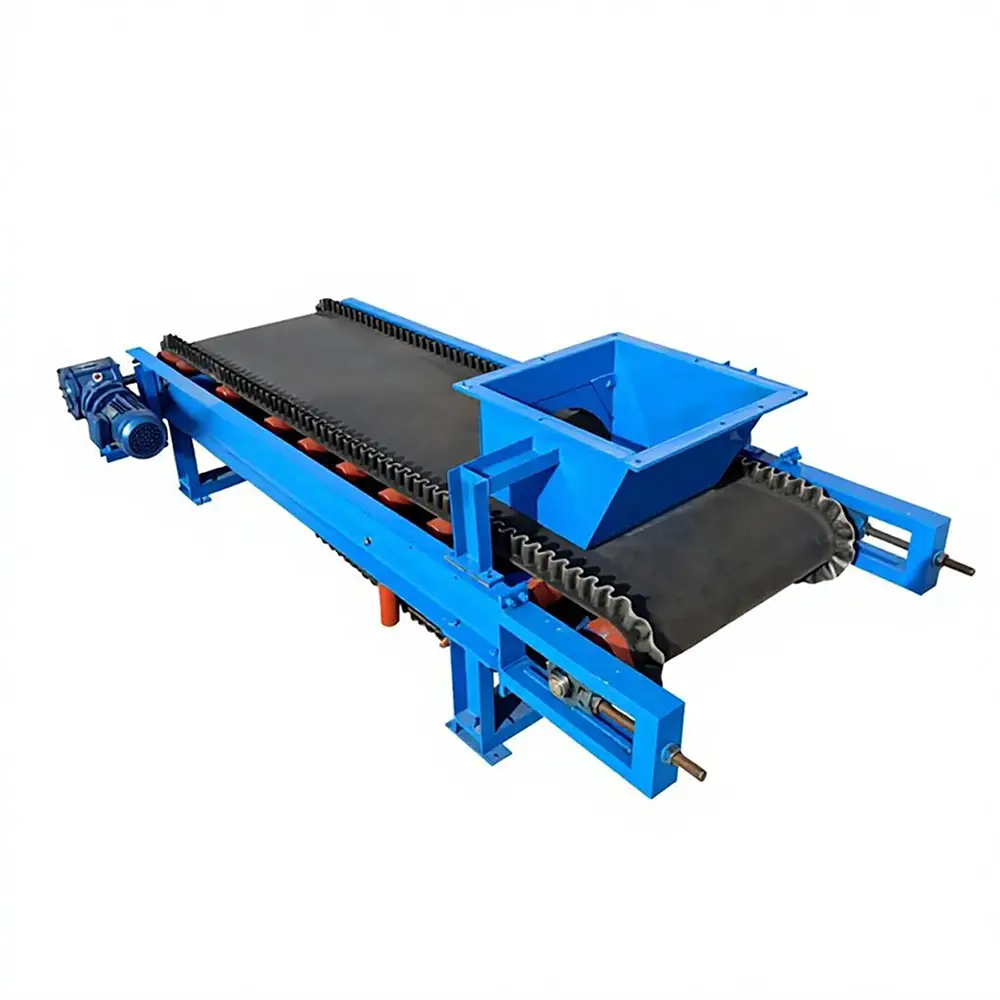
Feeding Method: Screw feeders, belt feeders, pneumatic conveying, gravity feeding, or other methods may be used.
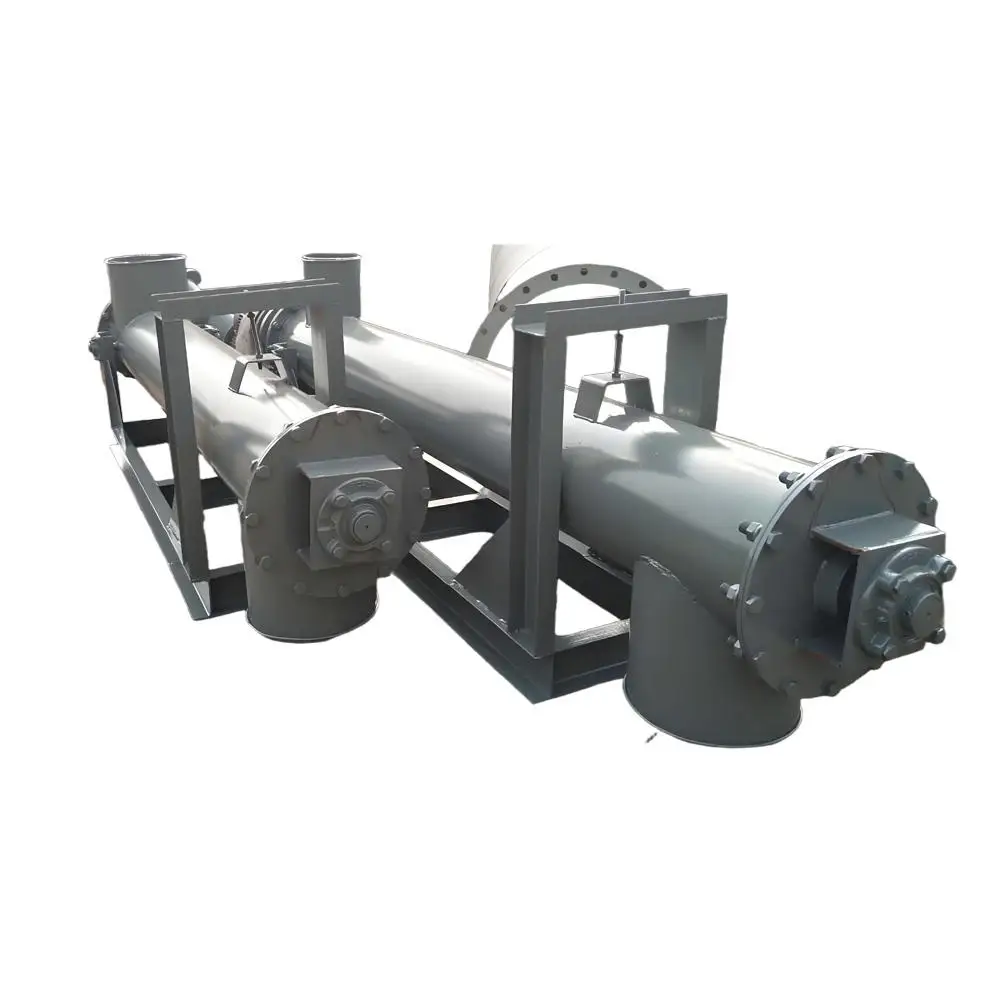
Discharge Method: Slide gates, pneumatic gates, rotary valves, screw conveyors, and other devices can be selected according to the material.
Environmental Conditions: Dust, moisture, temperature, corrosion, and hygienic requirements may affect the material and component selection.
Installation and Maintenance
Proper installation is essential for stable weighing performance. The weighing hopper should be mounted on a rigid and stable support structure. Flexible connections should be used where appropriate to minimize mechanical forces transferred to the load cells.
The hopper should be protected from unnecessary contact with surrounding structures, cables, pipes, and other components that may influence the measurement.
Regular inspection should include load cells, wiring, junction boxes, weighing indicators, hopper supports, feeding equipment, and discharge gates.
Material buildup should be removed when necessary because deposits inside the hopper can affect zero weight and measurement accuracy. Periodic calibration and verification should also be performed according to the operating environment and weighing requirements.
OEM and Custom Hopper Scale Solutions
As a professional Hopper Scale Manufacturer and Electronic Weighing System Supplier, we can provide customized weighing hopper systems for different industries and production capacities.
Customization options can include hopper volume, weighing range, load-cell configuration, structural material, hopper shape, inlet and outlet dimensions, discharge gate, feeder type, control cabinet, PLC integration, digital display, and communication interfaces.
For specialized applications, the hopper can be designed for high-temperature materials, corrosive substances, dusty environments, food-grade processing, or heavy-duty industrial service.
OEM manufacturing and complete weighing-system integration are available for international B2B customers.
Why Choose Us?
Professional industrial weighing solutions
Electronic load-cell weighing technology
Custom hopper sizes and capacities
Batch weighing and automatic dosing options
Suitable for powders, granules, grains, minerals, and aggregates
PLC and industrial automation integration
Heavy-duty and stainless steel configurations
OEM and custom manufacturing available
Factory-direct B2B supply
Technical support for system integration and commissioning
FAQs
1. What Is a Hopper Scale?
A Hopper Scale is an electronic weighing system that measures the weight of material contained in a hopper or weighing vessel.
2. What Is a Weighing Hopper?
A weighing hopper is a hopper mounted on load cells so that the material inside can be measured accurately before or during discharge.
3. What Materials Can Be Weighed?
It can be configured for grains, powders, pellets, aggregates, minerals, cement, chemicals, fertilizer, food ingredients, and many other bulk materials.
4. Can a Hopper Scale Be Used for Batch Weighing?
Yes. Hopper scales are commonly used for automatic batch weighing and recipe-based material batching.
5. Can It Be Connected to a PLC?
Yes. The electronic weighing controller can be configured with suitable interfaces for PLC, DCS, SCADA, and other automation systems.
6. What Is the Difference Between a Hopper Scale and a Platform Scale?
A hopper scale is specifically designed to weigh material inside a hopper during loading, storage, batching, or discharge. A platform scale generally weighs objects placed directly on a weighing platform.
7. Can the Hopper Be Customized?
Yes. Hopper dimensions, volume, material, inlet, outlet, discharge mechanism, and weighing components can be customized according to the application.
8. Can It Automatically Stop Feeding?
Yes. When integrated with an automatic control system, the weighing controller can send a signal to stop the feeder when the target weight is reached.
9. Is Stainless Steel Available?
Yes. Stainless steel hopper and material-contact components can be supplied for applications requiring corrosion resistance or hygienic construction.
10. What Information Is Needed for a Quotation?
Provide the material type, bulk density, batch weight, required capacity, weighing accuracy, hopper volume, feeding method, discharge method, and installation conditions. These details help determine the appropriate Hopper Scale configuration.
Prev:
Weight Drop Scale, Weight Checking Scale, Conveyor Check Weigher/Weight Sorter, Check Weight Machine
Next:
Loss In Weight Scale
TAG:
Industrial Weighing Equipment,
Continuous Material Weighing,
Electronic Weighing System,
Bulk Material Weighing System,
Industrial Weighing System,
Industrial Weighing Scale,
Automatic Weighing System,
Weighing And Dosing System,
Material Batching System,
Automatic Batching System,
Weighing And Batching System,
Material Weighing Hopper,
Bulk Weighing Hopper,
Weighing Bin Scale,
Weighing Bin,
Weighing Vessel,
Weighing Tank,
Load Cell Hopper Scale,
Load Cell Weighing Hopper,
Load Cell Weighing System,
Digital Weighing Hopper,
Hopper Weight Scale,
Hopper Weight Measurement,
Grain Hopper Scale,
Grain Weighing Hopper,
Feed Weighing Hopper,
Feed Hopper Scale,
Cement Weighing Hopper,
Cement Hopper Scale,
Aggregate Weighing Hopper,
Related Category:
Hopper Scale,Weighing Hopper Scale,Electronic Weighing Scale,Hopper Weigher,Electronic Hopper Scale,Industrial Hopper Sc China, suppliers, manufacturers, factory, customized, wholesale, quotation, made in China