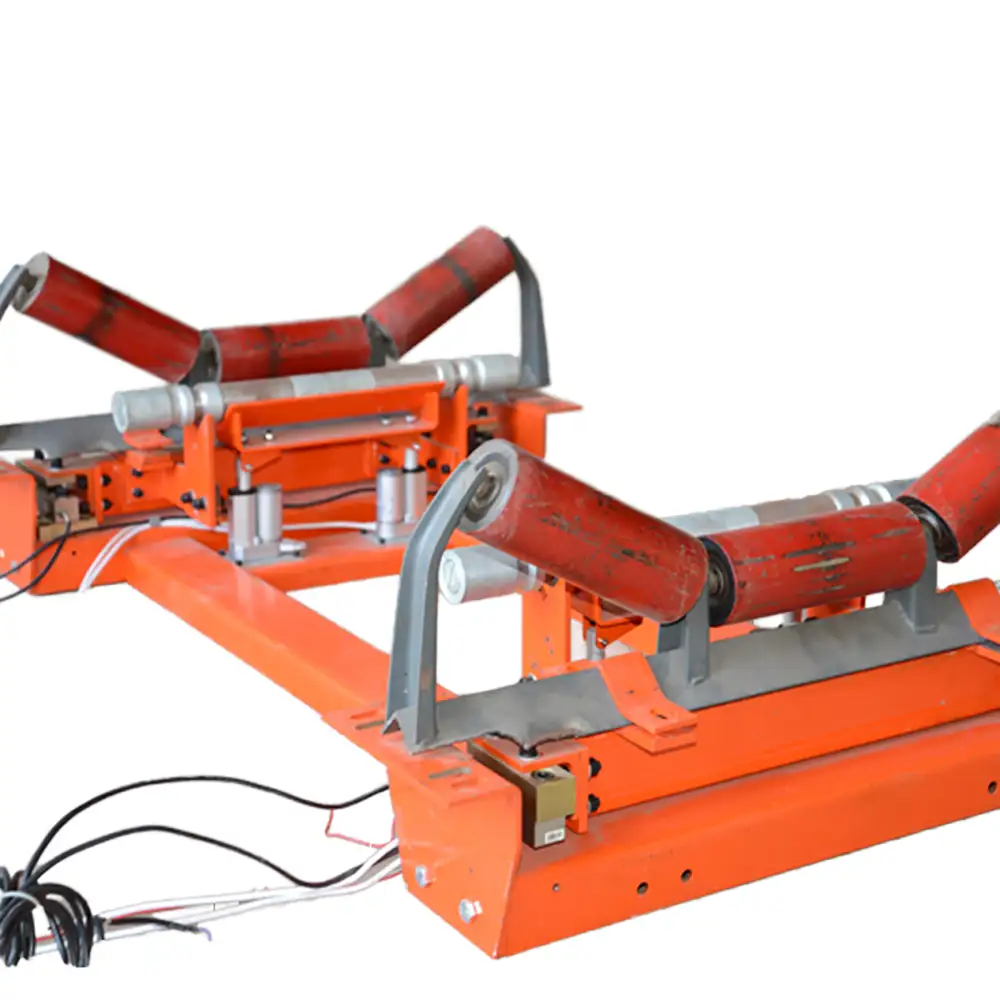
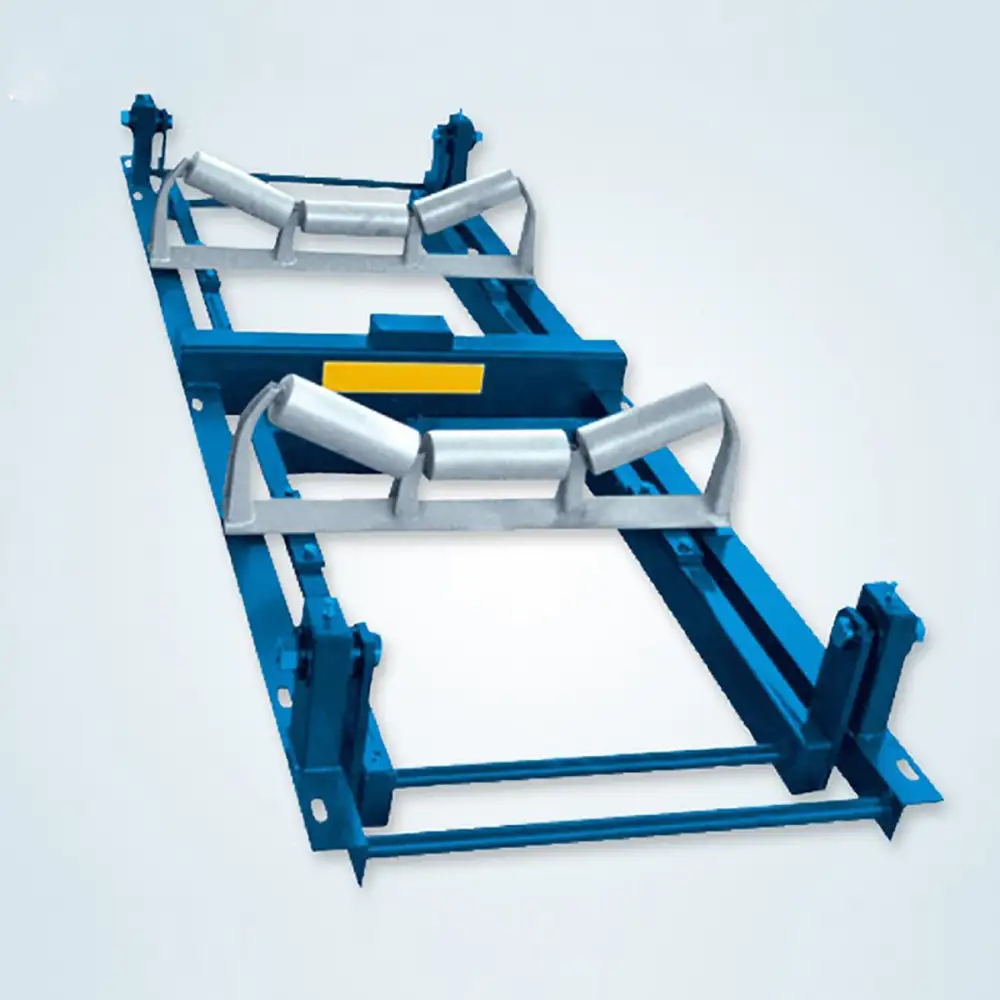
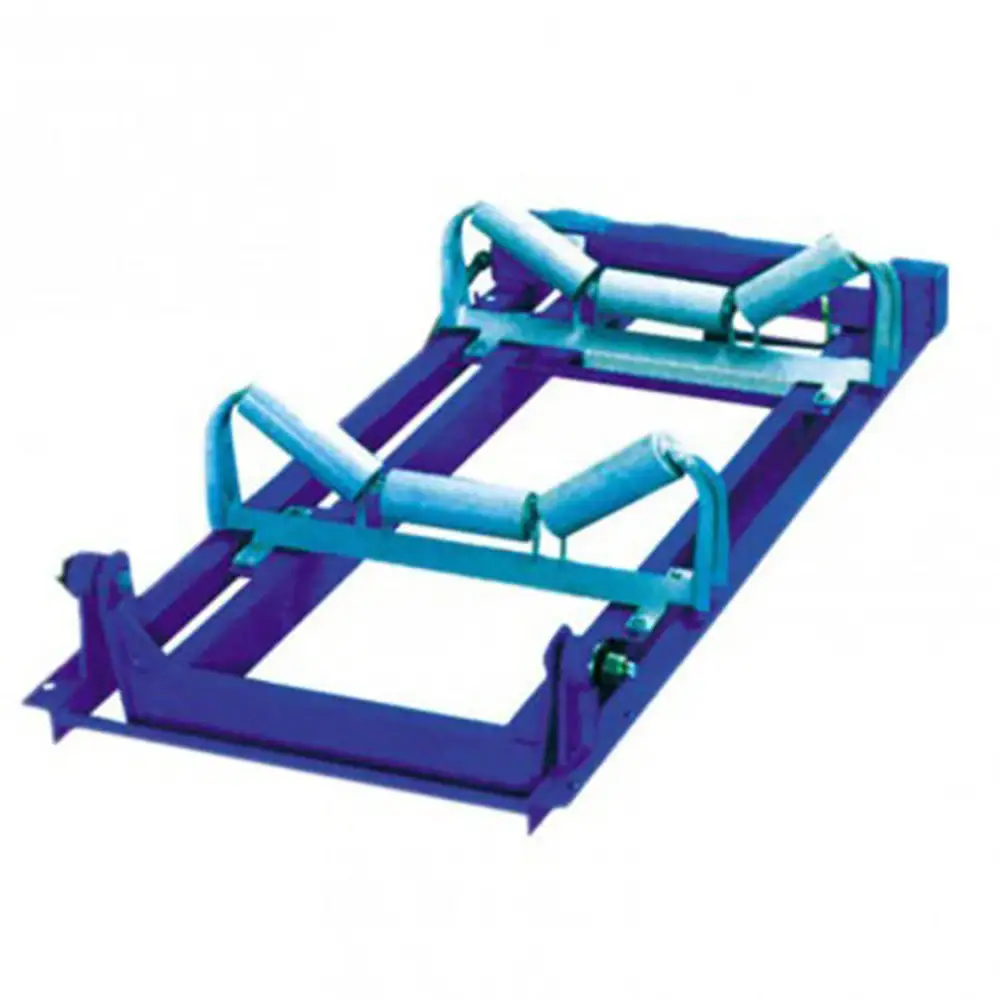
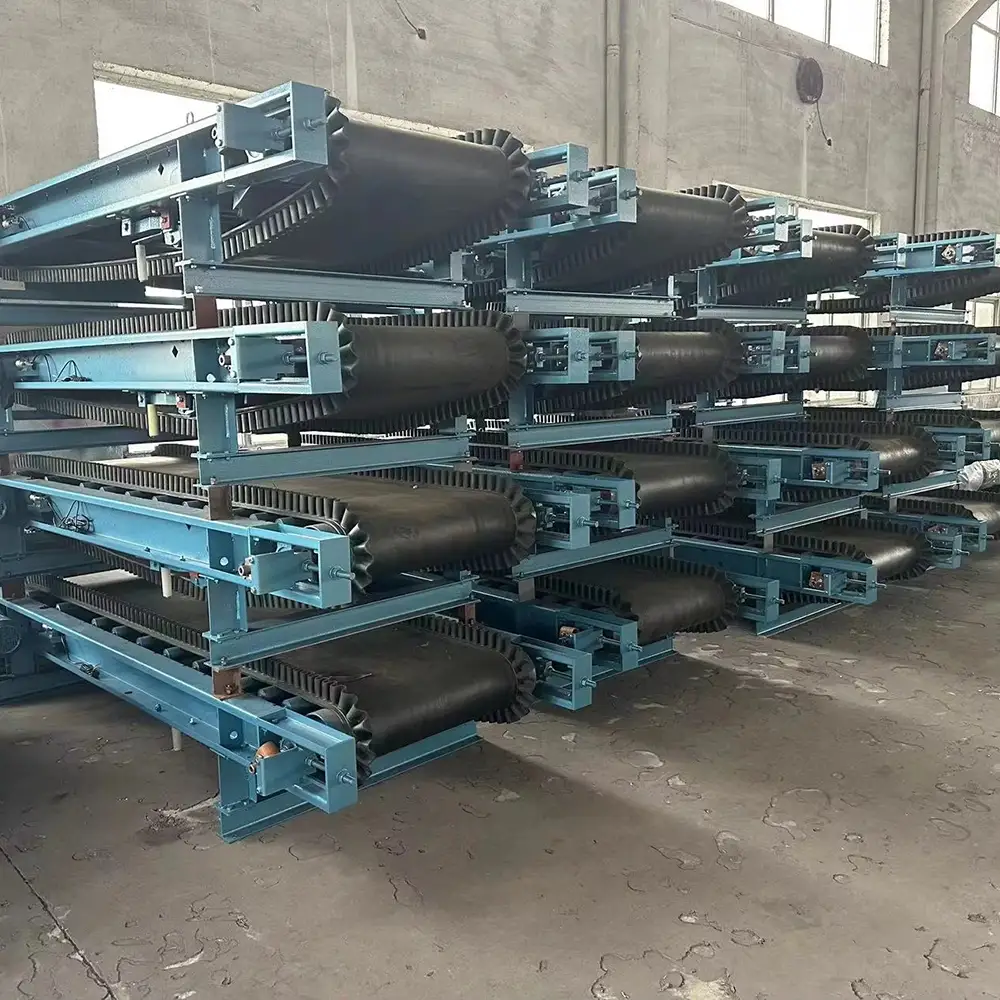
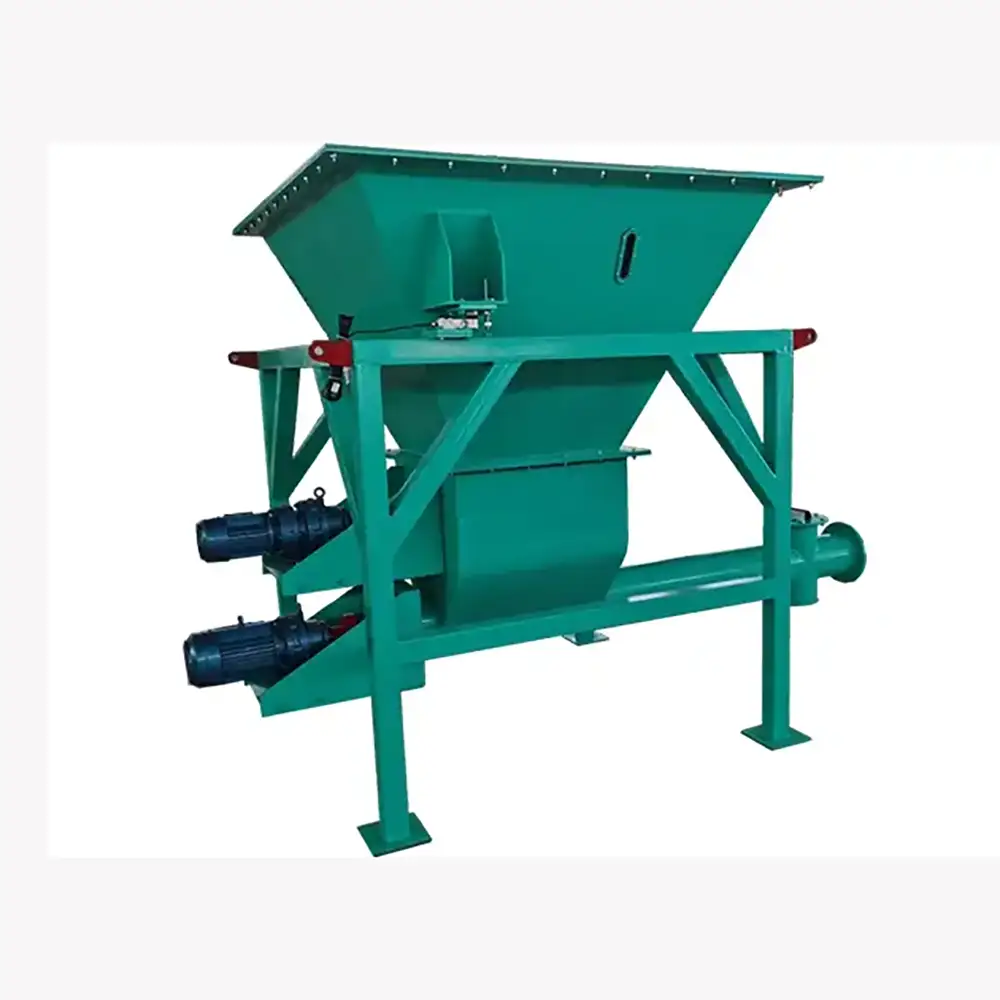
Product name: three idler belt weigher, electronic belt conveyor scale
specification and main technical data
Accuracy:0.25,0.5
Rated Load:≤6000t/h
Belt width:400mm-----2400mm
Belt width:≤4m/s
Conveyor angle:<20°
Introduction
Full suspension belt weigher is the most advanced multi-idler belt scale in China. It is widely used in conveying of industrial processing products and online weighing of raw material with its unique superior performance.
The full suspension belt scale system consists of three parts:
Weighing frame, weighing instrument and speed sensor.
Base of Frame made from special steel which can keeping 4 load cells in balance, but only having reaction to actual belt load, which make sure ICS - FL3 to be the highest accuracy scale of the idler belt scale.
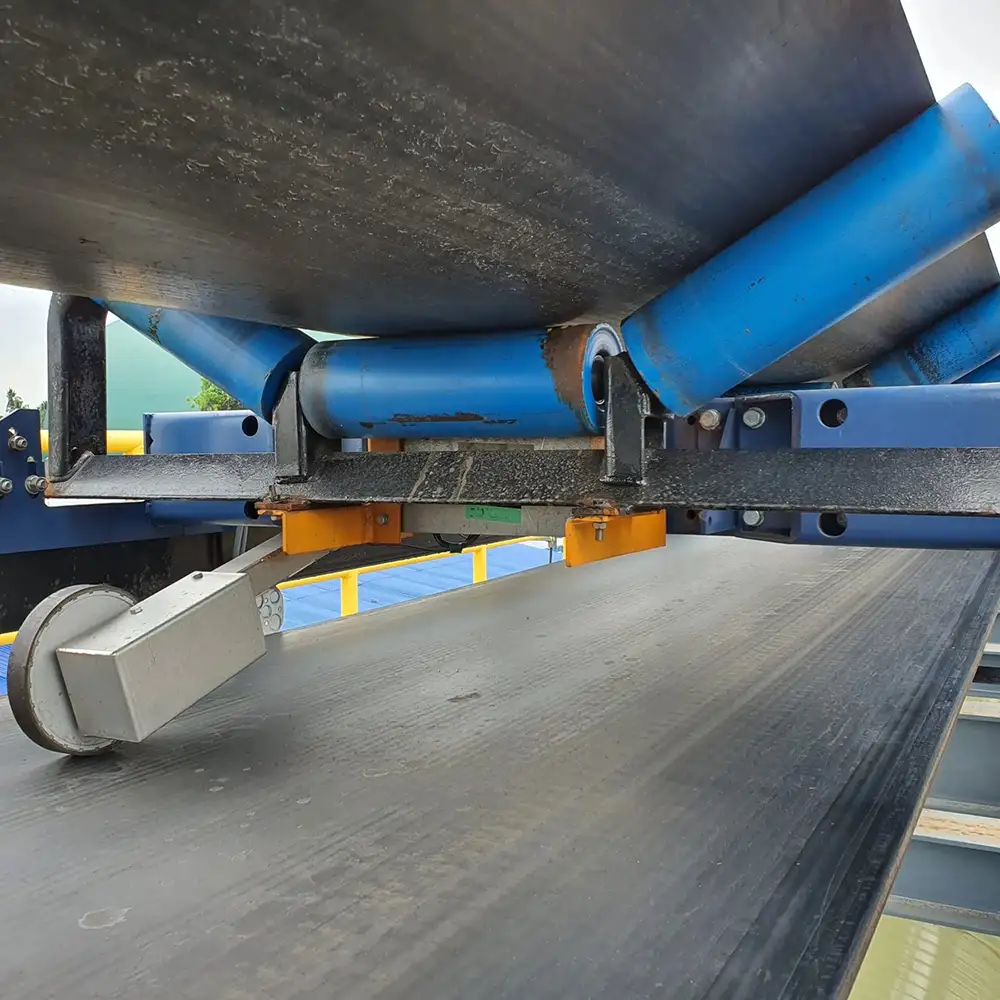
Principle: Through load cell detect the vertical force of loading material to get the analog voltage signal; through speed sensor of speed roller shaft detect speed pulse signal, both of weight signal and speed signal sent to the weighing instrument at the same time, through processing, the instrument shows the flow of material, cumulants, load and velocity measurements, etc.The installation of belt scale are simple, operation are easy, just put the scale frame below the belt roller bracket, no moving any other parts, no need often maintenance.
Application
Stability: Under normal circumstances, scale do not need linear calibration within 200 working days(excluding bad weather, rapid temperature changing etc )
Reliability: Frame need no maintenance, according to parallelogram principle, load cell only have reaction from the vertical force of weighing roller, having no response to the roller friction force, lateral force and eccentric load.
Advantage: No protection, no leverage, overcome all non gravity affection, such like the horizontal component and transmission friction.
Belt Scale Belt Weigher for Continuous Conveyor Weighing
A Belt Scale Belt Weigher is an industrial weighing system designed to measure bulk material transported on a conveyor belt without interrupting the conveying process. By combining load-cell technology, belt-speed measurement, and digital signal processing, the system can calculate material flow rate and cumulative weight in real time.
The Conveyor Belt Check Weigher is suitable for applications where production lines need continuous monitoring of material quantity, conveyor throughput, or product weight. The system can be integrated into existing belt conveyors and connected with plant control systems for automatic monitoring and process management.
A Digital Intellectual Conveyor Belt Check Weigher uses electronic weighing sensors and intelligent digital control technology to process weighing signals, compensate for operating conditions, and display measurement information. It provides an efficient solution for modern automated bulk-material handling systems.
Typical applications include mining, coal handling, cement plants, quarrying, aggregate processing, metallurgy, power generation, ports, chemical plants, fertilizer production, and other industries handling continuous flows of bulk materials.
What Is a Belt Scale Belt Weigher?
A Belt Scale Belt Weigher is installed directly on a conveyor system. Instead of stopping material for static weighing, the equipment measures the load carried by the conveyor belt while the material is moving.
The weighing section normally includes one or more load cells positioned beneath the conveyor belt. As material passes over the weighing area, the load cells detect the vertical force generated by the material.
At the same time, a speed sensor measures the actual belt speed. The electronic weighing controller combines belt load and belt speed to calculate the instantaneous material flow rate.
The system can also accumulate the measured flow over time to provide total material throughput.
How Does a Conveyor Belt Check Weigher Work?
The operating principle combines belt loading measurement and belt-speed measurement.
First, bulk material enters the conveyor belt through a feeding or loading point. The material travels continuously toward the discharge end.
When the loaded belt passes over the weighing assembly, load cells detect the material load. A speed sensor simultaneously measures belt velocity.
The digital controller processes both signals and calculates the material flow rate. The resulting information can be displayed locally or transmitted to a PLC, DCS, SCADA, or other industrial control system.
If the system is used as a check-weighing device, preset weight or flow limits can also be monitored. The control system can generate alarms or control signals when the measured value exceeds the programmed range.
Digital Intellectual Conveyor Belt Check Weigher
The digital intelligent design allows the weighing system to process measurement signals electronically and provide real-time operating information.
Depending on the configuration, an intelligent controller may provide:
Instantaneous flow rate
Cumulative material weight
Belt speed
Belt load
Weight-related alarms
Zero tracking
Calibration functions
Digital signal processing
Communication interfaces
Production data monitoring
These functions make the equipment suitable for automated production environments where accurate material measurement and centralized process monitoring are required.
Main Components
A typical Digital Conveyor Belt Weigher includes:
Weighing Frame
Load Cells
Speed Sensor
Weighing Idlers
Conveyor Belt
Digital Weighing Controller
Junction Box
Belt Speed Encoder
Display Instrument
Control Cabinet
Communication Interface
The weighing frame can be configured for different conveyor structures and idler arrangements. Depending on the application, single-idler, dual-idler, or multiple-idler weighing configurations can be selected.
Continuous Material Weighing
One of the primary benefits of a belt scale is its ability to measure material continuously.
Traditional platform or hopper scales generally measure material in batches. A belt scale measures material as it moves through the production process.
This makes it useful for monitoring:
Tons per hour
Total production
Material consumption
Feed rate
Conveyor throughput
Raw material usage
Production targets
Continuous weighing can help operators understand material flow and coordinate upstream and downstream equipment.
Applications
Mining and Mineral Processing
Belt scales can measure ore, coal, limestone, iron ore, copper ore, and other minerals transported through mining and processing plants.
Coal Handling
Coal-fired power plants and coal preparation facilities can use conveyor belt weighers to monitor fuel flow and cumulative coal consumption.
Cement Production
Belt weighing systems can measure limestone, clinker, gypsum, fly ash, coal, and other raw materials throughout cement production.
Quarry and Aggregate Processing
The equipment can measure crushed stone, gravel, sand, and aggregate materials transported between crushers, screens, stockpiles, and loading systems.
Metallurgy
Steel and metallurgical plants can use belt scales to monitor coke, ore, sinter materials, additives, and other bulk materials.
Ports and Bulk Material Terminals
Continuous conveyor weighing can provide material throughput information during loading and unloading of bulk commodities.
Chemical and Fertilizer Plants
The system can be integrated into bulk material handling lines for fertilizers, minerals, chemical raw materials, and other granular materials.
Power Plants
Belt weighers can monitor fuel and raw material consumption while supporting automated plant control.
Key Advantages
Continuous Weighing
The system measures material while it is moving, eliminating the need to stop the conveyor for weighing.
Real-Time Flow Measurement
Operators can monitor instantaneous material flow and cumulative weight.
Digital Processing
Electronic signal processing provides convenient digital measurement, display, calibration, and communication functions.
Intelligent Monitoring
The digital controller can support alarms, parameter management, data monitoring, and automated process control.
Easy Conveyor Integration
The weighing assembly can be installed into existing conveyor systems with appropriate structural modifications.
Reduced Manual Measurement
Automated weighing minimizes dependence on manual sampling and batch measurement.
Wide Material Compatibility
The system can measure coal, ore, limestone, aggregate, cement raw materials, fertilizer, and many other bulk materials.
Automation Ready
Communication interfaces can allow integration with PLC, DCS, SCADA, and plant management systems.
Belt Scale vs. Conveyor Check Weigher
Although the terms can overlap, belt scales and conveyor check weighers are commonly used for somewhat different purposes.
A Belt Scale is generally designed to measure continuous bulk material flow and cumulative throughput.
A Conveyor Belt Check Weigher can be configured to monitor or verify the weight or flow of material moving through a conveyor system.
For bulk material applications, the belt scale is commonly focused on tons-per-hour measurement and totalized weight. For packaged or discrete products, a conveyor checkweigher is typically designed to check individual product weights.
The appropriate system depends on whether the application involves continuous bulk material or individual products.
How to Select a Belt Weigher
Material Type: Provide the material being conveyed, such as coal, ore, limestone, aggregate, cement, or fertilizer.
Conveyor Capacity: Specify minimum, normal, and maximum throughput.
Belt Width: Conveyor belt width determines the suitable weighing-frame configuration.
Belt Speed: Provide normal and maximum belt speeds.
Material Density: Bulk density helps determine the expected belt loading.
Required Accuracy: Define the weighing accuracy required for process control or production measurement.
Idler Configuration: The existing conveyor idler arrangement should be considered when selecting the weighing assembly.
Environmental Conditions: Dust, moisture, vibration, temperature, and outdoor installation may affect equipment selection.
Installation and Calibration
Correct installation is important for reliable belt weighing. The weighing frame should be installed in a suitable straight section of the conveyor, away from excessive vibration, belt loading disturbances, and mechanical interference.
The weighing idlers should be correctly aligned with adjacent conveyor idlers. Load-cell cables should be protected from mechanical damage and excessive vibration.
The belt should be properly tensioned and tracked before calibration.
Calibration can involve zero calibration, span calibration, test weights, chain calibration, or material-based verification depending on the system configuration.
Regular verification helps maintain consistent measurement performance as conveyor and material conditions change.
OEM and Custom Belt Weigher Solutions
As a professional Belt Scale Manufacturer and Conveyor Weighing Equipment Supplier, we can provide customized digital belt weighing solutions according to conveyor structure, material properties, capacity, belt width, belt speed, accuracy requirements, and automation needs.
Customization can include weighing frame design, load-cell capacity, idler configuration, digital controller, speed sensor, display unit, communication interface, control cabinet, and installation accessories.
OEM and custom solutions are available for mining, cement, coal, aggregates, metallurgy, chemical processing, power generation, and bulk material handling projects.
Why Choose Us?
Professional belt weighing technology
Continuous material flow measurement
Digital and intelligent weighing controllers
Accurate load-cell measurement
Custom single, dual, or multiple-idler configurations
Compatible with heavy-duty industrial conveyors
PLC, DCS, and SCADA integration
Suitable for mining, coal, cement, and aggregates
OEM and custom manufacturing available
Factory-direct B2B supply and technical support
FAQs
1. What Is a Belt Scale Belt Weigher?
A Belt Scale Belt Weigher is a conveyor-mounted weighing system that measures bulk material load and belt speed to calculate material flow and cumulative weight.
2. Can It Weigh Material While the Conveyor Is Running?
Yes. Continuous weighing is one of the main functions of a belt scale.
3. What Materials Can Be Measured?
It can be used for coal, ore, limestone, aggregate, sand, cement raw materials, fertilizer, minerals, coke, and many other bulk materials.
4. What Is a Conveyor Belt Check Weigher?
It is a conveyor-based weighing system used to check or monitor the weight or material flow of products transported on a belt.
5. What Is a Digital Belt Weigher?
A Digital Belt Weigher uses electronic load cells, speed measurement, and digital signal processing to calculate and display conveyor material weight and flow.
6. Can It Measure Tons Per Hour?
Yes. The controller can calculate instantaneous material flow, commonly expressed as tons per hour, when properly configured and calibrated.
7. Can the Belt Weigher Be Connected to a PLC?
Yes. Suitable communication and output interfaces can be configured for PLC, DCS, SCADA, and other industrial automation systems.
8. Does the Conveyor Need to Stop for Weighing?
No. The system is designed to perform weighing while material is continuously transported on the conveyor.
9. Can the System Be Customized?
Yes. Weighing frame, load cells, idler configuration, controller, speed sensor, display, communication interface, and other components can be customized.
10. What Information Is Needed for Selection?
Provide material type, bulk density, conveyor capacity, belt width, belt speed, idler arrangement, installation environment, and required weighing accuracy. These parameters help determine the appropriate belt scale configuration.
Prev:Sorry, no information
Next:
Weight Drop Scale, Weight Checking Scale, Conveyor Check Weigher/Weight Sorter, Check Weight Machine
TAG:
Conveyor Weighing System,
Continuous Material Weighing,
Material Flow Measurement,
Bulk Material Weighing System,
Belt Weigh Feeder,
Weigh Belt Feeder,
Automatic Weigh Feeder,
Ore Belt Scale,
Aggregate Belt Scale,
Industrial Conveyor Belt Scale,
Bulk Material Conveyor Scale,
Continuous Weigh Feeder,
Limestone Belt Weigher,
Aggregate Belt Weigher,
Quarry Belt Weigher,
Ore Belt Weigher,
Mineral Belt Weigher,
Heavy Duty Belt Weigher,
Digital Weighing Controller,
Belt Scale Controller,
Belt Weigher Controller,
Load Cell Belt Scale,
Load Cell Conveyor Weigher,
Single Idler Belt Scale,
Dual Idler Belt Scale,
Multiple Idler Belt Scale,
Mining Belt Scale,
Coal Belt Scale,
Cement Belt Scale,
Limestone Belt Scale,
Related Category:
Belt Scale Belt Weigher,Conveyor Belt Check Weigher,Digital Intellectual Conveyor Belt Check Weigher,Belt Scale China, suppliers, manufacturers, factory, customized, wholesale, quotation, made in China