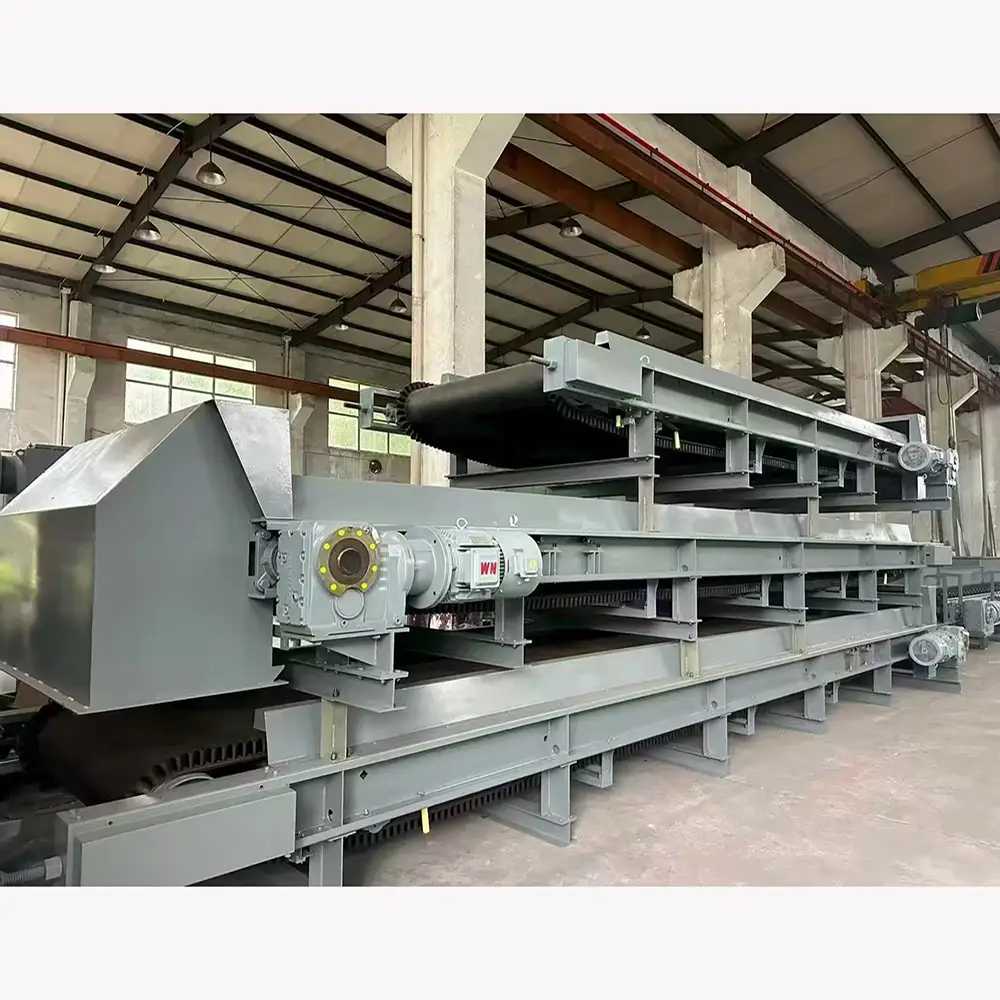
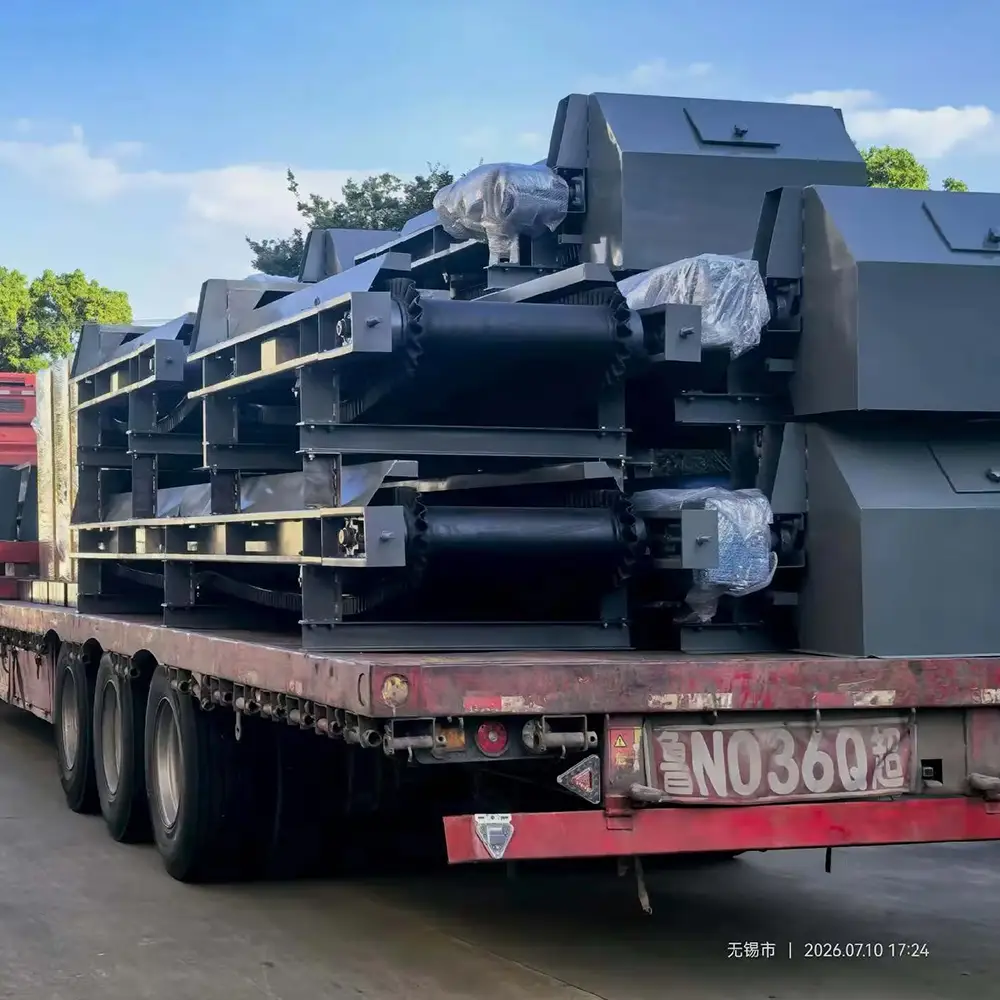
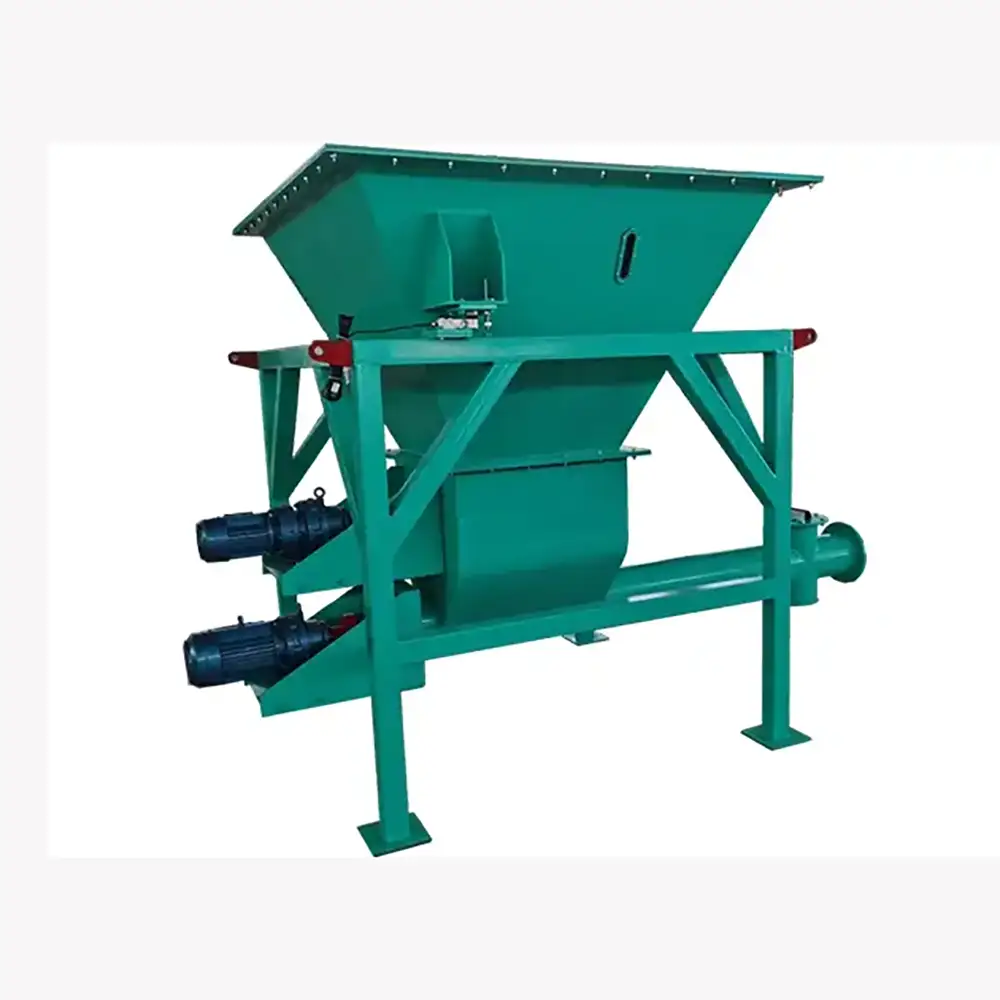
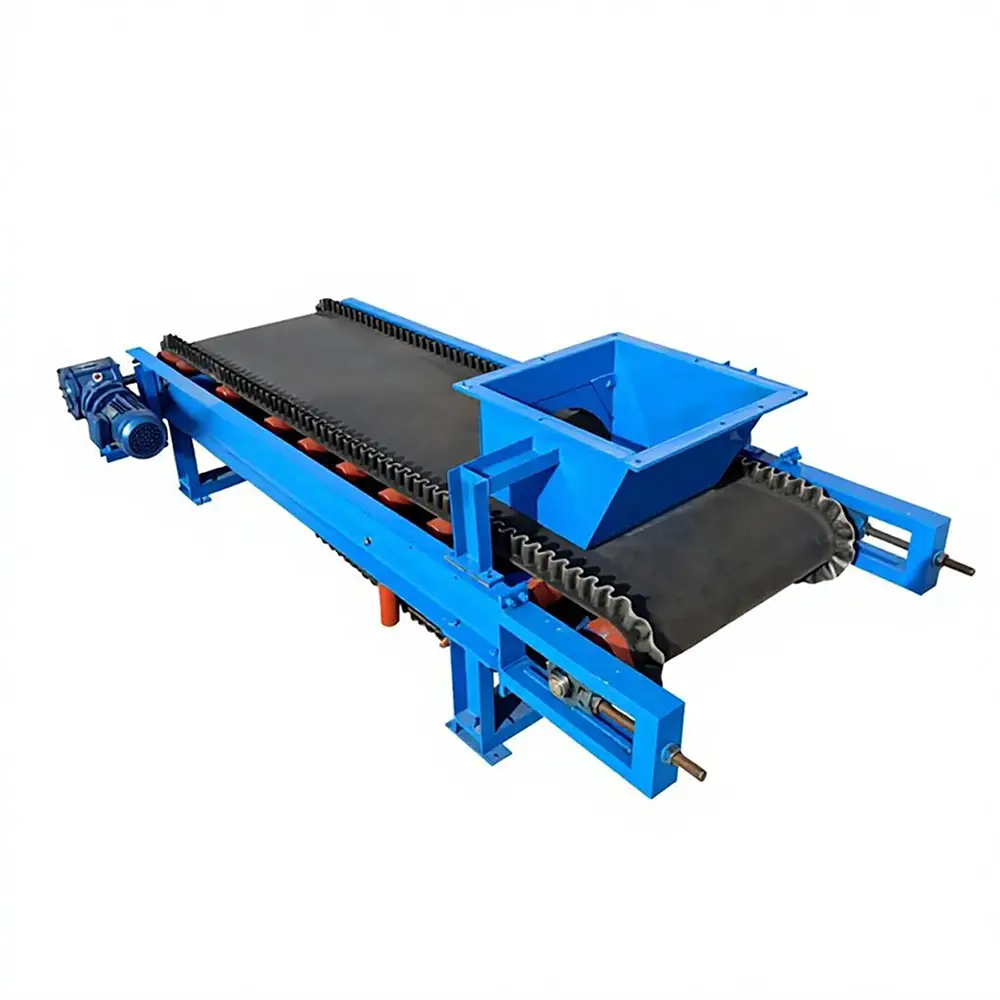
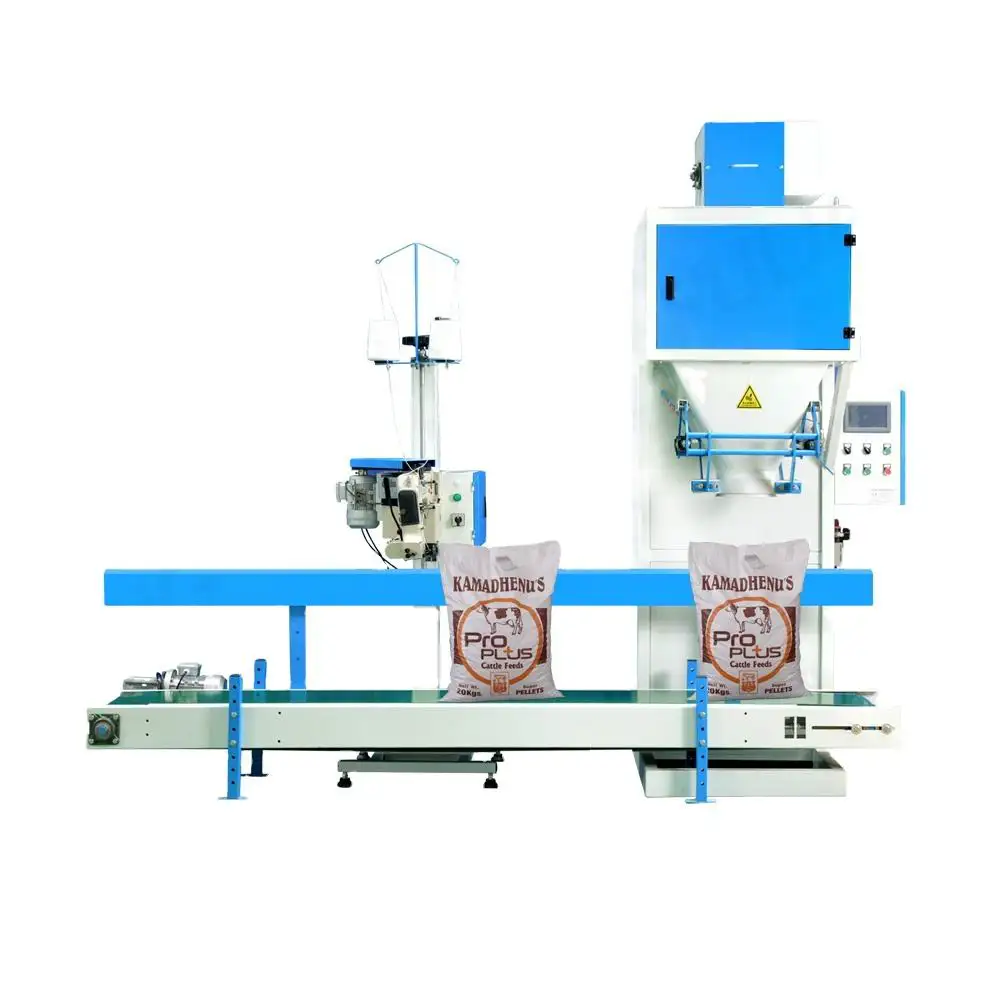
1. The dynamic accumulation error is less than 1.0%.
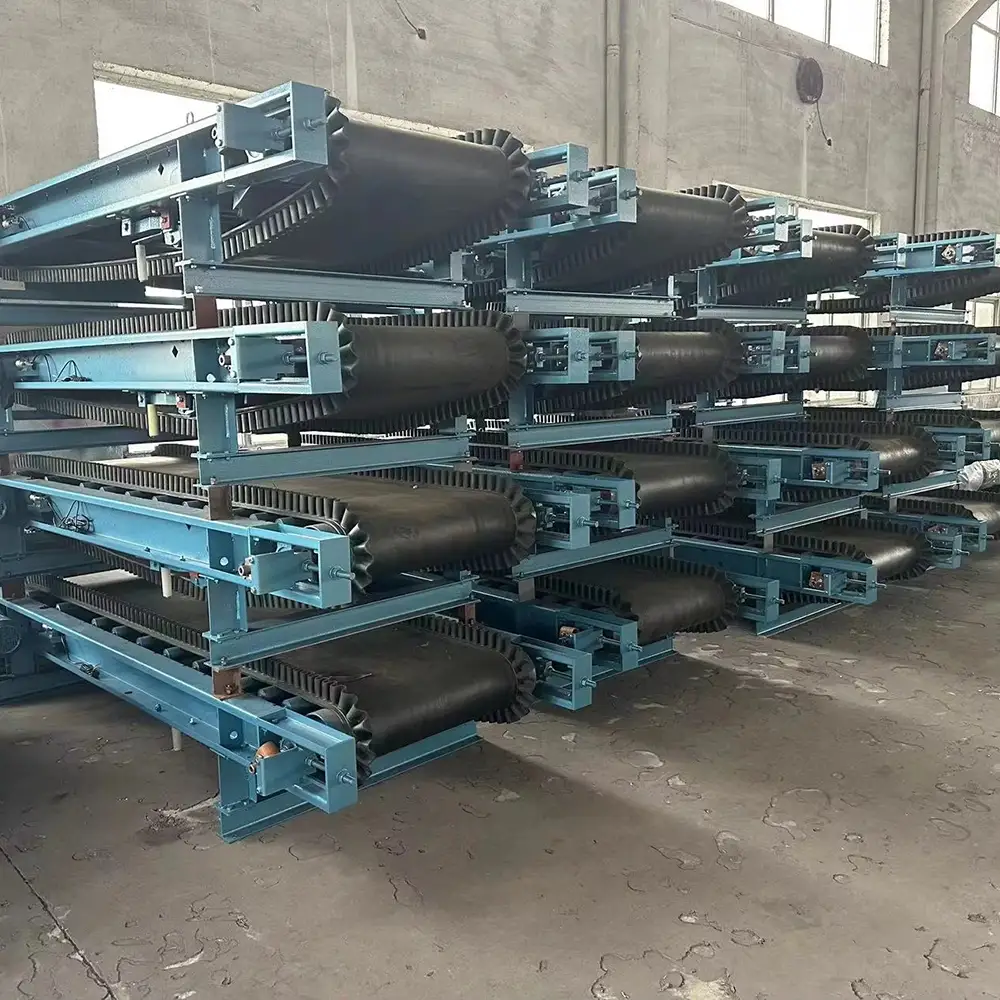
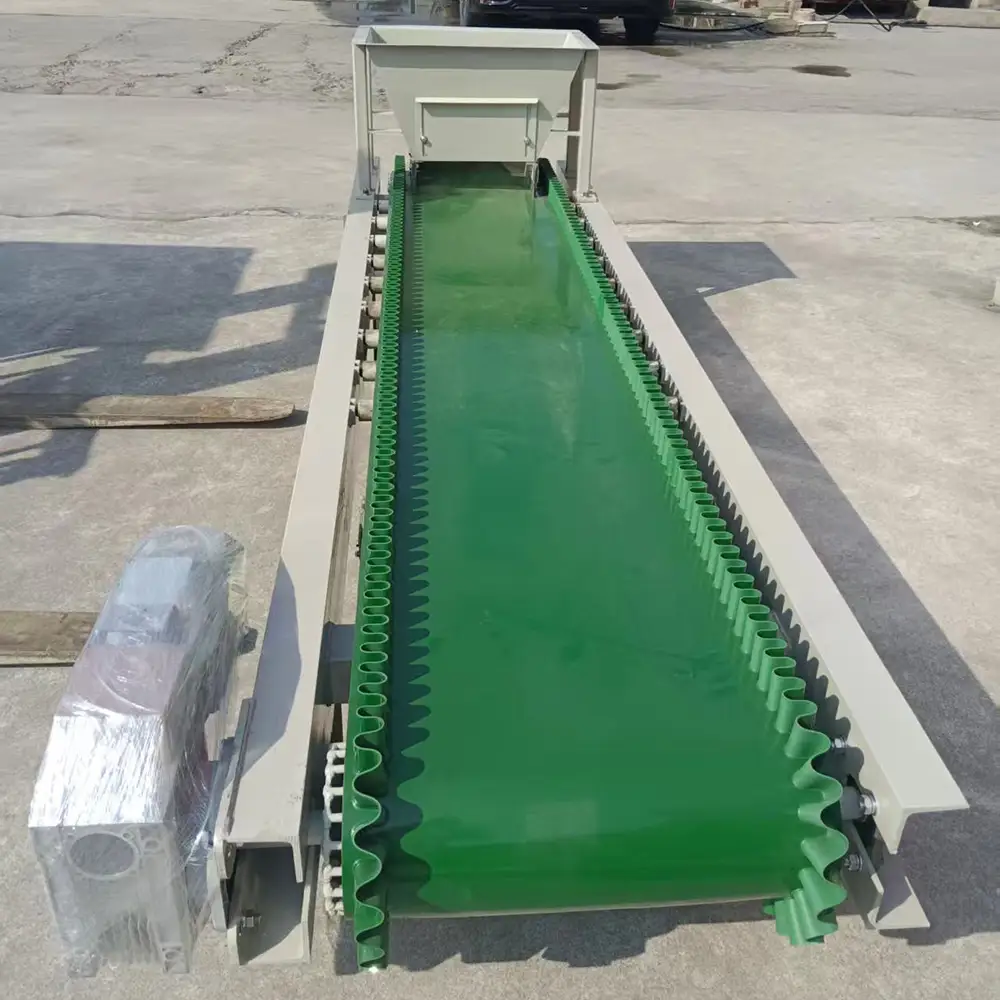
2. Compact structure, stable operation and low noise. The unique S shape conveying plate is stamped out of wear resistant steel plate, and the cone baffles of both sides can effectively prevent the spread and leak of materials.
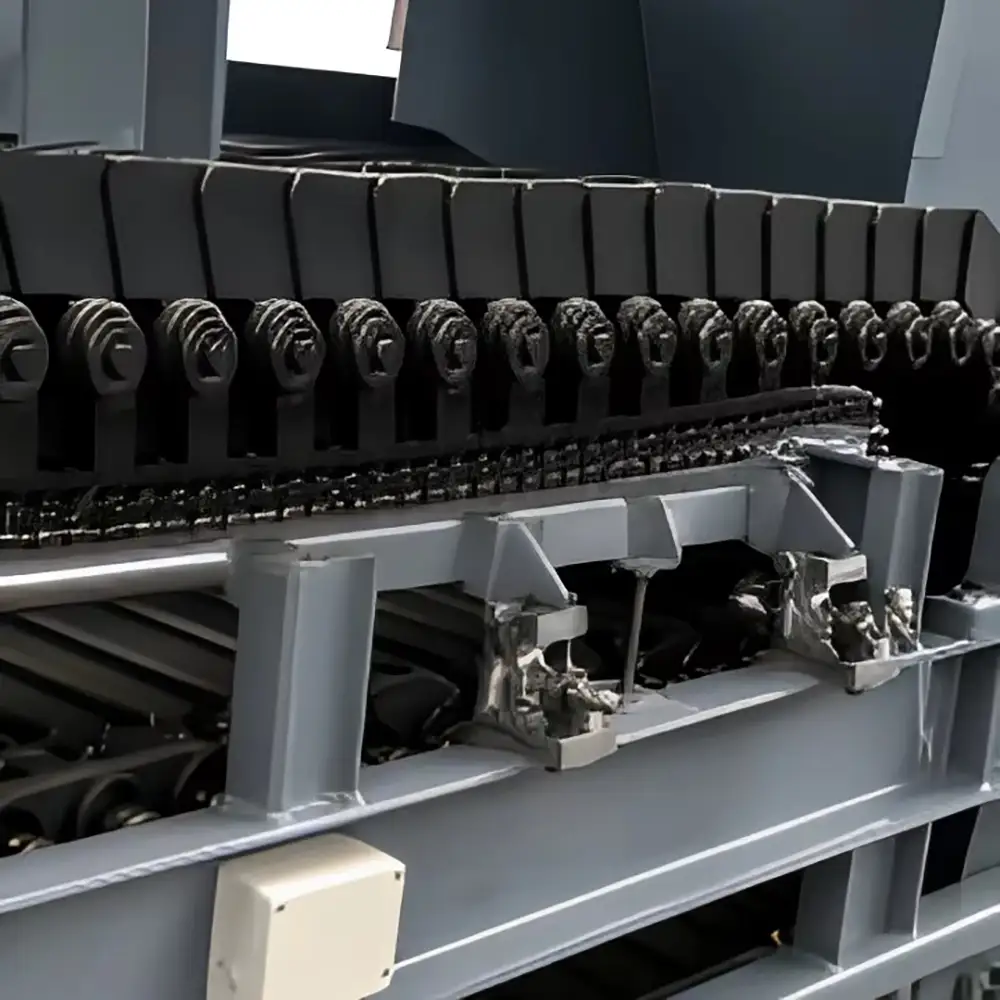
3. The conveying chain wheels have been specially heat treated, which makes the chain wheels high temperature resistant and wear resistant, in addition, there is no deviation phenomenon in the conveying process.
4. Smooth transmission, less vibration and dust proof.
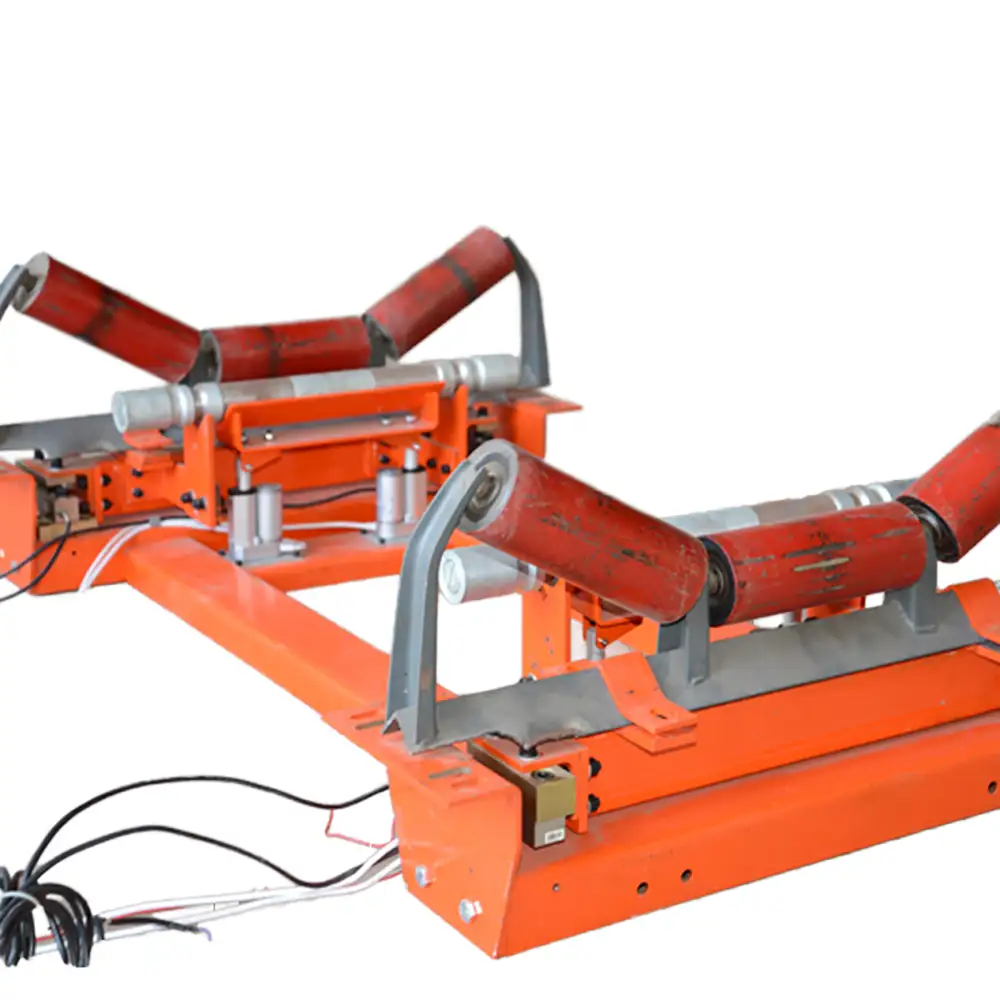
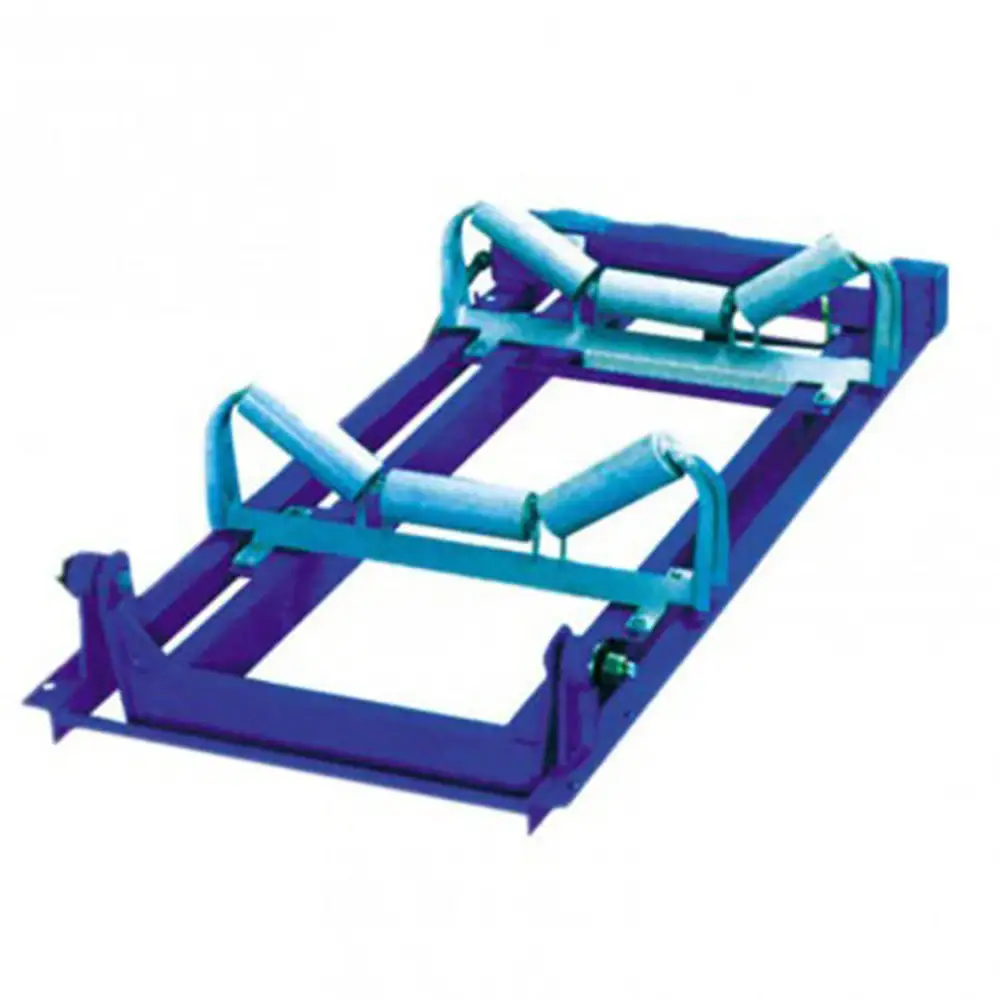
5. The unique weak magnetic gear velocity measurement device and high temperature resistant load sensor make the weighing and measuring signals accurate and stable.
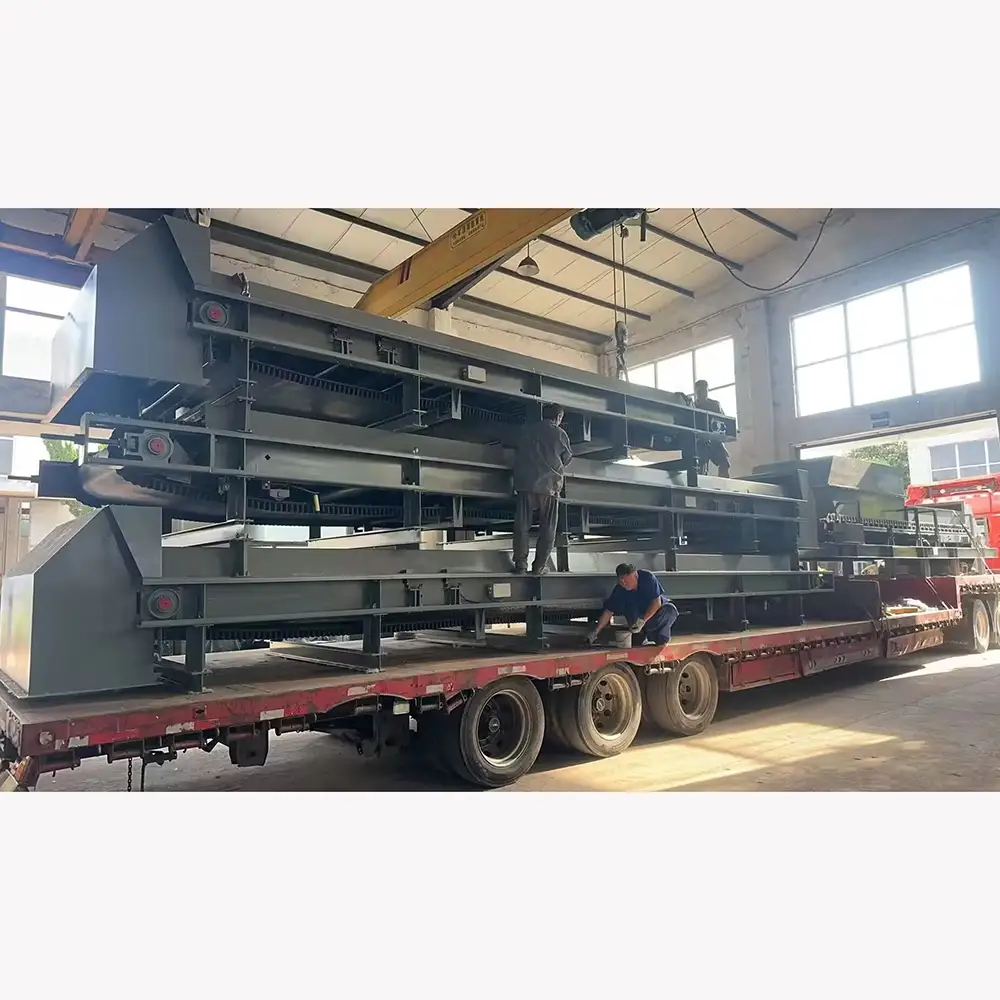
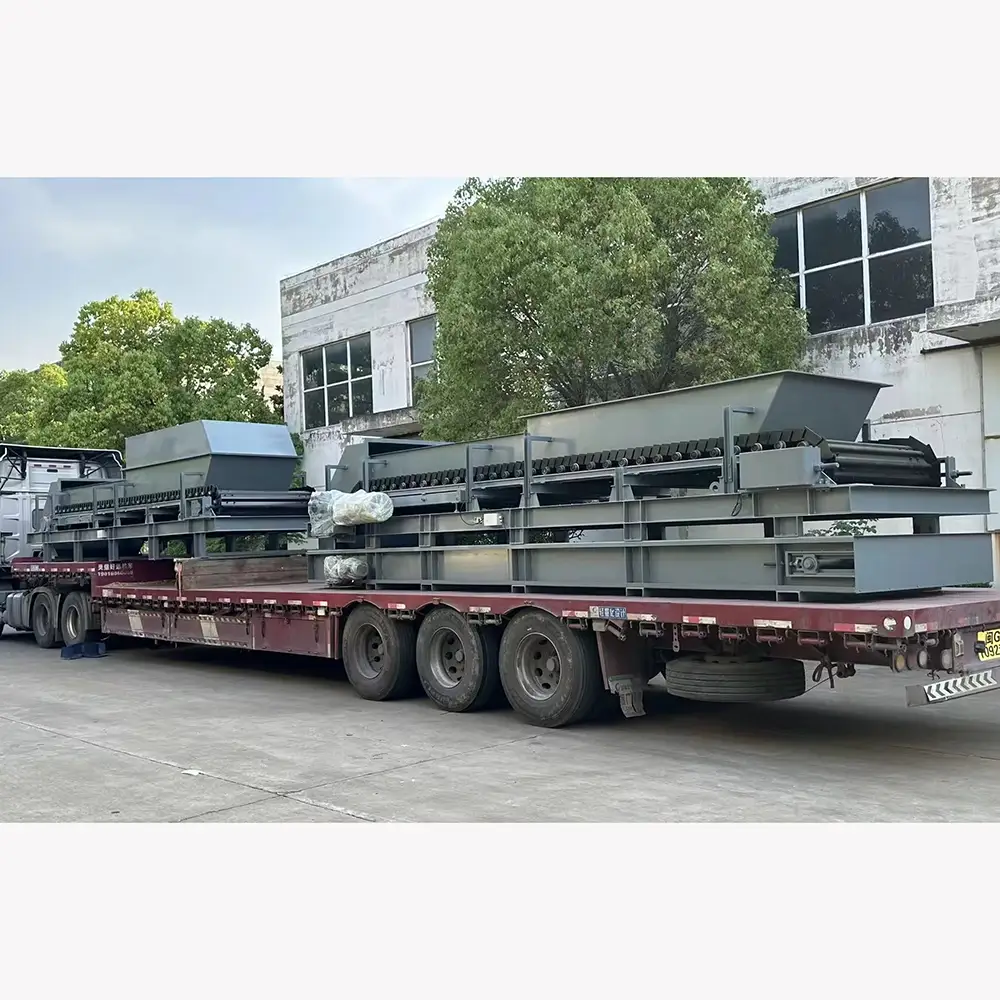
The Chain Plate Scale is an industrial conveying and weighing system designed for continuous measurement and controlled transportation of heavy, abrasive, irregular, or difficult-to-handle bulk materials. Combining a rugged chain plate conveyor structure with weighing technology, this equipment provides a practical solution for industries that need both material handling and flow-rate monitoring.
The Industrial Waste Drag Chain Metal Scale Plate Conveyor is especially suitable for demanding applications involving metal scrap, industrial waste, steel chips, foundry residues, coal, minerals, slag, construction debris, and other bulk materials. Its heavy-duty chain and metal plate construction allows it to operate under harsh working conditions where conventional belt conveyors may not provide sufficient durability.
As a professional Chain Plate Scale Manufacturer and Industrial Conveyor Supplier, we can provide equipment configurations according to material characteristics, conveying capacity, installation conditions, and weighing requirements. OEM and custom conveyor solutions are also available for complete production lines.
What Is a Chain Plate Scale?
A Chain Plate Scale integrates a chain plate conveying mechanism with a weighing and measurement system. Material is loaded onto a series of overlapping metal plates or pans connected by heavy-duty chains. The chain-driven system moves the material at a controlled speed while the weighing section measures the material load and calculates the corresponding flow rate.
Unlike conventional belt scales, a chain plate scale is designed for applications where the conveyed material may be hot, sharp, heavy, abrasive, or irregularly shaped. The metal plate conveyor provides mechanical strength while the drag-chain drive delivers stable and controlled transportation.
The system can be integrated with feeders, crushers, shredders, sorting equipment, hoppers, furnaces, recycling systems, and other processing machinery.
Industrial Waste Drag Chain Metal Scale Plate Conveyor
Industrial waste handling requires equipment capable of dealing with variable material sizes and challenging operating environments. The drag chain metal scale plate conveyor uses robust metal plates and chains to transport materials while providing continuous weighing information.
Typical materials include:
Metal scrap and steel scrap
Industrial production waste
Steel chips and machining waste
Foundry sand and casting residues
Coal and coke
Slag and mineral materials
Construction and demolition waste
Recycled materials
Heavy granular materials
Furnace and high-temperature residues
The conveyor can be configured with different plate widths, chain specifications, drive arrangements, weighing components, and discharge designs to match individual production requirements.
How Does the Chain Plate Scale Work?
Material is normally loaded through a hopper or feeding device onto the metal conveyor plates. A motor and transmission system drive the chains, causing the plates to move continuously along the conveyor frame.
As the loaded plates pass through the weighing section, load sensors detect the material weight. The control system combines the measured load with conveyor speed to calculate material flow. Depending on the configuration, the system can provide real-time weight, cumulative production, instantaneous flow rate, and other operating information.
The weighing data can be connected to a local control cabinet, PLC, DCS, or plant automation system for monitoring and process control.
Main Components
A typical Chain Plate Scale consists of:
Heavy-duty chain assembly
Metal conveyor plates or pans
Conveyor frame
Drive motor
Gear reducer
Sprockets
Head and tail shafts
Weighing section
Load cells
Speed sensor
Tensioning system
Inlet hopper
Discharge chute
Electrical control system
The structural design can be adjusted according to the material density, particle size, temperature, abrasiveness, moisture content, and required conveying capacity.
Applications
Metal Scrap Recycling
The conveyor is suitable for transporting and weighing ferrous and non-ferrous metal scrap during recycling operations. Heavy metal pieces and sharp edges can be handled without relying on a conventional rubber conveyor belt.
Industrial Waste Handling
Manufacturing plants can use the system to transport production waste while monitoring the quantity of material entering downstream processing equipment.
Steel and Metallurgy
Steel plants, foundries, and metallurgical facilities can use heavy-duty chain plate conveyors for slag, steel scrap, coke, raw materials, and other demanding bulk materials.
Mining and Mineral Processing
The robust conveyor structure can be used for ore, crushed minerals, rock, and other abrasive materials in mining and mineral processing applications.
Coal and Power Plants
Chain conveyor scale systems can provide controlled transportation and weighing of coal, coke, ash, and other bulk fuels or residues.
Waste Recycling Plants
The equipment can be integrated into waste sorting, shredding, crushing, separation, and recycling lines to continuously transport and monitor material quantities.
Cement and Building Materials
Heavy-duty plate conveyors can handle limestone, clinker, aggregate, cement raw materials, and other bulk materials under industrial operating conditions.
Key Advantages
Heavy-Duty Construction
The metal plate and chain structure is designed for demanding applications involving heavy and abrasive materials.
Continuous Weighing
Integrated weighing components allow operators to monitor material flow continuously rather than relying only on batch measurement.
Suitable for Irregular Materials
Large, sharp, or irregular pieces can be transported more reliably than with many conventional belt conveying systems.
Controlled Material Flow
Adjustable conveyor speed can help regulate the amount of material supplied to crushers, shredders, furnaces, mixers, or other downstream equipment.
Long Service Life
Heavy-duty chains, sprockets, plates, shafts, and structural components can be selected according to operating conditions to improve equipment durability.
Easy Process Integration
The weighing signal and conveyor controls can be integrated into automated production systems for centralized monitoring and process management.
How to Select a Chain Plate Scale
When selecting a Chain Plate Scale, several technical parameters should be considered.
Material Characteristics: Determine whether the material is metallic, abrasive, hot, wet, sticky, dusty, or irregular.
Capacity: Specify the required conveying and weighing capacity, normally expressed in tons per hour.
Plate Width: The effective conveyor width should accommodate the material volume and maximum particle size.
Conveyor Length: The overall length and elevation determine the drive requirements and structural configuration.
Material Temperature: High-temperature applications may require specialized plates, chains, bearings, and protective components.
Weighing Accuracy: Different production processes may require different weighing performance and calibration arrangements.
Control System: PLC, digital display, remote monitoring, or plant automation interfaces can be selected according to the production line.
Installation and Maintenance
Proper installation is important for both conveying stability and weighing accuracy. The conveyor frame should be installed on a stable foundation and correctly aligned. Chain tension, sprocket alignment, plate connections, and drive components should be checked before operation.
For weighing applications, the weighing section should be protected from unnecessary mechanical interference. Regular calibration helps maintain measurement consistency.
Routine maintenance should include inspection of chains, sprockets, bearings, plates, gear reducers, motors, load cells, and speed sensors. Material buildup should be removed from the conveyor to prevent unnecessary resistance and inaccurate weighing.
OEM and Custom Chain Plate Conveyor Solutions
Different industries require different conveyor configurations. We can provide OEM and custom Chain Plate Scale solutions according to material properties, capacity, conveyor dimensions, weighing requirements, and production-line layout.
Customization may include conveyor width and length, plate thickness, chain specifications, drive power, hopper dimensions, discharge configuration, weighing system, control cabinet, protective covers, and special material selections.
Our engineering team can also support complete conveying solutions for industrial waste treatment, metal recycling, mining, metallurgy, cement, coal, and bulk material processing plants.
Why Choose Us?
Heavy-duty industrial conveyor design
Chain plate and drag-chain conveying expertise
Continuous weighing system integration
Customized capacity and dimensions
Suitable for heavy, abrasive, and irregular materials
OEM and private-label manufacturing available
Complete conveyor components and control systems
Application-based equipment configuration
Factory-direct B2B supply
Technical support for installation and operation
FAQs
1. What is a Chain Plate Scale?
A Chain Plate Scale combines a heavy-duty chain plate conveyor with weighing equipment to continuously transport and measure bulk materials.
2. What materials can it handle?
It can handle metal scrap, industrial waste, coal, slag, minerals, aggregate, coke, recycling materials, and other heavy or abrasive bulk materials.
3. Is it suitable for metal scrap?
Yes. The metal plate conveyor structure is particularly suitable for heavy and irregular metal scrap that may damage conventional rubber belts.
4. What is the difference between a chain plate scale and a belt scale?
A belt scale generally uses a flexible conveyor belt, while a chain plate scale uses rigid metal plates or pans driven by chains. Chain plate systems are better suited to heavy, sharp, hot, and abrasive materials.
5. Can the conveyor speed be adjusted?
Yes. A variable-speed drive can be configured when controlled material feeding or flow-rate adjustment is required.
6. Can it provide continuous weighing?
Yes. Load cells and speed measurement components can be integrated to calculate continuous material flow and cumulative weight.
7. Can the system be connected to a PLC?
Yes. The weighing and conveyor control system can be configured for PLC, DCS, or other industrial automation interfaces.
8. Is the equipment suitable for industrial waste?
Yes. It can be used for industrial waste, metal waste, production residues, recycling materials, and other challenging bulk materials.
9. Can you customize the conveyor?
Yes. Conveyor width, length, capacity, plate specifications, chain type, drive system, weighing configuration, hopper, discharge, and control system can be customized.
10. How can I select the correct model?
Provide the material type, bulk density, particle size, required capacity, conveyor length, inclination, material temperature, and weighing requirements. These parameters can be used to determine a suitable configuration.
Prev:
Loss In Weight Scale
Next:
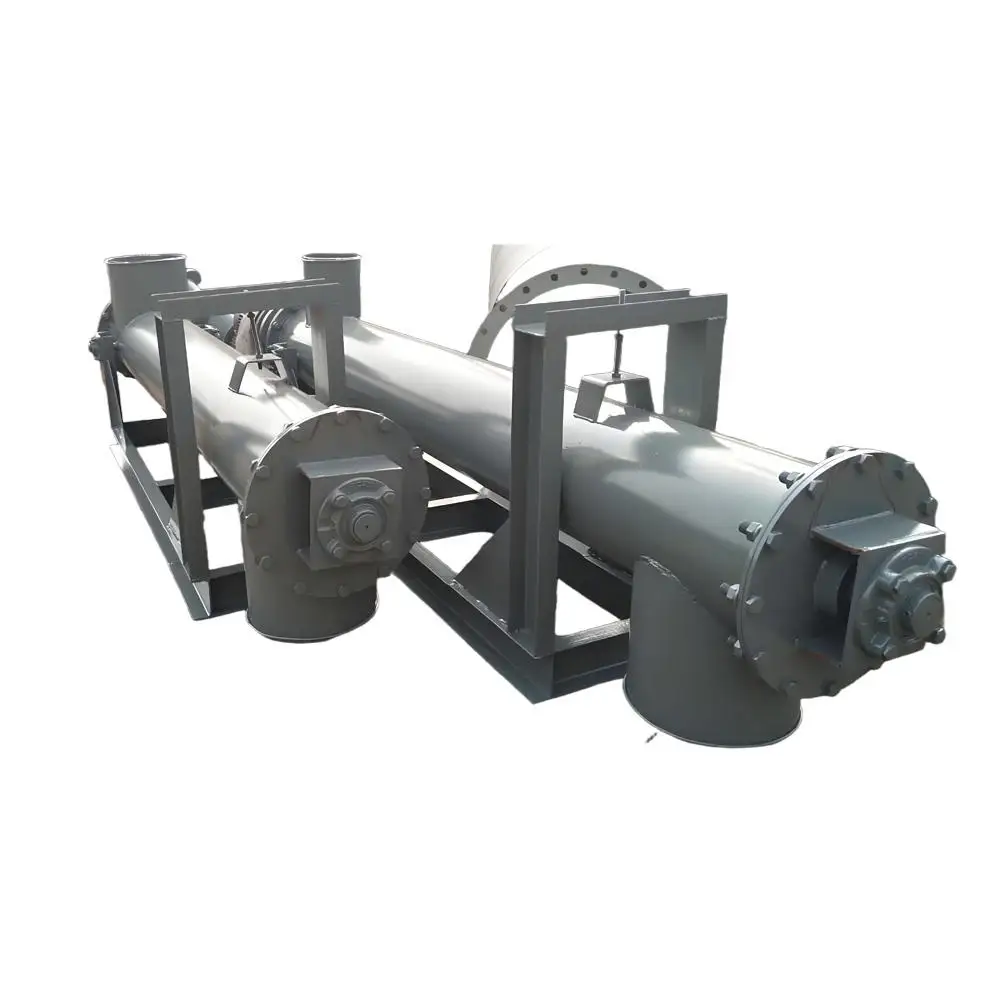
Screw Conveyor Scale, Spiral Type Conveyor Scale, Screw Conveyor Feeder
TAG:
Bulk Material Conveyor,
Chain Plate Feeder,
Apron Conveyor,
Apron Feeder,
Continuous Material Weighing,
Apron Weigh Feeder,
Bulk Material Weighing,
Industrial Waste Handling Equipment,
Metal Recycling Conveyor,
Scrap Recycling Conveyor,
Recycling Chain Conveyor,
Industrial Waste Feeder,
Heavy Material Conveyor,
Chain Plate Feeder Machine,
Industrial Plate Feeder,
Metal Plate Feeder,
Chain Conveyor Feeder,
Industrial Drag Chain Feeder,
Coal Chain Conveyor,
Mining Chain Conveyor,
Slag Conveyor,
Abrasive Material Conveyor,
Continuous Weighing Conveyor,
Industrial Weighing Conveyor,
Steel Scrap Conveyor,
Steel Scrap Weighing Conveyor,
Steel Chip Conveyor,
Metal Waste Conveyor,
Foundry Waste Conveyor,
Slag Weighing Conveyor,
Related Category:
Chain Plate Scale,Industrial Waste Drag Chain Metal Scale Plate Conveyor,Chain Plate Conveyor Scale,Drag Chain Scale China, suppliers, manufacturers, factory, customized, wholesale, quotation, made in China