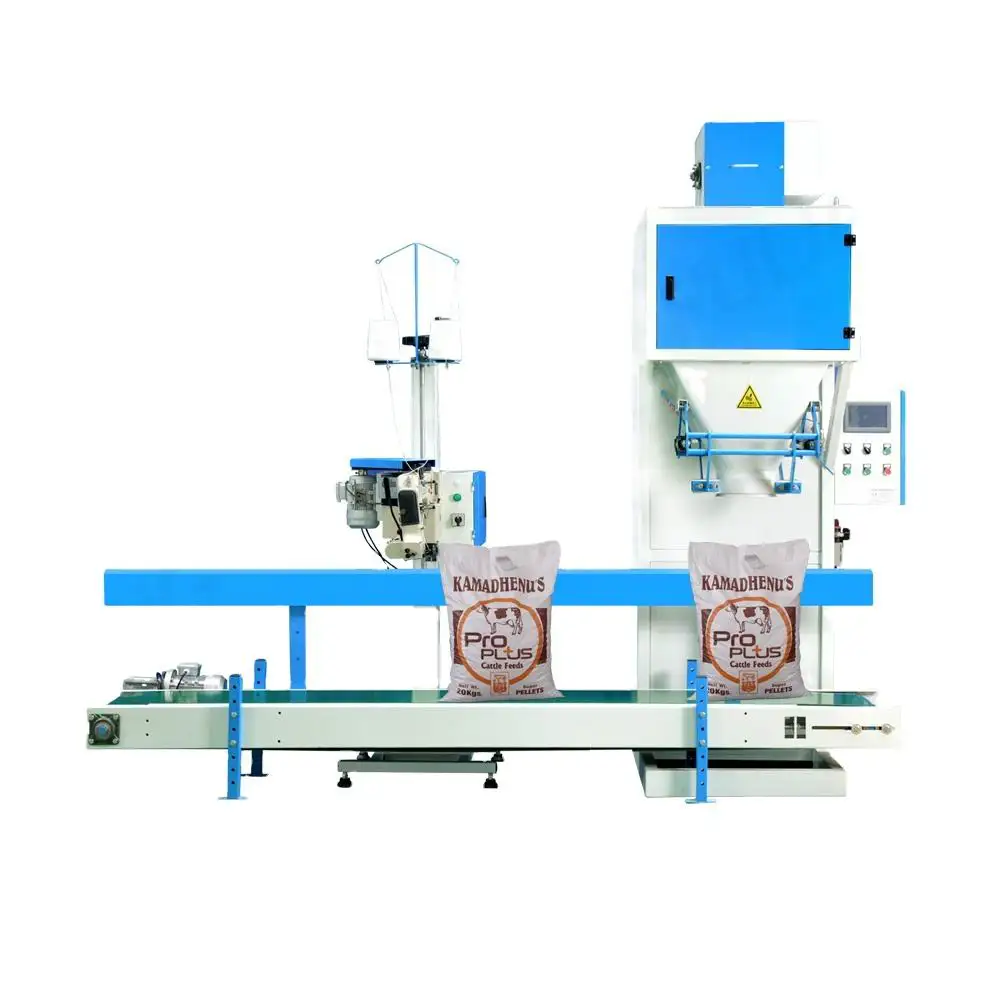
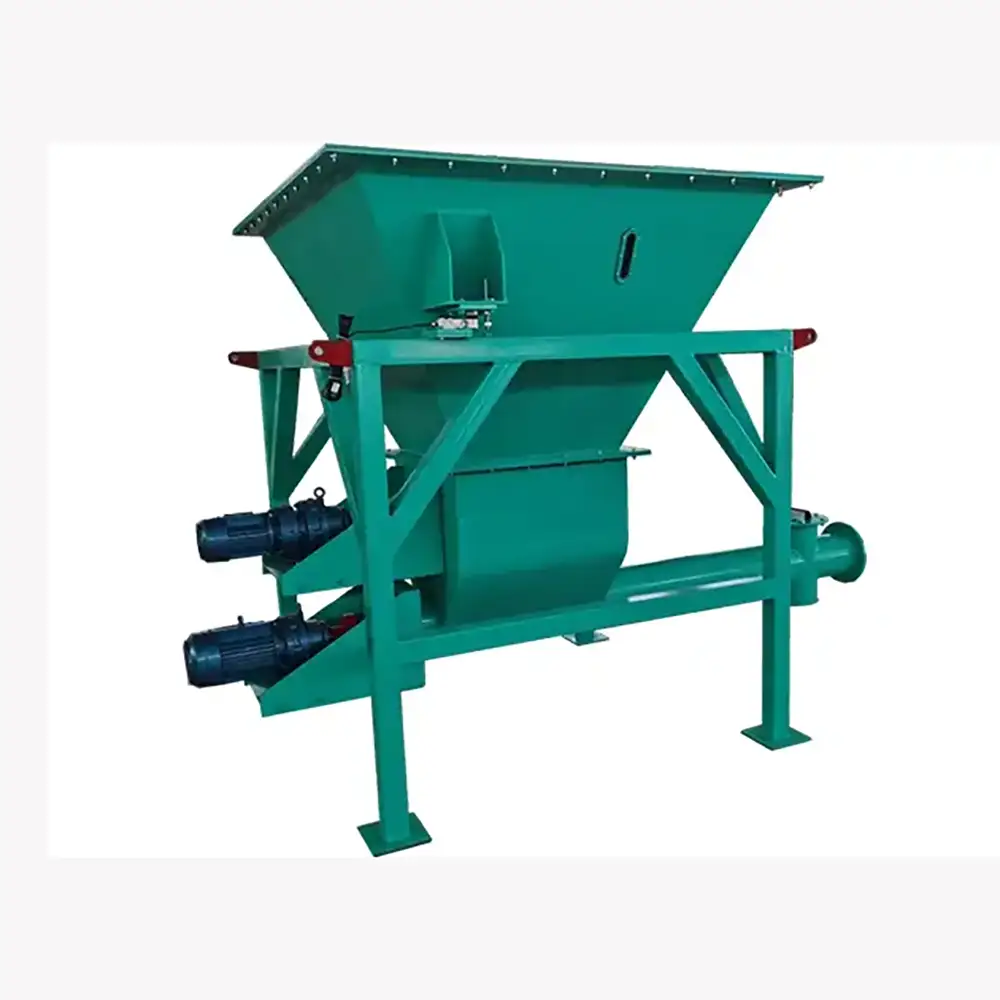
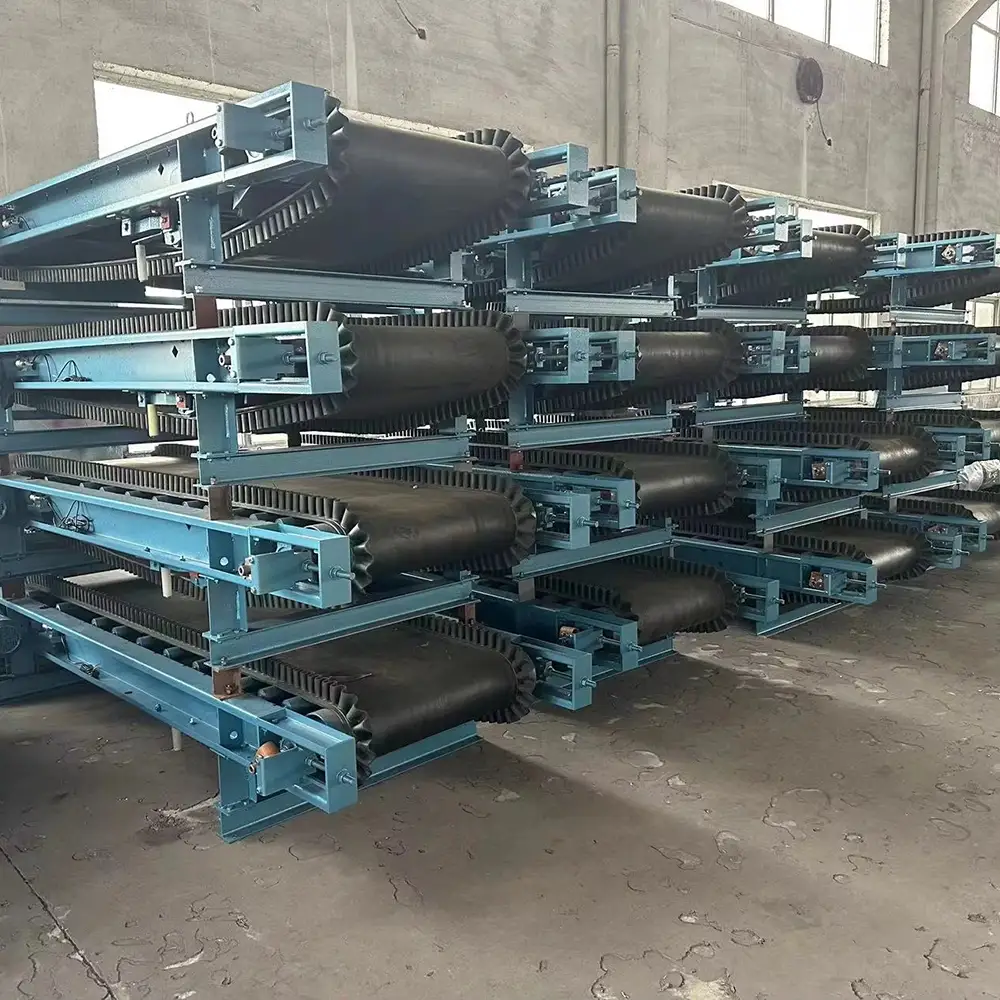
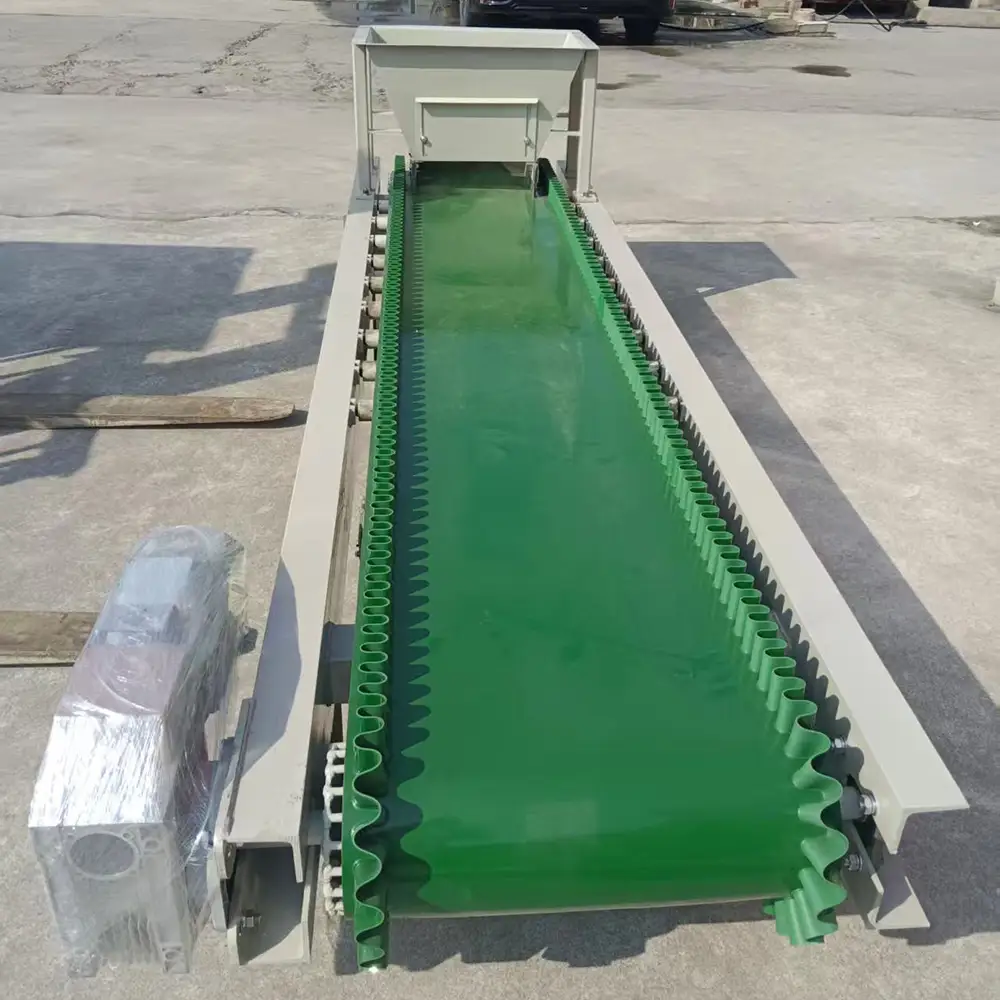
Belt Scale Introduction:
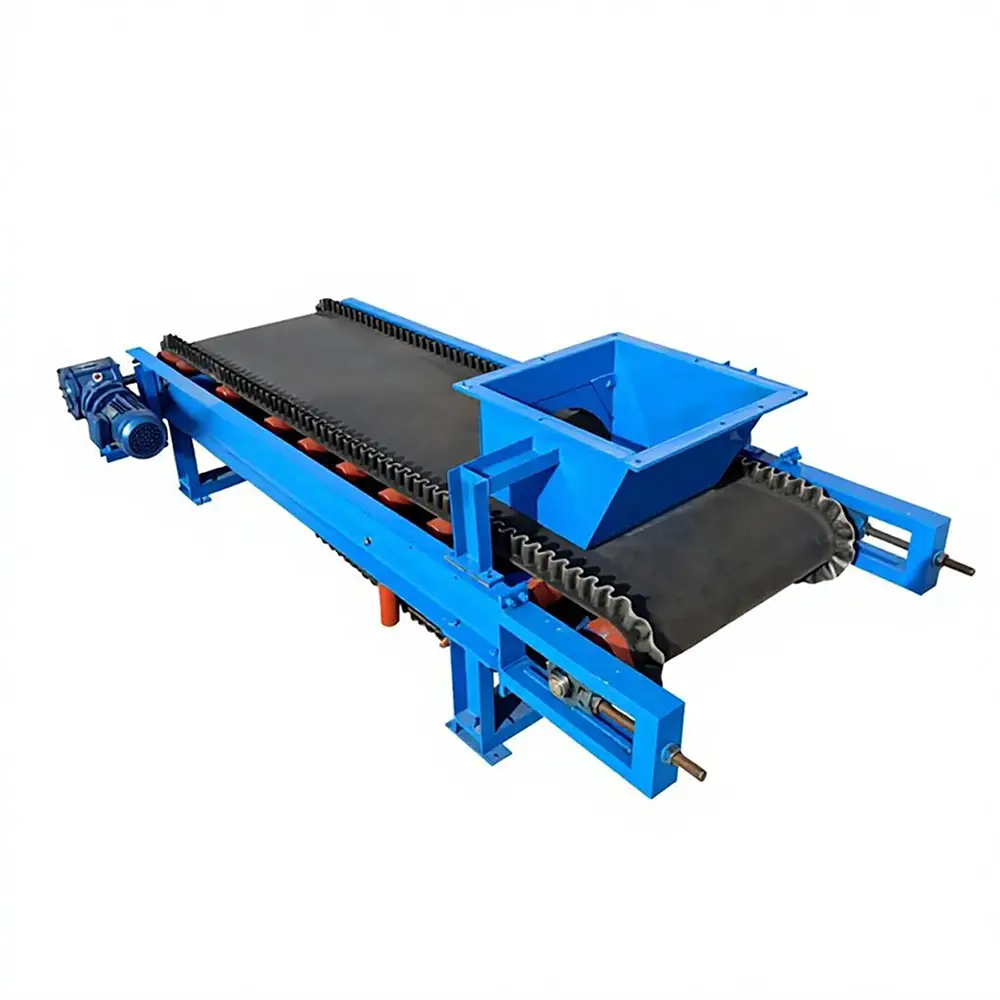
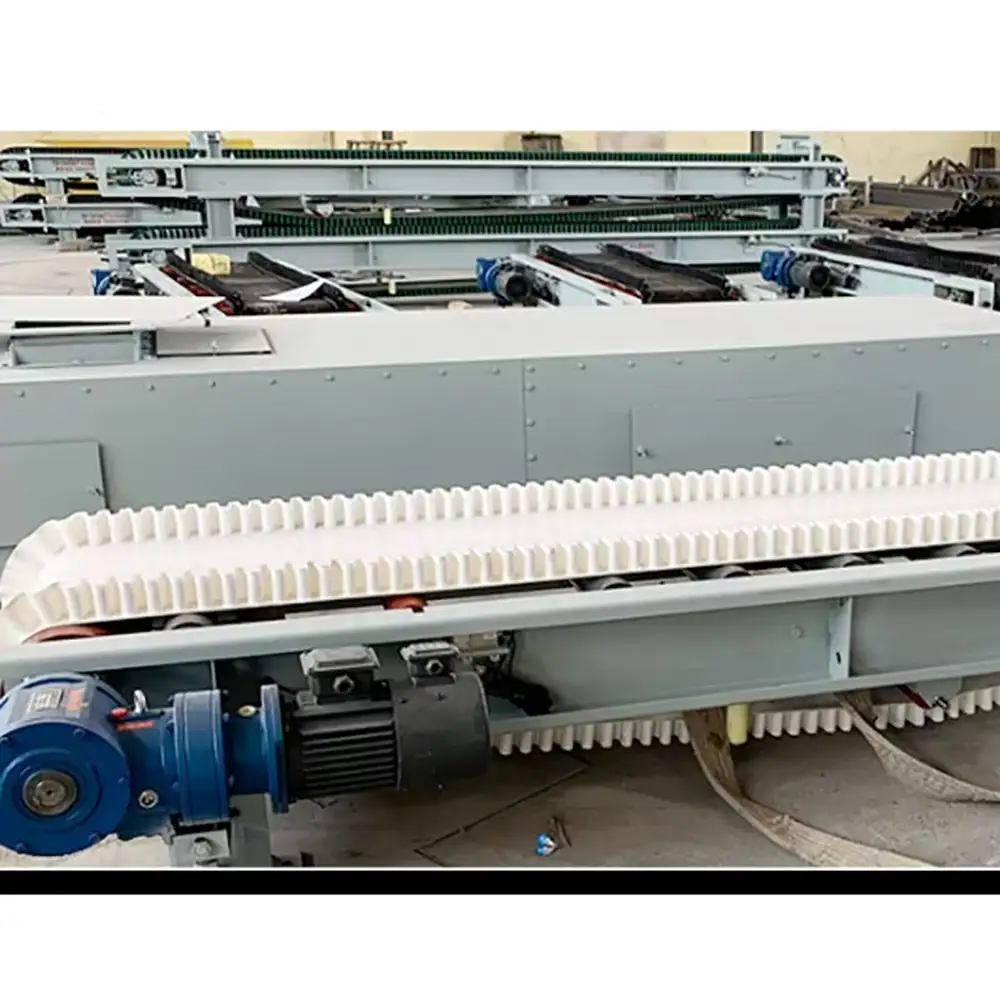
TDG series is a high-tech product integrating transportation, feeding, weighing and quantitative control for an organic whole. On the base of absorbing Germany advanced technology, our company has developed a new type of weigher. And its special design make it work normally under the bad environment, and it is mainly suitable for weighing and quantitative conveying of various bulk, granular, solid materials or powders during the procession of dynamically transportation. Besides, it is widely applied in many industries, like cement plant, electricity, metallurgy, chemical, food and feed, etc. Moreover, it adopts dynamic constant weighing methods, frequency conversion control, belt automatic tension device, anti-deviation device, and site controlling switch. And it has benefits of high measuring precision, steady operation and high reliability, is the ideal measurement to realize the auto-control and stabilize product quality.
Features and Benefits:
1. Steel structure, strong intensity, good performance, and is suitable for the designation of the various non-standard scales.
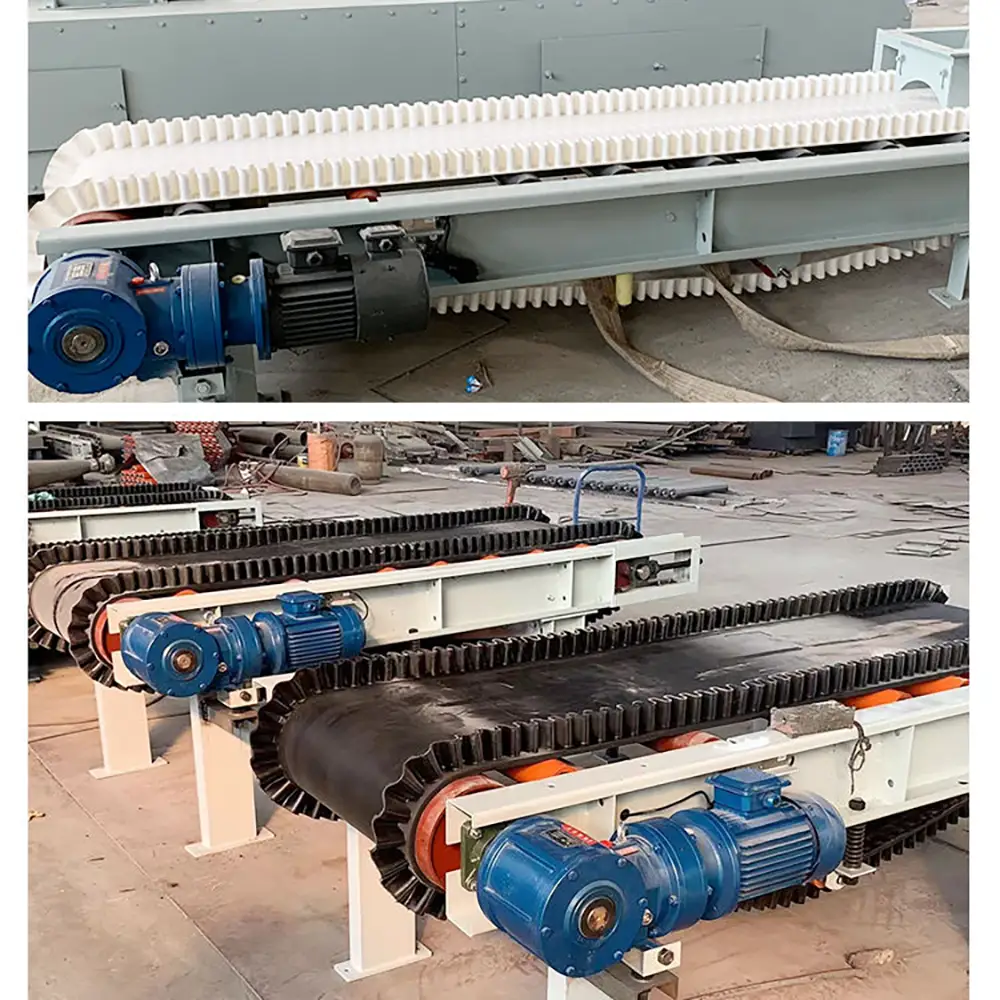
2. Directly-connected integral reducer, introduce the foreign advanced technology, low noise, little vibration, anti-dust, long service life, high reliability, and directly connected with main roller, convenient installation, test and maintenance.
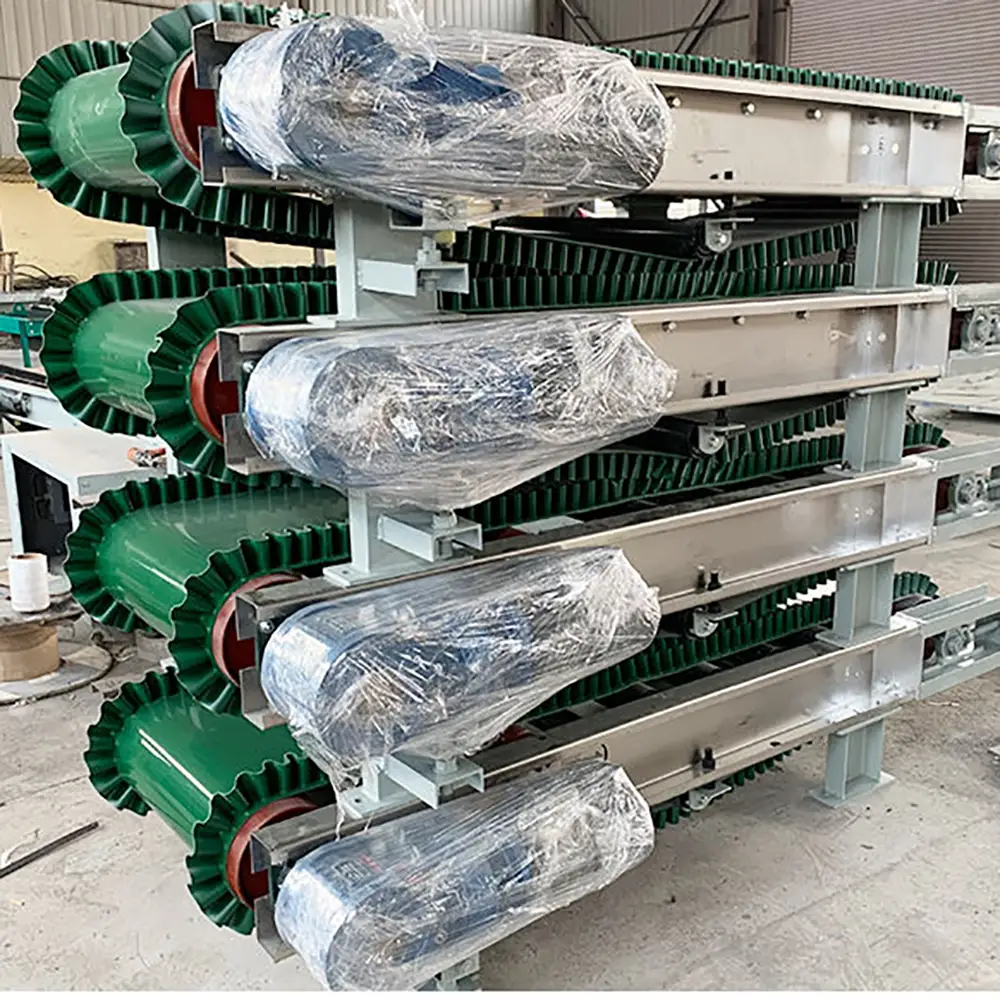
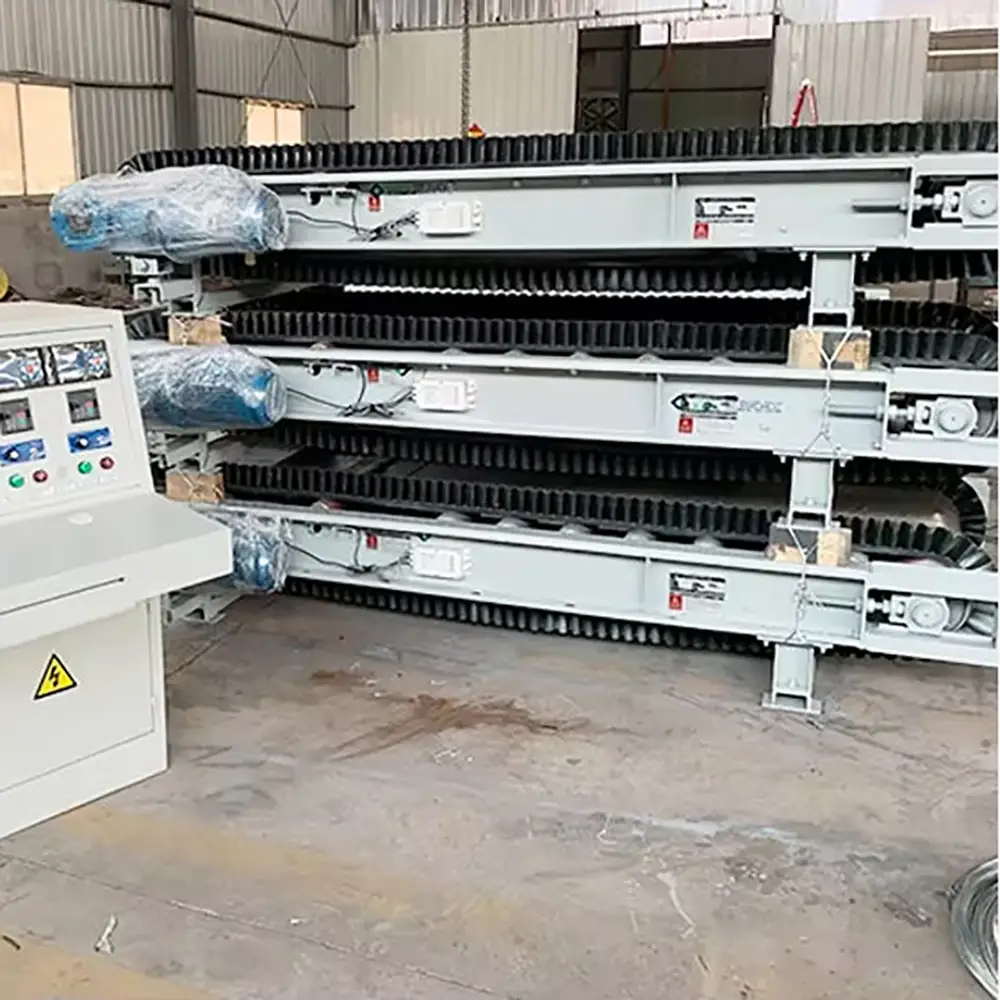
3. Ring belt without joints, according to different processes choose different structure: parallel belt, baffle structure, skirts belt.
4. Special design of anti-deviation device and a adjustable tension roller.
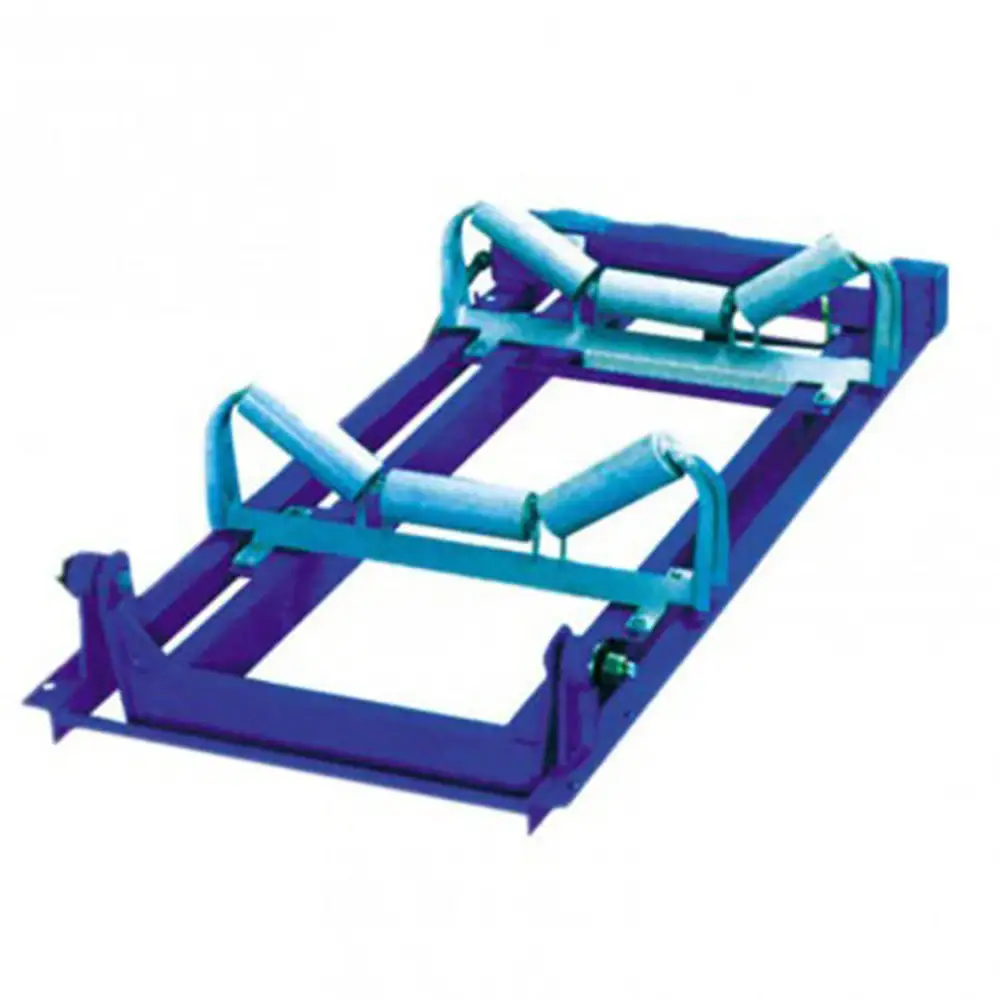
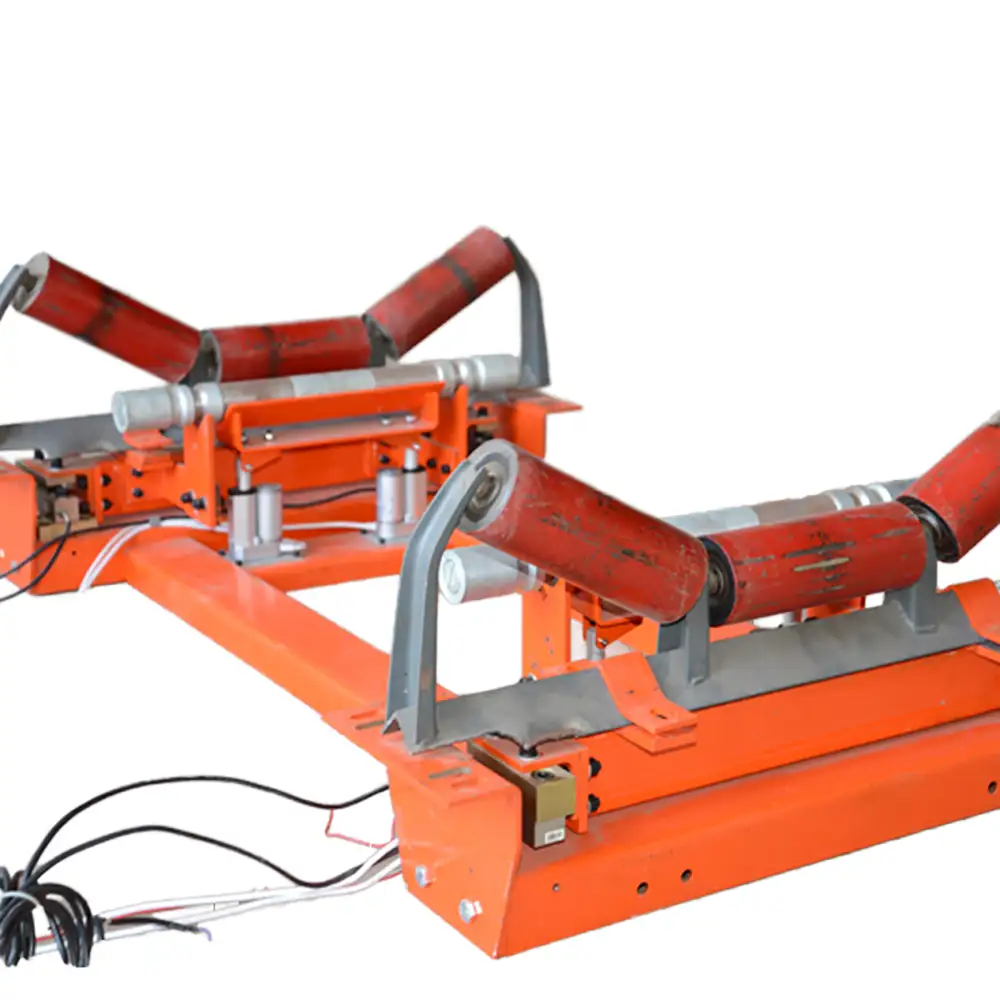
5. Adopt direct weighing structure with Dual-sensor, successfully solve the inaccuracy, and increase the measuring precision greatly.
6. Adopt data acquisition module, increase the effective resolution ratio above 1 million, and the speed reach 50 times per second.
Main Technical Parameters:
|
Belt width(mm) |
Reducer spec.(50.65) |
Belt linear speed (m/s) |
Load sensor (kg) |
Transducer rated rotary speed (Hz) |
Output (t/h) |
Reference of output(t/h) |
|
500 |
65-923-1.1K |
0.0082 |
50 |
50 |
0.1-1.0 |
0.2-0.8 |
|
650 |
65-619-1.1K |
0.0254 |
50 |
50 |
0.4-4.0 |
0.65-3.2 |
|
800 |
65-253-1.5K |
0.0621 |
100 |
50 |
4.0-16 |
10-32 |
|
1000 |
65-91-1.5K |
0.1723 |
100 |
50 |
10-100 |
40-80 |
|
1200 |
65-59-1.5K |
0.2661 |
200 |
50 |
16-160 |
80-120 |
|
1400 |
65-52-1.5K |
0.3017 |
200 |
50 |
20-200 |
100-160 |
|
1600 |
65-44-2.2K |
0.3565 |
200 |
50 |
35-350 |
150-300 |
|
1800 |
65-36-2.2K |
0.4358 |
300 |
50 |
50-440 |
200-400 |
|
2000 |
65-28-2.2K |
0.5603 |
300 |
50 |
100-600 |
300-600 |
TDG Speed Adjustable Conveyor Belt Scale, Speed Adjustable Quantitative Feeder Conveyor Belt Scale
The TDG Speed Adjustable Conveyor Belt Scale is an industrial weighing and feeding system designed for continuous measurement and controlled transportation of bulk materials. By combining a conveyor belt with a weighing mechanism and adjustable-speed drive, the equipment can help users monitor material flow while maintaining a stable and controllable feeding rate.
The Speed Adjustable Quantitative Feeder Conveyor Belt Scale is suitable for production lines where accurate material feeding, continuous weighing, and automatic flow control are important. Typical applications include coal handling, mining, mineral processing, cement manufacturing, power plants, chemical processing, metallurgy, building materials, grain handling, and other bulk material industries.
Unlike a conventional conveyor used only for transportation, a belt scale or weigh feeder provides measurement information during material movement. The speed-adjustable design also allows the feeding rate to be changed according to production requirements.
What Is a TDG Conveyor Belt Scale?
A conveyor belt scale is a continuous weighing system installed on a belt conveyor. It measures the weight of material traveling across the weighing section and combines this information with belt speed to calculate the material flow rate.
The TDG Speed Adjustable Conveyor Belt Scale is designed for applications where transportation and quantitative feeding need to work together. Depending on the configuration, the system can continuously monitor material throughput and provide signals to a control system.
A typical system may include a weighing frame, load cells, belt speed sensor, conveyor belt, drive motor, speed control system, feeding hopper, and electronic weighing controller.
What Is a Speed Adjustable Quantitative Feeder?
A Speed Adjustable Quantitative Feeder is designed to deliver bulk materials at a controlled and adjustable rate. By changing belt speed, the operator or automatic control system can regulate the amount of material transported per unit of time.
This function is especially useful in batching, blending, proportioning, dosing, and continuous production processes.
For example, if a cement production line requires a specific raw material flow rate, the feeder can be configured to provide controlled material delivery while the weighing system monitors the actual throughput.
How Does the Belt Weigh Feeder Work?
Bulk material enters the belt through a hopper, chute, or upstream feeding device. As the material travels over the weighing section, load cells detect the material load on the belt.
At the same time, a speed sensor monitors belt velocity. The weighing controller combines belt loading and belt speed information to calculate the instantaneous material flow rate.
The control system can then display parameters such as:
Belt speed
Material flow rate
Accumulated material quantity
Belt load
Feeding rate
Total production quantity
When the equipment is used as a quantitative feeder, the control system can adjust the belt speed to maintain the desired feeding rate.
Main Components
A TDG Speed Adjustable Conveyor Belt Scale can include several key components:
Conveyor belt
Weighing frame
Load cells
Belt speed sensor
Drive motor
Speed reducer
Variable-speed drive
Feeding hopper
Belt support rollers
Electronic weighing controller
Control cabinet
Discharge chute
Safety protection components
The weighing frame and load cells are important for detecting the material load. The speed sensor provides belt velocity information, while the controller processes the signals and calculates the material flow.
Continuous Weighing and Quantitative Feeding
One of the major advantages of this equipment is the ability to combine continuous weighing with material feeding.
A conventional conveyor transports material but does not necessarily provide real-time production measurement. A conveyor belt scale adds weighing functionality, allowing users to monitor throughput during transportation.
A quantitative belt feeder adds another level of control by adjusting belt speed according to the target feeding rate.
This combination is useful in processes that require stable material proportions, consistent production rates, or automatic feeding control.
Industrial Applications
Mining and Mineral Processing
Mining operations use belt scales and weigh feeders to monitor ore, coal, limestone, aggregates, and other bulk materials. Continuous weighing can provide production data for crushing, screening, conveying, and processing operations.
Cement Plants
Cement plants require controlled feeding of limestone, clay, gypsum, coal, and other raw materials. A quantitative belt feeder can help regulate material flow into crushers, mills, mixers, and other process equipment.
Coal Handling
Coal-fired power plants, coal preparation facilities, and bulk terminals can use conveyor belt scales to monitor coal transportation and feeding rates.
Aggregate and Quarry Plants
Sand, gravel, crushed stone, and other aggregates can be continuously weighed during transportation. The equipment can help operators monitor production output and material flow.
Chemical Industry
Powdered and granular raw materials often need controlled feeding for batching and continuous processing. A speed-adjustable belt feeder can provide controlled material delivery.
Metallurgy
Steel plants and metallurgical facilities can use quantitative feeders for ore, coke, limestone, and other bulk materials requiring controlled feeding.
Building Materials
Industrial production lines for lime, bricks, ceramics, and other construction materials can use belt weighing and quantitative feeding equipment.
Key Advantages
Adjustable Feeding Rate
The belt speed can be adjusted according to production requirements, allowing the equipment to function as a controlled quantitative feeder.
Continuous Material Weighing
The weighing system measures material flow while the belt is running, eliminating the need to stop the conveyor for every measurement.
Integrated Transportation and Feeding
The conveyor performs material transportation while the weighing and control system manages material flow.
Real-Time Production Data
The electronic control system can provide information about instantaneous flow rate and accumulated material quantity.
Automatic Control
The system can be integrated with plant automation and process control systems for automatic feeding regulation.
Suitable for Bulk Materials
The equipment can be configured for many free-flowing bulk materials, including coal, limestone, ore, aggregate, cement raw materials, and granular industrial products.
Flexible Speed Adjustment
Different production conditions may require different feeding rates. Adjustable conveyor speed provides operational flexibility.
Industrial Construction
Heavy-duty components can be selected for demanding applications in mining, cement, power, metallurgy, and bulk material handling.
How to Select the Right Belt Scale and Quantitative Feeder
Several parameters should be considered before selecting a TDG conveyor belt scale.
Material Type: Provide the exact bulk material, such as coal, limestone, iron ore, cement, grain, or aggregate.
Material Density: Bulk density influences the required belt loading and feeding configuration.
Required Capacity: Specify the minimum, normal, and maximum feeding rates when possible.
Belt Width: The conveyor belt width should match the required material throughput and installation conditions.
Belt Speed: Determine the desired operating speed and speed adjustment range.
Feed Size: Particle size and material characteristics influence hopper and chute design.
Weighing Accuracy: Define the required measurement accuracy according to the production process.
Installation Location: The system can be configured for different conveyor layouts and process environments.
Control System: Determine whether local control, remote control, PLC integration, or automatic flow-rate regulation is required.
Installation and Maintenance
The conveyor belt scale should be installed on a stable and properly aligned conveyor section. The weighing area should be protected from unnecessary mechanical vibration and external interference.
Before commissioning, check belt alignment, load cell installation, speed sensor positioning, conveyor tension, and electrical connections. Calibration should be performed according to the equipment manufacturer's procedures and operating conditions.
Regular maintenance should include inspection of load cells, rollers, belt condition, speed sensors, bearings, drive components, and electrical connections.
Material buildup around the weighing section should be removed because excessive accumulation can affect weighing performance. Operators should also monitor belt tracking and mechanical vibration.
OEM and Custom Solutions
Different production lines have different material properties, capacity requirements, conveyor dimensions, and automation needs. We provide OEM and customized TDG Speed Adjustable Conveyor Belt Scale and Speed Adjustable Quantitative Feeder Conveyor Belt Scale solutions according to customer requirements.
Customization can include belt width, conveyor length, feeding capacity, speed range, weighing configuration, hopper dimensions, motor and reducer selection, control cabinet, PLC integration, communication interfaces, and other auxiliary components.
These solutions are suitable for equipment manufacturers, engineering contractors, mining companies, cement plants, power plants, material handling companies, and industrial distributors.
Why Choose Us?
We provide industrial conveyor weighing and quantitative feeding equipment for demanding bulk material applications. Our TDG Speed Adjustable Conveyor Belt Scale solutions combine material transportation, continuous weighing, adjustable belt speed, and controlled feeding in one practical system.
We can help customers select equipment according to material characteristics, capacity, belt width, weighing requirements, speed range, and automation requirements.
OEM and custom manufacturing are available for international distributors, system integrators, engineering companies, and industrial end users. Our focus is on reliable operation, practical process integration, durable construction, and long-term industrial use.
FAQs
1. What is a TDG Speed Adjustable Conveyor Belt Scale?
It is a conveyor-based weighing and feeding system designed to continuously measure bulk material flow while allowing belt speed to be adjusted.
2. What is a quantitative belt feeder?
A quantitative belt feeder delivers bulk material at a controlled rate by regulating conveyor belt speed and monitoring material flow.
3. What materials can this belt scale handle?
Depending on the configuration, it can handle coal, limestone, ore, aggregates, cement raw materials, chemicals, grain, and other suitable bulk materials.
4. Can the belt speed be adjusted?
Yes. The speed-adjustable design allows the feeding rate to be changed according to production requirements.
5. How does a conveyor belt scale measure material?
Load cells measure the material load on the weighing section while a speed sensor measures belt velocity. The controller uses these signals to calculate material flow.
6. Can the system provide total material weight?
Yes. A suitable electronic weighing controller can display and record accumulated material quantity in addition to instantaneous flow rate.
7. Can the TDG feeder be integrated with a PLC?
Yes. The weighing and feeding system can be configured for integration with plant PLC and automation systems, subject to the selected control configuration.
8. What affects belt scale weighing accuracy?
Belt alignment, belt tension, material distribution, weighing frame installation, load cell condition, speed measurement, calibration, vibration, and material buildup can all affect performance.
9. Can you customize the quantitative feeder?
Yes. Belt width, capacity, speed range, hopper, drive system, weighing components, controller, and automation interfaces can be customized according to project requirements.
10. What information is needed for a quotation?
Provide the material name, bulk density, feed rate, maximum capacity, belt width, belt speed, particle size, installation conditions, required weighing performance, and control requirements.
Prev:
TSC High Reliability Dosing Machine
Next:Sorry, no information
TAG:
Bulk Material Conveyor,
Bulk Material Feeder,
Conveyor Feeder,
Quantitative Feeder,
Bulk Material Feeding Machine,
Industrial Belt Feeder,
Mining Weigh Feeder,
Conveyor Belt Scale,
Material Flow Control,
Quantitative Belt Feeder,
Continuous Weighing Feeder,
Belt Weigh Feeder,
Weigh Belt Feeder,
Weighing Belt Feeder,
Coal Weigh Feeder,
Automatic Weigh Feeder,
Ore Belt Scale,
Aggregate Belt Scale,
Mining Belt Scale,
Coal Belt Scale,
Cement Belt Scale,
Limestone Belt Scale,
Belt Conveyor Scale,
Industrial Weighing System,
Continuous Weighing System,
Continuous Belt Weigher,
Industrial Belt Scale,
Bulk Material Weighing,
Conveyor Weighing Scale,
Electronic Belt Scale,
Related Category:
TDG Speed Adjustable Conveyor Belt Scale,Speed Adjustable Quantitative Feeder Conveyor Belt Scale,Conveyor Belt Scale China, suppliers, manufacturers, factory, customized, wholesale, quotation, made in China