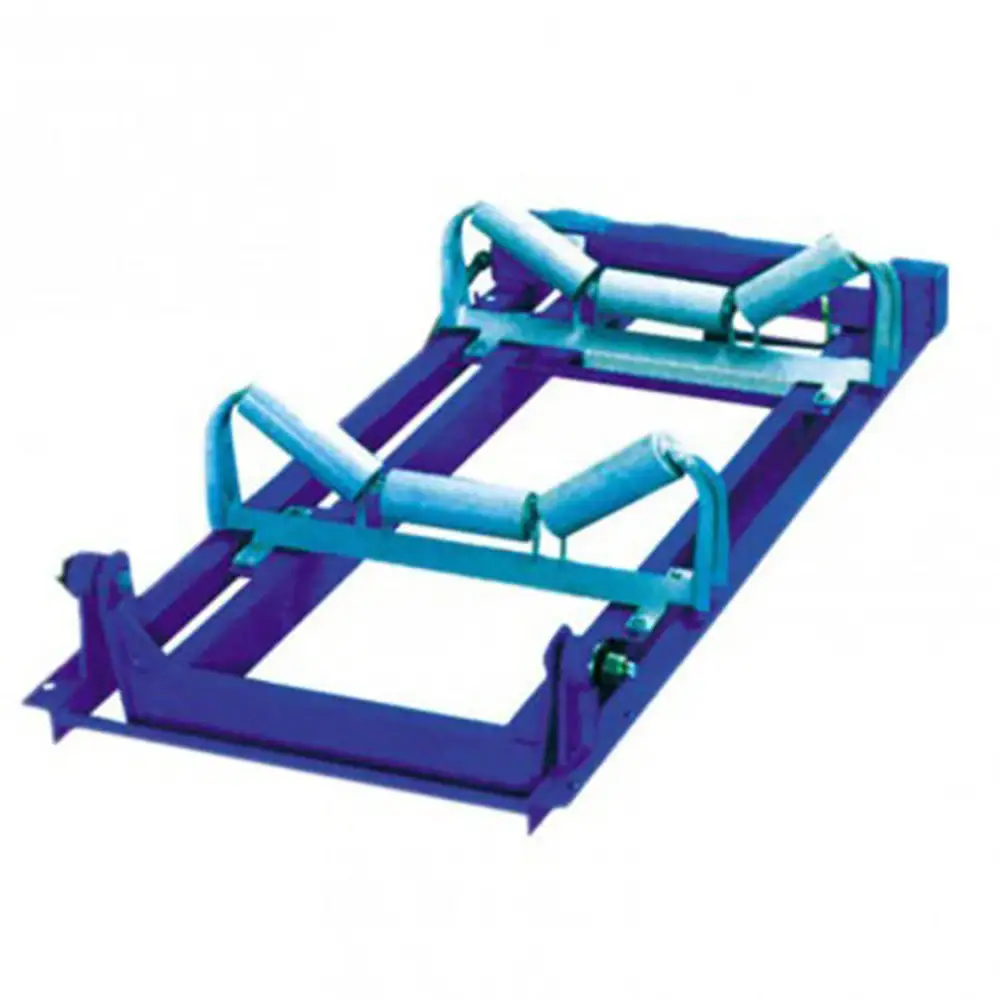
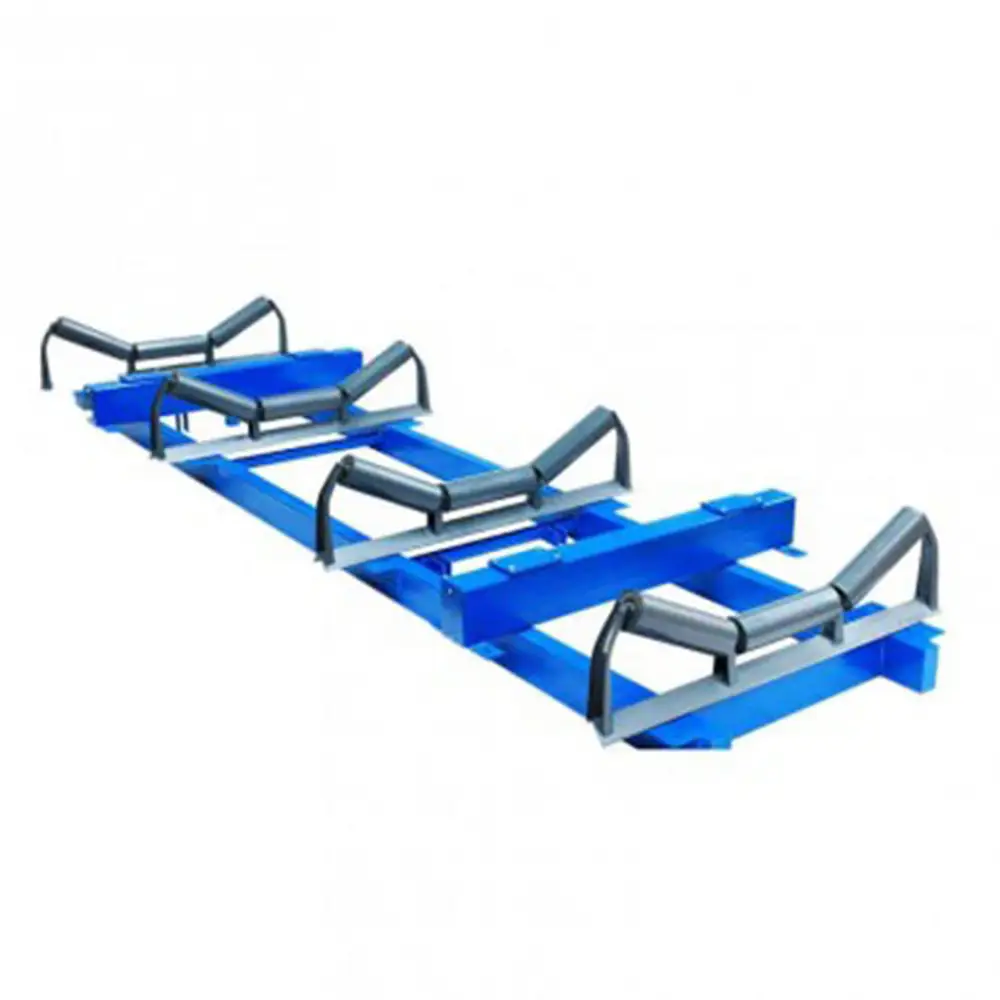
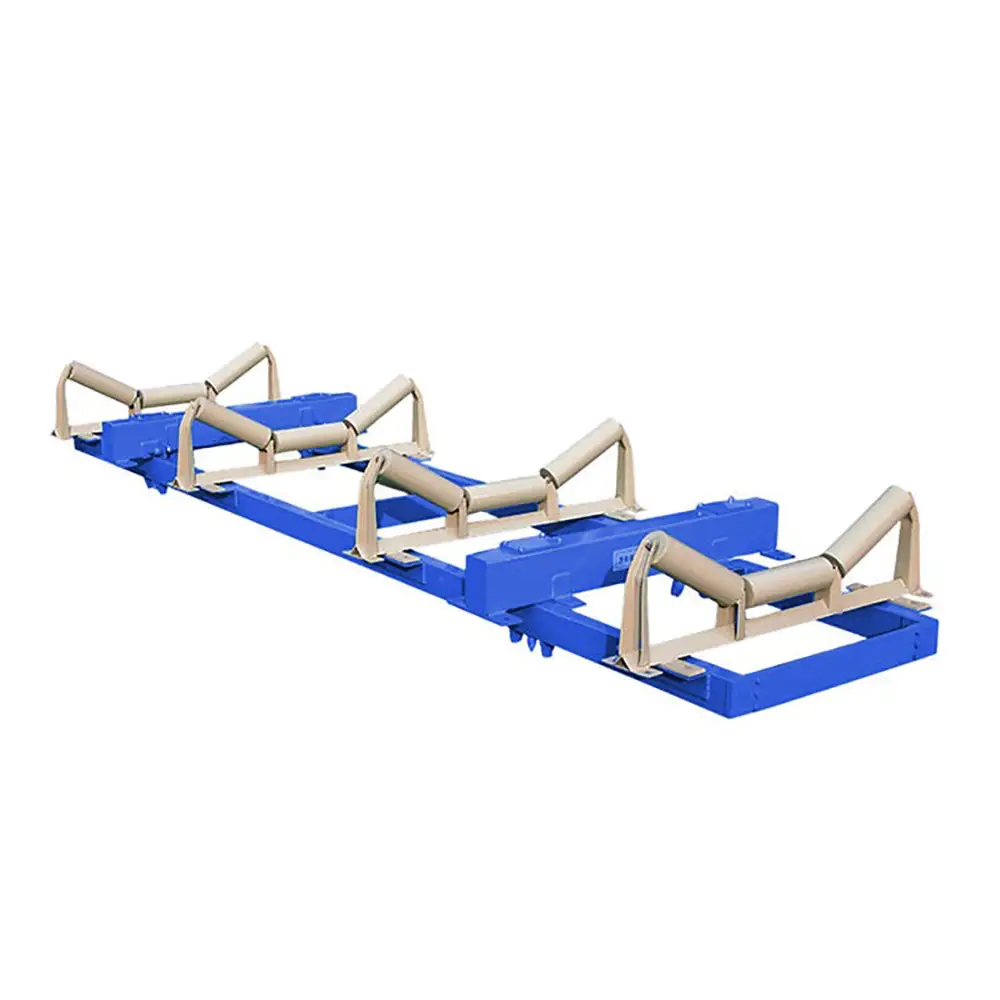
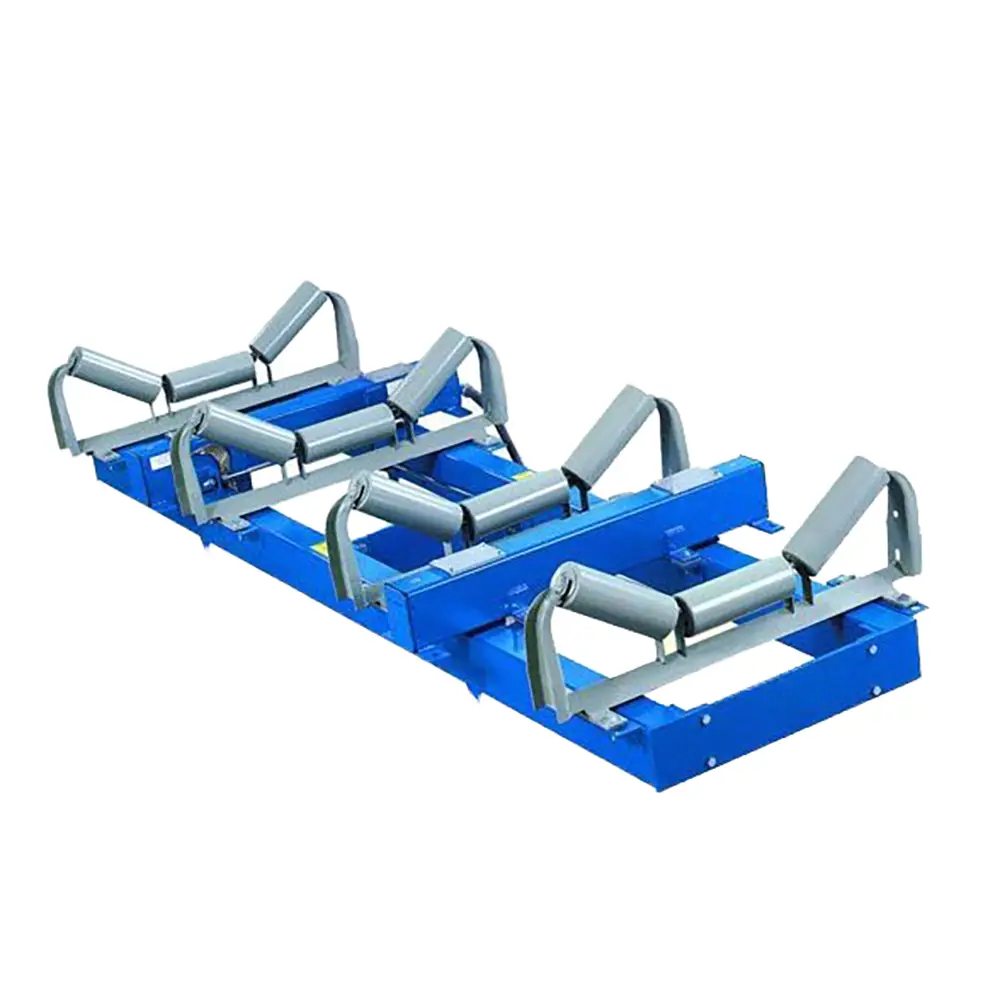
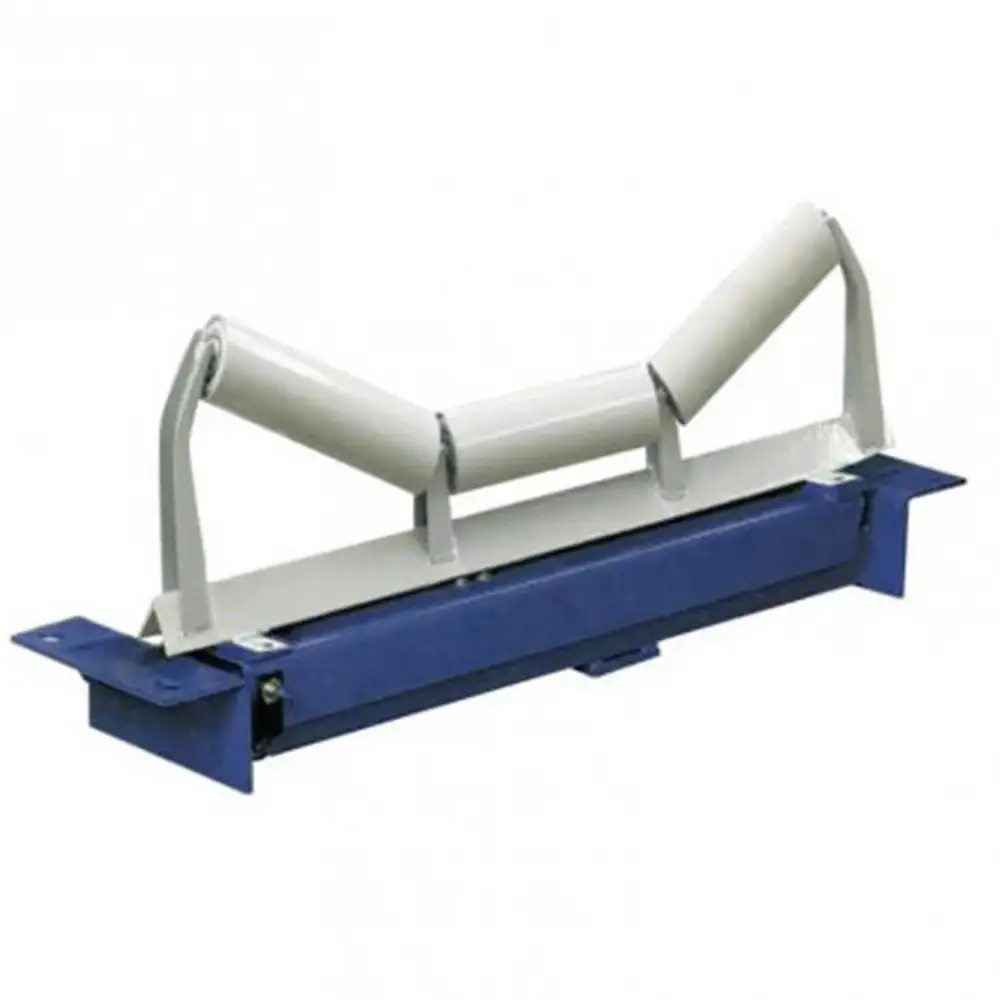
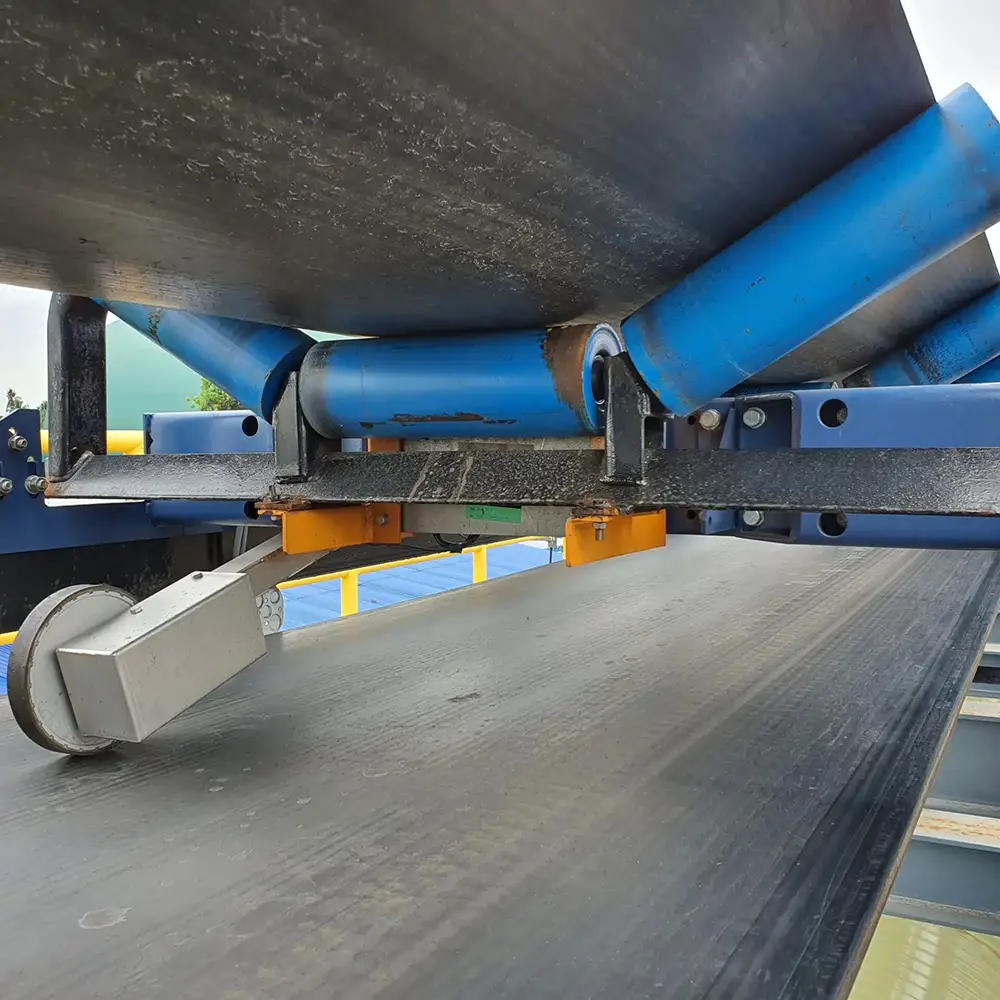
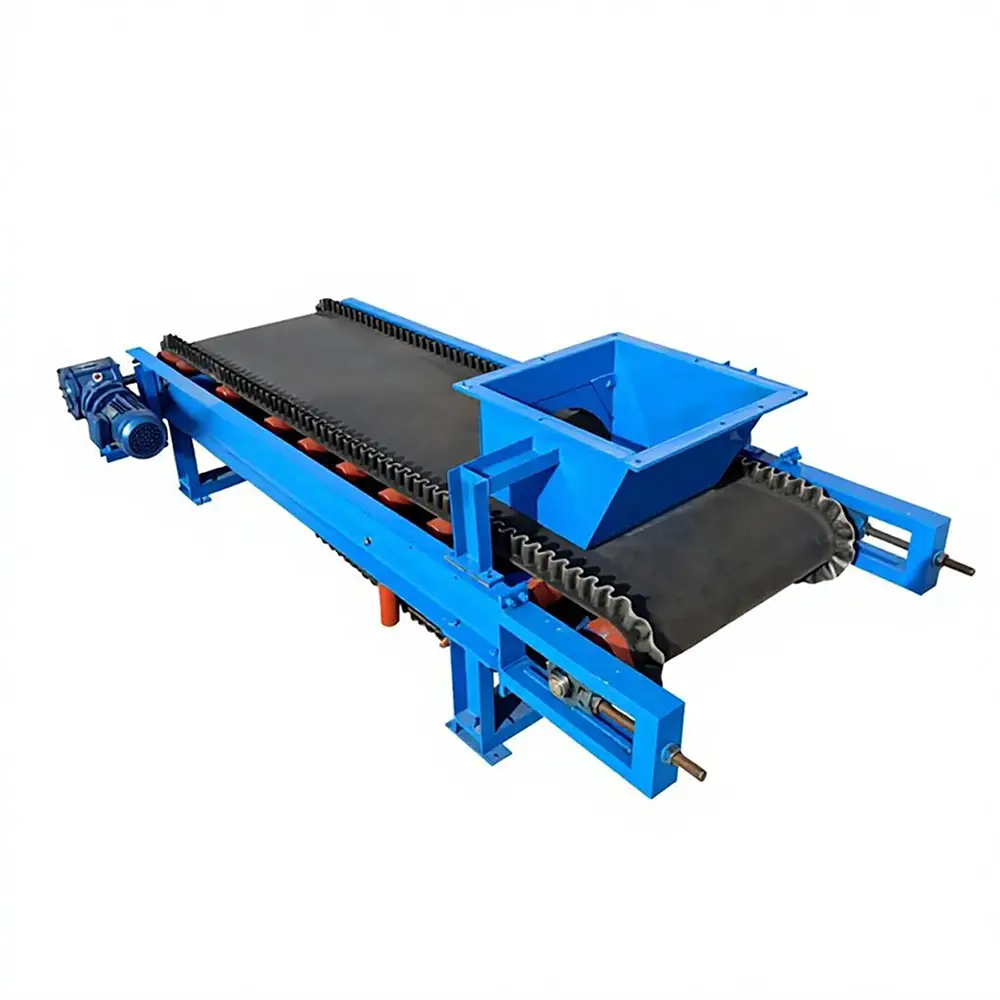
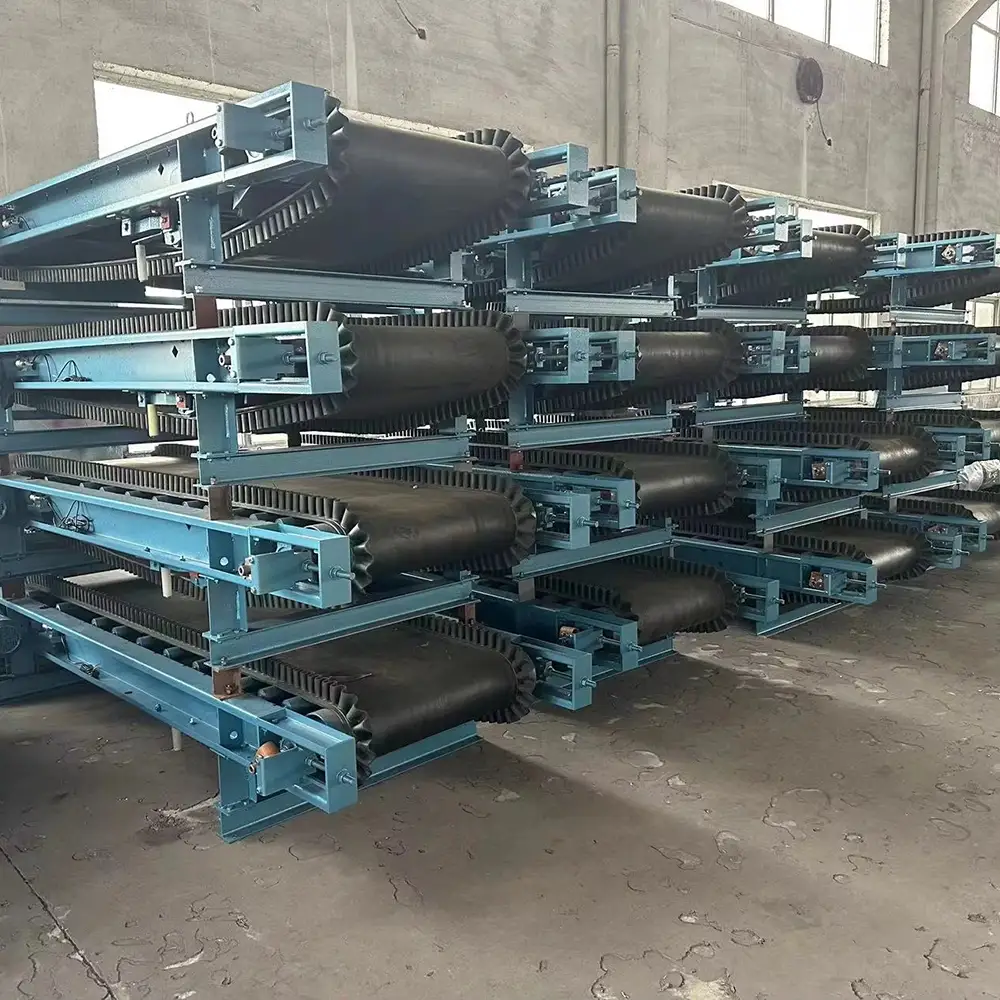
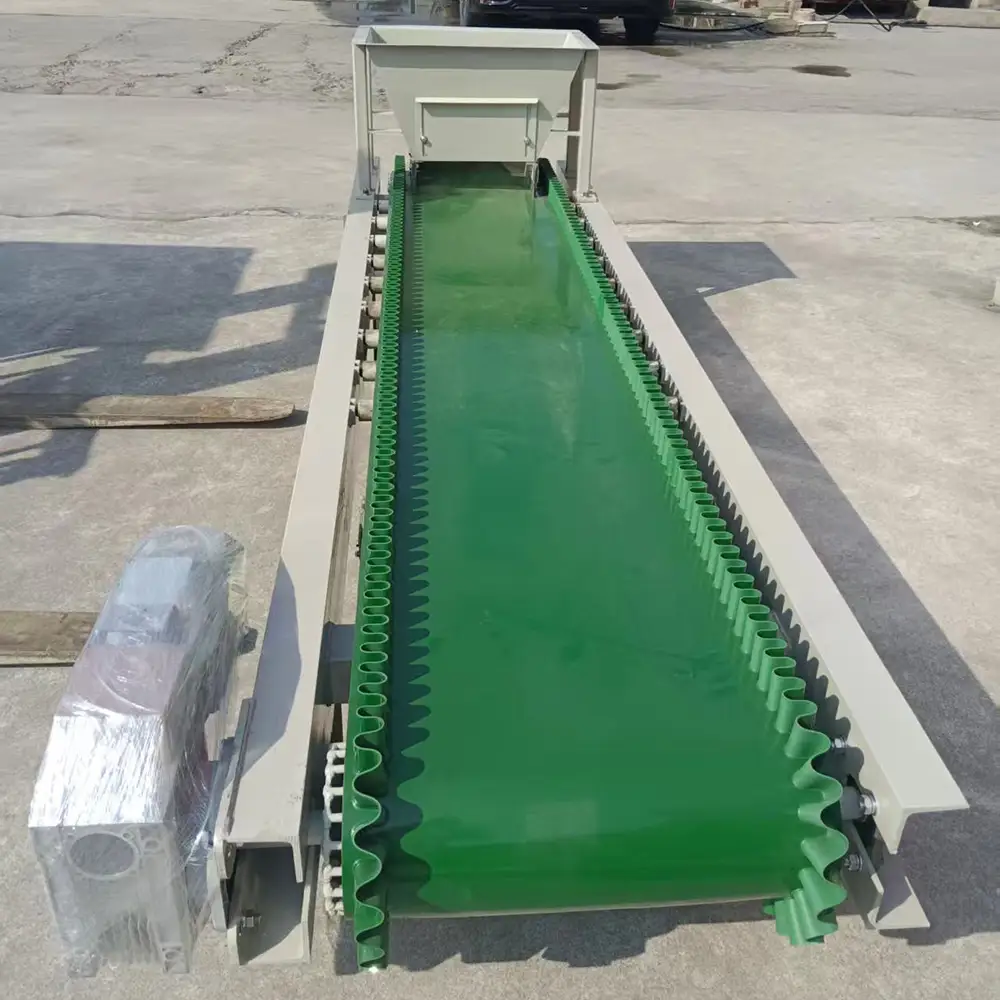
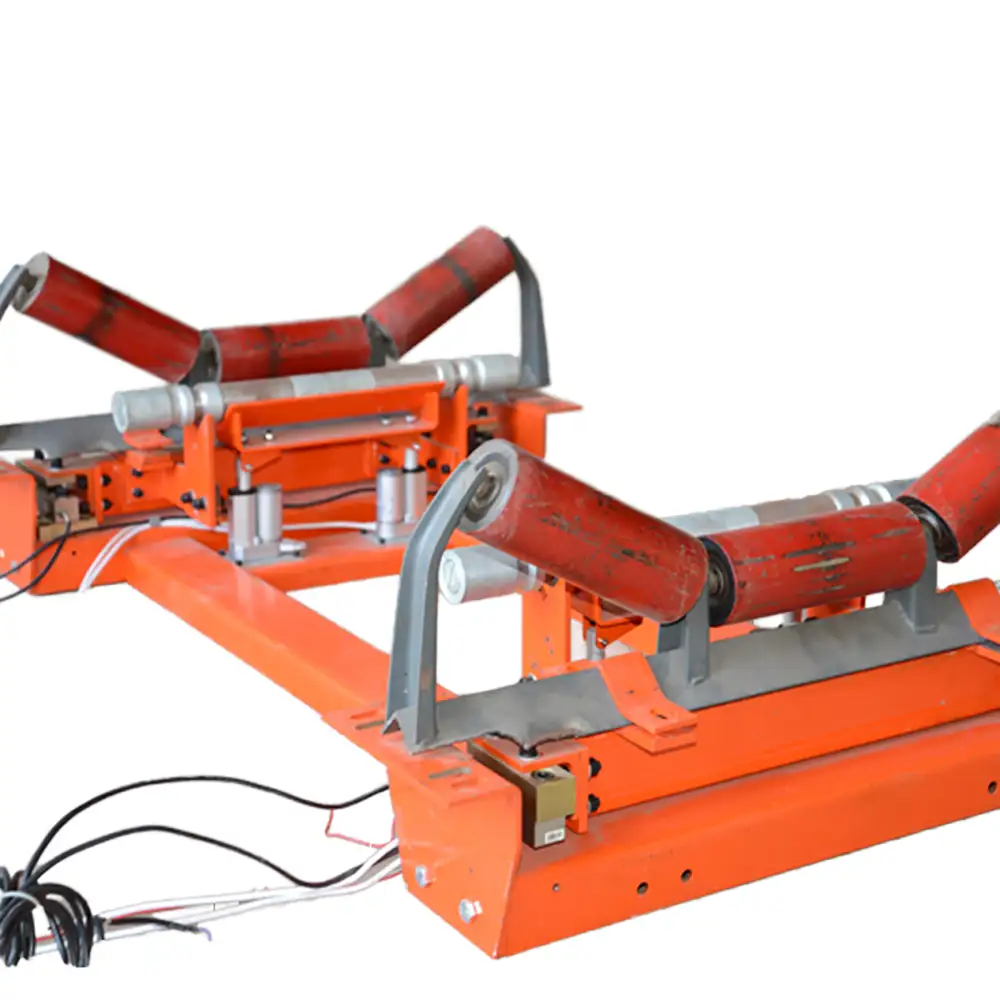
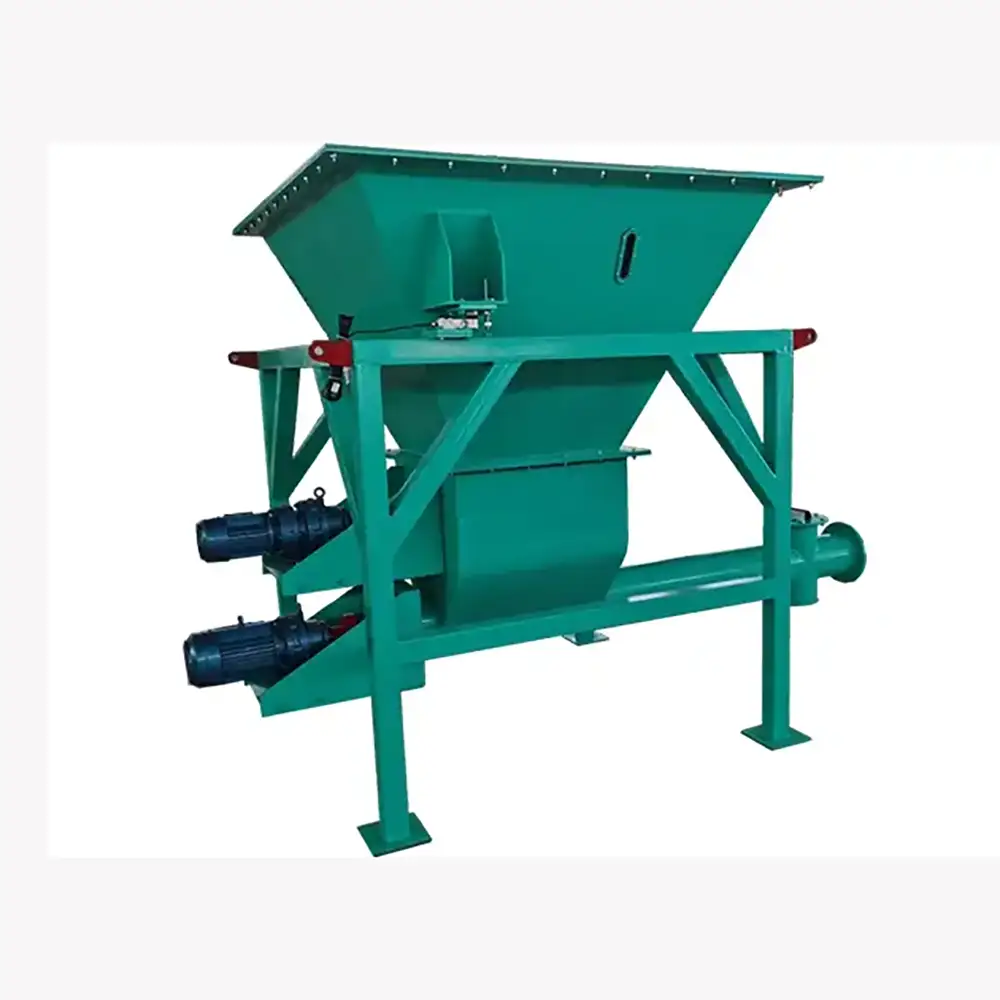
Series ICS electronic conveyor belt scale is the ideal equipment used for continuous measurement of bulk materials on belt conveyors. It is made up of mechanical scale body, weighing sensor, digital pulse speed sensor, weighing instruments, weights etc; There are several structures for you to choose. Specific sizes can be as per customer’s requirements. This product has a simple structure, good weighing accuracy and stable performance. It is easy to operate and convenient to maintain. It can not only be used in conventional environment, but also in acid, alkali, salt and atmospheric corrosion environments. Series ICS electronic conveyor belt scales are widely used for the measurement in conveying processes of building materials, metallurgy, electric power, chemical, coal, mining, ports and other industries.
Features:
1. Using sealed bearing as the support, accurate and stable force transmission, fast zero return.
2. Solid weighing bridge and impact resistance, particularly suitable for work in harsh conditions.
3. Non-distortion of the scale body and stable measurement accuracy.
4. No moving parts and less maintenance.
5. Various calibration methods and multiple output interfaces to meet various control requirements.
Technical parameters:
|
Model No. |
Belt width
(mm) |
Accuracy
(%) |
Weighing Range (t/h) |
inclination of belt conveyor |
Weighing Sensor |
Weighing roller (group) |
Voltage
(V) |
|
ICS-A |
400~1400 |
±0.125 |
1-2000 |
≤6° |
4pcs |
4 |
220±10% |
|
ICS-B |
400~1400 |
±0.25 |
1-2000 |
≤17° |
2pcs |
4 |
|
ICS-C |
400~1400 |
±0.5 |
1-2000 |
≤17° |
2pcs |
2 |
|
ICS-D |
400~1400 |
±0.5 |
1-2000 |
≤17° |
2pcs |
1 |
|
ICS-E |
400~1400 |
±0.5 |
1-2000 |
≤17° |
1pc |
2 |
|
ICS-F |
400~1400 |
±1.0 |
1-2000 |
≤17° |
1pc |
1 |
|
ICS-G |
400~1400 |
±1.0 |
1-2000 |
≤17° |
2pcs |
1 |
ICS Electronic Conveyor Belt Scale, ICS Electronic Dual Idler Roller Conveyor Belt Scale
The ICS Electronic Conveyor Belt Scale is an industrial continuous weighing system designed to measure the quantity and flow rate of bulk materials transported on conveyor belts. By combining weighing sensors, belt speed measurement, and electronic signal processing, the system provides real-time material flow information without interrupting normal conveyor operation.
The ICS Electronic Dual Idler Roller Conveyor Belt Scale uses a dual-idler weighing arrangement to support the conveyor belt and measure the material load passing through the weighing section. This configuration is suitable for applications where continuous production measurement, material accounting, process monitoring, and inventory control are required.
Conveyor belt scales are widely used in mining, coal handling, cement, quarrying, aggregates, power generation, ports, metallurgy, and other bulk material industries. The ICS system can also be integrated with plant automation and data management systems according to the required configuration.
What Is an Electronic Conveyor Belt Scale?
An electronic conveyor belt scale is a weighing device installed on a belt conveyor to continuously measure bulk material as it moves through the conveyor.
Unlike a static weighing system, the conveyor does not need to stop for measurement. The weighing system detects the material load on the belt while a speed sensor measures belt velocity. The electronic controller then combines these signals to calculate material flow.
Typical displayed parameters can include:
Instantaneous material flow
Accumulated material quantity
Belt speed
Belt loading
Totalized production
System operating status
This information can be used for production monitoring, process control, material accounting, and automated feeding applications.
ICS Electronic Dual Idler Roller Conveyor Belt Scale
The ICS Electronic Dual Idler Roller Conveyor Belt Scale uses two conveyor idlers within the weighing section. The load applied by material passing over the belt is transferred through the weighing structure to load cells or other weighing sensors.
Using multiple idlers can provide a longer weighing area than a single-idler configuration and can be suitable for selected industrial conveyor applications.
The dual-idler arrangement must be properly installed and aligned to obtain stable weighing performance. Belt tension, idler condition, conveyor alignment, material distribution, and calibration can all affect the performance of the complete weighing system.
How Does the ICS Belt Scale Work?
The weighing process begins when bulk material is transported along the conveyor belt.
As the loaded belt passes over the weighing idlers, the weighing system detects the vertical load generated by the material. At the same time, a speed sensor measures the actual belt speed.
The electronic controller processes the load and speed signals to calculate the material's instantaneous flow rate.
The system can then accumulate the measured flow over time to determine the total quantity transported.
For example, if a mining conveyor transports iron ore from a crusher to a stockpile, the belt scale can continuously monitor the material flow and record the cumulative quantity transported.
Main Components
A typical ICS Electronic Conveyor Belt Scale includes:
Dual-idler weighing frame
Load cells
Speed sensor
Electronic integrator
Belt conveyor
Weighing idlers
Signal cables
Junction box
Control cabinet or display
Mounting components
Calibration equipment
The weighing frame provides the mechanical interface between the conveyor structure and load cells. The speed sensor provides belt velocity information, while the electronic integrator processes measurement signals.
Continuous Material Weighing
One of the primary advantages of a conveyor belt scale is continuous measurement.
The system can measure material while the conveyor remains in operation, allowing production teams to obtain real-time information without stopping the material handling process.
This makes belt scales particularly useful for high-capacity production lines where frequent interruption would reduce efficiency.
The accumulated quantity can also provide useful production records for material management and process analysis.
Industrial Applications
Mining and Mineral Processing
Mining operations commonly use conveyor belt scales to measure ore, concentrate, coal, limestone, and other bulk materials.
The ICS electronic belt scale can be installed on conveyors between crushing, screening, stockpiling, and processing stages.
Coal Handling
Coal preparation plants and power stations can use belt weighing systems to monitor coal transportation and feeding quantities.
Cement Plants
Cement production involves the movement of limestone, clinker, gypsum, coal, and other bulk materials. Belt scales can provide continuous material flow data for production monitoring.
Quarry and Aggregate
Quarries and aggregate plants can use electronic belt scales to monitor crushed stone, sand, gravel, and other materials during transportation.
Power Plants
Bulk material measurement can be used for coal handling, ash processing, limestone systems, and other plant material flows.
Ports and Bulk Terminals
Large conveyor systems at ports and bulk terminals can use belt scales to measure material transferred between storage areas and loading systems.
Metallurgy
Steel and metallurgical plants can monitor the movement of ore, coke, limestone, and other raw materials using continuous belt weighing systems.
Key Advantages
Continuous Measurement
The ICS conveyor belt scale measures material during normal conveyor operation, helping avoid unnecessary production interruptions.
Electronic Signal Processing
Electronic weighing and speed measurement provide real-time material flow information.
Dual Idler Configuration
The dual-idler weighing arrangement provides a defined weighing section suitable for many industrial conveyor applications.
Real-Time Flow Monitoring
Operators can monitor instantaneous flow rate and accumulated material quantity.
Process Integration
The system can be integrated with plant control systems, PLCs, monitoring software, and other automation equipment.
Wide Material Compatibility
The equipment can be applied to many bulk materials, including ore, coal, limestone, aggregates, cement materials, and other suitable products.
Production Management
Accumulated weighing data can help production teams monitor throughput and material movement.
Industrial Application
The system can be configured for demanding applications in mining, cement, power, aggregate, metallurgy, and bulk material handling.
How to Select an Electronic Belt Scale
Several factors should be evaluated before selecting an ICS Electronic Conveyor Belt Scale.
Belt Width: The weighing system must match the existing conveyor belt dimensions.
Belt Speed: Actual and maximum belt speed should be provided.
Material Capacity: Specify minimum, normal, and maximum material throughput.
Material Characteristics: Bulk density, particle size, moisture, and flow characteristics can influence installation and performance.
Conveyor Structure: Existing idler spacing, conveyor frame design, belt tension, and installation space should be considered.
Weighing Accuracy: Define the required measurement performance based on the application.
Material Distribution: Stable and reasonably consistent loading across the belt helps support reliable measurement.
Control Interface: Determine whether the system needs local display, PLC communication, remote monitoring, or other data interfaces.
Installation and Calibration
Correct installation is essential for conveyor belt scale performance. The weighing idlers should be properly aligned with the surrounding conveyor idlers, and the weighing frame must be securely installed.
The speed sensor should be positioned correctly and maintained to provide stable belt speed information.
After installation, the system should be calibrated according to the manufacturer's recommended procedure. Depending on the application, calibration may involve zero testing, span calibration, test loads, material tests, or other approved methods.
The conveyor belt should be properly tracked and tensioned during operation.
Maintenance
Routine maintenance should include inspection of load cells, weighing idlers, speed sensors, cables, mounting hardware, and electronic components.
Keep the weighing section free from excessive material buildup. Inspect the belt for damage and verify that idlers rotate smoothly.
Operators should monitor abnormal vibration, belt misalignment, inconsistent readings, or sudden changes in flow data.
Regular calibration checks can help maintain stable measurement performance over time.
OEM and Custom Conveyor Belt Scale Solutions
Different conveyors require different weighing configurations. We can provide OEM and customized ICS Electronic Conveyor Belt Scale and ICS Electronic Dual Idler Roller Conveyor Belt Scale solutions according to conveyor dimensions, material properties, capacity, belt speed, and control requirements.
Customization can include weighing frame dimensions, load cell configuration, speed sensor arrangement, electronic integrator, display system, communication interface, mounting components, and control cabinet.
Custom solutions are suitable for mining companies, cement plants, aggregate producers, power plants, engineering contractors, conveyor manufacturers, system integrators, and industrial distributors.
Why Choose Us?
We provide industrial conveyor weighing equipment for continuous bulk material measurement and process monitoring.
The ICS Electronic Conveyor Belt Scale combines mechanical weighing components, belt speed measurement, and electronic processing to provide useful material flow data during conveyor operation. The dual-idler configuration can be selected for suitable industrial conveyor applications where continuous weighing is required.
We support equipment selection based on belt width, capacity, speed, material properties, conveyor structure, and required control functions.
OEM and customized manufacturing are available for international distributors, engineering companies, system integrators, and industrial end users.
Our focus is on practical installation, stable operation, reliable components, and flexible integration with bulk material handling systems.
FAQs
1. What is an ICS Electronic Conveyor Belt Scale?
It is an electronic continuous weighing system designed to measure bulk materials transported on a conveyor belt.
2. What is a dual-idler conveyor belt scale?
It is a belt weighing system that uses two conveyor idlers within the weighing section to measure the load carried by the belt.
3. What materials can the ICS belt scale measure?
It can be configured for suitable bulk materials such as coal, limestone, ore, aggregates, cement materials, and other industrial products.
4. Does the conveyor need to stop during weighing?
No. A conveyor belt scale is designed to measure material continuously while the conveyor is operating.
5. How does the belt scale calculate material flow?
Load cells measure belt loading while a speed sensor measures belt velocity. The electronic controller combines these signals to calculate flow rate and accumulated quantity.
6. Can the ICS belt scale display total material weight?
Yes. A suitable electronic integrator can display instantaneous flow and accumulated material quantity.
7. Can it connect to a PLC?
Yes. The system can be configured with suitable communication and control interfaces for integration with PLC and plant automation systems.
8. What affects conveyor belt scale accuracy?
Installation alignment, belt tension, material distribution, idler condition, speed measurement, vibration, material buildup, and calibration can all affect weighing performance.
9. Can the dual-idler belt scale be customized?
Yes. The weighing frame, load cells, sensors, electronics, communication interfaces, and other components can be customized according to project requirements.
10. What information is needed for belt scale selection?
Provide belt width, belt speed, material type, bulk density, minimum and maximum capacity, conveyor structure, idler spacing, installation conditions, and required weighing and communication functions.
Prev:
Screw Conveyor Scale, Spiral Type Conveyor Scale, Screw Conveyor Feeder
Next:
TSC High Reliability Dosing Machine
TAG:
Conveyor Weighing System,
Industrial Weighing Equipment,
Conveyor Belt Scale,
Continuous Material Weighing,
Material Flow Measurement,
Electronic Weighing System,
Ore Belt Scale,
Aggregate Belt Scale,
Industrial Conveyor Belt Scale,
Bulk Material Conveyor Scale,
Mining Belt Scale,
Coal Belt Scale,
Cement Belt Scale,
Limestone Belt Scale,
Mining Conveyor Weigher,
Cement Conveyor Weigher,
Material Flow Weigher,
Automatic Belt Scale,
Automatic Conveyor Weigher,
Conveyor Scale,
Industrial Belt Scale,
Bulk Material Weighing,
Electronic Belt Scale,
Electronic Belt Weigher,
Digital Belt Scale,
Electronic Conveyor Belt Scale,
Digital Belt Weigher,
Belt Scale,
Belt Weigher,
Conveyor Belt Weigher,
Related Category:
ICS Electronic Conveyor Belt Scale,ICS Electronic Dual Idler Roller Conveyor Belt Scale China, suppliers, manufacturers, factory, customized, wholesale, quotation, made in China