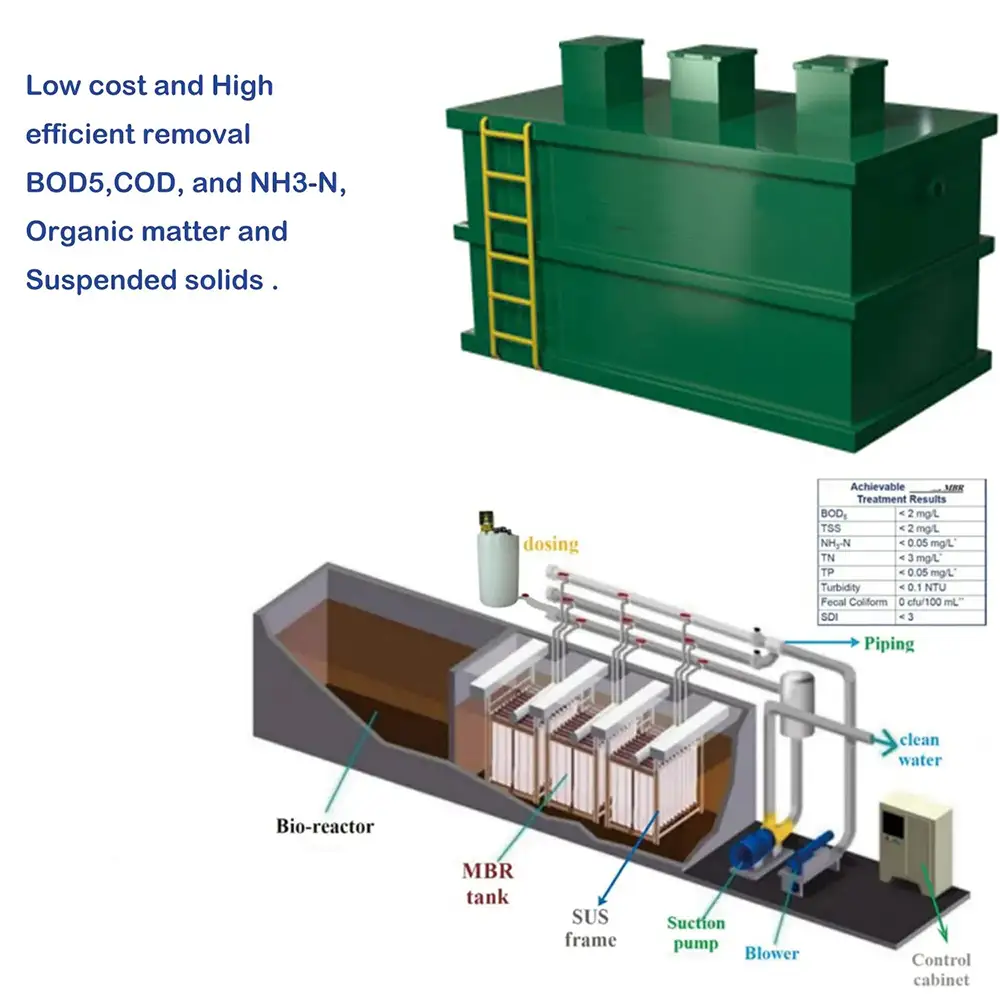
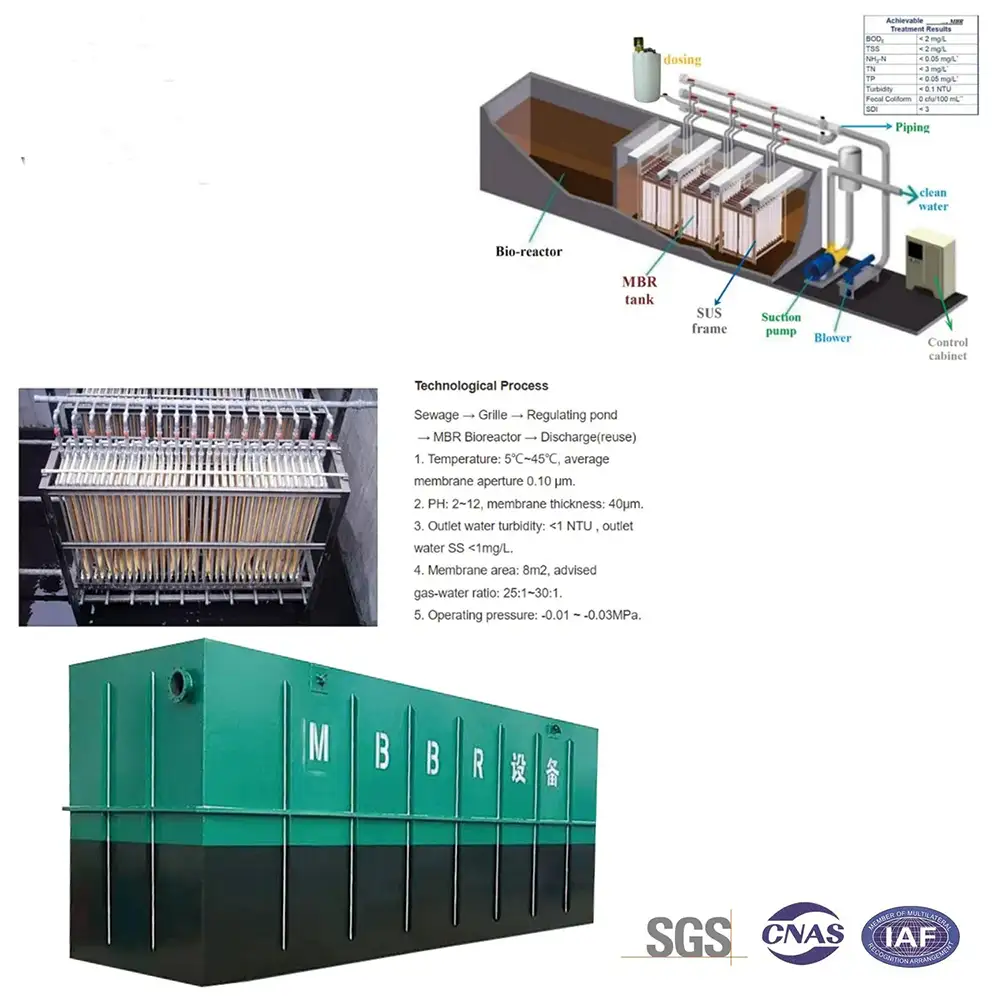
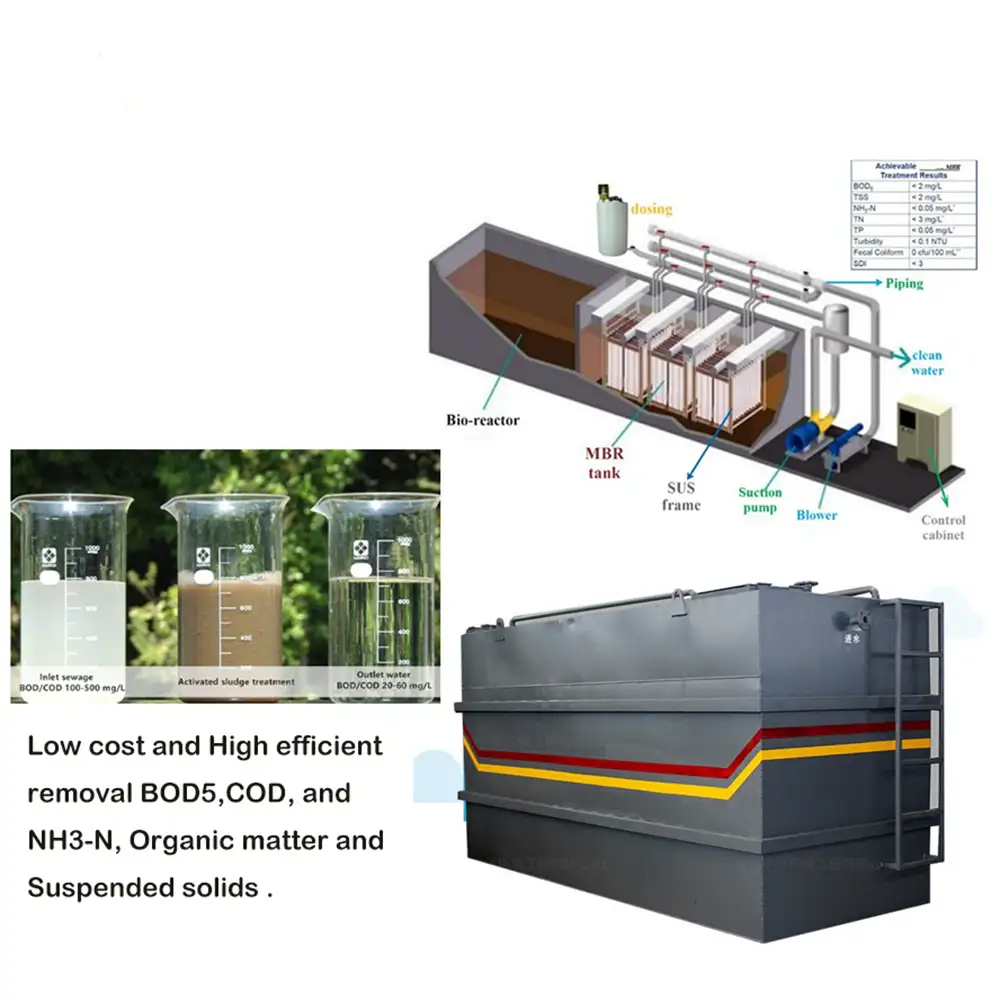
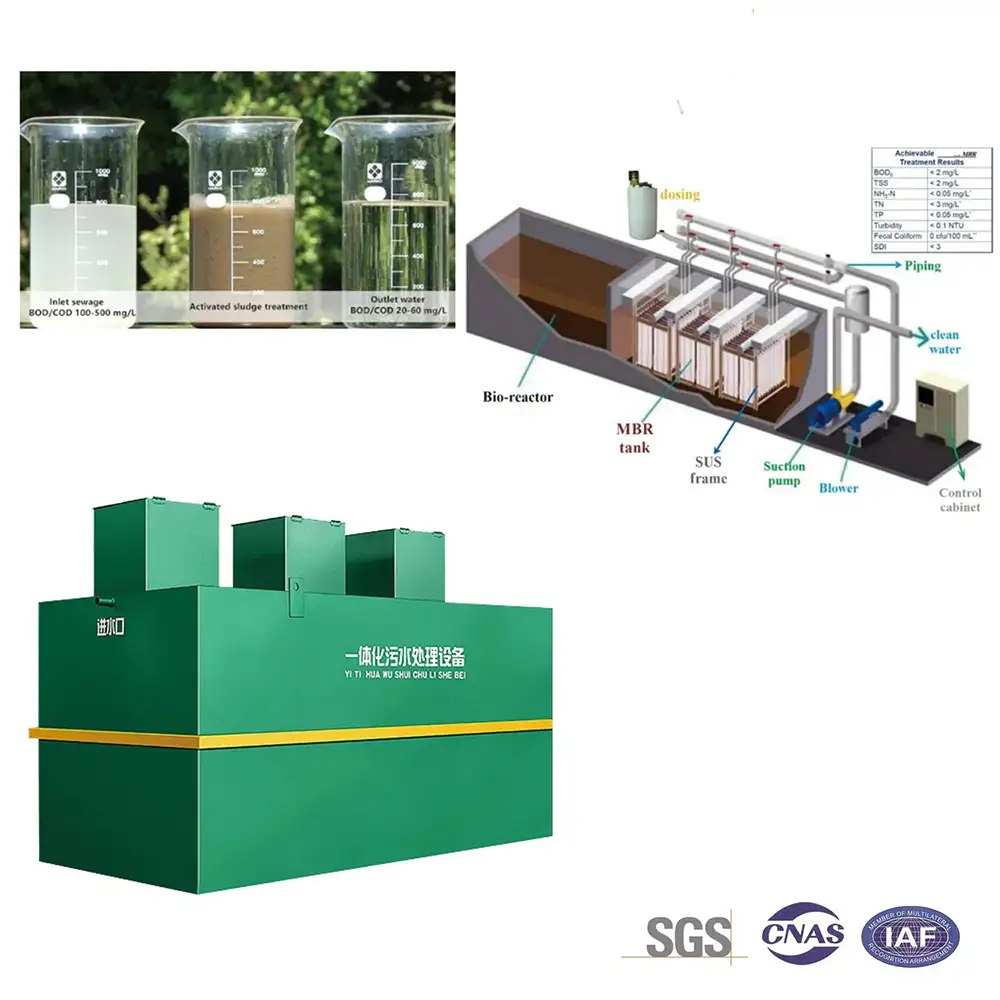
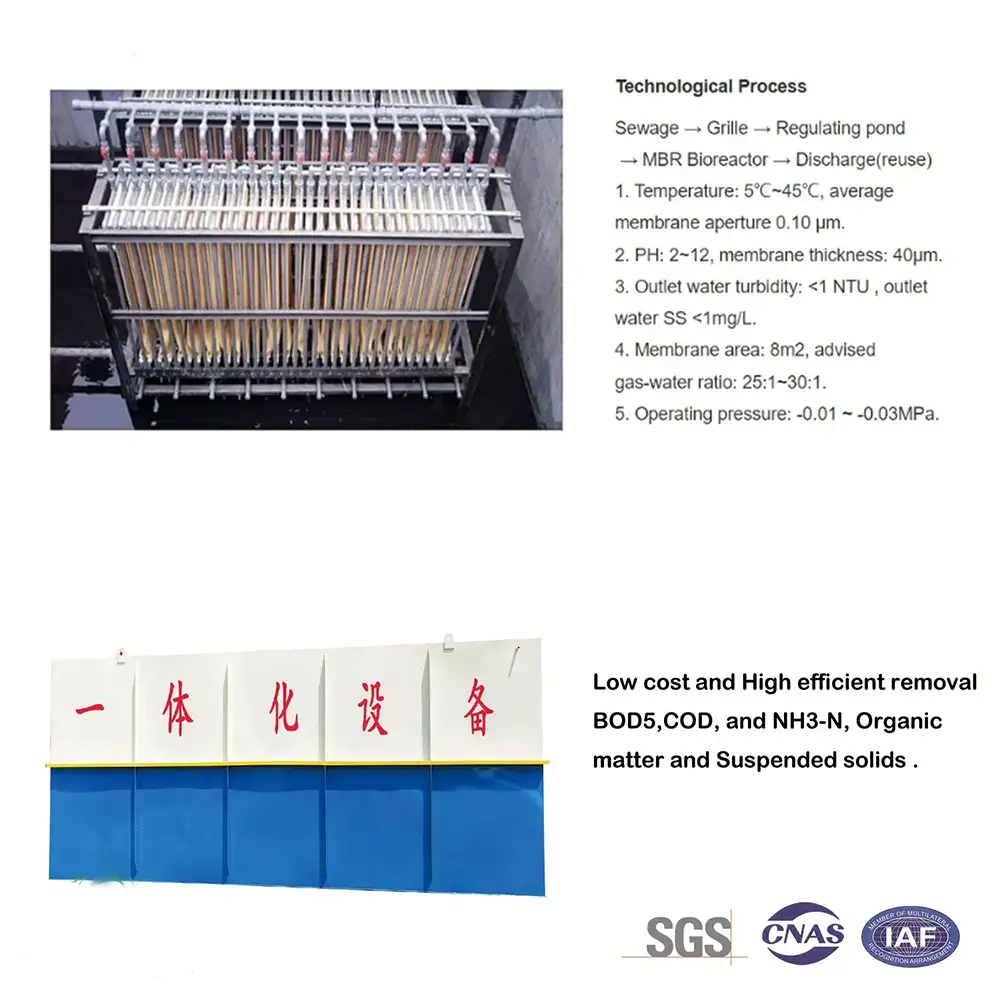
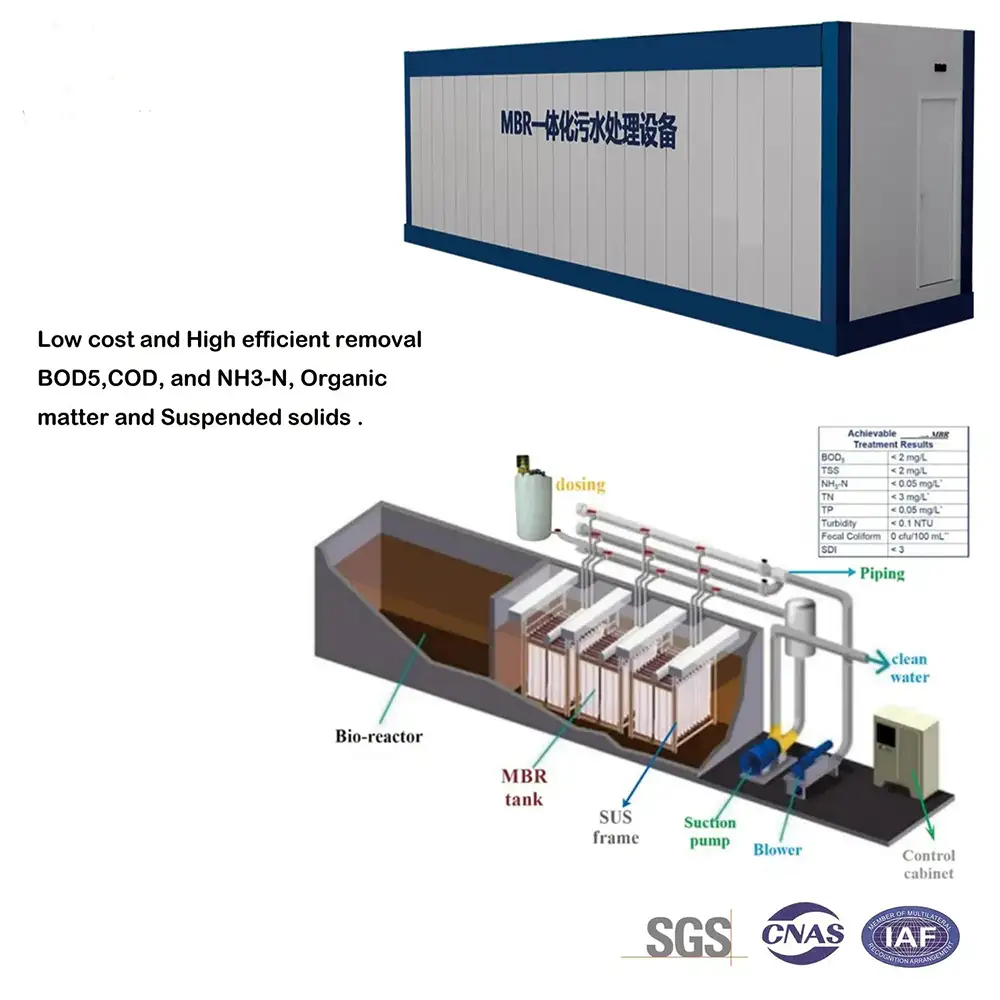
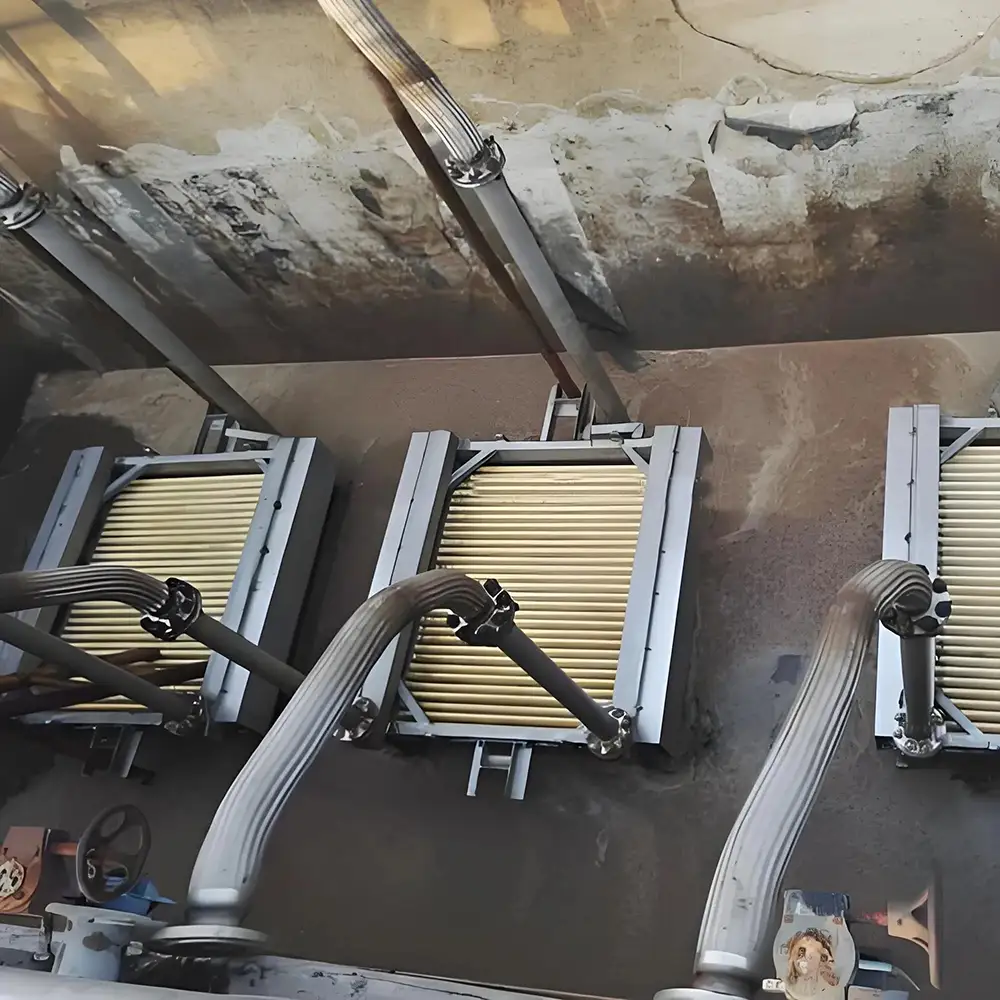
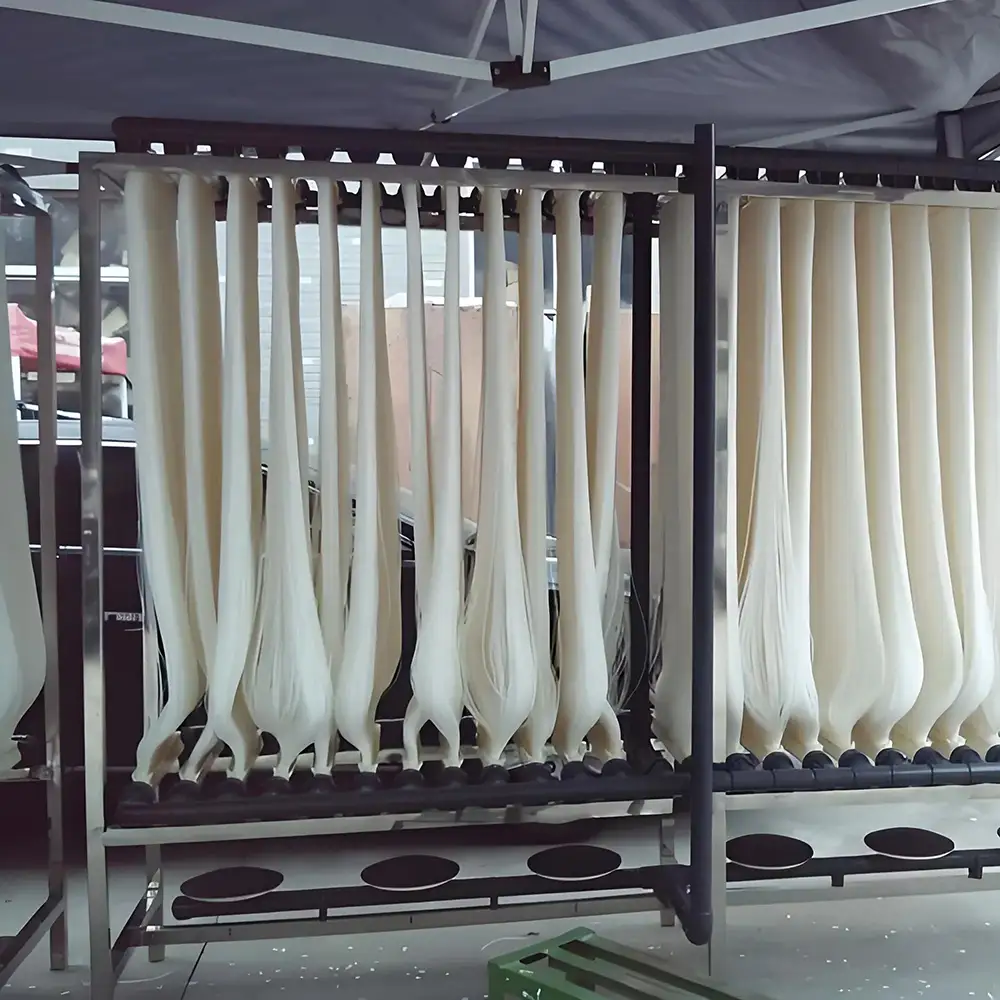
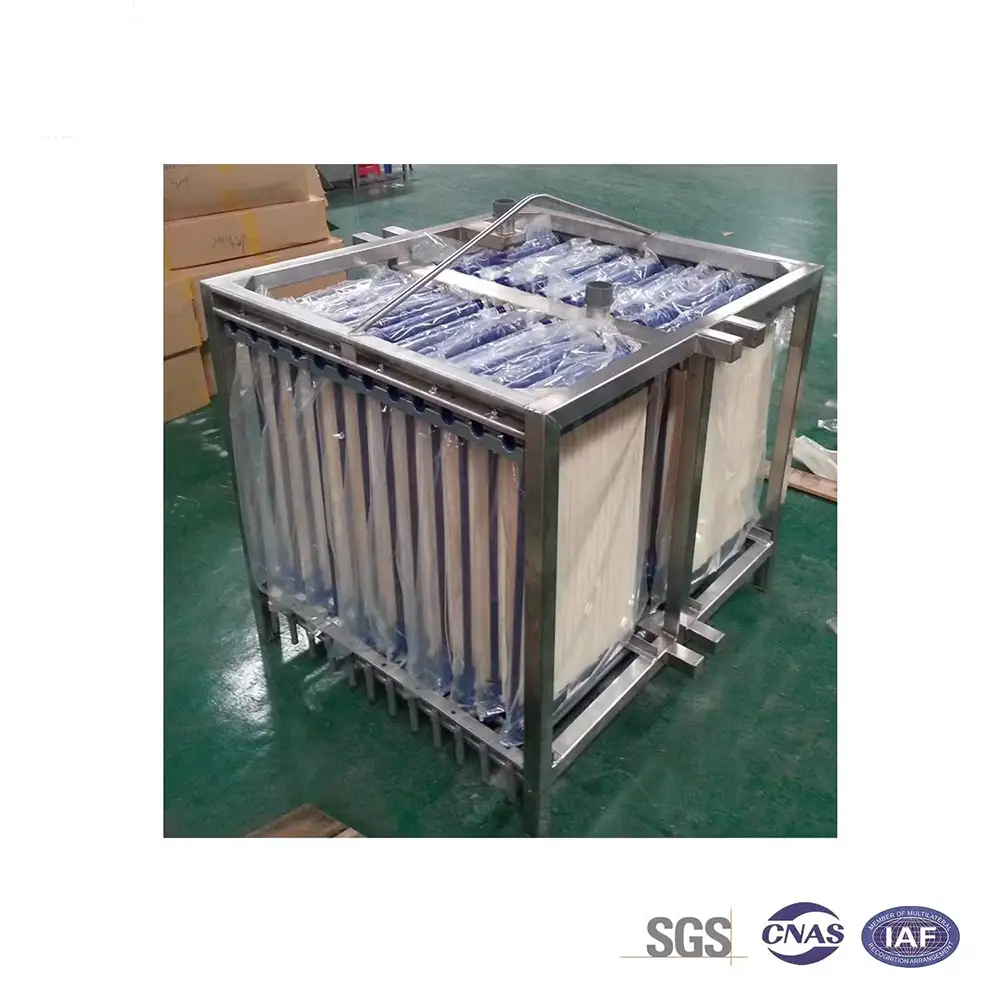
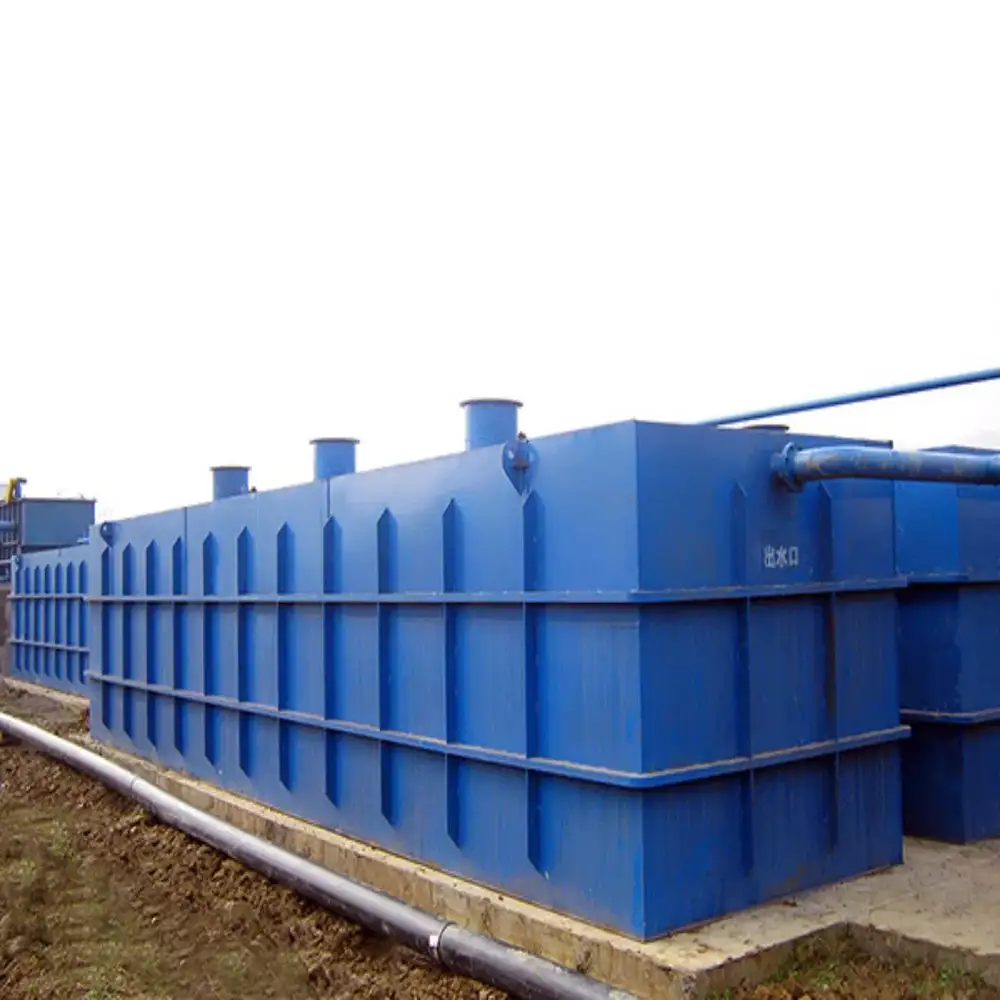
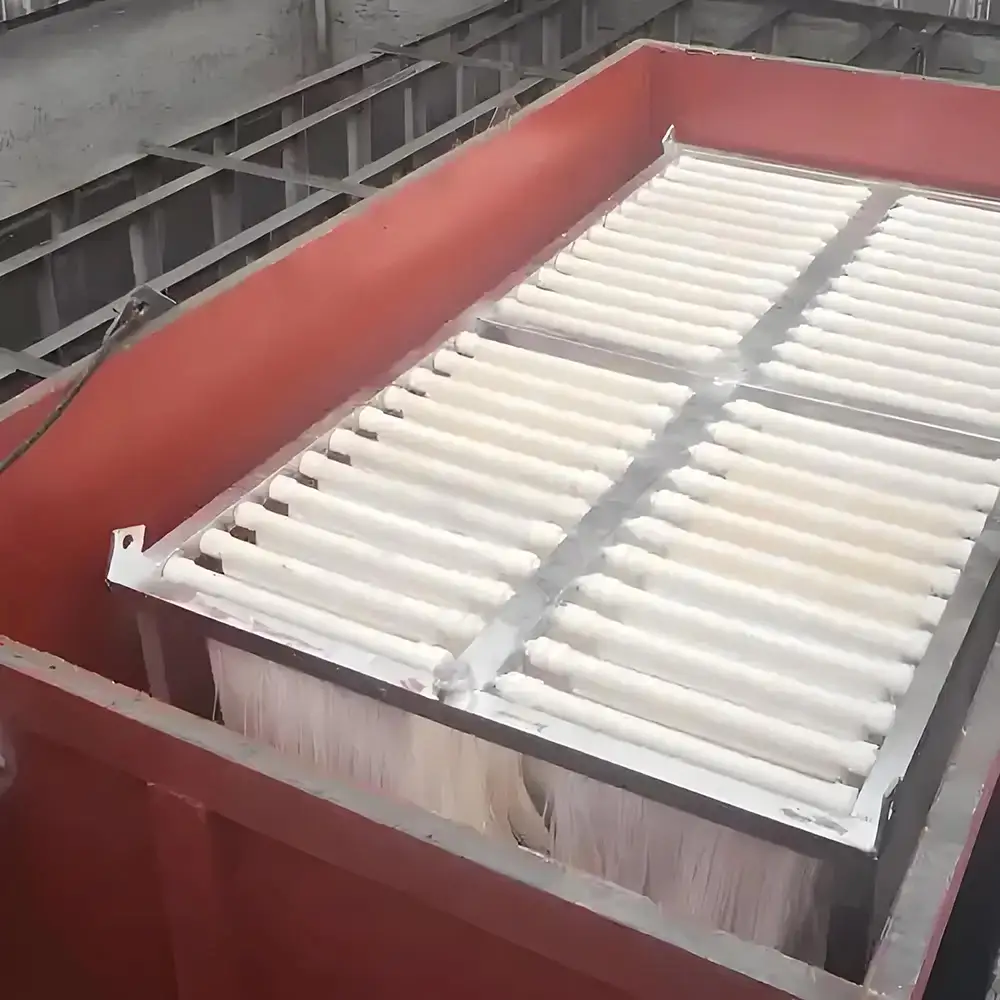
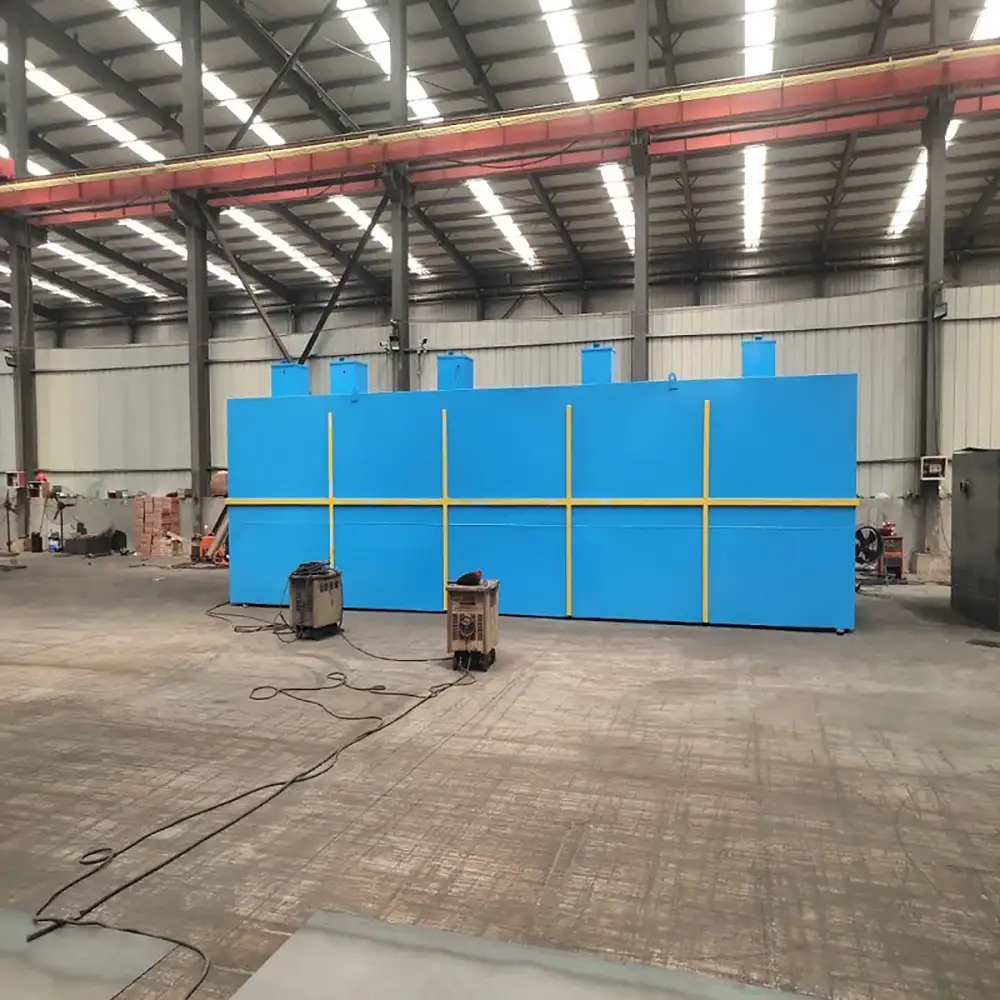
The integrated sewage treatment equipment produced by our company is currently a relatively excellent water treatment product, which is suitable for the treatment and reuse of domestic sewage and similar industrial organic wastewater. Can be buried under the surface, the surface above the equipment can be used as greening or other land, generally do not need to build houses and heating and insulation, automatic control, do not need personnel management, no sludge reflux, simple operation, easy maintenance, wide range of application, good treatment effect.
Large Integrated FRP Purification Tank for Domestic Sewage Treatment Plant
The Large Integrated FRP Purification Tank is a prefabricated wastewater treatment solution designed for domestic sewage, residential communities, rural wastewater, commercial facilities, hotels, schools, and decentralized wastewater treatment projects. Manufactured from FRP (Fiberglass Reinforced Plastic), the integrated tank combines a lightweight yet durable structural shell with internal treatment compartments and process equipment to provide an efficient solution for domestic wastewater treatment.
Integrated FRP wastewater treatment systems are commonly used where centralized sewer infrastructure is unavailable or where a compact, factory-prefabricated treatment plant is preferred. FRP/GRP systems can be configured for domestic wastewater according to treatment capacity, effluent requirements, site conditions, and installation method.
Unlike a simple wastewater storage tank, an integrated purification tank can contain multiple treatment stages within one packaged unit. Depending on the project, these stages may include screening, anaerobic treatment, aerobic biological treatment, sedimentation, filtration, disinfection, or other advanced processes.
What Is an Integrated FRP Purification Tank?
An integrated FRP purification tank is a factory-manufactured wastewater treatment vessel designed to accommodate several treatment processes within a compact structure.
The tank shell is generally manufactured from fiberglass reinforced plastic, also known as FRP or GRP. FRP combines a resin matrix with glass fiber reinforcement, providing a corrosion-resistant composite structure suitable for wastewater environments. FRP tanks are used in sewage treatment because they offer a combination of corrosion resistance, relatively low weight, structural strength, and practical installation characteristics.
The internal configuration can be divided into several functional chambers. The exact process depends on the wastewater characteristics and required effluent quality.
A typical integrated domestic sewage treatment process may be:
Domestic Sewage → Pretreatment → Anaerobic Treatment → Aerobic Treatment → Sedimentation → Disinfection → Treated Effluent
For higher treatment requirements, additional processes such as MBR membrane filtration, activated carbon, UV disinfection, or RO can be incorporated downstream.
FRP Material for Domestic Wastewater Treatment
FRP is particularly suitable for wastewater treatment equipment because the composite material does not rust like conventional carbon steel and can provide good resistance to many corrosive wastewater environments.
A properly engineered FRP tank can also be manufactured as a seamless or integrated structure, reducing the number of joints that may otherwise become potential leakage points. Commercial FRP wastewater and septic tanks are available in one-piece and modular configurations for residential, commercial, and municipal applications.
The final tank structure should nevertheless be designed according to installation conditions. For underground applications, soil pressure, groundwater conditions, burial depth, foundation preparation, traffic loading, and anchoring requirements should be evaluated before installation.
How the Integrated Sewage Treatment Plant Works
1. Pretreatment
Domestic sewage first enters the pretreatment section. Screens or other preliminary equipment remove larger solids, plastics, fibers, and debris that could interfere with downstream biological treatment.
2. Anaerobic or Anoxic Treatment
Depending on the selected process, the wastewater may enter an anaerobic or anoxic chamber. This stage can support biological pollutant removal and provide suitable conditions for subsequent aerobic treatment.
3. Aerobic Biological Treatment
Aeration equipment supplies oxygen to microorganisms that break down biodegradable organic matter in the wastewater. Biological treatment is the core process for reducing organic pollutants in domestic sewage.
4. Sedimentation and Solid Separation
After biological treatment, suspended biological solids can be separated from the treated water through a clarification or sedimentation stage. Integrated systems may use settling compartments, media-based separation, or membrane filtration depending on the process design.
5. Disinfection
The final stage can include chlorine, UV, or another suitable disinfection method when required by the project's discharge or reuse requirements.
The treatment process should be selected based on influent water quality and the required final effluent standard rather than using one fixed configuration for every project.
Key Features of the Large FRP Purification Tank
Corrosion-Resistant FRP Construction
FRP is resistant to many common corrosive conditions encountered in domestic wastewater treatment. This makes it an attractive alternative to conventional steel structures in suitable applications.
Integrated Multi-Stage Treatment
Multiple treatment chambers can be incorporated into one tank, reducing the need for multiple separate structures and simplifying overall system layout.
Compact Footprint
The integrated design is suitable for sites where available space is limited. Underground installation can further reduce the visible footprint of the wastewater treatment facility.
Factory Prefabrication
Major tank structures and internal components can be assembled and tested before shipment. This can reduce on-site construction work and simplify installation.
Flexible Treatment Capacity
Large FRP purification tanks can be manufactured in different dimensions and treatment capacities according to project requirements. Tank dimensions, inlet and outlet positions, internal chambers, manholes, and other components can be customized.
Easy Inspection and Maintenance
Top-access manholes can be provided for inspection, maintenance, sludge removal, aeration equipment servicing, and internal component access.
Applications of Integrated FRP Sewage Treatment Plants
The Large Integrated FRP Purification Tank can be used for:
Residential Communities
Rural Domestic Sewage
Villages and Small Towns
Hotels and Resorts
Schools and Universities
Hospitals and Healthcare Facilities
Office Buildings
Commercial Complexes
Tourist Facilities
Industrial Campuses
Construction Sites
Remote Facilities
Decentralized Wastewater Treatment
Municipal Wastewater Projects
For decentralized projects, the system can be designed around the site's daily wastewater flow, peak flow, influent quality, discharge requirements, available land, groundwater conditions, and operation resources.
Large FRP Tank for Domestic Sewage
Large-capacity FRP tanks are suitable when a project requires treatment for a residential community, hotel, public facility, rural settlement, or other facility with a relatively high daily wastewater flow.
The required capacity should not be selected simply according to tank volume. A complete engineering assessment should consider:
Average Daily Flow
Peak Hourly Flow
Population or Occupancy
BOD
COD
Suspended Solids
Ammonia Nitrogen
Total Nitrogen
Total Phosphorus
pH
Wastewater Temperature
Required Effluent Quality
Sludge Production
Available Installation Space
For example, hotel wastewater can fluctuate significantly according to occupancy, while residential communities may have different morning and evening flow peaks. Proper hydraulic and biological design is therefore important for stable treatment performance.
Underground FRP Sewage Treatment Tank
The integrated FRP purification tank can be designed for underground installation when appropriate for the site.
An underground installation can preserve above-ground space and reduce the visual impact of the treatment plant. However, underground FRP tanks require appropriate foundation preparation, backfilling, structural design, access openings, ventilation, and consideration of groundwater conditions.
The tank should not simply be buried without following the manufacturer's installation requirements. Soil loads, groundwater buoyancy, burial depth, vehicle loads, and foundation conditions should be considered during project design.
FRP Purification Tank Maintenance
Although FRP itself requires relatively little corrosion-related maintenance, the complete wastewater treatment plant still requires routine operation and maintenance.
Typical maintenance may include:
Checking wastewater inlet conditions
Cleaning screens
Inspecting aeration equipment
Checking blowers and pumps
Monitoring dissolved oxygen
Inspecting biological media
Removing accumulated sludge
Checking valves and pipelines
Inspecting electrical controls
Monitoring effluent quality
Cleaning or replacing filtration components
Maintaining disinfection equipment
The exact maintenance schedule depends on the treatment process, wastewater characteristics, operating hours, and equipment configuration.
Customized Integrated FRP Wastewater Treatment Equipment
Different domestic sewage projects require different treatment solutions. We can provide customized FRP purification tanks according to:
Treatment Capacity
Tank Diameter
Tank Length
Overall Dimensions
Number of Treatment Chambers
Inlet and Outlet Location
Manhole Configuration
Aeration Equipment
Biological Media
Pump Configuration
Disinfection Method
Control Cabinet
Installation Method
Required Effluent Standard
For equipment manufacturers and engineering contractors, OEM production can also include customized tank dimensions, internal process configuration, external labeling, connection specifications, and packaging.
Why Choose Our Large Integrated FRP Purification Tank?
Durable FRP Construction:
FRP provides a corrosion-resistant composite structure suitable for many domestic wastewater treatment environments.
Integrated Treatment Design:
Multiple treatment stages can be incorporated into one compact prefabricated tank.
Custom Engineering:
Tank size, capacity, internal chambers, piping, manholes, and treatment equipment can be customized according to project requirements.
Suitable for Decentralized Projects:
The system can be used for residential communities, rural villages, hotels, schools, commercial buildings, and remote facilities.
Factory-Integrated Manufacturing:
Prefabricated production can reduce on-site construction work and simplify project installation.
OEM and B2B Support:
We provide customized FRP wastewater treatment equipment for distributors, engineering contractors, environmental companies, and international sewage treatment projects.
Frequently Asked Questions
1. What is an FRP purification tank?
An FRP purification tank is a fiberglass reinforced plastic wastewater treatment vessel designed to contain one or more sewage treatment processes.
2. What does FRP stand for?
FRP stands for Fiberglass Reinforced Plastic. GRP, or Glass Reinforced Plastic, is another commonly used term for similar composite materials.
3. Can this tank treat domestic sewage?
Yes. Integrated FRP wastewater treatment systems can be designed for domestic sewage from residential communities, rural areas, hotels, schools, and other facilities.
4. Is an FRP purification tank the same as a septic tank?
Not necessarily. A septic tank primarily provides settling and anaerobic treatment, while an integrated sewage treatment plant can incorporate additional biological, clarification, filtration, and disinfection processes.
5. Can the FRP tank be installed underground?
Yes, many FRP wastewater treatment tanks are designed for underground installation. The foundation, burial depth, groundwater, soil pressure, and loading conditions must be considered.
6. Is FRP resistant to corrosion?
FRP generally provides good resistance to many corrosive wastewater environments and does not rust like conventional carbon steel. Actual chemical compatibility should be confirmed for the specific wastewater.
7. Can the tank size be customized?
Yes. Tank diameter, length, capacity, wall structure, manholes, inlet/outlet connections, and internal configuration can be customized.
8. What treatment process can be used inside the tank?
Depending on the project, possible processes include anaerobic treatment, anoxic treatment, aerobic biological treatment, contact oxidation, sedimentation, filtration, MBR, and disinfection.
9. How do I select the right tank capacity?
Capacity should be based on daily wastewater flow, peak flow, population or occupancy, influent quality, hydraulic retention requirements, and the selected treatment process.
10. Can the FRP tank be used for commercial wastewater?
Yes. It can be configured for wastewater from hotels, restaurants, schools, offices, commercial buildings, and similar facilities, provided the wastewater characteristics are suitable.
11. Does an FRP sewage treatment plant require maintenance?
Yes. Although the FRP tank itself can require relatively little corrosion maintenance, pumps, blowers, aeration systems, biological media, sludge removal, controls, and disinfection equipment require routine inspection.
12. Can the system include disinfection?
Yes. UV, chlorine-based disinfection, or other suitable disinfection equipment can be incorporated depending on the required effluent quality.
13. Can you provide a complete customized domestic sewage treatment plant?
Yes. A complete solution can include the FRP tank, internal treatment components, aeration equipment, pumps, control cabinet, disinfection equipment, piping, and other accessories according to the project design.
Prev:
Hollow Fiber 0.1um Mbr-Membrane Water Filter Sewage Treatment with Immersed UF-Water Purifier
Next:Sorry, no information
TAG:
Sewage Treatment Plant,
Wastewater Treatment Equipment,
Wastewater Treatment Plant,
Wastewater Treatment System,
Wastewater Purification System,
Sewage Treatment Equipment,
Sewage Treatment System,
Decentralized Wastewater Treatment,
School Wastewater Treatment,
Integrated Wastewater Treatment Equipment,
Integrated Sewage Treatment System,
Integrated Sewage Treatment Equipment,
Decentralized Sewage Treatment,
Rural Sewage Treatment,
Rural Wastewater Treatment,
Domestic Sewage Treatment Plant,
Domestic Wastewater Treatment Plant,
Domestic Wastewater Treatment System,
Residential Wastewater Treatment,
Residential Sewage Treatment,
Domestic Sewage Treatment System,
Domestic Wastewater Treatment Equipment,
Integrated Domestic Sewage Treatment,
Integrated Domestic Wastewater Treatment,
FRP Wastewater Treatment Tank,
Fiberglass Septic Tank,
FRP Septic Tank,
GRP Wastewater Treatment Tank,
FRP Sewage Treatment Tank,
FRP Sewage Treatment Plant,
Related Category:
Large Integrated FRP Purification Tank,FRP Sewage Treatment Tank,FRP Wastewater Treatment Plant,Domestic Sewage Treatmen China, suppliers, manufacturers, factory, customized, wholesale, quotation, made in China