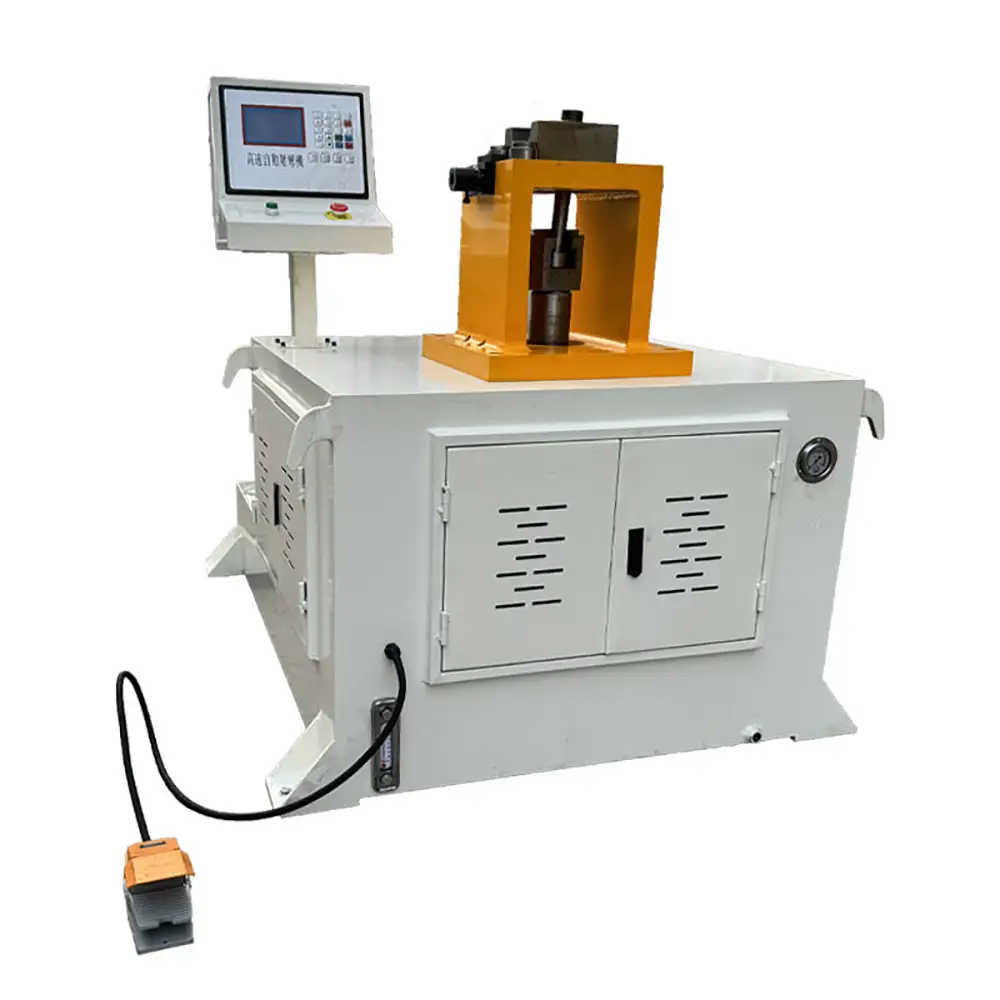
|
No |
Item |
Data |
|
1 |
Pressure |
50 Ton |
|
2 |
Processing thickness |
5mm |
|
3 |
Cylinder stroke |
150mm |
|
4 |
Suitable material |
carbon steel, stainless steel, iron, etc. |
|
5 |
weight |
500kg |
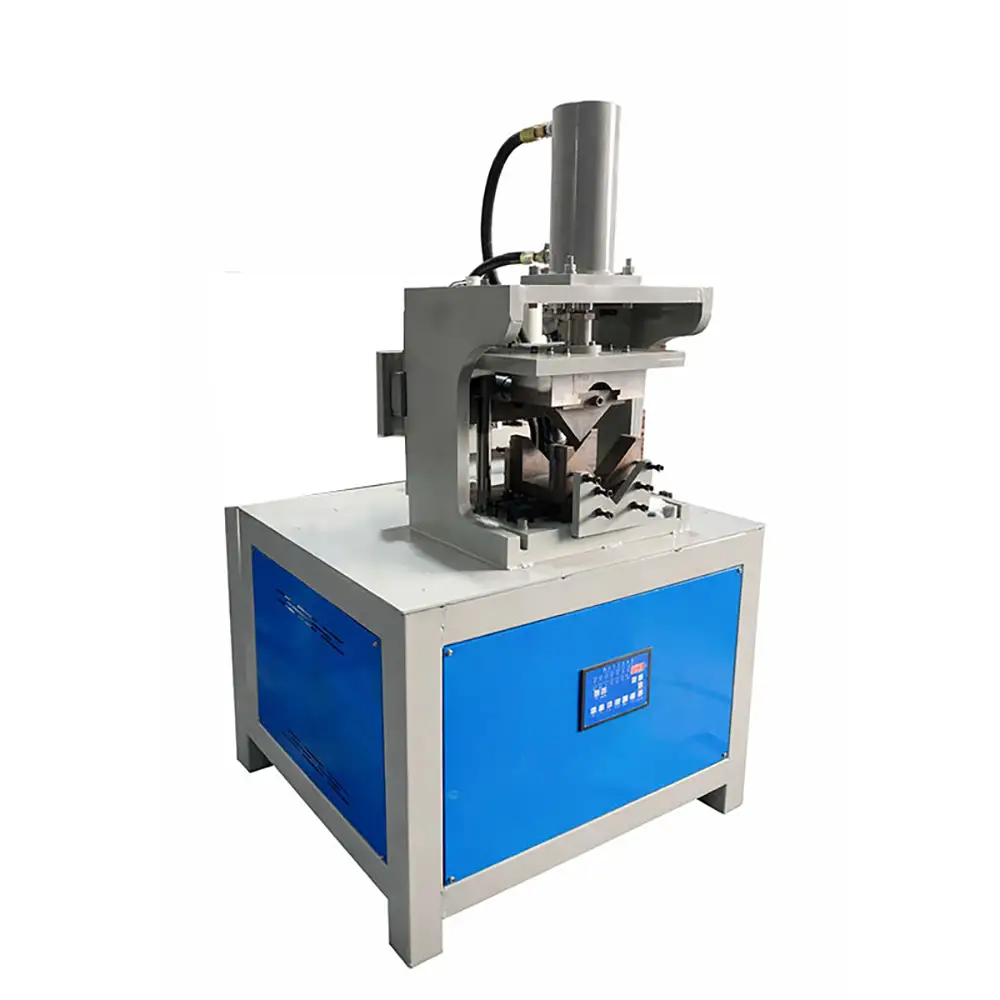
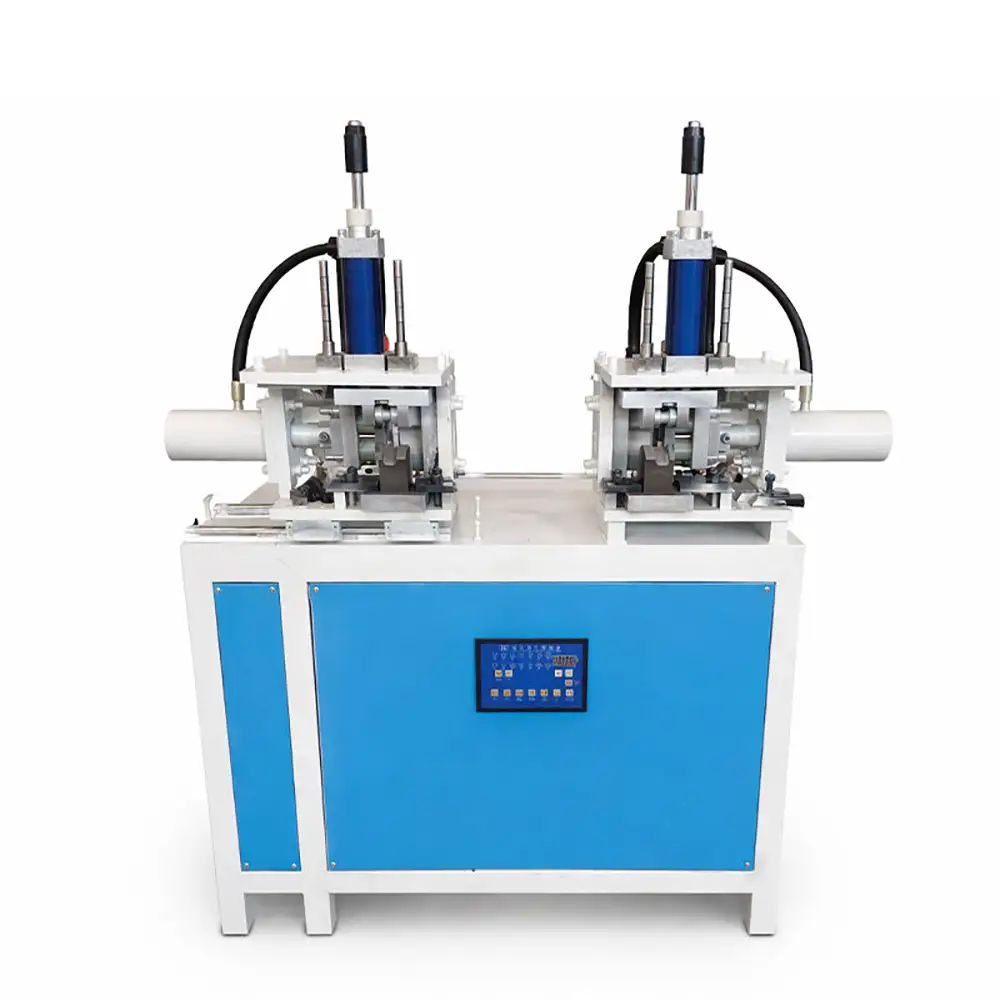
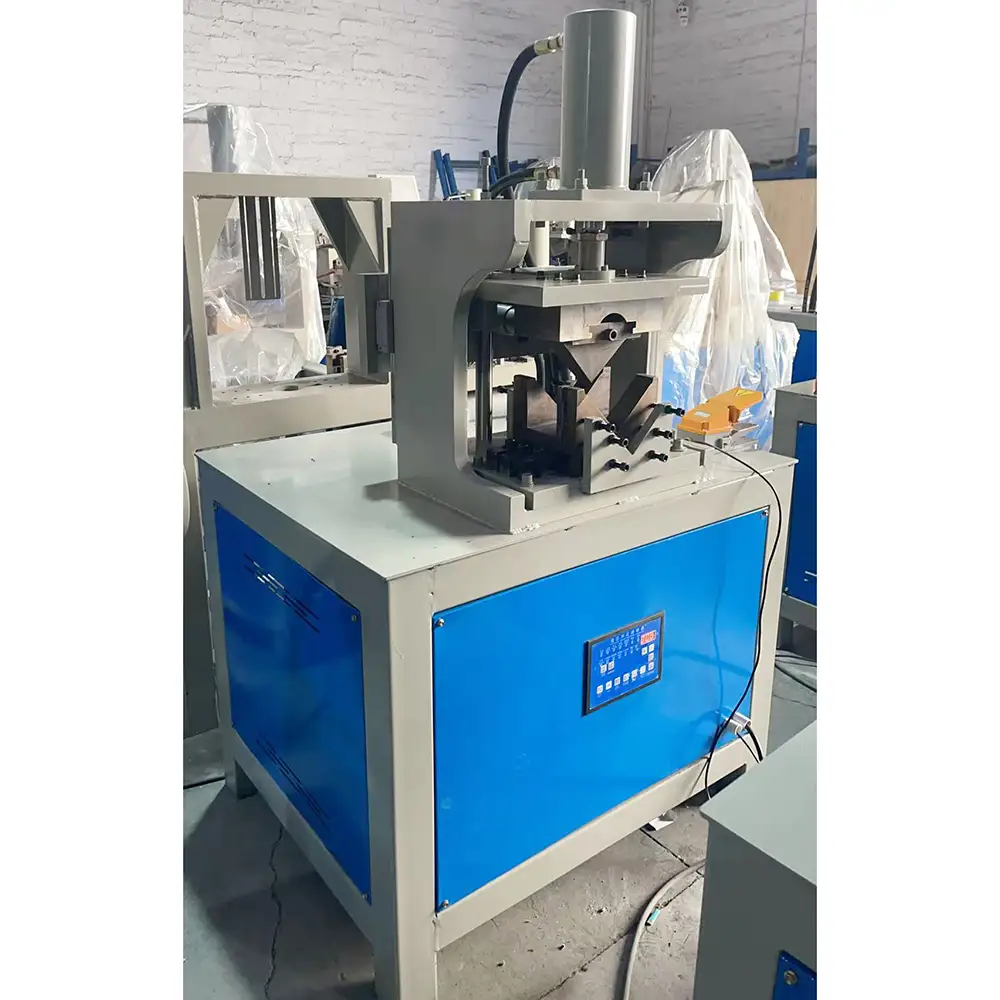
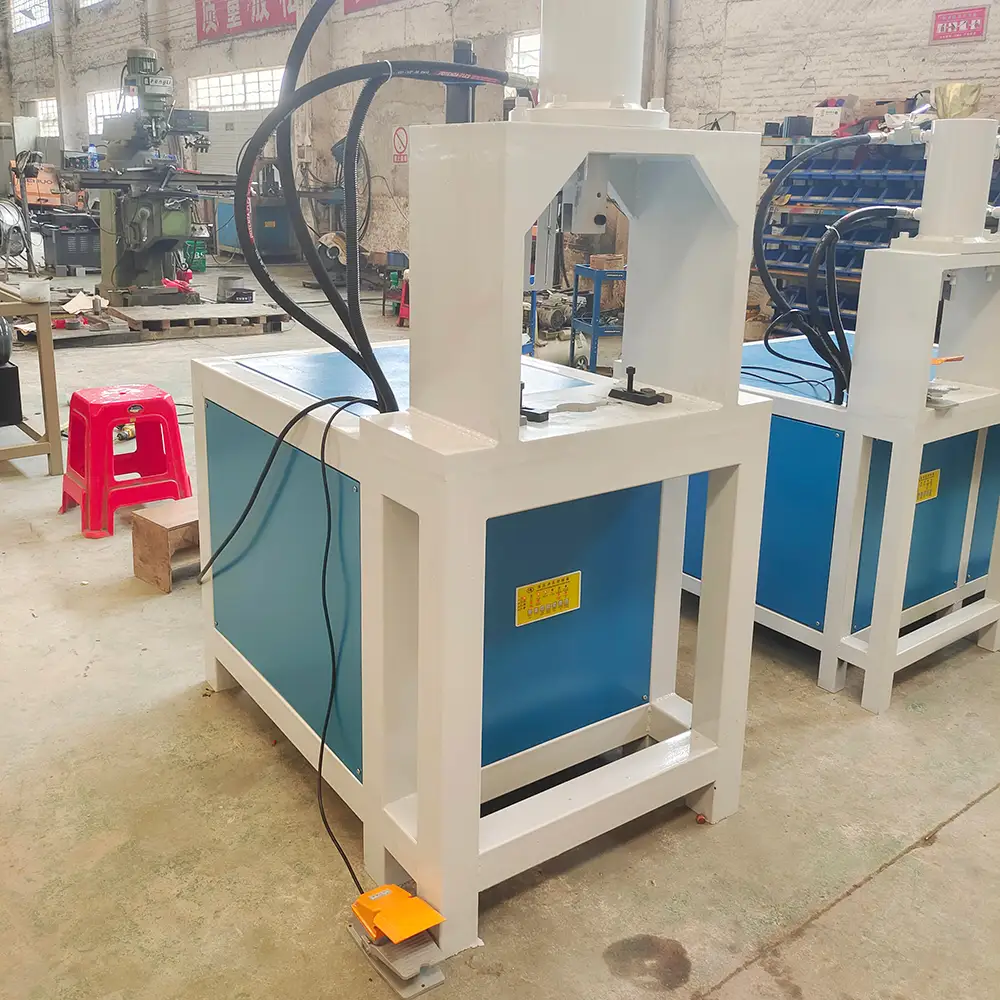
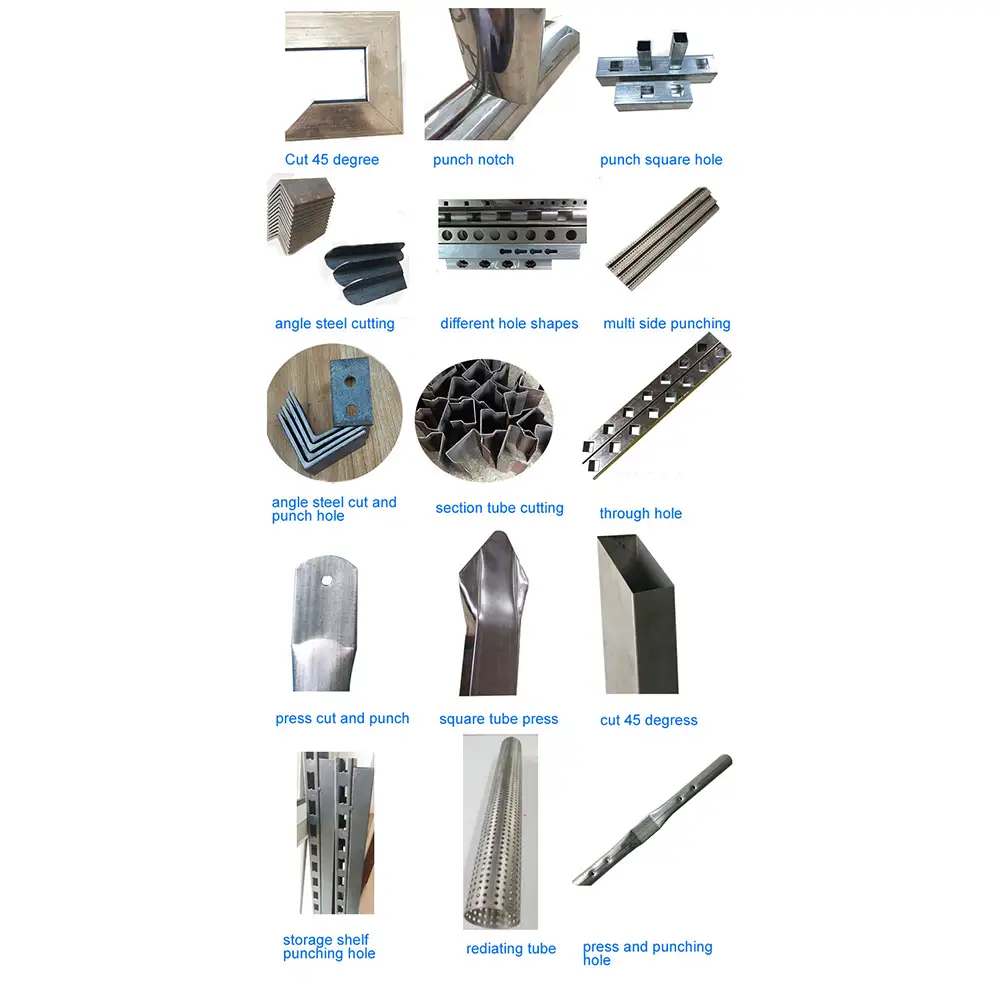
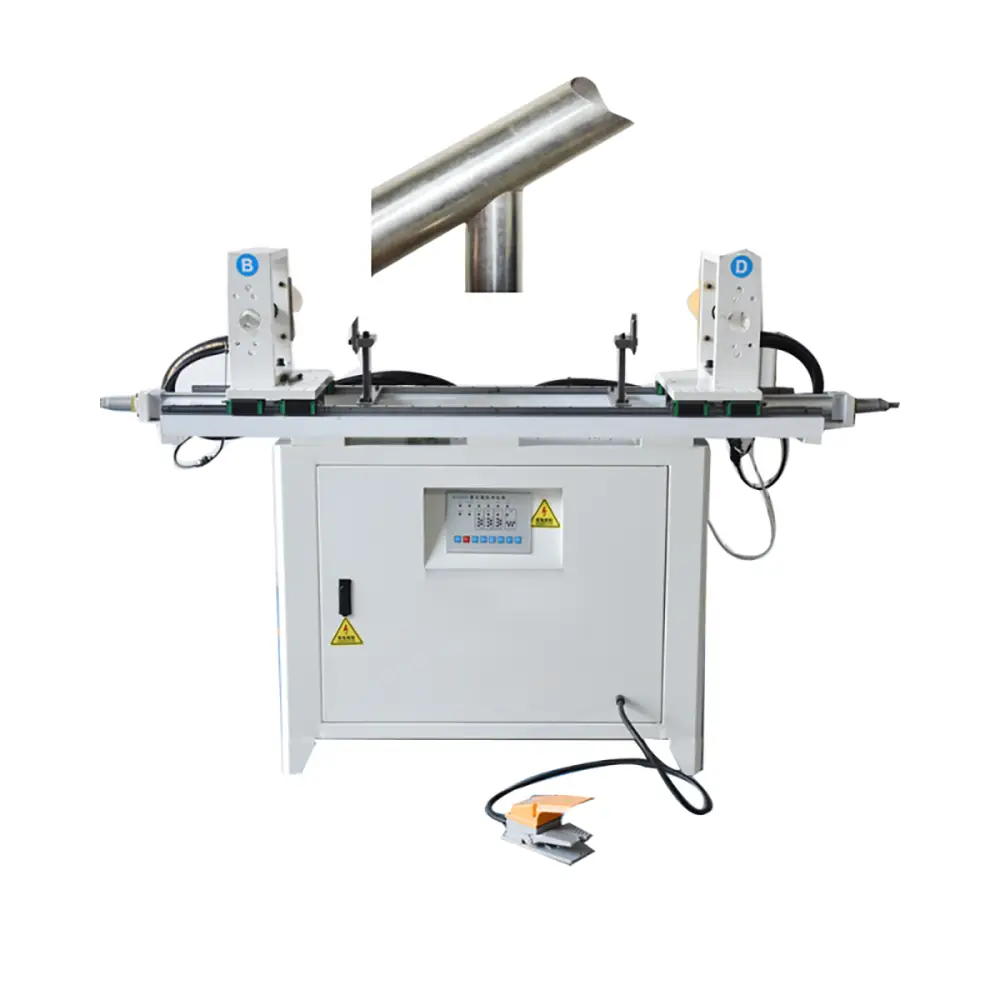
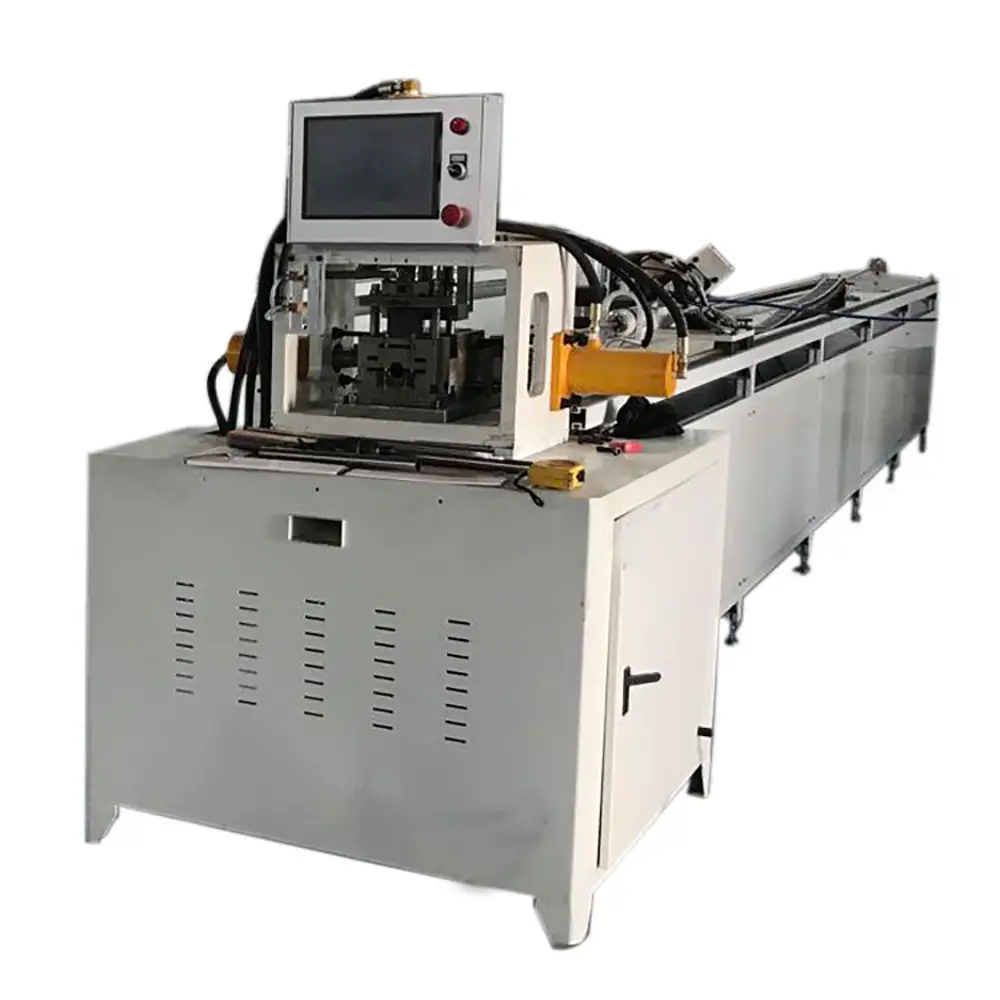
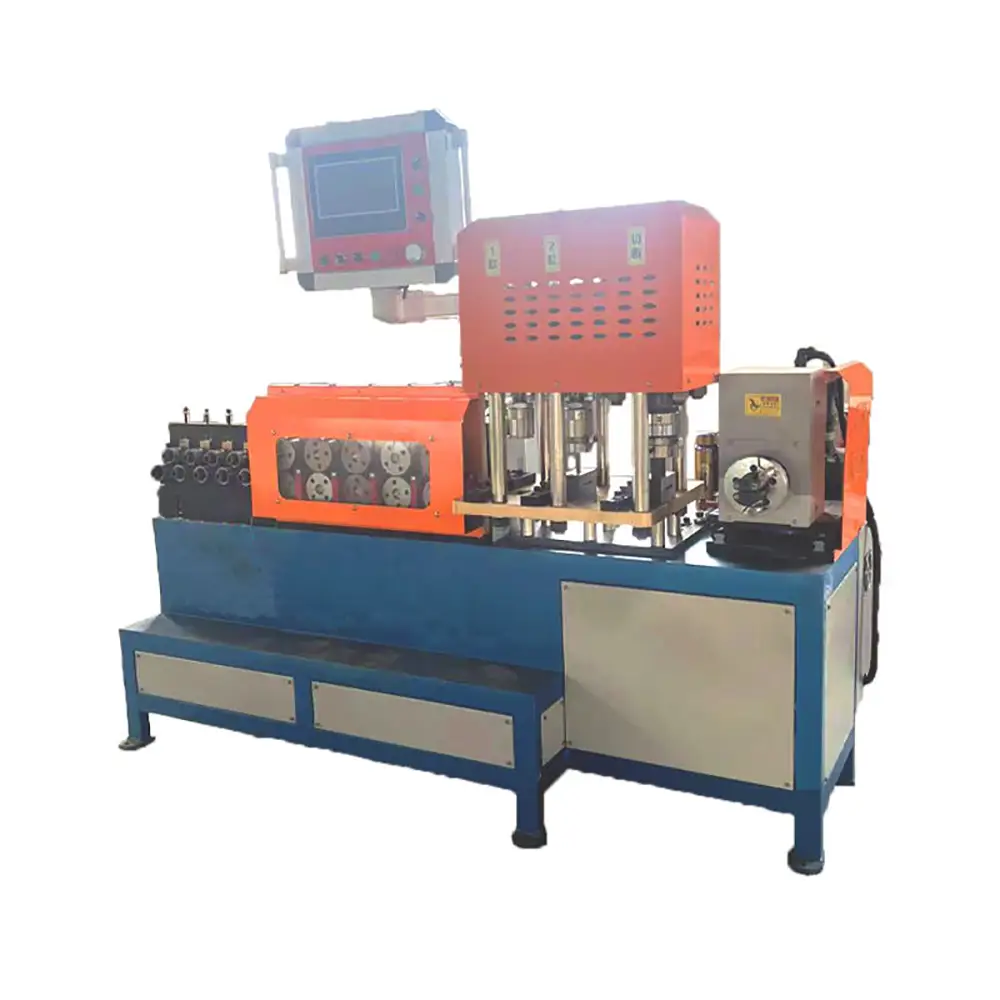
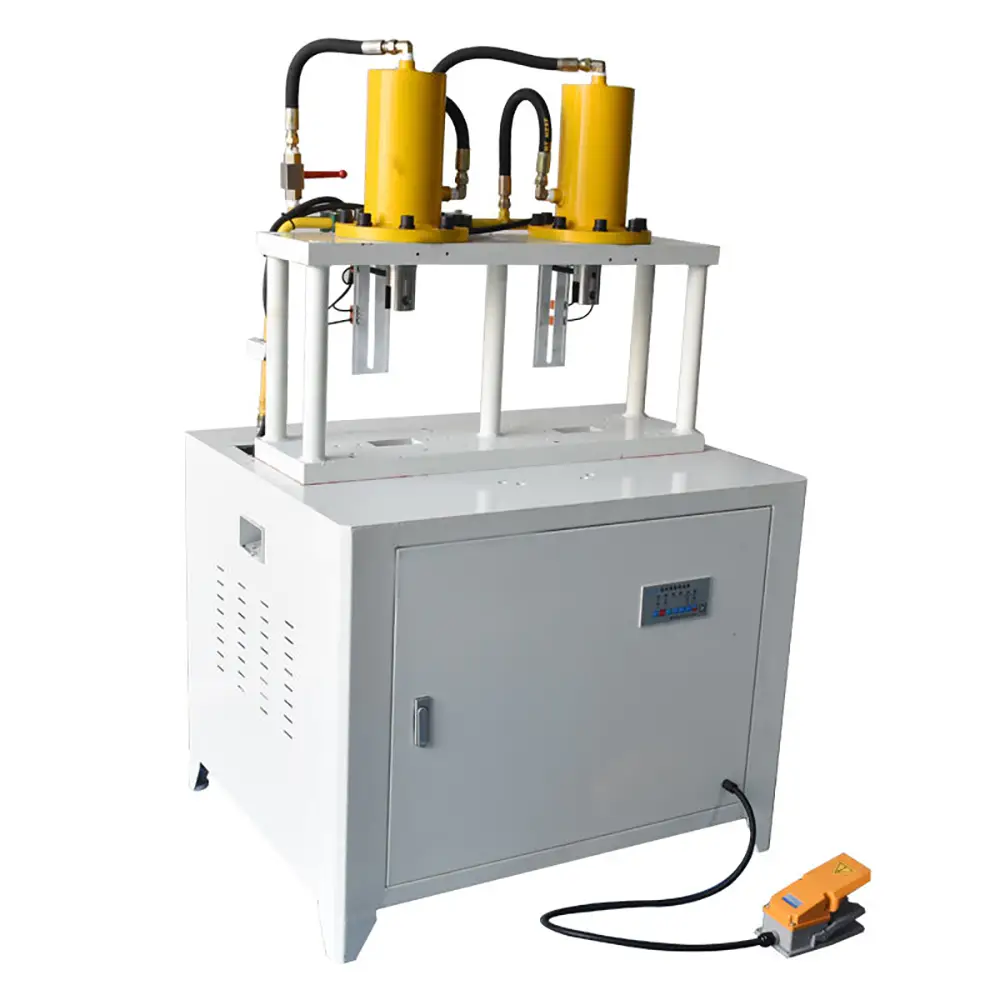
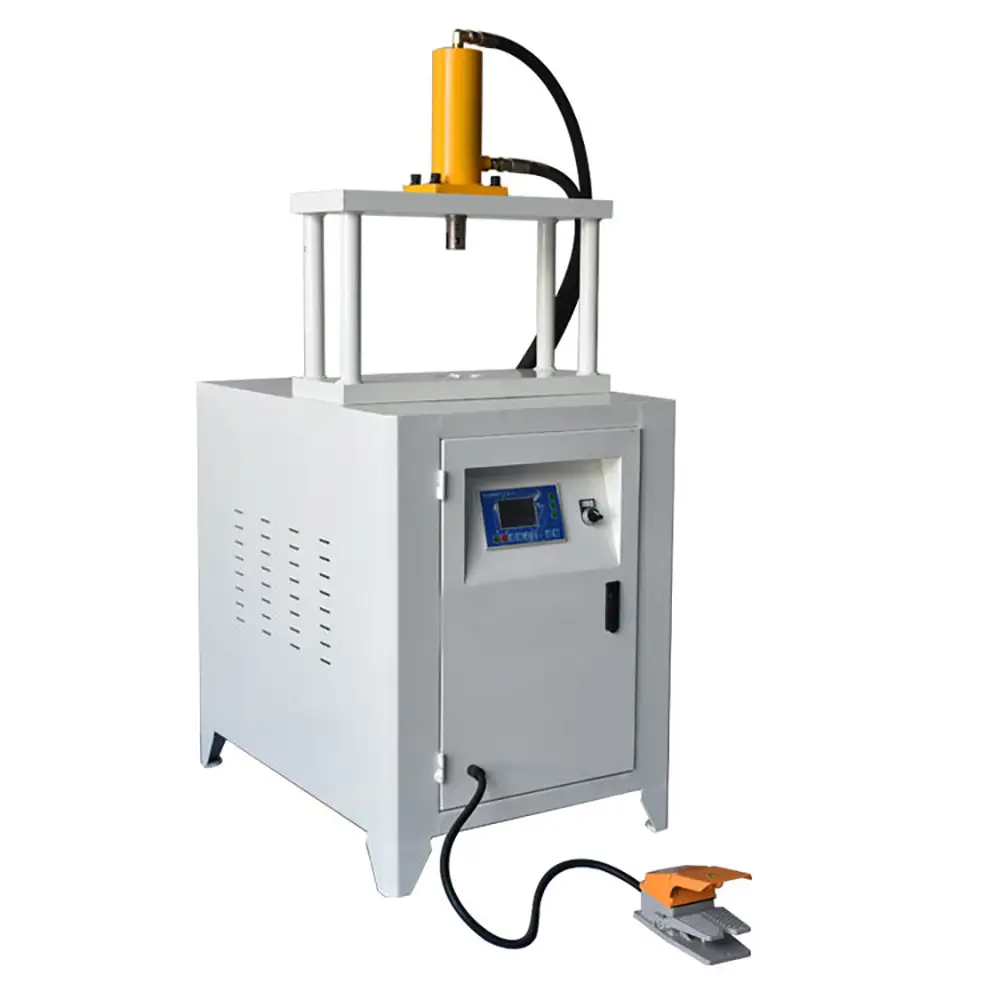
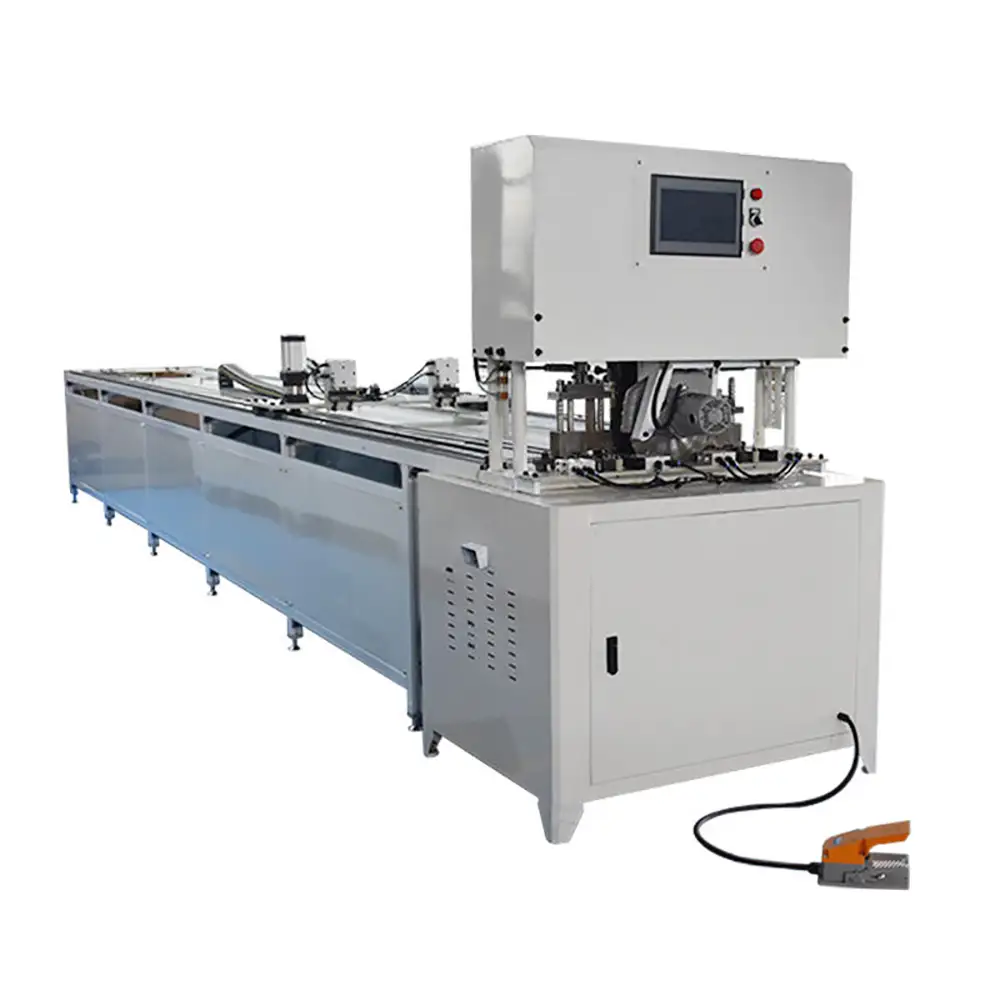
The Hydraulic Automatic Punching and Flattening Machine for Metal Pipes Tube Hole Making Equipment is designed for efficient processing of metal pipes and tubes that require punching, hole making, and flattening operations. Combining hydraulic forming force with an automatic production workflow, this machine provides a practical solution for manufacturers producing repetitive tubular components for industrial fabrication, furniture, construction, agricultural equipment, automotive parts, and general metalworking.
Many tube products require more than one operation before they can be assembled. A tube may need to be flattened at one end, punched with a mounting hole, and prepared for subsequent welding, bolting, riveting, or assembly. Performing these operations separately can increase material handling and production time. An integrated punching and flattening machine can help simplify this workflow.
The actual processing capacity depends on the machine's hydraulic force, tooling, tube material, outside dimensions, wall thickness, hole diameter, flattening requirements, and automation configuration. Customers should provide workpiece drawings or samples when confirming the final machine specification.
Hydraulic Pipe Punching System
The hydraulic punching system provides controlled force for making holes in suitable metal tubes and pipes. Hydraulic technology is widely used in metal forming because it can generate substantial processing force in a compact machine structure.
A suitable punch and die set can be configured according to the required hole diameter, shape, and tube dimensions. During production, the workpiece is positioned in the appropriate fixture before the punching cycle begins.
For repetitive manufacturing, dedicated tooling and fixtures can help maintain consistent hole positioning. Actual punching performance depends on material strength, wall thickness, hole size, tooling clearance, and available hydraulic force.
Tube Flattening Process
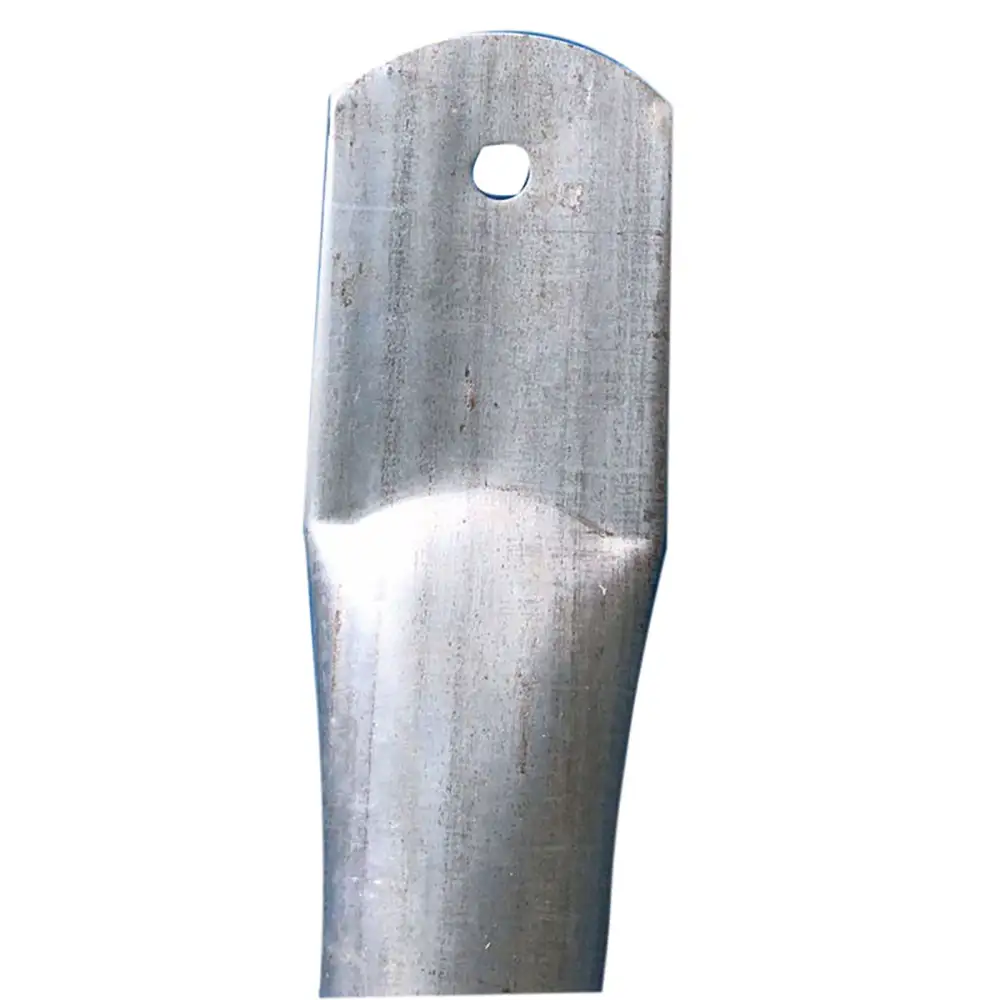
Flattening is commonly required when a round tube needs to be converted into a flattened section for mounting or joining. A flattened tube end can provide a suitable surface for drilling, punching, bolting, welding, or attaching another component.
The machine combines the flattening operation with punching capabilities, helping reduce the need for transferring workpieces between separate processing stations.
Flattening quality depends on tube diameter, wall thickness, material characteristics, tooling shape, forming force, and required final geometry. Excessive forming force or unsuitable tooling can cause unwanted deformation, cracking, or inconsistent results, so sample testing is recommended for new applications.
Automatic Tube Processing
The automatic working concept is useful for repetitive production. Depending on the supplied configuration, the machine can be integrated with positioning, feeding, clamping, punching, flattening, and unloading procedures.
Automation can reduce repetitive operator handling and make production more standardized. However, the exact level of automation depends on the machine configuration and customer's production requirements.
For high-volume production, automatic feeding or positioning systems may be considered where technically appropriate. For smaller production batches, operator-assisted loading can provide greater flexibility.
Metal Pipe Hole Making
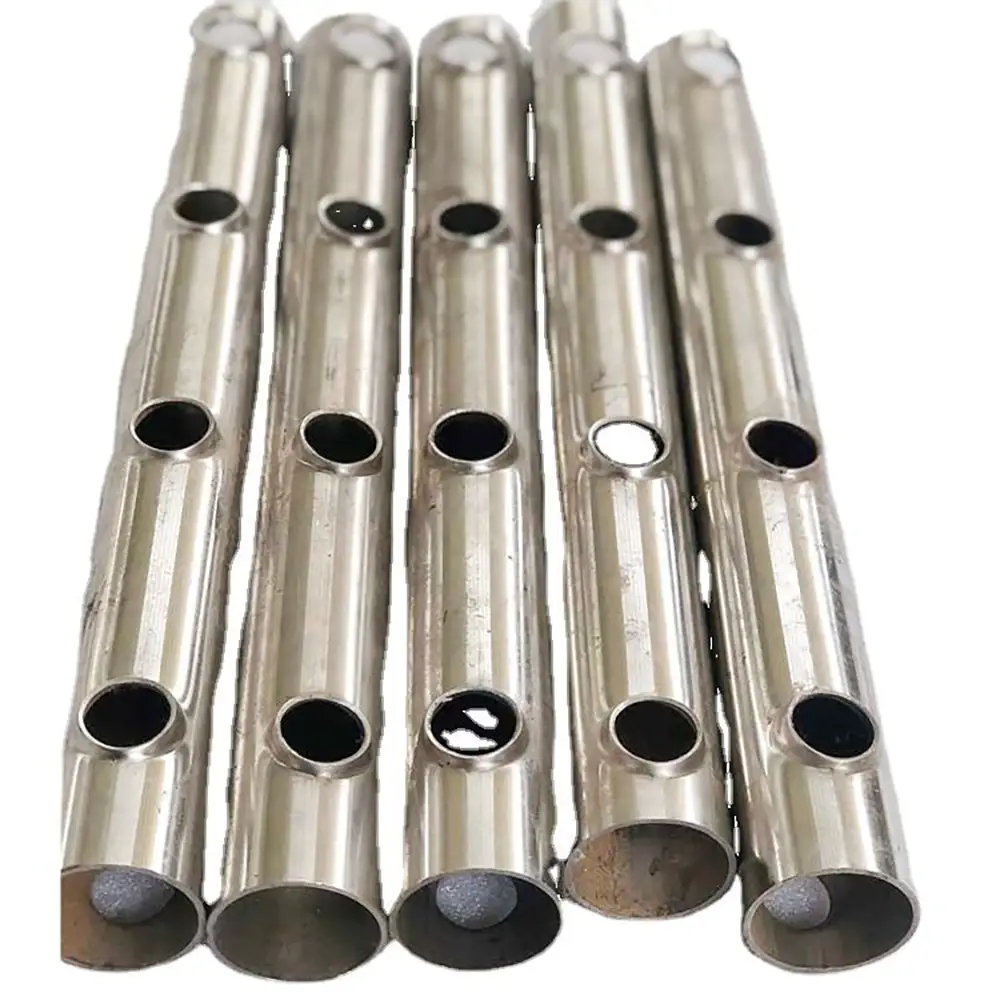
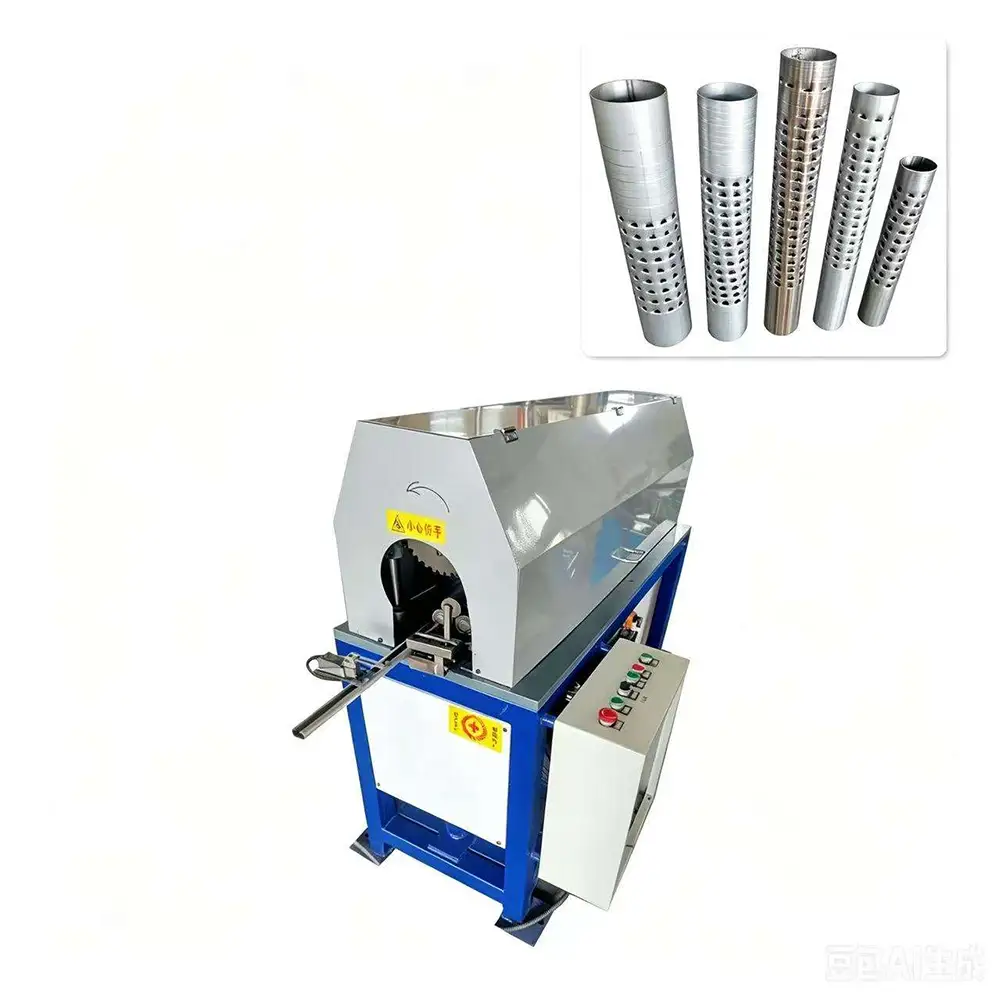
Tube hole making is required in many products where tubular components must be connected to other parts. Holes may be used for bolts, screws, pins, rivets, brackets, fasteners, or assembly fixtures.
Compared with manually drilling each tube, a dedicated punching process can improve production consistency when the same hole pattern is repeated.
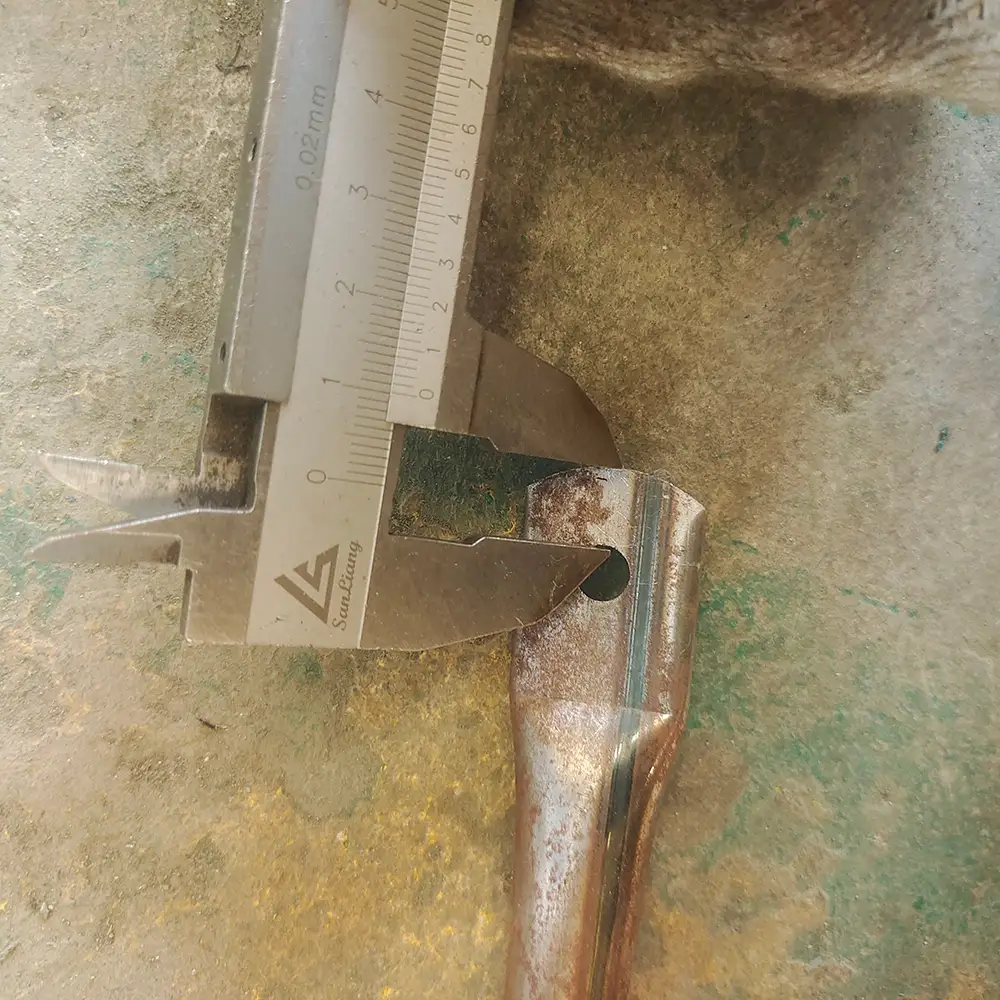
The punch and die should be selected according to the tube material and wall thickness. Hole diameter and hole position should also be specified clearly when designing the tooling.
Applications
The Hydraulic Automatic Punching and Flattening Machine can be used for a wide variety of tubular metal products, including:
Metal furniture frames
Steel tube brackets
Automotive components
Motorcycle components
Agricultural machinery parts
Construction hardware
Steel structures
Guardrails and fencing
Storage racks
Equipment frames
Bicycle components
Fitness equipment
Tubular support structures
Custom fabricated metal parts
The actual application range depends on the tube dimensions, material, required flattening geometry, punching pattern, and machine capacity.
Suitable Materials
Depending on the machine configuration and tooling, suitable materials may include carbon steel, mild steel, stainless steel, galvanized steel, aluminum, and other compatible metal tubes.
Different materials have different forming and punching characteristics. Stainless steel may require appropriate tooling because of its strength and work-hardening behavior, while aluminum may require attention to surface quality and deformation.
Customers should provide material grade, tube shape, outside diameter, wall thickness, hole diameter, and flattening dimensions when evaluating machine suitability.
Punching and Flattening in One Machine
One of the main advantages of an integrated machine is the ability to perform multiple operations in a coordinated workflow.
For example, a round metal tube can be positioned in the machine, flattened at the specified section, and then punched to create a mounting hole. The exact sequence depends on the product design and machine configuration.
Combining operations can reduce intermediate handling and simplify production organization. It can also help manufacturers maintain a standardized processing procedure for repetitive components.
Tooling and Fixtures
Tooling is critical for achieving consistent punching and flattening results. The punch and die determine the hole geometry, while forming dies control the shape of the flattened section.
Fixtures and clamps help keep the tube in the correct position during processing. For products with specific hole locations or complex geometries, custom positioning fixtures can be designed.
OEM tooling may include punches, dies, flattening molds, tube supports, clamps, guides, positioning stops, and other workholding components.
Production Efficiency
Automatic hydraulic tube processing can improve production efficiency by reducing repetitive manual operations. A standardized workflow can also make it easier to train operators and maintain consistent production procedures.
For manufacturers producing thousands of similar tube components, dedicated tooling can reduce setup time and improve repeatability.
Actual production speed depends on tube length, hole quantity, flattening requirements, loading method, machine cycle, operator workflow, and automation level.
Quality Control
Quality inspection should cover hole diameter, hole position, flattening dimensions, tube deformation, surface condition, and overall component dimensions.
The first pieces produced after a tooling change should be inspected carefully. Periodic inspection during production can help identify tooling wear or positioning problems.
For applications involving welding or mechanical assembly, consistent tube geometry is particularly important because dimensional variation can affect downstream fit-up.
Custom & OEM Solutions
The machine can be configured for Custom & OEM tube processing applications. Different customers may require different hole patterns, tube sizes, flattening lengths, end shapes, or processing sequences.
Customization may include hydraulic capacity, punches, dies, flattening tools, fixtures, tube supports, feeding systems, positioning mechanisms, and control functions.
Customers can provide product drawings, tube samples, material information, hole specifications, flattening dimensions, and production volume. These details allow the manufacturer to evaluate the appropriate machine configuration.
Operation and Maintenance
Regular maintenance is important for maintaining reliable hydraulic and mechanical performance. Operators should inspect hydraulic components, hoses, fittings, punches, dies, forming tools, fixtures, and moving parts according to the manufacturer's maintenance schedule.
Punches and dies should be inspected for wear and replaced or serviced when necessary. Keeping the working area clean can also help prevent chips and debris from affecting positioning or tooling.
Operators should follow the machine manual and use appropriate guarding, emergency-stop systems, eye protection, and other safety equipment required by the specific machine configuration and local workplace regulations.
Why Choose Us
Integrated Tube Processing – Punching and flattening functions can be combined into one production solution.
Hydraulic Forming Force – Hydraulic operation provides substantial force for suitable tube punching and flattening applications.
Automatic Production Concept – Automation can reduce repetitive handling and support standardized production workflows.
Metal Tube Compatibility – Suitable configurations can be evaluated for carbon steel, stainless steel, galvanized steel, aluminum, and other compatible materials.
Custom Tooling – Punches, dies, flattening tools, fixtures, and positioning systems can be customized for specific workpieces.
Production Efficiency – Combining operations can reduce intermediate handling between separate machines.
OEM & Custom Capability – Machine configurations can be adapted for specialized tubular products.
B2B Manufacturing Support – We support manufacturers, fabricators, distributors, and overseas industrial buyers with machine selection and customization.
FAQs
1. What is this hydraulic punching and flattening machine used for?
It is designed to punch holes and flatten suitable metal tubes and pipes, particularly for repetitive tubular component production.
2. Can it flatten round metal tubes?
Yes. The machine can be configured for suitable tube flattening applications according to the material, tube dimensions, and required flattened shape.
3. Can it punch holes after flattening?
Yes, the machine can be configured for combined flattening and punching operations. The exact processing sequence depends on the product and tooling.
4. What materials can be processed?
Potential materials include carbon steel, mild steel, stainless steel, galvanized steel, aluminum, and other compatible metals.
5. Can stainless steel tubes be processed?
Yes, provided the tube dimensions, material grade, wall thickness, and machine capacity are suitable.
6. Can the hole diameter be customized?
Yes. Punches and dies can be selected according to the required hole diameter and material thickness.
7. Is the machine fully automatic?
The machine is described as an automatic processing solution, but the exact automation level depends on the supplied configuration, feeding system, positioning method, and workpiece requirements.
8. Can it process different tube sizes?
Potentially. Different tube dimensions may require adjustable fixtures, interchangeable tooling, or dedicated tooling depending on the machine design.
9. Can the flattening length be customized?
Yes. Flattening tooling and fixtures can be designed around the customer's required tube-end or tube-section dimensions.
10. What determines the punching capacity?
Punching capacity depends on hydraulic force, material strength, wall thickness, hole diameter, tooling, and tube geometry.
11. Can OEM tooling be supplied?
Yes. Custom punches, dies, flattening tools, clamps, fixtures, and positioning systems can be considered.
12. What information is needed before ordering?
Provide tube material, tube shape, outside dimensions, wall thickness, hole diameter, hole position, flattening dimensions, production quantity, and product drawings or samples.
Prev:
Hydraulic Multi-Functional Pipe Processing Machine with Custom Molds: Punching Holes, Arc Cutting, Bending & Flattening
Next:
Exhaust Muffler Tube Round Hole Stainless Steel Hydraulic Pipe Punching Machine
TAG:
Metal Pipe Forming Machine,
Metal Tube Forming Machine,
Metal Tube Processing Machine,
Pipe Processing Machine,
Tube Processing Machine,
Tube Flattening Machine,
Pipe Forming Machine,
Tube Forming Machine,
Pipe Fabrication Machine,
Tube Fabrication Machine,
Tube Punching Equipment,
Round Tube Punching Machine,
Metal Tube Punching Machine,
Automatic Tube Punching Machine,
Automatic Pipe Punching Machine,
Pipe Hole Punching Machine,
Tube Hole Punching Machine,
Stainless Steel Tube Punching Machine,
Stainless Steel Pipe Punching Machine,
Metal Pipe Processing Machine,
Steel Pipe Punching Machine,
Steel Tube Punching Machine,
Tube Hole Punching Equipment,
Metal Pipe Hole Punching Machine,
Hydraulic Pipe Punching Machine,
Hydraulic Tube Punching Machine,
Automatic Metal Tube Machine,
Metal Tube Flattening Machine,
Tube End Flattening Machine,
Pipe End Flattening Machine,
Related Category:
Hydraulic Automatic Pipe Punching Machine,Automatic Tube Punching Machine,Metal Pipe Punching Machine,Tube Hole Making M China, suppliers, manufacturers, factory, customized, wholesale, quotation, made in China