|
item |
value |
|
Pipe diameter |
40-219mm |
|
Blade requirements |
Between 3mm*20mm |
|
Distance |
20-100MM |
|
Pipe length range |
1-4m |
|
Maximum blade winding and welding range |
3m |
|
Maximum Welding Speed |
10-15mm/s |
|
Welding angle |
75°-85° |
|
Weight |
1300kg |
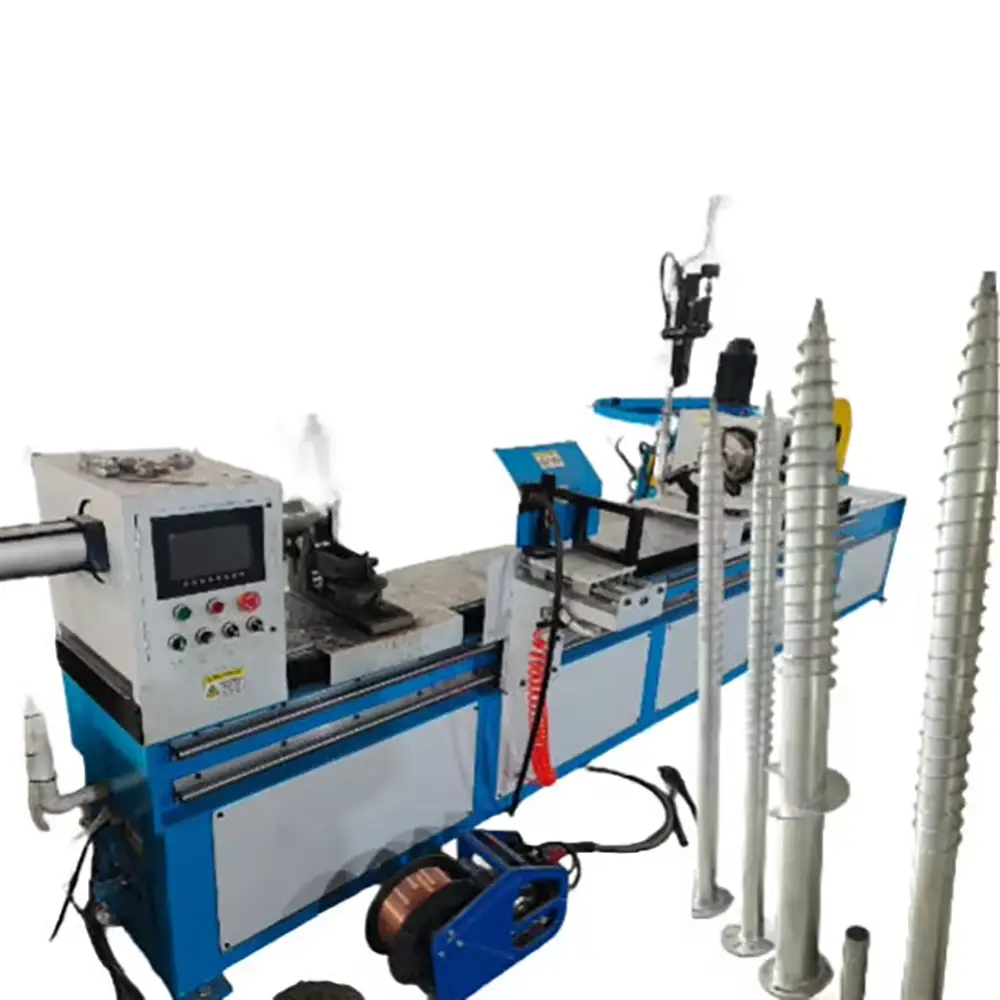
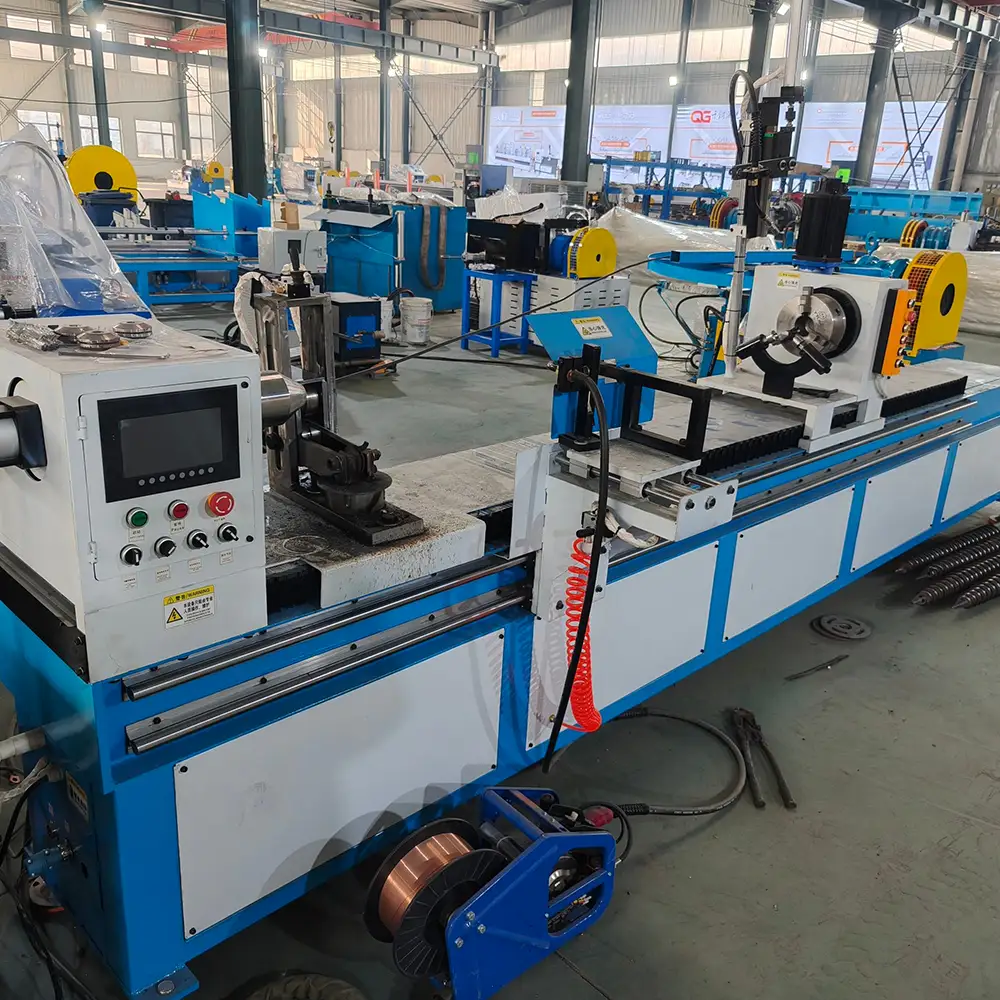
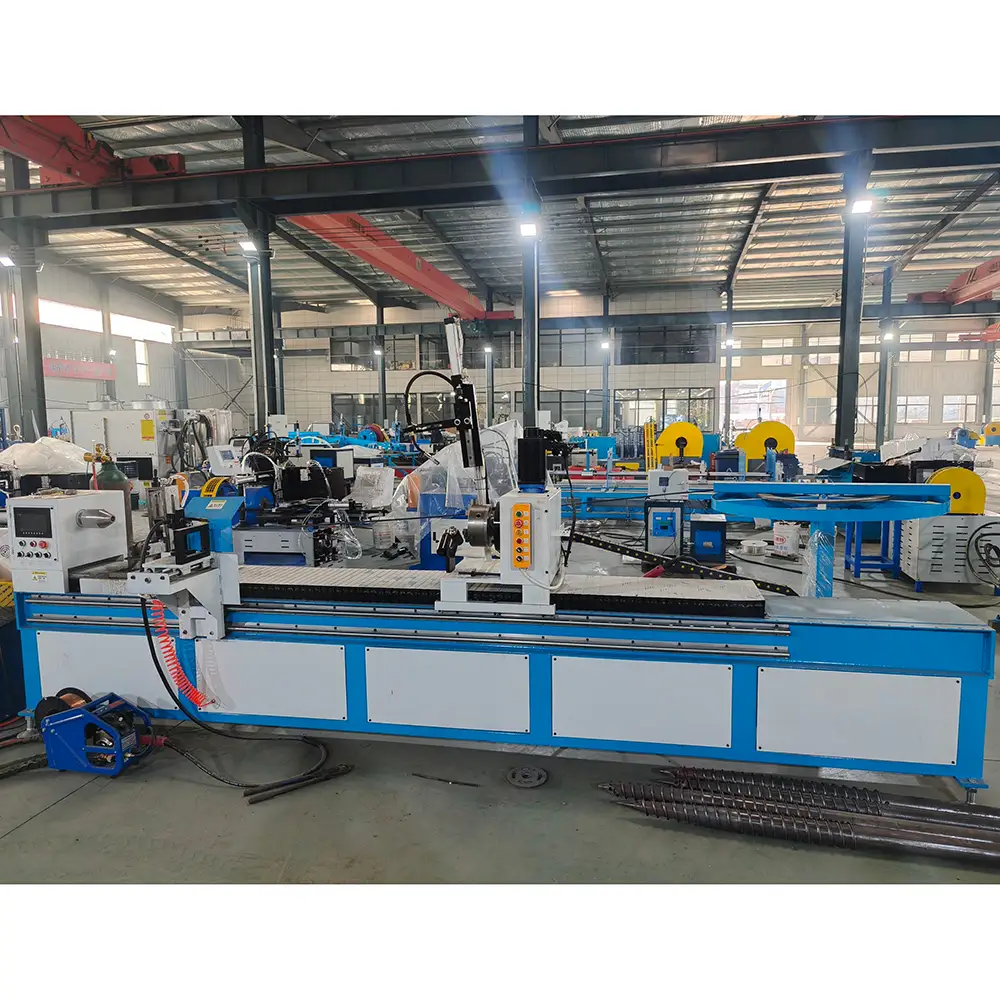
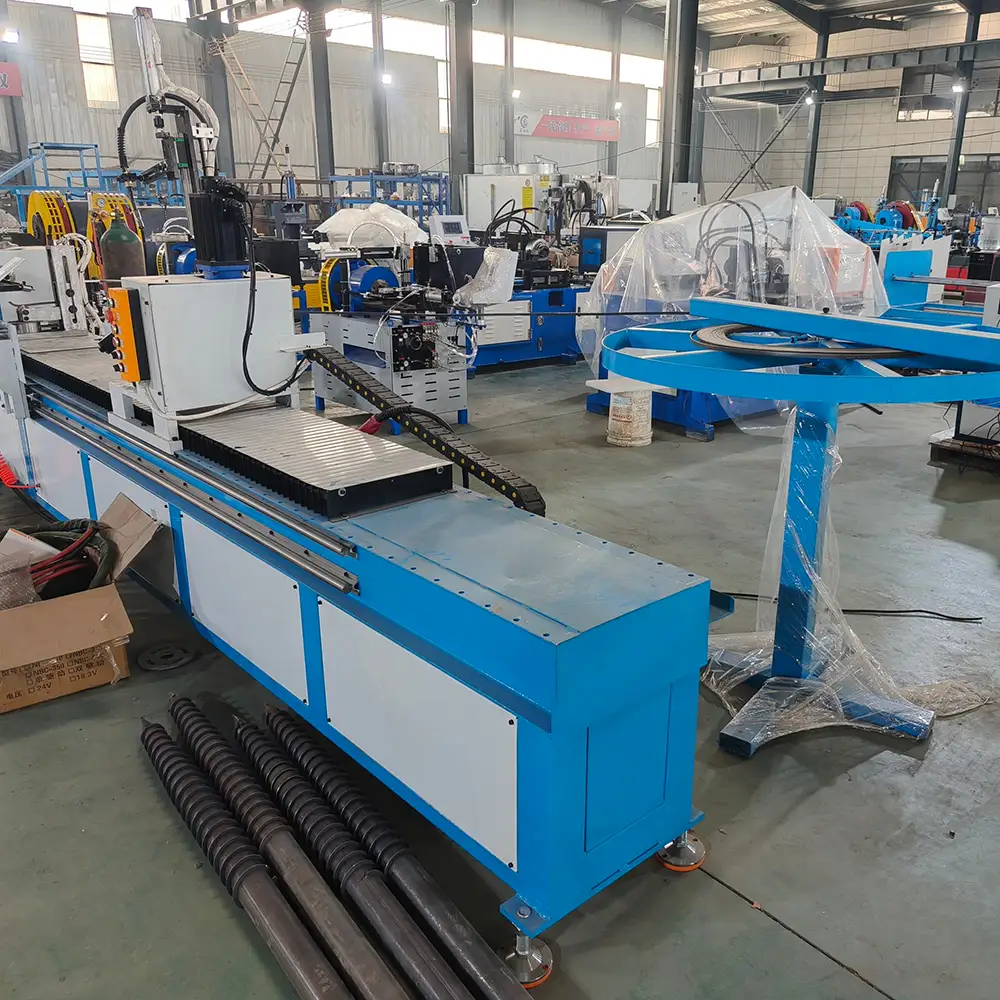
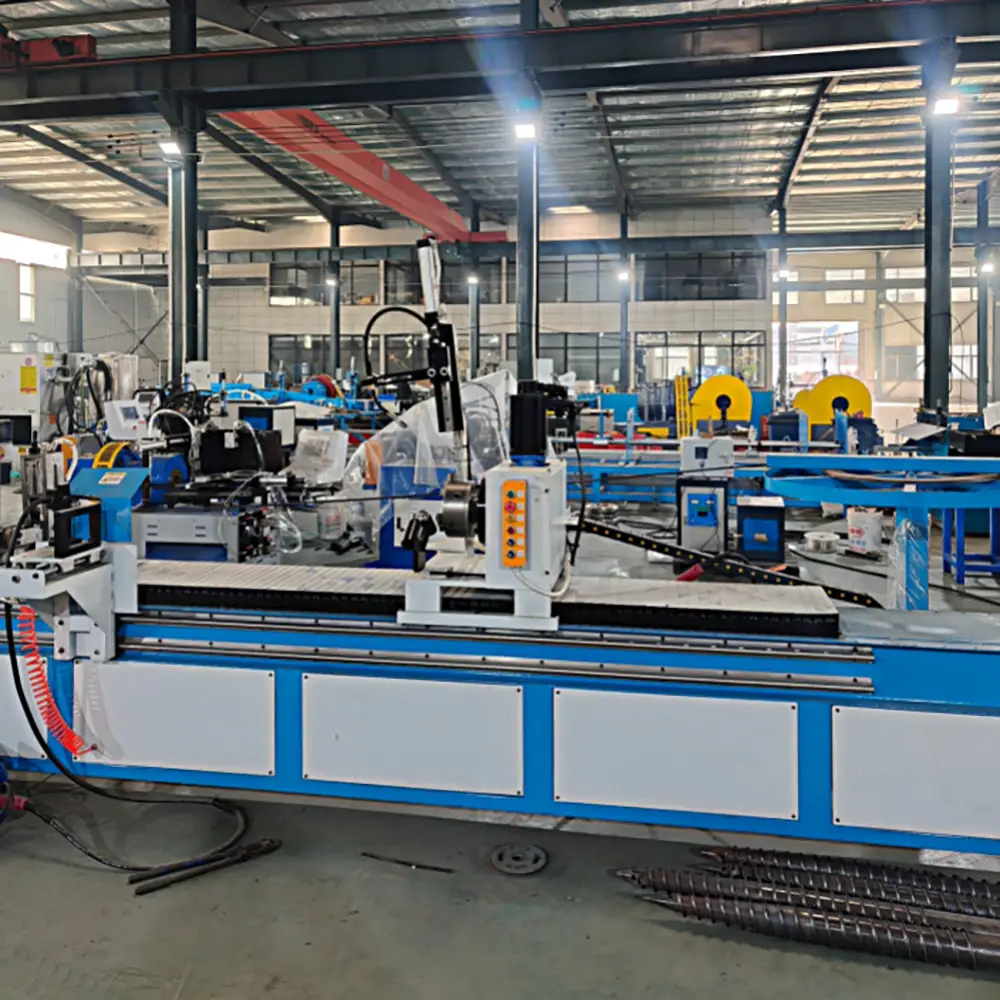
High-Efficiency Spiral Conveyor Blade Welding Machine
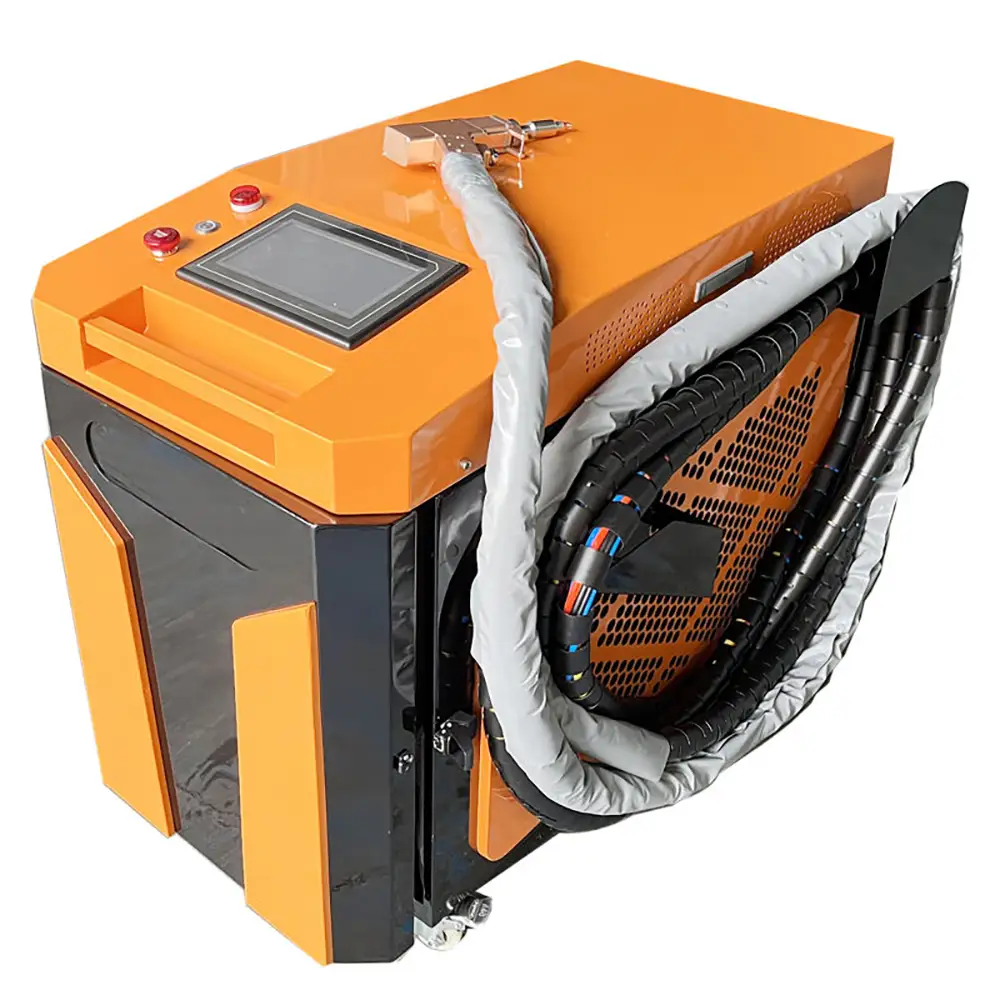
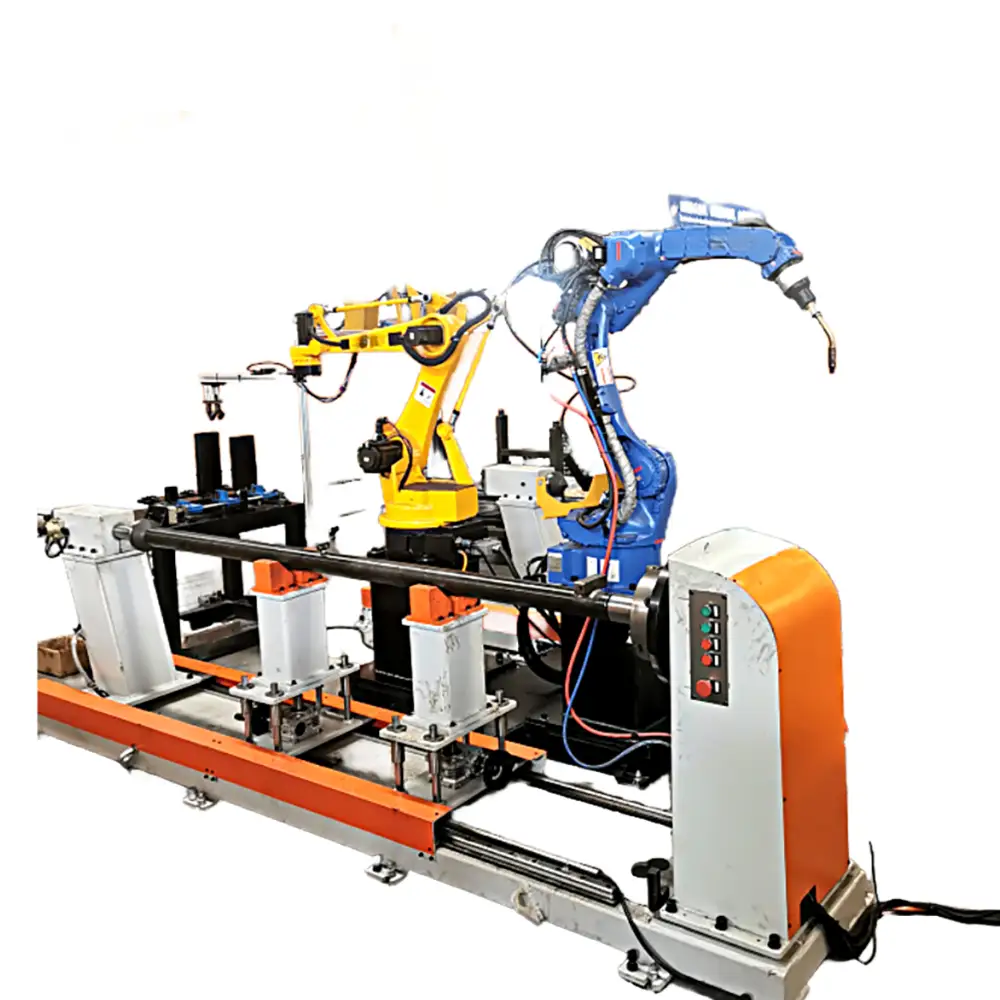
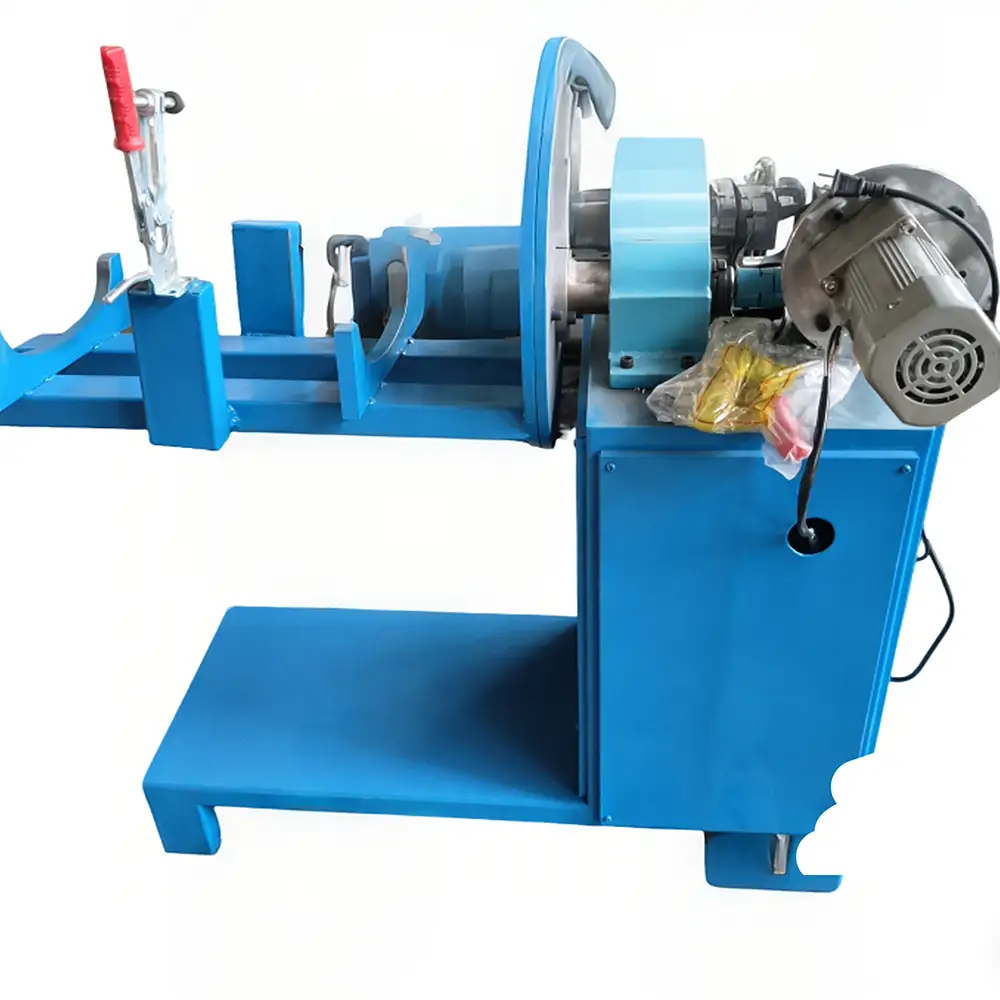
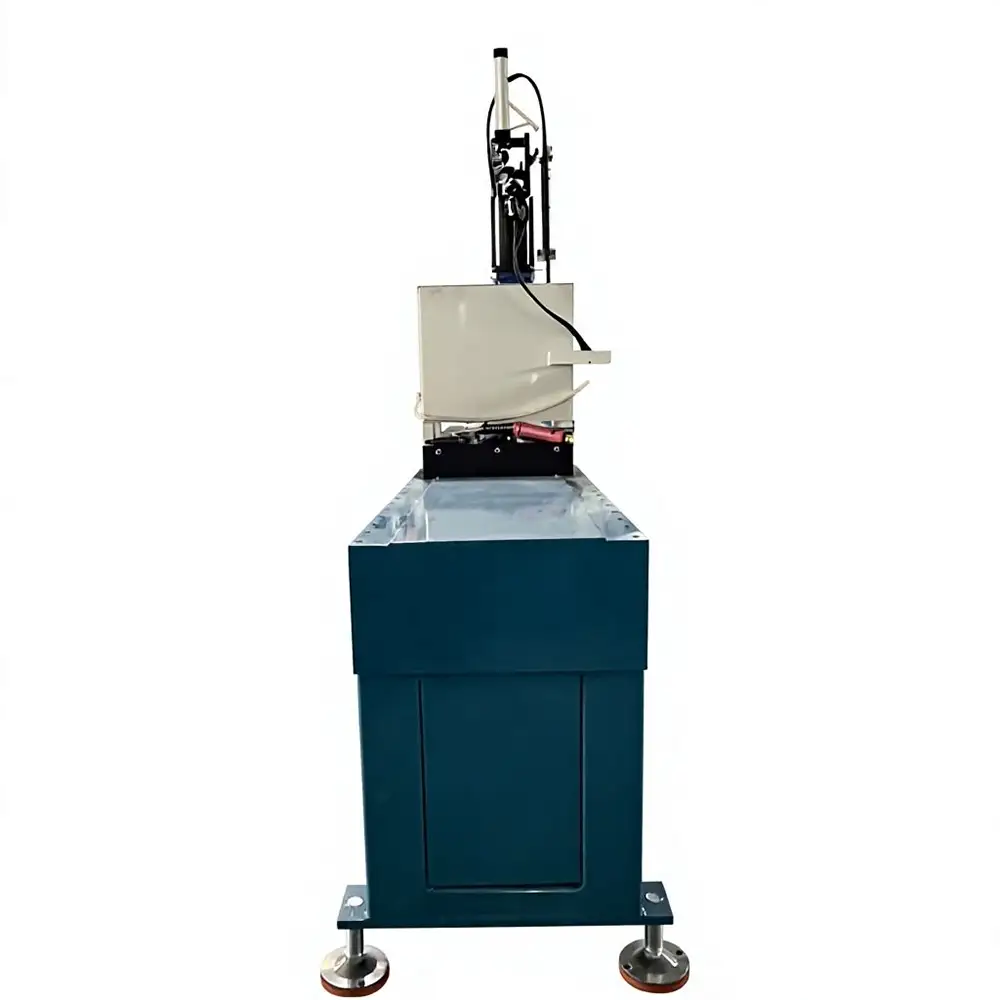
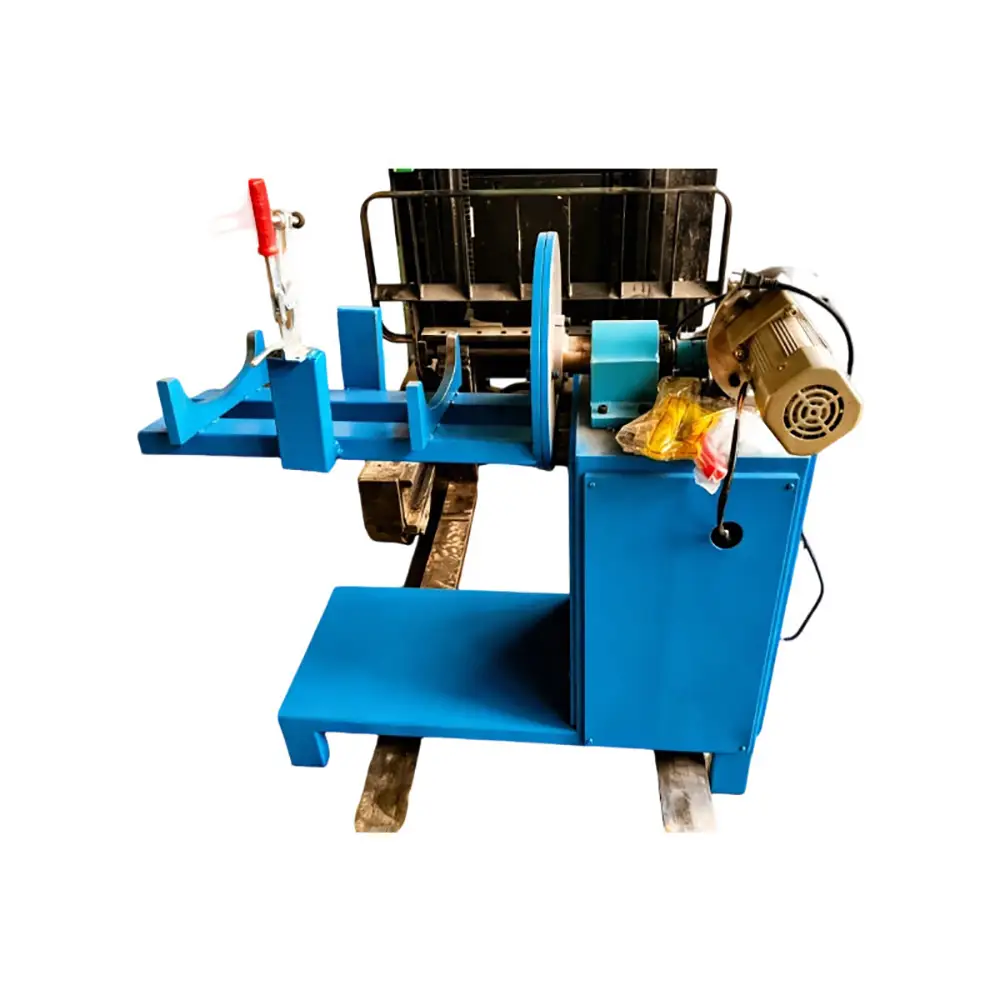
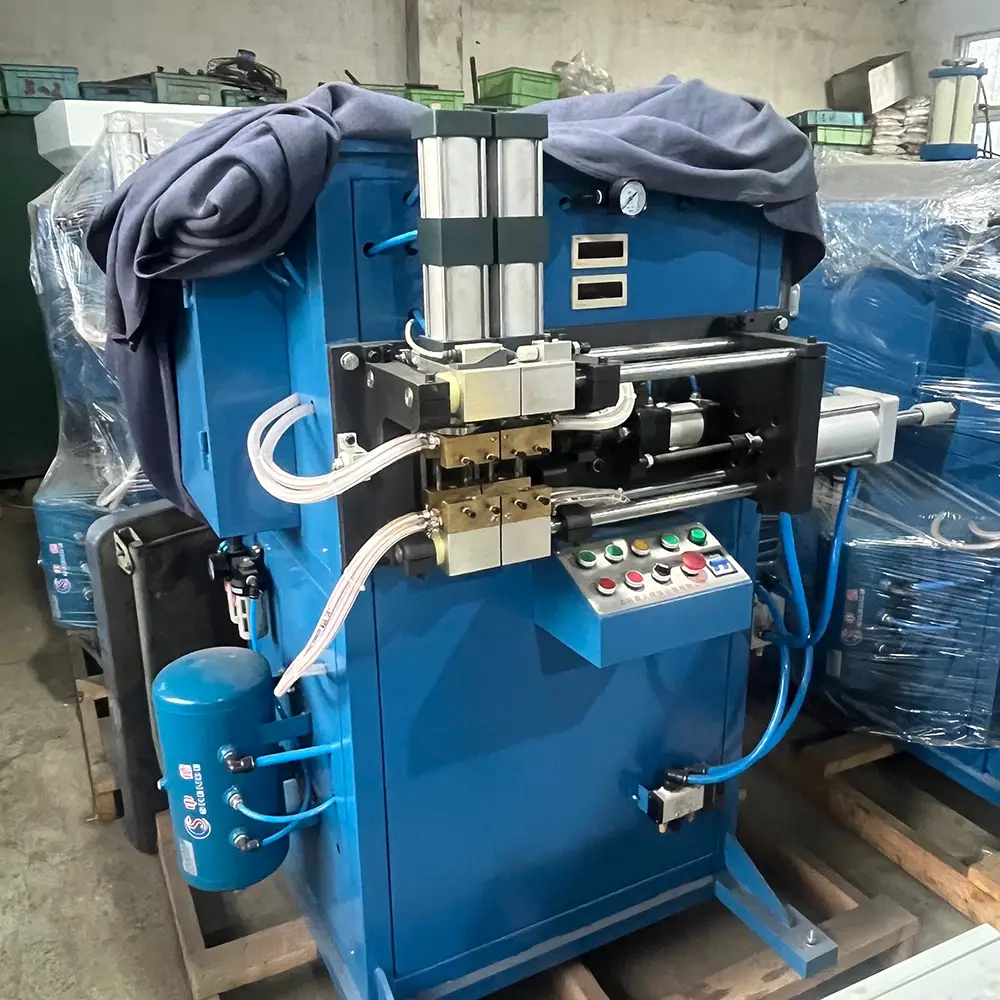
The High-Efficiency Spiral Conveyor Blade Welding Machine is a specialized industrial welding solution developed for manufacturers producing spiral conveyor blades, auger flights, screw conveyor components, helical blades, and other continuous spiral assemblies. By coordinating workpiece rotation, spiral blade positioning, and the welding operation, the machine is designed to create a more consistent and efficient production process.
Spiral conveyor blades are widely used in screw conveyors, agricultural machinery, mining equipment, construction machinery, mixing systems, material handling equipment, and industrial processing systems. The quality and geometry of the spiral flight directly influence the finished equipment's conveying performance, durability, and operating stability.
Traditional manual fabrication can require operators to repeatedly position the spiral flight, maintain the correct pitch, rotate the workpiece, and control the welding process. For large production volumes, this approach can consume substantial labor and may result in differences between individual products.
A dedicated Spiral Conveyor Blade Welding Machine helps standardize these repetitive operations. With appropriate tooling, machine settings, and welding parameters, manufacturers can establish a repeatable production procedure for different spiral blade specifications.
What Is a Spiral Conveyor Blade Welding Machine?
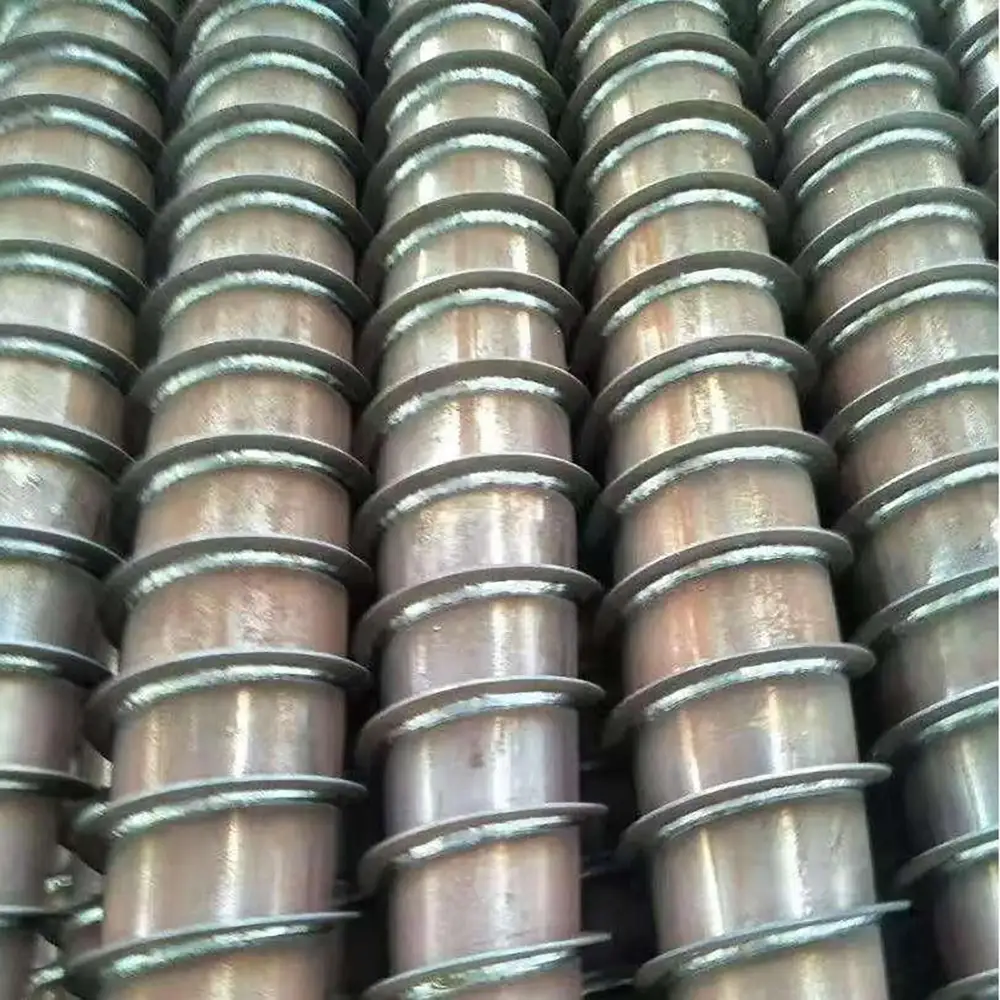
A spiral conveyor blade welding machine is industrial equipment used to weld spiral flights or helical blades to a shaft, pipe, or central core.
The machine coordinates the movement of the workpiece and welding system so that the welding operation follows the required spiral geometry. Depending on the machine configuration, operators can set or adjust parameters related to workpiece dimensions, spiral pitch, welding position, rotation, and welding sequence.
This type of equipment is particularly valuable for factories producing screw conveyor blades and auger assemblies on a repeated basis.
The final machine configuration should be selected according to the customer's blade diameter, shaft diameter, pitch, material, thickness, product length, and production requirements.
Main Applications
The High-Efficiency Spiral Conveyor Blade Welding Machine can be used for a variety of industrial applications, including:
Screw conveyor blade production
Auger flight manufacturing
Spiral conveyor manufacturing
Agricultural auger production
Grain conveyor components
Mining conveyor components
Construction machinery parts
Industrial mixing blades
Feed processing equipment
Material handling equipment
Helical blade assemblies
Custom spiral components
It can be used by manufacturers producing standard components as well as OEM factories developing customized augers and conveying systems.
Key Features
1. High-Efficiency Production
The machine is designed to reduce repetitive manual positioning during spiral blade welding. A controlled welding sequence can help manufacturers improve production efficiency, particularly when processing repeated product models.
2. Controlled Spiral Positioning
Maintaining a consistent spiral pitch is important when producing screw conveyor flights. Proper machine control and dedicated tooling can help maintain the required blade position during welding.
3. Coordinated Rotation and Welding
The welding process requires coordination between the movement of the workpiece and the welding system. The machine is designed to support this synchronized operation according to the selected configuration.
4. Suitable for Auger Flight Production
The equipment can be used for manufacturing auger flights and screw conveyor blades in a range of industrial applications. Different tooling and parameters can be considered for different product specifications.
5. Programmable Parameters
Depending on the control system, production parameters can be programmed for specific spiral blade dimensions and welding requirements.
6. Industrial Production Design
The machine is intended for industrial environments where manufacturers require a repeatable production process and reduced dependence on manual spiral welding.
Advantages of Automated Spiral Blade Welding
One of the major benefits of using a dedicated Auger Flight Welding Machine is improved production repeatability.
During manual fabrication, an operator may need to continuously monitor spiral pitch, blade alignment, rotation speed, and welding position. These repetitive tasks can become increasingly difficult when manufacturing long or large-diameter augers.
A controlled welding machine can help coordinate these movements and establish a standardized production sequence.
Automation may also reduce setup variation between different operators. Once the correct tooling and welding parameters have been established, the same basic production procedure can be repeated across multiple workpieces.
For high-volume manufacturers, this can contribute to a more efficient production workflow.
Screw Conveyor Blade Manufacturing
Screw conveyors are used to transport bulk materials through industrial processing systems. Applications can include grain handling, agricultural processing, mining, construction, food processing, chemical processing, and general material handling.
The spiral flight is one of the main functional components of a screw conveyor. Its diameter, pitch, thickness, and relationship to the central shaft must meet the design requirements of the finished conveyor.
A Screw Conveyor Blade Welding Machine can support the fabrication process by providing controlled positioning and welding of the spiral flight.
Manufacturers can use the machine for standard screw flights, custom conveyor components, replacement blades, and OEM production.
Auger Flight Production
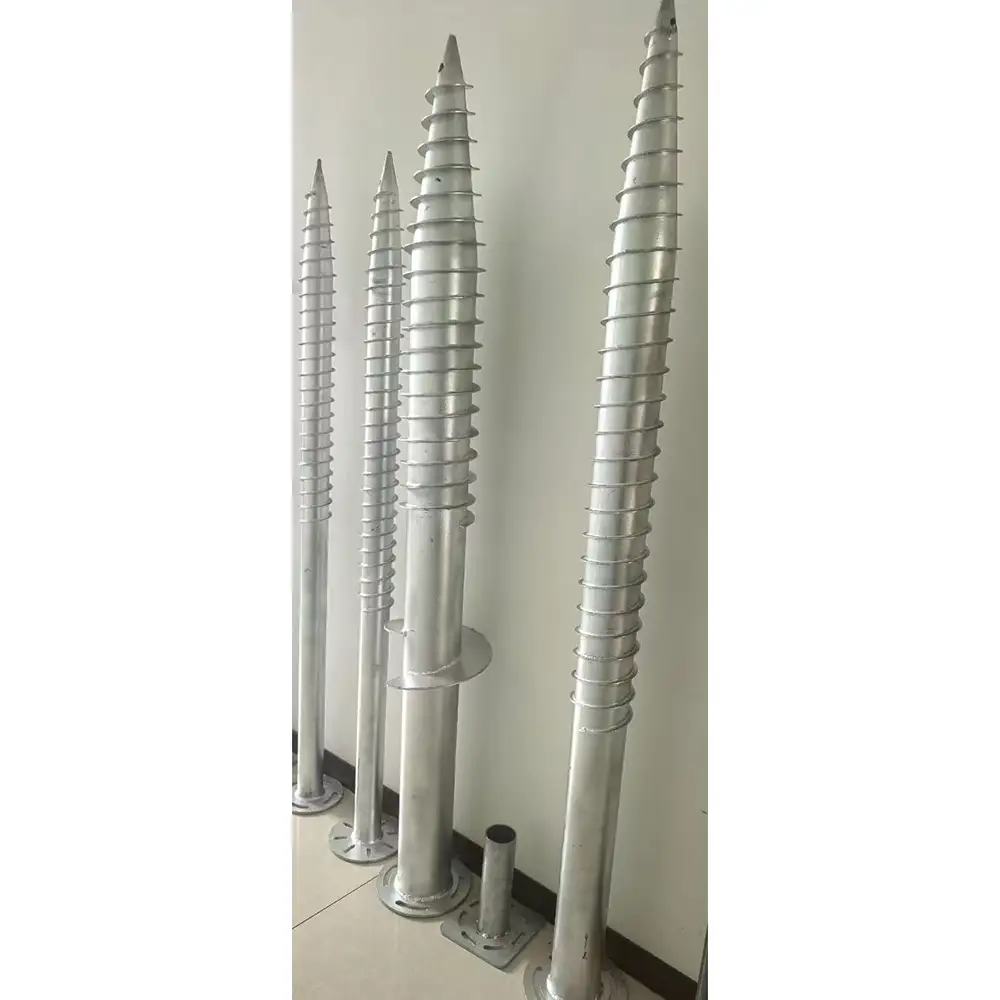
Auger flights are used in agricultural machinery, drilling equipment, grain handling systems, concrete equipment, feed processing machinery, and many other applications.
Different applications require different flight diameters, pitches, thicknesses, and materials.
A high-efficiency welding machine allows manufacturers to organize these production requirements around repeatable machine settings. Dedicated tooling can be designed for particular product ranges where appropriate.
For companies producing multiple auger models, machine flexibility and tooling compatibility should be considered before purchase.
Material Compatibility
Spiral conveyor blades may be manufactured from carbon steel, stainless steel, or other suitable engineering materials.
The welding process and machine parameters must be selected according to the actual material and blade thickness. Different materials have different welding characteristics, so manufacturers should perform appropriate sample testing before mass production.
Material preparation is also important. Blade surfaces and shaft surfaces should be properly cleaned and prepared before welding.
Correct alignment, fit-up, and clamping can help establish stable welding conditions.
Precision and Production Consistency
Spiral blade geometry must remain consistent throughout the finished component. Variations in pitch or blade alignment can affect how a conveyor transports material.
For this reason, precision control is an important consideration when selecting a Spiral Flight Welding Machine.
Machine performance is only one part of overall product quality. Tooling accuracy, material preparation, welding parameters, operator setup, and maintenance also influence the final result.
Manufacturers should establish dimensional inspection procedures for spiral diameter, pitch, shaft alignment, blade thickness, and product length.
Why Choose Us?
1. Specialized Spiral Welding Equipment
We focus on industrial welding and fabrication machinery and understand the specific production requirements associated with spiral flights and auger components.
2. Application-Based Configuration
We can evaluate the machine configuration according to shaft diameter, flight diameter, spiral pitch, blade thickness, material, product length, and production capacity.
3. Custom Tooling Support
Different conveyor and auger products may require different fixtures and support systems. Custom tooling can be considered for specific production applications.
4. High-Efficiency Production Solutions
Our equipment is designed around repeatable production workflows that can help reduce repetitive manual operations and improve manufacturing efficiency.
5. OEM and Custom Manufacturing
The machine can be evaluated for OEM manufacturers producing standard or customized spiral conveyor components.
6. Technical Communication
Customers can provide drawings, samples, specifications, and production requirements so the machine configuration can be evaluated before ordering.
7. International B2B Service
We support overseas manufacturers, distributors, engineering companies, and industrial equipment buyers with machine specifications, configuration discussions, documentation, and export-related coordination.
How to Select the Right Spiral Conveyor Welding Machine
Before purchasing a Spiral Conveyor Welding Machine, manufacturers should confirm several important specifications.
Flight Diameter: This determines the overall size of the spiral blade and affects machine capacity.
Shaft Diameter: The central shaft or pipe must be compatible with the machine's fixture and support system.
Spiral Pitch: Pitch is a critical parameter because it determines the distance between adjacent sections of the spiral flight.
Blade Thickness: Welding requirements can vary significantly with material thickness.
Material: Carbon steel, stainless steel, and other materials may require different welding procedures.
Product Length: Long workpieces may require additional support and appropriate machine travel.
Production Volume: Higher production requirements may justify a greater level of automation.
Welding Method: The welding process should be selected according to material, thickness, joint design, and required production performance.
Providing a detailed product drawing is strongly recommended when requesting a machine quotation.
Typical Production Process
A typical spiral conveyor blade welding workflow may include:
Preparing the central shaft or pipe.
Preparing the spiral flight.
Checking flight diameter and pitch.
Positioning the shaft and flight in the machine fixture.
Setting the appropriate welding parameters.
Starting the controlled rotation and welding sequence.
Monitoring welding and mechanical movement.
Completing the spiral weld.
Removing the finished component.
Performing dimensional and weld-quality inspection.
The exact process varies according to machine design and product requirements.
Maintenance
Regular maintenance helps maintain stable machine operation and welding consistency.
Operators should inspect the welding system, drive mechanism, rotating components, fixtures, clamps, electrical connections, control system, and other wear components according to the manufacturer's maintenance schedule.
Fixtures should be kept clean and properly aligned. Welding contact areas should be checked regularly for contamination or excessive wear.
Lubrication and mechanical inspections should be performed according to the machine manufacturer's recommendations.
Any unusual vibration, inconsistent rotation, abnormal noise, or unstable welding should be investigated before continuing production.
Quality Control
Quality control should begin with incoming material inspection and continue throughout the welding process.
Finished spiral components can be checked for:
Spiral pitch
Flight diameter
Shaft alignment
Blade positioning
Overall length
Weld appearance
Weld continuity
Dimensional accuracy
Surface condition
Additional weld testing can be performed according to the requirements of the final application.
For critical industrial components, manufacturers should establish appropriate inspection and acceptance criteria before production.
Conclusion
The High-Efficiency Spiral Conveyor Blade Welding Machine provides an industrial solution for manufacturers producing auger flights, screw conveyor blades, spiral conveyors, agricultural augers, mixing components, and other helical assemblies.
By coordinating workpiece rotation, spiral positioning, and welding movement, the machine can help create a more repeatable manufacturing process while reducing repetitive manual operations.
For B2B manufacturers and OEM factories, the appropriate configuration should be selected according to flight diameter, shaft diameter, spiral pitch, blade thickness, material, product length, welding method, and production volume.
With suitable tooling, process parameters, material preparation, and quality control, a dedicated spiral blade welding system can become an important part of an efficient auger and screw conveyor manufacturing line.
Frequently Asked Questions
1. What is a Spiral Conveyor Blade Welding Machine?
It is specialized industrial equipment used to weld spiral flights or helical blades to a central shaft, pipe, or core.
2. What products can this machine manufacture?
It can be used for screw conveyor blades, auger flights, agricultural augers, mixing blades, spiral conveyors, and other custom helical components.
3. Is it suitable for screw conveyor production?
Yes. Screw conveyor flight welding is a major application for this type of equipment.
4. Can it weld different blade thicknesses?
Different blade thicknesses may require different welding parameters or machine configurations. The required thickness should be provided before machine selection.
5. Can different spiral pitches be produced?
Different pitches may be supported depending on the machine's mechanical and control configuration. The required pitch should be confirmed before ordering.
6. What materials can be processed?
Material compatibility depends on the welding process and machine configuration. Carbon steel and stainless steel are common industrial materials.
7. Can the machine be customized?
Yes. Fixtures, supports, tooling, control parameters, and other machine configurations may be customized according to specific production requirements.
8. Is CNC control available?
CNC or programmable control can be available depending on the machine configuration and customer's automation requirements.
9. What information is required for a quotation?
Provide flight diameter, shaft diameter, spiral pitch, blade thickness, material, product length, welding requirements, and target production capacity.
10. Can it be used for OEM production?
Yes. The machine can be evaluated for OEM factories producing standard or customized spiral conveyor and auger components.
Prev:
Collaborative Robot Arm for Automated CNC Welding
Next:
Precision-Controlled Spiral Conveyor Blade Welding Machine for Ground Pile, Mixing, Conveying Rail
TAG:
Flight Welding Machine,
Automatic Auger Welding Machine,
Screw Flight Welding Machine,
Spiral Welding Machine,
Screw Flight Welder,
Screw Conveyor Welding Equipment,
Auger Flight Welder,
Auger Flight Welding Machine,
Spiral Flight Welding Machine,
Auger Flight Welding Equipment,
Helical Blade Welding Machine,
Automatic Spiral Welding Machine,
Precision Spiral Welding Machine,
Spiral Blade Welding Machine,
Auger Welding Machine,
Industrial Auger Welding Equipment,
Screw Conveyor Blade Welder,
Auger Blade Welding Machine,
CNC Auger Welding Machine,
Continuous Flight Auger Welder,
Conveyor Flight Welding Machine,
Spiral Conveyor Welding Machine,
Screw Conveyor Blade Welding Machine,
Spiral Conveyor Blade Welding Machine,
Related Category:
High-Efficiency Spiral Conveyor Blade Welding Machine,Spiral Conveyor Blade Welding Machine China, suppliers, manufacturers, factory, customized, wholesale, quotation, made in China