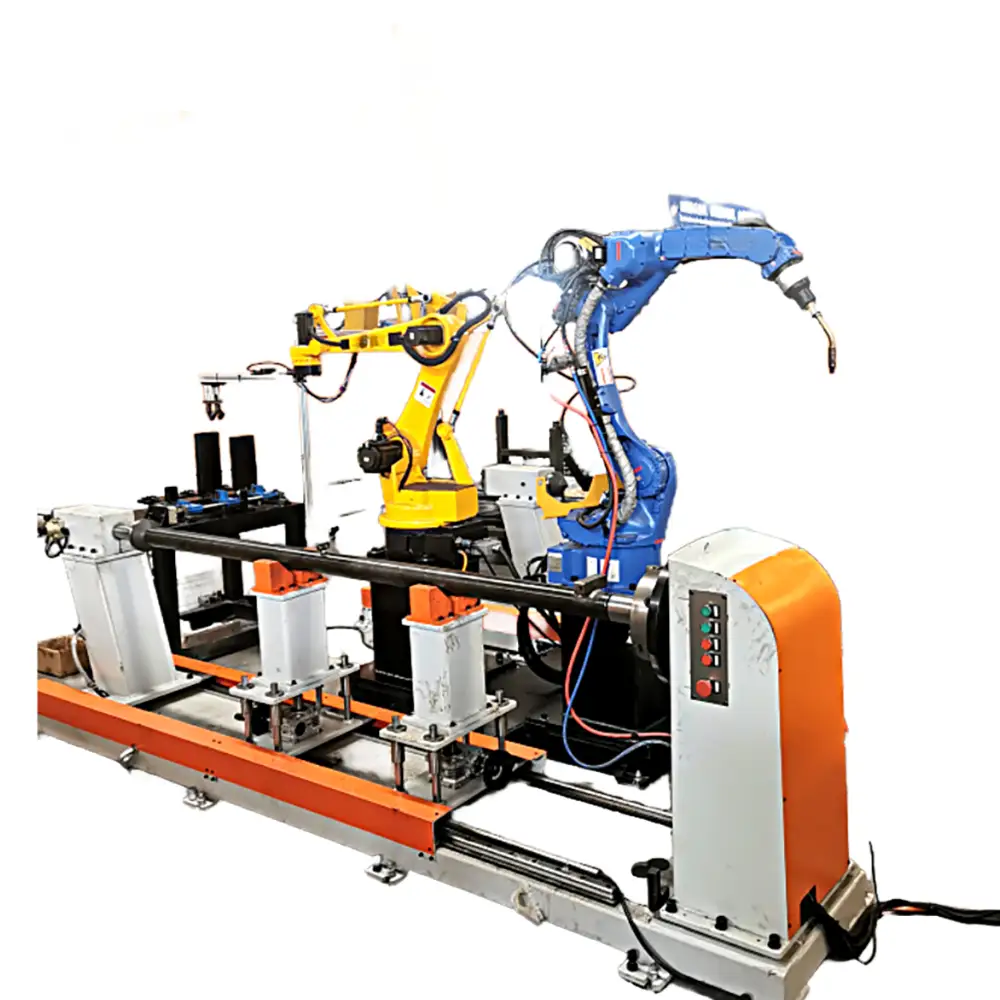
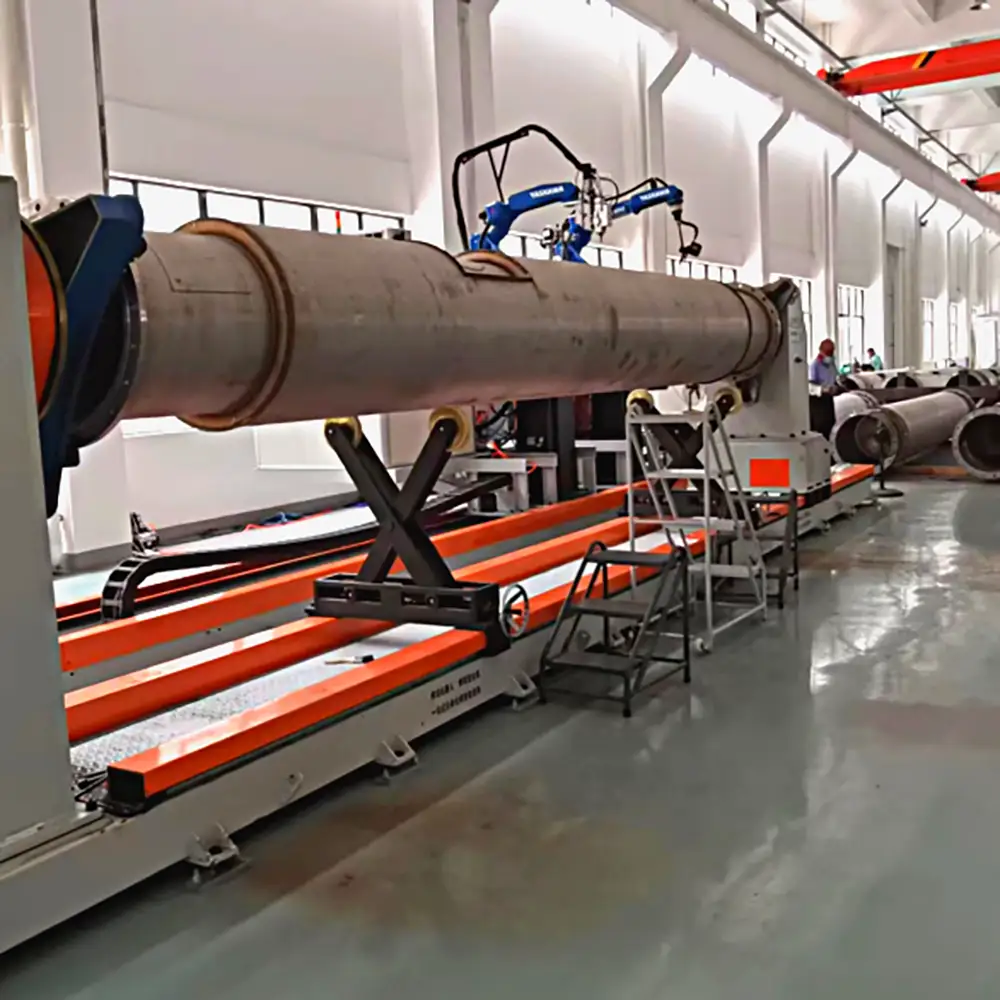
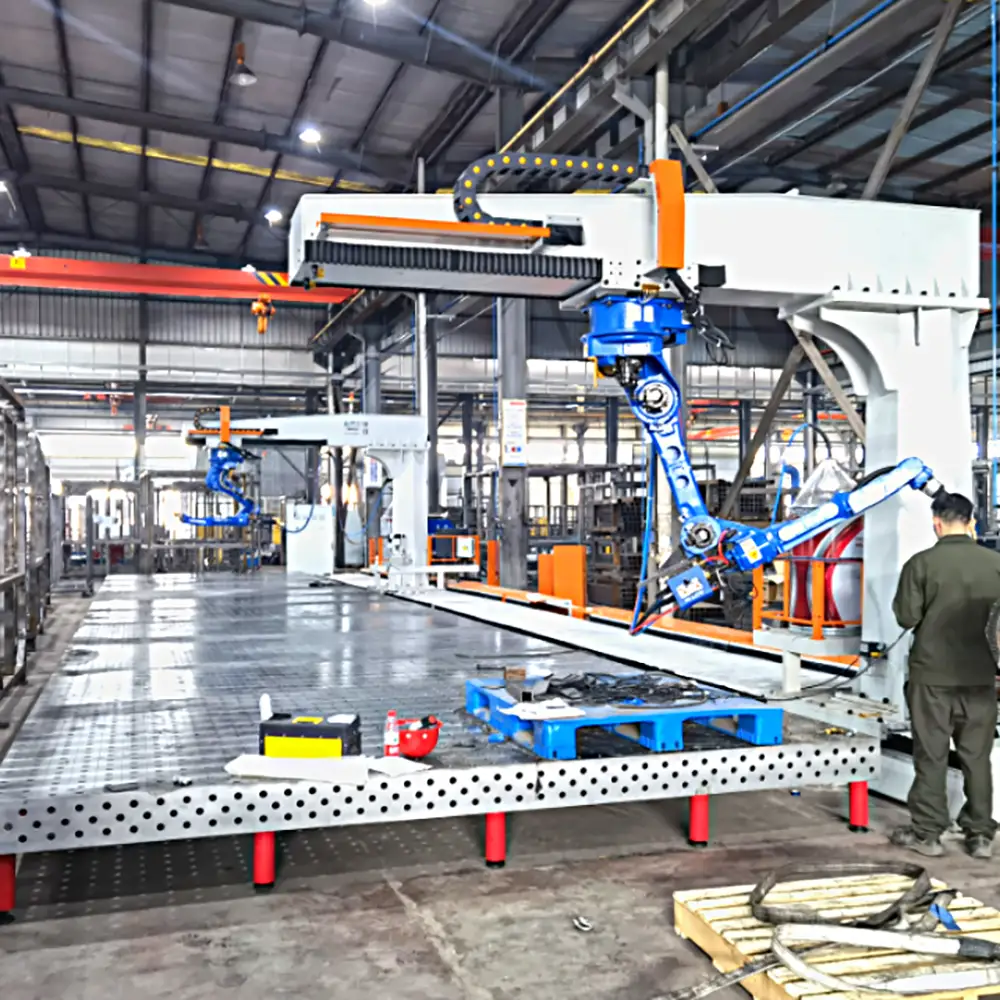
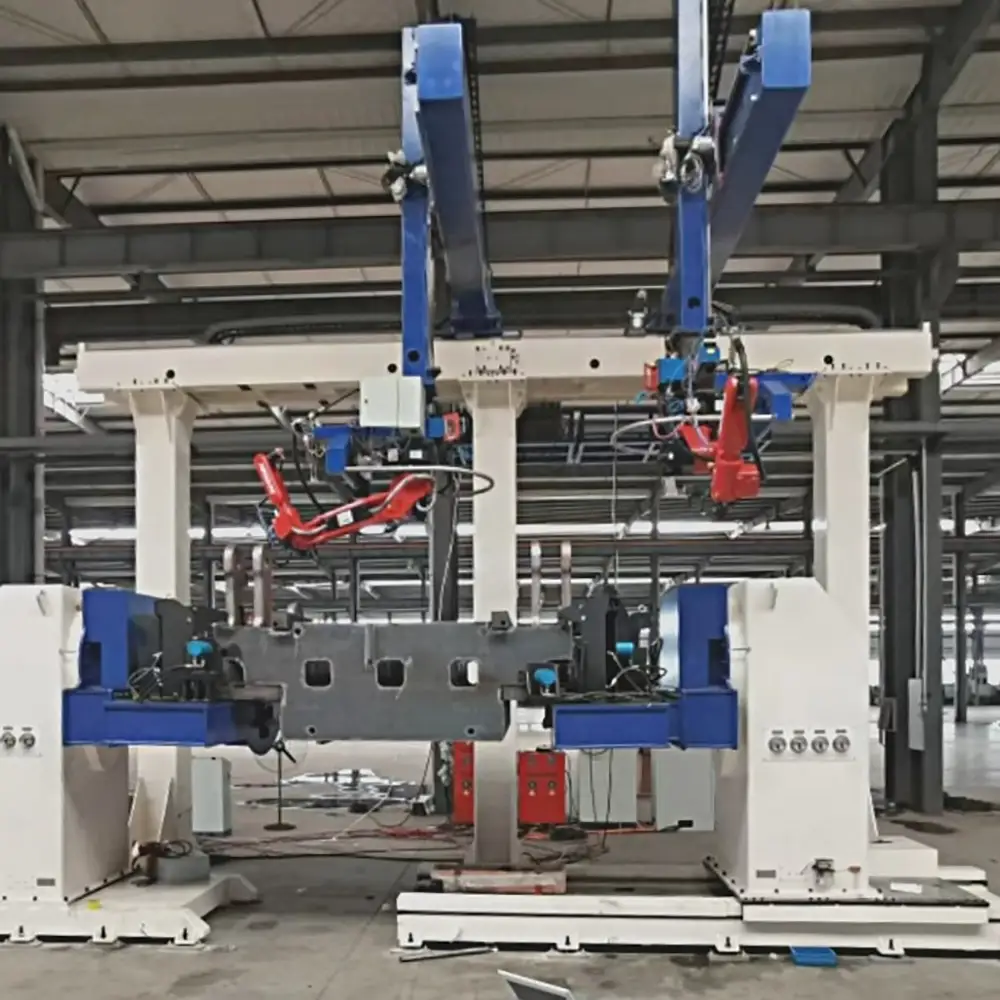
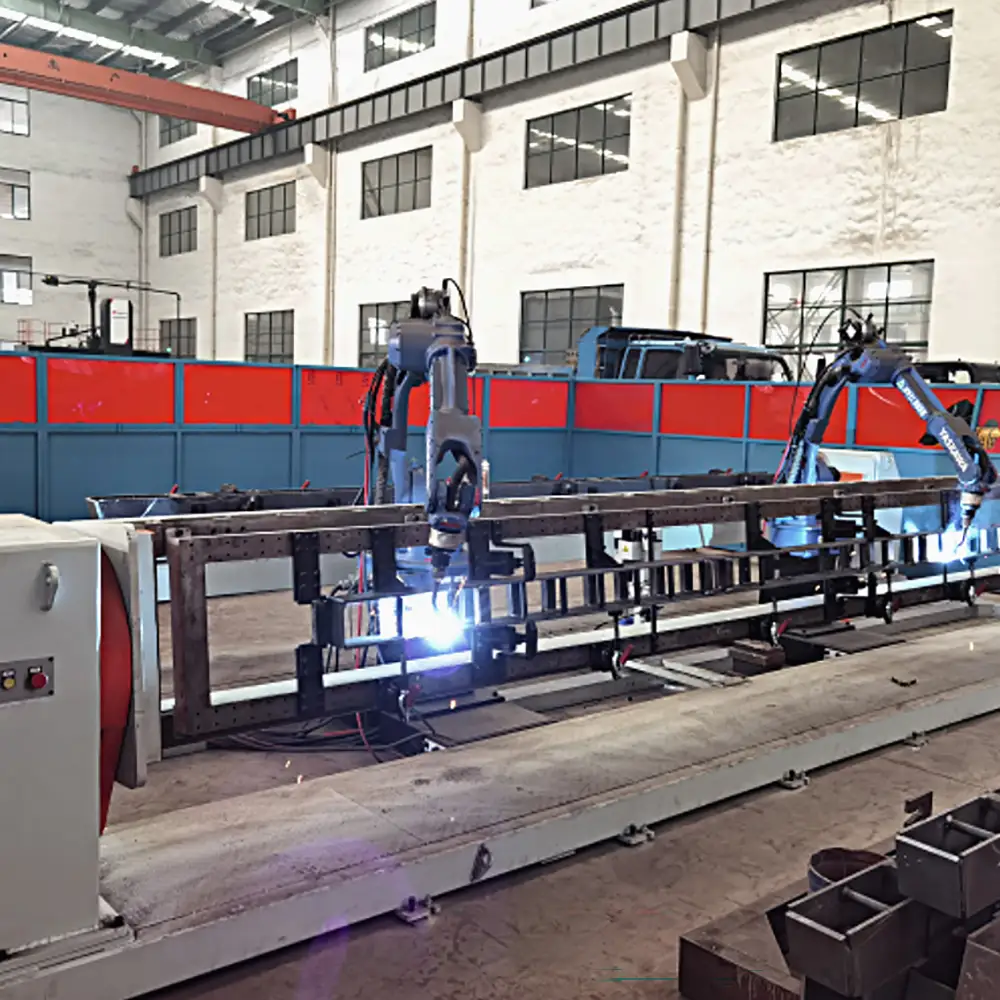
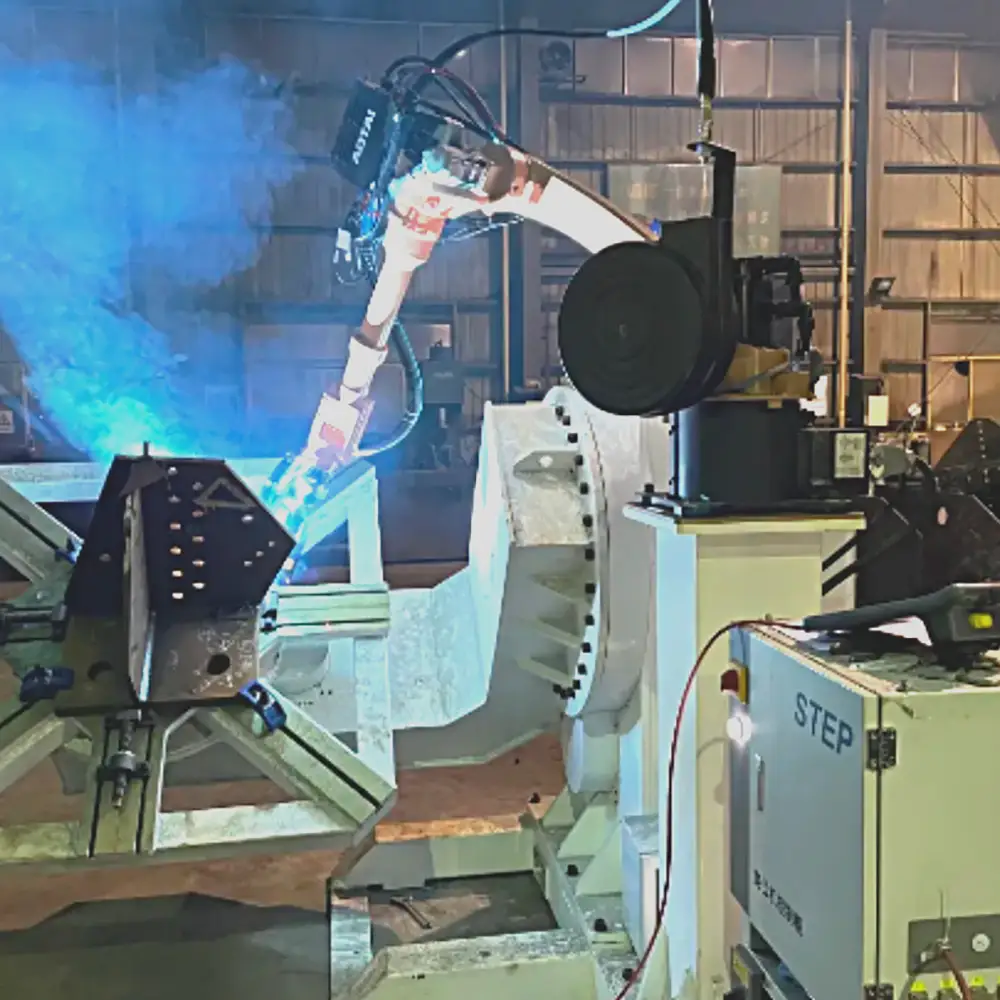
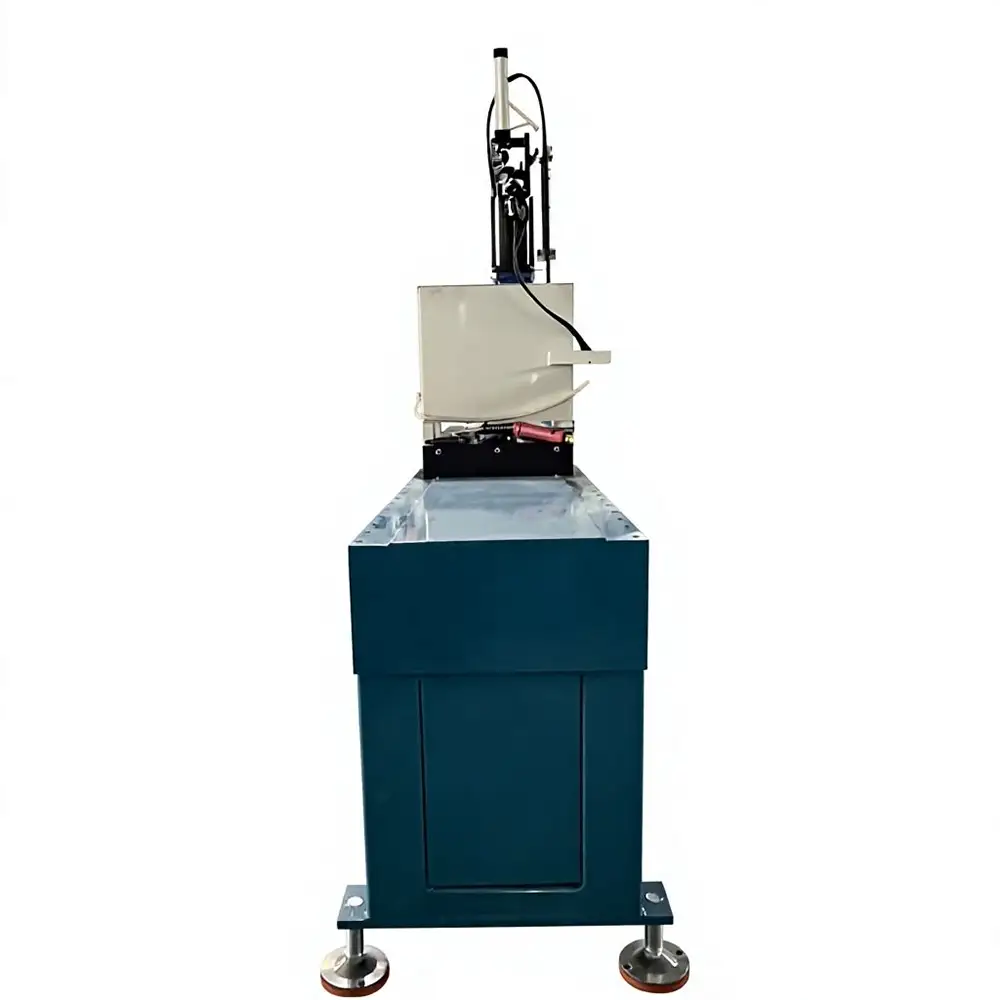
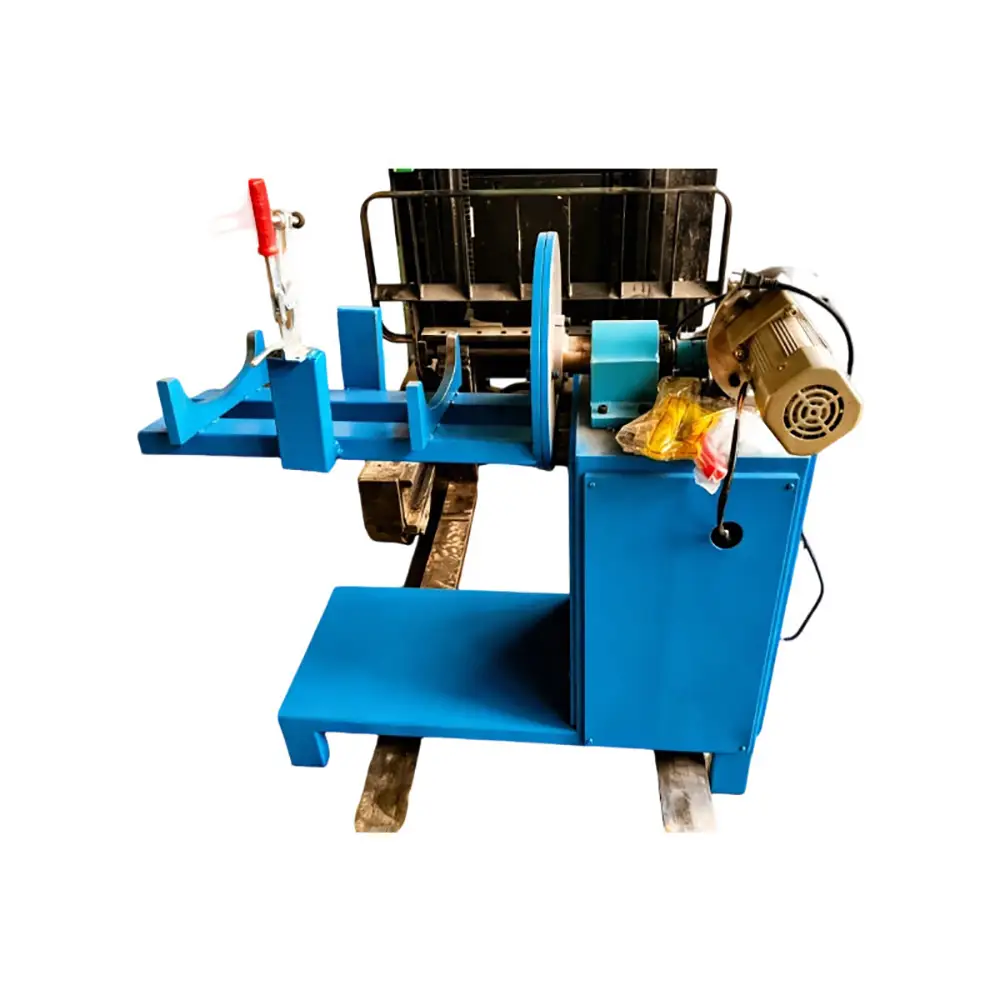
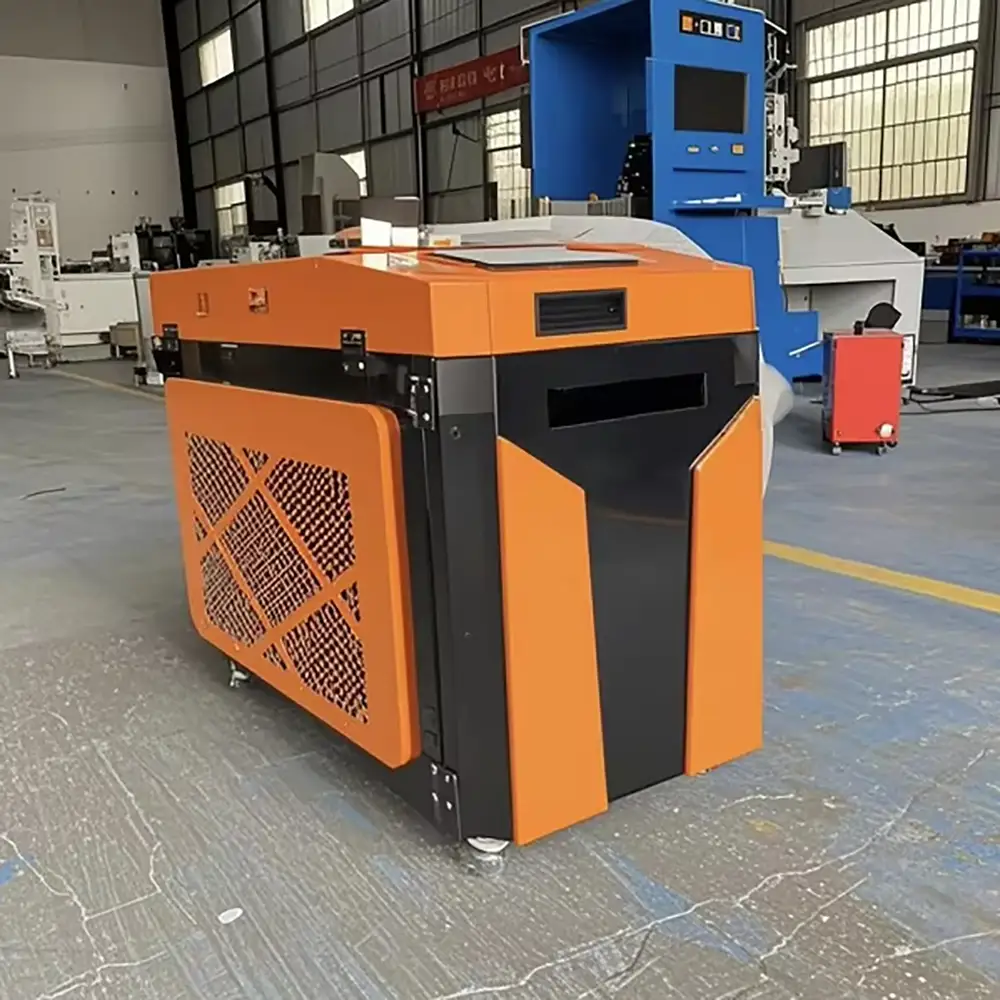
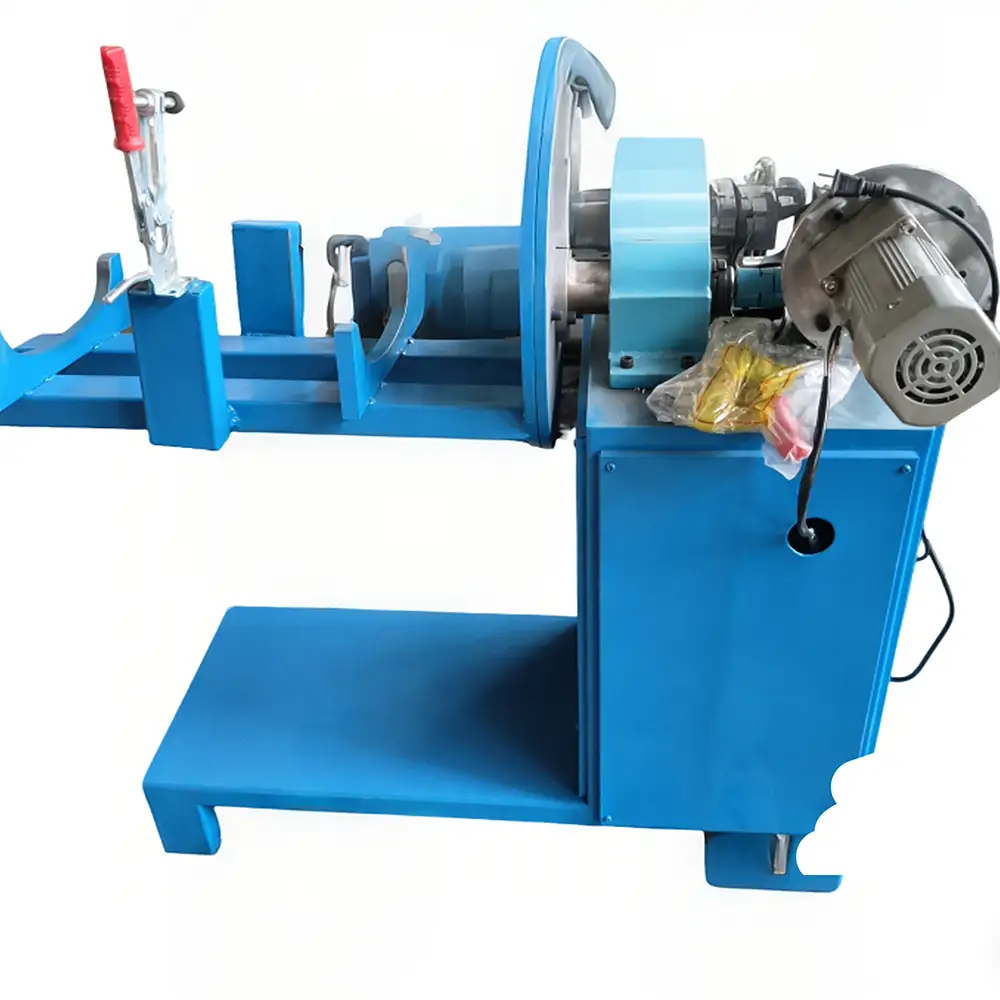
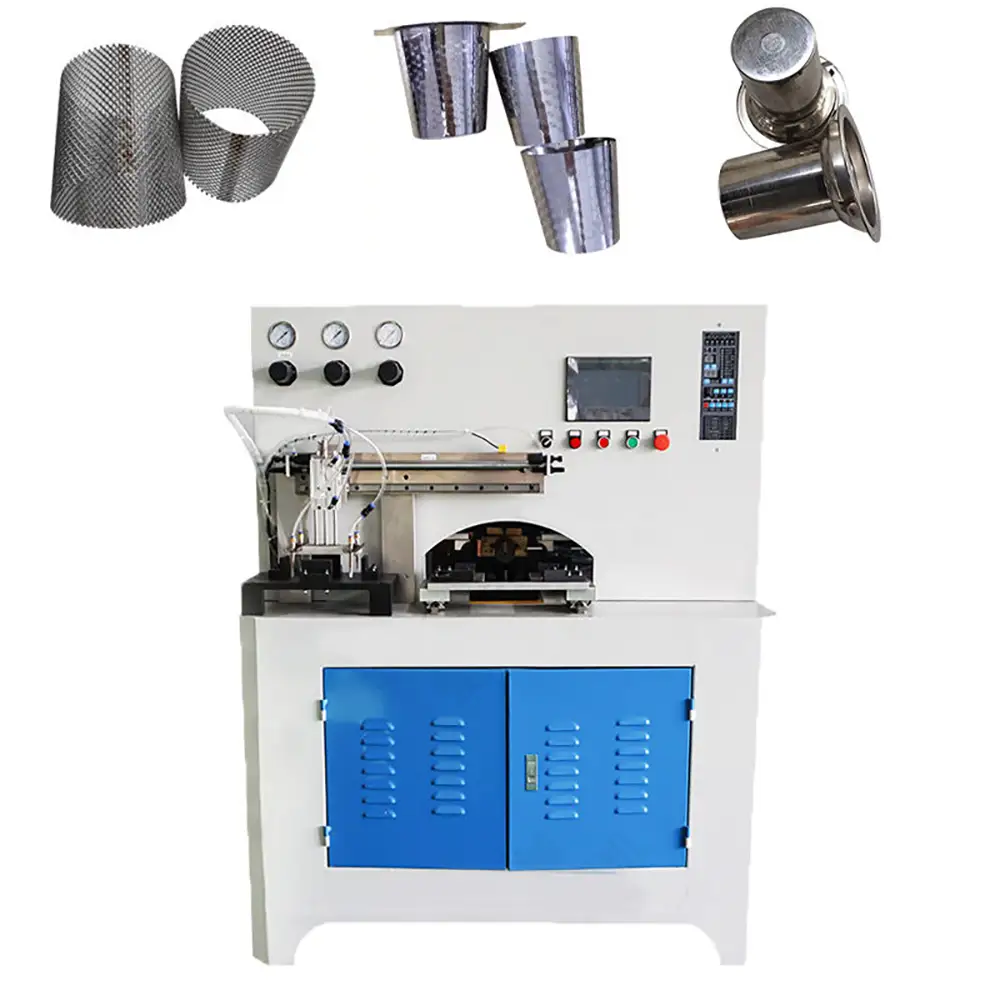
This industrial-grade automatic welding robot is engineered to deliver efficient, consistent, and high-quality welding results for a wide range of manufacturing scenarios. It stands out for two core strengths: high customization flexibility and versatile welding capabilities—making it an ideal solution for businesses seeking to optimize welding processes, reduce manual reliance, and adapt to diverse production demands.
|
item
|
value
|
|
application
|
WELDING
|
|
Warranty
|
1 Year
|
|
dimension(l*w*h)
|
19500*6500*2200mm
|
|
core components
|
motor, Engine, PLC, Bearing
|
|
Structure
|
Vertical multi-joint type
|
|
Repeat position accuracy
|
0.06mm
|
|
Protection level
|
Body:IP54,wrist axis:IP67
|
|
Ontological weight
|
250kg
|
|
Drivet unit
|
Servo package for AC servo
|
Collaborative Robot Arm for Automated CNC Welding
A Collaborative Robot Arm for Automated CNC Welding is an advanced welding automation solution designed to improve productivity, consistency, and flexibility in modern metal fabrication. By combining the flexibility of a collaborative robot, or cobot, with automated CNC welding equipment, this system helps manufacturers perform repetitive welding operations with greater precision and repeatability while reducing dependence on manual welding.
Unlike traditional industrial robots that often require dedicated safety cages and large production areas, collaborative robot arms are designed to work more flexibly around operators when properly configured with appropriate safety functions and risk assessment. This makes them particularly suitable for small and medium-sized manufacturers, high-mix production environments, custom fabrication shops, and automated welding applications where production flexibility is important.
The robotic arm can be integrated with a CNC welding system, welding power source, positioner, fixture, sensors, and other automation equipment to create a complete welding workstation. Depending on the application, the system can support processes such as MIG welding, MAG welding, TIG welding, and other compatible arc welding processes.
Automated CNC Welding With a Collaborative Robot Arm
The main advantage of a collaborative robot arm is its combination of robotic repeatability and flexible programming. Operators can program the welding path according to the workpiece geometry, welding position, travel speed, and process requirements.
For CNC welding applications, the cobot can repeatedly follow programmed welding paths with controlled movement. This can help maintain consistent torch positioning, welding speed, and torch angle across multiple workpieces.
For manufacturers producing brackets, frames, metal cabinets, machinery components, agricultural equipment, automotive parts, steel structures, and other fabricated products, automated welding can significantly reduce repetitive manual operations.
The system can also be configured with different welding fixtures and workholding solutions. This allows manufacturers to switch between product models more efficiently and adapt the welding workstation to different production requirements.
Flexible Welding Automation for Metal Fabrication
Modern metal fabrication often requires manufacturers to handle multiple product sizes, shapes, and production batches. A fixed automation system may not always be suitable for these changing requirements.
A collaborative welding robot provides a more flexible alternative. Its compact design and programmable motion make it suitable for a variety of welding tasks without requiring the large footprint associated with some conventional robotic welding cells.
Depending on the configuration, the robotic welding system can be equipped with:
Collaborative Robot Arm
MIG/MAG Welding Torch
TIG Welding Torch
Welding Power Source
CNC Controller
Welding Positioner
Automatic Wire Feeder
Welding Fixture
Touchscreen Control Panel
Safety Sensors
Laser or Vision-Based Sensors
Automatic Torch Cleaning System
These components can be selected according to the workpiece, welding process, material, production volume, and required level of automation.
Consistent Welding Quality
One of the most important benefits of robotic welding is process consistency. Manual welding quality can vary depending on operator experience, fatigue, working conditions, and production schedules.
A programmed cobot welding system can maintain repeatable motion and welding parameters throughout a production batch. When the welding program, fixture, material, and process parameters are properly established, the system can repeatedly execute the same welding sequence.
This is particularly valuable for products that require multiple identical welds or consistent weld appearance.
The collaborative robot can control parameters such as:
Welding Speed
Torch Angle
Torch Position
Welding Path
Wire Feeding
Welding Current
Welding Voltage
Welding Sequence
Start and Stop Positions
The exact control functions depend on the selected robot, welding equipment, controller, and application configuration.
Suitable for CNC Welding Applications
A CNC welding robot arm can be used for a wide range of industrial welding applications. It can be integrated into production lines or operated as a standalone robotic welding workstation.
Typical applications include:
Metal Fabrication:
Automate repetitive welding operations for steel and stainless steel fabricated components.
Machine Manufacturing:
Weld frames, brackets, housings, supports, and structural components used in industrial machinery.
Agricultural Equipment:
Automate welding of tractor components, agricultural machinery frames, brackets, implements, and other fabricated parts.
Automotive Components:
Support repeatable welding operations for selected automotive and vehicle components.
Steel Furniture:
Produce tables, racks, frames, cabinets, shelves, and other metal furniture components.
Construction Components:
Automate welding for steel frames, supports, brackets, and structural assemblies where the application is suitable.
Custom Fabrication:
Provide flexible automation for manufacturers handling multiple product models and relatively small production batches.
Easy Programming and Production Changeover
Programming flexibility is another important feature of a collaborative welding robot. Depending on the controller, operators can create or modify welding programs through a graphical interface or other supported programming methods.
For manufacturers producing different workpieces, the ability to quickly adjust welding paths can help reduce setup time. Different welding programs can be stored for different products, allowing operators to select the appropriate program when changing production.
A properly designed fixture can further improve positioning accuracy and repeatability. By keeping each workpiece in a consistent position, the robot can follow the programmed welding path more reliably.
For complex production environments, optional sensors and vision systems can also help compensate for variations in workpiece positioning or welding conditions.
Compact Design for Modern Workshops
A collaborative robot welding workstation can be designed with a relatively compact footprint compared with some traditional automated welding cells. This can make it suitable for workshops where floor space is limited.
The robot can be mounted on a suitable base, welding table, linear rail, or other compatible structure depending on the required working envelope.
The final system layout should consider robot reach, workpiece dimensions, welding position, cable routing, fixture accessibility, operator access, and safety requirements.
For manufacturers planning a new robotic welding line, these factors should be evaluated before selecting the robot model and workstation configuration.
Improve Welding Productivity
Automated welding can reduce the amount of time operators need to spend on repetitive welding tasks. Instead of manually performing every weld, an operator can focus on tasks such as loading and unloading parts, fixture management, inspection, programming adjustments, and production monitoring.
This can improve labor utilization and provide a more consistent production process.
For high-volume applications, multiple robotic welding stations can also be integrated into a larger production line. For low- and medium-volume production, a flexible cobot workstation can provide automation while retaining the ability to switch between different products.
The actual productivity improvement depends on factors such as workpiece design, welding length, cycle time, loading and unloading time, welding parameters, operator workflow, and equipment configuration.
Welding Different Materials
Depending on the welding equipment and process configuration, the collaborative robot system can be used with materials such as carbon steel, stainless steel, and other weldable metals.
The welding process should be selected according to material type, thickness, joint design, production requirements, and applicable welding standards.
For example, MIG/MAG welding is widely used for many steel fabrication applications, while TIG welding may be selected where greater control of the welding process or weld appearance is required.
Manufacturers should confirm material compatibility and welding parameters through application testing before full-scale production.
Why Choose Our Collaborative Robot Welding Solution?
1. Flexible Automation
The collaborative robot arm provides programmable movement and can be adapted to different welding tasks, workpieces, and production requirements.
2. Consistent Welding
Automated motion helps maintain repeatable welding paths, torch positioning, and process parameters.
3. Reduced Repetitive Labor
The system can take over repetitive welding operations, allowing operators to focus on loading, inspection, programming, and other production tasks.
4. Compact Workstation Design
A compact robotic welding configuration can help manufacturers make better use of available workshop space.
5. Easy Production Changeover
Multiple welding programs can be configured for different products, making the system suitable for flexible manufacturing.
6. CNC Integration
The robot arm can be integrated with CNC controllers, welding equipment, fixtures, positioners, and other automation components to create a complete welding solution.
7. Application-Based Customization
Robot reach, payload, welding process, fixture design, positioner configuration, and other components can be selected according to the specific application.
8. Suitable for B2B Manufacturing
The system is designed for industrial manufacturers, metal fabrication companies, machinery producers, equipment manufacturers, and other businesses seeking scalable welding automation.
FAQ
1. What Is a Collaborative Robot Arm for CNC Welding?
A collaborative robot arm for CNC welding is a programmable robotic system designed to automate welding operations while providing flexible interaction with production personnel when the complete application meets applicable safety requirements.
2. What Welding Processes Can a Cobot Welding Robot Support?
Depending on the configuration, a cobot welding system can support processes such as MIG, MAG, and TIG welding. The welding power source and torch should be selected according to the application.
3. Can the Robot Be Used for Different Products?
Yes. Multiple welding programs and fixtures can be configured for different workpieces. This makes collaborative welding robots suitable for flexible and high-mix manufacturing environments.
4. Can It Be Integrated With a CNC Machine?
Yes. A collaborative robot can be integrated with CNC equipment and other automation systems when the robot controller, communication interface, fixtures, and production workflow are properly configured.
5. What Materials Can Be Welded?
Depending on the welding process and equipment, applications may include carbon steel, stainless steel, and other suitable metals. Material thickness and joint design should be evaluated before selecting the welding parameters.
6. Does a Collaborative Welding Robot Need a Safety Fence?
Not necessarily in every application. Whether guarding, scanners, light curtains, or other protective measures are required depends on the complete application, risk assessment, robot configuration, tooling, workpiece, and applicable safety requirements. Collaborative operation should never be assumed simply because a robot is marketed as a cobot.
7. Is the System Suitable for Small Production Batches?
Yes. The programmable nature of a collaborative robot can make it useful for small- and medium-batch production, particularly when manufacturers need to switch between different products.
8. How Can I Select the Right Welding Robot?
Important factors include robot reach, payload, welding process, workpiece size, welding position, cycle time, material, fixture configuration, required automation level, and available workshop space.
9. Can the Welding System Be Customized?
Yes. A robotic welding workstation can be configured with different robot models, welding machines, positioners, fixtures, sensors, controllers, and other components according to production requirements.
10. Is Robotic Welding Suitable for My Factory?
The suitability depends on the workpiece design, production volume, welding process, cycle time, operator workflow, and automation objectives. A sample workpiece and welding requirements can be evaluated before selecting the final system configuration.
Prev:
Metal Welding Cutting Rust Cleaning Machine Hardware Spot Welding Closed Welding Machine Thick Plates Welder
Next:
High-Efficiency Spiral Conveyor Blade Welding Machine
TAG:
Automated Welding System,
Automatic Welding System,
Automatic Welding Machine,
CNC Welding Machine,
Collaborative Welding Robot,
Cobot Welding Robot,
CNC Welding Robot,
Automated Welding Robot,
Robotic Welding Arm,
Robot Welding Machine,
Industrial Welding Robot,
Robotic Welding Machine,
Cobot Welding Arm,
Welding Robot Arm,
Robot Arm Welding,
Arc Welding Robot,
Automated Arc Welding,
CNC Robotic Welding,
Robot Welding System,
Metal Welding Robot,
Welding Automation,
Industrial Cobot,
Collaborative Robot Arm,
Robotic Welding Workstation,
Automated Metal Welding,
Robot Welding Equipment,
Smart Welding Robot,
Precision Welding Robot,
Flexible Welding Automation,
Industrial Robotic Automation,
Related Category:
Collaborative Robot Arm for Automated CNC Welding, Collaborative Welding Robot, Cobot Welding Robot China, suppliers, manufacturers, factory, customized, wholesale, quotation, made in China